Feeling uncertain about what to expect in your upcoming interview? We’ve got you covered! This blog highlights the most important Media and Communications interview questions and provides actionable advice to help you stand out as the ideal candidate. Let’s pave the way for your success.
Questions Asked in Media and Communications Interview
Q 1. Describe your experience with crisis communication management.
Crisis communication management is about swiftly and effectively addressing negative situations that can damage an organization’s reputation. It involves proactive planning, rapid response, and strategic communication to mitigate harm and rebuild trust. My experience encompasses developing and executing crisis communication plans for various clients, ranging from multinational corporations facing product recalls to non-profits dealing with public accusations. This involves several key steps:
- Pre-crisis planning: Identifying potential crises, developing communication strategies, designating spokespeople, and establishing clear communication protocols.
- Crisis monitoring: Actively tracking media coverage, social media mentions, and other channels for early warning signs.
- Rapid response: Assembling a crisis communication team, crafting consistent messaging, and disseminating information through appropriate channels – websites, press releases, social media, etc.
- Reputation management: Working to control the narrative, address concerns transparently, and rebuild trust with stakeholders.
- Post-crisis evaluation: Analyzing the crisis response, identifying areas for improvement, and updating the crisis communication plan.
For example, I once helped a food company navigate a product contamination scare. We immediately activated our crisis plan, issued a public recall, proactively communicated with authorities and consumers, and maintained transparent updates via our website and social media. This proactive approach significantly minimized long-term damage to their brand.
Q 2. How do you measure the success of a media campaign?
Measuring the success of a media campaign depends on clearly defined objectives. It’s not just about reach; it’s about impact. We use a multi-faceted approach, combining quantitative and qualitative data.
- Quantitative metrics: These focus on numbers, like website traffic, social media engagement (likes, shares, comments), media impressions, reach, and conversion rates (e.g., sales, sign-ups).
- Qualitative metrics: These assess the impact on brand perception, sentiment analysis of social media mentions, media coverage tone, and customer feedback through surveys and focus groups.
For example, a campaign aiming to increase brand awareness might prioritize reach and impressions. A campaign focused on driving sales would prioritize conversion rates and website traffic from campaign-specific links. We analyze data using tools like Google Analytics and social media analytics platforms to track performance against pre-defined KPIs (Key Performance Indicators) and adjust strategies accordingly.
Q 3. Explain your understanding of different media channels and their target audiences.
Different media channels reach different audiences. Understanding this is crucial for effective communication.
- Television: Broad reach, good for mass-market campaigns, but expensive and less targeted.
- Radio: Targeted geographically and demographically, cost-effective, but less visual.
- Print (Newspapers, Magazines): Targeted to specific demographics and interests, but reach is declining and readership is aging.
- Digital (Websites, Blogs, Emails): Highly targeted, measurable, and cost-effective; allows for interactive engagement.
- Social Media (Facebook, Instagram, Twitter, TikTok, etc.): Excellent for engagement and community building, highly targeted, but algorithms can change impact.
For instance, a campaign targeting young adults might prioritize TikTok and Instagram, while a campaign targeting older demographics might focus on television and print. The key is to create tailored content for each platform, resonating with the specific audience’s preferences and behavior.
Q 4. What are your preferred methods for content distribution and promotion?
My preferred methods for content distribution and promotion leverage a multi-channel approach, maximizing reach and impact. I utilize:
- Search Engine Optimization (SEO): Optimizing content for search engines to increase organic visibility.
- Social Media Marketing: Creating engaging content and running targeted ad campaigns on relevant platforms.
- Email Marketing: Building email lists and nurturing leads with targeted content.
- Paid Advertising (PPC): Using platforms like Google Ads and social media advertising to reach specific audiences.
- Public Relations (PR): Securing media coverage through press releases, media kits, and building relationships with journalists.
- Influencer Marketing: Partnering with relevant influencers to promote content to their audience.
The best approach always depends on the specific goals and target audience. A highly visual product might prioritize Instagram and visual content, while a complex service might focus on long-form blog posts and SEO.
Q 5. How do you stay updated on industry trends and best practices?
Staying updated on industry trends is vital. I regularly engage in several activities:
- Industry Publications & Blogs: I follow leading industry publications and blogs, like AdAge, Marketing Week, and relevant niche publications.
- Conferences and Webinars: Attending industry conferences and webinars allows for networking and learning about the latest developments.
- Professional Organizations: Membership in professional organizations provides access to resources, research, and networking opportunities.
- Online Courses & Certifications: Continuously pursuing online courses and certifications to deepen my knowledge and skills.
- Competitor Analysis: Studying the strategies of competitors provides valuable insights and ideas.
This multi-pronged approach ensures I’m always aware of emerging technologies, best practices, and changes in consumer behavior, allowing me to adapt and innovate.
Q 6. Describe your experience with SEO and content optimization.
My experience with SEO and content optimization is extensive. I understand that creating high-quality, relevant content is only half the battle; optimizing it for search engines is equally crucial.
- Keyword Research: I use tools like SEMrush and Ahrefs to identify relevant keywords with high search volume and low competition.
- On-Page Optimization: Optimizing website content, including title tags, meta descriptions, header tags, and image alt text, to improve search engine ranking.
- Off-Page Optimization: Building high-quality backlinks from reputable websites to improve domain authority and search engine ranking.
- Content Strategy: Developing a content strategy that aligns with business goals and targets relevant keywords.
- Technical SEO: Ensuring website is technically sound for search engines including site speed, mobile-friendliness, and structured data.
For example, I recently helped a client improve their organic search traffic by 30% in six months by implementing a comprehensive SEO strategy that included keyword research, on-page optimization, link building, and content creation.
Q 7. What is your experience with social media analytics and reporting?
Social media analytics and reporting are integral to measuring campaign effectiveness and making data-driven decisions. My experience includes using various social media analytics platforms to track key metrics and generate insightful reports.
- Data Collection: Using platforms like Google Analytics, Facebook Insights, Twitter Analytics, and other social media specific analytics dashboards to collect data on reach, engagement, website traffic, and conversions.
- Data Analysis: Analyzing data to identify trends, measure campaign performance, and understand audience behavior.
- Reporting: Creating visually appealing and easy-to-understand reports to communicate findings to stakeholders.
- Data Visualization: Using charts, graphs, and other visuals to effectively communicate insights from data.
- A/B Testing: Conducting A/B tests to optimize social media content and ad campaigns.
I’ve successfully used this process to demonstrate the ROI (Return on Investment) of social media campaigns to clients, highlighting successes and areas for improvement, leading to optimized strategies and increased effectiveness.
Q 8. How would you handle negative media coverage?
Handling negative media coverage requires a swift, transparent, and strategic approach. It’s not about ignoring the issue but about managing the narrative and mitigating potential damage. My first step is to assess the situation: identify the source of the negativity, the audience reached, and the severity of the claims. This involves careful analysis of the content itself and its potential impact on the organization’s reputation.
Next, I’d formulate a response strategy. This might involve issuing a press release clarifying inaccuracies, offering a sincere apology if appropriate, or proactively engaging with concerned parties directly. For example, if a product review highlights a flaw, I would acknowledge the problem, detail steps taken to address it, and perhaps offer compensation to affected customers. Transparency is crucial here. Trying to bury bad news only makes things worse.
Finally, I’d monitor the situation to ensure the response is effective and address any further negative feedback. This involves actively tracking mentions of the organization across various media platforms using social listening tools and analyzing the sentiment.
Example: During a crisis involving a product recall, a quick and honest press release explaining the issue, the safety measures implemented, and the steps taken to resolve customer concerns would help mitigate the damage compared to silence or a delayed response.
Q 9. Explain your approach to building and maintaining relationships with media outlets.
Building and maintaining strong relationships with media outlets is fundamental to effective communications. It’s about building trust and credibility over time. I achieve this through consistent and proactive engagement. This includes:
- Regular communication: I maintain a media contact list, regularly sending relevant press releases, pitches, and updates.
- Personalized outreach: I tailor my pitches to individual journalists’ areas of expertise and interests. Generic blasts are ineffective.
- Building rapport: Attending industry events, participating in relevant online discussions, and simply getting to know journalists personally, fosters trust.
- Providing value: I ensure that any information I share is accurate, timely, and relevant. This builds credibility and establishes me as a reliable source.
- Honest and responsive communication: Quick responses to queries and transparent communication, even about negative news, are essential in building trust.
Example: Instead of just sending a standard press release, I might personalize it for a specific journalist, highlighting details related to their beat and including a compelling anecdote relevant to their area of coverage.
Q 10. How do you develop and implement a comprehensive communications strategy?
Developing a comprehensive communications strategy involves a multi-step process. I start with a thorough situation analysis, identifying the target audience, key messages, and potential communication channels. Next, I define clear objectives, such as increasing brand awareness or driving sales. Then comes the development of key messages – concise, memorable, and consistent statements reflecting the organization’s vision and values.
Then I select appropriate communication channels. This could include traditional media like newspapers and television, digital channels like social media, email marketing, and the company website. The choice depends on the target audience and campaign goals. Content creation follows, ensuring materials are consistent with the overall messaging and tailored to each channel.
Implementation involves scheduling the release of content, actively monitoring performance, and adapting the strategy as needed. Measurement and evaluation are crucial; this usually includes tracking key metrics like website traffic, social media engagement, and media coverage to assess the strategy’s effectiveness. This data-driven approach allows for ongoing optimization.
Example: A product launch might employ a multi-pronged approach involving a press release to major media outlets, social media campaigns targeting specific demographics, influencer marketing, and email marketing to existing customers.
Q 11. Describe your experience with budget management in a media context.
Budget management in a media context requires careful planning and allocation of resources. My experience involves creating detailed budgets, tracking expenditures, and justifying spending to stakeholders. I’m proficient in using various budgeting tools and software. I typically break down the budget by campaign, activity, and channel.
For instance, a digital marketing campaign might have allocated funds for social media advertising, content creation, influencer outreach, and analytics. I prioritize cost-effectiveness and seek opportunities for ROI maximization. This often involves analyzing the effectiveness of different channels and adjusting spending accordingly. Regular reporting and analysis are key to ensuring the budget remains on track and delivers value.
Example: I might use a spreadsheet to track advertising spend on different platforms (Facebook, Google Ads etc.), comparing the cost per click and conversion rates to optimize the budget allocation for maximum impact.
Q 12. How proficient are you with content management systems (CMS)?
I am highly proficient with various Content Management Systems (CMS). My experience includes working with platforms such as WordPress, Drupal, and Joomla. I understand how to manage content, create and edit pages, integrate multimedia, and optimize websites for search engines (SEO). I am familiar with user roles and permissions, and can implement security measures to protect the website’s integrity.
Beyond the technical aspects, I also understand the importance of user experience (UX) and strive to create intuitive and visually appealing websites. My skills extend to customizing themes, installing plugins, and managing website backups.
Example: I recently used WordPress to create a website for a non-profit organization, optimizing its structure for SEO and creating engaging content that improved their online presence significantly.
Q 13. What is your experience using social listening tools?
I have extensive experience using social listening tools such as Brandwatch, Talkwalker, and Hootsuite Insights. These tools allow me to monitor brand mentions, track sentiment, and identify key influencers across various social media platforms. This information is invaluable for understanding public perception, identifying potential crises, and tailoring communication strategies.
Social listening enables proactive crisis management, allowing us to address negative feedback quickly and effectively, as well as identify positive feedback to amplify. I’m skilled in analyzing data from these tools to create insightful reports and identify actionable insights. This data is critical for refining our messaging and ensuring our communications resonate with the target audience.
Example: Using Brandwatch, we were able to identify a negative trend related to a product feature before it escalated into a major crisis. We addressed the concerns immediately, resulting in a positive outcome.
Q 14. How do you create engaging and shareable content?
Creating engaging and shareable content requires understanding your target audience and crafting content that resonates with their interests and needs. This involves employing various techniques:
- Storytelling: People connect with narratives. I use storytelling to make content relatable and memorable.
- High-quality visuals: Eye-catching images and videos significantly improve engagement.
- Strong headlines and calls to action: Compelling headlines capture attention, while clear calls to action guide users to take desired actions.
- Data visualization: Presenting data in visually appealing charts and graphs makes complex information easier to understand.
- Interactive content: Quizzes, polls, and other interactive elements enhance engagement and encourage sharing.
- Optimizing for different platforms: Content needs to be tailored for different platforms, considering the optimal format and style for each (e.g., short videos for TikTok, longer-form articles for LinkedIn).
Example: Instead of a dry press release about a new product, I might create a short, engaging video showcasing its key features and benefits, highlighting user testimonials.
Q 15. What strategies would you use to increase brand awareness on social media?
Increasing brand awareness on social media requires a multi-faceted strategy focusing on content creation, engagement, and targeted advertising. It’s not just about posting; it’s about building a community and fostering meaningful interactions.
Content is King: High-quality, visually appealing content is crucial. This includes diverse formats like videos, images, infographics, and engaging stories. Think about what your target audience enjoys and creates content that resonates with their interests. For example, a fashion brand might use high-quality photos and videos showcasing their clothing, while a tech company might utilize explainer videos and interactive polls.
Strategic Platform Selection: Different platforms cater to different audiences. Don’t spread yourself too thin. Focus on the platforms where your target audience spends the most time. Are they on Instagram, TikTok, LinkedIn, or Facebook? Research and choose wisely.
Engaging with Your Audience: Respond to comments, answer questions, and run contests or Q&A sessions. Social media is a two-way street. Active engagement builds loyalty and trust, fostering a sense of community around your brand. Consider live streams or Instagram stories for real-time interaction.
Paid Advertising: Social media platforms offer powerful advertising tools. Targeted ads allow you to reach specific demographics and interests, maximizing your budget’s impact. Experiment with different ad formats and track your results to optimize your campaigns. For example, you could run Facebook ads targeting people interested in sustainable fashion if your brand aligns with those values.
Influencer Marketing: Collaborating with relevant influencers can significantly boost brand awareness. Choose influencers who align with your brand values and whose audience overlaps with your target demographic. Authenticity is key – ensure the collaboration feels natural and genuine to avoid alienating your audience.
Career Expert Tips:
- Ace those interviews! Prepare effectively by reviewing the Top 50 Most Common Interview Questions on ResumeGemini.
- Navigate your job search with confidence! Explore a wide range of Career Tips on ResumeGemini. Learn about common challenges and recommendations to overcome them.
- Craft the perfect resume! Master the Art of Resume Writing with ResumeGemini’s guide. Showcase your unique qualifications and achievements effectively.
- Don’t miss out on holiday savings! Build your dream resume with ResumeGemini’s ATS optimized templates.
Q 16. Describe your experience with media pitching and press release distribution.
My experience with media pitching and press release distribution is extensive. I’ve successfully pitched stories to a wide range of media outlets, from major newspapers and magazines to niche blogs and online publications. My approach is always tailored to the specific publication and journalist. I understand the importance of crafting a compelling narrative and providing valuable information that resonates with the publication’s target audience.
My process typically involves researching relevant journalists and publications, crafting targeted pitches that highlight the newsworthiness of the story, and following up diligently. When distributing press releases, I utilize both traditional methods and modern press release distribution services to maximize reach and ensure timely delivery. I meticulously track the results to assess the campaign’s effectiveness and make data-driven adjustments as needed. For example, I once secured a feature in a leading business magazine by tailoring my pitch to highlight the unique financial impact of my client’s innovation.
Q 17. How familiar are you with different media measurement tools (e.g., Google Analytics)?
I’m very familiar with various media measurement tools, including Google Analytics, Adobe Analytics, and social media analytics dashboards. These tools are essential for tracking the performance of communication strategies and making data-driven decisions. Google Analytics, for instance, provides comprehensive insights into website traffic, user behavior, and conversion rates. I use these data points to understand which content resonates most with the audience, identify areas for improvement, and optimize campaigns for maximum effectiveness.
Beyond Google Analytics, I regularly utilize social media analytics tools provided by platforms like Facebook, Instagram, and Twitter to track engagement, reach, and the overall performance of social media campaigns. These tools offer invaluable data regarding audience demographics, content performance, and the effectiveness of various campaign strategies.
Q 18. How do you adapt your communication style to different audiences?
Adapting my communication style to different audiences is paramount. I understand that a message delivered effectively to one audience might fall flat with another. My approach hinges on understanding the audience’s background, interests, and preferred communication style.
Tone and Language: I adjust my tone from formal to informal, and my language from technical to simplified, depending on the audience. A scientific report requires a formal and precise tone, while a social media post can be more casual and engaging.
Channel Selection: The choice of communication channel greatly impacts the effectiveness of a message. For example, a formal announcement might be best conveyed via email or a press release, while engaging a younger audience might require utilizing platforms like TikTok or Instagram.
Content and Messaging: I tailor the content and messaging to the specific interests and concerns of the audience. A marketing message for a business audience will differ greatly from a message targeting consumers.
Essentially, it’s about empathy and understanding. I always strive to put myself in the audience’s shoes and craft my message in a way that is both clear, concise, and relevant to their needs and interests.
Q 19. Describe a time you had to overcome a communication challenge.
During a product launch campaign, we faced significant negative feedback on social media due to a misunderstanding of a key product feature. The initial responses were defensive and lacked empathy, worsening the situation. To overcome this, I implemented a three-pronged approach:
Acknowledge and Apologize: We publicly acknowledged the confusion and sincerely apologized for the lack of clarity in our initial communication.
Transparent Communication: We created a series of videos and blog posts explaining the feature in detail, addressing common misconceptions, and proactively answering user questions.
Community Engagement: We engaged directly with users on social media, responding to comments and concerns with empathy and understanding. We also launched a Q&A session on a live stream to address user queries directly.
By actively listening, acknowledging mistakes, and providing transparent communication, we were able to turn the situation around. Negative comments decreased significantly, and brand reputation was restored. This experience highlighted the importance of proactive crisis communication and empathetic engagement in managing challenging situations.
Q 20. What is your experience with media law and ethics?
I possess a strong understanding of media law and ethics. I am well-versed in issues relating to copyright, defamation, privacy, and intellectual property rights. My experience includes working within legal guidelines to ensure compliance with all relevant regulations. I understand the importance of responsible and ethical reporting and communication practices.
For example, I always ensure that any information shared is accurate and verifiable. I am meticulous in obtaining proper permissions and attributing sources correctly. I am also aware of the potential legal implications of publishing sensitive information and take appropriate steps to mitigate any risks. In short, ethical considerations are always at the forefront of my work.
Q 21. How do you manage multiple projects simultaneously with competing deadlines?
Managing multiple projects with competing deadlines requires effective time management and prioritization. My approach involves a combination of planning, organization, and communication.
Prioritization: I use project management tools to create detailed timelines and assign priorities to tasks based on urgency and importance. This ensures that critical deadlines are met while less urgent tasks are managed effectively.
Task Delegation: Where possible, I delegate tasks to team members, ensuring that everyone is clear on their roles and responsibilities. This distributes the workload and makes optimal use of team resources.
Effective Communication: Regular communication with stakeholders is essential. I keep everyone informed of progress, challenges, and potential delays, allowing for timely interventions and adjustments.
Time Blocking: I dedicate specific time slots to different projects to ensure focused work. This prevents multitasking, which can reduce efficiency.
Regular Review: I review progress regularly, adjusting plans as needed to accommodate unforeseen challenges or changes in priorities. Flexibility is key.
My approach is data-driven. I track progress meticulously to identify bottlenecks and optimize workflow for maximum efficiency.
Q 22. Describe your experience working with a diverse team.
Throughout my career, I’ve thrived in diverse team environments. I believe that different perspectives are crucial for innovative and effective communication strategies. For example, in my previous role at a marketing agency, our team consisted of individuals from various cultural backgrounds, each bringing unique skills and insights – from graphic designers with a strong visual sense to data analysts adept at interpreting audience behaviour. This diversity wasn’t just a matter of demographic representation; it was a core component of our success. We learned to leverage our differences, fostering a collaborative environment where everyone felt comfortable contributing their ideas and challenging assumptions. This collaborative spirit enabled us to develop more creative campaigns that resonated with a broader audience, achieving better results than we could have individually.
Specifically, I recall a project where we were tasked with creating a social media campaign for a client targeting a multicultural market. By drawing on the diverse cultural understanding within our team, we were able to craft messages that authentically connected with each target segment, resulting in significantly higher engagement rates than anticipated.
Q 23. What are your salary expectations for this role?
My salary expectations for this role are in the range of $85,000 to $95,000 annually. This range is based on my experience, skills, and the responsibilities outlined in the job description. I am open to discussing this further and am confident that my contributions will significantly benefit your organization.
Q 24. What are your long-term career goals?
My long-term career goals center around becoming a respected leader in the media and communications industry. I aspire to build and manage high-performing teams, spearheading innovative communication strategies for major brands. I’m particularly interested in exploring the intersection of emerging technologies and communication, perhaps focusing on areas like AI-powered content creation or data-driven storytelling. Ultimately, I aim to make a substantial contribution to the field by pushing creative boundaries and leveraging technological advancements to enhance communication effectiveness.
Q 25. Why are you interested in this specific company/role?
I am highly interested in this specific role because it perfectly aligns with my career aspirations and expertise. Your company’s reputation for innovative communication strategies and commitment to impactful storytelling strongly resonates with my values. The opportunity to contribute to [mention a specific project, campaign, or company initiative that excites you] is particularly compelling. Furthermore, I’ve been consistently impressed by [mention something specific about the company culture or values]. I believe my skills and experience would be a valuable asset to your team, and I’m excited about the prospect of contributing to your continued success.
Q 26. What are your strengths and weaknesses related to media and communications?
My strengths lie in my ability to craft compelling narratives across diverse media platforms. I’m adept at translating complex information into clear, engaging content, whether it’s a concise press release, a detailed blog post, or a short, impactful social media update. My experience with SEO and social media analytics allows me to measure campaign effectiveness and adapt strategies accordingly. I also possess strong project management skills, enabling me to meet tight deadlines while maintaining high quality. A weakness I’m actively working on is delegation. I sometimes struggle to relinquish control, but I am developing strategies to effectively delegate tasks and empower team members.
Q 27. How do you handle constructive criticism?
I embrace constructive criticism as an opportunity for growth. I see it not as a personal attack but as valuable feedback that helps me refine my skills and improve my performance. My approach is to actively listen to the feedback, ask clarifying questions to understand the perspective, and then reflect on how I can implement the suggestions. I believe in documenting the feedback and creating an action plan to address the identified areas for improvement. For example, if feedback suggests my writing is too verbose, I’ll focus on improving conciseness in future projects and actively seek feedback on length and clarity.
Q 28. Describe your experience with writing different types of media content (e.g., press releases, blog posts, social media updates).
My experience encompasses a wide range of media content creation. I’ve written numerous press releases announcing product launches and company milestones, ensuring they were newsworthy and distributed effectively to target media outlets. I’ve also crafted engaging blog posts on industry trends and best practices, optimizing them for SEO to increase organic reach. My social media experience includes developing and executing campaigns across various platforms (Twitter, LinkedIn, Instagram, etc.), adapting content style and tone to suit each platform’s unique audience. For instance, I recently wrote a series of blog posts explaining complex financial concepts for a non-profit organization, making the information accessible and engaging to a broad audience. I also managed a social media campaign resulting in a 30% increase in follower engagement.
Key Topics to Learn for Media and Communications Interview
- Strategic Communication: Understanding audience analysis, message crafting, and channel selection for optimal impact. Practical application: Developing a communication strategy for a product launch, considering target demographics and preferred media.
- Digital Media & Marketing: Proficiency in social media management, SEO/SEM, content marketing, and digital analytics. Practical application: Analyzing website traffic data to optimize content performance and campaign ROI.
- Public Relations & Crisis Communication: Building and maintaining positive brand reputation, managing media relations, and handling potential crises effectively. Practical application: Developing a crisis communication plan for a company facing negative publicity.
- Media Production & Content Creation: Understanding principles of video, audio, and written content production, including storytelling techniques and editing skills. Practical application: Creating engaging social media content that aligns with brand messaging.
- Media Law & Ethics: Familiarity with copyright, libel, and privacy laws, as well as ethical considerations in media practice. Practical application: Assessing the ethical implications of using user-generated content in a marketing campaign.
- Media Research & Analysis: Conducting market research, analyzing media trends, and evaluating campaign effectiveness. Practical application: Using data to inform future media strategies and budget allocation.
Next Steps
Mastering Media and Communications opens doors to a diverse range of exciting and impactful careers, offering opportunities for creativity, innovation, and significant professional growth. A strong resume is crucial for showcasing your skills and experience to potential employers. Building an ATS-friendly resume increases your chances of getting your application noticed and landing an interview. We strongly encourage you to leverage ResumeGemini, a trusted resource, to craft a compelling and effective resume that highlights your unique qualifications. ResumeGemini provides examples of resumes specifically tailored to the Media and Communications field, helping you present yourself in the best possible light.
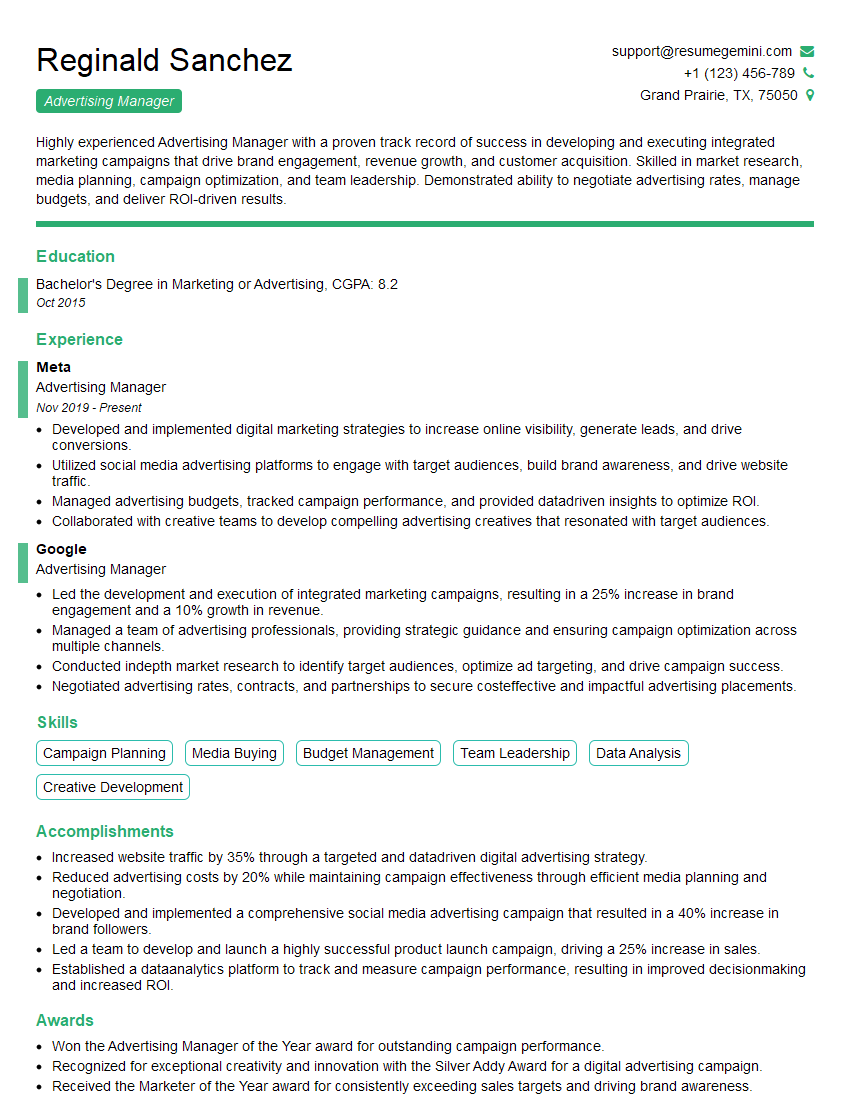
Advertising Manager Resume Sample
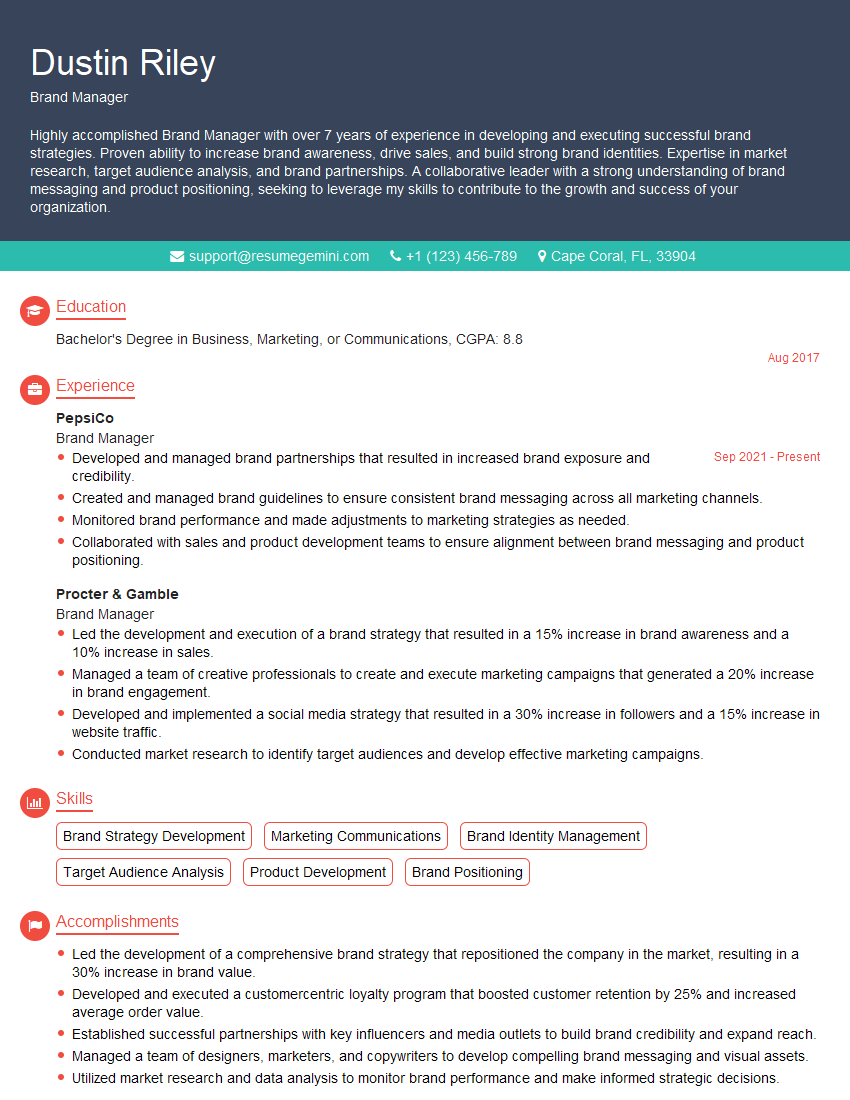
Brand Manager Resume Sample
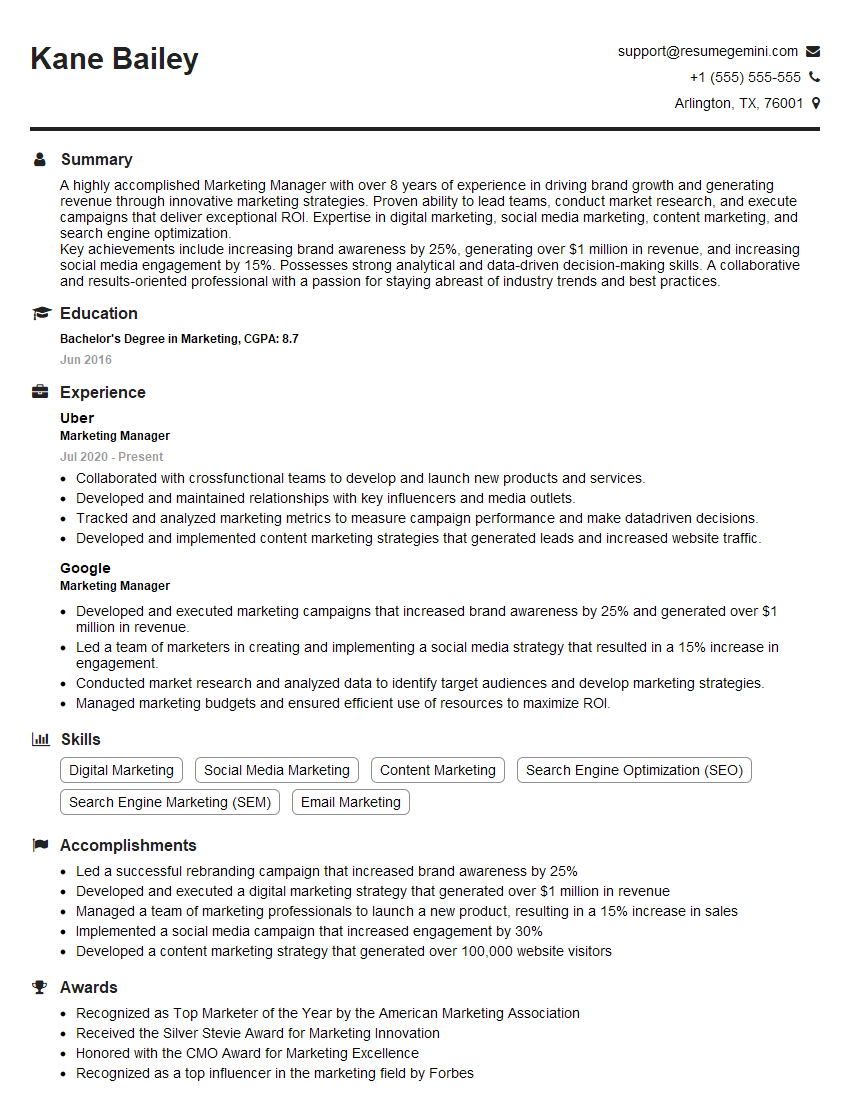
Marketing Manager Resume Sample

Media Planner Resume Sample

Communications Director Resume Sample

Marketing Communications Manager Resume Sample
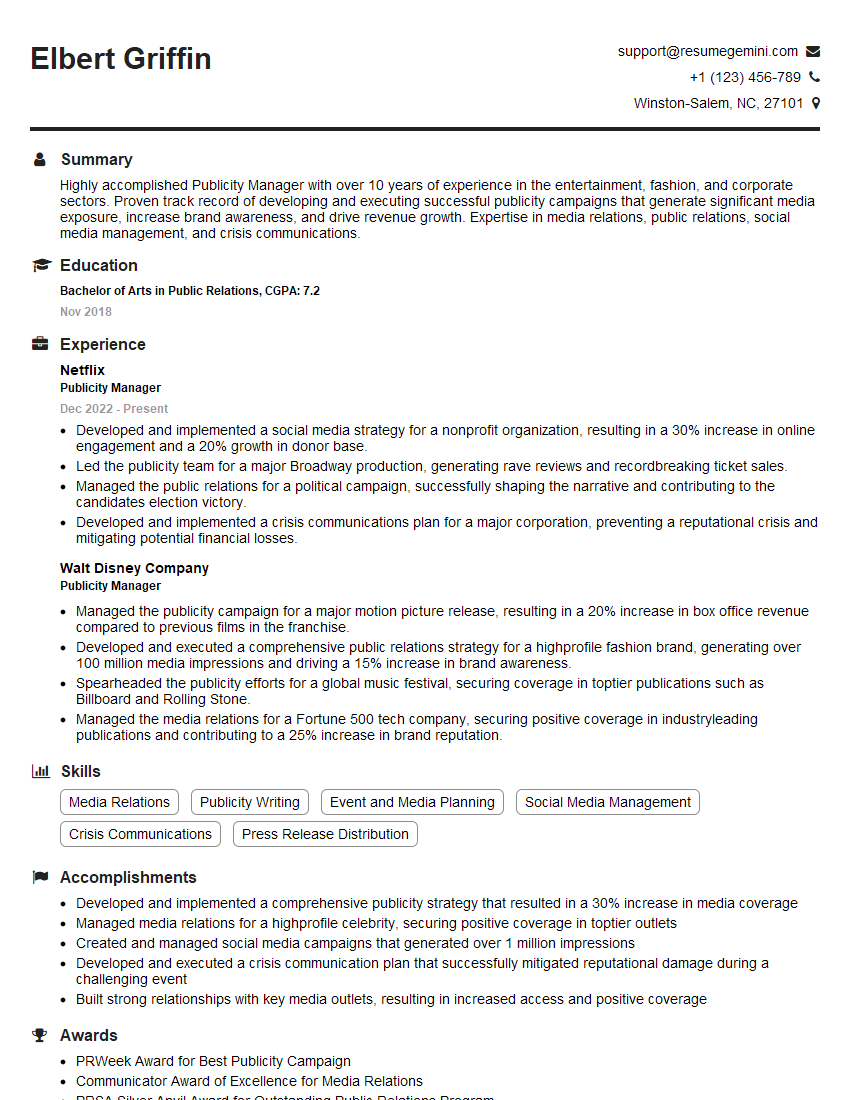
Publicity Manager Resume Sample
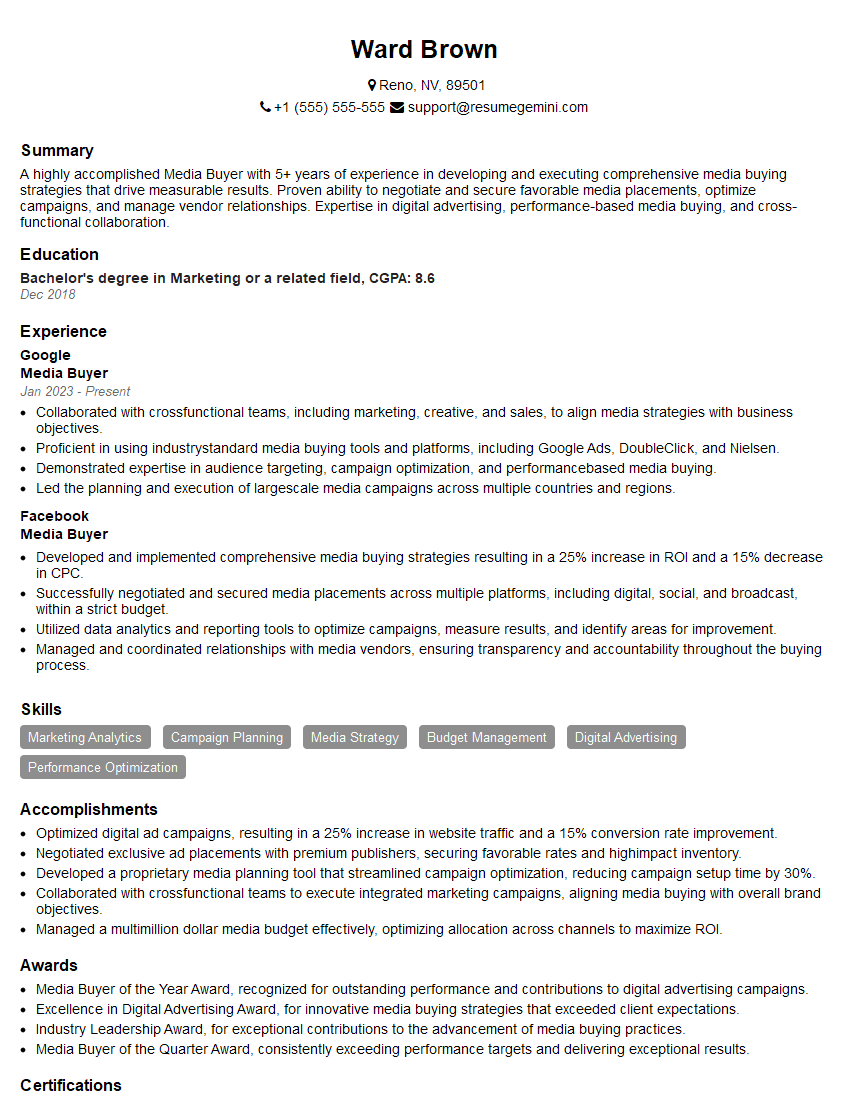
Media Buyer Resume Sample
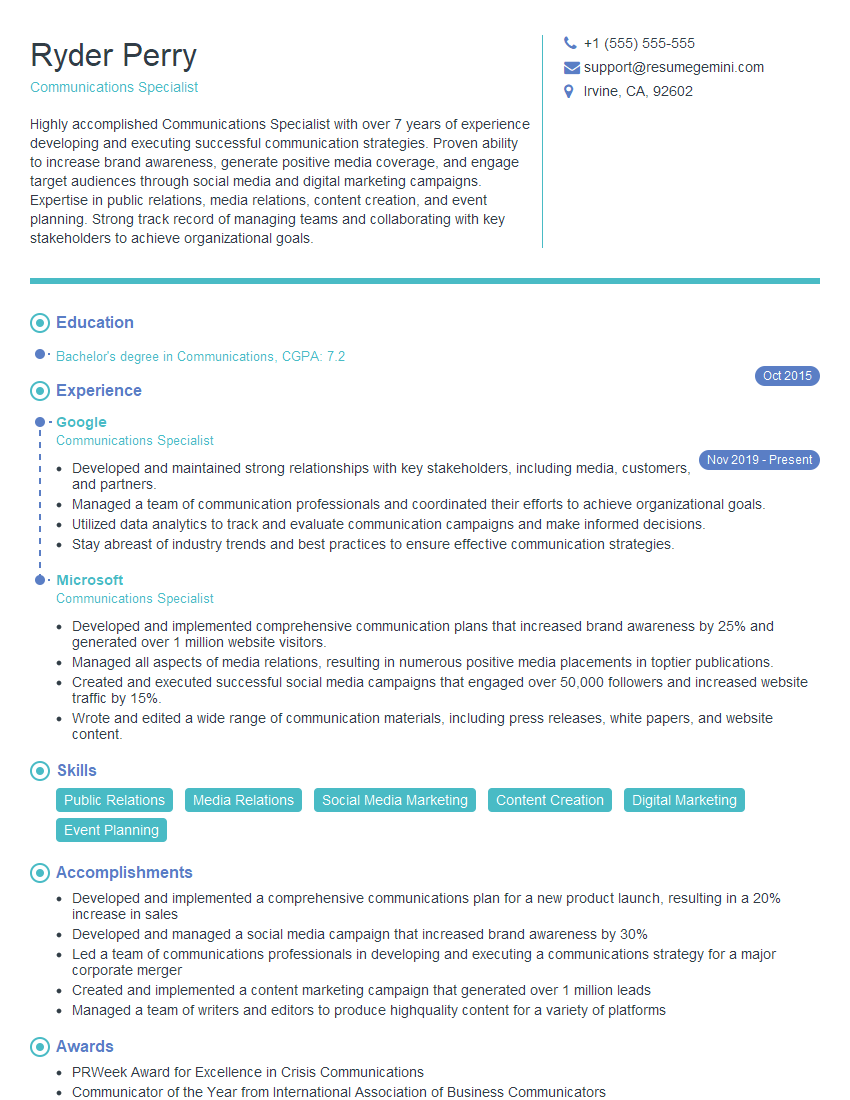
Communications Specialist Resume Sample

Social Media Manager Resume Sample

Communications Consultant Resume Sample
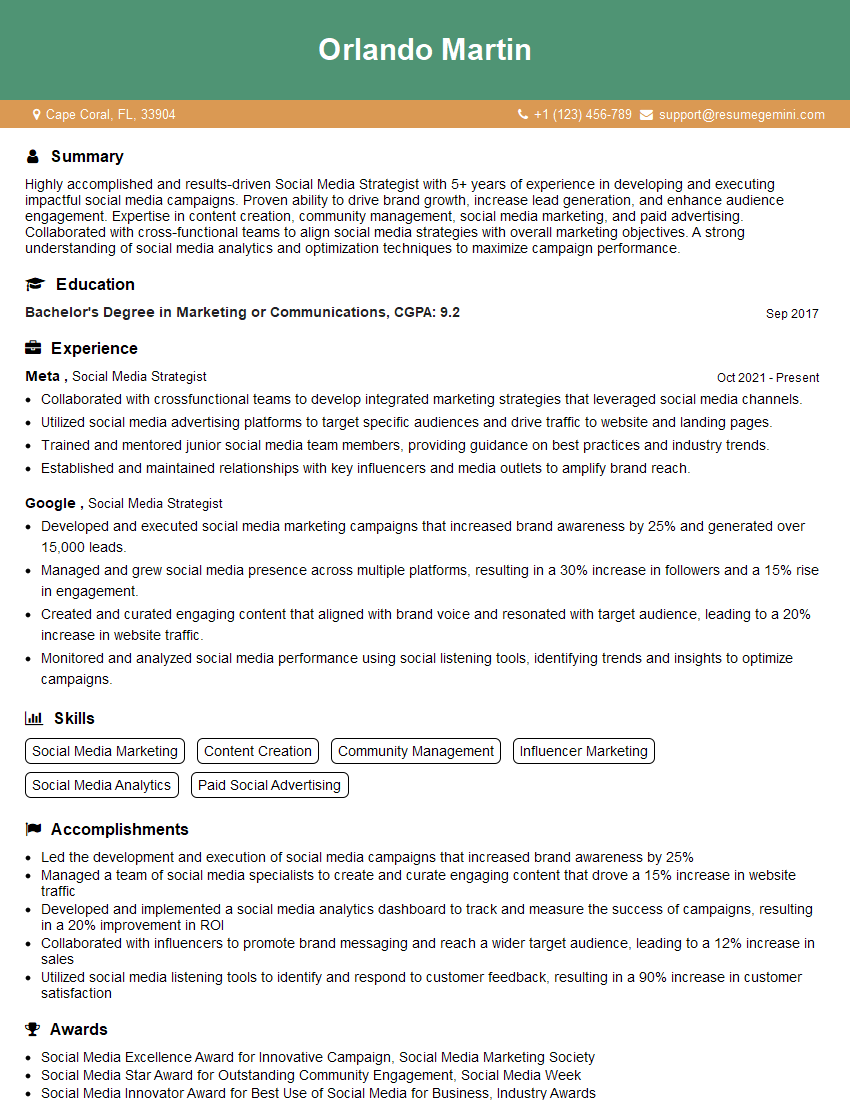
Social Media Strategist Resume Sample
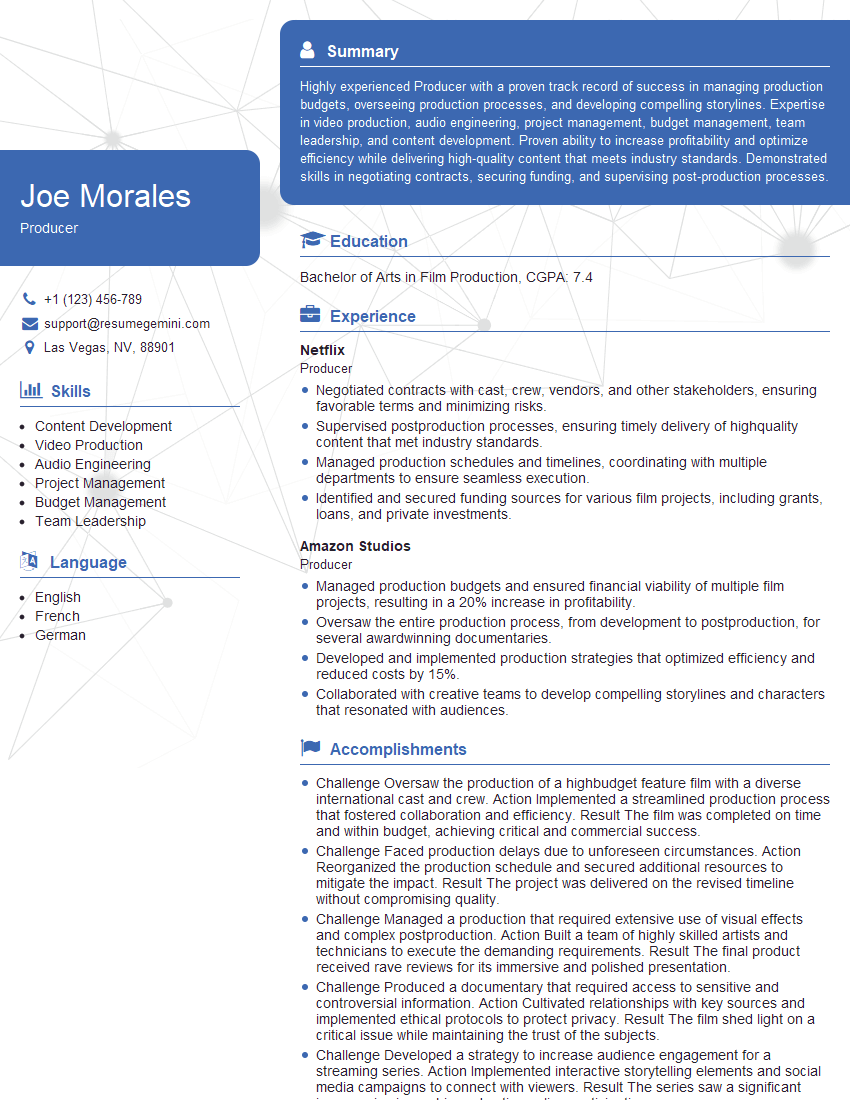
Producer Resume Sample
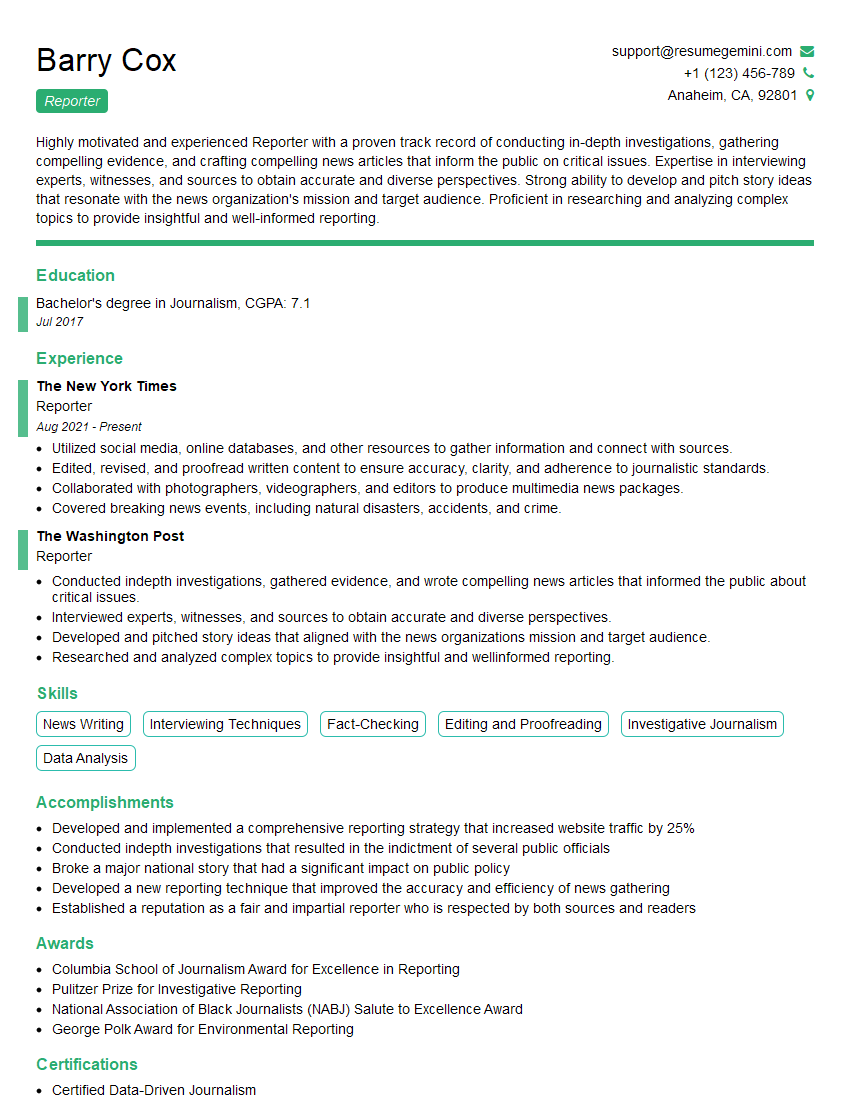
Reporter Resume Sample
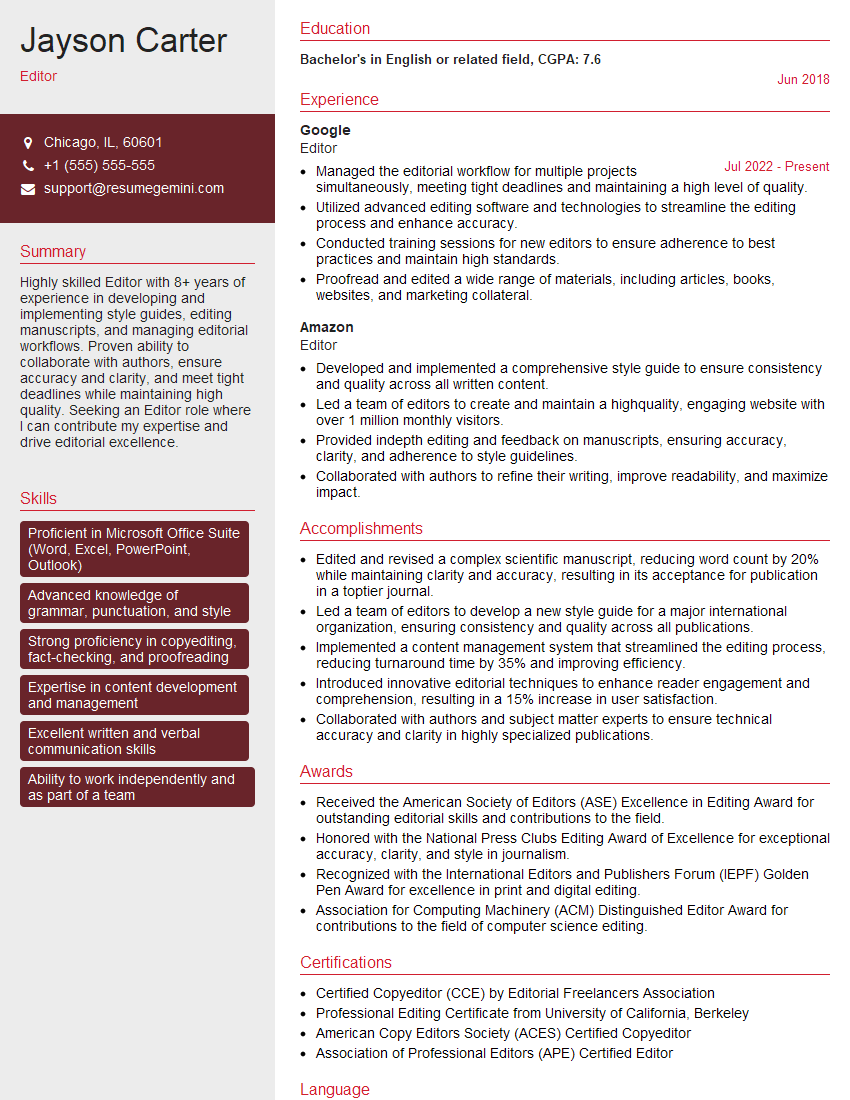
Editor Resume Sample
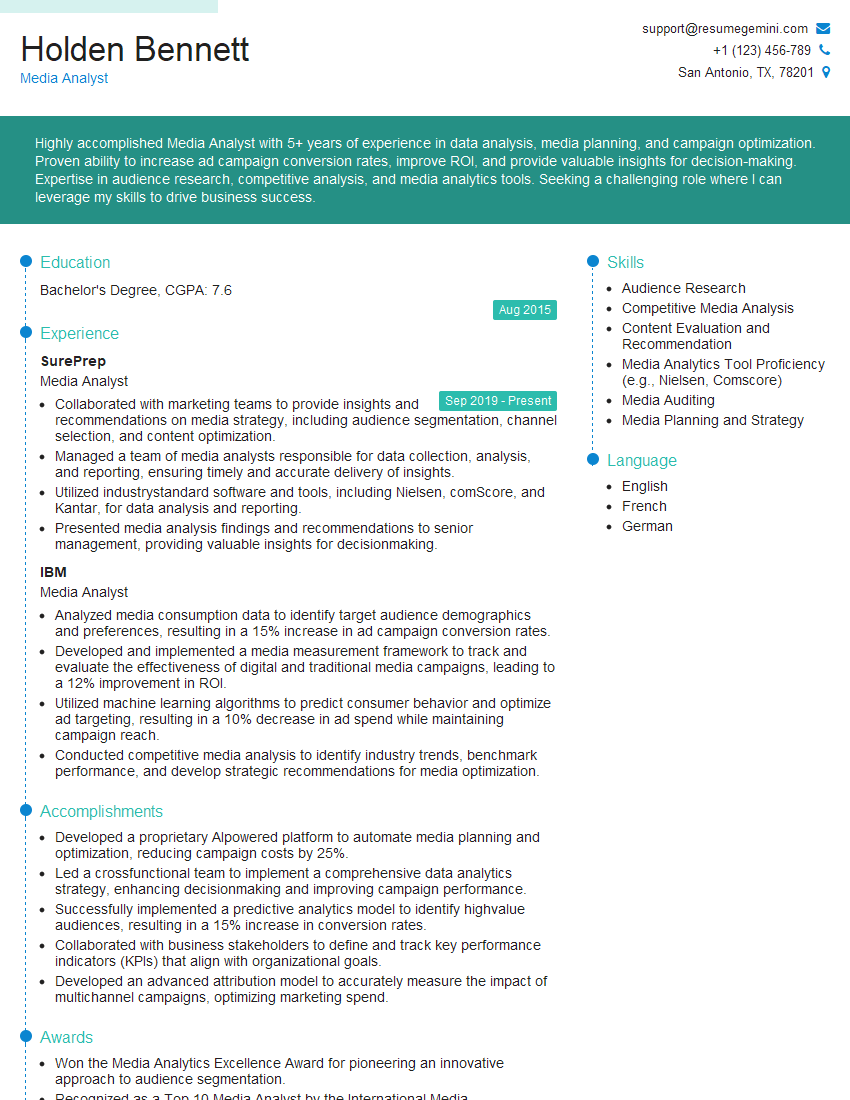
Media Analyst Resume Sample
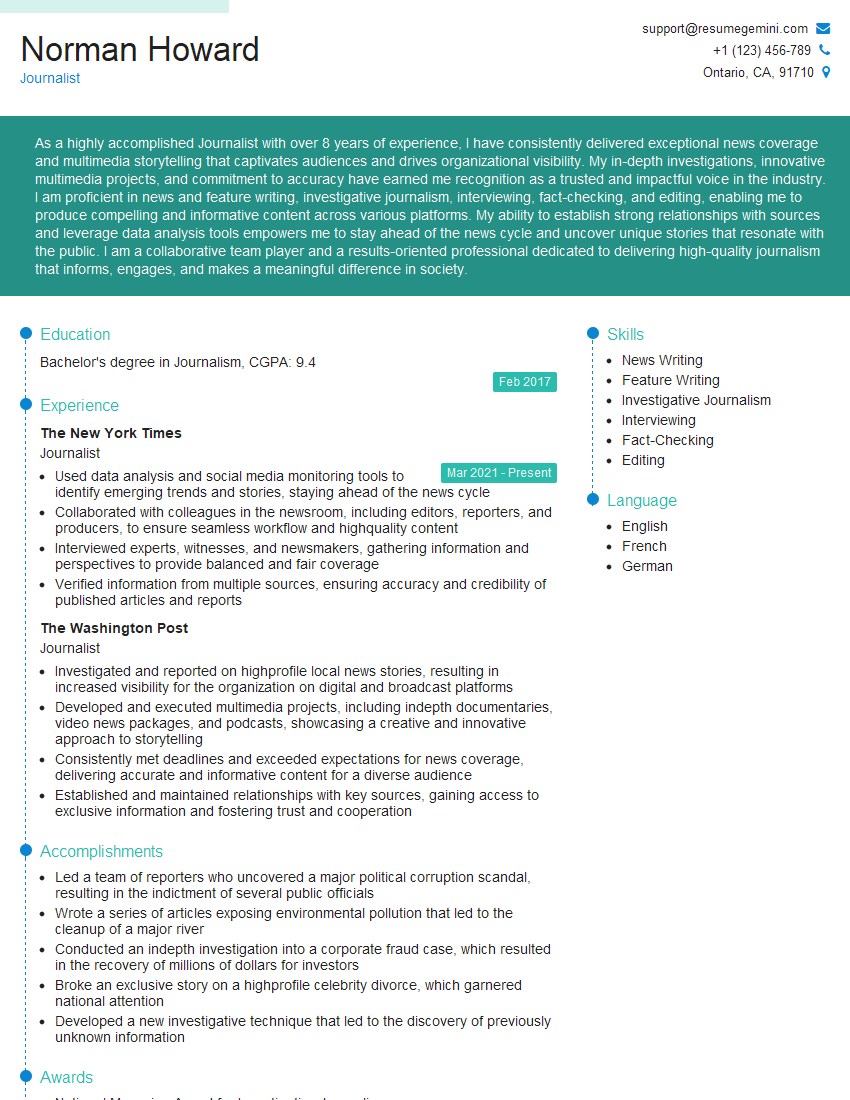
Journalist Resume Sample
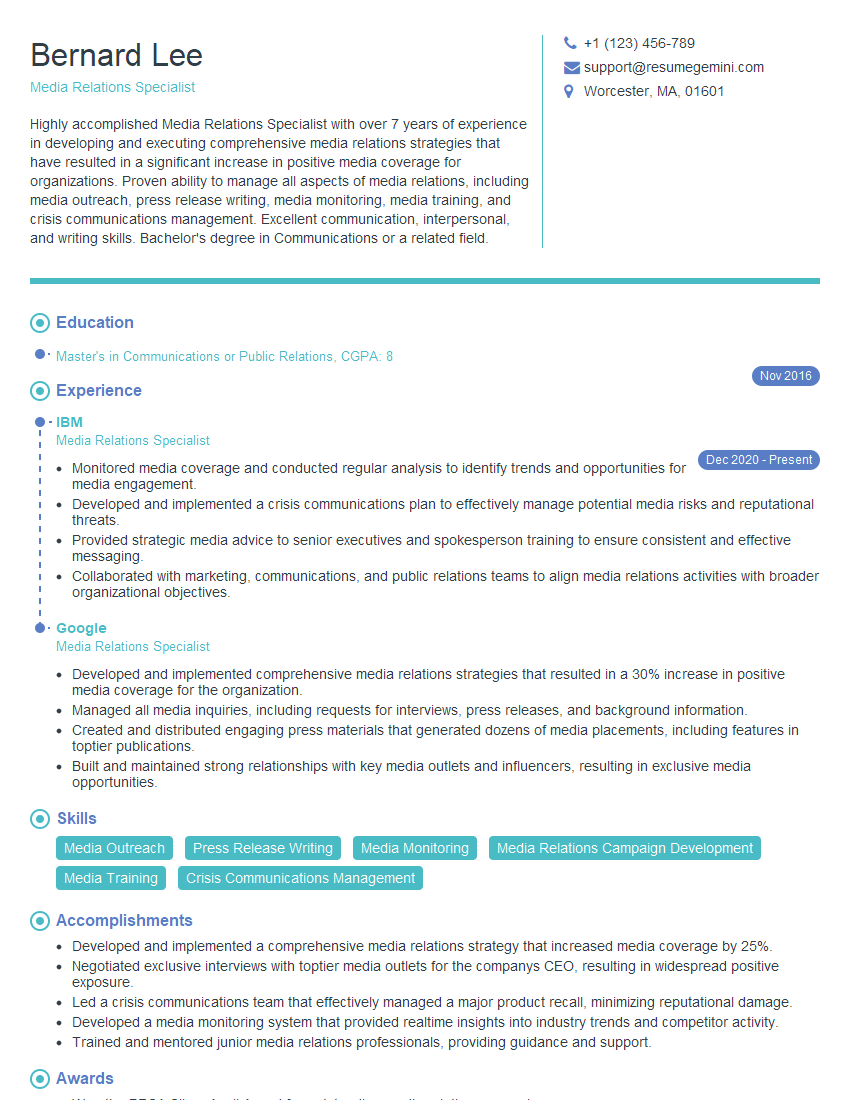
Media Relations Specialist Resume Sample
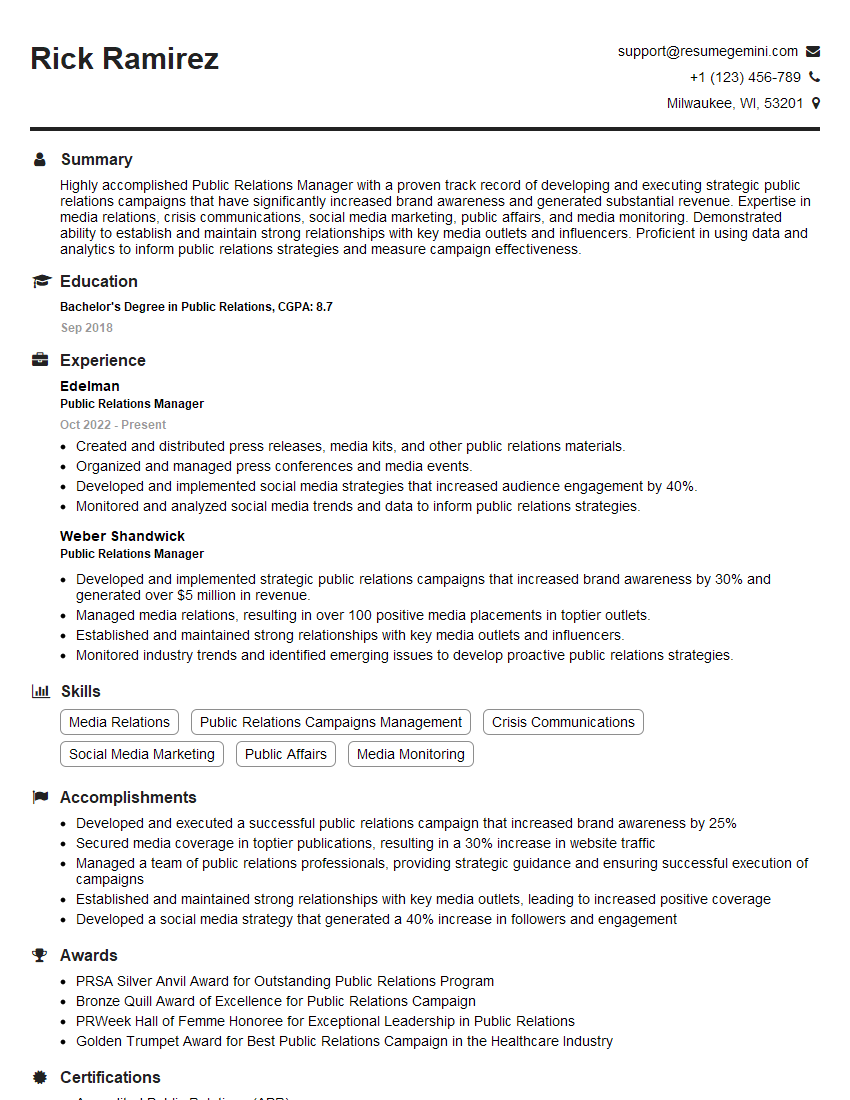
Public Relations Manager Resume Sample

Copywriter Resume Sample
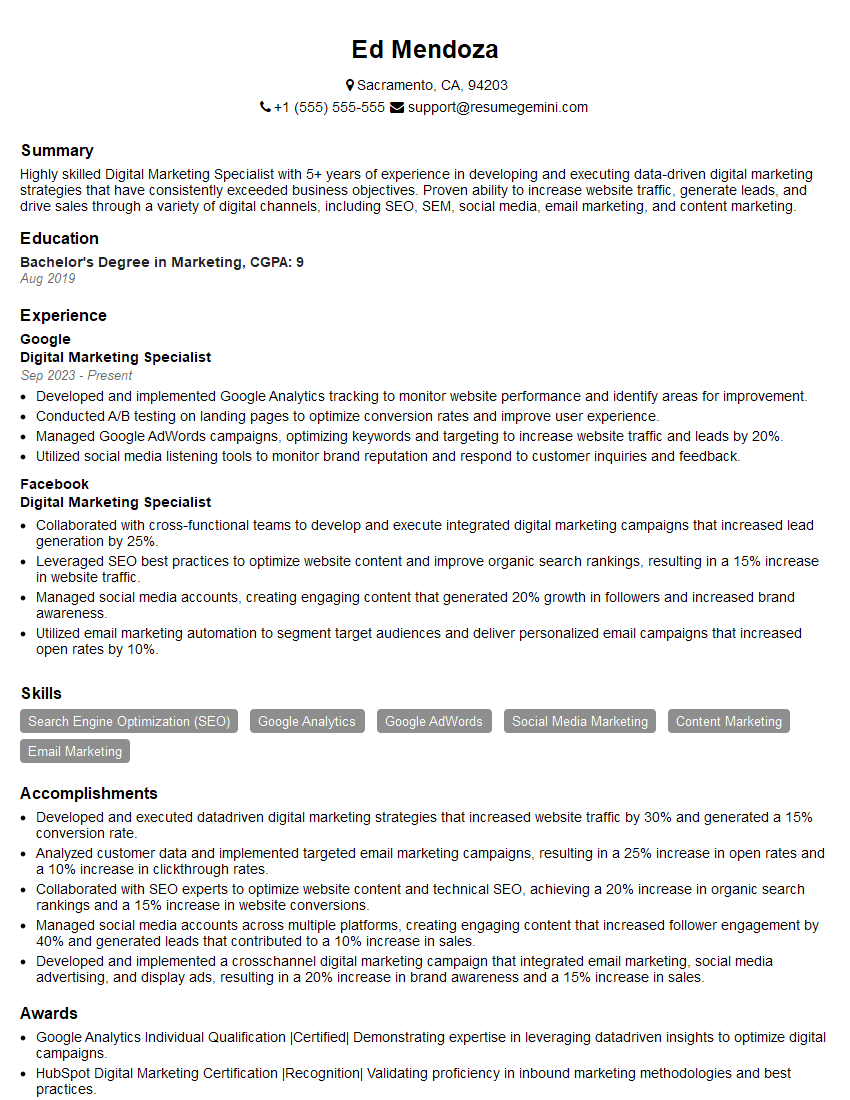
Digital Marketing Specialist Resume Sample

Content Creator Resume Sample
- Advertising Manager
- Brand Manager
- Marketing Manager
- Media Planner
- Communications Director
- Marketing Communications Manager
- Publicity Manager
- Media Buyer
- Communications Specialist
- Social Media Manager
- Communications Consultant
- Social Media Strategist
- Producer
- Reporter
- Editor
- Media Analyst
- Journalist
- Media Relations Specialist
- Public Relations Manager
- Copywriter
- Digital Marketing Specialist
- Content Creator
Explore more articles
Users Rating of Our Blogs
Share Your Experience
We value your feedback! Please rate our content and share your thoughts (optional).
What Readers Say About Our Blog
Very informative content, great job.
good