Interviews are more than just a Q&A session—they’re a chance to prove your worth. This blog dives into essential Medical Device Quality Assurance and Control interview questions and expert tips to help you align your answers with what hiring managers are looking for. Start preparing to shine!
Questions Asked in Medical Device Quality Assurance and Control Interview
Q 1. Explain the difference between Verification and Validation in medical device development.
Verification and Validation (V&V) are crucial processes in medical device development, ensuring the product meets its intended use. They are distinct but complementary activities.
Verification asks, “Are we building the product right?” It confirms that each design and manufacturing step aligns with the pre-defined specifications. Think of it as checking each step of a recipe to ensure you’re following it correctly. Examples include verifying that a component meets its specified dimensions or that a software module performs as designed through unit testing.
Validation asks, “Are we building the right product?” It confirms that the final product meets its intended use and satisfies user needs. It’s the overall check to see if the final dish is delicious and meets your expectations. Examples include conducting clinical trials to demonstrate the efficacy and safety of a new drug delivery system or performing usability testing to confirm the device is user-friendly.
In essence, verification focuses on processes, while validation focuses on the final product’s performance and effectiveness in its intended environment. A device can be verified but not validated (built correctly but not suitable for its intended purpose), highlighting the importance of both processes.
Q 2. Describe your experience with ISO 13485.
I have extensive experience working under the ISO 13485 standard, the globally recognized quality management system for medical devices. In my previous role at [Previous Company Name], I was directly involved in implementing and maintaining the ISO 13485 QMS. This included:
- Developing and updating documented procedures to comply with the standard.
- Conducting internal audits to assess compliance and identify areas for improvement.
- Participating in management review meetings to analyze QMS performance and ensure continuous improvement.
- Collaborating with cross-functional teams, including design, manufacturing, and regulatory affairs, to ensure compliance throughout the product lifecycle.
- Managing corrective and preventative actions (CAPAs) to address non-conformities and prevent recurrence.
One specific project involved leading the implementation of a new document control system, which streamlined document management and improved traceability, significantly improving our compliance with ISO 13485 requirements. This project reduced document-related non-conformities by 40% within six months.
Q 3. How familiar are you with 21 CFR Part 820?
21 CFR Part 820, the US Food and Drug Administration’s (FDA) Quality System Regulation, is extremely familiar to me. I understand its requirements for medical device manufacturers, encompassing design controls, production and process controls, and quality audits. My experience includes:
- Developing and implementing design control procedures, ensuring traceability of design inputs, outputs, and verification and validation activities.
- Participating in design reviews and risk management activities to ensure product safety and effectiveness.
- Working with manufacturing to establish and maintain process controls to ensure consistent product quality.
- Conducting internal audits to ensure compliance with 21 CFR Part 820 requirements.
- Managing CAPAs to address non-conformities and prevent recurrence.
I’m particularly adept at navigating the intricacies of 21 CFR Part 820, specifically the documentation requirements, which are crucial for demonstrating compliance during FDA inspections. In one instance, I helped a company successfully pass an FDA audit by meticulously documenting their quality system and design controls, proactively addressing any potential issues.
Q 4. What is a CAPA and how do you manage them?
A Corrective and Preventative Action (CAPA) is a systematic process for addressing non-conformities, identifying root causes, and implementing corrective and preventative actions to prevent recurrence. It’s a critical aspect of continuous improvement within any medical device quality system.
My CAPA management process typically involves these steps:
- Identify and report the non-conformity: Documenting the issue, its impact, and potential risks.
- Investigate the root cause: Using tools like fishbone diagrams or 5 Whys to determine the underlying causes.
- Develop and implement corrective actions: Addressing the immediate issue and restoring compliance.
- Develop and implement preventative actions: Addressing the root cause to prevent similar issues from happening again.
- Verify the effectiveness of actions: Monitoring and evaluating the effectiveness of the implemented actions.
- Close the CAPA: Documenting the closure once all actions are completed and verified.
I utilize a CAPA tracking system to ensure that all CAPAs are effectively managed and followed through to completion. I’ve successfully managed numerous CAPAs in various medical device companies, consistently improving process efficiency and product quality.
Q 5. Explain your understanding of risk management in medical device development (e.g., ISO 14971).
Risk management, often guided by ISO 14971, is a crucial element in medical device development. It’s a systematic process to identify, analyze, and control risks associated with the device throughout its lifecycle. The goal is to mitigate hazards and ensure patient safety.
My understanding encompasses the following key aspects:
- Hazard analysis: Identifying potential hazards associated with the device, such as electrical shock, infection, or allergic reactions.
- Risk analysis: Evaluating the likelihood and severity of each hazard, determining the risk level.
- Risk control: Implementing risk control measures to mitigate the identified risks, such as design modifications, warning labels, or specific usage instructions.
- Risk evaluation: Assessing the effectiveness of the implemented risk control measures.
- Risk acceptance: Defining acceptable levels of residual risk that cannot be completely eliminated.
I’m proficient in using various risk management tools, such as Failure Mode and Effects Analysis (FMEA) and Fault Tree Analysis (FTA), to systematically assess and manage risks throughout the product development process. Experience with risk management ensures robust and safe medical devices are brought to market.
Q 6. Describe your experience with internal audits.
I possess significant experience conducting internal audits, a crucial component of a robust quality management system. These audits assess compliance with regulatory requirements, internal standards, and documented procedures. My experience includes:
- Developing audit plans based on risk assessment and regulatory requirements.
- Performing audits according to established procedures, utilizing checklists and documented evidence.
- Identifying and documenting non-conformities and observations.
- Collaborating with auditees to understand the root causes of non-conformities.
- Reporting audit findings to management and recommending corrective and preventative actions.
- Following up on corrective actions to ensure effectiveness.
I’ve led internal audit programs in several organizations, improving the overall quality and effectiveness of the audits. This included developing standardized audit procedures and improving communication between the audit team and management.
Q 7. How would you handle a non-conformity?
Handling a non-conformity requires a systematic and documented approach. My process includes:
- Immediate containment: Taking immediate actions to prevent further non-conformities, such as isolating affected products or halting production.
- Investigation: Determining the root cause of the non-conformity, using appropriate tools and techniques (e.g., 5 Whys, fishbone diagrams).
- Non-conformity report: Documenting all details of the non-conformity, including the root cause, affected products, and potential impact.
- Corrective action: Implementing actions to resolve the immediate non-conformity and restore compliance.
- Preventative action: Implementing actions to prevent similar non-conformities from occurring in the future.
- Verification: Verifying that the corrective and preventative actions have been effective in resolving the issue and preventing recurrence.
- Closure: Formally closing the non-conformity once all actions are completed and verified.
Effective non-conformity handling is essential for continuous improvement and maintaining a robust quality management system. My experience ensures non-conformities are addressed promptly and efficiently, minimizing their impact and preventing future occurrences.
Q 8. What is your experience with Design Control?
Design Control is a systematic approach to ensure that medical devices are designed to meet their intended use and regulatory requirements. It’s a crucial part of the product development lifecycle, ensuring safety and effectiveness. My experience encompasses all phases, from initial concept and feasibility studies through design verification and validation, and finally, design transfer to manufacturing.
- Requirement Definition: I’ve been involved in defining user needs, translating them into detailed design input requirements, and creating robust requirement specifications using tools like DOORS. For example, I helped define the requirements for a new insulin pump, carefully considering factors like accuracy, safety, and user-friendliness.
- Design Output: I’ve collaborated with engineering teams to develop design outputs, ensuring traceability to the input requirements. This includes reviewing design documents, drawings, and specifications to confirm they meet the established criteria. One project involved reviewing the detailed circuit diagrams for a cardiac pacemaker, verifying every component’s functionality and safety.
- Design Verification & Validation: I have extensive experience planning and executing design verification and validation activities, including testing and analysis to demonstrate that the design meets the predefined requirements. This involved using simulations, bench testing, and clinical trials where appropriate. For instance, I participated in the design verification testing of a new surgical robot, ensuring it performed as specified under various operating conditions.
- Design Transfer: I’ve played a key role in transferring the approved design to manufacturing, ensuring a smooth transition and maintaining design integrity. This includes creating detailed manufacturing instructions and working with manufacturing engineers to establish robust processes.
Q 9. What is your experience with process validation?
Process validation is the documented evidence that a process consistently produces a product or service that meets its predetermined specifications and quality attributes. My experience covers various validation methodologies, including IQ (Installation Qualification), OQ (Operational Qualification), and PQ (Performance Qualification). It is essential for ensuring consistent product quality and regulatory compliance.
- IQ: I’ve participated in installing and testing the equipment used in manufacturing processes, confirming that the equipment is correctly installed and calibrated according to the manufacturer’s instructions. For example, I helped validate a new automated assembly line for a disposable medical device by confirming the correct installation of all components and the accuracy of the control system.
- OQ: I have overseen the verification of the equipment’s performance capabilities. This involves testing the equipment at various operational parameters to confirm its functionality within the specified limits. This includes temperature mapping in autoclaves, pressure validation in filling lines, and testing of automated inspection systems.
- PQ: I’ve been responsible for demonstrating that the entire manufacturing process consistently delivers a product meeting predetermined specifications. This is often achieved through a series of production runs where critical quality parameters are monitored and analyzed. For example, we performed a PQ for the sterilization process of a new surgical instrument, monitoring the sterility assurance level throughout the process.
In all cases, thorough documentation is paramount. We use validation protocols, reports, and deviations to track the entire process and any issues encountered.
Q 10. How do you ensure compliance with regulatory requirements?
Ensuring compliance with regulatory requirements is an ongoing responsibility, requiring a proactive and comprehensive approach. My experience includes working with regulations like 21 CFR Part 820 (US) and ISO 13485 (International). It’s not just about meeting minimum requirements but exceeding expectations in the name of patient safety.
- Regulatory Knowledge: I have a thorough understanding of applicable regulations and standards, staying updated on changes and amendments through continuous professional development and participation in industry events.
- Quality System: I’ve been involved in implementing and maintaining a comprehensive quality management system (QMS) that aligns with the relevant regulations. This involves creating and maintaining procedures, work instructions, and records to support compliance.
- Risk Management: I utilize risk management methodologies, such as Failure Mode and Effects Analysis (FMEA), to identify potential hazards and implement appropriate controls. This is crucial in mitigating potential risks to patient safety and product quality.
- Audits and Inspections: I have experience in preparing for and participating in internal and external audits, including those conducted by regulatory bodies. We use audits to identify areas for improvement and ensure compliance is maintained.
- CAPA System: A robust Corrective and Preventive Action (CAPA) system is critical. I’ve overseen the investigation of non-conformances, root cause analysis, and implementation of corrective and preventive actions to prevent recurrence.
Compliance is not a checklist, it’s a culture. It involves every member of the team and requires consistent vigilance.
Q 11. What are your experiences with different types of quality audits (internal, external, supplier)?
My experience with quality audits encompasses various types, each with unique objectives and methodologies.
- Internal Audits: I’ve conducted numerous internal audits, evaluating compliance with our QMS and identifying areas for improvement. This involves reviewing documentation, observing processes, and interviewing personnel. We use a structured audit program with established audit checklists and reporting procedures.
- External Audits: I’ve participated in external audits conducted by notified bodies and regulatory agencies. These audits are more rigorous and involve a comprehensive evaluation of our QMS and product quality. Preparing for these audits requires meticulous documentation and robust evidence of compliance.
- Supplier Audits: I’ve performed supplier audits to evaluate the quality systems and capabilities of our suppliers. This is crucial for ensuring that the components and materials we receive meet our quality standards. The audit process typically includes reviewing supplier documentation, observing manufacturing processes, and verifying their ability to meet our requirements.
Regardless of the audit type, the goal remains the same: to identify strengths, weaknesses, and areas for improvement, ultimately enhancing product quality and patient safety.
Q 12. Explain your understanding of statistical process control (SPC).
Statistical Process Control (SPC) is a powerful tool for monitoring and controlling manufacturing processes. It utilizes statistical methods to identify variations and trends in process data, allowing for proactive intervention to prevent defects. I’ve used SPC extensively to improve process capability and reduce variability.
- Control Charts: I’ve implemented and interpreted various control charts, such as X-bar and R charts, to monitor critical process parameters. These charts visually represent process performance over time, allowing for early detection of out-of-control situations. For example, we use X-bar and R charts to monitor the weight of tablets during the manufacturing process, ensuring consistency.
- Process Capability Analysis: I’ve performed process capability analysis (e.g., Cp, Cpk) to assess the ability of a process to meet specification limits. This helps determine if a process is capable of producing products that consistently meet customer requirements. If not, it directs us to investigate and improve the process.
- Data Analysis: I’m proficient in analyzing process data to identify trends and patterns, using statistical software such as Minitab. This helps us determine the root cause of variations and implement effective corrective actions.
SPC is not simply about collecting data; it’s about using data to make informed decisions and continuously improve process performance.
Q 13. Describe your experience with document control systems.
Document control systems are vital for maintaining the integrity and accuracy of all regulated documents within a medical device company. My experience includes implementing and maintaining document control systems using both paper-based and electronic document management systems (EDMS).
- Document Creation & Review: I’ve been involved in the development of procedures for creating, reviewing, and approving documents, ensuring proper version control and authorizations. This includes using templates and standard operating procedures to maintain consistency.
- Document Distribution & Access: I have experience implementing systems for controlled distribution of documents, ensuring that only authorized personnel have access to the latest versions. EDMS play a crucial role here, ensuring audit trails and preventing access to outdated documents.
- Document Change Control: I’ve managed document change control processes, including the identification of necessary revisions, review and approval steps, and distribution of updated documents. This ensures the accuracy and currency of all regulated documents.
- Document Retention & Archival: I understand the importance of proper document retention and archival practices, ensuring compliance with regulatory requirements. This includes both electronic and physical storage and retrieval systems.
A well-functioning document control system is essential for demonstrating compliance and maintaining the traceability of all critical records.
Q 14. How do you handle customer complaints?
Handling customer complaints is a critical aspect of quality assurance in the medical device industry. It requires a systematic approach to investigate the complaint, determine the root cause, and implement corrective actions to prevent recurrence.
- Complaint Intake & Investigation: I’ve managed the process of receiving, documenting, and investigating customer complaints, using a standardized complaint handling procedure. This includes collecting all relevant information from the customer, such as product lot number, use conditions, and any adverse events.
- Root Cause Analysis: I’ve used various root cause analysis techniques, such as the 5 Whys, fishbone diagrams, and fault tree analysis, to determine the underlying causes of customer complaints. This is crucial for effective corrective actions.
- Corrective & Preventive Actions (CAPA): I’ve implemented CAPAs to address the root causes of complaints, preventing similar issues from occurring in the future. This involves reviewing manufacturing processes, updating design specifications, or implementing new quality control measures.
- Customer Communication: I’ve been responsible for communicating with customers regarding the progress of their complaint investigation and the corrective actions taken. This involves providing updates on a timely basis and ensuring customer satisfaction.
Effective complaint handling not only addresses immediate issues but also contributes to continuous improvement and enhancement of product quality and patient safety.
Q 15. Explain your experience with corrective and preventive actions (CAPA).
Corrective and Preventive Actions (CAPA) is a systematic process for identifying, investigating, and resolving quality issues within a medical device company. It’s crucial for preventing recurrence and ensuring patient safety. My experience encompasses the entire CAPA lifecycle, from initial complaint or non-conformance identification to effective implementation and verification of corrective actions.
In my previous role, we utilized a CAPA system that involved several key steps: First, a thorough investigation was conducted to determine the root cause of the issue using tools like Fishbone diagrams and 5 Whys analysis. For example, if we received a complaint about a malfunctioning component, we would meticulously trace it back to the source – whether it was a supplier issue, a process deficiency, or a design flaw. Next, we’d develop and implement corrective actions to immediately address the issue and prevent immediate recurrence. This often included immediate containment actions such as quarantine of affected product or temporary process changes. Following this, we would develop preventative actions to address the root cause and prevent future occurrences. This might involve process improvements, operator training, or design changes. Finally, we rigorously verified the effectiveness of implemented actions through monitoring, audits, and ongoing data analysis to demonstrate sustained improvement. The entire process is meticulously documented and reviewed to continuously improve our CAPA system’s efficiency and effectiveness. We also used key performance indicators (KPIs) such as CAPA cycle time and effectiveness rates to track performance.
Career Expert Tips:
- Ace those interviews! Prepare effectively by reviewing the Top 50 Most Common Interview Questions on ResumeGemini.
- Navigate your job search with confidence! Explore a wide range of Career Tips on ResumeGemini. Learn about common challenges and recommendations to overcome them.
- Craft the perfect resume! Master the Art of Resume Writing with ResumeGemini’s guide. Showcase your unique qualifications and achievements effectively.
- Don’t miss out on holiday savings! Build your dream resume with ResumeGemini’s ATS optimized templates.
Q 16. How familiar are you with design failure mode and effects analysis (DFMEA)?
Design Failure Mode and Effects Analysis (DFMEA) is a proactive risk assessment tool used during the design phase of a medical device to identify potential failure modes and their associated effects. It’s a critical component of a robust quality management system, allowing us to mitigate risks before they reach production. I’m highly familiar with DFMEA; I’ve led and participated in numerous DFMEA sessions throughout my career.
My approach to DFMEA involves a collaborative team effort with representatives from various disciplines – engineering, manufacturing, regulatory affairs, and clinical. We systematically evaluate each component and function of the device, identifying potential failure modes and assigning severity, occurrence, and detection ratings to each. This scoring system helps prioritize the risks and focus our mitigation efforts on the most critical ones. For instance, in the design of an implantable device, a DFMEA might highlight the risk of component failure leading to device malfunction. We would then evaluate the severity of this potential failure (e.g., patient harm), the likelihood of occurrence, and the probability of detecting the failure before it reaches the patient. Based on these ratings, we would implement preventative actions, such as using more robust components or adding redundant safety mechanisms.
Q 17. What is your experience with process failure mode and effects analysis (PFMEA)?
Process Failure Mode and Effects Analysis (PFMEA) is similar to DFMEA, but it focuses on the manufacturing process rather than the product design. It’s a crucial tool for identifying and mitigating potential failures within the manufacturing process. My extensive experience with PFMEA involves leading teams through the process, from initial brainstorming sessions to implementing corrective actions.
One particular project involved a PFMEA for the assembly process of a complex catheter. By systematically analyzing each step of the assembly process, we identified a potential failure mode where a critical component could be improperly seated, leading to a malfunction during use. The PFMEA helped us to quantify the risk associated with this failure mode and implement corrective actions. These included revising the assembly instructions, providing additional operator training, and implementing a visual inspection step. Regular PFMEA updates are important, especially when processes are changed or improved. This iterative approach ensures that our processes remain robust and reliable and that any potential risks are adequately controlled. As with DFMEA, this proactive approach minimizes issues and ensures production of high-quality, safe devices.
Q 18. Explain your experience with root cause analysis techniques.
Root Cause Analysis (RCA) is a systematic approach to identifying the underlying causes of problems, not just the symptoms. I’m proficient in several RCA techniques, including the 5 Whys, Fishbone diagrams (Ishikawa diagrams), fault tree analysis, and Failure Mode, Effects and Criticality Analysis (FMECA). My experience shows how applying these techniques correctly leads to effective problem resolution and prevents recurrence.
For example, during an investigation into a recurring batch failure in a sterilization process, I utilized the 5 Whys technique. By repeatedly asking “Why?” we unearthed the root cause: a malfunctioning temperature sensor that wasn’t being regularly calibrated. This led to a corrective action of implementing a more robust calibration schedule and procedure along with a better preventative maintenance plan. The Fishbone diagram was particularly useful in another investigation; it helped us visually organize the various potential contributing factors to a product defect, helping to identify potential root causes quickly and efficiently.
Q 19. How would you manage a change control process?
Change control is a critical process in medical device manufacturing, ensuring that any changes to design, manufacturing processes, or quality systems are thoroughly evaluated and approved before implementation. My experience in managing change control involves establishing a robust change control system that meets regulatory requirements. This includes clearly defined roles, responsibilities, and procedures.
The process typically begins with a formal change request, which is then reviewed and assessed for potential impact on product quality, safety, and regulatory compliance. A risk assessment is crucial at this stage. Next, a change implementation plan is developed, outlining the steps needed to implement the change safely and efficiently. The implementation is rigorously monitored and verified. Finally, the change is documented and archived to maintain a complete audit trail. For instance, if a change is proposed to a critical manufacturing process, we’d initiate a comprehensive change control process, including validation studies to confirm that the change doesn’t negatively impact product quality or performance. Post-change monitoring is equally important to assess the ongoing effectiveness of the change and address any unintended consequences. This proactive approach ensures continuous improvement while safeguarding patient safety and compliance with regulatory standards.
Q 20. Describe your experience with supplier quality management.
Supplier Quality Management (SQM) is vital for ensuring the quality and reliability of components and materials used in medical devices. My experience includes developing and implementing robust SQM systems, engaging with suppliers throughout the supply chain, and working to resolve supplier quality issues proactively.
This involves establishing clear quality requirements and expectations with suppliers through detailed specifications, supplier audits, and performance monitoring. We utilize a tiered approach, conducting regular audits on critical suppliers, using a more frequent monitoring process based on risk. For instance, if a supplier consistently fails to meet our specifications, we would work closely with them to implement corrective actions, potentially including training, process improvements, or even supplier change. We also employ a supplier corrective action request (SCAR) process to ensure that supplier quality problems are addressed effectively and promptly. Proactive monitoring and close collaboration with our supply chain help in maintaining consistency in the quality of components and materials used in manufacturing, which contributes to overall product quality and patient safety.
Q 21. How do you ensure data integrity in quality systems?
Data integrity is paramount in medical device quality systems. It ensures the accuracy, completeness, consistency, and trustworthiness of all data. My experience focuses on implementing measures to safeguard data integrity across various systems and processes, including design control, manufacturing, and CAPA.
This involves establishing clear procedures for data handling, validation, and archiving. We employ robust electronic data management systems with appropriate access controls and audit trails. Furthermore, we implement regular data backups and recovery procedures, protecting against data loss or corruption. Training personnel on proper data handling practices, including record-keeping and data entry, is vital. We also conduct periodic audits and data integrity checks, verifying the accuracy and reliability of data. For example, we use electronic signatures for traceability and version control of documents. This comprehensive approach ensures that the data supporting product quality and regulatory compliance is accurate and reliable, promoting transparency and safeguarding patient safety.
Q 22. What is your experience with traceability in medical device manufacturing?
Traceability in medical device manufacturing is crucial for ensuring product safety and quality. It’s the ability to track a device’s journey from raw material sourcing to final delivery and, importantly, to trace any potential issues back to their source. This is achieved through a comprehensive system of documentation and identification at every stage of production.
My experience involves implementing and auditing traceability systems that utilize unique device identifiers (UDIs), lot numbers, and batch records. For example, we used a serialized tracking system where each individual component and the finished device received a unique identifier, linked to its manufacturing history in a centralized database. This allowed us to pinpoint the source of a specific batch of devices implicated in a minor recall, allowing for a rapid and efficient containment strategy. This system also facilitated efficient investigations during audits from regulatory bodies like the FDA.
Furthermore, I’ve worked with implementing robust barcode and RFID systems to automatically capture and record data throughout the manufacturing process, significantly improving accuracy and reducing manual errors.
Q 23. How familiar are you with different types of quality testing (e.g., performance, reliability)?
I’m highly familiar with various quality testing methods. These tests are crucial to ensure that medical devices meet stringent safety and performance standards. They can be broadly classified into several categories:
- Performance Testing: This verifies that the device functions as intended under specified conditions. Examples include verifying the accuracy of a blood pressure monitor or the effectiveness of a sterilization process.
- Reliability Testing: This assesses the device’s ability to consistently perform its intended function over time and under various conditions. This involves accelerated life testing and stress testing to predict the device’s lifespan and identify potential failure modes.
- Safety Testing: This focuses on identifying potential hazards and evaluating the device’s safety features. This includes biocompatibility testing (for materials in contact with the body), electromagnetic compatibility (EMC) testing, and electrical safety testing.
- Biocompatibility Testing: This is particularly crucial for implantable or in-contact devices, ensuring that the materials don’t cause adverse reactions in the body.
- Stability Testing: This evaluates the device’s ability to maintain its quality attributes (e.g., potency, appearance) over its shelf life.
My experience includes designing and executing these tests, analyzing results, and generating reports that demonstrate compliance with relevant standards and regulations.
Q 24. Describe your experience with quality metrics and reporting.
Effective quality metrics and reporting are essential for continuous improvement in medical device manufacturing. My experience includes developing and implementing key performance indicators (KPIs) to track various aspects of the manufacturing process, including defect rates, yield, cycle time, and customer complaints.
I’ve used statistical process control (SPC) charts to monitor process variability and identify potential problems early on. For example, a control chart monitoring the number of defective components per batch helped us identify a subtle shift in a supplier’s process before it led to a significant increase in device failures. I am proficient in generating reports using tools like Excel, statistical software packages, and specialized quality management systems (QMS).
The reports I’ve created have been used for management review, regulatory submissions, and internal process improvement initiatives. I strive to present data clearly and concisely, focusing on actionable insights rather than just raw numbers.
Q 25. How do you prioritize competing quality demands?
Prioritizing competing quality demands often involves a careful balancing act. Factors like cost, schedule, and regulatory requirements often conflict. I typically use a risk-based approach, employing tools such as Failure Mode and Effects Analysis (FMEA) to identify and assess potential risks associated with each demand.
For example, if we have a tight deadline but a potential quality concern, we might prioritize addressing the highest-risk quality issue even if it delays the project slightly. This is because the cost and consequences of releasing a defective device far outweigh the cost of a minor schedule slip. My approach involves open communication and collaboration with stakeholders to reach a consensus on prioritization, ensuring that the most critical quality aspects are always addressed first. Documentation of this prioritization is crucial for auditability.
Q 26. Describe a time you had to resolve a significant quality issue.
During the production of a new surgical instrument, we experienced a significant increase in device failures due to a faulty component. Our initial investigation revealed a higher-than-acceptable failure rate in the locking mechanism. To resolve this, I implemented a multi-pronged approach:
- Root Cause Analysis: We performed a thorough root cause analysis using methods like the 5 Whys and Ishikawa diagrams. This pinpointed the problem to a flaw in the supplier’s manufacturing process.
- Supplier Corrective Action: We worked closely with the supplier to identify and correct the root cause of the defect in their manufacturing process. This included on-site audits and detailed specifications of acceptable quality levels.
- 100% Inspection: As a temporary measure, we implemented 100% inspection of the affected component until the supplier implemented and validated their corrective actions.
- Documentation and Reporting: Detailed documentation of the investigation, corrective actions, and verification activities were maintained and reported to relevant regulatory bodies.
Through this systematic approach, we effectively resolved the quality issue, preventing further failures and ensuring patient safety. This experience emphasized the importance of proactive supplier management and a robust quality management system.
Q 27. What is your experience with software validation in medical devices?
Software validation is a critical aspect of medical device quality assurance, especially for devices with embedded software. It’s the process of verifying that the software meets its specified requirements and functions as intended throughout its lifecycle. My experience encompasses all phases of software validation, from requirements definition to final verification and validation.
I’m familiar with various software validation methodologies, including V-model and Agile. For instance, I’ve been involved in developing and executing test plans that cover unit testing, integration testing, system testing, and user acceptance testing (UAT). These tests are carefully designed to cover a wide range of scenarios, including edge cases and potential failures. The results are meticulously documented and assessed to ensure that the software performs according to the predefined specifications. Traceability is maintained between requirements, design, code, and test cases.
Furthermore, I understand and comply with relevant regulatory requirements such as those outlined by the FDA and IEC 62304 (Medical device software – Software life cycle processes). This includes the use of risk management techniques during software development to mitigate potential risks to patient safety.
Q 28. Explain your understanding of post-market surveillance.
Post-market surveillance (PMS) is the ongoing process of monitoring the safety and performance of a medical device after it’s been released to the market. It’s a critical part of ensuring long-term patient safety and regulatory compliance. My experience includes designing and implementing PMS plans that align with regulatory requirements. These plans generally include several key components:
- Adverse Event Reporting: Establishing a system for collecting and analyzing reports of adverse events, such as malfunctions, injuries, or deaths associated with the device.
- Performance Monitoring: Tracking the device’s performance in the field, including its reliability, effectiveness, and usability.
- Data Analysis: Analyzing collected data to identify trends, patterns, and potential safety signals.
- Corrective Actions: Implementing corrective actions to address any identified safety issues or performance deficiencies.
- Periodic Reporting: Regularly reporting PMS findings to relevant regulatory authorities, such as the FDA.
I have experience in using databases, statistical software, and quality management systems to effectively manage and analyze PMS data, identify trends, and escalate potential safety concerns to the appropriate stakeholders. A robust PMS system provides valuable feedback for continuous improvement and ensures that post-market issues are addressed proactively.
Key Topics to Learn for Medical Device Quality Assurance and Control Interview
- Quality System Regulations (QSR): Understanding FDA 21 CFR Part 820 and other relevant international regulations (e.g., ISO 13485). This includes knowledge of design controls, CAPA (Corrective and Preventive Actions), and risk management.
- Design Control: Practical application of design control principles throughout the product lifecycle, from initial concept to post-market surveillance. Be prepared to discuss your experience with risk assessments, design verification and validation, and design transfer.
- Auditing and Inspections: Understanding internal and external audit processes, including preparation for regulatory inspections. Familiarity with audit methodologies and documentation review is crucial.
- CAPA (Corrective and Preventive Actions): Discuss your experience investigating non-conformances, implementing corrective actions, and preventing recurrence. Be prepared to provide examples of effective CAPA investigations.
- Risk Management: Understanding risk management methodologies such as FMEA (Failure Mode and Effects Analysis) and the application of risk management principles to design, manufacturing, and post-market activities.
- GMP (Good Manufacturing Practices): Understanding the principles of GMP and their application in medical device manufacturing. This includes documentation control, traceability, and environmental monitoring.
- Documentation and Record Keeping: Demonstrate your understanding of the importance of accurate and complete documentation. Be prepared to discuss your experience with various documentation systems and processes.
- Problem-solving and root cause analysis: Showcase your ability to effectively identify and solve problems using tools like 5 Whys, Fishbone diagrams, and other root cause analysis techniques.
- Quality Metrics and Reporting: Understanding key quality metrics and their interpretation, including defect rates, complaint handling, and CAPA effectiveness. Be prepared to discuss how you’ve used data to drive quality improvements.
Next Steps
Mastering Medical Device Quality Assurance and Control opens doors to rewarding and impactful careers within the medical device industry. It’s a field that demands meticulous attention to detail, strong problem-solving skills, and a commitment to patient safety. To maximize your job prospects, creating an ATS-friendly resume is essential. This ensures your qualifications are effectively highlighted to recruiters and Applicant Tracking Systems. We strongly encourage you to leverage ResumeGemini, a trusted resource for building professional and impactful resumes. ResumeGemini provides examples of resumes specifically tailored to Medical Device Quality Assurance and Control, helping you present your skills and experience in the best possible light. Take the next step toward your dream career today!
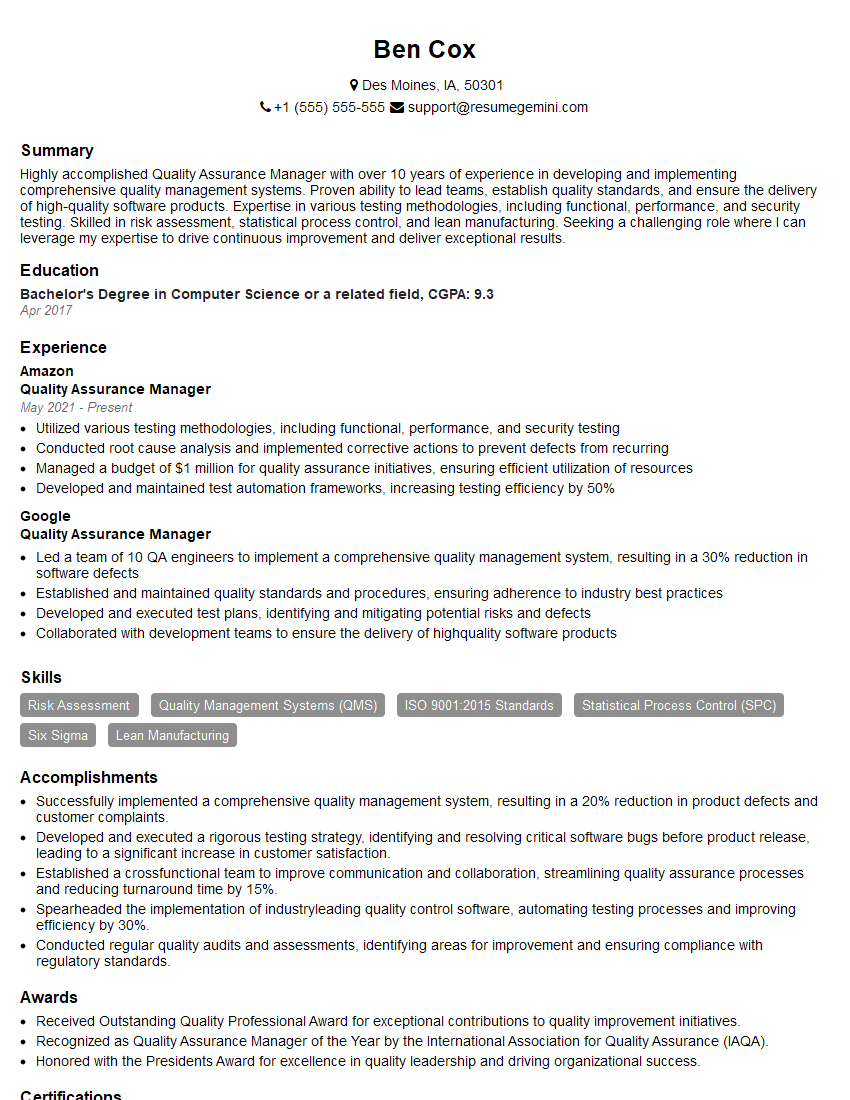
Quality Assurance Manager Resume Sample
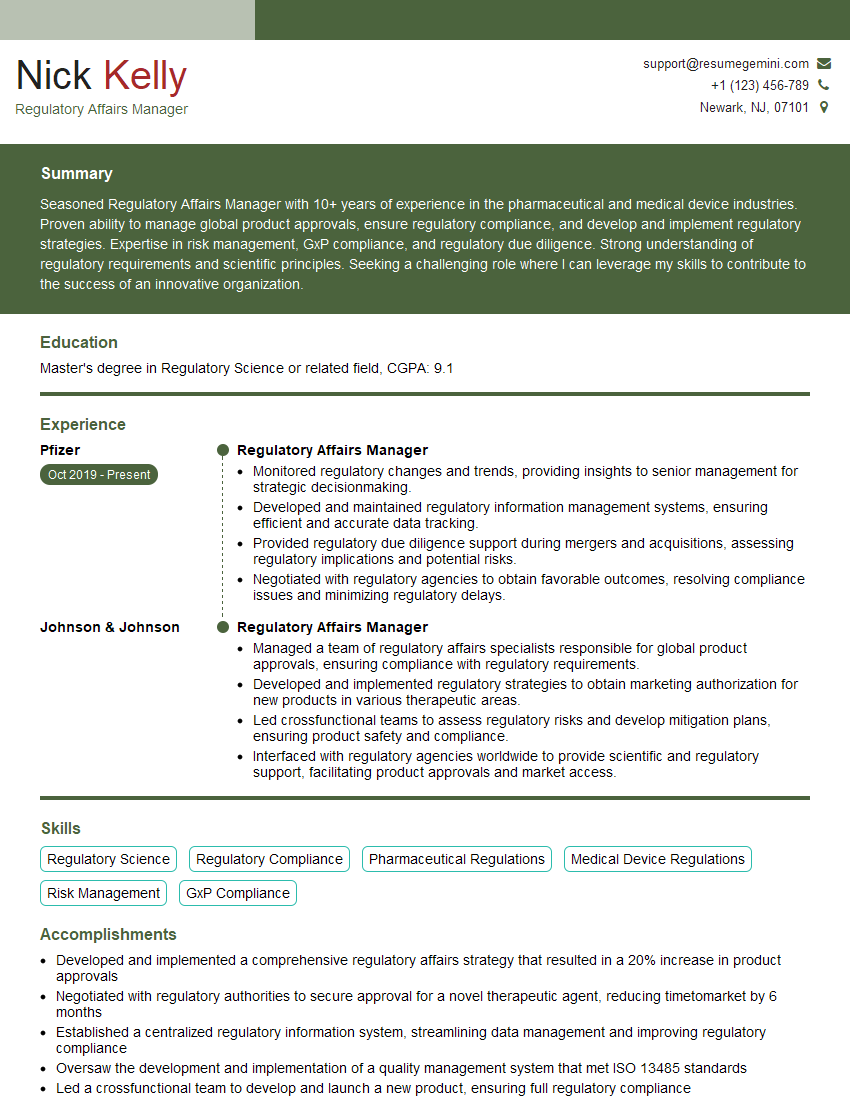
Regulatory Affairs Manager Resume Sample
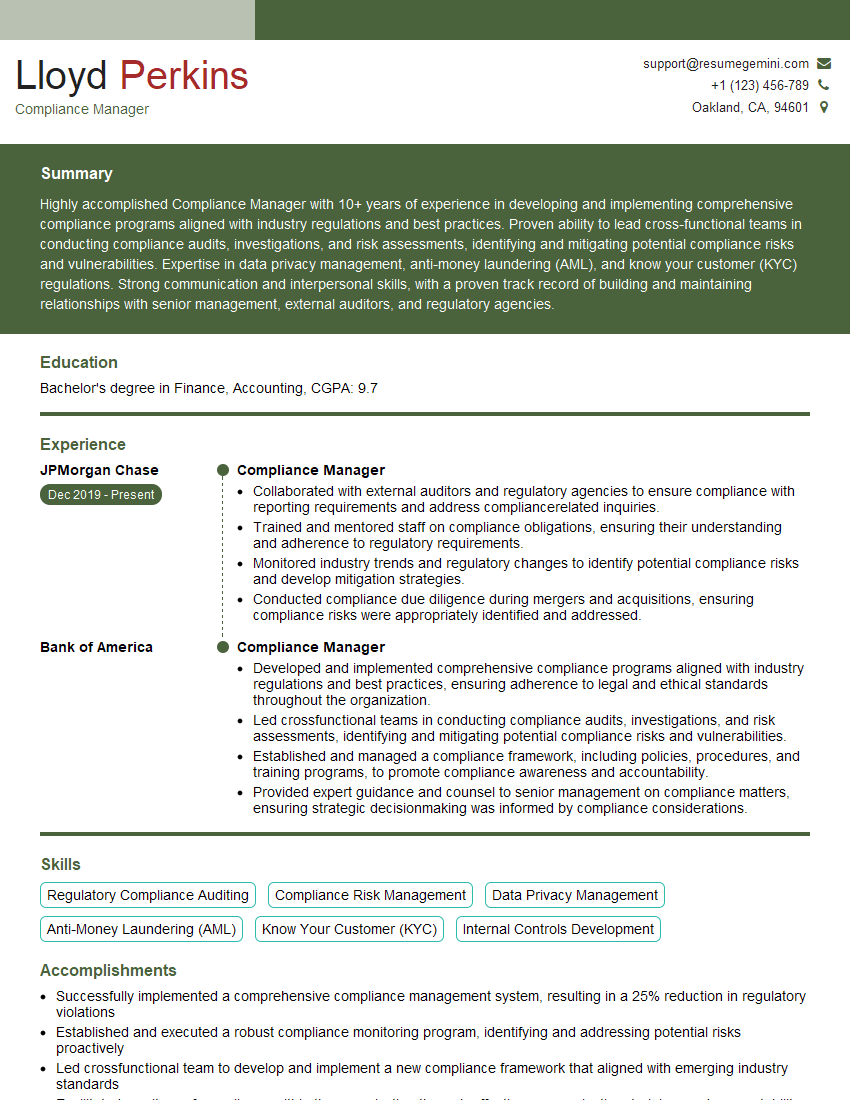
Compliance Manager Resume Sample
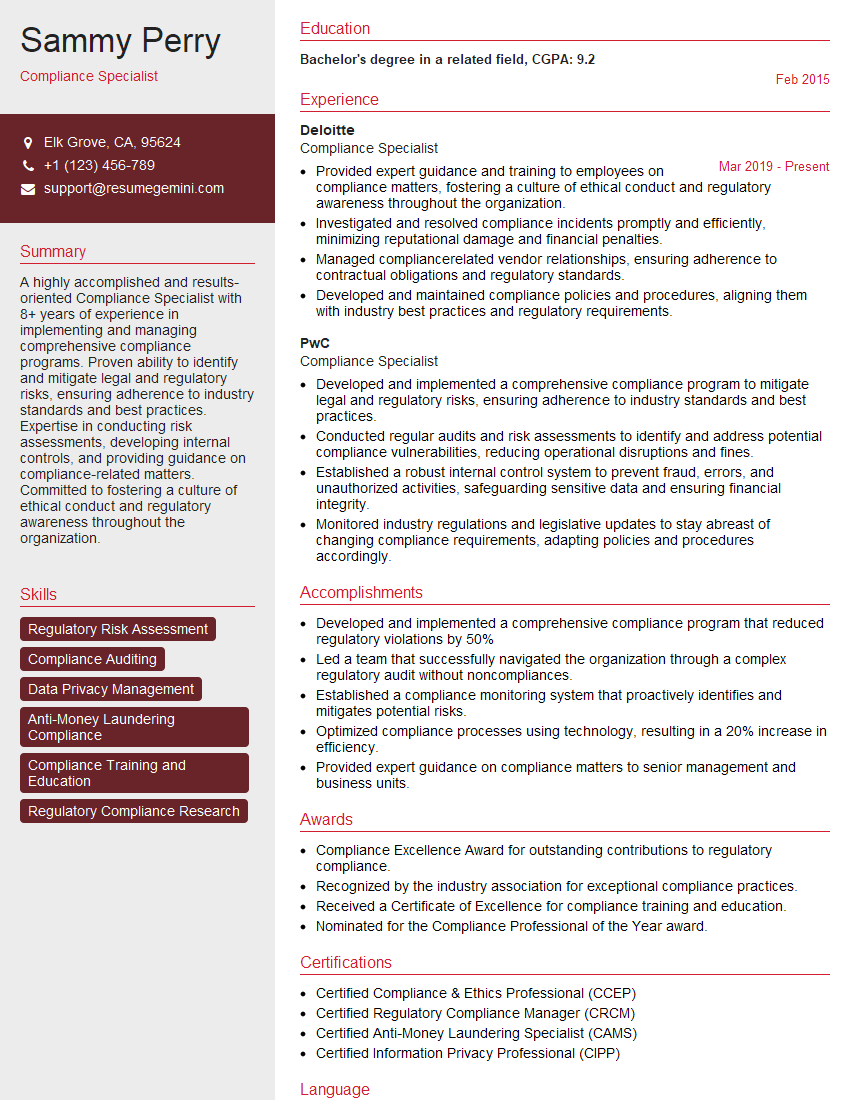
Compliance Specialist Resume Sample
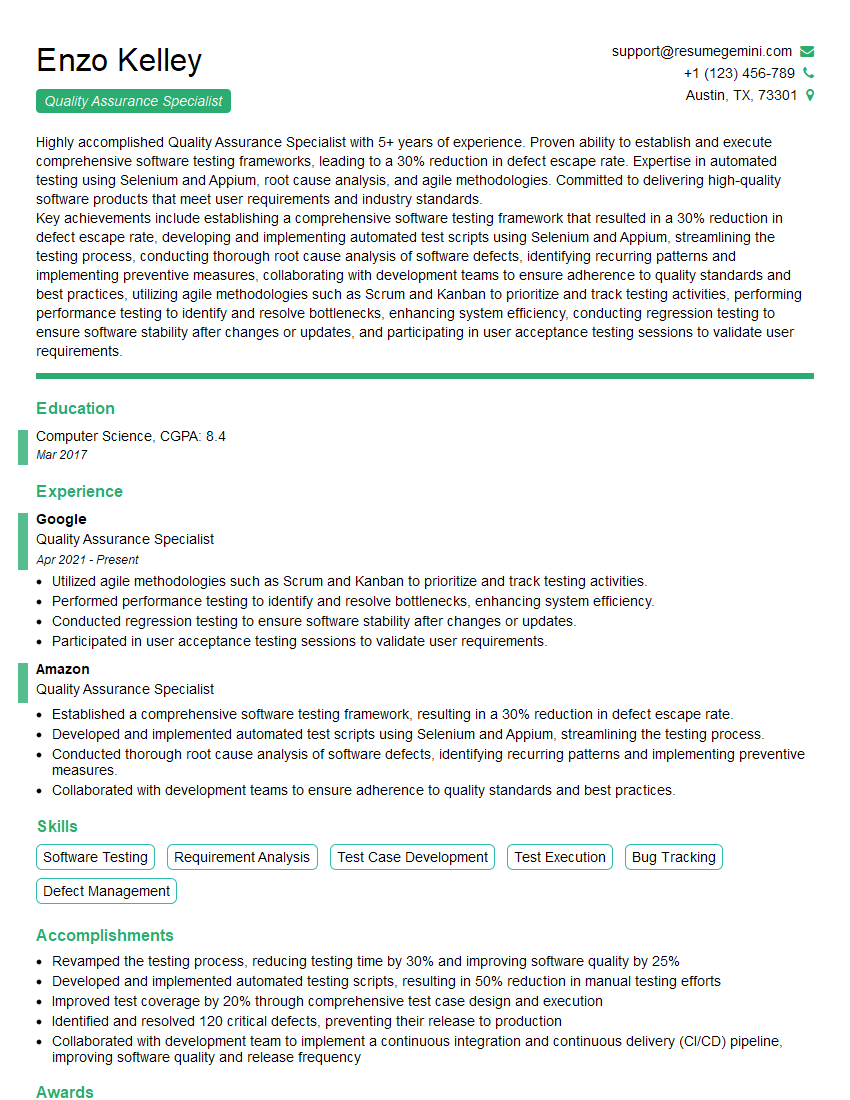
Quality Assurance Specialist Resume Sample
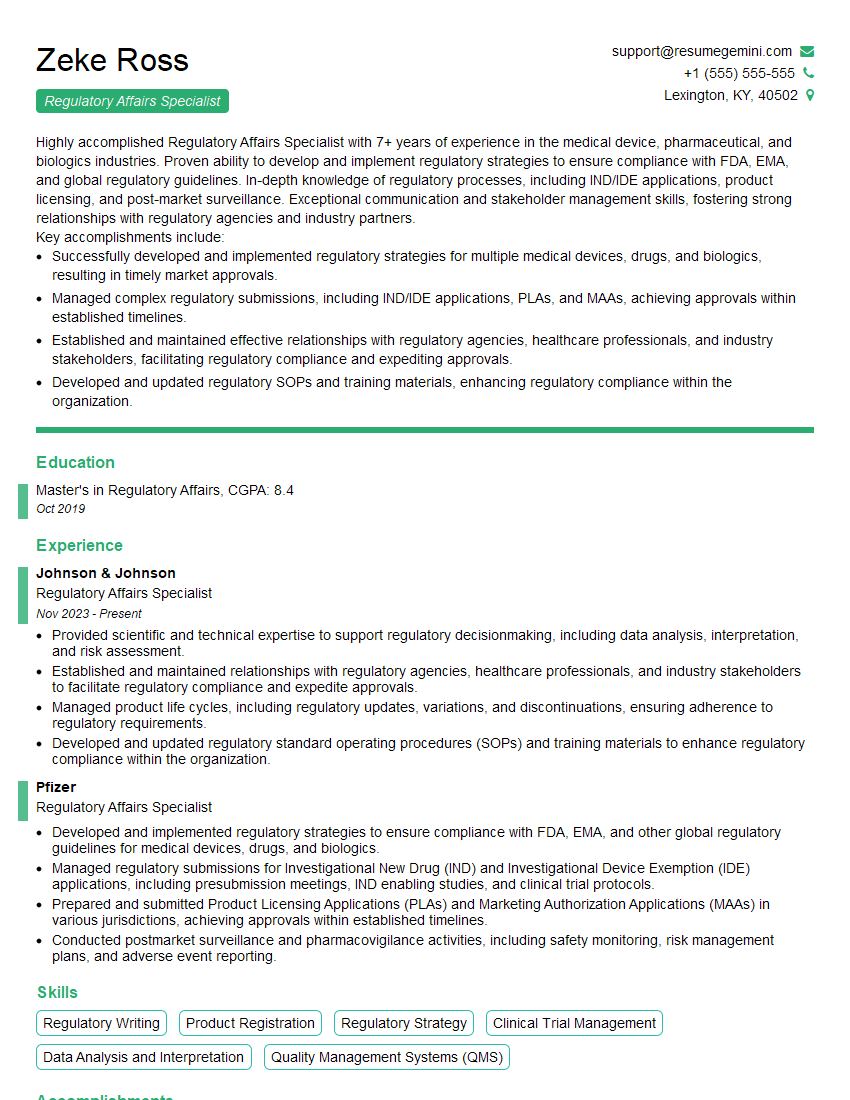
Regulatory Affairs Specialist Resume Sample
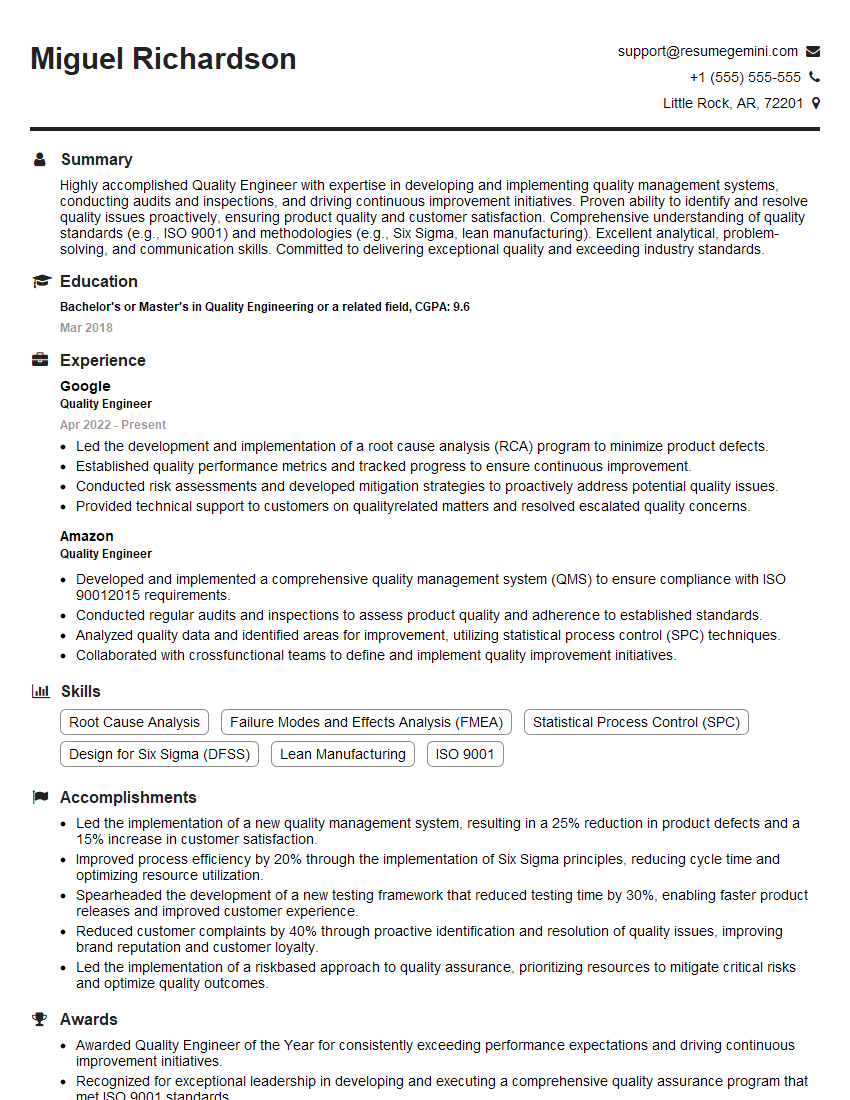
Quality Engineer Resume Sample
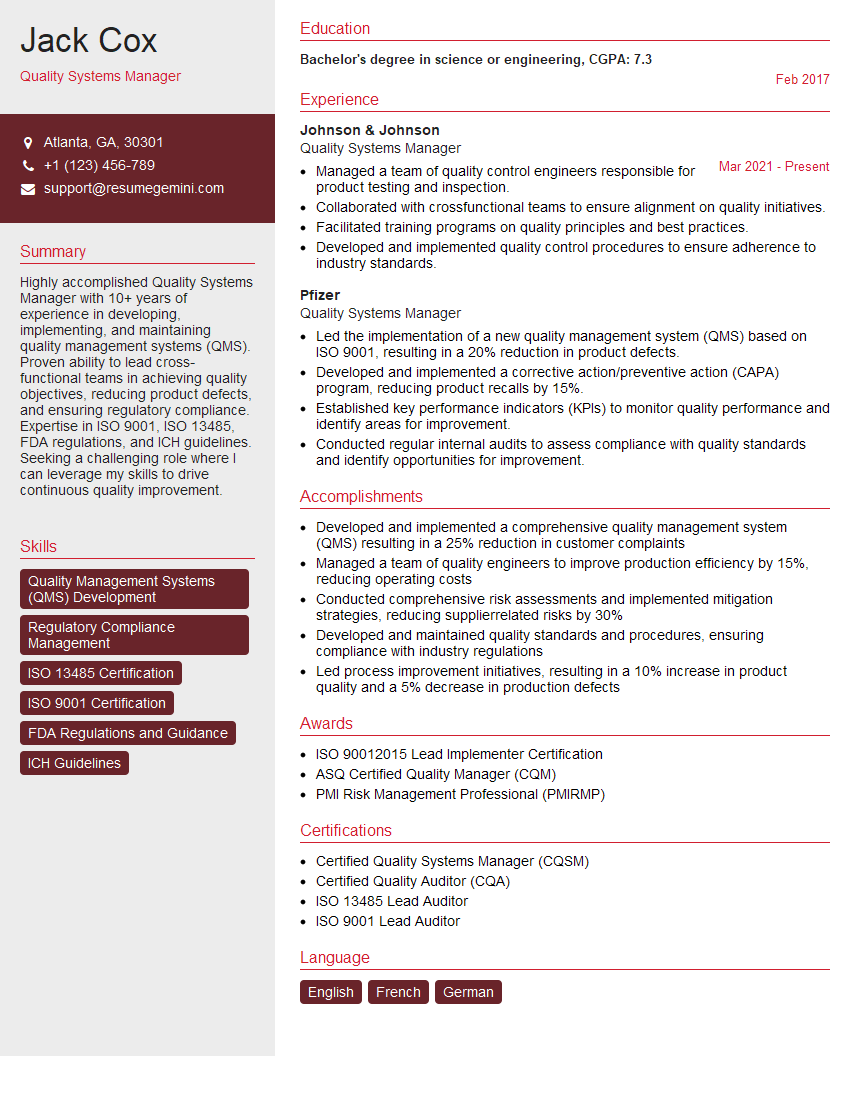
Quality Systems Manager Resume Sample

Quality Assurance Technician Resume Sample
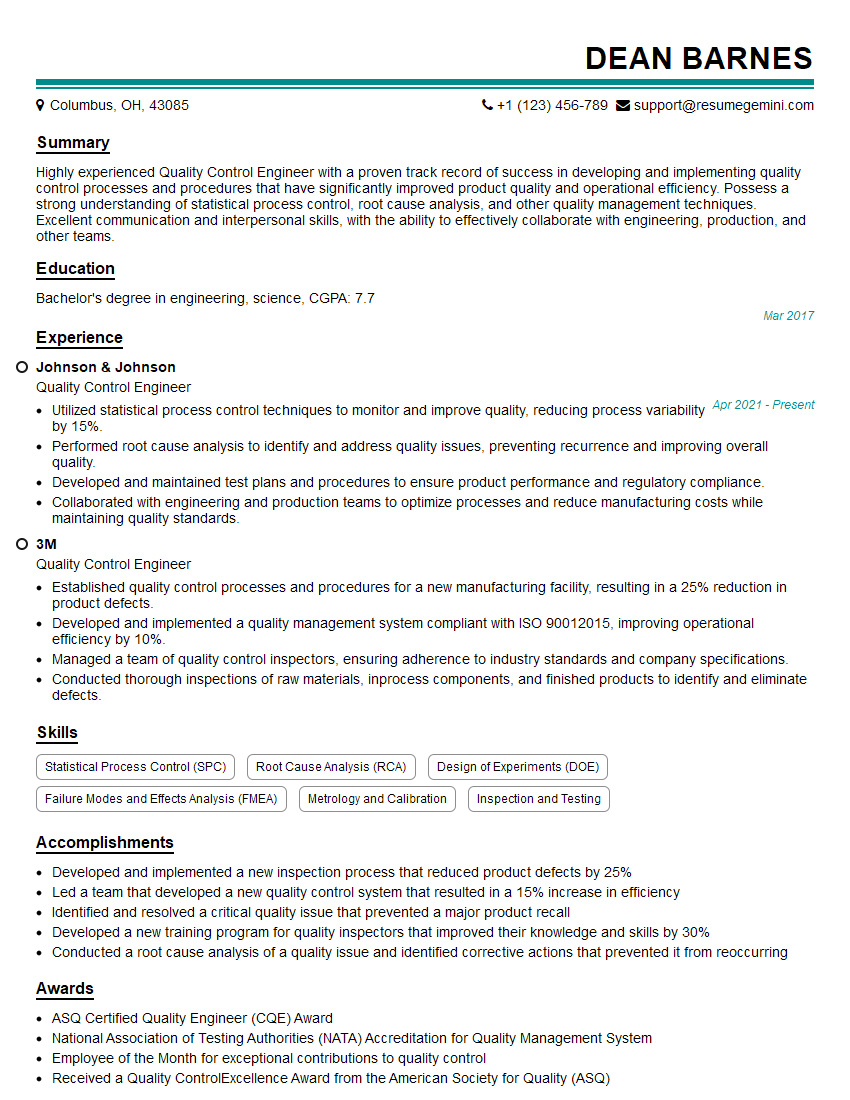
Quality Control Engineer Resume Sample
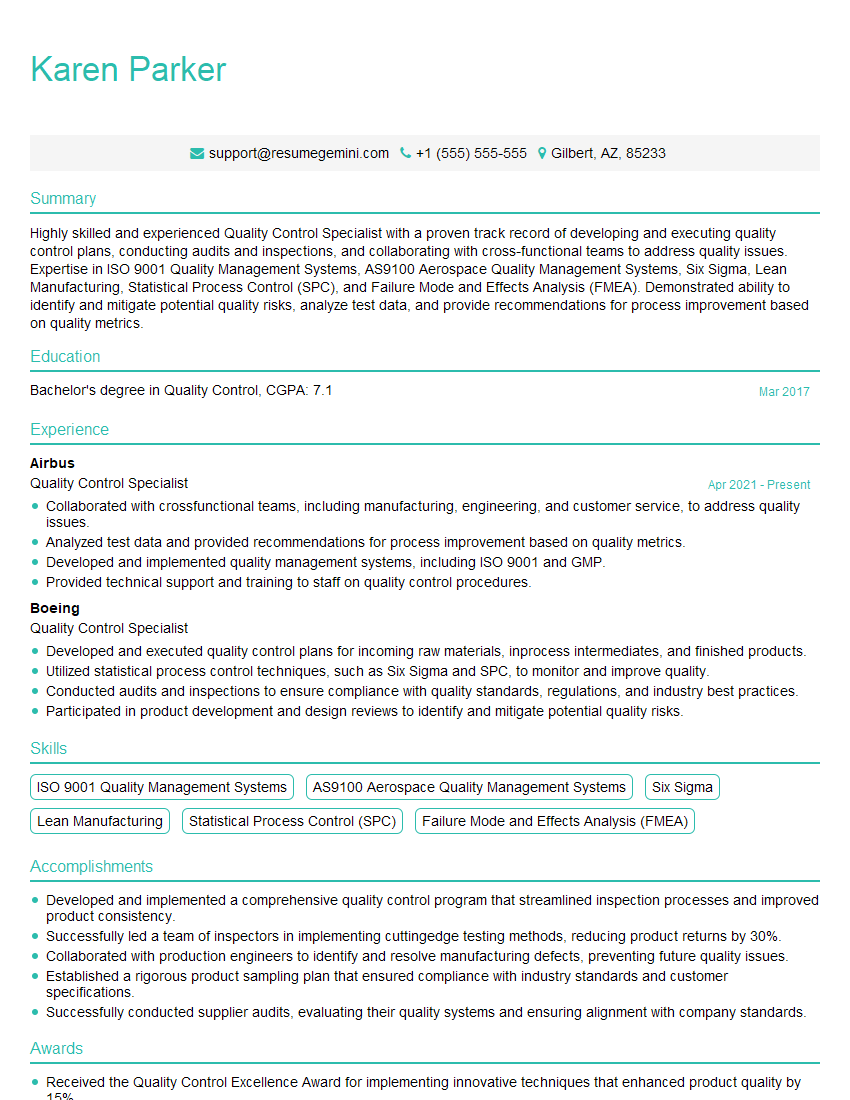
Quality Control Specialist Resume Sample
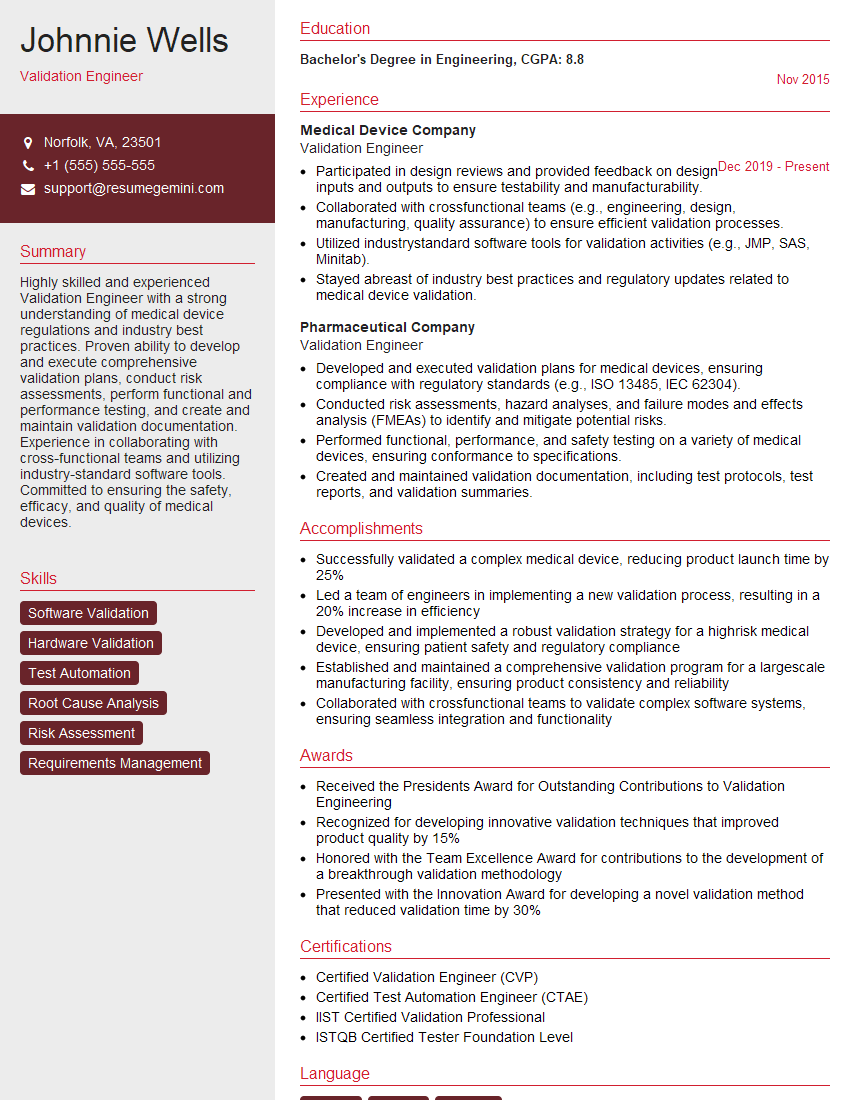
Validation Engineer Resume Sample
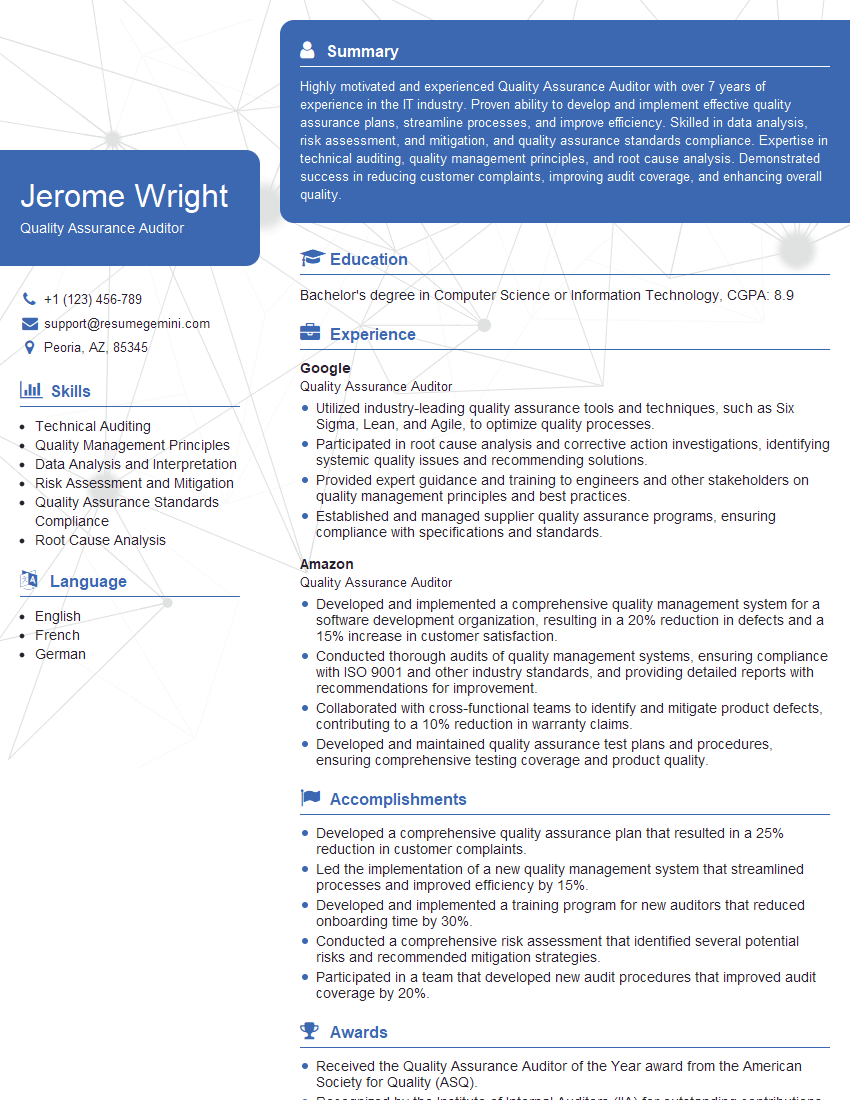
Quality Assurance Auditor Resume Sample

Quality Control Inspector Resume Sample
- Quality Assurance Manager
- Regulatory Affairs Manager
- Compliance Manager
- Compliance Specialist
- Quality Assurance Specialist
- Regulatory Affairs Specialist
- Quality Engineer
- Quality Systems Manager
- Quality Assurance Technician
- Quality Control Engineer
- Quality Control Specialist
- Validation Engineer
- Quality Assurance Auditor
- Quality Control Inspector
Explore more articles
Users Rating of Our Blogs
Share Your Experience
We value your feedback! Please rate our content and share your thoughts (optional).
What Readers Say About Our Blog
Very informative content, great job.
good