Every successful interview starts with knowing what to expect. In this blog, we’ll take you through the top Medication Administration (Antibiotics, Vaccines) interview questions, breaking them down with expert tips to help you deliver impactful answers. Step into your next interview fully prepared and ready to succeed.
Questions Asked in Medication Administration (Antibiotics, Vaccines) Interview
Q 1. Explain the six rights of medication administration.
The six rights of medication administration are crucial for patient safety and are a cornerstone of safe medication practices. Think of them as a checklist you must complete before giving any medication. Missing even one can have serious consequences.
- Right Medication: This means verifying the medication label three times – when you retrieve it, prepare it, and before administering it. Does the medication name and dose match the order?
- Right Dose: Ensure the dosage aligns perfectly with the physician’s order. Double-check calculations, especially for pediatric or geriatric patients. A simple calculation error can have devastating effects.
- Right Time: Administer the medication at the scheduled time, considering the medication’s pharmacokinetic properties (how the body processes the drug). Some drugs need to be given with food, while others on an empty stomach.
- Right Route: Verify that the route of administration (oral, intravenous, intramuscular, etc.) matches the prescription. The wrong route can render a drug ineffective or even dangerous.
- Right Patient: This involves positively identifying the patient using two identifiers, such as their name and date of birth, before administering any medication. This prevents medication errors from reaching the wrong patient.
- Right Documentation: After administering the medication, meticulously document the details in the patient’s chart, including the medication name, dose, time, route, and your signature. This is critical for maintaining accurate records and tracking the patient’s treatment.
Following these six rights diligently minimizes the risk of errors and ensures patient safety.
Q 2. Describe the process for administering intramuscular injections.
Administering an intramuscular (IM) injection requires precision and aseptic technique to minimize discomfort and prevent infection. Here’s a step-by-step process:
- Prepare the Injection Site: Select an appropriate muscle site (e.g., deltoid, vastus lateralis, ventrogluteal). Cleanse the area with an antiseptic solution, using a circular motion from the center outwards.
- Prepare the Syringe and Needle: Draw up the medication into the syringe, ensuring no air bubbles remain. Select the appropriate needle gauge and length based on the medication viscosity and the patient’s muscle mass.
- Position the Patient: Ensure the patient is comfortably positioned to allow easy access to the injection site. Their position will vary depending on the injection site.
- Insert the Needle: Use the Z-track method for medications that can irritate the skin (this helps prevent leakage and staining). Insert the needle quickly at a 90-degree angle, aspirating (drawing back slightly on the plunger) to check for blood before injecting the medication (not always necessary depending on the medication). If blood is found, remove the needle and select a different site.
- Inject the Medication: Slowly inject the medication.
- Withdraw the Needle: Remove the needle at the same angle as insertion. Apply gentle pressure to the injection site with a sterile gauze pad to prevent bleeding or bruising.
- Dispose of Supplies: Properly dispose of the used needle and syringe in a sharps container.
- Document: Record the medication administered, dose, route, time, site of injection, and any patient reactions in the patient’s chart.
Remember, proper technique and adherence to aseptic procedures are critical in preventing complications like abscess formation or nerve damage.
Q 3. What are the potential adverse effects of penicillin?
Penicillin, while a life-saving antibiotic, can cause several adverse effects. These vary in severity, from mild to life-threatening. It’s crucial to monitor patients closely for any adverse reactions.
- Mild Allergic Reactions: These include skin rash, itching, hives, and mild swelling.
- Severe Allergic Reactions (Anaphylaxis): This is a life-threatening emergency characterized by difficulty breathing, swelling of the throat and face, rapid heart rate, and drop in blood pressure. Immediate medical attention is required.
- Gastrointestinal Issues: Nausea, vomiting, diarrhea, and abdominal cramps are common.
- Neurological Effects: In rare cases, penicillin can cause seizures or encephalopathy (brain dysfunction).
- Hematological Effects: Penicillin can sometimes affect blood cell production, leading to anemia or thrombocytopenia (low platelet count).
Patients with a history of penicillin allergy should be carefully assessed before receiving any penicillin-based medication. Alternatives are available, if necessary.
Q 4. How do you verify a patient’s identity before medication administration?
Patient identification is paramount before medication administration. Using only one identifier is insufficient and increases the risk of medication errors. Always use at least two identifiers to ensure the right patient receives the right medication. Common identifiers include:
- Patient’s full name: Compare the name on the medication order with the patient’s identification band.
- Date of birth: Cross-reference the date of birth on the medication order with the patient’s identification band.
- Medical record number: Check if the medical record number on the medication order matches the number on the patient’s identification band.
Never rely solely on the patient stating their name. Always actively verify their identity using the above methods. If there’s any doubt, seek clarification from a supervisor or the physician before administering medication.
Q 5. What are the contraindications for administering a live attenuated vaccine?
Live attenuated vaccines contain weakened forms of the virus or bacteria. While generally safe and effective, they have contraindications for certain individuals. Administering a live attenuated vaccine to someone with a compromised immune system could lead to serious complications. Contraindications include:
- Severe Immunodeficiency: Individuals with conditions like HIV/AIDS or those undergoing chemotherapy have weakened immune systems and are at increased risk of infection from the vaccine.
- Pregnancy: Live attenuated vaccines are generally avoided during pregnancy, as they could potentially harm the developing fetus.
- Recent Organ Transplant: Patients who have recently undergone organ transplantation are often on immunosuppressant medications, making them vulnerable to infection from live vaccines.
- Treatment with Immunosuppressive Drugs: High doses of corticosteroids or other immunosuppressants can interfere with the immune response to the vaccine.
- Severe Allergic Reactions to Vaccine Components: A history of severe allergic reactions to previous vaccines or components of the vaccine is a contraindication.
Always carefully review the patient’s medical history and current medications before administering any vaccine. If there are any concerns, consult with a physician or other qualified healthcare professional.
Q 6. Explain the difference between gram-positive and gram-negative bacteria.
Gram-positive and gram-negative bacteria are differentiated based on their cell wall structure, which is crucial for antibiotic selection. The Gram stain technique is used to distinguish between them.
- Gram-positive bacteria: Have a thick peptidoglycan layer in their cell walls. They stain purple or blue with the Gram stain.
- Gram-negative bacteria: Have a thin peptidoglycan layer and an outer membrane containing lipopolysaccharide (LPS). They stain pink or red with the Gram stain. The LPS contributes to their resistance to some antibiotics and can trigger stronger inflammatory responses.
Understanding the Gram stain results is crucial in selecting the appropriate antibiotic. Gram-positive bacteria are generally susceptible to different antibiotics than gram-negative bacteria. For example, penicillin is highly effective against many Gram-positive bacteria but less effective against many Gram-negative bacteria.
Q 7. Describe the steps for preparing and administering an intravenous antibiotic.
Preparing and administering intravenous (IV) antibiotics requires strict adherence to sterile technique to prevent infection. The process involves several critical steps:
- Hand Hygiene: Perform thorough hand hygiene before initiating any procedure.
- Gather Supplies: Gather all necessary supplies, including the antibiotic solution, IV tubing, administration set, gloves, alcohol swabs, and appropriate IV access device.
- Prepare the Antibiotic: Verify the antibiotic’s name, dosage, and expiration date. If required, reconstitute the antibiotic following the manufacturer’s instructions. This often involves adding sterile water or diluent to a powder vial.
- Check for Compatibility: Ensure the antibiotic is compatible with other fluids or medications running through the IV line.
- Prepare the IV Line: Insert the IV tubing into the antibiotic bag or vial. Ensure no air bubbles enter the tubing.
- Attach to IV Access: Connect the IV tubing to the established intravenous access site using sterile technique.
- Prime the Tubing: Prime the IV tubing to remove any air bubbles.
- Administer the Antibiotic: Regulate the infusion rate according to the physician’s order. Closely monitor the patient during and after administration for adverse reactions.
- Document: Record the antibiotic administered, dosage, administration time, rate, route and any patient reactions in the patient’s chart.
Proper technique is crucial to prevent complications like thrombophlebitis (inflammation of the vein) or infection. Regular monitoring of the IV site is important. Remember, aseptic technique is non-negotiable.
Q 8. How do you handle a medication error?
Handling a medication error requires a calm, systematic approach prioritizing patient safety. First, I would immediately assess the patient’s condition for any adverse effects resulting from the error. Then, I would report the error immediately to the supervising nurse or physician, documenting the details accurately and completely. This includes the medication administered, the dose given, the intended dose, the time of administration, the patient’s response, and the steps taken to mitigate any harm. A thorough incident report will be filed, following the facility’s established protocol. This report is crucial for quality improvement and future error prevention. Finally, I would follow up with the patient to monitor their condition and address any concerns.
For example, if I accidentally administered a double dose of an antibiotic, I would first check the patient’s vital signs and look for any signs of toxicity. I would then immediately report the error, following my facility’s procedure for reporting medication errors. The physician would likely be consulted to determine if any additional interventions are necessary.
Q 9. What are the signs and symptoms of an allergic reaction to an antibiotic?
Allergic reactions to antibiotics can range from mild to severe. Mild reactions might include skin rash, itching, or hives. More serious reactions can manifest as swelling of the face, lips, or tongue (angioedema), difficulty breathing (bronchospasm), and a sudden drop in blood pressure (anaphylaxis). Anaphylaxis is a life-threatening emergency requiring immediate medical attention.
For instance, a patient might develop a rash after taking penicillin. This could be a mild reaction, requiring discontinuation of the antibiotic and perhaps the administration of antihistamines. However, if the patient experiences difficulty breathing or swelling of the throat, this indicates a severe reaction, requiring immediate emergency treatment including epinephrine and airway management.
Q 10. Explain the importance of proper vaccine storage and handling.
Proper vaccine storage and handling are critical for maintaining the vaccine’s potency and ensuring its effectiveness. Vaccines are susceptible to damage from heat, light, and freezing. Exposure to improper temperatures can lead to the inactivation of the vaccine components, rendering them ineffective. Therefore, maintaining the recommended cold chain throughout the entire process, from manufacturing to administration, is paramount. This involves using appropriate refrigeration units, monitoring temperatures regularly with calibrated thermometers, and following strict guidelines for handling and transportation.
Imagine a scenario where a vaccine is left out at room temperature for an extended period. This could significantly reduce its efficacy, meaning the patient receiving the vaccine may not develop the desired level of immunity. Consistently following the cold chain protocol ensures that the vaccine remains potent and protects the public’s health.
Q 11. What are the different routes of medication administration?
Medications can be administered through several routes, each with its advantages and disadvantages. The most common routes include:
- Oral: Taken by mouth (e.g., pills, capsules, liquids).
- Intravenous (IV): Directly into a vein.
- Intramuscular (IM): Into a muscle.
- Subcutaneous (SC): Under the skin.
- Topical: Applied to the skin (e.g., creams, ointments).
- Inhalation: Inhaled into the lungs (e.g., inhalers).
- Rectal: Administered into the rectum (suppositories).
The choice of route depends on several factors, including the type of medication, the patient’s condition, and the desired speed of onset.
Q 12. How do you calculate medication dosages?
Medication dosage calculation is a crucial skill in medication administration, requiring precision and attention to detail. It involves using various formulas, depending on the medication’s form and the required dose. A common formula is:
Desired dose/Dose on hand x Volume on hand = Volume to administerFor instance, if a physician orders 500mg of a medication, and the available vial contains 250mg/5ml, the calculation would be:
500mg/250mg x 5ml = 10mlTherefore, 10ml of the medication should be administered. Always double-check calculations and utilize available resources (e.g., medication calculators) to minimize errors.
Q 13. What is the role of the nurse in monitoring patient response to antibiotics?
The nurse plays a vital role in monitoring a patient’s response to antibiotics. This includes regularly assessing the patient’s clinical status, looking for improvement in symptoms and any signs of adverse effects. This might involve monitoring vital signs, checking lab results (e.g., complete blood count, renal function tests), and observing the patient for any signs of allergic reactions or other side effects. The nurse also educates the patient on the importance of completing the antibiotic course, reporting any adverse effects, and managing potential side effects. Detailed documentation of the patient’s response is crucial for effective treatment and assessment.
For example, if a patient is receiving antibiotics for a bacterial infection, the nurse would monitor their temperature, assess the severity of their symptoms, and observe for any signs of allergic reactions, such as rash or itching. Changes in the patient’s condition would be reported to the physician, potentially leading to adjustments in the antibiotic therapy.
Q 14. Describe the different types of antibiotics.
Antibiotics are classified into various groups based on their chemical structure and mechanism of action. Some major classes include:
- Penicillins: A broad class of antibiotics that target bacterial cell wall synthesis (e.g., penicillin G, amoxicillin).
- Cephalosporins: Similar in structure and mechanism to penicillins, they also target bacterial cell wall synthesis (e.g., cephalexin, ceftriaxone).
- Tetracyclines: Interfere with bacterial protein synthesis (e.g., tetracycline, doxycycline).
- Macrolides: Also interfere with bacterial protein synthesis (e.g., erythromycin, azithromycin).
- Aminoglycosides: Target bacterial protein synthesis (e.g., gentamicin, tobramycin).
- Fluoroquinolones: Inhibit bacterial DNA replication (e.g., ciprofloxacin, levofloxacin).
The choice of antibiotic depends on factors such as the type of bacteria causing the infection, the patient’s medical history, and potential drug interactions.
Q 15. What are the common side effects of influenza vaccines?
Most influenza vaccines are very well-tolerated, but some individuals experience mild side effects. These typically appear within one to two days of vaccination and resolve within a few days.
- Pain, redness, or swelling at the injection site: This is the most common side effect, similar to a mild sore arm after receiving any injection. It usually resolves spontaneously within a couple of days.
- Headache, muscle aches, and fatigue: These systemic symptoms are less common but can occur as your body mounts an immune response to the vaccine. Think of it like a mild case of the flu, but without the actual infection.
- Fever: Low-grade fever is a possible side effect, usually mild and self-limiting.
- Nausea or gastrointestinal upset: These are less frequent side effects.
It’s important to note that these side effects are generally a sign that your body is building immunity, and more severe reactions are rare. Severe allergic reactions, like anaphylaxis, are extremely uncommon but require immediate medical attention. Individuals with a history of severe allergic reactions to previous influenza vaccinations should discuss this with their physician before receiving another dose.
Career Expert Tips:
- Ace those interviews! Prepare effectively by reviewing the Top 50 Most Common Interview Questions on ResumeGemini.
- Navigate your job search with confidence! Explore a wide range of Career Tips on ResumeGemini. Learn about common challenges and recommendations to overcome them.
- Craft the perfect resume! Master the Art of Resume Writing with ResumeGemini’s guide. Showcase your unique qualifications and achievements effectively.
- Don’t miss out on holiday savings! Build your dream resume with ResumeGemini’s ATS optimized templates.
Q 16. How do you document medication administration accurately?
Accurate documentation of medication administration is crucial for patient safety and legal compliance. It forms a permanent record of care and can be vital in case of adverse events or legal disputes. The six “rights” of medication administration serve as a fundamental framework: right patient, right medication, right dose, right route, right time, and right documentation.
Documentation should be clear, concise, and complete. Here’s what a comprehensive entry might include:
- Patient identifier: Unique identifier (medical record number, name, date of birth).
- Medication name: The full name and strength of the medication.
- Dose: The exact amount of medication administered.
- Route of administration: e.g., oral, intravenous, intramuscular, subcutaneous.
- Time of administration: Include both the time and date.
- Site of administration (if applicable): For injections, specify the location (e.g., left deltoid).
- Nurse’s signature or initials: This confirms the administration of medication.
- Any observations or reactions: Note any adverse effects (e.g., pain at injection site, nausea) or patient responses to the medication.
Electronic health records (EHRs) are increasingly common and often have built-in safeguards to prevent medication errors. For example, the system may alert the nurse if there’s a potential drug interaction or if a dose is outside the recommended range. Regardless of the method, maintaining meticulous records is paramount.
Q 17. What are the legal and ethical considerations related to medication administration?
Legal and ethical considerations in medication administration are intertwined and revolve around patient safety, autonomy, and informed consent.
- Legal aspects: Nurses are legally obligated to administer medications according to the physician’s orders, following established protocols, and adhering to the established “six rights.” Deviation from these standards can lead to legal repercussions. Proper documentation is crucial to protect both the patient and the healthcare provider.
- Ethical aspects: Respecting patient autonomy is paramount; informed consent must be obtained before administering any medication, meaning the patient must understand the medication’s purpose, potential benefits and risks, and have the freedom to refuse treatment. Confidentiality regarding the patient’s medication regimen is also essential.
- Professional standards: Organizations like the American Nurses Association provide ethical guidelines and standards of practice that healthcare professionals must follow. These standards emphasize patient advocacy and the prevention of medication errors.
Consider a scenario where a patient refuses a prescribed antibiotic. Ethically, the nurse must respect this refusal while providing information about the risks and benefits. Legally, documenting the patient’s refusal and the associated discussion is crucial to safeguard against potential legal issues. This underscores the importance of patient-centered care and the ethical responsibility to act in the patient’s best interest while upholding the patient’s right to self-determination.
Q 18. Explain the importance of patient education regarding medication.
Patient education about medication is crucial for successful therapy and improved patient outcomes. When patients understand their medication, they are more likely to adhere to the prescribed regimen, reducing the risk of treatment failure and complications.
Effective patient education should involve:
- Medication name and purpose: Clearly explain what the medication is for and how it works in simple terms.
- Dosage and administration: Explain how much to take, how often, and the correct method of administration (oral, injection, etc.).
- Potential side effects: Discuss common and serious side effects, and advise the patient when to contact their healthcare provider.
- Interactions with other medications or food: Inform the patient about any potential interactions with other drugs, alcohol, or certain foods.
- Storage and disposal: Explain how to store the medication properly and how to dispose of any unused medication safely.
- Follow-up appointments: Reinforce the importance of follow-up appointments for monitoring and medication adjustments.
Using clear, concise language, tailored to the patient’s health literacy level, is vital. Providing written instructions and answering questions patiently contributes to successful learning. For example, a patient with diabetes starting on insulin might need detailed instruction on injection techniques and glucose monitoring to effectively manage their condition. This patient-centered approach empowers patients to take an active role in their health management.
Q 19. How do you manage a patient who refuses medication?
When a patient refuses medication, a respectful and empathetic approach is essential. The first step is to explore the reasons for refusal. Understanding the patient’s concerns and addressing them is key to potential resolution.
Here’s a step-by-step approach:
- Assess the situation: Determine if the refusal is based on misunderstanding, fear, cultural beliefs, or other reasons.
- Explore the reasons: Engage in open and honest communication with the patient. Actively listen to their concerns without judgment.
- Provide education and clarification: Address any misconceptions about the medication and explain its benefits and potential risks clearly.
- Address concerns: Work with the patient to address any underlying concerns, such as fear of side effects or past negative experiences with medications.
- Document the refusal: Meticulously record the patient’s refusal, the reasons provided, and any education given. This is crucial for legal and medical records.
- Inform the physician: Report the refusal to the patient’s physician. Together, you can decide on further action, which might include further education, exploring alternative treatment options, or obtaining a court order for mandatory treatment in specific situations.
It’s crucial to remember that patients have the right to refuse treatment. While it’s our responsibility to educate and encourage compliance, coercing a patient is unethical and potentially illegal.
Q 20. What are the precautions to take when administering medications to pregnant or breastfeeding women?
Administering medications to pregnant or breastfeeding women requires extra caution, as the medication can cross the placental barrier or enter breast milk, potentially affecting the fetus or infant.
Precautions include:
- Careful medication selection: Only medications with established safety profiles during pregnancy and breastfeeding should be used. The physician should carefully weigh the potential benefits against the potential risks to the mother and child.
- Lowest effective dose: The lowest effective dose should be prescribed for the shortest duration to minimize potential harm.
- Close monitoring: The mother and child should be closely monitored for any adverse effects.
- Lactation-compatible medications: For breastfeeding mothers, medications with minimal transfer into breast milk should be preferred, and the timing of medication administration may be adjusted to minimize exposure to the infant.
- Consult relevant resources: Healthcare professionals should consult resources such as the FDA’s pregnancy and lactation database for guidance on medication safety during pregnancy and breastfeeding.
For instance, some antibiotics are considered safe during pregnancy and lactation, while others may pose risks. The selection process needs to take into account the severity of the infection, the risks of treating versus not treating, and the potential impacts on both the mother and the child.
Q 21. How do you assess a patient’s allergies before medication administration?
Assessing a patient’s allergies before medication administration is a critical step in preventing adverse drug reactions. It involves a thorough assessment using multiple methods.
The process typically includes:
- Direct questioning: Ask the patient directly about any allergies to medications, foods, or other substances. Inquire specifically about the type of reaction experienced (e.g., rash, hives, swelling, difficulty breathing). Don’t just assume that a patient understands what constitutes an allergy. Clarify and probe further.
- Review of medical records: Check the patient’s medical chart for any documented allergies or previous adverse drug reactions. Ensure that the information is current and accurate.
- Allergies bracelet or necklace: Look for any medical alert bracelets or necklaces indicating allergies.
- Allergy verification: If there is an allergy listed, verify the information with the patient or family member. Allergies can evolve over time.
- Documentation: Carefully document all allergy information in the patient’s chart.
Let’s say a patient reports a penicillin allergy. It is vital to explore the specifics of the reaction. Was it a mild rash or a severe anaphylactic reaction? This detail helps the healthcare provider make informed decisions about the appropriateness of alternative medications.
Q 22. Describe your experience with medication reconciliation.
Medication reconciliation is the process of comparing a patient’s medication orders to all the medications the patient is actually taking. This includes prescription medications, over-the-counter drugs, herbal supplements, and even vitamins. The goal is to identify any discrepancies – medications that are missing, duplicated, or potentially interacting negatively. Think of it like a double-check to ensure medication safety.
In my experience, I’ve implemented medication reconciliation protocols in several settings, from inpatient hospital wards to outpatient clinics. This involves meticulously reviewing the patient’s medication list at admission/first visit, comparing it to their current medication regimen, and documenting any changes or potential conflicts. For instance, a patient admitted for pneumonia might be on multiple medications, including some for chronic conditions like hypertension or diabetes. Reconciliation helps ensure we don’t inadvertently omit or duplicate medications, potentially leading to adverse events.
A crucial part of this process is effective communication with the patient and their caregivers to obtain a complete medication history. Sometimes patients might forget medications or might not consider herbal remedies as medications. Thorough documentation is essential to maintain a clear record of all medications and any adjustments made.
Q 23. Explain the concept of antibiotic stewardship.
Antibiotic stewardship is a coordinated program that promotes the appropriate use of antibiotics, improving patient outcomes and reducing the spread of antibiotic resistance. It’s about using antibiotics only when necessary, choosing the right antibiotic for the specific infection, and ensuring the correct dose and duration of treatment.
Think of it as responsible antibiotic use. Overuse and misuse lead to the development of antibiotic-resistant bacteria, making infections harder and more expensive to treat. Antibiotic stewardship involves several key strategies. These include:
- Prophylactic antibiotic use restriction: Only using antibiotics for preventative measures when absolutely necessary (e.g., specific surgical procedures).
- Diagnostic testing before antibiotic prescription: Ensuring the infection is bacterial and identifying the specific bacteria to allow for targeted treatment.
- Appropriate antibiotic selection: Choosing the narrowest-spectrum antibiotic effective against the identified pathogen.
- Dosage optimization and duration: Administering the correct dose for the duration necessary to eradicate the infection, avoiding both under-treatment and over-treatment.
- Monitoring patient response and de-escalating therapy: Continuously monitoring the patient’s response and adjusting the antibiotic regimen as appropriate.
I’ve been actively involved in implementing and improving antibiotic stewardship programs. This included educating healthcare professionals on best practices, developing and implementing guidelines, and monitoring antibiotic usage patterns within the institution.
Q 24. What is your understanding of the CDC’s recommended vaccination schedule?
The CDC’s recommended vaccination schedule provides a roadmap for timely administration of vaccines to protect individuals from various preventable diseases. It’s age-based, with specific vaccines recommended at different life stages from infancy through adulthood. This schedule is regularly updated based on scientific evidence and evolving disease patterns.
The schedule covers a wide range of vaccines, including those against diseases like measles, mumps, rubella (MMR), polio, chickenpox, influenza, hepatitis B, and more. Each vaccine has a recommended age or age range for administration, as well as a specified number of doses required for optimal protection. The schedule also takes into consideration the intervals between doses to ensure effectiveness.
It’s crucial to understand that the schedule is a guideline and variations may be appropriate based on individual medical history and clinical judgment. For example, some individuals with certain health conditions might require adjusted schedules or specific contraindications.
Staying updated on the current CDC recommendations is crucial for healthcare professionals to provide optimal and safe vaccination strategies.
Q 25. How do you address patient concerns about vaccine safety?
Addressing patient concerns about vaccine safety is paramount. It requires empathy, active listening, and evidence-based information. I start by acknowledging and validating their concerns. It’s important to create a safe space for them to express their doubts without feeling judged.
Next, I provide clear and concise information about the vaccine in question, drawing from reliable sources like the CDC and WHO. I focus on the benefits of vaccination compared to the risks of contracting the disease, often using data to illustrate the effectiveness of the vaccines in preventing serious illness and death.
I address common misconceptions and misinformation by providing accurate and factual evidence. For example, if a patient expresses concern about a specific ingredient in a vaccine, I’ll explain its purpose and safety profile.
If the patient still has reservations, I might offer them additional resources, such as brochures or websites, that provide more detailed information. I always emphasize the importance of making informed decisions based on accurate and reliable information.
Q 26. Describe a time you had to deal with a challenging medication administration situation.
One challenging situation involved a patient with multiple allergies and complex medication needs. This patient was prescribed several medications, including antibiotics for a severe infection, but also had documented allergies to several common antibiotics and other medications. It required careful review of their medical records, consulting with specialists (allergist, pharmacist), and a thorough risk-benefit analysis to determine the safest and most effective treatment plan.
The challenge was finding an antibiotic that was both effective against the infection and safe for the patient, given their allergies and the potential for cross-reactivity. We meticulously checked for cross-allergies and used an allergy-specific database to help us identify appropriate alternative options. We also discussed the potential benefits and risks of different options with the patient and their family to ensure everyone was on board with the treatment plan.
Ultimately, we selected a targeted antibiotic with close monitoring for any allergic reactions. The patient responded well, and the situation highlighted the importance of detailed medication histories, cross-referencing resources, and collaborative teamwork in ensuring patient safety.
Q 27. What resources do you use to stay up-to-date on medication administration guidelines?
To stay current on medication administration guidelines, I utilize a variety of resources. The CDC and FDA websites are invaluable for updated vaccine schedules, antibiotic guidelines, and drug information. I also regularly consult reputable medical journals like the New England Journal of Medicine and the Lancet for research articles on new medications, treatment approaches, and safety updates.
Professional organizations like the Infectious Diseases Society of America (IDSA) and the American Academy of Pediatrics (AAP) provide guidelines and recommendations specific to their respective fields. I am also actively involved in continuing education courses and professional development workshops to ensure my knowledge remains current and aligns with the latest best practices.
Additionally, I use evidence-based clinical decision support tools integrated into our electronic health record system, allowing for real-time access to the latest drug interactions, contraindications, and dosage guidelines. Maintaining a constant learning mindset is essential in the rapidly evolving field of medication administration.
Q 28. How do you prioritize your tasks during a busy shift when administering medications?
Prioritizing tasks during a busy shift involves a structured approach that balances urgency and patient safety. I use a combination of time management techniques and clinical judgment. First, I review all medication orders, identifying those with critical time constraints, such as those requiring immediate administration or those with narrow therapeutic windows.
I then use a combination of methods to manage my workflow efficiently. For example, I use a checklist to confirm I’ve addressed each medication and verify patient identification before administration. This also helps to minimize errors and improves overall safety.
Medication carts are organized according to administration times. Prioritizing medications based on their urgency, for example, administering medications that need to be given on an empty stomach first, then those that can be given with food.
Finally, effective communication with the nursing team is crucial in managing workload efficiently and coordinating medication administration. By working collaboratively, we can optimize patient care and avoid delays.
Key Topics to Learn for Medication Administration (Antibiotics, Vaccines) Interview
- Pharmacokinetics and Pharmacodynamics of Antibiotics: Understanding how antibiotics are absorbed, distributed, metabolized, and excreted, and their effects on bacterial cells. Consider practical applications like choosing the right antibiotic based on patient factors and bacterial sensitivities.
- Antibiotic Resistance Mechanisms and Management: Explore the various ways bacteria develop resistance and how healthcare professionals mitigate this, including appropriate antibiotic stewardship programs and infection control practices.
- Vaccine Administration Techniques and Schedules: Mastering different injection routes (intramuscular, subcutaneous), proper vaccine handling and storage, and understanding recommended immunization schedules for various age groups and health conditions. Practice explaining these procedures clearly and concisely.
- Adverse Reactions and Management: Familiarize yourself with common adverse reactions to antibiotics and vaccines, including allergic reactions, and the appropriate management strategies for each. Be prepared to discuss how to recognize, respond to, and document these reactions.
- Medication Reconciliation and Patient Education: Understand the importance of accurate medication reconciliation and the role it plays in preventing medication errors. Develop your skills in effectively educating patients about their medications, including potential side effects and the importance of adherence.
- Legal and Ethical Considerations: Review relevant laws and regulations surrounding medication administration, including patient consent and documentation requirements. Understand ethical considerations, such as patient autonomy and informed consent, in vaccine administration.
- Documentation and Record Keeping: Practice documenting medication administration accurately and completely, following established guidelines and procedures. This includes charting observations and any adverse events.
Next Steps
Mastering medication administration, particularly with antibiotics and vaccines, is crucial for career advancement in healthcare. A strong foundation in these areas demonstrates competency and opens doors to specialized roles and leadership opportunities. To maximize your job prospects, create an ATS-friendly resume that highlights your skills and experience effectively. ResumeGemini is a trusted resource that can help you build a professional and impactful resume. Examples of resumes tailored to Medication Administration (Antibiotics, Vaccines) roles are available to guide you through the process.
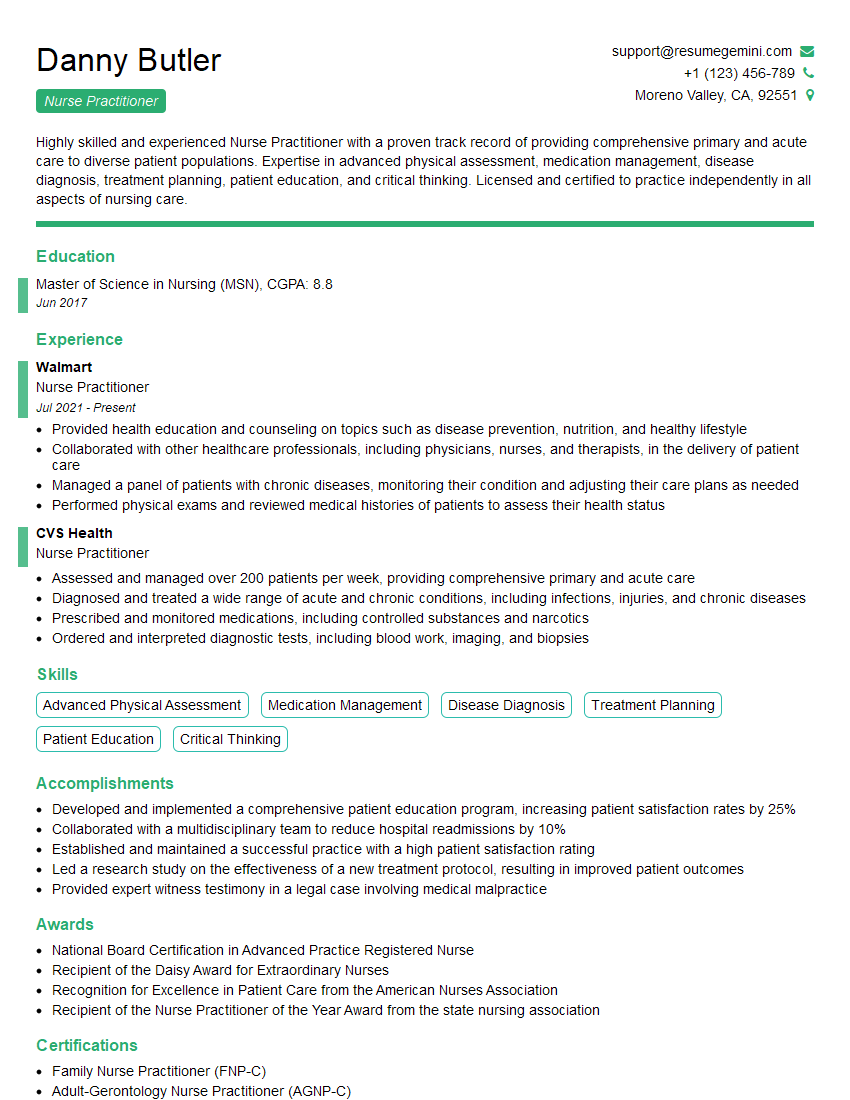
Nurse Practitioner Resume Sample
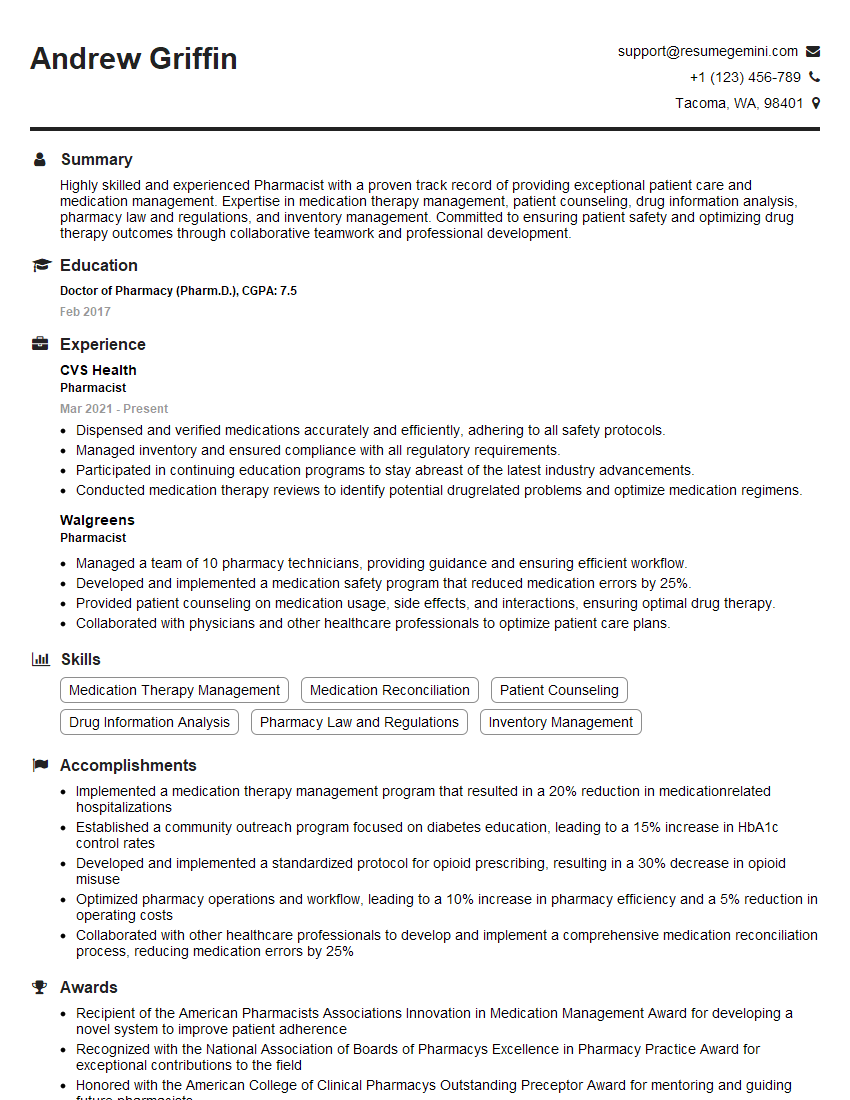
Pharmacist Resume Sample

Physician Assistant Resume Sample
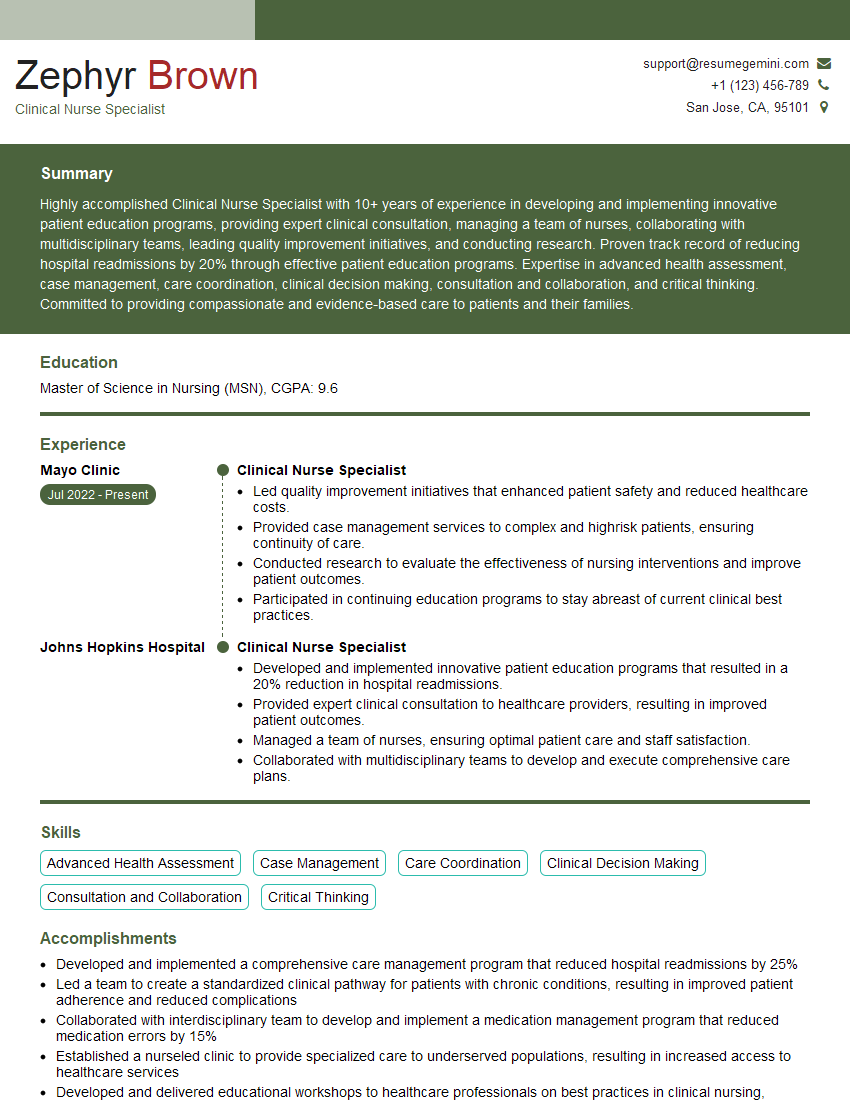
Clinical Nurse Specialist Resume Sample
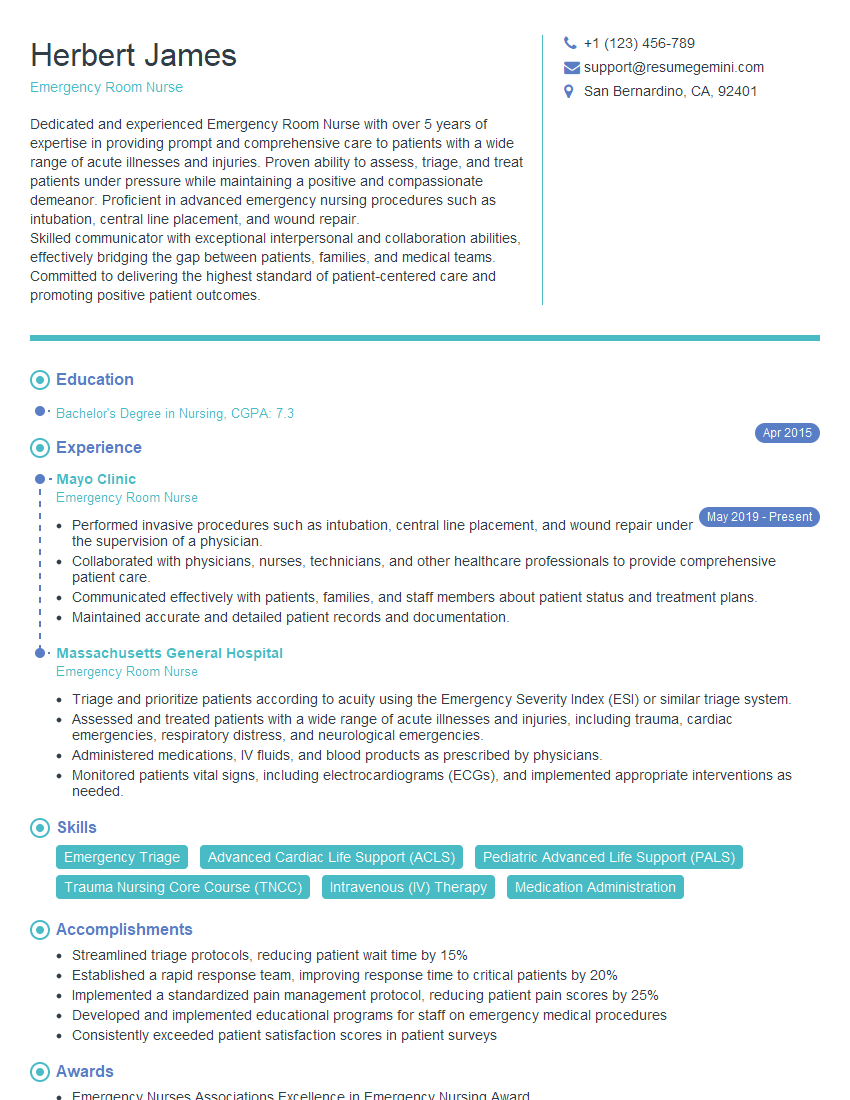
Emergency Room Nurse Resume Sample
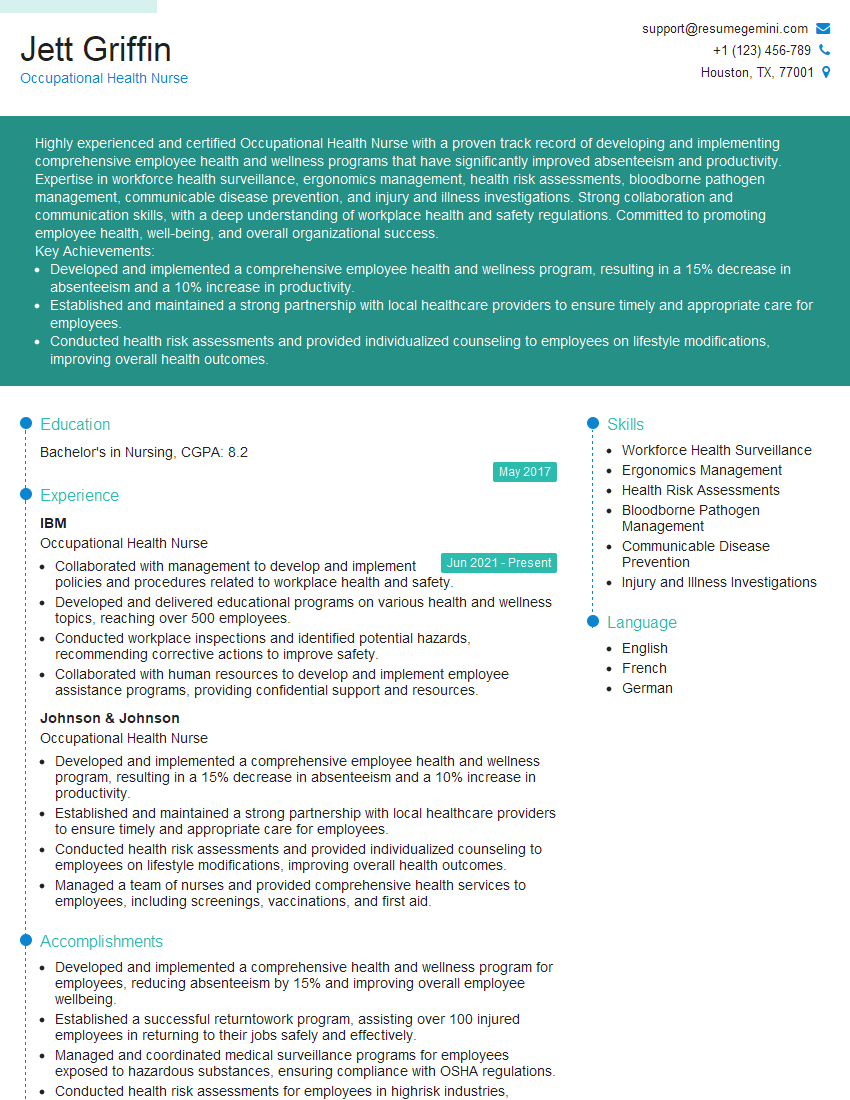
Occupational Health Nurse Resume Sample
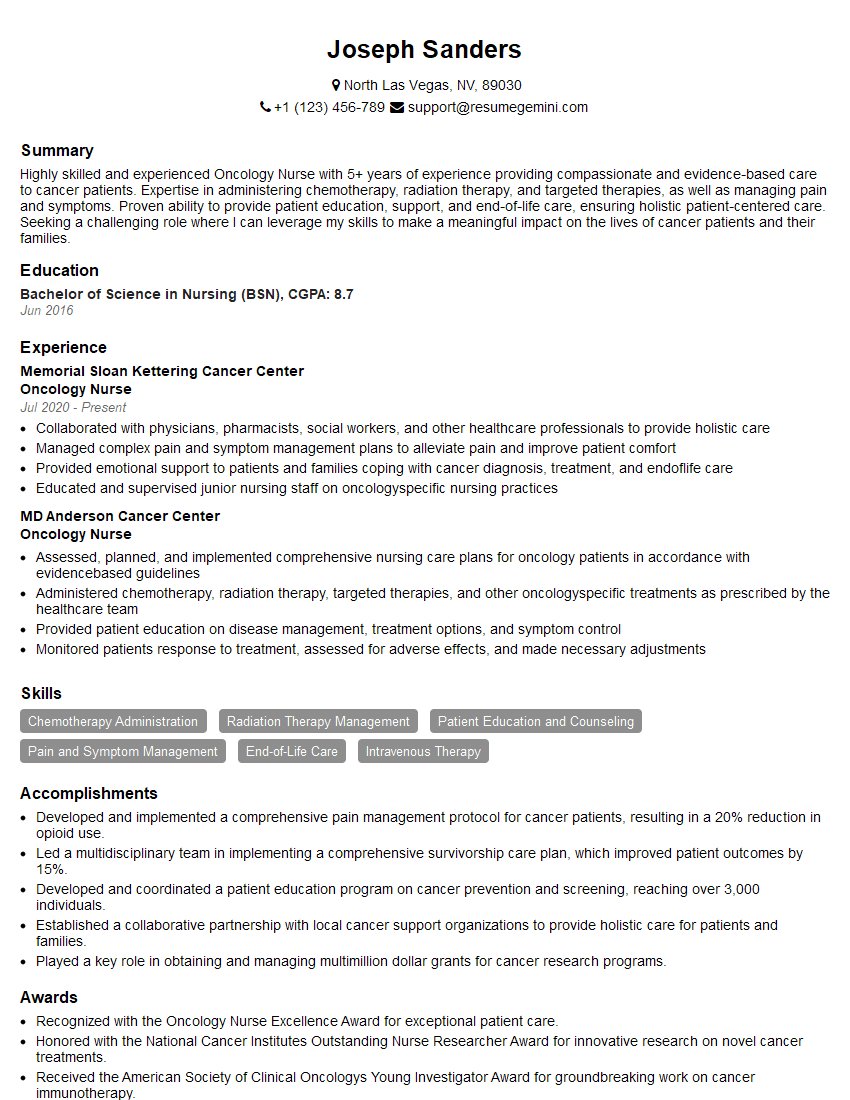
Oncology Nurse Resume Sample
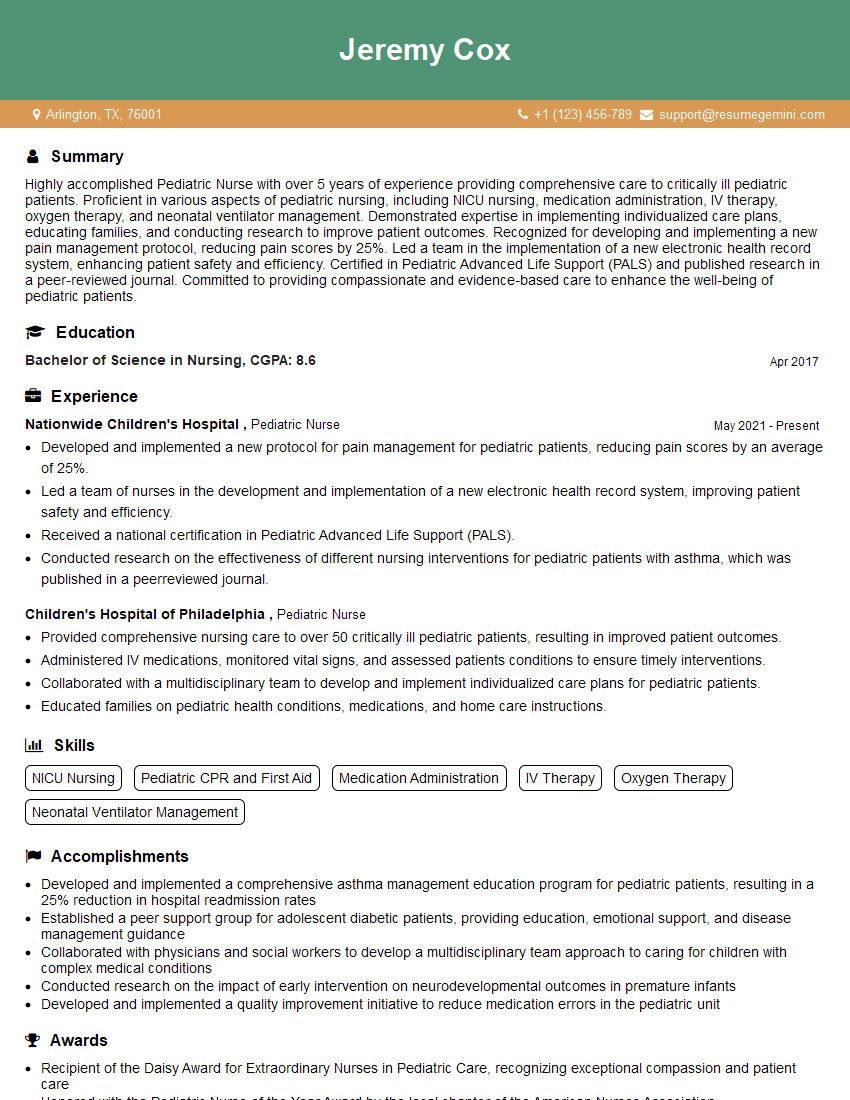
Pediatric Nurse Resume Sample
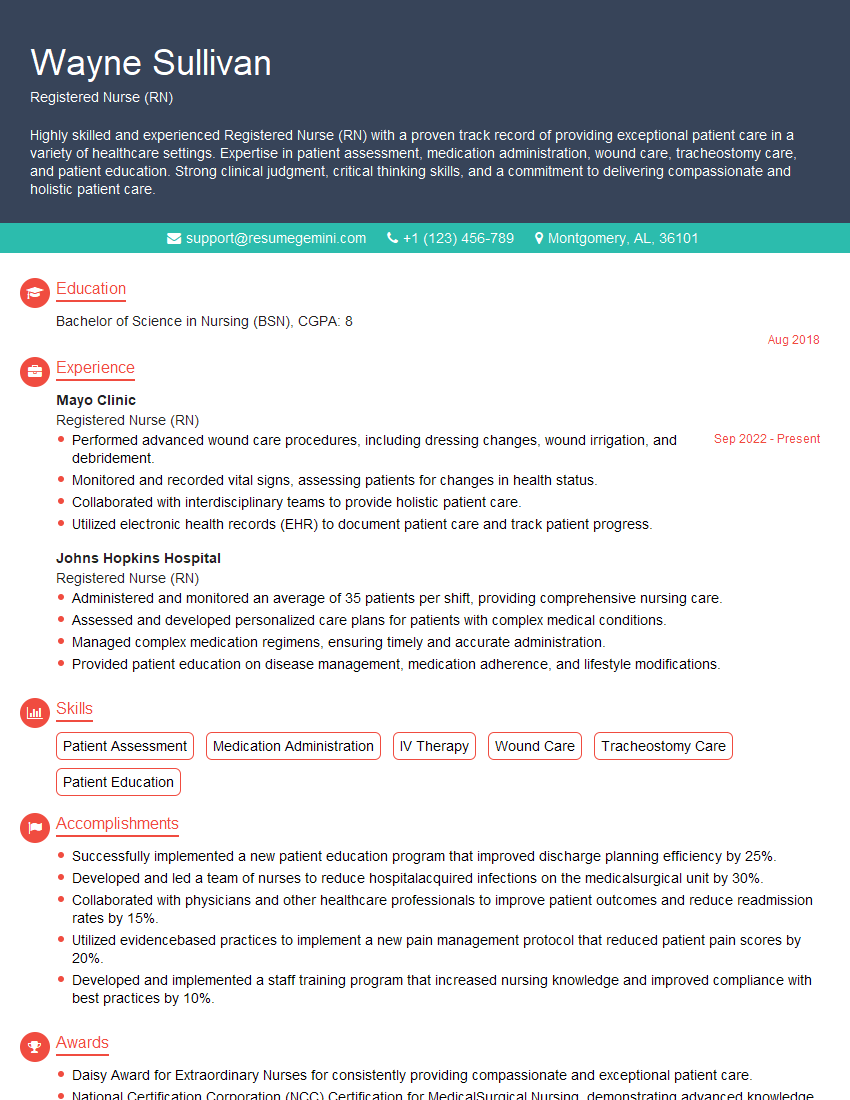
Registered Nurse (RN) Resume Sample
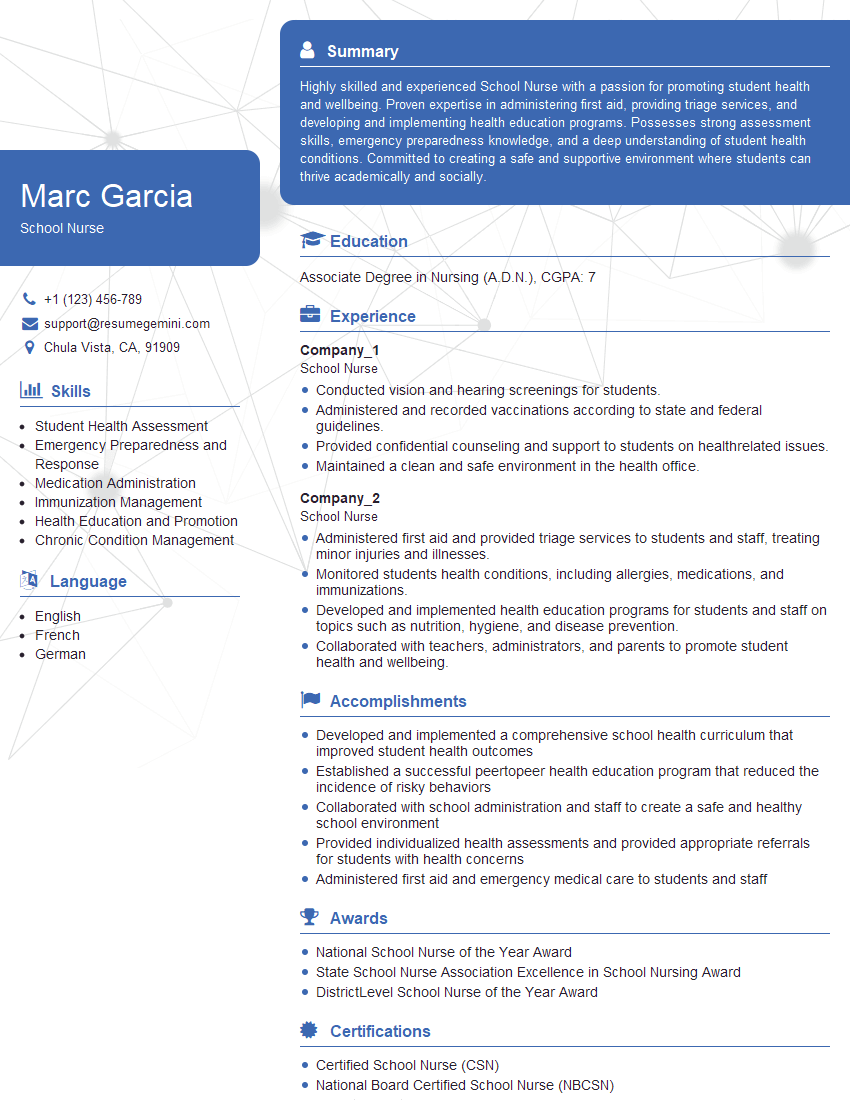
School Nurse Resume Sample
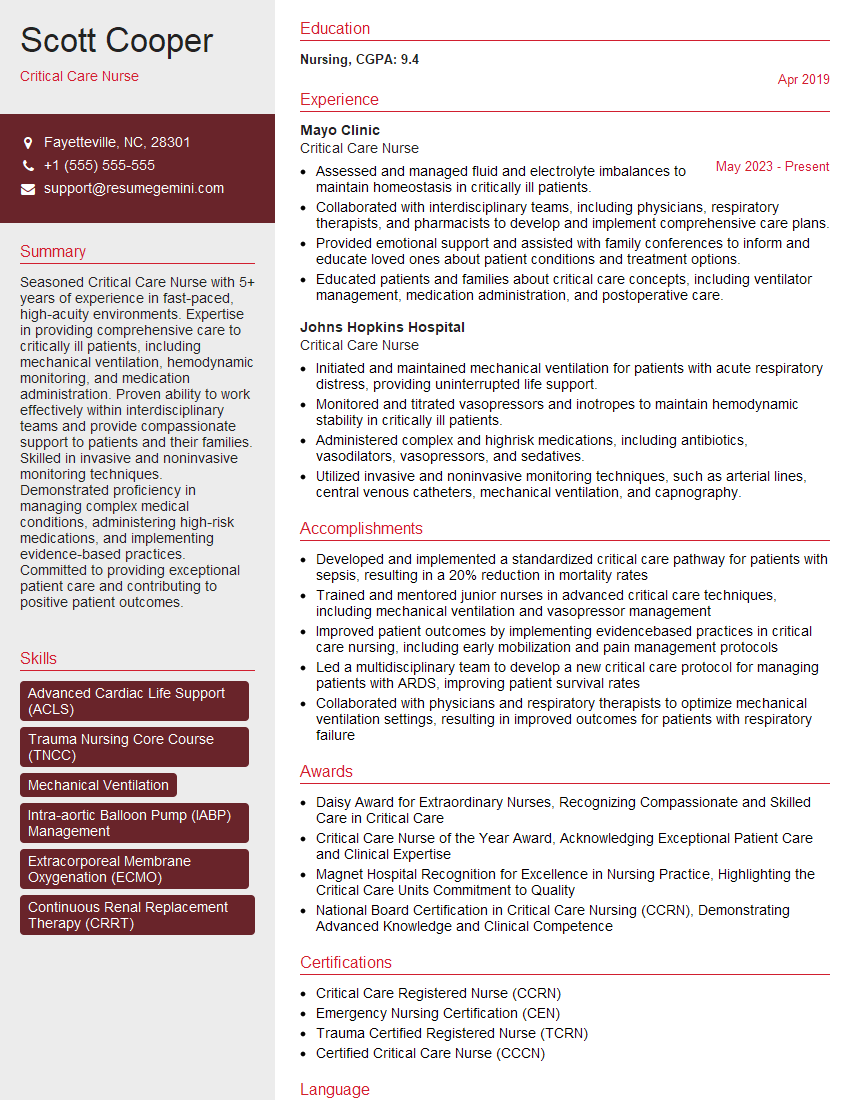
Critical Care Nurse Resume Sample
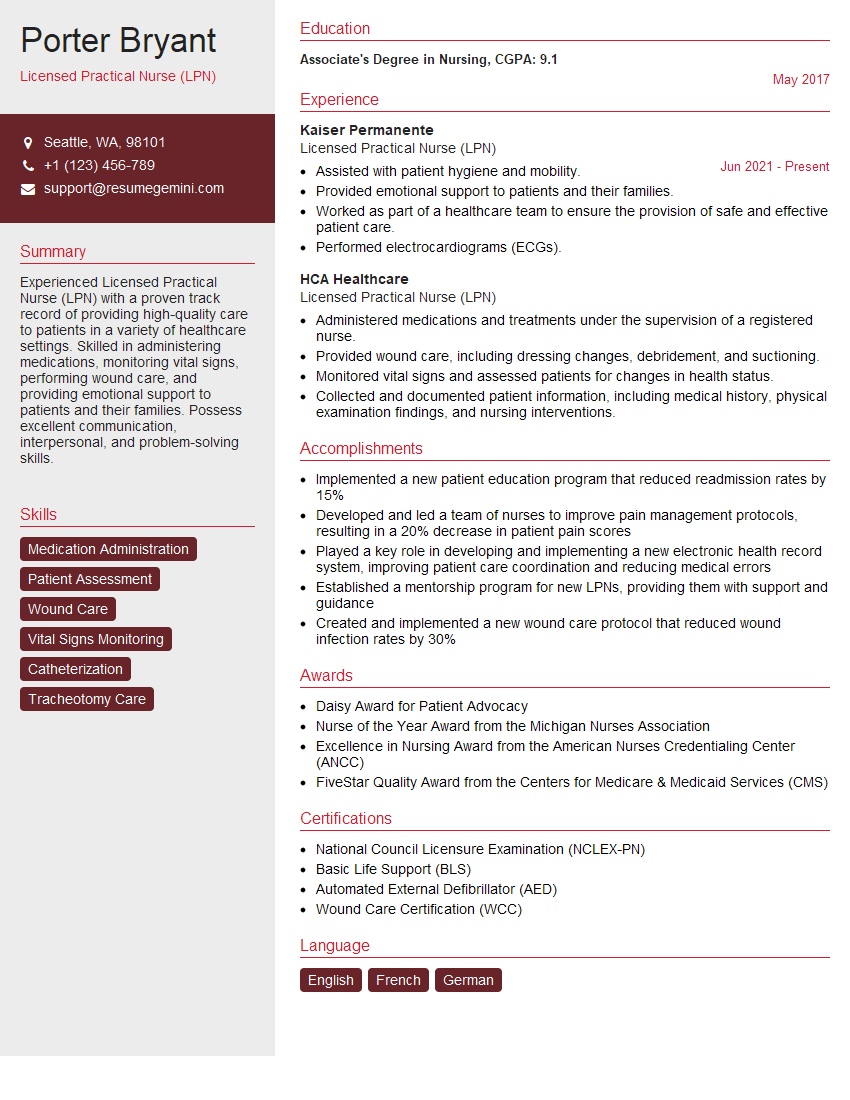
Licensed Practical Nurse (LPN) Resume Sample
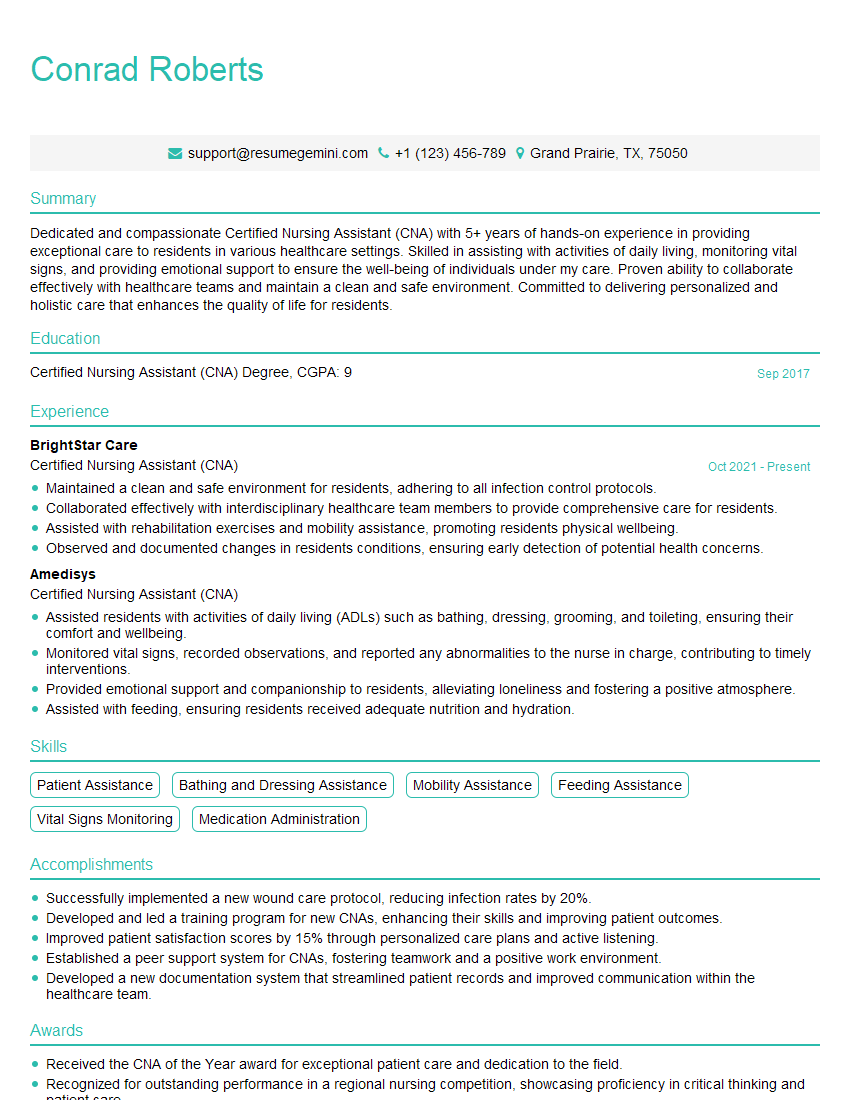
Certified Nursing Assistant (CNA) Resume Sample
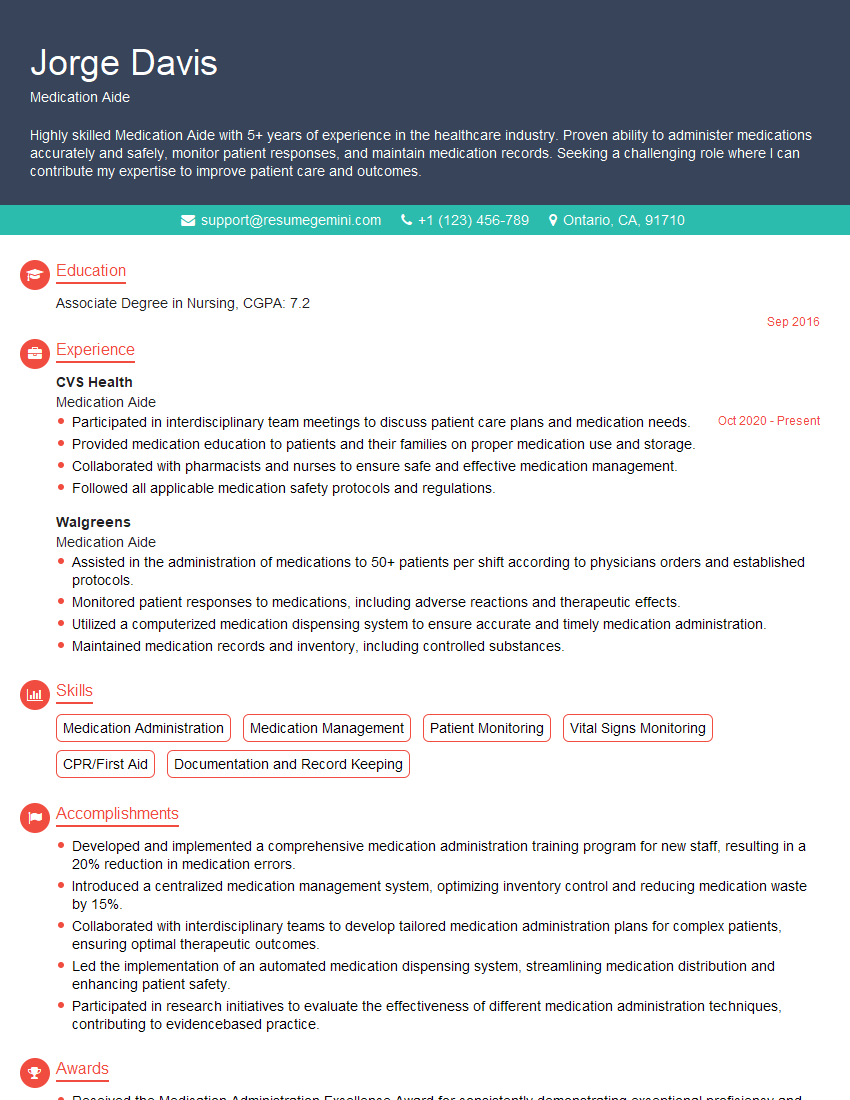
Medication Aide Resume Sample
Explore more articles
Users Rating of Our Blogs
Share Your Experience
We value your feedback! Please rate our content and share your thoughts (optional).
What Readers Say About Our Blog
Very informative content, great job.
good