Feeling uncertain about what to expect in your upcoming interview? We’ve got you covered! This blog highlights the most important Spine Gluing interview questions and provides actionable advice to help you stand out as the ideal candidate. Let’s pave the way for your success.
Questions Asked in Spine Gluing Interview
Q 1. Describe the different types of adhesives used in spine gluing.
Spine gluing relies on various adhesives, each chosen based on the project’s specific needs and the material being bound. The choice influences factors like bond strength, drying time, and flexibility. Common types include:
- Polyvinyl Acetate (PVAc) Emulsions: These are water-based, widely used for their affordability, ease of cleanup, and good adhesion to paper. They’re perfect for everyday bookbinding.
- Hot Melt Adhesives: These are thermoplastic polymers applied in molten form. They offer quick setting times, ideal for high-speed production lines but require specialized equipment. Think of those glue sticks, but far more robust for industrial applications.
- Animal Glues (Hide Glue): Historically significant, these are made from animal collagen and offer excellent flexibility and strong bonds. They are more environmentally conscious and produce a high-quality finish, but require precise temperature control and longer drying times. This is a more traditional choice.
- Polyurethane Adhesives: These are strong, versatile, and offer excellent water resistance. This makes them suitable for applications where durability is paramount, such as archiving. They are however more expensive.
The selection depends on factors like budget, production speed, material compatibility, and the desired properties of the final product.
Q 2. Explain the process of setting up a spine gluing machine.
Setting up a spine gluing machine involves a systematic approach. First, it’s crucial to consult the manufacturer’s instructions, as processes can vary. However, some general steps include:
- Machine Inspection: Thoroughly inspect the machine for any damage, ensuring all components are correctly aligned and functional.
- Glue Reservoir Filling: Carefully fill the glue reservoir with the appropriate adhesive type and quantity, preventing air bubbles that can cause inconsistencies. The reservoir often needs priming to ensure smooth flow.
- Glue Temperature & Viscosity Adjustment: Depending on the type of glue, adjust the temperature and viscosity according to the manufacturer’s guidelines. Optimal settings influence glue application and bonding strength.
- Roller Adjustment: Carefully position and adjust the rollers to ensure even glue distribution across the spine. This often involves precise adjustments to roller pressure, gap, and speed.
- Test Run: Always conduct a test run with scrap material before processing actual work to fine-tune the settings, ensuring the glue application is consistent and achieving optimal bond quality.
Proper setup is vital to avoid costly errors and ensures consistent product quality.
Q 3. How do you ensure consistent glue application?
Consistent glue application is paramount for a quality spine bond. Several strategies are key:
- Regular Maintenance: Regularly clean and inspect the glue system, replacing worn parts promptly. This prevents clogs and ensures even flow.
- Proper Glue Viscosity: Maintaining the correct glue viscosity according to the manufacturer’s specifications is critical. Too thick and you get lumps; too thin, and you get insufficient adhesion.
- Consistent Roller Pressure: Even pressure on the application rollers guarantees even glue distribution. Regular checks and adjustments are needed to compensate for wear and tear.
- Precise Roller Gap: The gap between rollers needs to be fine-tuned for the specific material thickness. This avoids squeezing out excess glue or leaving areas unglued.
- Regular Calibration: Periodic calibration checks ensure the machine is applying the correct volume of glue. This is especially crucial during long production runs or after maintenance.
Think of it like baking a cake – consistent ingredients and precise measurements result in consistent results!
Q 4. What are the common causes of spine gluing defects?
Defects in spine gluing can significantly affect the book’s durability and appearance. Common causes include:
- Uneven Glue Application: This often results from improperly adjusted rollers, clogged glue lines, or incorrect glue viscosity.
- Glue Starvation: Insufficient glue leads to weak bonds and potential page separation. This can be due to a low glue level, clogged delivery systems, or incorrect machine settings.
- Excess Glue: Too much glue can result in bleed-through, affecting the book’s appearance and potentially causing adhesion problems.
- Incorrect Drying Time: Insufficient drying time can lead to weak bonds or sticking during further processing. Excessive drying can lead to cracking.
- Incorrect Paper Stock: Certain paper types may have poor adhesion properties, requiring a different glue type or specialized pretreatment.
Careful monitoring of the gluing process and regular maintenance are crucial to prevent these problems.
Q 5. How do you troubleshoot problems with glue application?
Troubleshooting glue application problems requires a systematic approach:
- Visual Inspection: Carefully examine the glued spines for patterns in the defects. This helps pinpoint the source.
- Check Glue System: Inspect the glue reservoir, pumps, and rollers for clogs, leaks, or wear and tear.
- Adjust Roller Settings: Fine-tune roller pressure, gap, and speed, performing test runs after each adjustment.
- Glue Viscosity Check: Verify the glue’s viscosity, adjusting it as needed to ensure optimal application.
- Check Glue Temperature: Ensure the glue is at the correct temperature for proper flow and adhesion.
- Material Compatibility: Ensure the glue is compatible with the paper stock being used.
If the problem persists, consult the manufacturer’s troubleshooting guide or seek expert assistance.
Q 6. Explain the importance of proper drying time in spine gluing.
Proper drying time is crucial for achieving a strong, lasting spine bond. Insufficient drying time leads to weak bonds, causing pages to separate easily. Conversely, excessive drying can lead to cracking and brittleness in the adhesive.
The ideal drying time depends on several factors including:
- Type of Adhesive: Each adhesive has a specific drying time. Refer to the manufacturer’s data sheet for recommendations.
- Environmental Conditions: Temperature and humidity greatly affect drying time. Higher temperatures and lower humidity accelerate drying.
- Glue Application: The amount of glue applied influences drying time; thicker applications require longer drying times.
- Paper Stock: Porous paper stocks generally absorb glue faster, leading to shorter drying times.
Monitoring drying time is crucial. A simple way is to test the bond strength of a sample spine after different drying periods.
Q 7. Describe your experience with different types of binding machines.
My experience encompasses various binding machine types, including:
- Perfect Binding Machines: These are common for paperback books, using adhesive to attach the cover to the glued spine. I’ve worked with both high-speed automated and smaller-scale perfect binding machines, understanding their setup, maintenance, and troubleshooting.
- Case Binding Machines: I’m familiar with these for hardcover books, involving a more complex process including spine gluing, cover attachment, and various finishing steps. My experience includes operating and maintaining these larger machines.
- Saddle Stitch Machines: While not directly related to spine gluing, I understand how saddle stitching’s requirements influence the preparation of the spine and the need for proper folding and alignment before stitching.
- Spiral and Wire-O Binding Machines: While these are mechanical binding systems, understanding their processes and limitations helps me ensure the spine is prepared to handle the finished binding style.
My expertise extends beyond simply operating the machines; I understand their intricacies, maintenance needs, and how to optimize their performance for maximum efficiency and quality output.
Q 8. How do you maintain and clean spine gluing equipment?
Maintaining spine gluing equipment is crucial for consistent performance and product quality. It involves regular cleaning and preventative maintenance. Cleaning should be done after each production run, or more frequently if necessary. This includes removing excess glue from rollers, platens, and other contact points using appropriate solvents, always following the manufacturer’s instructions. Preventative maintenance involves regularly checking for wear and tear on parts, lubricating moving parts as recommended, and replacing worn components promptly. Think of it like maintaining a car – regular upkeep prevents major breakdowns and ensures longevity. For instance, we regularly check the glue pump for proper functioning, ensuring the correct flow rate and preventing clogs. We also visually inspect the rollers for any signs of wear, scoring, or damage which can impact the quality of the glue application.
- Daily: Wipe down surfaces, check glue level and consistency.
- Weekly: More thorough cleaning, including roller cleaning and inspection.
- Monthly: Check and adjust pressure settings, lubrication of moving parts.
Q 9. What safety precautions do you take while operating spine gluing machinery?
Safety is paramount when operating spine gluing machinery. We always adhere to strict safety protocols, including:
- Personal Protective Equipment (PPE): Wearing safety glasses, gloves, and protective clothing to prevent glue contact with skin and eyes. The glue we use can cause irritation and burns.
- Machine Guards: Ensuring all safety guards are in place and functioning correctly before operating the machine to prevent accidental injury from moving parts.
- Lockout/Tagout Procedures: Following proper lockout/tagout procedures before performing any maintenance or cleaning, to prevent accidental activation of the machinery.
- Training: Receiving thorough training on the safe operation and maintenance of the machinery. We regularly refresh our safety training.
- Emergency Procedures: Knowing the location of emergency shut-off switches and being familiar with emergency procedures in case of any incident.
For example, before cleaning the rollers, I always ensure the machine is completely powered off and locked out. I never attempt to clean moving parts while the machine is running. Safety is never compromised.
Q 10. How do you identify and address glue inconsistencies?
Glue inconsistencies can manifest in various ways, leading to poor adhesion and product defects. Identifying the root cause is key. We first visually inspect the glued spine for uneven application, gaps, or excessive glue. We then check:
- Glue Temperature and Viscosity: Incorrect temperature can affect the glue’s viscosity, leading to inconsistent application. We use precision thermometers to monitor this.
- Glue Pump Functioning: A malfunctioning glue pump might deliver inconsistent glue flow.
- Roller Condition: Worn or damaged rollers can cause uneven glue distribution. We regularly inspect and replace them when necessary.
- Pressure Settings: Incorrect pressure settings can lead to insufficient glue penetration or excessive glue squeezing out. We closely monitor and adjust these.
Addressing these issues often involves adjusting the temperature, cleaning or replacing rollers, recalibrating the glue pump, or adjusting the pressure settings. For instance, if we notice excessive glue squeeze-out, we might reduce the pressure or adjust the glue viscosity.
Q 11. What are the key quality control checks for spine glued products?
Quality control is critical. We perform several checks throughout the process, and post-production to ensure the final product meets our standards:
- Glue Adhesion: Checking the strength of the glue bond, ensuring the pages are securely attached to the spine.
- Spine Alignment: Verifying the spine is straight and properly aligned, with no visible gaps or misalignment.
- Uniformity of Glue Application: Inspecting for consistent glue coverage across the spine.
- Cover Adhesion: Ensuring the cover is firmly attached to the spine, with no gaps or wrinkles.
- Durability: Testing the durability of the spine by flexing the book gently to check for any signs of breakage or weakness.
We use a combination of visual inspection, manual testing, and occasionally specialized equipment, such as a glue adhesion tester, for more objective measurements.
Q 12. Describe your experience with different types of book covers.
My experience spans a wide variety of book covers, each presenting unique challenges for spine gluing. I’ve worked with:
- Hardcovers: These require precise glue application to ensure a strong, lasting bond between the cover boards and the text block. The type of board material (e.g., cloth, paperboard) influences the glue selection and pressure settings.
- Softcovers/Paperbacks: These often utilize different adhesive techniques, such as PUR (Polyurethane Reactive) glue, which is known for its stronger bond and flexibility, ideal for paper covers that need to withstand bending and flexing.
- Specialty Covers: I’ve worked with books featuring unconventional cover materials, like leather or other textured surfaces, requiring customized glue choices and application techniques to avoid damage or inconsistencies.
Each material requires a careful selection of glue type and application settings to achieve optimal results, while maintaining the aesthetic integrity of the cover.
Q 13. How do you handle different paper types and their impact on spine gluing?
Different paper types significantly impact spine gluing. The paper’s absorbency, weight, and surface finish directly influence the glue’s penetration and adhesion. For instance:
- High-absorbency papers: Might require a higher viscosity glue to prevent excessive penetration and weakening of the paper fibers.
- Low-absorbency papers: May need lower viscosity glue to ensure proper adhesion without excess glue squeeze-out.
- Coated papers: Often require specialized glues designed for coated surfaces to ensure good adhesion.
Understanding the characteristics of each paper type is essential for selecting the correct glue and adjusting the machinery settings to achieve optimal results. Improper glue selection can lead to weakened spines or glue penetration through the paper, causing aesthetic defects.
Q 14. Explain the importance of proper pressure and temperature settings.
Proper pressure and temperature settings are fundamental to successful spine gluing. They directly impact glue penetration, adhesion, and the overall quality of the bond. The pressure must be sufficient to ensure good contact between the spine and the glue, but not so high that it damages the paper or causes excessive glue squeeze-out.
Temperature is crucial because it affects the glue’s viscosity. Too low a temperature results in slow setting time and weak bonds; too high a temperature can lead to glue drying too quickly, preventing proper penetration, or even damaging the paper.
We determine the ideal settings based on factors like the paper type, glue type, and desired bond strength. We continuously monitor and adjust these settings throughout the process to maintain consistency. Think of it like baking a cake – the correct temperature and baking time are crucial for a perfect result.
Q 15. How do you calculate the amount of glue needed for a specific job?
Calculating the glue amount for a spine gluing job requires careful consideration of several factors. It’s not a simple formula, but rather a process involving estimation and adjustment based on experience.
First, we need to determine the surface area to be glued. This involves measuring the spine length and width of each book or item. For example, if we’re working with 100 books, each with a spine of 10cm x 2cm, the total surface area would be 2000 cm2 (100 books x 10cm x 2cm).
Next, we consider the type of glue and its application method. Different glues have varying viscosities and spread rates. A thicker glue will require less volume to cover the same area compared to a thinner glue. The application method – whether it’s a roller, spray, or automated system – will also affect the glue consumption. Automated systems generally offer more precise glue application and reduce wastage.
Finally, we need a safety margin. It’s always better to have a slightly larger amount of glue on hand than to run short mid-job. A 10-20% buffer is a common practice. So, based on our example and assuming a glue with a spread rate we’ve previously determined, let’s say we need 1ml of glue per 10cm2. We would need 200ml (2000cm2 x 1ml/10cm2) plus a 20% buffer, resulting in a total requirement of approximately 240ml of glue.
Career Expert Tips:
- Ace those interviews! Prepare effectively by reviewing the Top 50 Most Common Interview Questions on ResumeGemini.
- Navigate your job search with confidence! Explore a wide range of Career Tips on ResumeGemini. Learn about common challenges and recommendations to overcome them.
- Craft the perfect resume! Master the Art of Resume Writing with ResumeGemini’s guide. Showcase your unique qualifications and achievements effectively.
- Don’t miss out on holiday savings! Build your dream resume with ResumeGemini’s ATS optimized templates.
Q 16. Describe your experience with automated spine gluing systems.
My experience with automated spine gluing systems spans over five years, working with both Heidelberg and Muller Martini systems. I’m proficient in their operation, maintenance, and troubleshooting. I’ve found these systems dramatically improve efficiency and consistency compared to manual methods. Automation allows for precise glue application, reducing waste and improving the quality of the bind. This results in fewer rejects and a higher throughput.
Furthermore, I’m familiar with programming the glue settings on these machines, adjusting parameters like glue viscosity, application rate, and temperature to optimize performance for different types of paper and binding requirements. For example, I once adjusted the glue temperature on a Heidelberg system to accommodate a rush job with unusually absorbent paper, preventing glue penetration issues and ensuring a strong, reliable bind.
Q 17. How do you manage waste and ensure efficient glue usage?
Waste management and efficient glue usage are paramount in spine gluing. We employ several strategies to minimize waste:
- Regular Maintenance: Keeping equipment clean and properly calibrated ensures consistent glue application, reducing over-application and spillage.
- Proper Training: Thoroughly trained operators understand the importance of precise glue application. They are taught to use the right amount of glue and to clean up any spills immediately.
- Recycling: We recycle glue containers whenever possible and implement processes for responsible disposal of any unusable glue.
- Data Tracking: We monitor glue usage closely, tracking consumption per job and identifying any anomalies that might indicate inefficiencies.
- Optimized Glue Selection: Choosing the right glue for the job is critical. Using a glue with the appropriate viscosity and adhesion properties minimizes waste.
These measures not only reduce environmental impact but also contribute significantly to cost savings.
Q 18. What are the different types of spine gluing techniques?
There are several spine gluing techniques, each with its own advantages and disadvantages:
- PUR (Polyurethane Reactive) Binding: This method uses a reactive adhesive that creates a strong, flexible, and durable bond. It’s ideal for high-quality books and publications that require longevity.
- Hot Melt Glue Binding: This is a cost-effective option using a thermoplastic adhesive applied in molten form. It offers a fast binding process but is less durable than PUR.
- Perfect Binding: This method involves gluing the edges of the pages together to form the spine. It’s typically used for paperback books and magazines.
The choice of technique depends on factors like the type of publication, budget, desired durability, and production volume.
Q 19. How do you handle rush orders and prioritize tasks?
Handling rush orders requires a systematic approach. We utilize a prioritized task management system that incorporates:
- Job Prioritization: Rush orders are immediately flagged and prioritized based on deadlines and client importance.
- Resource Allocation: We allocate the necessary personnel and equipment to ensure the timely completion of urgent jobs.
- Communication: Open communication with the client ensures clear expectations and provides updates on progress.
- Overtime if Necessary: In exceptional cases, we may need to utilize overtime to meet critical deadlines.
- Flexibility: We maintain flexibility within our schedule to accommodate unexpected rush orders without compromising the quality of other ongoing projects.
This approach ensures that we meet tight deadlines without sacrificing quality or causing bottlenecks in our workflow.
Q 20. Explain your experience with troubleshooting malfunctioning equipment.
Troubleshooting malfunctioning equipment is a regular part of my work. My approach is systematic and involves:
- Safety First: I always prioritize safety by de-energizing equipment before commencing any troubleshooting.
- Identify the Problem: Carefully assess the issue, noting any error messages or unusual behavior.
- Check Basic Issues: Rule out simple problems such as power supply, glue supply, and mechanical obstructions.
- Consult Documentation: Refer to the equipment’s manual or online resources for troubleshooting guides.
- Systematic Check: I follow a logical sequence, systematically checking components and sensors.
- Calibration & Adjustment: If needed, I recalibrate the equipment and adjust settings according to specifications.
- Seek External Help: If the problem persists, I consult with the manufacturer or a qualified technician.
A recent example involved a malfunctioning glue dispensing valve. By systematically checking the air pressure, electrical connections, and the valve itself, I identified a clogged filter. Replacing the filter resolved the problem, minimizing downtime.
Q 21. Describe a time you improved efficiency in spine gluing operations.
During a period of high volume, I noticed a significant amount of time was being lost due to glue pot cleaning. The existing process was inefficient and time-consuming. To improve efficiency, I implemented a two-pronged approach:
- Improved Cleaning Protocol: We developed a more streamlined and effective cleaning protocol that reduced cleaning time by 30%. This involved using specialized cleaning agents and tools, along with optimized rinsing procedures.
- Designated Cleaning Team: Instead of having operators clean their own equipment, we established a dedicated cleaning team that efficiently handles the cleaning process between jobs. This prevented cleaning time from directly impacting production.
These changes resulted in a 25% increase in overall production efficiency during peak periods, allowing us to meet deadlines and maintain high-quality output.
Q 22. How do you ensure consistent quality across large production runs?
Maintaining consistent quality across large spine gluing production runs hinges on meticulous process control and preventative maintenance. Think of it like baking a cake – you need the same ingredients, measured precisely, and baked at the exact same temperature every time to get the same result.
- Precise Glue Application: We use automated gluing machines calibrated regularly to ensure uniform glue application. We check the glue flow rate and pressure frequently to catch inconsistencies early.
- Regular Machine Maintenance: Preventative maintenance is key. This includes daily cleaning of the glue rollers and nozzles, weekly checks of the machine’s mechanical components, and scheduled servicing by qualified technicians.
- Strict Quality Control: Every batch of books undergoes rigorous quality checks – a random sample is visually inspected and tested for adhesion strength. Any deviations trigger immediate investigation and adjustments to the process.
- Environmental Control: The gluing environment plays a significant role. Temperature and humidity can affect the glue’s viscosity and the paper’s absorbency. Maintaining consistent temperature and humidity levels in the production area is essential.
For example, in one large project, by implementing these measures, we reduced our defect rate from 2% to less than 0.5%.
Q 23. Explain your understanding of different glue viscosity levels.
Glue viscosity, essentially its thickness or resistance to flow, is critical in spine gluing. Different viscosity levels are suited to different applications and paper types. Imagine trying to spread honey (high viscosity) versus water (low viscosity) – the results would be drastically different.
- Low Viscosity: Penetrates paper quickly, ideal for thin papers or porous materials. However, it might not provide the strongest bond.
- Medium Viscosity: A good all-around choice, providing a balance between penetration and adhesion strength. Suitable for most bookbinding applications.
- High Viscosity: Provides a strong bond, but might not penetrate thicker papers fully. Ideal for heavier books or when a very strong bond is required.
The selection of the right viscosity is determined by factors like paper type, book size, and the desired bond strength. We often run tests to determine the optimal viscosity for each project.
Q 24. How do you address variations in paper thickness during spine gluing?
Variations in paper thickness pose a challenge as it affects glue penetration and bond strength. Think of trying to glue two pieces of wood of different thicknesses – the thinner piece might get too much glue, while the thicker piece might not get enough.
To address this, we employ several strategies:
- Automated Glue Adjustment: Our gluing machines are equipped with sensors that detect paper thickness variations and automatically adjust the glue application accordingly.
- Pre-Pressing: Before gluing, the paper stack undergoes pre-pressing to ensure uniform thickness. This minimizes variations and ensures consistent glue penetration.
- Glue Type Selection: Choosing a glue with appropriate viscosity helps to compensate for minor thickness variations. A medium-high viscosity glue is usually preferred.
- Careful Monitoring: We continuously monitor the glued spines for inconsistencies, and make adjustments to the machine settings as needed.
For instance, when dealing with a project involving recycled paper with considerable thickness variations, we implemented pre-pressing and monitored glue application closely, resulting in a significant reduction in defective spines.
Q 25. What are the environmental considerations related to spine gluing?
Environmental considerations in spine gluing are crucial for both operational efficiency and sustainability. We consider both the impact of our processes on the environment and the environmental impact on our processes.
- Glue Selection: We prioritize using water-based, low-VOC (volatile organic compound) glues to minimize air pollution and promote a healthier work environment.
- Waste Management: We implement a rigorous waste management system to minimize glue waste and ensure responsible disposal of materials. This includes proper recycling of cardboard and other materials.
- Energy Efficiency: We use energy-efficient machinery and practices to reduce our carbon footprint. This involves optimizing machine settings and using energy-efficient lighting.
- Water Usage: We monitor and control water usage in our cleaning processes to conserve water resources.
We regularly review our practices to identify further opportunities for environmental improvement and sustainability. For example, recently we switched to a new glue supplier that offers a more environmentally friendly product with comparable performance.
Q 26. How do you maintain accurate records and track materials used?
Accurate record-keeping and material tracking are essential for efficient production, cost control, and quality assurance. Think of it as keeping a detailed recipe for every batch of books we produce.
We utilize a combination of:
- Production Management Software: We use specialized software to track material usage, production runs, and quality control data. This provides real-time visibility into our operations.
- Inventory Management System: We maintain a detailed inventory of all glues, paper, and other materials used, including batch numbers and expiration dates. This ensures we always have enough materials on hand and prevents using expired supplies.
- Daily Reports: Our team creates daily reports summarizing production volumes, material consumption, and quality control results. These reports are essential for identifying trends and potential issues.
This system allows us to identify areas for cost reduction, optimize inventory levels, and ensure consistent product quality. For instance, by analyzing material usage data, we were able to negotiate better pricing with our suppliers, resulting in significant cost savings.
Q 27. How do you collaborate with other departments to ensure seamless workflow?
Seamless collaboration with other departments is crucial for successful spine gluing operations. We work closely with the pre-press, printing, and finishing departments to ensure a smooth workflow. Imagine a relay race – each team member needs to pass the baton perfectly for the team to win.
- Pre-Press Collaboration: We work closely with the pre-press department to ensure the paper is correctly prepared and meets the specifications required for optimal spine gluing.
- Printing Department Coordination: We coordinate with the printing department to ensure timely delivery of printed materials to the spine gluing line.
- Finishing Department Integration: We work with the finishing department to ensure a smooth handover of the glued books for subsequent operations. This includes coordinating scheduling and ensuring materials are handled with care.
- Regular Meetings and Communication: Regular meetings and communication channels are crucial for addressing any potential issues or challenges proactively.
Through effective communication and collaboration, we ensure on-time delivery of high-quality books. For example, by coordinating closely with the printing department, we avoided costly delays during a recent large-scale project.
Q 28. Describe your experience with training new employees on spine gluing techniques.
Training new employees on spine gluing techniques is a crucial aspect of ensuring consistent quality and productivity. I approach it systematically, combining theoretical knowledge with hands-on practice.
- Classroom Training: We start with classroom training, covering the principles of spine gluing, the different types of glues and their properties, machine operation, and safety procedures.
- On-the-Job Training: Hands-on training follows, where new employees work alongside experienced technicians to gain practical experience under supervision. This allows for immediate feedback and correction of any mistakes.
- Machine Operation Training: Detailed training is provided on the operation and maintenance of the gluing machines, covering safety procedures, troubleshooting, and preventative maintenance.
- Quality Control Training: New employees receive comprehensive training on quality control procedures, ensuring they understand how to identify and address defects.
- Continuous Feedback and Improvement: We provide continuous feedback and opportunities for improvement, ensuring trainees are always developing their skills. Regular performance reviews and skill assessments are conducted.
I’ve successfully trained numerous employees, many of whom have become highly skilled technicians. By creating a supportive learning environment and providing clear, structured training, we ensure our employees are well-equipped to perform their jobs effectively and safely.
Key Topics to Learn for Spine Gluing Interview
- Adhesive Selection and Application: Understanding different adhesive types (e.g., hot melt, EVA, PUR), their properties, and appropriate application techniques for various spine thicknesses and book formats.
- Spine Preparation: Mastering techniques for preparing book spines for gluing, including scoring, roughening, and cleaning to ensure optimal adhesion.
- Gluing Techniques and Equipment: Familiarity with various gluing methods (e.g., manual, automated), understanding the operation and maintenance of gluing machines, and troubleshooting common equipment issues.
- Quality Control and Inspection: Knowing how to inspect glued spines for defects (e.g., insufficient adhesion, glue bleed), implementing quality control measures to maintain consistent results, and understanding industry standards.
- Safety Procedures and Regulations: Adherence to safety protocols when handling adhesives and operating machinery, understanding relevant workplace safety regulations.
- Troubleshooting Common Problems: Developing problem-solving skills to address issues such as uneven glue application, adhesion failures, and machine malfunctions.
- Production Efficiency and Optimization: Understanding techniques to improve production speed and efficiency without compromising quality, including optimizing adhesive usage and machine settings.
- Material Science Fundamentals: Basic understanding of the properties of paper, board, and adhesives, and how these properties affect the gluing process.
Next Steps
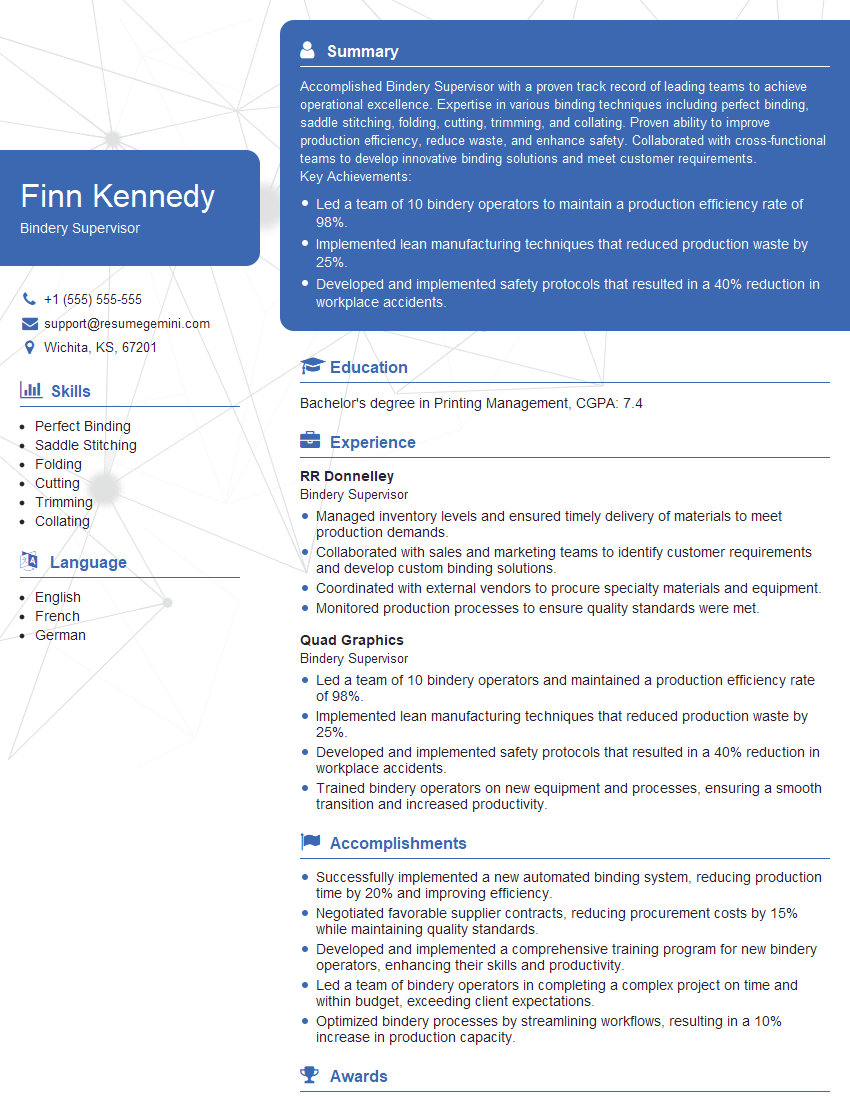
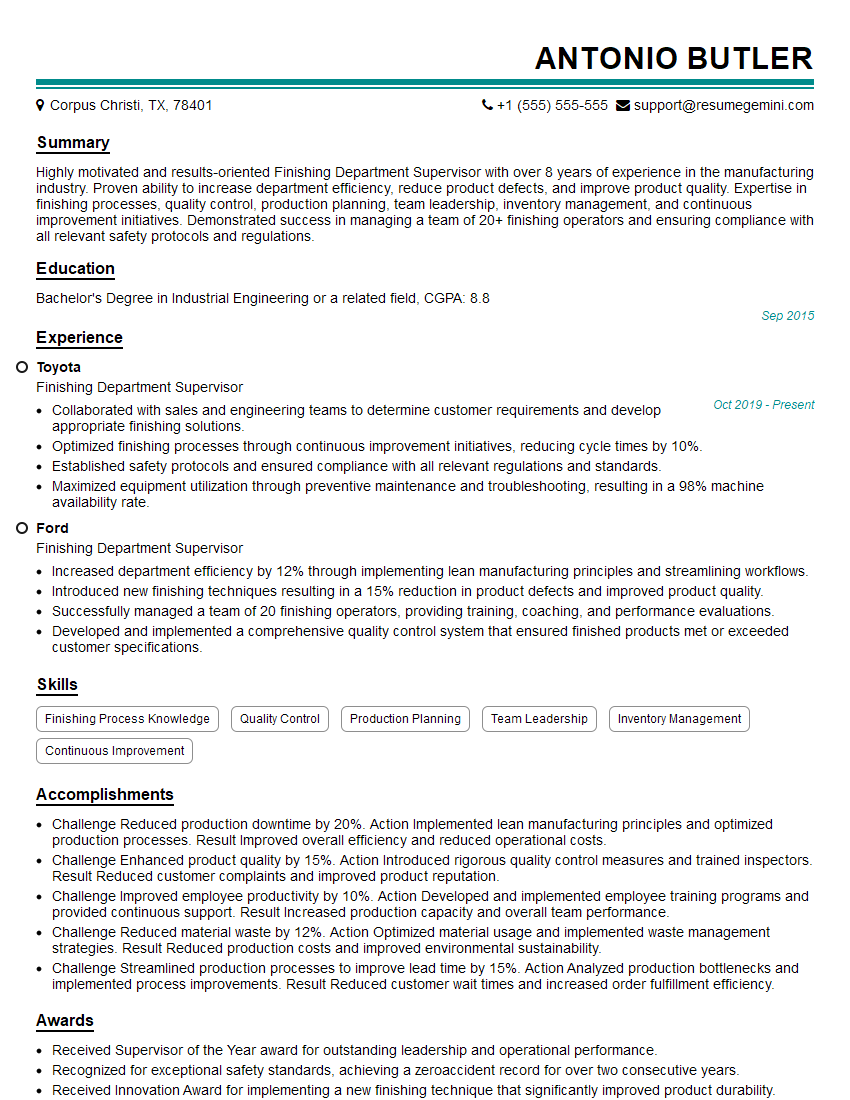
Mastering spine gluing opens doors to rewarding careers in the bookbinding and print finishing industries, offering opportunities for advancement and specialization. A strong resume is crucial for showcasing your skills and experience to potential employers. Creating an ATS-friendly resume significantly increases your chances of getting noticed by recruiters. To enhance your resume-building experience and boost your job prospects, we strongly recommend using ResumeGemini. ResumeGemini provides a user-friendly platform to craft a professional resume that highlights your qualifications. Examples of resumes tailored to the Spine Gluing field are available for your review.
Explore more articles
Users Rating of Our Blogs
Share Your Experience
We value your feedback! Please rate our content and share your thoughts (optional).
What Readers Say About Our Blog
Very informative content, great job.
good