Cracking a skill-specific interview, like one for Meeting Customer Requirements, requires understanding the nuances of the role. In this blog, we present the questions you’re most likely to encounter, along with insights into how to answer them effectively. Let’s ensure you’re ready to make a strong impression.
Questions Asked in Meeting Customer Requirements Interview
Q 1. Describe your process for gathering and analyzing customer requirements.
Gathering and analyzing customer requirements is a crucial first step in any successful project. My process is iterative and involves several key stages. It begins with active listening through various channels: interviews, surveys, focus groups, and analyzing existing documentation like user manuals and support tickets. I aim to understand not just *what* the customer wants, but *why*. This ‘why’ helps uncover underlying needs often unspoken.
Next, I document all gathered requirements meticulously. I use a combination of techniques, including user stories (e.g., “As a user, I want to be able to easily search for products so that I can find what I need quickly”), use cases, and requirement specifications. This ensures clarity and avoids misinterpretations. Then comes the analysis phase. I look for patterns, contradictions, and inconsistencies among the collected data. Prioritization, feasibility analysis, and potential risks are all assessed. I often employ techniques like MoSCoW method (Must have, Should have, Could have, Won’t have) to prioritize requirements based on impact and feasibility.
Finally, I validate the analyzed requirements with the stakeholders (including customers) to ensure everyone is on the same page. This iterative process ensures that the final requirements reflect the actual needs of the customer and are feasible to implement.
Q 2. How do you prioritize competing customer requirements?
Prioritizing competing customer requirements is a delicate balancing act. I typically use a multi-faceted approach. First, I quantify the impact of each requirement. This might involve assigning scores based on factors like business value, user impact, and technical feasibility. I use a weighted scoring system to account for the relative importance of each factor.
Second, I employ a dependency analysis to identify requirements that are mutually exclusive or interdependent. This helps determine the order in which they need to be addressed. For instance, a requirement for enhanced security might be dependent on a requirement for improved database infrastructure.
Third, I facilitate a prioritization meeting with stakeholders to discuss and resolve conflicts. This collaborative approach allows for open communication and ensures that everyone’s perspective is considered. Techniques like MoSCoW method are often used during this meeting to reach a consensus. Transparency throughout this process helps to manage expectations and ensure that all stakeholders understand the rationale behind the prioritization decisions.
Q 3. Explain a time you had to negotiate with a customer to meet conflicting demands.
In a previous project, a client requested both a highly customized solution and a rapid development timeline, two often conflicting goals. The highly customized nature meant more development time and consequently, a higher cost than the initial budget allowed for.
To negotiate, I presented three options: 1) Deliver a simplified version meeting the deadline and budget with plans for future customization; 2) Extend the deadline to accommodate the full customization within the budget; 3) Increase the budget to meet both the deadline and customization demands. I clearly explained the trade-offs associated with each option, providing detailed cost-benefit analyses. Through this transparent communication, we arrived at option 1: delivering a minimum viable product (MVP) by the deadline and then iteratively incorporating more customizations based on feedback and available budget. This approach satisfied both the client’s need for a speedy delivery and their desire for a tailored solution.
Q 4. How do you handle difficult or demanding customers?
Handling difficult or demanding customers requires empathy, patience, and strong communication skills. My approach focuses on active listening, trying to understand their concerns and frustrations. I avoid getting defensive and instead aim to validate their feelings. For example, I might say, “I understand your frustration with X. Let’s work together to find a solution.”
Next, I set clear expectations. I clearly outline what I can and cannot do, while still being helpful and accommodating within reason. If a customer’s demand is unreasonable, I explain why and offer alternative solutions. I ensure that all communication is documented so there is a clear record of our interaction and agreed-upon solutions. Finally, I maintain professionalism at all times, even when faced with aggressive or unreasonable behavior. If necessary, I escalate the issue to a manager for further assistance.
Q 5. Describe your experience using customer feedback to improve products or services.
Customer feedback is invaluable for continuous improvement. In a previous project developing a mobile application, we actively collected feedback using in-app surveys, user reviews, and social media monitoring. We analyzed this data to identify recurring issues, such as slow loading times and confusing navigation.
Based on this feedback, we implemented several changes: optimized the app’s code for faster loading, redesigned the navigation menu for improved intuitiveness, and added more in-app help and tutorials. We also prioritized bug fixes based on the frequency and severity reported by users. This iterative process of collecting feedback, analyzing it, and implementing changes led to a significant improvement in user satisfaction and app ratings.
Q 6. How do you identify and address unmet customer needs?
Identifying unmet customer needs requires going beyond simply asking what they want. It involves observing their behavior, analyzing their struggles, and understanding their context. I utilize several methods: user research (interviews, usability testing), data analysis (analyzing usage patterns, website analytics, support tickets), and competitive analysis (identifying features or functionalities offered by competitors that our customers might desire).
For example, analyzing website analytics might reveal that users are frequently abandoning their shopping carts. This suggests an unmet need for a smoother checkout process or potentially a lack of sufficient information about shipping costs or return policies. By carefully examining this data and conducting follow-up user research, we can pinpoint the root cause and develop solutions to address the unmet need.
Q 7. How do you measure customer satisfaction?
Measuring customer satisfaction is crucial for understanding the effectiveness of our work and identifying areas for improvement. I employ a variety of methods, including: customer satisfaction (CSAT) surveys, which ask customers to rate their satisfaction on a scale; Net Promoter Score (NPS) surveys, which measure customer loyalty and willingness to recommend; and customer effort score (CES) surveys, which gauge the ease of interacting with our products or services.
Beyond surveys, I also monitor qualitative feedback from reviews, social media, and support interactions. By analyzing both quantitative and qualitative data, I get a comprehensive picture of customer satisfaction and can identify key areas requiring attention. Regularly tracking these metrics allows us to monitor progress, identify trends, and make data-driven improvements to products and services.
Q 8. What techniques do you use to ensure clear communication with customers?
Clear communication is the bedrock of meeting customer requirements. I employ a multi-faceted approach, prioritizing active listening and empathetic understanding. This involves not just hearing what the customer says, but also observing their body language and tone to grasp the underlying message. I use plain language, avoiding jargon, and confirm understanding by summarizing key points and asking clarifying questions. For complex requirements, I utilize visual aids like flowcharts or prototypes to ensure we’re all on the same page. For instance, when working with a client on a new software feature, I wouldn’t just rely on written specifications. I’d conduct a series of interactive sessions to visually demonstrate the proposed functionality and incorporate their immediate feedback. This ensures that the final product closely aligns with their vision.
Furthermore, I maintain a transparent communication channel. Regular updates, whether via email, project management software, or phone calls, keep the customer informed of progress, potential roadblocks, and any necessary adjustments. This proactive approach prevents misunderstandings and fosters trust.
Q 9. How do you manage customer expectations effectively?
Managing customer expectations is a delicate balancing act. It starts with realistic scoping and clear communication during the initial stages. I carefully assess the customer’s needs, outlining what’s achievable within the project constraints—time, budget, and resources. I present multiple options if feasible, each with its own trade-offs, allowing them to make an informed decision. For example, if a customer requests a highly customized feature that’s beyond the project’s scope, I’ll explain the implications (increased cost and time) and propose alternative solutions that still meet their core needs. I also use visual tools like Gantt charts to clearly illustrate timelines and milestones, enabling them to track progress and anticipate potential delays.
Throughout the project, I maintain open communication to address any concerns promptly. This includes regularly reviewing progress against agreed-upon milestones and addressing any potential deviations proactively. By setting clear expectations upfront and managing them transparently throughout the process, I ensure a positive customer experience and minimize potential disappointments.
Q 10. Describe your experience with requirements gathering tools and techniques.
My experience with requirements gathering encompasses a variety of tools and techniques. I’m proficient in using user stories (as part of Agile methodologies), which helps capture requirements from a user’s perspective. For example, a user story might be: “As a customer, I want to be able to easily track my order status, so I can stay informed about its delivery.” I also leverage use case diagrams to visually represent the interactions between users and the system. For more complex projects, I’ve successfully employed prototyping, creating low-fidelity mockups to validate requirements with customers before committing to development. This iterative process allows for early feedback and reduces the risk of building the wrong product.
In addition to these, I utilize surveys, questionnaires, and interviews to gather comprehensive feedback. I find that combining different techniques provides a richer understanding of customer needs. For instance, a user story can be refined and validated with the feedback gained from a prototype review and a client interview. Documenting requirements in a structured manner, using tools like Jira or Confluence, is also crucial for team understanding and traceability.
Q 11. How do you handle changes in customer requirements during a project?
Change is inevitable in projects, especially when dealing with customer requirements. My approach involves establishing a formal change management process. This begins with clearly defined procedures for submitting, evaluating, and approving change requests. Each request is assessed based on its impact on the project timeline, budget, and scope. The customer is always involved in this evaluation and is informed of any cost or time implications associated with the change. Transparency is paramount; any changes are documented and communicated to the entire team, keeping everyone aligned.
I utilize project management software to track changes, ensuring proper documentation and traceability. For example, in Jira, we would create a change request ticket, detailing the proposed alteration, the impact analysis, and the approval status. This ensures a clear audit trail and aids in accountability. By implementing a well-defined process and using suitable tools, I minimize the disruption caused by changes and maintain project control.
Q 12. Explain your approach to resolving customer complaints.
Resolving customer complaints is a crucial aspect of customer satisfaction. My approach is centered around empathy and a commitment to finding a resolution. I actively listen to the customer’s concerns without interruption, acknowledging their frustration and validating their feelings. I then gather all the relevant information to understand the root cause of the complaint. This might involve reviewing documentation, logs, or speaking with team members involved in the affected process.
Once I understand the issue, I propose a solution that addresses the customer’s concerns. This might involve offering a refund, a replacement, or making amends through an appropriate action. I communicate the resolution clearly and follow up to ensure the customer is satisfied. If the issue is complex or requires more time to resolve, I keep the customer informed of the progress, setting clear expectations for when they can expect a final resolution. Documentation of the entire complaint resolution process is maintained for future reference and process improvement.
Q 13. How do you balance customer needs with business objectives?
Balancing customer needs with business objectives is a key skill in this role. It’s about finding a win-win solution that satisfies both parties. I start by clearly defining both the customer’s requirements and the organization’s strategic goals. Then, I look for areas of alignment and potential conflicts. For example, a customer might request a highly specialized feature that is beyond our current capabilities. Instead of outright refusal, I might propose a phased approach, delivering the core functionality first, and then adding the specialized feature in a future release.
Prioritization is crucial. I use techniques like MoSCoW analysis (Must have, Should have, Could have, Won’t have) to categorize requirements based on their importance and feasibility. This allows me to prioritize features that deliver maximum value for the customer while aligning with business constraints. Open communication with stakeholders throughout this process is vital to ensuring everyone is aligned with the final decision. Negotiation and compromise often play a vital role in reaching a mutually agreeable outcome.
Q 14. How do you ensure that customer requirements are documented and understood by your team?
Ensuring customer requirements are well-documented and understood by the team is crucial for project success. I employ a collaborative approach, involving the team in the requirements gathering process from the outset. This ensures shared understanding and buy-in. We use a structured approach to documentation, creating a single source of truth for all requirements. Tools like Jira or Confluence are excellent for this, allowing for version control and easy access for all team members.
The documentation includes not only functional requirements (what the system should do) but also non-functional requirements (performance, security, usability). We use clear and concise language, avoiding technical jargon wherever possible. Visual aids, such as use case diagrams, user stories, and mockups, supplement the written documentation, enhancing understanding and reducing ambiguity. Regular reviews and walkthroughs with the team ensure that everyone is on the same page, and any questions or clarifications are addressed promptly. This ensures that the entire team shares a common understanding of what needs to be built, avoiding misunderstandings and costly rework.
Q 15. Describe a time you had to compromise to meet a customer’s needs.
Compromise is crucial in meeting customer needs, as it involves balancing their expectations with business feasibility. It’s not about giving in entirely, but finding mutually beneficial solutions.
For instance, a customer requested a custom feature for our software that would require significant development time and resources, pushing back our product launch. After careful analysis, we proposed a phased rollout – delivering the core feature initially and incorporating advanced functionalities in subsequent updates. This compromise met their need for the key functionality without jeopardizing the project timeline or budget. We kept them informed throughout the process, ensuring transparency and building trust.
Another example involves a client demanding a specific design element that clashed with our brand guidelines. Instead of outright refusal, we presented alternative design options that achieved a similar aesthetic effect while remaining consistent with our brand. We explained the rationale behind our brand guidelines, demonstrating respect for their vision while adhering to our best practices.
Career Expert Tips:
- Ace those interviews! Prepare effectively by reviewing the Top 50 Most Common Interview Questions on ResumeGemini.
- Navigate your job search with confidence! Explore a wide range of Career Tips on ResumeGemini. Learn about common challenges and recommendations to overcome them.
- Craft the perfect resume! Master the Art of Resume Writing with ResumeGemini’s guide. Showcase your unique qualifications and achievements effectively.
- Don’t miss out on holiday savings! Build your dream resume with ResumeGemini’s ATS optimized templates.
Q 16. How do you identify and mitigate risks related to meeting customer requirements?
Risk mitigation in meeting customer requirements begins with proactive identification. We employ a systematic approach, using tools like risk assessment matrices and thorough requirement analysis. We consider factors like technical feasibility, time constraints, budget limitations, and potential conflicts with existing systems.
For example, if a requirement necessitates the integration of a third-party system, we assess the reliability and stability of that system, exploring potential backups or alternative solutions. We also build in contingency plans for unforeseen challenges, such as assigning buffer time for development or securing budget reserves for unexpected issues.
Mitigating these risks involves clear communication, meticulous planning, and rigorous testing. We establish robust processes for change management, ensuring that all changes are documented, evaluated, and approved before implementation. This ensures we remain agile while managing risks effectively.
Q 17. What metrics do you use to track your success in meeting customer requirements?
Tracking success in meeting customer requirements relies on a multi-faceted approach using key performance indicators (KPIs). These metrics give us a clear picture of customer satisfaction and product performance.
- Customer Satisfaction (CSAT) scores: Surveys and feedback mechanisms help measure overall satisfaction.
- Net Promoter Score (NPS): Gauges customer loyalty and willingness to recommend our product or service.
- Feature adoption rate: Tracks how frequently customers utilize specific features, indicating their value and usability.
- Defect rate/bug reports: Measures the quality of the delivered product and effectiveness in meeting requirements.
- On-time and within-budget delivery: Reflects project management effectiveness.
By consistently monitoring these KPIs, we gain valuable insights into areas of strength and weakness, guiding continuous improvement efforts.
Q 18. How do you stay up-to-date on customer trends and preferences?
Staying abreast of customer trends and preferences requires a proactive and multi-pronged strategy.
- Market research: We conduct regular market research, analyzing industry reports, competitor activities, and emerging technologies.
- Customer feedback analysis: We meticulously analyze feedback from various sources, including surveys, reviews, social media, and direct customer interactions.
- Social listening: Monitoring social media conversations and online forums to understand customer sentiments and unmet needs.
- Competitive analysis: Studying competitor offerings to identify successful strategies and innovative solutions.
- Participating in industry events and conferences: Networking and learning from industry experts.
This continuous monitoring allows us to adapt and innovate, ensuring our offerings remain relevant and appealing to our target audience.
Q 19. Describe your experience working with different customer segments.
My experience spans diverse customer segments, including enterprise clients, small businesses, and individual consumers. Each segment has unique needs and expectations.
Enterprise clients often prioritize scalability, security, and integration with existing systems. Conversely, small businesses tend to focus on affordability, ease of use, and quick implementation. Individual consumers prioritize ease of use, intuitive design, and value for money. I’ve learned to tailor my communication and approach to effectively address the specific needs of each segment, understanding their priorities and concerns.
For example, while presenting to an enterprise client, I emphasize the long-term value proposition, focusing on ROI and risk mitigation. With small businesses, I focus on practical applications and fast return on investment. For individual consumers, I prioritize clear and concise explanations with visual demonstrations.
Q 20. How do you use technology to improve your ability to meet customer requirements?
Technology plays a vital role in improving our ability to meet customer requirements. We leverage several tools and platforms:
- CRM systems: For efficient customer relationship management, storing and analyzing customer data to personalize interactions.
- Project management software: For streamlining project workflows, ensuring timely delivery and clear communication.
- Collaboration tools: Facilitating seamless communication and teamwork across departments.
- Data analytics platforms: Analyzing customer usage data to identify pain points and areas for improvement.
- Automated testing tools: Improving software quality and reducing errors.
By effectively utilizing these technologies, we enhance efficiency, improve communication, and ensure a high level of customer satisfaction.
Q 21. How do you build strong relationships with customers?
Building strong customer relationships is paramount. It’s built on trust, understanding, and open communication.
- Active listening: Understanding customer needs and concerns through attentive listening.
- Empathy: Demonstrating understanding and compassion towards their situations.
- Proactive communication: Keeping customers informed throughout the process, providing regular updates and addressing concerns promptly.
- Personalized service: Tailoring interactions and solutions to meet individual needs.
- Consistent follow-up: Checking in after project completion to ensure ongoing satisfaction.
Building rapport involves treating each customer as an individual, appreciating their feedback, and valuing their business. This fosters loyalty and builds strong, lasting relationships.
Q 22. What is your experience with customer relationship management (CRM) systems?
My experience with CRM systems is extensive. I’ve worked with several leading platforms, including Salesforce, HubSpot, and Zoho CRM, across various roles – from sales representative to project manager to team lead. This exposure has provided me with a deep understanding of their functionalities, from contact management and lead nurturing to sales pipeline tracking and reporting. I’m proficient in using CRM systems to track customer interactions, analyze customer data to identify trends and improve strategies, and ultimately, ensure we’re meeting customer needs effectively. For instance, in my previous role, I utilized Salesforce to streamline our sales process, resulting in a 15% increase in lead conversion rates within six months. This involved not just data entry, but sophisticated use of reporting features to pinpoint bottlenecks and tailor our approach accordingly.
Q 23. How do you handle situations where customer requirements are unclear or ambiguous?
When customer requirements are unclear or ambiguous, my approach is systematic. First, I employ active listening, asking clarifying questions to fully understand their needs. This involves rephrasing their requests and asking for specific examples to ensure we’re on the same page. If needed, I’ll employ collaborative brainstorming sessions, involving relevant stakeholders to explore different interpretations and potential solutions. I use visual aids, like flowcharts or prototypes, to ensure common understanding and prevent misunderstandings. Finally, I document all agreed-upon requirements meticulously, creating a shared understanding and reducing the risk of future conflicts. For example, if a client says they need a ‘faster website,’ I would ask specific questions like ‘What is the current loading time, and what is your target loading time? How will you measure ‘faster’? What are your key performance indicators (KPIs)?’ This ensures we avoid subjective interpretations and focus on measurable goals.
Q 24. How do you proactively identify potential customer issues?
Proactive identification of potential customer issues is crucial. I use a combination of methods, including regular communication with clients, analyzing customer data (from CRM systems and feedback forms), and keeping abreast of industry trends. Monitoring social media mentions, online reviews, and support tickets also provides valuable insights. For example, if I notice a sudden spike in negative reviews mentioning a specific feature, it signals a potential issue requiring immediate attention. By proactively addressing these issues, I can prevent escalation and maintain customer satisfaction. It’s like preventative maintenance; it’s much easier and cheaper to address a minor issue before it turns into a major problem.
Q 25. Describe a time you went above and beyond to meet a customer’s needs.
In a previous project, a client faced a critical deadline for a product launch. An unexpected technical glitch emerged, threatening to derail everything. While the initial solution was beyond my immediate scope of responsibility, I volunteered to stay late each night for several days to assist the technical team in resolving the problem. We successfully launched the product on time, exceeding client expectations. This demonstrated my commitment and dedication to our clients’ success, forging a strong and lasting relationship. It was a stressful situation, but the gratitude expressed by the client made all the extra work worthwhile.
Q 26. How do you ensure that customer requirements are translated into actionable plans?
Translating customer requirements into actionable plans involves a structured approach. I typically start by creating a detailed requirements document, outlining all aspects of the project. This is followed by a prioritization matrix, ranking requirements based on urgency, importance, and feasibility. Next, I break down the requirements into smaller, manageable tasks with clear deadlines and assigned responsibilities. Regular progress meetings and status updates ensure that the project stays on track and that any deviations are addressed promptly. Project management tools, such as Jira or Asana, are instrumental in this process, enabling transparent tracking and collaborative task management.
Q 27. How do you handle situations where you can’t meet a customer’s requirements?
When a customer’s requirements are impossible to meet, honesty and transparency are paramount. I’ll carefully explain the limitations, offering clear, concise reasons. I then explore alternative solutions, presenting viable options that meet some of their needs, even if not all. This might involve proposing a phased approach, focusing on the most critical requirements first, or recommending a different approach entirely. It’s about finding a compromise that ensures customer satisfaction while acknowledging realistic constraints. For example, if a client requests a feature impossible to implement within their budget, I’d offer a scaled-down version or propose alternatives that achieve similar outcomes more cost-effectively.
Q 28. Explain your understanding of the importance of customer feedback in continuous improvement.
Customer feedback is the lifeblood of continuous improvement. It provides valuable insights into areas where we excel and areas needing improvement. I actively solicit feedback through various channels, including surveys, feedback forms, and direct communication. This feedback is then analyzed to identify recurring issues, pinpoint trends, and improve processes. In essence, customer feedback is data-driven insight for enhancing our products, services, and overall customer experience. This is not a passive process, instead, we actively seek out negative feedback, as this often reveals the biggest areas for improvement. We then use the data from all the feedback to refine our offerings and better meet customer needs.
Key Topics to Learn for Meeting Customer Requirements Interview
- Understanding Customer Needs: Go beyond surface-level requests. Learn to identify underlying needs and motivations using active listening and questioning techniques.
- Requirements Gathering Methods: Explore various methods like interviews, surveys, workshops, and document analysis. Understand the strengths and weaknesses of each approach and how to choose the right one for a given situation.
- Prioritization and Trade-offs: Practice techniques for prioritizing requirements based on factors like value, feasibility, and risk. Learn how to effectively communicate trade-offs to stakeholders.
- Documentation and Communication: Master the art of clear and concise requirement documentation using user stories, use cases, or other appropriate methods. Practice effective communication with both technical and non-technical audiences.
- Conflict Resolution: Develop strategies for handling disagreements and conflicting requirements among stakeholders. Learn techniques for negotiation and compromise.
- Change Management: Understand how to manage changes in requirements throughout the project lifecycle. Learn how to assess the impact of changes and communicate them effectively.
- Testing and Validation: Learn how to define acceptance criteria and develop effective testing strategies to ensure that the final product meets the specified requirements.
Next Steps
Mastering the art of meeting customer requirements is crucial for career advancement in any field. It demonstrates your ability to collaborate effectively, solve problems creatively, and deliver value. Building a strong, ATS-friendly resume is key to showcasing these skills and increasing your job prospects. ResumeGemini can help you craft a professional resume that highlights your abilities in meeting customer requirements and positions you for success. Examples of resumes tailored to this skillset are available to further assist you in your preparation.
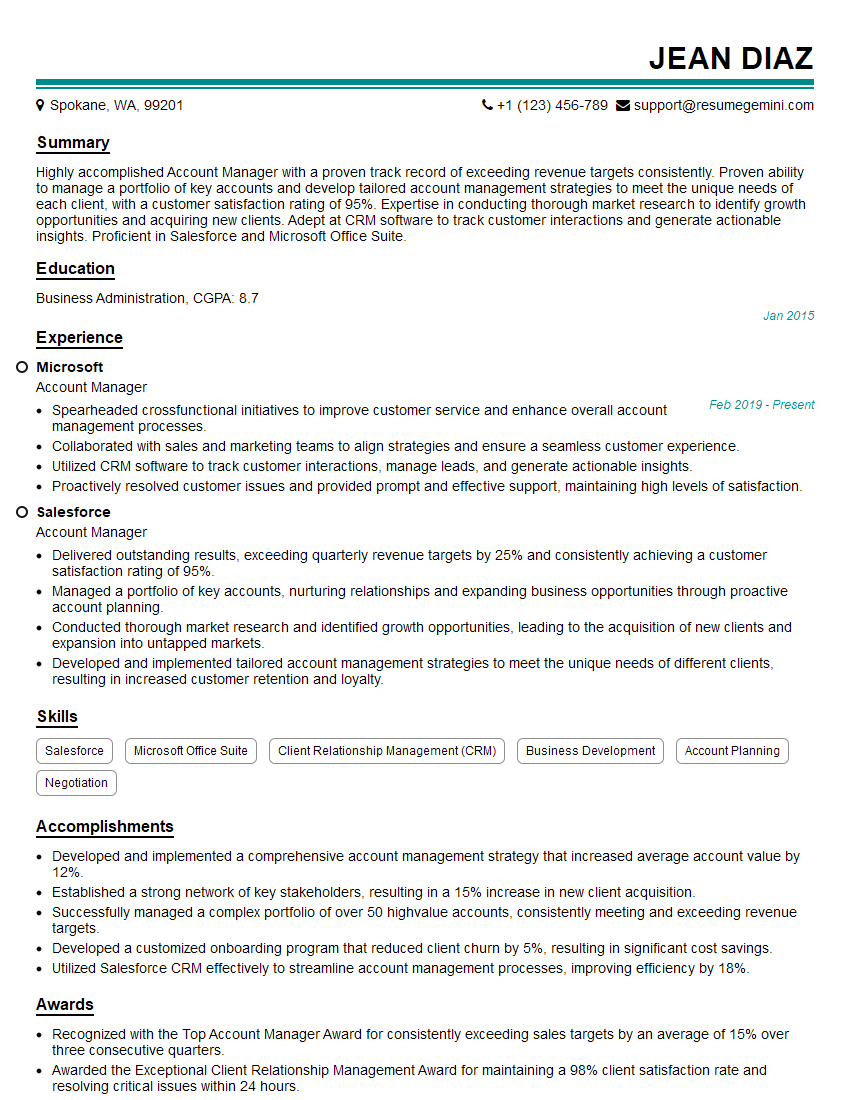
Account Manager Resume Sample
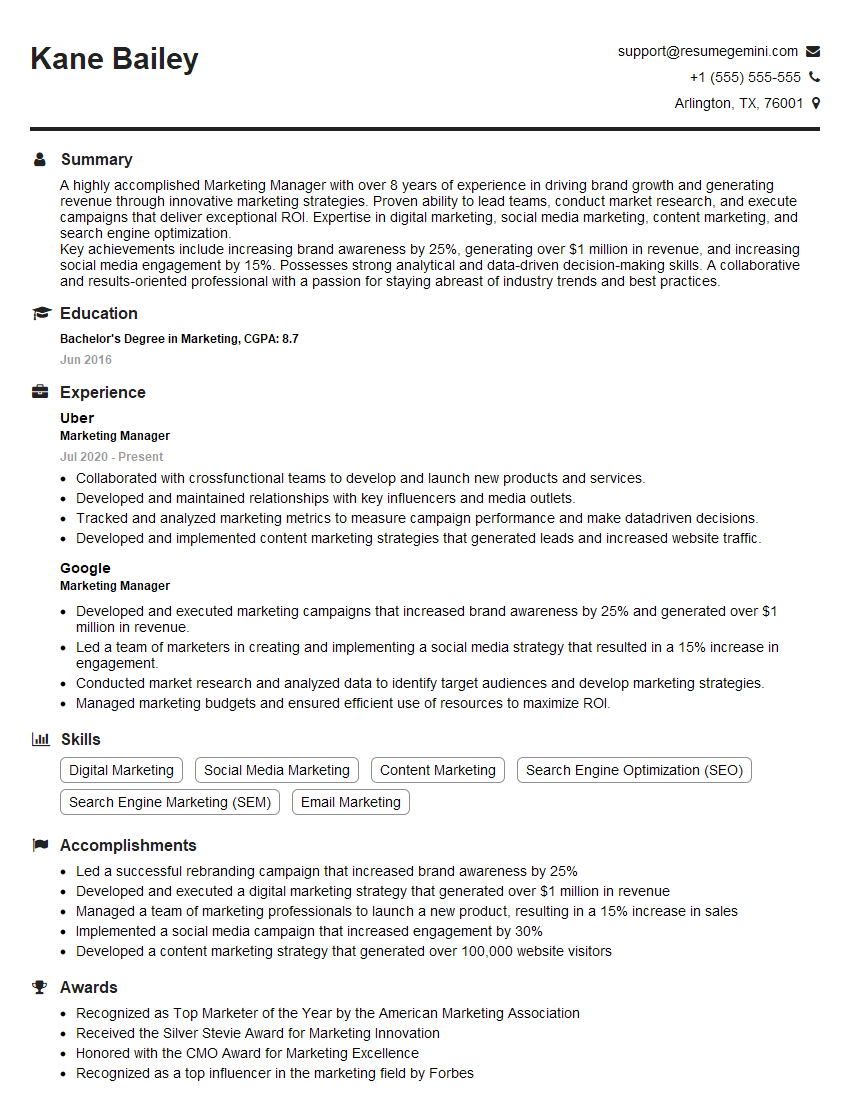
Marketing Manager Resume Sample
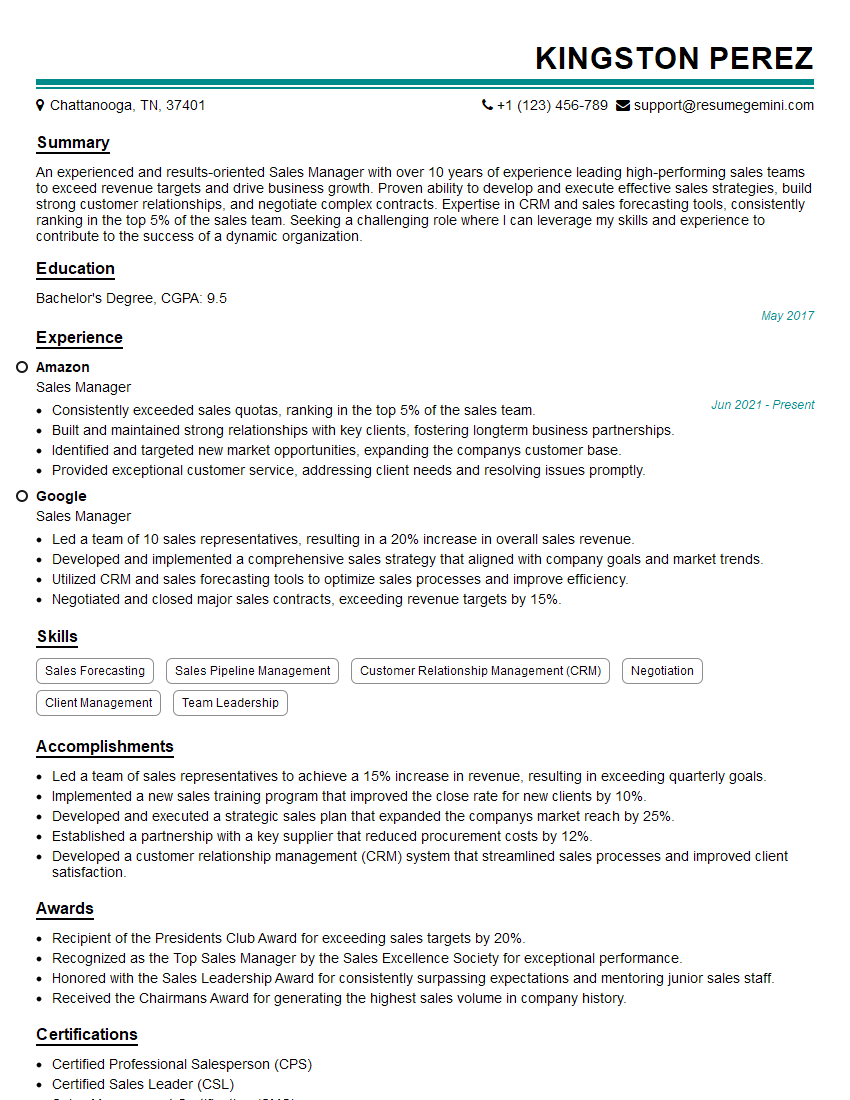
Sales Manager Resume Sample
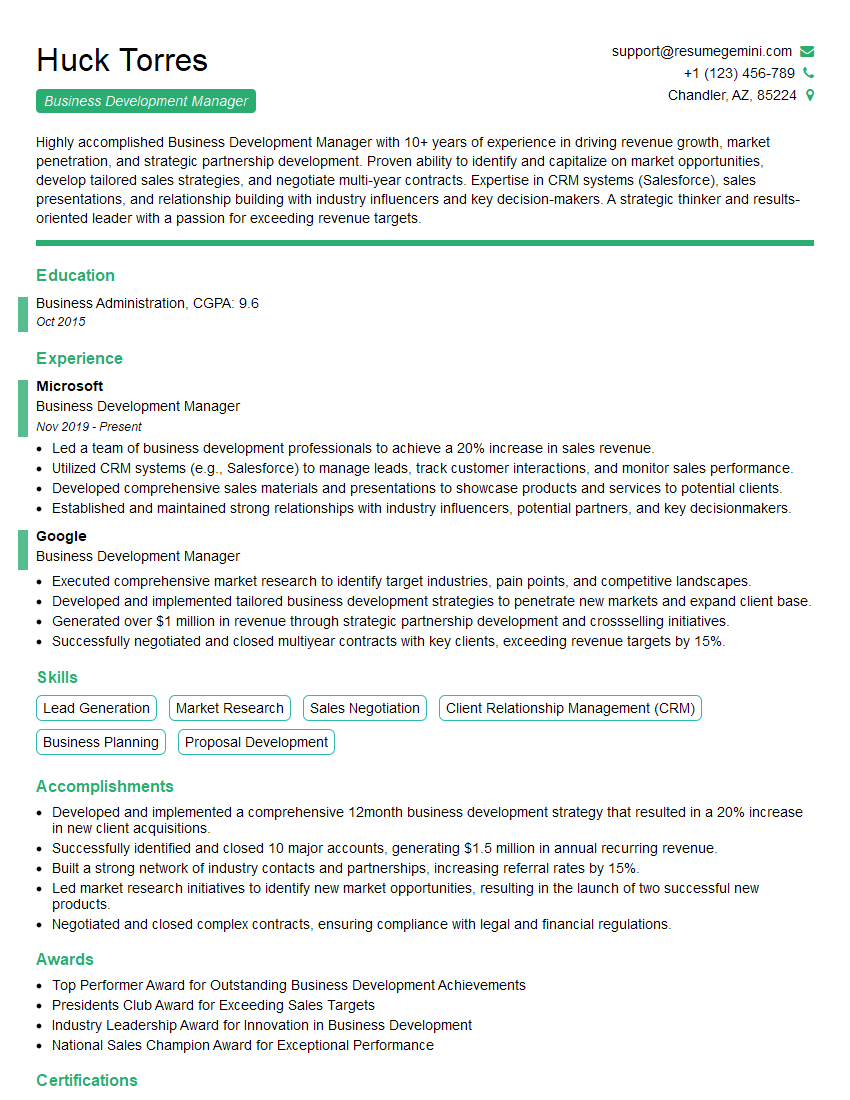
Business Development Manager Resume Sample
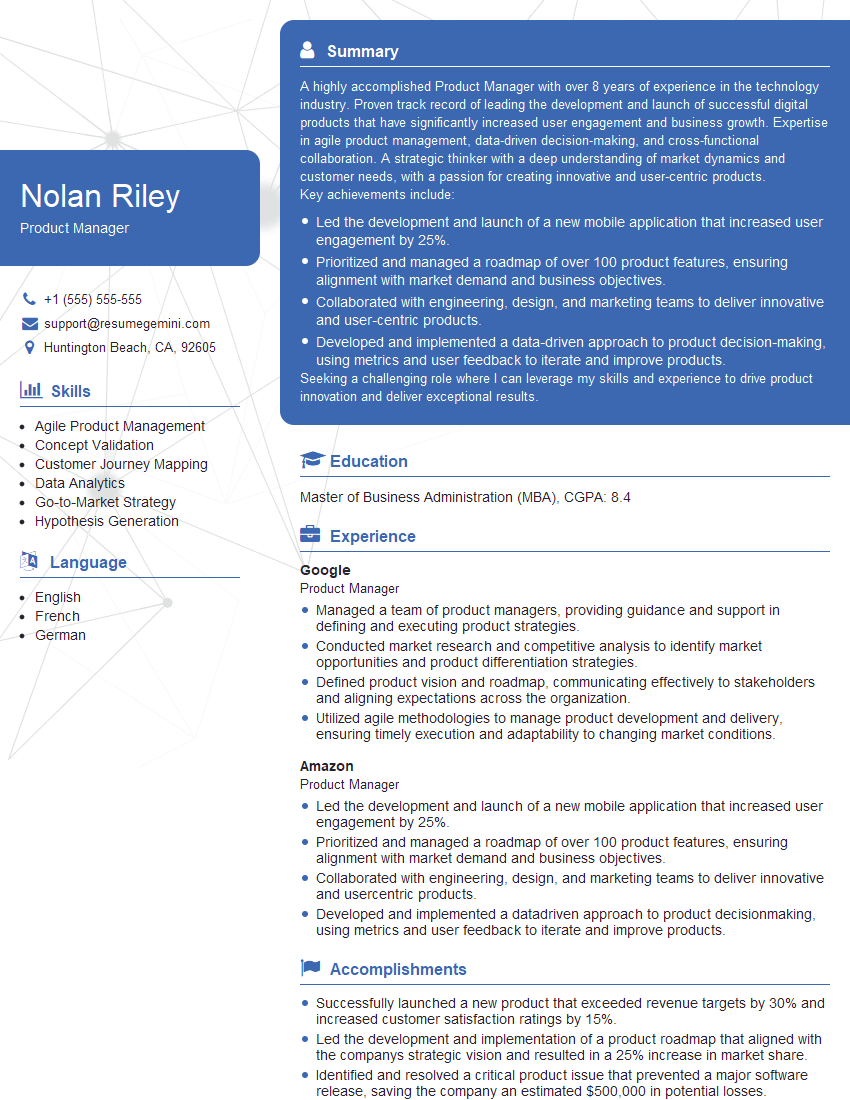
Product Manager Resume Sample

Customer Service Manager Resume Sample
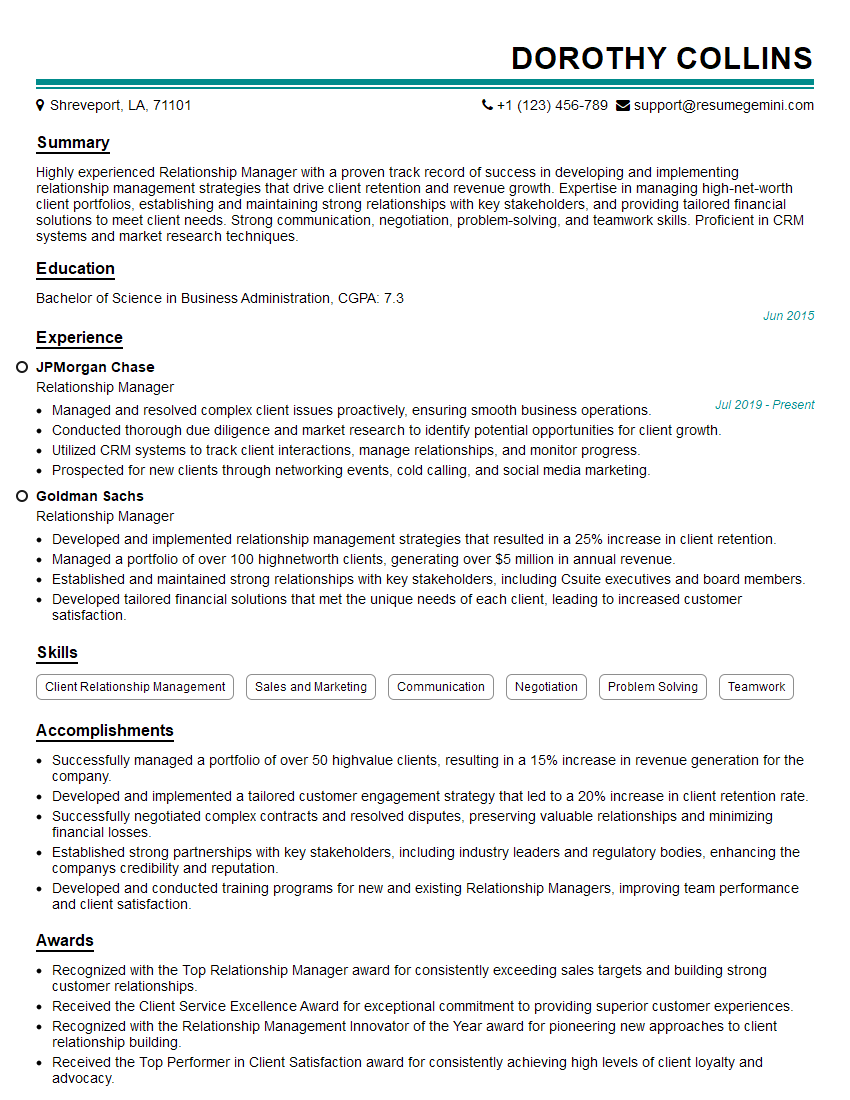
Relationship Manager Resume Sample

Project Manager Resume Sample
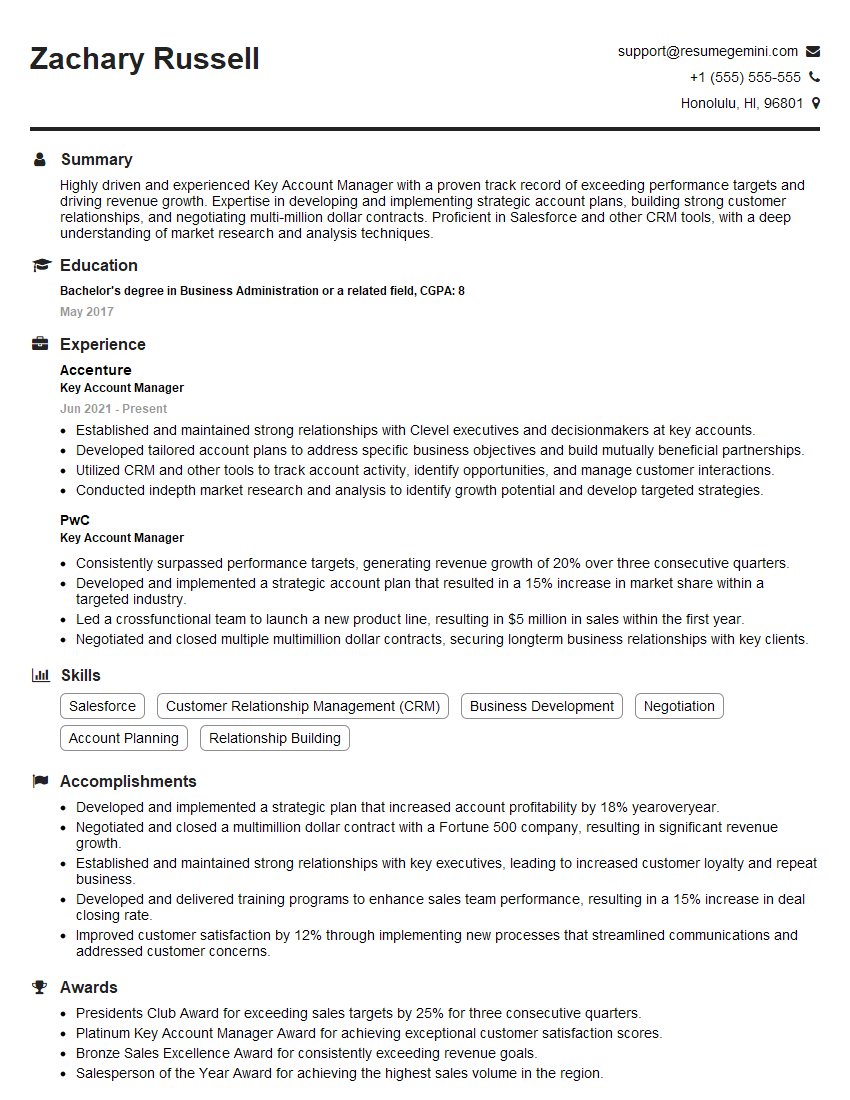
Key Account Manager Resume Sample
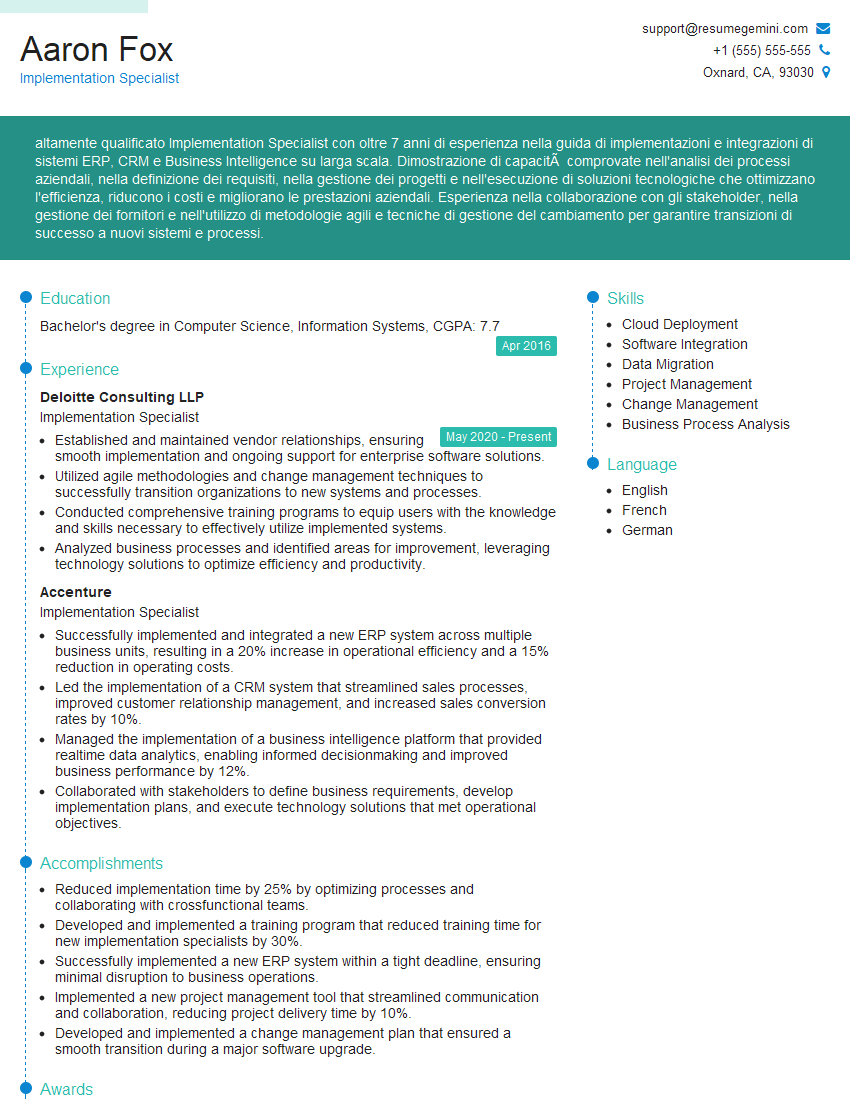
Implementation Specialist Resume Sample
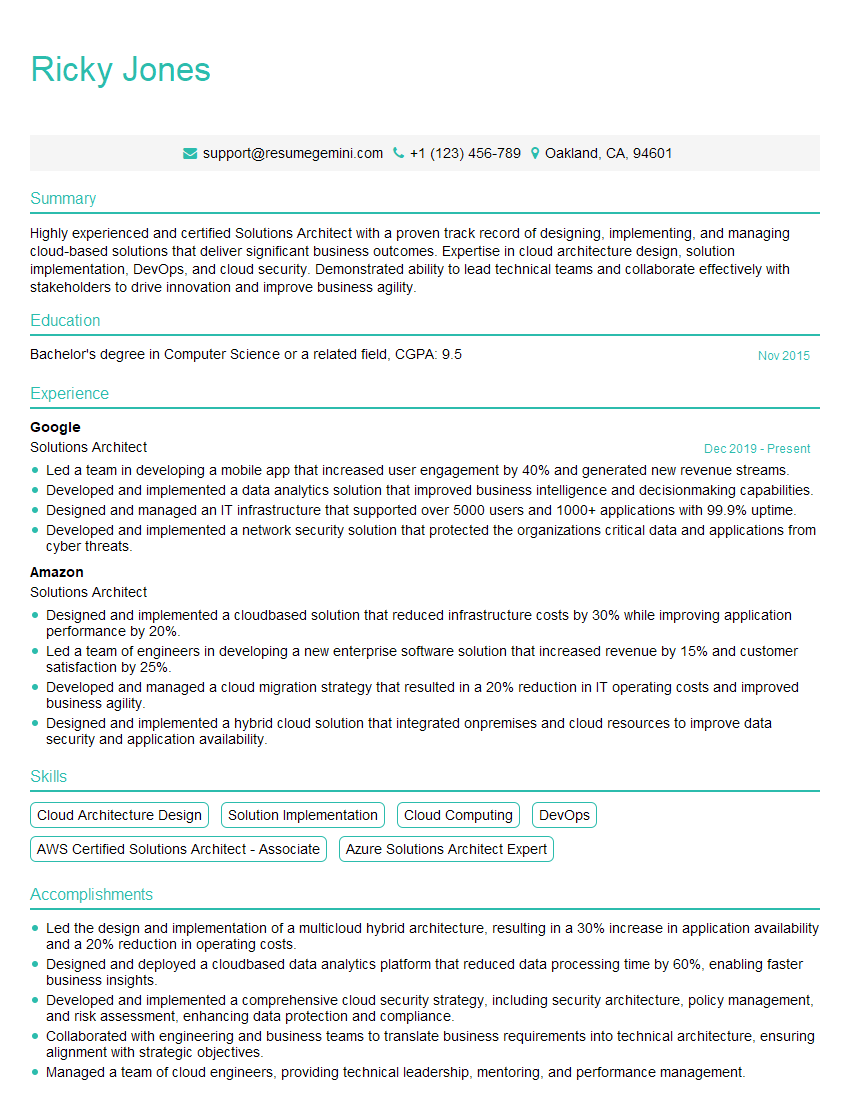
Solutions Architect Resume Sample

Technical Support Engineer Resume Sample
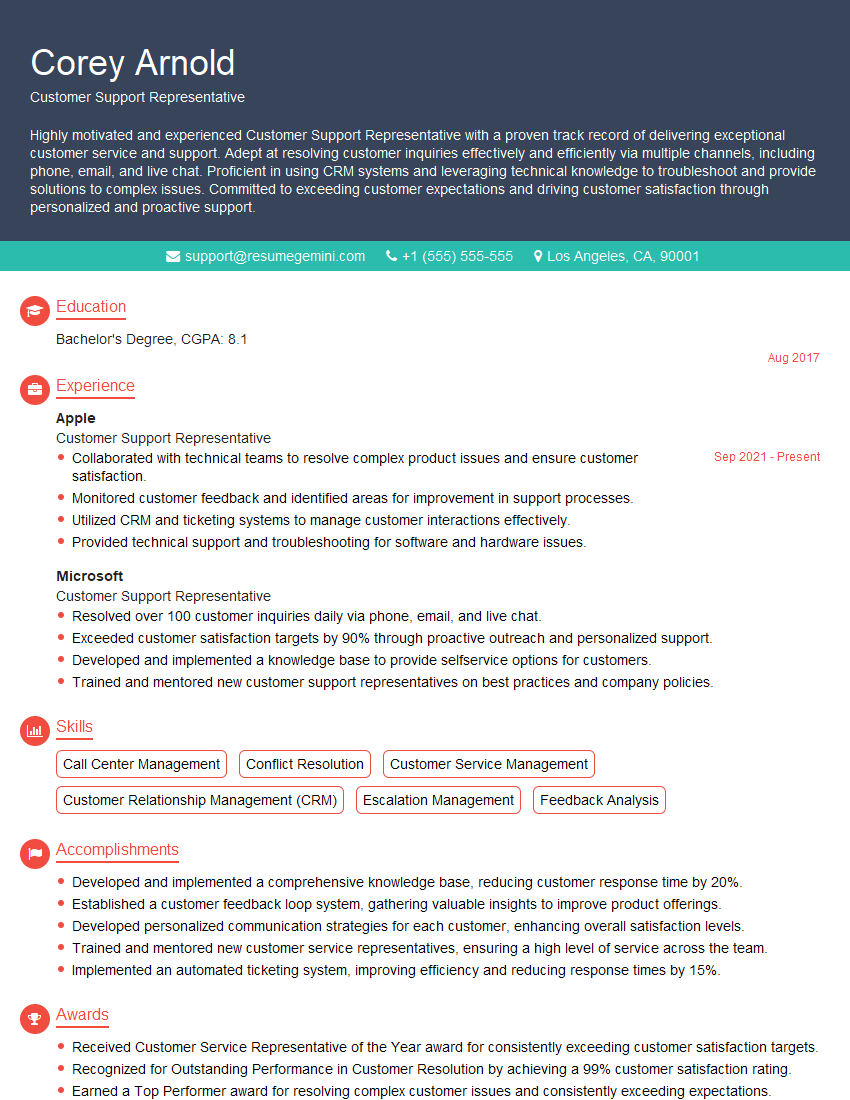
Customer Support Representative Resume Sample
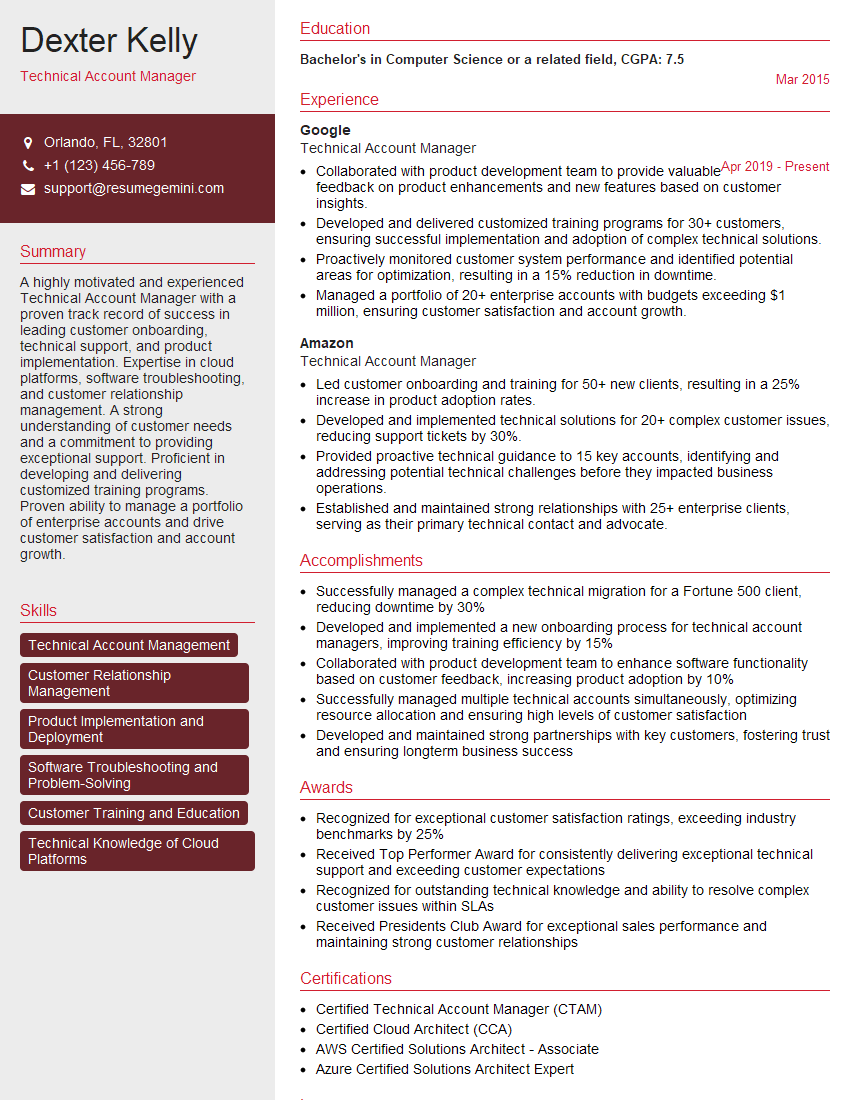
Technical Account Manager Resume Sample
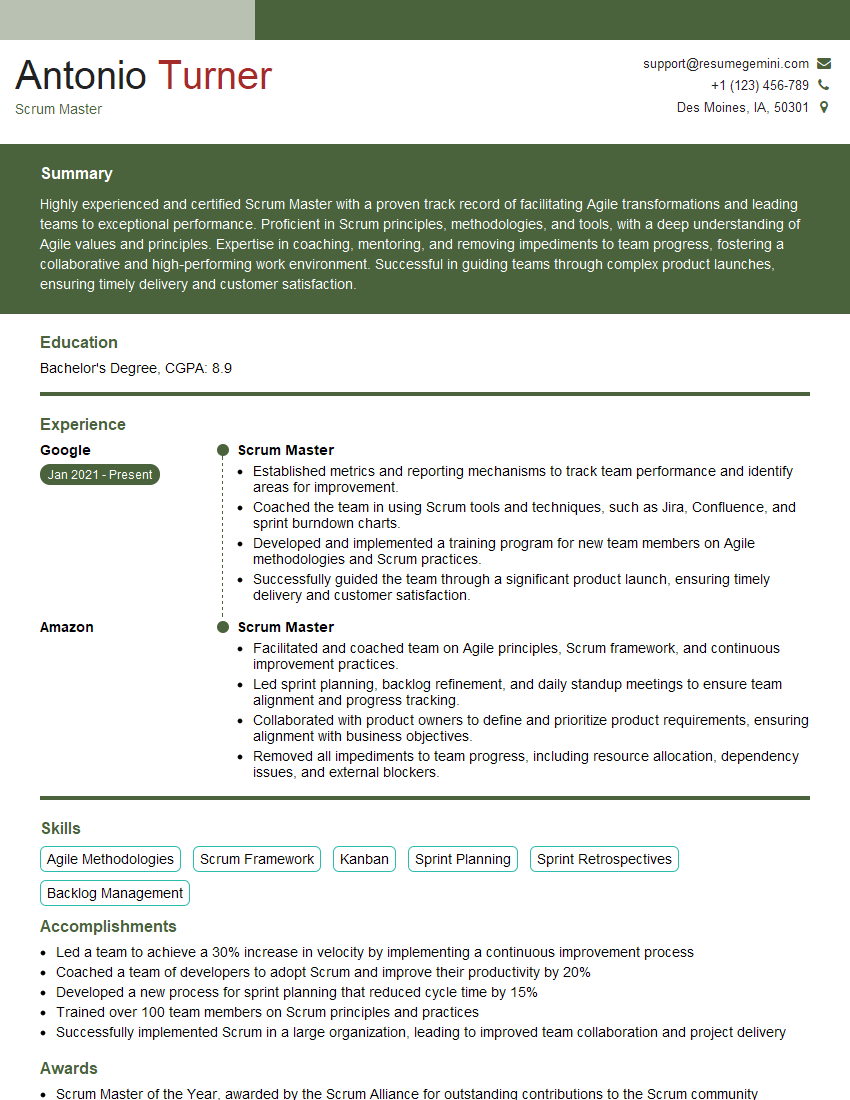
Scrum Master Resume Sample
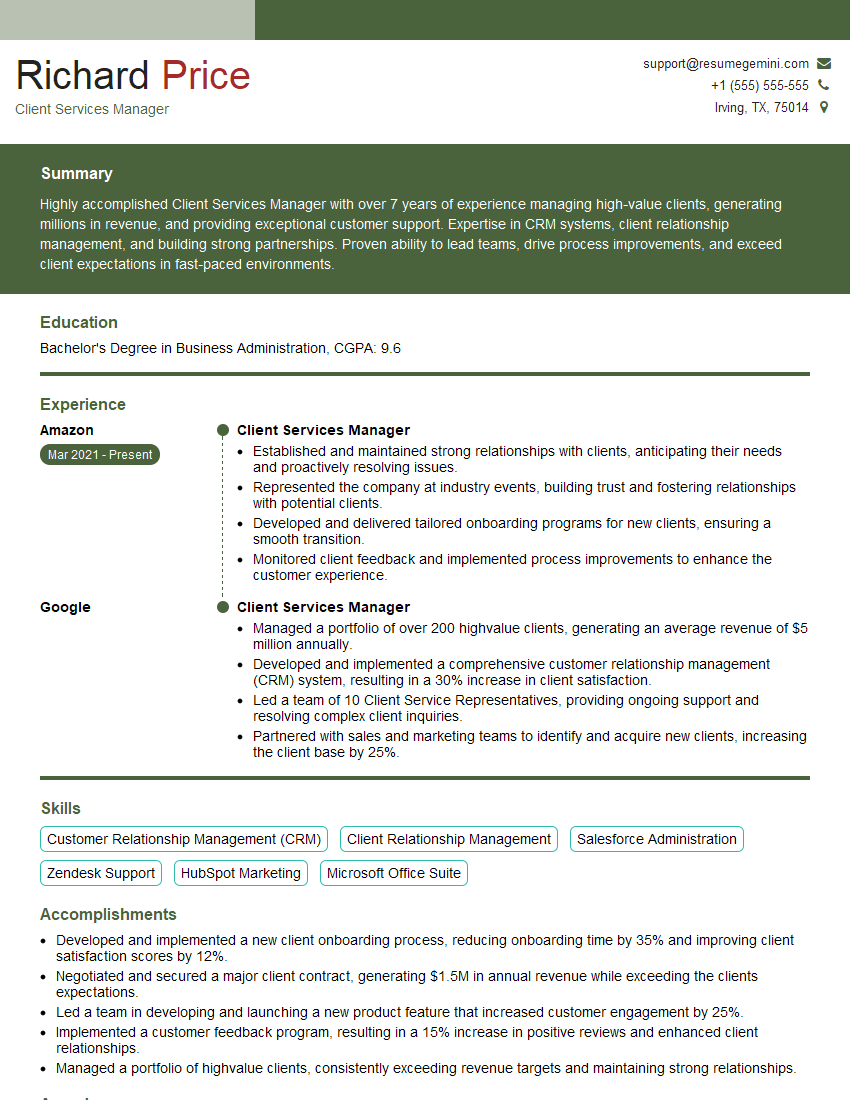
Client Services Manager Resume Sample
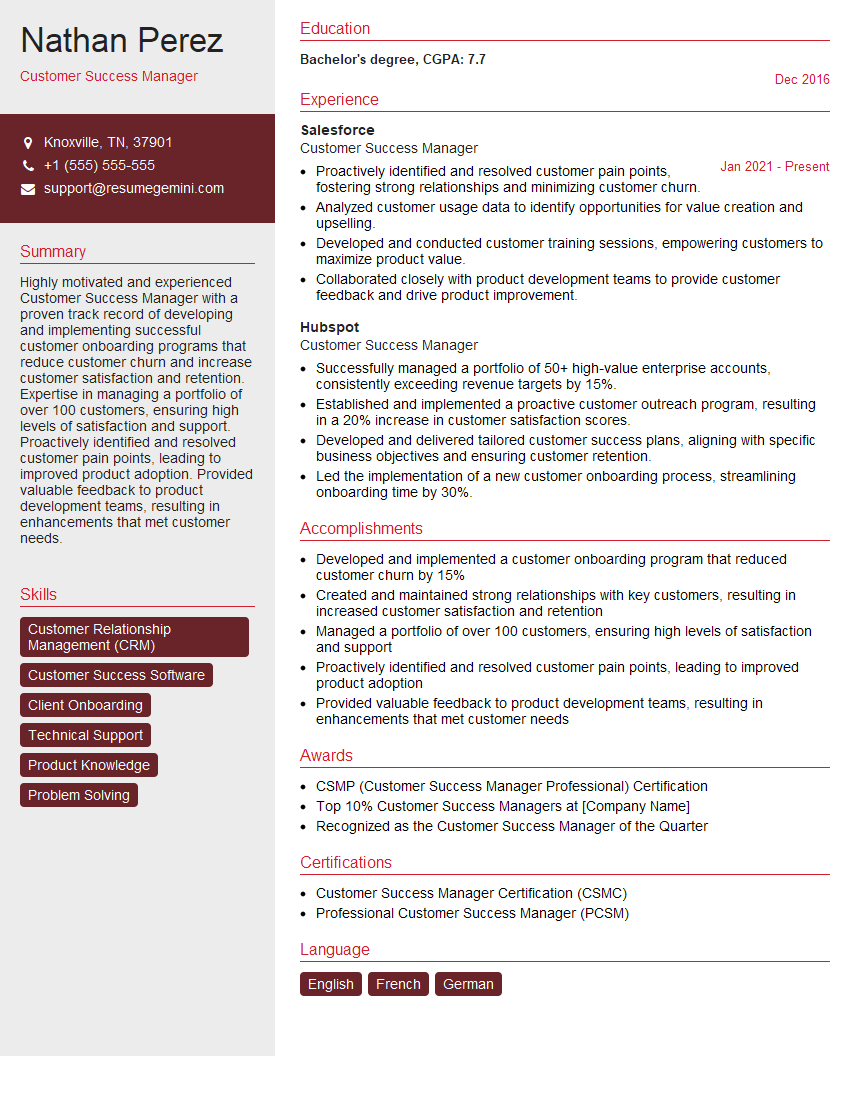
Customer Success Manager Resume Sample
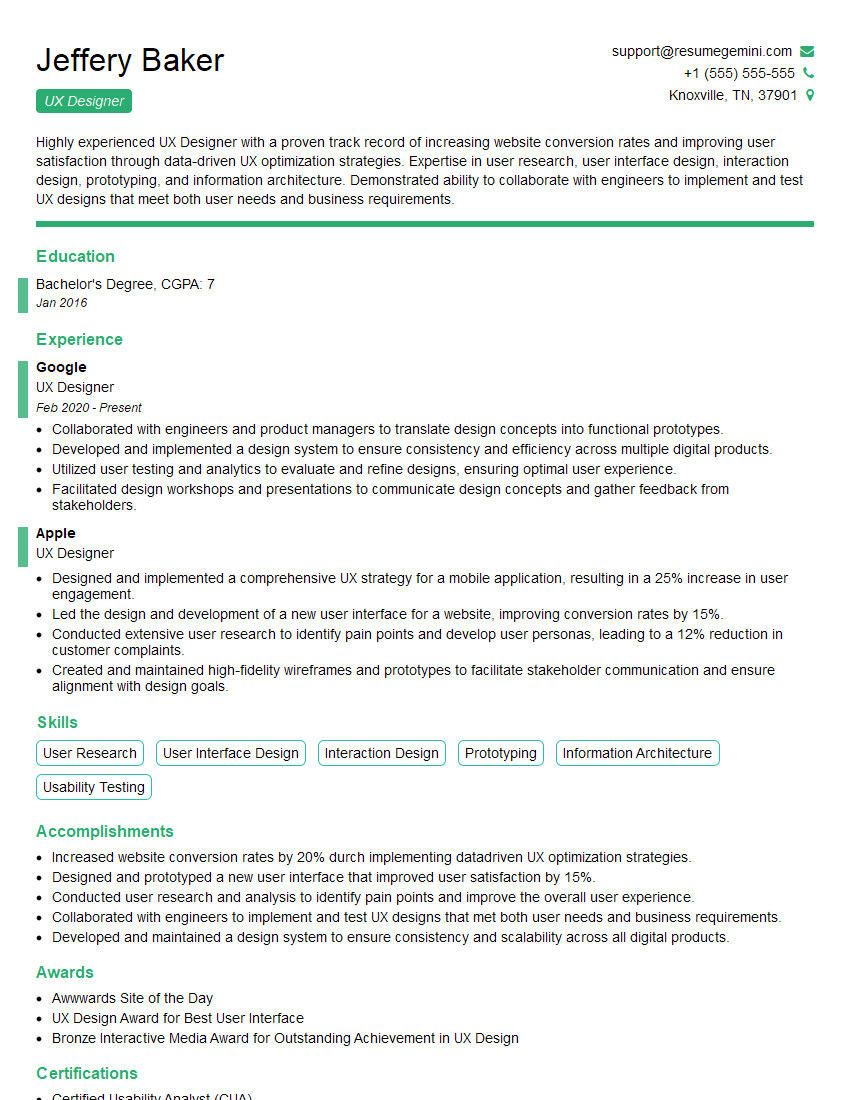
UX Designer Resume Sample
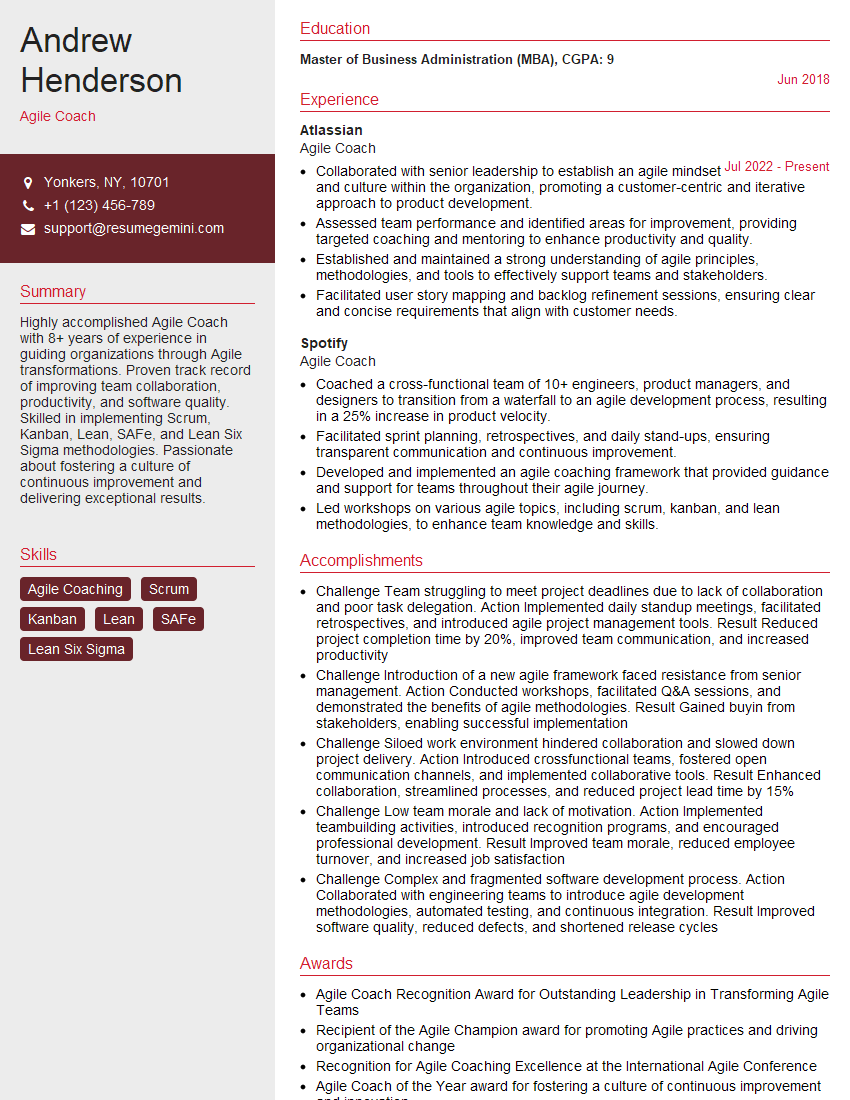
Agile Coach Resume Sample
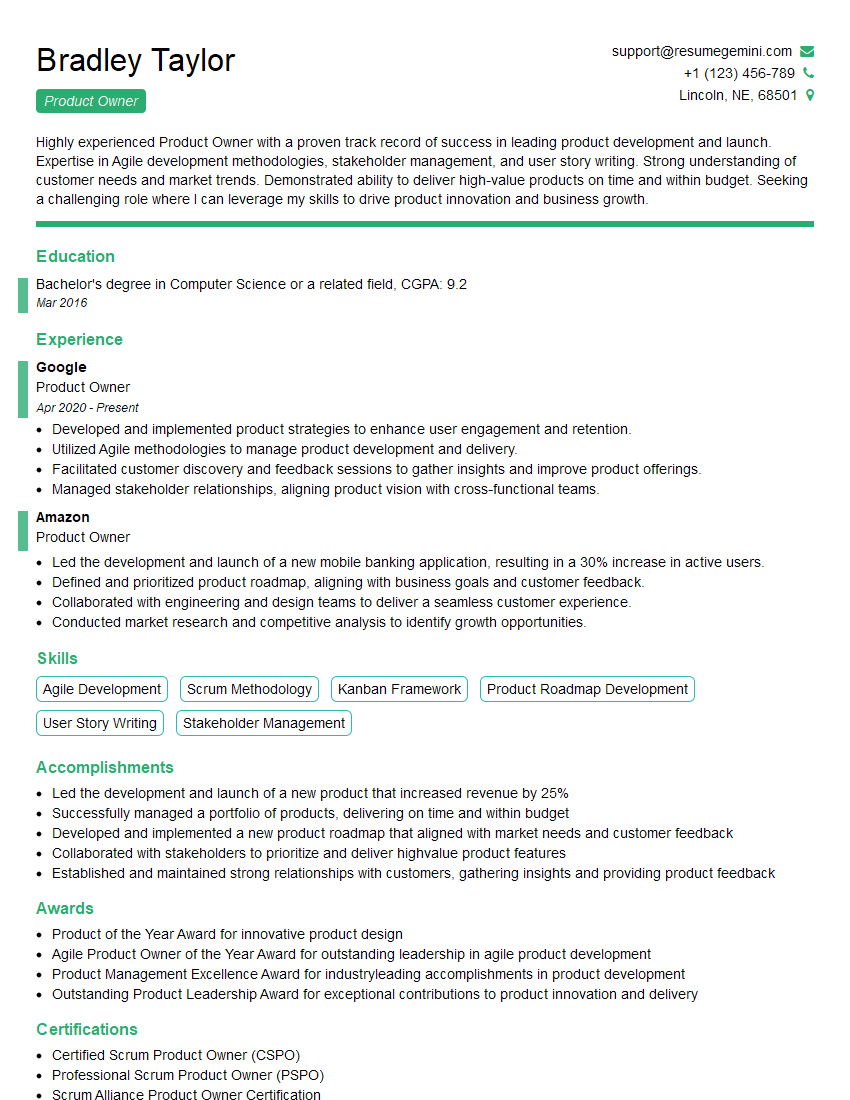
Product Owner Resume Sample
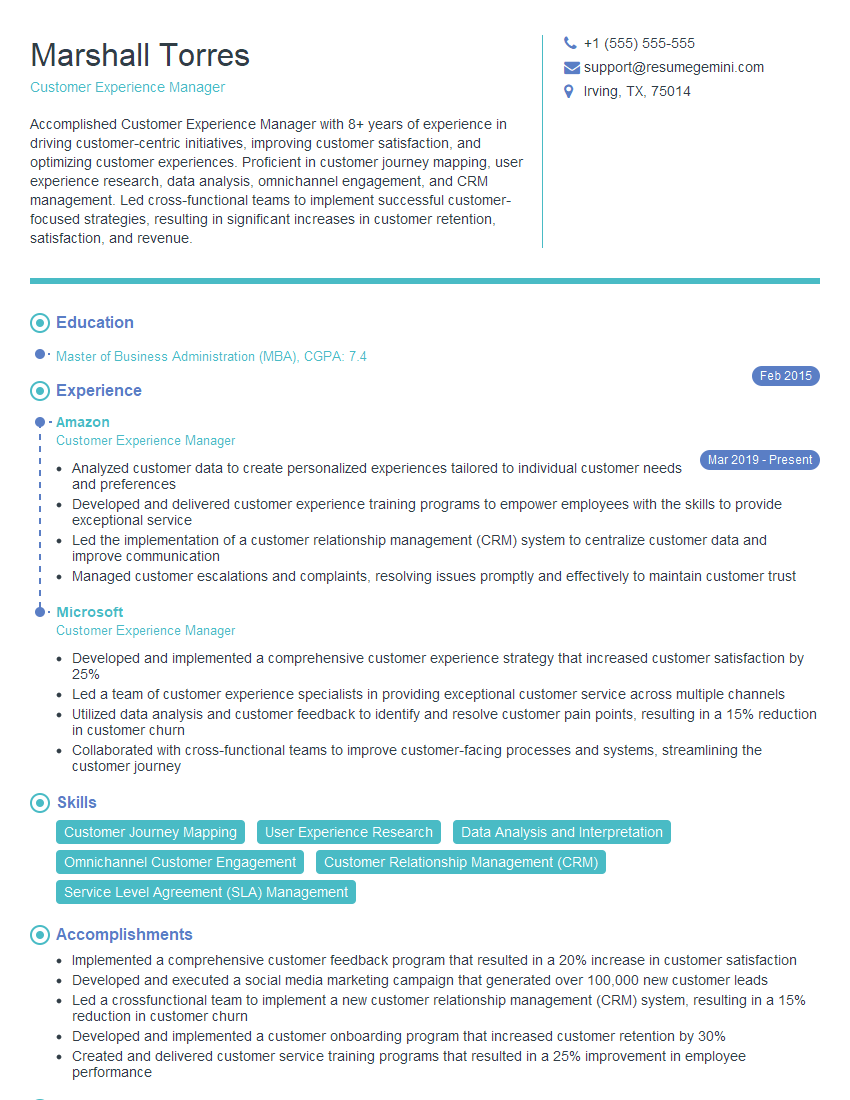
Customer Experience Manager Resume Sample
- Account Manager
- Marketing Manager
- Sales Manager
- Business Development Manager
- Product Manager
- Customer Service Manager
- Relationship Manager
- Project Manager
- Key Account Manager
- Implementation Specialist
- Solutions Architect
- Technical Support Engineer
- Customer Support Representative
- Technical Account Manager
- Scrum Master
- Client Services Manager
- Customer Success Manager
- UX Designer
- Agile Coach
- Product Owner
- Customer Experience Manager
Explore more articles
Users Rating of Our Blogs
Share Your Experience
We value your feedback! Please rate our content and share your thoughts (optional).
What Readers Say About Our Blog
Very informative content, great job.
good