Feeling uncertain about what to expect in your upcoming interview? We’ve got you covered! This blog highlights the most important Meeting production targets interview questions and provides actionable advice to help you stand out as the ideal candidate. Let’s pave the way for your success.
Questions Asked in Meeting production targets Interview
Q 1. Describe your experience in setting and achieving production targets.
Setting and achieving production targets involves a multi-step process that begins with a thorough understanding of capacity, resources, and market demand. I start by collaborating with stakeholders to define realistic, measurable, achievable, relevant, and time-bound (SMART) targets. This includes analyzing historical data, forecasting future demand, and considering potential risks and opportunities. For example, in my previous role at Acme Manufacturing, we utilized a combination of sales projections, production capacity analysis, and market research to set quarterly targets for our flagship product. Once targets are set, I implement a robust tracking system and regularly monitor progress, making adjustments as needed to ensure we remain on track. This might involve identifying and mitigating bottlenecks, optimizing workflows, or reallocating resources.
Achieving these targets frequently relies on effective communication and collaboration across various departments. For instance, I’ve found success in holding regular team meetings to discuss progress, address challenges, and celebrate achievements. This fosters a sense of shared responsibility and accountability, motivating the team towards collective success.
Q 2. How do you identify bottlenecks hindering production target attainment?
Identifying production bottlenecks requires a systematic approach. I typically begin by analyzing key performance indicators (KPIs) such as cycle time, defect rates, and machine downtime. This provides a quantitative understanding of where inefficiencies exist. Next, I employ visual tools like process flow diagrams or value stream mapping to visualize the entire production process and pinpoint areas with high lead times or significant waste. For instance, a bottleneck might be revealed by a machine constantly breaking down, leading to significant delays.
Following this, I conduct thorough root cause analysis to understand the underlying reasons for the bottleneck. This often involves gathering input from production workers, supervisors, and maintenance personnel. Techniques like the 5 Whys analysis can be very helpful in this process. Finally, I develop and implement targeted solutions, which could range from improving equipment maintenance schedules to optimizing workflows or investing in new technology. The key is to address the root cause, rather than just treating the symptoms.
Q 3. What metrics do you use to track progress toward production targets?
Tracking progress towards production targets requires the use of relevant and reliable metrics. These metrics should align with the overall production goals and provide a clear picture of progress. I typically use a combination of leading and lagging indicators.
- Lagging indicators measure past performance and include metrics such as units produced, defect rates, and on-time delivery rate.
- Leading indicators predict future performance and include metrics such as machine uptime, employee productivity, and order backlog.
We often utilize dashboards to visualize these metrics and track progress in real-time. These dashboards provide a quick overview of key performance areas and facilitate early detection of potential issues. For example, a sudden drop in machine uptime could be a warning sign of an impending bottleneck. Regular reporting and analysis of these metrics are crucial for identifying trends and making necessary adjustments.
Q 4. Explain your approach to problem-solving when production targets are not met.
When production targets are not met, my approach is structured and data-driven. First, I gather information to understand the reasons for the shortfall. This involves analyzing the performance data, consulting with the team, and investigating any reported issues. Second, I identify the root causes using tools such as the 5 Whys or fishbone diagrams. Third, I develop and implement corrective actions, which may include process improvements, resource allocation adjustments, or training programs. Fourth, I monitor the effectiveness of these actions, making further adjustments as necessary.
For instance, if a target is missed due to high defect rates, I might investigate the cause – perhaps inadequate training or faulty equipment. I’d then implement a solution such as additional training for employees or equipment upgrades to rectify the problem. Finally, I would document the entire process, including the root causes and corrective actions, to prevent similar issues from occurring in the future.
Q 5. How do you prioritize tasks to ensure timely completion and meet targets?
Prioritizing tasks effectively is crucial for meeting production targets. I use several techniques, including the Eisenhower Matrix (urgent/important), which helps categorize tasks based on their urgency and importance. This allows me to focus on high-impact tasks first. I also utilize project management software to track tasks, deadlines, and dependencies.
Furthermore, I ensure that all team members have a clear understanding of priorities and deadlines. Regular communication and team meetings are vital for keeping everyone informed and ensuring that tasks are completed efficiently. Finally, I build in buffers to account for unexpected delays or disruptions. This proactive approach ensures that even unforeseen challenges are less likely to derail progress towards meeting targets.
Q 6. Describe a time you had to adjust production targets due to unforeseen circumstances.
In one instance, we experienced a significant shortage of a critical raw material due to unforeseen supply chain disruptions. Our initial production targets were no longer achievable. Instead of rigidly adhering to the original plan, I initiated a collaborative discussion with the procurement, production, and sales teams. We carefully assessed the impact of the shortage and explored alternative solutions, such as sourcing the material from a different supplier or temporarily modifying the product design to use a substitute material. We then revised the production targets based on the revised production capacity.
This involved transparent communication with all stakeholders to manage expectations and ensure everyone was aligned on the new approach. While the revised targets were lower than the initial ones, we managed to meet them successfully, minimizing the negative impact on the business. This experience highlighted the importance of flexibility and adaptability in target setting and the critical role of cross-functional collaboration in navigating unexpected challenges.
Q 7. How do you motivate your team to consistently meet production targets?
Motivating a team to consistently meet production targets requires a multi-pronged approach that focuses on both recognition and empowerment. I believe in fostering a positive and supportive work environment where team members feel valued and respected. This includes celebrating successes, both big and small, and providing regular feedback.
I also focus on empowering team members by providing them with autonomy and ownership over their work. This involves giving them the tools and resources they need to succeed, as well as the authority to make decisions that impact their work. Furthermore, I promote open communication and encourage team members to share their ideas and concerns. This creates a sense of ownership and collective responsibility, leading to increased motivation and better overall performance. A clear understanding of the overall goals and how each individual’s contribution fits into the larger picture is also critical. Finally, offering opportunities for professional development and career growth can significantly enhance employee engagement and motivation.
Q 8. What strategies do you employ to improve production efficiency and meet targets?
Improving production efficiency and meeting targets requires a multifaceted approach. It’s not just about working harder, but working smarter. My strategies focus on optimizing processes, empowering employees, and leveraging data-driven insights.
Process Optimization: I analyze workflows to identify bottlenecks and inefficiencies. For example, in a previous role, we identified a significant delay in the packaging process. By implementing a new automated system, we reduced processing time by 30%, directly contributing to meeting our production targets.
Employee Empowerment: I believe in fostering a culture of continuous improvement. This involves empowering employees to identify areas for improvement and providing them with the training and tools to implement solutions. A successful example involved a team suggesting a minor modification to a machine, resulting in a 5% reduction in waste.
Data-Driven Decision Making: I utilize key performance indicators (KPIs) to monitor progress and identify areas requiring attention. This includes tracking metrics such as production output, defect rates, and cycle times. By analyzing this data, we can proactively adjust strategies and prevent potential shortfalls.
Q 9. How familiar are you with Lean Manufacturing principles and their application to target attainment?
I’m very familiar with Lean Manufacturing principles, specifically the principles of waste reduction (Muda), value stream mapping, and continuous improvement (Kaizen). These principles are crucial for achieving production targets efficiently.
Waste Reduction (Muda): Identifying and eliminating waste in all forms – transportation, inventory, motion, waiting, overproduction, over-processing, and defects – is paramount. In a past project, we utilized value stream mapping to visualize the entire production process, highlighting areas of significant waste. This led to streamlined workflows and a significant reduction in production lead times.
Value Stream Mapping: This visual tool helps to identify all the steps involved in a process, allowing us to focus on activities adding value and eliminate non-value-added steps. This is crucial for creating a lean and efficient production process.
Kaizen (Continuous Improvement): This philosophy emphasizes continuous improvement through small, incremental changes. I encourage a culture of continuous improvement by regularly engaging with team members to identify and implement improvements, even small ones, to refine processes over time.
Q 10. How do you utilize data analysis to inform decisions related to production targets?
Data analysis is fundamental to my approach to production target attainment. I use data to understand trends, predict potential issues, and make informed decisions. My toolkit includes various statistical methods and data visualization techniques.
Trend Analysis: By analyzing historical production data, I can identify trends and patterns that indicate potential areas of concern or opportunities for improvement. This allows for proactive adjustments to production plans and resource allocation.
Predictive Modeling: Using statistical modeling, I can forecast future production levels and anticipate potential challenges. This allows for proactive planning and resource allocation to meet targets, even during periods of high demand or supply chain disruptions.
Root Cause Analysis: When production targets are not met, I use data to pinpoint the root cause of the problem. This might involve analyzing defect rates, machine downtime, or employee productivity data. This helps to prevent similar problems from recurring.
Q 11. What is your experience with production planning and scheduling software?
I have extensive experience using various production planning and scheduling software packages, including (mention specific software names here, e.g., SAP PP, Oracle Production Planning, MS Project). My expertise extends to configuring, customizing, and optimizing these systems to meet the specific needs of a production environment.
For example, in a previous role, I successfully implemented a new production scheduling system that improved on-time delivery by 15% by optimizing resource allocation and reducing lead times. My proficiency in these tools allows for efficient planning, resource allocation, and real-time monitoring of production progress.
Q 12. How do you handle conflicting priorities when attempting to meet multiple production targets?
Handling conflicting priorities requires a structured approach that prioritizes tasks based on their impact and urgency. I typically use a prioritization matrix (e.g., Eisenhower Matrix) that categorizes tasks based on their urgency and importance.
Prioritization Matrix: Tasks are categorized into four quadrants: Urgent and Important, Important but Not Urgent, Urgent but Not Important, and Neither Urgent nor Important. This framework helps to focus efforts on high-impact tasks while delegating or postponing less critical ones.
Negotiation and Communication: Open communication with stakeholders is vital. This involves explaining the constraints and prioritizing tasks based on their overall contribution to the organization’s goals. Collaboration is key to finding mutually acceptable solutions.
Resource Allocation: Effective resource allocation is crucial. This may involve adjusting resources (staff, equipment, materials) to support the completion of high-priority tasks.
Q 13. Describe your experience with capacity planning and its impact on meeting targets.
Capacity planning is crucial for meeting production targets. It involves determining the production capacity needed to meet demand and ensuring that sufficient resources are available. I’ve been involved in capacity planning projects that have significantly improved production efficiency and target attainment.
Demand Forecasting: Accurate demand forecasting is the foundation of capacity planning. I use various forecasting techniques to predict future demand, considering seasonal variations, market trends, and other relevant factors.
Resource Assessment: I assess the available resources – including equipment, personnel, and materials – to determine the production capacity. This involves analyzing the efficiency and capacity of existing resources and identifying potential bottlenecks.
Capacity Optimization: Once the capacity is determined, I work to optimize it to ensure that resources are utilized effectively. This might involve investing in new equipment, improving employee training, or streamlining processes.
Q 14. How do you manage inventory to support production target attainment?
Inventory management plays a critical role in supporting production target attainment. Insufficient inventory can lead to production delays, while excessive inventory ties up capital and increases storage costs. I employ strategies to maintain optimal inventory levels.
Just-in-Time (JIT) Inventory: I utilize JIT inventory principles to minimize inventory holding costs while ensuring sufficient materials are available for production. This involves close coordination with suppliers to ensure timely delivery of materials.
Inventory Tracking and Control: I use inventory management systems to track inventory levels, monitor consumption rates, and identify potential shortages. This allows for proactive ordering of materials and prevents production delays.
Safety Stock: I maintain a certain level of safety stock to account for unexpected disruptions in the supply chain or variations in demand. The safety stock level is carefully determined based on historical data and risk assessment.
Q 15. Explain your understanding of quality control measures and their role in meeting targets.
Quality control measures are the processes and procedures put in place to ensure that products or services meet predefined standards. They’re crucial for meeting production targets because consistent quality directly impacts efficiency and ultimately, the quantity of output. Without robust quality control, defects can lead to rework, delays, and ultimately, failure to meet targets.
- Inspection: Regularly checking outputs against specifications – this could involve visual checks, functional tests, or even statistical sampling.
- Process Monitoring: Continuously tracking key process variables to identify potential deviations early on. For example, monitoring machine temperature or material consistency in a manufacturing process.
- Preventive Maintenance: Regularly servicing equipment to minimize downtime and prevent defects caused by malfunctioning machinery.
- Corrective Actions: Implementing procedures to address and rectify any identified defects or deviations, including root cause analysis to prevent recurrence.
For example, in a software development project, quality control might involve regular code reviews, automated testing, and user acceptance testing before release. This ensures that the software meets functional and performance requirements, preventing costly rework and delays later on.
Career Expert Tips:
- Ace those interviews! Prepare effectively by reviewing the Top 50 Most Common Interview Questions on ResumeGemini.
- Navigate your job search with confidence! Explore a wide range of Career Tips on ResumeGemini. Learn about common challenges and recommendations to overcome them.
- Craft the perfect resume! Master the Art of Resume Writing with ResumeGemini’s guide. Showcase your unique qualifications and achievements effectively.
- Don’t miss out on holiday savings! Build your dream resume with ResumeGemini’s ATS optimized templates.
Q 16. What is your approach to risk management concerning production targets?
My approach to risk management concerning production targets is proactive and multi-faceted. It begins with identifying potential risks, assessing their likelihood and impact, and then developing mitigation strategies. This process often involves brainstorming sessions with the team and analyzing past performance data.
- Risk Identification: This involves identifying potential problems that could impact production, such as equipment failure, supplier delays, or unexpected spikes in demand.
- Risk Assessment: Evaluating the probability and potential impact of each identified risk. A simple matrix can be used to categorize risks by severity and likelihood.
- Mitigation Strategies: Developing plans to reduce the probability or impact of the risks. This might include having backup suppliers, investing in redundant equipment, or creating buffer stock.
- Contingency Planning: Developing alternative plans in case the risks materialize. This could involve having a plan B ready in case of equipment failures or identifying alternative sourcing options.
For instance, if a key supplier is consistently late, we might explore finding a secondary supplier or negotiate stricter delivery terms with the primary one. By proactively identifying and managing risks, we significantly increase our chances of consistently meeting production targets.
Q 17. How do you communicate progress toward production targets to stakeholders?
Communicating progress transparently and effectively is critical for maintaining stakeholder buy-in and managing expectations. My approach involves a combination of regular updates and customized reporting tailored to each stakeholder’s specific needs and communication preferences.
- Regular Updates: I schedule weekly or bi-weekly progress meetings to discuss key milestones, challenges, and solutions. This could involve presentations, dashboards, or informal check-ins.
- Customized Reporting: I tailor reports to the audience. For example, senior management might need high-level summaries focusing on key performance indicators (KPIs), while team members require detailed progress reports on specific tasks.
- Visualizations: Using charts and graphs to clearly illustrate progress against targets. This makes it easier for stakeholders to quickly understand the status of projects.
- Proactive Communication: I anticipate potential issues and communicate them proactively, rather than waiting until problems become major crises. This allows stakeholders to plan accordingly and provides them with peace of mind.
For example, I might use a Kanban board to visually track project progress for the team, while preparing a concise PowerPoint presentation with key metrics for a board meeting.
Q 18. Describe a situation where you had to make difficult decisions to meet production targets.
In a previous role, we faced a critical situation where a key component for our flagship product was delayed by the supplier due to unforeseen circumstances. This threatened to jeopardize our quarterly production target and revenue projections. After careful evaluation, I made the difficult decision to temporarily source the component from a higher-cost alternative supplier to ensure timely production. This involved several tough choices. It meant increasing our production costs in the short term and some negotiation to secure the alternative component.
Although the immediate effect was a slightly reduced profit margin for that quarter, this approach prevented significant reputational damage, satisfied customer demand, and maintained the long-term trajectory of meeting overall production targets. The strategy also led to a closer examination of our supply chain, resulting in the implementation of a more diversified sourcing strategy in the future.
Q 19. How do you identify and address skill gaps within your team impacting production targets?
Identifying and addressing skill gaps is crucial for maximizing team efficiency and meeting production targets. My approach is a combination of assessment, training, and mentorship.
- Skills Assessment: Regularly assessing individual and team skills through performance reviews, skill tests, or feedback surveys. This helps identify areas needing improvement.
- Training Programs: Implementing tailored training programs to address identified skill gaps. This might involve workshops, online courses, or on-the-job training.
- Mentorship and Cross-Training: Pairing experienced team members with those needing development. This allows for knowledge transfer and facilitates learning from experienced colleagues.
- External Resources: If internal resources are insufficient, utilizing external training providers or consultants to deliver specialized training.
For example, if our team lacks expertise in a new software tool, I might arrange a training session for them. Alternatively, if a team member struggles with a specific task, I might pair them with a more experienced colleague for mentorship.
Q 20. What is your experience with process improvement methodologies?
I have extensive experience with various process improvement methodologies, including Lean Manufacturing, Six Sigma, and Kaizen. These methodologies share a common goal of optimizing processes to increase efficiency, reduce waste, and improve quality.
- Lean Manufacturing: Focuses on eliminating waste (muda) in all forms, streamlining processes, and improving value stream mapping to identify and remove bottlenecks. I’ve used this to optimize workflow and reduce lead times.
- Six Sigma: Employs statistical methods to identify and reduce variation in processes, aiming for near-zero defects. I’ve applied this to improve product quality and reduce rework.
- Kaizen: Emphasizes continuous improvement through small, incremental changes. This has been particularly effective in fostering a culture of improvement within teams. I’ve successfully implemented this to identify and improve upon even small inefficiencies in daily tasks.
In practice, I often combine elements from different methodologies, tailoring my approach to the specific challenges and context of each project.
Q 21. How do you measure the effectiveness of your strategies for meeting production targets?
Measuring the effectiveness of strategies for meeting production targets requires a robust system of Key Performance Indicators (KPIs) and regular monitoring. I use a multi-faceted approach focusing on both quantitative and qualitative measures.
- Production Volume: Tracking the number of units produced against the target. This provides a clear measure of overall production output.
- Defect Rate: Monitoring the percentage of defective products or services. A lower defect rate indicates higher quality and efficiency.
- Lead Time: Measuring the time it takes to complete a production cycle. Reducing lead time improves efficiency and responsiveness.
- Cycle Time: The time it takes to produce a single unit – crucial for understanding production efficiency.
- Employee Satisfaction: Assessing employee morale and job satisfaction as engaged employees are often more productive. This can be achieved through surveys or feedback sessions.
By tracking these KPIs over time, I can identify trends, evaluate the effectiveness of implemented strategies, and make data-driven adjustments to optimize performance and consistently meet, or even exceed, production targets.
Q 22. Describe your experience with implementing new technologies to improve production efficiency and meet targets.
Implementing new technologies to boost production efficiency is a key focus for me. It’s not just about adopting the latest tools; it’s about strategic integration that aligns with overall business goals and improves our bottom line. For example, at my previous role, we transitioned from a largely manual inventory management system to a cloud-based solution. This involved a detailed assessment of our needs, thorough employee training, and a phased rollout to minimize disruption. The result? We saw a 15% reduction in inventory discrepancies and a 10% increase in order fulfillment speed, directly contributing to meeting our production targets.
Another example involved integrating a new automated packaging system. This required not just the technical setup but also careful process mapping to optimize the workflow around it. We had to consider the human element – retraining staff, addressing concerns, and ensuring a seamless handover. This resulted in a 20% reduction in packaging errors and a significant boost in our throughput. The key to success in these implementations is careful planning, effective change management, and a focus on continuous improvement, actively monitoring performance and adjusting as needed.
Q 23. How do you handle pressure and maintain focus when faced with challenging production targets?
Meeting challenging production targets under pressure requires a structured approach. I employ a combination of techniques to maintain focus and manage stress effectively. First, I prioritize tasks using methods like Eisenhower Matrix (urgent/important), ensuring critical activities get immediate attention. Second, I break down large, daunting goals into smaller, more manageable tasks, creating a sense of accomplishment as each step is completed. This prevents feeling overwhelmed. Finally, I leverage strong communication with my team, fostering a collaborative environment where we can collectively address challenges and brainstorm solutions. Open and honest dialogue is crucial to navigate stressful situations successfully. Essentially, I manage pressure by anticipating challenges, preparing meticulously, and building strong, supportive teams.
Q 24. How do you adapt your approach to meet production targets in dynamic environments?
Adaptability is paramount in dynamic environments. I use an agile approach, incorporating regular review cycles and feedback mechanisms. Instead of rigid plans, I favor flexible strategies that allow us to adjust to changing demands in real-time. This might involve prioritizing orders based on urgency and profitability, re-allocating resources dynamically, or even temporarily adjusting production schedules. For example, during a sudden surge in demand for a particular product, we might temporarily reduce production of less critical items to meet the higher priority needs. This requires constant monitoring of key performance indicators (KPIs) and the ability to make quick, informed decisions based on accurate data. Effective communication with all stakeholders—sales, marketing, and the wider production team—is key to seamless adaptation.
Q 25. Explain your experience with forecasting and its impact on production planning.
Accurate forecasting is the bedrock of effective production planning. It allows us to anticipate demand, optimize resource allocation, and minimize waste. My approach involves using a combination of historical data analysis, market trend predictions, and input from sales and marketing teams. We use statistical forecasting models, but also incorporate qualitative factors like seasonal variations or anticipated marketing campaigns. For example, using time-series analysis, we can predict demand fluctuations based on past sales data, helping us adjust inventory levels and production schedules accordingly. The impact on production planning is significant: reduced lead times, improved inventory management, optimized resource allocation, and ultimately, higher profitability by meeting customer demands efficiently and effectively.
Q 26. How do you ensure compliance with safety regulations while meeting production targets?
Safety is never compromised. Meeting production targets must always be balanced with maintaining a safe working environment. This involves rigorous adherence to all safety regulations, proactive risk assessments, and ongoing training for all personnel. We use safety checklists, implement regular safety audits, and actively encourage employees to report potential hazards. Clear safety protocols are communicated, and appropriate personal protective equipment (PPE) is provided and used consistently. A culture of safety is fostered through open communication, employee empowerment, and immediate attention to any safety concerns. While productivity is crucial, safety is non-negotiable, and any potential safety compromises are addressed immediately, even if it means a temporary reduction in output.
Q 27. Describe your experience working with cross-functional teams to meet production targets.
Collaboration is essential to meet production targets. I have extensive experience working with cross-functional teams, from engineering and quality control to sales and marketing. Effective communication is critical; I use tools like daily stand-up meetings, regular progress reports, and project management software to keep everyone informed and aligned. I actively foster a culture of mutual respect and shared responsibility. Open communication channels and clear roles and responsibilities prevent conflicts and ensure that everyone understands their contribution to the overall goal. For instance, in one project, close collaboration with the engineering team was vital to troubleshoot a production bottleneck; their expertise was crucial in resolving the issue quickly and allowing us to stay on track.
Q 28. How do you contribute to a positive and productive work environment to support target achievement?
A positive and productive work environment is directly linked to achieving targets. I contribute to this by fostering open communication, recognizing and rewarding good work, and promoting a sense of teamwork. Regular team meetings provide platforms for feedback, idea-sharing, and problem-solving. Celebrating successes, both big and small, reinforces positive behavior and motivates the team. Addressing conflicts constructively, promoting work-life balance, and providing opportunities for professional development are also crucial for building a highly engaged and motivated workforce. A supportive environment reduces stress, increases morale, and ultimately leads to higher productivity and successful attainment of production targets.
Key Topics to Learn for Meeting Production Targets Interview
- Understanding Production Metrics: Learn to define and interpret key performance indicators (KPIs) related to meeting production, such as meeting frequency, attendee engagement, and outcome achievement. Consider how different metrics might be prioritized based on organizational goals.
- Meeting Planning & Scheduling Strategies: Explore effective techniques for scheduling meetings to maximize attendee availability and minimize scheduling conflicts. Understand the importance of pre-meeting communication and agenda setting.
- Technology & Tool Proficiency: Demonstrate familiarity with various meeting technologies (e.g., video conferencing platforms, collaboration tools) and their effective use in optimizing meeting productivity. Be prepared to discuss troubleshooting and technical solutions.
- Facilitation & Moderation Techniques: Understand how to facilitate productive and engaging meetings. This includes active listening, managing participant contributions, and ensuring everyone feels heard and valued. Be ready to discuss different facilitation styles and their applicability.
- Post-Meeting Follow-Up & Action Item Management: Describe your approach to distributing meeting minutes, tracking action items, and ensuring accountability. Highlight your experience with different project management tools and techniques.
- Problem-Solving & Optimization: Prepare examples of times you identified inefficiencies in meeting processes and implemented solutions to improve productivity. Discuss your approach to analyzing meeting data to identify areas for improvement.
- Communication & Collaboration Skills: Highlight your ability to effectively communicate with individuals at all levels, build consensus, and foster a collaborative environment during meetings. Emphasize your active listening skills and your ability to manage diverse perspectives.
Next Steps
Mastering meeting production targets is crucial for career advancement, demonstrating your ability to contribute to team efficiency and organizational success. A strong, ATS-friendly resume is vital for showcasing these skills to potential employers. ResumeGemini is a trusted resource that can help you create a compelling and effective resume tailored to highlight your expertise in meeting production. Examples of resumes tailored to meeting production targets are available to help guide your creation process.
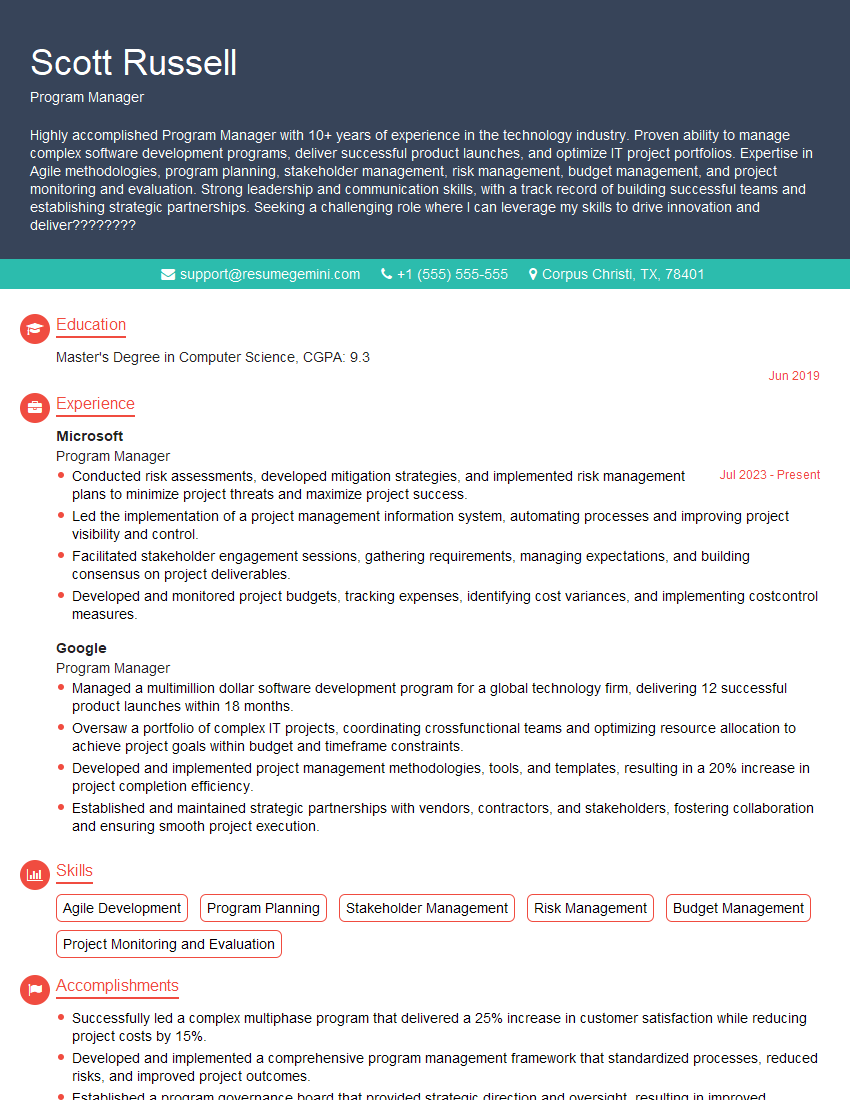
Program Manager Resume Sample

Operations Manager Resume Sample
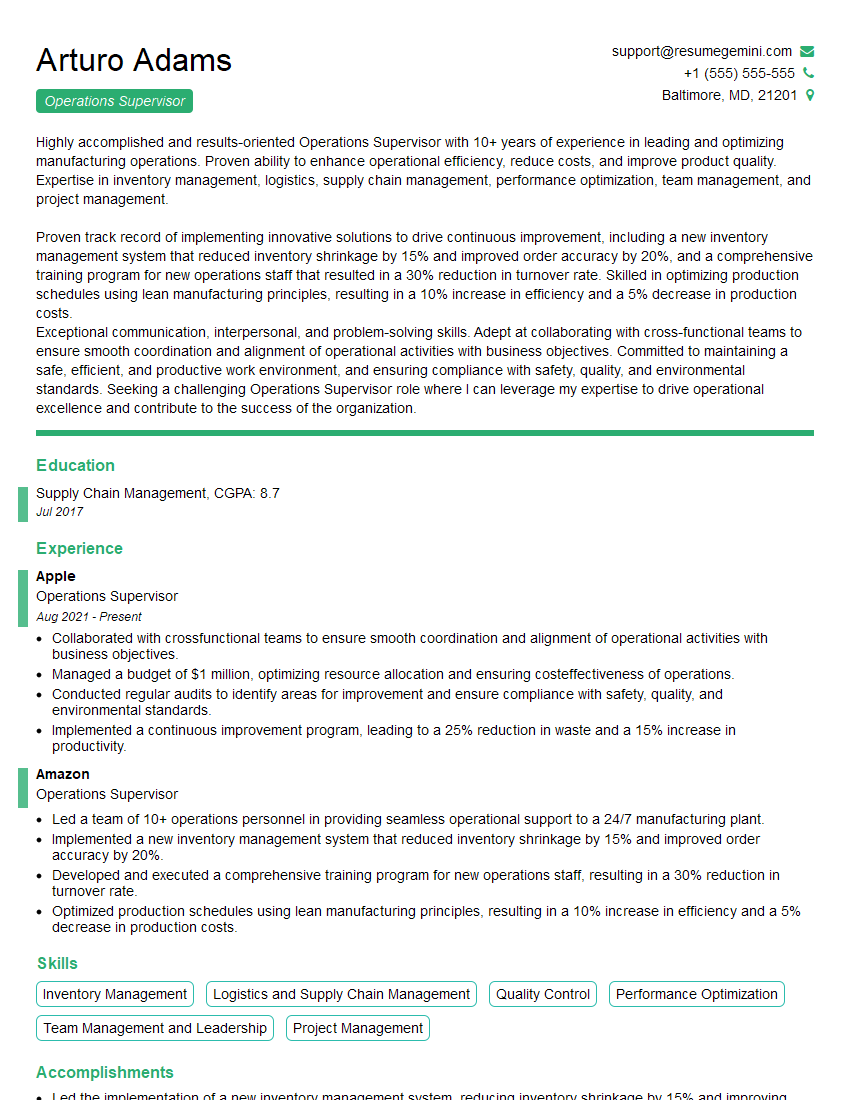
Operations Supervisor Resume Sample
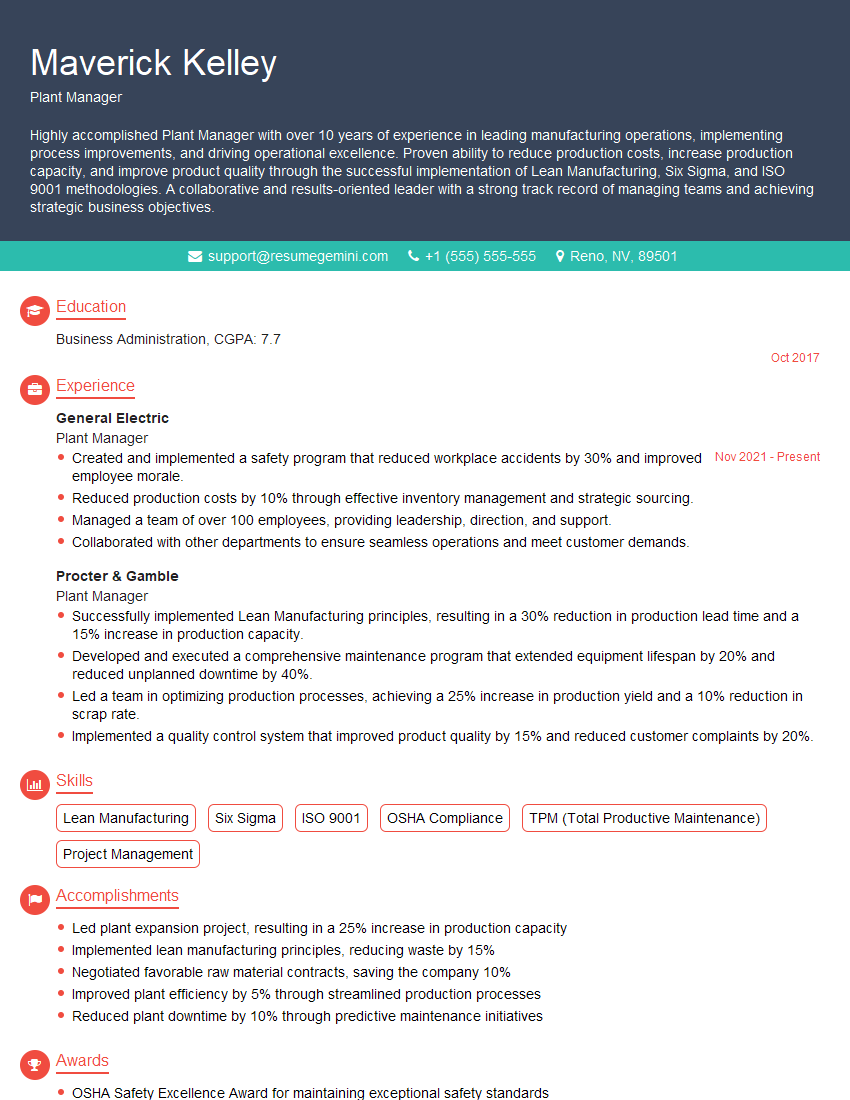
Plant Manager Resume Sample
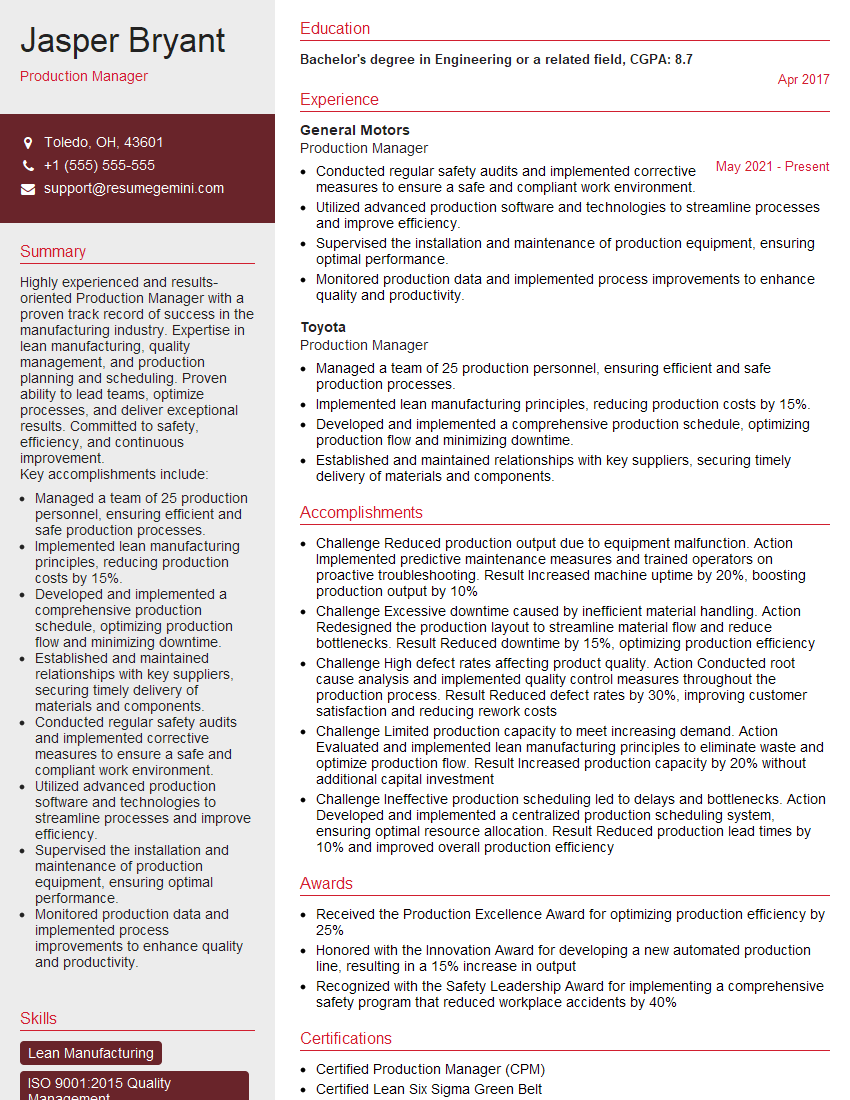
Production Manager Resume Sample
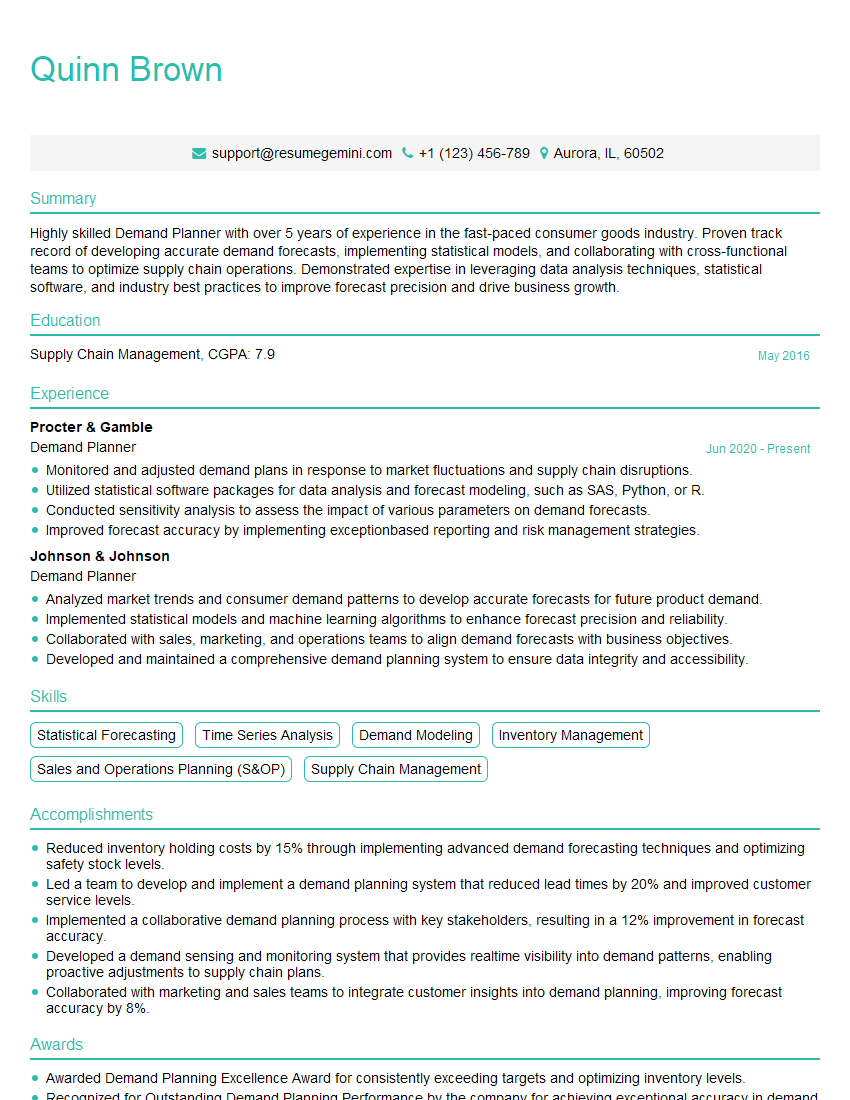
Demand Planner Resume Sample
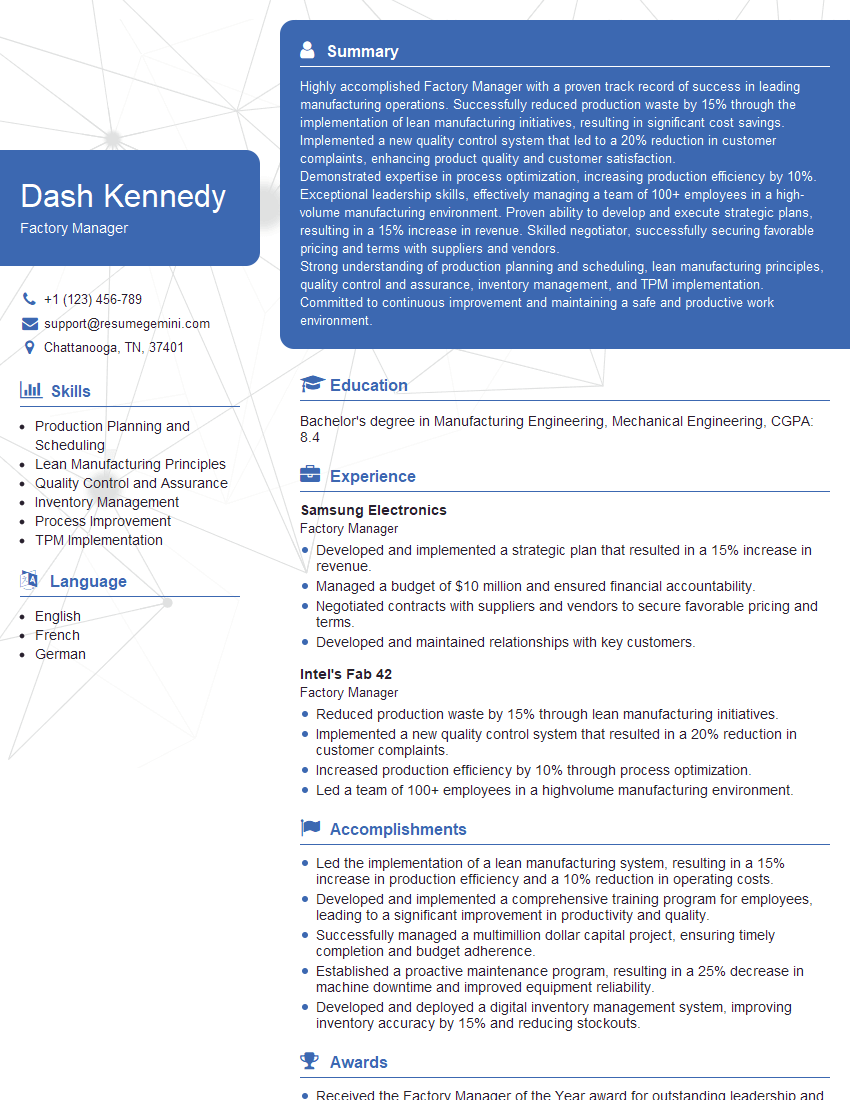
Factory Manager Resume Sample
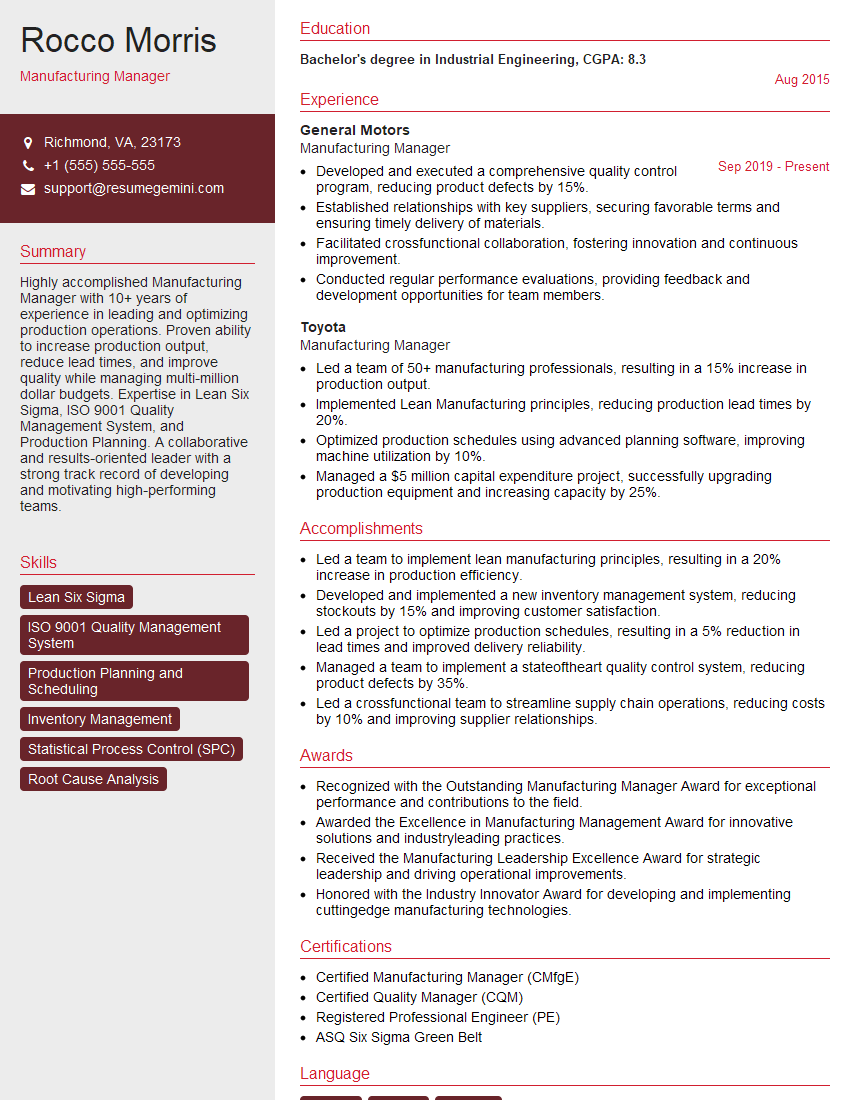
Manufacturing Manager Resume Sample

Quality Control Manager Resume Sample
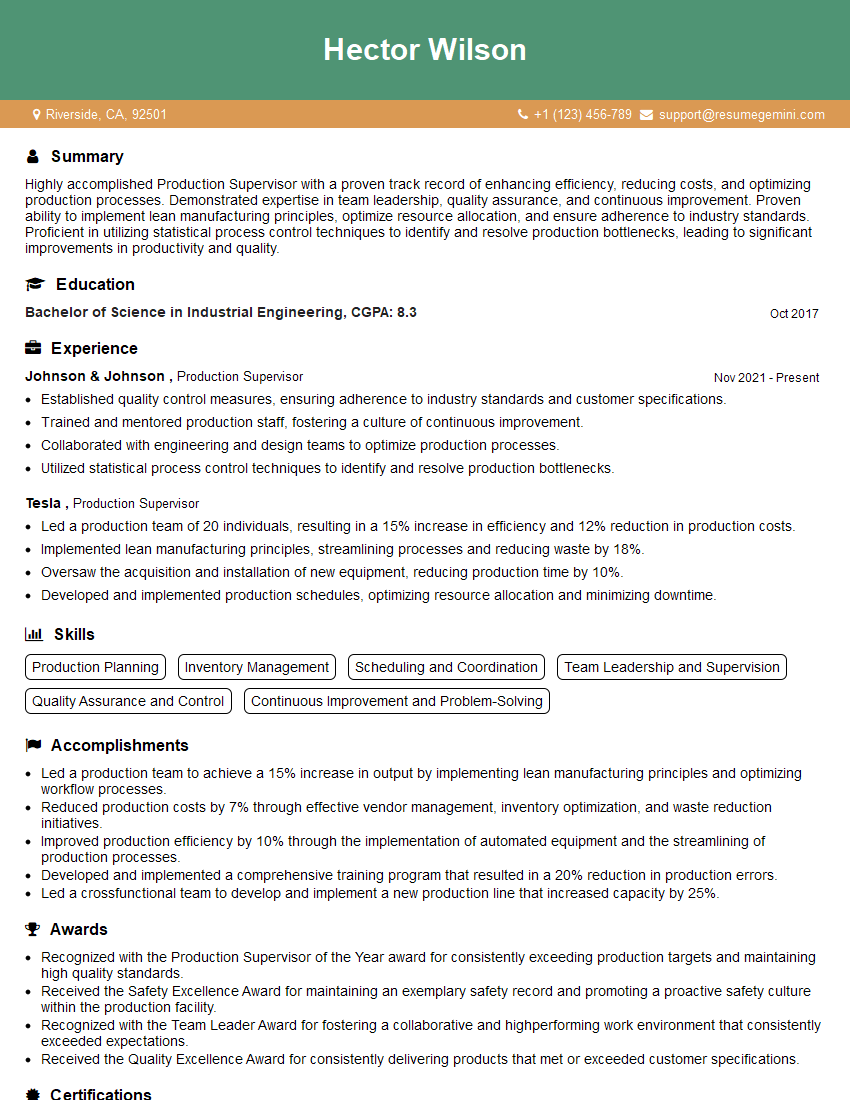
Production Supervisor Resume Sample
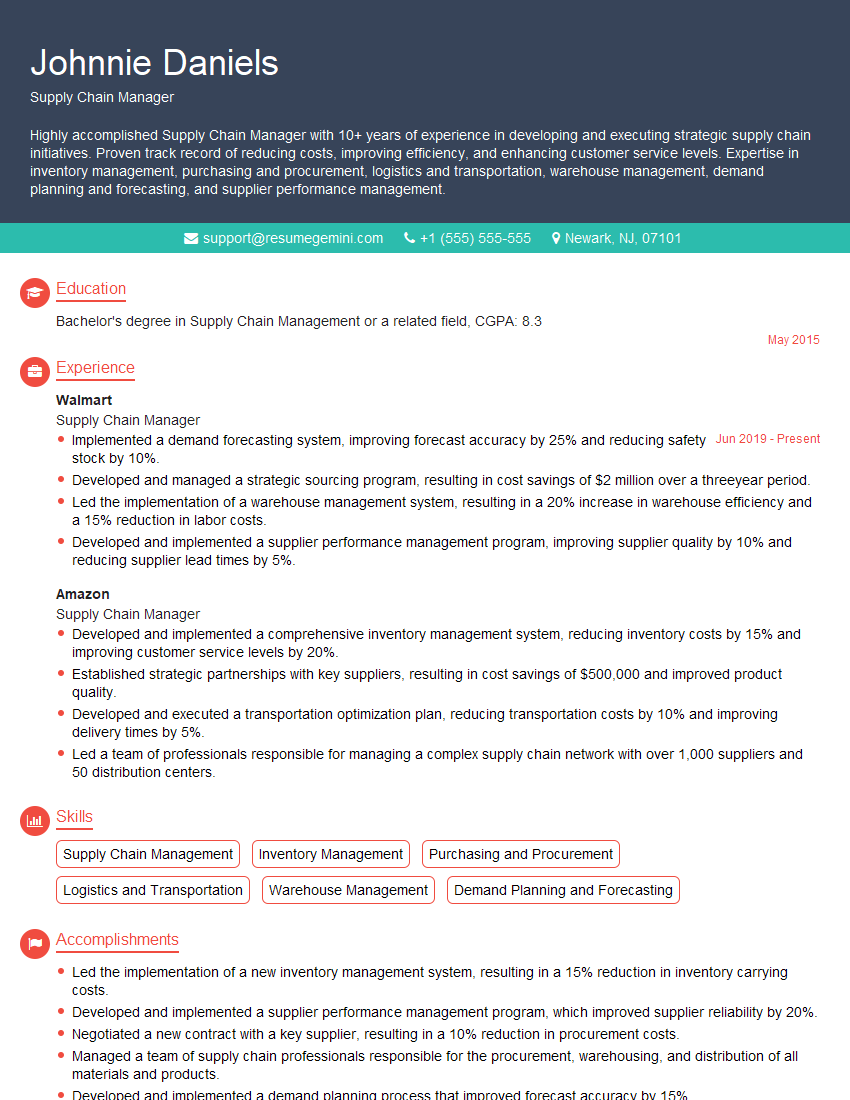
Supply Chain Manager Resume Sample
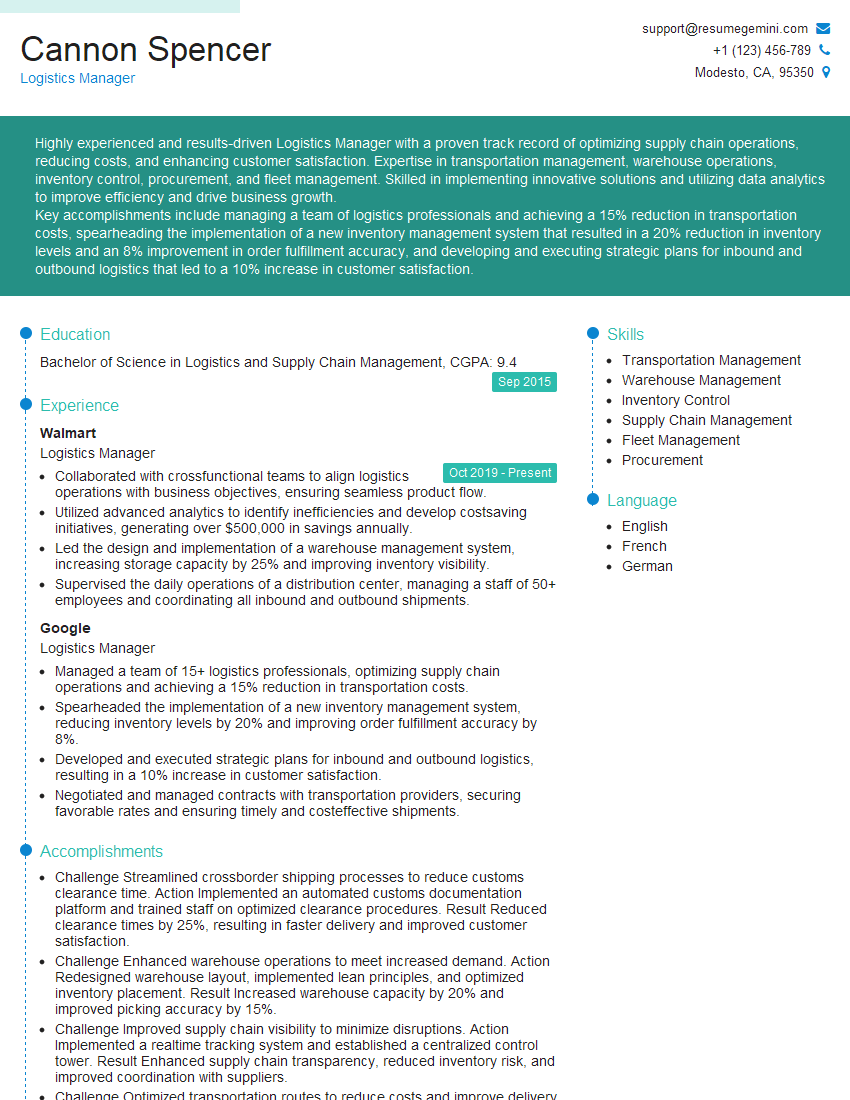
Logistics Manager Resume Sample
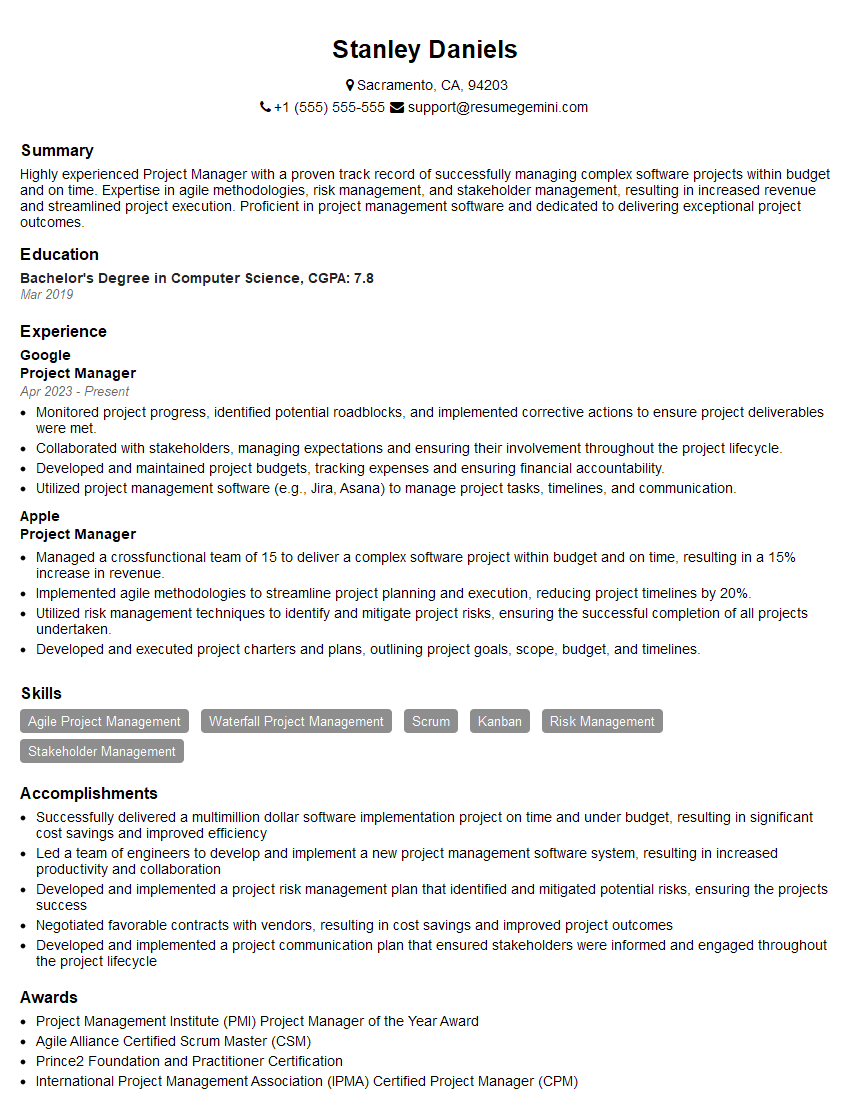
Project Manager Resume Sample
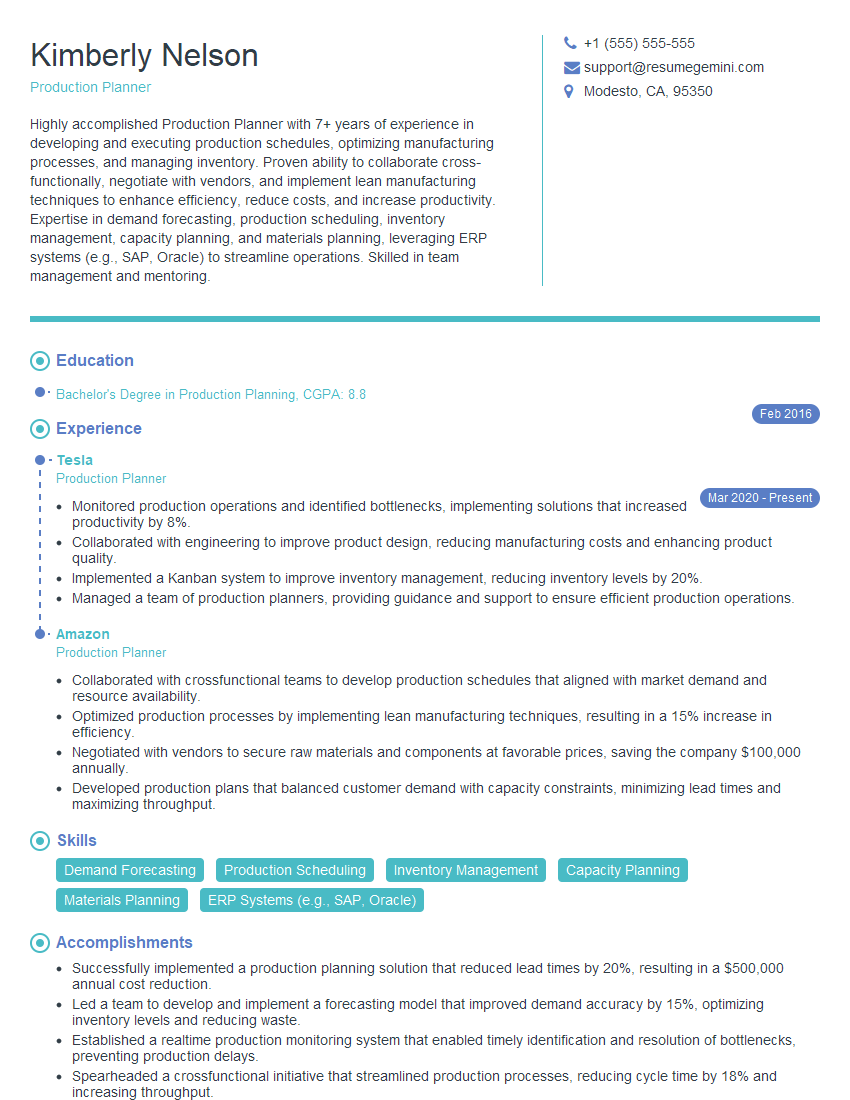
Production Planner Resume Sample

Inventory Manager Resume Sample
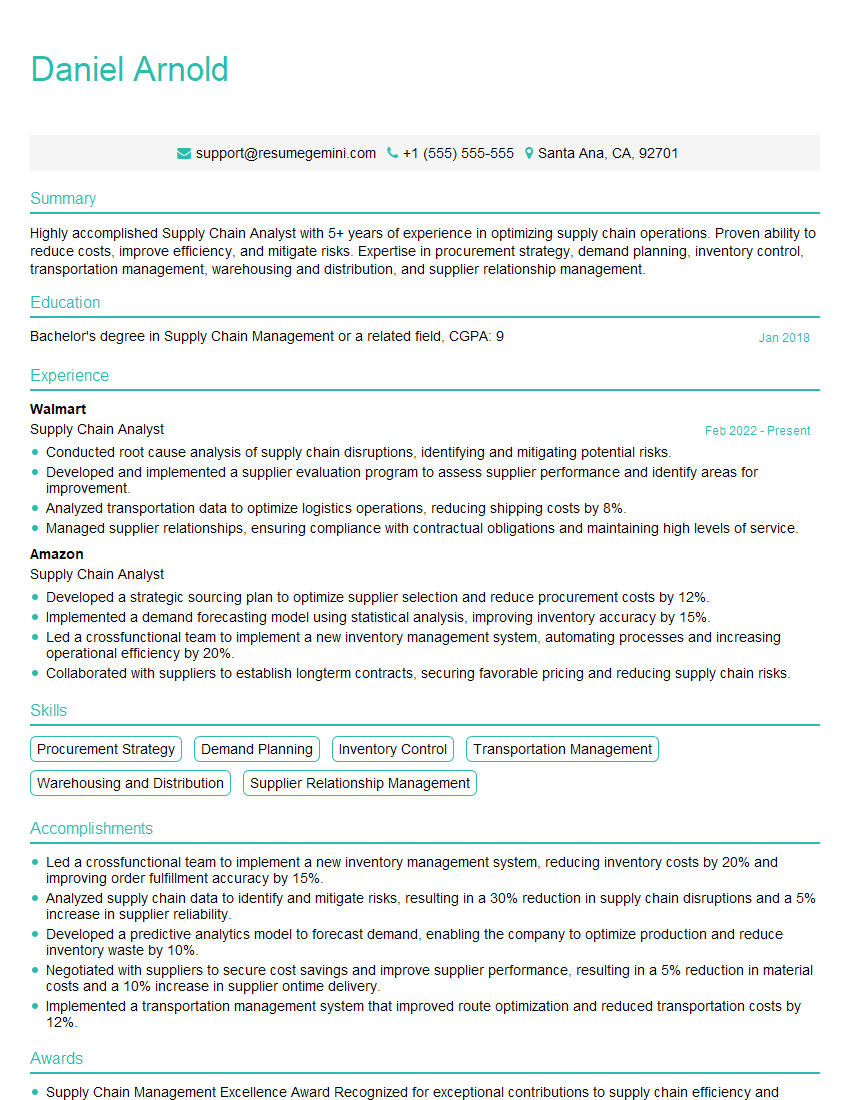
Supply Chain Analyst Resume Sample
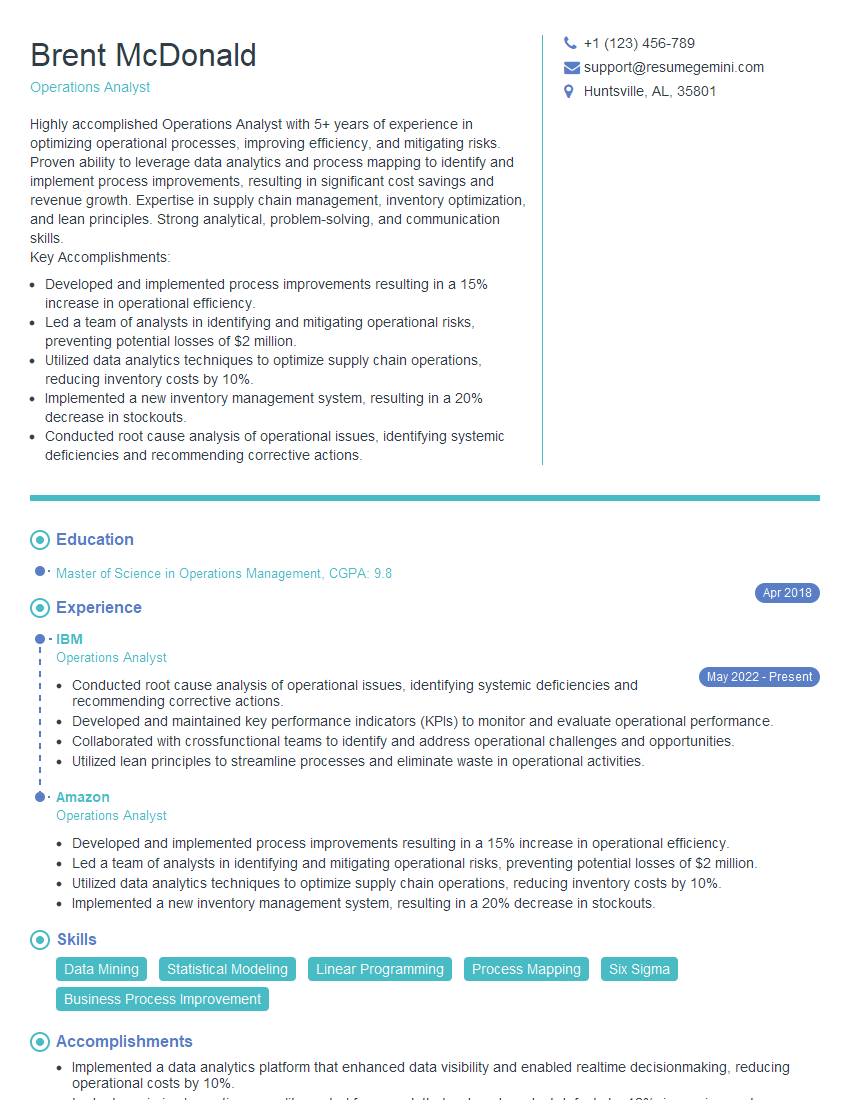
Operations Analyst Resume Sample
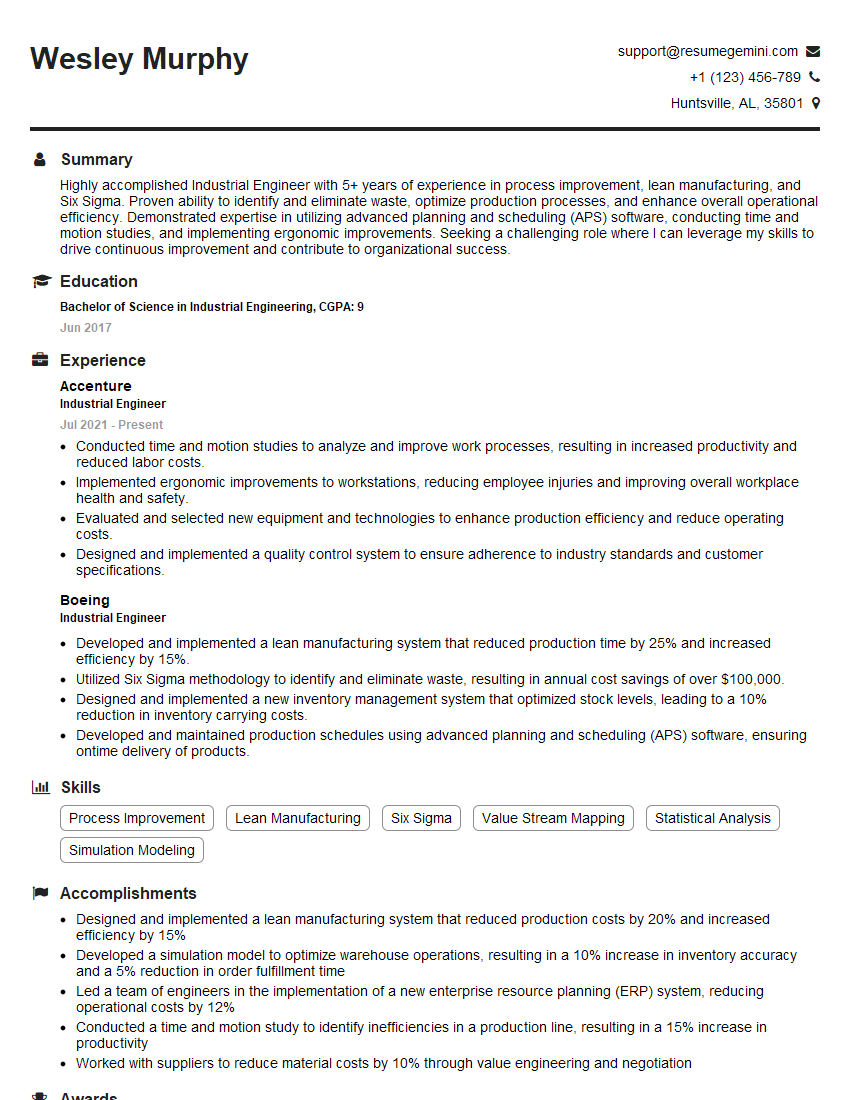
Industrial Engineer Resume Sample
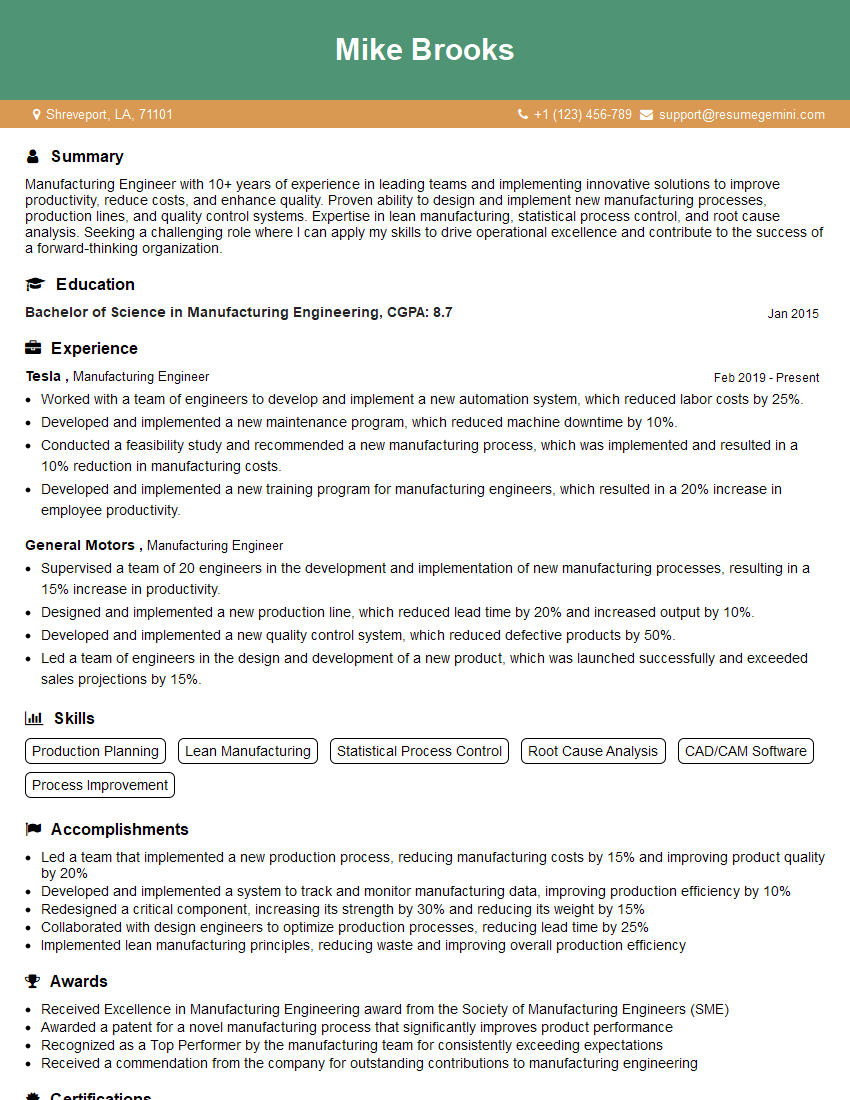
Manufacturing Engineer Resume Sample
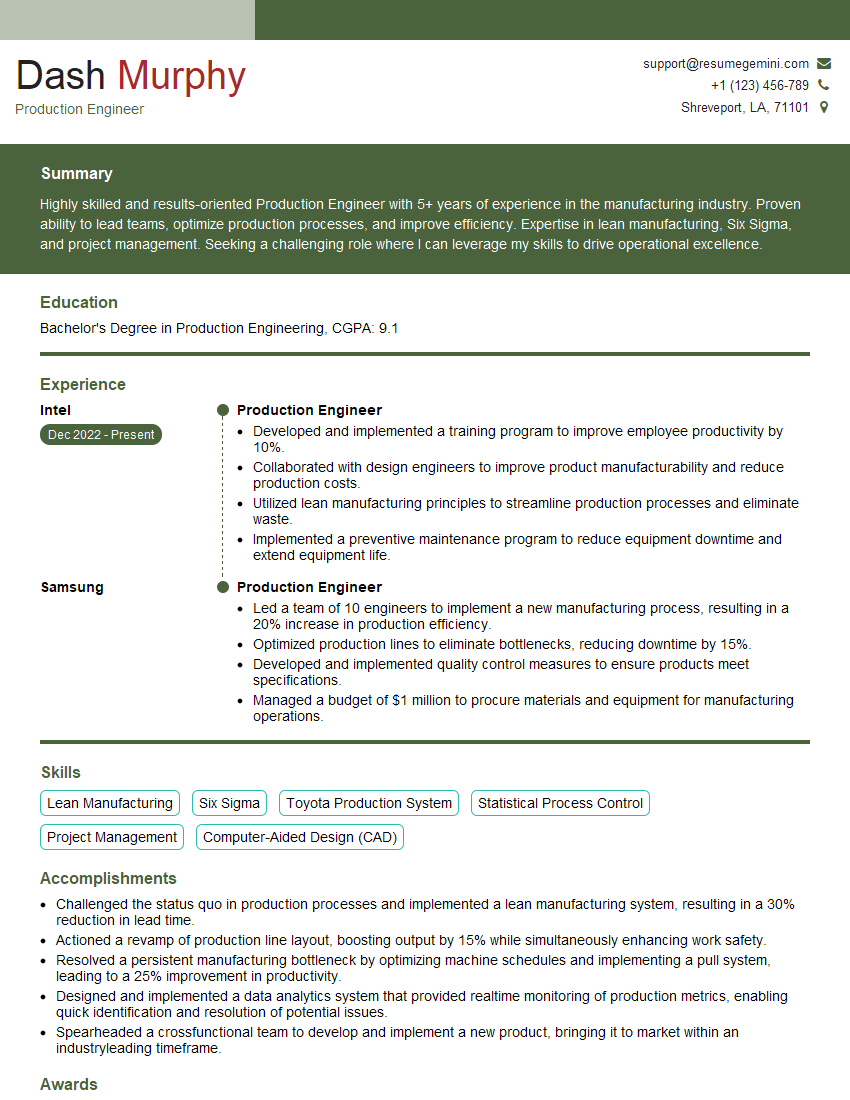
Production Engineer Resume Sample
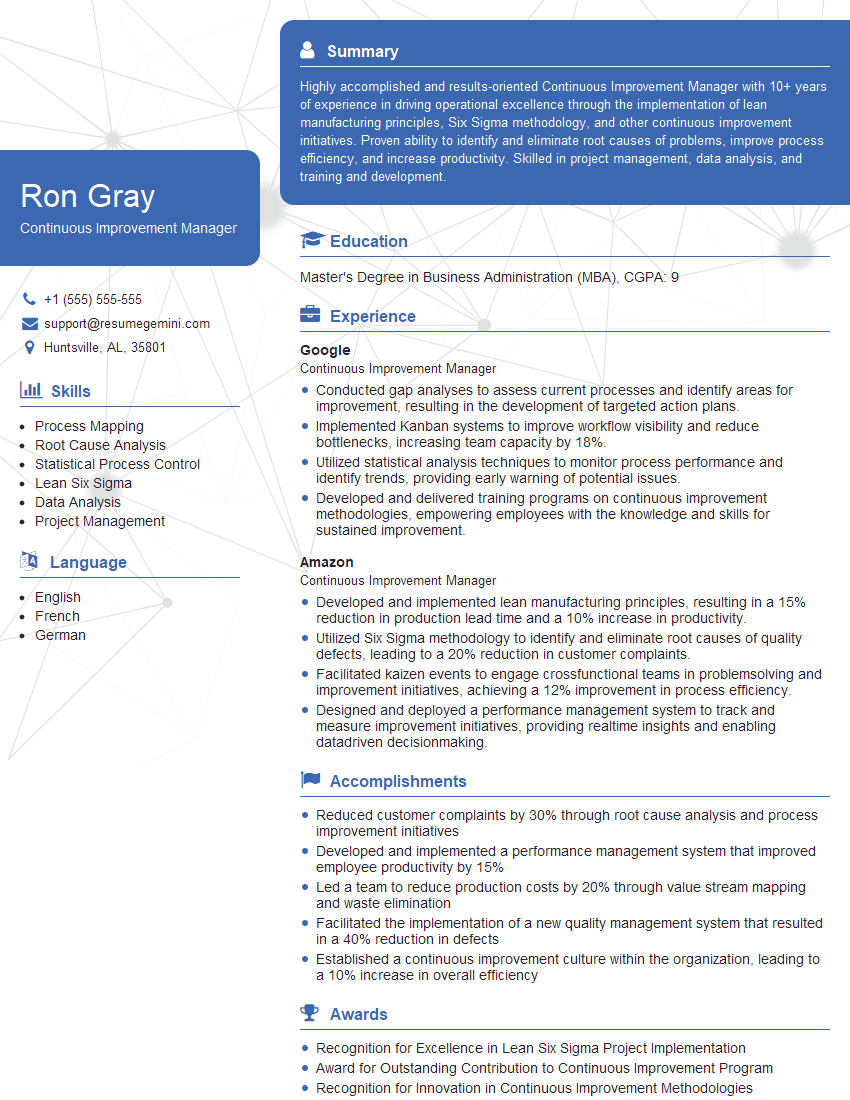
Continuous Improvement Manager Resume Sample
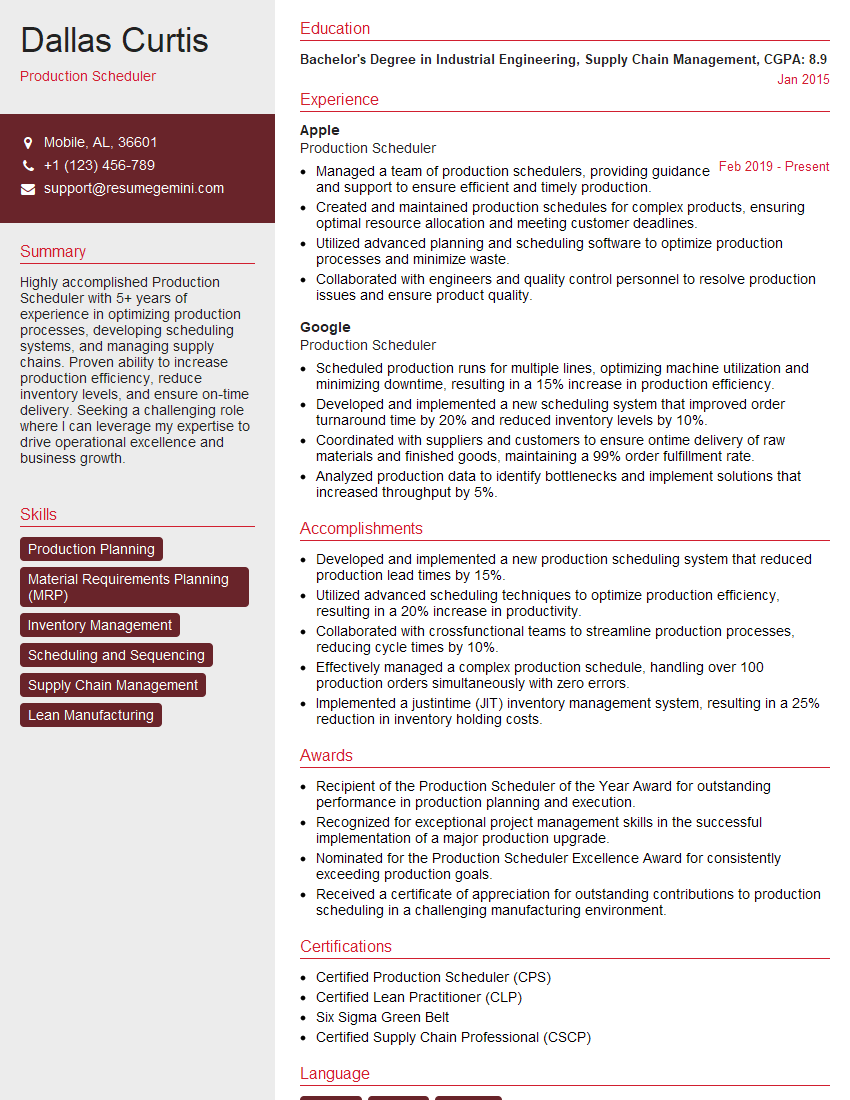
Production Scheduler Resume Sample
- Program Manager
- Operations Manager
- Operations Supervisor
- Plant Manager
- Production Manager
- Demand Planner
- Factory Manager
- Manufacturing Manager
- Quality Control Manager
- Production Supervisor
- Supply Chain Manager
- Logistics Manager
- Project Manager
- Production Planner
- Inventory Manager
- Supply Chain Analyst
- Operations Analyst
- Industrial Engineer
- Manufacturing Engineer
- Production Engineer
- Continuous Improvement Manager
- Production Scheduler
Explore more articles
Users Rating of Our Blogs
Share Your Experience
We value your feedback! Please rate our content and share your thoughts (optional).
What Readers Say About Our Blog
Very informative content, great job.
good