Every successful interview starts with knowing what to expect. In this blog, we’ll take you through the top Mentality and Determination interview questions, breaking them down with expert tips to help you deliver impactful answers. Step into your next interview fully prepared and ready to succeed.
Questions Asked in Mentality and Determination Interview
Q 1. Describe a situation where you faced significant setbacks. How did you overcome them?
Setbacks are inevitable in any challenging endeavor. My approach involves acknowledging the setback, analyzing its root causes, and then developing a strategic plan for recovery. For example, during a particularly ambitious project involving the development of a new AI algorithm, we encountered unexpected computational limitations that significantly delayed our progress. Instead of panicking, we meticulously reviewed our code, identified bottlenecks, and implemented optimization techniques like parallelization and algorithmic refinements. We also explored alternative hardware solutions and secured additional computational resources. This systematic approach, combined with consistent team communication and perseverance, allowed us to overcome the setback and successfully complete the project albeit with a revised timeline.
This experience reinforced the importance of adaptability, resourcefulness, and a growth mindset when confronting obstacles. It’s not about avoiding setbacks, but about developing the resilience to learn from them and emerge stronger.
Q 2. How do you maintain focus and motivation when faced with challenging tasks?
Maintaining focus and motivation during challenging tasks requires a multifaceted approach. I begin by breaking down large tasks into smaller, manageable milestones. This makes the overall goal less daunting and provides a sense of accomplishment as each milestone is achieved. I also prioritize self-care, ensuring adequate sleep, exercise, and breaks throughout the day. These practices enhance cognitive function and prevent burnout. Furthermore, I utilize time management techniques like the Pomodoro Technique to maintain concentration during work periods, followed by short breaks to refresh.
Finally, I constantly remind myself of the larger purpose and meaning behind the tasks. Connecting my work to a broader vision fuels intrinsic motivation, and keeps me engaged even during periods of intense pressure.
Q 3. Describe your approach to problem-solving when faced with ambiguity or incomplete information.
My approach to problem-solving in ambiguous situations involves a structured, iterative process. First, I define the problem as clearly as possible, even with incomplete information. I gather all available data, regardless of its apparent relevance. This often involves reaching out to colleagues, researching relevant literature, and brainstorming potential scenarios.
Next, I develop multiple hypotheses or potential solutions, even if they are based on educated guesses. I then systematically test these hypotheses, prioritizing those that seem most likely to succeed given the available evidence. This iterative process involves continuous refinement based on the results of each test. Finally, I document my findings and decisions transparently, making the process clear and easy to track. A crucial element is accepting that some level of uncertainty might remain. The key is to make informed decisions despite the ambiguity.
Q 4. How do you prioritize tasks when facing multiple deadlines?
Prioritizing tasks with multiple deadlines necessitates a clear framework. I utilize a combination of techniques, including Eisenhower Matrix (urgent/important), and a visual project management tool like a Kanban board. The Eisenhower Matrix helps categorize tasks based on urgency and importance, allowing me to focus on high-impact, time-sensitive tasks first. A Kanban board provides a visual representation of workflow, enabling easy tracking of progress and re-prioritization as needed.
Furthermore, I communicate proactively with stakeholders to clarify expectations and negotiate deadlines if necessary. Open communication avoids misunderstandings and allows for flexible adjustments to the plan as circumstances change. Ultimately, the goal is to deliver the highest value work within the available time, understanding that some tasks might require compromise.
Q 5. Give an example of a time you had to adapt to a significant change in your work environment.
A significant change in my work environment involved a company-wide shift to remote work during the pandemic. This necessitated adapting my communication style, leveraging technology effectively for collaboration, and establishing clear boundaries between work and personal life. I proactively learned new communication platforms, such as video conferencing tools and project management software. I also developed more intentional strategies for staying connected with my team and maintaining a sense of community.
The key to adapting was active learning, proactive communication, and a willingness to embrace new ways of working. Rather than resisting the change, I viewed it as an opportunity to expand my skillset and explore different approaches to work. This period also reinforced the importance of flexibility and adaptability in a dynamic work environment.
Q 6. How do you handle criticism and use it to improve your performance?
Criticism, when delivered constructively, is invaluable for professional growth. I approach criticism with an open mind, seeking to understand the perspective of the person offering it. I actively listen, ask clarifying questions, and avoid becoming defensive. I try to focus on the specific behaviors or actions being critiqued, not taking it personally. Once I understand the feedback, I reflect on it and identify areas for improvement.
I then develop a plan to address the areas needing improvement. This may involve seeking further training, modifying my approach, or practicing new skills. I also follow up with the person who offered the criticism to demonstrate my commitment to growth and to ensure they feel heard and understood. This demonstrates my dedication to continuous improvement and strengthens professional relationships.
Q 7. Describe a time you had to work independently on a challenging project.
I once worked independently on a challenging project to develop a predictive model for customer churn. This required not only strong technical skills in machine learning, but also self-discipline and meticulous planning. I started by defining clear objectives and milestones, creating a detailed project plan, including timelines and resource allocation. I consistently monitored my progress against the plan, adapting as needed. This included regular self-assessment and seeking guidance from mentors when facing roadblocks.
The success of this project highlighted the importance of self-motivation, strong organizational skills, and the ability to seek out support when necessary, even in an independent setting. Working independently can be rewarding but requires exceptional self-management and awareness of your own strengths and weaknesses.
Q 8. How do you build resilience in the face of failure?
Building resilience after failure is crucial for growth. It’s not about avoiding setbacks, but about learning to bounce back stronger. Think of it like a muscle; the more you challenge it, the stronger it becomes. My approach involves several key steps:
- Acceptance and Self-Compassion: First, acknowledge the failure. Don’t dwell on self-blame, but analyze what happened without judgment. Treat yourself with the same kindness you’d offer a friend in a similar situation.
- Identifying Learnings: Failure is a rich source of information. What went wrong? What could I have done differently? Focus on actionable insights rather than dwelling on the negative emotions.
- Reframing the Narrative: Instead of viewing failure as a defeat, reframe it as a learning opportunity. What skills did I develop? What challenges did I overcome? This shift in perspective can significantly impact your outlook.
- Adapting and Adjusting: Based on your learnings, adjust your approach. Maybe you need to refine your strategy, seek additional resources, or collaborate with others. Flexibility is key.
- Celebrating Small Wins: As you work towards your goals after a setback, celebrate even the smallest progress. These small victories build momentum and reinforce a sense of accomplishment.
For example, in a past project, a software implementation failed due to unforeseen compatibility issues. Instead of being discouraged, I thoroughly analyzed the root cause, updated the code, and improved the testing process. This failure ultimately led to a more robust and efficient system.
Q 9. How do you maintain a positive attitude during stressful situations?
Maintaining a positive attitude during stress is a skill cultivated through conscious effort. It’s about managing your emotional response, not ignoring the stress itself. My strategies involve:
- Mindfulness and Meditation: Practicing mindfulness allows me to observe my thoughts and emotions without judgment, reducing reactivity to stressful stimuli. Even short meditation sessions can significantly improve emotional regulation.
- Positive Self-Talk: Replacing negative thoughts with positive affirmations can shift your mindset. Instead of focusing on what could go wrong, concentrate on your strengths and capabilities.
- Physical Exercise: Physical activity releases endorphins, which have mood-boosting effects. Regular exercise helps manage stress and improves overall well-being.
- Healthy Lifestyle Choices: Sufficient sleep, a balanced diet, and hydration are fundamental for managing stress effectively. These lifestyle choices directly impact your energy levels and emotional stability.
- Seeking Support: Don’t hesitate to reach out to colleagues, friends, or mentors for support. Sharing your burdens can lessen the emotional weight and provide valuable perspectives.
For instance, during a high-pressure project deadline, I utilized mindfulness techniques to stay focused and calm amidst the chaos. This helped me manage the stress effectively and deliver the project successfully.
Q 10. Describe a time you demonstrated perseverance to achieve a difficult goal.
Perseverance is the ability to continue striving towards a goal despite obstacles. One instance involved leading a team to develop a new machine learning model for fraud detection. We encountered numerous challenges, including data limitations, algorithm tuning difficulties, and unexpected delays. However, through consistent effort, collaborative problem-solving, and continuous iteration, we successfully delivered a model that exceeded initial expectations.
- Breaking Down the Goal: We divided the project into smaller, manageable tasks, making the overall goal less daunting.
- Celebrating Milestones: Each successful milestone provided motivation to continue pushing forward.
- Adapting to Setbacks: When encountering roadblocks, we adapted our strategies and sought expert advice to overcome challenges.
- Teamwork and Support: The collaborative environment fostered mutual support and kept morale high throughout the project.
The experience taught me the importance of resilience, adaptability, and the power of teamwork in achieving difficult goals.
Q 11. How do you handle pressure and deadlines effectively?
Effective pressure and deadline management involves a combination of planning, prioritization, and proactive communication. I use a multi-pronged approach:
- Prioritization: I identify critical tasks and prioritize them based on their impact and urgency. This ensures that the most important tasks receive timely attention.
- Time Management Techniques: Techniques like the Pomodoro Technique and time blocking help me allocate specific time slots for focused work, enhancing productivity and reducing procrastination.
- Effective Planning: Detailed project planning with realistic timelines and milestones provides a clear roadmap and helps avoid unexpected delays.
- Proactive Communication: Keeping stakeholders informed of progress and any potential challenges ensures transparency and facilitates timely problem-solving.
- Delegation: Where appropriate, I delegate tasks to team members to distribute workload and leverage individual expertise.
For example, during a critical product launch, I implemented a detailed project plan, prioritized tasks, and maintained open communication with the team. This proactive approach ensured that we met the deadline while maintaining a high level of quality.
Q 12. How do you learn from your mistakes and apply that knowledge to future endeavors?
Learning from mistakes is essential for continuous improvement. My process involves a structured approach:
- Reflection: I take time to reflect on what happened, focusing on the objective facts rather than emotional responses. What were the contributing factors? What were the consequences?
- Root Cause Analysis: I try to identify the underlying causes of the mistake, going beyond the surface level to understand the systemic issues that may have contributed.
- Actionable Steps: Based on my analysis, I define specific, measurable, achievable, relevant, and time-bound (SMART) actions to prevent similar mistakes in the future.
- Documentation: I document my learnings and the corrective actions taken. This creates a repository of knowledge that can be used for future reference and shared with others.
- Feedback and Collaboration: I actively seek feedback from others to gain different perspectives and improve my understanding of the situation.
For instance, after a presentation that didn’t resonate with the audience, I analyzed the feedback, refined my presentation style, and practiced more effective communication techniques, resulting in improved future presentations.
Q 13. Describe your approach to continuous learning and professional development.
Continuous learning is crucial for maintaining professional relevance and growth. My approach combines various methods:
- Formal Education: I actively seek opportunities for professional development courses, workshops, and conferences to expand my knowledge and skills in relevant areas.
- Online Resources: I leverage online platforms, such as reputable educational websites and professional journals, to stay updated with the latest industry trends and research.
- Mentorship and Networking: I actively seek mentorship opportunities and engage in networking events to learn from experienced professionals and expand my professional circle.
- Practical Application: I actively seek opportunities to apply my newly acquired knowledge and skills in real-world projects. This hands-on experience solidifies my learning and identifies areas for further improvement.
- Self-Reflection and Feedback: Regular self-reflection on my strengths and weaknesses, combined with feedback from colleagues and mentors, guides my learning and professional development.
For example, I recently completed a course on advanced data analysis techniques to enhance my skills in a specific project. This continuous learning helps me stay ahead in my field.
Q 14. How do you measure your own success and progress?
Measuring success and progress is an iterative process. I use a combination of quantitative and qualitative metrics:
- Quantitative Metrics: These include measurable outcomes such as project completion rates, efficiency gains, sales figures, or customer satisfaction scores. These provide objective measures of performance.
- Qualitative Metrics: These encompass less tangible aspects like team morale, professional growth, skill development, and the impact of my work on others. These provide a holistic view of my contribution.
- Self-Assessment: Regular self-assessment against predefined goals and objectives helps me track progress and identify areas needing improvement.
- Feedback Mechanisms: Seeking feedback from peers, supervisors, and clients provides valuable external perspectives on my performance and areas for growth.
- Goal Setting: Setting clear, achievable goals with specific milestones allows me to measure progress against predetermined targets.
Ultimately, success isn’t just about achieving specific goals but also about continuous learning, personal growth, and positive impact. I strive to maintain a balanced view of my progress by incorporating both quantitative and qualitative measures.
Q 15. How do you stay motivated when faced with long-term projects?
Maintaining motivation on long-term projects requires a strategic approach that blends intrinsic and extrinsic drivers. It’s not about sheer willpower, but about smart planning and consistent self-reflection.
- Break it down: Instead of focusing on the overwhelming entirety of a long project, I break it into smaller, manageable tasks. Each completed task provides a sense of accomplishment, fueling motivation. Think of it like climbing a mountain – focusing on reaching the next milestone instead of the summit itself.
- Set realistic goals and deadlines: Unrealistic expectations lead to burnout. I set achievable goals with realistic deadlines, regularly reviewing and adjusting as needed. This prevents feeling overwhelmed and allows for celebrating successes along the way.
- Seek regular feedback: Getting feedback on my progress helps me stay on track and identify areas for improvement. It also reinforces the value of my work and keeps me engaged.
- Celebrate milestones: Acknowledging and celebrating each milestone, no matter how small, is crucial. This could be as simple as taking a short break, treating myself to something I enjoy, or sharing my success with colleagues.
- Visualize success: Regularly visualizing the successful completion of the project helps maintain a positive outlook and reinforces the value of the effort.
- Maintain work-life balance: Burnout is a significant motivation killer. I prioritize maintaining a healthy work-life balance to prevent fatigue and maintain my enthusiasm.
Career Expert Tips:
- Ace those interviews! Prepare effectively by reviewing the Top 50 Most Common Interview Questions on ResumeGemini.
- Navigate your job search with confidence! Explore a wide range of Career Tips on ResumeGemini. Learn about common challenges and recommendations to overcome them.
- Craft the perfect resume! Master the Art of Resume Writing with ResumeGemini’s guide. Showcase your unique qualifications and achievements effectively.
- Don’t miss out on holiday savings! Build your dream resume with ResumeGemini’s ATS optimized templates.
Q 16. Describe a time you had to work collaboratively with others to achieve a shared goal.
In a previous role, our team was tasked with launching a new product within an aggressive timeline. Success required seamless collaboration across different departments: engineering, marketing, and sales. We established clear roles and responsibilities, ensuring everyone understood their contribution to the overall goal. We used project management software to track progress and facilitate communication. Regular meetings allowed us to address challenges proactively and celebrate achievements. The key to our success was open communication, mutual respect, and a shared commitment to the project’s success. This experience reinforced the importance of active listening, constructive feedback, and leveraging each team member’s strengths to achieve a common goal.
Q 17. How do you handle conflict within a team?
Conflict is inevitable in any team, but how it’s handled determines the team’s overall effectiveness. My approach emphasizes open communication and a focus on solutions, not blame.
- Active Listening: I ensure everyone feels heard and understood before attempting to resolve the conflict. This involves actively listening to each party’s perspective without interruption.
- Identify the Root Cause: I work to understand the underlying cause of the conflict, rather than focusing on superficial disagreements. This often involves asking clarifying questions and seeking to understand different viewpoints.
- Find Common Ground: I focus on identifying areas of agreement and shared goals. This helps to shift the focus from conflict to collaboration.
- Facilitate a Collaborative Solution: I guide the team toward a mutually acceptable solution. This may involve brainstorming different options and evaluating their feasibility.
- Document Agreement: To avoid future misunderstandings, I ensure any agreements reached are clearly documented.
It’s important to remember that conflict can be a catalyst for growth and innovation, if handled constructively.
Q 18. How do you approach decision-making in high-pressure situations?
Decision-making under pressure requires a calm and systematic approach. I use a framework that prioritizes speed and accuracy.
- Assess the Situation: First, I quickly gather the essential information needed to understand the situation and its implications.
- Identify Options: I brainstorm possible solutions, focusing on those that mitigate risk and align with overarching goals.
- Evaluate Options: I weigh the pros and cons of each option, considering potential consequences and available resources. If time allows, I seek input from trusted colleagues.
- Make a Decision: Based on the evaluation, I make a timely decision. It’s crucial to remember that even a good decision made quickly is better than a perfect one delayed.
- Review and Adjust: After implementing the decision, I monitor its impact and make adjustments as needed. This iterative approach allows for continuous improvement and learning.
Q 19. Describe a time you had to make a difficult decision with incomplete information.
During a product launch, a critical component malfunctioned. We had incomplete data on the root cause, and time was of the essence. I gathered the available information, consulted with the engineering team, and evaluated several potential solutions, considering their likelihood of success and potential risks. Based on our best estimate, we implemented a temporary fix to minimize disruption. While the solution wasn’t ideal, it was the best option given the limited time and information. This experience taught me the importance of making timely decisions based on the available data, even if it’s incomplete, and always having a plan for mitigation.
Q 20. How do you manage your time and resources effectively?
Effective time and resource management is crucial for productivity and success. I utilize several strategies:
- Prioritization: I utilize methods like the Eisenhower Matrix (urgent/important) to prioritize tasks effectively.
- Time Blocking: I allocate specific time blocks for different tasks, minimizing distractions and maximizing focus.
- Delegation: I effectively delegate tasks to others when appropriate, optimizing resource allocation.
- Tool Usage: I employ project management software and other tools to track progress, manage deadlines, and facilitate collaboration.
- Regular Review: I regularly review my schedule and adjust priorities as needed, ensuring I remain on track.
Q 21. How do you stay organized and manage competing priorities?
Managing competing priorities requires a structured approach and a commitment to staying organized. I use a combination of techniques:
- To-Do Lists: I maintain detailed to-do lists, broken down into smaller, manageable tasks.
- Calendar Management: I utilize a digital calendar to schedule tasks, meetings, and deadlines.
- Prioritization Matrix: I employ a prioritization matrix (e.g., Eisenhower Matrix) to focus on the most critical tasks first.
- Regular Review and Adjustment: I review my schedule and to-do lists regularly to adapt to changing priorities.
- Timeboxing: I allocate specific time blocks for tasks to enhance focus and prevent multitasking.
- Batching: I group similar tasks together to minimize context switching and maximize efficiency.
By combining these techniques, I ensure I remain organized and effectively manage competing priorities without feeling overwhelmed.
Q 22. Describe your approach to setting and achieving ambitious goals.
Setting and achieving ambitious goals requires a structured approach that blends strategic planning with adaptable execution. I begin by defining clear, measurable, achievable, relevant, and time-bound (SMART) goals. This ensures clarity and allows for objective progress tracking. For example, instead of aiming to ‘improve sales,’ I’d set a goal like ‘increase sales by 15% in the next quarter by implementing a new marketing strategy.’ Following this, I break down large goals into smaller, manageable tasks, creating a roadmap with milestones and deadlines. Regular review and adjustment are crucial; I use agile methodologies to adapt to changing circumstances, ensuring the plan remains relevant and effective. Finally, celebrating milestones reinforces positive behavior and keeps motivation high.
Q 23. How do you assess your own strengths and weaknesses?
Self-assessment is an ongoing process, not a one-time event. I utilize a combination of methods. Firstly, I seek regular feedback from trusted colleagues and mentors, actively soliciting their perspectives on my strengths and areas needing improvement. Secondly, I conduct self-reflection using tools like SWOT analysis (Strengths, Weaknesses, Opportunities, Threats), identifying my personal skills and limitations. Thirdly, I track my performance against established goals and metrics, objectively analyzing areas where I excel and where I could improve efficiency or effectiveness. For instance, if performance reviews consistently highlight strong communication but point out a need for more delegation, I focus on improving my delegation skills through training or mentoring.
Q 24. How do you handle unexpected challenges or obstacles?
Unexpected challenges are inevitable. My approach is based on a problem-solving framework. First, I pause to assess the situation calmly, avoiding knee-jerk reactions. Next, I gather information, analyzing the problem from different angles. Then, I brainstorm potential solutions, considering both short-term fixes and long-term strategies. I evaluate each option’s feasibility and potential consequences before choosing the most effective course of action. Finally, I monitor the results and adjust my approach as needed. For example, if a key supplier unexpectedly goes out of business, I wouldn’t panic; instead, I’d quickly identify alternative suppliers, negotiate contracts, and manage the transition smoothly, minimizing disruption.
Q 25. Describe a time you had to innovate or find a creative solution to a problem.
In a previous project, we faced a significant budget constraint that threatened to derail the timeline. The initial solution, cutting features, was undesirable. I proposed an innovative solution: crowdsourcing some of the development tasks. We launched a competition for freelance developers, offering incentives for high-quality contributions. This not only saved significant costs but also fostered creativity and engagement from a wider talent pool. The project was completed on time and within budget, exceeding expectations. This experience highlighted the power of creative problem-solving and leveraging external resources effectively.
Q 26. How do you balance short-term goals with long-term aspirations?
Balancing short-term and long-term goals requires strategic planning and prioritization. I use a system of aligning short-term actions with overarching long-term objectives. Short-term goals serve as stepping stones toward larger ambitions. For example, a long-term goal might be launching a new product line. Short-term goals could be market research, securing funding, developing a prototype, and building a marketing plan. Regular review ensures that short-term actions remain aligned with the overall strategy, avoiding distractions and maintaining focus on the bigger picture. This allows for progress and provides a sense of accomplishment, which keeps motivation strong.
Q 27. How do you delegate tasks effectively and trust your team?
Effective delegation requires trust and clear communication. I select team members based on their skills and experience, assigning tasks that match their strengths. Before delegating, I clearly define the task, expected outcomes, deadlines, and resources available. I empower individuals to make decisions and own their work. Regular check-ins provide support and address any challenges. Building trust is essential; I foster open communication, provide constructive feedback, and recognize contributions. This fosters a collaborative environment where team members feel valued and empowered, leading to greater efficiency and productivity.
Q 28. Describe a time you had to influence or persuade others to adopt your perspective.
I once had to persuade a team resistant to adopting a new project management methodology. Instead of imposing the change, I started by actively listening to their concerns. I addressed their anxieties by presenting a clear case for the methodology’s benefits, using data to support my claims and demonstrating how it would improve their efficiency and work-life balance. I also offered training and support to ease the transition. By actively engaging with the team and focusing on their needs, I gained their trust and secured their buy-in, resulting in a smooth transition and improved project outcomes. This highlights the importance of empathy and effective communication when influencing others.
Key Topics to Learn for Mentality and Determination Interview
- Growth Mindset vs. Fixed Mindset: Understanding the difference and how a growth mindset fosters resilience and adaptability in challenging situations. Practical application: Reflect on past experiences where you demonstrated a growth mindset and how it contributed to your success.
- Resilience and Perseverance: Developing strategies to overcome setbacks and maintain motivation in the face of adversity. Practical application: Prepare examples showcasing your ability to bounce back from failure and learn from mistakes.
- Self-Motivation and Proactive Approach: Demonstrating initiative and the ability to manage your workload effectively without constant supervision. Practical application: Discuss projects where you took ownership and proactively sought solutions to challenges.
- Problem-Solving and Critical Thinking: Articulating your approach to complex problems, highlighting analytical skills and strategic thinking. Practical application: Prepare examples of how you have approached and solved complex problems, emphasizing your thought process.
- Stress Management and Emotional Intelligence: Highlighting your ability to manage pressure, maintain composure, and work effectively under stress. Practical application: Prepare examples demonstrating your ability to remain calm and effective in high-pressure situations.
- Teamwork and Collaboration: Showcasing your ability to work effectively within a team, contributing positively and respecting diverse perspectives. Practical application: Provide examples of successful teamwork experiences, highlighting your contributions and collaborative skills.
- Adaptability and Flexibility: Demonstrating your capacity to adjust to changing circumstances and embrace new challenges. Practical application: Share instances where you successfully adapted to unexpected changes or new responsibilities.
Next Steps
Mastering Mentality and Determination is crucial for career advancement. These qualities are highly valued by employers and directly impact your ability to thrive in challenging roles and contribute meaningfully to a team. To significantly increase your job prospects, focus on building an ATS-friendly resume that clearly highlights your skills and accomplishments in these areas. ResumeGemini is a trusted resource that can help you create a professional and impactful resume. Examples of resumes tailored to showcase Mentality and Determination are available, allowing you to see how to effectively present your experiences to potential employers.

Operations Manager Resume Sample
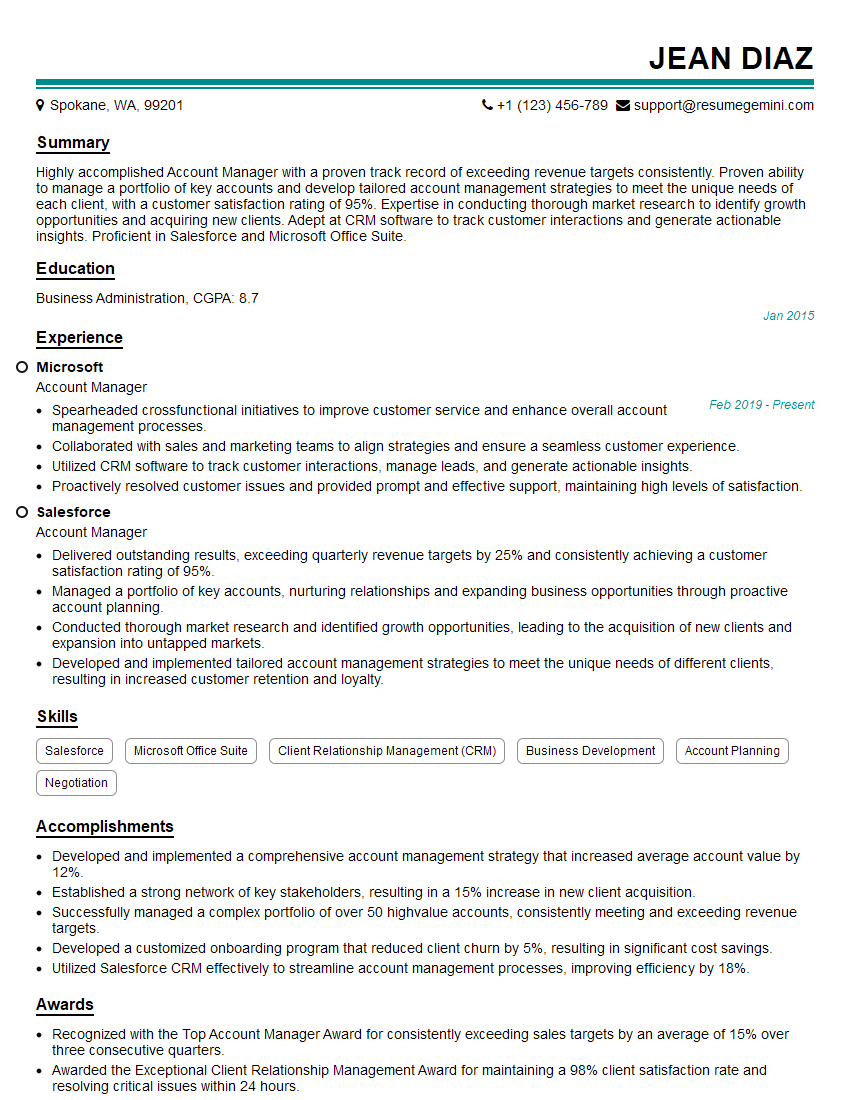
Account Manager Resume Sample
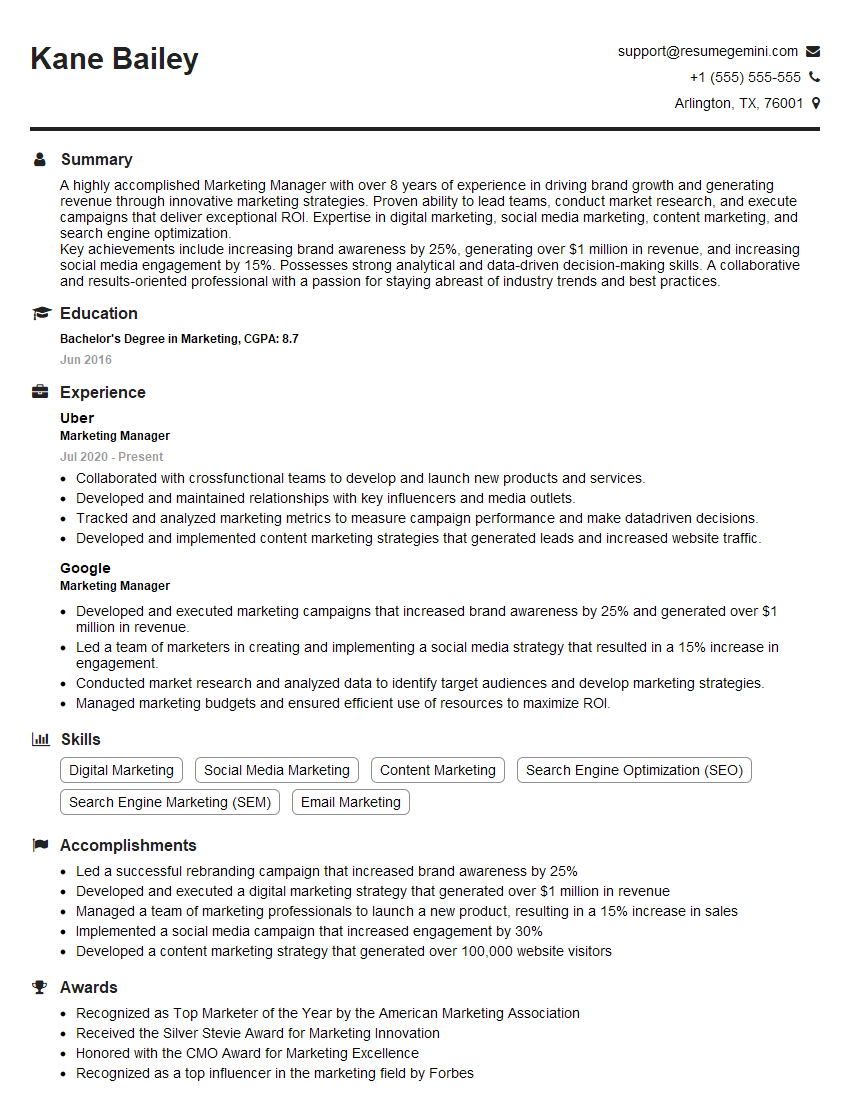
Marketing Manager Resume Sample
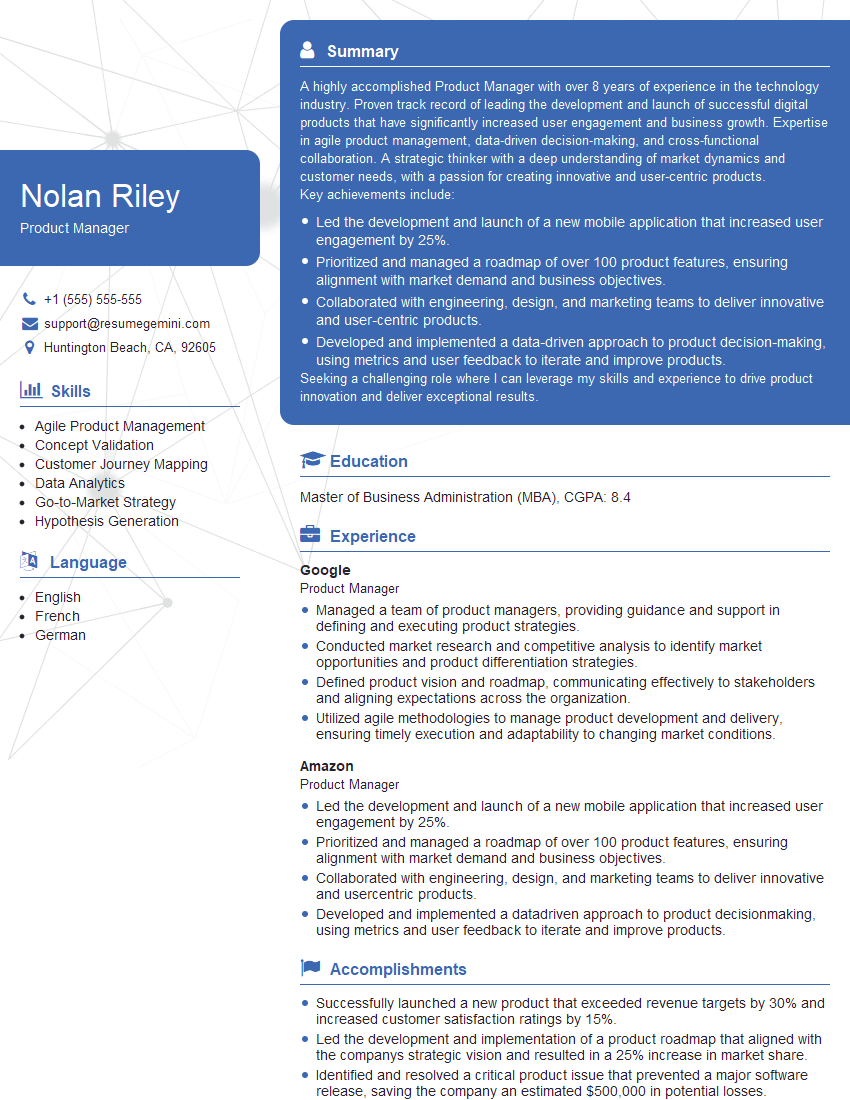
Product Manager Resume Sample
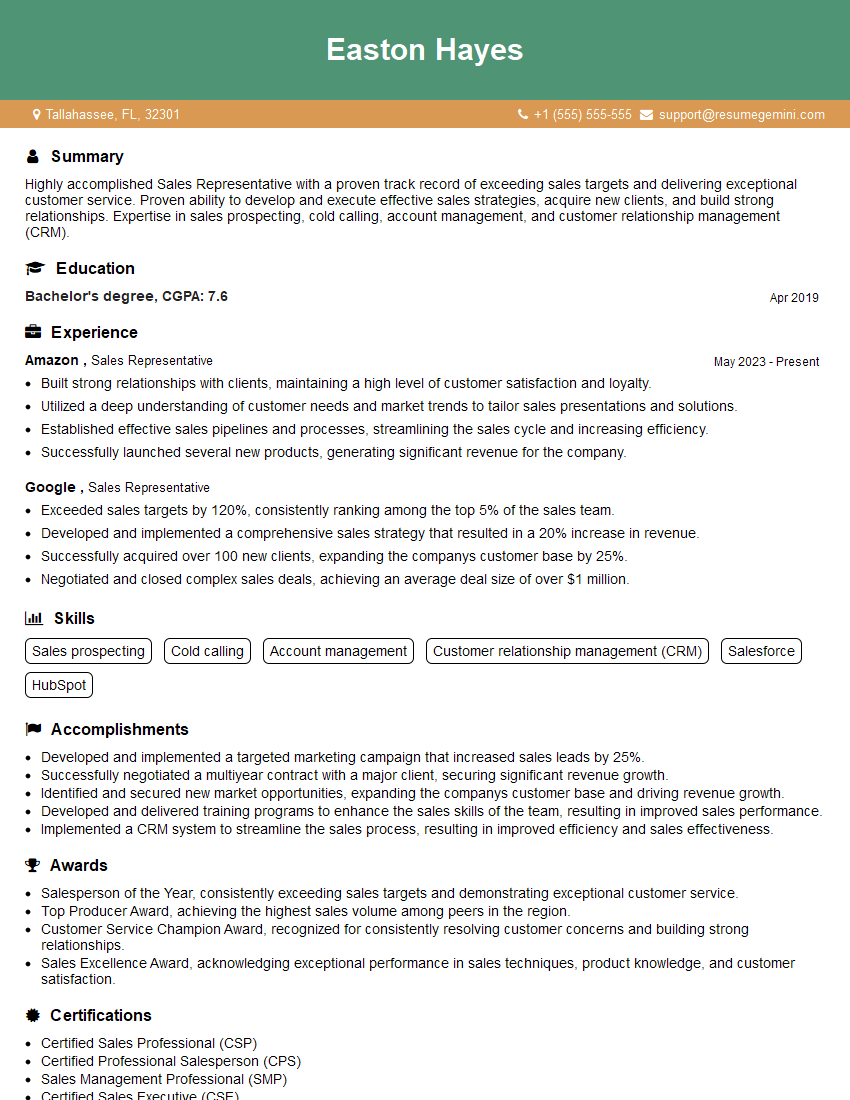
Sales Representative Resume Sample
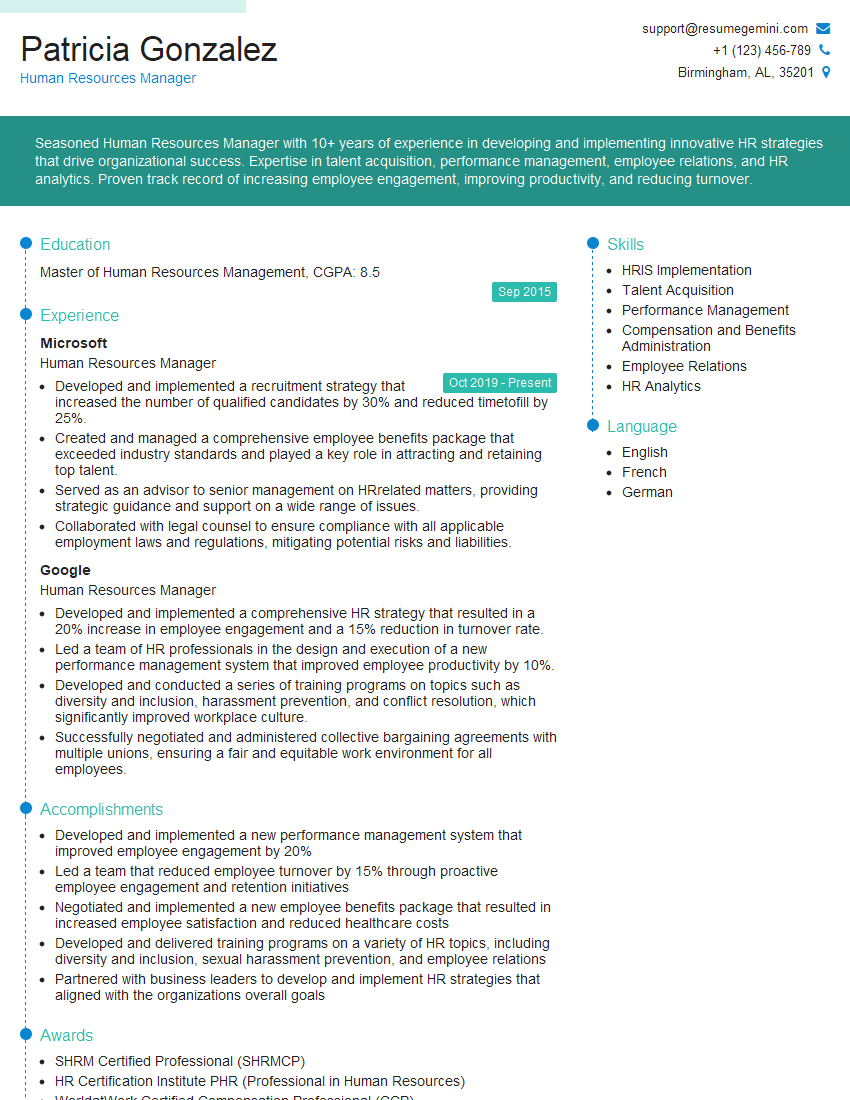
Human Resources Manager Resume Sample
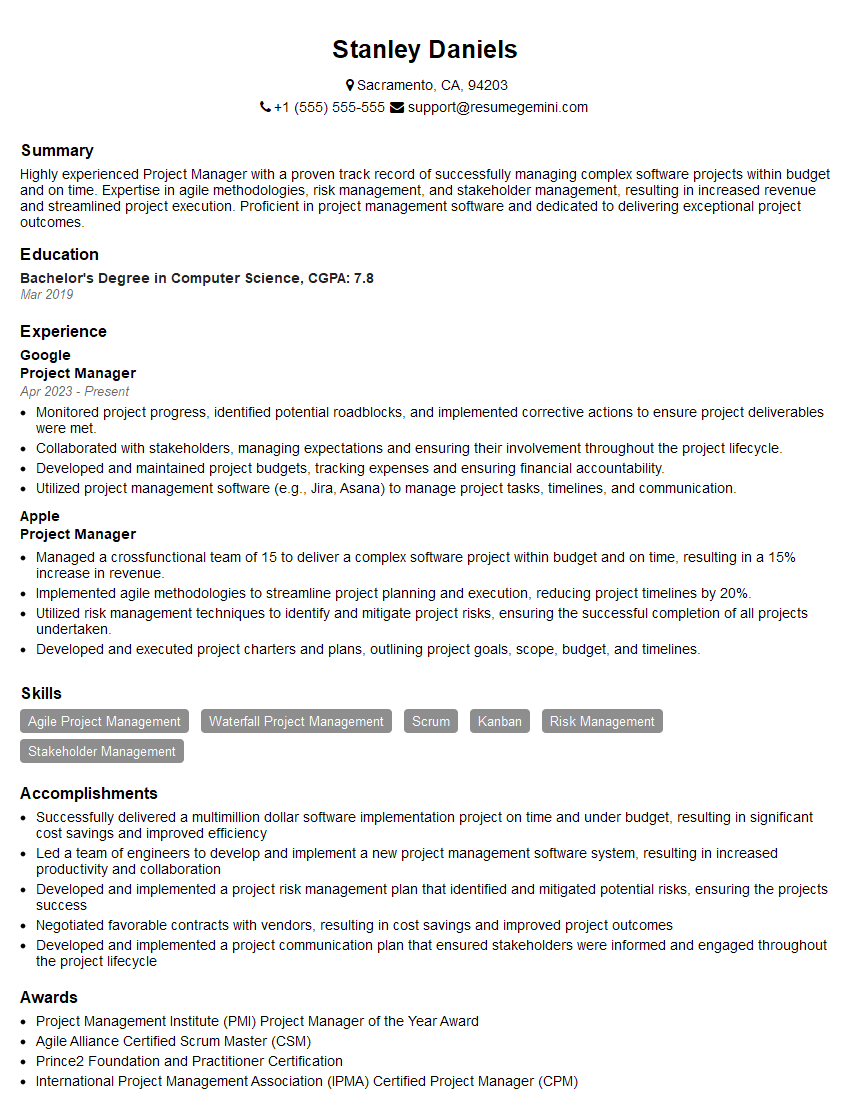
Project Manager Resume Sample
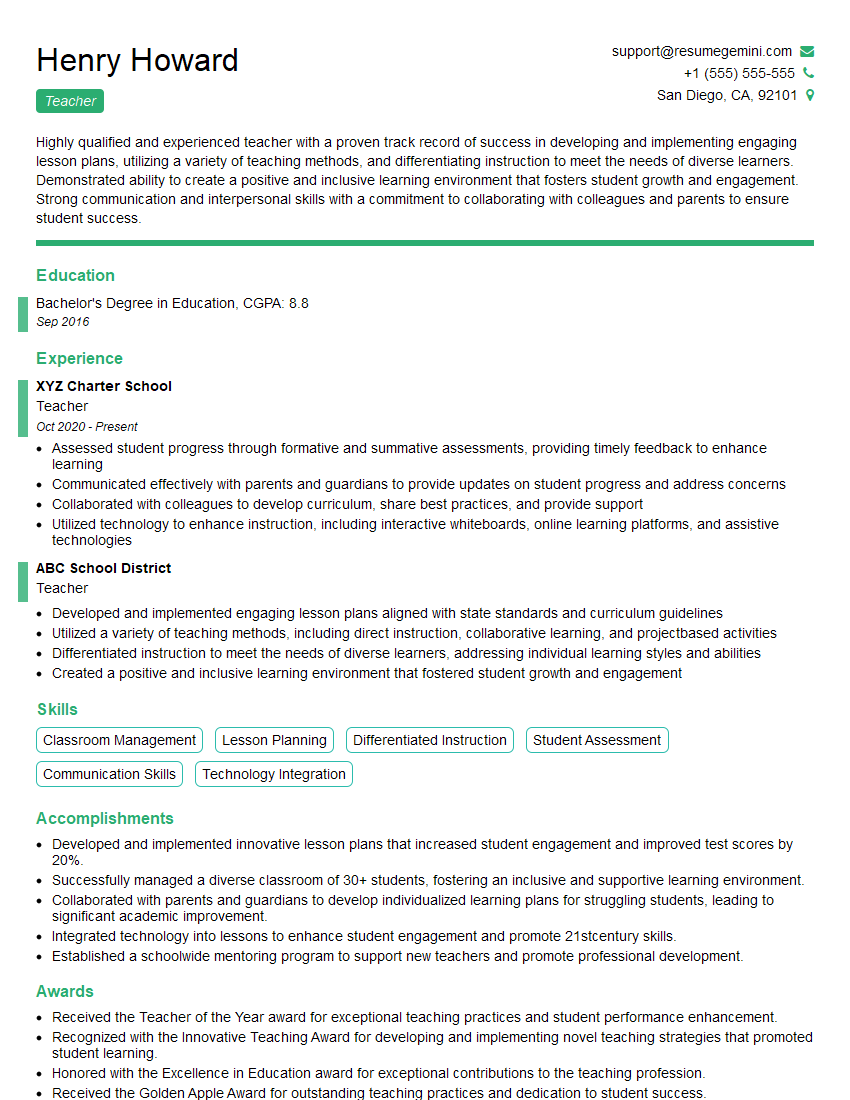
Teacher Resume Sample
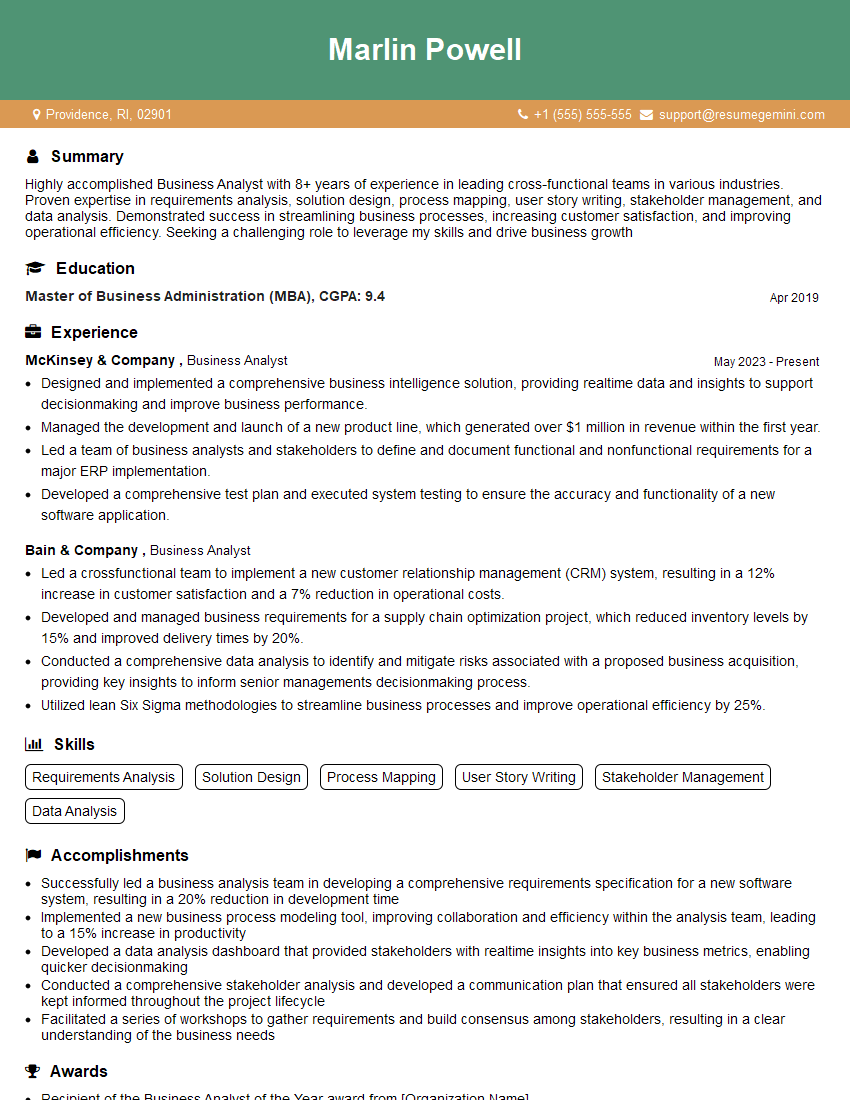
Business Analyst Resume Sample
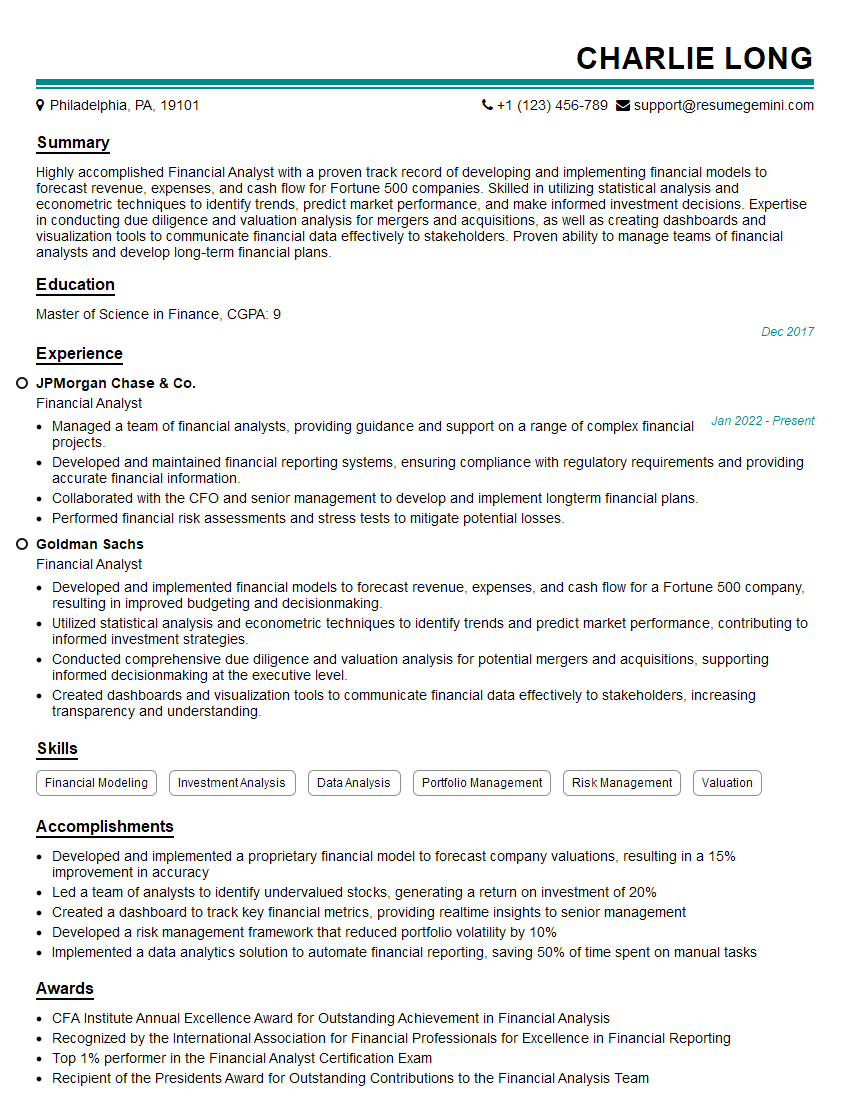
Financial Analyst Resume Sample
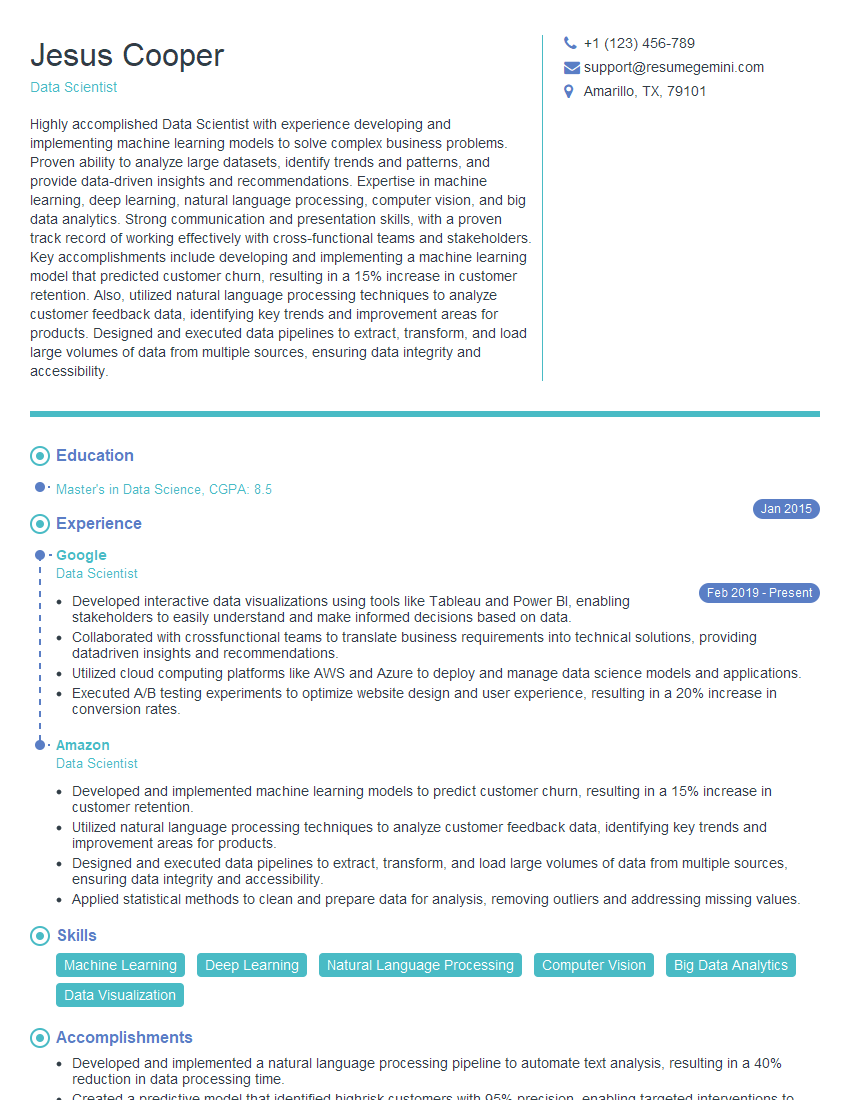
Data Scientist Resume Sample
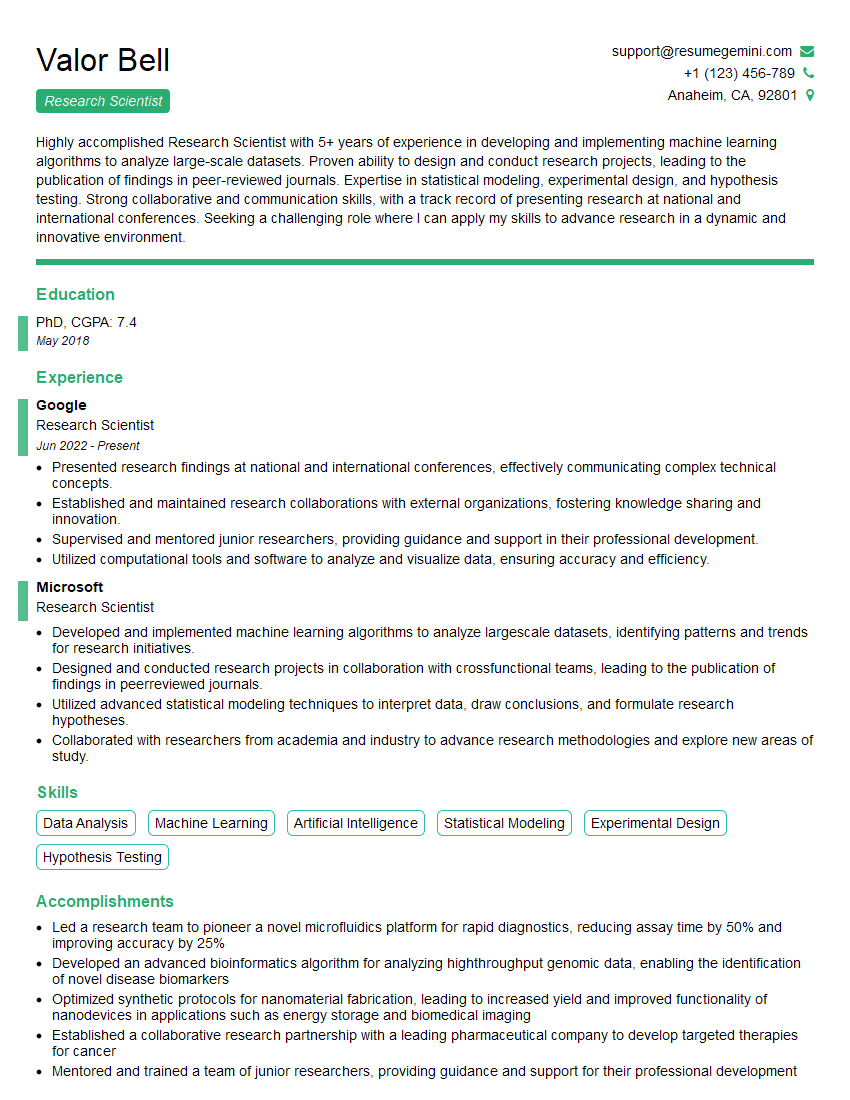
Research Scientist Resume Sample
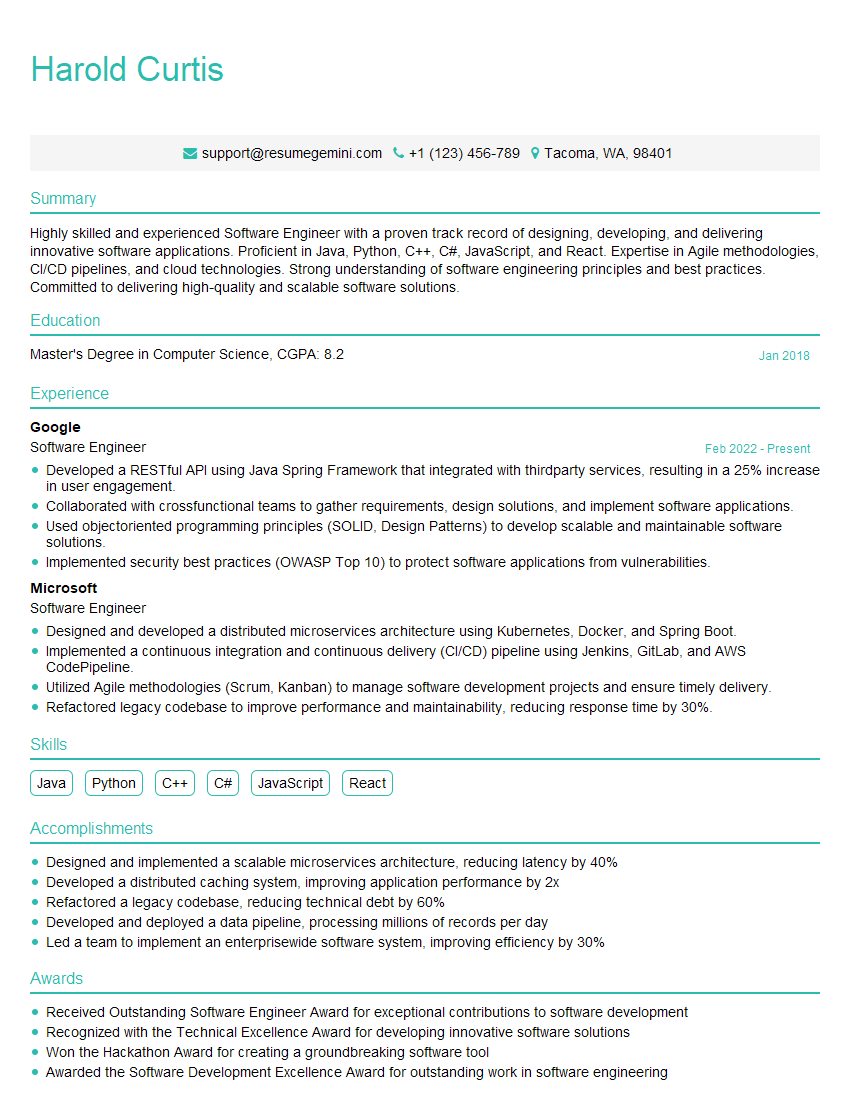
Software Engineer Resume Sample
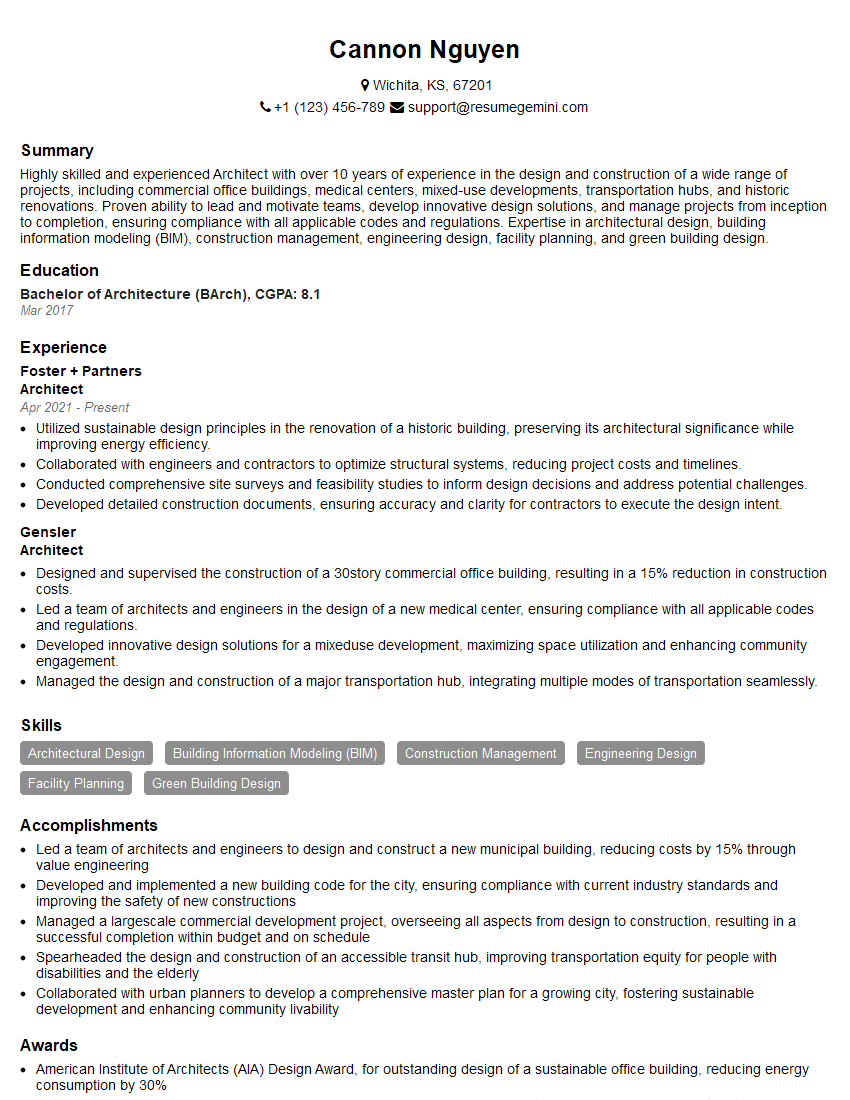
Architect Resume Sample
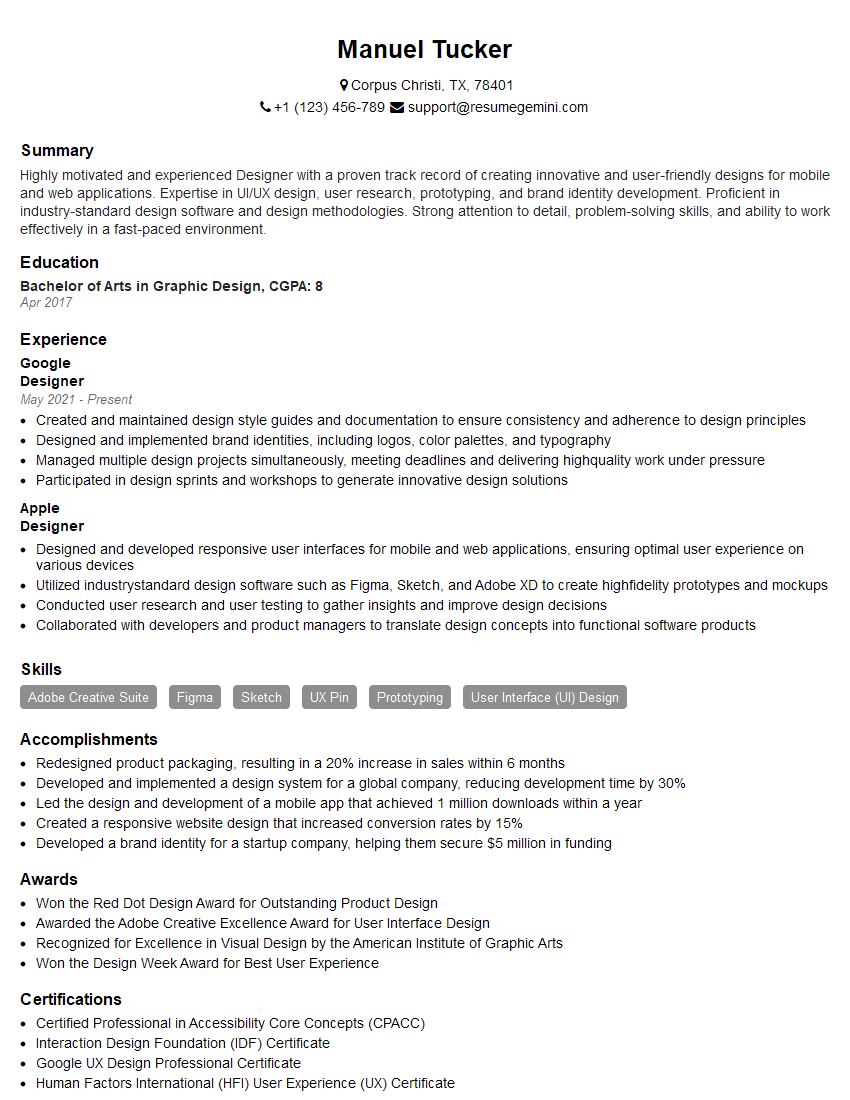
Designer Resume Sample
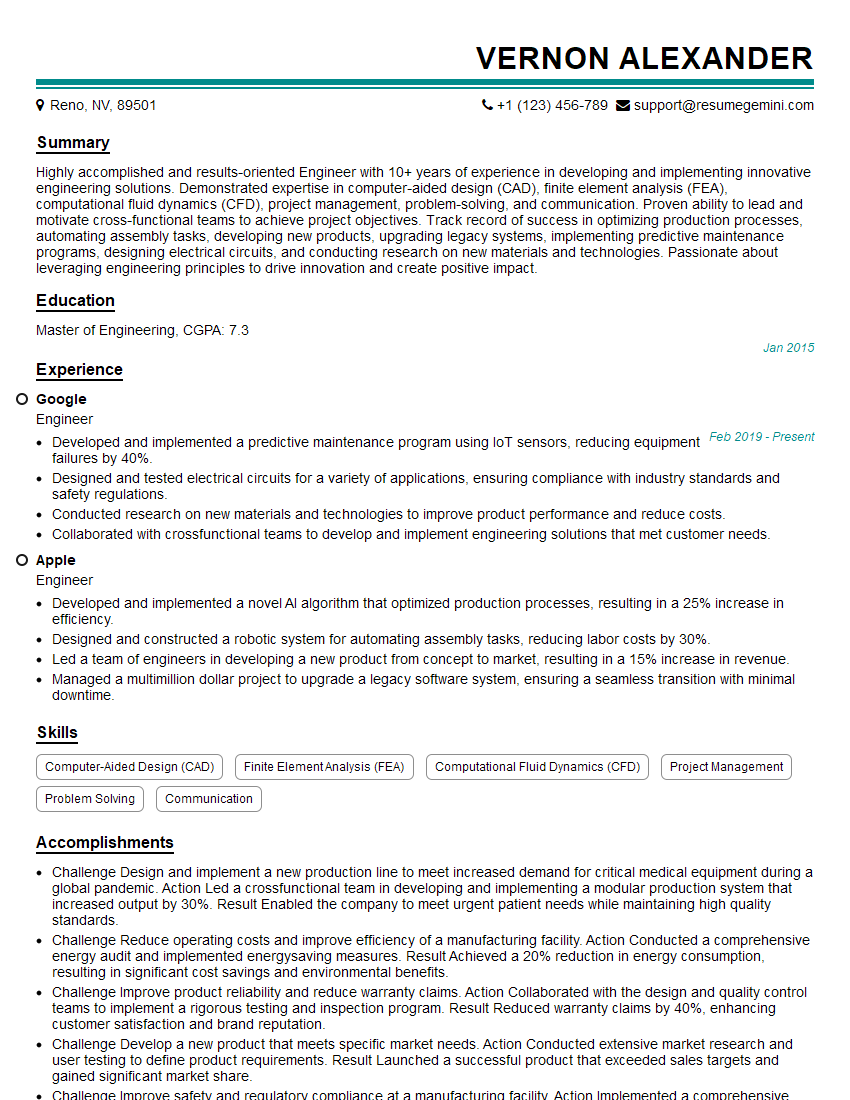
Engineer Resume Sample
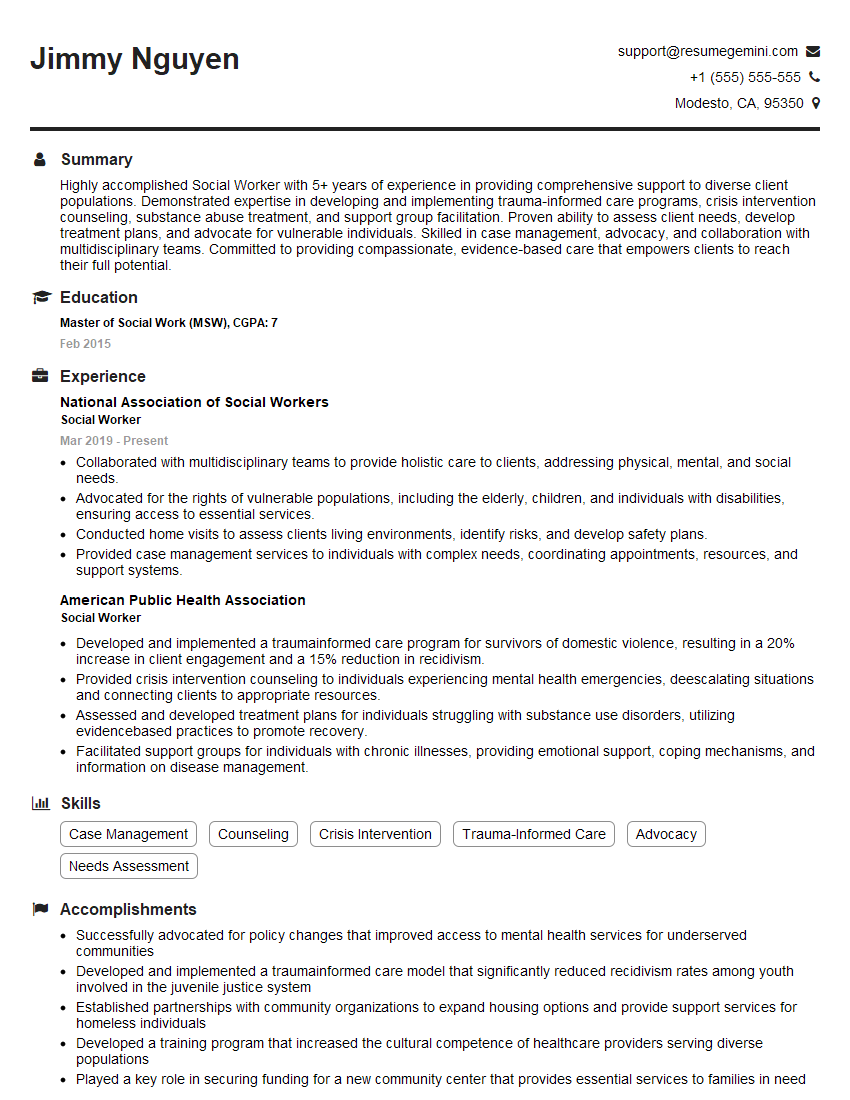
Social Worker Resume Sample
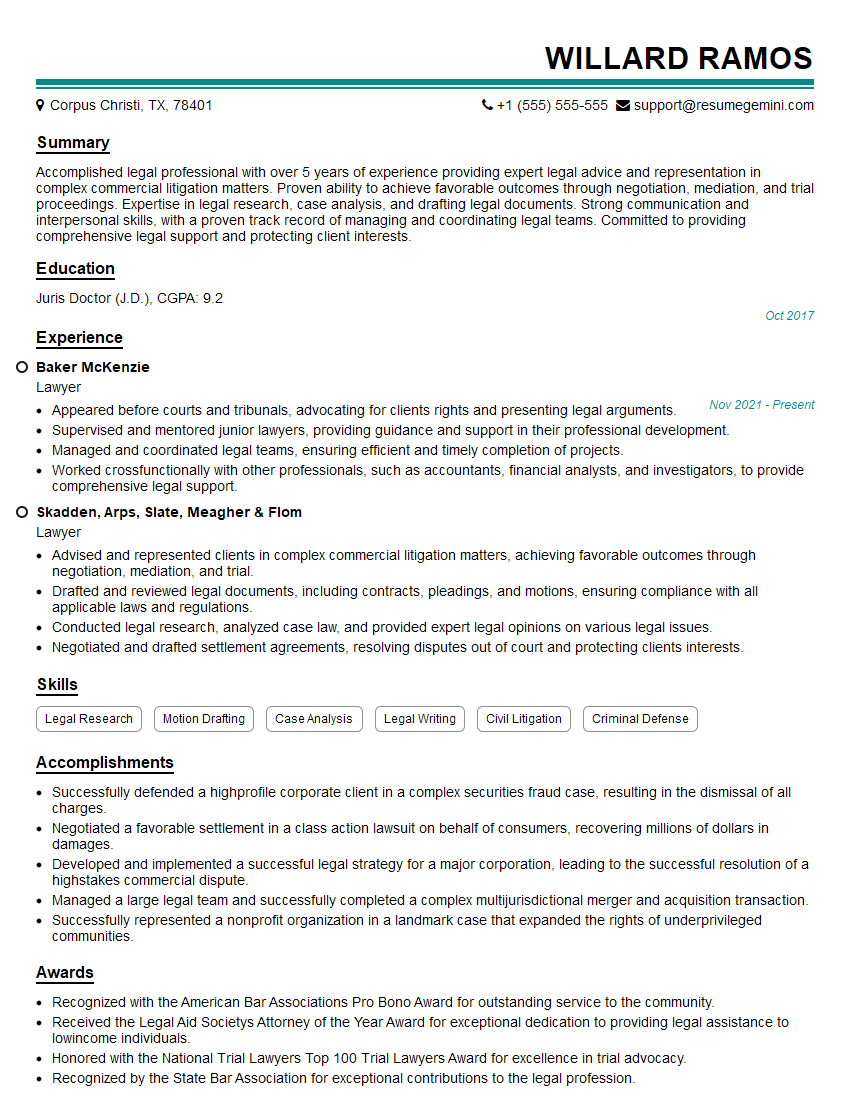
Lawyer Resume Sample
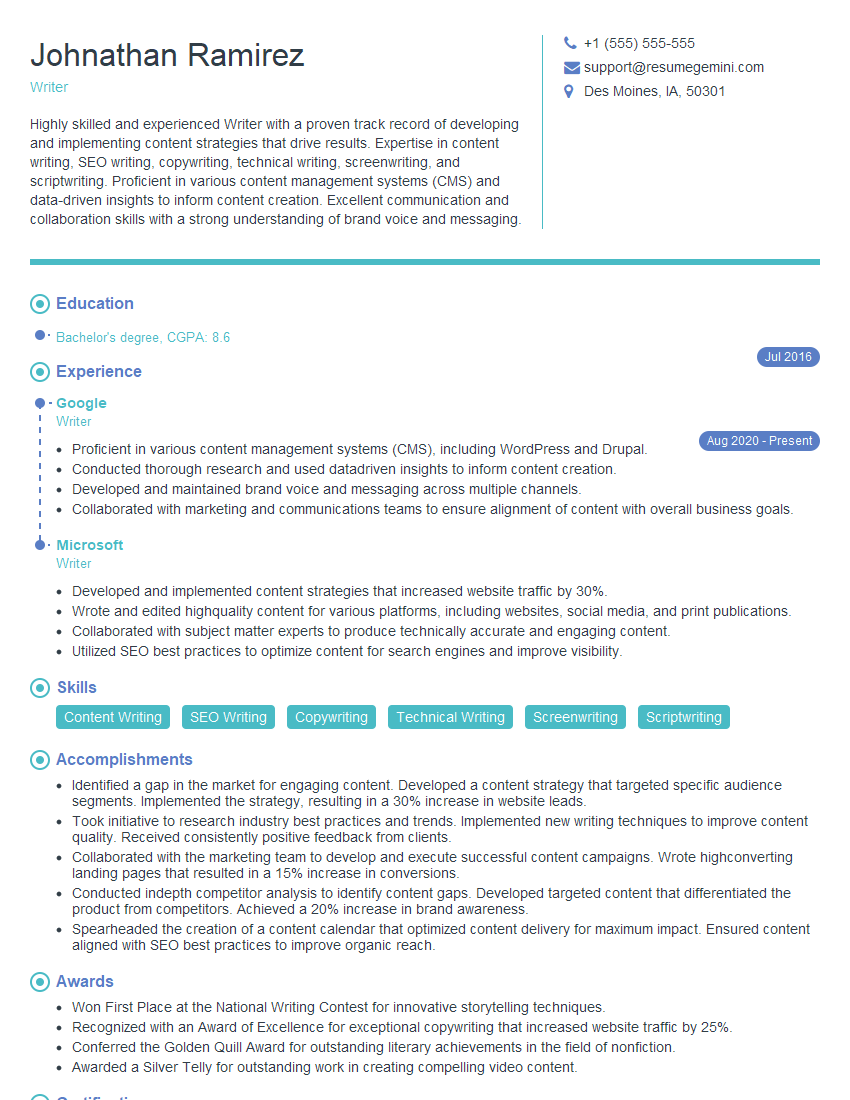
Writer Resume Sample
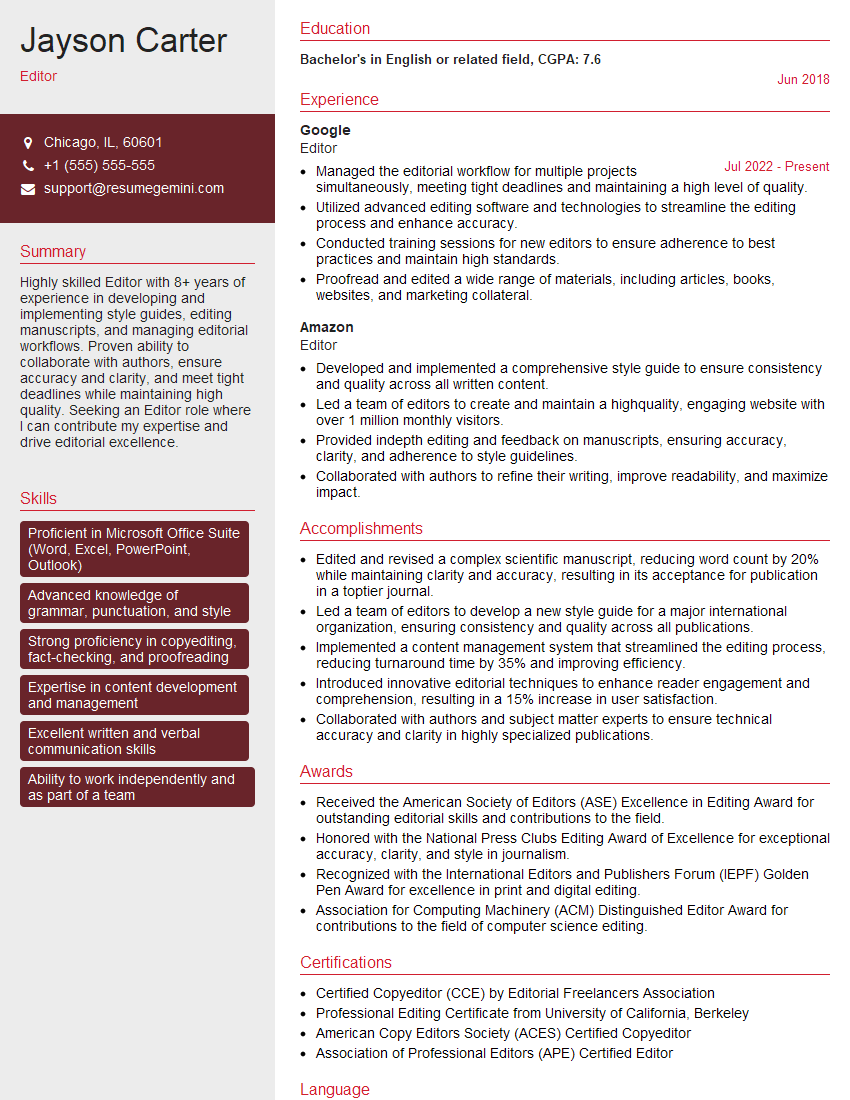
Editor Resume Sample
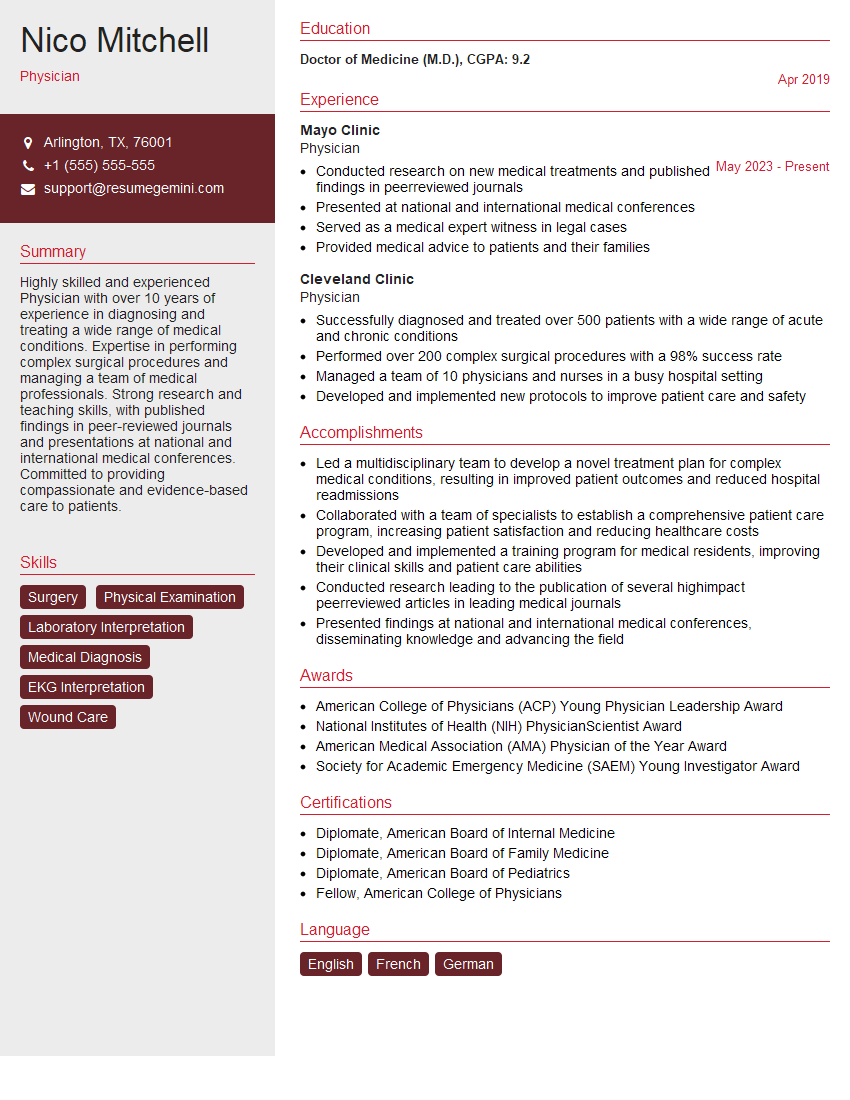
Physician Resume Sample
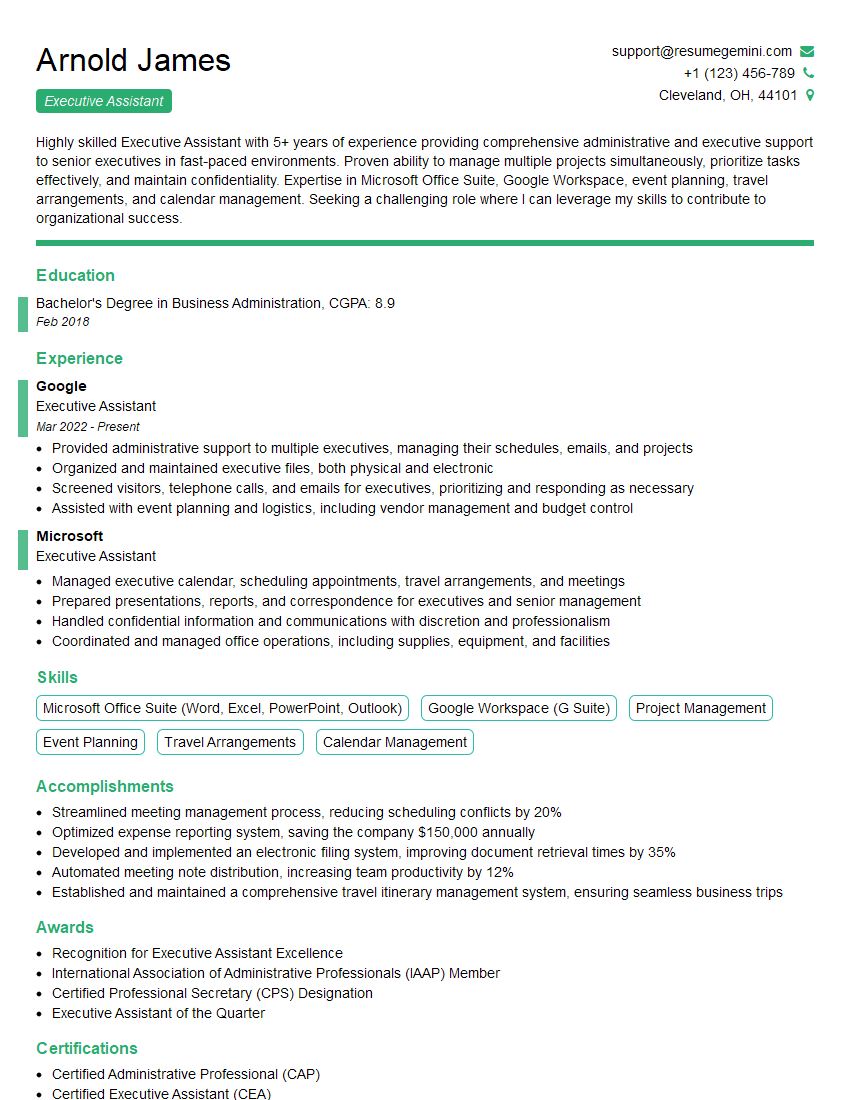
Executive Assistant Resume Sample
- Operations Manager
- Account Manager
- Marketing Manager
- Product Manager
- Sales Representative
- Human Resources Manager
- Project Manager
- Teacher
- Business Analyst
- Financial Analyst
- Data Scientist
- Research Scientist
- Software Engineer
- Architect
- Designer
- Engineer
- Social Worker
- Lawyer
- Writer
- Editor
- Physician
- Executive Assistant
Explore more articles
Users Rating of Our Blogs
Share Your Experience
We value your feedback! Please rate our content and share your thoughts (optional).
What Readers Say About Our Blog
Very informative content, great job.
good