Cracking a skill-specific interview, like one for Targeted Recruitment and Prospect Evaluation, requires understanding the nuances of the role. In this blog, we present the questions you’re most likely to encounter, along with insights into how to answer them effectively. Let’s ensure you’re ready to make a strong impression.
Questions Asked in Targeted Recruitment and Prospect Evaluation Interview
Q 1. Explain your process for identifying and qualifying passive candidates.
Identifying and qualifying passive candidates requires a multi-faceted approach that goes beyond simply posting job ads. It’s about proactively finding individuals who aren’t actively looking for new opportunities but might be open to the right offer. My process begins with research and targeting. I leverage LinkedIn, professional networks, industry publications, and even competitor websites to identify potential candidates based on specific skill sets, experience, and career progression.
Next, I conduct targeted outreach. This isn’t about blasting generic emails. I personalize each communication, referencing something specific from the candidate’s profile or experience to demonstrate I’ve genuinely done my research. This builds rapport and increases the chances of engagement. This personalized message will highlight the unique aspects of the role and company culture, aiming to pique their interest.
Qualifying passive candidates involves a series of insightful conversations. I focus on understanding their career aspirations, their current situation, and their motivations to gauge whether a move would be a good fit for both parties. I don’t immediately push for an application. The goal is to establish a relationship and present a compelling opportunity, not force a decision.
For example, I once identified a senior software engineer who wasn’t actively searching, but whose LinkedIn profile showed a strong interest in AI and machine learning – an area we were expanding. My personalized outreach focused on this, highlighting the AI projects we were undertaking. This led to a successful hire.
Q 2. Describe your experience using Boolean search strings for candidate sourcing.
Boolean search strings are invaluable for efficient candidate sourcing. They allow you to refine searches on platforms like LinkedIn and job boards, identifying candidates with very specific criteria. My experience with Boolean operators is extensive, allowing me to create highly targeted searches. For example, I use "(Java OR Python) AND (Software Engineer) AND ("Machine Learning" OR "AI") AND -("Intern" OR "Junior")" to find experienced software engineers proficient in either Java or Python with experience in Machine Learning or AI, excluding junior or intern-level candidates.
Beyond the basic operators (AND, OR, NOT), I also leverage advanced techniques like wildcards (*) to find variations in titles or skills, parentheses to group search terms for specific combinations, and quotation marks to find exact phrases. I regularly refine my Boolean strings based on the results, iteratively improving their accuracy and efficiency. This iterative process allows for continuous improvement and adaptation to the search results.
For instance, if I’m struggling to find enough candidates using one string, I’ll experiment with synonyms or related keywords to expand the search. Using Boolean search strings efficiently saves me a significant amount of time and ensures I’m reaching the most relevant candidates.
Q 3. How do you assess the potential of a candidate beyond their resume?
Assessing a candidate’s potential beyond their resume involves a deeper dive into their skills, experience, and personality. I employ several methods.
- Behavioral Interviewing: I ask questions designed to uncover how candidates have handled past situations, revealing their problem-solving skills, teamwork capabilities, and leadership qualities. For instance, ‘Tell me about a time you failed. What did you learn from it?’ reveals self-awareness and learning agility.
- Technical Assessments: Depending on the role, I might use coding challenges, presentations, or work samples to evaluate technical skills practically. This offers a much more reliable indicator of proficiency than a resume alone.
- Reference Checks: While resume skills can be fabricated, past performance with former colleagues and supervisors provides unbiased validation. I go beyond the standard questions, digging into specific projects or situations mentioned in the candidate’s resume and interview responses.
- Personality Assessments: While not always applicable, personality assessments can offer insights into a candidate’s working style and cultural fit within the team. This is especially useful for roles requiring strong collaboration or independent work.
By combining these methods, I get a comprehensive view of the candidate, going beyond the superficial details on their resume and gaining a better understanding of their potential.
Q 4. What metrics do you use to measure the success of your recruitment efforts?
Measuring the success of my recruitment efforts is crucial. I track several key metrics:
- Time-to-Fill: How long it takes to fill a position. A shorter time-to-fill indicates efficiency.
- Cost-per-Hire: The total cost of filling a position, including advertising, recruiter fees, and other expenses. Lower cost-per-hire shows cost-effectiveness.
- Source of Hire: Identifying which recruiting channels are most successful (e.g., LinkedIn, referrals, job boards). This helps optimize resource allocation.
- Candidate Quality: Measured through interview feedback, performance reviews of new hires and attrition rates. This reflects how effective I am at identifying the right candidates and the overall quality of the hiring process.
- Offer Acceptance Rate: Percentage of candidates who accept offers. A high rate shows the attractiveness of the opportunity and the effectiveness of candidate relations.
By analyzing these metrics regularly, I can identify areas for improvement in my processes, optimize my strategies, and ultimately contribute to the company’s hiring success.
Q 5. How do you handle situations where a qualified candidate is unavailable?
When a qualified candidate is unavailable, my approach is two-pronged. First, I attempt to understand the reasons for unavailability. Is it a timing issue? A better offer? Understanding their reasons informs my next steps.
If it’s a timing issue, I maintain contact, keeping them updated on the role and potentially rescheduling conversations. If it’s a better offer, I may explore ways to improve our offer’s competitiveness, but only if it aligns with budgetary constraints and company policy.
Simultaneously, I reactivate my search for alternative qualified candidates. This might involve revisiting my initial candidate pool, expanding my search to new networks, or refining my search criteria. I never let one unavailable candidate derail the entire process. My focus shifts to ensuring the position remains a priority while finding a suitable alternative.
In essence, I treat it as an opportunity to refine the process. Maybe the initial search criteria were too narrow, or perhaps there was an aspect of the job description that needs clarifying.
Q 6. Describe your experience with various Applicant Tracking Systems (ATS).
I have extensive experience with several Applicant Tracking Systems (ATS), including Taleo, Workday, and Greenhouse. My proficiency encompasses not only the basic functionalities of each system (candidate tracking, communication management, reporting) but also their advanced features like customized workflows, integration with other HR systems, and talent analytics dashboards.
For example, I’ve used Taleo’s reporting tools to track key metrics like time-to-fill and source of hire, allowing me to identify areas for improvement in our recruitment processes. With Workday, I’ve leveraged its integration capabilities to streamline candidate communication and reduce administrative overhead. In Greenhouse, I’ve implemented custom workflows that optimize the candidate experience and ensure consistency across different stages of the hiring process.
Understanding the nuances of different ATS allows me to adapt my workflow quickly and effectively, optimizing my recruitment process for maximum efficiency and accuracy.
Q 7. How do you prioritize candidates when you have multiple qualified applicants?
Prioritizing multiple qualified candidates requires a systematic approach to avoid bias and ensure the best fit for the role and the company. I don’t simply choose the first qualified candidate.
My approach involves creating a weighted scoring system, with criteria aligned with the job description’s essential requirements and desired skills. This might include technical skills, experience levels, cultural fit, and communication skills. Each criterion receives a weight based on its importance to the role. I then rate each candidate against these criteria, resulting in a numerical score. This systematic process minimizes subjective biases.
Beyond the numerical score, I consider soft skills and cultural fit. This is often assessed through behavioral interviewing, ensuring the candidate’s personality and working style align with the team and company culture. Sometimes a higher-scoring candidate might not be the ideal fit based on this qualitative assessment.
Finally, I present my prioritized list to the hiring manager, along with justifications for my rankings. This allows for a collaborative decision-making process and reduces the likelihood of overlooking a potentially strong candidate.
Q 8. How do you build and maintain relationships with potential candidates?
Building and maintaining relationships with potential candidates is crucial for successful targeted recruitment. It’s not just about filling a position; it’s about fostering a long-term network of talent. I approach this in a multi-faceted way.
Personalized Communication: I avoid generic emails. I personalize each outreach, referencing specific skills, experience, or projects mentioned on their profiles. For example, if a candidate has worked on a similar project to one our company has undertaken, I’ll explicitly mention that in my message.
Active Listening and Genuine Interest: During conversations, I actively listen to understand their career aspirations and motivations. I show genuine interest in their work and perspectives, making them feel valued and heard, not just as a potential employee, but as an individual.
Consistent Engagement: I regularly connect with candidates, even if there aren’t immediately suitable openings. This might be sharing relevant industry articles, inviting them to informational interviews, or simply checking in to see how they are progressing in their careers. This builds rapport and keeps me top of mind.
Transparent and Timely Communication: Keeping candidates informed throughout the recruitment process, regardless of the outcome, is vital. Honesty and prompt feedback build trust and respect.
By consistently demonstrating genuine interest and providing valuable interactions, I cultivate a network of candidates who are more likely to consider future opportunities with my company and refer others.
Q 9. What strategies do you use to source candidates from diverse backgrounds?
Sourcing diverse candidates is not just a matter of compliance; it’s about building a more innovative and representative workforce. My strategies include:
Partnering with Diversity-Focused Organizations: I actively collaborate with organizations dedicated to supporting underrepresented groups in the tech industry, attending their events, and participating in their recruitment initiatives.
Utilizing Diverse Job Boards and Platforms: Beyond general job boards like LinkedIn, I leverage platforms and job boards that specifically target diverse talent pools. This includes specialized sites and community forums.
Blind Resume Screening: To mitigate unconscious bias, I often utilize blind resume screening techniques, removing identifying information like name and gender to focus solely on skills and experience during initial screening.
Expanding Search Strategies: Instead of relying solely on keywords that might unintentionally exclude diverse candidates, I use broader search terms and focus on skills and experience that transcend specific jargon or titles.
Inclusive Job Descriptions: I ensure that job descriptions are inclusive and avoid language that could inadvertently deter qualified candidates from applying. For example, I would use gender-neutral language and avoid using terms like ‘rockstar’ which might not resonate with everyone.
These methods contribute to a more diverse applicant pool and ultimately a more vibrant and successful workforce. Building relationships with organizations focused on diversity is also crucial to long-term success.
Q 10. Explain your understanding of different recruitment methodologies (e.g., RPO, direct sourcing).
Recruitment Process Outsourcing (RPO) and direct sourcing are two distinct methodologies with their own advantages and disadvantages.
RPO (Recruitment Process Outsourcing): In RPO, a third-party vendor manages all or part of the recruitment process, from sourcing candidates to onboarding. This is ideal for companies needing scalable recruitment support or lacking internal expertise. It can be costly but offers expertise and consistency.
Direct Sourcing: This involves an organization managing its recruitment entirely in-house, using its own internal team and resources. It offers greater control and potentially lower costs but demands a dedicated and skilled internal recruitment team. It is most effective for organizations with established recruitment processes and sufficient internal resources.
The choice between these approaches depends on various factors, including budget, company size, internal capabilities, and recruitment volume. Often, a hybrid approach, combining elements of both RPO and direct sourcing, provides the most effective solution.
Q 11. How do you ensure compliance with legal regulations during the recruitment process?
Compliance with legal regulations is paramount in the recruitment process. My approach focuses on proactive measures rather than reactive corrections.
Regular Updates on Employment Laws: I stay informed on the latest employment laws and regulations, including those related to equal opportunities, data privacy, and discrimination. This includes attending relevant training sessions and workshops.
Adherence to Data Privacy Regulations (GDPR, CCPA): I handle candidate data with the utmost care and ensure compliance with relevant data privacy regulations. This includes obtaining explicit consent for data collection and storage, using secure systems, and limiting data retention to what’s necessary.
Fair and Objective Selection Criteria: I develop job descriptions and selection criteria that are job-related and free from bias. This ensures fair and equal opportunities for all candidates, regardless of their background or protected characteristics.
Documentation and Record Keeping: Meticulous record-keeping is crucial. All interactions with candidates, including interview notes, decisions, and feedback are documented properly and securely to ensure accountability and transparency.
By proactively focusing on compliance, I mitigate potential risks and ensure a legally sound recruitment process, protecting both the company and the candidates.
Q 12. Describe your experience using LinkedIn Recruiter or similar tools.
LinkedIn Recruiter is a powerful tool in my arsenal. My experience involves utilizing its features for both proactive sourcing and reactive candidate searches.
Boolean Search Strings: I’m proficient in using Boolean search operators (AND, OR, NOT) to refine my searches and identify highly targeted candidates. For example, I might use a search string like
"Project Manager" AND "Agile" AND "Scrum" AND (Java OR Python)to find project managers with experience in Agile and Scrum methodologies and proficiency in Java or Python.Saved Searches and Alerts: I create and regularly update saved searches to monitor the talent pool for specific skills and experience, and I set up email alerts to notify me of newly matching profiles.
InMail and Engagement: I use InMail strategically, crafting personalized messages to introduce myself and the opportunity, avoiding generic templates.
People Analytics: LinkedIn Recruiter provides data on search results and candidate engagement which I utilize to analyze the effectiveness of my sourcing strategies and adapt my approach based on the data.
My proficiency in LinkedIn Recruiter allows me to efficiently identify and engage with passive candidates who might not be actively searching for new opportunities, thereby expanding my talent pool significantly.
Q 13. How do you evaluate a candidate’s cultural fit within an organization?
Assessing cultural fit goes beyond checking boxes on a personality test. It’s about understanding if a candidate’s values, work style, and communication preferences align with the organization’s culture.
Behavioral Interview Questions: I use behavioral interview questions to assess how candidates have handled situations in the past, revealing their problem-solving approaches, team dynamics, and work ethic. For example, I might ask “Tell me about a time you faced a conflict in a team setting and how you resolved it.”
Company Culture Introduction: I provide candidates with a clear understanding of our company culture during the interview process, highlighting its values and expectations. This allows them to self-select if it’s a good fit for them.
Reference Checks: I actively seek insights from references on the candidate’s interpersonal skills, teamwork capabilities, and how they collaborate within a team.
Team Interactions: When possible, I arrange for the candidate to interact with members of the team they will be working with. This allows for informal observation of their interaction and provides valuable insights.
By using a holistic approach encompassing behavioral interviews, reference checks, and team interactions, I get a comprehensive understanding of a candidate’s potential cultural fit, minimizing the risk of mismatch.
Q 14. How do you handle candidates who are overqualified or underqualified for a role?
Handling overqualified or underqualified candidates requires a nuanced approach. It’s about finding opportunities to engage them appropriately while managing expectations.
Overqualified Candidates: For overqualified candidates, I explore the reasons behind their interest in a seemingly ‘step-down’ role. Are they seeking a change in environment, a less demanding role, or perhaps a specific project that aligns with their expertise? If their long-term aspirations align with the company’s growth trajectory, I might consider them for a more senior role in the future.
Underqualified Candidates: With underqualified candidates, I evaluate their potential. Do they possess transferable skills that can be developed? Are they highly motivated learners? If the candidate demonstrates a strong aptitude and willingness to learn, I might consider them for entry-level positions with robust training and mentoring programs.
In both cases, honest and transparent communication is key. I explain the scope of the role and manage expectations appropriately, ensuring that the candidate is not misled about the position’s responsibilities and challenges. This ensures a positive candidate experience, even if they aren’t ultimately selected.
Q 15. Explain your process for conducting reference checks.
Reference checks are crucial for verifying a candidate’s qualifications and assessing their suitability for a role. My process involves a structured approach, ensuring consistency and thoroughness. I begin by obtaining permission from the candidate before contacting their references. I then create a standardized questionnaire, focusing on behavioral questions that assess skills, work ethic, and cultural fit, rather than simply asking for a yes/no confirmation of their stated qualifications.
- Identifying Relevant References: I review the candidate’s resume and application materials to identify individuals who can provide meaningful insights into their skills and experience. I aim for a mix of professional and potentially personal references (depending on the seniority of the role and the candidate’s preference).
- Structured Interview Guide: Instead of open-ended questions, I use a structured interview guide with pre-determined questions, allowing for a fair and consistent comparison between candidates. This includes questions about the candidate’s strengths, weaknesses, achievements, and how they handle challenging situations.
- Critical Listening and Verification: During the calls, I actively listen for inconsistencies between what the reference says and what the candidate has presented. I also verify specific details provided by the candidate, such as dates of employment or responsibilities held.
- Documentation: I meticulously document all conversations, including the names, contact details, and key responses from each reference. This detailed record is crucial for maintaining transparency and supporting my hiring recommendation.
For example, instead of asking ‘Was this candidate a good employee?’, I might ask, ‘Can you describe a time this candidate had to overcome a challenging project? How did they handle it?’ This elicits more detailed and revealing responses. This structured approach minimises bias and ensures a comprehensive assessment of the candidate’s suitability.
Career Expert Tips:
- Ace those interviews! Prepare effectively by reviewing the Top 50 Most Common Interview Questions on ResumeGemini.
- Navigate your job search with confidence! Explore a wide range of Career Tips on ResumeGemini. Learn about common challenges and recommendations to overcome them.
- Craft the perfect resume! Master the Art of Resume Writing with ResumeGemini’s guide. Showcase your unique qualifications and achievements effectively.
- Don’t miss out on holiday savings! Build your dream resume with ResumeGemini’s ATS optimized templates.
Q 16. Describe a time you had to overcome a challenging recruitment situation.
I once faced a challenging situation where we needed to fill a highly specialized, senior-level engineering role within an extremely tight deadline. The talent pool was limited, and several top candidates withdrew their applications due to competing offers. To overcome this, I implemented a multi-pronged strategy. First, I broadened our search beyond traditional platforms by engaging with niche industry groups and professional networks on LinkedIn and other relevant platforms. Secondly, I refined our candidate profile to focus on the absolute must-have skills and relaxed slightly on some desirable but less critical competencies, recognizing that extensive training could fill some gaps. Thirdly, I proactively addressed candidate concerns about the tight deadline and the high-pressure work environment, assuring them of the exceptional compensation package and company support, showcasing our employer brand and the strong potential career trajectory the role offered. This proactive approach helped us secure a high-quality candidate within the timeframe.
Q 17. What is your experience with employer branding and its impact on recruitment?
Employer branding plays a pivotal role in attracting top talent. It’s more than just a logo; it’s the overall perception of a company as an employer. A strong employer brand attracts passive candidates (those not actively looking for jobs), shortens recruitment timelines, and reduces recruitment costs. My experience includes developing and implementing employer branding strategies that highlight company culture, values, employee testimonials, and career development opportunities. I’ve seen firsthand how a positive employer brand enhances our recruitment efforts by generating more applications from qualified candidates, increasing candidate engagement, and leading to better retention rates.
For example, we implemented an employee-centric campaign on social media showcasing our company culture, employee stories, and office perks. This significantly improved our brand perception and resulted in a substantial increase in qualified applications, reducing our time-to-hire by almost 30%.
Q 18. How do you manage expectations with hiring managers throughout the recruitment process?
Managing expectations with hiring managers is crucial for a smooth and efficient recruitment process. I employ several strategies to maintain clear and consistent communication. Firstly, I establish clear timelines and expectations from the outset, outlining each stage of the recruitment process, from initial screening to final offer. I provide regular updates, keeping the hiring manager informed of progress, challenges encountered, and proposed solutions. Secondly, I maintain transparent communication by actively involving the hiring manager in key decisions, such as shortlisting candidates and conducting interviews. This ensures their needs and preferences are taken into account, fostering trust and collaboration.
If delays occur, I proactively communicate the reasons for the delay and outline a revised timeline. For example, if a promising candidate withdraws their application, I immediately inform the hiring manager, discuss alternative strategies, and collaboratively decide on the best course of action.
Q 19. How do you stay current with industry trends and best practices in recruitment?
Staying current in the dynamic field of recruitment requires continuous learning and professional development. I regularly attend industry conferences and webinars, participate in professional development workshops, and actively follow leading recruitment publications and blogs. I also leverage online resources like LinkedIn Learning and Coursera to enhance my expertise in areas such as recruitment technology, candidate sourcing strategies, and diversity and inclusion best practices. Furthermore, I participate in professional networks, engaging with other recruiters to share knowledge and best practices.
I actively engage in continuous learning by participating in industry groups and reading industry-leading publications to stay informed about changing trends in recruitment technology and practices.
Q 20. Explain your understanding of different interview techniques (e.g., behavioral, competency-based).
Understanding different interview techniques is critical for effective candidate evaluation. Behavioral interviewing focuses on past behavior as a predictor of future performance. Questions typically start with phrases like ‘Tell me about a time when…’. This approach helps assess the candidate’s skills and experience in real-world situations. Competency-based interviewing assesses the candidate’s abilities against pre-defined competencies required for the role. Questions are directly linked to specific competencies, allowing for a structured and objective evaluation.
Other techniques include situational interviews (hypothetical scenarios), stress interviews (designed to assess resilience under pressure), and panel interviews (multiple interviewers assessing the candidate). I tailor my interview approach to the specific role and level of the position, ensuring a fair and comprehensive assessment of the candidate’s capabilities.
Q 21. How do you identify and assess the potential risks associated with hiring a candidate?
Identifying and assessing potential risks in hiring is a critical aspect of my role. This involves a multifaceted approach. Firstly, I conduct thorough background checks, verifying credentials, employment history, and checking for any potential red flags. Secondly, I carefully analyze the candidate’s responses during interviews, looking for inconsistencies or signs of dishonesty. I assess their cultural fit, considering whether their work style and personality align with the company culture. Thirdly, I evaluate potential legal risks, ensuring compliance with all relevant employment laws and regulations. Finally, I consider the potential financial risks associated with a poor hiring decision, such as the cost of replacing an unsuitable employee. By proactively identifying and mitigating these potential risks, I help protect the company from costly mistakes and ensure the successful integration of new hires.
Q 22. Describe your experience with diversity and inclusion initiatives in recruitment.
Diversity and inclusion (D&I) are paramount in effective recruitment. My approach goes beyond simply ticking boxes; it’s about fostering a genuinely inclusive process at every stage. This involves actively sourcing candidates from diverse backgrounds, reviewing job descriptions for potentially biased language, and implementing blind resume screening techniques to mitigate unconscious bias.
For example, in my previous role, I partnered with several organizations dedicated to supporting underrepresented groups in tech. This collaboration broadened our candidate pool significantly, leading to a 30% increase in diverse hires within a year. We also conducted diversity training for all recruiters to raise awareness of unconscious bias and best practices for inclusive interviewing. This involved interactive workshops focusing on recognizing bias in interview questions and feedback.
- Targeted Outreach: Partnering with organizations that support diverse talent pools.
- Bias Mitigation: Implementing blind resume screening and structured interview processes.
- Inclusive Language: Reviewing job descriptions and removing potentially exclusionary language.
- Diversity Training: Providing ongoing training to recruiters on unconscious bias and inclusive hiring practices.
Q 23. How do you handle candidate rejection and maintain a positive candidate experience?
Rejecting a candidate is never easy, but handling it with grace is crucial for maintaining a positive candidate experience and protecting the employer’s brand. My approach centers on prompt, personalized communication and constructive feedback. I avoid generic rejection emails; instead, I provide specific reasons for the decision, whenever possible, and highlight the candidate’s strengths.
For instance, if a candidate lacks a specific skill but demonstrates potential in other areas, I’ll suggest areas for improvement and encourage them to apply for future suitable roles. I also try to keep them engaged by adding them to our talent pool for future opportunities. Maintaining a positive experience, even in rejection, can lead to strong brand advocacy and potential future hires.
- Timely Communication: Inform candidates of the decision promptly and professionally.
- Personalized Feedback: Provide specific and constructive feedback, highlighting strengths and areas for improvement.
- Maintaining Contact: Add strong candidates to a talent pool for future consideration.
- Professionalism: Always maintain a respectful and empathetic tone throughout the process.
Q 24. What is your understanding of salary benchmarking and compensation strategies?
Salary benchmarking is crucial for competitive compensation strategies. It involves researching and analyzing salary data from various sources (like salary surveys, competitor analysis, and industry reports) to determine the appropriate compensation for a given role and location. This helps ensure that the offered salary is competitive and attracts top talent.
Compensation strategies go beyond simply matching the market rate. They involve considering various factors like experience, skills, education, performance, company benefits, and the overall economic climate. For example, a high-demand role might justify a premium salary, while a more junior position might be compensated closer to the market median. I use data-driven approaches to develop fair, competitive, and equitable compensation packages.
- Market Research: Utilizing salary surveys and industry reports to understand market rates.
- Internal Equity: Ensuring fair compensation across different roles and levels within the organization.
- Total Rewards: Considering total compensation, including benefits and perks.
- Negotiation Strategy: Developing a framework for negotiating salary offers with candidates while staying within budget.
Q 25. How do you use data analytics to improve recruitment efficiency and effectiveness?
Data analytics plays a vital role in optimizing recruitment processes. I use various metrics to track the effectiveness of different recruitment strategies, identify bottlenecks, and improve efficiency. For example, I track time-to-hire, cost-per-hire, source of hire, and candidate quality scores.
By analyzing this data, I can identify which recruitment channels are most effective, which stages of the recruitment process are taking too long, and areas where candidate experience can be improved. This allows for data-driven decision-making, leading to better resource allocation, improved candidate experience, and ultimately, a more efficient and effective recruitment process. Tools like applicant tracking systems (ATS) and recruitment analytics dashboards are essential for this process. For example, if the data shows a high drop-off rate at the interview stage, we can review our interview process, possibly adding training for interviewers or refining interview questions.
- Key Metrics: Tracking time-to-hire, cost-per-hire, source of hire, and candidate quality scores.
- Data Analysis: Identifying trends and patterns in recruitment data to optimize processes.
- A/B Testing: Experimenting with different recruitment strategies and measuring their effectiveness.
- Technology Utilization: Leveraging ATS and recruitment analytics dashboards for data-driven insights.
Q 26. Describe your experience with negotiating job offers with candidates.
Negotiating job offers requires a balance of strong communication and strategic thinking. My approach focuses on understanding the candidate’s expectations and priorities while simultaneously advocating for the company’s interests. This involves thorough preparation, understanding the company’s budget and compensation structure, and actively listening to the candidate’s needs.
I always begin by ensuring alignment on the core aspects of the role and company culture. If a candidate’s salary expectation is beyond the budget, I explore alternative compensation components, such as signing bonuses, performance-based incentives, or enhanced benefits packages. The negotiation process should be collaborative, transparent, and mutually beneficial, leading to a win-win scenario. I aim to build rapport and strong relationships to ensure a positive experience for both parties.
- Preparation: Thoroughly research market salary data and understand the company’s compensation structure.
- Active Listening: Understand the candidate’s needs, expectations, and priorities.
- Creative Solutions: Explore alternatives if salary expectations exceed the budget, such as signing bonuses or enhanced benefits.
- Win-Win Outcome: Strive for a mutually beneficial agreement that satisfies both the candidate and the company.
Q 27. How do you ensure the security and confidentiality of candidate data?
Protecting candidate data is crucial, both ethically and legally. I strictly adhere to data privacy regulations like GDPR and CCPA. This includes obtaining explicit consent for data collection and processing, securely storing data, using encryption to protect sensitive information, and regularly reviewing data security protocols.
We use secure applicant tracking systems (ATS) that comply with data privacy regulations. Access to candidate data is strictly controlled and limited to authorized personnel. We also regularly conduct security audits and implement measures to detect and prevent data breaches. Training our employees on data privacy best practices is also a high priority. This includes explaining the importance of confidentiality and proper handling of sensitive information.
- Compliance: Adhering to all relevant data privacy regulations (GDPR, CCPA, etc.).
- Secure Storage: Utilizing secure applicant tracking systems (ATS) and encryption.
- Access Control: Limiting access to candidate data to authorized personnel only.
- Regular Audits: Conducting regular security audits and risk assessments.
- Employee Training: Providing ongoing training to employees on data privacy and security best practices.
Q 28. What are your career goals in the field of Targeted Recruitment and Prospect Evaluation?
My career goals involve leveraging my expertise in targeted recruitment and prospect evaluation to lead and mentor teams, contribute to innovative recruitment strategies, and become a recognized thought leader in the field. I aspire to develop and implement cutting-edge technologies and processes that significantly improve recruitment efficiency and effectiveness.
Specifically, I am interested in exploring the applications of AI and machine learning in recruitment, particularly in predictive analytics to improve candidate sourcing and selection. I also aim to stay updated on the latest industry trends and best practices, continuously improving my skills and knowledge to ensure I remain a valuable asset in the field.
- Leadership and Mentorship: Leading and mentoring teams in developing and implementing effective recruitment strategies.
- Innovation: Exploring and implementing new technologies and processes to improve recruitment efficiency.
- Thought Leadership: Becoming a recognized expert in targeted recruitment and prospect evaluation.
- Continuous Learning: Staying updated on the latest industry trends and best practices.
Key Topics to Learn for Targeted Recruitment and Prospect Evaluation Interview
- Understanding Target Audience: Defining ideal candidate profiles based on job requirements and company culture. Practical application includes developing detailed personas and analyzing market trends to identify potential candidates.
- Sourcing Strategies: Exploring various recruitment channels (e.g., LinkedIn Recruiter, professional networking, job boards) and optimizing search techniques for efficient candidate identification. Practical application involves comparing the effectiveness of different sourcing methods and demonstrating proficiency in Boolean search.
- Candidate Evaluation Metrics: Developing and utilizing objective criteria for assessing candidate qualifications, experience, and cultural fit. Practical application involves creating a scoring rubric and demonstrating the ability to critically analyze resumes and cover letters.
- Applicant Tracking Systems (ATS): Understanding how ATS works and optimizing resumes and applications for ATS compatibility. Practical application includes knowing how to use keywords effectively and format documents for optimal ATS parsing.
- Interview Techniques: Mastering structured interview methods and behavioral questioning to effectively evaluate candidate suitability. Practical application involves designing effective interview questions and analyzing candidate responses objectively.
- Data-Driven Decision Making: Utilizing data analytics to track recruitment effectiveness and improve sourcing strategies. Practical application includes interpreting recruitment metrics and making data-backed recommendations for improvements.
- Legal and Ethical Considerations: Understanding and adhering to relevant employment laws and ethical recruitment practices. Practical application includes demonstrating awareness of biases and ensuring fair and inclusive recruitment processes.
Next Steps
Mastering Targeted Recruitment and Prospect Evaluation is crucial for career advancement in Human Resources and talent acquisition. It allows you to build a competitive advantage by efficiently identifying and selecting top-tier candidates, directly impacting a company’s success. Building an ATS-friendly resume is paramount for ensuring your application is seen by recruiters. We strongly encourage you to leverage ResumeGemini to craft a professional and impactful resume that highlights your skills and experience in this critical area. Examples of resumes tailored to Targeted Recruitment and Prospect Evaluation are available to help guide your resume creation process.
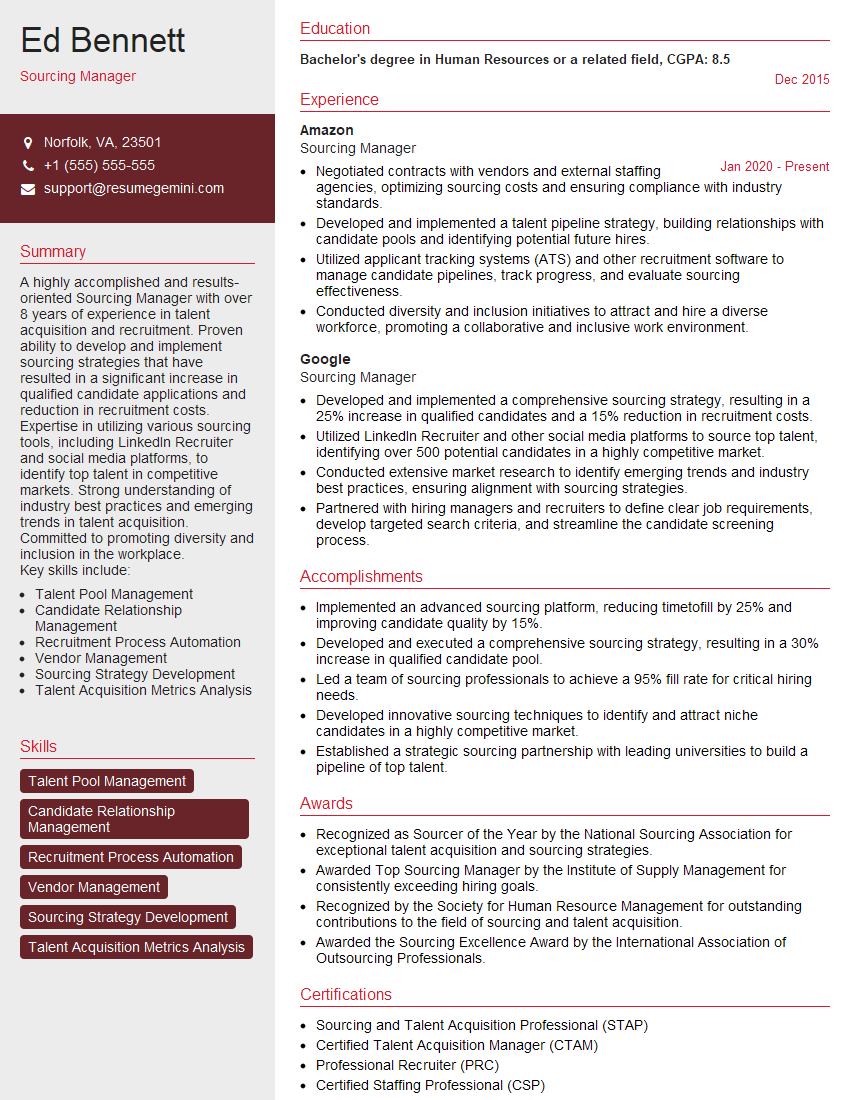
Sourcing Manager Resume Sample

Sourcing Specialist Resume Sample
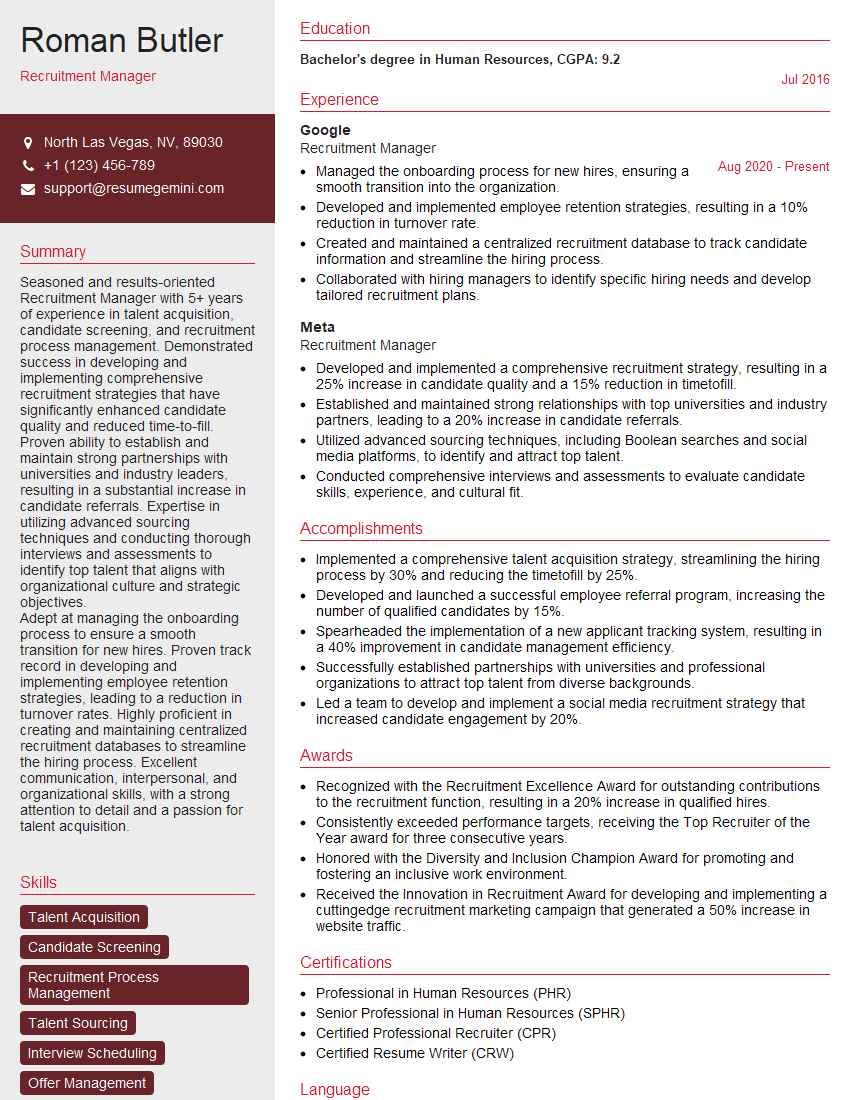
Recruitment Manager Resume Sample
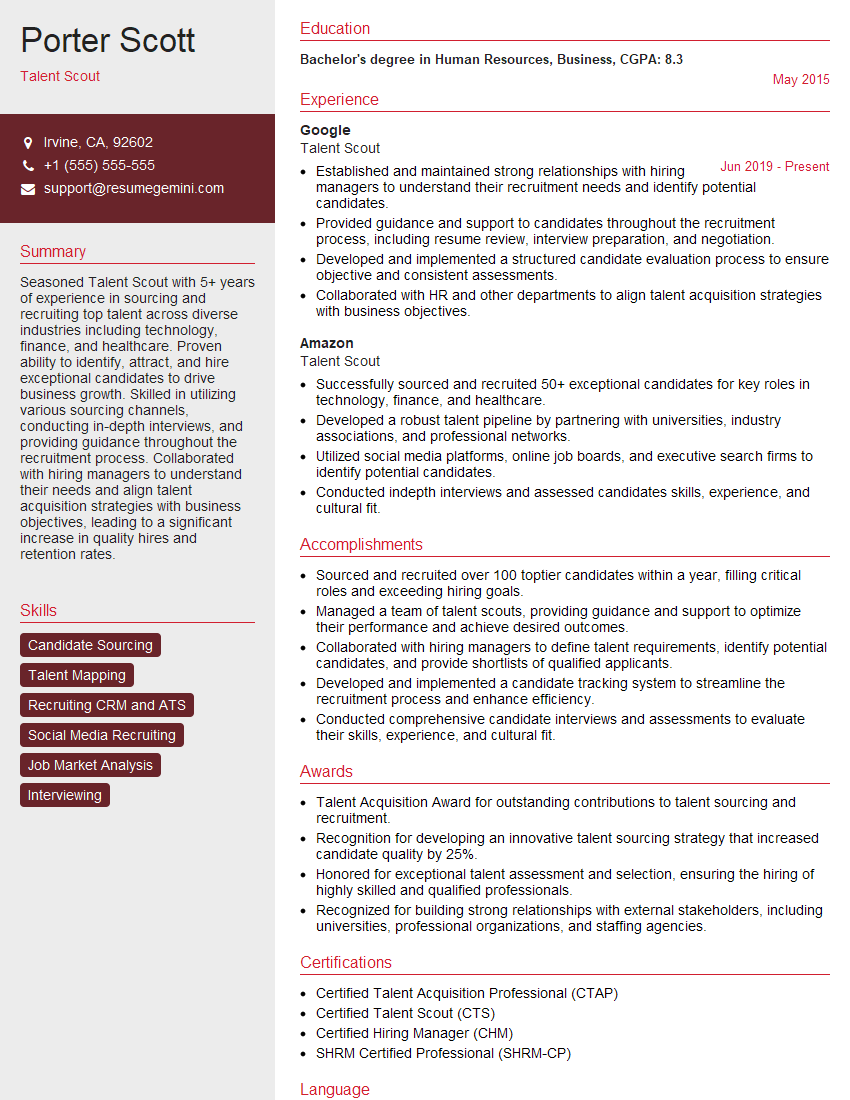
Talent Scout Resume Sample
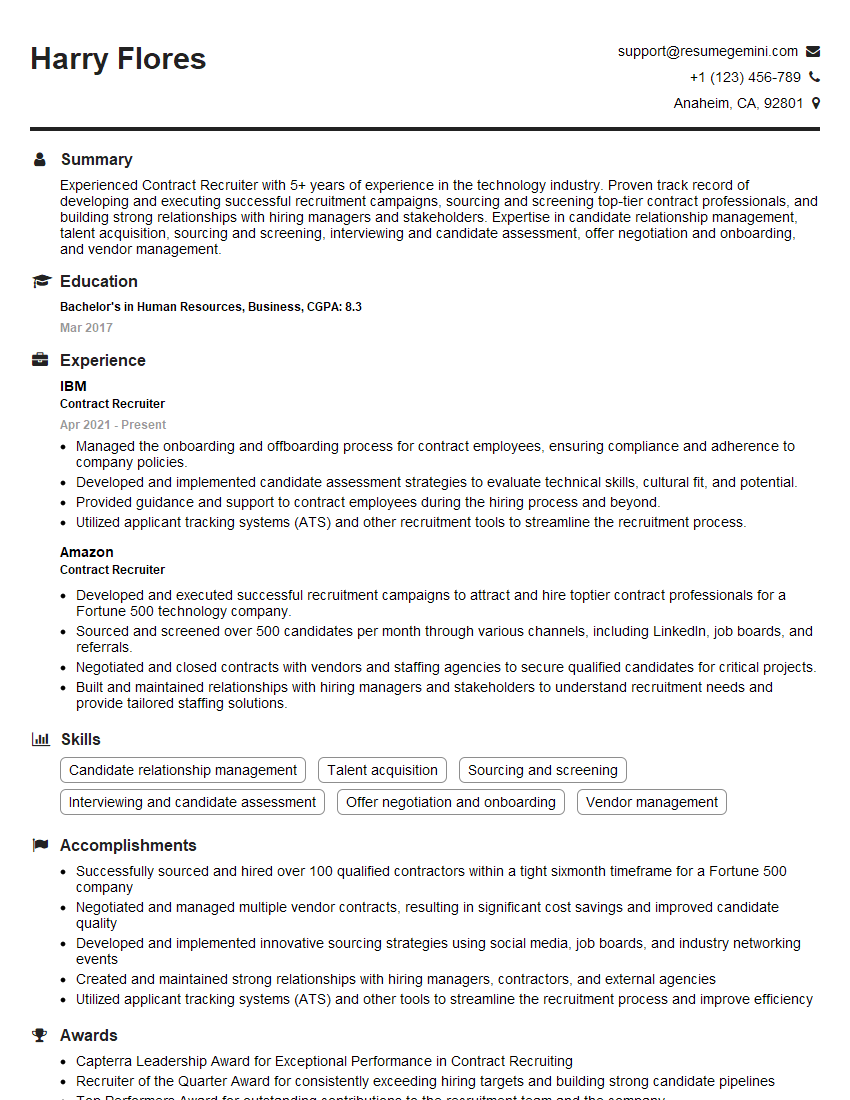
Contract Recruiter Resume Sample
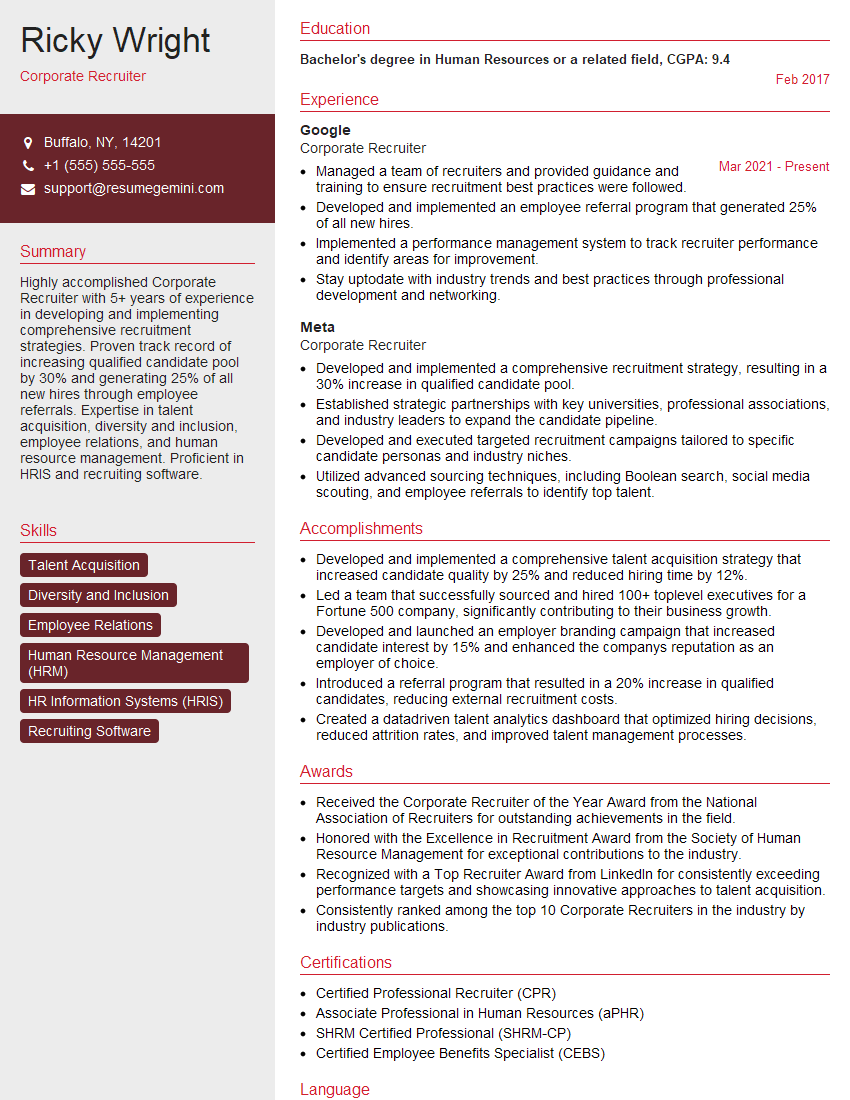
Corporate Recruiter Resume Sample
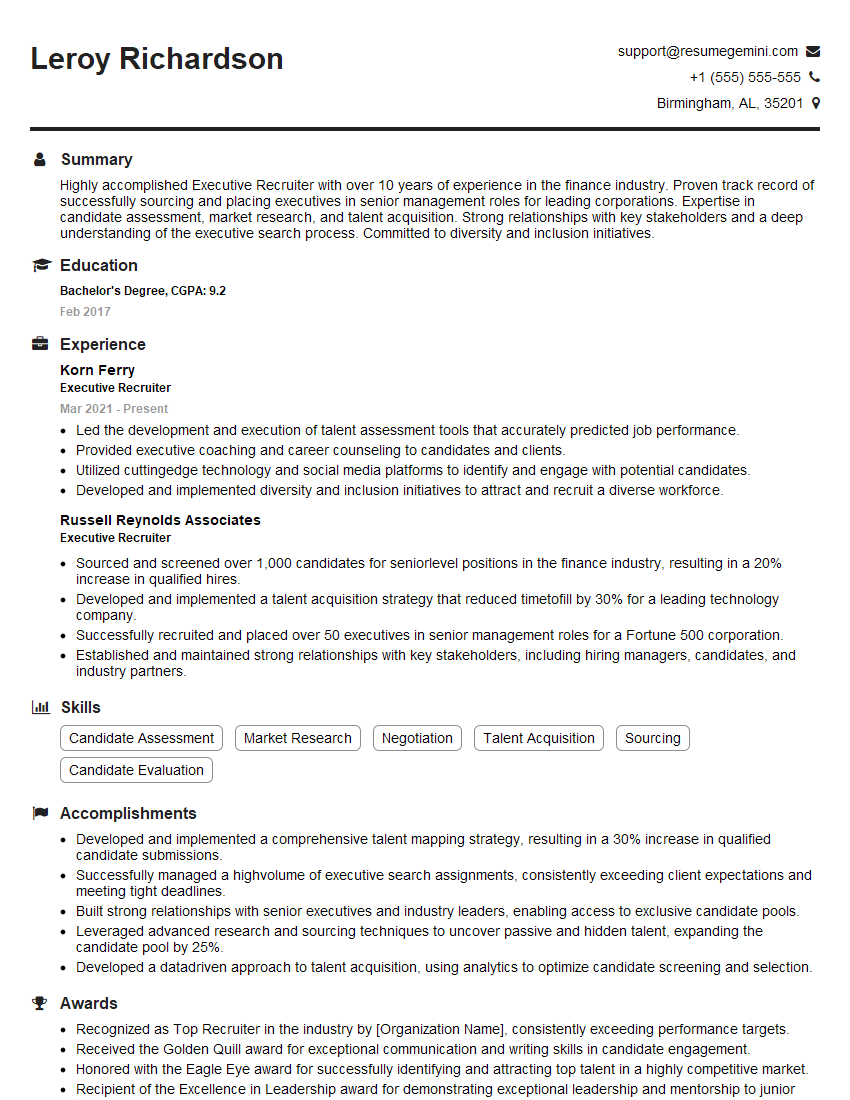
Executive Recruiter Resume Sample
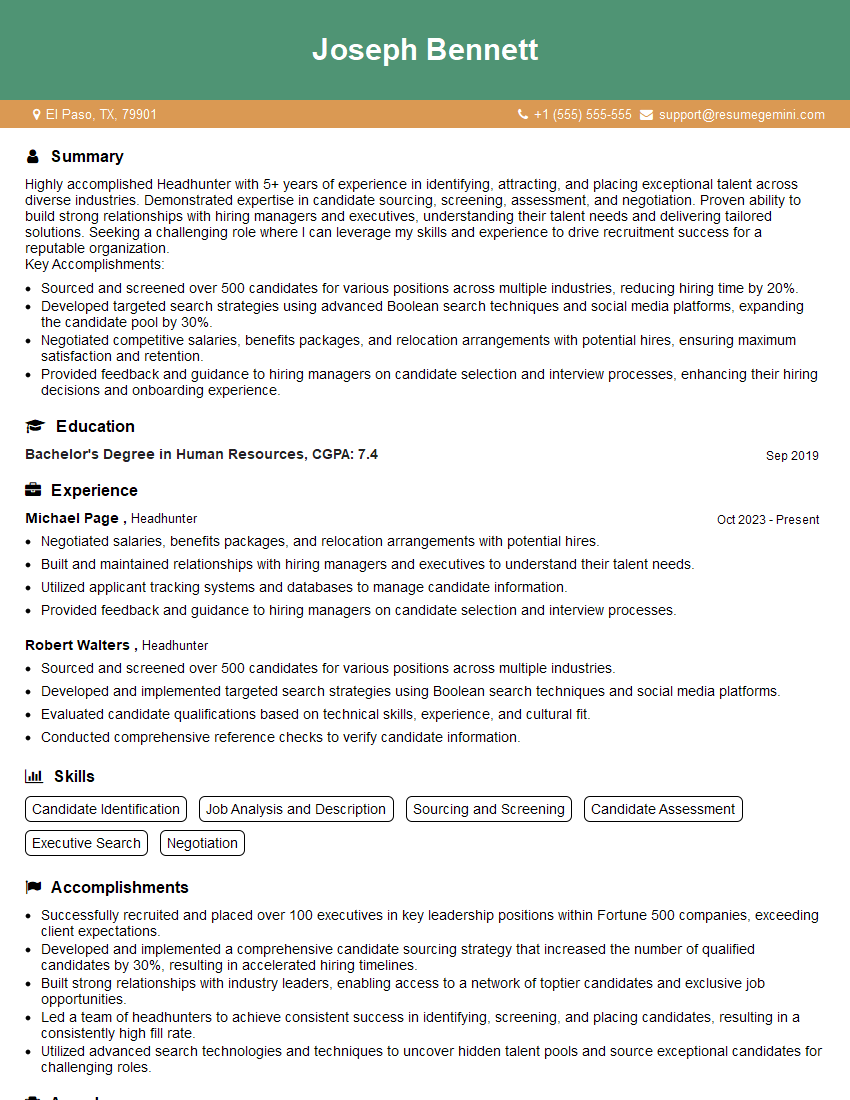
Headhunter Resume Sample
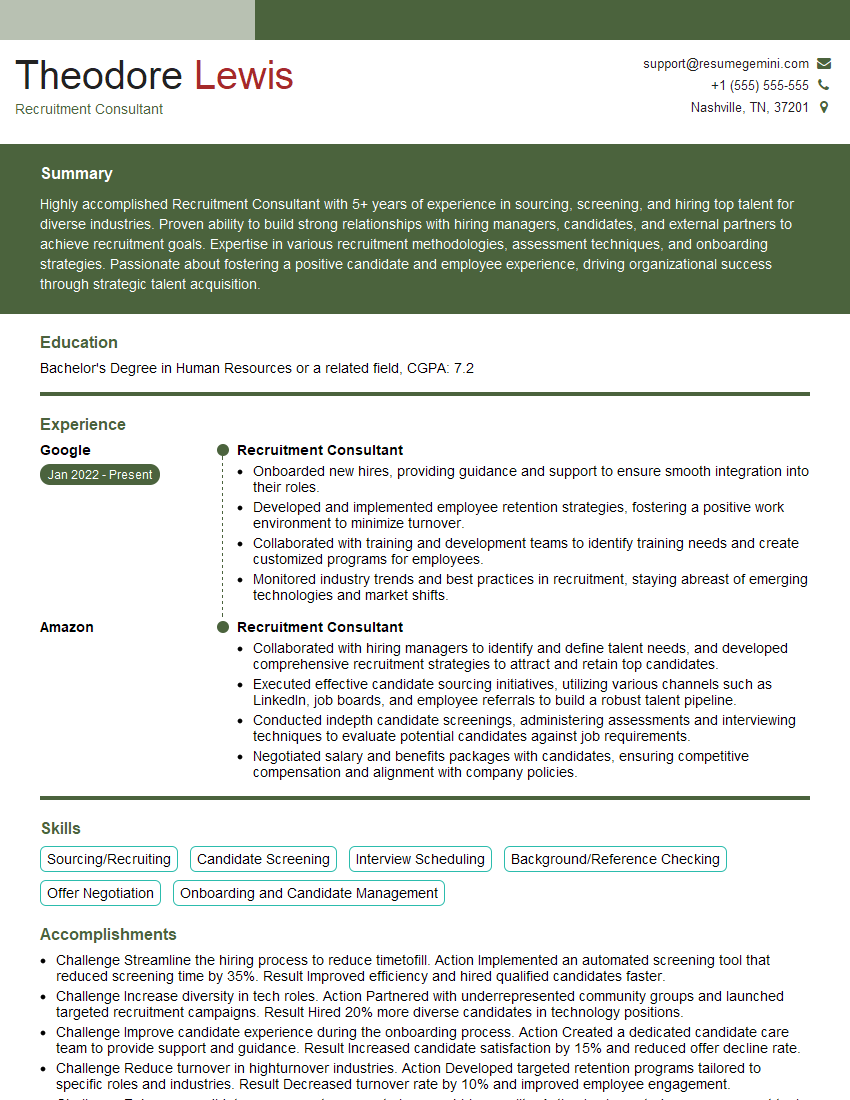
Recruitment Consultant Resume Sample
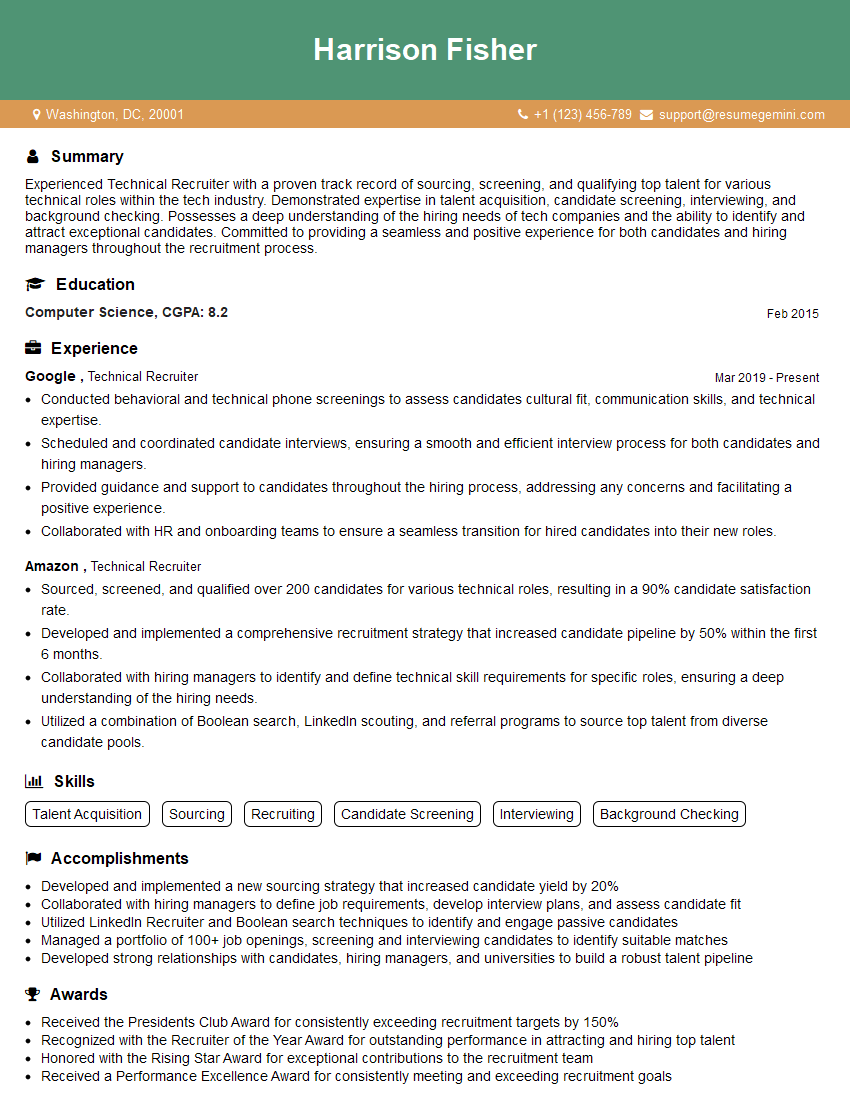
Technical Recruiter Resume Sample
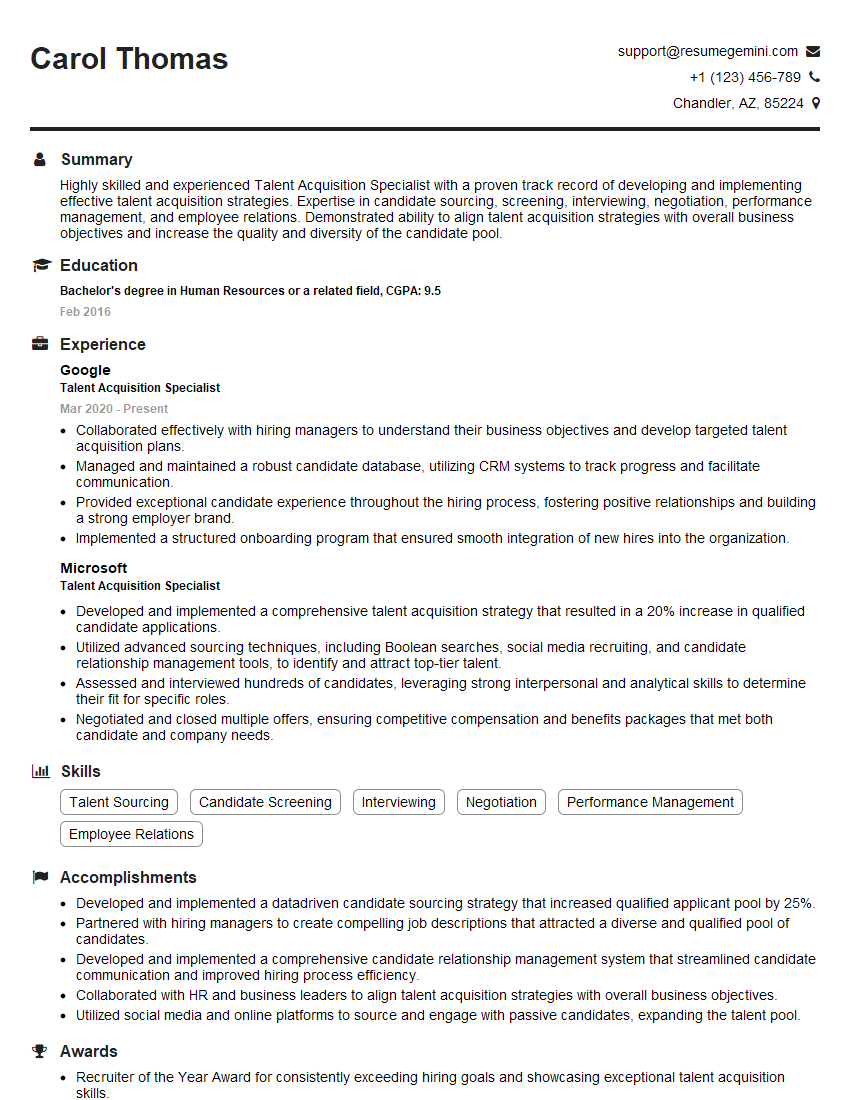
Talent Acquisition Specialist Resume Sample
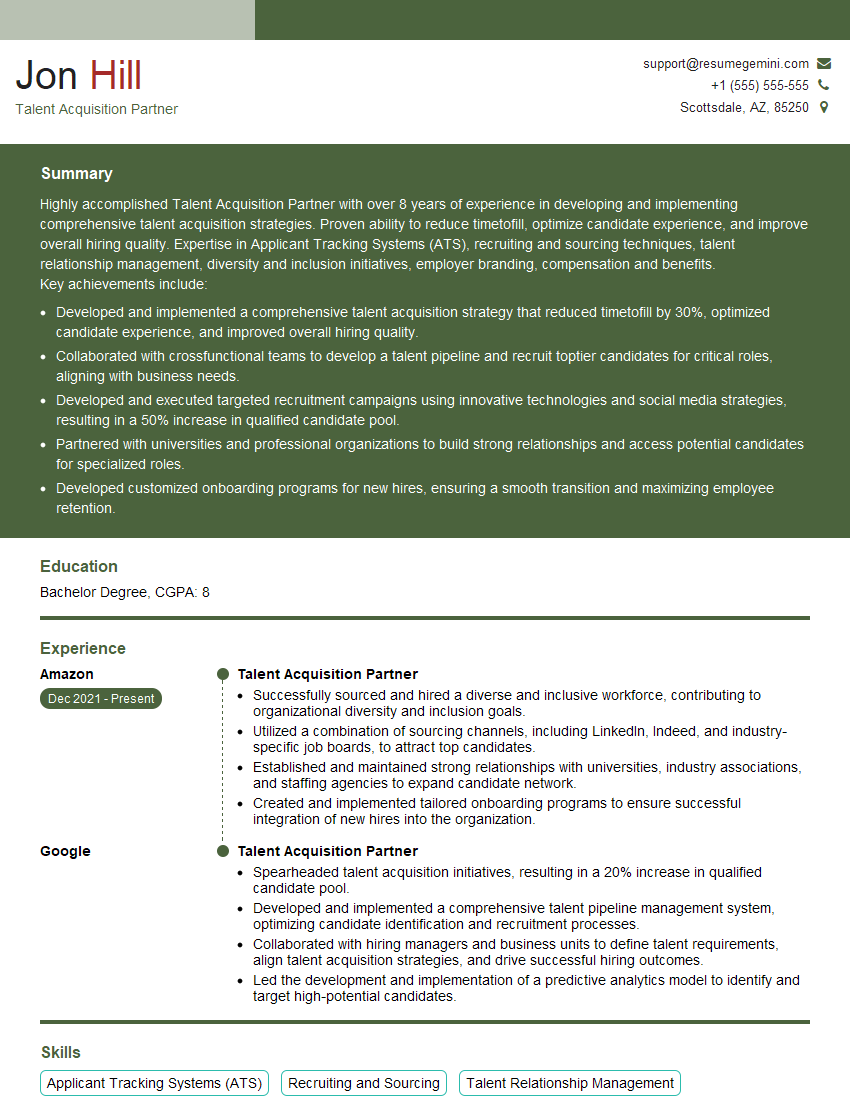
Talent Acquisition Partner Resume Sample
Explore more articles
Users Rating of Our Blogs
Share Your Experience
We value your feedback! Please rate our content and share your thoughts (optional).
What Readers Say About Our Blog
Very informative content, great job.
good