Unlock your full potential by mastering the most common Metal Stress Relief interview questions. This blog offers a deep dive into the critical topics, ensuring you’re not only prepared to answer but to excel. With these insights, you’ll approach your interview with clarity and confidence.
Questions Asked in Metal Stress Relief Interview
Q 1. Explain the different types of stress relief methods.
Stress relief methods aim to reduce residual stresses in metal components. These stresses, left over from manufacturing processes like welding, machining, or casting, can negatively impact the component’s performance and longevity. Different methods are suited to various materials and component geometries.
- Stress Relief Annealing: This involves heating the component to a specific temperature below its critical point, holding it for a certain time, and then slowly cooling it. This allows internal stresses to relax. Think of it like gently unfurling a tightly crumpled piece of paper with heat.
- Subcritical Annealing: Similar to stress relief annealing, but the temperature is lower and the time is shorter, resulting in less grain growth.
- Vibratory Stress Relief (VSR): This method uses high-frequency vibrations to reduce stresses. It’s a non-heat-treating method, useful for components that can’t withstand high temperatures. It’s like gently shaking out the wrinkles from a fabric instead of ironing it.
- Shot Peening: This involves bombarding the metal surface with small metallic shot, inducing compressive residual stresses on the surface, thus counteracting tensile stresses.
- Autofrettage: This high-pressure process is used for thick-walled components and applies internal pressure to induce compressive stresses on the inner surface.
Q 2. Describe the process of stress relieving a welded component.
Stress relieving a welded component is crucial to prevent distortion, cracking, and premature failure. The process typically involves:
- Pre-heating: This step might be necessary, depending on the base metal and welding process. It helps to establish a uniform temperature gradient and prevent rapid cooling stresses.
- Heating to the Stress Relief Temperature: The component is heated in a furnace or oven to a specific temperature, typically determined by the base metal’s composition and the welding procedure. This temperature must be carefully controlled to achieve optimal stress reduction without adversely affecting the microstructure.
- Holding Time: The component is held at this temperature for a sufficient period to allow the residual stresses to relax completely. The holding time is influenced by the component’s thickness and size.
- Cooling: The component is cooled slowly, often in the furnace itself. This controlled cooling minimizes the introduction of new stresses.
The exact parameters (temperature, time, and cooling rate) need to be defined based on the materials involved, welding process, and component dimensions. Often, industry standards or specifications will dictate these parameters.
Q 3. What factors influence the choice of stress relief method?
Selecting the appropriate stress relief method depends on several factors:
- Material type and properties: Different materials respond differently to various stress relief methods. Some materials are sensitive to high temperatures, while others may require specific annealing processes.
- Component geometry and size: Large or complex components may necessitate different techniques than small, simple ones. For example, a large pressure vessel might require furnace annealing, while a small, intricate part could be treated with VSR.
- Cost considerations: Different methods have varying costs associated with equipment, time, and energy consumption. Shot peening might be more cost-effective for surface treatments than furnace annealing for large components.
- Required stress reduction level: The extent of stress relief needed dictates the choice of method. For critical applications, a more aggressive method like furnace annealing might be chosen.
- Post-treatment requirements: The method must be compatible with any subsequent machining or finishing operations. For example, a method that changes the surface finish might be inappropriate.
Q 4. How do you determine the optimal stress relief temperature?
Determining the optimal stress relief temperature is crucial for effective stress reduction without compromising the material’s properties. This temperature is typically a fraction of the material’s melting point, and is often specified in industry standards or material datasheets. For example, for carbon steels, the stress relief temperature is commonly around 550-650°C (1022-1202°F). However, the exact temperature depends on factors such as the material’s composition (alloying elements affect transformation temperatures) and the desired degree of stress relief.
Consult industry standards (like ASME Section IX for welding) or the material’s datasheet for specific recommendations. Testing might also be necessary to validate the selected temperature and ensure the desired level of stress reduction is achieved. Techniques like X-ray diffraction can be used to measure residual stress before and after the stress relief process.
Q 5. What are the potential consequences of inadequate stress relief?
Inadequate stress relief can lead to several undesirable consequences:
- Distortion: Residual stresses can cause warping or bending of the component, leading to dimensional inaccuracies and assembly difficulties.
- Cracking: High tensile residual stresses can initiate cracks, especially in areas with stress concentrations such as weld joints or sharp corners.
- Reduced fatigue life: Residual stresses can significantly reduce the component’s fatigue life, making it more susceptible to failure under cyclic loading.
- Brittle fracture: In some cases, inadequate stress relief can promote brittle fracture, leading to catastrophic failure.
- Reduced strength: Although less common, in some cases inadequate stress relief could affect the overall tensile strength of the component.
Imagine a tightly wound spring – if the stresses aren’t relieved, it might snap unexpectedly. Proper stress relief is like allowing the spring to relax into a more stable configuration, extending its lifespan and ensuring reliability.
Q 6. Explain the concept of residual stress.
Residual stress refers to the internal stresses that remain within a material after it has been subjected to manufacturing processes such as welding, casting, machining, or forming. These stresses are locked within the material’s microstructure and are not self-equilibrating. They are not externally applied forces; instead, they are internal stresses caused by inhomogeneous deformation or temperature gradients during the manufacturing process. Imagine a metal bar being cooled unevenly – different parts will contract differently, leading to internal stress buildup.
These residual stresses can be either tensile (pulling forces) or compressive (pushing forces). Tensile residual stresses are generally detrimental as they can weaken the material and contribute to cracking, while compressive stresses can improve fatigue life and surface hardness.
Q 7. How do you measure residual stress in a metal component?
Several methods are available to measure residual stress in a metal component. The choice of method depends on factors such as the material, component geometry, and required accuracy.
- X-ray diffraction (XRD): This non-destructive technique measures the lattice strain within the material to determine the residual stress. It is widely used and can measure both surface and subsurface stresses.
- Neutron diffraction: Similar to XRD, but uses neutrons instead of X-rays, allowing for deeper penetration and bulk stress measurement. This is particularly useful for thick components.
- Hole-drilling method: This destructive method involves drilling a small hole in the component and measuring the resulting strain relaxation. It is relatively simple and cost-effective but only measures surface residual stresses.
- Curvature measurement: This technique measures the change in curvature of a thin component after removing a layer of material, providing information about residual stress distribution.
- Strain gauge measurements: This technique utilizes strain gauges to measure strain changes during controlled removal of material (e.g., layer-by-layer etching).
The choice of method involves a tradeoff between cost, accuracy, and the destructive or non-destructive nature of the technique. For high-value components or critical applications, non-destructive methods like XRD are preferred.
Q 8. What are the limitations of different stress relief techniques?
Different stress relief techniques, while aiming to reduce residual stresses in metals, have inherent limitations. These limitations often stem from the material’s properties, the complexity of the stress state, and the practical constraints of the process.
Subcritical Annealing: While effective for many metals, it can be time-consuming and may not completely eliminate high stresses, especially in complex geometries. The temperature and time required are material-dependent and finding the optimal parameters requires careful consideration and potentially experimentation. It can also lead to grain growth, potentially impacting material properties.
Stress Relieving by Vibration: This method is less effective for high residual stresses and is limited to relatively smaller components. The efficiency depends heavily on the amplitude and frequency of vibration, and optimization can be challenging.
Shot Peening: While excellent for introducing beneficial compressive stresses on the surface, it only addresses surface stresses and may not effectively reduce internal stresses. Furthermore, it can alter the surface roughness and dimensions of the part.
Local Heating: Highly localized stress relief can be difficult to control, potentially leading to uneven stress distribution or localized distortion. It’s less effective for large parts with complex stress patterns.
The choice of technique hinges on balancing effectiveness against cost, time, and potential side effects on the material properties.
Q 9. Describe the role of microstructure in stress relief.
The microstructure of a metal plays a crucial role in its response to stress relief. The arrangement of grains, the presence of precipitates, and other microstructural features influence how stresses are accommodated and relieved.
For example, a fine-grained material will generally exhibit better stress relief than a coarse-grained one because grain boundaries act as barriers to dislocation movement. Dislocations are crystal lattice defects that are the primary carriers of residual stresses. A dense network of grain boundaries hinders dislocation mobility, allowing for more efficient stress reduction during the heating process. Similarly, the presence of precipitates or second-phase particles can also influence stress relief by pinning dislocations and thus resisting stress relaxation.
Furthermore, prior processing such as cold working can significantly affect the microstructure and hence stress relief. Cold-worked metals contain a high density of dislocations, creating high internal stresses that need to be relieved. The effectiveness of stress relief is directly related to how efficiently the heat treatment can cause dislocation annihilation and rearrangement.
Q 10. How does stress relief affect the mechanical properties of metals?
Stress relief significantly impacts the mechanical properties of metals, primarily by reducing the likelihood of distortion, cracking, or premature failure. High residual stresses can act as stress concentrators, promoting brittle fracture and reducing ductility and fatigue life.
Improved Dimensional Stability: Reducing residual stresses minimizes warping and distortion, crucial for precision components.
Enhanced Fatigue Life: By lowering stress concentrations, stress relief extends the fatigue life of a component under cyclic loading.
Increased Ductility: Stress relief can improve the material’s ability to deform plastically before fracture.
Reduced Brittleness: Stress relief promotes a more uniform stress state, decreasing the risk of brittle fracture.
However, it’s important to note that stress relief can sometimes lead to a slight reduction in yield strength or hardness, as the process reduces the number of dislocations that contribute to strength. This trade-off is often acceptable given the other advantages obtained.
Q 11. Explain the difference between annealing and stress relieving.
While both annealing and stress relieving involve heating metals, their objectives differ significantly. Annealing encompasses various heat treatments aimed at altering the material’s microstructure to achieve specific properties, while stress relieving focuses solely on reducing residual stresses.
Annealing often includes processes like recrystallization annealing, which eliminates cold work by creating new strain-free grains, or process annealing, used to soften the material for improved formability. These treatments lead to significant microstructural changes along with stress relief. The temperature and holding time are significantly longer for annealing.
Stress relieving, on the other hand, is a controlled heat treatment that primarily aims to reduce residual stresses without drastically altering the microstructure. Temperatures are generally lower and holding times shorter compared to annealing, to avoid excessive grain growth or other microstructural changes.
In essence, stress relieving is a subset of annealing, a more targeted procedure focused exclusively on stress reduction.
Q 12. What are the safety considerations when performing stress relief?
Safety considerations during stress relief are paramount. The high temperatures involved pose risks of burns and fire hazards. Furthermore, the potential for distortion or cracking requires careful control of the process parameters.
Proper Personal Protective Equipment (PPE): Heat-resistant gloves, eye protection, and protective clothing are essential.
Controlled Heating and Cooling Rates: Abrupt temperature changes can cause cracking or distortion; controlled heating and cooling rates are crucial, often dictated by the material and its thickness.
Ventilation: Proper ventilation prevents the buildup of harmful fumes or gases, particularly if the metal is coated or contains volatile substances.
Equipment Maintenance: Regularly checking the heating equipment for proper functioning is vital to prevent malfunctions that can lead to accidents.
Emergency Procedures: Establishing clear emergency procedures and having appropriate fire extinguishers on hand is crucial.
Proper training and adherence to safety protocols are paramount to ensure a safe stress relief process.
Q 13. How do you verify the effectiveness of a stress relief process?
Verifying the effectiveness of a stress relief process typically involves measuring residual stresses before and after the treatment. Several methods can achieve this:
X-ray Diffraction: This non-destructive technique measures lattice strain, providing a direct measure of residual stresses.
Hole-Drilling Method: This destructive method involves drilling a small hole in the component and measuring the strain relaxation around the hole. It provides a localized measurement of residual stresses.
Strain Gauges: These sensors can be attached to the surface of the component to monitor strain changes during stress relief.
Mechanical Testing: Comparing mechanical properties like yield strength or ductility before and after stress relief can offer indirect evidence of stress reduction.
The choice of method depends on factors such as the material, the complexity of the part, and the required accuracy. Often, a combination of techniques provides a comprehensive assessment of stress reduction.
Beyond stress measurement, visual inspection for signs of distortion or cracking can also indicate the success (or failure) of the process.
Q 14. Describe your experience with different stress relief equipment.
My experience encompasses a wide range of stress relief equipment, including:
Batch-type Furnaces: These furnaces provide uniform heating for larger batches of components. They are particularly useful for simple geometries and require careful loading to ensure uniform heat transfer. I’ve worked extensively with these furnaces, optimizing their temperature profiles for various metals and alloys.
Continuous Furnaces: These furnaces are used for high-volume applications where components are continuously fed through the heating zone. They are highly efficient but require careful control of the conveyor speed and furnace temperature to achieve uniform stress relief.
Induction Heating Systems: These systems provide localized heating, ideal for stress relieving specific areas of a component. I’ve found them particularly useful for complex geometries and large parts where precise control over heating is critical. They are less useful for components with different sections that require different heating rates to avoid warping.
Resistance Heating: This method is also effective for localized heating but is often less precise than induction heating. I have experience designing custom resistance heating fixtures for stress relief in challenging applications.
The selection of equipment depends on factors such as the volume of components, the size and complexity of the parts, and the required level of precision. My expertise lies in selecting and optimizing the appropriate equipment for specific stress relief challenges.
Q 15. What are the common causes of stress in metal components?
Stress in metal components arises from various manufacturing processes and external factors. Think of it like tension building up within the metal. These stresses can lead to part failure or dimensional instability over time. Common causes include:
- Welding: The intense heat input during welding causes localized expansion and contraction, leading to residual stresses. Imagine a small area suddenly getting much hotter and then cooling down – it’s like pulling and squeezing the metal.
- Machining: Processes like milling and turning introduce stresses due to the cutting forces. Think of shaving off a layer of metal – the remaining material has to adapt, creating internal stress.
- Casting: Solidification of molten metal during casting creates stresses because different parts cool at varying rates. It’s like freezing a puddle of water unevenly – some parts will be more stressed than others.
- Cold Working: Processes such as rolling, forging, or drawing deform the metal at room temperature, inducing significant residual stresses. Imagine bending a paper clip – the metal fibers are stressed.
- Thermal Gradients: Uneven heating or cooling of a component, like rapid quenching, introduces thermal stresses. Similar to heating one side of a metal plate more than the other, causing it to warp.
Career Expert Tips:
- Ace those interviews! Prepare effectively by reviewing the Top 50 Most Common Interview Questions on ResumeGemini.
- Navigate your job search with confidence! Explore a wide range of Career Tips on ResumeGemini. Learn about common challenges and recommendations to overcome them.
- Craft the perfect resume! Master the Art of Resume Writing with ResumeGemini’s guide. Showcase your unique qualifications and achievements effectively.
- Don’t miss out on holiday savings! Build your dream resume with ResumeGemini’s ATS optimized templates.
Q 16. How do you determine the appropriate hold time for stress relief?
Determining the appropriate hold time for stress relief is crucial for effective treatment. It’s not a one-size-fits-all answer, but rather a calculation based on several factors. We need to reach a temperature where the metal’s microstructure can relax and reduce internal stresses without causing undesired grain growth or weakening. Here’s a breakdown:
- Material Properties: The type of alloy significantly impacts hold time. Austenitic stainless steels, for instance, require longer hold times compared to low-carbon steels.
- Component Thickness: Thicker sections need longer hold times to allow for heat penetration and stress relaxation throughout the entire component.
- Desired Stress Reduction: The level of stress relief needed dictates the hold time. A higher degree of stress relief necessitates a longer hold time.
- Temperature Control: Consistent temperature throughout the process is vital. Fluctuations can lead to inconsistent stress reduction.
Often, a combination of empirical data (from previous projects with similar materials and geometries) and calculations from established standards or material data sheets are used to determine hold time. Experienced engineers frequently employ iterative processes, involving test pieces to refine the optimal hold time.
Q 17. What are the industry standards and codes relevant to stress relief?
Several industry standards and codes govern stress relief procedures, ensuring consistent quality and safety. These standards provide guidelines for temperature, hold time, and verification methods.
- ASTM (American Society for Testing and Materials): Provides standards like ASTM A146 and ASTM E1079, which outline methods for stress relief annealing of various metals.
- AWS (American Welding Society): Offers guidelines for stress relief in welded structures. For example, D1.1 Structural Welding Code – Steel.
- ASME (American Society of Mechanical Engineers): Includes standards relevant to pressure vessels and piping systems where stress relief is critical for safety.
- ISO (International Organization for Standardization): Provides international standards covering stress relief in various industrial applications.
Following these standards is paramount for complying with regulations and ensuring the quality and reliability of the stress-relieved components. Adherence to these codes minimizes the risk of failure and extends the lifespan of manufactured parts.
Q 18. How do you troubleshoot problems during stress relief operations?
Troubleshooting during stress relief requires systematic analysis. Issues can arise from various sources; let’s consider some common problems and solutions:
- Inconsistent Temperature Distribution: This might be due to faulty furnace operation, insufficient insulation, or improper loading of parts. Solution: Verify furnace calibration, check insulation, optimize part loading to ensure uniform heat flow.
- Insufficient Hold Time: Parts may not have fully relaxed their stresses. Solution: Increase the hold time based on material properties and component thickness, perhaps using a test piece to verify effectiveness.
- Overheating: Exceeding the maximum stress relief temperature can lead to grain growth, weakening, and scale formation. Solution: Carefully monitor the temperature profile and ensure the heating system is accurately controlled. Review furnace calibration and sensor accuracy.
- Part Distortion: Excessive temperature gradients or improper support during stress relief can cause part distortion. Solution: Ensure proper fixturing and even heating. Use supports strategically to minimize warping.
A robust quality control system, including temperature monitoring and post-stress relief inspection (e.g., hardness testing, residual stress measurement), is essential for identifying and resolving problems effectively.
Q 19. Explain the relationship between stress relief and distortion.
Stress relief and distortion are intrinsically linked. Residual stresses, if left unaddressed, can cause distortion or warping of components, particularly after subsequent machining or welding operations. Think of a tightly wound spring – releasing the tension (stress relief) can cause it to change shape (distortion) slightly.
Stress relief aims to minimize these residual stresses to reduce the likelihood of distortion. Proper stress relief techniques can significantly improve dimensional stability. Conversely, inadequate stress relief can result in part distortion, leading to rejects or costly rework. The key is to find a balance – enough stress relief to prevent problems but not so much that it introduces new ones (like excessive grain growth).
Q 20. Describe your experience with different types of metal alloys and their stress relief requirements.
My experience encompasses a wide range of metal alloys, each requiring tailored stress relief parameters. Here are some examples:
- Stainless Steels (Austenitic): These alloys, like 304 and 316, typically require higher temperatures and longer hold times for effective stress relief. The higher strength and complex microstructure make stress relaxation more challenging.
- Low-Carbon Steels: These steels, commonly used in structural applications, generally require lower temperatures and shorter hold times. Their simpler microstructure means faster stress relaxation.
- Aluminum Alloys: Aluminum alloys have lower stress relief temperatures compared to steels, but proper control is still needed to avoid excessive softening.
- Nickel-Based Superalloys: These high-performance alloys used in aerospace applications require very precise stress relief cycles to maintain their high-temperature strength properties. Improper heat treatment can significantly reduce their performance.
The specific requirements depend not just on the alloy but also on the component geometry and processing history. I utilize material data sheets and relevant industry standards to determine the optimal stress relief parameters for each specific application. I have developed procedures for dozens of different alloys over the course of my career.
Q 21. How do you document and control stress relief processes?
Comprehensive documentation and control of stress relief processes are vital to ensure traceability, reproducibility, and quality assurance. This includes:
- Detailed Work Instructions: Step-by-step procedures outlining the process parameters for each alloy and component type. These often include specific temperature profiles, hold times, and cooling rates.
- Process Control Charts: Monitoring key parameters like temperature and time during each stress relief cycle. Statistical process control (SPC) techniques ensure consistency and early detection of deviations.
- Calibration Records: Regular calibration of temperature sensors and furnace controls is essential for accuracy and reliability.
- Material Traceability: Documentation linking the stress-relieved components to their corresponding material certificates, ensuring that the correct material specifications were used.
- Inspection and Testing Records: Documentation of post-stress relief inspection results, including hardness tests or residual stress measurements, to verify the effectiveness of the treatment. This provides proof that the process is effective and produces reliable parts.
By implementing a robust documentation and control system, we can guarantee repeatable, reliable, and high-quality stress relief procedures, making the entire process traceable and auditable.
Q 22. Explain the importance of proper material selection in relation to stress relief.
Proper material selection is paramount in stress relief because different materials respond differently to heat treatments. The choice directly impacts the effectiveness and safety of the process. For example, some materials are prone to cracking or distortion at high temperatures, while others might require very specific temperature profiles to achieve optimal stress reduction.
- High-strength steels: Often require careful consideration due to their susceptibility to temper embrittlement if not treated correctly. The stress relief temperature must be carefully chosen to avoid detrimental changes to the material’s mechanical properties.
- Aluminum alloys: Generally less sensitive to stress relief than steels, but certain alloys might exhibit recrystallization or grain growth at higher temperatures, affecting their final strength.
- Titanium alloys: Can be sensitive to both temperature and time during stress relief, demanding precise control to prevent undesirable phase transformations.
Ignoring material properties can lead to incomplete stress relief, residual stresses, and ultimately, component failure. A thorough understanding of the material’s behavior at elevated temperatures is crucial for selecting appropriate stress relief parameters.
Q 23. How does the geometry of a component affect stress relief?
Component geometry significantly influences stress relief effectiveness and uniformity. Complex geometries, such as sharp corners, intricate internal features, and variable wall thicknesses, create areas of stress concentration. These areas require longer stress relief cycles or potentially localized heating techniques to ensure complete stress reduction. Think of it like trying to evenly heat a large, irregularly shaped piece of metal in an oven – some parts will heat up faster than others.
For example, a thin-walled component will heat up and cool down much faster than a thick-walled component of the same material. This can lead to uneven stress relief and residual stresses. Similarly, sharp corners tend to hold heat longer than rounded corners, creating potential hotspots. Therefore, simulations or experimental verification are needed to optimize the stress relief process, ensuring consistent results across all geometric features. This often involves using FEA, as discussed later.
Q 24. What is your experience with non-destructive testing methods used to verify stress relief?
My experience encompasses several non-destructive testing (NDT) methods used to verify the effectiveness of stress relief. These methods provide critical information about residual stress levels without damaging the component. Key methods include:
- X-ray diffraction (XRD): This technique measures the lattice strain in the material, directly related to residual stress. It provides localized measurements, highlighting stress variations across the component.
- Ultrasonic testing (UT): Though primarily used for detecting flaws, UT can indirectly provide information about residual stresses by measuring changes in sound wave propagation. Changes in sound velocity can indicate stress variations.
- Residual stress measurement by hole drilling: This method involves carefully drilling a small hole in the component and measuring the stress relaxation that occurs. This provides a quantitative measure of the residual stress in the region around the hole.
The choice of NDT method depends on several factors, including the material, component geometry, and required level of detail. I typically use a combination of methods for comprehensive verification.
Q 25. Describe your experience with Finite Element Analysis (FEA) in stress analysis.
I have extensive experience leveraging Finite Element Analysis (FEA) for stress analysis, particularly in optimizing stress relief processes. FEA allows for a detailed prediction of temperature distribution, stress levels, and deformation during the heat treatment. This helps in predicting potential problems before they occur.
For instance, we can use FEA to simulate the stress relief cycle, varying parameters such as temperature, time, and heating rate, to determine the optimal conditions for a specific component geometry and material. This approach helps avoid costly trial-and-error experimentation. I often use ANSYS or ABAQUS to build models that accurately reflect the component’s thermal and mechanical behavior. The resulting data aids in validating the effectiveness of the chosen stress relief parameters and ensures the process meets the required specifications.
Q 26. How do you interpret stress relief charts and specifications?
Stress relief charts and specifications are essential for ensuring a successful stress relief process. These charts typically provide guidelines on the required temperature, time at temperature, and cooling rate for different materials and thicknesses. Understanding these charts is critical to avoid over- or under-stressing the component.
My interpretation involves a multi-step process:
- Identify the material: The chart must match the exact material composition and properties.
- Determine the component thickness: The correct temperature and time parameters are directly influenced by the component’s thickness.
- Verify the heating and cooling rate: Excessive heating or cooling rates can introduce new stresses.
- Confirm post-treatment testing requirements: The chart may specify necessary NDT methods for verification.
It’s crucial to remember that these charts offer guidelines; they might need adjustments based on component geometry and other process-specific factors. FEA can be invaluable in refining these parameters and ensuring the desired outcome.
Q 27. What are your experience and knowledge with different types of furnaces used in stress relief?
My experience covers various furnace types used in stress relief, each with its own advantages and limitations:
- Batch furnaces: Ideal for large quantities of smaller parts with similar geometries. They offer good temperature uniformity but can be less efficient for single, large components.
- Continuous furnaces: Suited for high-volume production of consistent parts. However, they require careful control of the conveyor speed to ensure proper dwell time at the target temperature.
- Electric resistance furnaces: Offer precise temperature control and are suitable for a wide range of materials. They tend to be energy-efficient compared to other furnace types.
- Gas-fired furnaces: Provide high-temperature capabilities but require careful monitoring of the atmosphere to prevent oxidation or other detrimental reactions.
The choice of furnace depends on factors such as production volume, component size and geometry, material properties, and budget constraints. Ensuring the furnace’s temperature uniformity and control is paramount for successful stress relief.
Q 28. Describe a situation where you had to troubleshoot a failed stress relief process. What was the root cause and your solution?
In one instance, we experienced cracking in a high-strength steel component after a stress relief cycle. Initial inspection suggested the process parameters were followed correctly. However, further investigation revealed the root cause: localized overheating due to poor furnace airflow. A blockage in the furnace’s ventilation system resulted in hot spots, exceeding the maximum allowed temperature for the steel, thereby leading to cracking.
Our solution involved the following steps:
- Thorough furnace inspection and maintenance: The airflow blockage was identified and rectified.
- FEA simulation with improved airflow modeling: We revised our FEA model to include the identified ventilation issues and recalculated optimal stress relief parameters to account for potential temperature variations.
- Implementation of improved temperature monitoring: Additional thermocouples were strategically placed within the furnace to better monitor temperature uniformity and prevent similar occurrences.
- Retesting and verification: After implementing the corrective actions, we performed another stress relief cycle and verified the integrity of the component using NDT methods.
This experience highlighted the importance of regular furnace maintenance and comprehensive monitoring during the stress relief process. It also emphasized the value of predictive modeling using FEA in identifying and preventing potential problems.
Key Topics to Learn for Metal Stress Relief Interview
- Stress and Strain in Metals: Understanding the fundamental concepts of stress, strain, and their relationship in various metallic materials. This includes tensile, compressive, and shear stresses.
- Types of Metal Stress Relief: Familiarize yourself with different stress relief methods, such as annealing, stress relieving heat treatments, and sub-critical annealing. Understand the applications and limitations of each method.
- Material Properties and Selection: Learn how material properties (yield strength, ultimate tensile strength, ductility) influence the choice of stress relief method and the overall effectiveness of the process.
- Practical Applications: Explore real-world examples of metal stress relief in various industries, including manufacturing, aerospace, and automotive. Consider case studies where stress relief was crucial for preventing failure or improving performance.
- Residual Stress Measurement Techniques: Become familiar with common methods used to measure residual stress, such as X-ray diffraction and hole-drilling methods. Understand the principles behind these techniques and their limitations.
- Problem-Solving and Troubleshooting: Develop your ability to analyze scenarios where stress relief is required and identify potential problems that may arise during the process. Practice formulating solutions to common challenges.
- Safety and Regulations: Understand the safety protocols and regulations associated with metal stress relief processes, including appropriate personal protective equipment and handling of high temperatures.
Next Steps
Mastering Metal Stress Relief significantly enhances your career prospects in engineering and manufacturing, opening doors to advanced roles and higher earning potential. A well-crafted resume is crucial for showcasing your expertise to potential employers. Building an ATS-friendly resume ensures your qualifications are properly recognized by applicant tracking systems. To create a truly impactful resume, leverage the power of ResumeGemini. ResumeGemini provides tools and resources to help you build a professional resume that highlights your skills and experience effectively. Examples of resumes tailored to Metal Stress Relief are available to guide your resume creation process.

Operations Manager Resume Sample

Quality Assurance Manager Resume Sample

Engineering Manager Resume Sample

Project Engineer Resume Sample
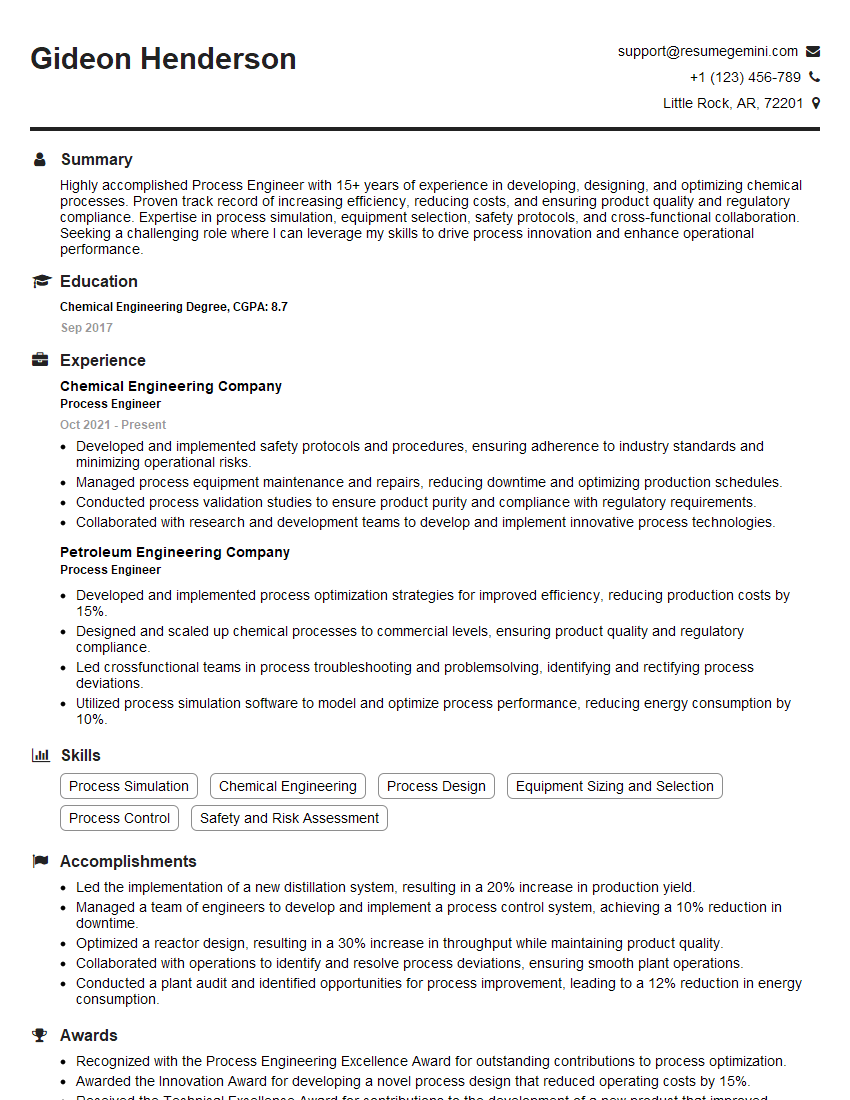
Process Engineer Resume Sample

Research and Development Engineer Resume Sample
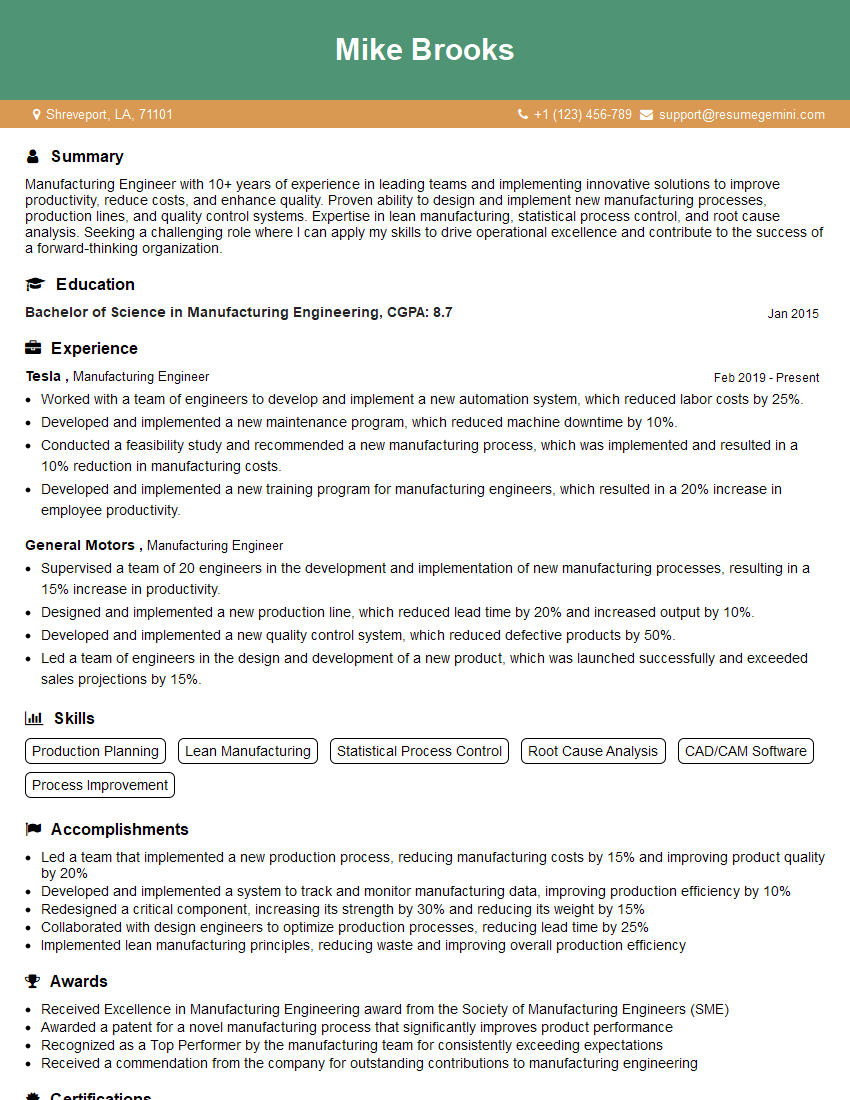
Manufacturing Engineer Resume Sample

Production Engineer Resume Sample
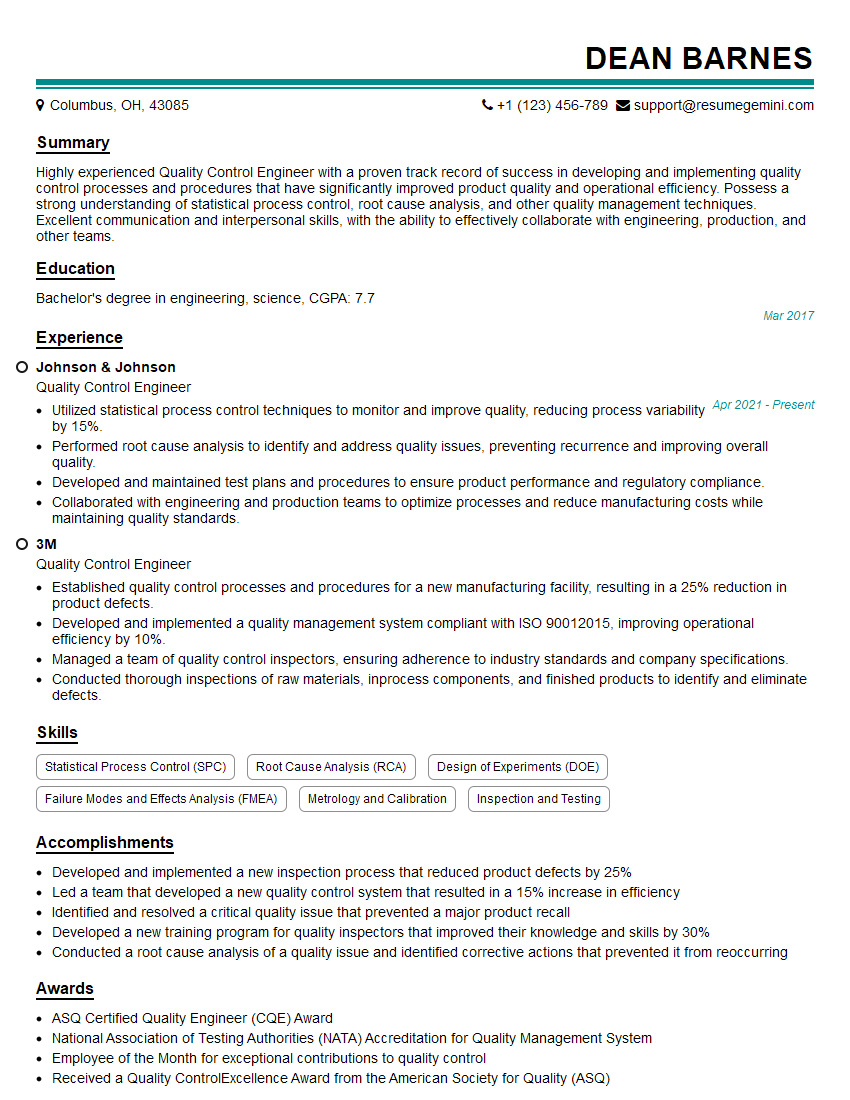
Quality Control Engineer Resume Sample

Materials Engineer Resume Sample

Metallurgical Engineer Resume Sample

Metallurgist Resume Sample

Welding Engineer Resume Sample
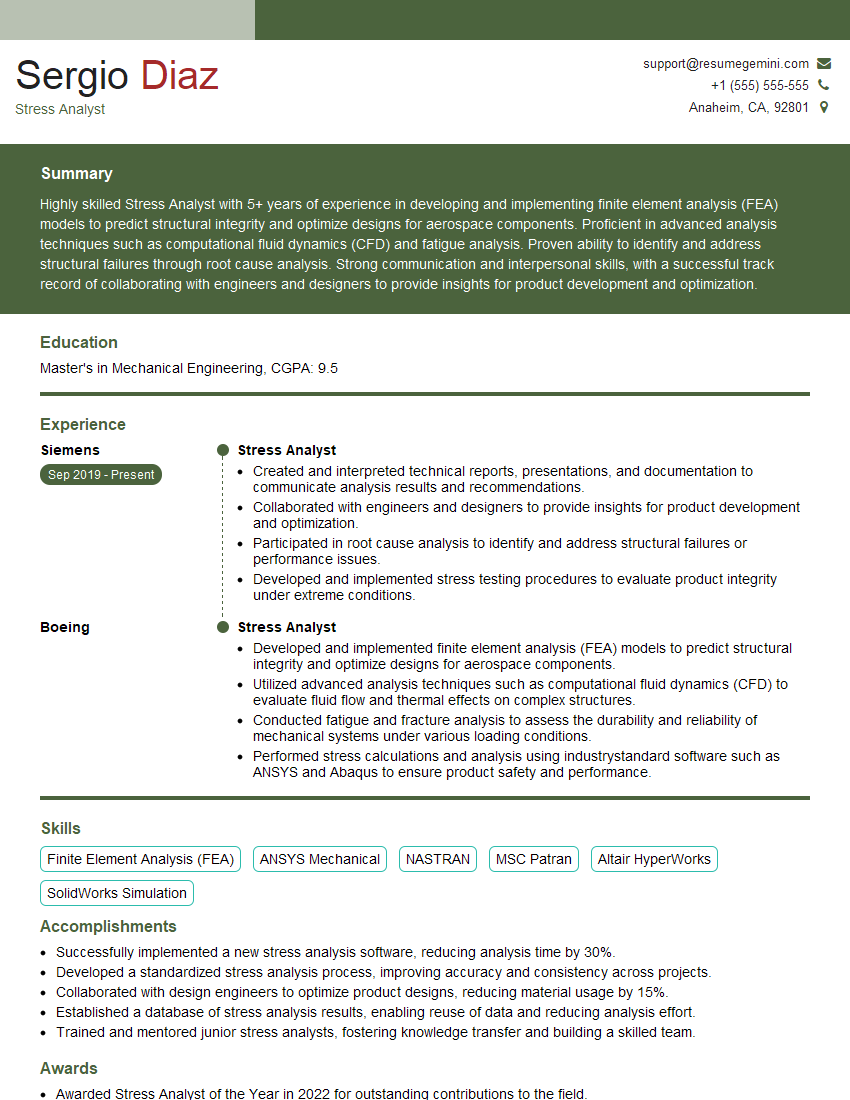
Stress Analyst Resume Sample

Materials Scientist Resume Sample
- Operations Manager
- Quality Assurance Manager
- Engineering Manager
- Project Engineer
- Process Engineer
- Research and Development Engineer
- Manufacturing Engineer
- Production Engineer
- Quality Control Engineer
- Materials Engineer
- Metallurgical Engineer
- Metallurgist
- Welding Engineer
- Stress Analyst
- Materials Scientist
Explore more articles
Users Rating of Our Blogs
Share Your Experience
We value your feedback! Please rate our content and share your thoughts (optional).
What Readers Say About Our Blog
Very informative content, great job.
good