Are you ready to stand out in your next interview? Understanding and preparing for Meticulousness interview questions is a game-changer. In this blog, we’ve compiled key questions and expert advice to help you showcase your skills with confidence and precision. Let’s get started on your journey to acing the interview.
Questions Asked in Meticulousness Interview
Q 1. Describe your process for ensuring accuracy in data entry.
Ensuring accuracy in data entry is paramount to me. My process is multifaceted and involves several key steps. First, I always double-check the source data for any inconsistencies or errors before I begin inputting it. Think of it like proofreading a recipe before you start cooking – you don’t want to end up with a burnt dish! Then, I use a methodical approach, entering data in a systematic order, often verifying each entry against the source material. I also utilize data validation features whenever available – these are like built-in safety nets that catch obvious errors such as incorrect formatting or illogical values. For example, if I’m entering dates, I’ll ensure the format is consistent (MM/DD/YYYY) and the date is plausible. Finally, I perform a final review, often using a separate checklist or a comparison tool, to ensure everything matches the source. This final check is crucial for catching any human errors that slipped through earlier stages.
Q 2. How do you handle conflicting information or inconsistencies in data?
Conflicting information requires a systematic approach. My first step is to identify the source of each piece of data – understanding its origin helps determine its reliability. I then look for patterns or commonalities between the different entries. If one source is clearly more authoritative or reliable (perhaps a primary source versus a secondary source), I’ll prioritize that information. If both sources seem equally reliable, I’ll investigate further. This might involve consulting additional resources, contacting the data provider, or comparing the conflicting data against other related data points. For instance, if two documents list slightly different addresses for the same client, I might cross-reference the information with their website or even contact the client directly. Documenting my research and decision-making process is crucial for maintaining transparency and accountability.
Q 3. Explain a situation where your attention to detail prevented a significant error.
In a previous role, I was responsible for preparing a financial report. While reviewing the final document, I noticed a small discrepancy in the totaling of a particular expense category. It was just a few dollars, but my attention to detail led me to investigate. It turned out there was a transposition error – a simple mistake where two digits were swapped – in one of the underlying spreadsheets. Had I not noticed this seemingly insignificant error, it could have cascaded through the entire report and potentially impacted significant financial decisions.
Q 4. What strategies do you employ to maintain accuracy under pressure?
Maintaining accuracy under pressure demands strategic planning and execution. My approach involves breaking down complex tasks into smaller, manageable steps. This approach prevents feeling overwhelmed, allowing me to focus on one detail at a time. I also utilize time management techniques, prioritizing tasks based on their criticality and potential impact. For instance, I’ll address tasks with higher risk of error first when under a tight deadline. I also actively employ self-checks – taking regular breaks to rest my eyes and clear my mind can significantly reduce errors. Finally, I utilize tools that automate or streamline parts of the process whenever possible to improve efficiency and reduce manual input.
Q 5. How do you prioritize tasks to ensure all details are addressed?
Prioritization hinges on understanding the impact and urgency of each task. I use a combination of methods. Firstly, I assess the importance of each task – what are the potential consequences of not completing it accurately or on time? Then, I consider the urgency – what are the deadlines? I often use a matrix that plots tasks based on these two factors (Importance vs. Urgency). This helps visualize which tasks require immediate attention, which can wait, and which might be delegated or even eliminated altogether. This systematic approach ensures that critical details are addressed first, without neglecting other important elements.
Q 6. Describe your approach to proofreading and editing documents.
My approach to proofreading and editing is methodical and multi-layered. I typically start by reviewing the overall structure and flow of the document, checking for logical consistency and coherence. Then, I move to a line-by-line review, meticulously checking for grammar, spelling, punctuation, and style inconsistencies. I often use a checklist to ensure I’m not missing anything – this helps maintain consistency across documents. I also read the document aloud, as this can help catch errors that are easy to miss when reading silently. Finally, I take a break before reviewing again, ensuring I approach the task with fresh eyes.
Q 7. How do you ensure the completeness and accuracy of your work?
Ensuring completeness and accuracy is an ongoing process, not a single event. It starts with a clear understanding of the requirements and expectations of the task. This includes clarifying any ambiguities and seeking clarification when needed. Throughout the process, I use a system of checkpoints – regular reviews of my work at various stages to identify and correct errors early on. This might involve using templates, checklists, or comparison tools to ensure I’ve covered all aspects of the task. Finally, a thorough self-review before submitting the work is essential, verifying that everything is not only accurate but also complete, aligning precisely with the initial objectives.
Q 8. Give an example of a time you identified a critical detail others missed.
Meticulousness often reveals itself in noticing discrepancies others overlook. In a previous role, we were finalizing a marketing campaign budget. Everyone else had focused on the large line items – advertising spend, printing costs, etc. – and the totals seemed to add up correctly. However, I noticed a small discrepancy: a rounding error of $200 in the miscellaneous expenses section, seemingly insignificant on its own. Yet, this small error, when compounded across multiple campaigns, would accumulate to a significant amount over time. By flagging this, I prevented potential budget overruns and maintained financial accuracy.
This highlights the importance of examining every element, no matter how small, to ensure overall accuracy. It’s not enough to just ‘get the big picture’; a thorough review requires attention to every single detail. Think of it like a meticulously crafted clock: if even a tiny gear is misaligned, the entire mechanism can malfunction.
Q 9. How do you use technology to enhance your attention to detail?
Technology is an invaluable tool for enhancing attention to detail. I utilize several tools to ensure accuracy and efficiency. For instance, I employ spreadsheet software like Excel with extensive use of formulas and data validation to minimize calculation errors and enforce data consistency.
=SUM(A1:A10) This simple formula, for example, guarantees accurate summation of data preventing manual errors. Beyond calculations, I use version control systems like Git for document management, enabling me to track changes and easily revert to previous versions if necessary, preserving accuracy and preventing accidental overwrites. Furthermore, Grammarly and similar tools help maintain linguistic accuracy in written communications, enhancing overall professionalism and minimizing misinterpretations.
Q 10. How do you stay organized when managing multiple tasks with fine details?
Managing multiple tasks with fine details requires a robust organizational system. I rely heavily on project management tools like Asana or Trello, breaking down large projects into smaller, manageable tasks. Each task includes a detailed description, deadlines, and assigned priorities. This granular breakdown prevents overlooking critical details. I utilize color-coding, labels, and tagging to categorize tasks based on urgency and relevance.
Furthermore, I maintain a detailed log or journal to track my progress, noting any roadblocks or potential challenges. This allows me to proactively address issues before they escalate and maintain focus on the finer aspects of each task. Think of it like a conductor leading an orchestra: every instrument, every note, must be in perfect harmony. A well-organized system ensures everything stays in sync.
Q 11. Describe your experience with quality control procedures.
My experience with quality control procedures is extensive. I’ve implemented and participated in various quality assurance processes, focusing on both preventative and reactive measures. Preventative measures often include creating detailed checklists and implementing standardized operating procedures to minimize potential errors. Reactive measures involve thorough reviews and inspections, utilizing statistical process control tools where appropriate, to identify and address any discrepancies.
In one instance, I developed a detailed checklist for a software testing phase. This checklist not only documented the individual tests but also included specific criteria for acceptance, ensuring a standardized approach and minimizing subjective interpretations. This resulted in a significant reduction in post-release bugs and improved overall product quality. Quality control is not just about fixing mistakes, it’s about proactively building quality into every step of the process.
Q 12. How do you handle feedback that points out an oversight in your work?
Receiving feedback highlighting an oversight is a valuable learning opportunity. My immediate response is to thank the individual for bringing the error to my attention. I then carefully analyze the feedback, understanding precisely where the error occurred and why it was missed. This often involves retracing my steps and reviewing the related documentation. I then rectify the error thoroughly, documenting the corrections and implementing any necessary changes to my workflow or procedures to prevent similar oversights in the future.
I view such feedback not as criticism but as a chance to improve my processes. It reinforces the importance of self-assessment and continuous improvement; learning from mistakes is essential to achieving true meticulousness.
Q 13. What steps do you take to verify the accuracy of your calculations?
Verifying the accuracy of calculations is paramount. I use several techniques. First, I always double-check my work manually after any automated calculation, especially for critical data. Second, I utilize independent methods to verify results. For example, if using a spreadsheet, I might also perform calculations using a calculator or a different software. Third, I often employ cross-checking by comparing the result against established benchmarks or expected values. If discrepancies exist, I rigorously investigate the source of the error.
Consider this analogy: a builder wouldn’t just trust a single measurement to construct a building. They would take multiple measurements, cross-referencing them to ensure the foundation is perfectly level. Similarly, I use multiple approaches to ensure the accuracy of my calculations.
Q 14. How do you manage your workload to prevent errors caused by rushing?
Preventing errors due to rushing requires proactive workload management. I start by accurately estimating task durations, acknowledging potential setbacks. I prioritize tasks based on urgency and impact, using time management techniques like the Pomodoro technique (focused work sessions followed by short breaks) to maintain concentration and prevent burnout. I also regularly review my workload and adjust priorities as needed, avoiding overloading my schedule. Furthermore, I communicate potential delays transparently to stakeholders, avoiding the pressure to rush due to unforeseen circumstances.
Rushing is the enemy of accuracy. By prioritizing careful planning and sustainable work practices, I consistently deliver high-quality results without sacrificing precision.
Q 15. How familiar are you with different types of quality assurance methodologies?
My familiarity with quality assurance methodologies is extensive. I’m proficient in various approaches, ranging from traditional methods like Six Sigma and ISO 9001 to more agile techniques like TDD (Test-Driven Development) and BDD (Behavior-Driven Development).
- Six Sigma: This data-driven methodology focuses on minimizing defects and maximizing efficiency through a structured process of Define, Measure, Analyze, Improve, and Control (DMAIC).
- ISO 9001: An internationally recognized standard providing a framework for establishing and maintaining a quality management system. It emphasizes process control and continuous improvement.
- Test-Driven Development (TDD): This agile approach involves writing tests *before* writing the code itself, ensuring that the code meets specified requirements.
- Behavior-Driven Development (BDD): BDD extends TDD by focusing on the behavior of the system from the perspective of the end-user, often using a collaborative approach with stakeholders.
Understanding these diverse methodologies allows me to select the most appropriate approach based on the project’s specific context, size, and complexity. I can adapt and integrate elements from multiple methodologies to create a comprehensive quality assurance strategy.
Career Expert Tips:
- Ace those interviews! Prepare effectively by reviewing the Top 50 Most Common Interview Questions on ResumeGemini.
- Navigate your job search with confidence! Explore a wide range of Career Tips on ResumeGemini. Learn about common challenges and recommendations to overcome them.
- Craft the perfect resume! Master the Art of Resume Writing with ResumeGemini’s guide. Showcase your unique qualifications and achievements effectively.
- Don’t miss out on holiday savings! Build your dream resume with ResumeGemini’s ATS optimized templates.
Q 16. Describe a situation where you had to meticulously follow a complex set of instructions.
During my time at [Previous Company Name], I was responsible for configuring a complex network infrastructure for a new client. The configuration involved meticulously following a 100-page document detailing intricate network settings, security protocols, and server configurations. Each step had dependencies on previous steps, and any mistake could have catastrophic consequences.
My approach involved several key steps: First, I thoroughly reviewed the entire document before starting the configuration, highlighting critical sections and potential points of failure. Then, I broke the configuration process into smaller, manageable tasks. I carefully documented each step, including timestamps and any observations. I also utilized checklists and cross-referenced the document with the actual system to ensure accuracy at every stage. This rigorous approach ensured a successful and error-free network deployment.
Q 17. How do you approach problem-solving when dealing with intricate details?
When confronting intricate details, I employ a structured problem-solving approach emphasizing thoroughness and precision. I start by completely understanding the problem, breaking it down into smaller, well-defined components. This often involves creating diagrams or flowcharts to visualize the relationships between different parts.
Then, I systematically analyze each component, looking for potential points of failure or areas of ambiguity. I use checklists and other verification methods to eliminate human error. Throughout the process, I meticulously document my findings and reasoning. This allows me to retrace my steps, identify errors, and justify my solutions if needed. Think of it like assembling a complex jigsaw puzzle; each piece needs to be examined carefully before placing it, and the complete picture is only revealed through patient and systematic work.
Q 18. Describe your experience with documenting processes and procedures.
Documenting processes and procedures is a critical aspect of my work. I believe in creating clear, concise, and easy-to-understand documentation that serves as a reliable guide for others and a valuable reference for myself. My documentation approach typically includes:
- Flowcharts: Visual representations of processes, making complex workflows easier to understand.
- Step-by-step instructions: Clear and unambiguous instructions, avoiding jargon whenever possible.
- Screenshots and diagrams: Visual aids illustrating complex steps or configurations.
- Version control: Maintaining different versions of documents to track changes and improvements.
I’ve used various tools for documentation, including Microsoft Word, Google Docs, and specialized documentation software like Confluence. The choice of tool depends on the project requirements and team preferences. The overarching principle is ensuring the documentation is consistently updated, easily accessible, and readily usable.
Q 19. How do you identify potential sources of error in a process or system?
Identifying potential sources of error requires a proactive and critical approach. I typically use a combination of methods, including:
- Failure Mode and Effects Analysis (FMEA): A systematic approach to identifying potential failures, their causes, and their effects on the system.
- Checklists: Structured lists of steps or items to be checked, ensuring that nothing is overlooked.
- Peer reviews: Having colleagues review processes and identify potential weaknesses or blind spots.
- Root cause analysis: Investigating past errors to understand their underlying causes and prevent their recurrence.
By combining these methods, I can identify potential errors early in the process, reducing the risk of costly mistakes and improving overall system reliability.
Q 20. What methods do you use to track progress and ensure consistent quality?
Tracking progress and ensuring consistent quality require a combination of proactive measures and ongoing monitoring. I often use:
- Project management software: Tools like Jira or Asana allow for task management, progress tracking, and collaborative work.
- Dashboards and reports: Visual representations of key metrics, highlighting progress and potential issues.
- Regular quality checks: Scheduled reviews and inspections to verify that work meets the required standards.
- Automated testing: Using automated scripts to repeatedly test processes and systems, uncovering inconsistencies and errors.
These methods help provide a holistic view of progress, identify potential problems early, and facilitate timely interventions to maintain consistent quality.
Q 21. How do you collaborate with others to maintain accuracy in a team environment?
Collaboration is key to maintaining accuracy in a team environment. I promote open communication, clear expectations, and shared responsibility for quality. My approach includes:
- Regular team meetings: Discussing progress, identifying challenges, and resolving discrepancies.
- Shared documentation: Using collaborative tools to ensure that everyone has access to the latest information.
- Peer reviews and code reviews: Having colleagues review work to identify potential errors and improve quality.
- Version control: Tracking changes and maintaining a history of modifications, providing accountability and transparency.
By fostering a culture of collaboration and shared ownership, we can effectively leverage the strengths of the team to enhance overall accuracy and maintain high-quality standards.
Q 22. How do you handle interruptions while performing detailed tasks?
Maintaining meticulousness amidst interruptions requires a proactive approach. Think of it like a surgeon performing a delicate operation – any distraction can have serious consequences. My strategy involves several key elements:
- Time Blocking: I dedicate specific blocks of time to focused work, minimizing the chance of unexpected interruptions. This helps me achieve a state of flow, crucial for detailed tasks.
- Communication: I inform colleagues beforehand about my focused work periods, politely requesting they postpone non-urgent matters. Clear communication is key to managing expectations.
- Strategic Breaks: Short, planned breaks help me recharge and return to the task with renewed focus. This prevents burnout and maintains accuracy.
- Note-Taking: When an interruption occurs, I meticulously note the point of interruption and the context. This allows me to quickly resume where I left off, preventing errors caused by context switching.
- Prioritization: I prioritize tasks based on urgency and importance. Critical tasks requiring meticulous attention receive prime time slots in my schedule, ensuring they are completed with minimal disruption.
For example, when working on a complex data analysis project, I dedicate mornings to focused data cleaning and analysis, communicating my unavailability to colleagues unless it’s urgent. This strategy has proven remarkably effective in maintaining accuracy and avoiding costly mistakes.
Q 23. How do you reconcile discrepancies between different data sources?
Reconciling discrepancies between data sources is a common challenge that requires a systematic approach. It’s akin to being a detective, piecing together clues to reveal the truth. My approach involves these steps:
- Identification: First, I meticulously identify the discrepancies. This might involve comparing data sets visually, using spreadsheets, or employing specialized data comparison tools.
- Investigation: I investigate the potential causes of the discrepancies. Are there data entry errors? Are the data sources using different definitions or methodologies? Are there issues with data transformation or integration? I meticulously explore all potential sources of error.
- Validation: I validate the data using various techniques, such as cross-referencing with additional data sources, checking for outliers, and performing data quality checks. The goal is to pinpoint the most reliable source.
- Resolution: Once the source of discrepancy is identified, I implement a resolution strategy. This might involve data correction, data transformation, or imputation of missing values. Any changes are rigorously documented.
- Documentation: Finally, I meticulously document all the steps taken to identify, investigate, and resolve the discrepancies. This is essential for auditability and ensures reproducibility.
For instance, when working on a financial reconciliation project, I identified a discrepancy between the bank statement and the internal accounting records. Through detailed investigation, I discovered a missing transaction in the internal records, correcting the error and ensuring financial accuracy. My documentation detailed each step of the reconciliation process.
Q 24. Explain your experience with using checklists and other organizational tools.
Checklists and organizational tools are indispensable for maintaining meticulousness, acting as a framework for my approach. I view them as a crucial tool for ensuring consistent high-quality work across different projects.
- Checklists: I develop detailed checklists for recurring tasks, ensuring consistency and completeness. These checklists cover every step of a process, from the initial setup to the final verification. Think of them as your personal quality control.
- Project Management Software: For complex projects, I leverage project management software like Asana or Trello to track tasks, deadlines, and progress. This keeps everything organized and helps identify potential roadblocks early on.
- Note-Taking Apps: I use note-taking apps like Evernote or OneNote to capture detailed information, ideas, and decisions. This centralized repository makes it easier to retrieve information quickly and ensure consistency across projects.
- Templates: I create and use standardized templates for reports, presentations, and other documents. This ensures consistency in formatting and content, improving the overall quality of my work.
For example, in a recent project involving multiple data sets, my checklist ensured that I completed data validation, cleaning, transformation, and analysis in a specific order, maintaining data integrity throughout the process.
Q 25. How do you handle situations where deadlines are tight but accuracy is paramount?
Balancing tight deadlines and accuracy requires prioritization and strategic time management. It’s like a high-stakes race where both speed and precision are vital.
- Prioritization: I identify critical tasks impacting accuracy and focus on those first. This involves a clear understanding of which aspects of the task have the greatest impact on the overall result.
- Timeboxing: I allocate specific time slots for high-priority tasks, ensuring sufficient time for thorough completion. This approach prevents rushing and subsequent errors.
- Streamlining: I streamline processes to remove unnecessary steps, improving efficiency without compromising accuracy. This might involve automating repetitive tasks or using more efficient tools.
- Seeking Help: If the workload is overwhelming, I seek assistance from colleagues or use outsourcing services where appropriate. This ensures timely completion without sacrificing quality.
- Risk Assessment: I perform a risk assessment to identify potential areas where errors are most likely to occur and focus additional effort on those areas.
For example, I once had to analyze a large dataset with an extremely tight deadline. I prioritized data cleaning, as errors here could significantly impact my analysis. I used automated tools for data cleaning, saving time and ensuring accuracy. The project was completed successfully, on time, and to the highest quality standards.
Q 26. Describe a time you had to make a difficult decision based on a meticulous analysis of data.
In a previous role, I had to decide whether to launch a new product based on market research data. The data showed promising early adoption but also contained inconsistencies across different sources. This was a difficult decision, demanding meticulous analysis.
My approach involved:
- Data Triangulation: I cross-referenced data from multiple sources (surveys, focus groups, competitor analysis) to identify reliable trends.
- Statistical Analysis: I performed statistical analysis to identify significant patterns and filter out noise from inconsistencies. I used techniques like regression analysis and hypothesis testing.
- Qualitative Analysis: I complemented quantitative data with qualitative insights from customer interviews to understand the underlying reasons for consumer behavior.
- Scenario Planning: I developed several scenarios based on different potential outcomes and assessed the risks and rewards associated with each.
Ultimately, after a meticulous analysis, I recommended a phased launch, starting with a pilot program to validate the data and mitigate risks. This cautious approach proved to be the right decision, allowing for adjustments based on real-world feedback.
Q 27. How do you adapt your approach to maintain meticulousness across different projects?
Maintaining meticulousness across diverse projects requires adaptability and a flexible approach. It’s not a one-size-fits-all solution; it’s like having a versatile toolbox with different tools for different jobs.
- Project-Specific Methodologies: I tailor my approach to the specific demands of each project. A software development project will require a different methodology than a market research project.
- Tool Adaptation: I select the appropriate tools and technologies for each project, ensuring efficiency and accuracy. This might involve using different software, spreadsheets, or databases depending on the task.
- Process Refinement: I continually refine my processes based on lessons learned from past projects. This iterative process helps me to improve efficiency and reduce errors over time.
- Documentation: Consistent and meticulous documentation is key. It helps me track progress, identify potential problems, and maintain consistency across projects.
- Self-Reflection: Regular self-reflection helps me identify areas for improvement in my meticulousness and adapt my strategies accordingly.
For example, while a software project might benefit from agile methodologies and version control, a financial analysis project might require a more rigid, structured approach with detailed documentation and auditing trails. My adaptability allows me to succeed across vastly different contexts.
Key Topics to Learn for Meticulousness Interview
- Attention to Detail: Understanding the importance of accuracy in all tasks, from data entry to complex problem-solving. This includes recognizing and correcting errors proactively.
- Thoroughness in Execution: Demonstrating a commitment to completing tasks fully and correctly, leaving no stone unturned. Practical application includes double-checking work, seeking clarification when needed, and following procedures precisely.
- Organizational Skills: Showcasing your ability to manage multiple tasks efficiently and effectively, maintaining order and structure in your workflow. This includes prioritizing tasks, using organizational tools, and managing your time effectively.
- Process Improvement: Identifying areas for improvement in existing processes and proposing solutions to enhance efficiency and accuracy. Practical application includes suggesting workflow changes, streamlining tasks, and improving documentation.
- Data Integrity: Highlighting the importance of maintaining the accuracy and consistency of data throughout a project. This involves understanding data validation techniques and the consequences of inaccurate data.
- Problem Solving with Precision: Demonstrate your ability to approach problems methodically, breaking them down into smaller, manageable steps and meticulously examining each component for solutions.
Next Steps
Mastering meticulousness is crucial for career advancement. It demonstrates a commitment to excellence and builds trust with employers. A strong, ATS-friendly resume is essential for showcasing these skills to potential employers and increasing your chances of landing an interview. We highly recommend using ResumeGemini to create a professional and impactful resume that highlights your meticulous nature. Examples of resumes tailored to emphasize meticulousness are available below to guide you. Invest the time in crafting a compelling resume – it’s your first impression!
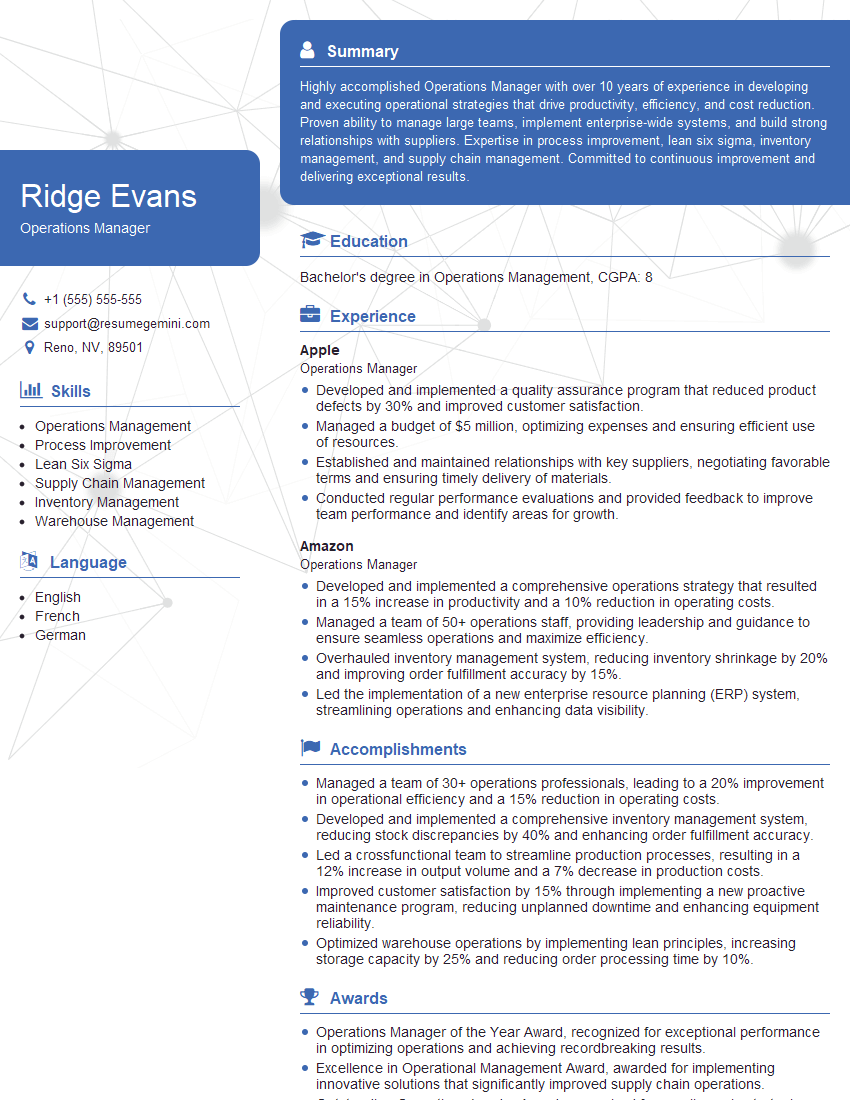
Operations Manager Resume Sample
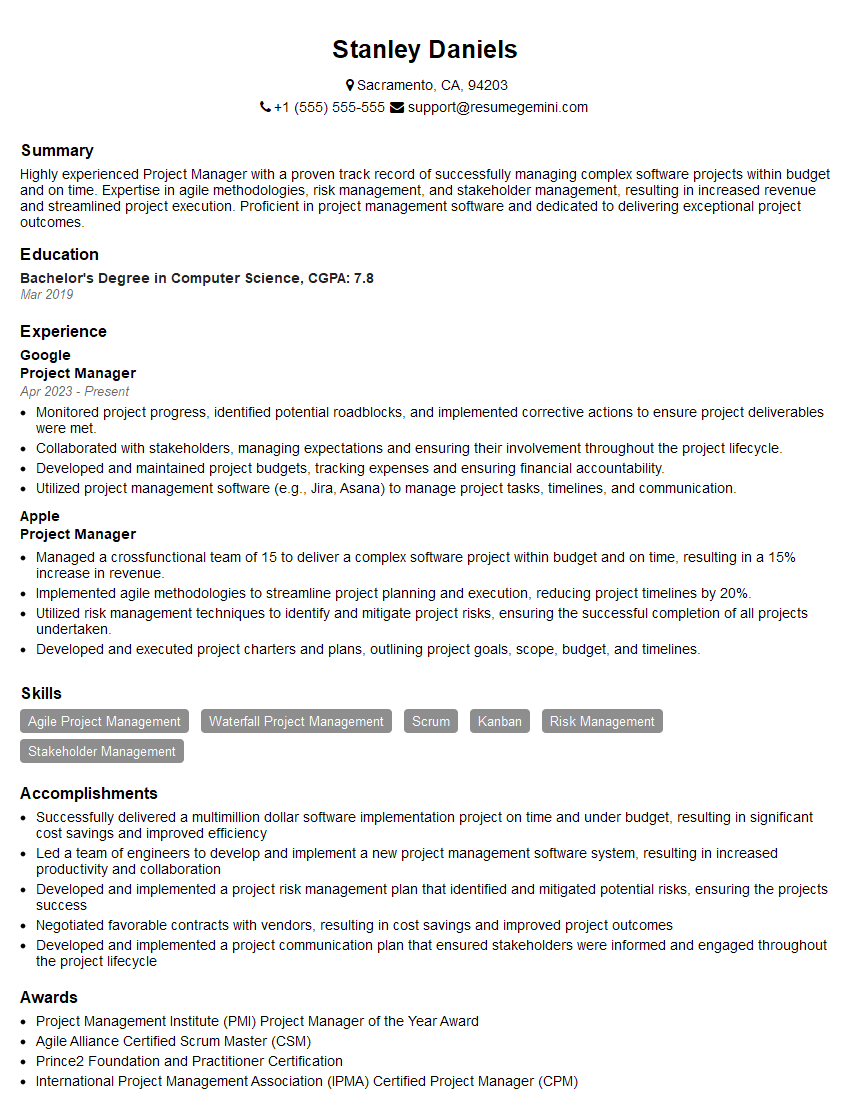
Project Manager Resume Sample
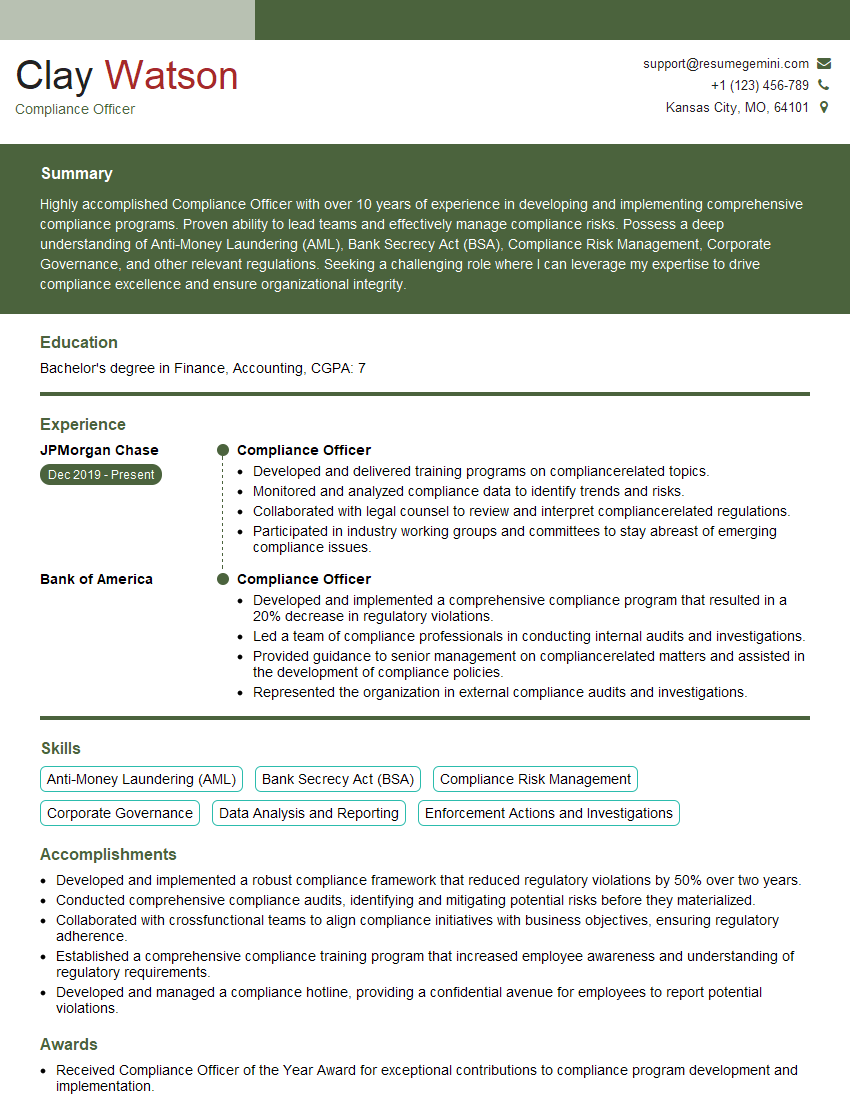
Compliance Officer Resume Sample
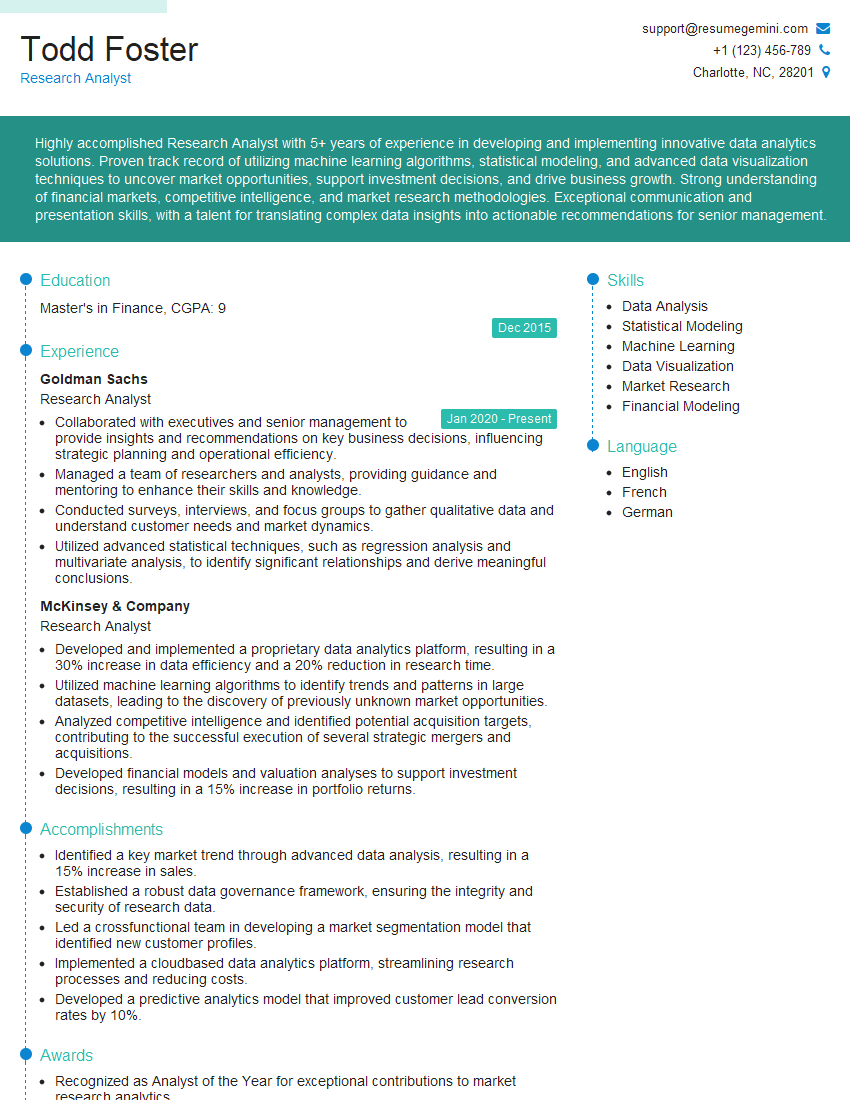
Research Analyst Resume Sample
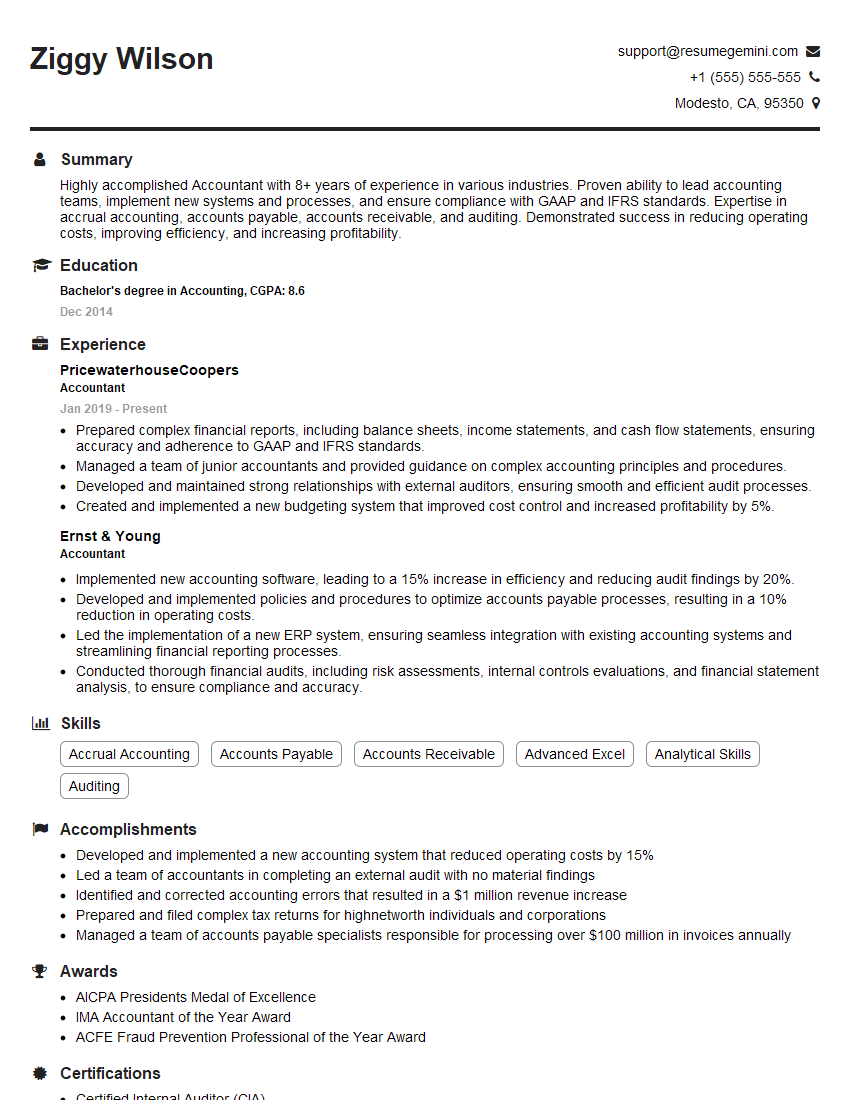
Accountant Resume Sample
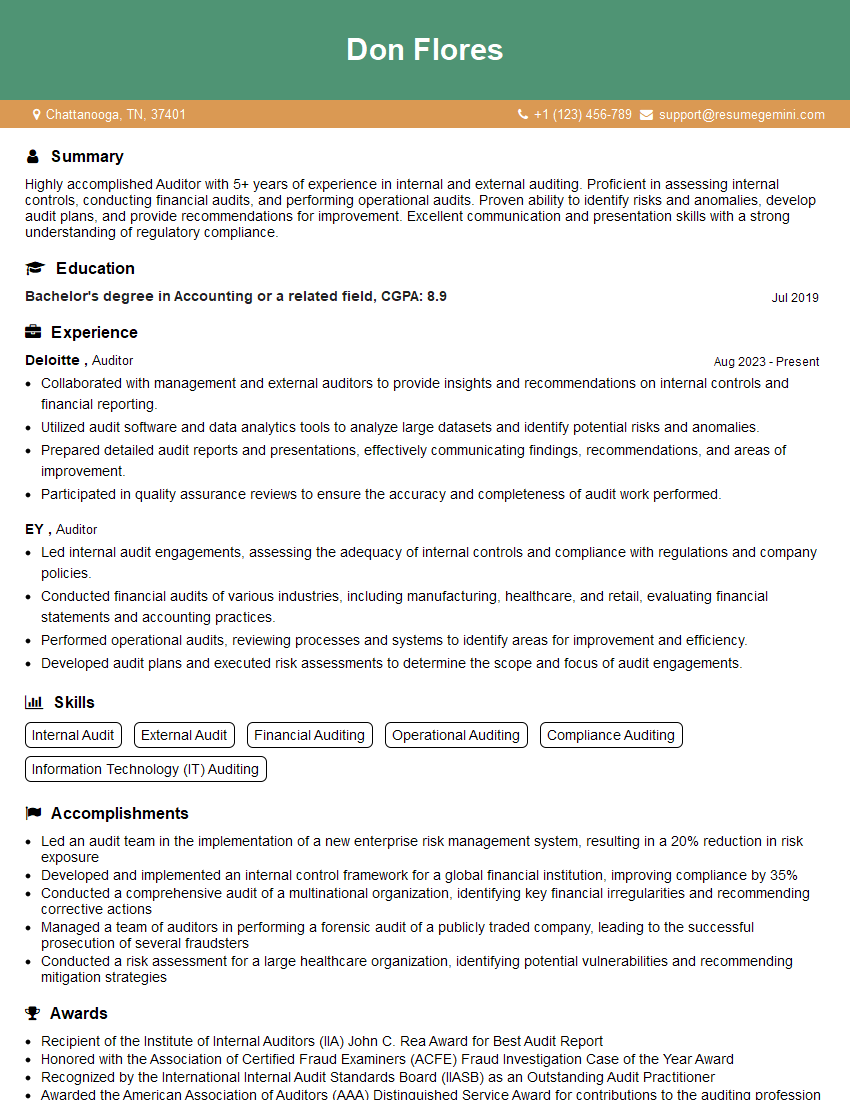
Auditor Resume Sample
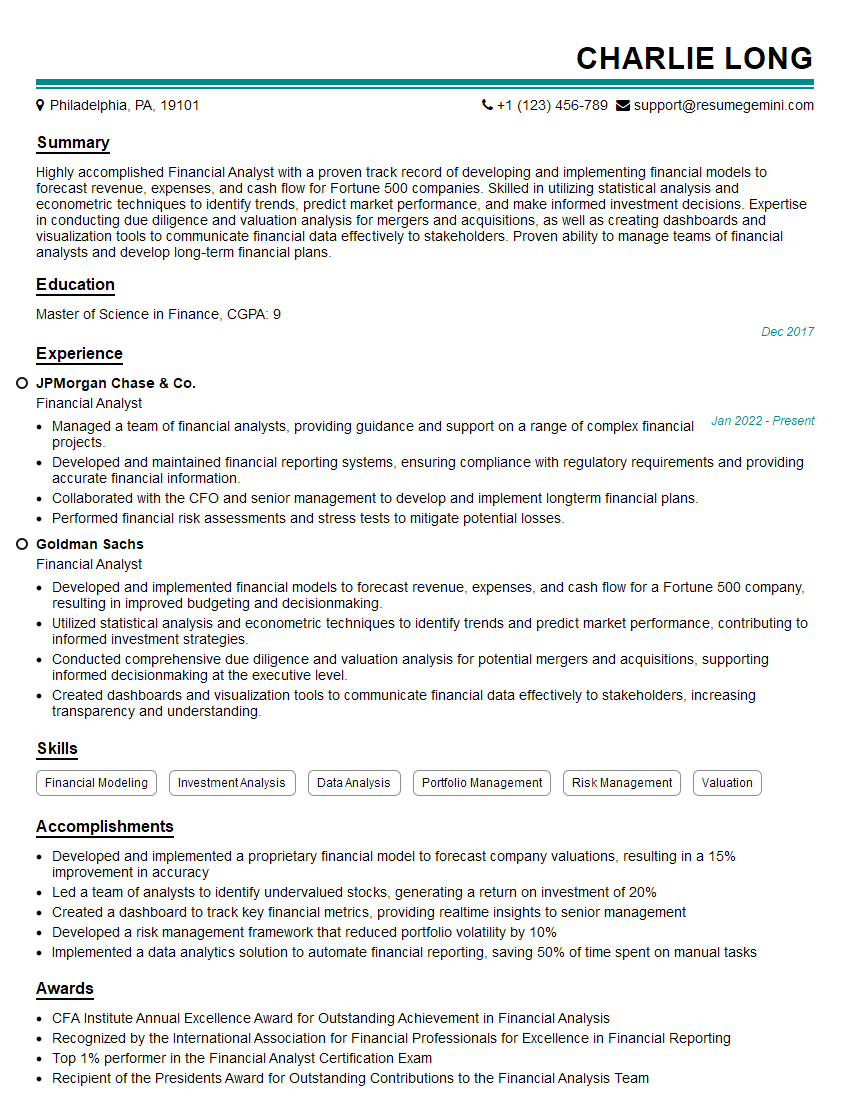
Financial Analyst Resume Sample
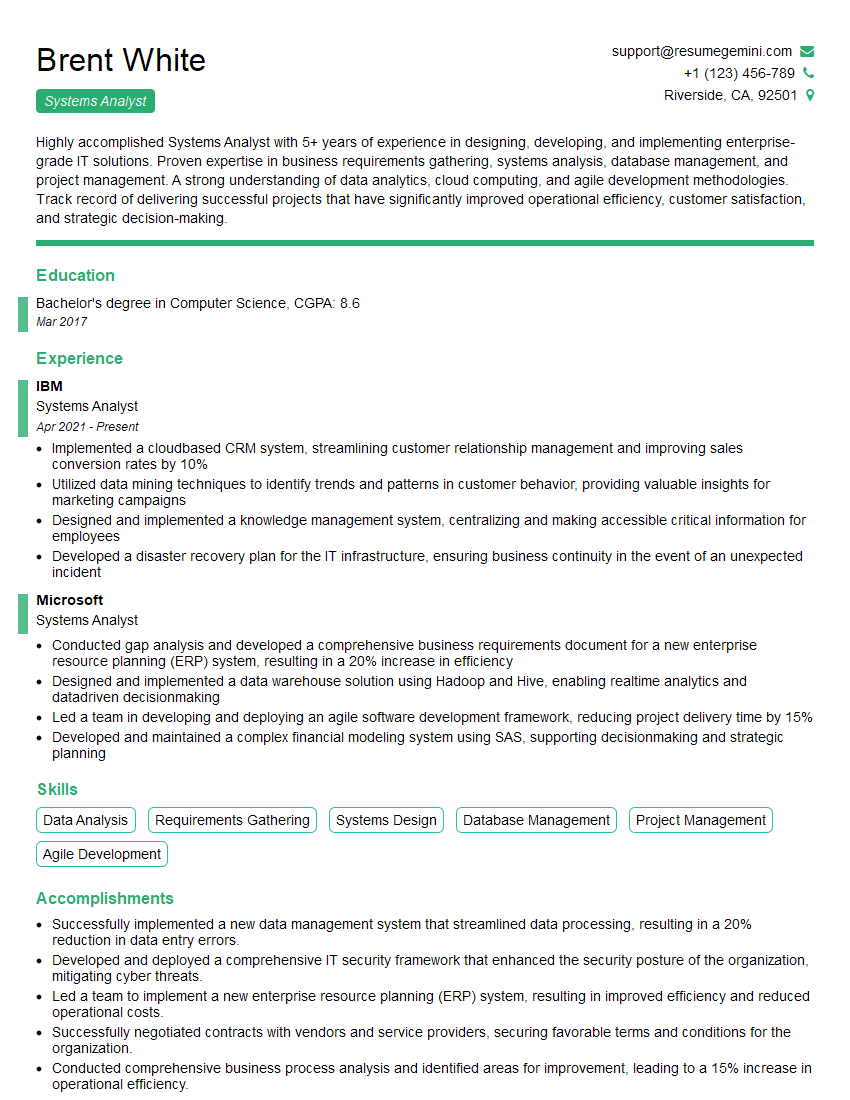
Systems Analyst Resume Sample

Software Tester Resume Sample
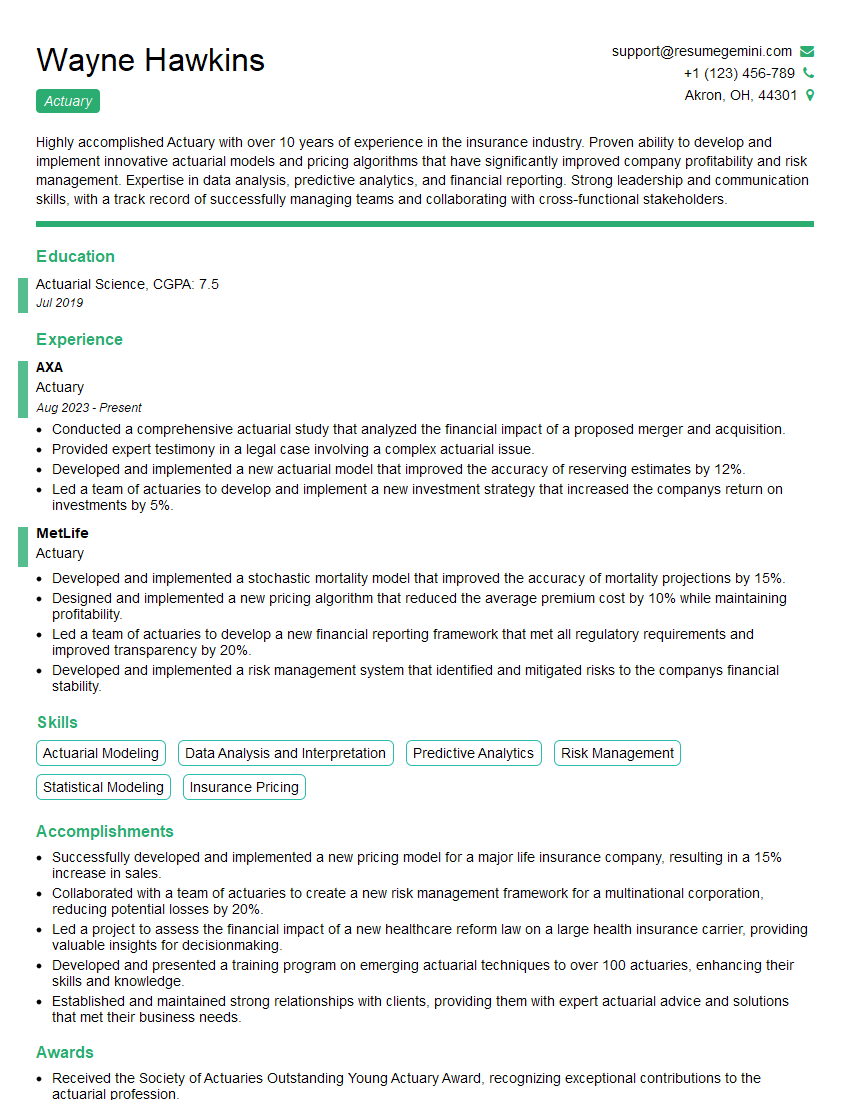
Actuary Resume Sample
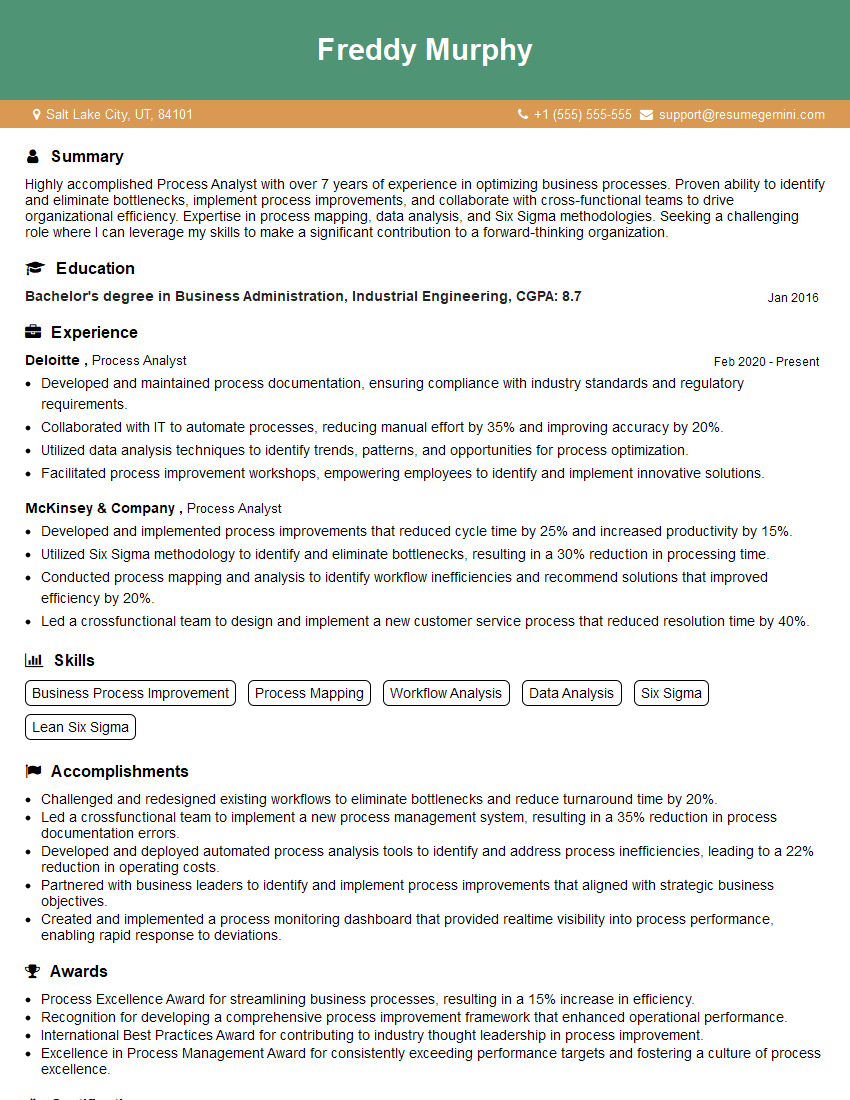
Process Analyst Resume Sample
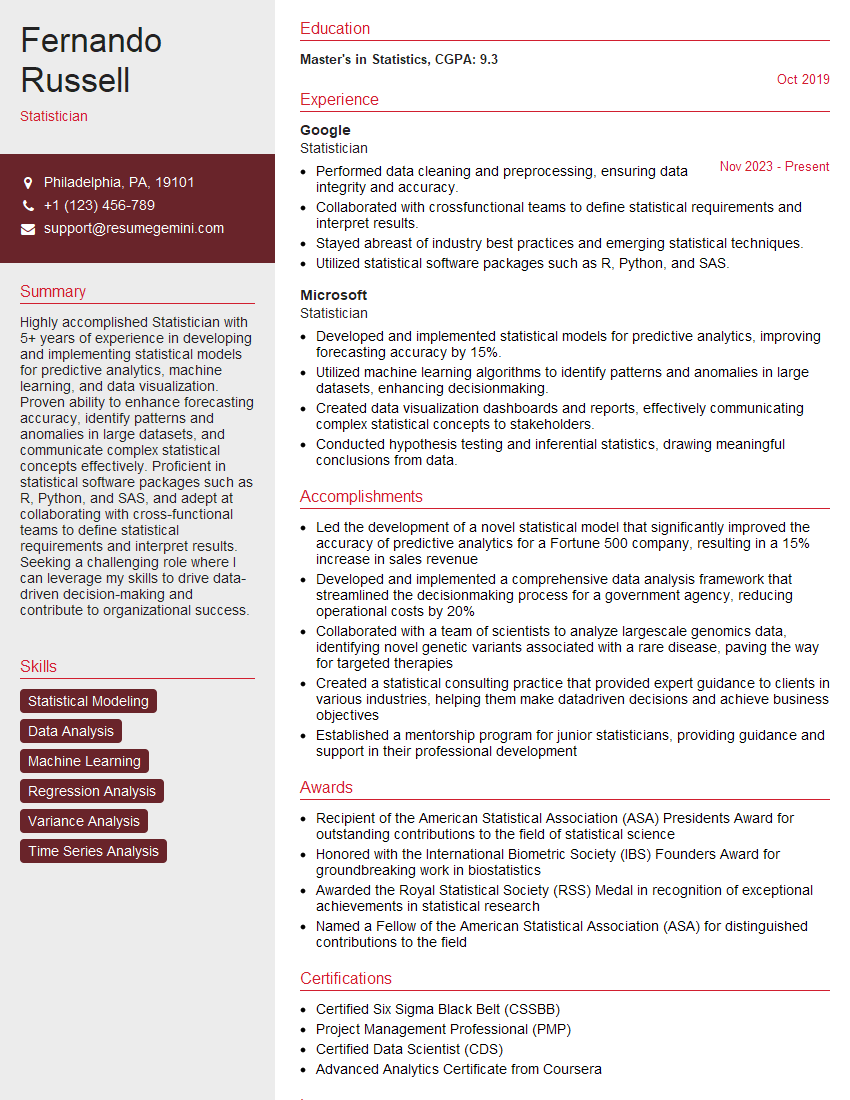
Statistician Resume Sample
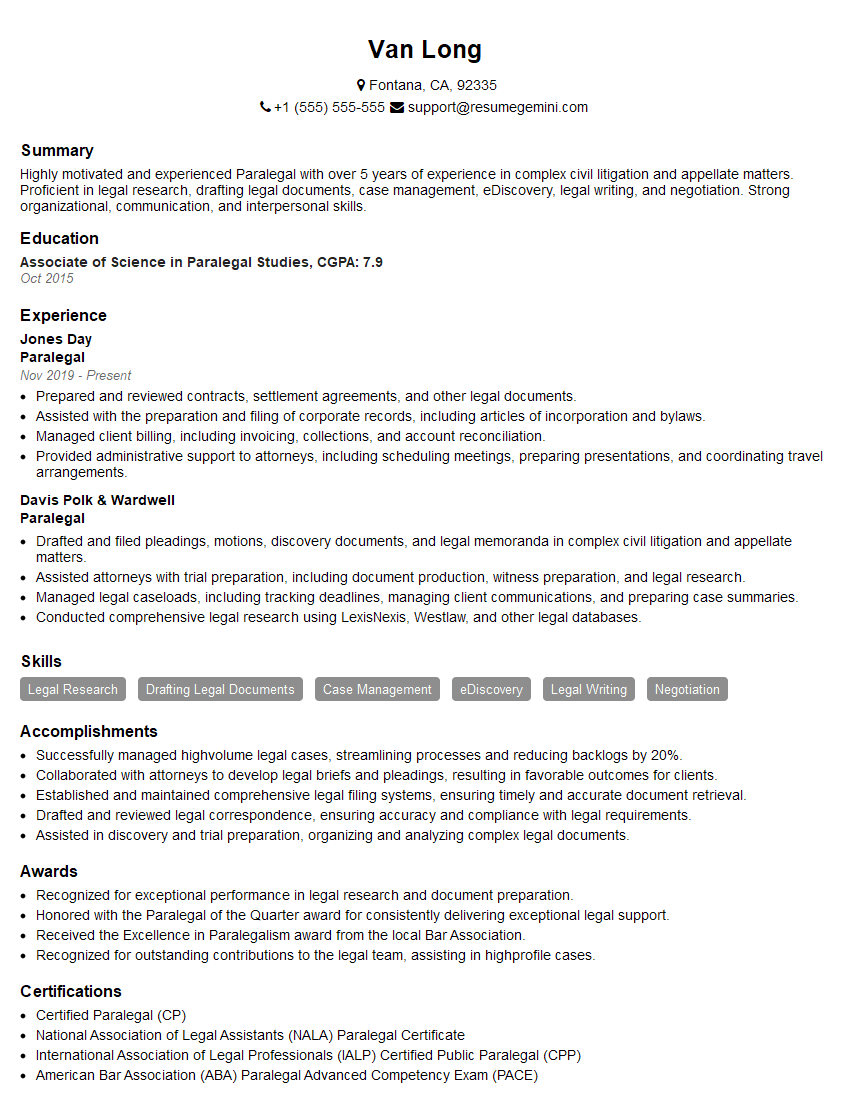
Paralegal Resume Sample
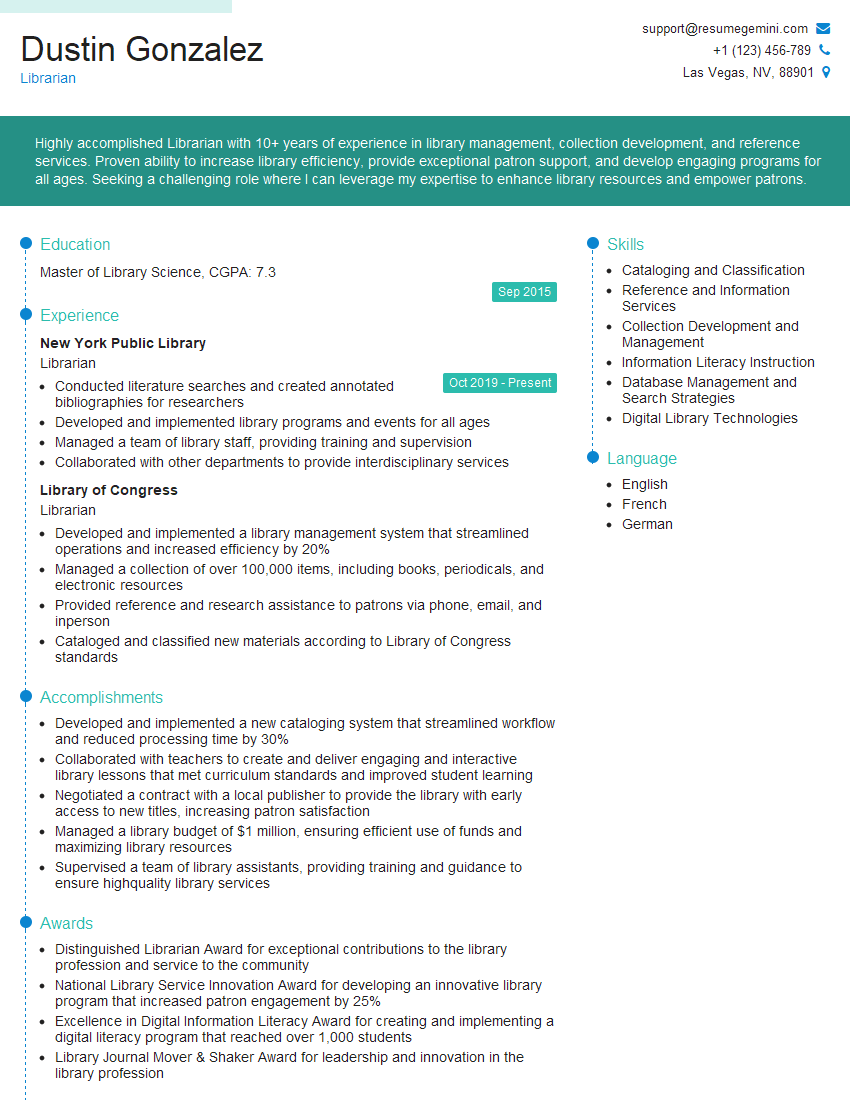
Librarian Resume Sample
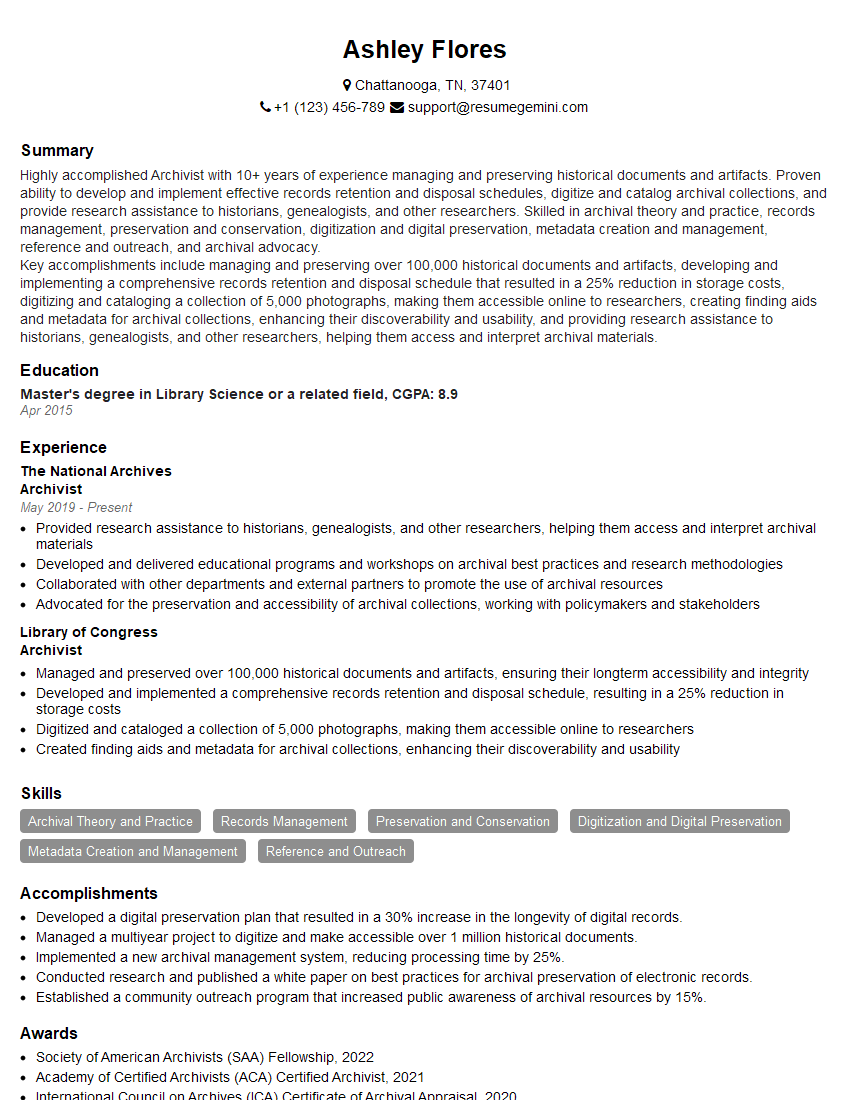
Archivist Resume Sample
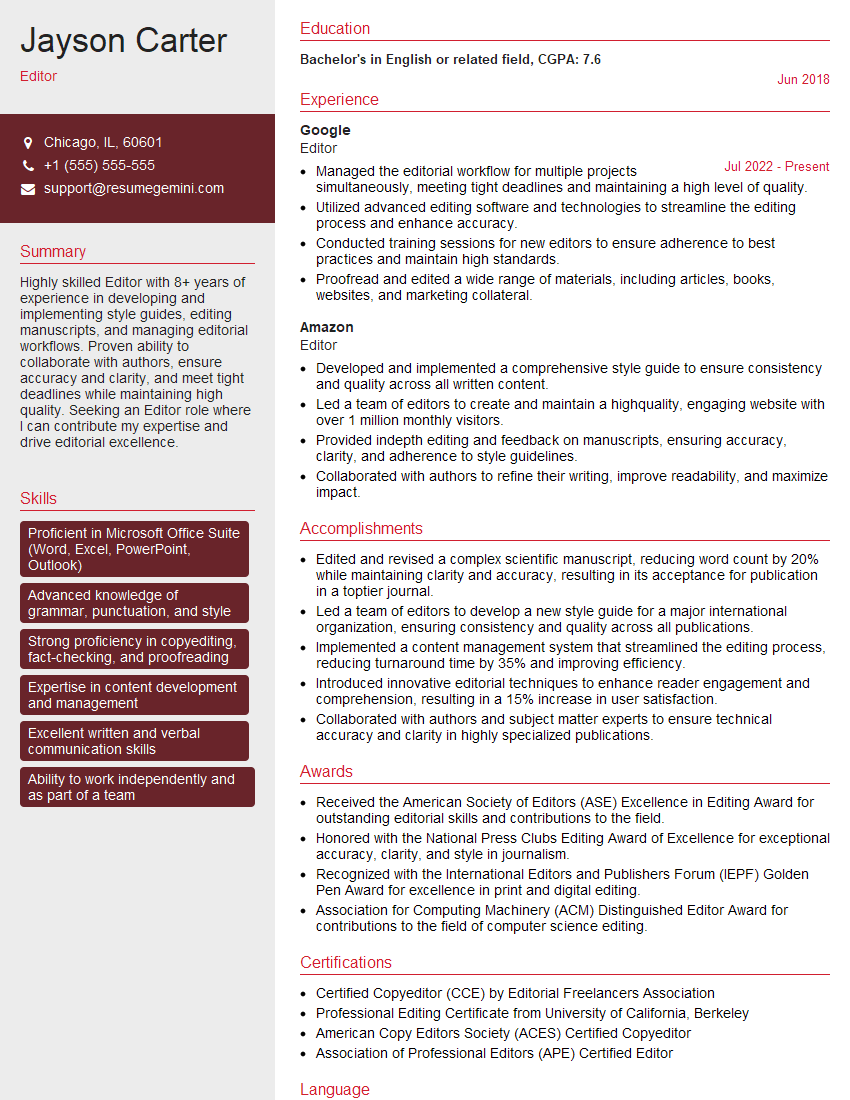
Editor Resume Sample
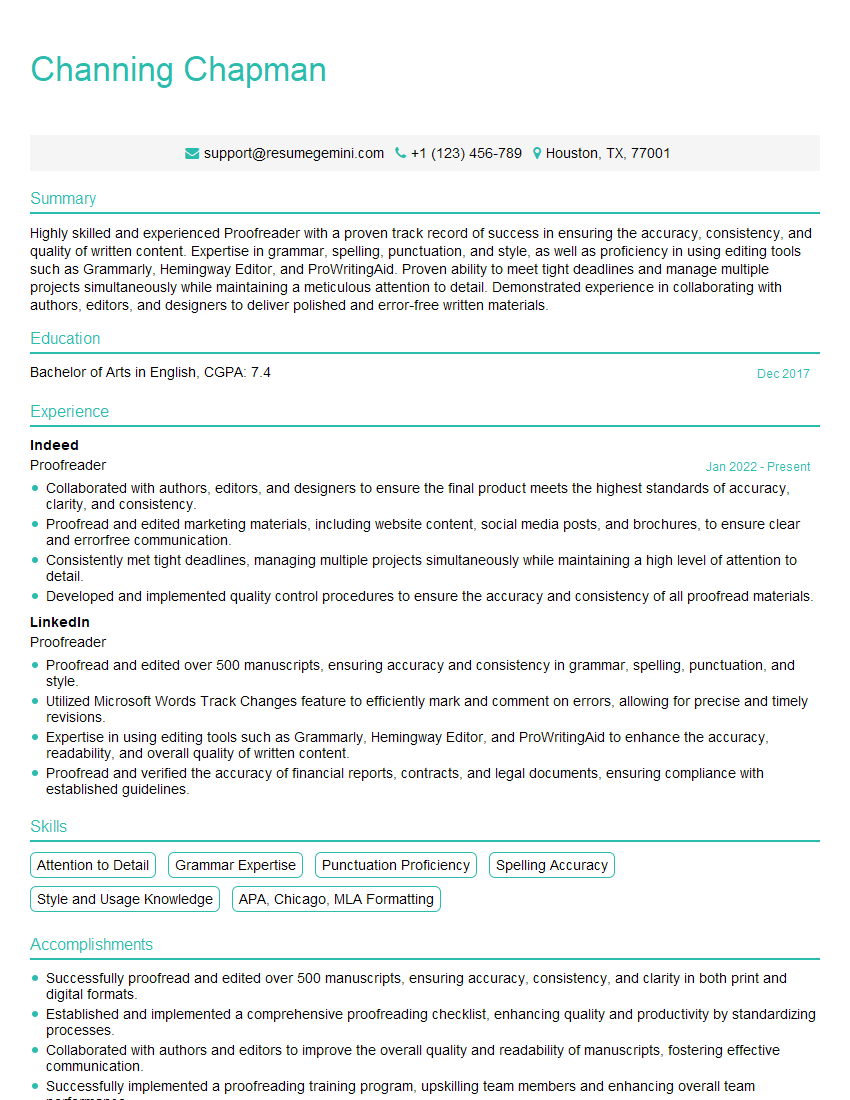
Proofreader Resume Sample

Technical Writer Resume Sample
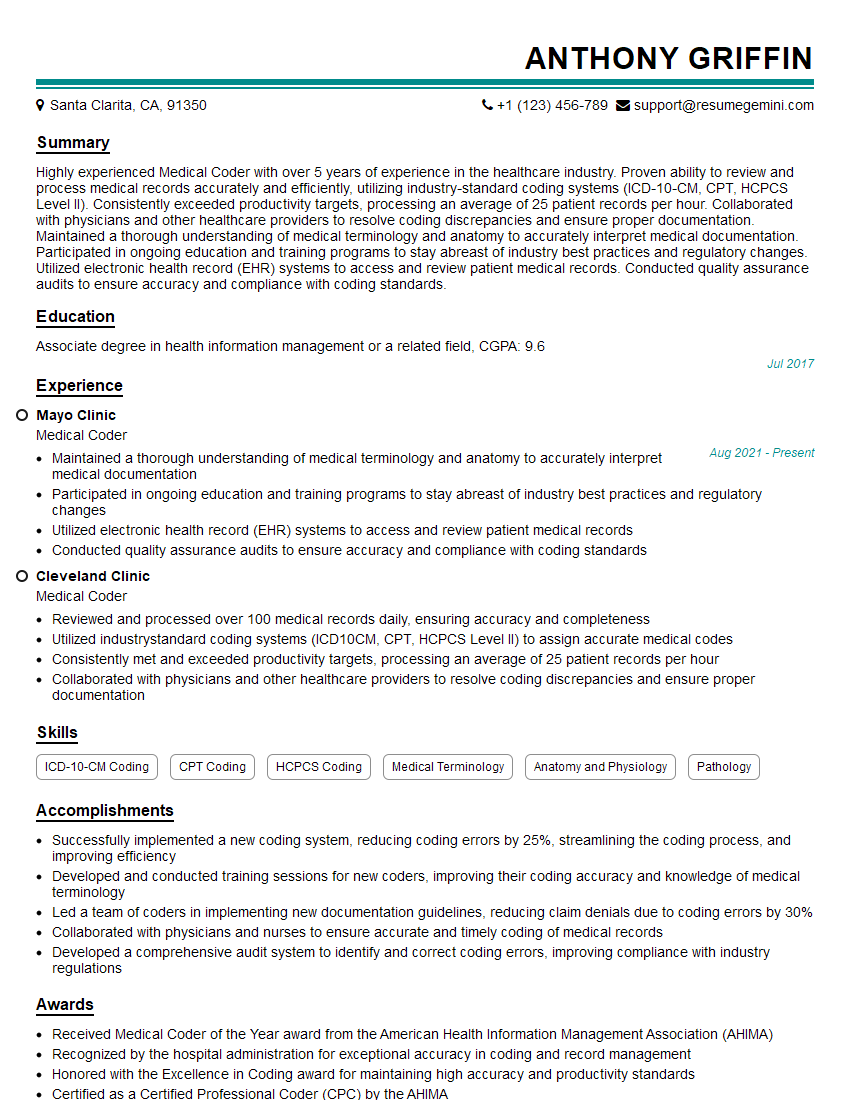
Medical Coder Resume Sample
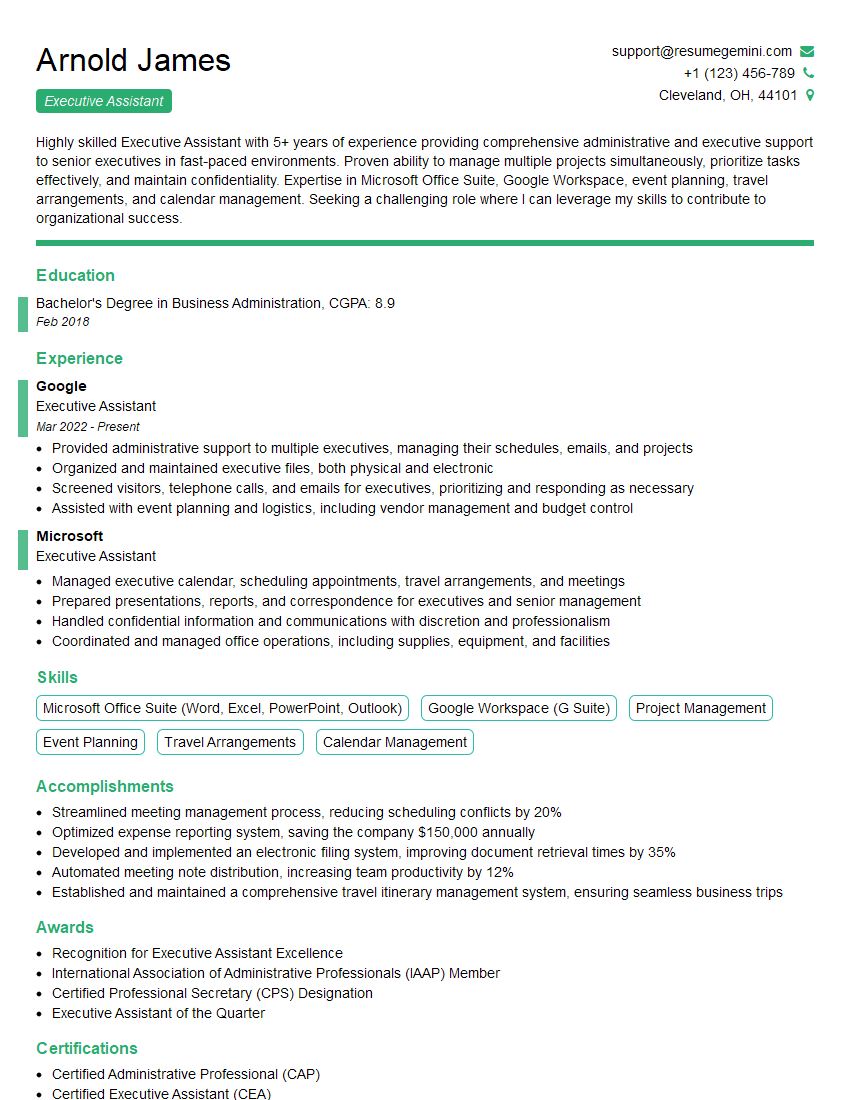
Executive Assistant Resume Sample
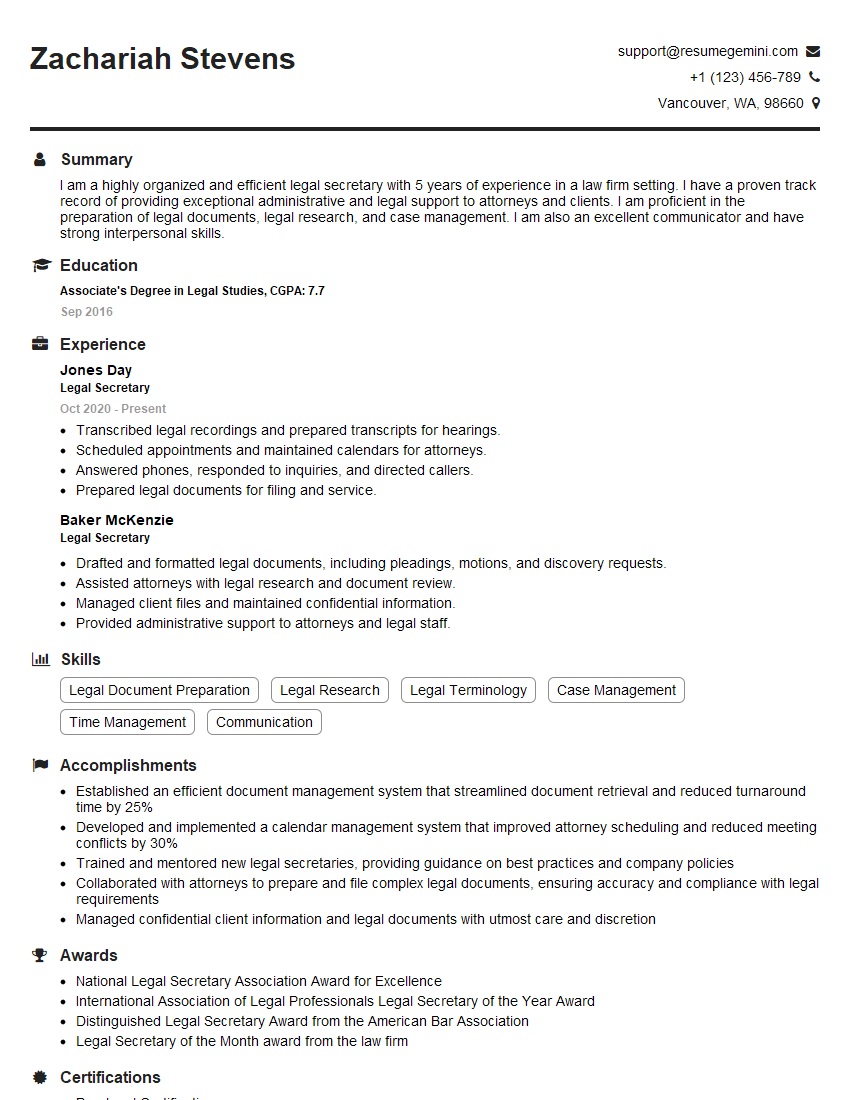
Legal Secretary Resume Sample
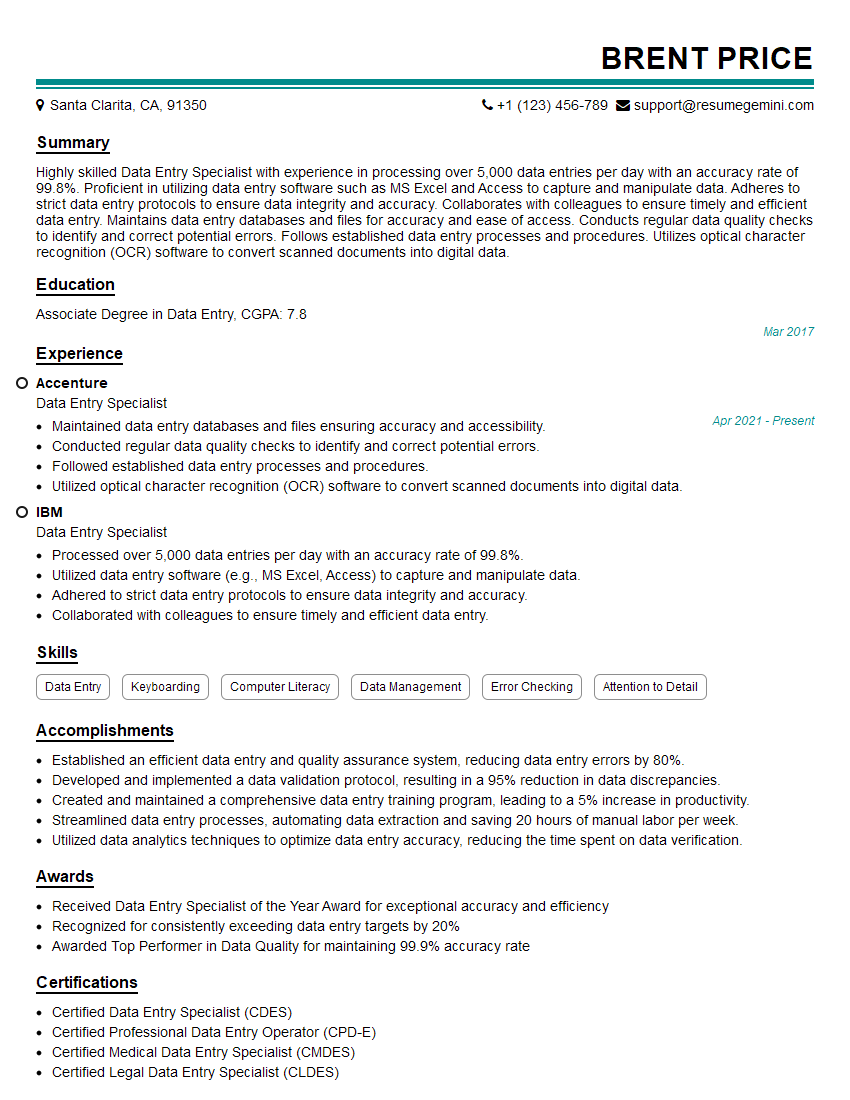
Data Entry Specialist Resume Sample
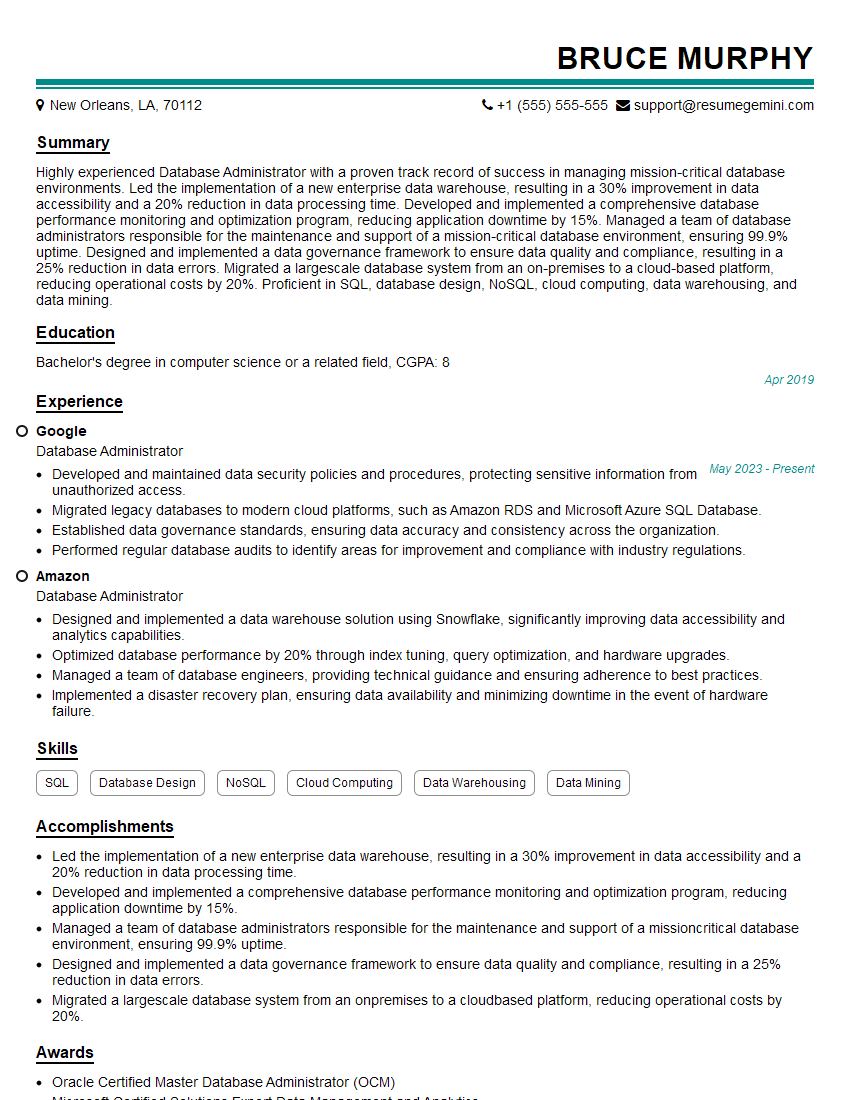
Database Administrator Resume Sample
- Operations Manager
- Project Manager
- Compliance Officer
- Research Analyst
- Accountant
- Auditor
- Financial Analyst
- Systems Analyst
- Software Tester
- Actuary
- Process Analyst
- Statistician
- Paralegal
- Librarian
- Archivist
- Editor
- Proofreader
- Technical Writer
- Medical Coder
- Executive Assistant
- Legal Secretary
- Data Entry Specialist
- Database Administrator
Explore more articles
Users Rating of Our Blogs
Share Your Experience
We value your feedback! Please rate our content and share your thoughts (optional).
What Readers Say About Our Blog
Very informative content, great job.
good