Are you ready to stand out in your next interview? Understanding and preparing for MHE (Material Handling Equipment) Proficiency interview questions is a game-changer. In this blog, we’ve compiled key questions and expert advice to help you showcase your skills with confidence and precision. Let’s get started on your journey to acing the interview.
Questions Asked in MHE (Material Handling Equipment) Proficiency Interview
Q 1. Describe your experience with different types of forklifts (e.g., sit-down, stand-up, reach truck).
My experience with forklifts encompasses a wide range of models, including sit-down counterbalanced, stand-up reach trucks, and even some specialized units like narrow-aisle forklifts. Sit-down counterbalanced forklifts are the workhorses for most general material handling, offering excellent stability and lift capacity. I’ve extensively used these for pallet movement in warehousing and manufacturing environments. Stand-up reach trucks are ideal for narrow aisles, maximizing space utilization – a skill I honed while working in a high-density storage facility. My experience also includes operating reach trucks, which are excellent for accessing higher racking positions and improving space efficiency. Each type requires a different operating technique and understanding of its limitations, which I’ve developed through years of practical experience and formal training.
For instance, I learned to adjust my driving style between a sit-down counterbalanced forklift, which requires more space for turning, and a reach truck that allows for tighter maneuvering in confined areas. Understanding these nuances is crucial for safe and efficient operations.
Q 2. What are the safety procedures you follow when operating MHE?
Safety is paramount in MHE operation. My safety procedures always begin with a thorough pre-operational inspection. Before starting any equipment, I ensure I have the appropriate training and certification for the specific machine. I always wear the necessary Personal Protective Equipment (PPE), including safety glasses, gloves, and steel-toe boots. Operating procedures include maintaining a safe speed, signaling my movements clearly, being aware of surroundings (pedestrians, other equipment), and never operating under the influence of drugs or alcohol. I strictly adhere to load capacity limits and avoid overloading the equipment. I’m also trained in emergency procedures and know how to respond to potential hazards or equipment malfunctions. Finally, I always report any near misses or incidents immediately to my supervisor.
For example, in one instance, a pallet was slightly unstable. Rather than risking a tip-over, I secured it further before lifting, prioritizing safety over speed.
Q 3. Explain the process of conducting a pre-operational inspection of a forklift.
A pre-operational inspection is a critical safety step. It involves a systematic check of all essential components. I start by visually inspecting the tires for wear and tear, checking for proper inflation and any damage. Then, I examine the mast, chains, and forks for any bends, cracks, or leaks. Next, I check the hydraulic system for leaks and the functionality of the hydraulic controls. The brakes, steering, horn, lights, and safety features like the seatbelt and emergency stop are also thoroughly tested. I also verify the fuel or battery levels and ensure there are no fluid leaks. Finally, I test all controls and listen for any unusual sounds. Documentation of this inspection is crucial, and I use a standardized checklist to ensure consistency.
Think of it like a pre-flight check for an airplane – thorough and essential for safe operation.
Q 4. How do you identify and report MHE malfunctions?
Identifying and reporting malfunctions is done immediately and according to company protocol. Any unusual noises, vibrations, leaks, or malfunctions in the equipment’s operation are immediately cause for concern and warrant stopping work. I then visually inspect the equipment to identify the problem’s source, if possible, and report it immediately to my supervisor using the designated reporting system, whether it’s a written log, a digital system, or verbal communication, depending on the urgency and nature of the issue. I never attempt to repair the equipment myself unless specifically trained to do so, as attempting repairs without proper knowledge could lead to further damage or even injury.
For example, if I detected a hydraulic leak, I’d immediately stop the forklift, tag it as out-of-service, and report the issue to maintenance, ensuring nobody else attempts to use it before the repair.
Q 5. What is your experience with preventative maintenance on MHE?
Preventative maintenance is essential to maximizing equipment lifespan and minimizing downtime. My experience includes assisting in routine maintenance tasks, such as checking fluid levels, lubricating moving parts, and inspecting belts and chains. I’ve also participated in more complex maintenance, such as filter replacements and minor component adjustments under the guidance of certified technicians. Understanding the maintenance schedules and the importance of adhering to them ensures the equipment remains reliable and safe. Regular maintenance prevents small issues from escalating into major problems and costly repairs. This requires understanding the manufacturer’s recommendations and maintaining accurate records of all maintenance activities.
For instance, regularly lubricating the forklift’s mast reduces friction, preventing wear and tear and prolonging its lifespan.
Q 6. Describe your experience with different types of conveyors (e.g., roller, belt, chain).
My experience with conveyors covers a variety of types, including roller conveyors, belt conveyors, and chain conveyors. Roller conveyors are great for moving items over short distances with minimal effort, often used for gravity-fed systems. Belt conveyors offer continuous movement and are ideal for transporting heavier loads over longer distances. Chain conveyors provide even more robust transportation, especially for heavier or bulkier materials and those needing precise positioning.
I’ve worked with systems incorporating different types of conveyors, learning how to manage the transition between them and recognizing the distinct operating characteristics of each.
Q 7. How do you troubleshoot common conveyor system problems?
Troubleshooting conveyor system problems often involves a systematic approach. I typically begin by visually inspecting the system for obvious problems like broken belts, misaligned rollers, or jammed components. I listen for unusual noises that could indicate bearing failure or other mechanical problems. Then, I check the drive system – motors, belts, and chains – ensuring everything is operating correctly and efficiently. The tracking of the belt, proper tension, and the alignment of rollers are vital for smooth operation. If the problem persists, I consult the system’s documentation and diagrams to pinpoint the cause. In more complex situations, I collaborate with maintenance personnel to diagnose and resolve the issue. Careful documentation throughout the troubleshooting process helps to prevent future problems and facilitates quicker resolutions.
For instance, a common problem is belt slippage. I’d start by checking the belt tension, then inspect for damage or debris on the pulleys. If the problem persists, I would suspect a problem with the motor or drive components and escalate the issue to the maintenance team.
Q 8. What is your experience with automated storage and retrieval systems (AS/RS)?
Automated Storage and Retrieval Systems (AS/RS) are highly automated warehouse systems that streamline the storage and retrieval of goods. My experience encompasses the full lifecycle, from initial design and specification through implementation, integration with WMS, and ongoing maintenance. I’ve worked with various AS/RS configurations, including unit-load AS/RS using cranes and stacker cranes for palletized goods, and mini-load AS/RS for smaller items. For example, I was involved in a project where we implemented a high-bay unit-load AS/RS to increase storage capacity by 40% in a distribution center. This involved careful consideration of factors like throughput requirements, building height limitations, and the type of goods being stored. We meticulously mapped out the system’s flow, optimizing crane travel paths and minimizing cycle times. The result was a significant increase in efficiency and reduction in labor costs.
In another project, I troubleshooted a malfunctioning mini-load AS/RS, systematically investigating issues ranging from software glitches to mechanical failures. Through detailed diagnostics and log analysis, we identified a faulty conveyor belt sensor causing repeated system shutdowns. Replacing the sensor resolved the problem, minimizing downtime and production losses.
Q 9. Explain your experience with warehouse management systems (WMS).
Warehouse Management Systems (WMS) are the software brains of any modern warehouse. My experience spans various WMS platforms, including Manhattan Associates, Blue Yonder, and Oracle. I’m proficient in configuring, implementing, and optimizing these systems to improve inventory accuracy, order fulfillment, and overall warehouse efficiency. I’ve been involved in projects where we integrated WMS with other systems like transportation management systems (TMS) and enterprise resource planning (ERP) systems to create a seamless supply chain. This often involved mapping data fields, creating custom reports, and ensuring smooth data exchange between systems. For instance, we implemented a WMS in a fast-moving consumer goods (FMCG) warehouse that improved order accuracy by 15% and reduced order fulfillment times by 20%. This was achieved through careful configuration of picking strategies, efficient wave management, and optimization of putaway rules.
Beyond implementation, I’m skilled in ongoing WMS maintenance and support. This includes troubleshooting errors, performing system upgrades, and providing training to warehouse staff. In one instance, we identified a performance bottleneck in our WMS query processing which was slowing down order picking. By optimizing database indexing and query parameters, we significantly improved response times and eliminated the bottleneck.
Q 10. How do you ensure the efficient flow of materials within a warehouse?
Ensuring efficient material flow in a warehouse is a multifaceted challenge. It requires a holistic approach that considers several key factors. Firstly, a well-designed warehouse layout is crucial. This involves strategic placement of receiving, storage, picking, and shipping areas to minimize unnecessary movement. Secondly, efficient material handling equipment is essential. This could include forklifts, conveyors, automated guided vehicles (AGVs), or AS/RS. The choice of equipment depends on factors like volume, throughput requirements, and product characteristics. Thirdly, implementing standardized work procedures and optimizing picking routes are crucial. Techniques like slotting optimization, wave picking, and batch picking help maximize efficiency. Regular performance monitoring and data analysis are also critical for identifying bottlenecks and making data-driven improvements.
Imagine a warehouse receiving goods from multiple suppliers. To streamline flow, we’d organize inbound receiving by supplier, then utilize conveyors to move goods to designated putaway zones. Optimized slotting ensures frequently picked items are closer to packing stations, shortening picking paths. We’d utilize a WMS to dynamically manage orders and assign optimal picking routes, minimizing travel time. Finally, regular performance reviews reveal any areas for improvement, allowing us to adjust our strategies continuously.
Q 11. Describe your experience with inventory management techniques.
My experience with inventory management techniques is extensive. I’m proficient in various methods including ABC analysis, FIFO (First-In, First-Out), and LIFO (Last-In, First-Out). I understand the importance of accurate inventory tracking, cycle counting, and regular stock audits to maintain accurate inventory records. I’ve used these techniques to improve inventory turnover, reduce stockouts, and minimize waste. For example, using ABC analysis to categorize inventory based on value and usage allowed us to focus our inventory control efforts on the most valuable items (A-items), improving overall inventory accuracy and reducing losses due to obsolescence. Implementing a FIFO system for perishable goods prevented spoilage and ensured product freshness.
Beyond the theoretical side, I’m adept at using inventory management software and integrating it with WMS. This allows for real-time visibility into stock levels, facilitating data-driven decision-making regarding ordering, storage, and allocation.
Q 12. How do you optimize warehouse layout for efficient material handling?
Optimizing warehouse layout is fundamental to efficient material handling. This involves designing a flow that minimizes travel distances, reduces congestion, and maximizes space utilization. Several key principles guide this process: First, consider the product flow—receiving, storage, picking, and shipping areas should be arranged logically to minimize handling steps. Second, optimize equipment placement—placing equipment near frequently accessed areas reduces travel times. Third, utilize space efficiently—vertical space should be maximized using racking systems, and the layout should consider the dimensions and weight of products. Fourth, consider safety—wide aisles, clear signage, and designated pedestrian walkways are essential.
For example, in one project, we redesigned a warehouse layout by implementing a U-shaped flow, significantly reducing travel distances for order picking. We also implemented cross-docking to bypass the traditional storage process for high-volume, fast-moving items. This improved throughput significantly.
Q 13. What are the different types of warehouse racking systems and their applications?
There are many types of warehouse racking systems, each suited for different applications.
- Pallet racking: This is the most common type, storing pallets on beams supported by uprights. It’s highly versatile and suitable for a wide range of products.
- Drive-in/drive-through racking: This system allows for forklift access from one or both sides, maximizing storage density but requiring FIFO inventory management.
- Push-back racking: This utilizes inclined rails that allow for nested pallet storage, increasing density while maintaining FIFO.
- Flow racking: Gravity-fed system that moves pallets along inclined rails, ideally suited for high-volume FIFO applications.
- Cantilever racking: Designed for long or oddly shaped items, like lumber or pipes.
- Multi-tier racking: Creates additional storage levels above ground level, maximizing vertical space.
Q 14. How do you ensure the safety of pedestrians in a warehouse environment?
Ensuring pedestrian safety in a warehouse environment is paramount. It requires a multi-pronged approach that combines engineering controls, administrative controls, and personal protective equipment (PPE). Engineering controls include clear separation of pedestrian and vehicle traffic using designated walkways, traffic signals, speed bumps, and barriers. Administrative controls involve implementing clear safety procedures, training programs, and regular safety inspections. PPE includes high-visibility clothing, safety shoes, and hearing protection. Regular audits and inspections should be conducted to assess risks and implement necessary corrective actions. Furthermore, using technology like AGVs and automated systems can minimize human-machine interaction, further enhancing safety.
In practice, this might include implementing a color-coded walkway system, providing regular safety training on forklift operation and pedestrian safety, and ensuring all staff wear high-visibility vests. Regular safety meetings and near-miss reporting help to cultivate a safety-conscious culture.
Q 15. What are your experiences with load balancing and load securing?
Load balancing and load securing are critical for efficient and safe material handling. Load balancing ensures even weight distribution across a load-bearing surface, preventing instability and damage. Load securing involves methods to prevent shifting or falling during transport. Think of it like stacking building blocks – you wouldn’t stack heavy blocks on top of light ones without support!
In my experience, I’ve used various techniques for load balancing, including strategically placing heavier items lower and lighter items higher on pallets. I’ve also employed load-leveling devices like adjustable pallet supports. For securing, I’ve used various methods depending on the load and transport method: stretch wrap, straps, shrink wrap, and even specialized load securement cages for fragile items. For example, when transporting glass bottles, I would use multiple layers of stretch wrap and secure the entire pallet with heavy-duty straps, ensuring that no bottle could shift during transit. This process minimizes the risk of damage and ensures the safe arrival of the goods.
Career Expert Tips:
- Ace those interviews! Prepare effectively by reviewing the Top 50 Most Common Interview Questions on ResumeGemini.
- Navigate your job search with confidence! Explore a wide range of Career Tips on ResumeGemini. Learn about common challenges and recommendations to overcome them.
- Craft the perfect resume! Master the Art of Resume Writing with ResumeGemini’s guide. Showcase your unique qualifications and achievements effectively.
- Don’t miss out on holiday savings! Build your dream resume with ResumeGemini’s ATS optimized templates.
Q 16. Explain your understanding of ergonomics in material handling.
Ergonomics in material handling focuses on designing workplaces and tasks to minimize physical strain and injury. This includes considering the physical capabilities of workers and adjusting tasks accordingly. Think about the repetitive movements involved in lifting and carrying – repeated strain on the back, shoulders, and wrists can lead to long-term problems.
My approach incorporates several ergonomic principles: using appropriate lifting techniques (lifting with the legs, keeping the back straight); using mechanical aids like lift trucks, pallet jacks, and conveyor systems to minimize manual handling; ensuring proper lighting and layout to reduce fatigue and eye strain. I’ve also been involved in implementing ergonomic assessments to identify and mitigate risks, such as adjusting work surfaces to appropriate heights and providing appropriate personal protective equipment (PPE) like back supports or gloves.
Q 17. How do you handle damaged goods and what are the procedures?
Handling damaged goods involves a systematic process to ensure accountability and minimize further loss. First, I document the damage meticulously, including photographs and detailed descriptions. This is crucial for insurance claims and tracing the cause of the damage. The type and extent of damage determine the next steps.
Minor damage might involve repackaging the goods and continuing the process; however, significant damage usually means segregating the goods, labeling them clearly as damaged, and initiating a return or disposal process, depending on company policy and the nature of the goods. I’ve been involved in processes where damaged goods are returned to suppliers, salvaged for parts, or responsibly disposed of following environmental regulations. Clear communication with all relevant parties (suppliers, customers, and internal departments) is key throughout the process.
Q 18. What are the different types of pallet jacks and their uses?
Pallet jacks are essential for moving pallets efficiently within a warehouse. Several types exist, each designed for specific needs. The most common are:
- Manual Pallet Jacks: These are hand-operated and the most basic type. They are affordable but require physical effort. Ideal for smaller warehouses or occasional use.
- Electric Pallet Jacks: These use a battery-powered motor for lifting and moving. They are more efficient for heavier loads and longer distances, reducing worker fatigue.
- High-Lift Pallet Jacks: These can lift pallets to higher levels, allowing for easier loading and unloading of trucks or shelves. This is excellent for reaching higher storage locations.
- Walkie Stackers: While not strictly pallet jacks, they are similar in that they are used to move pallets, they can also lift the pallets to higher heights for stacking in rack systems.
The choice depends on factors like load weight, distance, frequency of use, and budget. For example, in a large distribution center with high throughput, electric pallet jacks would be preferred over manual ones to ensure productivity.
Q 19. What is your experience with RFID or barcode scanning in material handling?
RFID (Radio-Frequency Identification) and barcode scanning are crucial for accurate and efficient tracking in material handling. I have extensive experience using both. Barcodes provide basic identification, whereas RFID offers more comprehensive data, including location tracking and inventory management.
I’ve used barcode scanners in inventory checks and receiving processes, manually scanning each item. This is relatively straightforward but can be time-consuming, especially for large quantities. With RFID, however, we can track pallets or individual items in real-time, automatically updating inventory systems. This offers advantages like faster cycle counts, improved accuracy, and enhanced visibility of goods within the warehouse. For instance, in a cold storage facility, implementing RFID tracking would allow for instant location of items, greatly improving efficiency and safety by reducing time spent searching.
Q 20. Explain your experience with various types of warehouse automation.
My experience encompasses several types of warehouse automation: Automated Guided Vehicles (AGVs), conveyor systems, automated storage and retrieval systems (AS/RS), and warehouse management systems (WMS).
AGVs autonomously navigate the warehouse, moving goods between locations. Conveyor systems automate the movement of goods along defined paths. AS/RS use automated cranes or lifts to store and retrieve goods in high-density racking. The WMS software integrates all these systems, providing real-time visibility and control over inventory and operations. For instance, in one project, we implemented an AS/RS system which drastically reduced picking times and improved overall warehouse efficiency by automating the storage and retrieval of fast-moving items.
Q 21. Describe your experience with Lean manufacturing principles in a warehouse setting.
Lean manufacturing principles aim to eliminate waste and maximize efficiency. In a warehouse setting, this translates into streamlining processes, optimizing space utilization, and reducing unnecessary movement. I have applied several lean principles including 5S (sort, set in order, shine, standardize, sustain), Kaizen (continuous improvement), and value stream mapping.
For example, I implemented a 5S program that significantly improved workplace organization. By eliminating clutter, standardizing storage locations, and improving cleanliness, we reduced the time spent searching for items and improved overall safety. Value stream mapping helped identify bottlenecks and inefficiencies in our receiving and shipping processes. By redesigning workflows and utilizing appropriate technology, we improved turnaround times and reduced labor costs. The implementation of these lean principles significantly improved efficiency and reduced costs in the warehouse.
Q 22. How do you manage warehouse space effectively to maximize efficiency?
Effective warehouse space management is crucial for maximizing efficiency and minimizing operational costs. It’s about optimizing the flow of goods, minimizing travel time for equipment and personnel, and ensuring easy access to inventory. My approach involves a multi-pronged strategy.
- Space Optimization: This begins with a thorough analysis of current space utilization. We identify areas with underutilized space, bottlenecks, and inefficiencies. For example, if we find excessive aisle space, we can consider implementing narrower aisles (while still maintaining safe operational clearances) or optimizing slotting to group frequently accessed items closer to shipping and receiving.
- Inventory Management: Effective inventory management directly impacts space utilization. Implementing a robust inventory control system (WMS – Warehouse Management System) allows us to track stock levels precisely, identify slow-moving items, and implement strategies like FIFO (First-In, First-Out) or FEFO (First-Expired, First-Out) to minimize waste and optimize storage. Visual management tools, like color-coded shelving to indicate item location, can further streamline picking and replenishment.
- Storage Solutions: The right storage solution is paramount. We assess the characteristics of the goods – size, weight, fragility, turnover rate – to determine the most appropriate storage system. Options range from pallet racking for high-volume storage to cantilever racking for long or awkwardly shaped items, and specialized solutions for specific needs. We may even explore vertical storage options to utilize the vertical space effectively.
- Layout Design: The warehouse layout significantly influences efficiency. We strive for a logical flow, minimizing cross-traffic and ensuring clear pathways for forklifts, conveyors, and personnel. A well-designed layout allows for streamlined movement of goods from receiving to storage, picking, packing, and shipping.
For instance, in a previous role, we implemented a zone-picking strategy alongside a WMS, reducing order fulfillment time by 15% and increasing overall warehouse throughput by 10%.
Q 23. What is your approach to training new warehouse employees on MHE operation?
Training new warehouse employees on MHE operation is a critical aspect of safety and productivity. My approach is multi-phased and emphasizes both theoretical knowledge and hands-on experience.
- Classroom Training: We start with classroom sessions covering safety regulations (OSHA compliance is always paramount), proper equipment operation, pre-shift inspections, and emergency procedures. We use interactive training materials, including videos and simulations, to enhance engagement and comprehension.
- Hands-on Training: Classroom theory is followed by supervised hands-on training with experienced operators. This involves gradually increasing the complexity of tasks, starting with simple maneuvers and progressing to more challenging operations under close supervision. We constantly emphasize safe operating procedures.
- Certification and Evaluation: Upon completion of the training program, each employee undergoes a practical evaluation to assess their competency and understanding of safe operating procedures. Successful candidates receive certification to operate specific types of MHE. We use a checklist to ensure all key skills are tested.
- Ongoing Training and Refresher Courses: MHE operation requires ongoing training and refresher courses to maintain proficiency and adapt to changes in technology or procedures. We also hold regular safety meetings to reinforce best practices and address any emerging concerns.
For example, when we introduced new automated guided vehicles (AGVs), I developed a tailored training program that included both theoretical and hands-on instruction in AGV operation, safety procedures, and basic troubleshooting.
Q 24. How do you handle conflicts or disagreements among warehouse staff?
Handling conflicts among warehouse staff requires a proactive and fair approach. My strategy focuses on open communication, clear expectations, and a structured conflict resolution process.
- Open Communication Channels: Fostering an environment where employees feel comfortable expressing concerns is essential. Regular team meetings, open-door policies, and anonymous suggestion boxes help identify potential conflicts early.
- Clear Expectations and Roles: Defining roles and responsibilities clearly reduces ambiguity and minimizes misunderstandings, a common source of conflict. Performance expectations should be transparent and communicated effectively.
- Mediation and Facilitation: When conflicts arise, I take a mediating role, encouraging open dialogue between the involved parties. I help identify the root cause of the conflict and guide them towards a mutually acceptable solution.
- Formal Processes: In cases where mediation fails to resolve the conflict, a formal process – perhaps involving HR – may be necessary. Fairness and consistency in applying disciplinary measures are crucial.
In a past situation involving a disagreement between two team leaders over resource allocation, I facilitated a meeting where each party explained their perspective. By identifying the underlying issues (inadequate communication and unclear priorities), we were able to create a revised allocation plan that satisfied both parties.
Q 25. What metrics do you use to measure the effectiveness of material handling processes?
Measuring the effectiveness of material handling processes requires a combination of key performance indicators (KPIs). These metrics provide insights into efficiency, safety, and overall operational performance.
- Order Fulfillment Rate: Measures the percentage of orders fulfilled on time and in full. A high rate indicates efficient order processing and handling.
- Order Cycle Time: The time it takes to process an order from receipt to shipment. Reducing this time enhances customer satisfaction and operational efficiency.
- Inventory Turnover Rate: Indicates how efficiently inventory is utilized. A high turnover rate suggests effective stock management and minimal storage costs.
- Storage Space Utilization: Measures the percentage of available storage space being actively utilized. High utilization indicates efficient space management.
- Damage Rate: Tracks the percentage of damaged goods during handling and storage. Low damage rates are crucial for cost savings and maintaining customer satisfaction.
- Safety Incidents Rate: The number of safety incidents (near misses and accidents) per employee per year. A low rate reflects a safe working environment and effective safety procedures.
- Unit Cost Per Order: The cost of handling each order. Reducing this cost demonstrates operational efficiency.
By regularly monitoring these metrics, we can identify areas for improvement and track the effectiveness of implemented changes.
Q 26. Describe your experience with different types of storage solutions (e.g., pallet racking, shelving, bulk storage).
My experience encompasses a wide range of storage solutions, each suited to different needs and types of goods.
- Pallet Racking: This is a highly versatile system, ideal for storing palletized goods. I have experience with various types, including selective racking (most common), push-back racking (high-density storage), and drive-in/drive-through racking (ideal for FIFO). The choice depends on factors like throughput requirements, storage capacity, and access needs.
- Shelving: Offers greater flexibility than pallet racking, suitable for smaller items, individual units, and picking operations. I’ve worked with various configurations, from light-duty shelving for offices to heavy-duty shelving for industrial warehouses. Considerations include weight capacity and accessibility.
- Bulk Storage: Used for large quantities of homogenous goods, often employing techniques like stacking, floor-piling, or utilizing specialized containers. Safety and efficient access strategies are critical with this type of storage.
- Other Specialized Systems: I have also worked with more specialized storage solutions, including cantilever racking for long or awkward items, mobile racking systems for high-density storage and vertical storage systems to maximize vertical space.
In one project, we transitioned from a simple shelving system to a more sophisticated combination of selective and push-back racking, significantly improving storage capacity and order fulfillment efficiency.
Q 27. How familiar are you with OSHA regulations regarding MHE safety?
I am very familiar with OSHA regulations regarding MHE safety. My understanding extends beyond mere awareness; I actively apply these regulations to ensure a safe working environment. My familiarity includes but is not limited to:
- Regular Inspections: Conducting thorough pre-shift inspections of all MHE to identify and address any potential hazards. We use standardized checklists to ensure consistency.
- Operator Training: Ensuring all operators receive comprehensive training on safe operating procedures, including pre-operation checks, safe load handling, and emergency response protocols.
- Personal Protective Equipment (PPE): Enforcing the use of appropriate PPE, such as safety glasses, hard hats, and high-visibility vests, as necessary.
- Safe Operating Procedures: Establishing and enforcing clear operating procedures that comply with all relevant OSHA standards.
- Maintenance and Repair: Regular maintenance and repair programs to prevent equipment malfunctions that could lead to accidents.
- Emergency Response Plans: Developing and implementing emergency response plans to handle potential incidents and minimize injuries.
- Record Keeping: Maintaining accurate records of MHE inspections, maintenance, repairs, training, and safety incidents.
OSHA compliance is not just a matter of checking boxes; it is a continuous process of vigilance and proactive risk management. Ignoring these regulations can lead to serious consequences, including accidents, fines, and legal liability.
Q 28. What are your salary expectations for this role?
My salary expectations are commensurate with my experience and qualifications in the field of MHE management. Based on my research of similar roles in the market and considering my proven track record of success in optimizing warehouse operations, I am targeting a salary range of [Insert Salary Range]. I am open to discussing this further and am confident that my contributions will significantly benefit your organization.
Key Topics to Learn for MHE (Material Handling Equipment) Proficiency Interview
- Safety Procedures and Regulations: Understanding and applying relevant safety standards and regulations for operating various MHE, including forklifts, cranes, and conveyor systems. This includes pre-operational checks, safe operating procedures, and emergency response protocols.
- Equipment Operation and Maintenance: Practical knowledge of operating different types of MHE, including their functionalities, limitations, and routine maintenance checks. Be prepared to discuss troubleshooting common mechanical issues and performing basic repairs.
- Warehouse Layout and Optimization: Understanding the principles of efficient warehouse layout and material flow. This includes knowledge of storage methods, order picking strategies, and the impact of MHE on overall warehouse productivity.
- Inventory Management and Control: Familiarity with inventory management systems and how MHE contributes to accurate stock tracking, efficient picking and packing processes, and minimizing storage space.
- Logistics and Supply Chain: Understanding the role of MHE within a broader logistics and supply chain context. This includes knowledge of transportation methods, delivery schedules, and the impact of MHE on overall supply chain efficiency.
- Types of MHE and their Applications: In-depth understanding of various MHE types (e.g., forklifts, conveyors, automated guided vehicles (AGVs), cranes) and their appropriate applications in different warehouse and industrial settings. Be prepared to discuss the pros and cons of each type.
- Problem-Solving and Decision-Making: Demonstrating the ability to quickly identify and resolve problems related to MHE operation, maintenance, or safety. Be ready to discuss your approach to troubleshooting and decision-making under pressure.
Next Steps
Mastering MHE proficiency significantly enhances your career prospects in logistics, warehousing, and manufacturing. It opens doors to higher-paying roles with increased responsibility and opportunities for advancement. To maximize your chances of landing your dream job, creating a compelling and ATS-friendly resume is crucial. ResumeGemini is a trusted resource to help you build a professional resume that highlights your skills and experience effectively. We provide examples of resumes tailored to MHE (Material Handling Equipment) Proficiency to help guide you. Take the next step towards your successful career today!

Operations Manager Resume Sample
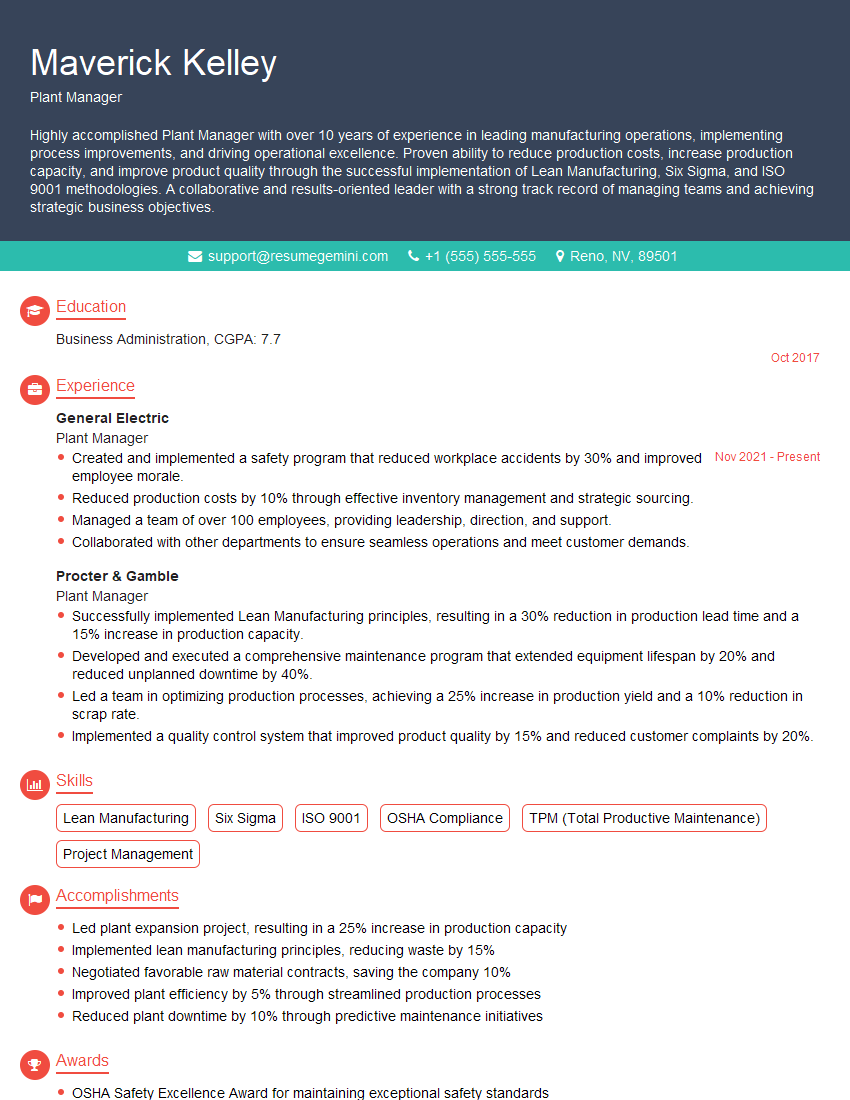
Plant Manager Resume Sample

Supply Chain Manager Resume Sample
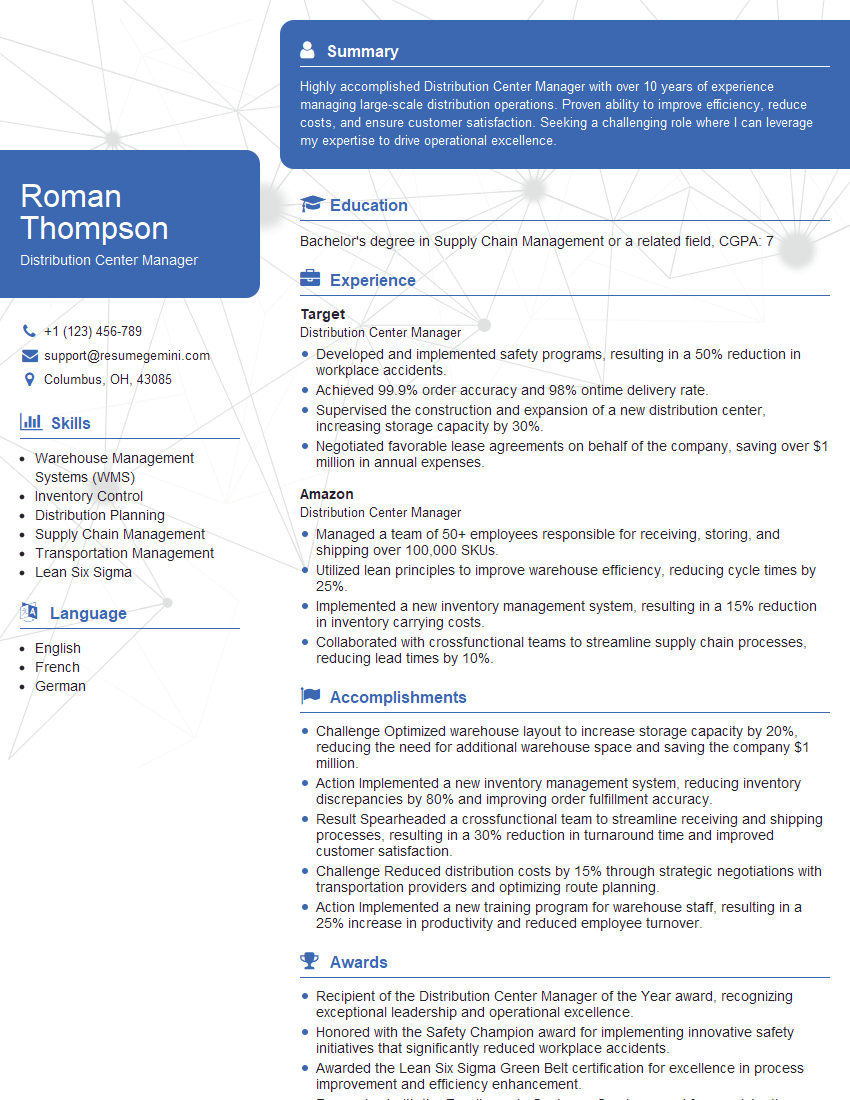
Distribution Center Manager Resume Sample
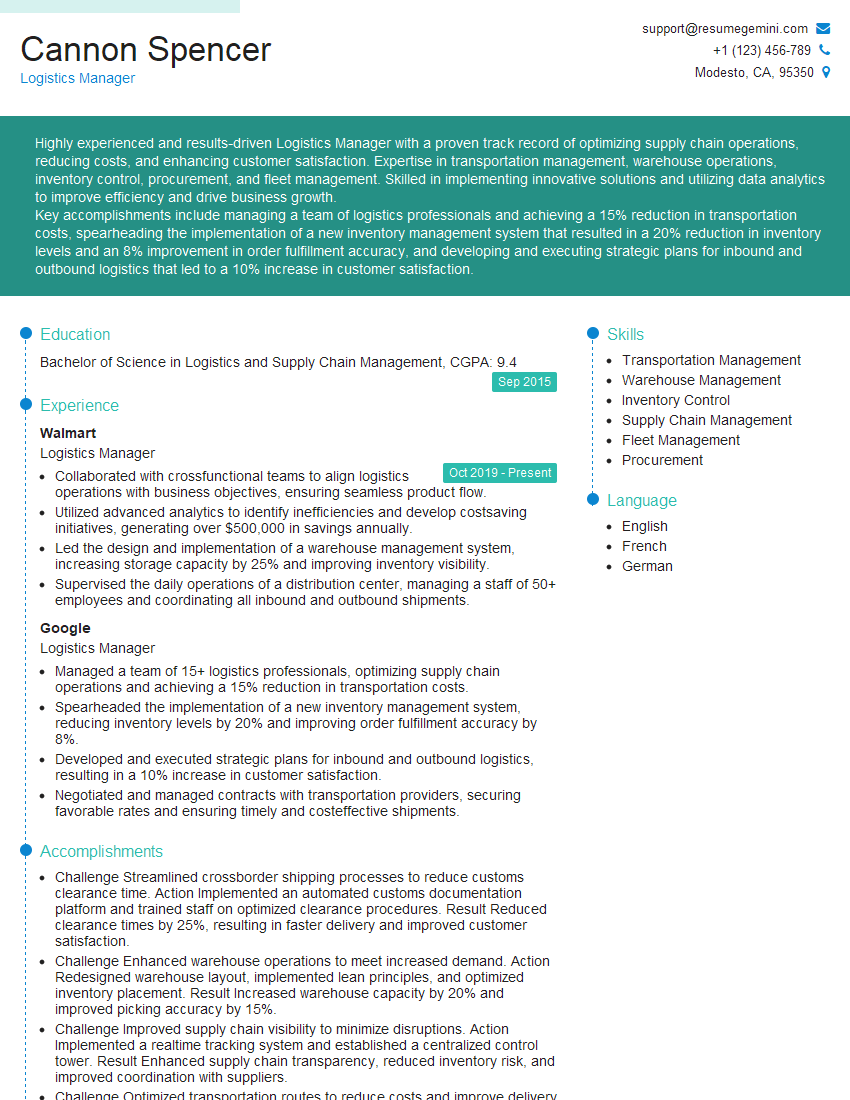
Logistics Manager Resume Sample
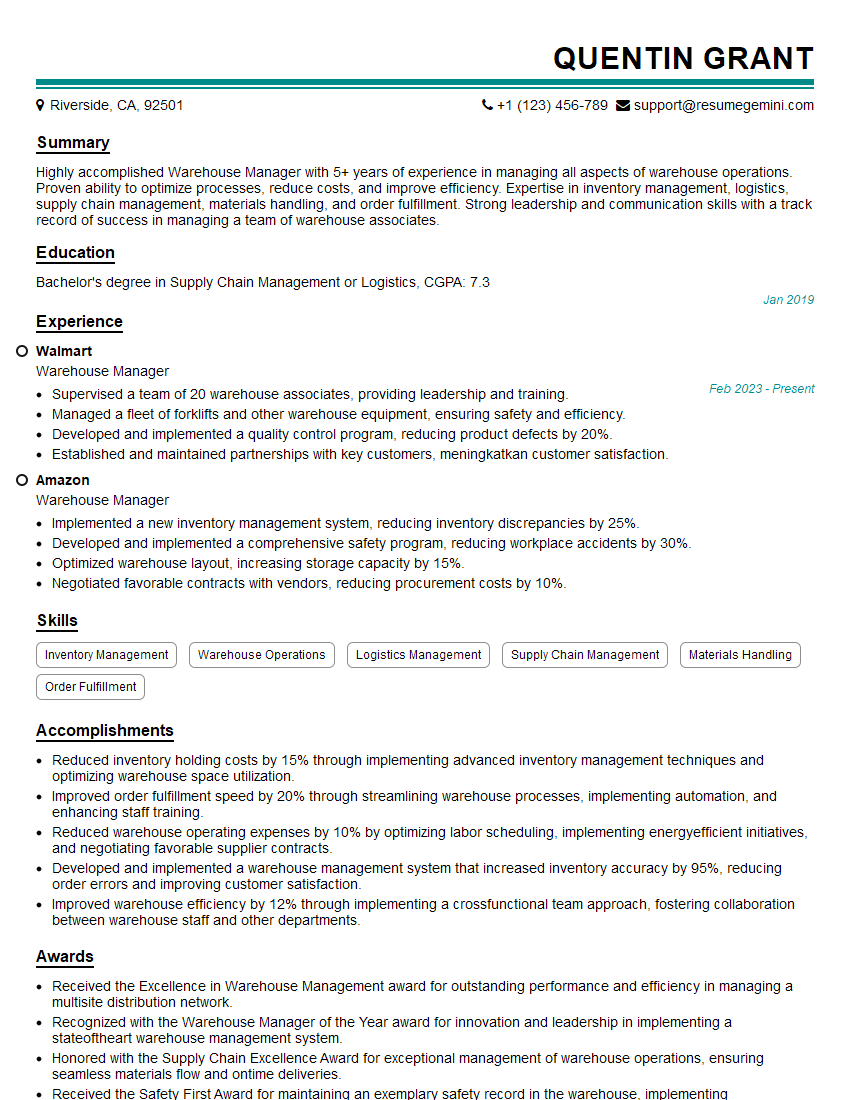
Warehouse Manager Resume Sample
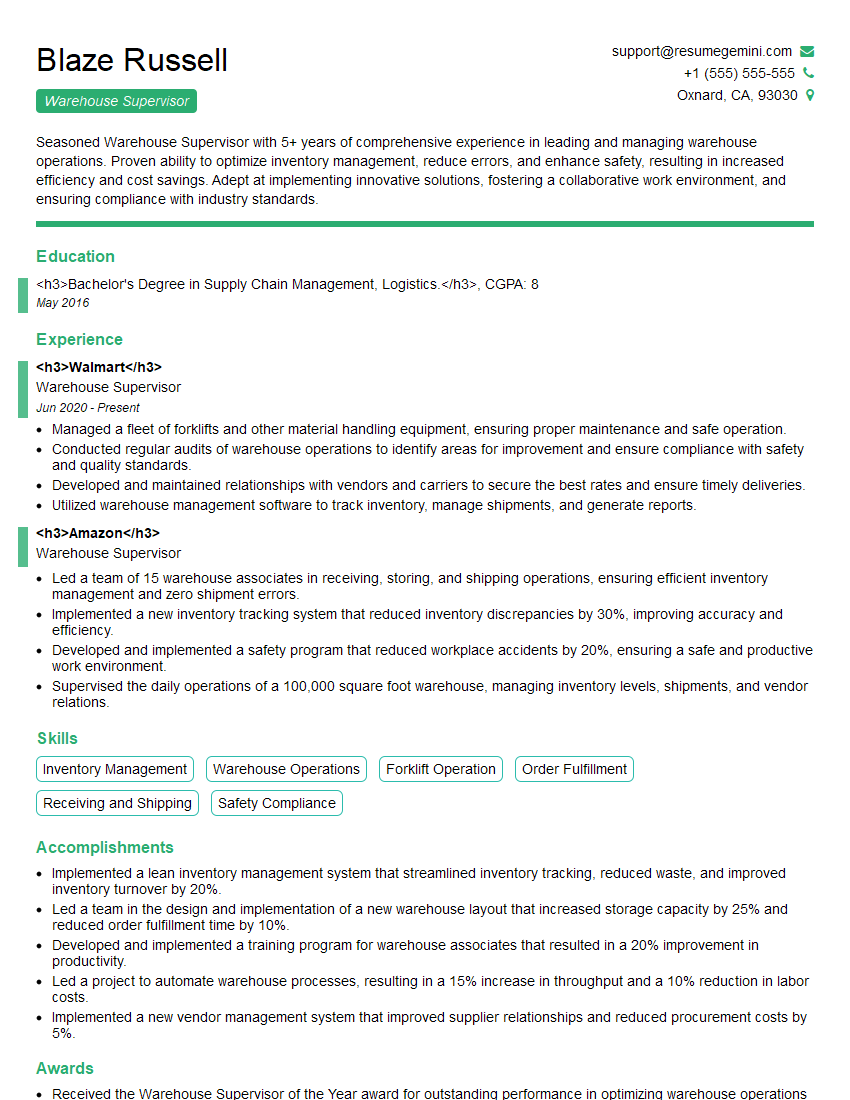
Warehouse Supervisor Resume Sample
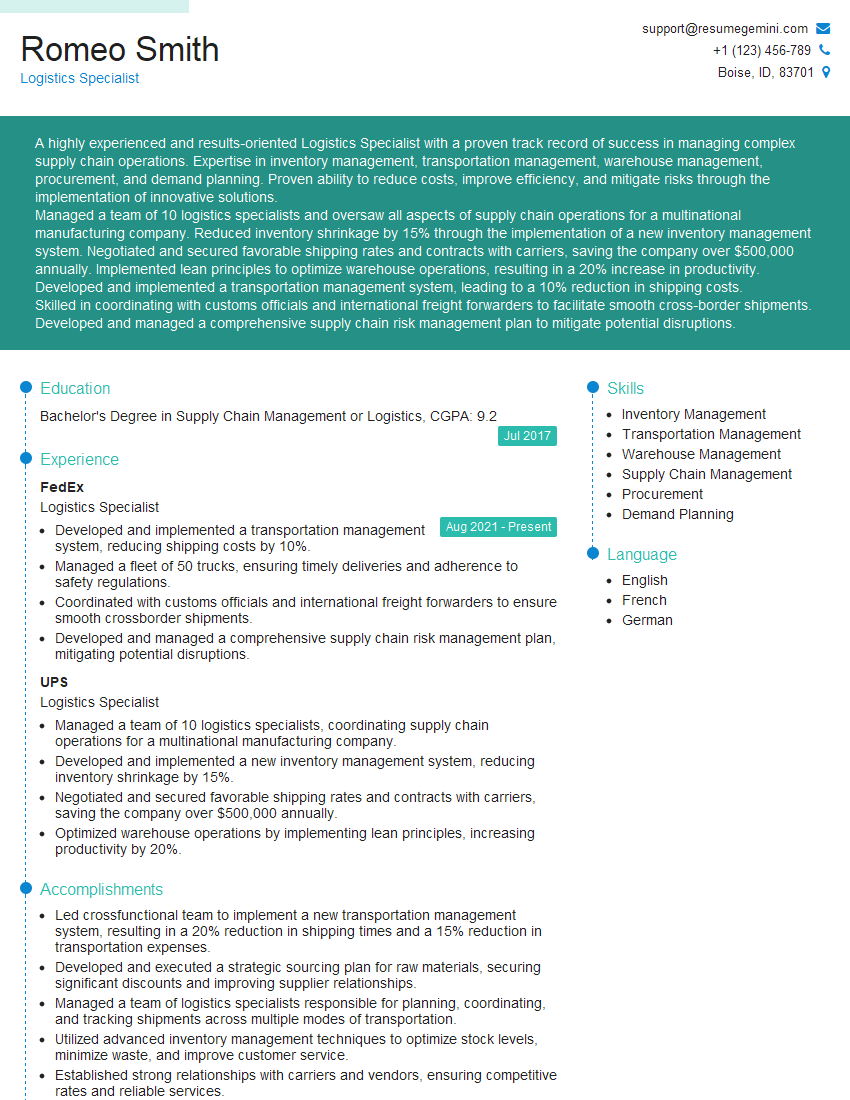
Logistics Specialist Resume Sample
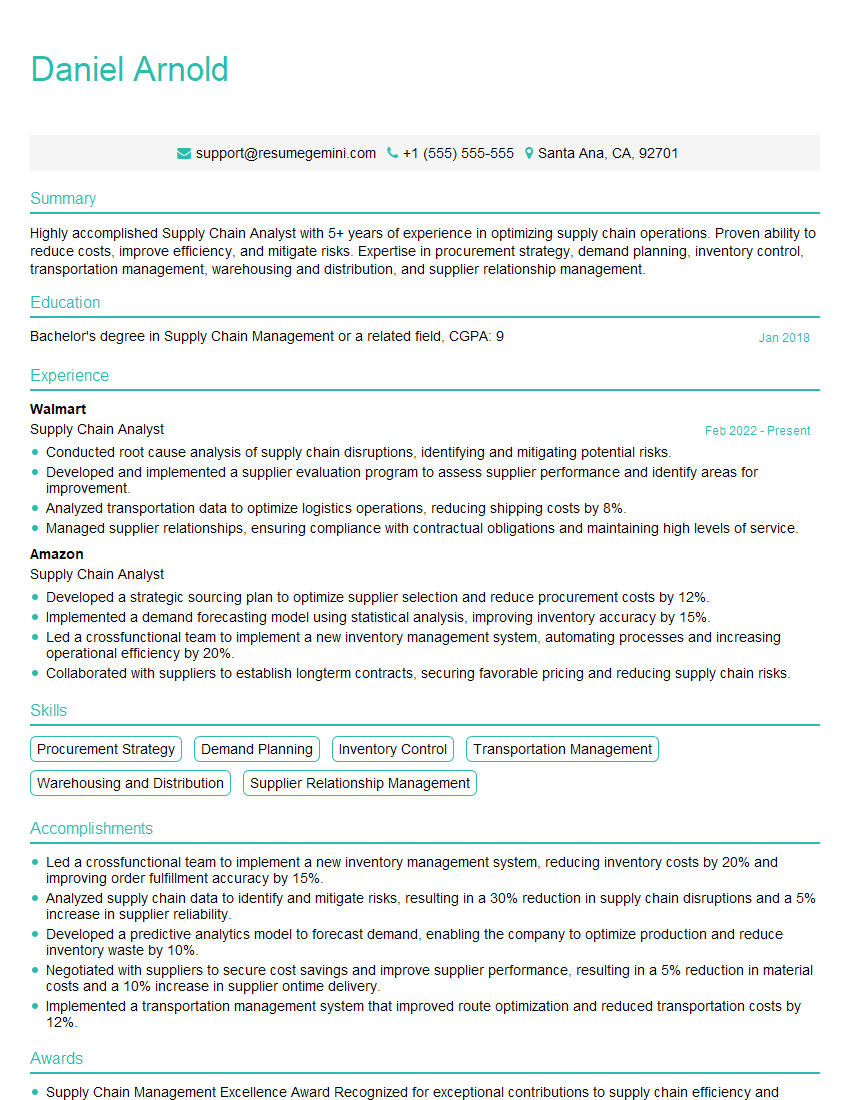
Supply Chain Analyst Resume Sample
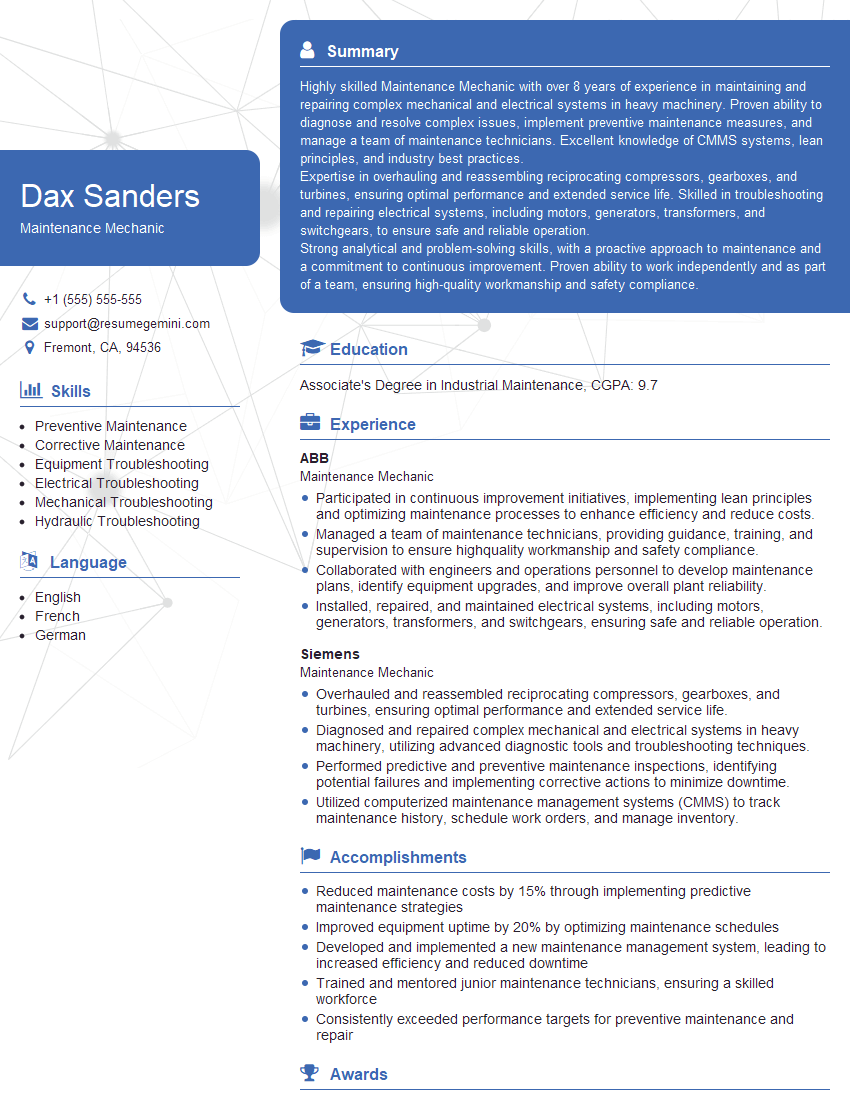
Maintenance Mechanic Resume Sample
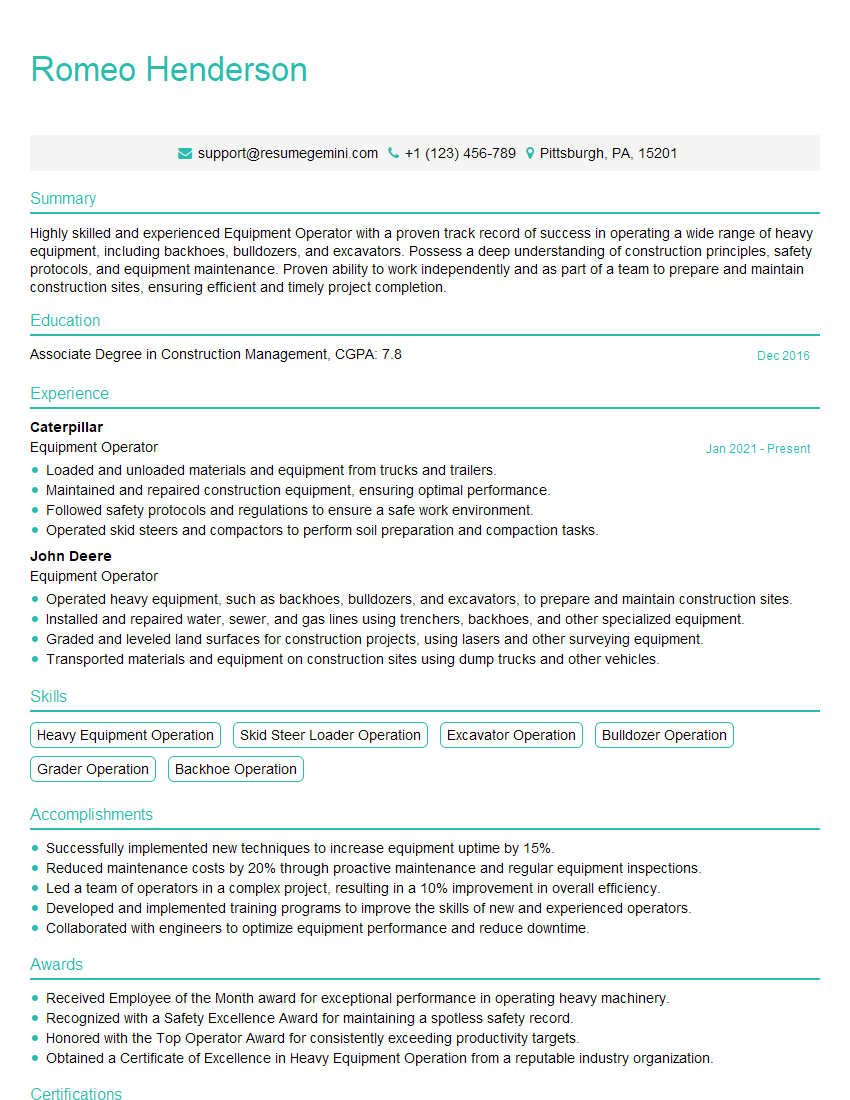
Equipment Operator Resume Sample
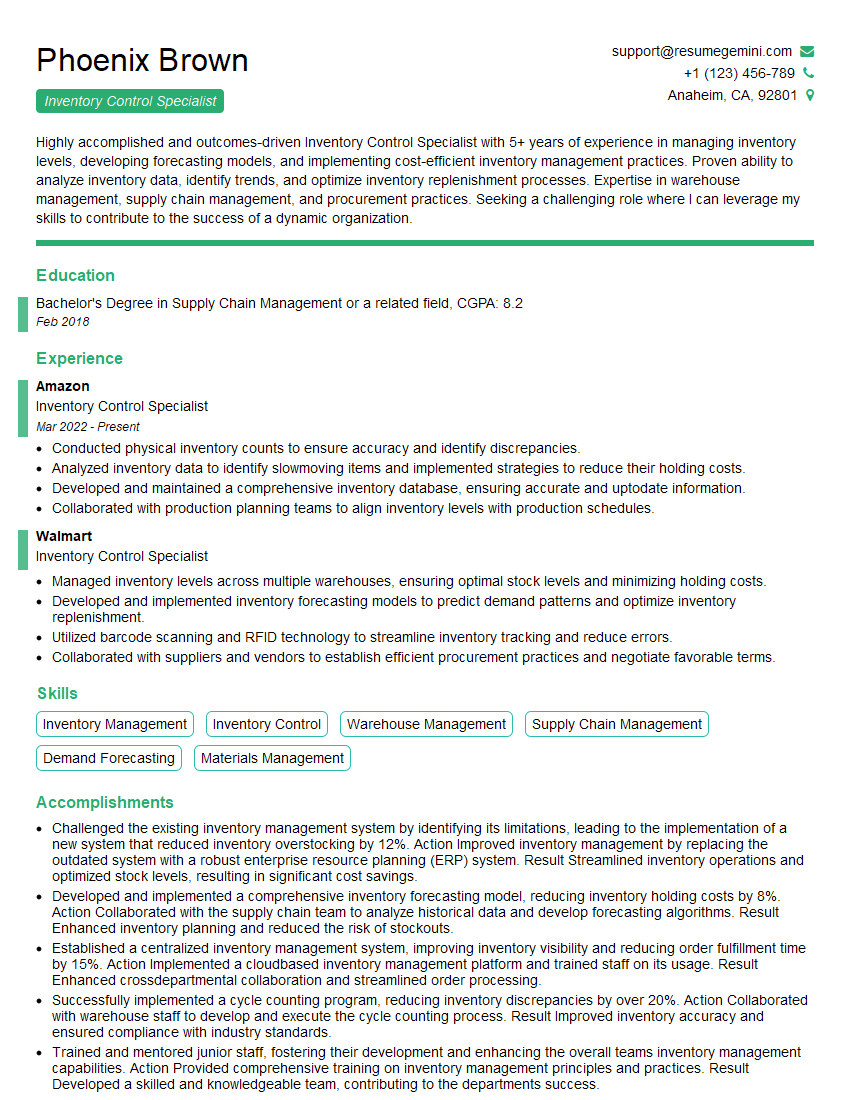
Inventory Control Specialist Resume Sample
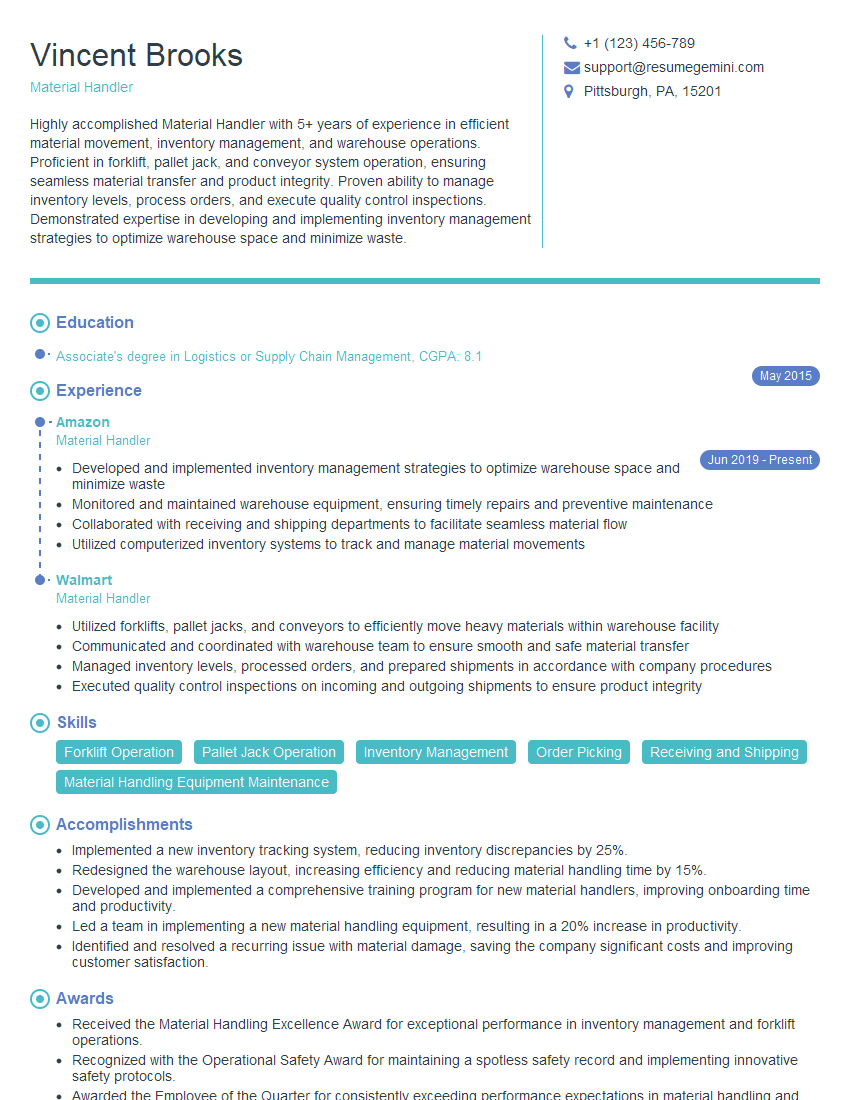
Material Handler Resume Sample
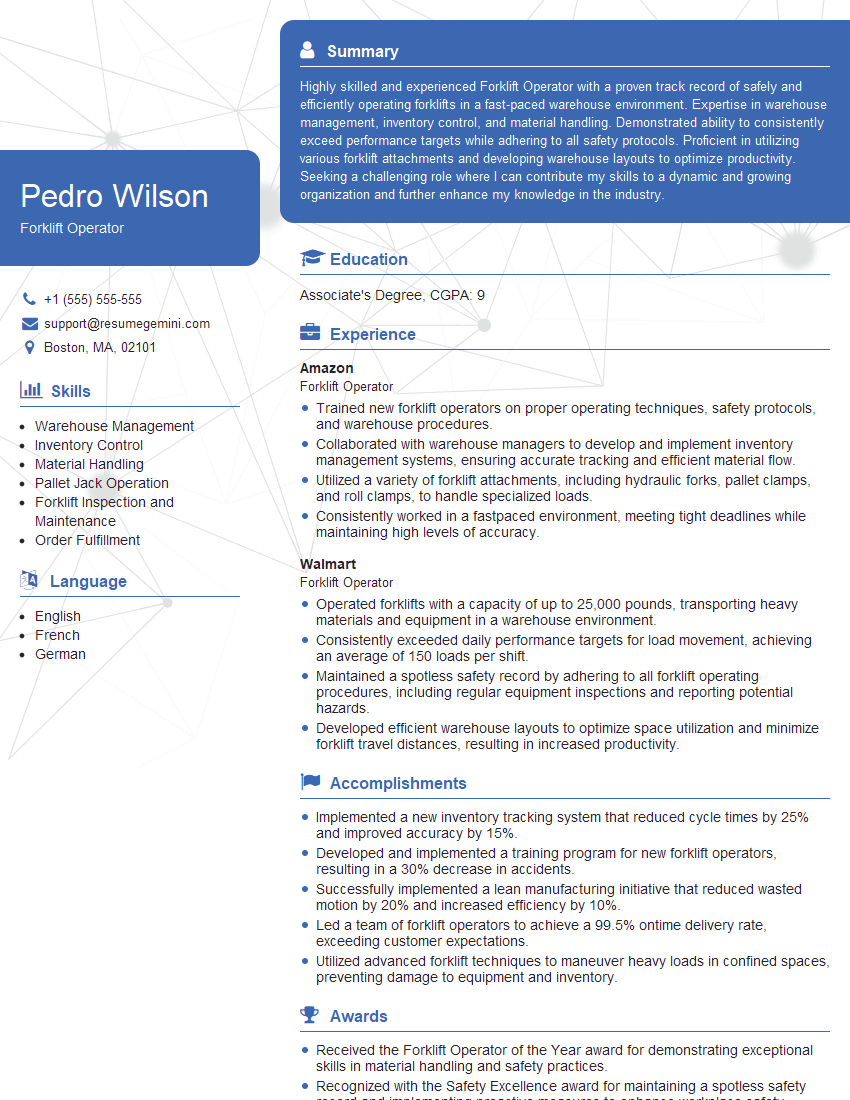
Forklift Operator Resume Sample
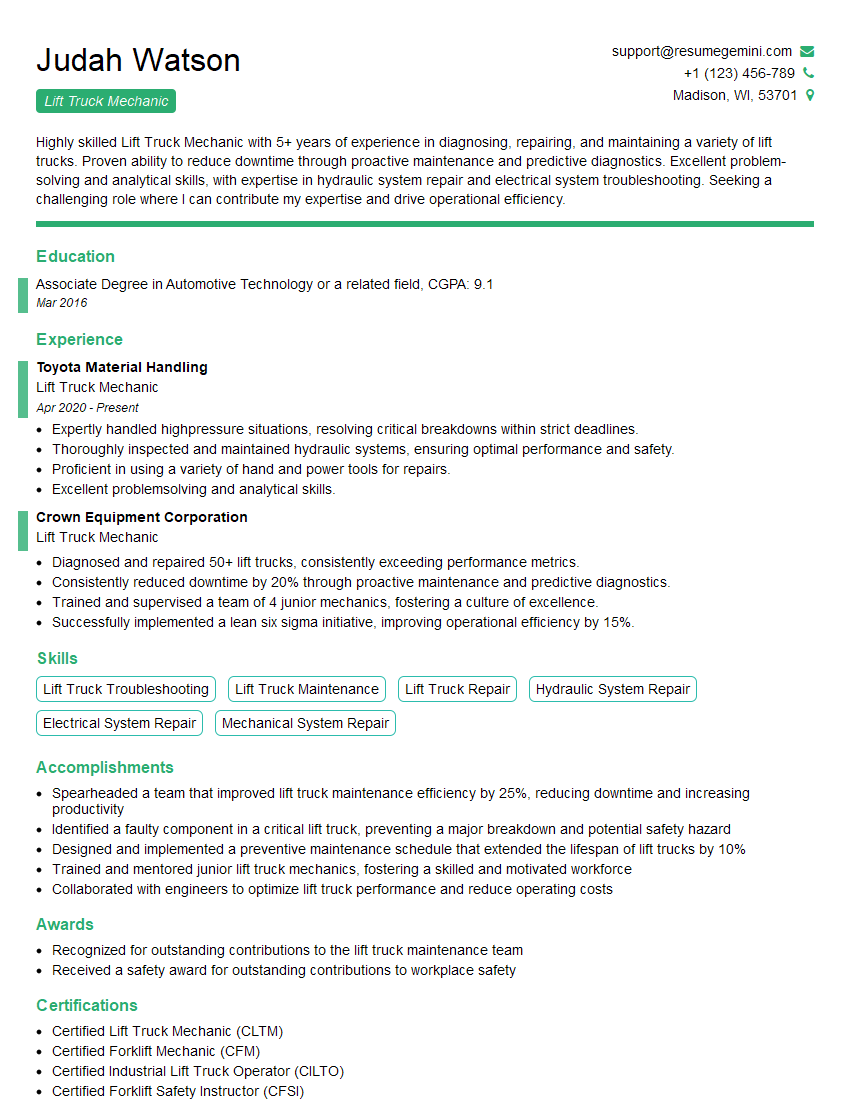
Lift Truck Mechanic Resume Sample
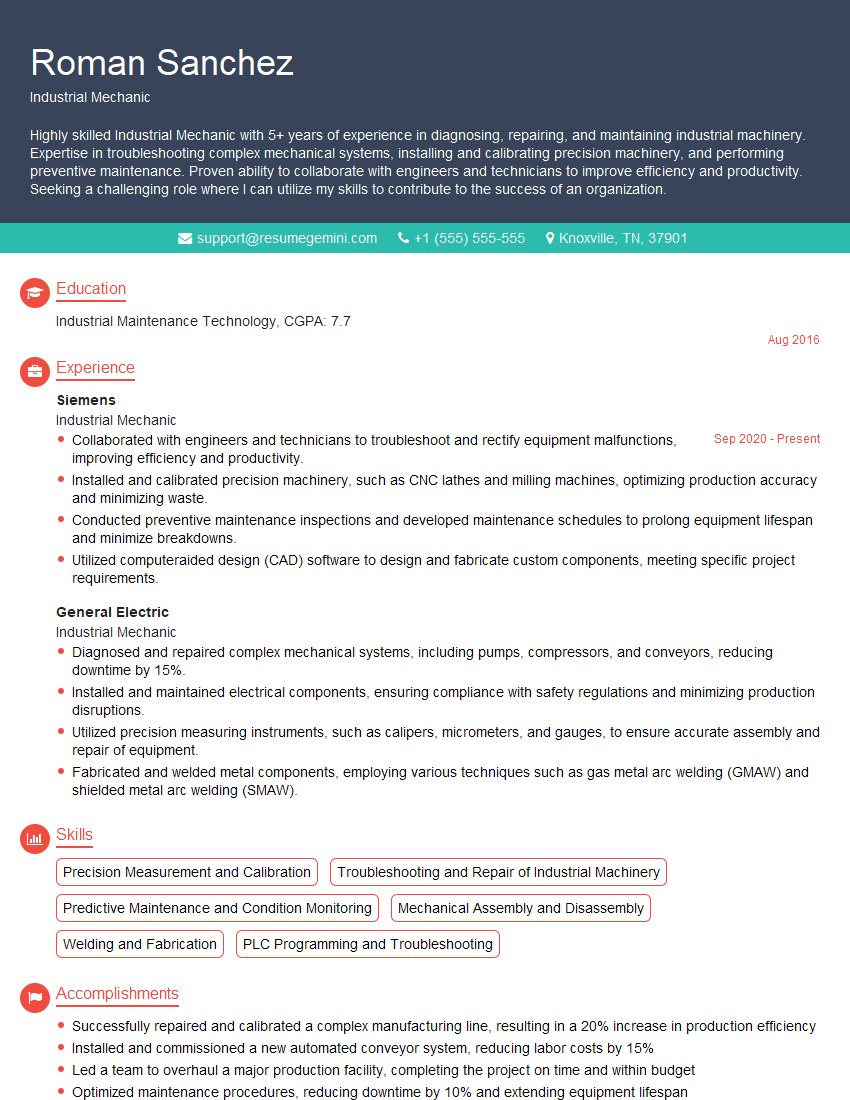
Industrial Mechanic Resume Sample
- Operations Manager
- Plant Manager
- Supply Chain Manager
- Distribution Center Manager
- Logistics Manager
- Warehouse Manager
- Warehouse Supervisor
- Logistics Specialist
- Supply Chain Analyst
- Maintenance Mechanic
- Equipment Operator
- Inventory Control Specialist
- Material Handler
- Forklift Operator
- Lift Truck Mechanic
- Industrial Mechanic
Explore more articles
Users Rating of Our Blogs
Share Your Experience
We value your feedback! Please rate our content and share your thoughts (optional).
What Readers Say About Our Blog
Very informative content, great job.
good