Every successful interview starts with knowing what to expect. In this blog, we’ll take you through the top Microbiology and Hygiene interview questions, breaking them down with expert tips to help you deliver impactful answers. Step into your next interview fully prepared and ready to succeed.
Questions Asked in Microbiology and Hygiene Interview
Q 1. Explain the difference between sterilization and disinfection.
Sterilization and disinfection are both methods of microbial control, but they differ significantly in their scope. Sterilization is the complete elimination or destruction of all forms of microbial life, including bacteria, viruses, fungi, and their spores, from an object or surface. Think of it as achieving absolute microbial cleanliness. Disinfection, on the other hand, reduces the number of viable microorganisms to a safe level, but doesn’t necessarily eliminate all of them. It targets primarily vegetative cells (actively growing microorganisms), not necessarily spores. Imagine sterilizing surgical instruments to eliminate any chance of infection versus disinfecting a countertop to reduce the risk of foodborne illness. The level of cleanliness achieved is the key differentiator.
For example, autoclaving (using pressurized steam) is a sterilization method, while using bleach to clean a spill is disinfection. Sterilization is typically required in healthcare settings, while disinfection is sufficient for many household applications.
Q 2. Describe the various methods used for microbial control.
Microbial control employs a variety of methods, broadly categorized as physical and chemical.
- Physical methods include:
- Heat: This is a common and highly effective method. Dry heat (e.g., incineration, hot-air oven) and moist heat (e.g., autoclaving, pasteurization) are used depending on the application and the material being treated. Autoclaving is particularly effective for sterilization.
- Radiation: Ionizing radiation (e.g., gamma rays, X-rays) and non-ionizing radiation (e.g., ultraviolet light) can damage microbial DNA, leading to inactivation or death. Ionizing radiation is often used to sterilize medical equipment and food.
- Filtration: This physical removal of microbes from liquids or gases is crucial for heat-sensitive materials. Membrane filters with specific pore sizes are used.
- Chemical methods use various agents to kill or inhibit microbial growth. These include:
- Disinfectants: Chemicals used on inanimate objects, like bleach, alcohol, and quaternary ammonium compounds.
- Antiseptics: Chemicals that are safe for application to living tissues, such as iodine and hydrogen peroxide.
- Antibiotics: These target specific bacterial infections within a living organism. Note that this is distinct from microbial control methods targeting inanimate surfaces.
The choice of method depends on factors like the type of microorganism, the material to be treated, cost, and the desired level of microbial reduction.
Q 3. What are the key principles of aseptic technique?
Aseptic technique is a collection of practices designed to prevent contamination of sterile materials and environments. Its key principles revolve around minimizing the introduction and spread of microorganisms. Think of it as creating a ‘microbial barrier’.
- Sterile field maintenance: Ensuring that all surfaces, instruments, and materials within a working area remain free from microbes.
- Hand hygiene: Thorough and frequent handwashing with soap and water or the use of an alcohol-based hand rub is crucial.
- Proper disposal of contaminated materials: Following protocols for disposing of used materials to avoid cross-contamination.
- Use of sterile equipment and supplies: Employing properly sterilized instruments and materials.
- Environmental control: Maintaining a clean and disinfected work environment to minimize microbial load.
In a clinical setting, aseptic technique is vital in preventing surgical site infections and other healthcare-associated infections. In a food preparation setting, it helps to prevent foodborne illnesses.
Q 4. Explain the role of microbial growth in food spoilage.
Microbial growth is the primary driver of food spoilage. Microorganisms, including bacteria, yeasts, and molds, utilize the nutrients present in food for their own growth and metabolism. This process leads to undesirable changes in the food’s appearance, texture, flavor, and odor.
For instance, bacteria can produce acids, gases, and enzymes that cause food to sour, become slimy, or develop off-flavors. Molds can create visible fuzzy growths and mycotoxins. Yeasts can ferment sugars, leading to undesirable alcoholic or acidic flavors. The rate and type of spoilage depend on factors such as the food’s composition, storage temperature, and the type and number of microorganisms present. Proper food handling and preservation techniques aim to slow or prevent microbial growth, thus extending shelf life and ensuring safety.
Q 5. Describe the different types of microbial identification methods.
Microbial identification uses various techniques to pinpoint the species or type of microorganism. Methods are broadly classified into phenotypic, genotypic, and immunological methods.
- Phenotypic methods examine observable characteristics, including morphology (shape, size, structure), staining properties (like Gram staining), growth characteristics (on different media), and metabolic activities (enzyme production, fermentation patterns). These are often the first steps in identification.
- Genotypic methods analyze the microorganism’s genetic material (DNA or RNA). Techniques include DNA sequencing (identifying specific gene sequences), Polymerase Chain Reaction (PCR) (amplifying specific DNA regions for detection), and DNA fingerprinting (comparing DNA patterns). These methods provide more precise and reliable identification, particularly for closely related species.
- Immunological methods utilize antibodies to detect specific microbial antigens. Techniques such as ELISA (enzyme-linked immunosorbent assay) and immunofluorescence assays can be used to identify the organism. These methods are very sensitive and specific.
In practice, often a combination of methods is employed for accurate and robust identification. For example, a Gram stain might be used initially to narrow down possibilities, followed by more specific tests such as biochemical assays or DNA sequencing.
Q 6. What are the common indicators of water contamination?
Water contamination can be indicated by the presence of various biological and chemical indicators. Biological indicators are microorganisms whose presence suggests fecal contamination, while chemical indicators may be naturally occurring or introduced through pollution.
- Presence of coliform bacteria: Escherichia coli (E. coli) is a common indicator of fecal contamination. Coliforms are bacteria that are typically found in the intestines of warm-blooded animals. Their presence indicates potential contamination with pathogens.
- High turbidity (cloudiness): This often indicates the presence of suspended solids, which might include microorganisms or other pollutants.
- Unusual odor or taste: Off-flavors or unpleasant odors can signal the presence of decaying organic matter or harmful chemicals.
- Elevated levels of nitrates or phosphates: These nutrients can indicate pollution from agricultural runoff or sewage.
- Presence of specific pathogens: While less frequently used as routine indicators, tests for specific waterborne pathogens (like Salmonella, Giardia, or Cryptosporidium) are performed when contamination is suspected.
The absence of indicators doesn’t guarantee the complete absence of all contaminants, but it provides an assessment of the water’s potability.
Q 7. How do you interpret a Gram stain result?
The Gram stain is a differential staining technique that classifies bacteria into two groups based on the structure of their cell walls: Gram-positive and Gram-negative. The interpretation relies on the color observed after staining.
- Gram-positive bacteria retain the crystal violet dye and appear purple or blue under a microscope. This is due to a thick peptidoglycan layer in their cell wall that retains the dye.
- Gram-negative bacteria lose the crystal violet dye during the decolorization step and take up the counterstain (safranin), appearing pink or red. This is because they have a thinner peptidoglycan layer and an outer membrane that prevents the dye from being retained.
Therefore, interpreting a Gram stain involves observing the color of the stained bacteria. Purple/blue indicates Gram-positive, while pink/red indicates Gram-negative. This initial classification is a crucial step in bacterial identification, guiding further tests and helping to determine appropriate treatment strategies, especially in clinical settings.
Q 8. Explain the difference between Gram-positive and Gram-negative bacteria.
Gram-positive and Gram-negative bacteria are differentiated based on the structure of their cell walls, a key characteristic revealed by the Gram staining technique. This technique uses crystal violet dye and a counterstain (safranin).
Gram-positive bacteria possess a thick peptidoglycan layer in their cell wall, which retains the crystal violet dye, resulting in a purple color after staining. Think of it like a thick, absorbent sponge holding onto the dye. Examples include Staphylococcus aureus and Streptococcus pneumoniae.
Gram-negative bacteria have a thinner peptidoglycan layer, sandwiched between an outer membrane and the inner cytoplasmic membrane. The outer membrane prevents the crystal violet from being retained, so after washing, the counterstain safranin stains them pink or red. Imagine this as a thin, less absorbent layer that lets the dye wash away. Examples include Escherichia coli and Pseudomonas aeruginosa.
This difference in cell wall structure impacts their susceptibility to antibiotics. For example, penicillin targets peptidoglycan synthesis, making it more effective against Gram-positive bacteria.
Q 9. What are the key safety precautions when handling biohazardous materials?
Handling biohazardous materials requires strict adherence to safety protocols to prevent exposure and contamination. Key precautions include:
- Personal Protective Equipment (PPE): Always wear appropriate PPE, such as gloves, lab coats, eye protection, and sometimes respirators, depending on the specific hazard.
- Biosafety Cabinets: Perform manipulations of infectious agents within biosafety cabinets (BSC) to contain aerosols and prevent contamination. The class of BSC used depends on the risk level of the biohazard.
- Aseptic Techniques: Employ strict aseptic techniques to minimize contamination, including sterilizing work surfaces, using sterile equipment, and working in a clean environment.
- Waste Disposal: Dispose of all biohazardous waste according to institutional guidelines. This usually involves autoclaving (sterilization using high pressure steam) before disposal.
- Training and Competency: All personnel handling biohazardous materials must receive appropriate training and demonstrate competency in safe handling procedures.
- Emergency Procedures: Familiarize yourself with emergency procedures, including spill cleanup and reporting protocols, in case of accidental exposure.
For example, working with a known carcinogen requires specific precautions beyond standard microbiological practices. Each lab should have a detailed safety manual outlining procedures specific to the hazards handled.
Q 10. Describe the process of bacterial sporulation and germination.
Bacterial sporulation is a survival mechanism employed by some bacteria, primarily Bacillus and Clostridium species, in response to environmental stress, such as nutrient depletion or desiccation. It’s essentially a process of self-preservation.
The process involves the formation of an endospore, a highly resistant, dormant structure within the bacterial cell. This involves several stages, including DNA replication, septum formation, engulfment of the forespore, cortex formation, coat synthesis, and finally, lysis of the mother cell, releasing the mature endospore.
Germination is the opposite process – the endospore reanimates and returns to its vegetative state. This is triggered by favorable environmental conditions, such as the presence of water, nutrients, and a suitable temperature. The process involves activation (often by heat), germination (breaking down the endospore coat and releasing the vegetative cell), and outgrowth (emergence of the vegetative cell). Imagine a seed (endospore) waiting for ideal conditions (water, nutrients, sunlight) to sprout into a plant (vegetative cell).
The resilience of endospores makes them significant in various contexts, from food spoilage to clinical infections. For example, Clostridium botulinum endospores can survive harsh conditions, causing botulism if they germinate in improperly canned foods.
Q 11. What are the main causes of nosocomial infections?
Nosocomial infections, also known as healthcare-associated infections (HAIs), are infections acquired in a healthcare setting. They are a major concern due to their potential severity and impact on patient outcomes. The main causes are:
- Antibiotic-resistant organisms: The widespread use of antibiotics in healthcare settings has led to the emergence of multi-drug resistant bacteria, making treatment more challenging.
- Compromised immune systems: Patients in healthcare settings often have weakened immune systems due to illness or medical treatments, making them more susceptible to infections.
- Medical devices: Invasive medical devices like catheters and ventilators provide entry points for pathogens.
- Poor hand hygiene: Inadequate hand hygiene among healthcare workers is a major contributor to the spread of infections.
- Contaminated surfaces: Contaminated surfaces in healthcare settings can harbor pathogens and facilitate transmission.
- Transmission via healthcare workers: Healthcare workers can inadvertently transmit pathogens between patients if appropriate infection control measures aren’t followed.
For example, a urinary tract infection acquired after catheterization is a common nosocomial infection. Preventing HAIs requires a multi-pronged approach, including hand hygiene, sterilization of equipment, and infection control protocols.
Q 12. How do you prevent cross-contamination in a laboratory setting?
Preventing cross-contamination in a laboratory setting is crucial to ensure accurate results and prevent the spread of potentially harmful microorganisms. Key strategies include:
- Spatial separation: Designated areas for different types of work (e.g., sample preparation, culture work, DNA extraction) to minimize the chance of contamination.
- Proper sterilization techniques: Sterilizing all equipment and work surfaces with appropriate methods like autoclaving, UV irradiation, or chemical disinfection.
- Aseptic techniques: Utilizing aseptic techniques during all procedures, including working near a Bunsen burner flame to create an upward air current to prevent contamination from airborne microbes.
- Appropriate personal protective equipment (PPE): Consistent use of PPE, including gloves, lab coats, and eye protection.
- Designated equipment: Using separate pipettes, loops, and other tools for each sample to avoid cross-contamination.
- Waste disposal: Proper and safe disposal of all contaminated materials, following laboratory safety regulations.
- Regular cleaning and disinfection: A scheduled and meticulous cleaning and disinfection of all surfaces and equipment.
For instance, preparing media for bacterial cultures requires strict aseptic techniques to prevent contamination with unwanted microorganisms, which could lead to inaccurate experimental results.
Q 13. Explain the importance of hand hygiene in infection control.
Hand hygiene is the cornerstone of infection control. It’s a simple yet incredibly effective method to prevent the transmission of pathogens. Hands act as vectors, easily transferring microorganisms from contaminated surfaces or individuals to other surfaces or individuals.
Effective hand hygiene involves washing hands with soap and water for at least 20 seconds, or using an alcohol-based hand rub when soap and water aren’t readily available. Proper technique includes covering all surfaces of the hands and fingers, paying close attention to areas under fingernails.
The importance is multifaceted: it protects healthcare workers from exposure to pathogens, preventing them from becoming ill and spreading infections; it protects patients from acquiring infections during healthcare interactions; and it minimizes the spread of pathogens within the community. Hand hygiene is crucial not just in healthcare settings, but also in food preparation, childcare, and any setting where hygiene is important to prevent disease spread.
Q 14. Describe the role of microbial communities (biofilms) in various environments.
Microbial communities, or biofilms, are complex aggregates of microorganisms that adhere to surfaces and are encased in a self-produced extracellular polymeric substance (EPS) matrix. They play a significant role in various environments:
- Human health: Biofilms contribute to persistent infections, such as those on medical implants or in chronic wounds. Their resistance to antibiotics makes treatment challenging.
- Environmental processes: Biofilms play key roles in nutrient cycling, biogeochemical transformations, and the degradation of pollutants in aquatic and terrestrial ecosystems.
- Industrial applications: Biofilms can be utilized in various biotechnological applications, such as wastewater treatment, bioremediation, and the production of biofuels.
- Food industry: Biofilms can cause spoilage and contamination of food products, affecting food safety and quality.
- Marine environments: Biofilms form the foundation of many marine ecosystems, providing habitats for various organisms and influencing nutrient dynamics.
For example, the slimy layer you see on rocks in a stream is a biofilm; in the human body, biofilms can form on teeth, leading to dental plaque and cavities. Understanding biofilm formation and behavior is crucial for developing effective strategies to control infections, improve environmental processes, and advance biotechnology applications.
Q 15. What are the common methods for assessing the effectiveness of sanitation procedures?
Assessing sanitation effectiveness relies on a multi-pronged approach, combining direct and indirect methods. Direct methods involve detecting the presence of specific microorganisms. Indirect methods assess the level of cleanliness by measuring surrogate indicators.
Microbial Sampling and Culturing: Swabs or other sampling methods collect specimens from surfaces. These are then cultured on appropriate media to determine the number and types of microorganisms present. A reduction in colony-forming units (CFUs) after sanitation indicates effectiveness. For example, a kitchen counter might be sampled before and after cleaning, comparing CFU counts to see if the cleaning process significantly reduced the microbial load.
ATP Bioluminescence: This rapid method measures adenosine triphosphate (ATP), the energy molecule found in all living cells. High ATP levels indicate a high concentration of microorganisms. A decrease in ATP after sanitation implies effective cleaning. Imagine using this in a hospital operating room to quickly assess the cleanliness of a surgical field.
Indicator Organisms: Instead of detecting all microbes, we use indicator organisms like E. coli (for fecal contamination) or coliforms (indicating general sewage contamination). Their presence signals potential contamination even if pathogenic organisms aren’t directly detected. This is crucial in water quality testing.
Visual Inspection: Though less precise, visual inspection helps identify visible soiling, which often correlates with microbial contamination. A clean surface, free of visible residue, suggests effective sanitation although it doesn’t definitively guarantee the absence of microbes.
The choice of method depends on the context. A hospital might use a combination of culturing, ATP bioluminescence, and visual inspection, while a food processing facility might prioritize indicator organism testing and microbial culturing.
Career Expert Tips:
- Ace those interviews! Prepare effectively by reviewing the Top 50 Most Common Interview Questions on ResumeGemini.
- Navigate your job search with confidence! Explore a wide range of Career Tips on ResumeGemini. Learn about common challenges and recommendations to overcome them.
- Craft the perfect resume! Master the Art of Resume Writing with ResumeGemini’s guide. Showcase your unique qualifications and achievements effectively.
- Don’t miss out on holiday savings! Build your dream resume with ResumeGemini’s ATS optimized templates.
Q 16. Explain the concept of microbial resistance to antibiotics.
Microbial resistance to antibiotics occurs when bacteria develop mechanisms to survive exposure to drugs that would normally kill them or inhibit their growth. This is a major global health concern.
Genetic Mutation: Bacteria can spontaneously mutate, leading to changes in their DNA that render them resistant to a particular antibiotic. This mutation can be passed on to daughter cells.
Horizontal Gene Transfer: Bacteria can share genetic material, including resistance genes, with other bacteria through processes like conjugation (direct transfer), transformation (uptake of free DNA), or transduction (transfer via bacteriophages). This allows resistant strains to spread rapidly.
Efflux Pumps: Some bacteria possess efflux pumps that actively expel antibiotics from the cell, preventing them from reaching their target. These pumps can be encoded on plasmids (small, circular DNA molecules) and can be easily transferred between bacteria.
Enzyme Inactivation: Certain bacteria produce enzymes that chemically modify or inactivate antibiotics, making them ineffective. Beta-lactamases, for example, inactivate beta-lactam antibiotics such as penicillin.
Overuse and misuse of antibiotics are the primary drivers of resistance. The inappropriate use of antibiotics in human medicine, agriculture, and aquaculture contributes to the spread of resistant strains, making infections increasingly difficult to treat.
Q 17. How do you interpret the results of a microbial culture?
Interpreting microbial culture results involves analyzing the type, number, and characteristics of microorganisms grown on culture media.
Type of Microorganism: Identification is often based on colony morphology (size, shape, color, texture), Gram staining (differentiating Gram-positive and Gram-negative bacteria), biochemical tests (metabolic capabilities), and sometimes molecular methods (e.g., 16S rRNA gene sequencing).
Number of Microorganisms: This is usually expressed as colony-forming units (CFUs) per milliliter or gram of sample. High CFU counts suggest significant contamination, while low counts might indicate a less severe issue.
Characteristics of Growth: The appearance of the culture—e.g., hemolysis (breakdown of red blood cells) on blood agar, pigment production, or the presence of specific biochemical reactions—can provide additional clues about the identity and characteristics of the microorganism.
For example, a high CFU count of Staphylococcus aureus on a wound culture suggests a significant infection that might require treatment with antibiotics. A culture showing no growth indicates that the sample was either sterile or that the microorganisms present could not grow under the conditions used.
Q 18. What are the common types of bacterial toxins?
Bacterial toxins are poisonous substances produced by bacteria. They are categorized into two main types:
Exotoxins: These are proteins secreted by living bacteria into their surroundings. They are often highly potent and specific in their action, targeting particular cells or tissues. Examples include:
- Botulinum toxin (Clostridium botulinum): Causes botulism, a severe form of food poisoning.
- Cholera toxin (Vibrio cholerae): Causes cholera, leading to severe diarrhea and dehydration.
- Diphtheria toxin (Corynebacterium diphtheriae): Causes diphtheria, a respiratory infection.
Endotoxins: These are lipopolysaccharides (LPS) found in the outer membrane of Gram-negative bacteria. They are released when the bacteria die and lyse (break open). Endotoxins are less potent and less specific than exotoxins but can trigger a strong inflammatory response, leading to fever, shock, and even death. E. coli, for instance, possesses endotoxins.
Understanding the type of toxin produced is crucial in treating bacterial infections. Antitoxin therapies are available for some exotoxins, while endotoxins require supportive care to manage the inflammatory response.
Q 19. Describe the principles of ELISA and PCR in microbiology.
ELISA (Enzyme-Linked Immunosorbent Assay) and PCR (Polymerase Chain Reaction) are two widely used techniques in microbiology for detecting and quantifying microorganisms or their components.
ELISA: This is an immunological assay that detects the presence of an antigen (e.g., a bacterial protein) or antibody in a sample. It relies on the highly specific binding between an antibody and its target antigen. An enzyme linked to the antibody produces a detectable signal, indicating the presence of the target. ELISAs are widely used in diagnosing infectious diseases, detecting food contaminants, and environmental monitoring. Different formats (direct, indirect, sandwich) offer various sensitivities and applications.
PCR: This is a molecular technique that amplifies a specific DNA sequence from a sample. It allows detection of even tiny amounts of microbial DNA, enabling identification of microorganisms even when they are difficult to culture. Real-time PCR (qPCR) can also quantify the amount of target DNA. PCR is used for many things, including diagnosing infectious diseases, identifying bacterial species, and detecting genetically modified organisms.
ELISA is simpler and often faster than PCR but may have lower sensitivity. PCR offers much greater sensitivity and specificity but requires more specialized equipment and technical expertise.
Q 20. Explain the role of microorganisms in environmental remediation.
Microorganisms play a vital role in environmental remediation, also known as bioremediation, by breaking down pollutants and restoring ecosystems. Various strategies leverage their metabolic capabilities.
Biodegradation of Pollutants: Bacteria and fungi can metabolize many organic pollutants such as oil spills, pesticides, and industrial solvents, breaking them down into less harmful substances. For example, certain bacteria can degrade petroleum hydrocarbons, which is used in cleaning up oil spills.
Bioaugmentation: This involves introducing specific microorganisms to an environment to enhance the degradation of pollutants. Scientists might add specialized bacteria to contaminated soil to accelerate the breakdown of a particular toxic compound.
Biostimulation: This involves optimizing environmental conditions (e.g., nutrient availability, oxygen levels, pH) to encourage the growth and activity of naturally occurring microorganisms capable of degrading pollutants. Adding nutrients to contaminated soil to support the growth of indigenous pollutant-degrading bacteria is one example.
Bioventing: This technique involves supplying air to the subsurface soil to enhance the aerobic biodegradation of volatile organic compounds (VOCs).
Bioremediation is a sustainable and cost-effective alternative to traditional remediation methods, offering environmentally friendly solutions for pollution cleanup.
Q 21. How do you validate the effectiveness of sterilization methods?
Validating sterilization methods ensures that they consistently eliminate all forms of microbial life. This involves a combination of physical and biological monitoring.
Physical Monitoring: This measures parameters such as temperature, pressure, and time during the sterilization cycle. Data loggers and indicators provide evidence that the process was performed correctly. For example, an autoclave’s temperature and pressure should be carefully monitored and recorded.
Biological Monitoring: This uses biological indicators (BIs)—spore strips containing highly resistant microorganisms like Geobacillus stearothermophilus for steam sterilization or Bacillus atrophaeus for dry heat—to verify the effectiveness of the sterilization cycle. After sterilization, the BIs are cultured. Absence of growth confirms sterilization efficacy. This is the gold standard for sterilization validation.
Process Simulation Studies: These can use physical and chemical indicators to mimic sterilization conditions and verify the distribution of sterilizing agent within a specific instrument or load. This might involve placing chemical indicators at different points in a surgical pack.
Regular validation ensures that equipment functions correctly and that sterilization procedures are effective. This is critical in medical settings, where proper sterilization prevents the spread of infections.
Q 22. What is the difference between endotoxin and exotoxin?
Endotoxins and exotoxins are both toxins produced by bacteria, but they differ significantly in their structure, origin, and effects. Think of it like this: exotoxins are like carefully crafted weapons, specifically designed and released by the bacteria to cause harm, while endotoxins are more like accidental casualties, components of the bacteria themselves that cause harm only when the bacteria are damaged or lysed.
- Exotoxins: These are proteins secreted by living bacteria into the surrounding environment. They are highly potent and can cause specific diseases even in small amounts. Examples include the botulinum toxin (responsible for botulism) and the diphtheria toxin. They often have specific targets within the host’s body.
- Endotoxins: These are lipopolysaccharides (LPS) found in the outer membrane of Gram-negative bacteria. They are released only when the bacteria die and their cell walls break down. They are less potent than exotoxins but can cause a wide range of systemic effects like fever, inflammation, and shock – essentially, a generalized response to bacterial infection. A common example is the LPS found in E. coli.
The key difference lies in their release mechanism and the type of immune response they elicit. Exotoxins are more targeted in their effects, while endotoxins trigger a more general inflammatory response.
Q 23. What are the common indicators of foodborne illness?
Foodborne illnesses, also known as food poisoning, manifest in various ways, depending on the causative agent. Common indicators include:
- Gastrointestinal Symptoms: These are the most prevalent, including nausea, vomiting, diarrhea, abdominal cramps, and fever. The severity can range from mild discomfort to severe dehydration.
- Neurological Symptoms: Some foodborne illnesses, like botulism, can affect the nervous system, causing paralysis, blurred vision, and difficulty speaking.
- Other Symptoms: Depending on the pathogen, you might experience symptoms like headache, muscle aches, or skin rashes.
The onset of symptoms varies greatly, from a few hours to several days after consuming contaminated food. If you experience several of these symptoms after eating, it’s crucial to seek medical attention, especially if symptoms are severe or persistent.
Remember, prompt medical attention is crucial for severe cases, to prevent complications from dehydration or other serious consequences.
Q 24. Explain the principles of HACCP (Hazard Analysis and Critical Control Points).
HACCP (Hazard Analysis and Critical Control Points) is a systematic, preventive approach to food safety that identifies potential hazards and establishes measures to control them. Imagine building a house: HACCP is like creating a blueprint to ensure the structure is safe and sound.
The seven principles of HACCP are:
- Conduct a hazard analysis: Identify biological, chemical, and physical hazards that could occur during food production.
- Determine critical control points (CCPs): These are steps in the process where control can be applied and is essential to prevent or eliminate a food safety hazard or reduce it to an acceptable level.
- Establish critical limits: Set measurable parameters (e.g., temperature, time) for each CCP that must be met to prevent hazards.
- Establish monitoring procedures: Implement methods to monitor CCPs and ensure critical limits are met.
- Establish corrective actions: Define procedures to take when a critical limit is not met.
- Establish verification procedures: Implement methods to confirm that the HACCP system is working as intended.
- Establish record-keeping and documentation procedures: Maintain thorough records of all HACCP activities.
By following these principles, food businesses can significantly reduce the risk of foodborne illnesses.
Q 25. Describe different types of microbial media and their uses.
Microbial media are nutrient-rich substances used to grow microorganisms in a laboratory setting. They’re essentially the ‘food’ for microbes. Different types of media are used for different purposes, much like we use different types of food for different nutritional needs.
- Nutrient agar: A general-purpose medium that supports the growth of a wide variety of microorganisms. Think of it as a balanced meal for microbes.
- Blood agar: Enriched medium containing blood, often used to grow fastidious (fussy) organisms that require extra nutrients. This is like a gourmet meal for picky eaters.
- MacConkey agar: A selective and differential medium used to isolate and identify Gram-negative bacteria. This is like a specialized diet, only certain microbes can thrive on it.
- Sabouraud dextrose agar: A selective medium used to grow fungi. It has a lower pH, making it less favorable for bacteria.
- Thioglycollate broth: Used to determine the oxygen requirements of microorganisms; it allows for both aerobic and anaerobic growth.
The choice of medium depends on the specific microorganism being cultured and the goals of the experiment.
Q 26. What are the challenges associated with detecting and controlling emerging infectious diseases?
Detecting and controlling emerging infectious diseases present significant challenges. Imagine a detective trying to solve a new type of crime – they don’t have the tools or experience to immediately understand the culprit.
- Rapid Evolution: Pathogens evolve quickly, making it difficult to develop effective diagnostics and vaccines.
- Lack of Prior Knowledge: We often lack information about the disease’s transmission, pathogenesis, and treatment.
- Global Travel: Rapid global travel allows diseases to spread quickly across the world, making containment difficult.
- Antimicrobial Resistance: The increasing resistance of pathogens to antibiotics poses a significant threat.
- Resource Limitations: Effective surveillance, diagnostic capabilities, and treatment options are often limited in resource-constrained settings.
Addressing these challenges requires improved surveillance systems, rapid diagnostic testing, development of new antimicrobials, and international collaboration.
Q 27. How do you conduct a risk assessment related to microbial contamination?
A microbial contamination risk assessment involves systematically evaluating the likelihood and potential consequences of microbial contamination in a specific context. Think of it as a careful evaluation of potential dangers.
A structured approach involves:
- Identifying potential sources of contamination: This includes raw materials, equipment, personnel, and the environment.
- Assessing the likelihood of contamination: Consider factors like the prevalence of microorganisms in the source, environmental conditions, and control measures in place.
- Determining the potential consequences of contamination: Assess the severity of potential health effects, economic losses, or reputational damage.
- Evaluating existing control measures: Determine the effectiveness of current practices in preventing or mitigating contamination.
- Identifying and prioritizing control options: Develop strategies to reduce or eliminate contamination risks, focusing on the most critical areas.
- Implementing and monitoring control measures: Implement the chosen controls and regularly monitor their effectiveness.
The result should be a prioritized list of actions to reduce risks to an acceptable level.
Q 28. Explain your understanding of regulatory guidelines related to microbiology and hygiene in your field of interest.
Regulatory guidelines related to microbiology and hygiene vary depending on the specific field and geographical location. However, some common themes emerge. In the food industry, for instance, HACCP principles are often mandated, along with specific Good Manufacturing Practices (GMPs). In healthcare, infection control guidelines are paramount, emphasizing hand hygiene, sterilization techniques, and the use of personal protective equipment (PPE). Environmental microbiology also follows specific regulations on waste disposal and environmental monitoring.
Examples include:
- FDA (Food and Drug Administration) regulations: In the United States, the FDA sets standards for food safety and the production of pharmaceuticals.
- WHO (World Health Organization) guidelines: The WHO provides global guidance on infectious disease control and public health.
- ISO standards: International Organization for Standardization (ISO) standards provide frameworks for various aspects of hygiene and quality management.
Staying updated on relevant regulations and guidelines is crucial for ensuring compliance and maintaining high standards of hygiene and safety in any microbiology-related field.
Key Topics to Learn for Microbiology and Hygiene Interview
- Microbial Physiology and Genetics: Understanding bacterial growth, metabolism, and genetic mechanisms is crucial for comprehending infection processes and developing effective control strategies. Consider exploring topics like bacterial sporulation, antibiotic resistance mechanisms, and plasmid transfer.
- Microbial Pathogenesis and Immunology: Focus on how microorganisms cause disease, including the stages of infection, virulence factors, and host immune responses. Practical application includes understanding the mechanisms behind different infectious diseases and designing effective preventative measures.
- Sterilization and Disinfection: Master various sterilization and disinfection techniques, their mechanisms of action, and their appropriate applications in different settings. This includes understanding the differences between sterilization, disinfection, and sanitation, and selecting appropriate methods based on the context.
- Hygiene Practices and Infection Control: Explore the principles of hygiene and infection control, including hand hygiene, surface disinfection, and waste management. Be prepared to discuss practical applications in various settings like healthcare, food production, and environmental sanitation.
- Food Microbiology and Safety: Understand foodborne pathogens, spoilage microorganisms, and food preservation techniques. This includes knowledge of HACCP principles and methods for assessing and mitigating food safety risks.
- Environmental Microbiology: Explore the role of microorganisms in various environments and their impact on human health and the ecosystem. This includes understanding concepts like bioremediation and microbial ecology.
- Analytical Techniques in Microbiology: Familiarize yourself with common microbiological techniques used for identification, quantification, and characterization of microorganisms. This might include microscopy, culturing techniques, molecular methods (PCR), and biochemical tests.
Next Steps
Mastering Microbiology and Hygiene opens doors to exciting career opportunities in diverse fields, from healthcare and research to food safety and environmental protection. A strong foundation in these areas is vital for securing your ideal role. To maximize your chances, crafting a compelling and ATS-friendly resume is essential. ResumeGemini can help you build a professional and effective resume that highlights your skills and experience effectively. ResumeGemini provides examples of resumes tailored to Microbiology and Hygiene, allowing you to create a document that showcases your qualifications and impresses potential employers.

Quality Assurance Manager Resume Sample
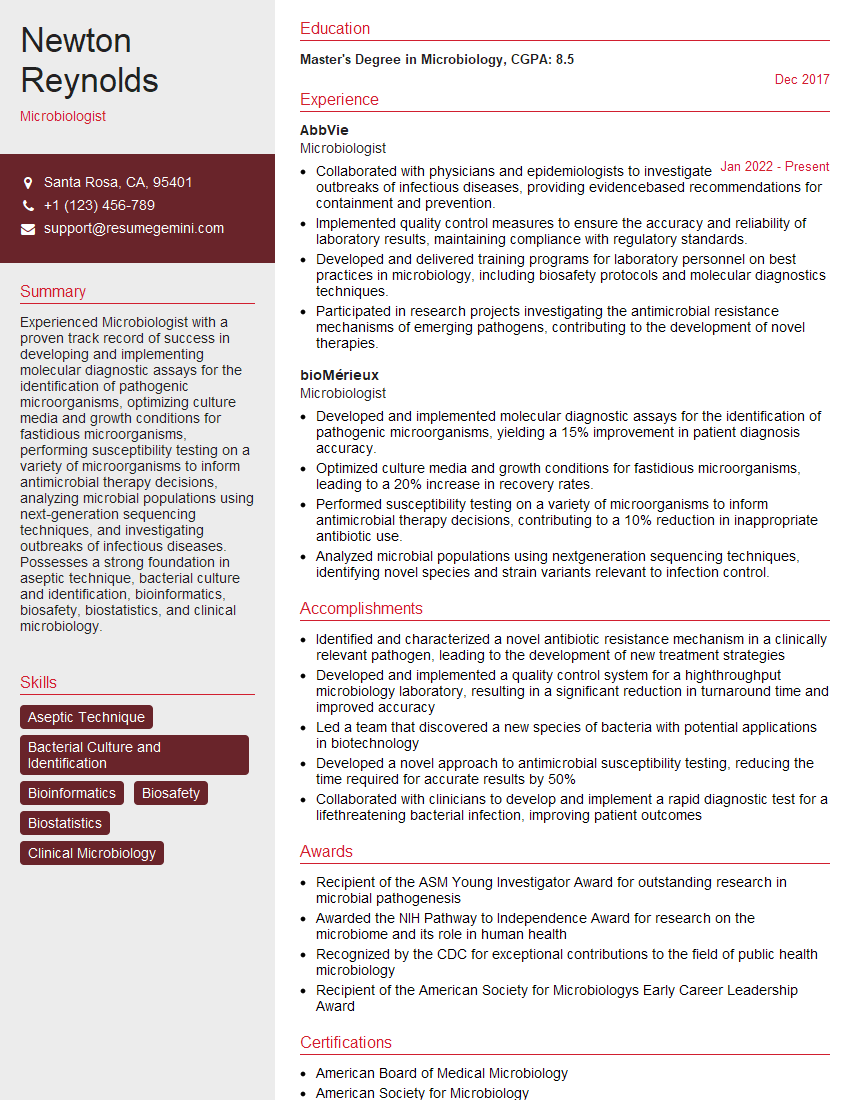
Microbiologist Resume Sample
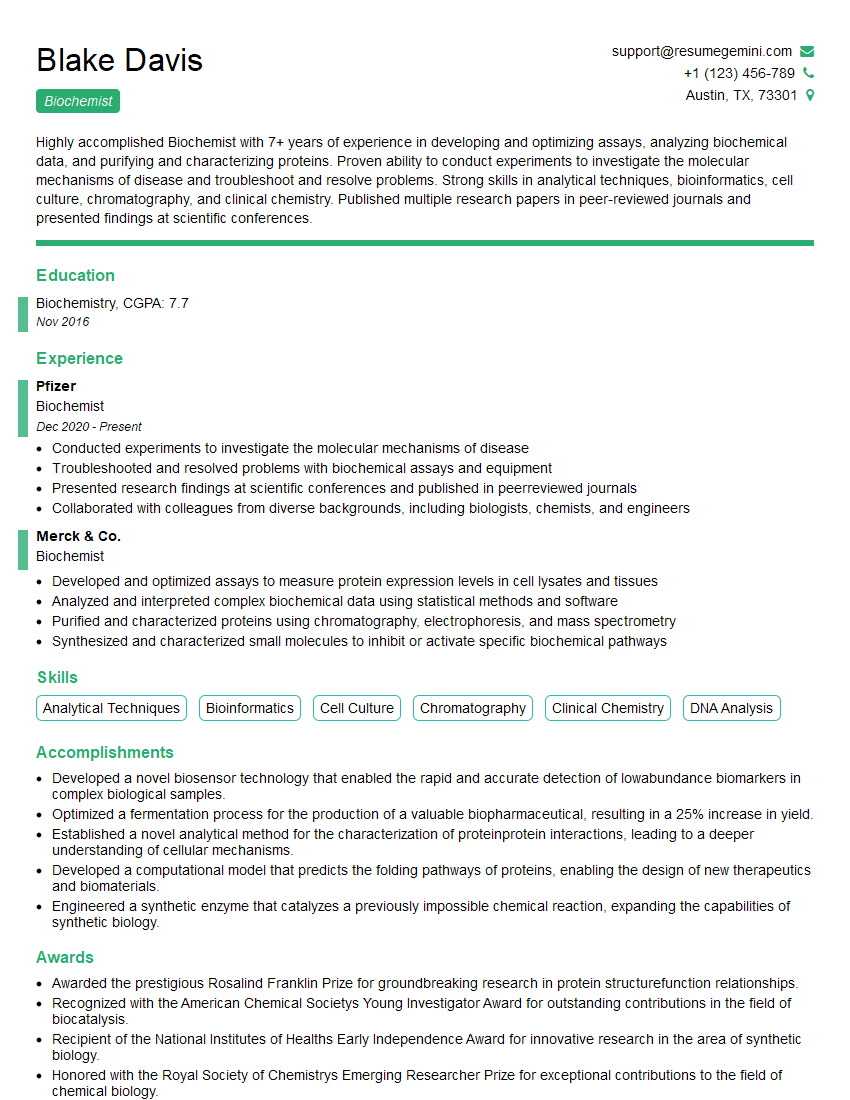
Biochemist Resume Sample
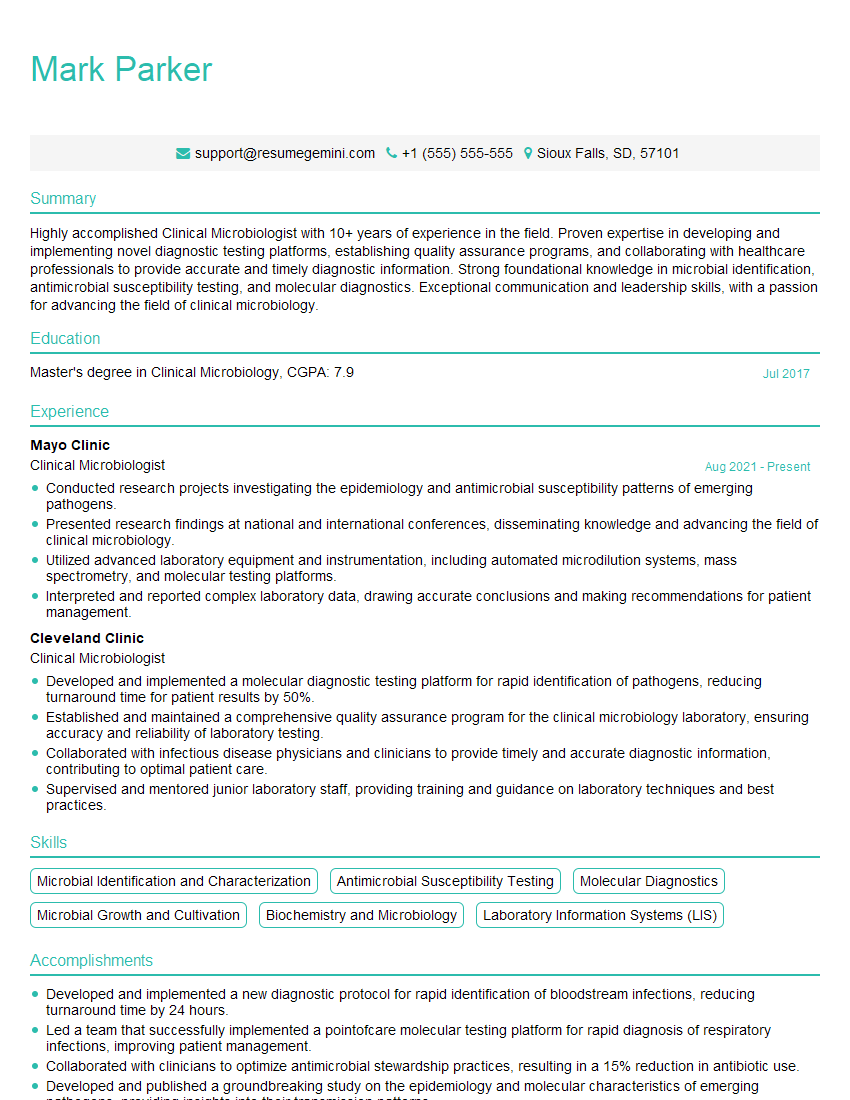
Clinical Microbiologist Resume Sample
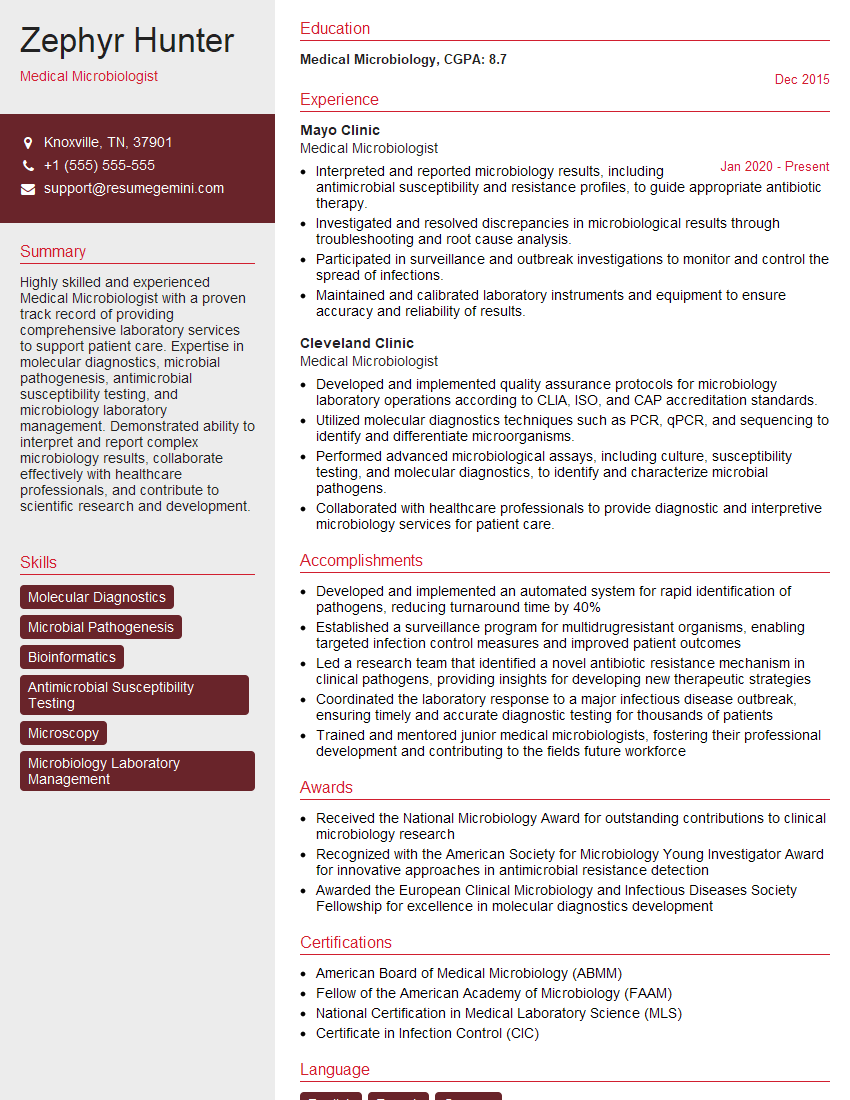
Medical Microbiologist Resume Sample
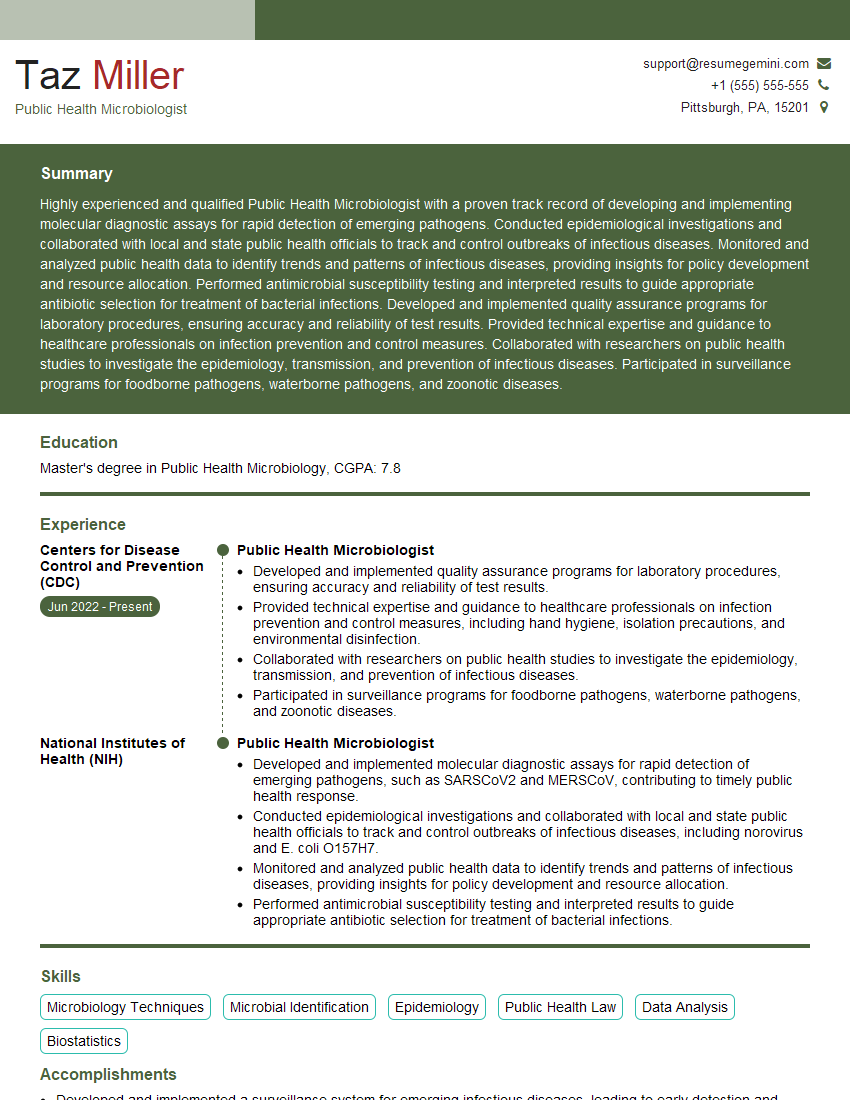
Public Health Microbiologist Resume Sample
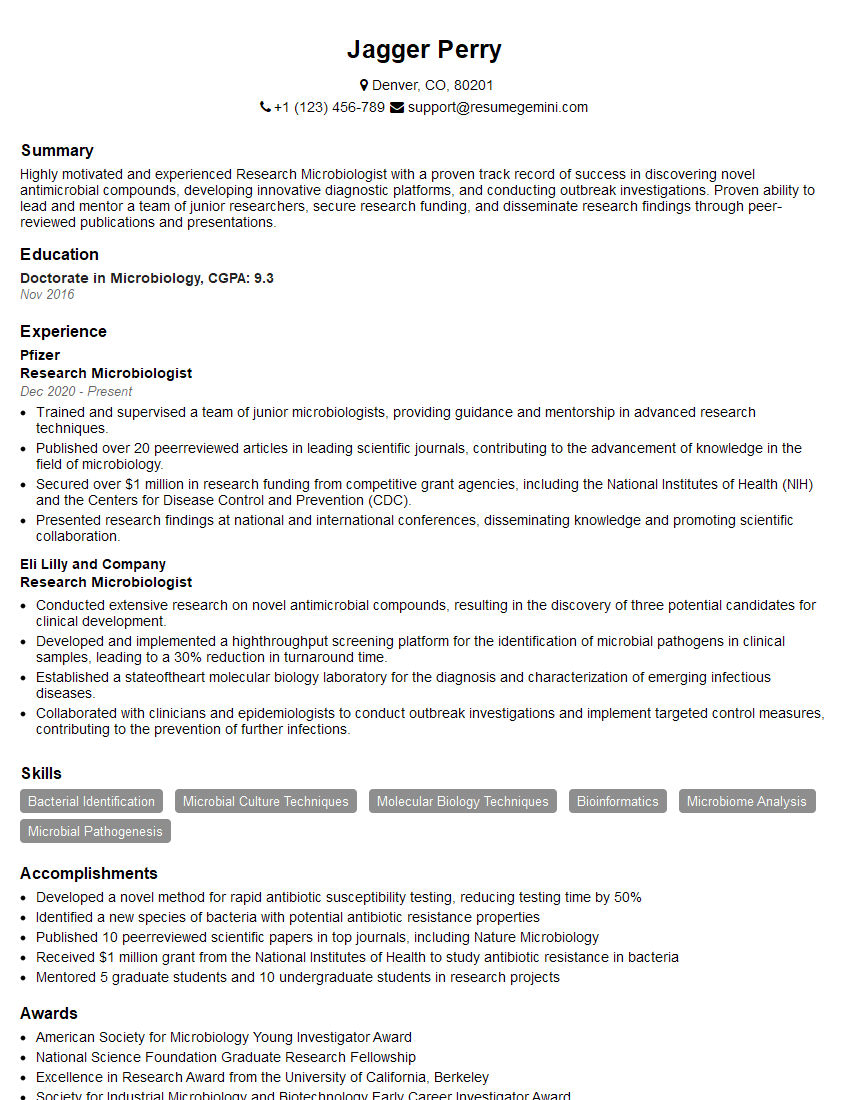
Research Microbiologist Resume Sample
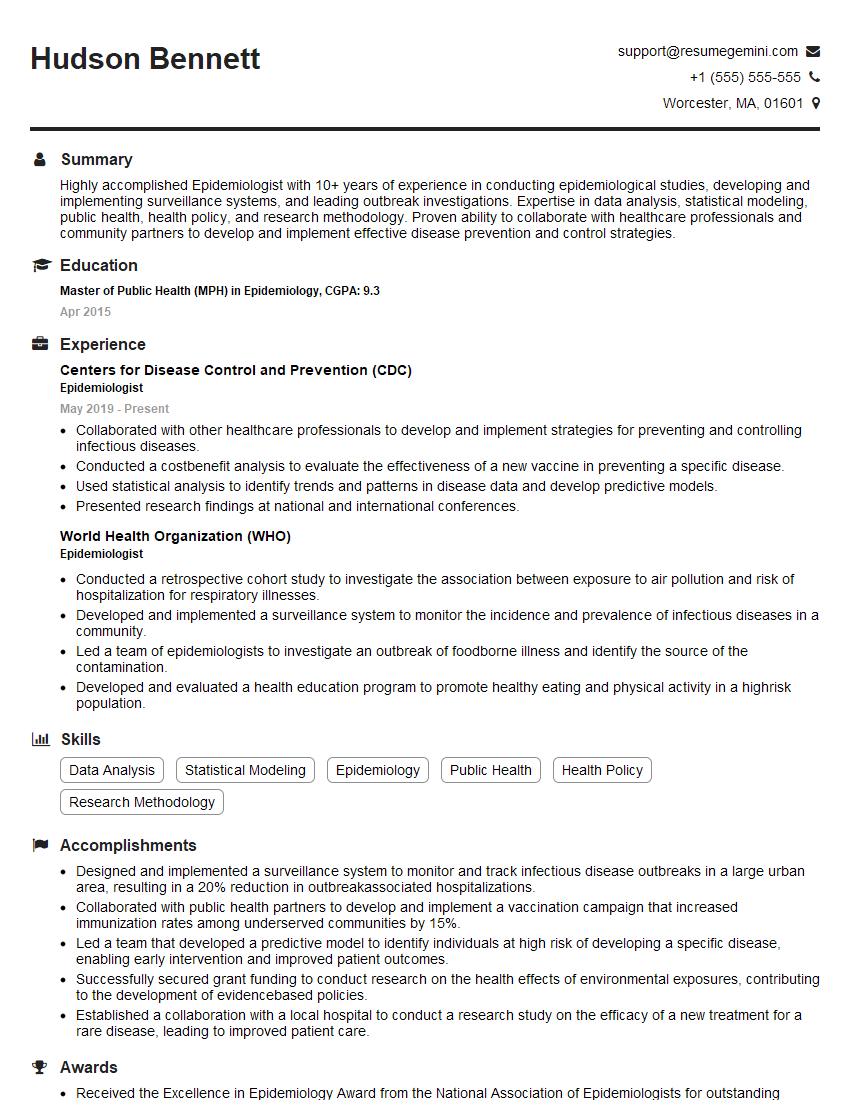
Epidemiologist Resume Sample
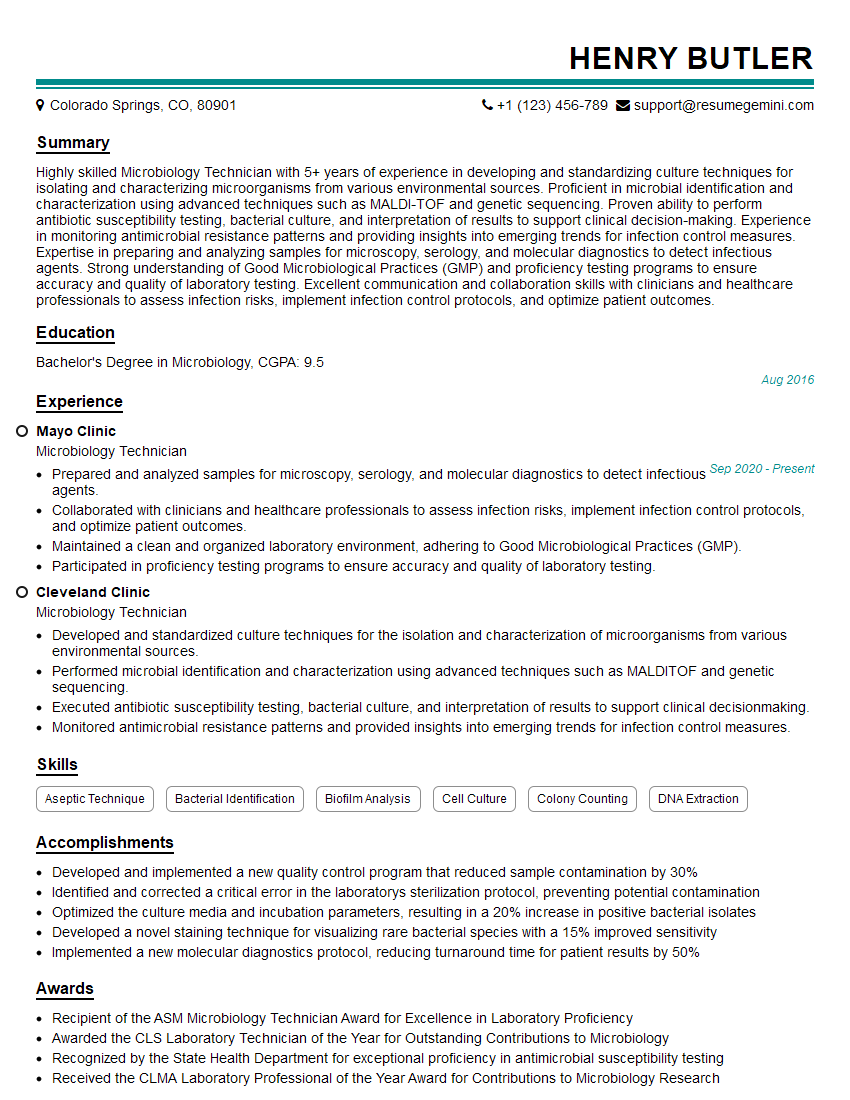
Microbiology Technician Resume Sample
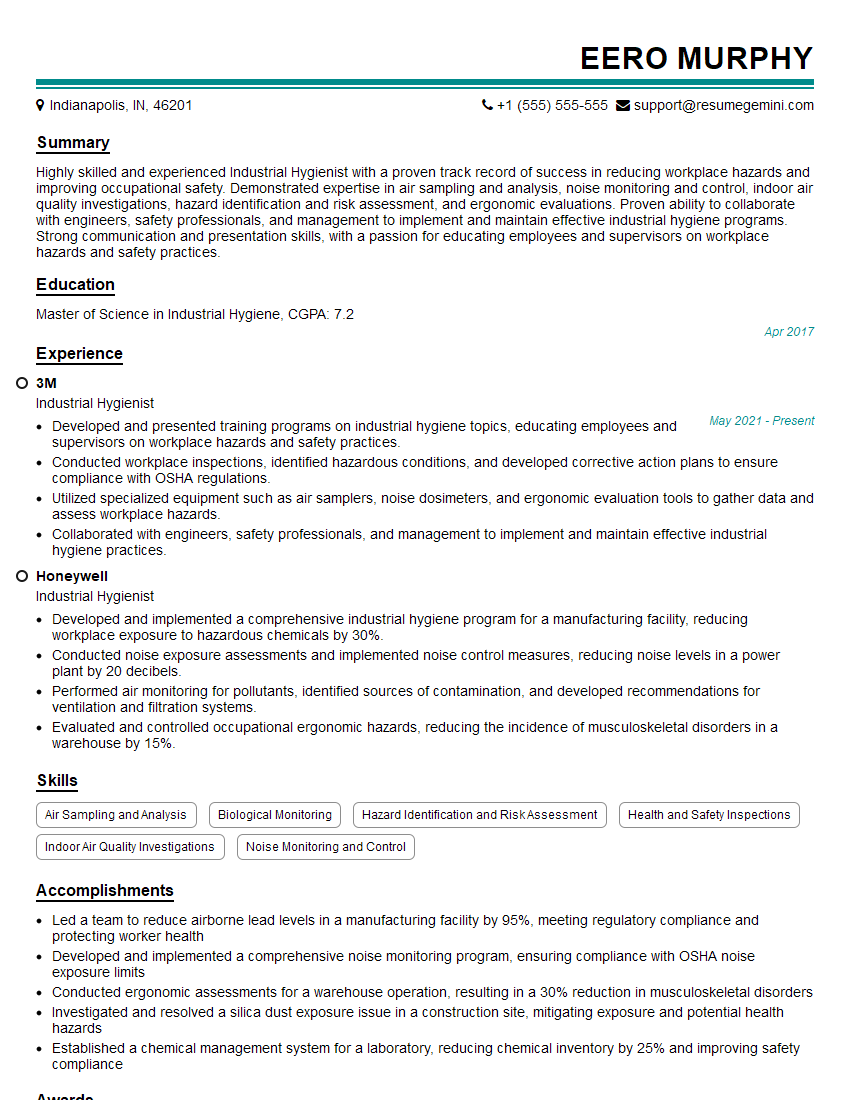
Industrial Hygienist Resume Sample
Explore more articles
Users Rating of Our Blogs
Share Your Experience
We value your feedback! Please rate our content and share your thoughts (optional).
What Readers Say About Our Blog
Very informative content, great job.
good