Every successful interview starts with knowing what to expect. In this blog, we’ll take you through the top Pneumatic Valve Installation interview questions, breaking them down with expert tips to help you deliver impactful answers. Step into your next interview fully prepared and ready to succeed.
Questions Asked in Pneumatic Valve Installation Interview
Q 1. Explain the different types of pneumatic valves.
Pneumatic valves are the control heart of any pneumatic system, directing the flow of compressed air. They come in a variety of types, categorized primarily by their function and the number of ports they have.
- 2-way valves: These valves control the flow of air in a single path. Think of them like a simple on/off switch. They’re either fully open, allowing air to flow, or fully closed, stopping the flow. Common examples are used in simple clamping systems or activating a single cylinder.
- 3-way valves: These valves control the flow of air to two different paths. They can either switch air from one path to another or allow air to flow into one port while venting the other. Imagine directing air to either side of a double-acting cylinder to control its movement.
- 4-way valves: These valves control the flow of air to two different paths simultaneously. They frequently direct air to a double-acting cylinder to make it extend and retract. They’re the workhorses of many automation systems.
- 5-way valves and beyond: While less common, valves with more than four ports exist for more complex control applications. They might incorporate features such as auxiliary exhaust ports or flow control.
- Valve Types by Actuation: Beyond the number of ports, valves are also categorized by how they’re activated: Solenoid valves (electrical), pilot valves (pneumatic), manual valves (hand-operated), and foot valves (foot-operated).
Understanding the different types is crucial for selecting the right valve for a specific application. The wrong valve can lead to system malfunction or inefficient operation.
Q 2. Describe the operating principles of a 3-way pneumatic valve.
A 3-way pneumatic valve acts as a crucial switch in pneumatic systems, directing compressed air to one of two outputs or venting a port. Let’s consider a common scenario: controlling a double-acting pneumatic cylinder.
A 3-way valve, in its simplest form, has three ports: an inlet (where compressed air enters), an exhaust, and two outputs that alternate between supplying air and venting.
Operating Principles:
- Normally Closed (NC): In this configuration, the valve is closed by default, preventing air flow from the inlet to either output. Activating the valve (e.g., through a solenoid) allows air to flow to one output, while the other remains vented.
- Normally Open (NO): The valve starts with air flowing to one output. When activated, the flow shifts to the other output, with the initial output now vented. Think of it as a switching mechanism.
The specific operation (NC or NO) depends on the valve’s design and the application. For example, in a clamping system, an NC valve ensures the clamp is released until air pressure is supplied to engage it. In contrast, an NO valve might maintain the cylinder extended until the valve is activated to retract.
Q 3. How do you troubleshoot a leaking pneumatic valve?
Troubleshooting a leaking pneumatic valve requires a systematic approach. Here’s a step-by-step guide:
- Identify the Leak: Pinpoint the exact location of the leak. Is it from the valve body, the seals, or the connections? Listen closely for hissing sounds and visually inspect all connections.
- Isolate the Valve: Disconnect the valve from the pneumatic system to prevent further pressure loss. This is a crucial safety step.
- Inspect Seals and O-rings: Carefully examine the seals and O-rings for wear, damage, or debris. Replace any damaged components.
- Check for Loose Fittings: Tighten all fittings to ensure a secure seal. Be careful not to overtighten, which can damage the valve body.
- Test Valve Body: If leaks persist despite checking seals and fittings, it may indicate damage within the valve body itself. A pressure test could help identify internal damage, though it may require specialized equipment.
- Examine the Air Supply: Rule out any leaks or pressure issues stemming from the air compressor or lines feeding the valve. A pressure regulator malfunction can also cause unexpected leakage.
- Inspect the Actuator (if applicable): If a pneumatic actuator is used to control the valve, it might contribute to the leak if seals are worn or there is a mechanical problem.
Remember to consult the valve’s technical documentation for specific troubleshooting guidance.
Q 4. What are the common causes of pneumatic valve failure?
Pneumatic valve failures are often caused by a combination of factors, including:
- Wear and Tear: Constant cycling, vibration, and exposure to harsh environments (e.g., dust, moisture) can gradually wear out seals and components, leading to leakage or malfunction.
- Contamination: Dirt, dust, or other contaminants in the compressed air can cause internal abrasion and damage. Proper filtration is essential.
- Improper Installation: Incorrect installation can lead to leaks and premature failure. Ensuring correct tightening of fittings and proper alignment is vital.
- Over-pressurization: Exceeding the valve’s maximum operating pressure can damage internal parts.
- Improper Maintenance: Lack of regular inspection and maintenance can allow minor problems to escalate into major failures. A regular maintenance schedule, including replacing seals and inspecting fittings, is crucial.
- Electrical Issues (for solenoid valves): Problems with the coil, wiring, or power supply can prevent the valve from functioning correctly. A simple voltage check can determine the source of the issue.
Regular maintenance and careful attention to operational parameters greatly extend a valve’s lifespan.
Q 5. Explain the importance of proper valve sizing in pneumatic systems.
Proper valve sizing is critical for efficient and reliable pneumatic system operation. Undersized valves restrict air flow, leading to slow response times and potentially damaging pressure buildup. Oversized valves, while less problematic, can lead to increased air consumption and higher operating costs.
Factors influencing valve size:
- Flow Rate: The required volume of compressed air needed to operate the actuator (e.g., cylinder) determines the valve’s flow capacity (Cv).
- Pressure Drop: Acceptable pressure loss across the valve needs to be considered. Excessive pressure drop can affect the performance of downstream components.
- Response Time: The speed at which the actuator needs to respond will influence the selection of valve size. Faster response times generally require larger valves.
- Actuator Size: The size and type of actuator (e.g., cylinder bore size) significantly impact the necessary air flow.
Valve manufacturers provide sizing charts and calculators to assist in selecting the appropriate valve for a given application. Incorrect sizing can lead to system inefficiencies and potential failures.
Q 6. How do you select the appropriate pneumatic valve for a specific application?
Selecting the right pneumatic valve requires a thorough understanding of the application requirements. Here’s a step-by-step process:
- Define the Application: What is the valve intended to control? (e.g., single-acting cylinder, double-acting cylinder, multiple actuators).
- Determine the Valve Type: Based on the application, select the appropriate valve type (e.g., 2-way, 3-way, 4-way). Consider whether a normally open (NO) or normally closed (NC) valve is required.
- Specify the Actuator Type: The type of actuator being controlled (e.g., cylinder, rotary actuator) will influence the valve’s requirements.
- Calculate Flow Requirements: Determine the required flow rate (in standard cubic feet per minute or SCFM) needed to operate the actuator at the desired speed.
- Specify Pressure and Temperature: Select a valve that can handle the working pressure and temperature of the compressed air.
- Consider Material Compatibility: Choose materials compatible with the compressed air and any potential contaminants.
- Select Control Type: Determine the actuation method: solenoid, pilot, manual, or other.
- Check for Certifications and Standards: Ensure that the valve meets the relevant safety and industry standards.
Always consult the valve manufacturer’s specifications and selection guides for detailed information and assistance.
Q 7. Describe the steps involved in installing a pneumatic valve.
Installing a pneumatic valve involves several crucial steps:
- Plan the Installation: Before you begin, carefully plan the valve’s location, taking into account accessibility for maintenance and routing of pneumatic lines.
- Prepare the Piping: Ensure that the pneumatic lines are properly sized and cleaned. Use appropriate fittings and connectors.
- Mount the Valve: Securely mount the valve to a suitable surface using appropriate hardware. Ensure proper alignment to prevent stress on connections.
- Connect the Piping: Connect the pneumatic lines to the valve’s ports, paying close attention to proper orientation. Use the correct fittings and tighten them securely, but avoid over-tightening.
- Leak Test: After connecting all lines, perform a thorough leak test to check for any leaks. Use soapy water to easily locate leaks.
- Electrical Connections (if applicable): For solenoid valves, connect the electrical wiring carefully, ensuring proper polarity and grounding.
- Commissioning: Once the installation is complete and leak tested, commission the system to ensure the valve functions correctly.
- Documentation: Keep clear records of the installation, including valve type, serial number, and date of installation.
Following these steps ensures a safe and reliable pneumatic system. Always refer to the manufacturer’s installation instructions for specific details and safety precautions.
Q 8. What safety precautions should be taken during pneumatic valve installation?
Safety is paramount during pneumatic valve installation. Think of it like working with pressurized air – it can be powerful and dangerous if not handled correctly. Before you even begin, you must isolate the air supply completely. This usually involves closing valves upstream of the installation point. Always use appropriate personal protective equipment (PPE), including safety glasses, gloves, and hearing protection, as compressed air can cause injury. Make sure the area is well-ventilated to prevent the buildup of potentially harmful gases. Furthermore, follow all lockout/tagout procedures to prevent accidental activation of the system during installation. Finally, never assume anything; double-check all connections and fittings for leaks before pressurizing the system.
- Isolating the air supply: This is the most crucial step. Failure to do so can lead to unexpected air bursts or equipment damage.
- Using PPE: Safety glasses prevent eye injuries from flying debris, gloves protect your hands, and hearing protection safeguards against loud noises from escaping air.
- Lockout/Tagout procedures: These procedures ensure that no one accidentally activates the system while you’re working on it. This is essential to prevent serious injury.
Q 9. How do you test a pneumatic valve after installation?
Testing a pneumatic valve after installation is a crucial step to ensure its proper functioning and prevent future problems. The testing process depends on the type of valve and its application, but generally involves a visual inspection followed by a functional test. First, visually inspect all connections to confirm they’re tight and leak-free. Look for any damage to the valve body or actuator. Then, gradually introduce compressed air to the system, carefully monitoring pressure gauges and listening for any unusual sounds like leaks. Next, cycle the valve several times, observing its response to changes in air pressure. Make sure the valve opens and closes completely without sticking or hesitation. A pressure gauge will show you if the valve reaches the correct pressure setting. Finally, document all your observations and findings. A properly documented testing procedure allows for quick troubleshooting later if any issues arise.
- Visual Inspection: Check for leaks, damage, and proper connection.
- Functional Test: Cycle the valve multiple times and verify its responsiveness.
- Documentation: Record all observations and measurements.
Q 10. Explain the concept of pneumatic valve actuation.
Pneumatic valve actuation is the process of using compressed air to control the opening and closing of a valve. Think of it like this: compressed air provides the ‘muscle’ to move the valve’s internal mechanism. The air pressure acts on a diaphragm, piston, or other actuator components, causing mechanical movement that opens or closes the valve’s flow path. The pressure level, speed, and timing of actuation are typically regulated by control devices such as pressure regulators, flow restrictors, and timers. The type of actuator will determine the specific method of actuation, which can range from simple on/off control to complex positioning and modulating capabilities.
Q 11. What are the different types of pneumatic actuators?
Pneumatic actuators come in various types, each suited for different applications and pressure requirements. The most common include:
- Diaphragm actuators: These utilize a flexible diaphragm to convert air pressure into linear motion. They’re simple, reliable, and relatively inexpensive, ideal for on/off control.
- Piston actuators: Employ a piston and cylinder to provide a strong force, suitable for larger valves or high-pressure applications. They can offer more precise control than diaphragm actuators.
- Rack and pinion actuators: Convert rotary motion from a pneumatic motor into linear motion via a rack and pinion gear mechanism, often used for precise positioning applications.
- Rotary actuators: Produce rotational motion, usually used for valves with a rotating stem or ball. They’re efficient for quarter-turn valves.
The choice depends heavily on the specific needs of the system. A high-pressure, large-diameter valve would likely use a piston actuator, while a smaller, on/off valve might be better suited to a diaphragm actuator.
Q 12. How do you maintain a pneumatic valve to ensure optimal performance?
Maintaining a pneumatic valve ensures optimal performance, extends its lifespan, and prevents costly downtime. Regular maintenance should include:
- Regular inspection: Visually check for leaks, corrosion, or damage. Look at connections and ensure they’re tight.
- Lubrication: Regularly lubricate moving parts (if applicable) to reduce friction and wear, following the manufacturer’s recommendations.
- Cleaning: Remove any debris or contaminants that could affect performance.
- Air filter maintenance: Ensure the air filter is clean and functioning correctly to prevent contamination of the valve mechanism.
- Functional testing: Periodically cycle the valve to check its responsiveness and ensure it opens and closes correctly. This includes checking response times.
Think of it like changing the oil in your car—it’s preventative maintenance to avoid major problems later.
Q 13. What are the common problems associated with pneumatic valve maintenance?
Common problems during pneumatic valve maintenance often stem from neglected preventative measures. These can include:
- Air leaks: Leaks are a major issue, leading to reduced performance, increased energy consumption, and potential safety hazards.
- Sticking valves: Dirt, debris, or corrosion can cause valves to stick, preventing proper operation. This often requires more intensive cleaning or part replacement.
- Damaged seals: Worn or damaged seals lead to air leaks and require replacement.
- Actuator malfunction: Problems with the actuator, such as a faulty diaphragm or piston, can prevent proper operation.
- Contaminated air supply: Dirty air containing moisture or contaminants can damage internal components, requiring more intensive cleaning or part replacement.
Addressing these problems promptly prevents significant downtime and more extensive repairs.
Q 14. Explain the difference between direct and indirect acting pneumatic valves.
The difference between direct and indirect acting pneumatic valves lies in how the air pressure affects the valve’s operation:
- Direct-acting valves: In these valves, the compressed air directly acts on the valve element (e.g., a diaphragm or piston) to open or close the flow path. They’re simple, fast-acting, and suitable for on/off control. Think of it like a simple push-button switch; air pressure directly moves the valve.
- Indirect-acting valves: These use a pilot signal to control a larger actuator. A small amount of compressed air acts on a pilot diaphragm, which in turn controls a larger piston or diaphragm that opens or closes the main valve. They allow for greater force multiplication and are better suited for larger or higher-pressure applications. Think of it like a lever system; a small amount of air pressure controls a much larger force to move the valve.
Choosing between these types depends on factors like the size and pressure of the system and whether precise control is needed.
Q 15. Describe the role of air filters and regulators in pneumatic systems.
Air filters and regulators are crucial components in pneumatic systems, ensuring reliable and efficient operation. Think of them as the system’s guardians of cleanliness and pressure consistency.
Air Filters: These remove contaminants like dust, oil, and water vapor from the compressed air supply. These contaminants can damage pneumatic valves and other components, leading to malfunctions, premature wear, and costly repairs. A clogged filter restricts airflow, reducing the valve’s performance and potentially causing it to fail. Different filter types exist, offering varying levels of filtration depending on the application’s cleanliness requirements. For example, a fine filter might be needed in a pharmaceutical setting, while a coarser filter might suffice in a less demanding industrial application.
Air Regulators: These control and maintain a consistent downstream air pressure, regardless of fluctuations in the input pressure from the compressor. Imagine trying to precisely control a water faucet with inconsistent water pressure – frustrating, right? Similarly, pneumatic valves require stable pressure to operate correctly. Regulators provide this stability, ensuring the valve receives the precise pressure it needs for optimal performance. They often include gauges to monitor both input and output pressures, allowing for easy adjustment and monitoring.
Career Expert Tips:
- Ace those interviews! Prepare effectively by reviewing the Top 50 Most Common Interview Questions on ResumeGemini.
- Navigate your job search with confidence! Explore a wide range of Career Tips on ResumeGemini. Learn about common challenges and recommendations to overcome them.
- Craft the perfect resume! Master the Art of Resume Writing with ResumeGemini’s guide. Showcase your unique qualifications and achievements effectively.
- Don’t miss out on holiday savings! Build your dream resume with ResumeGemini’s ATS optimized templates.
Q 16. How do you identify the correct tubing size for a pneumatic valve?
Selecting the correct tubing size for a pneumatic valve is critical for optimal performance and longevity. Too small a diameter restricts airflow, slowing down the valve’s response time and potentially causing excessive pressure drops. Too large a diameter is wasteful, increasing the volume of compressed air consumed.
The tubing size is determined by several factors, primarily the valve’s flow rate requirements (specified by the manufacturer) and the desired response time. Manufacturers usually specify the recommended tubing diameter in their valve specifications, often expressed as an internal diameter (ID) in millimeters or inches. Always refer to the valve’s technical documentation for this information. Consider the length of the tubing as well; longer runs require larger diameters to compensate for increased friction losses. Additionally, the tubing material should be compatible with the compressed air and operating environment, often polyurethane or nylon for their flexibility and resistance to chemicals.
Example: If a valve’s datasheet indicates a recommended flow rate and suggests a 6mm ID tubing, selecting a smaller size (e.g., 4mm ID) could lead to insufficient airflow, while a larger size (e.g., 8mm ID) might be unnecessarily expensive and consume more air.
Q 17. What are the different types of pneumatic fittings?
Pneumatic fittings are the connectors that join tubing to valves, actuators, and other components. Choosing the right fitting is essential for leak-free connections and system integrity.
Common types include:
- Push-to-connect fittings: These are easy to use, requiring only pushing the tubing into the fitting. They are convenient for smaller tubing sizes and lower-pressure applications. However, they may not be suitable for high-pressure or demanding applications.
- Compression fittings: These use a ferrule or sleeve to create a leak-tight seal by compressing the tubing against the fitting. They offer a more reliable seal than push-to-connect fittings, particularly at higher pressures. They are more suitable for larger tubing sizes and high-pressure applications, offering a more robust connection.
- Flare fittings: These fittings use a flared end on the tubing to create a seal against a tapered seat in the fitting. They are commonly used in automotive and industrial applications, but require specialized flaring tools for installation.
- Threaded fittings: These use threaded connections for assembly. They provide a very secure and reliable connection but usually require more time and effort for assembly and disassembly.
The choice of fitting type depends on factors such as pressure requirements, tubing size, ease of installation, and the specific needs of the application. Selecting the wrong type can lead to leaks, which can impact system performance and safety.
Q 18. How do you troubleshoot a pneumatic valve that is not responding properly?
Troubleshooting a non-responsive pneumatic valve involves a systematic approach. Think of it like diagnosing a car problem; you need to check the obvious things first before moving to more complex issues.
Step-by-step troubleshooting:
- Check the air supply: Ensure sufficient air pressure at the valve’s inlet. Use a pressure gauge to verify the pressure. If the pressure is low or absent, check the compressor, filters, and regulators upstream.
- Inspect the tubing and fittings: Look for leaks, kinks, or blockages in the tubing. Check all fittings for tightness and ensure there are no loose connections.
- Examine the valve itself: Check for any visible damage or obstructions. For some valves, you might be able to manually actuate the valve to check for free movement.
- Verify the electrical signal (if applicable): If the valve is electrically actuated, check the wiring, power supply, and the control signal using a multimeter or other suitable testing equipment.
- Test the valve’s operation (if possible): Disconnect the valve from the system and connect it to a known good air supply and control signal (if applicable). This isolates the valve from other possible system issues.
- Check the valve’s specifications: Refer to the valve’s technical documentation to see if any operating parameters, such as pressure ranges or signal types, are being violated.
If the problem persists after these steps, consider seeking professional assistance or replacing the valve.
Q 19. What are the common symbols used in pneumatic schematics?
Pneumatic schematics use standardized symbols to represent components and their connections. Understanding these symbols is essential for interpreting pneumatic circuit diagrams and troubleshooting problems.
Common symbols include:
- Cylinders: Represented by rectangles with an arrow indicating the direction of movement.
- Valves: Various symbols depict different valve types (e.g., directional control valves, pressure regulators).
- Air supply: Usually represented by a circle with a line indicating the direction of airflow.
- Tubing: Represented by lines connecting different components.
- Sensors and switches: Various symbols representing proximity switches, pressure sensors, etc.
It’s crucial to consult a pneumatic symbol reference guide to accurately interpret the symbols used in a specific schematic.
Q 20. Explain the concept of pneumatic pressure regulation.
Pneumatic pressure regulation is the process of maintaining a constant and precise air pressure at the output of a pneumatic system, even if the supply pressure fluctuates. This ensures consistent performance of pneumatic actuators, such as cylinders or motors.
Imagine a car’s brakes – you need consistent braking pressure, regardless of how hard you press the pedal. Similarly, pneumatic pressure regulation ensures that a pneumatic valve or actuator receives the exact pressure it needs to operate correctly, avoiding inconsistent operation and potential damage.
Pressure regulation is typically achieved using a pressure regulator, a device that controls the output pressure by restricting airflow. It uses a spring-loaded diaphragm or piston to balance the input and output pressures, maintaining a consistent downstream pressure despite variations in the input pressure from the compressor. Some regulators also include features like a pressure gauge for monitoring the output pressure and an adjustment knob for setting the desired pressure level.
Q 21. How do you calculate the required air pressure for a pneumatic valve?
Calculating the required air pressure for a pneumatic valve depends heavily on the specific application and the valve’s characteristics. There’s no single formula, but several factors need consideration.
Factors influencing required air pressure:
- Valve type and size: Different valves have different pressure requirements depending on their design and size. The manufacturer’s specifications must be consulted.
- Actuator load: If the valve controls a pneumatic actuator (e.g., a cylinder), the required pressure depends on the force needed to overcome the load.
- Response time: A faster response time generally requires higher pressure.
- Environmental factors: Temperature and humidity can impact the performance of pneumatic systems, and may influence the required pressure.
To determine the required pressure:
- Consult the valve’s technical data sheet: This document should specify the operating pressure range and recommend a working pressure.
- Calculate the force required (if applicable): If the valve controls a cylinder, determine the force needed to move the load. This often involves considering factors like mass, friction, and acceleration.
- Factor in safety margins: Always use a pressure slightly lower than the maximum rated pressure for the valve to account for fluctuations and avoid potential damage.
In many instances, a trial-and-error approach is needed, starting at the manufacturer’s recommended pressure and adjusting it based on observed system performance. Pressure sensors and monitoring equipment can help to optimize the pressure setting for optimum efficiency and reliability.
Q 22. What are the safety considerations when working with compressed air?
Working with compressed air presents significant safety hazards. The high pressure involved can cause serious injuries if proper precautions aren’t taken. Think of it like this: compressed air is essentially stored energy, and if that energy is released uncontrollably, it can be incredibly dangerous.
- Eye protection: Compressed air can propel debris at high velocity, potentially causing eye injuries. Safety glasses, or better yet, a face shield, are crucial.
- Hearing protection: The noise generated by pneumatic systems can lead to hearing loss over time. Ear plugs or muffs are essential, especially in noisy environments.
- Respiratory protection: Depending on the application, compressed air can carry contaminants. A respirator might be necessary to prevent inhalation of harmful particles or gases.
- Pressure relief: Always ensure pressure relief valves are functioning correctly. These valves prevent pressure build-up, which can lead to ruptures and explosions.
- Proper training and certifications: Adequate training is essential before handling compressed air systems. Understanding safe operating procedures is paramount.
- Emergency shut-off: Knowing the location and operation of emergency shut-off valves is crucial in case of an accident.
- Regular inspections: Regularly inspect all components of the pneumatic system for leaks, damage, or wear and tear. Early detection prevents accidents.
For instance, during a project involving a large-scale pneumatic system, we discovered a faulty pressure regulator. Had we not detected and replaced it, the resulting pressure surge could have caused significant damage and potential injury.
Q 23. Describe your experience with different pneumatic valve manufacturers.
Throughout my career, I’ve worked extensively with a variety of pneumatic valve manufacturers, each with its own strengths and specialties. My experience spans from large-scale industrial manufacturers like SMC and Festo to smaller, more specialized companies focusing on niche applications.
- SMC: Known for their wide range of products, reliability, and extensive documentation. Their valves are frequently used in automation and industrial control systems, and I’ve found their quality consistent.
- Festo: Similar to SMC, Festo offers a vast selection of pneumatic components and is well-regarded for its innovative designs and high-quality manufacturing. I’ve particularly appreciated their intuitive design software and detailed technical manuals.
- Parker Hannifin: Renowned for their robust and dependable components, often utilized in demanding industrial settings. Their valves are built for longevity and can withstand challenging environments.
- ASCO: A reputable brand known for its reliable solenoid valves used in a variety of process control applications. Their valves are known for their quick switching times and precise control.
Choosing the right manufacturer often depends on factors such as the specific application requirements, budget, and desired level of customization. For example, in a project with very strict requirements for rapid response times, I chose ASCO valves for their speed and precision.
Q 24. Explain your experience with pneumatic valve diagnostics and repair.
Pneumatic valve diagnostics and repair are crucial for maintaining efficient and safe operation. A systematic approach is key, starting with visual inspection and progressing to more detailed testing if needed.
- Visual inspection: Begin by visually inspecting the valve for any obvious signs of damage, leaks, or wear. Look for cracks, loose connections, or corrosion.
- Pressure testing: Use a pressure gauge to check for leaks and verify proper operating pressure. Leaks can indicate damaged seals or fittings.
- Electrical testing (if applicable): For solenoid valves, test the coil for continuity and proper voltage. A faulty coil can prevent the valve from operating correctly.
- Actuator testing: Check the pneumatic actuator for proper movement and responsiveness. A sluggish or jammed actuator may indicate internal problems.
- Component replacement: If problems are identified, replace faulty components, such as seals, O-rings, or diaphragms. Always use genuine replacement parts to ensure proper fit and function.
I once encountered a pneumatic valve exhibiting intermittent failures. After a thorough inspection, I discovered a damaged O-ring causing internal leaks. Replacing the O-ring quickly resolved the issue and restored the system to full functionality.
Q 25. How do you handle unexpected problems during pneumatic valve installation?
Unexpected problems during pneumatic valve installation are common. A methodical approach is essential, emphasizing problem identification, safe intervention, and effective solutions.
- Identify the Problem: Carefully diagnose the root cause. Is it a faulty component? A wiring error? An incorrect setting? Systematically eliminating possibilities often reveals the solution.
- Isolate the Issue: If possible, isolate the affected section of the system to minimize disruption. This prevents cascading failures.
- Consult Documentation: Review the manufacturer’s specifications, schematics, and troubleshooting guides. Often, the solution lies within the documentation.
- Seek Assistance: Don’t hesitate to consult colleagues, supervisors, or the manufacturer’s technical support if needed. A fresh perspective can be invaluable.
- Implement the Solution: Once the problem is understood, implement the appropriate solution, ensuring safety precautions are followed. Document the resolution process for future reference.
- Verify the Fix: After implementing a solution, carefully test the system to ensure the problem is completely resolved and hasn’t caused other issues.
For instance, during an installation, a valve failed to actuate. By carefully tracing the pneumatic lines, I identified a blockage caused by a small particle. Clearing the blockage restored the valve’s functionality.
Q 26. Describe your proficiency with pneumatic control systems.
My proficiency with pneumatic control systems encompasses design, installation, troubleshooting, and maintenance. I possess a strong understanding of pneumatic principles, component selection, and system integration. My experience extends to diverse applications across various industries.
- System Design: I can design pneumatic systems based on specific requirements, selecting appropriate valves, actuators, and other components to meet the desired performance and reliability.
- Installation: I have extensive experience in installing pneumatic systems, adhering to safety regulations and industry best practices.
- Troubleshooting: I can effectively troubleshoot pneumatic systems, identifying and resolving malfunctions efficiently.
- Maintenance: I understand the importance of routine maintenance to prevent failures and ensure long-term system reliability.
- Component Selection: I am skilled at selecting appropriate components based on factors such as pressure, flow rate, media compatibility, and environmental conditions.
In a recent project, I designed a pneumatic system for a manufacturing plant, incorporating sensors, actuators, and a PLC for automated control. The system significantly increased efficiency and reduced downtime.
Q 27. What software or tools do you use to design or troubleshoot pneumatic systems?
Various software and tools are indispensable for designing and troubleshooting pneumatic systems. The choice depends on the complexity of the project and individual preferences.
- CAD Software: Software such as AutoCAD or SolidWorks aids in creating detailed system schematics and 3D models, allowing for better visualization and planning.
- Pneumatic Simulation Software: Specialized software can simulate the behavior of a pneumatic system, allowing engineers to predict performance and identify potential issues before physical implementation.
- PLC Programming Software: Software like RSLogix or TIA Portal is necessary for programming PLCs that control pneumatic systems.
- Multimeters and Pressure Gauges: These fundamental tools are essential for diagnosing problems during troubleshooting.
- Pneumatic Test Equipment: Specialized equipment like leak detectors and pressure calibrators helps ensure accurate measurements and efficient troubleshooting.
For example, in a complex automation project, I used CAD software to create a detailed system design, ensuring all components were correctly positioned and sized. Then, I employed pneumatic simulation software to verify the system’s performance before construction.
Q 28. Explain your experience with different types of pneumatic valve control systems (e.g., PLC, Festo, SMC)
My experience encompasses various pneumatic valve control systems, each offering unique advantages and disadvantages. Understanding their strengths and weaknesses is key to effective system design and operation.
- PLC (Programmable Logic Controller): PLCs provide sophisticated control over pneumatic systems, allowing for complex automation and integration with other factory systems. They offer flexibility and scalability but require specialized programming skills.
- Festo CPX: Festo’s CPX terminal offers decentralized control, reducing wiring complexity and improving system modularity. Its user-friendly interface simplifies setup and troubleshooting.
- SMC NX Series: Similar to Festo’s CPX, SMC’s NX series provides a modular and decentralized control solution, particularly effective for larger systems.
- Direct Solenoid Valve Control: In simpler applications, direct control of solenoid valves using basic switches or timers might suffice. This approach is cost-effective but lacks the flexibility of more advanced control systems.
In a recent project, the client required a highly automated system with complex sequencing. A PLC-based control system was the ideal choice, providing the flexibility and control required to meet the demanding specifications. In contrast, for a smaller, less complex application, a direct solenoid valve control using a simple timer was perfectly adequate.
Key Topics to Learn for Pneumatic Valve Installation Interview
- Pneumatic System Fundamentals: Understanding compressed air generation, distribution, and regulation; pressure and flow control principles.
- Valve Types and Operation: Familiarization with various pneumatic valve types (e.g., 2/2, 3/2, 5/2 way valves), their internal mechanisms, and actuation methods (e.g., diaphragm, piston).
- Installation Procedures: Safe and efficient installation techniques, including piping, tubing, and connection methods; adherence to safety regulations and best practices.
- Troubleshooting and Maintenance: Identifying common malfunctions (leaks, malfunctions, etc.), performing preventative maintenance, and applying effective troubleshooting strategies.
- Instrumentation and Control: Understanding the role of pressure gauges, flow meters, and other instrumentation in monitoring and controlling pneumatic systems.
- Safety Protocols: Thorough knowledge of safety procedures related to compressed air systems, including lockout/tagout procedures and personal protective equipment (PPE) usage.
- Practical Application: Describing experiences in installing, maintaining, or troubleshooting pneumatic valves in various industrial settings (e.g., manufacturing, process control).
- Blueprint Reading and Schematic Interpretation: Ability to interpret pneumatic system schematics and blueprints to understand valve placement, connections, and system logic.
- Problem-Solving: Articulating approaches to diagnosing and resolving issues within pneumatic valve systems; demonstrating analytical and critical thinking skills.
Next Steps
Mastering pneumatic valve installation opens doors to rewarding careers in diverse industries. A strong understanding of these systems demonstrates valuable technical skills highly sought after by employers. To maximize your job prospects, invest time in crafting an ATS-friendly resume that showcases your expertise effectively. ResumeGemini is a trusted resource for building professional resumes that grab the attention of recruiters. They provide examples of resumes tailored to Pneumatic Valve Installation, ensuring your qualifications are presented in the best possible light. Take advantage of these resources to present yourself as a highly competitive candidate.
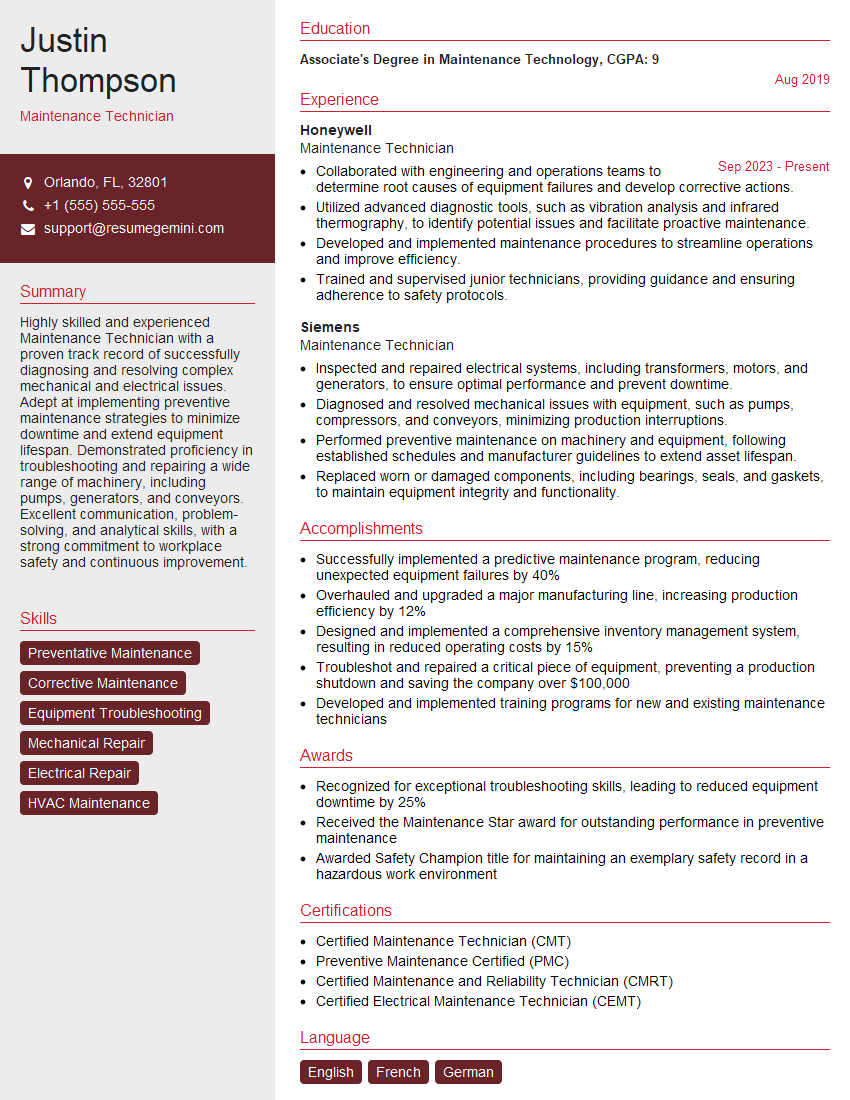
Maintenance Technician Resume Sample
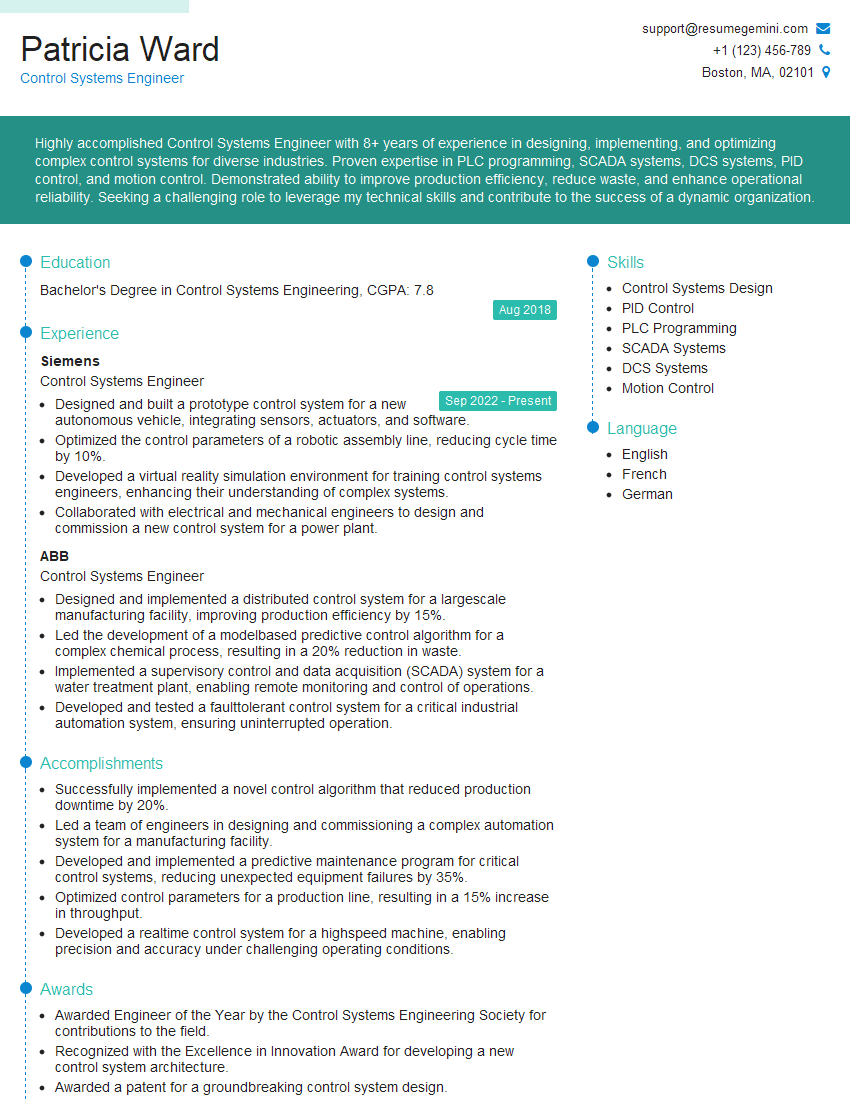
Control Systems Engineer Resume Sample
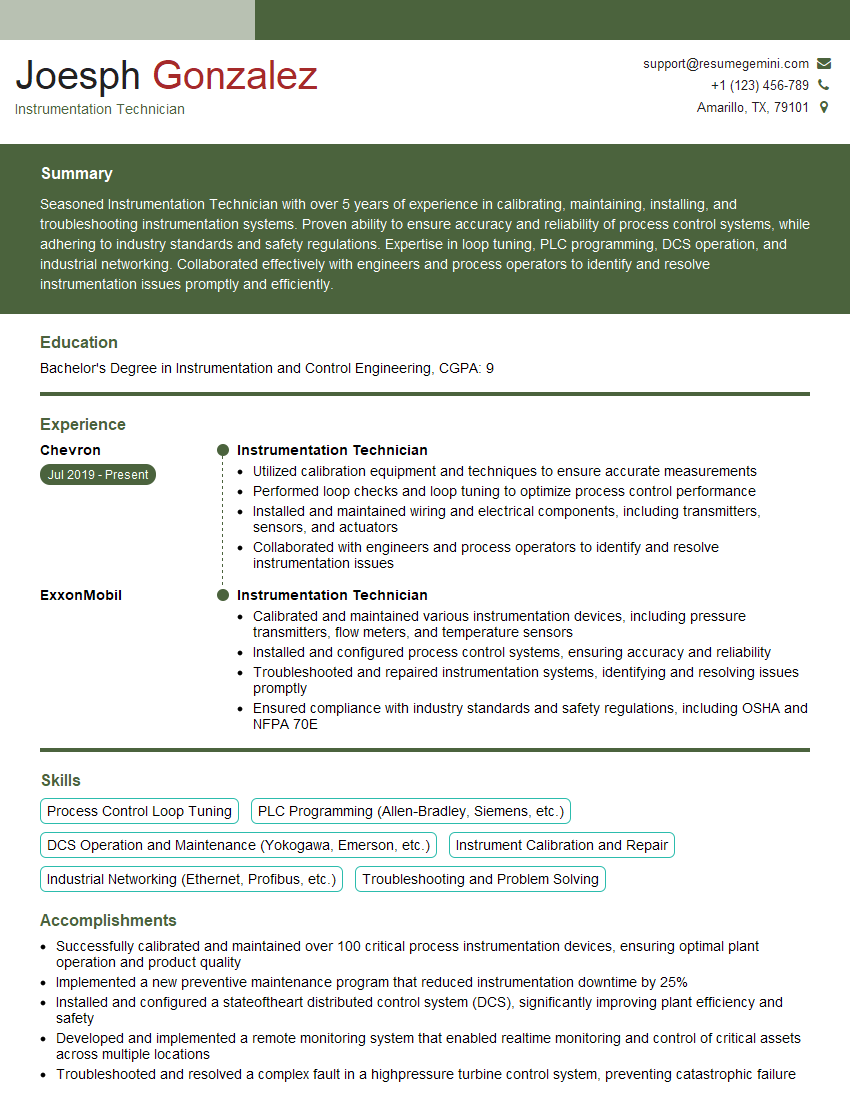
Instrumentation Technician Resume Sample
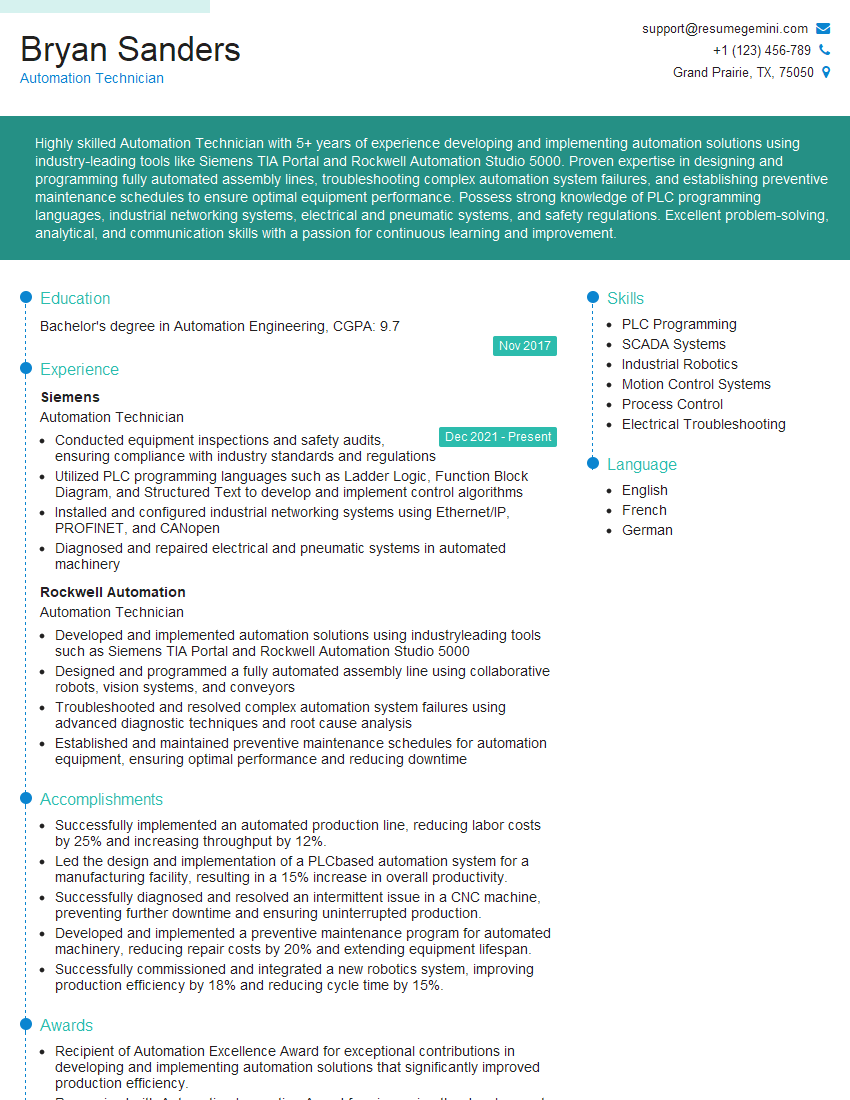
Automation Technician Resume Sample
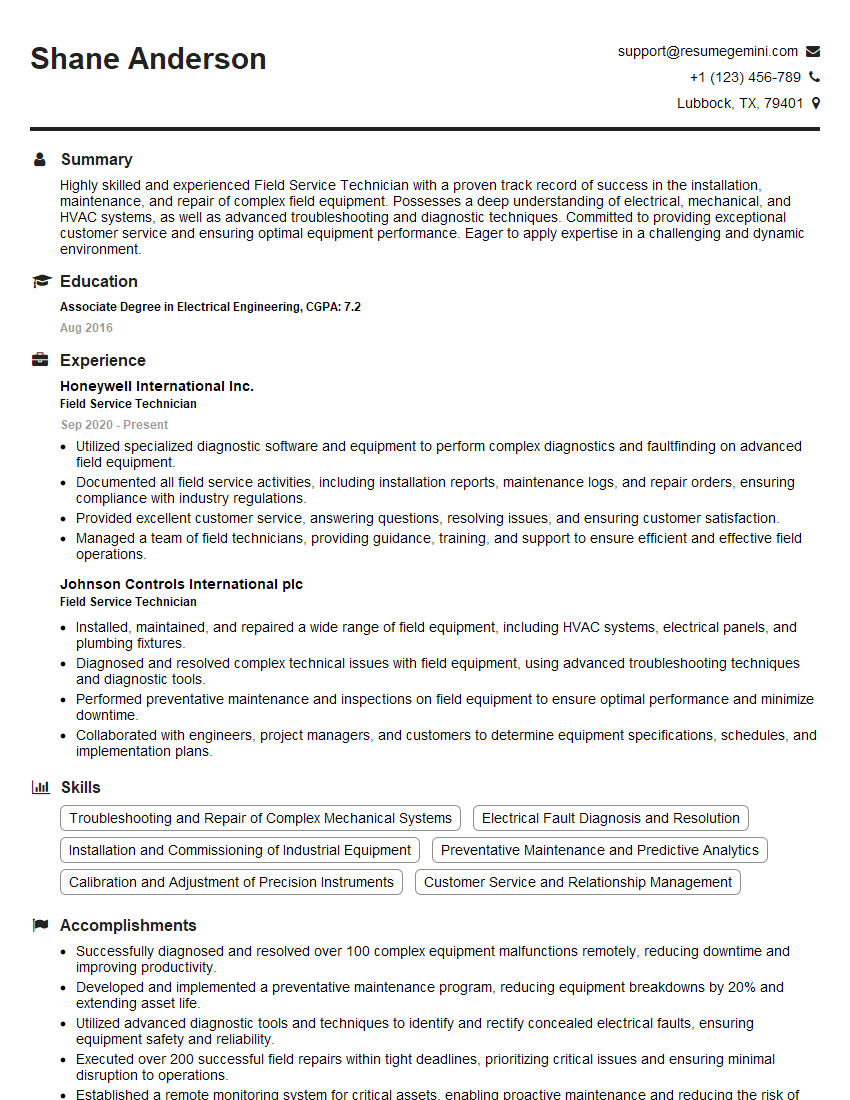
Field Service Technician Resume Sample
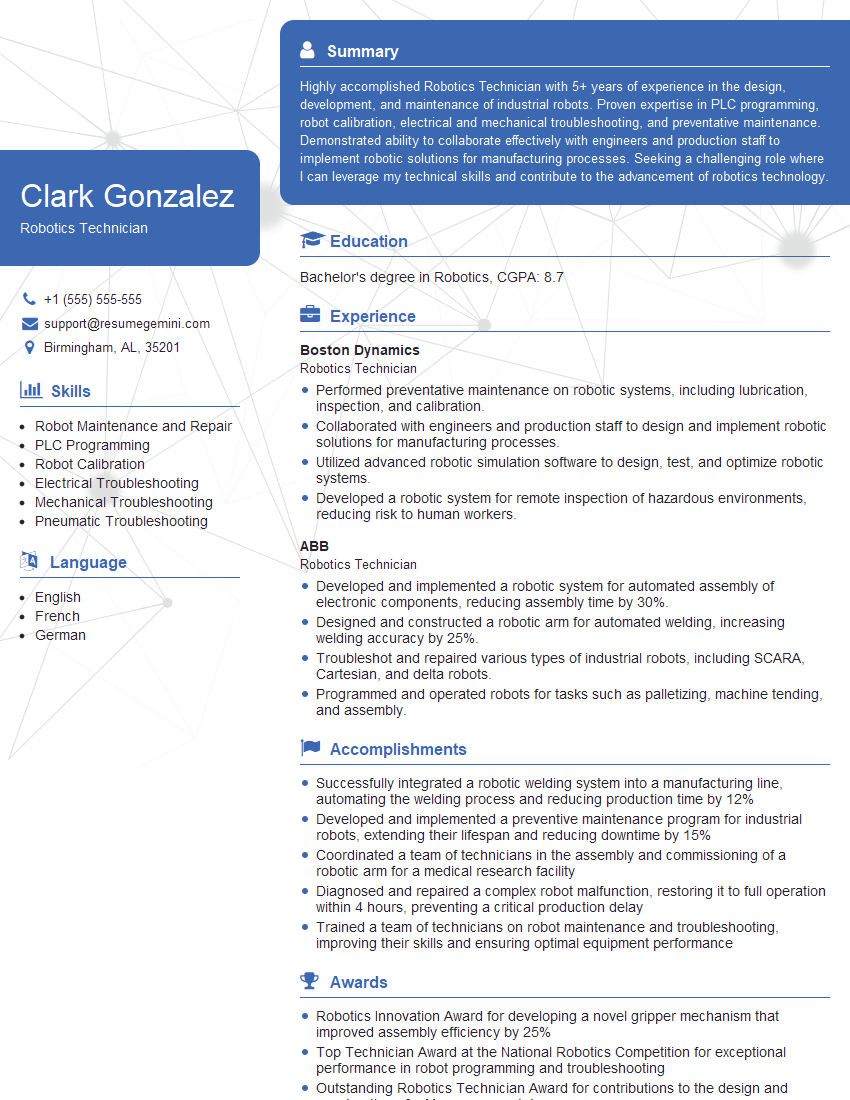
Robotics Technician Resume Sample
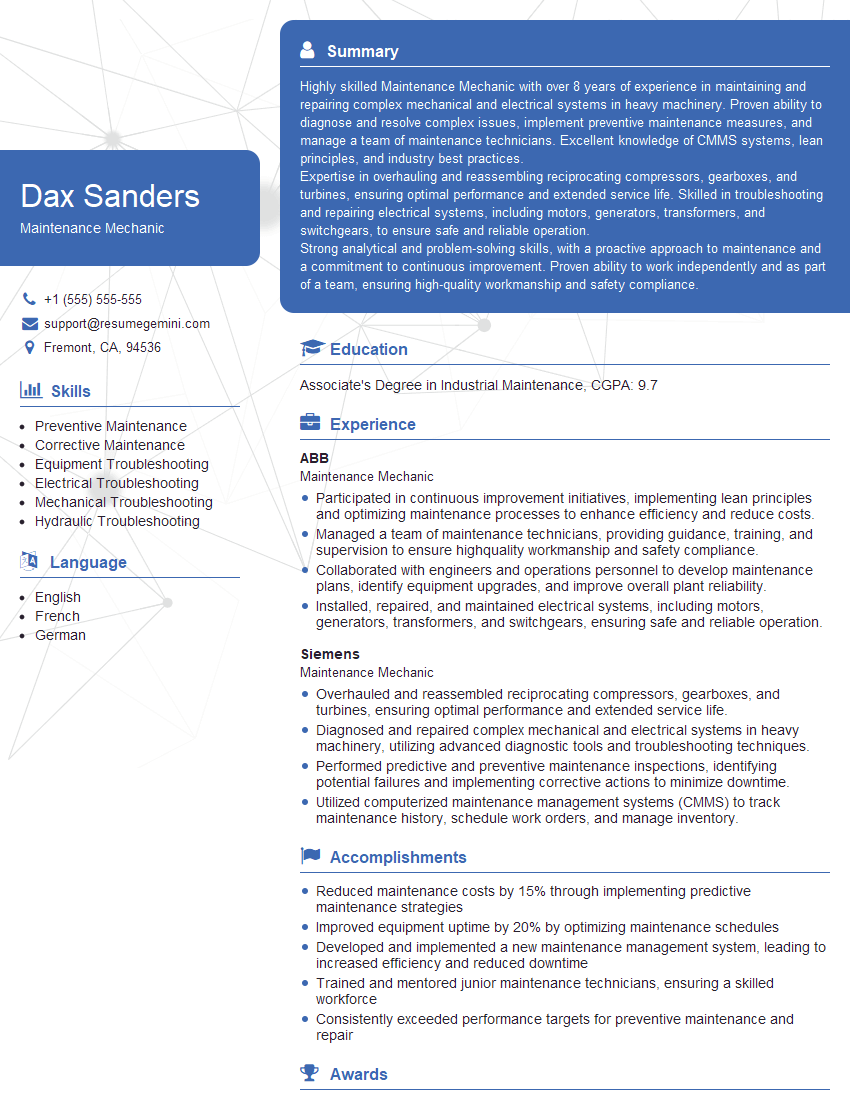
Maintenance Mechanic Resume Sample
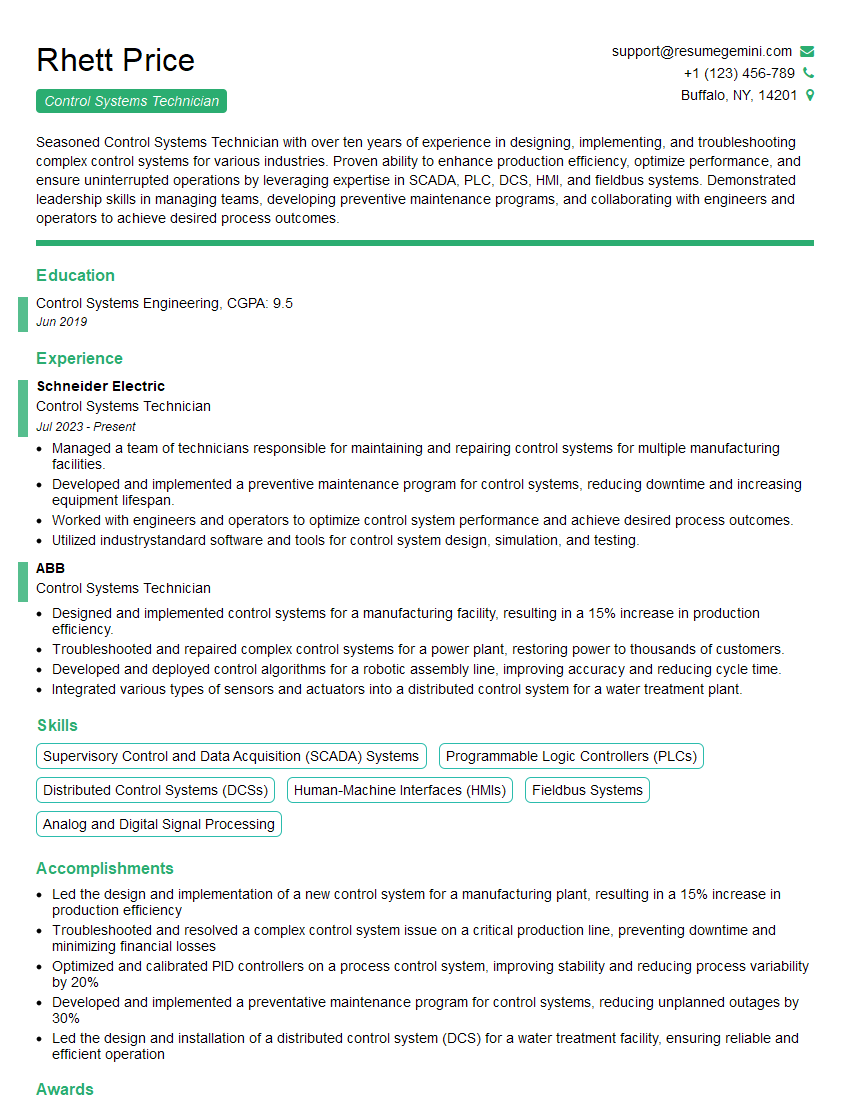
Control Systems Technician Resume Sample
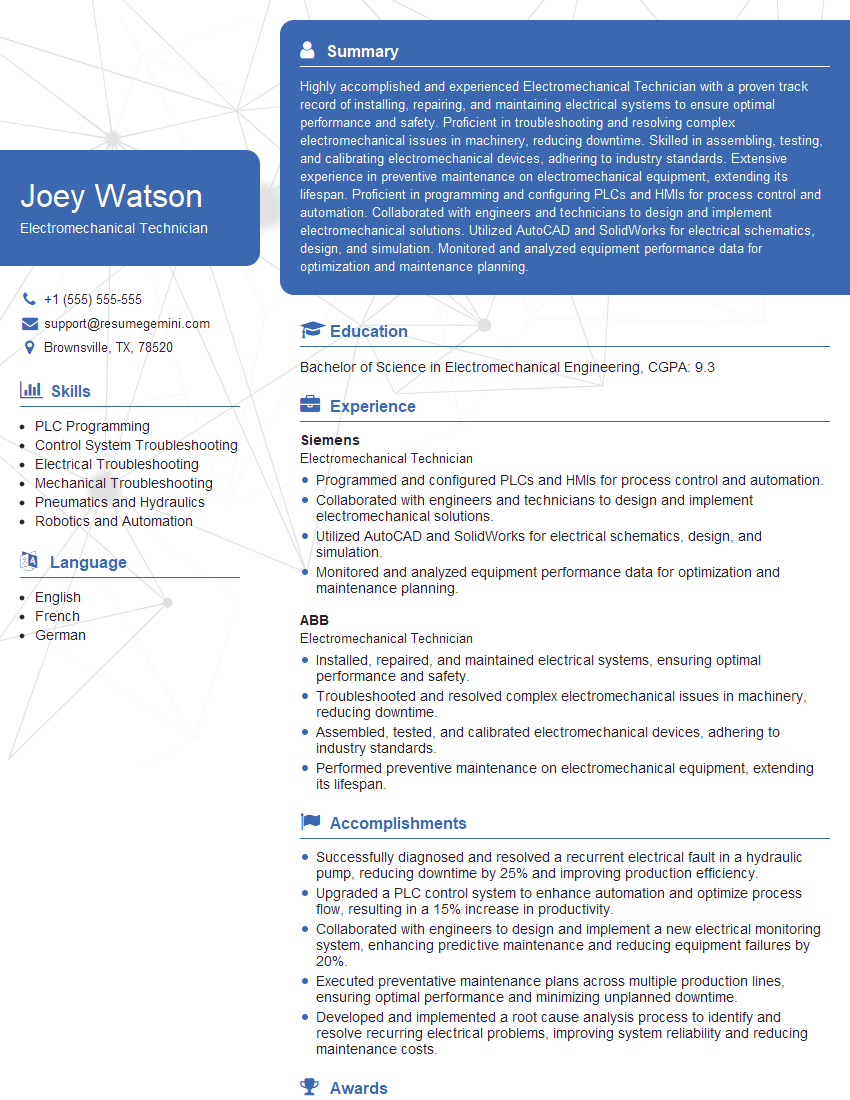
Electromechanical Technician Resume Sample
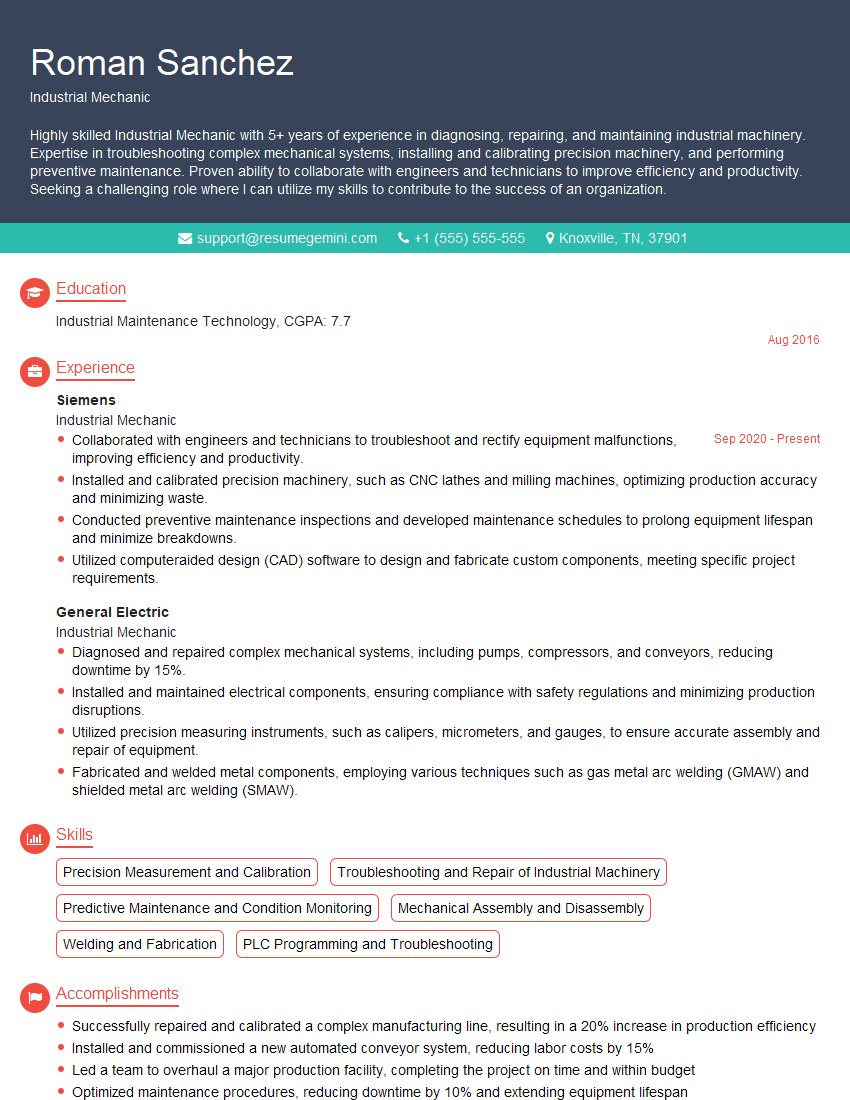
Industrial Mechanic Resume Sample
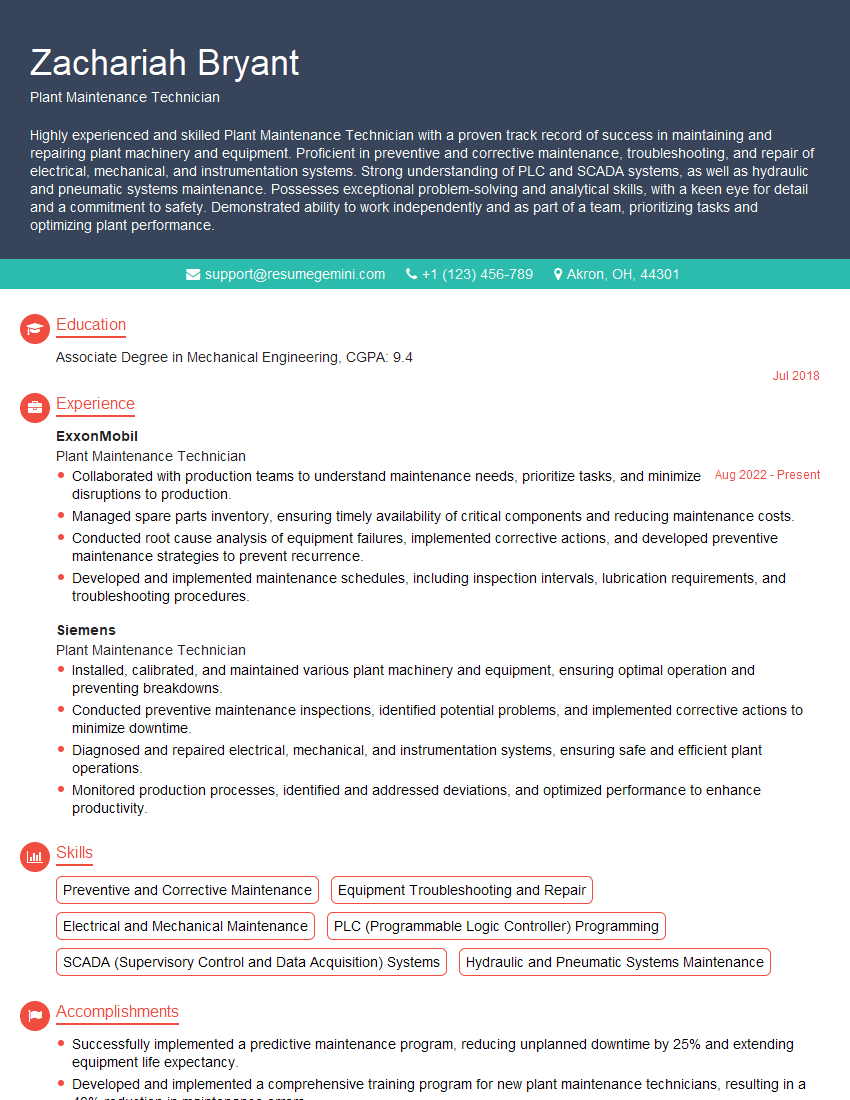
Plant Maintenance Technician Resume Sample
Explore more articles
Users Rating of Our Blogs
Share Your Experience
We value your feedback! Please rate our content and share your thoughts (optional).
What Readers Say About Our Blog
Very informative content, great job.
good