The right preparation can turn an interview into an opportunity to showcase your expertise. This guide to Mildew and Mold Treatment interview questions is your ultimate resource, providing key insights and tips to help you ace your responses and stand out as a top candidate.
Questions Asked in Mildew and Mold Treatment Interview
Q 1. What are the common types of mold found in buildings?
Many types of mold can colonize buildings. Identifying the specific species is crucial for effective remediation, as different molds have varying levels of toxicity and require tailored treatment approaches. Some of the most common include:
- Cladosporium: This is a very common outdoor mold that frequently enters buildings through open windows or cracks. It’s usually dark green or brown.
- Penicillium: Another common mold, often found indoors, exhibiting a range of colors from green to blue to gray. Some Penicillium species produce penicillin, but others can be allergenic.
- Aspergillus: This genus includes many species, some of which can produce mycotoxins (toxic substances). It’s often found in dusty areas and appears in various colors including green, black, brown, or yellow.
- Alternaria: Typically found outdoors but can easily migrate indoors. Often appears as dark brown or black colonies.
- Stachybotrys chartarum (Black Mold): This notorious mold species is often associated with water damage and can produce mycotoxins. It appears as a dark greenish-black slimy growth.
It’s important to note that this isn’t an exhaustive list, and accurate identification often requires laboratory analysis.
Q 2. Explain the difference between mold inspection and mold testing.
Mold inspection and mold testing are distinct but related processes in addressing mold issues. Think of an inspection as the detective work and testing as the forensic analysis.
Mold Inspection: A visual assessment of a property for the presence of mold. A qualified inspector will visually examine areas known for moisture problems (e.g., bathrooms, attics, basements) looking for signs of mold growth – discoloration, musty odors, and visible colonies. The inspection helps determine if further testing is necessary.
Mold Testing: This involves collecting samples from suspected mold areas and sending them to a laboratory for analysis. Testing identifies the type of mold present and quantifies its concentration. There are different types of mold tests (air sampling, surface sampling, bulk sampling), chosen based on the situation.
Example: You might have a musty smell in your basement. An inspection would visually assess the basement for mold growth. If mold is visible, testing would be done to identify the species and the extent of the contamination.
Q 3. Describe the various methods used for mold sampling.
Several methods are used for mold sampling, each suited to different circumstances:
- Air Sampling: Uses a device to collect airborne mold spores. This is useful for assessing the overall mold spore concentration in the air, and it’s often done in conjunction with surface sampling.
- Surface Sampling: Involves collecting a sample directly from a moldy surface using a swab, tape lift, or bulk sample. This directly identifies the mold species growing on that particular surface.
- Bulk Sampling: This method involves collecting a larger piece of the moldy material (e.g., drywall, ceiling tile). It is most useful when a large amount of mold is present and the goal is to determine the types of mold and the extent of the problem.
The choice of sampling method depends on the suspected extent and location of mold contamination. For instance, air sampling is suitable for widespread contamination, while surface sampling is used for localized issues. A professional mold assessor will determine the most appropriate method(s).
Q 4. What safety precautions are necessary when performing mold remediation?
Mold remediation requires stringent safety protocols to protect both the remediation workers and the occupants. These precautions include:
- Personal Protective Equipment (PPE): This is absolutely paramount. Workers should always wear N95 respirators (or higher), gloves, eye protection, and protective clothing to prevent inhalation and skin contact with mold spores and potential mycotoxins.
- Containment: The work area should be properly contained using plastic sheeting and negative air pressure to prevent the spread of mold spores during remediation.
- Proper Disposal: Mold-contaminated materials must be disposed of properly according to local regulations. This often involves double-bagging the materials and labeling them appropriately.
- Decontamination: After remediation, the area should be thoroughly cleaned and decontaminated to remove any remaining mold spores.
- Training and Certification: Remediation workers should be properly trained and certified in mold remediation techniques and safety procedures.
Ignoring safety precautions can lead to serious health consequences for workers and building occupants. Proper safety is non-negotiable.
Q 5. What are the EPA guidelines for mold remediation?
The EPA doesn’t provide specific, prescriptive guidelines for mold remediation but offers comprehensive recommendations focusing on moisture control and prevention. They emphasize that the best approach is to prevent mold growth in the first place by addressing moisture problems promptly. Key aspects include:
- Moisture Control: The cornerstone of mold prevention is controlling moisture. This means repairing leaks promptly, ensuring proper ventilation, and addressing condensation issues.
- Cleaning up Mold: For small mold areas (<10 square feet), the EPA suggests cleaning with soap and water, wearing appropriate PPE. Larger areas or areas with unusual mold require professional remediation.
- Professional Remediation: The EPA strongly recommends contacting a qualified mold remediation professional for larger infestations or if there’s uncertainty about how to handle the situation.
- Post-Remediation Testing: After professional remediation, post-remediation testing is often conducted to ensure the mold has been successfully removed.
The EPA’s approach is preventative and emphasizes the critical role of moisture control to prevent mold growth from ever becoming a major problem.
Q 6. How do you determine the extent of mold damage in a structure?
Determining the extent of mold damage requires a thorough assessment involving several steps:
- Visual Inspection: This is the first step, visually identifying the visible mold growth to assess its size and location.
- Moisture Meter Testing: Using a moisture meter to check for hidden moisture problems behind walls or under flooring is crucial because mold often grows where there is hidden moisture.
- Mold Testing: Sampling and laboratory analysis help identify the species and concentration of the mold to ascertain the severity of the contamination.
- Non-Destructive Testing: Techniques like thermal imaging might be used to locate hidden moisture sources contributing to mold growth.
- Material Assessment: Evaluation of the affected materials determines if they need to be removed (e.g., severely damaged drywall) or can be cleaned and sanitized.
The combined results of these assessments give a comprehensive understanding of the mold damage, guiding the remediation plan.
Q 7. Explain the process of mold remediation, from assessment to cleanup.
Mold remediation is a systematic process involving several key stages:
- Assessment: A thorough visual inspection, moisture testing, and potentially mold testing to determine the extent of the problem.
- Containment: Establishing a containment area using plastic sheeting and negative air pressure to prevent mold spore dispersal.
- Removal of Contaminated Materials: Removing severely mold-damaged materials, such as drywall or insulation. This often requires specialized equipment and procedures.
- Cleaning and Sanitizing: Thorough cleaning and sanitizing of surfaces using appropriate cleaning agents and antimicrobial solutions.
- Drying: Using dehumidifiers and air movers to ensure the area is completely dry to prevent mold regrowth.
- Post-Remediation Cleaning: A final thorough cleaning of the entire area to remove any remaining mold spores.
- Post-Remediation Testing (Optional): Testing to verify the effectiveness of the remediation efforts.
Each step is vital for effective mold remediation. Skipping steps or performing them inadequately can lead to mold regrowth and health problems.
Q 8. What are the different types of remediation techniques?
Mold remediation techniques aim to eliminate mold growth and prevent recurrence. They range from simple cleaning to extensive demolition, depending on the extent of the infestation and the type of material affected.
- Cleaning: For small, superficial mold colonies on easily cleanable surfaces, thorough cleaning with a detergent solution and water is often sufficient. This is suitable for minor mold growth on walls, tiles, or non-porous surfaces.
- Abrasive Cleaning: For more stubborn mold, abrasive cleaning methods, like scrubbing with a stiff brush, may be necessary. This might be used on grout or other textured surfaces.
- Containment/Encapsulation: This involves physically isolating affected areas using plastic sheeting and negative air pressure to prevent mold spores from spreading during remediation. This is crucial in larger infestations or when dealing with sensitive areas.
- Removal: Heavily contaminated materials that cannot be effectively cleaned may need to be removed and disposed of properly. This includes drywall, insulation, or flooring. Removal is critical when mold has penetrated deeply into materials.
- Demolition: In extreme cases, significant structural components may require demolition to ensure complete mold removal. This is rare but necessary for extensive mold damage.
- Specialized Treatments: In some instances, specialized treatments like antimicrobial applications or UV disinfection may be employed to eliminate mold and prevent regrowth. These often target specific areas or materials.
Q 9. What are the limitations of each remediation technique?
Each remediation technique has limitations. The choice of method depends critically on the type and extent of the mold problem.
- Cleaning: Ineffective for deeply embedded mold or porous materials where cleaning might not reach the source.
- Abrasive Cleaning: Can damage sensitive surfaces if not done carefully.
- Containment/Encapsulation: While effective, it’s not a stand-alone solution and needs to be coupled with other methods to remove the mold itself.
- Removal: Can be costly and disruptive, requiring significant demolition and reconstruction in some cases. Requires careful handling and disposal of contaminated materials.
- Demolition: The most drastic and expensive option, resulting in significant disruption and requiring extensive reconstruction.
- Specialized Treatments: May not be effective against all types of mold, and their long-term efficacy may vary depending on the specific treatment and the conditions.
For example, attempting to clean mold from water-damaged drywall is generally ineffective because the mold has penetrated the porous material. Removal is necessary in this scenario.
Q 10. How do you ensure the safety of occupants during and after remediation?
Occupant safety is paramount. We follow strict protocols to minimize exposure to mold spores during and after remediation.
- Containment: We contain the work area using airtight plastic sheeting and employ negative air pressure to prevent the spread of spores.
- Personal Protective Equipment (PPE): Our team wears appropriate PPE, including respirators, gloves, and protective suits, to prevent inhalation and contact with mold.
- Air Quality Monitoring: We monitor air quality throughout the process to ensure spore levels remain within acceptable limits and document the changes in spore counts.
- Post-Remediation Cleaning: Thorough cleaning and sanitization of the affected area are crucial to eliminate any remaining mold or spores.
- HEPA Vacuuming: High-efficiency particulate air (HEPA) vacuums are used to remove loose mold and spores, further reducing airborne contamination.
- Occupant Relocaton: In cases of extensive infestation or high risk, we may recommend temporary relocation of occupants until remediation and air quality testing confirms safety.
Imagine a scenario with an allergic occupant – meticulous safety procedures, including temporary relocation, are essential to protect their health.
Q 11. What are the signs of mold growth that you would look for during an inspection?
Identifying mold requires a trained eye. We look for a combination of visual indicators and environmental clues.
- Visible Mold Growth: This could be anything from fuzzy, discolored patches to slimy or velvety textures. Colors can vary greatly depending on the type of mold.
- Musty Odor: A distinctive musty or earthy odor is a strong indicator of mold presence, even if mold isn’t readily visible.
- Water Damage: Areas with previous or ongoing water damage are prime locations for mold growth. This includes leaks, condensation, and high humidity.
- Discoloration: Discoloration of walls, ceilings, or other materials can signal mold growth behind the surface.
- Structural Damage: Mold can weaken materials over time, leading to visible damage such as blistering paint, crumbling drywall, or warped wood.
For instance, a musty smell in a basement accompanied by water stains on the wall is a significant red flag and warrants a thorough inspection.
Q 12. How do you identify the source of moisture that is contributing to mold growth?
Identifying the moisture source is critical for effective mold remediation; simply removing the visible mold will not resolve the problem if the source remains.
- Visual Inspection: Look for visible leaks, cracks, or areas of high humidity.
- Moisture Meter Testing: Use moisture meters to measure the moisture content of building materials to pinpoint areas with excessive moisture.
- Thermography: Infrared thermography can detect temperature differences indicating hidden moisture problems.
- Plumbing Inspection: Check for leaks in pipes, faucets, and drainage systems.
- Roof and Exterior Inspection: Inspect the roof for leaks and the exterior walls for cracks or damage that could allow water penetration.
- HVAC System Inspection: Examine the heating, ventilation, and air conditioning (HVAC) system for condensation problems or leaks.
For instance, discovering consistently high humidity readings in a crawl space under a house suggests a potential problem with the building’s foundation or drainage system that needs to be addressed.
Q 13. How do you interpret mold test results?
Mold test results should be interpreted carefully and in context with the visual inspection and moisture assessment. They should not be interpreted in isolation.
- Type of Mold: The test may identify the species of mold present. While some molds are relatively harmless, others are more toxic. The identification of toxic molds (like Stachybotrys chartarum or black mold) is crucial for determining the appropriate level of remediation.
- Mold Concentration: The test will quantify the amount of mold present, often expressed as spores per cubic meter of air or the number of colony-forming units (CFUs) on a surface sample. This helps determine the severity of the infestation.
- Comparison to Standards: We compare the results to established guidelines and standards to determine if the mold levels pose a health risk. These standards vary across regions and organizations.
- Limitations of Testing: It’s important to remember that mold tests are snapshots in time and may not fully represent the overall mold situation. They don’t always reflect the total amount of mold that might be present in hard-to-reach areas.
A high concentration of toxic mold in a child’s bedroom, for instance, requires immediate and aggressive remediation.
Q 14. What are the legal and ethical considerations involved in mold remediation?
Mold remediation involves legal and ethical considerations that must be addressed properly.
- Licensure and Certification: Many jurisdictions require mold remediation professionals to be licensed or certified. We ensure compliance with all local, state, and federal regulations.
- Disclosure: It’s crucial to openly and honestly disclose the extent of mold contamination and the remediation plan to the property owner and occupants.
- Transparency: All procedures, including testing results, remediation methods used, and post-remediation air quality testing should be documented and shared transparently with stakeholders.
- Environmental Protection: Proper disposal of contaminated materials according to local regulations is essential to minimize environmental impact.
- Insurance Claims: Working with insurance adjusters and ensuring proper documentation for insurance claims requires careful attention to detail and adherence to procedures.
- Conflict of Interest: Avoid any potential conflict of interest by not recommending unnecessary remediation or overstating the severity of the problem.
For example, failing to properly disclose the presence of toxic mold during a real estate transaction is unethical and potentially illegal.
Q 15. Describe your experience with different types of building materials and their susceptibility to mold.
My experience spans a wide range of building materials, and understanding their susceptibility to mold is crucial for effective remediation. Porous materials like drywall, wood, and cellulose insulation are particularly vulnerable because they readily absorb and retain moisture, providing the perfect breeding ground for mold. Conversely, non-porous materials such as glass, metal, and sealed concrete are far less susceptible, although surface contamination can still occur.
- Drywall: Mold loves the paper facing and gypsum core, often leading to extensive damage behind walls.
- Wood: Different types of wood vary in density and porosity; softwoods are generally more prone to mold growth than hardwoods.
- Insulation: Fiberglass insulation, while less absorbent than cellulose, can still harbor mold if moisture intrusion occurs.
- Carpet and padding: These materials readily absorb moisture and are prime targets for mold growth, often requiring complete removal.
- Concrete: While concrete itself is relatively resistant, cracks and porous areas can allow moisture penetration and mold growth.
For example, I recently worked on a project where significant mold growth was discovered in cellulose insulation due to a leaking roof. The porous nature of the cellulose allowed rapid mold proliferation, necessitating extensive removal and replacement.
Career Expert Tips:
- Ace those interviews! Prepare effectively by reviewing the Top 50 Most Common Interview Questions on ResumeGemini.
- Navigate your job search with confidence! Explore a wide range of Career Tips on ResumeGemini. Learn about common challenges and recommendations to overcome them.
- Craft the perfect resume! Master the Art of Resume Writing with ResumeGemini’s guide. Showcase your unique qualifications and achievements effectively.
- Don’t miss out on holiday savings! Build your dream resume with ResumeGemini’s ATS optimized templates.
Q 16. How do you manage a project timeline for mold remediation?
Managing a mold remediation project timeline requires careful planning and consideration of several factors. It begins with a thorough assessment of the affected area, identifying the extent of the mold problem and the type of materials involved. This informs the scope of work, which directly impacts the timeline. I typically break down the project into phases: assessment, containment, remediation, and verification.
- Assessment: This phase involves visual inspection, moisture testing, and potentially air sampling, usually taking 1-3 days depending on project size.
- Containment: Establishing containment to prevent mold spore dispersal typically requires a day or two. This includes setting up negative air pressure systems and protective barriers.
- Remediation: This is the most time-consuming phase, involving the removal and disposal of contaminated materials. The duration depends on the extent of damage; small projects can be completed in a week, while larger ones may take several weeks.
- Verification: Post-remediation air and surface testing ensures effectiveness, usually taking 2-3 days for results.
Communication with the client is key throughout. I provide regular updates, keeping them informed of progress and any unforeseen delays. Realistic timelines, factoring in potential challenges, are crucial for managing client expectations.
Q 17. How do you communicate with clients regarding mold issues and remediation plans?
Clear and open communication is paramount in mold remediation. I begin by explaining the assessment process in simple, understandable terms, avoiding technical jargon. I then present my findings in a straightforward manner, detailing the extent of the problem, potential health risks, and the proposed remediation plan. I use visuals like photos and diagrams to illustrate the affected areas and the planned remediation steps.
I emphasize transparency throughout, addressing client concerns promptly and honestly. I’m always available to answer questions and provide updates on the project’s progress. I provide written reports summarizing findings, remediation actions, and clearance testing results, ensuring clients have a complete record of the work performed.
For example, I recently worked with a family who was understandably anxious about mold in their child’s bedroom. By explaining the process clearly and reassuring them of the safety measures taken, I was able to alleviate their concerns and build trust.
Q 18. What are the key factors to consider when developing a remediation proposal?
A comprehensive remediation proposal needs to include several key factors: a detailed description of the problem, the proposed remediation plan, a breakdown of costs, and a clear timeline. It should also address safety measures, waste disposal, and post-remediation verification.
- Problem Assessment: Detailed description of mold type, location, extent of damage, and supporting documentation (photos, moisture readings).
- Remediation Plan: Step-by-step approach outlining containment, removal of materials, cleaning procedures, and disposal methods.
- Cost Breakdown: Itemized list of all costs involved, including labor, materials, equipment rental, and disposal fees.
- Timeline: Realistic estimate of project duration, including contingencies for unforeseen issues.
- Safety Measures: Detail on personal protective equipment (PPE) and safety protocols to be followed.
- Waste Disposal: Explanation of how contaminated materials will be disposed of according to local regulations.
- Verification: Outline of post-remediation testing to ensure the effectiveness of the work.
A well-structured proposal demonstrates professionalism and helps clients understand the scope of work and associated costs. It also serves as a legal contract outlining the agreement between the client and the remediation company.
Q 19. How do you deal with unexpected mold growth during a remediation project?
Unexpected mold growth during a remediation project is a possibility. My approach is to immediately assess the situation, determine the cause, and adjust the remediation plan accordingly. This may involve expanding the scope of work, including additional areas or materials.
It’s crucial to communicate the unexpected findings to the client transparently and collaboratively discuss adjustments to the project plan and associated costs. Thorough documentation of the unexpected growth, its cause, and the revised remediation strategy is essential. Additional testing may be necessary to verify the effectiveness of the adjusted remediation plan.
For instance, I once discovered hidden mold damage behind a wall during demolition. I immediately notified the client, explained the situation, and adjusted the project scope to address the unexpected problem. This involved additional demolition, cleaning, and disposal costs, but transparent communication ensured the client’s understanding and cooperation.
Q 20. What is your experience with using personal protective equipment (PPE)?
Safety is my top priority. I have extensive experience using personal protective equipment (PPE) and adhere strictly to all safety regulations. This includes respirators (N95 or higher, selected based on the type of mold), coveralls, gloves, eye protection, and appropriate footwear. Proper training on the correct use and maintenance of PPE is essential, and I regularly refresh my knowledge on best practices.
I ensure all team members are properly trained and equipped with the necessary PPE and follow established safety protocols. This includes regular checks to ensure proper fit and function of the equipment, and procedures for safe removal and disposal of PPE after use to avoid cross-contamination. Regular safety meetings are conducted to address any concerns and ensure adherence to safety guidelines. Our work practices are designed to minimize exposure risk to both the workers and occupants of the building.
Q 21. How do you ensure proper disposal of mold-contaminated materials?
Proper disposal of mold-contaminated materials is crucial for environmental safety and public health. We adhere to all local, state, and federal regulations regarding hazardous waste disposal. This often requires special handling and disposal at licensed facilities. Mold-contaminated materials are typically double-bagged, sealed, and labeled appropriately before transportation.
We maintain detailed records of all waste generated, including the type of material, quantity, and the disposal facility where it was sent. This ensures compliance with regulations and provides a clear audit trail. We work with licensed waste haulers who are knowledgeable about handling and disposing of mold-contaminated materials safely and responsibly. Our procedures prioritize minimizing waste generation through salvage and proper containment to reduce the environmental impact of our projects.
Q 22. What are your skills in moisture detection and measurement?
Accurate moisture detection is fundamental to effective mold remediation. My skills encompass a range of techniques, from using basic moisture meters to advanced tools like thermal cameras and infrared hygrometers. Moisture meters measure the moisture content of building materials by detecting electrical resistance. The lower the resistance, the higher the moisture content. Thermal cameras reveal temperature variations indicating potential moisture accumulation behind walls or under flooring. Infrared hygrometers provide precise readings of humidity levels within a specific area, helping pinpoint the source of moisture problems.
For example, in a recent basement remediation, I used a combination of moisture meters and a thermal camera to identify a hidden leak behind drywall that was causing significant mold growth. The moisture meter showed elevated moisture levels in the drywall, while the thermal camera revealed a localized cold spot, indicative of evaporating water. This combined approach allowed me to target the source of the moisture problem and prevent future mold growth, far more efficiently than relying on one method alone.
Q 23. What is your understanding of IAQ (Indoor Air Quality)?
Indoor Air Quality (IAQ) refers to the air quality within enclosed spaces, such as homes and offices. Poor IAQ can significantly impact occupant health and well-being, with mold being a primary culprit. My understanding of IAQ encompasses identifying potential sources of contamination – mold, volatile organic compounds (VOCs), carbon monoxide, radon etc. – as well as the methods used to measure and improve IAQ. This includes testing for mold spores in the air using air sampling, assessing ventilation systems, and recommending strategies for mitigation and remediation.
For instance, I might use an air sampler to quantify the concentration of various mold spores in the air before, during, and after a remediation project. This data is critical in demonstrating the effectiveness of our interventions to clients and insurance adjusters, while also identifying specific types of mold present for health assessments.
Q 24. What are your experiences with working with insurance adjusters?
I have extensive experience collaborating with insurance adjusters on mold remediation projects. My approach involves providing them with clear, concise, and well-documented evidence of the mold problem, including detailed reports, photographs, and lab results. This helps expedite the claims process and ensures the client receives the necessary coverage. This requires detailed documentation of every step, from the initial inspection to the final cleanup and clearance.
In one instance, I worked closely with an adjuster on a significant water damage case in a commercial building. By meticulously documenting the extent of the damage and the subsequent remediation process, including the cost breakdown and the supporting evidence, we ensured that the insurance company understood the necessity of the extensive cleanup and that the claim was processed smoothly.
Q 25. Describe a time you faced a challenging mold remediation project. How did you overcome it?
One particularly challenging project involved a historic building with extensive mold growth behind plaster walls. The challenge lay in accessing and remediating the mold without causing significant damage to the irreplaceable historic structure. We used specialized tools and techniques, including careful demolition and reconstruction using historically accurate materials. We also implemented rigorous containment procedures to prevent further spread of the mold during remediation.
To overcome this, we developed a phased approach. First, we conducted a thorough assessment, documenting the location and extent of the mold using specialized cameras and probes. Then, we carefully removed sections of the plaster, remediated the affected areas, and meticulously rebuilt the walls to maintain the building’s historical integrity. Regular air quality monitoring ensured the effectiveness of our efforts and the safety of the workers.
Q 26. What are the common causes of mold growth in residential and commercial buildings?
Mold growth thrives in environments with moisture and a food source. Common causes in both residential and commercial buildings include:
- Water Leaks: Roof leaks, plumbing issues, and even condensation from high humidity are major contributors.
- High Humidity: Excessive moisture in the air creates an ideal environment for mold spores to germinate and grow.
- Poor Ventilation: Lack of proper ventilation prevents moisture from dissipating, leading to condensation and mold growth.
- Flooding: Significant water events cause widespread mold contamination.
- Construction Defects: Issues like improper sealing or insulation can create areas susceptible to moisture accumulation.
Understanding these root causes is critical in preventing future mold problems. Addressing the moisture source is always the primary step in successful mold remediation.
Q 27. What is your experience with different types of air scrubbers and HEPA vacuums?
My experience encompasses a variety of air scrubbers and HEPA vacuums, each suited for different tasks. Air scrubbers with HEPA filters effectively remove mold spores and other airborne particles from the air. HEPA vacuums, similarly equipped with high-efficiency particulate air (HEPA) filters, remove mold spores and debris from surfaces. The choice depends on the scale of the project and the type of mold present. For instance, larger air scrubbers are better suited for whole-house remediation, while smaller units are more effective for localized areas.
I’ve utilized various models from different manufacturers, always selecting equipment appropriate for the project’s specific needs. For example, in a smaller bathroom with mold growth, a smaller HEPA vacuum and a portable air scrubber with activated carbon filters proved highly effective. In a large-scale remediation, larger industrial air scrubbers were necessary to effectively clean the air within the containment.
Q 28. What are your knowledge of various mold species and their health implications?
I possess a strong understanding of various mold species and their associated health implications. Stachybotrys chartarum (black mold) is often cited but is only one of many potentially harmful molds. Other genera such as Aspergillus, Penicillium, and Cladosporium also produce mycotoxins and allergens that can trigger allergic reactions, asthma attacks, and other respiratory problems in susceptible individuals. The severity depends on several factors, including the type and amount of mold, the duration of exposure, and the individual’s sensitivity.
My approach involves not only identifying the mold species through laboratory analysis but also assessing its potential health impact based on the concentration, location, and potential for mycotoxin production. This information is crucial for designing effective remediation strategies and ensuring the safety of building occupants.
Key Topics to Learn for Your Mildew and Mold Treatment Interview
- Mildew vs. Mold Identification: Learn to differentiate between various types of mildew and mold, understanding their unique characteristics and growth conditions. This includes visual inspection techniques and the use of testing equipment.
- Safety Protocols and PPE: Master the safe handling of remediation materials and the proper use of Personal Protective Equipment (PPE) to mitigate health risks associated with mold exposure. This includes understanding relevant safety regulations.
- Moisture Control and Prevention: Understand the underlying causes of mold growth, focusing on moisture intrusion and its prevention through proper building maintenance and ventilation techniques.
- Remediation Techniques: Become familiar with various remediation methods, from surface cleaning and containment to demolition and reconstruction, selecting appropriate techniques based on the severity of the infestation.
- Environmental Considerations: Learn about environmentally friendly remediation practices, waste disposal regulations, and minimizing the impact on the surrounding environment.
- Legal and Regulatory Compliance: Understand relevant local, state, and federal regulations concerning mold remediation, including licensing requirements and reporting procedures.
- Client Communication and Project Management: Develop your skills in effectively communicating with clients, managing expectations, and providing clear and concise project updates.
- Mold Testing and Analysis: Learn about different mold testing methods, interpreting test results, and using the data to inform remediation strategies.
- Restoration and Repair: Gain a working knowledge of the restoration and repair processes following remediation, ensuring the affected area is properly cleaned, dried, and restored.
Next Steps
Mastering mildew and mold treatment opens doors to exciting career opportunities in a growing field. A strong understanding of these crucial topics will significantly enhance your interview performance and boost your chances of landing your dream job. To further strengthen your application, focus on creating a compelling and ATS-friendly resume that highlights your skills and experience. ResumeGemini is a trusted resource that can help you build a professional resume tailored to the specific requirements of the Mildew and Mold Treatment industry. Examples of resumes tailored to this field are available to help guide you. Invest the time in crafting a standout resume – it’s a crucial first step in securing your ideal position.
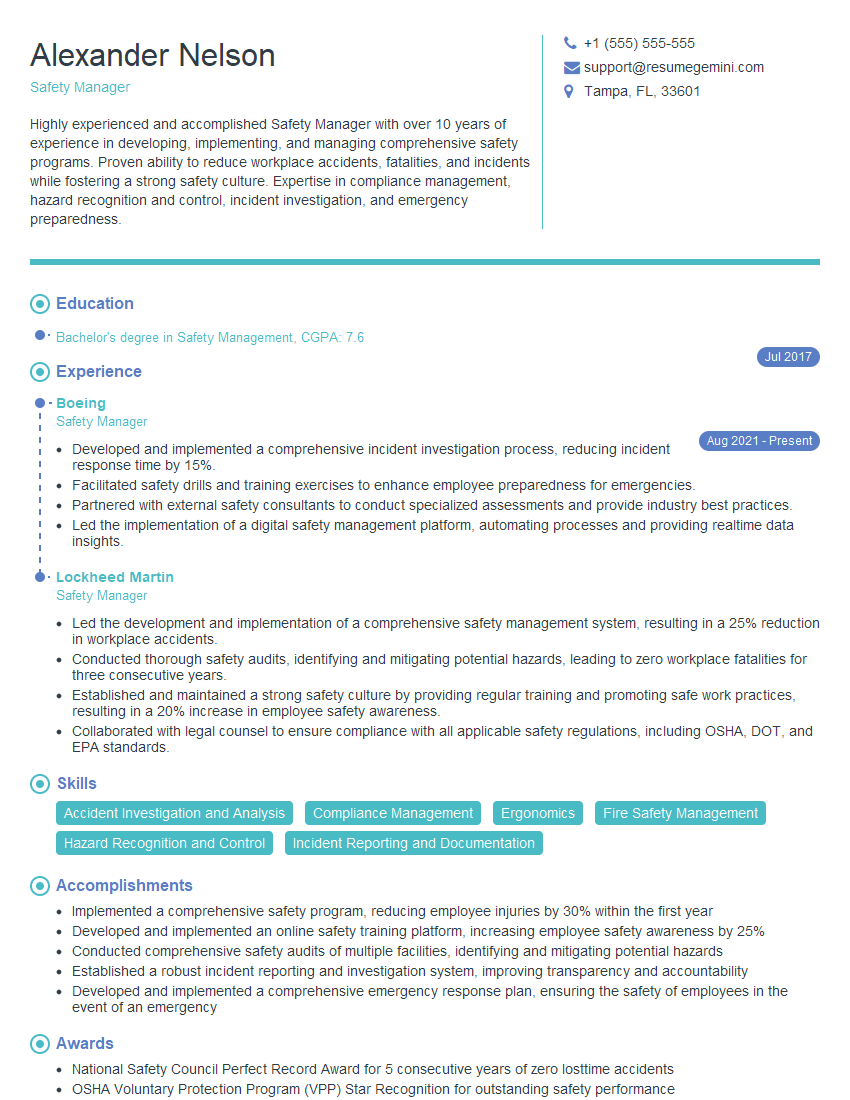
Safety Manager Resume Sample
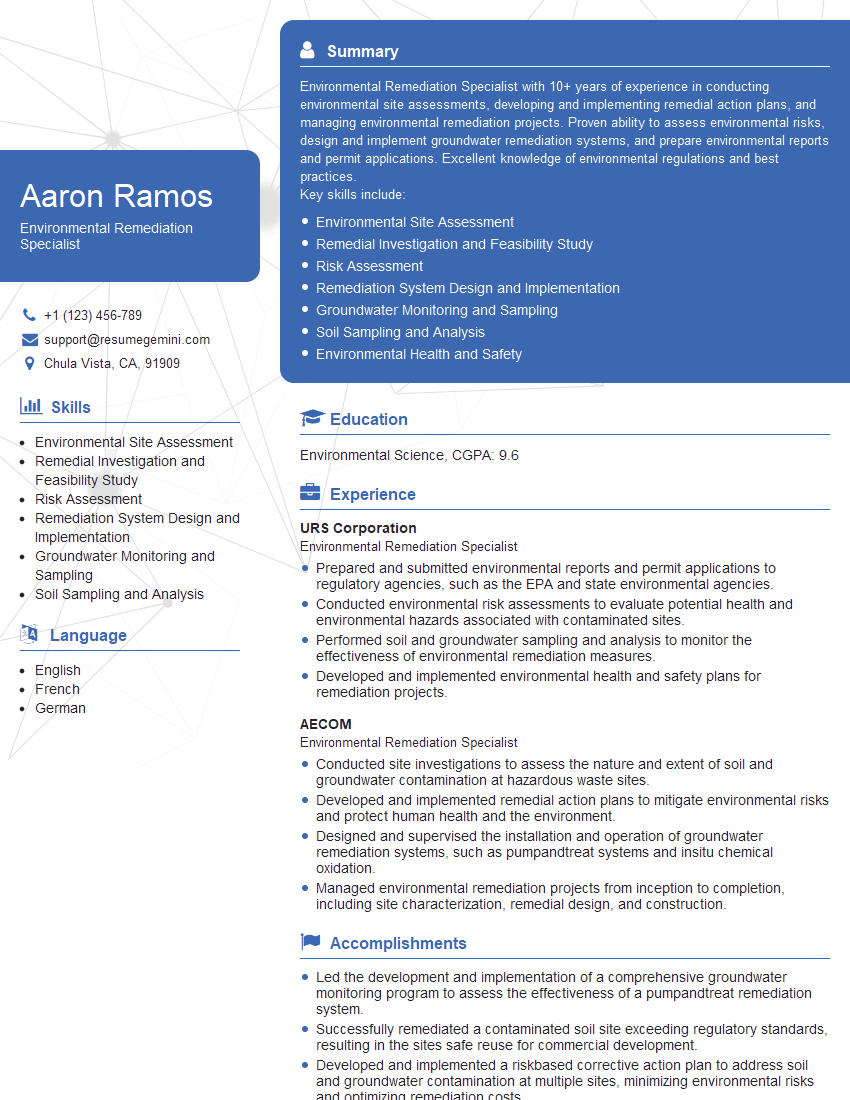
Environmental Remediation Specialist Resume Sample
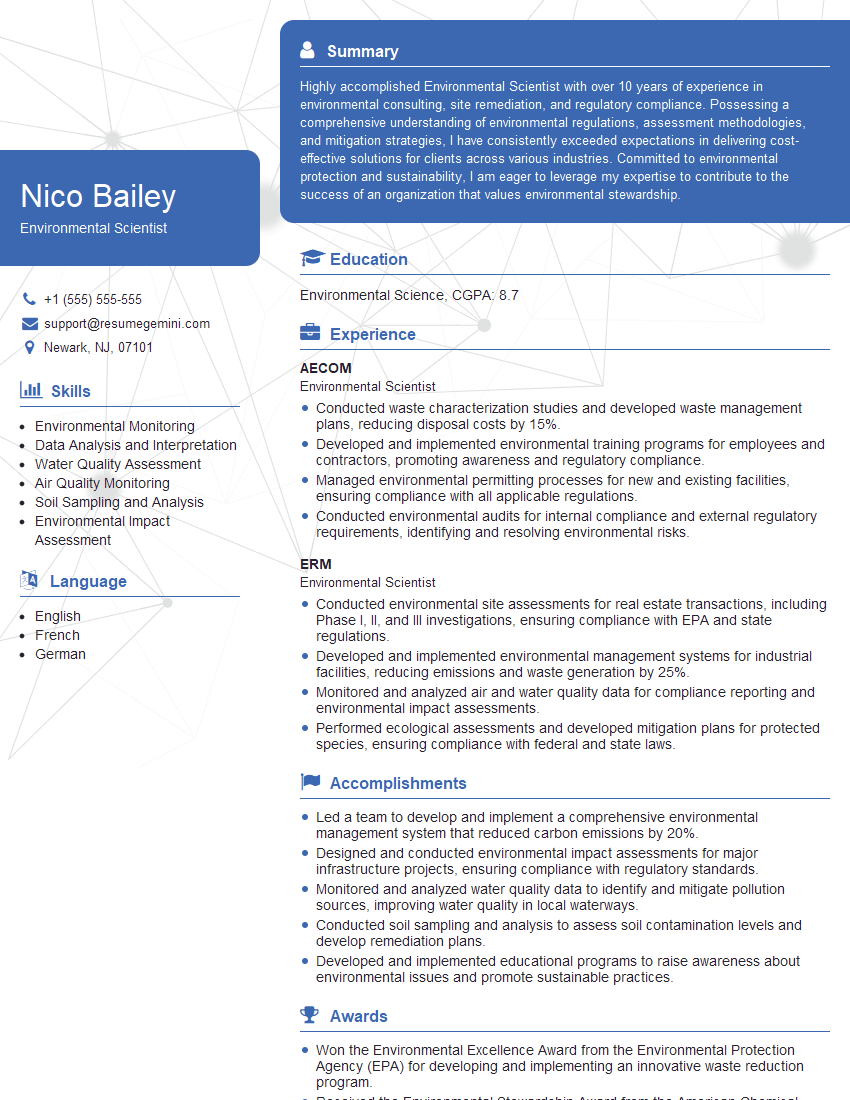
Environmental Scientist Resume Sample
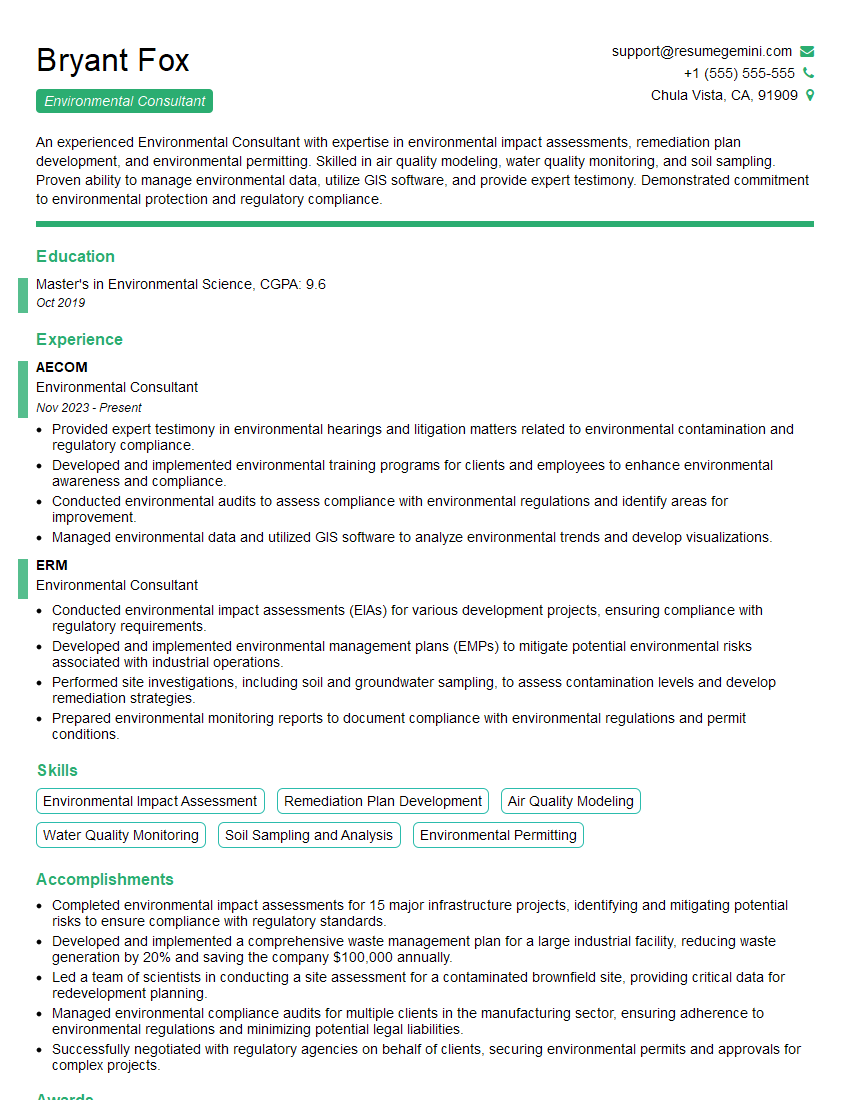
Environmental Consultant Resume Sample
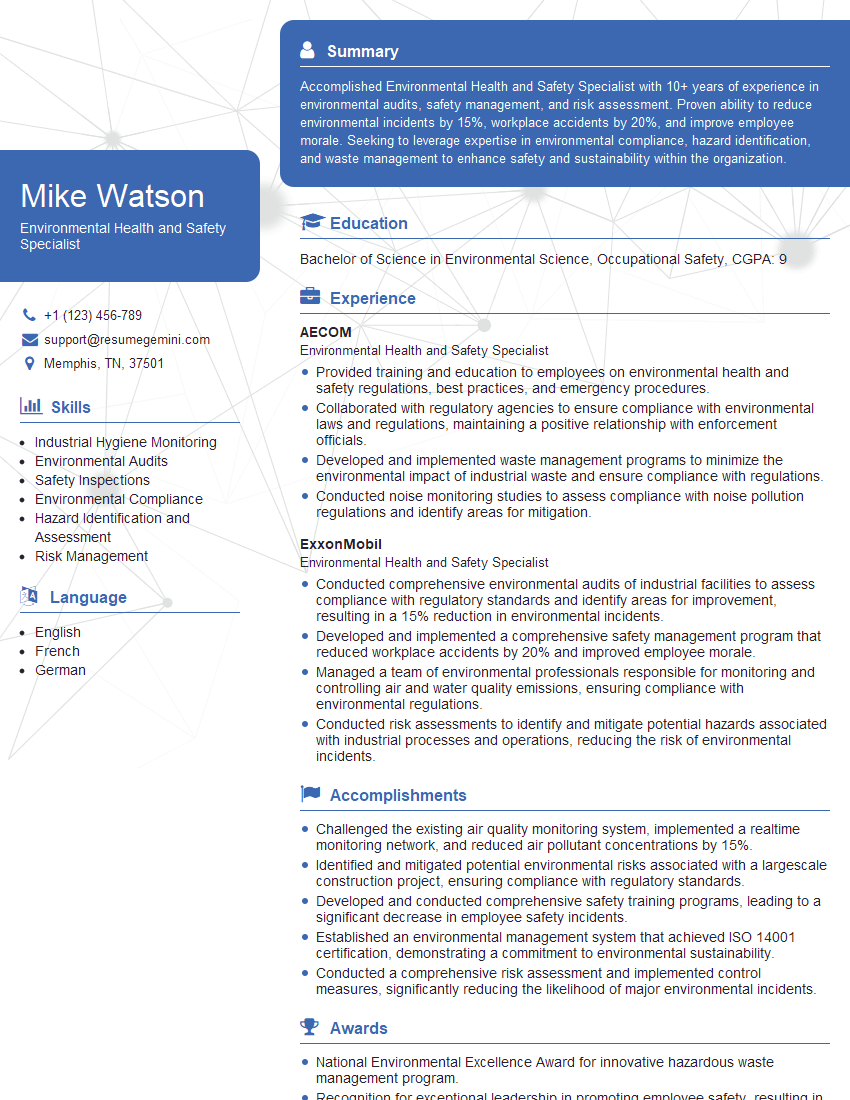
Environmental Health and Safety Specialist Resume Sample
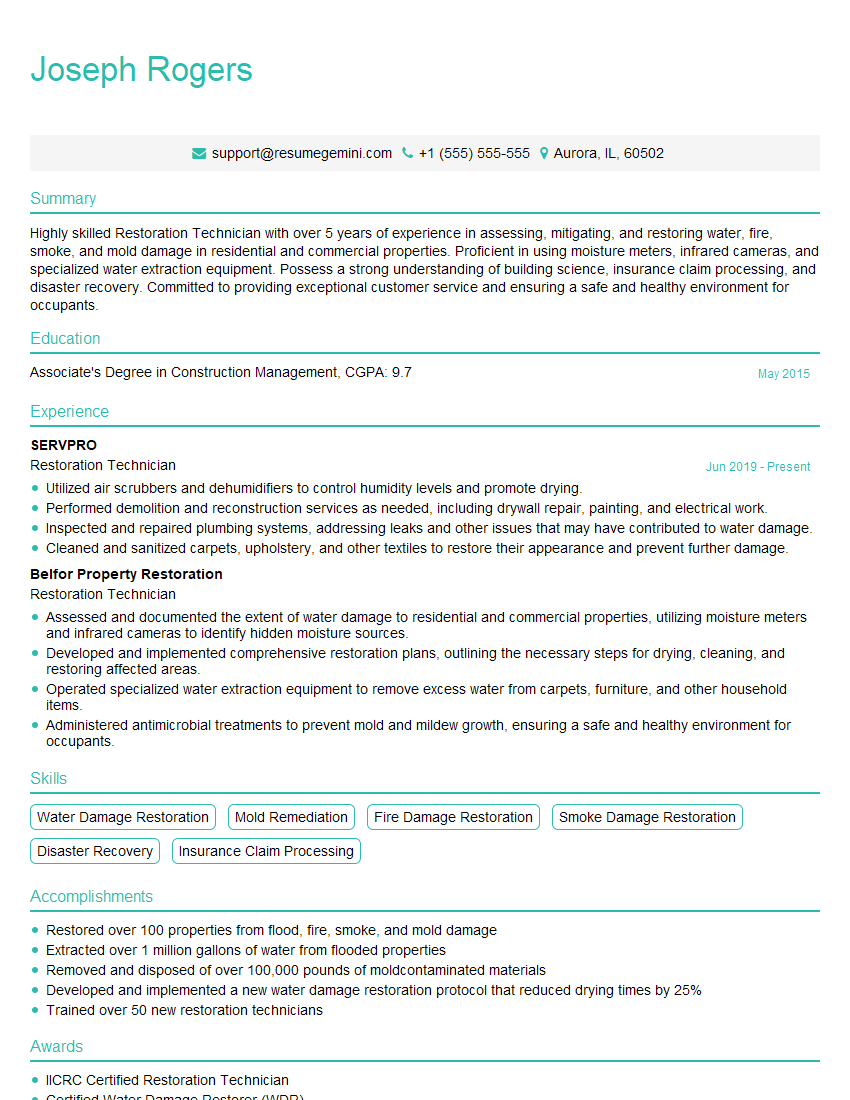
Restoration Technician Resume Sample
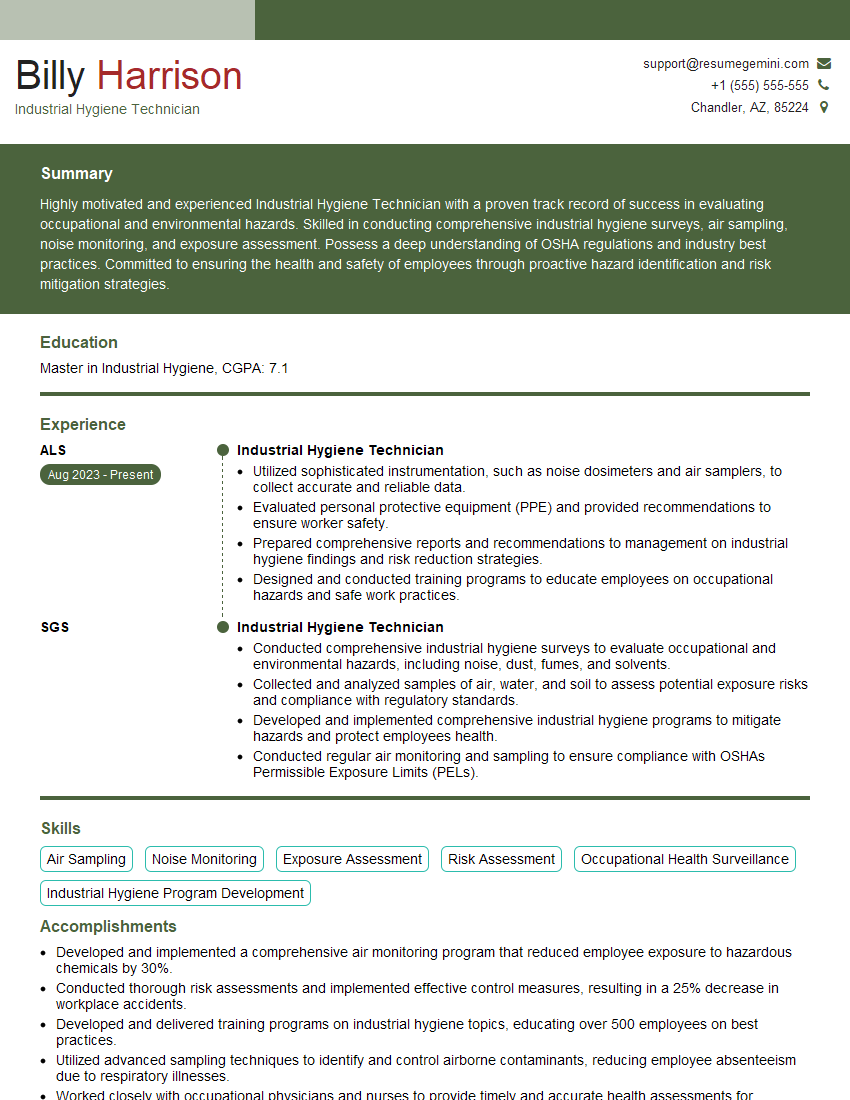
Industrial Hygiene Technician Resume Sample
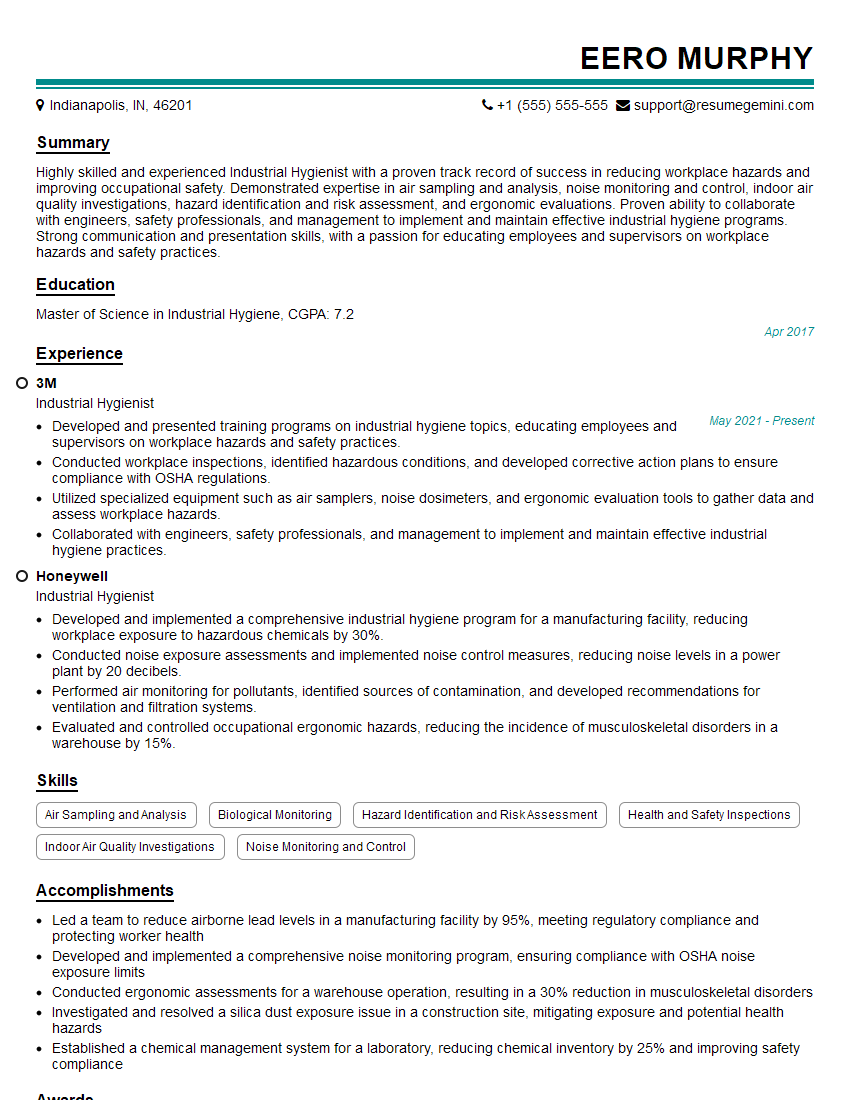
Industrial Hygienist Resume Sample
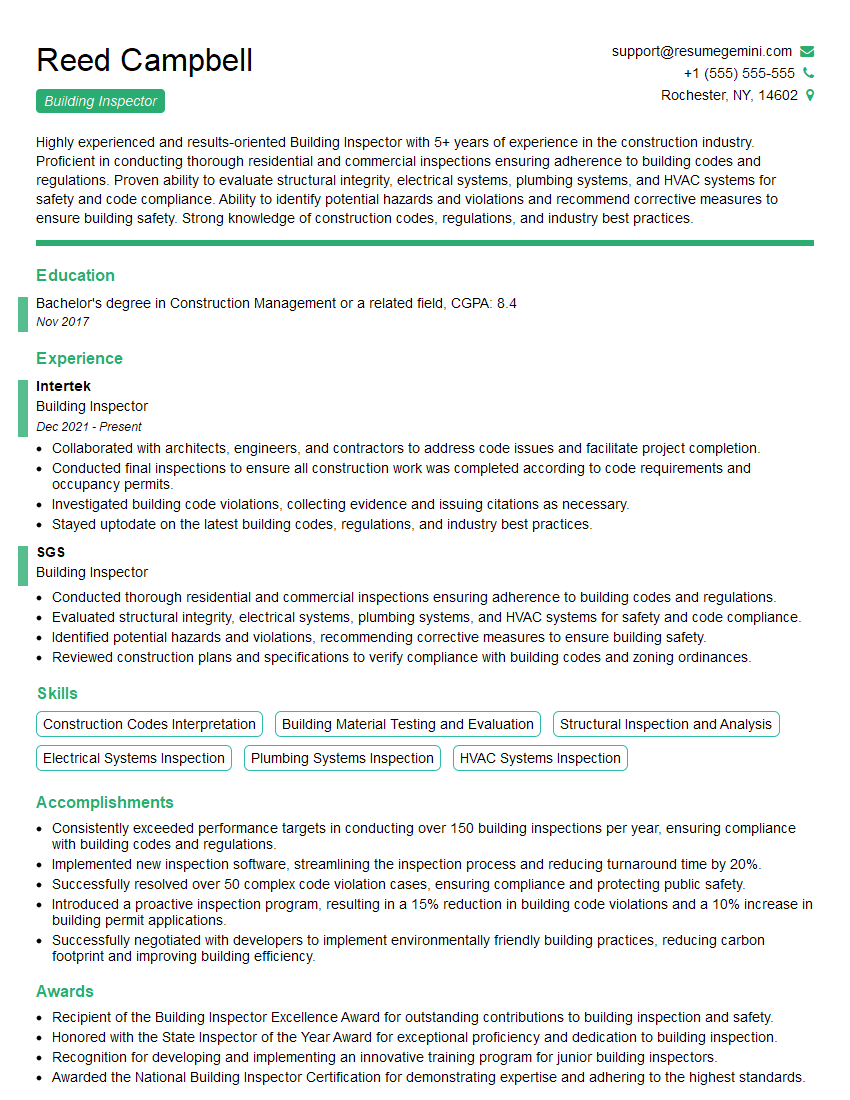
Building Inspector Resume Sample
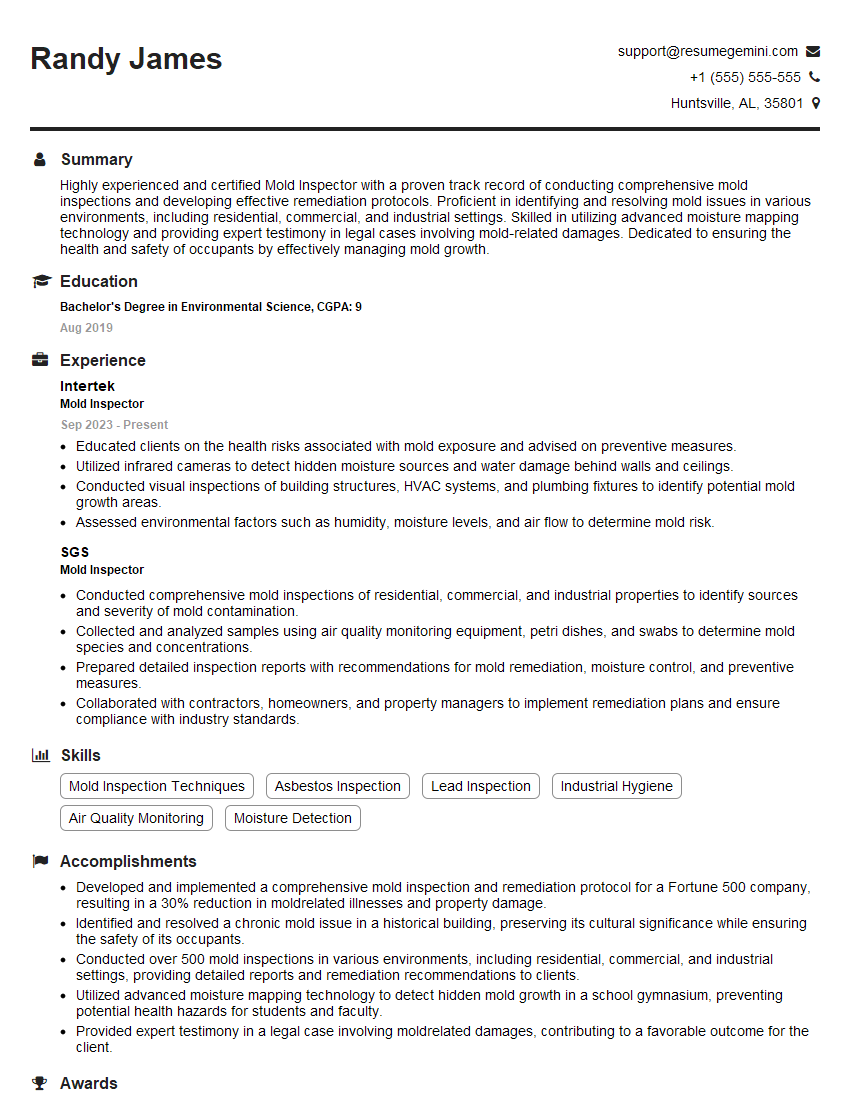
Mold Inspector Resume Sample
Explore more articles
Users Rating of Our Blogs
Share Your Experience
We value your feedback! Please rate our content and share your thoughts (optional).
What Readers Say About Our Blog
Very informative content, great job.
good