Feeling uncertain about what to expect in your upcoming interview? We’ve got you covered! This blog highlights the most important Military Operations interview questions and provides actionable advice to help you stand out as the ideal candidate. Let’s pave the way for your success.
Questions Asked in Military Operations Interview
Q 1. Describe your experience in developing and executing military operation plans.
Developing and executing military operation plans is a multifaceted process demanding meticulous planning, adaptability, and a deep understanding of the operational environment. My experience encompasses the entire lifecycle, from initial concept development to post-operation analysis. This involves:
- Concept Development: Translating strategic objectives into achievable operational plans, considering factors like terrain, enemy capabilities, and available resources. For example, during a counter-insurgency operation, I worked on developing a plan that prioritized securing key population centers while minimizing civilian casualties, utilizing a combination of kinetic and non-kinetic actions.
- Planning and Coordination: Collaborating with various stakeholders – intelligence analysts, logistics experts, and subordinate commanders – to refine the plan, allocate resources, and establish timelines. This involved utilizing detailed timelines and risk assessments to ensure all aspects of the operation were synchronized.
- Execution and Monitoring: Overseeing the operation’s execution, adapting to unforeseen circumstances, and providing real-time guidance and support to subordinate units. I recall an instance where a sudden weather change threatened to disrupt a crucial airlift; we successfully adapted the plan, utilizing alternate landing zones and deploying reserve assets.
- Post-Operation Analysis: Evaluating the success of the operation against pre-defined objectives, identifying lessons learned, and making recommendations for future improvements. This involved detailed after-action reviews with comprehensive data analysis to pinpoint areas of excellence and areas for future improvement.
Q 2. Explain your understanding of the military decision-making process (MDMP).
The Military Decision-Making Process (MDMP) is a systematic and iterative approach to planning and executing military operations. It’s a structured framework, ensuring thorough consideration of all aspects before committing forces. The key steps are:
- Receipt of Mission: Clearly understanding the assigned task and intent.
- Mission Analysis: Analyzing the operational environment, including the enemy, terrain, troops, time available, and civil considerations (METT-TC).
- Course of Action (COA) Development: Generating multiple potential solutions to achieve the mission objective.
- COA Analysis (War-gaming): Evaluating each COA’s strengths and weaknesses, considering potential risks and opportunities.
- COA Comparison: Comparing and contrasting COAs to identify the best option considering all factors.
- COA Approval: Securing approval from higher command for the selected COA.
- Orders Production: Translating the approved COA into clear, concise orders for subordinate units.
- Supervision: Monitoring the execution of the plan, adapting as necessary.
Imagine planning an amphibious assault. MDMP guides the process from initial intelligence gathering on coastal defenses to coordinating the timing of air, sea, and ground forces to achieve a successful beachhead.
Q 3. How would you assess the risks and potential threats associated with a specific military operation?
Assessing risks and threats in military operations requires a comprehensive approach. I use a combination of qualitative and quantitative methods:
- Intelligence Gathering: Leveraging all available intelligence sources – human intelligence (HUMINT), signals intelligence (SIGINT), imagery intelligence (IMINT) – to build a detailed picture of the potential threats. This might include identifying enemy capabilities, likely courses of action, and potential points of vulnerability.
- Threat Assessment: Categorizing threats based on their lethality, likelihood, and impact on the mission. A risk matrix can be utilized to visually represent this.
- Vulnerability Analysis: Identifying weaknesses in our own forces and plans that could be exploited by the enemy. This might involve reviewing our force posture, communication systems, and logistics chains.
- Mitigation Strategies: Developing strategies to reduce or eliminate identified risks. This could include enhancing security measures, deploying additional forces, or adjusting the operational plan.
For example, in a peacekeeping operation, assessing the risk of attacks from local armed groups required analyzing their past activities, current locations, and likely responses to our presence. This led to the implementation of reinforced patrols and improved intelligence gathering efforts.
Q 4. What are the key factors you consider when determining the appropriate force structure for a mission?
Determining the appropriate force structure hinges on a careful consideration of several key factors:
- Mission Requirements: The specific tasks the force must accomplish directly dictate the required capabilities. A counter-terrorism operation needs specialized units, while a humanitarian relief effort requires logistical support units.
- Enemy Capabilities: The enemy’s strength, weaponry, tactics, and likely responses shape the necessary force size and composition. A numerically superior enemy might require a larger, heavier force.
- Operational Environment: Terrain, weather, and infrastructure significantly impact force structure. Mountainous terrain might necessitate lighter, more mobile units.
- Available Resources: Personnel, equipment, and logistical support are all limiting factors. The available resources often constrain the potential force structure.
- Risk Tolerance: The acceptable level of risk influences force size and composition. Higher-risk operations generally require more robust forces.
Planning a raid on a high-value target, for instance, would require a small, highly trained special operations unit equipped with advanced technology, rather than a large conventional force.
Q 5. Explain your understanding of different military operational concepts, such as maneuver warfare and attrition warfare.
Maneuver warfare and attrition warfare represent contrasting operational concepts:
- Maneuver Warfare: Focuses on achieving decisive victory through speed, surprise, and exploiting enemy weaknesses. It emphasizes flexibility, adaptability, and the concentration of force at the decisive point. Think of a flanking maneuver, where a force quickly moves around the enemy to attack their rear, disrupting their command and control and leading to a collapse.
- Attrition Warfare: Aims to degrade enemy capabilities through sustained combat, inflicting heavy casualties and material losses. It involves a slower, more deliberate approach, often characterized by large-scale battles and frontal assaults. The First World War exemplifies attrition warfare, where massive armies clashed with devastating losses on both sides.
The choice between these concepts depends on numerous factors, including the enemy’s capabilities, the terrain, and the overall strategic goals. Effective commanders often blend elements of both approaches, adapting their tactics to exploit enemy vulnerabilities while mitigating their own risks.
Q 6. How would you manage resources (personnel, equipment, time) effectively during a military operation?
Effective resource management in military operations is crucial for mission success. It involves:
- Prioritization: Identifying and prioritizing essential resources based on their impact on mission success. This might involve allocating more resources to critical tasks and delaying less crucial ones.
- Planning and Allocation: Developing detailed plans for resource allocation, ensuring that the right resources are available at the right time and place. This includes the creation of detailed logistical plans.
- Monitoring and Control: Continuously monitoring resource consumption and making adjustments as needed to prevent shortages or overspending. This may involve daily or even hourly updates on resource levels.
- Inventory Management: Maintaining accurate records of all resources to ensure accountability and prevent waste. Regular inventories help to identify shortages and potential supply chain issues.
- Contingency Planning: Developing plans to address potential resource shortages or disruptions. This might include establishing reserve stocks or identifying alternative supply routes.
During a disaster relief operation, for example, effective resource management involved prioritizing the distribution of essential supplies like food and medicine while ensuring the efficient use of transportation and personnel.
Q 7. Describe your experience in coordinating with allied forces or joint services during a military operation.
Coordinating with allied forces or joint services is vital for successful multi-national or joint operations. My experience includes:
- Establishing Common Operating Procedures (COPs): Developing standardized procedures and protocols to ensure interoperability between different forces. This includes communication protocols, command structures, and rules of engagement.
- Liaison and Communication: Maintaining open and effective communication channels with allied partners, ensuring seamless information sharing and coordination. This might include regular meetings, briefings, and the use of secure communication systems.
- Joint Planning: Participating in joint planning processes, contributing expertise and ensuring that the operational plan accounts for the unique capabilities and limitations of each participating force. This involves considering differences in doctrine, equipment, and language.
- Conflict Resolution: Addressing disagreements and resolving conflicts in a diplomatic and professional manner, ensuring a cohesive and effective operational team. This may involve mediation and negotiation skills to resolve disagreements between parties.
- Cultural Awareness: Demonstrating sensitivity to cultural differences between participating forces, building trust and fostering effective collaboration. This includes understanding diverse cultural norms and sensitivities.
Working on a multinational peacekeeping mission required close coordination with contingents from several nations, each with different equipment and operational procedures. By establishing clear COPs and maintaining consistent communication, we ensured a smooth and efficient operation.
Q 8. How would you handle unexpected events or setbacks during a military operation?
Unexpected events are inevitable in military operations. My approach involves a multi-layered strategy focusing on robust planning, adaptable execution, and decisive action. Firstly, thorough planning includes identifying potential risks and developing contingency plans. This isn’t just about ‘what ifs,’ but also analyzing the probability and impact of each scenario. For example, in a counterinsurgency operation, we might plan for civilian casualties, ambushes, or supply disruptions.
Secondly, adaptability is key. We need to be flexible and adjust our tactics based on real-time intelligence and the unfolding situation. During a peacekeeping mission, a sudden escalation of violence might require a rapid shift from a patrol to a defensive posture. Communication is crucial here; clear, concise updates are essential for everyone to stay informed and react accordingly.
Thirdly, decisive action is necessary when setbacks occur. This means making timely decisions, even with incomplete information, to mitigate damage and regain momentum. During a search and rescue operation, encountering a sudden storm might demand immediate decisions on sheltering personnel or rerouting efforts, prioritizing the safety of the rescue team.
Q 9. How do you ensure communication and information flow remain effective during a complex operation?
Effective communication is the backbone of any successful military operation. In complex operations, maintaining information flow requires a multi-faceted approach. This begins with establishing a robust communication architecture. This might involve using a mix of secure radio networks, satellite communication systems, and encrypted messaging apps, each tailored to the specific needs and security requirements of different units.
Secondly, clear communication protocols are vital. Everyone needs to understand their role in information dissemination, who they report to, and the chain of command. A standardized reporting structure ensures that critical information reaches the right decision-makers quickly. This often includes regular briefings, situation reports, and debriefings.
Thirdly, redundancy is crucial. Having backup communication systems in place is vital for resilience in case of failure. For instance, during a humanitarian aid mission, if the primary satellite link goes down, a secondary radio network should be available to ensure continued coordination. Finally, continuous training and drills are essential to maintain proficiency in the use of communication equipment and procedures.
Q 10. Explain your understanding of the principles of military ethics and the laws of armed conflict.
Military ethics and the Laws of Armed Conflict (LOAC), also known as International Humanitarian Law (IHL), are fundamental to how we conduct operations. Military ethics guide our actions based on moral principles such as honor, integrity, and respect for human life. LOAC, enshrined in international treaties and customary law, defines the rules governing the conduct of war, aiming to protect civilians, wounded soldiers, and prisoners of war.
Key principles of LOAC include the distinction between combatants and civilians, proportionality in attacks (ensuring that the military advantage gained doesn’t outweigh the harm caused to civilians), and the prohibition of certain weapons (such as chemical or biological weapons). These principles aren’t simply rules to be followed; they are integral to maintaining legitimacy, preventing unnecessary suffering, and achieving our operational objectives while upholding ethical standards.
For example, during an urban warfare scenario, adhering to LOAC means carefully planning operations to minimize civilian casualties. This requires detailed intelligence gathering, precise targeting, and measures to protect non-combatants. Regular training on LOAC and military ethics is essential to ensure that all personnel understand and uphold these crucial principles.
Q 11. How do you assess the effectiveness of a military operation after its completion?
Assessing the effectiveness of a military operation requires a comprehensive approach that goes beyond simply evaluating whether the immediate objective was achieved. We use a combination of quantitative and qualitative methods. Quantitative methods might involve analyzing the number of enemy casualties, equipment captured, or territory secured.
Qualitative methods focus on broader aspects such as the impact on the local population, the political ramifications, and the long-term sustainability of the gains. We would examine things like the level of public support, the restoration of essential services, and the degree of stability achieved. We’d also assess unintended consequences such as collateral damage, civilian displacement, or the emergence of new conflicts.
After-action reports (AARs) are crucial for this evaluation process. These reports provide a structured review of the operation, examining successes, failures, lessons learned, and recommendations for improvement. This iterative process helps us learn from both successes and mistakes, making future operations more effective.
Q 12. Describe your experience with using military technology and equipment.
My experience with military technology and equipment is extensive. I’ve worked with a wide range of systems, from small arms and armored vehicles to sophisticated communication and intelligence platforms. This includes hands-on experience with various weapon systems, their maintenance, and tactical applications. I’ve also been involved in the planning and execution of operations that leveraged advanced technology, such as unmanned aerial vehicles (UAVs) for reconnaissance and surveillance, and precision-guided munitions for minimizing collateral damage.
Beyond the technical aspects, I understand the critical importance of training and proficiency in using this equipment. Regular training ensures that personnel are skilled in the operation and maintenance of all systems, ensuring mission readiness. This also encompasses understanding the limitations of technology and the need for human judgment and adaptability in operational situations. For instance, technological failures can happen and having backup systems in place and knowing how to operate with those is key.
Q 13. How do you prioritize tasks during high-pressure situations in a military environment?
Prioritizing tasks during high-pressure situations involves a structured approach. My method combines a clear understanding of the mission’s objectives, a situational awareness assessment, and a risk-based prioritization framework. First, I clearly define the mission’s critical success factors. What absolutely must be done to achieve the mission’s primary goals?
Second, I conduct a situational awareness assessment, identifying threats, opportunities, and constraints. What are the most pressing challenges? Where are the biggest risks? This assessment informs the risk-based prioritization. Tasks are prioritized based on their urgency and criticality to mission success, considering the potential consequences of failure. Think of it as a decision matrix weighing urgency and impact.
Finally, I delegate tasks effectively. Clear communication and delegation to skilled personnel allow me to focus on the most critical aspects, ensuring that all tasks are addressed efficiently. This also includes ensuring robust communication to track progress and make necessary adjustments to priorities as the situation evolves.
Q 14. What is your experience with intelligence gathering and analysis in military operations?
Intelligence gathering and analysis are essential components of successful military operations. My experience encompasses all aspects of the intelligence cycle, from planning and collection to analysis and dissemination. I’ve worked with various intelligence sources, including human intelligence (HUMINT), signals intelligence (SIGINT), and imagery intelligence (IMINT). We utilize a variety of techniques, ranging from traditional human sources to advanced technological methods like satellite imagery and cyber intelligence.
The analytic process involves rigorously evaluating the credibility and reliability of intelligence sources, synthesizing information from multiple sources, and producing clear, concise intelligence assessments to support decision-making. We employ various analytic techniques, including scenario planning and predictive modeling to anticipate potential threats and opportunities.
In a real-world example, during a counter-terrorism operation, we might use a combination of HUMINT, SIGINT, and IMINT to identify the location of a high-value target. This intelligence is then analyzed to assess the risks and opportunities associated with targeting that individual, ensuring that the operation is executed effectively and legally.
Q 15. Describe a time you had to make a critical decision under pressure in a military setting.
During my deployment to Afghanistan, our patrol encountered a suspected IED (Improvised Explosive Device) while traversing a narrow mountain pass. We were tasked with securing a vital supply route, and delaying would have jeopardized the mission and potentially endangered other units relying on that supply line. The decision was whether to attempt a risky disarming operation, potentially exposing the team to a deadly blast, or to reroute, delaying the mission and possibly losing the element of surprise for our objective. I assessed the immediate risks – the likelihood of the IED detonating based on its location and apparent construction, the terrain’s impact on maneuverability, and the availability of alternative routes. Considering the potential casualties versus the mission delay, I opted for the riskier route of a controlled detonation, using available resources and expertise within the team. We successfully neutralized the IED, proving the careful risk assessment and measured decision-making were crucial to success. It was under extreme pressure, with time running out and lives on the line, but the methodical approach saved the mission and my team.
Career Expert Tips:
- Ace those interviews! Prepare effectively by reviewing the Top 50 Most Common Interview Questions on ResumeGemini.
- Navigate your job search with confidence! Explore a wide range of Career Tips on ResumeGemini. Learn about common challenges and recommendations to overcome them.
- Craft the perfect resume! Master the Art of Resume Writing with ResumeGemini’s guide. Showcase your unique qualifications and achievements effectively.
- Don’t miss out on holiday savings! Build your dream resume with ResumeGemini’s ATS optimized templates.
Q 16. How do you handle conflict resolution within a military team?
Conflict resolution within a military team demands a structured and fair approach. It begins with clear communication. I encourage open dialogue, ensuring all sides feel heard and understood, even if I don’t necessarily agree with their perspective. This can often involve active listening, asking clarifying questions, and paraphrasing to confirm understanding. If the conflict involves procedural matters, I refer to standing orders and regulations to provide a clear framework for resolution. For interpersonal conflicts, I aim to find common ground, mediating between conflicting parties to facilitate a mutually acceptable solution. Sometimes, formal disciplinary measures are necessary, but these are a last resort, prioritising preserving team cohesion. Ultimately, respect, fairness, and a clear understanding of expectations are key to effective conflict resolution in a military setting. I remember one instance where two squad leaders clashed over resource allocation during a training exercise. I facilitated a meeting where each explained their perspective, then collaboratively developed a revised allocation plan that satisfied both parties and ensured mission success.
Q 17. How do you maintain morale and cohesion among troops during a challenging military operation?
Maintaining morale and cohesion under pressure is paramount. It starts with leading by example: demonstrating resilience, unwavering commitment, and a positive attitude. Open and honest communication is vital – keeping troops informed of the mission’s progress and challenges, even when the news is difficult. I prioritize recognizing and rewarding outstanding performance, celebrating small victories to boost confidence. Providing opportunities for rest and relaxation, when possible, is essential, as is ensuring access to support services for mental and physical well-being. Furthermore, fostering camaraderie and a sense of shared purpose through team-building activities, even in challenging situations, helps build strong bonds. During my time in Iraq, despite the demanding conditions, we held informal gatherings, shared stories, and even played impromptu games to foster a sense of community and help people de-stress. These moments, however small, significantly improved morale and enhanced our ability to overcome obstacles.
Q 18. What is your experience in conducting military reconnaissance and surveillance?
My experience in reconnaissance and surveillance encompasses a range of techniques and technologies. I’ve participated in both manned and unmanned operations, utilizing various surveillance equipment including night vision devices, thermal imagers, and UAVs (Unmanned Aerial Vehicles). My training includes both human intelligence (HUMINT) gathering—interacting with local populations to gather information—and signals intelligence (SIGINT) techniques, which involved monitoring electronic communications. I understand the importance of meticulous planning, including route selection, observation points, and communication protocols to ensure mission success and the safety of personnel. A memorable mission involved using UAVs to map a potential enemy stronghold before a larger ground operation. This provided critical intel on enemy positions, strength, and defenses, enabling a more effective and safer attack.
Q 19. How would you ensure the safety and security of personnel during a military operation?
Ensuring personnel safety and security is the highest priority in any military operation. This begins with thorough risk assessment before the operation, identifying potential threats and developing mitigation strategies. This involves evaluating the operational environment, considering factors such as the enemy’s capabilities, terrain challenges, and potential hazards. Once the risks are understood, implementing security measures becomes crucial. This includes using appropriate protective equipment, establishing robust communication systems, and adhering to strict security protocols. Regular situational awareness briefings and training are also vital in preparing personnel for potential threats. Finally, effective medical support and evacuation plans are indispensable. During a deployment, we implemented a system of buddy checks, continuous communication, and immediate reporting of any suspicious activity. These measures, coupled with consistent training, ensured the safety and security of our personnel.
Q 20. Explain your understanding of different types of military terrain and their impact on operations.
Understanding different types of military terrain is crucial for effective operational planning. Terrain significantly impacts mobility, visibility, and the effectiveness of various weapons systems. For instance, mountainous terrain limits maneuverability, restricts visibility, and creates natural defensive positions. Conversely, desert environments present challenges related to extreme temperatures, sandstorms, and limited water resources. Urban terrain presents unique complexities, often characterized by dense populations, limited visibility, and the potential for close-quarters combat. Jungle environments pose challenges due to dense vegetation, difficult navigation, and the threat of ambush. I have experience operating in all these environments, adapting tactics and procedures to overcome their challenges. Proper terrain analysis, using maps, satellite imagery, and local knowledge, is key to planning successful operations, minimizing risks, and maximizing effectiveness.
Q 21. Describe your experience in logistics planning and execution for a military operation.
Logistics planning and execution are vital for successful military operations. It involves the detailed planning, procurement, transportation, and management of all resources required to support an operation. This includes everything from ammunition and food to fuel, medical supplies, and communication equipment. Effective logistics necessitates accurate assessments of operational requirements, considering factors such as troop strength, mission duration, and environmental conditions. The development of a comprehensive logistics plan involves establishing supply lines, identifying storage locations, and allocating resources effectively to meet anticipated demands. My experience involves using logistics software to model supply chains, optimize transport routes, and manage inventory. During one particular deployment, I was instrumental in implementing a new logistics system that improved the efficiency of supply distribution by 25%, significantly enhancing operational readiness. Effective logistics is not merely about moving supplies; it’s about ensuring the timely availability of the right resources in the right place, contributing to mission success.
Q 22. How do you adapt to changing circumstances during a military operation?
Adapting to changing circumstances in military operations is paramount. It’s not just about reacting; it’s about proactively anticipating change and having contingency plans in place. Think of it like navigating a complex, dynamic game – you need flexibility, quick thinking, and the ability to adjust your strategy based on new information.
My approach involves several key steps: constant situational awareness – maintaining a clear understanding of the operational environment, including the enemy’s actions, friendly forces’ capabilities, and the impact of the terrain; flexible planning – employing a ‘rolling’ plan that’s regularly updated based on new intelligence and developments; effective communication – ensuring clear, concise, and timely communication throughout the chain of command to disseminate updates and coordinate responses; and decentralized decision-making – empowering subordinate commanders to make timely decisions within defined parameters to react quickly to unforeseen events.
For example, during a counter-insurgency operation, an unexpected surge in civilian casualties might necessitate a shift in tactics, perhaps focusing more on civilian protection and information operations. This requires a swift reassessment of the operational plan, a revision of engagement rules, and possibly increased collaboration with local authorities and humanitarian organizations. The ability to rapidly analyze, adapt, and re-plan is critical to mission success in such fluid situations.
Q 23. What is your experience with military training and development?
My military training and development has spanned over 15 years, encompassing a broad range of courses and experiences. It began with rigorous basic training, focusing on physical fitness, weapons proficiency, and fundamental military skills. This foundational training provided a strong base for subsequent specializations.
I’ve progressed through advanced courses in leadership, strategic planning, operational art, and counter-insurgency tactics. I’ve also participated in numerous field exercises simulating diverse operational scenarios, honing my skills in command, control, communication, and coordination (C4) under pressure. Furthermore, I’ve completed specialized training in intelligence gathering and analysis, enhancing my ability to interpret information and inform decision-making.
Crucially, my development has included significant experience in mentorship and leadership development programs. I’ve mentored junior officers, guiding them through complex challenges and assisting in their professional growth. This has further refined my leadership capabilities and strengthened my understanding of team dynamics. My continued professional development includes participation in regular war games and strategic studies to stay abreast of current military doctrine and technological advancements.
Q 24. How do you assess the impact of civilian populations on military operations?
Assessing the impact of civilian populations on military operations is crucial for mission success and minimizing collateral damage. It’s about understanding the human terrain and integrating that understanding into operational planning and execution.
My approach involves several key aspects: human intelligence gathering (HUMINT), relying on local networks and sources to gain insights into the civilian population’s perceptions, needs, and potential vulnerabilities; civilian casualty tracking and analysis to monitor trends and identify patterns that could affect mission planning; collaboration with civil affairs teams to develop strategies for protecting civilians and engaging with local communities; and risk assessment to anticipate potential conflicts or unintended consequences and develop mitigation strategies. It is vital to differentiate between non-combatants and enemy combatants, a process requiring meticulous information gathering and analysis.
For example, in a peacekeeping operation, understanding the local power structures and the dynamics among different civilian groups is key to success. Misunderstanding these dynamics could lead to unintended escalation and compromise the mission. By carefully engaging with local leaders and communities and conducting thorough assessments of potential risks, we can minimize the likelihood of such scenarios and create a more conducive environment for achieving mission objectives.
Q 25. How familiar are you with different military communication systems and protocols?
I’m highly familiar with a wide range of military communication systems and protocols, from basic radio communication to advanced satellite systems and encrypted networks. This familiarity extends to both tactical and strategic levels of communication.
My experience encompasses the use of various systems, including: tactical radios (e.g., PRC-152, PRC-117F) for short-range communication; satellite communication systems for long-range and secure communication; secure voice and data networks for sensitive information exchange; and troop-to-troop chat systems for coordinated battlefield actions. I understand the importance of secure communications, adhering to strict protocols to prevent unauthorized access and information leaks. I also have experience in troubleshooting communication failures and implementing contingency plans in cases of system malfunctions.
Furthermore, I’m proficient in various communication protocols, including the Joint Tactical Radio System (JTRS) architecture and the SIPRNET and JWICS classified networks. I understand the importance of clear, concise, and unambiguous communication, adapting my language and style to the audience and the urgency of the situation.
Q 26. Describe your experience with post-operational assessments and debriefs.
Post-operational assessments and debriefs are vital for learning from past experiences, identifying areas for improvement, and enhancing future operational effectiveness. They provide a critical mechanism for feedback and continuous improvement.
My experience involves participating in both formal and informal debriefings, covering a range of operational aspects. This includes: mission success evaluation – examining the extent to which objectives were achieved; tactical analysis – analyzing the effectiveness of employed tactics and strategies; logistical assessment – reviewing the effectiveness of logistical support; lessons learned identification – identifying areas for improvement in planning, execution, and support; and recommendations for future operations – suggesting changes or improvements based on insights gathered during the debriefing. The process often involves the use of After Action Reviews (AARs), facilitating structured analysis and discussion among participants.
For instance, after a complex operation, an AAR might reveal that a critical communication failure significantly hampered coordination, resulting in increased risk to personnel. This would then inform future training, emphasizing robust communication plans and backup systems. The feedback loop is integral to continuous improvement in operational performance and safety.
Q 27. How do you ensure compliance with regulations and procedures during a military operation?
Ensuring compliance with regulations and procedures during a military operation is fundamental to maintaining discipline, minimizing risk, and upholding ethical standards. It’s not just about following orders; it’s about understanding the rationale behind regulations and applying them effectively in dynamic situations.
My approach involves several key aspects: thorough understanding of relevant legal frameworks, including the Law of Armed Conflict (LOAC) and national regulations; pre-operational briefing and training, emphasizing the importance of compliance and potential consequences of non-compliance; on-going monitoring and supervision, ensuring adherence to regulations throughout the operation; documentation and reporting, carefully documenting all actions and reporting any instances of non-compliance; and post-operational review, identifying any areas where compliance issues arose and developing corrective actions.
For example, adhering to the LOAC requires careful planning and execution to minimize civilian casualties. This necessitates understanding the distinction between combatants and non-combatants, the limitations on the use of force, and the importance of proportionality. Failure to comply with these regulations can have severe legal and ethical repercussions, undermining the legitimacy of the operation and potentially leading to accusations of war crimes. The focus is not just on compliance but also on ethical conduct that upholds the values and principles of the military.
Key Topics to Learn for Military Operations Interview
- Strategic Planning & Execution: Understanding the process of developing and implementing military strategies, including resource allocation, risk assessment, and contingency planning. Practical application includes analyzing case studies of successful and unsuccessful military campaigns.
- Operational Design & Logistics: Mastering the principles of operational design, encompassing force deployment, maneuver warfare, and logistical support. Practical application focuses on optimizing resource utilization and minimizing operational vulnerabilities.
- Command & Control Structures: Familiarizing yourself with different command structures, communication protocols, and decision-making processes within military organizations. Practical application involves understanding the chain of command and the roles of different leadership positions.
- Intelligence Gathering & Analysis: Comprehending the importance of intelligence in military operations, including information gathering, analysis, and dissemination. Practical application includes understanding the ethical considerations and potential biases in intelligence assessments.
- Joint Operations & Interoperability: Understanding the complexities of joint operations involving different branches of the military and allied forces. Practical application involves analyzing the challenges and benefits of interoperability in multinational operations.
- Conflict Resolution & Peacekeeping: Exploring the principles and practices of conflict resolution and peacekeeping operations. Practical application involves analyzing case studies of successful peacekeeping interventions and identifying factors contributing to success or failure.
- Cyber Warfare & Information Operations: Understanding the growing importance of cyber warfare and information operations in modern military conflicts. Practical application includes understanding the defensive and offensive capabilities in the digital domain.
Next Steps
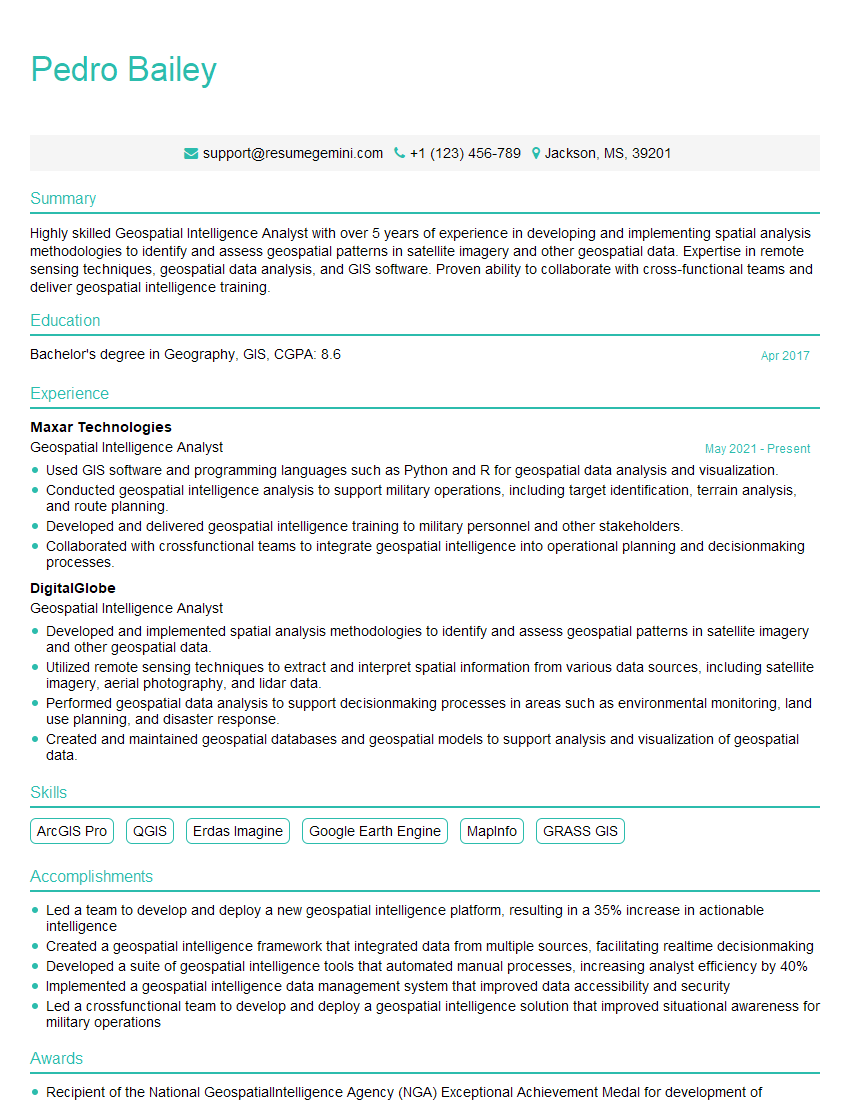
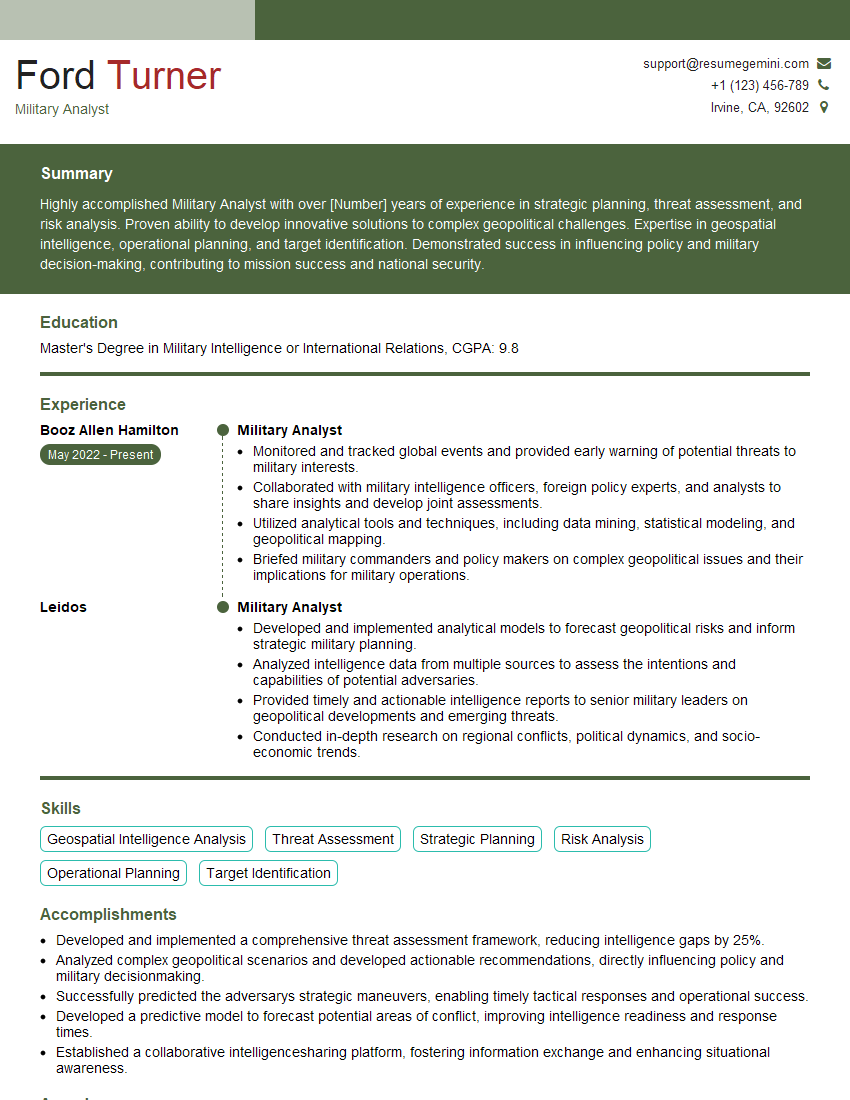
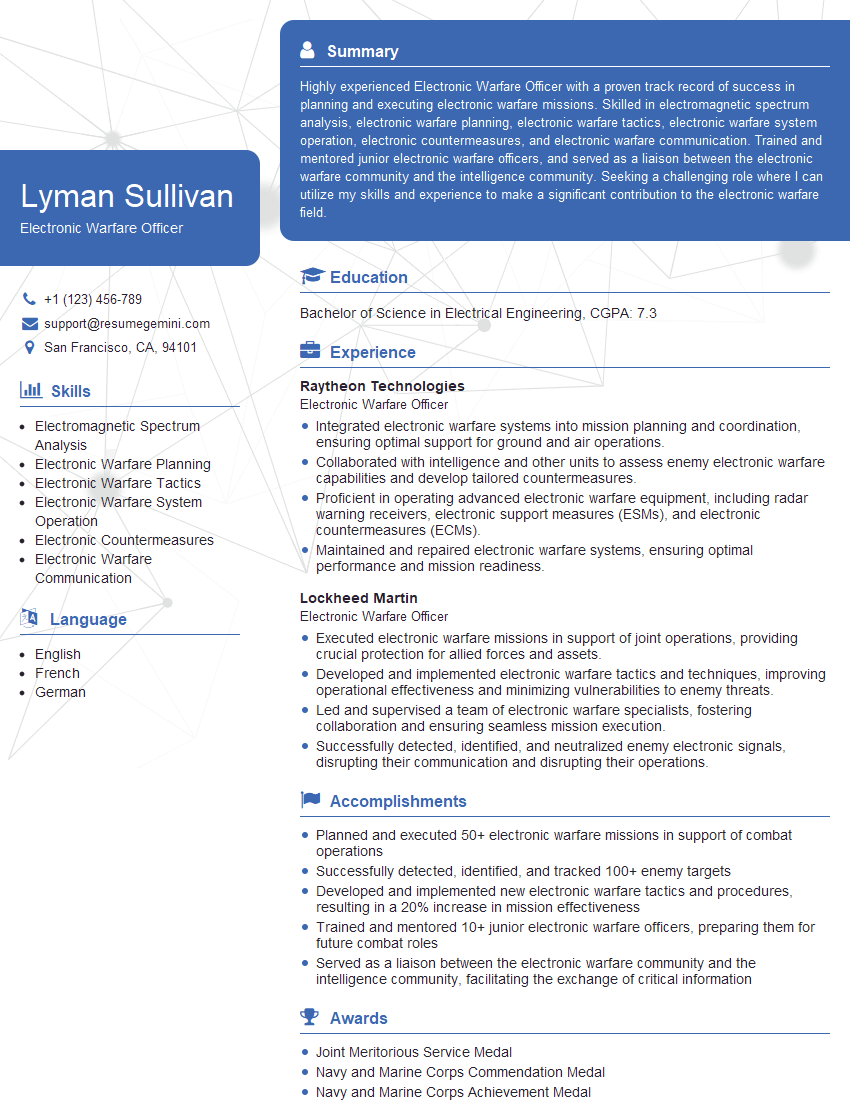
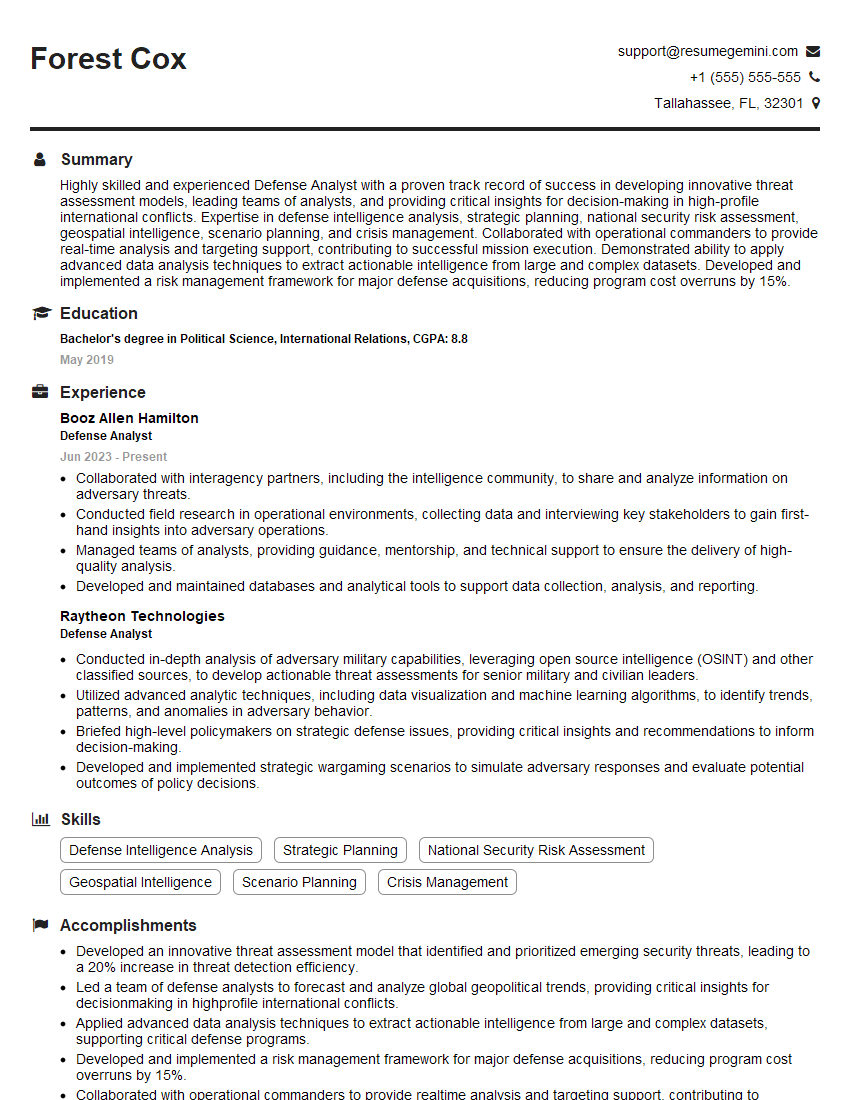
Mastering Military Operations principles is crucial for career advancement, opening doors to leadership roles and specialized assignments. A strong, ATS-friendly resume is your key to unlocking these opportunities. ResumeGemini can help you craft a compelling resume that highlights your military experience and skills effectively. We offer examples of resumes tailored specifically for Military Operations professionals to help you present your qualifications in the best possible light. Invest time in crafting a powerful resume—it’s your first impression with potential employers.
Explore more articles
Users Rating of Our Blogs
Share Your Experience
We value your feedback! Please rate our content and share your thoughts (optional).
What Readers Say About Our Blog
Very informative content, great job.
good