Feeling uncertain about what to expect in your upcoming interview? We’ve got you covered! This blog highlights the most important Mirroring interview questions and provides actionable advice to help you stand out as the ideal candidate. Let’s pave the way for your success.
Questions Asked in Mirroring Interview
Q 1. Define ‘mirroring’ in the context of interpersonal communication.
Mirroring, in interpersonal communication, is the subconscious or conscious imitation of another person’s behavior, including their posture, gestures, facial expressions, and even tone of voice. It’s a powerful tool for building rapport and connection, making the other person feel understood and comfortable.
Think of it like this: if you’re talking to someone who leans forward attentively, subtly mirroring their lean can create a sense of shared understanding and connection. This doesn’t mean you should be a caricature of the other person; rather, it’s about subtly reflecting their energy and body language to establish a sense of synchronization.
Q 2. Explain the difference between conscious and unconscious mirroring.
The key difference lies in intentionality. Conscious mirroring is a deliberate act – you consciously choose to match the other person’s behavior to influence the interaction or build rapport. You’re actively observing and replicating their nonverbal cues. Unconscious mirroring, on the other hand, is automatic and happens naturally. When we feel a connection with someone, we tend to unconsciously adopt similar postures and mannerisms without even realizing it. This is often a sign of positive rapport and empathy already existing.
For example, consciously, you might subtly match the pace and rhythm of someone’s speech during a negotiation to create a sense of harmony and trust. Unconsciously, you might find yourself mirroring the crossed arms of a friend who is feeling defensive, showing an intuitive understanding of their emotional state.
Q 3. Describe three nonverbal cues you can mirror to build rapport.
Three nonverbal cues that are particularly effective to mirror for building rapport are:
- Posture: If the person is leaning forward, you can subtly lean forward as well. If they are relaxed and open, you can mirror that relaxed posture. Avoid mimicking stiff or closed-off postures.
- Facial expressions: Mirroring a genuine smile, or a slight furrow of the brow (if appropriate to the context), can show empathy and understanding. However, be careful not to overdo it; subtle mirroring is key. It’s about reflecting the *emotional tone* rather than precisely replicating the expression.
- Gestures: If the person uses hand gestures, you can subtly incorporate similar gestures into your own communication. Again, subtlety is key – avoid mimicking exactly; focus on mirroring the energy and the type of movement.
Remember to mirror naturally and avoid being too obvious. Overt mirroring can feel contrived and even creepy.
Q 4. How can mirroring enhance active listening?
Mirroring enhances active listening by demonstrating engagement and understanding. When you mirror someone’s nonverbal cues, you’re showing that you’re paying attention and processing their message not just verbally, but also nonverbally. This nonverbal feedback loops back to the speaker, reinforcing their feeling of being heard and understood.
For instance, if someone is speaking with increasing intensity, subtly mirroring their increased energy level (through a slight increase in your own vocal tone or leaning forward) can signal that you’re following along and understanding their emotional state. This creates a safe and supportive environment for open communication.
Q 5. What are the ethical considerations of mirroring?
The ethical considerations of mirroring revolve around authenticity and manipulation. While mirroring can be a powerful tool for building rapport, it’s crucial to use it ethically. Avoid using mirroring to manipulate or deceive someone. Mirroring should be used to build genuine connections, not to control or coerce.
Furthermore, always be mindful of cultural differences. What might be considered appropriate mirroring in one culture could be deemed offensive or inappropriate in another. Respecting cultural boundaries is paramount. The goal is genuine connection, not superficial mimicry.
Q 6. How can you adapt your mirroring technique based on cultural differences?
Mirroring needs to be adapted based on cultural differences to avoid misunderstandings and offense. Some cultures are more physically expressive than others. In high-contact cultures (e.g., Latin American cultures), physical closeness and touch are more common, allowing for more pronounced mirroring. In low-contact cultures (e.g., many East Asian cultures), less physical proximity and less overt mirroring might be more appropriate.
For example, mirroring expansive gestures might be well-received in one culture, but perceived as intrusive or aggressive in another. It’s crucial to be sensitive to the cultural norms of your interaction partner and to adjust your level of mirroring accordingly. Observing and adapting to the other person’s comfort level is key.
Q 7. Explain how mirroring contributes to persuasive communication.
Mirroring contributes to persuasive communication by creating a sense of trust and rapport. When people feel understood and connected to you, they’re more likely to be receptive to your message. By subtly mirroring their behavior, you create a sense of similarity and likeability, making them more open to your ideas.
Imagine a sales scenario: by mirroring a potential client’s body language and speech patterns (subtly, of course), you establish a connection that makes them more comfortable and receptive to your sales pitch. It’s not about manipulation; it’s about creating a positive and trusting environment where persuasion can naturally unfold.
Q 8. Describe a situation where mirroring was effective. What was the outcome?
Mirroring, or matching someone’s body language, tone, and pace of speech subtly, can significantly improve rapport and communication. I once used mirroring successfully during a high-stakes negotiation with a potential client who was initially quite reserved. I noticed he tended to lean back slightly, speak slowly, and use measured hand gestures. Subtly, I mirrored these behaviors. The outcome was remarkable. The client relaxed, opened up more, and we reached a mutually beneficial agreement much faster than anticipated. The mirroring helped create a sense of trust and understanding, fostering a more collaborative environment.
Q 9. How can you avoid appearing insincere when mirroring?
The key to avoiding insincerity when mirroring is subtlety and authenticity. Overtly mimicking someone can feel robotic and patronizing. Instead, focus on reflecting their energy and style, not perfectly replicating it. Think of it as a gentle echo, not a direct copy. For example, if someone is speaking excitedly and using expansive gestures, you might subtly increase your own energy level and use slightly broader hand movements. The goal is to create a feeling of connection, not imitation. Always remain yourself while adapting to the other person’s communication style.
Q 10. What are some common mistakes people make when attempting to mirror?
Common mistakes people make when mirroring include:
- Overdoing it: Mirroring every single gesture or facial expression can feel unnatural and creepy. Subtlety is crucial.
- Being too obvious: People can notice if you’re consciously mimicking them, undermining the effect. Aim for unconscious congruence.
- Mirroring negative behaviors: If someone is exhibiting negative body language like crossed arms or slumped posture, mirroring it will reinforce those feelings. Focus on mirroring positive aspects or subtly shifting the overall energy.
- Lack of awareness: Effective mirroring requires paying close attention to the other person’s nonverbal cues. Practice observing subtle shifts in behavior.
Successful mirroring requires practice and mindful attention to detail. It’s a skill that improves with experience.
Q 11. How can you use mirroring to build trust with a client?
Building trust with a client through mirroring involves creating a sense of connection and understanding. When you subtly mirror their nonverbal cues – their posture, their tone of voice, even their breathing patterns – you’re implicitly communicating that you’re attuned to their feelings and perspective. This creates a sense of empathy and rapport, making the client feel heard and understood. For instance, if a client is speaking in a calm, measured tone, mirroring this demeanor will create a sense of shared calm and trust. Conversely, if they are expressing excitement about a project, reflecting this enthusiasm, appropriately, builds excitement and shared goals.
Q 12. Describe a scenario where mirroring would be inappropriate.
Mirroring can be inappropriate in several situations. It’s crucial to be sensitive to cultural norms and individual preferences. For example, mirroring someone in a highly formal setting might be perceived as unprofessional or even disrespectful. Mirroring should never be used to manipulate or deceive someone. In situations where a power imbalance exists, mirroring could be interpreted as overly familiar or even condescending. In short, use your judgment – if you’re unsure whether mirroring is appropriate, it’s best to err on the side of caution.
Q 13. How does mirroring help you understand the emotional state of the other person?
Mirroring helps understand someone’s emotional state by allowing you to experience their emotional state vicariously. When you subtly mirror their body language, you’re engaging in a form of embodied cognition – your own body begins to reflect their emotional state. This can provide valuable insights into their feelings, even if they’re not explicitly stated. For example, if someone is speaking with a tense tone and clenched jaw, mirroring this tension might help you better understand their anxiety or stress level. Note, this requires self-awareness and the ability to distinguish your own feelings from those being reflected.
Q 14. Explain how mirroring relates to nonverbal communication.
Mirroring is intrinsically linked to nonverbal communication. It involves consciously or unconsciously matching the nonverbal cues of another person. These cues include posture, gestures, facial expressions, tone of voice, and even breathing patterns. By subtly mirroring these cues, you’re engaging in a form of nonverbal communication that conveys empathy, understanding, and rapport. This synchronization of nonverbal behavior helps to build a connection, facilitating smoother and more effective communication. It is a powerful tool in understanding and influencing interactions.
Q 15. How can you use mirroring to de-escalate a tense situation?
Mirroring, in the context of de-escalation, involves subtly matching the body language and tone of a tense individual. This creates a sense of connection and understanding, fostering empathy and reducing defensiveness. It’s like subconsciously saying, “I understand where you’re coming from.” It’s not about mocking; it’s about building rapport.
For example, if someone is speaking in a low, slow tone and exhibiting slumped posture, subtly mirroring their posture and speaking pace can help them feel heard and understood, thus calming the situation. Avoid overt imitation; the goal is subtle mirroring, not a caricature.
Imagine a heated discussion between colleagues. One person is visibly agitated, speaking rapidly and gesturing wildly. By slowing their own speech, maintaining calm body language, and subtly mirroring the other’s emotional intensity (but not the negativity), the situation can be calmed. The mirrored behavior can help create a sense of shared experience and calm the other person.
Career Expert Tips:
- Ace those interviews! Prepare effectively by reviewing the Top 50 Most Common Interview Questions on ResumeGemini.
- Navigate your job search with confidence! Explore a wide range of Career Tips on ResumeGemini. Learn about common challenges and recommendations to overcome them.
- Craft the perfect resume! Master the Art of Resume Writing with ResumeGemini’s guide. Showcase your unique qualifications and achievements effectively.
- Don’t miss out on holiday savings! Build your dream resume with ResumeGemini’s ATS optimized templates.
Q 16. How can mirroring help in negotiation?
In negotiation, mirroring can significantly enhance your ability to build trust and rapport with the other party. By subtly mirroring their body language, speech patterns, and even emotional expressions, you create a subconscious connection that fosters cooperation and understanding. It signals empathy and validates their perspective.
For instance, if the other party leans forward when speaking passionately about a point, you might subtly lean forward as well in response. If they use specific vocabulary, incorporating similar terms into your communication can further strengthen the connection. This isn’t about manipulation but about establishing a comfortable and trustful atmosphere conducive to finding mutually agreeable solutions.
However, it’s crucial to remain authentic. Overdone or poorly executed mirroring can backfire, appearing disingenuous. The key is subtle and genuine mirroring to build rapport and trust.
Q 17. Can mirroring be used effectively in virtual communication? Explain.
Mirroring can be effective in virtual communication, albeit with some adjustments. While you can’t physically mirror posture as easily, you can mirror tone of voice and pace of speech. You can also mirror emotional expression through your own webcam demeanor and the language you use. Active listening and empathetic responses are key to effective virtual mirroring.
For example, if someone sounds frustrated in a video conference, match their level of seriousness and concern in your tone and facial expressions. If they speak slowly and deliberately, adjust your pace accordingly. However, because visual cues are limited, paying extra close attention to verbal cues is critical for successful virtual mirroring.
The challenge lies in the limitations of technology. Lag and connectivity issues can disrupt the flow and make mirroring more difficult. However, focusing on verbal mirroring and using clear, concise communication can overcome these challenges to a degree.
Q 18. How do you ensure mirroring enhances communication, not mimicry?
The difference between mirroring and mimicry is subtle but crucial. Mirroring is about subconsciously matching someone’s behavior to establish rapport, while mimicry is a deliberate and often exaggerated imitation intended to mock or belittle. The key lies in subtlety and authenticity.
To ensure you’re mirroring and not mimicking, focus on matching the overall energy and emotional tone, rather than precisely replicating every gesture or word. Avoid direct, obvious copying. Maintain your own natural communication style while subtly adapting to the other person’s demeanor.
For instance, if someone is animated and uses expansive hand gestures, you might increase your own engagement level but don’t need to precisely copy their exact hand movements. Maintain a natural rhythm, while still reflecting their level of excitement and energy.
Q 19. What are the limitations of mirroring as a communication technique?
Mirroring, while a powerful tool, has limitations. It’s not effective with everyone; some people might find it unsettling or perceive it as manipulative if not done subtly. Cultural differences can also play a significant role. What might be considered a positive mirroring technique in one culture could be deemed inappropriate in another.
Furthermore, it’s crucial to avoid overdoing it. Overt or clumsy mirroring can appear insincere and counterproductive. The goal is to establish a connection, not to create an uncanny valley effect. It’s also important to remember that mirroring shouldn’t be used to manipulate or deceive someone. Its ethical implications must always be considered.
Finally, mirroring is just one aspect of effective communication. It’s most effective when combined with active listening, empathy, and genuine engagement.
Q 20. How does mirroring contribute to rapport-building in sales?
In sales, rapport-building is crucial for closing deals. Mirroring can significantly contribute to this process. By subtly mirroring a customer’s body language and communication style, you create a sense of connection and trust that makes them more receptive to your pitch. They are more likely to engage and listen when they feel understood and validated.
For example, if a customer speaks slowly and thoughtfully, mirroring this pace in your response creates a more comfortable and relaxed interaction. If they are using technical jargon, subtly using similar terminology can help build rapport and demonstrate your understanding of their needs.
However, it is imperative to remember that mirroring is not a replacement for genuine understanding of the customer’s needs. It’s a tool to enhance connection, not a tactic for manipulation. The customer should always feel valued, and their feedback should be prioritised.
Q 21. How can mirroring be integrated into active listening techniques?
Mirroring can be seamlessly integrated into active listening techniques. Active listening involves paying close attention to the speaker’s verbal and nonverbal cues, and mirroring helps you demonstrate that attention. By subtly mirroring their body language and emotional tone, you show the speaker that you are truly engaged and understanding their message.
For example, if a speaker leans in during a particularly important point, subtly mirroring that lean demonstrates that you’re paying close attention to their words. Similarly, if they become excited or animated, mirroring their enthusiasm demonstrates genuine interest in their communication.
However, mirroring should always complement, not replace, other aspects of active listening, such as summarizing and paraphrasing the speaker’s points. The ultimate goal is to ensure the speaker feels truly heard and understood.
Q 22. Describe how mirroring improves understanding during conflict resolution.
Mirroring, in the context of communication, involves subtly matching the other person’s body language, tone, and even speech patterns. This technique, when done effectively, fosters rapport and understanding, particularly during conflict resolution. By mirroring someone’s behavior, you create a subconscious sense of connection and trust. This mirroring helps them feel understood and validated, making them more receptive to your perspective and more willing to collaborate on finding a solution.
For example, if someone is speaking in a calm and measured tone, mirroring their calm demeanor can help de-escalate the situation. Conversely, if they’re visibly agitated, subtly matching their energy level (without mimicking the agitation itself) shows empathy and provides a safe space for them to express their feelings before attempting to address the conflict.
Imagine a disagreement between colleagues. If one colleague is speaking with their hands gesturing emphatically, subtly mirroring that hand gesture (without being overly obvious) can show you are actively listening and engaging with their point of view. This increases the likelihood of a productive conversation.
Q 23. How can you calibrate your mirroring based on the other person’s reaction?
Calibration in mirroring is crucial. It’s about adjusting your mirroring based on the other person’s reactions to ensure you’re not mimicking in a way that feels unnatural, intrusive, or even mocking. You need to be sensitive to their feedback, both verbal and nonverbal.
Observe their response: If they seem uncomfortable, tense, or pull back, you’re likely mirroring too aggressively. In this case, subtly reduce the intensity or frequency of your mirroring. If they seem more engaged and relaxed, you can gently increase the mirroring to further build rapport.
For instance, if you’re mirroring someone’s posture and they subtly shift their position, it indicates that they’re feeling uncomfortable. You should subtly adjust your own posture to create more space and ease the tension. Conversely, if they lean forward slightly during a conversation, mirroring this can increase connection.
The key is to be subtle and responsive. It’s less about perfectly matching every nuance and more about creating a sense of synchronization and mutual understanding.
Q 24. Describe the impact of over-mirroring in a professional setting.
Over-mirroring in a professional setting can be detrimental. It can come across as insincere, manipulative, or even mocking, undermining trust and damaging professional relationships. It can make the other person feel like they are being impersonated rather than understood.
For example, excessively mimicking someone’s mannerisms or speech patterns, especially if their style is unique or eccentric, can be perceived as disrespectful. It can create a sense of unease or even anger, making productive communication nearly impossible.
Instead of fostering connection, over-mirroring can make individuals feel uncomfortable and judged, leading to defensiveness and a breakdown in communication. The subtle, nuanced approach is vital; the goal is to build rapport, not to create an uncanny valley effect.
Q 25. How do you assess the effectiveness of your mirroring during an interaction?
Assessing the effectiveness of mirroring requires attentive observation and self-reflection. You should look for positive indicators such as increased engagement, a relaxed body language in the other person, and a more open and collaborative conversational tone.
Consider these key aspects:
- Increased rapport: Do they seem more comfortable and open?
- Reduced defensiveness: Have they become less resistant to your ideas?
- Improved communication flow: Is the conversation flowing more smoothly and productively?
- Positive nonverbal cues: Are they making more eye contact, nodding more frequently, and smiling more often?
If you observe these positive signs, your mirroring is likely effective. If not, reassess your approach and consider adjusting your technique. Remember, introspection and continuous refinement are essential for mastering mirroring.
Q 26. What are some alternative communication strategies if mirroring is ineffective?
If mirroring proves ineffective, it’s important to switch to alternative communication strategies. The ineffectiveness might stem from cultural differences, personality clashes, or simply a mismatch in communication styles.
Consider these alternatives:
- Active listening: Focus intently on what the other person is saying, both verbally and nonverbally, and paraphrase their points to ensure understanding.
- Empathetic statements: Use phrases like “I understand how frustrating that must be” to show you recognize and share their feelings.
- Validation: Acknowledge their perspective, even if you don’t agree with it, by saying things like, “I can see why you feel that way.”
- Clear and concise communication: Ensure your messages are easy to understand and avoid jargon or ambiguous language.
- Open-ended questions: Encourage them to express themselves by asking questions that invite detailed responses.
Remember that mirroring is a tool, not a replacement for genuine connection and effective communication. Sometimes, other approaches are more appropriate.
Q 27. How can you use mirroring to manage and maintain a positive relationship?
Mirroring can be a powerful tool for building and maintaining positive relationships. By subtly matching the other person’s behavior, you create a sense of connection and understanding that strengthens the bond.
In a professional setting, this could involve mirroring a colleague’s enthusiasm for a project, subtly matching their pace of speech during a meeting, or adopting a similar level of formality in your interactions. In personal relationships, mirroring might involve matching a friend’s relaxed posture during a casual conversation, or mirroring their excitement when discussing a shared interest.
The key is to use it authentically, not as a manipulative tactic. Genuine mirroring fosters trust and makes people feel understood and valued, which are essential components of any positive relationship.
Q 28. Explain how mirroring demonstrates empathy and understanding.
Mirroring effectively demonstrates empathy and understanding by signaling that you’re actively listening and attuned to the other person’s emotional state. When you subtly match their body language, tone, and pace, you’re essentially saying, “I see you, I hear you, and I understand what you’re going through.”
This nonverbal communication is often more powerful than words alone. For instance, if someone is visibly upset and speaking in a quiet, hesitant tone, mirroring their subdued demeanor – while maintaining respectful distance – shows empathy and understanding. It creates a safe space for them to express themselves without feeling judged or dismissed.
It’s important to note that mirroring isn’t about mimicking perfectly; it’s about creating a sense of resonance and shared emotional space. It’s a subtle way of saying, “I’m with you,” which is fundamental to demonstrating empathy and building strong relationships.
Key Topics to Learn for Mirroring Interview
- Understanding Mirroring Techniques: Explore the various methods of mirroring, including both verbal and non-verbal cues. Consider the nuances of mirroring in different communication contexts.
- Practical Application in Client Interactions: Analyze how mirroring can build rapport and trust with clients. Discuss situations where mirroring is particularly effective (and equally, where it might be inappropriate).
- Ethical Considerations: Understand the ethical implications of mirroring and the potential for misinterpretation or manipulation. Discuss strategies for responsible and ethical use of mirroring techniques.
- Mirroring and Active Listening: Explore the relationship between mirroring and active listening. How can mirroring enhance your ability to understand and respond effectively to others?
- Nonverbal Mirroring: Focus on the subtleties of body language mirroring, including posture, gestures, and facial expressions. Discuss the importance of subtle and genuine mirroring.
- Verbal Mirroring: Examine how to subtly incorporate the language and tone of the other person into your communication. Discuss the potential benefits and risks of verbal mirroring.
- Adapting Mirroring Techniques: Discuss how to adapt your mirroring approach based on the individual and the context of the interaction. Understand the importance of being authentic and genuine.
- Recognizing and Addressing Misinterpretations: Consider situations where mirroring might be misinterpreted. Develop strategies for handling potential misunderstandings or negative reactions.
Next Steps
Mastering Mirroring can significantly enhance your communication skills, leading to stronger relationships, improved negotiation abilities, and increased success in client interactions – all valuable assets for career advancement. To maximize your job prospects, creating an ATS-friendly resume is crucial. We strongly recommend using ResumeGemini, a trusted resource, to build a professional and impactful resume that highlights your Mirroring skills and experience. Examples of resumes tailored to Mirroring positions are available to further assist you in this process.
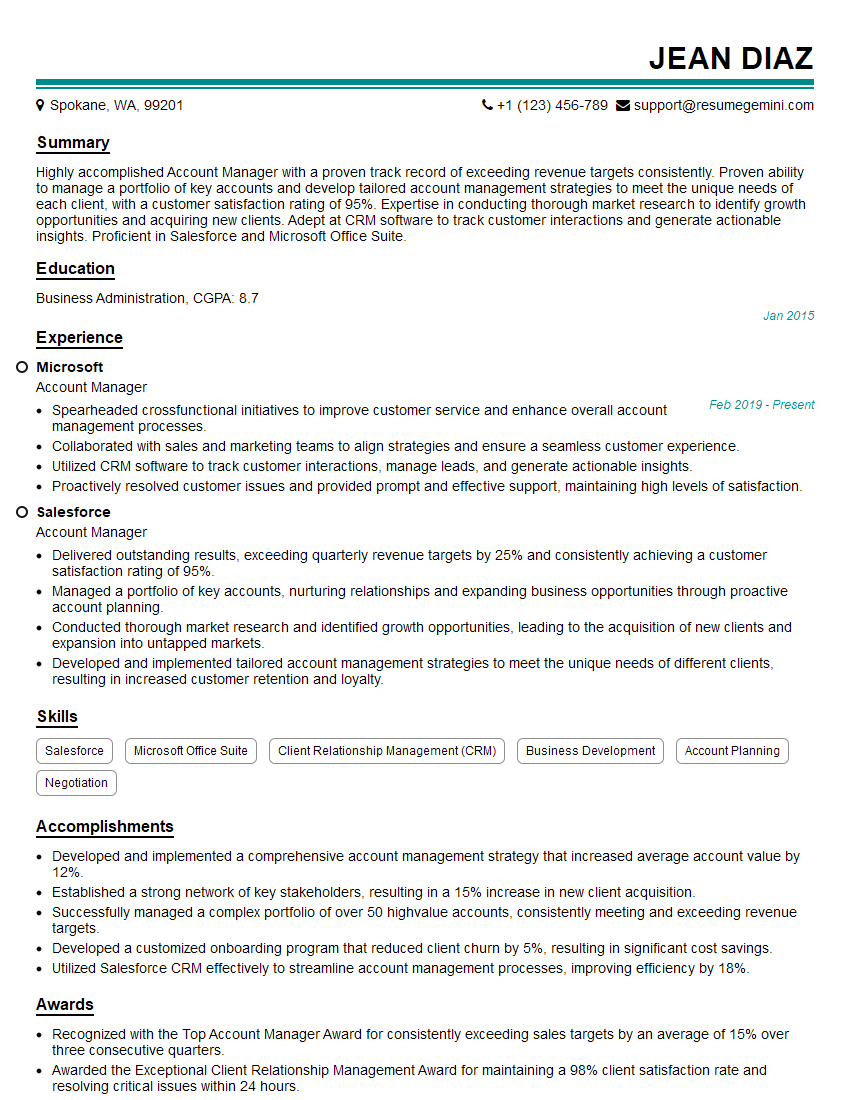
Account Manager Resume Sample
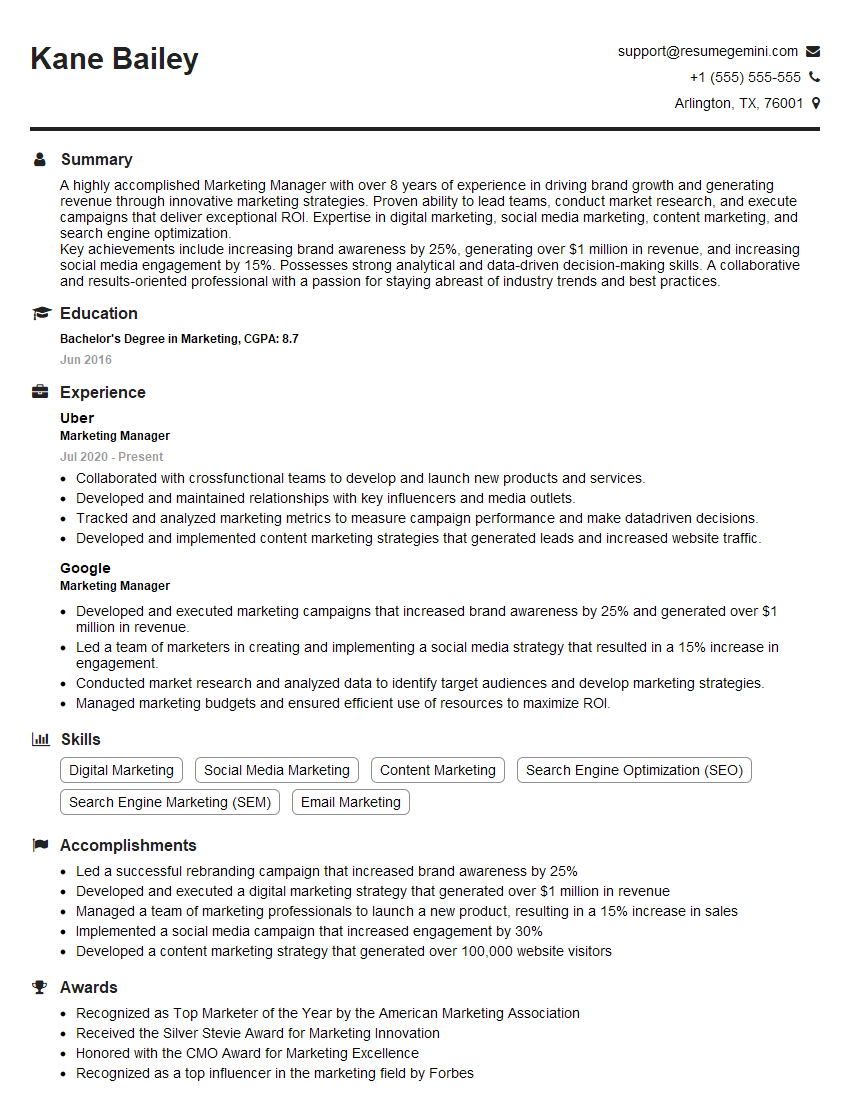
Marketing Manager Resume Sample
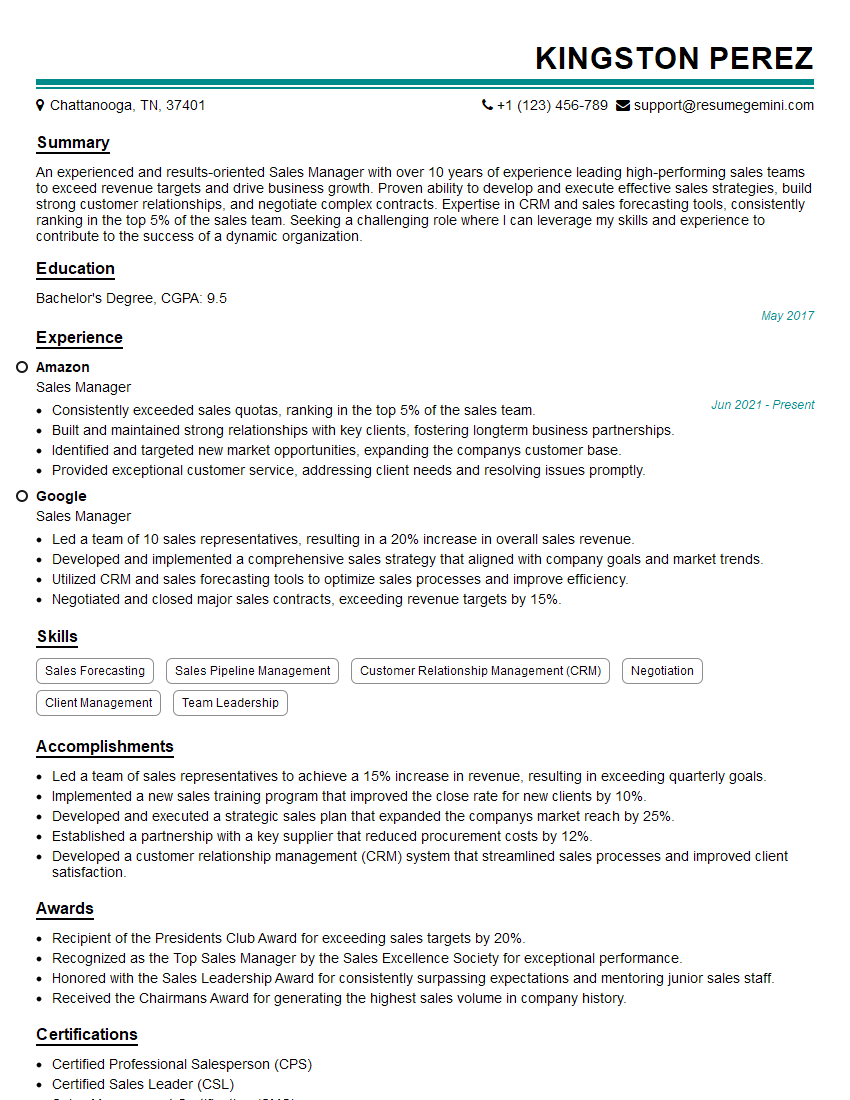
Sales Manager Resume Sample
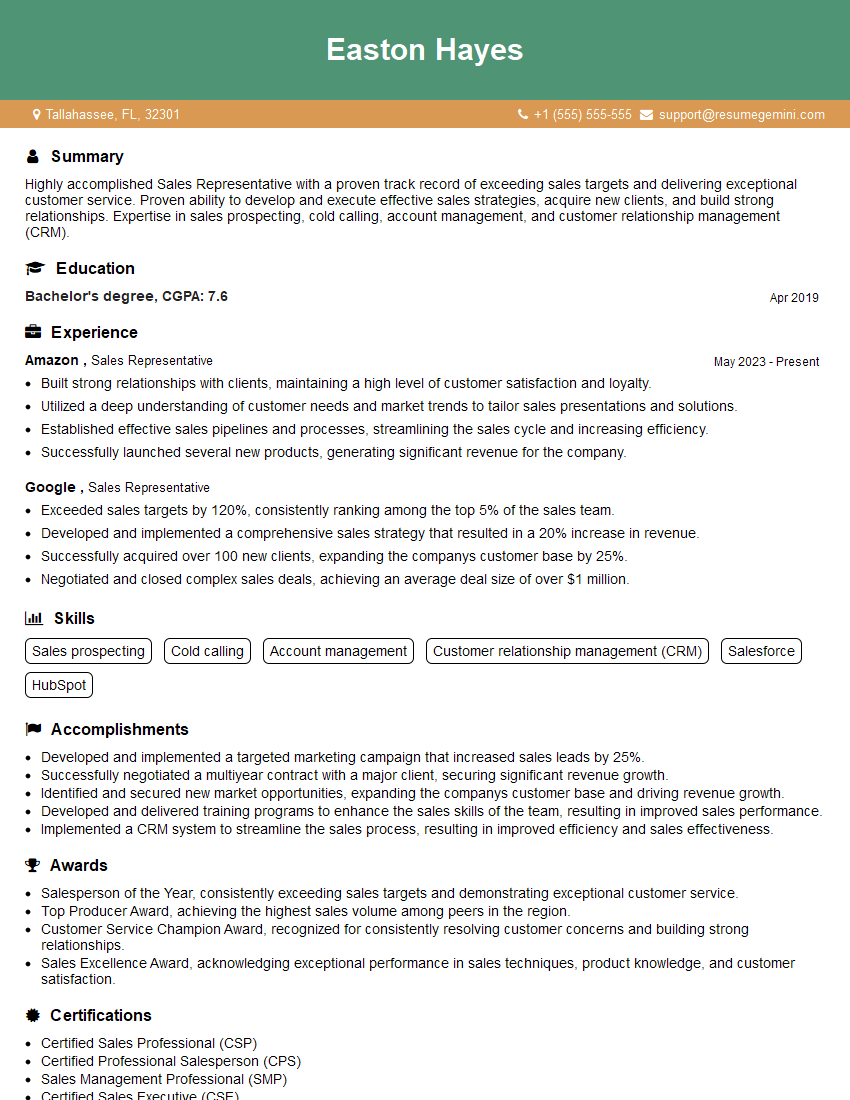
Sales Representative Resume Sample

Communications Manager Resume Sample
Relationship Manager Resume Sample
Customer Service Representative Resume Sample

Recruiting Manager Resume Sample

Project Manager Resume Sample
Team Leader Resume Sample
Mediator Resume Sample
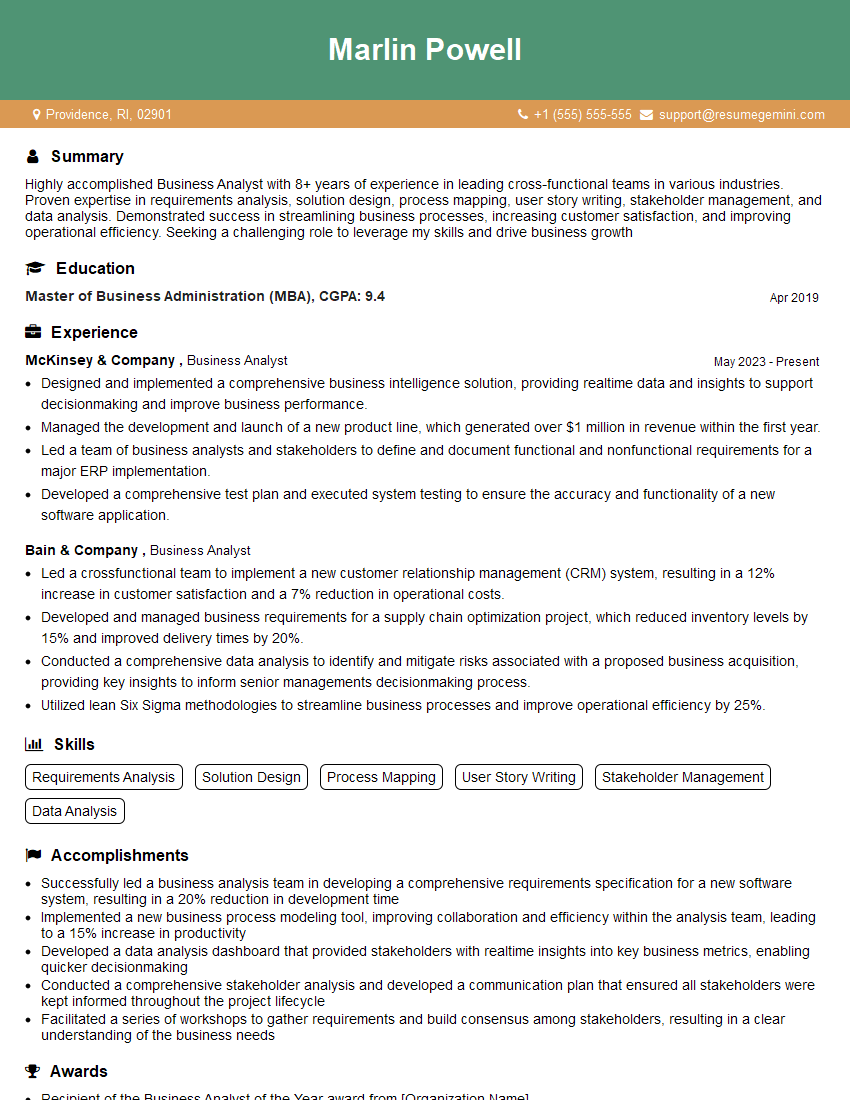
Business Analyst Resume Sample
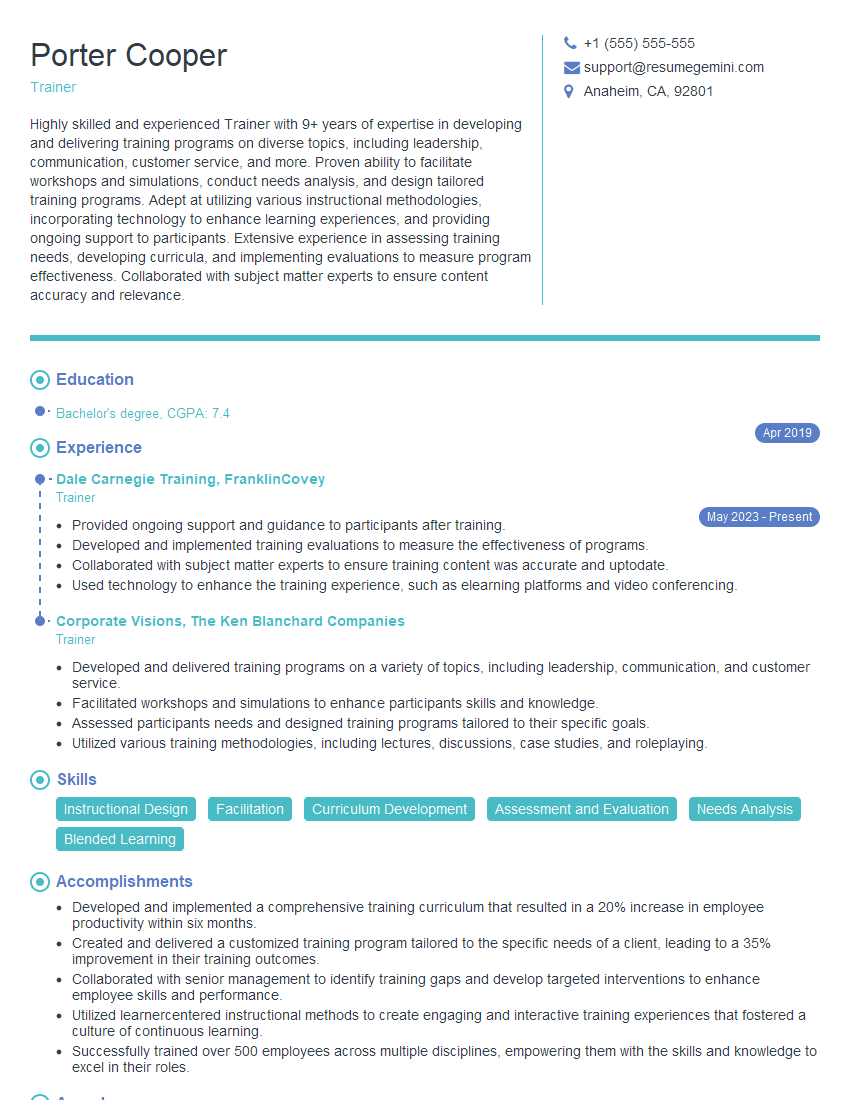
Trainer Resume Sample
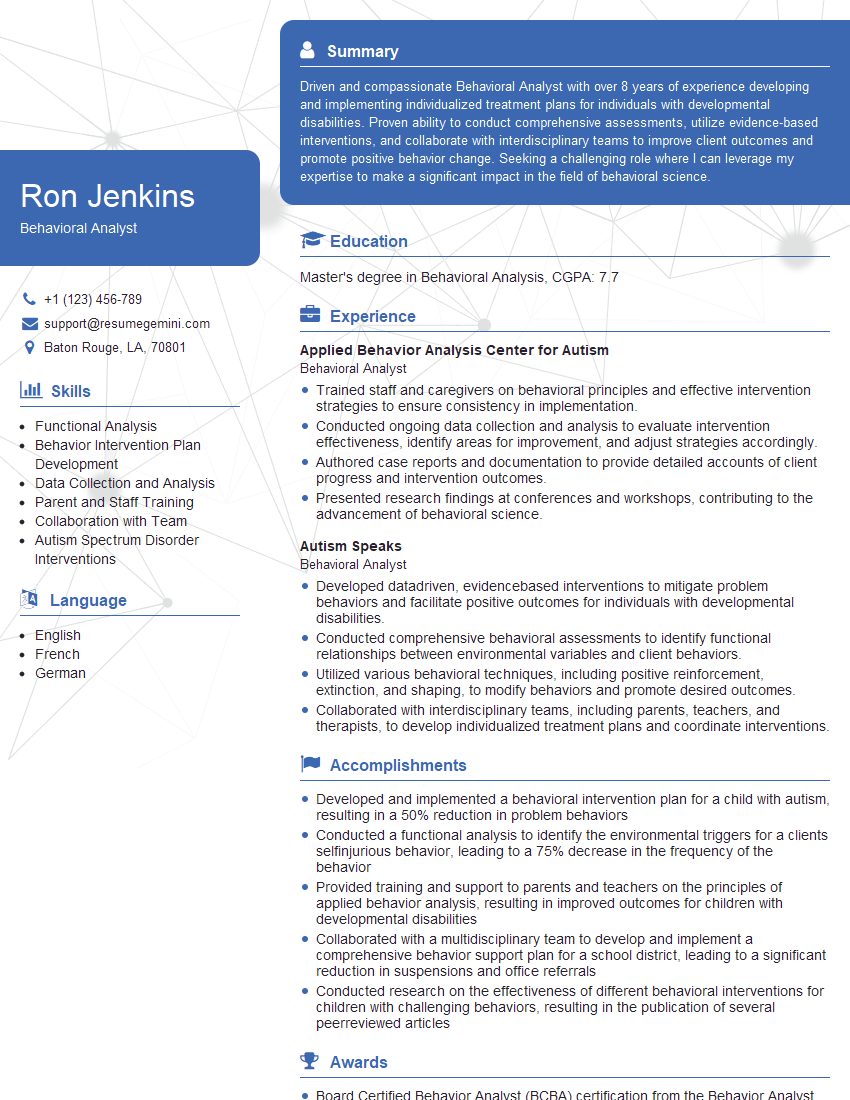
Behavioral Analyst Resume Sample
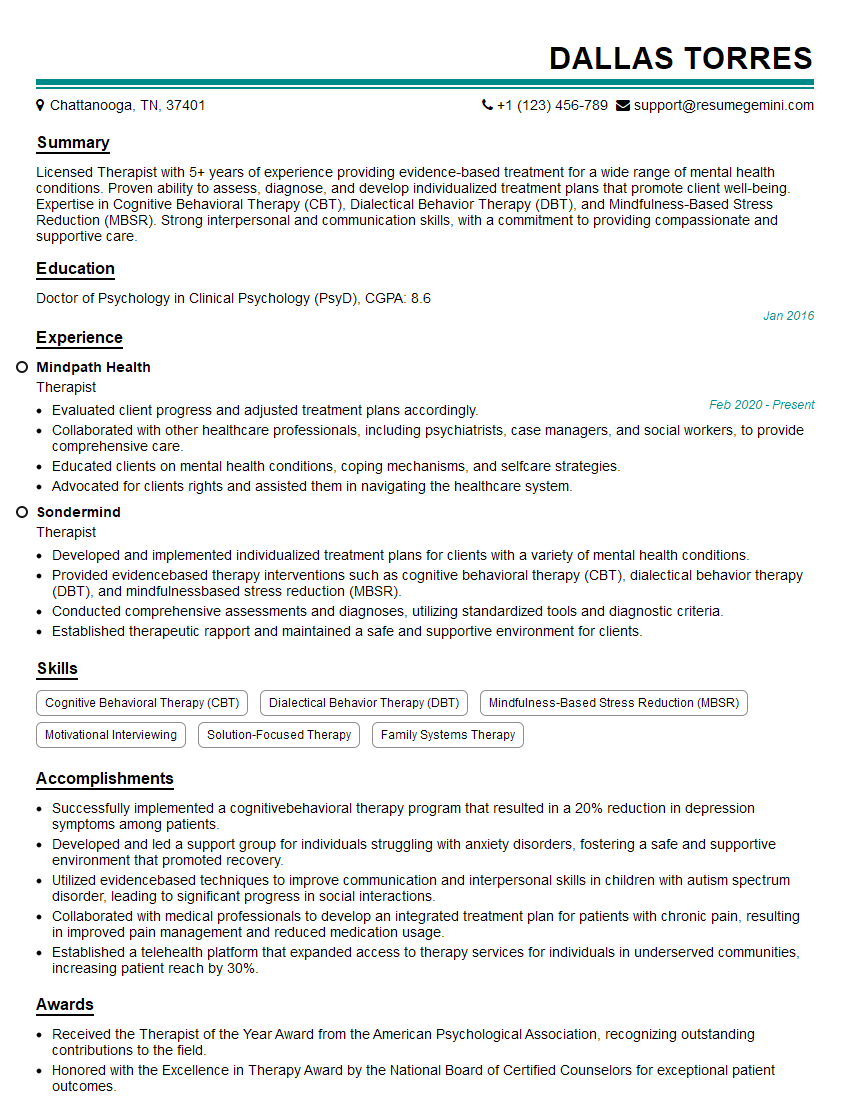
Therapist Resume Sample
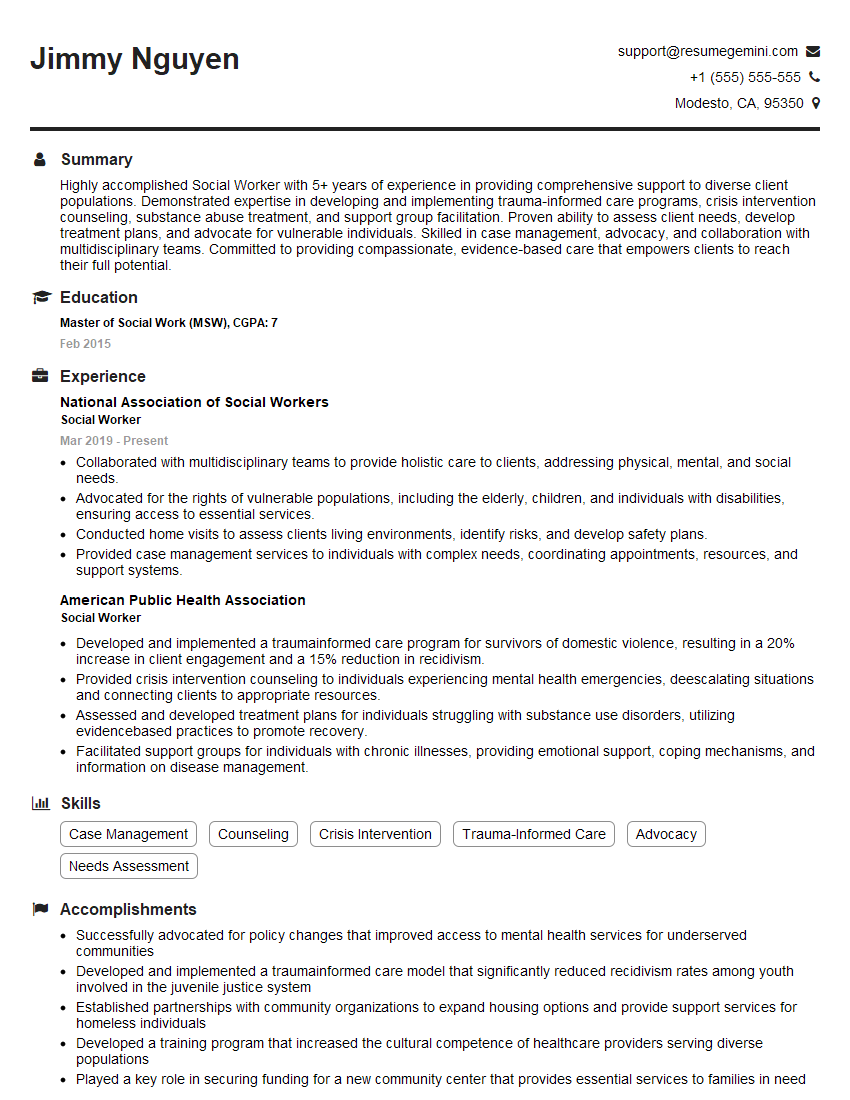
Social Worker Resume Sample
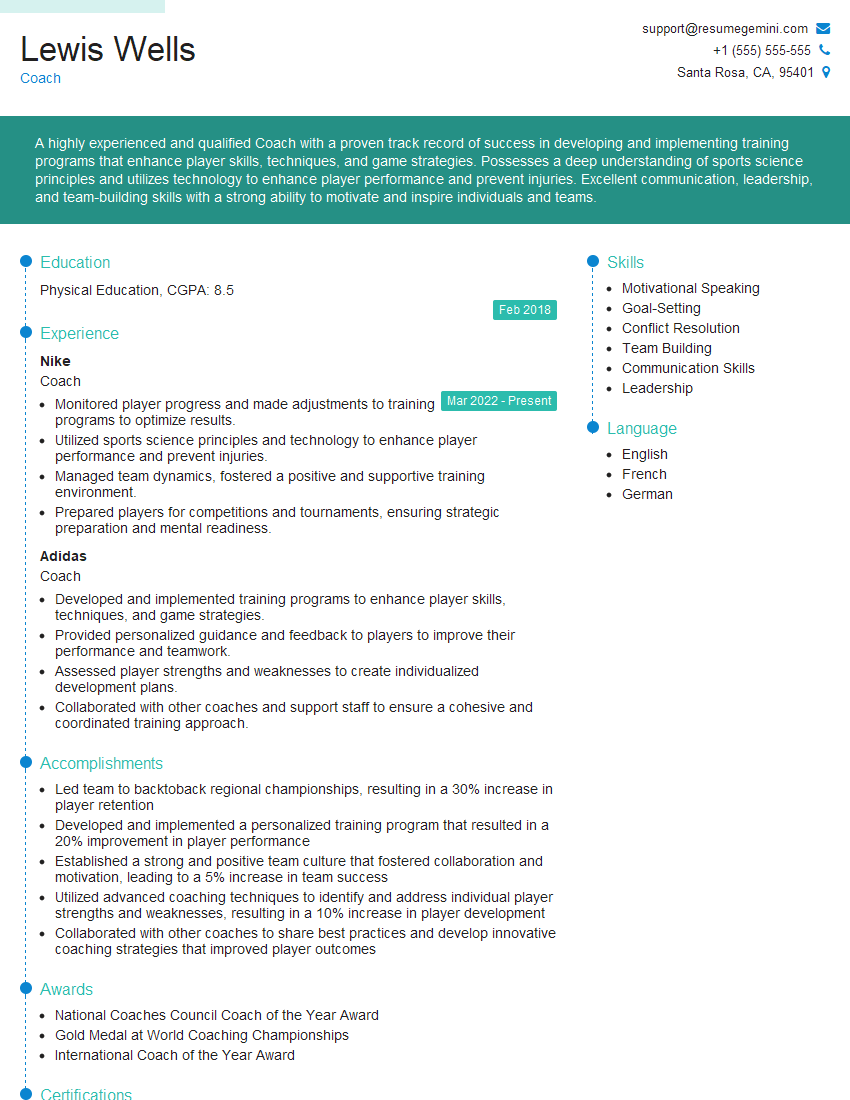
Coach Resume Sample
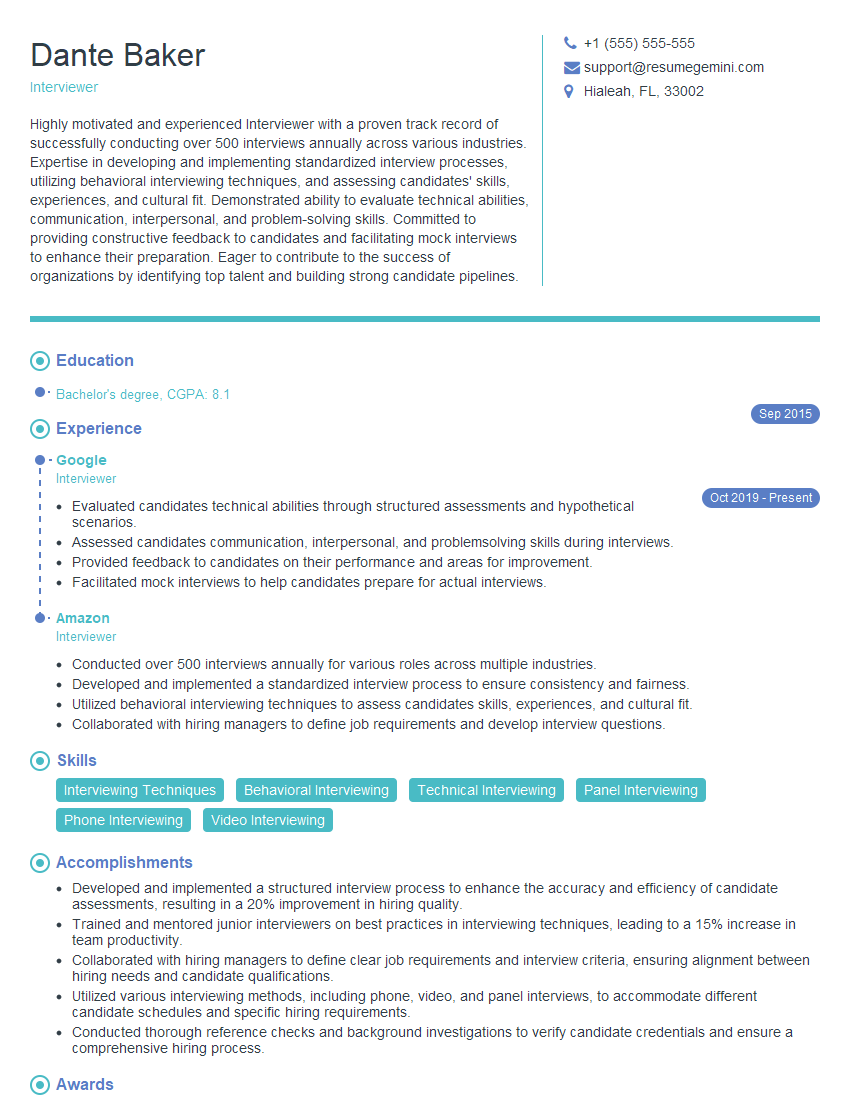
Interviewer Resume Sample
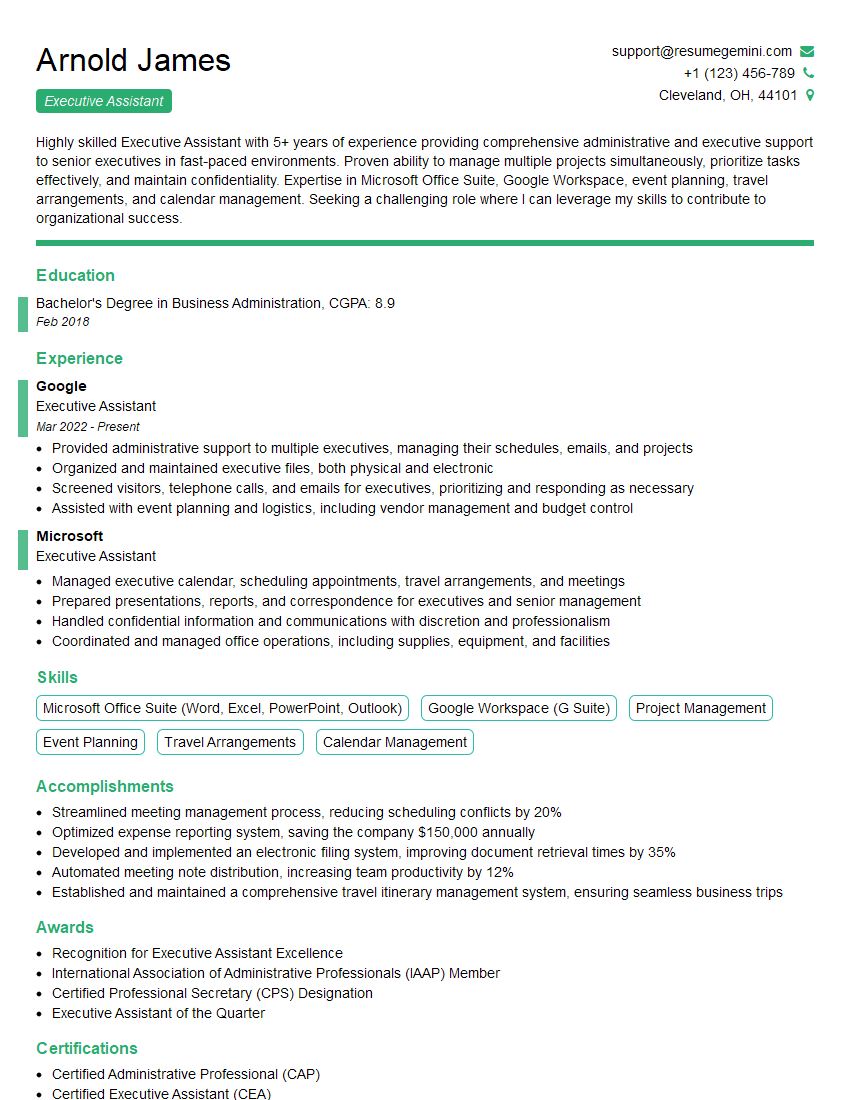
Executive Assistant Resume Sample
Talent Acquisition Specialist Resume Sample
- Account Manager
- Marketing Manager
- Sales Manager
- Sales Representative
- Communications Manager
- Relationship Manager
- Customer Service Representative
- Recruiting Manager
- Project Manager
- Team Leader
- Mediator
- Business Analyst
- Trainer
- Behavioral Analyst
- Therapist
- Social Worker
- Coach
- Interviewer
- Executive Assistant
- Talent Acquisition Specialist
Explore more articles
Users Rating of Our Blogs
Share Your Experience
We value your feedback! Please rate our content and share your thoughts (optional).
What Readers Say About Our Blog
Hello,
we currently offer a complimentary backlink and URL indexing test for search engine optimization professionals.
You can get complimentary indexing credits to test how link discovery works in practice.
No credit card is required and there is no recurring fee.
You can find details here:
https://wikipedia-backlinks.com/indexing/
Regards
NICE RESPONSE TO Q & A
hi
The aim of this message is regarding an unclaimed deposit of a deceased nationale that bears the same name as you. You are not relate to him as there are millions of people answering the names across around the world. But i will use my position to influence the release of the deposit to you for our mutual benefit.
Respond for full details and how to claim the deposit. This is 100% risk free. Send hello to my email id: [email protected]
Luka Chachibaialuka
Hey interviewgemini.com, just wanted to follow up on my last email.
We just launched Call the Monster, an parenting app that lets you summon friendly ‘monsters’ kids actually listen to.
We’re also running a giveaway for everyone who downloads the app. Since it’s brand new, there aren’t many users yet, which means you’ve got a much better chance of winning some great prizes.
You can check it out here: https://bit.ly/callamonsterapp
Or follow us on Instagram: https://www.instagram.com/callamonsterapp
Thanks,
Ryan
CEO – Call the Monster App
Hey interviewgemini.com, I saw your website and love your approach.
I just want this to look like spam email, but want to share something important to you. We just launched Call the Monster, a parenting app that lets you summon friendly ‘monsters’ kids actually listen to.
Parents are loving it for calming chaos before bedtime. Thought you might want to try it: https://bit.ly/callamonsterapp or just follow our fun monster lore on Instagram: https://www.instagram.com/callamonsterapp
Thanks,
Ryan
CEO – Call A Monster APP
To the interviewgemini.com Owner.
Dear interviewgemini.com Webmaster!
Hi interviewgemini.com Webmaster!
Dear interviewgemini.com Webmaster!
excellent
Hello,
We found issues with your domain’s email setup that may be sending your messages to spam or blocking them completely. InboxShield Mini shows you how to fix it in minutes — no tech skills required.
Scan your domain now for details: https://inboxshield-mini.com/
— Adam @ InboxShield Mini
Reply STOP to unsubscribe
Hi, are you owner of interviewgemini.com? What if I told you I could help you find extra time in your schedule, reconnect with leads you didn’t even realize you missed, and bring in more “I want to work with you” conversations, without increasing your ad spend or hiring a full-time employee?
All with a flexible, budget-friendly service that could easily pay for itself. Sounds good?
Would it be nice to jump on a quick 10-minute call so I can show you exactly how we make this work?
Best,
Hapei
Marketing Director
Hey, I know you’re the owner of interviewgemini.com. I’ll be quick.
Fundraising for your business is tough and time-consuming. We make it easier by guaranteeing two private investor meetings each month, for six months. No demos, no pitch events – just direct introductions to active investors matched to your startup.
If youR17;re raising, this could help you build real momentum. Want me to send more info?
Hi, I represent an SEO company that specialises in getting you AI citations and higher rankings on Google. I’d like to offer you a 100% free SEO audit for your website. Would you be interested?
Hi, I represent an SEO company that specialises in getting you AI citations and higher rankings on Google. I’d like to offer you a 100% free SEO audit for your website. Would you be interested?
good