Interviews are opportunities to demonstrate your expertise, and this guide is here to help you shine. Explore the essential Mop Up Operations interview questions that employers frequently ask, paired with strategies for crafting responses that set you apart from the competition.
Questions Asked in Mop Up Operations Interview
Q 1. Describe your experience in managing large-scale mop up operations.
Managing large-scale mop-up operations requires meticulous planning, efficient resource allocation, and strong leadership. My experience includes overseeing cleanups following significant industrial accidents, natural disasters, and large-scale spills. For instance, I led a team of 50 personnel in the aftermath of a chemical spill affecting a 20-acre area. This involved coordinating the containment, decontamination, and disposal of hazardous materials, all while ensuring the safety of my team and the surrounding community. Successful management hinges on a clear understanding of the incident’s scope, swift mobilization of resources – personnel, equipment, and supplies – and the implementation of a robust communication strategy to keep all stakeholders informed. I’ve consistently focused on developing detailed operational plans that anticipate challenges and facilitate a quick, effective response.
- Incident Assessment: Rapidly assessing the extent of contamination and the specific hazards present.
- Resource Allocation: Efficiently deploying personnel and equipment based on prioritized needs.
- Communication Strategy: Maintaining clear communication among team members and external stakeholders.
- Documentation: Maintaining comprehensive records of the operation for regulatory compliance and future reference.
Q 2. What safety protocols do you follow during mop up operations?
Safety is paramount in mop-up operations. Our protocols adhere strictly to OSHA and EPA guidelines, emphasizing a layered approach to risk mitigation. This includes mandatory personal protective equipment (PPE), such as respirators, chemical-resistant suits, and safety boots, selected based on the specific hazards. Before any cleanup begins, a thorough site safety assessment is conducted to identify potential hazards, like unstable structures, electrical hazards, or confined spaces. We use a permit-to-work system for high-risk tasks, and regular safety briefings and training are mandatory. Furthermore, we emphasize emergency response procedures, including evacuation plans and communication protocols for incidents. We conduct post-incident safety reviews to identify areas for improvement and prevent future accidents. For example, during a recent operation involving asbestos abatement, we followed strict protocols for containment, air monitoring, and waste disposal, ensuring the safety of both our crew and the public.
Q 3. Explain your experience with different types of containment methods.
My experience encompasses a wide range of containment methods, adapting to the specific nature of the spill or incident. For liquid spills, we utilize booms, absorbent pads, and dams to prevent further spread. Solid waste is contained using tarps, containers, and roll-off bins, ensuring proper segregation based on hazard class. For airborne contaminants, we employ specialized air filtration systems and may create temporary enclosures. In some cases, advanced techniques like vacuum trucks or specialized extraction systems are necessary. Choosing the right containment method depends on the material spilled (e.g., oil, chemicals, or biological materials), the environment (e.g., land, water, or air), and the quantity involved. For instance, during a large oil spill, deploying booms to contain the oil on the water’s surface was crucial, while absorbent pads were used to clean up smaller spills on nearby land. Each method requires careful planning and execution to ensure effectiveness and safety.
Q 4. How do you prioritize tasks during a complex cleanup operation?
Prioritizing tasks in complex cleanup operations requires a systematic approach. We use a risk-based prioritization matrix that considers factors such as the severity of the hazard, the potential for environmental damage, and the urgency of the situation. Immediate priorities usually involve stabilizing the situation, preventing further spread, and addressing immediate threats to human health and safety. For example, in a situation involving a leaking chemical tank, securing the tank and preventing further leakage would take precedence over the detailed cleanup. Subsequent priorities then focus on the safe removal of hazardous materials, decontamination of affected areas, and restoration of the site. Clear communication and regular reassessment of priorities are crucial to maintain efficiency and effectiveness, especially in rapidly evolving situations.
Q 5. Describe your experience with hazardous waste cleanup procedures.
Hazardous waste cleanup procedures require strict adherence to regulatory guidelines, and my experience includes handling various hazardous materials. This involves proper identification of the waste using safety data sheets (SDS), selecting appropriate PPE, and utilizing specialized equipment for containment and transportation. We ensure meticulous documentation of all steps, including waste manifest forms, to comply with local, state, and federal regulations. Hazardous waste is segregated and stored temporarily in approved containers, following strict protocols for labeling and handling. Disposal is conducted by licensed hazardous waste haulers, adhering to all relevant transportation and disposal regulations. For instance, in a cleanup involving lead-based paint, we followed stringent protocols for containment, removal, and disposal, ensuring proper documentation throughout the entire process.
Q 6. What is your experience with spill response plans and execution?
Experience with spill response plans is central to my expertise. I’ve been involved in the development, review, and execution of numerous plans for various facilities and scenarios. A comprehensive spill response plan outlines procedures for identifying, containing, cleaning up, and reporting spills, including emergency contact information and personnel responsibilities. Successful execution requires regular training exercises to ensure team familiarity and preparedness. Following a spill, the plan guides the response team in a coordinated manner, maximizing efficiency and minimizing environmental impact. We regularly review and update the plans to incorporate lessons learned from past incidents and changes in regulations or best practices. For example, a recent exercise highlighted the need for better communication between different response teams, resulting in an updated plan with improved coordination procedures.
Q 7. How do you assess the environmental impact of a spill or incident?
Assessing the environmental impact of a spill or incident involves a multi-faceted approach. Initially, we determine the nature and quantity of the released substance and its potential to affect air, water, and soil. This often includes sampling affected media to measure the concentration of contaminants. We then assess the potential for immediate and long-term impacts on ecosystems, including flora and fauna. This analysis may involve consultation with environmental scientists and specialists to evaluate the potential for bioaccumulation and other long-term consequences. The findings inform remediation strategies and contribute to regulatory reporting, ensuring compliance and accountability. For example, in a recent incident involving an oil spill into a waterway, we conducted thorough water sampling to determine the extent of contamination and the potential impact on aquatic life. This information was crucial in designing an effective remediation strategy and mitigating potential long-term environmental harm.
Q 8. What equipment are you proficient with during mop up operations?
My proficiency in mop-up operations encompasses a wide range of equipment, depending on the nature of the spill or incident. This includes, but isn’t limited to, absorbent materials like booms, pads, and pillows for containing spills; specialized equipment for hazardous materials, such as respirators, protective suits, and spill kits tailored to specific chemicals; and cleanup tools like shovels, brushes, and pressure washers for removing residues. For larger-scale incidents, I’m experienced in operating heavy machinery like vacuum trucks and excavators for efficient removal of contaminated soil or liquids. For instance, during a recent chemical spill at a manufacturing plant, my proficiency with vacuum trucks allowed us to swiftly and safely remove the majority of the spilled material, minimizing environmental impact.
- Absorbent materials: Booms, pads, pillows, spill socks
- Personal Protective Equipment (PPE): Respirators, gloves, suits, eye protection
- Cleaning equipment: Shovels, brushes, pressure washers, vacuum trucks
- Specialized equipment: Decontamination units, neutralization agents
Q 9. Explain your experience with decontamination procedures for personnel and equipment.
Decontamination is paramount in mop-up operations to protect personnel and prevent further contamination. My experience covers both personnel and equipment decontamination. For personnel, this involves a systematic approach, starting with the removal of contaminated clothing and PPE. Next, a thorough wash-down with appropriate decontamination solutions is performed, followed by a change into clean clothing. The specific decontamination solution depends on the spilled material; for instance, a neutralizing agent might be used for an acid spill, while soap and water suffice for non-hazardous spills. Equipment decontamination typically involves thorough cleaning and disinfection, often using specialized detergents or solvents. For example, during a sewage spill cleanup, we used high-pressure water jets to remove visible debris, followed by a disinfection process with a chlorine-based solution, ensuring the equipment was safe for reuse. We always meticulously document the decontamination process and any health concerns to maintain the safety and compliance protocols.
Q 10. How do you manage a team effectively during a high-pressure cleanup situation?
Managing a team effectively during a high-pressure cleanup situation requires clear communication, delegation, and a focus on safety. I utilize a task-oriented approach, assigning roles based on individual skills and experience. Clear and concise communication is vital, using a combination of verbal instructions and visual aids, such as maps or diagrams of the affected area. Regular check-ins ensure everyone is aware of progress and any changes in the situation. Maintaining a calm and supportive atmosphere is crucial to reduce stress and enhance teamwork. For example, during a large-scale oil spill, I divided the team into smaller, specialized units—one for containment, another for cleanup, and a third for documentation and safety oversight. This clear structure, coupled with regular communication and effective delegation, ensured efficient and safe cleanup operations.
Q 11. Describe your experience with regulatory compliance in mop up operations.
Regulatory compliance is a cornerstone of my work. I am familiar with a range of regulations, including OSHA (Occupational Safety and Health Administration) guidelines for hazardous waste handling, EPA (Environmental Protection Agency) regulations concerning environmental protection and spill response, and any state-specific regulations. This includes understanding the proper handling, storage, and disposal of hazardous materials, accurate record-keeping of all procedures, and the reporting of incidents to the relevant authorities. For example, a recent cleanup involved a chemical spill that fell under the CERCLA (Comprehensive Environmental Response, Compensation, and Liability Act) regulations. My knowledge of these regulations ensured proper documentation and communication to the EPA, ensuring the site remediation adhered to all legal requirements and minimizing potential liabilities.
Q 12. How do you document and report on mop up operations?
Documentation and reporting are essential aspects of mop-up operations. I maintain detailed records, including incident reports, site diagrams showing the extent of the contamination, a list of personnel involved, equipment used, procedures followed, and quantities of materials removed. All hazardous waste is tracked using chain-of-custody documentation, ensuring traceability from origin to final disposal. Detailed reports are generated and submitted to relevant authorities, clients, and internal stakeholders. This documentation provides a verifiable record of the cleanup process, facilitates future incident response planning and, if needed, aids in potential litigation. For instance, we used a digital platform to record progress, upload photos and videos, and track material movement during a recent cleanup of a contaminated riverbank—improving communication and reducing potential inconsistencies.
Q 13. What is your experience with waste disposal and transportation procedures?
My experience encompasses all facets of waste disposal and transportation procedures, adhering strictly to all relevant regulations. This involves the proper segregation of waste according to its hazard class, utilizing appropriate containers and labels, and arranging for transportation by licensed and insured haulers. I understand the legal requirements for waste manifests, and I ensure that all transported waste is delivered to authorized disposal facilities. For instance, during a project involving the cleanup of asbestos-containing materials, we followed strict protocols for packaging, labeling, and transporting the hazardous waste, adhering to EPA guidelines and ensuring the safety of personnel and the environment.
Q 14. How do you handle unexpected challenges during a cleanup operation?
Handling unexpected challenges during a cleanup operation requires adaptability, quick thinking, and a systematic approach to problem-solving. This often involves assessing the situation, identifying the new challenges, and implementing appropriate contingency plans. Communication remains crucial in these scenarios. For example, during a cleanup, we encountered unforeseen underground utilities, which required an immediate halt to excavation work. We quickly contacted utility companies, reassessed the situation, and adjusted the plan, ensuring safety and minimizing further delays. This flexible approach and proactive communication are key to successful completion under pressure.
Q 15. Describe your experience with risk assessment and mitigation in mop up operations.
Risk assessment and mitigation in mop-up operations are crucial for minimizing environmental damage and ensuring personnel safety. It’s a systematic process that begins with identifying potential hazards, analyzing their likelihood and severity, and then implementing control measures to reduce their impact.
For example, during a chemical spill, we’d assess the toxicity of the substance, the potential for fire or explosion, the vulnerability of nearby ecosystems (waterways, sensitive habitats), and the risk to responders. Mitigation strategies might include establishing a safety perimeter, deploying absorbent booms to contain the spill, using specialized personal protective equipment (PPE), and employing trained personnel with specific expertise in handling the hazardous material. A crucial part is documenting the entire process, including the initial assessment, the mitigation actions taken, and the effectiveness of these actions. This documentation forms the basis for continuous improvement and helps prevent similar incidents in the future.
In another instance, a fuel spill near a residential area necessitates a broader assessment, encompassing risks to human health (inhalation, skin contact), property damage, and potential for groundwater contamination. Mitigation might involve deploying specialized absorbent pads, vacuum trucks, and implementing air monitoring to ensure the safety of nearby residents. The communication strategy is also a critical part of the risk mitigation plan and includes notifying residents, local authorities and relevant government agencies about the situation and necessary precautions.
Career Expert Tips:
- Ace those interviews! Prepare effectively by reviewing the Top 50 Most Common Interview Questions on ResumeGemini.
- Navigate your job search with confidence! Explore a wide range of Career Tips on ResumeGemini. Learn about common challenges and recommendations to overcome them.
- Craft the perfect resume! Master the Art of Resume Writing with ResumeGemini’s guide. Showcase your unique qualifications and achievements effectively.
- Don’t miss out on holiday savings! Build your dream resume with ResumeGemini’s ATS optimized templates.
Q 16. What is your experience with emergency response planning and execution?
Emergency response planning is the backbone of successful mop-up operations. It involves developing detailed procedures to handle spills and other environmental incidents effectively. My experience includes creating and executing plans encompassing various scenarios, from small localized leaks to large-scale disasters. This includes developing pre-incident plans (PIPs) that outline roles and responsibilities, communication protocols, and emergency equipment deployment strategies.
Execution requires a coordinated response, often involving multiple agencies and stakeholders. I’ve led teams in executing these plans during actual incidents, ensuring seamless communication, effective resource allocation, and adherence to safety protocols. Successful execution hinges on clear communication, practiced drills, and a thorough understanding of the specific risks involved. For example, I was involved in a large oil spill response where the emergency plan was crucial in coordinating the deployment of absorbent booms, skimmers, and cleanup crews. Clear communication channels ensured efficient collaboration between different teams, preventing overlaps and gaps in our response. Regular training and tabletop exercises enable our teams to effectively execute plans under pressure and to adapt to unforeseen challenges.
Q 17. Explain your understanding of different types of environmental pollutants.
Environmental pollutants are broadly classified into several categories, each presenting unique challenges in mop-up operations. Understanding these classifications is paramount for effective remediation.
- Chemical pollutants: These include substances like solvents, pesticides, heavy metals, and acids. Their impact varies widely based on their toxicity, persistence, and solubility. Some chemicals are volatile and present an immediate inhalation hazard, while others persist in the environment for extended periods.
- Biological pollutants: This group includes pathogens (bacteria, viruses), algae blooms, and other biological agents. These can cause health problems, water contamination, and disrupt ecological balance.
- Radioactive pollutants: These materials emit ionizing radiation, posing significant health risks. Cleanup requires specialized techniques and equipment to ensure worker safety and prevent further spread.
- Petroleum hydrocarbons: Oil spills are a prime example. These pollutants can severely impact wildlife, water quality, and coastal ecosystems. Their cleanup often involves a range of techniques, from physical removal to bioremediation.
The type of pollutant dictates the appropriate cleanup strategy, the required PPE, and the necessary safety precautions. For instance, dealing with a radioactive spill necessitates a far different approach than cleaning up a spilled oil product, involving radiation monitoring and specialized containment procedures.
Q 18. How do you ensure the safety of personnel during mop up operations?
Ensuring personnel safety is the utmost priority during mop-up operations. This involves a multi-layered approach, starting with comprehensive risk assessments before any action is taken.
- Proper training: All personnel must be thoroughly trained on handling specific pollutants, using safety equipment, and following established protocols.
- Personal Protective Equipment (PPE): Providing appropriate PPE, including respirators, protective suits, gloves, and eye protection, is crucial to prevent exposure to hazardous substances. The type of PPE is determined by the nature of the pollutant.
- Safety monitoring: Continuous monitoring of air quality, radiation levels (if applicable), and other parameters is essential. This allows for immediate action if hazardous conditions arise.
- Emergency procedures: Clearly defined emergency procedures must be in place and regularly practiced. This includes evacuation plans, communication protocols, and access to emergency medical services.
- Health and safety audits: Regular audits ensure adherence to safety regulations and identify potential areas for improvement.
A real-world example involved a chemical spill where our team’s rigorous safety protocols prevented any injuries. Pre-deployment briefings covering PPE usage and emergency procedures, coupled with real-time air monitoring, enabled safe and efficient cleanup.
Q 19. Describe your experience with damage assessment and repair after a spill.
Damage assessment after a spill involves a systematic evaluation of the environmental and property damage caused by the incident. This assessment informs the remediation and repair strategies. It often includes a visual inspection, sampling for analysis (soil, water, air), and documentation using photography and videography.
For instance, following an oil spill, we would assess the extent of oil contamination in the soil, water, and vegetation. This involves collecting samples for laboratory analysis to determine the concentration of pollutants. We would also assess damage to infrastructure, such as roads, pipelines, and buildings, and potentially to wildlife. This assessment informs the remediation strategies, whether it’s soil excavation and replacement, bioremediation, or other specialized techniques. The assessment report is then used to justify repair costs and provide a basis for insurance claims. Detailed documentation throughout the process is vital for future reference and potential legal proceedings.
Q 20. What is your experience with the use of absorbent materials and equipment?
Absorbent materials and equipment are crucial for containing and removing spilled substances. The choice of materials depends on the nature of the spilled substance and the environment.
- Absorbent pads and booms: These are commonly used to soak up liquids and prevent their spread. Different materials exist, with varying absorbency capacities and chemical compatibility.
- Vacuum trucks: These are essential for removing large volumes of liquids and slurries. They’re particularly effective for recovering hydrocarbons and other viscous materials.
- Specialized equipment: This can range from specialized vacuum systems for fine materials to high-pressure washing equipment for cleaning hard surfaces.
For example, in a chemical spill, we might use chemically compatible absorbent pads to contain the spill, then vacuum trucks to remove the contaminated material. For an oil spill in a sensitive aquatic environment, we would use absorbent booms to contain the spill, followed by skimmers to remove the oil from the water’s surface, minimizing environmental impact.
Q 21. How do you communicate effectively with stakeholders during a mop up operation?
Effective communication is essential throughout the mop-up operation. This involves keeping all stakeholders informed and coordinated.
- Regular updates: Providing timely updates to affected parties, including residents, regulatory agencies, and media, is crucial for maintaining transparency and building trust.
- Clear and concise messaging: Using clear and straightforward language ensures that everyone understands the situation, the steps being taken, and any potential risks.
- Multiple communication channels: Utilizing various channels, such as phone calls, emails, press releases, and public briefings, ensures the message reaches the intended audience.
- Collaboration and coordination: Maintaining open communication between all involved parties, including cleanup crews, emergency responders, and regulatory agencies, is vital for a coordinated and effective response.
In a large-scale spill, for example, I employed a multi-pronged approach: daily press briefings to update the public, direct communication with concerned residents, and regular reports to regulatory agencies to ensure compliance and keep them abreast of our progress. This proactive approach prevented misinformation and fostered public confidence.
Q 22. Describe your experience with budget management in mop up operations.
Budget management in mop-up operations is crucial for efficient and effective response. It involves meticulous planning, resource allocation, and cost tracking throughout the entire process. This begins with a preliminary assessment of the incident, estimating the resources required – personnel, equipment, materials, and disposal costs. I’ve consistently used a phased budgeting approach, allocating funds based on the predicted needs of each stage of the operation: initial response, containment, cleanup, and disposal. For example, in a large chemical spill, the initial phase might focus on securing the perimeter and deploying absorbent booms, while later phases would focus on the more expensive aspects of soil remediation or specialized waste disposal. Regular monitoring of expenditures against the budget is paramount, allowing for prompt adjustments if unforeseen costs arise or if resources need to be reallocated to prioritize critical tasks. This includes maintaining detailed records of all purchases and services, justifying any deviations from the initial budget, and providing regular reports to stakeholders. Transparency and accountability are critical aspects of this process.
Q 23. How do you ensure the proper disposal of contaminated materials?
Proper disposal of contaminated materials is paramount to protecting human health and the environment. It starts with a thorough assessment of the type and quantity of waste generated. This involves identifying hazardous materials according to relevant regulations (like OSHA and EPA guidelines). Different materials require different disposal methods. For instance, absorbents used to soak up oil would have different handling requirements than contaminated soil. Each waste stream requires careful categorization and packaging to prevent cross-contamination. We always follow a strict chain of custody to ensure that every material is properly tracked from collection to final disposal. This includes documentation at each step of the process, specifying the location, date, time, and type of waste. This documentation is essential for audit trails and compliance with regulatory requirements. We prioritize using licensed disposal facilities that are equipped to handle the specific types of waste generated, adhering to all relevant permits and regulations. Finally, we obtain and maintain all necessary disposal certificates, providing proof of compliant disposal to relevant authorities.
Q 24. What is your experience with working with different regulatory agencies?
My experience with regulatory agencies is extensive. I’ve worked closely with various bodies, including the EPA, OSHA, and state environmental agencies, throughout my career. I’m proficient in understanding and applying relevant regulations, such as the Clean Water Act, the Resource Conservation and Recovery Act (RCRA), and OSHA’s hazardous waste handling standards. This includes obtaining necessary permits, completing detailed reporting documentation, and ensuring all actions comply with the strictest standards. I have a strong understanding of the permitting process, from application submission to compliance inspections. I actively participate in agency-led training and workshops to stay abreast of any changes in regulations or best practices. Building strong, professional relationships with these agencies is crucial. Open communication and proactive collaboration ensures smooth operations and helps to resolve any potential issues promptly. For example, a recent project involving a chemical spill necessitated close collaboration with the EPA throughout the cleanup, ensuring that our methods were compliant and that all required reporting was submitted on time.
Q 25. How do you evaluate the effectiveness of a mop up operation?
Evaluating the effectiveness of a mop-up operation involves a multi-faceted approach. The primary metric is the successful containment and removal of the hazardous substance. This is measured by quantifying the amount of material recovered, compared to the initial assessment of the spill or release. We use various methods to assess environmental impact; for example, soil sampling before, during, and after cleanup to check for contaminant levels. Water quality testing is also used to determine the extent of water contamination and the effectiveness of cleanup efforts. We also evaluate the operational efficiency by tracking metrics like time taken to complete the operation, resources utilized, and any associated costs. Compliance with safety procedures and regulatory requirements is a critical aspect, evaluated through internal audits and agency inspections. Finally, post-incident surveys of personnel involved provide valuable insights into the effectiveness of the operation and identify areas for improvement in future responses. This comprehensive approach ensures a thorough evaluation and identification of successes as well as areas that need improvement in future operations.
Q 26. Describe your experience with post-incident analysis and reporting.
Post-incident analysis and reporting are essential for continuous improvement. My experience includes conducting thorough investigations into the causes of incidents, identifying contributing factors, and developing recommendations to prevent recurrence. This involves collecting data from various sources including site observations, interviews with personnel, equipment logs, and regulatory documentation. We utilize established root-cause analysis techniques such as the ‘5 Whys’ method to delve deep into the underlying causes. The findings are then compiled into comprehensive reports, which are typically structured according to industry standards or regulatory requirements. These reports detail the incident, the response, the cleanup methods, and the root cause analysis. Recommendations for future improvements are presented, including preventive measures, updated safety procedures, or revised emergency response plans. This information serves as a valuable learning tool for improving emergency response capabilities and reducing future risks. For example, after a particularly challenging spill, we discovered a flaw in our initial response protocol, which led to improvements and retraining of personnel in the crucial early stages of containment.
Q 27. What are your strengths and weaknesses in relation to mop up operations?
My strengths in mop-up operations lie in my leadership skills, technical expertise, and unwavering commitment to safety and regulatory compliance. I’m proficient in developing and implementing comprehensive response plans, managing teams effectively under pressure, and utilizing technological solutions for enhanced efficiency. I possess strong analytical skills, allowing me to quickly assess situations and develop appropriate strategies. My experience with a wide range of hazardous materials makes me adaptable to diverse challenges. However, my weakness might be my high standards and drive for perfection. Sometimes, I may focus heavily on detail, potentially slowing down the process. I’m actively working on delegating tasks more effectively to balance my attention to detail with operational speed. I have implemented time management techniques to ensure I’m able to complete all tasks efficiently and effectively, while maintaining a high standard of quality.
Q 28. Describe a challenging mop up operation and how you overcame it.
One particularly challenging operation involved a large-scale chemical spill in a densely populated area. The initial response was complicated by heavy rain, which threatened to spread the contaminant into a nearby river. The situation required swift action to protect both the public and the environment. The team’s immediate focus was on containing the spill and preventing its spread using absorbent booms, creating a diversionary channel for contaminated runoff, and evacuating nearby residents. However, the sheer volume of the spill and the challenging weather conditions presented significant logistical hurdles. We had to overcome equipment limitations, work around the limited daylight hours, and deal with the emotional stress affecting the impacted community. To overcome these challenges, I collaborated closely with local emergency services, environmental agencies, and community leaders. We established clear communication channels, shared information transparently, and coordinated our efforts effectively. This ensured a coordinated and rapid response. We leveraged available resources strategically, introducing additional equipment and personnel as needed. Ultimately, we were successful in containing the spill, preventing environmental damage, and mitigating any negative health consequences. The incident highlighted the importance of strong communication, resource management, and effective collaboration in emergency response situations.
Key Topics to Learn for Mop Up Operations Interview
- Spill Response and Containment: Understanding different types of spills (chemical, oil, etc.), containment strategies, and the selection of appropriate equipment.
- Waste Management and Disposal: Safe and compliant disposal procedures for contaminated materials, understanding relevant regulations and permits.
- Decontamination Procedures: Methods for decontaminating personnel and equipment, ensuring worker safety and environmental protection.
- Emergency Response Protocols: Familiarity with emergency response plans, communication procedures, and the role of Mop Up Operations within a larger emergency response team.
- Health and Safety Regulations: Thorough knowledge of relevant health and safety regulations, including PPE requirements and hazard identification.
- Risk Assessment and Mitigation: Conducting risk assessments to identify potential hazards and developing mitigation strategies to prevent future incidents.
- Equipment Operation and Maintenance: Practical knowledge of operating and maintaining various equipment used in Mop Up Operations (e.g., pumps, vacuum trucks, absorbent materials).
- Environmental Remediation Techniques: Understanding the principles of environmental remediation and the various techniques used to restore impacted areas.
- Documentation and Reporting: Accurate record-keeping of all activities, including incident reports, waste manifests, and equipment logs.
- Teamwork and Communication: Effective communication and collaboration within a team environment to ensure efficient and safe operations.
Next Steps
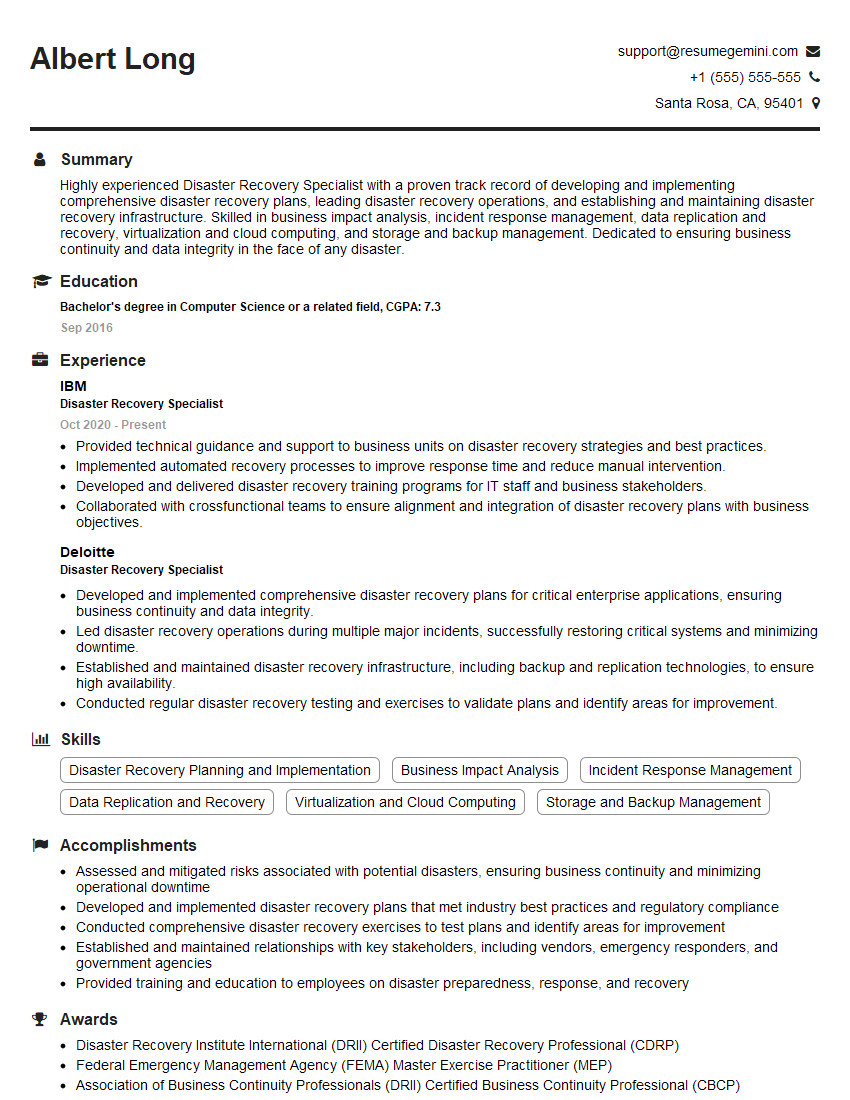
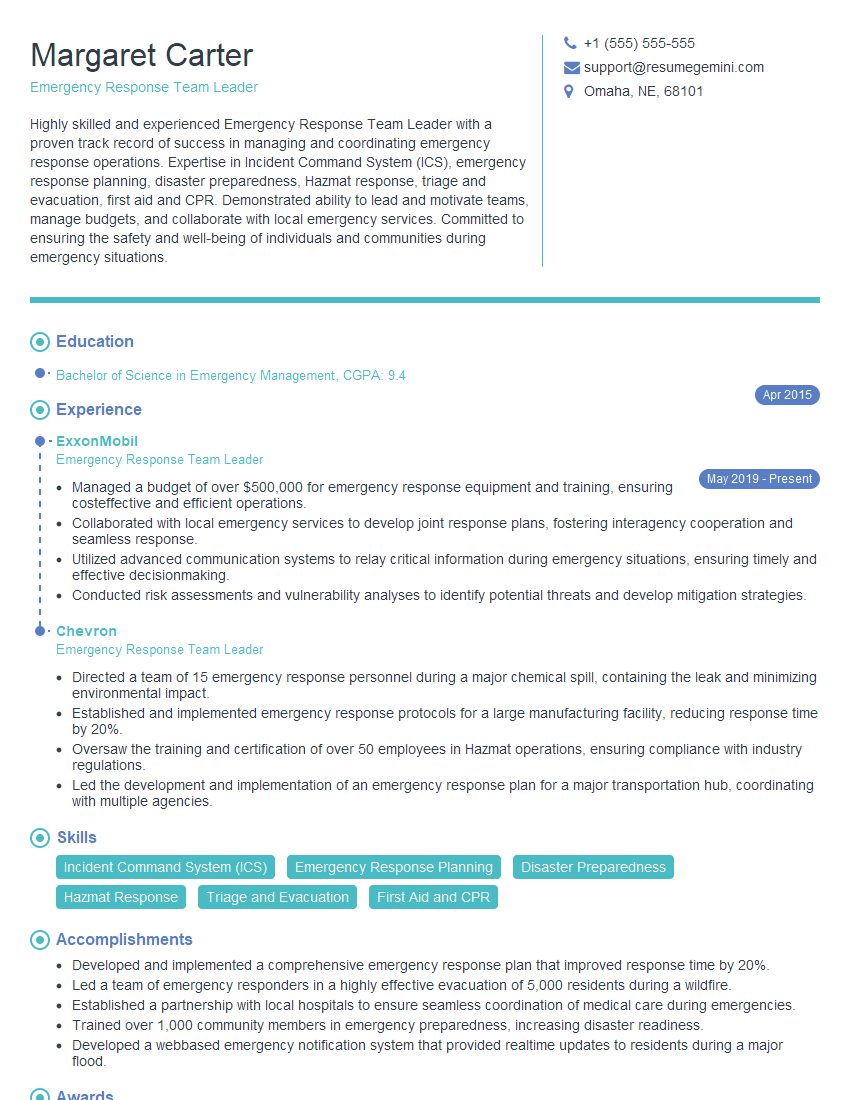
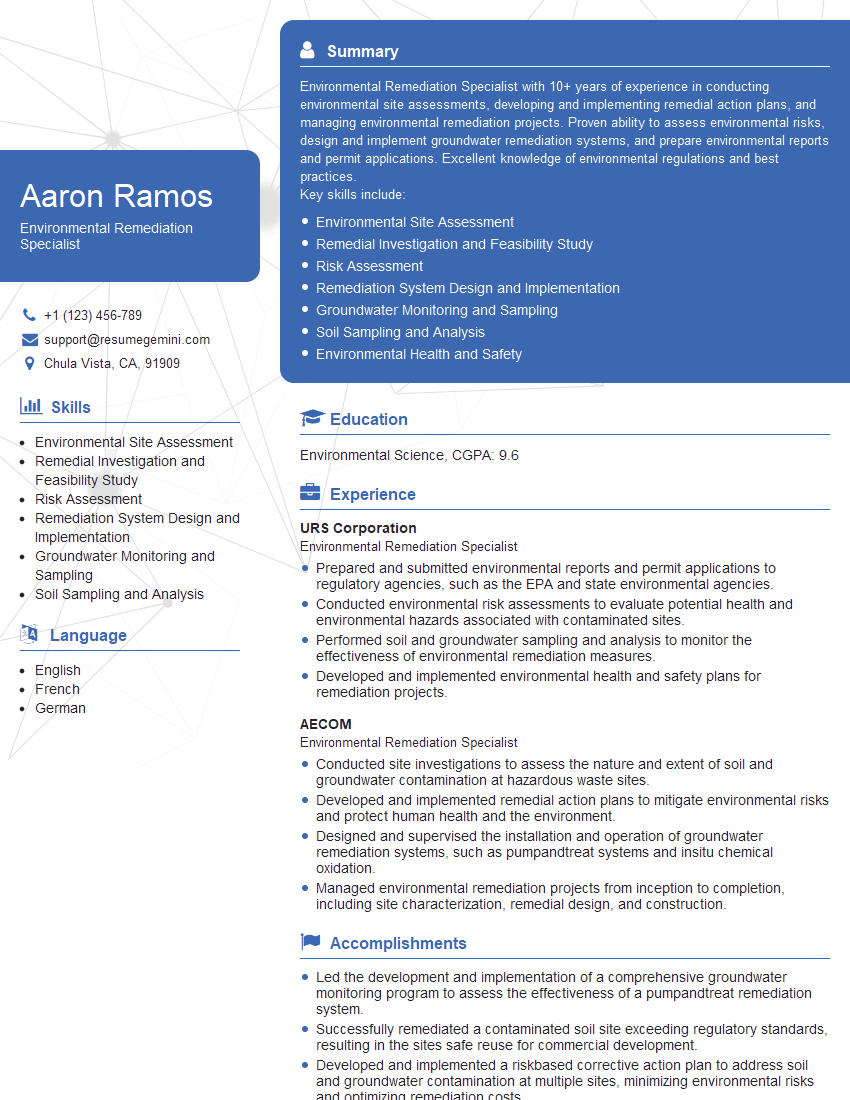
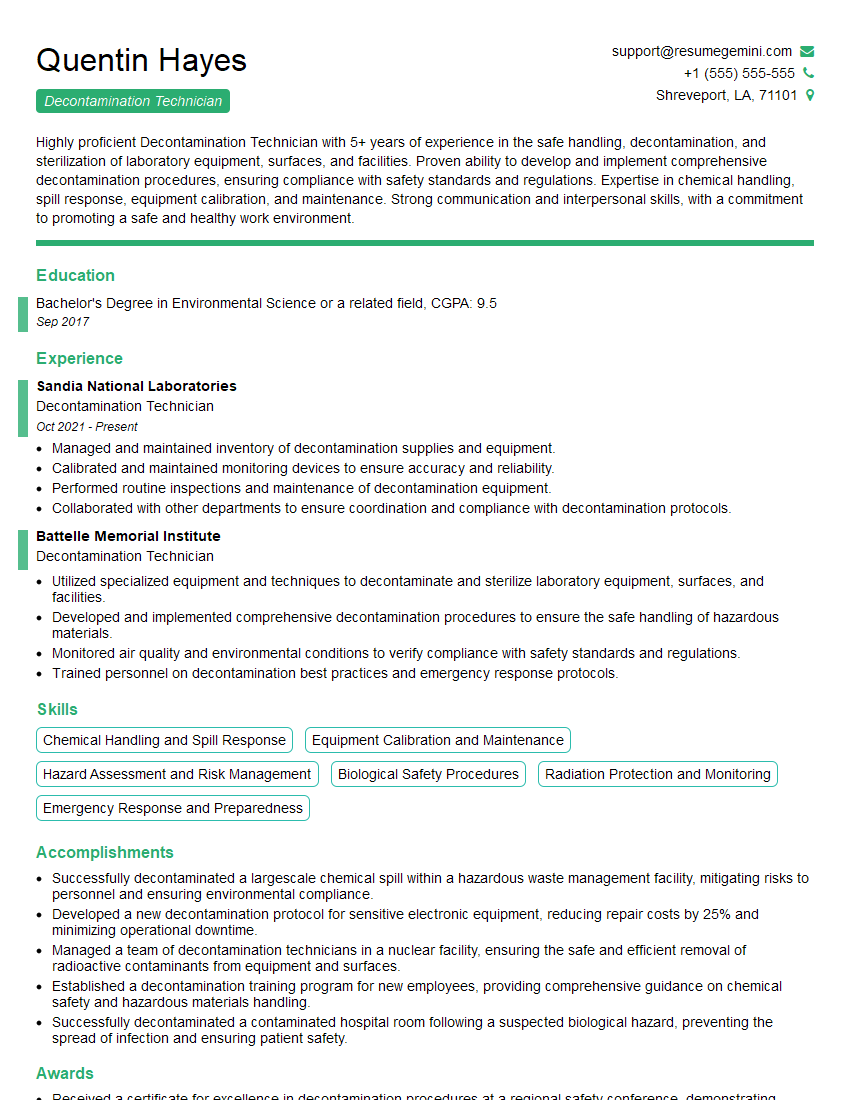
Mastering Mop Up Operations opens doors to diverse and rewarding career opportunities within environmental protection, industrial safety, and emergency response. To significantly boost your job prospects, it’s crucial to present your skills effectively. Creating an Applicant Tracking System (ATS)-friendly resume is key to getting your application noticed. ResumeGemini is a trusted resource to help you build a professional and impactful resume that highlights your Mop Up Operations expertise. Examples of resumes tailored to Mop Up Operations are available to guide you, making the process easier and more effective.
Explore more articles
Users Rating of Our Blogs
Share Your Experience
We value your feedback! Please rate our content and share your thoughts (optional).
What Readers Say About Our Blog
Very informative content, great job.
good