The right preparation can turn an interview into an opportunity to showcase your expertise. This guide to Motivating and Inspiring Underperforming Team interview questions is your ultimate resource, providing key insights and tips to help you ace your responses and stand out as a top candidate.
Questions Asked in Motivating and Inspiring Underperforming Team Interview
Q 1. Describe your approach to identifying the root causes of underperformance in a team.
Identifying the root causes of underperformance requires a multi-faceted approach that goes beyond simply observing low output. I start by gathering data from multiple sources to get a holistic view. This includes individual performance reviews, team performance metrics, direct observation of team dynamics, and one-on-one conversations with each team member.
- Performance Data Analysis: I review objective performance metrics to pinpoint specific areas of weakness. Are deadlines consistently missed? Is the quality of work subpar? Are specific tasks consistently causing problems?
- Team Dynamics Observation: I observe team meetings and interactions to identify potential conflicts, communication breakdowns, or lack of collaboration. Are team members actively engaging, or are there signs of disengagement or avoidance?
- Individual Interviews: One-on-one conversations are crucial. These are not accusatory but rather designed to understand individual perspectives. I use active listening to understand challenges, frustrations, and unmet needs. I ask open-ended questions like, “What are your biggest challenges in your current role?”, “What resources do you need to be more successful?”, and “How can I best support you?”
- Environmental Factors: I also consider external factors, such as inadequate resources, unclear expectations, or unrealistic deadlines, that might be contributing to the underperformance.
By combining these methods, I build a comprehensive picture of the problem, separating individual issues from systemic ones. This allows me to create targeted solutions rather than relying on generic fixes.
Q 2. What specific metrics do you use to track team performance and identify areas needing improvement?
The specific metrics I use depend on the team’s goals and responsibilities, but generally, I focus on a blend of quantitative and qualitative data. This ensures a well-rounded view of team performance.
- Quantitative Metrics: These include things like project completion rates, defect rates (number of errors), customer satisfaction scores, sales figures (if applicable), and individual contribution metrics such as lines of code produced or units sold. I use dashboards and reporting tools to track these consistently.
- Qualitative Metrics: These are less easily quantified but are equally important. I track things like team collaboration (through observations and surveys), communication effectiveness (analyzing meeting minutes and email exchanges), and employee engagement (through pulse surveys and feedback sessions). I look for patterns of conflict, inefficient communication, or low morale.
Identifying areas for improvement involves analyzing trends over time. A sudden drop in a key metric might signal a problem needing immediate attention, whereas a gradual decline might indicate a systemic issue needing a more strategic solution. Regularly reviewing and analyzing these metrics, together with feedback from team members, is essential for identifying and addressing areas needing improvement.
Q 3. How do you provide constructive feedback to underperforming team members?
Constructive feedback is crucial, but it needs to be delivered thoughtfully and specifically. I follow a structured approach:
- Private Setting: Feedback should always be given in a private setting to ensure the team member feels safe and comfortable.
- Specific Examples: Avoid vague generalizations. Focus on specific instances of underperformance, providing concrete examples. For instance, instead of saying “Your work is sloppy,” I would say, “In the last report, there were three instances where data was incorrectly entered, leading to inaccurate conclusions.”
- Focus on Behavior, Not Personality: Frame the feedback around the behavior, not the individual’s character. For example, instead of saying “You’re lazy,” I would say, “The project deadline was missed, and this impacted the overall project timeline.”
- Focus on Solutions: Instead of simply pointing out problems, I actively work with the team member to identify solutions and create an action plan to improve performance. This collaborative approach fosters a sense of ownership and empowers the individual to take control of their improvement.
- Positive Reinforcement: It’s important to balance constructive criticism with positive reinforcement, highlighting strengths and previous successes to build confidence.
Following up regularly is key. This demonstrates genuine support and helps track progress towards improvement goals.
Q 4. Explain your strategy for setting clear expectations and goals for team members.
Setting clear expectations and goals is fundamental to effective team management. I use the SMART goals framework:
- Specific: Goals must be clearly defined and unambiguous. Avoid vague statements. Instead of “Improve performance,” aim for “Increase sales leads by 15% in the next quarter.”
- Measurable: Goals need to be quantifiable. Use metrics to track progress and assess success.
- Attainable: Goals should be challenging but realistic, aligning with team capabilities and resources.
- Relevant: Goals must be aligned with the overall team and company objectives.
- Time-bound: Set clear deadlines to create a sense of urgency and accountability.
I involve team members in the goal-setting process whenever possible. This fosters buy-in and ownership, increasing the likelihood of achieving the goals. Regular check-ins and progress reviews ensure everyone remains focused and on track.
Q 5. Describe a time you had to address conflict within a team impacting performance.
In a previous role, a conflict arose between two senior team members regarding project ownership and responsibilities. This led to duplicated efforts, missed deadlines, and a decline in overall team morale.
My approach involved:
- Facilitating a Meeting: I scheduled a private meeting with both individuals. I created a safe space for them to express their concerns and perspectives without interruption.
- Active Listening: I listened actively to both sides, acknowledging their feelings and perspectives. I refrained from taking sides and focused on understanding the root of the conflict.
- Identifying the Core Issue: Through careful listening, I realized the conflict stemmed from unclear project responsibilities and a lack of communication.
- Collaborative Solution: Together, we defined clear roles and responsibilities, establishing a process for communication and collaboration. This included creating a shared project plan and establishing regular check-in meetings.
- Follow-up and Monitoring: I continued to monitor the situation closely, ensuring the new processes were effective and addressing any remaining concerns.
The result was a significant improvement in team dynamics, leading to increased productivity and improved project outcomes. This experience emphasized the importance of proactive conflict resolution in maintaining high-performing teams.
Q 6. How do you foster a positive and supportive team environment?
Fostering a positive and supportive team environment is paramount. I focus on several key areas:
- Open Communication: I encourage open and honest communication, creating a culture where team members feel comfortable sharing ideas, concerns, and feedback without fear of judgment.
- Recognition and Appreciation: I regularly acknowledge and appreciate individual and team accomplishments, both big and small. This can be through verbal praise, written notes, or small gestures of appreciation.
- Team Building Activities: I organize regular team-building activities to foster camaraderie and improve interpersonal relationships. These can range from simple social gatherings to more structured team-building exercises.
- Collaboration and Inclusivity: I promote a collaborative culture where everyone feels valued and included. I actively seek diverse perspectives and ensure everyone has a voice in decision-making.
- Work-Life Balance: I encourage a healthy work-life balance, recognizing that overworked and stressed team members are less productive and more prone to conflict.
A positive and supportive environment is not just a nice-to-have; it’s crucial for creating a high-performing, engaged team.
Q 7. What strategies do you employ to motivate team members and boost their morale?
Motivating team members and boosting morale involves understanding individual needs and preferences. My approach is multifaceted:
- Individualized Motivation: I recognize that not all team members are motivated by the same things. I take the time to understand what drives each individual, whether it’s recognition, professional development opportunities, increased autonomy, or something else. Regular check-ins help me stay updated on their evolving needs.
- Clear Vision and Purpose: Connecting individual work to a larger vision and purpose is incredibly motivating. I ensure team members understand how their contributions impact the overall goals of the team and the organization.
- Opportunities for Growth: Providing opportunities for professional development, such as training courses, mentorship programs, or challenging assignments, demonstrates investment in their careers and keeps them engaged.
- Regular Feedback and Recognition: Regular feedback, both positive and constructive, keeps team members informed of their progress and areas for improvement. Celebrating successes, both big and small, boosts morale and reinforces positive behaviors.
- Autonomy and Empowerment: Empowering team members by providing them with autonomy and ownership over their work fosters a sense of responsibility and increases job satisfaction.
Motivation is an ongoing process. It requires continuous effort, attention to individual needs, and a commitment to building a supportive and engaging work environment.
Q 8. How do you delegate tasks effectively to maximize team productivity?
Effective delegation isn’t just about assigning tasks; it’s about empowering your team. I start by clearly defining the task, its objectives, and expected outcomes. This includes setting clear deadlines and identifying any necessary resources. Then, I carefully assess each team member’s skills and strengths, matching the task to their capabilities. For example, if a team member excels at data analysis, I’d assign them tasks involving data interpretation. I also consider their workload and capacity, avoiding overburdening anyone. Finally, I provide ongoing support and feedback throughout the process, ensuring open communication and addressing any challenges promptly. This fosters a sense of ownership and responsibility, boosting team morale and productivity. I view delegation as a continuous learning and development opportunity, not just a task-allocation exercise. This approach helps maximize not only immediate output but also the long-term growth of my team members.
Q 9. How do you handle situations where a team member consistently fails to meet deadlines?
Consistently missed deadlines are a serious issue requiring a structured approach. I begin by having a private, empathetic conversation with the team member. I aim to understand the root cause – is it a lack of skills, insufficient resources, unrealistic deadlines, or personal issues? Once the underlying cause is identified, we collaboratively develop a solution. This might involve providing additional training, reallocating resources, adjusting the deadline (if feasible), or offering support to address any personal challenges. If the issue persists despite these interventions, a Performance Improvement Plan (PIP) might be necessary. It is crucial to document all conversations, agreed-upon solutions, and progress made. The goal is not to punish, but to help the individual succeed and contribute effectively to the team.
Q 10. What methods do you use to provide regular performance feedback to your team?
Regular performance feedback is essential for maintaining a high-performing team. I utilize a multi-faceted approach. First, I conduct regular one-on-one meetings, focusing on both accomplishments and areas for improvement. This isn’t a purely evaluative process; it’s a collaborative discussion centered around growth. I use the ‘Situation-Behavior-Impact’ (SBI) feedback model to provide specific, actionable insights. This means describing the situation, the observed behavior, and the impact of that behavior. Secondly, I incorporate informal feedback into daily interactions, offering praise and constructive criticism in a timely manner. Finally, I leverage performance management systems for formal reviews, providing documented performance assessments that support goal setting and professional development plans. Consistency and transparency are key to building trust and ensuring that feedback is perceived as helpful and supportive.
Q 11. Explain your approach to coaching and mentoring underperforming team members.
My approach to coaching and mentoring underperforming team members is based on empathy, support, and constructive guidance. I start by building rapport and establishing a trusting relationship. I then work with the individual to identify their strengths and weaknesses, focusing on specific areas where improvement is needed. I use a collaborative approach, helping them to set realistic, achievable goals and providing ongoing support, guidance and resources to help them achieve those goals. This might involve providing additional training, mentoring opportunities, or pairing them with a more experienced team member. Regular check-ins and feedback are crucial, and I adjust my approach based on the individual’s progress and needs. The focus is on enabling self-improvement and fostering a sense of accomplishment. It’s about empowering them to overcome challenges and develop their potential.
Q 12. Describe your experience using performance improvement plans (PIPs).
Performance Improvement Plans (PIPs) are a formal process used when an employee consistently fails to meet performance expectations despite previous interventions. My experience with PIPs involves a carefully documented process. The PIP clearly outlines specific performance goals, the timeline for achieving those goals, and the support provided to assist the employee. It’s crucial to involve HR and ensure the PIP adheres to company policies and legal requirements. Regular meetings are scheduled to monitor progress, provide support, and address any roadblocks. Open communication is paramount throughout this process. While a PIP aims to improve performance, it also serves as a final opportunity before more serious consequences. I’ve found that a well-structured PIP, coupled with genuine support and ongoing feedback, can help employees improve their performance and remain valuable members of the team. However, transparency and fairness are crucial throughout the entire process.
Q 13. How do you create a culture of accountability within your team?
Creating a culture of accountability starts with setting clear expectations and establishing shared goals. This involves clearly defining roles, responsibilities, and performance metrics. Open and honest communication is vital, ensuring that everyone understands their contribution to the team’s overall success. Regular feedback sessions, both formal and informal, reinforce accountability by providing constructive criticism and acknowledging achievements. I promote a collaborative environment where team members support and challenge each other, encouraging open dialogue and constructive feedback. Finally, consistent and fair application of consequences for missed deadlines or unmet expectations is crucial. Accountability shouldn’t be about blame; it’s about empowering team members to take ownership of their work and contribute to shared success. It is a culture of support and improvement, rather than one of punishment.
Q 14. How do you measure the effectiveness of your interventions to improve team performance?
Measuring the effectiveness of interventions requires a multifaceted approach. I utilize key performance indicators (KPIs) to track individual and team performance against established goals. This might involve tracking metrics like project completion rates, on-time delivery, customer satisfaction scores, or quality of work. I also conduct regular surveys and feedback sessions to gauge team morale and assess the impact of interventions on employee engagement and job satisfaction. Qualitative data, such as observations during team meetings and individual conversations, provides additional insights into the effectiveness of my interventions. By analyzing both quantitative and qualitative data, I can identify areas where further improvements are needed and refine my strategies to achieve optimal team performance. Continuous monitoring and evaluation are critical to ensure the interventions remain effective and tailored to the evolving needs of the team.
Q 15. What are some common obstacles you face when trying to motivate underperforming teams?
Motivating underperforming teams often presents significant hurdles. These obstacles can be broadly categorized into individual, team, and organizational factors.
- Individual Issues: Lack of skills, unclear roles, lack of confidence, personal problems, or a mismatch between individual goals and team objectives can all hinder performance. For instance, an employee lacking the necessary technical skills for a project will naturally underperform.
- Team Dynamics: Poor communication, lack of trust, conflict, or a lack of clear team goals can create a toxic environment that stifles individual and collective productivity. Imagine a team where members constantly undermine each other – motivation plummets.
- Organizational Factors: Inadequate resources, unrealistic expectations, lack of support from management, or a poorly defined organizational structure can directly impact team performance. For example, a team lacking the necessary software or equipment will be significantly hampered.
Addressing these obstacles requires a multi-faceted approach, focusing on understanding the root causes and implementing targeted solutions. This might involve providing training, clarifying roles, fostering open communication, or addressing systemic issues within the organization.
Career Expert Tips:
- Ace those interviews! Prepare effectively by reviewing the Top 50 Most Common Interview Questions on ResumeGemini.
- Navigate your job search with confidence! Explore a wide range of Career Tips on ResumeGemini. Learn about common challenges and recommendations to overcome them.
- Craft the perfect resume! Master the Art of Resume Writing with ResumeGemini’s guide. Showcase your unique qualifications and achievements effectively.
- Don’t miss out on holiday savings! Build your dream resume with ResumeGemini’s ATS optimized templates.
Q 16. How do you adapt your management style to suit the individual needs of different team members?
Adapting my management style is crucial for maximizing individual potential within a team. I believe in a flexible, individualized approach rather than a one-size-fits-all strategy. I utilize a combination of coaching, mentoring, and delegating, tailored to each team member’s strengths, weaknesses, and preferred working style.
- High-performing, self-motivated individuals: These team members thrive with autonomy and challenging assignments. My approach here focuses on delegation and providing strategic guidance rather than micromanagement.
- Individuals needing support and guidance: For team members who require more hand-holding, I employ a coaching style, providing regular feedback, mentoring, and support to help them develop their skills and overcome challenges. Regular check-ins are key.
- Individuals lacking confidence: I focus on building confidence by providing positive reinforcement, recognizing their achievements, and providing opportunities for them to demonstrate their capabilities. Public acknowledgement of their contributions can be impactful.
Regular performance reviews and one-on-one meetings are vital for understanding individual needs and adapting my style accordingly. Active listening and open communication are essential for building trust and fostering a supportive environment.
Q 17. Describe a time you had to make a difficult decision regarding a consistently underperforming team member.
In a previous role, I faced a challenging situation with a consistently underperforming team member, despite numerous attempts at coaching and mentoring. After several months of documented underperformance, including missed deadlines and substandard work quality, I had to make the difficult decision to let them go.
The process involved multiple steps: First, I documented all instances of underperformance and the interventions I had implemented. Then, I held several formal meetings with the employee to discuss their performance, offering support and outlining clear expectations for improvement. A performance improvement plan (PIP) was developed and agreed upon. Unfortunately, despite the PIP, performance did not improve. Finally, after exhausting all options, and following company procedure, I had to recommend termination. This was a tough decision, but ultimately necessary for the well-being and performance of the entire team.
The key takeaway here is the importance of thorough documentation, clear communication, and a fair and consistent approach to performance management. It’s crucial to follow established company procedures and ensure all actions are legally sound.
Q 18. How do you promote collaboration and teamwork within your team?
Promoting collaboration and teamwork requires a conscious and proactive effort. I utilize several strategies to foster a collaborative environment within my team:
- Team-building activities: Engaging in activities outside of work can significantly improve team cohesion and understanding.
- Open communication channels: Establishing clear and effective communication channels ensures that information flows freely and efficiently throughout the team. This could include regular team meetings, instant messaging platforms, or project management software.
- Shared goals and objectives: Ensuring the team shares a common understanding and commitment to shared goals is fundamental for fostering collaboration. This involves setting clear, measurable, attainable, relevant, and time-bound (SMART) goals.
- Cross-training and knowledge sharing: Encouraging team members to share their skills and knowledge builds trust and enhances collaboration. Peer mentoring can be highly effective.
- Recognition and rewards: Recognizing and rewarding collaborative efforts and achievements is crucial for reinforcing positive team behaviors.
Creating a culture of trust and mutual respect is vital for effective teamwork. It’s essential to encourage open dialogue, active listening, and constructive feedback among team members.
Q 19. How do you use data and analytics to inform your decisions regarding team performance?
Data and analytics are invaluable tools for informing decisions regarding team performance. I use various metrics to track progress, identify areas for improvement, and measure the effectiveness of interventions.
- Key Performance Indicators (KPIs): I define relevant KPIs to monitor progress towards team goals. These could include project completion rates, customer satisfaction scores, or individual performance metrics.
- Project Management Software: Tools like Jira or Asana provide valuable data on task completion, time spent on tasks, and potential bottlenecks.
- Performance Reviews: Regular performance reviews, coupled with self-assessments, provide a comprehensive picture of individual and team performance.
- Surveys and Feedback: Gathering feedback from team members, stakeholders, and clients helps identify areas of strength and weakness.
By analyzing this data, I can identify trends, patterns, and potential issues that might be impacting team performance. This allows me to make data-driven decisions regarding resource allocation, training needs, or changes to processes or workflows. The insights gained ensure a more effective and targeted approach to improving team performance.
Q 20. What are your preferred methods for resolving team conflicts?
Resolving team conflicts requires a proactive and structured approach. My preferred methods involve:
- Active Listening: Creating a safe space for all involved parties to express their perspectives without interruption is critical. I focus on understanding each individual’s viewpoint, needs, and concerns.
- Facilitation and Mediation: If the conflict involves multiple parties, I facilitate a structured discussion, ensuring everyone gets a fair chance to speak and be heard. I aim to guide them towards a mutually acceptable solution.
- Collaborative Problem-Solving: I work with team members to identify the root cause of the conflict and brainstorm solutions collaboratively. This promotes ownership and buy-in.
- Setting Clear Expectations and Ground Rules: Establishing clear expectations for respectful communication and behavior sets the stage for productive conflict resolution. This might involve outlining ground rules for discussion.
- Follow-up and Monitoring: After resolving a conflict, it’s essential to follow up and monitor the situation to ensure the solution is effective and sustainable.
In some cases, involving HR might be necessary, particularly if the conflict involves serious issues like harassment or discrimination.
Q 21. How do you ensure that your team has the necessary resources and support to succeed?
Ensuring my team has the necessary resources and support is paramount to their success. My approach involves:
- Resource Allocation: Proactively identifying and securing the necessary resources, including budget, equipment, software, and personnel, is critical. This often involves strategic planning and resource requests from upper management.
- Training and Development: Providing opportunities for training and professional development allows team members to enhance their skills and stay up-to-date with industry best practices. This could involve workshops, online courses, or mentoring programs.
- Mentorship and Support: Creating a supportive environment where team members feel comfortable seeking guidance and support is essential. This involves fostering open communication and providing regular feedback.
- Clear Roles and Responsibilities: Defining clear roles and responsibilities ensures that everyone understands their contribution to the team’s success. This reduces ambiguity and potential conflicts.
- Work-Life Balance: Promoting a healthy work-life balance reduces burnout and improves overall productivity. This can be facilitated through flexible working arrangements, generous vacation time, and employee wellness initiatives.
By addressing these aspects, I create an environment where team members feel valued, supported, and empowered to achieve their full potential.
Q 22. What strategies do you utilize to prevent team underperformance in the first place?
Preventing team underperformance starts long before it becomes a problem. It’s about proactive strategies focused on clear communication, setting realistic expectations, and fostering a supportive environment. My approach is threefold:
Proactive Goal Setting and Clarity: I begin by ensuring every team member understands their role, responsibilities, and how their work contributes to the overall goals. This involves collaborative goal setting, ensuring alignment with company objectives, and breaking down large tasks into manageable, measurable steps. For example, instead of saying ‘improve customer satisfaction,’ we’d define specific metrics like reducing negative feedback by 15% or increasing customer retention by 10% within a specific timeframe.
Investing in Skill Development: Identifying skill gaps early is crucial. Regular performance check-ins and skill assessments help pinpoint areas needing improvement. I then create development plans, offering training, mentorship, or access to relevant resources. In one project, a team member struggled with data analysis. We identified this gap, enrolled them in a relevant online course, and paired them with a senior analyst for mentoring. Their performance improved significantly.
Building a Positive Team Culture: A strong team culture is built on trust, mutual respect, and open communication. This includes regular team meetings, encouraging collaboration, recognizing achievements, and addressing conflicts promptly and fairly. Team-building activities, even simple ones like casual lunches, help foster camaraderie and improve morale.
Q 23. Explain your experience with performance management systems.
My experience with performance management systems is extensive. I’ve utilized various systems, from traditional annual reviews to more agile, frequent check-in models. I believe the key to effective performance management is to make it a continuous, two-way process rather than a single, stressful annual event.
I favor systems that incorporate:
Regular Feedback: Frequent check-ins – weekly or bi-weekly – allow for early identification of issues and provide opportunities for adjustments. This prevents small problems from escalating into significant performance issues.
Clearly Defined Metrics: Performance should be measured against specific, measurable, achievable, relevant, and time-bound (SMART) goals. This ensures objectivity and avoids ambiguity.
Development Plans: Performance reviews should not just focus on past performance but also look forward, outlining areas for development and providing resources to support growth.
Open Communication: The process must be open and transparent, fostering a culture of trust and enabling honest feedback from both the manager and the employee.
I’ve successfully implemented a performance management system based on these principles in my previous role, leading to a 20% increase in overall team productivity within six months.
Q 24. Describe a time you had to implement a significant change to improve team performance.
In a previous role, my team was struggling with project delivery timelines. Initial analysis revealed the root cause was a lack of standardized processes and inefficient communication. To address this, I implemented a significant change by introducing Agile methodologies.
This involved several steps:
Training: I provided the team with training on Agile principles, Scrum methodologies, and relevant tools.
Process Implementation: We transitioned to a sprint-based workflow, establishing daily stand-up meetings, sprint planning sessions, and sprint retrospectives.
Tool Adoption: We adopted project management software to track progress, manage tasks, and facilitate communication.
Continuous Improvement: We regularly reviewed the process, adapting and improving it based on team feedback and performance data.
This change resulted in a significant improvement in project delivery timelines, reduced stress levels within the team, and enhanced collaboration. Project completion rates increased by 30% within three months of implementing the new system. The improved transparency and iterative nature of Agile helped to proactively address issues, preventing them from derailing projects.
Q 25. How do you handle situations where a team member lacks the necessary skills to perform their role effectively?
When a team member lacks the necessary skills, my approach is focused on identifying the gap, providing support, and creating a development plan. This is not about blaming but about empowering the individual to succeed. I start with a conversation to understand their challenges and aspirations.
My strategy involves:
Skill Gap Analysis: I work with the team member to pinpoint specific skill deficiencies that hinder their performance.
Training and Development: I explore various options, including on-the-job training, mentorship, external courses, or workshops to address the skill gaps. The choice depends on the specific need and resources available.
Mentorship and Coaching: I pair the team member with a more experienced colleague who can provide guidance and support. Regular check-ins are crucial to track progress and provide timely feedback.
Realistic Expectations: I adjust expectations and responsibilities to match the team member’s current skill level, allowing them to gradually build confidence and proficiency.
I remember one instance where a junior developer struggled with front-end development. We enrolled them in a specialized course, paired them with a senior developer for mentorship, and gradually increased their responsibility on front-end tasks. Within six months, their skills improved dramatically, and they became a valuable asset to the team.
Q 26. How do you facilitate open communication and feedback within your team?
Open communication and feedback are essential for a high-performing team. I foster this by creating a safe and inclusive environment where everyone feels comfortable expressing their thoughts and opinions. My strategies include:
Regular Team Meetings: I conduct regular team meetings, not just for updates, but also for open discussions, brainstorming sessions, and feedback exchange. I actively encourage participation from everyone.
One-on-One Meetings: I schedule regular one-on-one meetings with each team member to discuss their progress, challenges, and provide personalized feedback.
360-degree Feedback: I use 360-degree feedback mechanisms to gather input from various sources – peers, subordinates, and supervisors – providing a holistic view of performance and areas for improvement.
Open Door Policy: I maintain an open-door policy, encouraging team members to approach me with any concerns or feedback at any time.
Constructive Feedback: I focus on providing constructive, actionable feedback, framing it positively and focusing on solutions rather than criticism.
Creating a psychologically safe environment where people feel comfortable voicing concerns, even if they’re critical, is key to generating open communication and a culture of continuous improvement.
Q 27. What is your approach to recognizing and rewarding high-performing team members?
Recognizing and rewarding high-performing team members is crucial for boosting morale and reinforcing positive behavior. My approach is multifaceted and goes beyond simple monetary rewards.
I focus on:
Public Acknowledgement: I publicly acknowledge and appreciate achievements during team meetings, company-wide announcements, or in written communications. This is a powerful motivator.
Individualized Rewards: I tailor rewards to individual preferences. Some might appreciate a bonus, while others may value a promotion, additional responsibilities, or public recognition.
Non-Monetary Rewards: I utilize non-monetary rewards like extra vacation time, flexible work arrangements, opportunities for professional development, or simply expressing sincere appreciation. These can be just as effective as financial incentives.
Peer Recognition Programs: I encourage peer recognition programs where team members can acknowledge each other’s contributions. This builds camaraderie and strengthens team dynamics.
For example, I once awarded a team member who consistently exceeded expectations with an opportunity to present their work at a major industry conference – a chance for both professional development and public recognition. This was far more impactful than a simple bonus.
Key Topics to Learn for Motivating and Inspiring Underperforming Team Interview
- Understanding Team Dynamics: Identifying the root causes of underperformance – individual skill gaps, lack of motivation, poor communication, conflicting personalities, or inadequate resources.
- Effective Communication Strategies: Developing open and honest communication channels. Practicing active listening, providing constructive feedback, and fostering a safe space for team members to share concerns.
- Goal Setting and Performance Management: Setting SMART goals (Specific, Measurable, Achievable, Relevant, Time-bound) collaboratively with team members. Implementing regular performance reviews and providing support and guidance.
- Motivation and Engagement Techniques: Exploring various motivational theories (e.g., Maslow’s Hierarchy of Needs, Herzberg’s Two-Factor Theory). Applying practical strategies like recognizing achievements, offering opportunities for growth, and promoting teamwork.
- Conflict Resolution and Team Building: Developing strategies for resolving conflicts constructively. Implementing team-building activities to improve morale, collaboration, and trust.
- Identifying and Addressing Skill Gaps: Assessing individual team members’ skills and knowledge. Providing training, mentorship, or other resources to address deficiencies.
- Leadership Styles and Adaptability: Understanding different leadership styles and their effectiveness in various situations. Adapting your approach to meet the specific needs of the team and individual members.
- Measuring and Tracking Progress: Implementing systems for monitoring team performance and identifying areas for improvement. Using data to inform decisions and adjust strategies as needed.
Next Steps
Mastering the art of motivating and inspiring underperforming teams is crucial for career advancement, demonstrating your leadership potential and problem-solving skills. A strong resume highlighting these capabilities is essential for attracting potential employers. To maximize your job prospects, create an ATS-friendly resume that showcases your relevant experience and skills. ResumeGemini is a trusted resource to help you build a professional and impactful resume. Examples of resumes tailored to highlight experience in motivating and inspiring underperforming teams are available to help you get started.
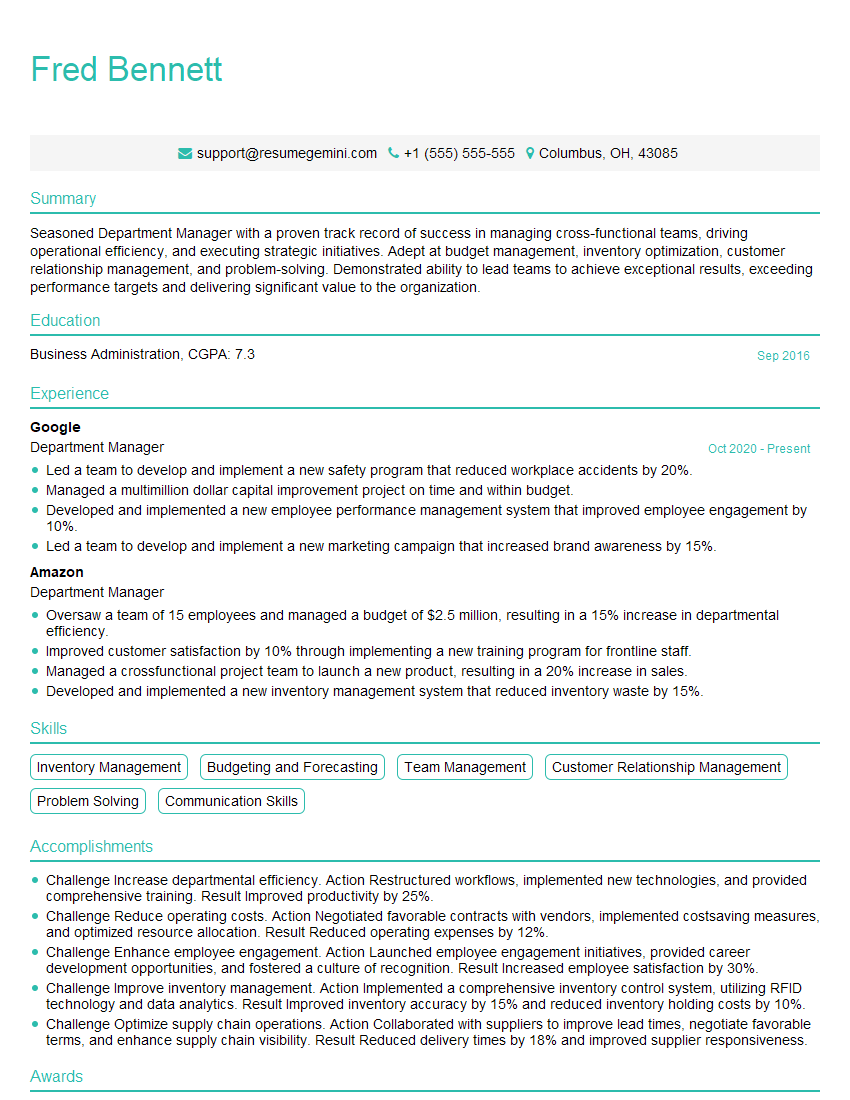
Department Manager Resume Sample
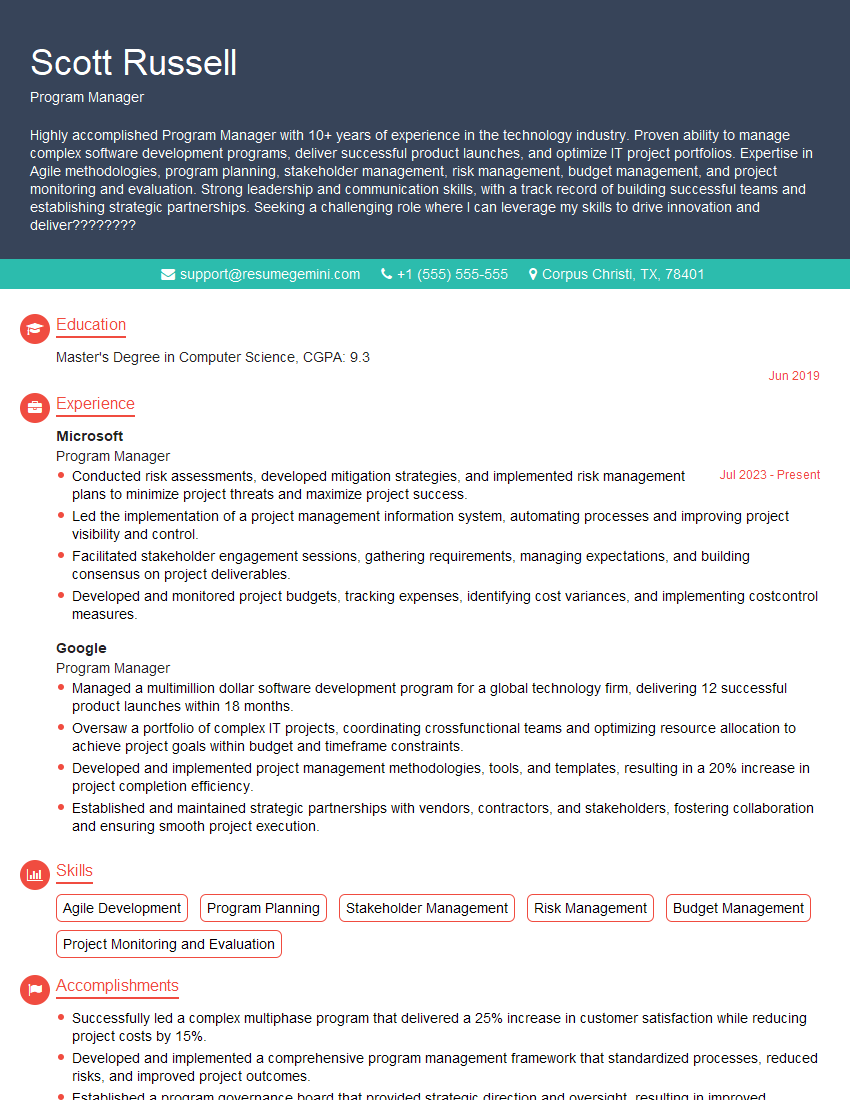
Program Manager Resume Sample

Operations Manager Resume Sample
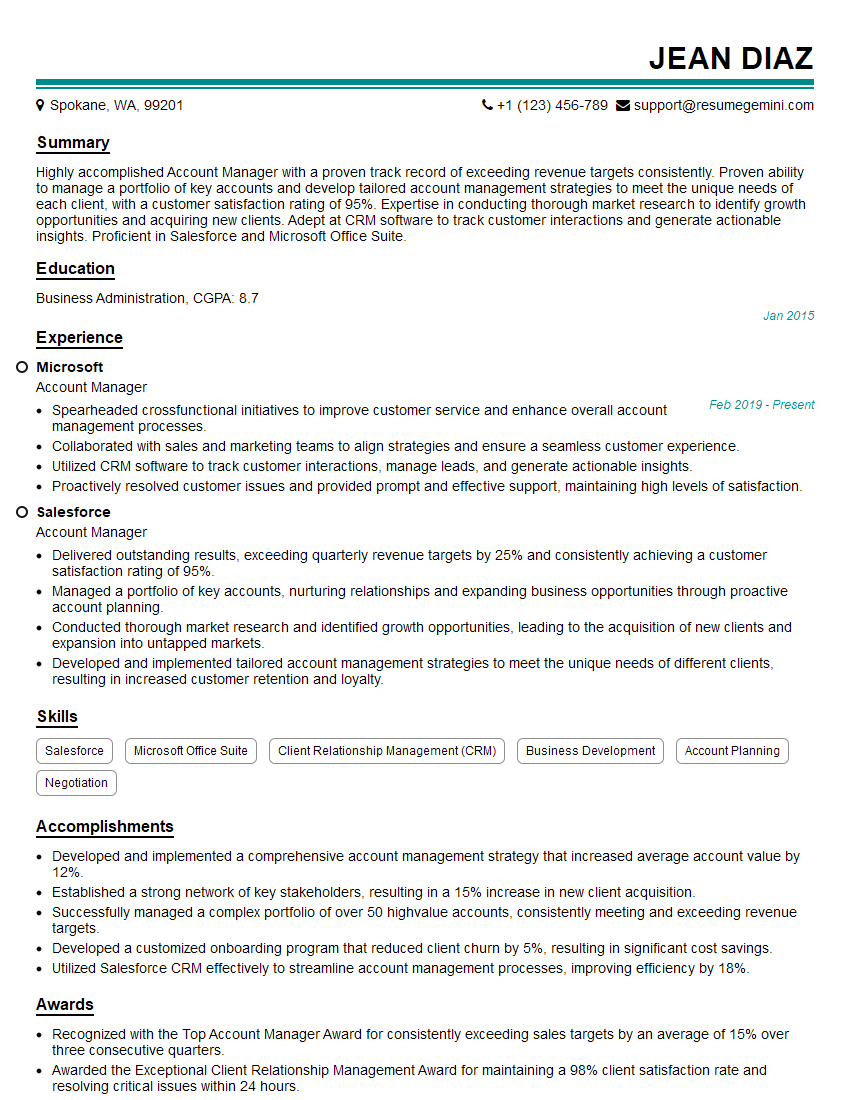
Account Manager Resume Sample
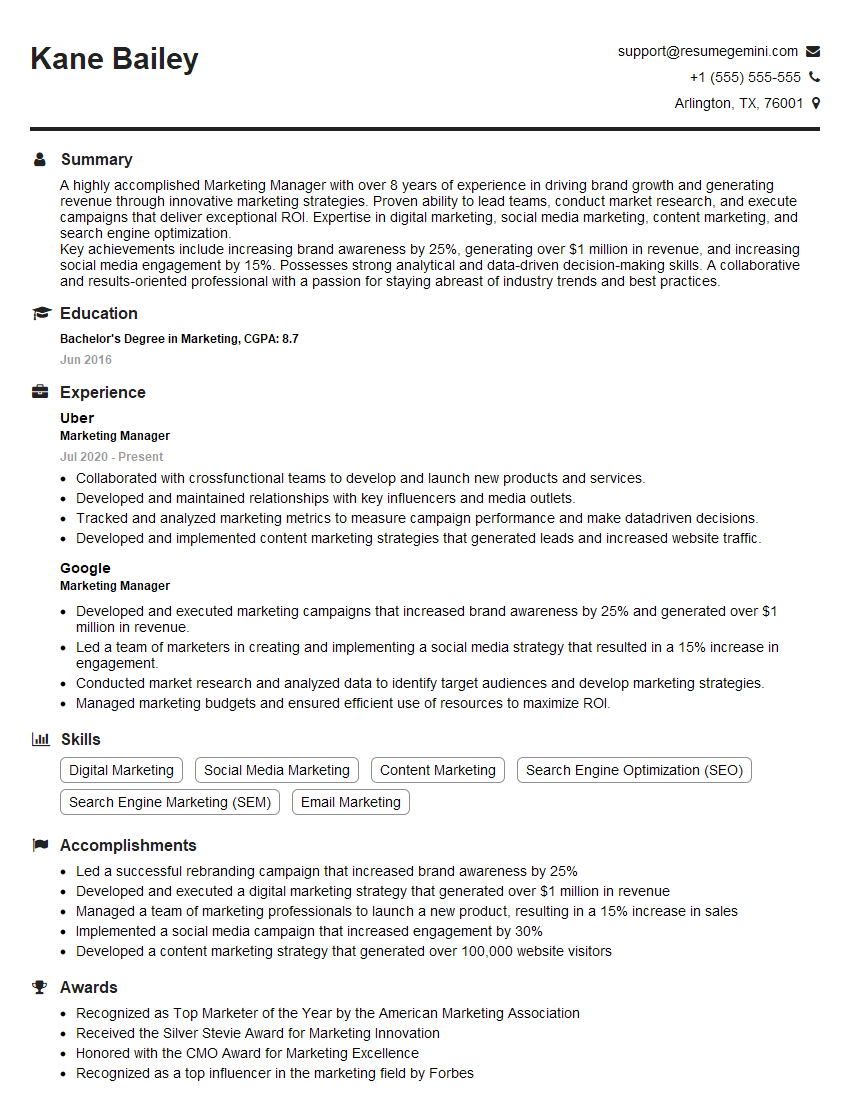
Marketing Manager Resume Sample
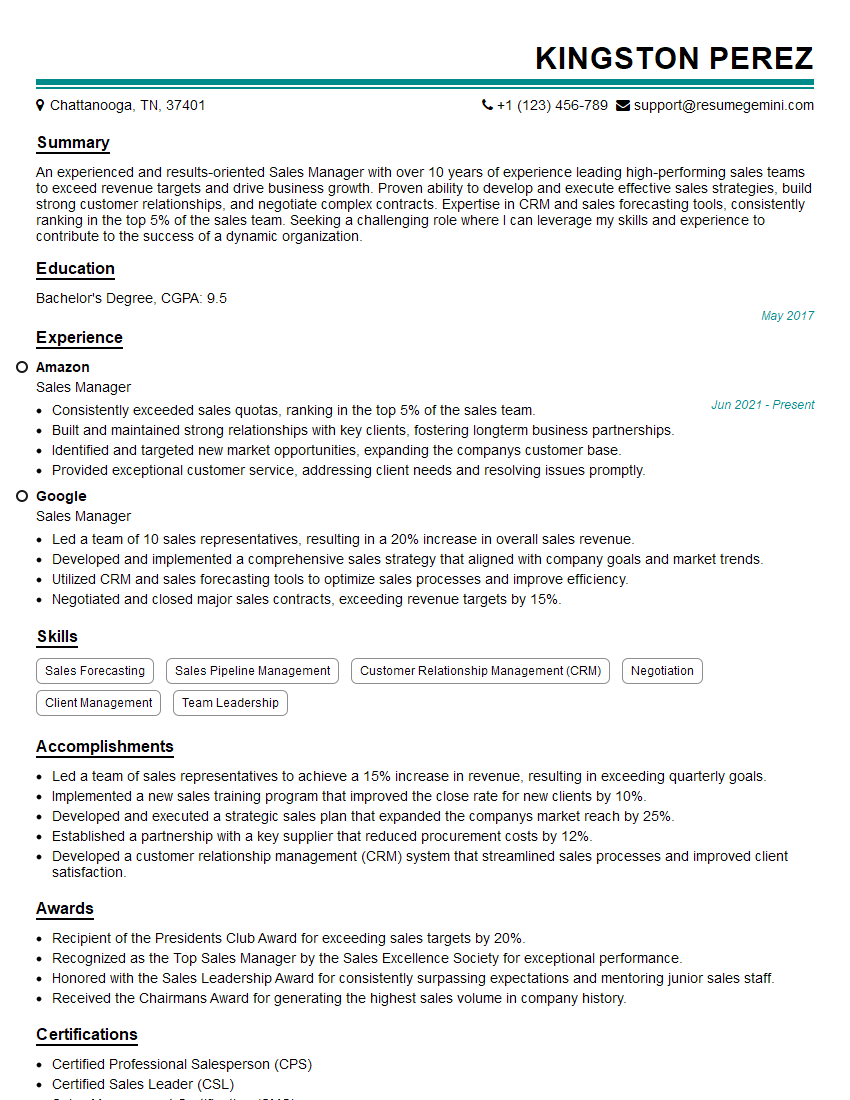
Sales Manager Resume Sample
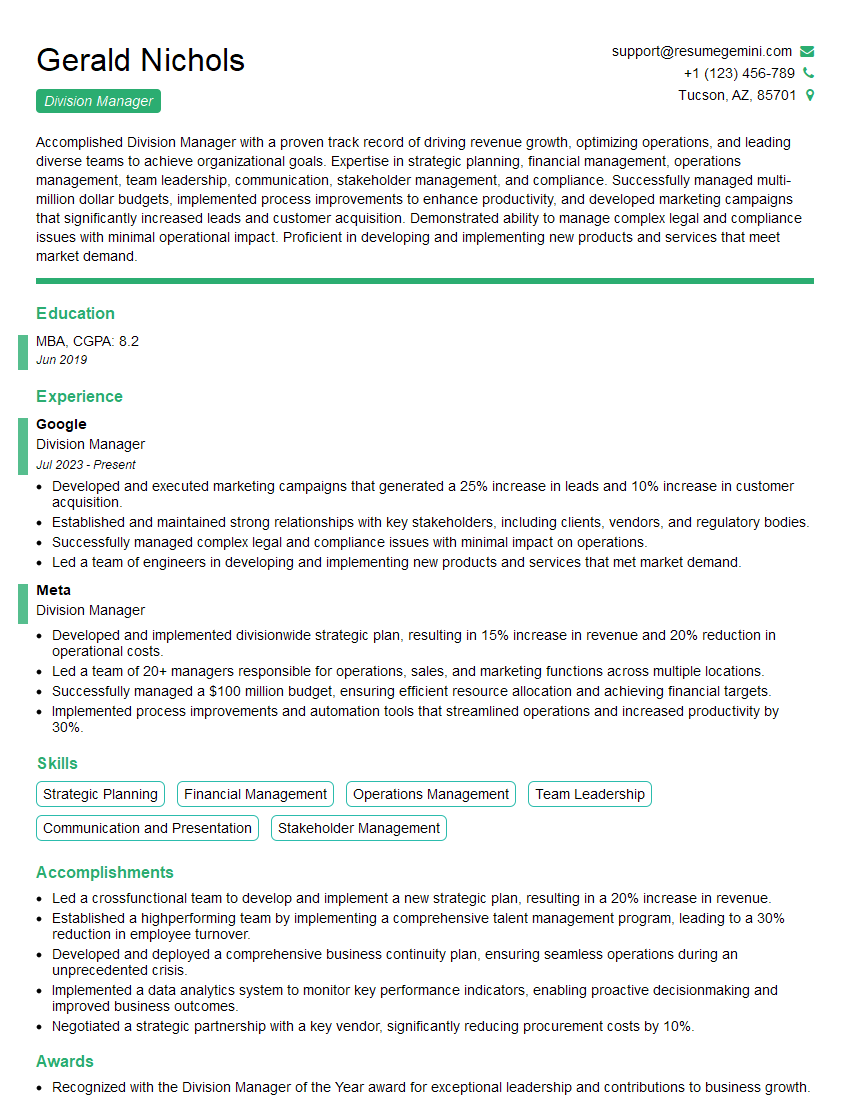
Division Manager Resume Sample
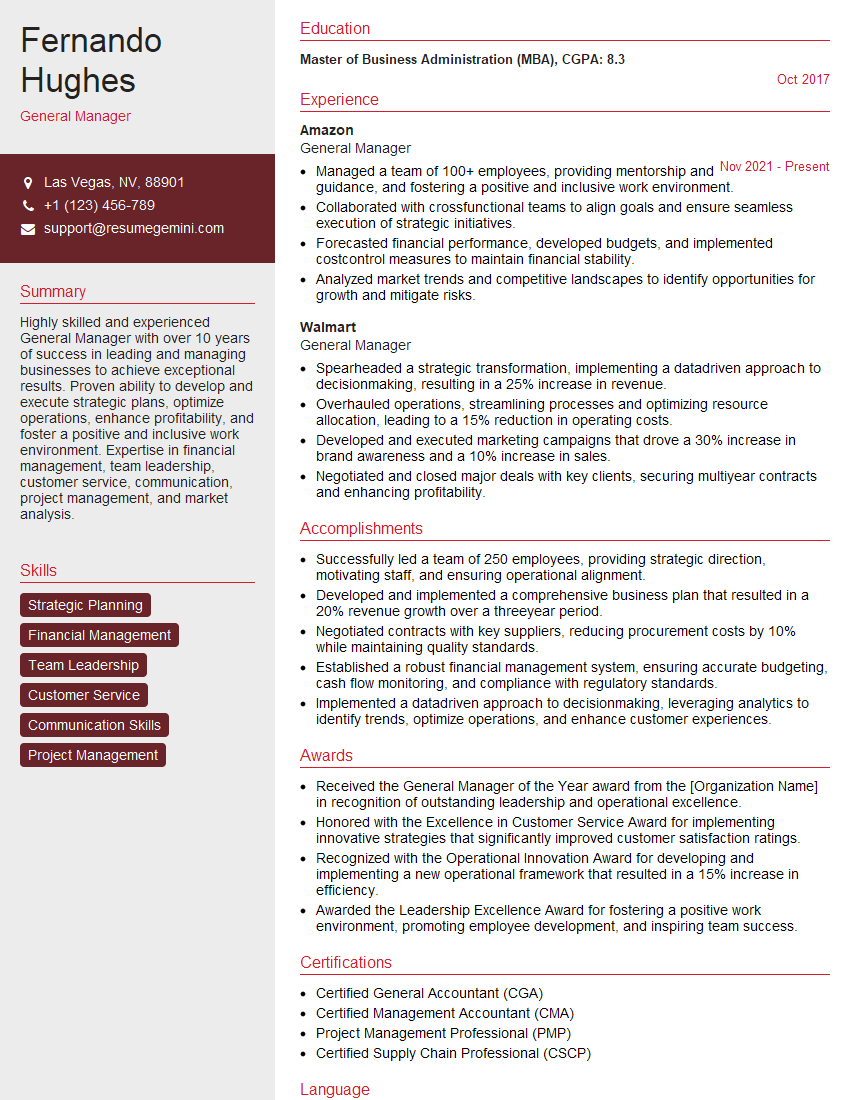
General Manager Resume Sample
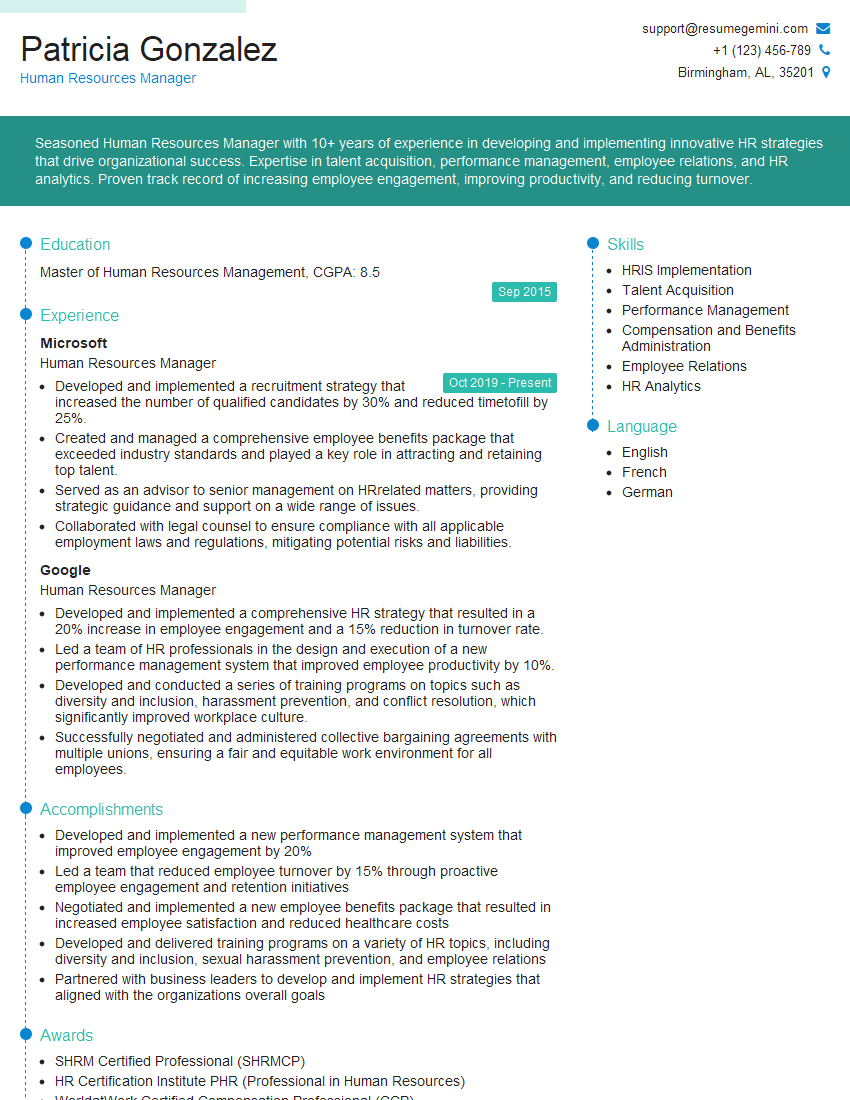
Human Resources Manager Resume Sample
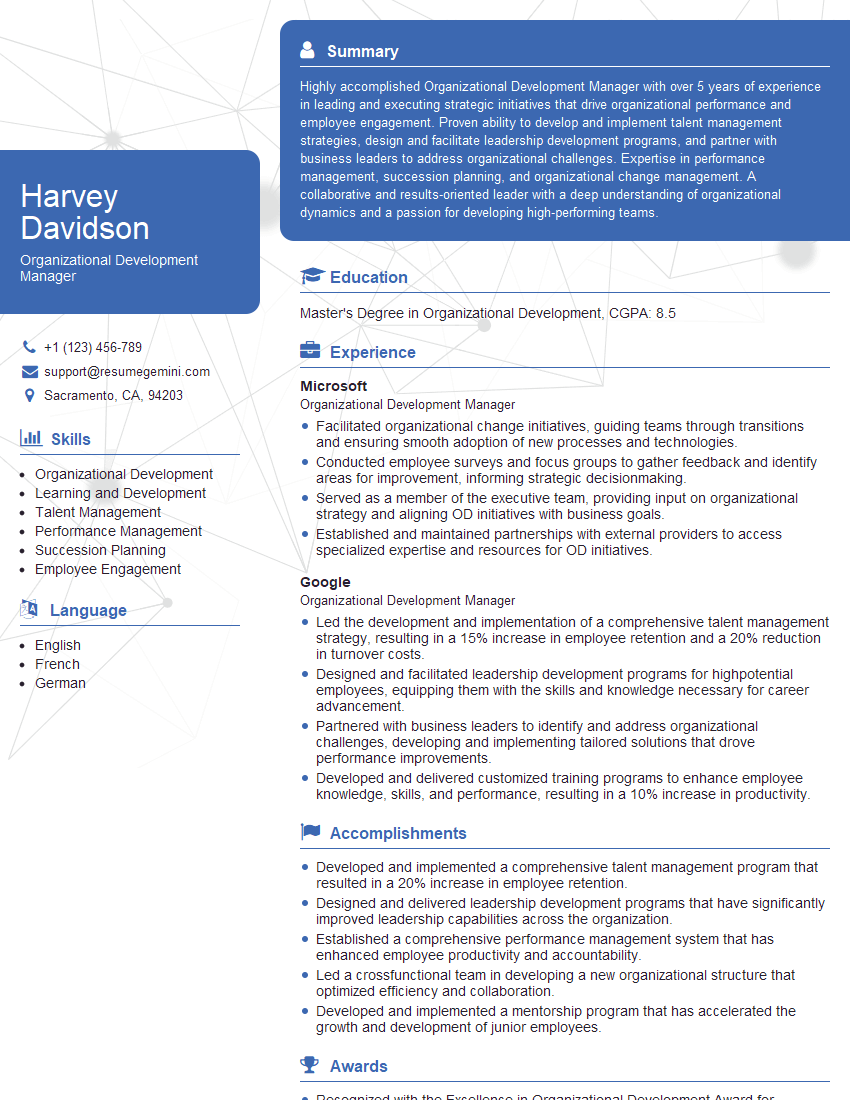
Organizational Development Manager Resume Sample
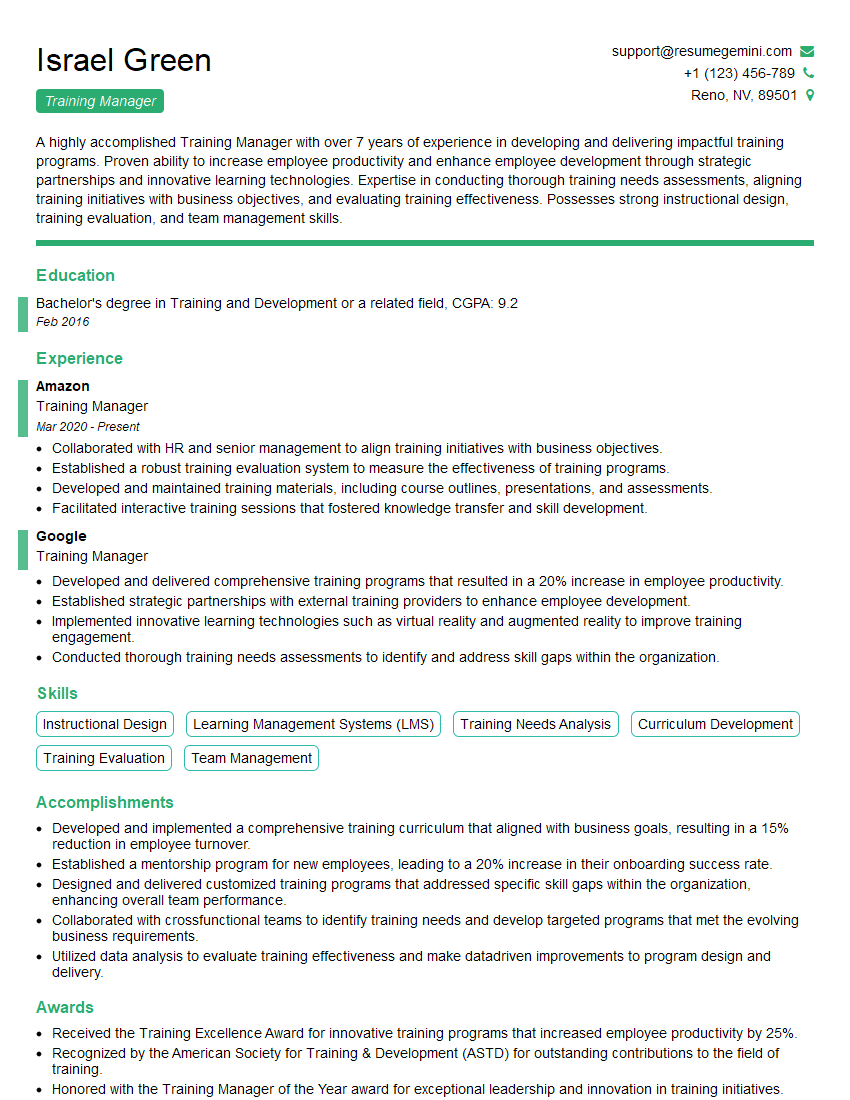
Training Manager Resume Sample
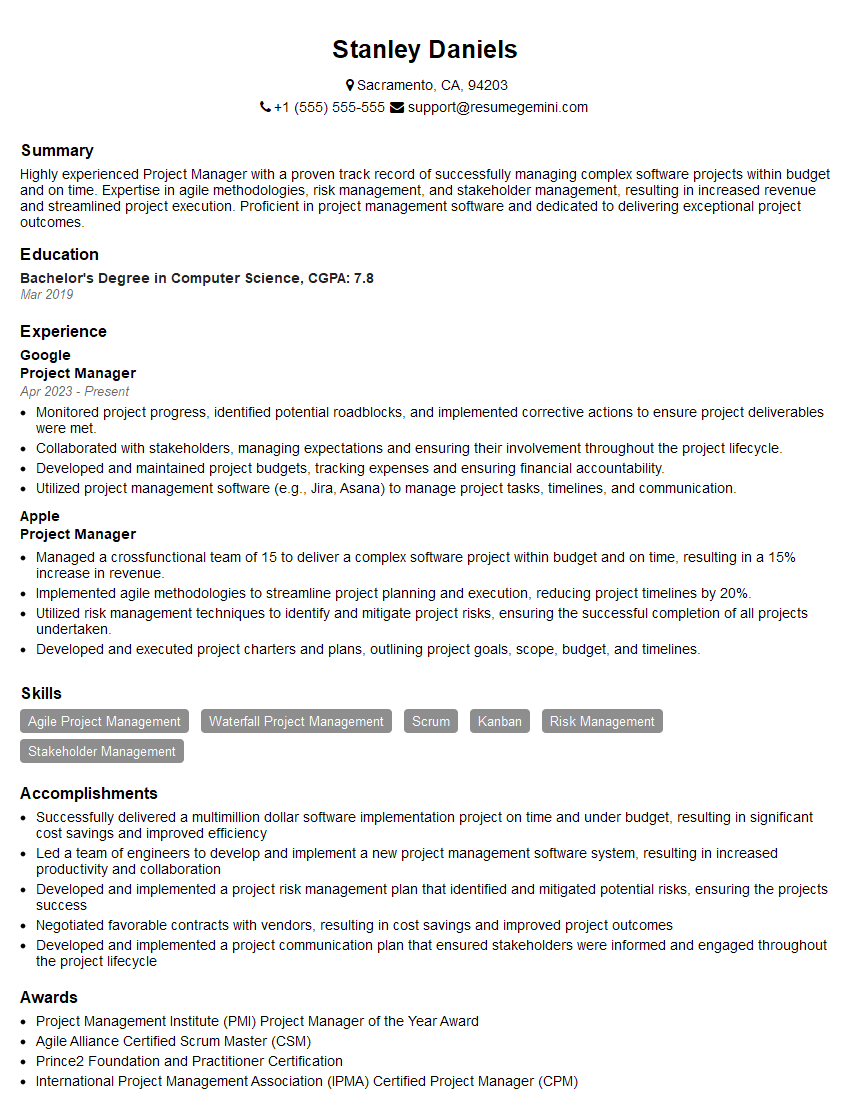
Project Manager Resume Sample
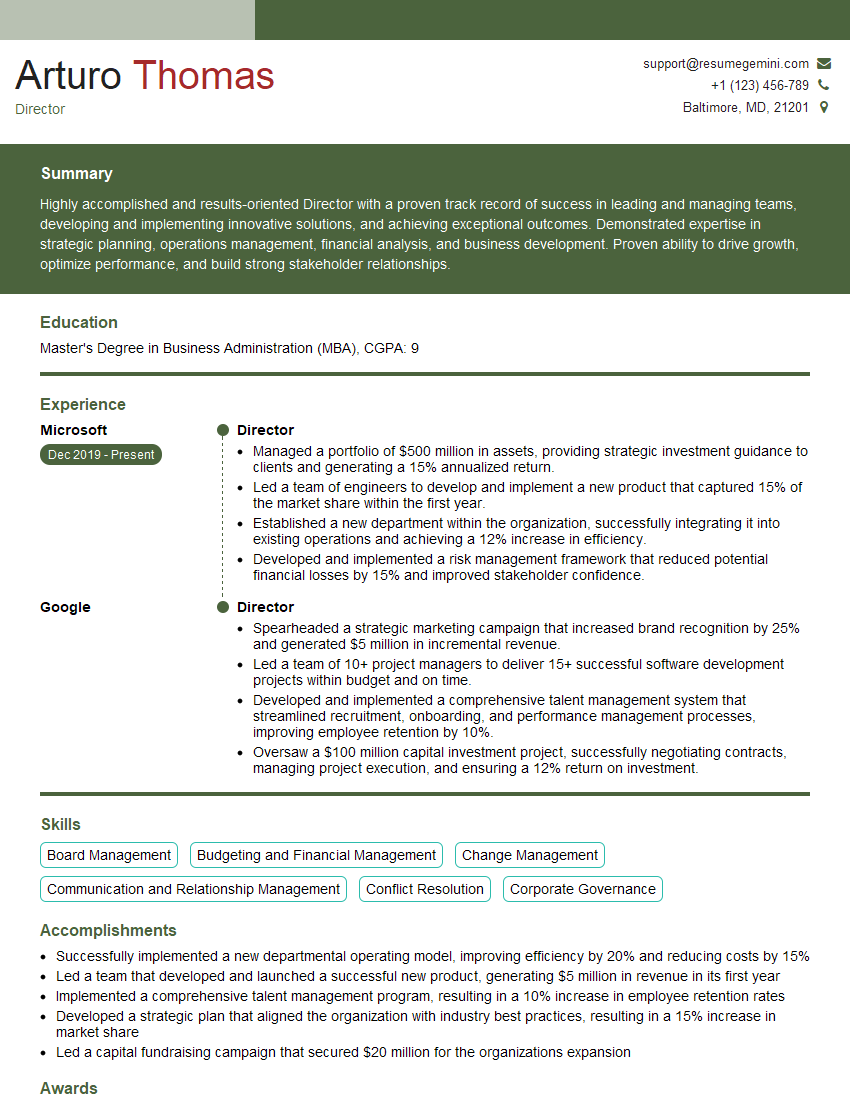
Director Resume Sample
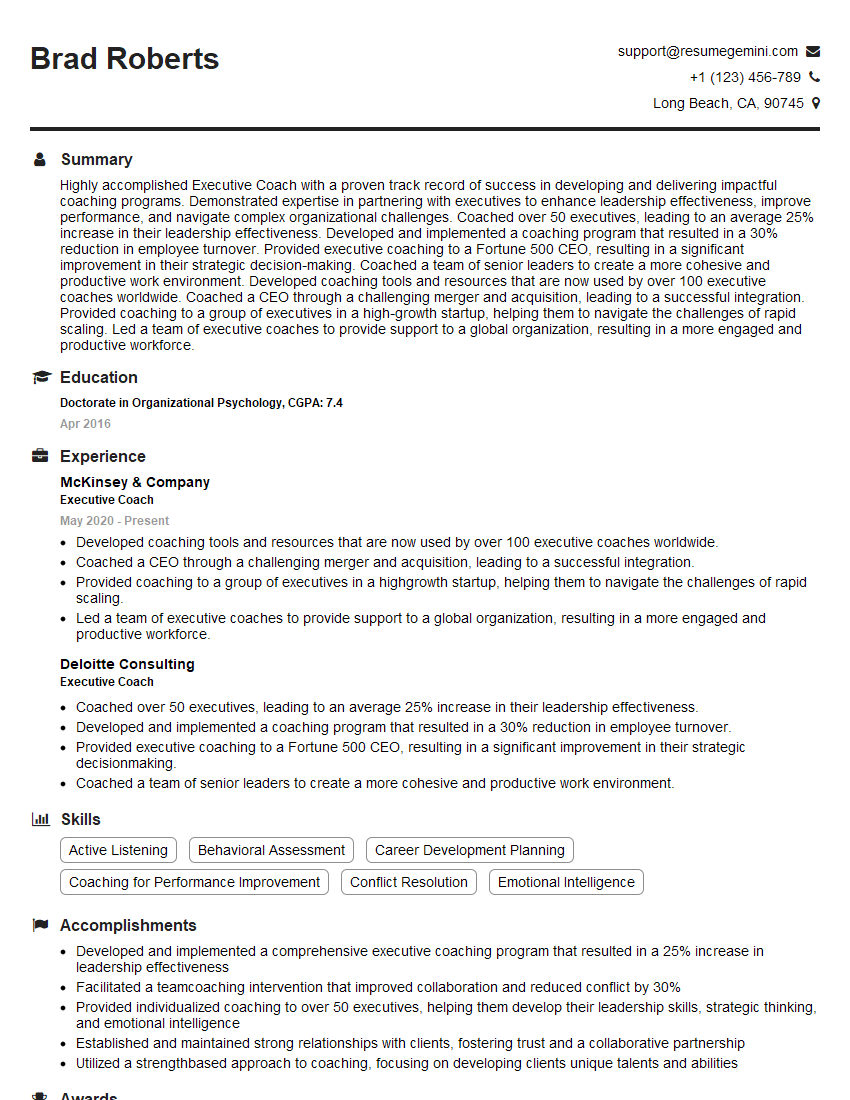
Executive Coach Resume Sample
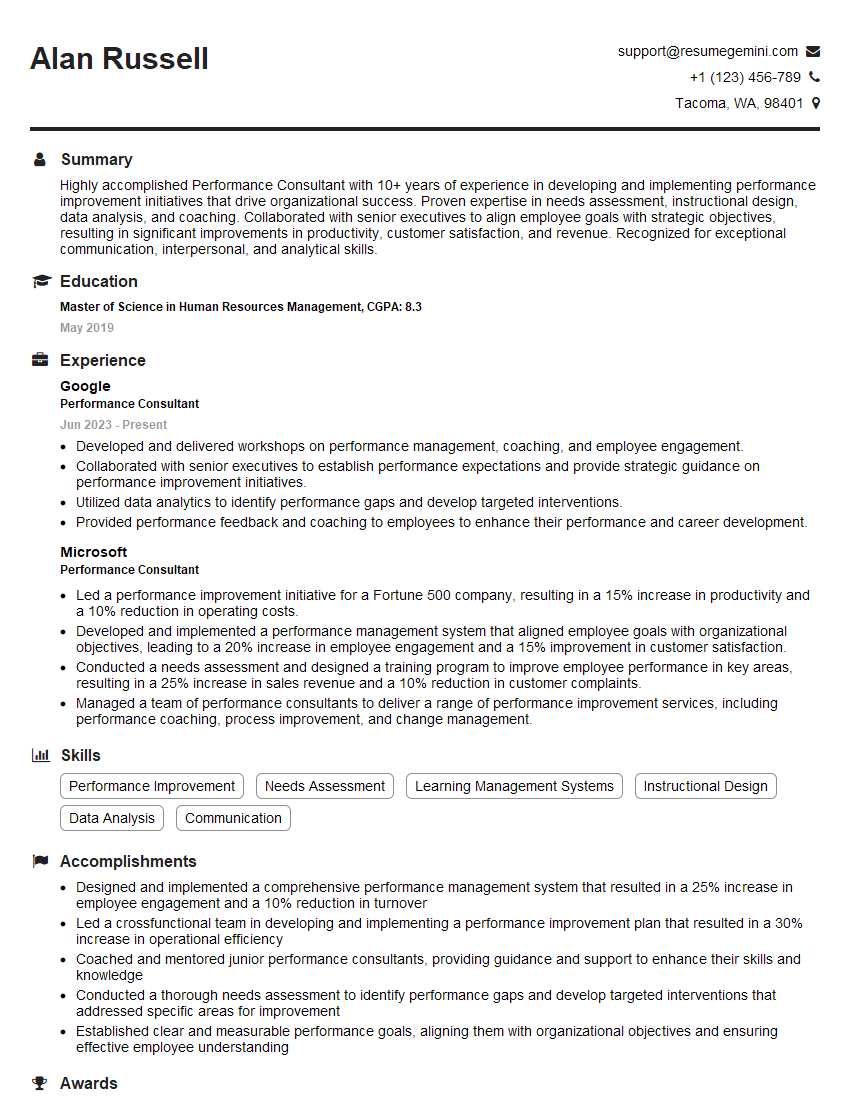
Performance Consultant Resume Sample
Explore more articles
Users Rating of Our Blogs
Share Your Experience
We value your feedback! Please rate our content and share your thoughts (optional).
What Readers Say About Our Blog
Very informative content, great job.
good