Every successful interview starts with knowing what to expect. In this blog, we’ll take you through the top Naval Gunfire Planning and Execution interview questions, breaking them down with expert tips to help you deliver impactful answers. Step into your next interview fully prepared and ready to succeed.
Questions Asked in Naval Gunfire Planning and Execution Interview
Q 1. Describe the process of conducting a naval gunfire support mission, from initial request to cease fire.
A Naval Gunfire Support (NGS) mission begins with a request from ground forces, usually relayed through a Fire Support Coordination Center (FSCC). This request details the target’s location, type, and priority. The process then unfolds in several crucial steps:
- Request and Target Acquisition: The FSCC validates the request, ensuring it aligns with the overall battle plan and available resources. They coordinate with intelligence assets to confirm the target’s location and characteristics.
- Mission Planning: The naval gunfire team analyzes the target information, selects appropriate ammunition, calculates firing solutions, and determines firing positions based on factors like range, visibility, and friendly force locations. This phase involves sophisticated fire control systems and detailed calculations to ensure accuracy and minimize collateral damage.
- Firing Execution: The ships open fire according to the planned firing schedule. This typically involves a series of bursts or salvos, with continuous monitoring of the results by spotters or forward observers.
- Spotting and Adjustment: Spotters, often embedded with ground forces, provide real-time feedback on the accuracy and effectiveness of the fire. This information is used to adjust the firing solution if necessary, ensuring accuracy and maximizing impact. This could involve changes to range, bearing, or even ammunition type.
- Cease Fire: Once the mission objectives are achieved or the target is neutralized, the fire mission is terminated. This is confirmed through communication between the FSCC and the firing units. A post-mission report details the mission’s success and any lessons learned.
For example, during Operation Desert Storm, the precision and power of naval gunfire proved crucial in suppressing Iraqi artillery and armor, paving the way for ground advances. The ability to rapidly adjust fire based on spotter feedback was essential for mission success.
Q 2. Explain the different types of naval gunfire support missions and their tactical applications.
Naval gunfire missions can be categorized into several types based on their tactical objectives:
- Suppression of Enemy Air Defenses (SEAD): Used to neutralize enemy anti-aircraft systems, allowing friendly aircraft to operate more effectively. This often involves high-explosive rounds to suppress enemy fire or precision-guided munitions to destroy specific targets.
- Counter-Battery Fire: Targets enemy artillery positions to disrupt their ability to fire on friendly forces. The goal is rapid fire and accurate targeting to neutralize or destroy the enemy’s capability.
- Close Support: Provides direct fire support to friendly ground forces engaged in combat. This requires extremely close coordination with ground forces to avoid friendly fire.
- Interdiction: Targets enemy supply lines, troop movements, or other logistical assets to disrupt their operations. This often involves a barrage of fire over a larger area to disrupt movement or damage supply lines.
- Destruction: Focuses on destroying specific high-value targets such as bunkers, bridges, or command centers. This mission type prioritizes precise targeting and the use of specialized munitions to ensure complete destruction.
The choice of mission type depends on the specific tactical situation and the overall objectives of the military operation.
Q 3. How do you determine the appropriate ammunition type and quantity for a specific target?
Ammunition selection is crucial for maximizing effectiveness and minimizing collateral damage. Several factors influence this decision:
- Target type: Soft targets (troops, vehicles) might require high-explosive rounds for area effect. Hard targets (bunkers, fortifications) would necessitate armor-piercing or specialized munitions to penetrate defenses.
- Desired effect: Suppression might call for a high rate of fire with less powerful rounds. Destruction necessitates precision-guided munitions or high-explosive rounds designed for demolition.
- Range to target: Longer ranges may limit ammunition choices due to the effects of gravity and air resistance. Certain munitions have specific effective ranges.
- Environmental factors: Weather conditions (wind, rain) can affect the trajectory and accuracy of projectiles. This information might change ammunition choices or fire solutions.
- Collateral damage concerns: Ammunition type and quantity must consider the proximity of civilians or friendly forces. Precision munitions are preferred to minimize unintended consequences.
For instance, destroying a fortified bunker might call for a series of guided bombs or large-caliber shells designed for penetration. Conversely, suppressing enemy troops in an open area may use high-explosive rounds to inflict casualties.
Q 4. What are the key factors to consider when selecting firing positions for naval gunfire?
Selecting firing positions is vital for accuracy, safety, and mission effectiveness. Key considerations include:
- Range to target: Positions must be within effective range of the target. This is largely dictated by the ammunition’s capability and the gun’s characteristics.
- Visibility: Clear line of sight to the target is essential for accurate firing solutions. Obstructions (terrain, weather) must be considered.
- Safety: Positions must be safe from enemy counterfire and minimize the risk of friendly fire incidents. This often involves careful selection considering terrain features and potential return fire trajectories.
- Maneuverability: Positions should allow for quick changes in firing position if necessary. This allows adaptation to the evolving battlefield.
- Sea state and weather: Rough seas or adverse weather might limit firing options or create accuracy issues. This must be integrated into position selection and firing solutions.
A real-world example is positioning ships offshore to provide support to ground forces while remaining outside of the range of enemy coastal defenses, yet sufficiently close to effectively engage the target.
Q 5. How do you ensure the safety of friendly forces during naval gunfire support operations?
Ensuring the safety of friendly forces is paramount during NGS operations. This is achieved through:
- Strict adherence to fire support coordination measures (FSCM): These protocols define clear procedures for target identification, clearance, and engagement. This prevents accidental friendly fire incidents.
- Detailed target location verification: Multiple sources of information are used to confirm the target’s location and prevent misidentification, thereby preventing the accidental targeting of friendlies.
- Continuous communication with spotters and forward observers: Real-time feedback helps to immediately correct any errors and adjust fire to avoid unintended consequences.
- Use of precision-guided munitions where feasible: These weapons increase accuracy and reduce the risk of collateral damage.
- Pre-mission briefings and rehearsals: Thorough planning and coordination minimize the chances of human error. This allows the team to anticipate potential challenges and develop contingency plans.
In practice, this might mean holding fire until all friendlies have cleared a designated area before opening fire or using advanced targeting systems with built-in safety features.
Q 6. Describe your experience with coordinating naval gunfire support with other assets, such as air support or ground troops.
My experience includes numerous exercises and operations where naval gunfire was integrated with other assets. Effective coordination is essential for success. For instance:
- Joint operations with air support: Naval gunfire can suppress enemy defenses, allowing air assets to conduct attacks more effectively. This requires close coordination to ensure that air and naval assets do not interfere with each other and to prevent friendly fire incidents. Timing is critical in these operations.
- Coordination with ground troops: Close support missions require precise communication and timing to ensure that naval gunfire is delivered accurately and efficiently while minimizing risk to friendly forces on the ground. This often involves direct communication with ground forward observers.
- Integration with electronic warfare (EW) assets: EW assets can suppress enemy communication and sensors, improving the effectiveness of naval gunfire by hindering the enemy’s ability to counterattack.
A successful example was a simulated amphibious assault scenario where naval gunfire neutralized coastal defenses, enabling successful troop landings. This coordination involved constant communication and real-time feedback throughout the operation.
Q 7. Explain the role of spotters and forward observers in naval gunfire support.
Spotters and forward observers (FOs) are crucial for the accuracy and effectiveness of naval gunfire. They act as the eyes and ears on the ground, providing real-time feedback on the impact of naval fire.
- Spotters: Usually embedded with ground forces, spotters observe the impact of naval fire and provide immediate feedback on accuracy and effects. This information enables adjustments to ensure the target is engaged effectively.
- Forward Observers: FOs are trained military personnel who have advanced knowledge of fire support coordination and communicate the target location, type, and priority to the naval gunfire team. They play a crucial role in accurately determining target information.
The information provided by spotters and FOs enables the naval gunfire team to make critical adjustments to range, bearing, and ammunition type, maximizing effectiveness and minimizing collateral damage. They are indispensable in achieving precise targeting and successful mission completion.
Q 8. How do you account for environmental factors, such as wind and weather, in your calculations?
Accounting for environmental factors like wind and weather in naval gunfire is crucial for accurate targeting. These factors significantly affect projectile trajectory. We use sophisticated fire control systems that incorporate real-time meteorological data. This data, including wind speed and direction at various altitudes, air temperature, air pressure, and even humidity, is fed into ballistic computers. These computers then calculate the necessary corrections to the firing solution, compensating for the effects of these environmental variables on the projectile’s flight path. Think of it like throwing a baseball – a strong headwind will cause the ball to fall short, while a tailwind will make it go further. We’re doing the same calculations, but with far more complex variables and a much longer range.
For example, a strong crosswind might require a significant adjustment to the aiming point to compensate for the lateral drift of the projectile. The system continuously monitors and updates the firing solution based on the latest environmental data received, ensuring that the rounds land as close as possible to the intended target.
Q 9. Describe the process of adjusting fire based on spotter reports.
Adjusting fire based on spotter reports is an iterative process of observation, correction, and refinement. The spotter, typically a forward observer or an aircraft, provides information on the impact of the previous rounds relative to the target – for example, ’rounds over,’ ’rounds short,’ or ’rounds left.’ This information is then relayed to the fire control officer onboard the ship.
The fire control officer uses this feedback to make adjustments to the firing solution. These adjustments might involve changing the elevation (vertical angle) or azimuth (horizontal angle) of the gun, or both. The process is repeated until the rounds land on or near the target. It’s akin to fine-tuning a dial, gradually approaching the desired outcome. We often use a process of bracketing—firing one shot to the left, one to the right, and then closing in on the target by adjusting the aim based on the results.
Modern systems automate much of this process, using sophisticated algorithms to calculate the necessary adjustments based on spotter reports. However, the expertise of the fire control officer remains crucial in interpreting the spotter’s data and making the appropriate corrections, particularly in challenging conditions.
Q 10. What are the common challenges faced in naval gunfire support operations?
Naval gunfire support (NGS) operations face numerous challenges. One of the biggest is the dynamic nature of the battlefield. The target’s location may change rapidly, requiring constant adjustments to the firing solution. Another significant challenge is the limited visibility, especially in adverse weather conditions, which can hinder observation and make precise targeting difficult. Accuracy can also be impacted by the range to the target, as longer ranges introduce greater error due to environmental effects.
- Accuracy and Precision: Achieving accurate fire under challenging circumstances, like rough seas or moving targets.
- Collateral Damage: Minimizing unintended harm to civilians or friendly forces is paramount.
- Communication: Maintaining reliable communication links between the ship, spotter, and ground forces in a potentially chaotic environment.
- Time Constraints: Often, time is of the essence; targets are often fleeting.
- Enemy Action: The ship itself may be under fire while executing the NGS mission.
Furthermore, managing ammunition supply and ensuring weapon system reliability are ongoing concerns. Each challenge demands careful planning, meticulous execution, and a high degree of coordination amongst all involved parties.
Q 11. How do you manage communication and coordination during a fast-paced naval gunfire support mission?
Effective communication and coordination are the bedrock of successful naval gunfire support. During a fast-paced mission, we rely on a multi-layered communication system, using a variety of channels to ensure redundancy and reliability. This typically includes encrypted tactical data links, secure voice communications, and even visual signaling, such as flags or lights, depending on the circumstances. This ensures clear and unambiguous communication between the fire control officer, the spotter, and other participating units.
A standardized communication protocol, including clear terminology and procedures, is vital to avoid confusion. Each message, from spotter reports to firing commands, follows a pre-defined format, allowing for rapid understanding and response. Regular communication checks are conducted to verify the integrity of the links and the accuracy of the information. The process is analogous to a well-orchestrated symphony, where each instrument (communication channel) plays its part to create a harmonious and effective overall performance.
For instance, we’d use high-frequency radios for long-range communication, while secure voice and data links would be used for shorter distances, for quicker response times and to prevent eavesdropping.
Q 12. Explain your understanding of the different fire control systems used in naval gunfire.
Naval gunfire systems utilize a variety of fire control systems, ranging from older, analog systems to modern, highly automated digital systems. Older systems heavily relied on manual calculations and adjustments, requiring significant expertise from the fire control team. These systems were often based on optical rangefinders and mechanical computers. Modern systems incorporate advanced sensors, such as radar and laser rangefinders, GPS, and sophisticated digital computers. These systems automatically calculate the firing solution, taking into account all relevant factors such as target location, environmental conditions, and weapon characteristics. The data is often fused to provide a complete picture of the target and environment.
Many modern systems incorporate features like predictive aiming, which anticipates the target’s movement and adjusts the firing solution accordingly. Some even include integrated ballistic modeling, allowing for more precise calculations and adjustments. Regardless of the specific system used, the underlying principle remains the same: to accurately and efficiently deliver fire onto the designated target.
For example, some systems are able to automatically track moving targets and adjust the aiming solution in real-time, increasing accuracy and responsiveness.
Q 13. What safety protocols are implemented before, during, and after a naval gunfire mission?
Safety protocols are paramount in naval gunfire operations. Before a mission, we conduct thorough checks of the weapon systems, ammunition, and communication equipment. We also carefully plan the firing trajectory to ensure that rounds land within the designated target area and minimize the risk of collateral damage. This includes thorough analysis of the target area for potential hazards and civilians.
During the mission, strict adherence to firing procedures and communication protocols is critical. Safety observers monitor the impact area to provide feedback and ensure that there are no unintended consequences. A clear cease-fire command structure is established and understood by all involved parties.
After the mission, we assess the impact area, ensuring no unexploded ordnance (UXO) remains. Detailed logs are maintained, documenting every aspect of the mission, including ammunition expended, target locations, and any observed casualties. Post-mission analysis helps identify areas for improvement and enhance future operations’ safety and effectiveness. Post-mission briefings and debriefings are conducted to discuss any challenges encountered and to share lessons learned.
Q 14. How do you handle unexpected situations or malfunctions during a naval gunfire mission?
Handling unexpected situations or malfunctions during a naval gunfire mission requires swift, decisive action. Our training focuses heavily on contingency planning and the development of robust procedures for handling various potential failures. If a malfunction occurs within the weapon system, the immediate priority is to secure the weapon and the surrounding area. If there’s a communication failure, we use backup communication channels, prioritizing the transmission of critical information. If a target moves unexpectedly, the fire control team adjusts the firing solution based on updated target information.
We have established protocols for dealing with specific emergencies, such as ammunition misfires or equipment failures. We have contingency plans for issues such as loss of communication or unexpected weather changes, and the training emphasizes adapting to rapidly changing circumstances. A thorough post-mission analysis is crucial to learn from the experience and refine our procedures for future missions. Adaptability and decision-making under pressure are key skills for handling these situations. In essence, we strive to prepare for the unexpected through comprehensive training and established procedures, allowing our personnel to respond effectively and safely to unforeseen challenges.
Q 15. Describe your experience with various fire control solutions and targeting systems.
My experience encompasses a wide range of fire control solutions and targeting systems, from legacy analog systems to the most modern digital platforms. I’ve worked extensively with systems like the Mk 38 Mod 2 Gun Weapon System, the Aegis Combat System’s fire control capabilities integrated with naval guns, and various electro-optical targeting systems. This includes hands-on experience with data inputs from different sources, such as shipboard sensors, external targeting data feeds (e.g., UAVs, manned aircraft), and even manual target coordinates. I understand the intricacies of ballistic calculations, incorporating factors like wind, temperature, and coriolis effect, and the importance of real-time adjustments based on observed impacts. My expertise extends to understanding the limitations and capabilities of each system and optimizing their use based on the specific mission parameters and available resources.
For instance, in one operation, we had a degraded satellite link affecting the precision of our targeting data. By seamlessly transitioning to a secondary system – relying on visual confirmation through forward observers – we successfully achieved the mission objectives with minimal impact. This underscores the need for both proficiency and adaptability across various fire control solutions.
Career Expert Tips:
- Ace those interviews! Prepare effectively by reviewing the Top 50 Most Common Interview Questions on ResumeGemini.
- Navigate your job search with confidence! Explore a wide range of Career Tips on ResumeGemini. Learn about common challenges and recommendations to overcome them.
- Craft the perfect resume! Master the Art of Resume Writing with ResumeGemini’s guide. Showcase your unique qualifications and achievements effectively.
- Don’t miss out on holiday savings! Build your dream resume with ResumeGemini’s ATS optimized templates.
Q 16. Explain the concept of ‘danger close’ and how it influences fire planning and execution.
‘Danger close’ refers to a situation where naval gunfire is planned to be delivered very close to friendly forces, increasing the risk of unintended casualties. The specific distance defining ‘danger close’ varies depending on the weapon system, terrain, and the type of friendly force at risk (e.g., infantry versus armored vehicles). It’s crucial to carefully weigh the tactical advantages of close-range fire support against the potential harm to friendly units.
In fire planning, ‘danger close’ necessitates rigorous procedures. This includes meticulous target confirmation, incorporating detailed friendly force locations, and utilizing enhanced safety measures like reduced rates of fire, shorter bursts, or even alternate targeting methods. The approval process is significantly more stringent, often requiring approval at a higher echelon of command. Execution requires constant communication and coordination between the firing unit and the friendly forces in the danger close area to ensure their safety. Failure to adhere to strict procedures in danger close scenarios can have catastrophic consequences.
Q 17. How do you incorporate intelligence and reconnaissance data into your fire support plan?
Intelligence and reconnaissance (IR) data are absolutely vital for effective naval gunfire support (NGFS). This data informs target selection, assessment of enemy capabilities, and optimization of the fire support plan. The process starts with assessing the available IR, which might come from various sources like satellites, manned/unmanned aerial vehicles (UAVs), human intelligence (HUMINT), signal intelligence (SIGINT), and even from forward observers embedded with ground forces.
This information is then analyzed to identify high-value targets, assess enemy defenses, and predict enemy reactions. For example, identifying enemy anti-ship missile sites near a target allows us to prioritize neutralizing those threats before engaging other targets. Understanding the terrain and the presence of civilian populations helps us tailor our strikes to minimize collateral damage while maximizing the impact on the enemy. This fusion of data allows for more precise, effective, and safer fire support missions.
Q 18. How do you prioritize multiple targets during a naval gunfire support mission?
Prioritizing multiple targets during an NGFS mission involves a multifaceted approach that considers several factors. The most critical aspect is understanding the overall mission objective. We would typically employ a weighted prioritization system based on:
- Target Importance: High-value targets like command posts or concentrations of enemy forces are naturally prioritized.
- Immediacy of Threat: Targets posing an immediate threat to friendly forces take precedence.
- Time Sensitivity: Time-sensitive targets, such as fast-moving vehicles or enemy reinforcements, require immediate attention.
- Collateral Damage: Targets with a higher risk of collateral damage might be prioritized lower, unless their destruction offers a significantly greater tactical advantage.
- Feasibility: Targets that are difficult or impossible to engage (due to terrain, weather, or enemy defenses) are typically placed lower on the list.
This weighted system allows us to create a dynamic priority list, which can be adjusted as the situation evolves. Effective communication with the command element is vital to ensure our prioritization aligns with the overall campaign strategy.
Q 19. Explain the importance of post-mission analysis in improving future naval gunfire support operations.
Post-mission analysis is critical for continuous improvement in NGFS operations. It’s not just about assessing whether the mission was a success or failure; it’s about identifying areas for improvement and learning from both positive and negative experiences. This analysis involves a detailed review of all aspects of the operation:
- Target Acquisition and Identification: Examining the accuracy and timeliness of target acquisition and identification processes.
- Fire Control: Evaluating the accuracy of fire control solutions, including the effectiveness of the targeting systems and the precision of the ballistic calculations.
- Damage Assessment: Evaluating the effectiveness of the fire support and quantifying the damage inflicted on enemy targets.
- Communication: Assessing the efficiency and reliability of communication throughout the mission.
- Collateral Damage: Examining any instances of collateral damage and identifying methods to minimize this risk in future operations.
This rigorous analysis, often involving simulations and detailed after-action reports, allows us to identify areas where procedures could be streamlined, technology improved, or training enhanced, ultimately leading to more effective and safer NGFS operations in the future. This iterative process is fundamental to maintaining a high level of readiness and operational excellence.
Q 20. Describe your experience with different types of naval guns and their capabilities.
My experience includes working with various naval gun systems, each with unique capabilities and limitations. This includes experience with the 5-inch/54 caliber guns, the 5-inch/38 caliber guns, and more modern automated gun systems. I understand the different characteristics of each weapon—their range, rate of fire, accuracy, and ammunition types. For example, the 5-inch/54 caliber gun offers significantly greater range and accuracy compared to its 5-inch/38 caliber counterpart, but with a slower rate of fire. This understanding is critical for effective mission planning, selecting the appropriate weapon system based on the specific mission requirements, and optimizing ammunition selection to match the target and environment.
Beyond the technical specifications, I’m familiar with the operational considerations of each gun system, such as their maintenance requirements, logistical demands, and their integration with the ship’s overall combat system. This comprehensive understanding enables me to make informed decisions about the most suitable weapon system and to anticipate and mitigate potential challenges during operations.
Q 21. How do you handle communication failures during a naval gunfire support mission?
Communication failures are a significant threat during NGFS missions, potentially leading to safety hazards and mission failure. Having robust contingency plans is therefore paramount. Our procedures involve:
- Redundant Communication Systems: Utilizing multiple communication channels (e.g., UHF, VHF, satellite) to mitigate against the failure of a single system.
- Alternate Communication Methods: Employing alternative methods like visual signals (e.g., smoke, flares), or even runners (in extreme cases) to relay critical information.
- Pre-Planned Communication Procedures: Establishing clear and concise communication protocols for various scenarios, including communication failures.
- Cross-Checking Information: Verifying critical information through multiple sources whenever possible.
- Emergency Procedures: Having pre-defined procedures for ceasing fire in the event of a communication failure to prevent fratricide or unintended harm.
In a real-world scenario, experiencing a satellite communication outage, we seamlessly transitioned to a secondary VHF radio system, successfully completing the mission with minor delays. The importance of redundancy and the well-rehearsed procedures are absolutely critical in such circumstances.
Q 22. What are the limitations of naval gunfire support, and how do you mitigate them?
Naval gunfire support (NGS), while incredibly powerful, faces several limitations. Accuracy can be affected by factors like weather (wind, sea state), target movement, and the inherent limitations of projectile ballistics. Range is another constraint; ships have a finite effective range, and beyond a certain distance, accuracy drops significantly. Finally, collateral damage is a constant concern; ensuring precision to minimize harm to non-combatants is paramount.
Mitigation strategies involve meticulous target acquisition and reconnaissance, employing advanced fire control systems with sophisticated algorithms for range and deflection calculations, utilizing different types of ammunition suited for the target and environment, and adhering strictly to rules of engagement and targeting protocols. For example, using precision-guided munitions reduces collateral damage risk, while incorporating real-time intelligence feeds helps to adjust fire based on target movement.
Furthermore, using multiple platforms in a coordinated fire mission can improve overall effectiveness and increase chances of target neutralization, compensating for some of the inherent limitations of any individual ship’s firepower.
Q 23. How familiar are you with relevant nautical charts and navigation tools?
I’m highly proficient in using nautical charts, including various types like ENC (Electronic Navigational Charts) and paper charts. My familiarity extends to utilizing navigation tools like GPS, gyrocompasses, and electronic plotting aids. I can confidently interpret chart symbols, understand tidal information, and calculate ranges and bearings accurately. I can also perform dead reckoning and use various navigation methods, all crucial for accurate naval gunfire support planning and execution.
For instance, during a recent exercise, we utilized ENC data integrated with our fire control system to precisely locate and engage a moving target, adjusting for real-time environmental changes like currents and tides. Accurate charting is crucial, as misinterpreting the chart can lead to targeting errors and risk friendly fire incidents.
Q 24. How do you calculate range and deflection corrections?
Range and deflection corrections are crucial for accurate naval gunfire. Range correction accounts for factors like atmospheric conditions (temperature, pressure, humidity), projectile trajectory characteristics, and the target’s range. Deflection corrects for factors such as wind, Coriolis effect (Earth’s rotation), and target movement. These corrections are not simply added together; they’re complex calculations involving ballistic equations and often require iterative solutions.
Modern fire control systems automate much of this process. However, a deep understanding of the underlying principles is critical for effective troubleshooting and decision-making. We use advanced fire control computers which take in numerous inputs, including target location (obtained via radar or other means), environmental data, and weapon characteristics. They then perform these calculations and provide corrected firing solutions. A simplified example would involve adding a correction to the initial range if a headwind is present, as it will slow down the projectile and necessitate a longer firing range. Similarly, a crosswind might require a deflection correction to account for the projectile’s drift.
Q 25. What are the legal and ethical considerations involved in naval gunfire support?
Legal and ethical considerations are paramount in NGS. International humanitarian law (IHL) strictly governs the use of force, emphasizing proportionality and distinction. This means that the military must ensure that the potential harm to civilians and civilian infrastructure is minimized and that any harm is proportional to the military advantage gained. Strict adherence to Rules of Engagement (ROE) is mandatory. Furthermore, accurate target identification is critical to avoid civilian casualties. Pre-strike assessments are crucial, considering potential collateral damage and ensuring that all legal and ethical requirements are met.
I have participated in numerous training scenarios that emphasize the importance of legal and ethical considerations. This includes thorough briefing sessions on ROE, IHL, and target confirmation procedures. A failure to respect these guidelines can have severe legal and political consequences.
Q 26. Explain your understanding of the command and control structure for naval gunfire support.
The command and control structure for NGS is typically hierarchical and involves multiple levels of authority. It starts with the overall operational commander, who designates the target and approves the fire mission. This command then passes down to the fire support coordinator (FSCOORD), responsible for coordinating the fire mission among various units, resolving conflicts, and ensuring adherence to ROE. The FSCOORD works closely with the ship’s fire control officer (FCO), who manages the ship’s fire control system and directs the actual firing. The FCO receives target coordinates from the FSCOORD and directs the gun crews to engage the target.
Effective communication is critical, often relying on secure communication channels and common operating procedures (SOPs). Clear and concise communication prevents misunderstandings and ensures the timely execution of the fire mission.
Q 27. Describe your experience using fire support planning software or systems.
I have extensive experience using various fire support planning software and systems, including [mention specific software if comfortable, otherwise use generic examples such as] systems that integrate geographic information systems (GIS) data, real-time intelligence feeds, and ballistic calculators. These systems allow for the creation of detailed fire support plans, including target location, weapon selection, ammunition type, and expected collateral effects. They help to streamline the planning process, enhance accuracy, and facilitate effective coordination among different units. Moreover, these systems are often integrated with simulation tools, enabling us to test different scenarios before actual deployment.
For instance, during a recent exercise, we used this software to plan and execute a complex fire support mission involving multiple ships and various target types. The software aided us in optimizing weapon allocation and minimizing collateral damage. The simulation capabilities allowed us to adjust our plans, optimize fire coordination, and ultimately improve mission effectiveness.
Q 28. Explain your knowledge of different types of fuses and their applications in naval gunfire.
Different fuse types are crucial for tailoring naval gunfire to specific targets and operational needs. Common types include proximity fuses, which detonate at a pre-set distance from the target, maximizing the effect against air and surface targets. Contact fuses, on the other hand, detonate upon impact, ideal for destroying hardened targets or structures. Delay fuses provide a time delay before detonation, allowing the projectile to penetrate a target before exploding. The selection of the appropriate fuse depends on the type of target, the desired effect, and safety considerations.
For example, against a fast-moving surface target, a proximity fuse would be more effective than a contact fuse. Conversely, to destroy an enemy bunker, a delayed-fuse projectile that penetrates the structure before exploding would be a more suitable choice. Proper fuse selection is key to mission success and minimizing collateral damage. Using the wrong type of fuse can lead to inefficient weapon employment and potential safety hazards.
Key Topics to Learn for Naval Gunfire Planning and Execution Interview
- Target Acquisition and Designation: Understanding the processes and technologies involved in identifying, locating, and designating targets for naval gunfire support. This includes considerations of sensor limitations and environmental factors.
- Fire Control Calculations: Mastering the principles of ballistics, rangefinding, and adjusting fire for accuracy. Practical application includes understanding the impact of wind, coriolis effect, and projectile drift on target impact.
- Weapon Systems and Capabilities: Familiarizing yourself with the capabilities and limitations of various naval gun systems, including their range, accuracy, and ammunition types. This involves understanding the interplay between weapon systems and mission parameters.
- Communication and Coordination: Understanding the critical role of clear and concise communication between fire support coordinators, ships, and ground units. This includes exploring different communication methods and potential challenges.
- Safety Procedures and Risk Management: Knowing and applying safety protocols to minimize risks associated with naval gunfire, including collateral damage assessments and civilian casualty avoidance.
- Mission Planning and Execution: Understanding the entire process from initial mission planning and task organization to execution and post-mission analysis, including the integration of naval gunfire with other combat elements.
- Legal and Ethical Considerations: Familiarizing yourself with the Laws of Armed Conflict (LOAC) and ethical considerations surrounding the use of naval gunfire support.
- Problem-Solving and Decision-Making Under Pressure: Developing the ability to analyze complex scenarios quickly and make informed decisions in high-pressure environments. This includes practicing scenario-based problem solving.
Next Steps
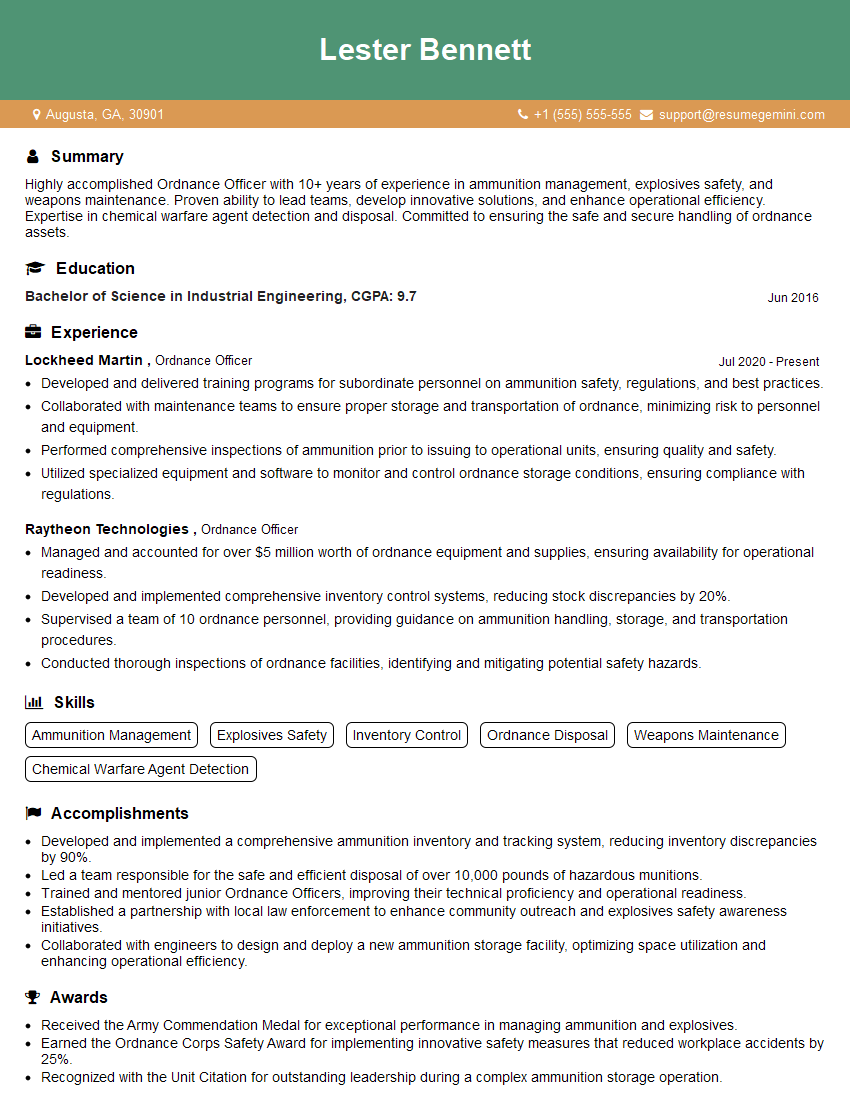
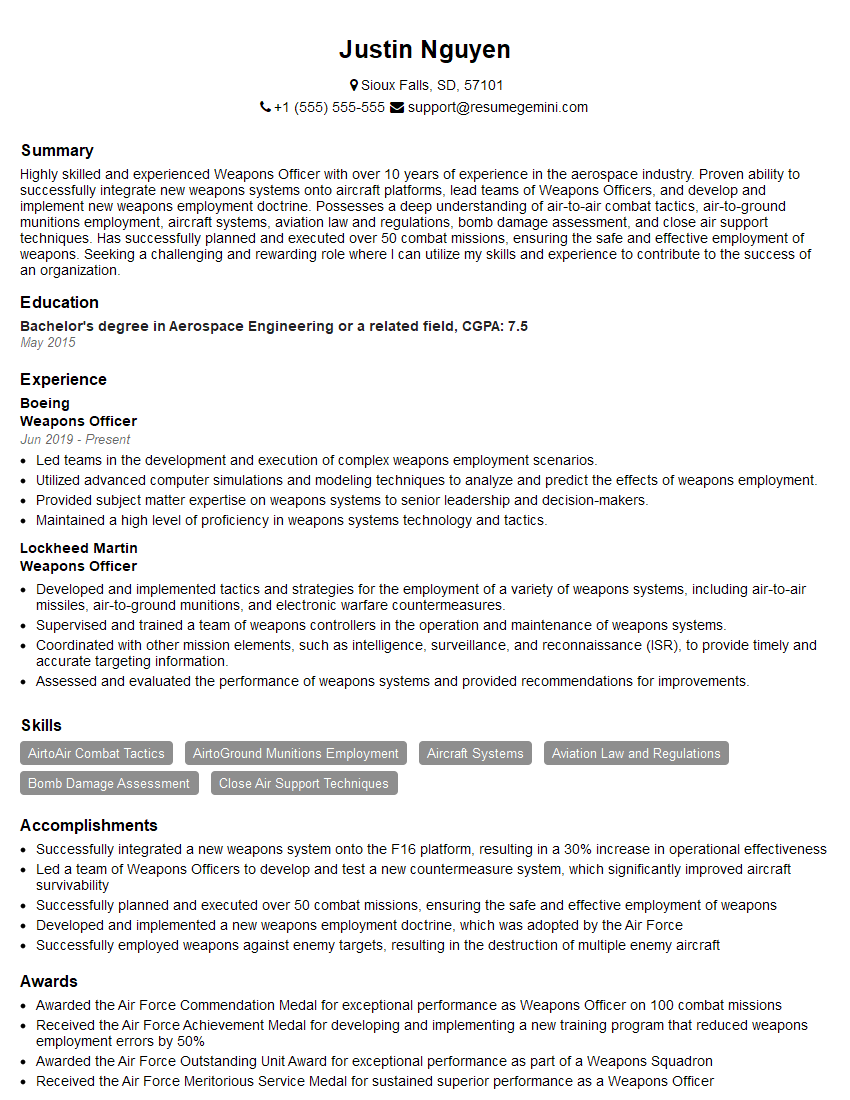
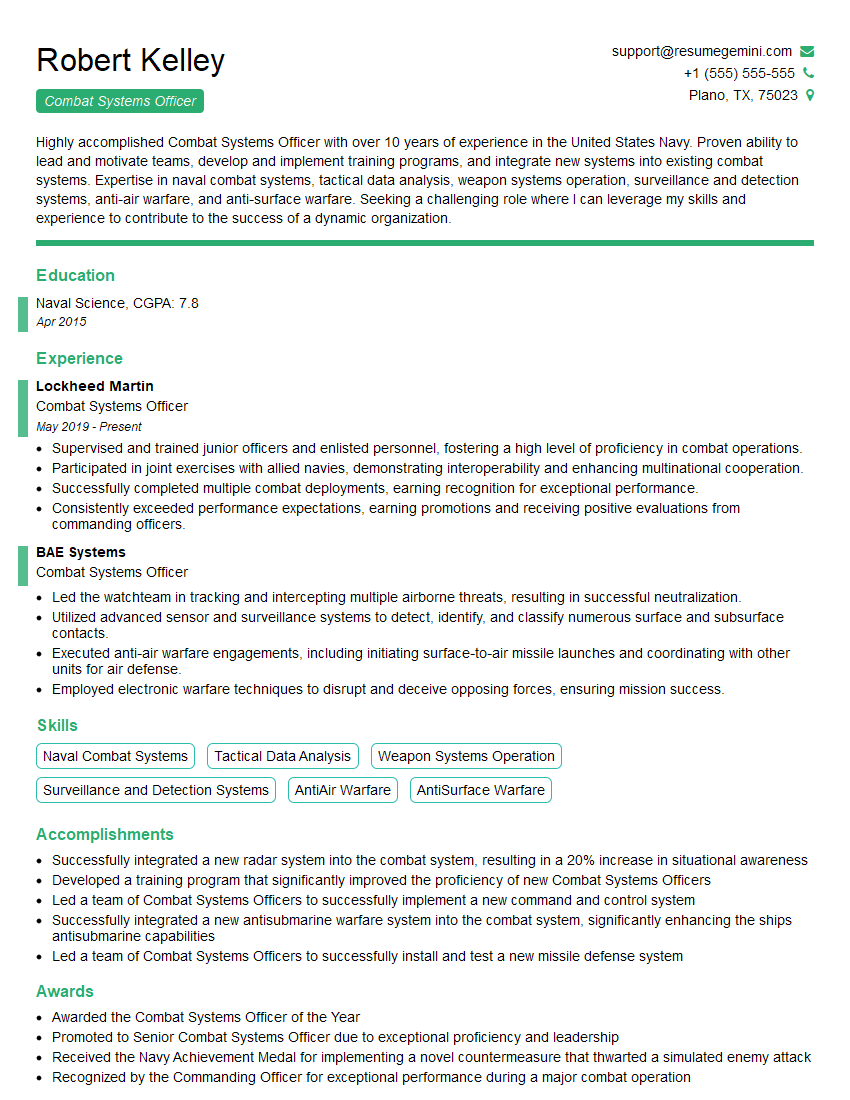
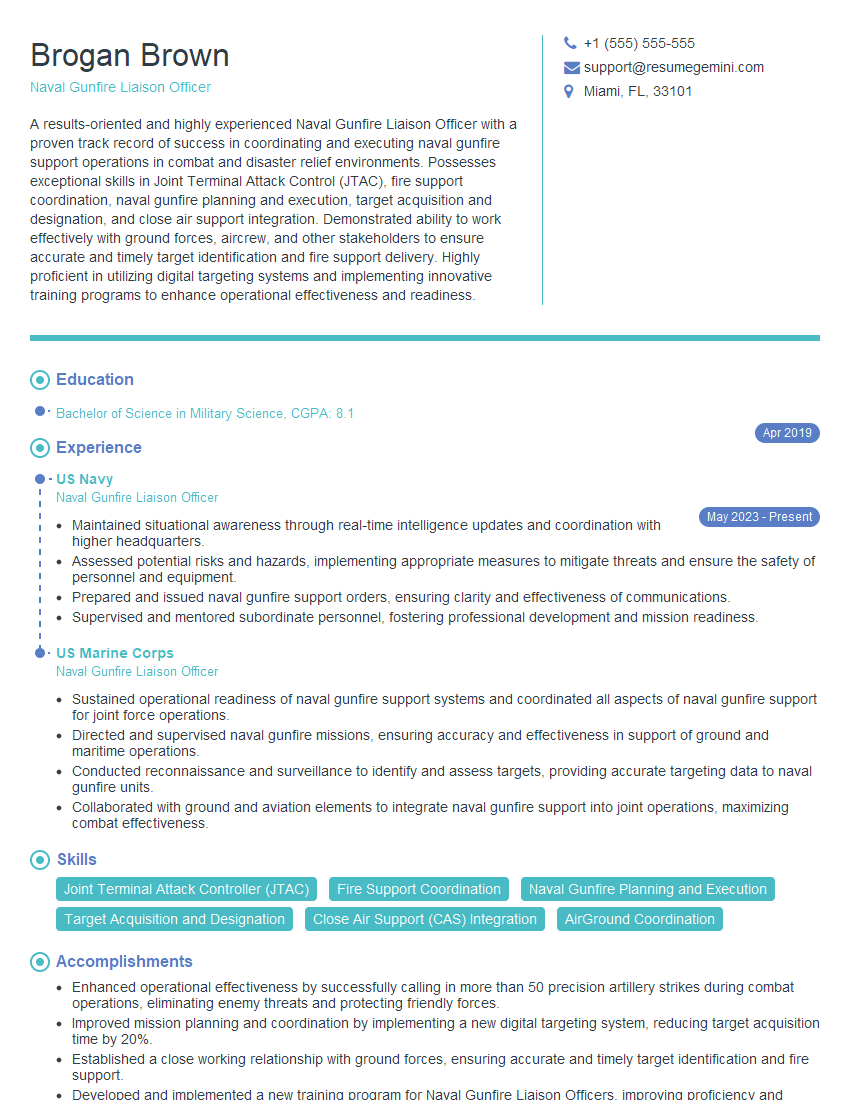
Mastering Naval Gunfire Planning and Execution is crucial for career advancement in the defense sector, opening doors to leadership roles and specialized assignments. A strong resume is your key to unlocking these opportunities. Building an ATS-friendly resume is essential for getting your application noticed by recruiters. ResumeGemini is a trusted resource that can help you craft a compelling and effective resume tailored to highlight your skills and experience in this specialized field. Examples of resumes tailored to Naval Gunfire Planning and Execution are available to guide you through the process.
Explore more articles
Users Rating of Our Blogs
Share Your Experience
We value your feedback! Please rate our content and share your thoughts (optional).
What Readers Say About Our Blog
Very informative content, great job.
good