Interviews are more than just a Q&A session—they’re a chance to prove your worth. This blog dives into essential Movement and Footwork interview questions and expert tips to help you align your answers with what hiring managers are looking for. Start preparing to shine!
Questions Asked in Movement and Footwork Interview
Q 1. Describe the biomechanical principles underlying efficient footwork.
Efficient footwork hinges on several biomechanical principles, primarily focusing on minimizing energy expenditure while maximizing speed, power, and control. Think of it like a well-oiled machine – each part works in harmony. Key principles include:
Center of Mass Control: Maintaining a stable center of mass is crucial. Efficient movement involves minimizing unnecessary shifts in the center of mass, reducing wasted energy and improving balance. Imagine a tightrope walker – they constantly adjust their center of mass to stay balanced.
Force Production & Transfer: Effective footwork relies on generating and transferring force efficiently through the kinetic chain (feet, ankles, legs, core, etc.). The force generated in the ground reaction force must be channeled effectively through the body for optimal movement. This is akin to a boxer’s punch – power originates from the legs, transferring through the core and culminating in the fist.
Joint Coordination: Smooth, coordinated movement between joints is essential. This minimizes jarring forces and allows for fluid transitions between movements. A golfer’s swing demonstrates this beautifully – the coordinated movement of the hips, shoulders, and arms generates power and accuracy.
Optimal Range of Motion: Utilizing the full available range of motion in the joints improves power, speed, and agility. Think of a sprinter – they fully extend their legs to maximize stride length.
Q 2. Explain the role of proprioception in movement and footwork.
Proprioception, your body’s awareness of its position and movement in space, is absolutely vital for effective footwork. It’s your body’s internal GPS. Without accurate proprioception, you lack the feedback needed to make precise adjustments and maintain balance.
For example, imagine trying to balance on one leg with your eyes closed. Your proprioceptors in your ankles, knees, and hips provide the crucial sensory information to your brain, allowing you to make subtle adjustments to maintain balance. If your proprioception is poor, you’ll likely wobble and fall. In sports, good proprioception allows athletes to quickly adjust their foot placement and body position in response to changes in the environment or opponent’s movements.
Improving proprioception involves exercises that challenge your balance and body awareness, such as single-leg stances, balance boards, and agility drills on uneven surfaces.
Q 3. How do you assess an individual’s movement patterns and identify weaknesses?
Assessing movement patterns involves a combination of observation, functional movement screens, and potentially more advanced technology.
Visual Observation: I begin by observing the individual performing fundamental movements like walking, running, jumping, and lateral shuffles. I look for asymmetries, limitations in range of motion, and compensations (e.g., leaning excessively, favoring one side).
Functional Movement Screens: These standardized assessments evaluate movement quality and identify potential weaknesses. For example, the overhead squat can reveal issues with mobility, stability, and coordination.
Technology (Optional): Tools like force plates and motion capture systems provide quantitative data on movement parameters, such as ground reaction forces and joint angles, allowing for more precise analysis.
Identifying weaknesses involves analyzing the observed movement patterns, comparing them to ideal biomechanics, and determining the root cause of any deviations. For example, poor ankle mobility might lead to compensations in the knees and hips, causing increased risk of injury.
Q 4. What are the key elements of effective agility training?
Effective agility training focuses on improving the ability to quickly change direction and speed while maintaining balance and control. Key elements include:
Plyometrics: These explosive exercises (e.g., box jumps, jump squats) improve power and reactive ability.
Cone Drills: These drills (e.g., shuttle runs, ladder drills) improve speed, change of direction, and footwork coordination.
Agility Ladders: Enhance foot speed, coordination, and quickness through various foot patterns.
Reactive Drills: Drills that require responding to unpredictable stimuli improve reaction time and decision-making (e.g., responding to a coach’s cues or a partner’s movements).
Sport-Specific Drills: Training that mimics the demands of the individual’s sport is crucial for optimizing performance.
Q 5. How can you improve balance and stability through footwork exercises?
Improving balance and stability through footwork exercises involves strengthening the muscles responsible for postural control and enhancing proprioception. Here are some effective exercises:
Single-Leg Stances: Holding a single-leg stance for increasing durations challenges balance and strengthens stabilizing muscles.
Balance Board Exercises: Using balance boards improves proprioception and coordination.
Tai Chi or Yoga: These practices emphasize body awareness, balance, and controlled movements.
Unstable Surface Training: Performing exercises (e.g., squats, lunges) on unstable surfaces (e.g., wobble boards) challenges balance and strengthens stabilizing muscles.
The key is to gradually increase the difficulty of the exercises as balance improves. Starting with simple exercises and gradually progressing to more challenging variations ensures a safe and effective training program.
Q 6. Explain the difference between reactive and proactive footwork.
Reactive footwork involves responding to an external stimulus, such as an opponent’s movement or a sudden change in the environment. Proactive footwork, on the other hand, is planned and anticipatory; it’s about predicting the next move and positioning yourself accordingly.
Think of a basketball player defending: reactive footwork is used to respond to the offensive player’s dribble or cut. Proactive footwork would be anticipating the offensive player’s move based on their body language and positioning themselves to intercept or defend effectively before the move is made.
Q 7. Describe your approach to designing a footwork training program.
Designing a footwork training program is a personalized process. I start by assessing the individual’s current skill level, identifying their weaknesses, and understanding their specific goals (e.g., improved agility for a specific sport). My approach involves:
Needs Analysis: A thorough assessment of the individual’s current footwork abilities, weaknesses, and athletic goals.
Progressive Overload: Gradually increasing the intensity, duration, or complexity of the exercises over time to promote continuous improvement. This might involve increasing the speed of drills, adding more complex footwork patterns, or incorporating more challenging surfaces.
Specificity: Selecting exercises that specifically target the needed skills (e.g., lateral movement for tennis, forward and backward movement for basketball).
Variety: Incorporating diverse exercises to prevent boredom and to challenge different muscle groups and movement patterns.
Regular Monitoring & Adjustment: Regularly assessing progress and making adjustments to the program as needed. This might involve modifying exercises, adjusting training volume, or adding new drills.
Recovery: Ensuring adequate rest and recovery to allow the body to adapt to training. Overtraining can lead to injuries and hinder progress.
The program’s duration and frequency depend on the individual’s needs and goals, ranging from several weeks for basic improvements to months or even years for elite-level athletes.
Q 8. How do you adapt footwork training to accommodate different age groups and fitness levels?
Adapting footwork training across different age groups and fitness levels requires a nuanced approach. We must consider physical capabilities, cognitive function, and overall conditioning. For younger athletes, the focus is on fundamental skills development – agility drills, balance exercises, and basic movement patterns. We use games and playful activities to maintain engagement and build a strong foundation. As they mature, we introduce more complex drills, higher intensity intervals, and advanced techniques. With older adults or individuals with lower fitness levels, we prioritize safety and gradual progression. We start with low-impact exercises, focusing on proper form and range of motion before increasing intensity. The key is to modify exercises, adjust intensity, and carefully monitor progress, constantly adapting to the individual’s needs and limitations. For example, instead of high-impact plyometrics, we might substitute low-impact lateral shuffles or step-ups. Regular assessment and feedback are crucial for ensuring both safety and effectiveness.
Q 9. How would you address footwork limitations in an individual with a specific injury?
Addressing footwork limitations due to injury requires a highly individualized approach. First, we need a thorough understanding of the specific injury from medical professionals. This informs our training plan, ensuring we avoid movements that could exacerbate the condition. For example, someone recovering from an ankle sprain would benefit from exercises that strengthen the ankle and improve balance, but would need to avoid high-impact activities. We’d start with range-of-motion exercises and progress gradually to weight-bearing activities. Proprioceptive training—exercises that improve body awareness and balance—is crucial in injury rehabilitation. This could involve standing on unstable surfaces or performing balance drills. We may incorporate specialized equipment like resistance bands to increase strength while minimizing strain. Throughout the process, careful monitoring and communication with medical professionals are paramount. The goal isn’t just to improve footwork, but also to promote safe and effective rehabilitation.
Q 10. What are the common causes of poor footwork and how can they be corrected?
Poor footwork often stems from a combination of factors. Lack of proper technique is a common culprit; individuals may not understand fundamental movement patterns, leading to inefficient and injury-prone movements. Weakness in supporting muscle groups—legs, core, and even hips—can also hinder footwork. A weak core, for instance, compromises balance and stability, impacting agility. Limited flexibility restricts range of motion, reducing the speed and efficiency of movements. Finally, poor coordination and reaction time can impair responsiveness on the field or court. Correction involves addressing each of these areas. We start with proper form instruction, breaking down complex movements into simpler components. Strength training exercises focus on building leg strength and core stability. Flexibility training, such as stretching and yoga, increases range of motion. Agility drills and reaction-time exercises sharpen coordination. A holistic approach targeting these areas simultaneously is key to improving footwork.
Q 11. Describe the importance of core strength in enhancing footwork.
Core strength is fundamentally important for enhancing footwork. The core acts as the body’s central axis, providing stability and power transfer for all movements. A strong core enhances balance, improves posture, and enables efficient transfer of energy from the lower body to the upper body. Think of it as the anchor for all movements; without a strong core, movements are less powerful and controlled. Weak core muscles lead to instability, increasing the risk of injury. A strong core allows for quicker changes in direction and improved agility. For example, in a rapid lateral movement, a strong core prevents twisting and maintains balance, allowing for quicker, smoother transitions. Incorporating core exercises such as planks, Russian twists, and medicine ball throws into a footwork training program is crucial for maximizing performance and reducing injury risk.
Q 12. Explain the relationship between footwork and injury prevention.
The relationship between footwork and injury prevention is significant. Proper footwork minimizes stress on joints and muscles, reducing the risk of injuries like sprains, strains, and tears. Efficient footwork promotes optimal body mechanics, preventing awkward or unbalanced movements that could lead to injury. For instance, proper landing technique in jumping activities helps absorb impact, reducing stress on the knees and ankles. Furthermore, strong footwork improves agility and balance, leading to fewer slips and falls. A solid foundation of strength and flexibility, cultivated through targeted footwork exercises, enhances overall athleticism and reduces the likelihood of injuries. This is particularly crucial in sports that involve quick changes in direction, such as basketball, soccer, and tennis. Conversely, poor footwork leads to inefficient movement, placing undue stress on joints and muscles, increasing susceptibility to injury.
Q 13. How would you use technology (e.g., video analysis) to improve footwork technique?
Technology, particularly video analysis, is a powerful tool for improving footwork technique. By recording athletes performing drills and games, we can identify subtle flaws in their movements that may otherwise go unnoticed. Slow-motion replay allows for detailed examination of foot placement, body posture, and overall movement efficiency. We can use this visual feedback to pinpoint areas needing improvement, such as uneven weight distribution or inefficient transitions between movements. Software can provide quantitative data, measuring parameters like speed, stride length, and angular displacement. This data allows for objective assessment and tracking of progress. For example, we can compare an athlete’s footwork before and after a training intervention to gauge effectiveness. The visual feedback, combined with quantitative data, provides a comprehensive understanding of the athlete’s strengths and weaknesses, leading to a more effective and targeted training program.
Q 14. What are the key performance indicators (KPIs) for evaluating footwork performance?
Key Performance Indicators (KPIs) for evaluating footwork performance vary depending on the sport and specific needs, but generally include: Speed: How quickly an athlete can move in different directions. This is often measured using timing gates or video analysis. Agility: The ability to change direction quickly and efficiently, often assessed using agility drills like the T-test or cone drills. Balance: Ability to maintain equilibrium during dynamic movements. This can be measured using balance boards or assessing steadiness during drills. Power: The explosive force generated during movements like jumps or sprints, which can be measured using force plates. Efficiency: Minimizing wasted energy and movement; this is often a qualitative assessment based on visual observation of the athlete’s technique. Tracking these KPIs allows for objective evaluation of footwork, and improvements in these areas demonstrate progress and effectiveness of the training regimen.
Q 15. How would you assess the effectiveness of a footwork training program?
Assessing the effectiveness of a footwork training program requires a multifaceted approach. We can’t just rely on subjective feelings; we need objective measurements. A comprehensive assessment involves several key components:
Performance Metrics: Track improvements in speed, agility, and reaction time using timed drills (e.g., cone drills, shuttle runs). Quantifiable data provides clear evidence of progress.
Qualitative Observation: Observe the trainee’s movement quality. Are they exhibiting proper technique, such as maintaining a low center of gravity and using appropriate foot placement? Look for consistency and efficiency of movement.
Injury Prevention: Monitor the incidence of injuries related to footwork. A successful program should contribute to reduced risk of injury through improved biomechanics.
Self-Reported Feedback: Gather feedback from the trainee regarding their perceived improvements in skill, confidence, and comfort level. This provides valuable subjective insights.
Functional Tests: Include tests that mimic real-world scenarios related to the athlete’s sport or activity. For example, a basketball player might perform drills simulating cuts and jumps.
By combining these objective and subjective measurements, we get a comprehensive picture of the program’s effectiveness. Remember, consistent monitoring and adjustments are crucial for optimal results.
Career Expert Tips:
- Ace those interviews! Prepare effectively by reviewing the Top 50 Most Common Interview Questions on ResumeGemini.
- Navigate your job search with confidence! Explore a wide range of Career Tips on ResumeGemini. Learn about common challenges and recommendations to overcome them.
- Craft the perfect resume! Master the Art of Resume Writing with ResumeGemini’s guide. Showcase your unique qualifications and achievements effectively.
- Don’t miss out on holiday savings! Build your dream resume with ResumeGemini’s ATS optimized templates.
Q 16. What are some common mistakes people make with their footwork?
Many common footwork mistakes stem from improper technique and insufficient training. Here are a few examples:
Overstriding: Taking steps that are too long, leading to instability and reduced power. Think of it like taking giant steps – you’re off balance and less reactive.
Insufficient Knee Bend: Not bending the knees enough limits power, agility, and range of motion. You lose explosiveness and become more rigid.
Poor Foot Placement: Landing with feet too far apart or not properly aligned with the direction of movement leads to instability and reduced efficiency.
Lack of Core Stability: A weak core compromises balance and power transfer, making quick changes of direction difficult.
Ignoring the Lead Foot: The lead foot initiates the movement, and improper use of it will negatively impact the rest of the step.
These mistakes can lead to decreased performance, increased injury risk, and overall inefficient movement. Addressing them through proper instruction and drills is crucial for improvement.
Q 17. Describe the difference between static and dynamic balance in footwork.
Static and dynamic balance are two crucial aspects of effective footwork, but they differ significantly:
Static Balance: This refers to the ability to maintain equilibrium in a stationary position. Think of holding a yoga pose – it’s about maintaining balance while not moving.
Dynamic Balance: This is the ability to maintain equilibrium while in motion. Imagine quickly changing direction while sprinting – it’s about balance during movement.
In footwork, both are essential. Static balance provides a stable base for initiating movement, while dynamic balance allows for quick, controlled changes in direction and speed. A strong foundation in static balance is crucial for mastering dynamic balance.
Q 18. How do you teach proper landing mechanics to minimize injury risk?
Teaching proper landing mechanics is paramount in injury prevention. The key principles are:
Controlled Descent: Emphasize a soft, controlled landing, absorbing impact through the joints rather than letting the body ‘crash’ down. This is like a cat landing softly on its feet.
Proper Knee Flexion: Teach athletes to bend their knees upon landing to absorb impact and reduce stress on ankles and knees. This acts as a shock absorber for the body.
Foot Placement: Ensure proper foot placement, with feet shoulder-width apart and aligned to the direction of movement. This provides a stable base for the next movement.
Core Engagement: Engage the core muscles during landing to maintain stability and control. A strong core acts like a stabilizing anchor for the body.
Controlled Re-extension: Show how to smoothly push off from the ground, using the legs to generate power for the next movement.
We use drills focusing on proper landings from jumps, incorporating visual cues and feedback to correct improper techniques. Practice makes perfect, and consistent repetition builds muscle memory and coordination.
Q 19. Explain the role of plyometrics in improving footwork speed and power.
Plyometrics plays a vital role in enhancing footwork speed and power by improving the body’s ability to generate explosive force. Plyometric exercises, such as box jumps and depth jumps, focus on the stretch-shortening cycle: muscles are stretched, quickly followed by a powerful contraction. This generates greater force than a simple isometric contraction.
In the context of footwork, this translates to quicker changes of direction, faster acceleration, and improved agility. The stretch-shortening cycle engages the muscles in the legs and core, improving strength and power. For example, depth jumps train the muscles to quickly absorb force and then explode upward, mimicking many movements in sports.
Q 20. How do you address individual differences in learning styles when coaching footwork?
Individual learning styles vary greatly, and a successful coach adapts their methods to suit each trainee. Some learn best through visual demonstrations, others through kinesthetic learning (hands-on experience), and some prefer verbal explanations. We accommodate these differences by:
Visual Learners: Using videos, demonstrations, and diagrams to illustrate proper technique.
Kinesthetic Learners: Providing lots of hands-on practice, using corrective feedback to refine their movements. We’d use tactile guidance and physical adjustments to help improve their position.
Auditory Learners: Providing clear verbal instructions and explanations, using analogies and metaphors to make concepts easier to grasp. We use descriptive language to help the athlete understand the movement’s mechanics.
By employing a variety of teaching methods and observing how each trainee responds, I can tailor my approach to maximize their learning and progress.
Q 21. What are the benefits of incorporating flexibility exercises into a footwork program?
Incorporating flexibility exercises into a footwork program is crucial for several reasons:
Increased Range of Motion: Improved flexibility allows for a greater range of motion in the ankles, knees, and hips, leading to more efficient and powerful movements. A more flexible athlete can move more freely and dynamically.
Injury Prevention: Tight muscles are more prone to injury. Flexibility helps prevent strains and tears by improving joint mobility and muscle elasticity. This prevents over-stretching and tears.
Enhanced Performance: Greater flexibility translates to improved agility, speed, and balance. This leads to more efficient and fluid movement.
Reduced Muscle Soreness: Flexible muscles are less susceptible to soreness and fatigue, allowing for more intense and frequent training sessions.
We incorporate stretching exercises like dynamic stretches before training (arm circles, leg swings) and static stretches after (holding a stretch for a certain period) to target specific muscle groups relevant to footwork, ensuring a balanced and comprehensive training approach.
Q 22. How would you modify footwork drills for individuals with limited mobility?
Modifying footwork drills for individuals with limited mobility requires a highly individualized approach, focusing on adapting the intensity and complexity rather than eliminating the activity altogether. We need to prioritize safety and gradually increase the challenge.
- Reduced Range of Motion: Instead of full-range lateral shuffles, we might start with smaller steps, focusing on controlled movements within a comfortable range. For example, instead of a wide lateral shuffle, we might use a step-touch in place, gradually increasing the distance.
- Chair Support: Incorporate chair support for balance during drills, allowing the individual to maintain posture and focus on the footwork patterns without the added challenge of balance. This is particularly useful for those with balance impairments.
- Modified Drills: Adapt traditional drills to be seated or involve minimal weight-bearing. For instance, seated heel raises or ankle rotations can build strength and mobility in the lower extremities.
- Progressive Overload: Introduce progressive overload gradually. Start with simple exercises and gradually increase the duration, intensity, or complexity of the drills as tolerated. Regular assessment is crucial to track progress and adjust the program accordingly.
- Focus on Quality over Quantity: Emphasize the quality of movement over the quantity of repetitions. Precise, controlled movements are far more beneficial than fast, sloppy ones, particularly for individuals with limited mobility.
For example, a client recovering from a knee injury might start with seated ankle pumps, progress to standing heel raises with support, and eventually work up to lateral shuffles with minimal range of motion before reaching full participation in a standard footwork drill.
Q 23. What are the key principles of efficient movement economy?
Efficient movement economy hinges on minimizing unnecessary energy expenditure while maximizing movement effectiveness. It’s about optimizing the relationship between the energy used and the outcome achieved. Think of it like driving a car – you want to reach your destination efficiently, using the least amount of fuel.
- Postural Alignment: Maintaining a neutral spine and balanced posture is paramount. Poor posture leads to inefficient muscle activation and increased energy consumption.
- Controlled Movements: Avoid jerky, uncontrolled movements. Smooth, fluid transitions between movements conserve energy and improve efficiency.
- Optimal Muscle Activation: Employing the right muscles in the correct sequence and with appropriate force is key. Unnecessary muscle activation wastes energy.
- Proper Technique: Mastering the correct technique for specific movements is crucial. Improper technique leads to inefficient energy use and increased risk of injury.
- Strength and Conditioning: A strong and balanced musculature improves movement economy. Stronger muscles work more efficiently.
Imagine a basketball player. A player with poor movement economy will expend significant energy moving laterally, often becoming fatigued quickly. In contrast, a player with efficient movement economy will move smoothly and purposefully, conserving energy for crucial moments in the game.
Q 24. Discuss the importance of footwear in optimizing footwork performance.
Footwear plays a pivotal role in optimizing footwork performance. The right shoes provide support, cushioning, and stability, impacting speed, agility, and injury prevention.
- Support and Stability: Shoes with adequate arch support and a stable base prevent excessive pronation or supination (inward or outward rolling of the foot), which can lead to injuries and affect movement efficiency.
- Cushioning: Proper cushioning absorbs impact forces, reducing stress on joints and improving comfort, especially during high-impact activities.
- Traction: The sole’s grip and material influence traction and stability on different surfaces. Appropriate traction prevents slips and enhances control during rapid movements.
- Weight and Flexibility: Lightweight shoes enhance speed and agility, while flexibility allows for a natural range of motion in the foot and ankle.
- Fit: Properly fitting shoes are crucial; too tight or too loose shoes can restrict movement, cause discomfort, and even increase injury risk.
For example, a tennis player requires shoes with excellent lateral support to handle sudden changes in direction, while a runner benefits from shoes offering ample cushioning to absorb the repetitive impact on their joints.
Q 25. How do you ensure proper warm-up and cool-down procedures when coaching footwork?
Warm-up and cool-down are non-negotiable aspects of any footwork training program. They prepare the body for activity and aid recovery, minimizing injury risk and enhancing performance.
- Warm-up (10-15 minutes): Begin with general movements like light cardio (e.g., jogging in place) to increase blood flow. Then, incorporate dynamic stretching, like leg swings, arm circles, and torso twists, to increase flexibility and joint mobility. Finally, include specific footwork drills at a low intensity, gradually increasing the pace and complexity.
- Cool-down (5-10 minutes): After the session, engage in static stretching, holding each stretch for 20-30 seconds. Focus on major muscle groups used during footwork, including calves, hamstrings, quads, and hip flexors. Static stretching promotes relaxation, improves flexibility, and reduces muscle soreness.
A proper warm-up primes the muscles for work, increasing blood flow and preparing the joints for movement. The cool-down helps gradually reduce heart rate, preventing blood pooling and promoting recovery. Ignoring these steps can lead to increased injury risk and reduce performance gains.
Q 26. Explain your understanding of different types of footwork patterns (e.g., lateral movement, agility drills).
Footwork patterns vary widely, each serving a distinct purpose and requiring specific skill development.
- Lateral Movement: This involves moving sideways, crucial for sports like basketball, tennis, and soccer. Drills include lateral shuffles, cariocas, and cone drills, focusing on speed, agility, and change of direction.
- Forward and Backward Movement: This encompasses running, sprinting, and backward running, essential for acceleration, deceleration, and quick changes in direction. Drills can involve sprints, shuttle runs, and backward running drills.
- Agility Drills: These combine various movement patterns – lateral, forward, backward, and rotational movements – challenging quick reactions and directional changes. Examples include ladder drills, cone drills, and agility courses.
- Rotational Movement: This involves pivoting and spinning, essential for sports that involve turning, such as baseball, golf, and martial arts. Drills can include 360-degree pivots and quick turns.
For instance, a basketball player needs strong lateral movement and agility to defend against their opponent. A soccer player must combine forward and backward movement with agility to dribble and pass effectively. These drills translate directly into improved performance.
Q 27. Describe how to assess and correct common postural deviations that affect footwork.
Assessing and correcting postural deviations impacting footwork involves careful observation, analysis, and targeted interventions.
- Visual Assessment: Observe the individual’s posture during static and dynamic movements. Look for deviations like anterior pelvic tilt, kyphosis (rounded upper back), or excessive pronation.
- Movement Analysis: Observe their movement patterns during footwork drills, looking for compensations or inefficiencies that could stem from postural deviations.
- Corrective Exercises: Address identified deviations with targeted exercises. For example, anterior pelvic tilt might be addressed with hip flexor stretches and glute strengthening exercises. Kyphosis can be addressed with thoracic spine mobility exercises. Excessive pronation might require strengthening of the foot intrinsic muscles.
- Proprioceptive Training: Improve body awareness and balance with exercises that challenge balance and coordination, such as single-leg stances and balance board exercises.
Imagine a runner with an anterior pelvic tilt. This might lead to over-pronation, increased knee stress and reduced running efficiency. Corrective exercises focusing on strengthening the glutes and stretching hip flexors will address the postural deviation and improve the runner’s gait and performance.
Q 28. How do you integrate footwork training into a comprehensive athletic development program?
Integrating footwork training into a comprehensive athletic development program necessitates a holistic approach, considering overall fitness, sport-specific needs, and injury prevention.
- Phase-Appropriate Training: Footwork training should be tailored to the athlete’s training phase (e.g., off-season, pre-season, in-season). Off-season training might focus on building a foundation of strength and conditioning, while in-season training emphasizes maintaining fitness levels and refining technique.
- Sport-Specific Drills: Select drills that mimic the movements required in the athlete’s sport. A tennis player will require different footwork drills compared to a soccer player.
- Progressive Overload: Gradually increase the intensity, duration, and complexity of footwork drills over time to challenge the athlete and promote adaptation.
- Integration with Other Training Modalities: Footwork should be integrated with strength and conditioning, plyometrics, and agility training for holistic development.
- Regular Assessment and Adjustment: Monitor the athlete’s progress, make adjustments based on their performance and feedback, and ensure continued improvement.
For a young soccer player, the program would start with basic agility drills to build a strong foundation. As they improve, more advanced drills that mirror game situations – like quick cuts and changes in direction – would be introduced. This ensures the footwork training directly translates to improved on-field performance.
Key Topics to Learn for Movement and Footwork Interview
- Fundamental Movement Principles: Understanding concepts like center of gravity, balance, and weight transfer. Explore how these principles apply to various movement styles.
- Footwork Techniques: Analyze different footwork patterns (e.g., shuffling, pivoting, crossovers) and their applications in diverse contexts (sports, dance, occupational settings).
- Biomechanics of Movement: Investigate the interaction between muscles, joints, and movement efficiency. Consider the impact of posture and alignment on performance.
- Agility and Reaction Time: Explore training methods to improve agility and quickness. Discuss the role of cognitive processing in efficient movement.
- Injury Prevention and Rehabilitation: Understand common movement-related injuries and effective strategies for prevention and rehabilitation. Discuss the importance of proper warm-up and cool-down routines.
- Movement Analysis and Assessment: Learn techniques for observing and analyzing movement patterns, identifying strengths and weaknesses, and developing targeted training plans.
- Adaptive Movement Strategies: Explore modifications and adaptations for individuals with diverse physical capabilities and limitations.
Next Steps
Mastering movement and footwork is crucial for career advancement in numerous fields, from athletics and dance to ergonomics and physical therapy. A strong understanding of these principles demonstrates valuable skills and expertise to potential employers. To significantly enhance your job prospects, focus on creating an ATS-friendly resume that highlights your skills and experience effectively. ResumeGemini is a trusted resource to help you build a professional and impactful resume that gets noticed. We provide examples of resumes tailored to Movement and Footwork to help you get started. Take the next step towards your dream career today!
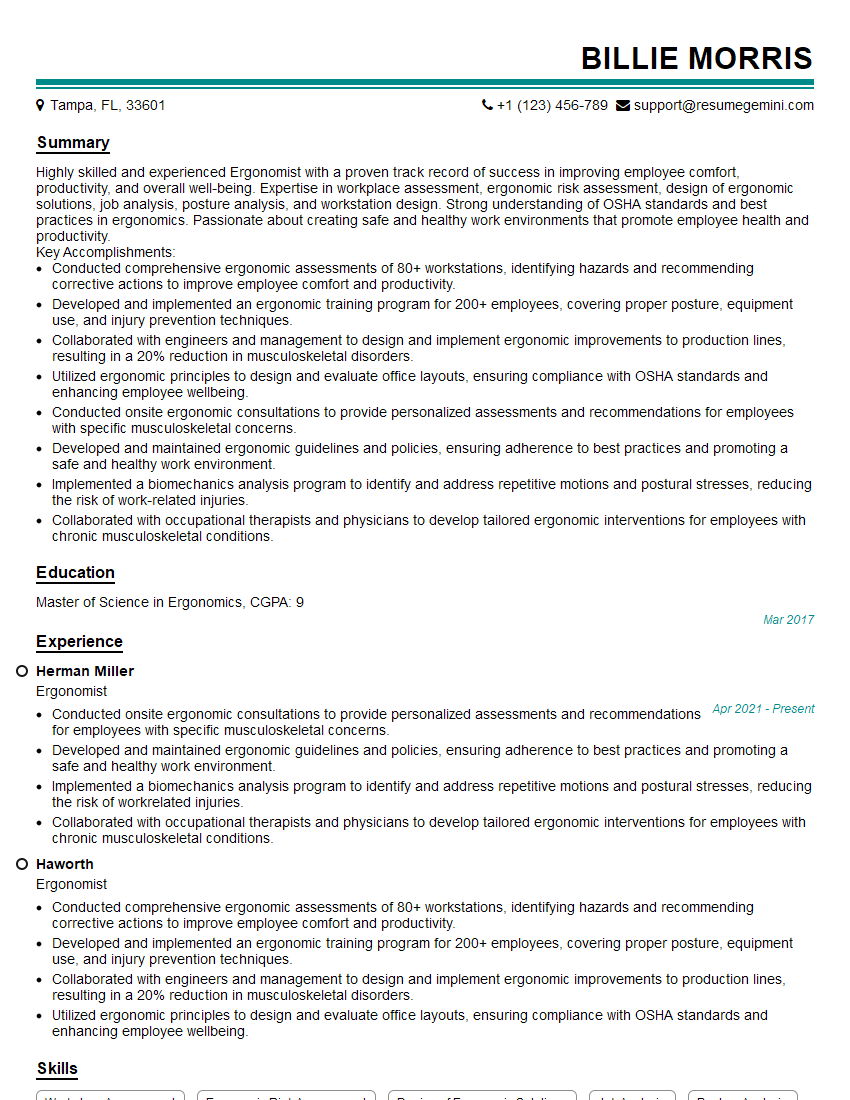
Ergonomist Resume Sample
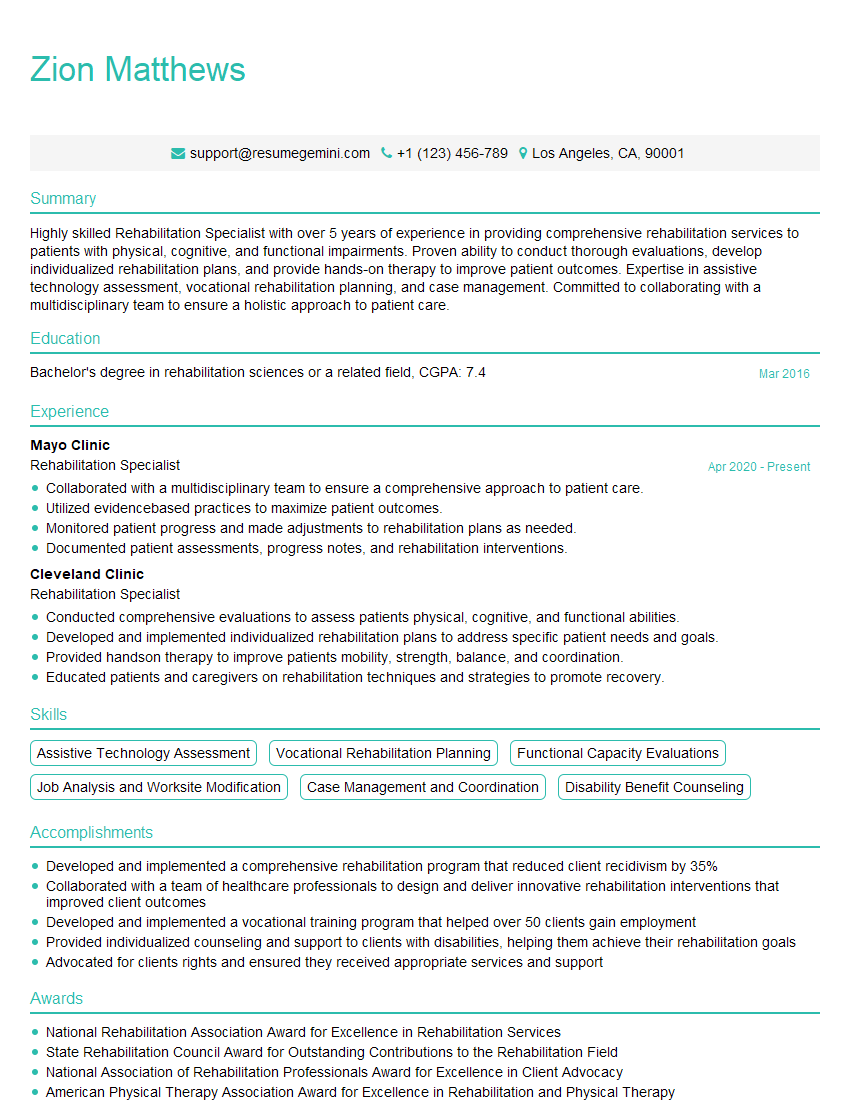
Rehabilitation Specialist Resume Sample
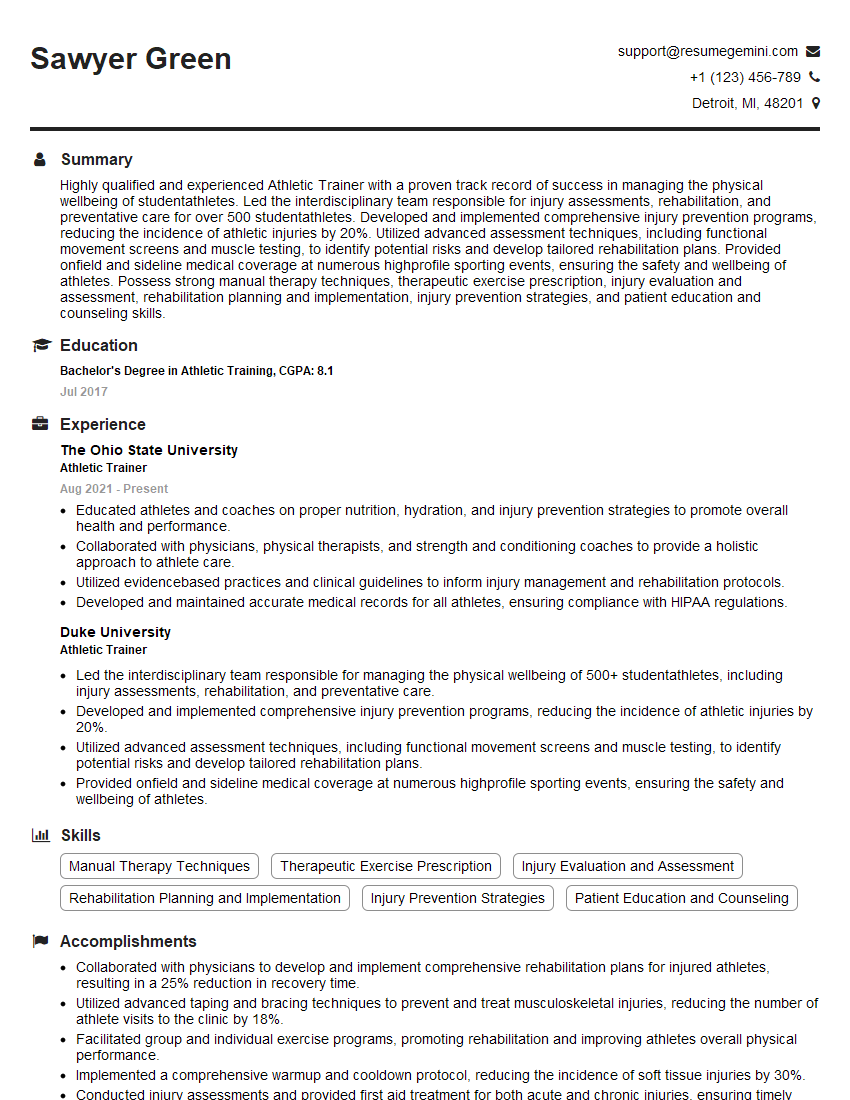
Athletic Trainer Resume Sample

Dance Instructor Resume Sample
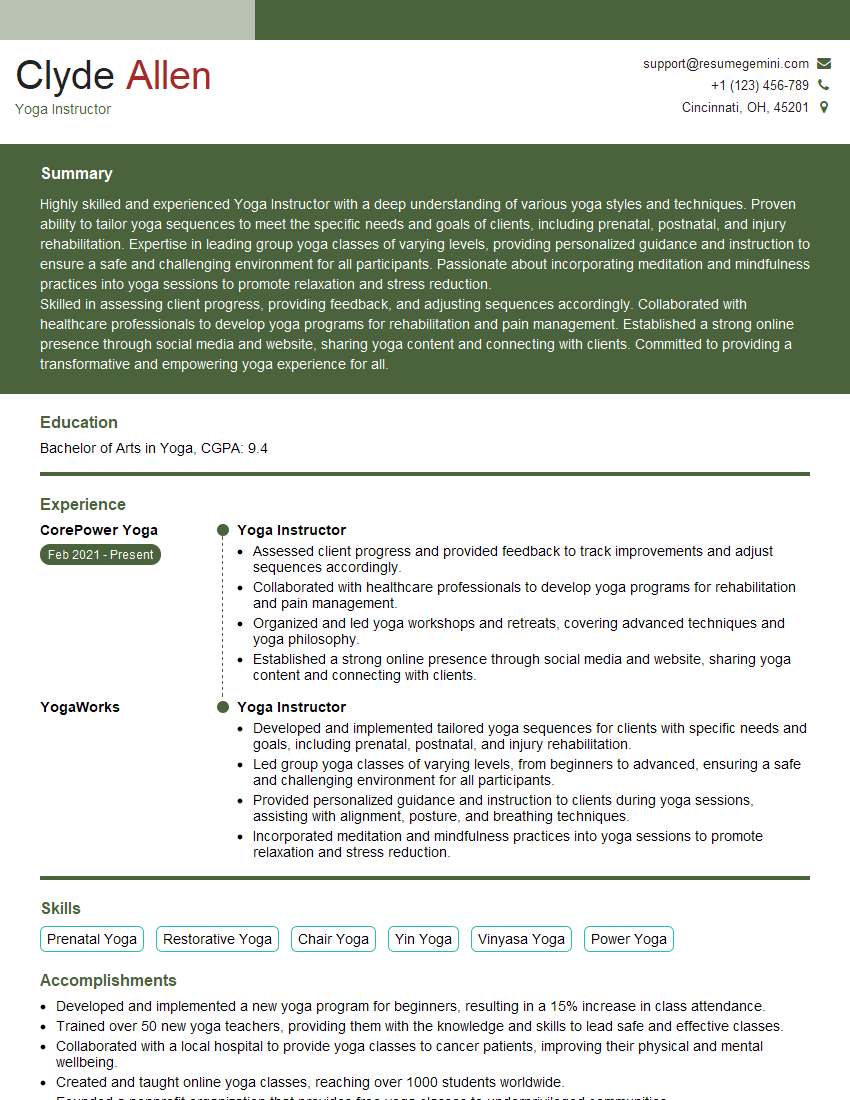
Yoga Instructor Resume Sample
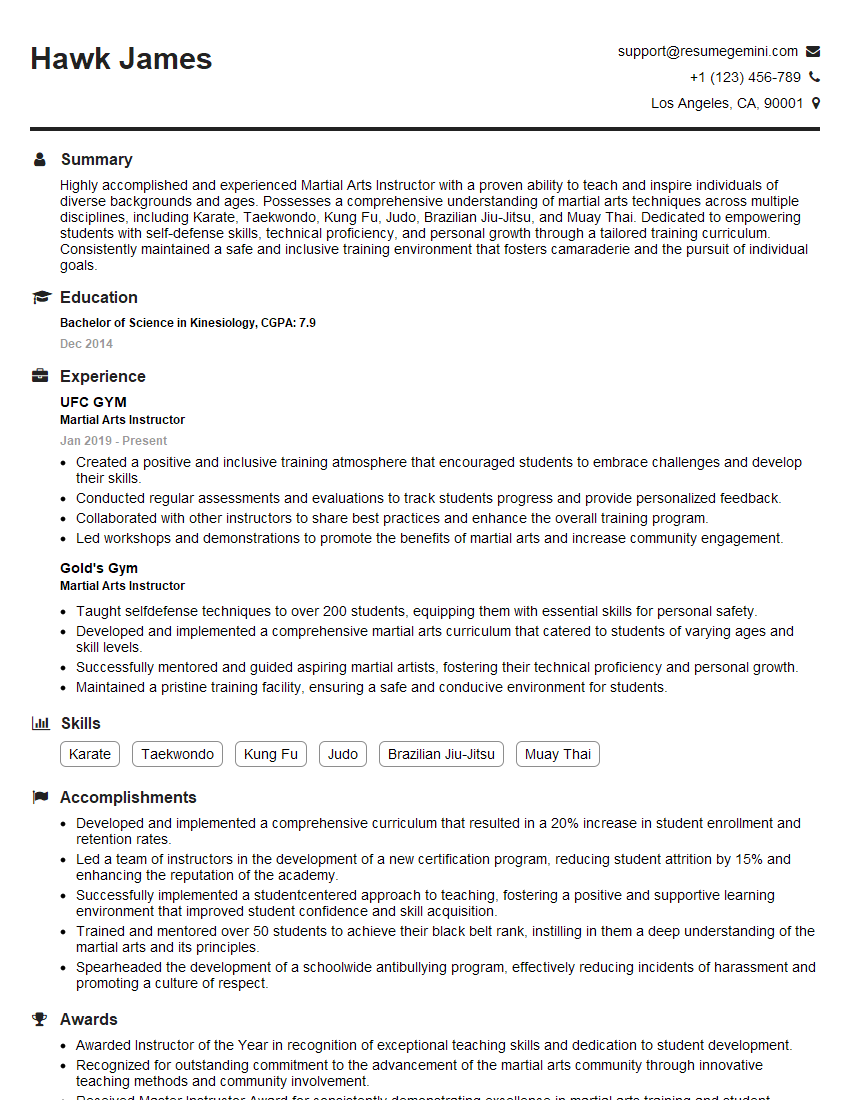
Martial Arts Instructor Resume Sample
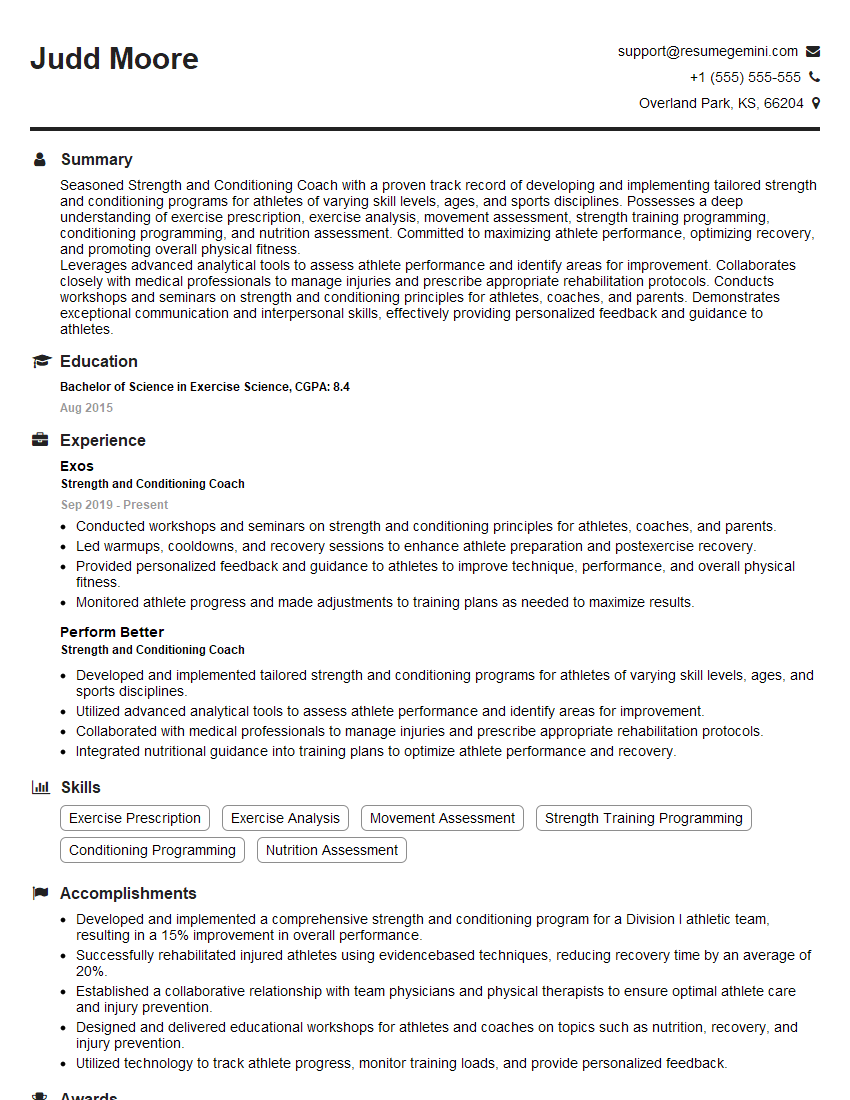
Strength and Conditioning Coach Resume Sample
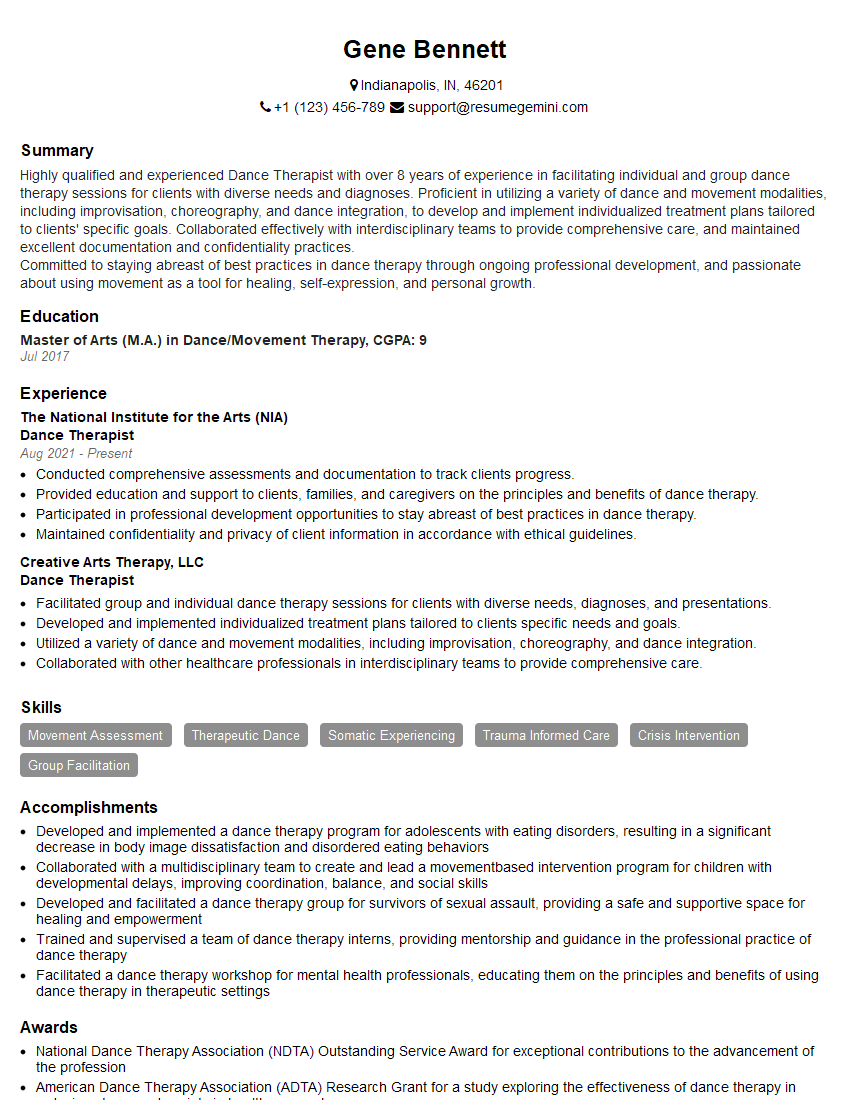
Dance Therapist Resume Sample
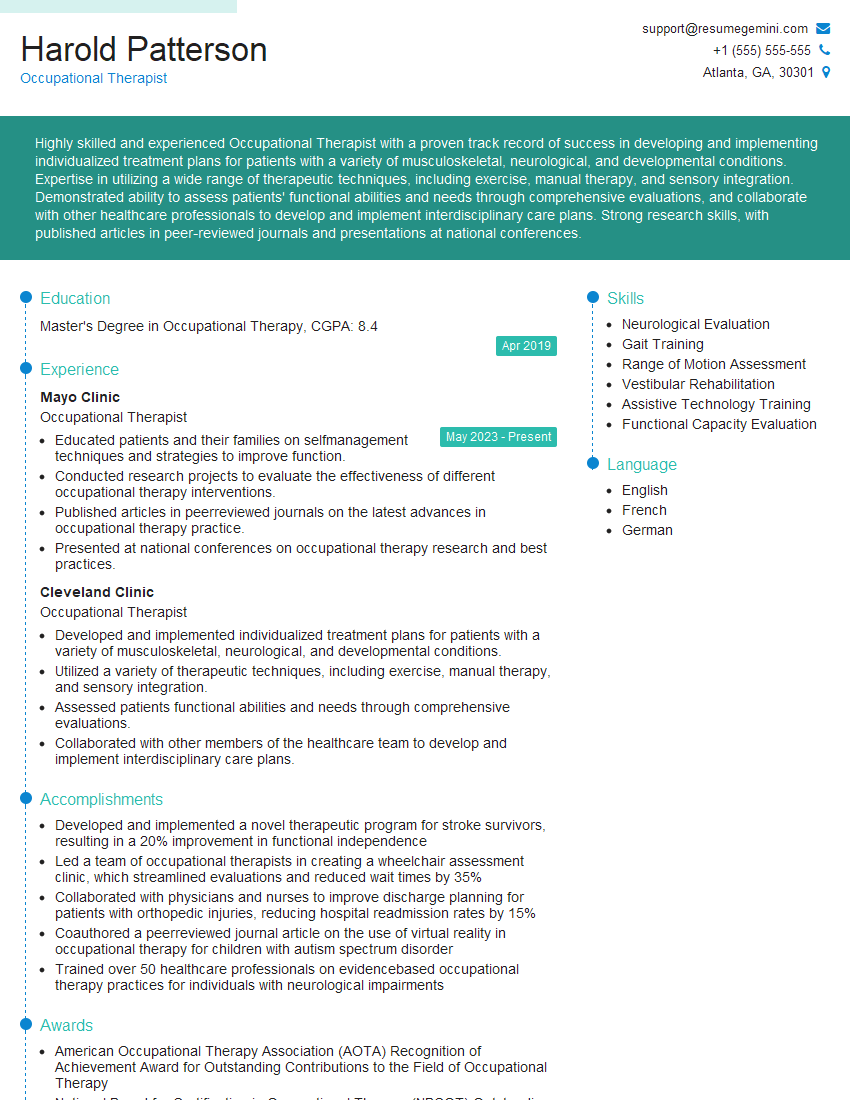
Occupational Therapist Resume Sample
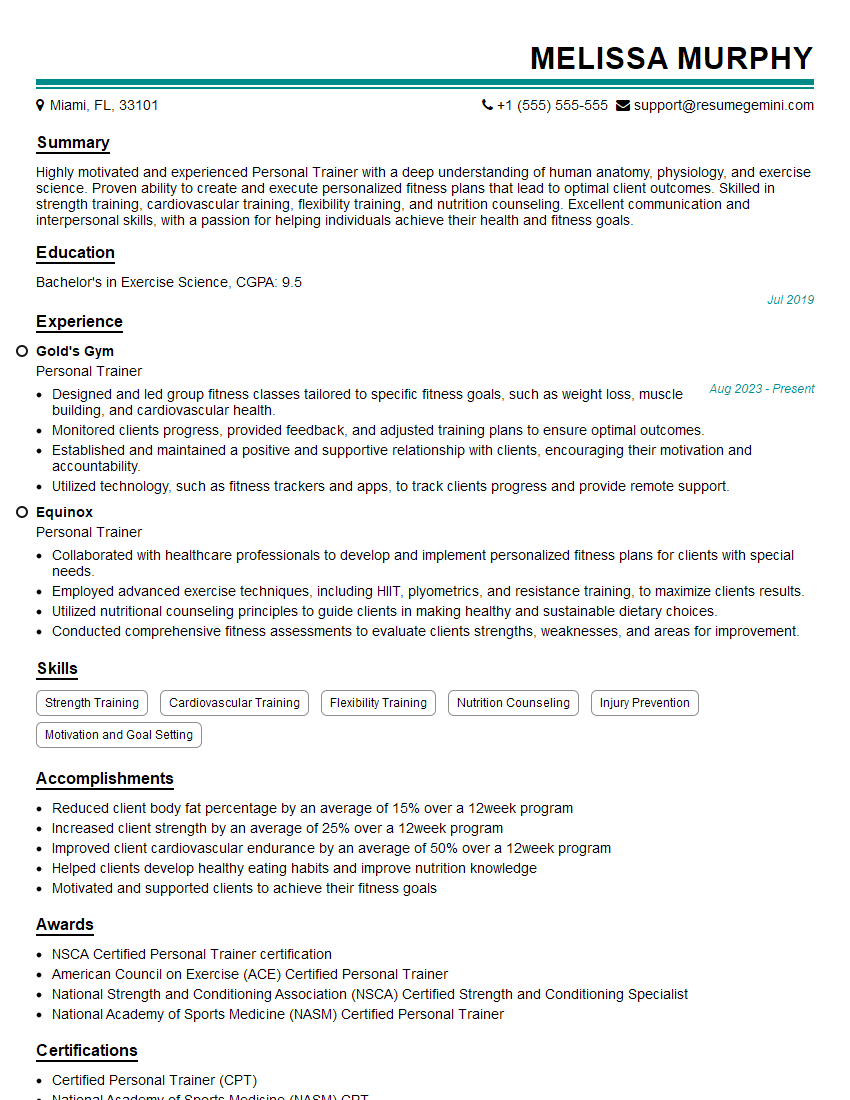
Personal Trainer Resume Sample
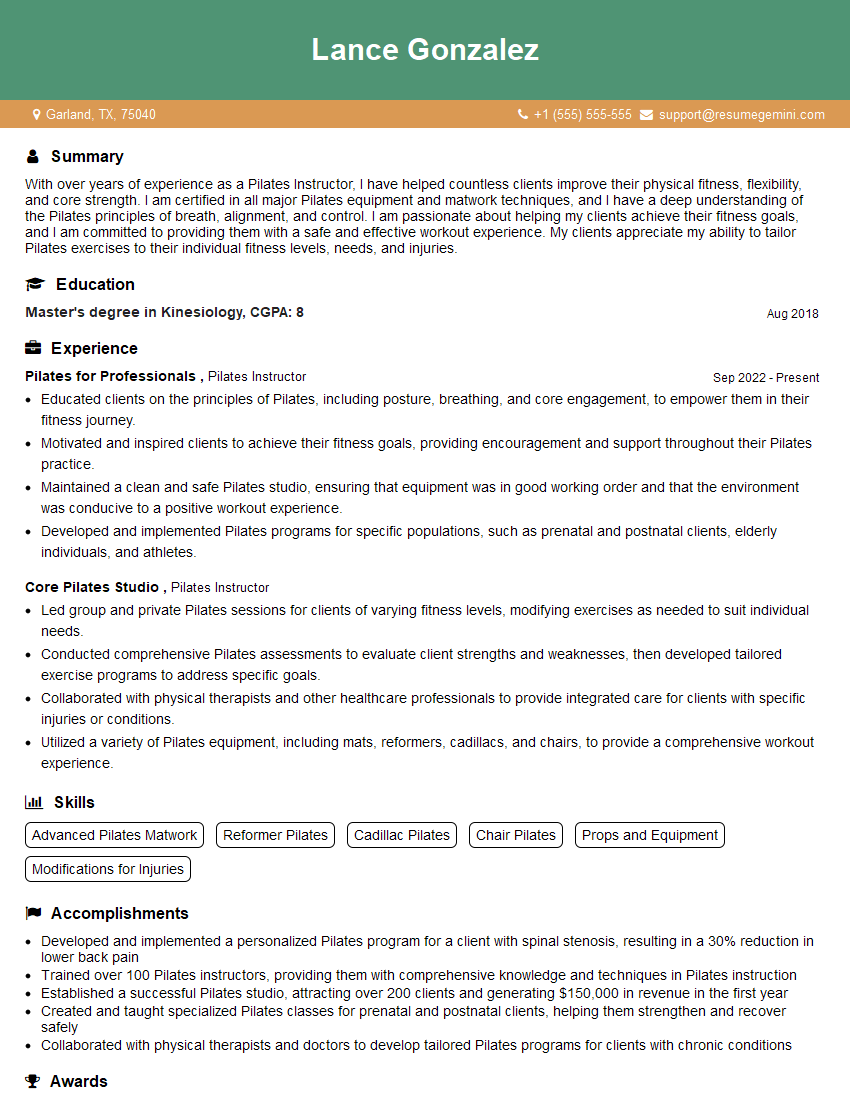
Pilates Instructor Resume Sample
Explore more articles
Users Rating of Our Blogs
Share Your Experience
We value your feedback! Please rate our content and share your thoughts (optional).
What Readers Say About Our Blog
Very informative content, great job.
good