Unlock your full potential by mastering the most common Tactical Air Control interview questions. This blog offers a deep dive into the critical topics, ensuring you’re not only prepared to answer but to excel. With these insights, you’ll approach your interview with clarity and confidence.
Questions Asked in Tactical Air Control Interview
Q 1. Describe the process of coordinating close air support (CAS).
Coordinating Close Air Support (CAS) is a complex process requiring precise communication and a deep understanding of the battlefield. It involves a chain of events, starting with the ground troops identifying a target needing air support. They then relay the request through their chain of command, ultimately reaching a Joint Terminal Attack Controller (JTAC) or similar qualified individual. The JTAC then verifies the target, assesses the risk to friendly forces, and coordinates with available air assets. This includes relaying critical information such as target location (using grid coordinates or other location methods), type of target, friendlies’ location and the desired munition type. The aircrew then receives this information and plans the attack, factoring in weather, terrain, and potential threats. Finally, the JTAC observes the attack, ensures accuracy, and provides feedback. The whole process emphasizes constant communication and precise targeting to minimize collateral damage and maximize effectiveness.
Example: Imagine infantry pinned down by enemy machine gun fire. They request CAS via radio. The JTAC receives the request, confirms the target’s location and type, verifies the absence of friendly troops in the strike zone, and then directs an aircraft to engage the target with precision-guided munitions, after establishing communication with the pilots.
Q 2. Explain the roles and responsibilities of a JTAC.
A Joint Terminal Attack Controller (JTAC) is a critical member of the air-ground coordination team, responsible for the precise delivery of airpower in support of ground troops. Their responsibilities are multifaceted and demanding, demanding a high level of training and experience. They are responsible for:
- Target Acquisition and Identification: Positively identifying targets, verifying they are legitimate military objectives, and ensuring they are not friendly forces.
- Communication: Maintaining clear, concise communication with ground troops, aircrews, and higher headquarters.
- Battle Management: Coordinating multiple air assets and adjusting attack plans as the situation unfolds.
- Risk Assessment: Evaluating potential risks to friendly forces and civilian populations and adjusting attack plans to mitigate those risks.
- Attack Control: Precisely directing the aircraft to the target, providing real-time updates and corrections.
- Post-Strike Assessment: Assessing the effectiveness of the strike and reporting on results.
The JTAC needs to be extremely proficient in using various communication systems, navigating using GPS and maps, understanding weapons systems, and managing the stress of a dynamic combat situation.
Q 3. What are the limitations of different types of air-to-ground munitions?
Different air-to-ground munitions have unique capabilities and limitations. The choice of munition depends on the target, the environment, and the desired level of collateral damage.
- Precision-Guided Munitions (PGMs): Offer high accuracy, reducing collateral damage. However, they can be more expensive and susceptible to electronic countermeasures.
- Iron Bombs (Unguided): Inexpensive and readily available, but less accurate, resulting in a higher risk of collateral damage. Suitable for area denial but poor for pinpoint strikes.
- Cluster Munitions: Designed to disperse smaller bomblets over a wide area, but notorious for high rates of unexploded ordnance (UXO), posing long-term threats to civilians.
- Guided Rockets: Offer longer ranges compared to bombs, with varying degrees of precision depending on the specific type.
Example: A hardened bunker may require a larger, more powerful bomb, while a single vehicle might be best targeted with a PGM to minimize collateral damage. The limitations of each munition type must be carefully considered in the context of the specific mission parameters.
Q 4. How do you prioritize multiple air requests in a high-pressure environment?
Prioritizing multiple air requests in a high-pressure environment requires a structured approach and clear understanding of the battlefield situation. A framework based on the principles of urgency, impact, and feasibility is essential. This involves a mental checklist:
- Urgency: Which request poses the most immediate threat to friendly forces or mission success? Requests that involve imminent danger take priority.
- Impact: Which request will have the greatest impact on the overall objective? Requests that significantly impact the mission or protect significant assets will have higher priority.
- Feasibility: Which request is most feasible to fulfill given the available air assets, weather conditions, and other constraints? Requests with a high likelihood of success and fewer operational challenges are prioritized.
This approach allows for a rational decision-making process, even under stress. The JTAC constantly re-evaluates priorities as the situation evolves. Communication with ground commanders and aircrews is vital to manage expectations and ensure understanding.
Q 5. What are the key elements of a successful air support plan?
A successful air support plan includes several key elements:
- Clear Objectives: Precisely defining the mission goals and desired outcomes.
- Target Identification: Accurately identifying and verifying the target(s), including coordinates and distinguishing features.
- Risk Assessment: Evaluating the risks to friendly forces and civilians, and developing mitigation strategies.
- Communication Plan: Establishing clear communication procedures between ground troops, aircrews, and higher headquarters.
- Contingency Planning: Developing alternative plans in case of unforeseen circumstances.
- De-confliction: Ensuring the coordinated use of air assets to prevent collisions or friendly fire incidents.
- Post-Strike Assessment: Establishing a plan to assess the effectiveness of the air support and learn from it.
A well-developed plan minimizes risks and maximizes the effectiveness of air support, enhancing mission success.
Q 6. Describe your experience with various communication systems used in tactical air control.
My experience encompasses various communication systems integral to tactical air control, including:
- HF (High Frequency) Radio: Used for long-range communication, often employed for initial contact and coordinating with higher headquarters or distant air assets.
- UHF (Ultra High Frequency) Radio: The primary communication system for close air support, offering reliable communication within shorter ranges.
- SINCGARS (Single Channel Ground-Air Radio System): A secure, encrypted system for tactical communication between ground and air units.
- Data Links: Systems like Link 16 provide secure, high-bandwidth data transmission enabling rapid exchange of critical information, including location data and target imagery.
Proficiency in these systems is paramount for effective air-ground coordination. Each system has its strengths and limitations concerning range, security, and data capacity, and selecting the appropriate system is crucial for the situation.
Q 7. Explain the concept of battlespace awareness in tactical air control.
Battlespace awareness in tactical air control refers to the comprehensive understanding of the dynamic operational environment. It encompasses a real-time picture of friendly and enemy forces, weather conditions, terrain features, and the location of civilian populations. It’s not just about knowing where things are; it’s about understanding the relationships between them, anticipating potential threats, and understanding the impact of actions on the overall operational objectives.
Effective battlespace awareness relies on a fusion of information from various sources, including:
- Ground reports: Input from ground troops on the battlefield situation.
- Intelligence reports: Information on enemy capabilities and intentions.
- Airborne sensors: Data from aircraft-mounted sensors such as radar and electro-optical systems.
- Electronic warfare systems: Information about enemy electronic activity.
Maintaining a clear and comprehensive understanding of the battlespace is critical for successful air support coordination, as it underpins effective decision-making and risk mitigation.
Q 8. How do you handle communication failures during a mission?
Communication failures are a critical threat in Tactical Air Control (TAC). Our primary response hinges on redundancy and alternative communication methods. We utilize multiple communication channels simultaneously – primarily utilizing secure voice, but also leveraging data links like Link 16 when available. If a primary channel fails, we immediately switch to a backup. For example, if our primary radio frequency experiences interference, we might switch to a backup frequency or utilize satellite communication if the situation permits. Furthermore, we maintain constant situational awareness, ensuring our ground teams have redundant communication paths to the aircrew and other relevant parties. The key is to have pre-planned contingencies to ensure seamless handover between communication methods during such events. A real-world example involved a temporary loss of radio communication due to heavy electronic countermeasures. We successfully switched to a less congested frequency, minimizing mission interruption.
- Redundant Communication Channels: Employing multiple communication systems (e.g., VHF, UHF, SATCOM).
- Pre-planned Contingency Measures: Establishing alternative communication methods in advance for anticipated challenges.
- Continuous Situational Awareness: Maintaining constant monitoring of communication status and adapting accordingly.
Q 9. What are the risks associated with friendly fire incidents during CAS?
Friendly fire incidents during Close Air Support (CAS) are a grave risk, stemming from several factors. The primary concern is misidentification of targets – mistaking friendly forces for enemy combatants. This can be exacerbated by poor communication, limited visibility (e.g., at night or in adverse weather), or inaccurate intelligence. Another significant risk involves the unpredictable nature of the battlefield; friendly forces may move into a pre-planned target area unexpectedly. The cascading effects of a friendly fire incident are devastating: loss of life and equipment, damage to morale, and erosion of trust among the joint forces. Mitigation involves meticulous target acquisition and confirmation processes, stringent rules of engagement (ROE), and robust communication systems enabling real-time adjustments to the mission plan. Joint terminal attack controllers (JTACs) play a crucial role in mitigating risk through constant coordination and confirmation before releasing ordnance. A crucial example involves the implementation of strict ‘positive identification’ protocols before any strike is authorized.
- Misidentification of Targets: Mistaking friendly forces for enemy combatants.
- Unpredictable Battlefield Dynamics: Friendly units moving into pre-planned target areas.
- Communication Breakdown: Inability to confirm target identification and location efficiently.
Q 10. Describe your understanding of the rules of engagement (ROE) in air operations.
Rules of Engagement (ROE) in air operations are a set of directives that govern the use of force by military personnel. They define the circumstances under which military force can be applied and the specific actions that are authorized. ROEs are essential to ensuring that military actions are conducted in accordance with international law, national policy, and operational necessity. They are designed to protect civilians and prevent unintended harm. They are often quite specific, outlining target types, weapons systems authorized, engagement criteria, and de-confliction procedures. These regulations often prohibit targeting civilians and infrastructure unless it’s directly related to enemy actions. ROEs are frequently reviewed and updated to accommodate the evolving nature of conflict, technological advancements, and political considerations. Non-compliance can have severe legal and operational consequences. For example, a violation could result in disciplinary action, international condemnation, and damage to operational effectiveness.
- Protection of Civilians: Preventing harm to non-combatants.
- Proportionality of Force: Using only the necessary level of force to achieve the mission objective.
- Distinction between Combatants and Non-combatants: Ensuring that attacks are directed only at legitimate military targets.
Q 11. How do you integrate air support with ground maneuver elements?
Integrating air support with ground maneuver elements requires close coordination and seamless communication. This integration begins with a thorough understanding of the ground commander’s objectives, the tactical situation, and the capabilities of available air assets. The process frequently involves detailed planning, including the definition of target locations, timing of air strikes, and procedures for deconfliction. Effective communication is paramount. We heavily rely on JTACs to act as a bridge between the ground commander and the aircrews. The JTAC provides real-time updates on the ground situation, relays targeting information to the aircrews, and guides the aircrews during the attack. The process is iterative, involving constant feedback between ground and air elements to ensure accurate targeting and minimize the risk of collateral damage. A successful integration is evidenced by precise and timely delivery of air power in support of the ground maneuver elements, achieving the operational objective without unnecessary risk.
- Joint Planning: Collaborative efforts between air and ground commanders.
- Real-time Communication: Constant exchange of information during the operation.
- Deconfliction Procedures: Measures to avoid unintended harm to friendly forces.
Q 12. How do you assess the effectiveness of air support?
Assessing the effectiveness of air support is multifaceted and involves both quantitative and qualitative measures. Quantitatively, we assess the impact on enemy forces – for instance, the number of enemy casualties or equipment destroyed. We also track changes in enemy activity. Qualitative assessments involve analyzing the impact on ground maneuver elements: Did the air support enable friendly forces to achieve their objectives? Did it reduce enemy resistance? We evaluate how efficiently the air support was employed, including the precision of strikes, the speed of response, and the overall effectiveness of coordination. Post-mission debriefings are crucial for identifying areas for improvement and sharing lessons learned. These debriefings consider factors such as the accuracy of target information, communication effectiveness, and the appropriateness of ordnance used. Detailed analysis of both ground and air perspectives allows for continuous optimization.
- Quantitative Measures: Enemy casualties, equipment destroyed, changes in enemy activity.
- Qualitative Measures: Impact on ground maneuver elements, mission effectiveness, and coordination.
- Post-mission Debriefings: Identifying areas for improvement and sharing lessons learned.
Q 13. Describe your experience using tactical data links (TDL).
My experience with Tactical Data Links (TDLs), such as Link 16, is extensive. TDLs provide a secure, high-bandwidth network for the transmission of real-time data among multiple platforms, including aircraft, ships, and ground units. I’ve used TDLs to share critical information such as target locations, friendly positions, and threat assessments. This enhanced situational awareness significantly improves coordination and reduces the risk of fratricide. The use of TDLs reduces the reliance on voice communications, streamlining the process and improving accuracy. The data transmitted through TDLs is highly secure, using encryption techniques to protect against eavesdropping. TDLs have also proven invaluable for integrating different sensor systems to provide a comprehensive picture of the battlefield. For instance, during a recent exercise, we used Link 16 to share sensor data from multiple aircraft and ground-based radars, resulting in a more precise targeting solution.
- Enhanced Situational Awareness: Real-time sharing of critical information among multiple platforms.
- Improved Coordination: Streamlined communication between different units.
- Data Security: Encryption techniques to prevent unauthorized access.
Q 14. Explain the importance of target acquisition and identification.
Target acquisition and identification are fundamental to successful air operations. Target acquisition involves locating and identifying potential targets. This process relies on a variety of sensors and intelligence sources, including ground-based radar, aerial reconnaissance, and human intelligence. Target identification is the crucial next step, verifying that the acquired target is indeed a legitimate military objective. This is a critical step to avoid civilian casualties and minimize collateral damage. The process must ensure that there is no doubt about the target’s identity before any weapon is employed. Inaccurate identification can lead to disastrous outcomes – hence, rigorous procedures are in place. We leverage advanced technologies like electro-optical/infrared (EO/IR) sensors and laser designation systems to confirm target identification, allowing for precise targeting. The procedures involve multiple layers of confirmation before release, ensuring positive identification. False alarms can cause significant delays, wasting valuable time and resources, while misidentification has far more serious consequences.
- Multiple Sensor Integration: Combining data from various sources to improve accuracy.
- Rigorous Identification Protocols: Ensuring positive identification before engaging the target.
- Advanced Technologies: Utilizing EO/IR sensors and laser designation systems.
Q 15. How do you manage risk during air operations?
Managing risk in air operations is a multifaceted process that begins long before the aircraft even take off. It involves a comprehensive risk assessment, considering factors like weather conditions, enemy capabilities, terrain, and the capabilities of friendly forces. We use a layered approach. First, we meticulously plan missions, carefully selecting routes and altitudes to minimize exposure to threats. This includes incorporating contingency plans for unforeseen circumstances, such as equipment malfunction or unexpected enemy actions. Second, we employ robust communication systems to ensure constant situational awareness and seamless coordination between air and ground units. This allows us to quickly adapt to changing conditions and mitigate emerging risks in real-time. Third, we continually monitor the operational environment, constantly assessing the threat level and adjusting tactics accordingly. This might involve adjusting altitudes, changing routes, or even aborting missions if the risk becomes unacceptable. For example, during a close air support mission in a mountainous region, we’d carefully consider the risk of friendly fire, terrain masking, and the potential for our aircraft to be targeted by enemy anti-aircraft fire. We’d choose routes that minimize these threats, use appropriate standoff distances, and rely heavily on robust communication to avoid accidents.
Career Expert Tips:
- Ace those interviews! Prepare effectively by reviewing the Top 50 Most Common Interview Questions on ResumeGemini.
- Navigate your job search with confidence! Explore a wide range of Career Tips on ResumeGemini. Learn about common challenges and recommendations to overcome them.
- Craft the perfect resume! Master the Art of Resume Writing with ResumeGemini’s guide. Showcase your unique qualifications and achievements effectively.
- Don’t miss out on holiday savings! Build your dream resume with ResumeGemini’s ATS optimized templates.
Q 16. What are the different types of air support available?
Tactical air support encompasses a wide range of capabilities tailored to different mission needs. These include:
- Close Air Support (CAS): Provides air support to ground troops in close proximity to the enemy. This often involves precision strikes on high-value targets or suppressing enemy fire. Think of A-10 Warthogs providing CAS, their slow speed and maneuverability making them ideal for close-range engagements.
- Air Interdiction (AI): Attacks enemy forces and supplies before they can reach the battlefield. This could involve targeting enemy convoys, ammunition dumps, or troop concentrations further away from frontline troops. B-52 bombers or long-range strike fighters might be used here.
- Battlefield Air Interdiction (BAI): A specialized form of AI that focuses on disrupting enemy operations directly affecting the battlefield, for example, targeting artillery or armored columns moving to attack friendly positions.
- Offensive Counter Air (OCA): Aims to destroy enemy aircraft on the ground and in the air. This includes suppressing enemy air defenses and engaging enemy aircraft in combat. F-22 Raptors, with their stealth capabilities, are ideal for this role.
- Defensive Counter Air (DCA): Protects friendly forces from enemy air attacks. This involves intercepting enemy aircraft and destroying enemy air defenses. F-15 Eagles and F-16 Fighting Falcons frequently perform this critical function.
- Armed Reconnaissance (AR): Uses aircraft equipped with sensors and weapons to gather intelligence and attack enemy targets of opportunity. This often involves low-flying, high-speed aircraft that can quickly assess a situation and engage if necessary.
The specific type of air support requested depends heavily on the operational situation, the type of enemy threat, and the needs of the ground forces.
Q 17. How do you handle conflicting requests for air support?
Handling conflicting requests for air support requires a structured prioritization process. We use a system that considers several key factors:
- Urgency of the request: A request to prevent imminent friendly casualties takes precedence over less urgent requests.
- Impact on the overall mission: Requests that directly support the primary mission objective are given priority.
- Feasibility of the request: Requests that are impossible to execute due to limitations in available resources or time are eliminated or adjusted.
- Risk assessment: Requests with higher risks of civilian casualties or collateral damage are carefully assessed and potentially adjusted or rejected.
We utilize a centralized command and control system where all requests are channeled. A team of experienced air controllers analyzes the requests, weighs the factors mentioned above, and then establishes a prioritized queue. This might involve coordinating with ground commanders to adjust their requests or finding alternative solutions. In the event of truly conflicting requests, the decision often comes down to a difficult but necessary trade-off that prioritizes the overall mission success and the safety of friendly forces. Think of a scenario where two ground units are simultaneously under attack, requiring immediate air support. The controllers would need to prioritize based on factors like the severity of the threat and the potential for casualties, allocating support accordingly.
Q 18. What are the common challenges faced in tactical air control?
Common challenges in tactical air control include:
- Maintaining Situational Awareness (SA): The dynamic nature of the battlefield makes maintaining accurate, real-time SA extremely challenging. We rely on multiple sources of information, including radar, ground reports, and intelligence, but integrating all this information accurately and rapidly is crucial.
- Communication Challenges: Effective communication is paramount, yet signal interference, equipment malfunctions, and the sheer volume of information can lead to delays or misunderstandings. Reliable communication protocols and redundant systems are vital.
- Complex Coordination: Coordinating multiple aircraft from different platforms, each with unique capabilities and limitations, while managing the movement of ground forces, requires careful planning and flawless execution.
- Weather Conditions: Adverse weather can significantly impact visibility, air traffic control, and aircraft performance, creating difficulties for both planning and execution.
- Enemy Actions: Enemy anti-aircraft fire, electronic warfare, and deception tactics can seriously hamper operations and threaten the safety of air crews.
- Time Pressure: Many situations demand rapid decision-making under intense time pressure, requiring controllers to remain calm and decisive in high-stress environments.
Q 19. How do you maintain situational awareness during complex air operations?
Maintaining situational awareness (SA) during complex air operations is paramount. We use a multi-layered approach:
- Integrated Air Defense System (IADS): We leverage sophisticated radar systems, both ground-based and airborne, to detect and track friendly and enemy aircraft. These systems provide a real-time picture of the airspace.
- Data Fusion: Information from various sources—radar, ground reports, satellite imagery, intelligence reports—is integrated to create a holistic picture of the operational environment. This often involves specialized software tools.
- Communication Networks: Robust communication networks ensure constant information exchange between air and ground units. This includes secure data links and voice communication.
- Airborne Early Warning and Control (AEW&C) Aircraft: Aircraft such as the E-3 Sentry provide a crucial overhead view, extending our radar coverage and providing enhanced situational awareness.
- Joint Tactical Information Distribution System (JTIDS) / Link 16: These data links allow near real-time sharing of crucial information between different platforms and units. This ensures everyone has the same understanding of the situation, reducing the chance of miscommunication.
Constant monitoring and re-evaluation are key. We constantly update our understanding of the situation, adapting to changing conditions and threats in real-time. This requires a highly trained and experienced team working in close coordination.
Q 20. Explain the importance of deconfliction in air operations.
Deconfliction in air operations is crucial for preventing mid-air collisions and ensuring the safety of all aircraft involved. It’s the process of resolving potential conflicts between different aircraft or between aircraft and obstacles. This is especially important in dense airspace or during complex operations involving many aircraft. Failure to deconflict can have catastrophic consequences.
The process generally involves:
- Identifying Potential Conflicts: Specialized software tools and air traffic controllers analyze flight plans and real-time positions to identify potential conflicts between aircraft.
- Developing Resolution Strategies: Once a conflict is identified, controllers develop strategies to resolve it. This could involve adjusting altitudes, speeds, or routes.
- Coordinating with Aircraft: Controllers communicate with pilots to implement the chosen resolution strategies, ensuring they understand and comply with the instructions.
- Continuous Monitoring: Even after a conflict is resolved, controllers continuously monitor the situation to ensure no new conflicts arise.
Deconfliction ensures the safe and efficient management of air space, reducing the risk of accidents and maximizing operational effectiveness. It’s a fundamental element of safety and mission success.
Q 21. Describe your experience with different types of aircraft and their capabilities.
My experience encompasses a broad range of aircraft, each with its own unique capabilities and limitations. I’ve worked extensively with:
- Fighter Aircraft (F-15, F-16, F-22): High-speed, highly maneuverable aircraft with advanced sensors and weapons systems, ideal for air superiority, interdiction, and close air support missions. Their speed and agility are their strengths, but their range can be a limitation depending on the mission profile.
- Attack Aircraft (A-10): Designed for close air support, these aircraft provide exceptional firepower and survivability in challenging environments. Their slower speed and low altitude flight profile make them ideal for supporting ground troops in close proximity to enemy forces.
- Bomber Aircraft (B-1, B-52): These long-range aircraft can deliver a devastating payload, vital for striking deep into enemy territory. Their strategic reach is their key advantage, while their vulnerability to air defenses is a critical consideration.
- Electronic Warfare Aircraft (EA-18G): These aircraft suppress enemy air defenses, creating a safe environment for other aircraft. Their sophisticated electronic jamming and intelligence-gathering capabilities are essential for modern warfare.
- Airborne Early Warning and Control (AEW&C) Aircraft (E-3 Sentry): These aircraft provide critical situational awareness for the entire operation, extending the reach and capabilities of our radar systems, and allowing us to coordinate air operations efficiently.
Understanding the capabilities and limitations of each aircraft type is essential for effective mission planning and execution. This knowledge allows us to assign the right aircraft to the right mission, optimizing effectiveness and minimizing risks.
Q 22. How do weather conditions impact air operations?
Weather significantly impacts air operations, affecting everything from flight safety to mission effectiveness. Think of it like driving in a blizzard – visibility is severely reduced, and the conditions make maneuvering more challenging. In the air, this translates to reduced visibility, potentially leading to mishaps. Wind speed and direction influence aircraft performance, requiring adjustments to takeoff and landing speeds, as well as flight paths to minimize drift.
For example, low cloud ceilings and reduced visibility can ground aircraft altogether or force missions to be aborted. Strong headwinds can increase fuel consumption, shortening mission range and potentially jeopardizing the operation. Conversely, strong tailwinds might affect landing speeds and require different approaches. Precipitation (rain, snow, hail) can impact visibility and icing can accumulate on the aircraft, compromising flight controls. We rely heavily on meteorological briefings and continuously monitor weather radar and satellite imagery to mitigate these risks.
- Reduced Visibility: Impacts navigation and safe separation of aircraft.
- Wind: Affects aircraft performance, fuel consumption, and flight planning.
- Precipitation & Icing: Compromises visibility, aircraft performance and structural integrity.
Q 23. How do you communicate effectively with pilots and ground troops?
Effective communication is paramount in tactical air control. We utilize a variety of methods, always prioritizing clarity and conciseness. Think of it like a finely tuned orchestra—each instrument (pilot, ground troop, air controller) needs to play its part perfectly and in harmony. Our primary communication method is through secure radio frequencies, using standardized terminology to prevent misunderstandings. We employ a layered communication system, with direct communication between pilots and controllers supplemented by coordination with ground troops using established protocols. We use precise language and avoid jargon whenever possible. For example, instead of saying “The target is approximately over there,” we would give precise coordinates and a visual description. We also use data-links for critical information such as target locations and friendly positions for a clearer, more efficient flow of information.
During fast-paced operations, brevity is crucial, as is clear and calm communication to prevent panic or errors. Regular communication checks ensure that all parties are on the same page and that vital information isn’t lost in the heat of the moment. Effective communication ensures seamless coordination of assets and successful mission completion.
Q 24. Explain your understanding of airspace control measures.
Airspace control measures are implemented to ensure the safe and orderly flow of air traffic and the prevention of collisions. Imagine a busy highway system in the sky. We need rules to manage it. Airspace is divided into controlled and uncontrolled areas. Controlled airspace requires prior authorization for entry and adherence to specific flight rules and procedures. These rules are determined by factors such as the altitude, location and type of operation. Uncontrolled airspace has fewer restrictions but still needs to follow general aviation rules.
Measures such as establishing flight levels, defining restricted areas, employing air traffic control procedures (such as sequencing and separation), and utilizing radar systems all contribute to safe and effective airspace management. We use various tools to monitor and manage airspace, such as radar systems, flight plans, and communication systems. Emergency procedures, like immediate airspace closures, are critical for handling unforeseen circumstances, such as a downed aircraft or a hostile intrusion.
- Controlled Airspace: Requires authorization, specific flight rules.
- Uncontrolled Airspace: Fewer restrictions but still adheres to basic aviation rules.
- Flight Levels: Assign altitudes to different aircraft, creating vertical separation.
- Restricted Areas: Prohibit or limit access to certain areas for safety or security reasons.
Q 25. Describe your experience with emergency procedures during air operations.
Emergency procedures are rigorously practiced and are ingrained in our operational protocols. It’s like having a detailed fire drill plan – you hope you never need it, but it’s crucial to be prepared. Scenarios range from aircraft emergencies (engine failure, loss of control) to unforeseen ground events that could impact operations. The response to an emergency involves immediately prioritizing the safety of all personnel involved and the preservation of mission-critical assets. Quick and decisive action is paramount. The specific procedures depend on the nature of the emergency. It might involve diverting aircraft, coordinating emergency services (rescue teams, medical evacuation), or establishing temporary airspace restrictions.
For example, if a pilot reports an engine failure, my immediate actions involve coordinating with nearby aircraft for support, guiding the pilot to the nearest suitable landing area, and alerting ground personnel to be on standby for rescue and emergency services. Regular training exercises and simulations help keep these responses polished and efficient, ensuring preparedness for any contingency. Detailed post-incident analysis ensures valuable lessons are learned and integrated into future protocols.
Q 26. How do you maintain a high level of situational awareness in a dynamic environment?
Maintaining situational awareness in a dynamic environment requires constant vigilance and the effective use of available tools. Think of it as a 360-degree view, constantly updating and adapting. We use various technological tools to achieve this, including radar systems (to monitor aircraft positions), communication systems (to maintain continuous updates from all participating units), and tactical maps (to visualize the battlefield). We also rely heavily on human intelligence – actively listening to pilot reports, ground reports, and analyzing the overall tactical context. Situational awareness is not just about knowing *where* things are, but also understanding *why* things are happening and *what* it means in the broader context of the operation.
Regular cross-checking of information from multiple sources is crucial, especially in high-stress situations. Utilizing pre-planned contingency plans adds a layer of proactive thinking which enables quicker responses during unexpected changes. This holistic approach allows us to make informed decisions and effectively respond to changing circumstances on the ground and in the air.
Q 27. Explain your understanding of the Air Tasking Order (ATO).
The Air Tasking Order (ATO) is a comprehensive document that outlines the details of all planned air operations for a given period. It’s like a detailed playbook for an air campaign. It dictates everything from the specific mission objectives to the assigned aircraft, their routes, weapons loads, and the supporting ground units. The ATO is meticulously developed and coordinated across various levels of command, ensuring that all air units are effectively integrated and working towards common goals. It’s a collaborative effort, requiring input from intelligence, operations, and logistics personnel. The document contains detailed information on each mission, including target coordinates, timing, and communication frequencies. The ATO is a vital tool which ensures that we can effectively coordinate air operations with ground forces and other assets.
Understanding and interpreting the ATO is crucial for air controllers to effectively manage and direct aircraft, ensuring safe and effective mission execution. Deviations from the ATO require strict procedures and authorization from higher command.
Q 28. How do you use technology to improve the efficiency of tactical air control operations?
Technology plays a crucial role in enhancing the efficiency of tactical air control operations. Think of it as having advanced tools that significantly improve our ability to do our jobs. Modern radar systems provide real-time tracking of aircraft and other airborne objects, enhancing situational awareness and enabling precise coordination. Data-link communication systems allow for the quick and secure transfer of large amounts of information between aircraft and ground controllers, minimizing radio congestion and improving overall communication efficiency. Advanced mapping and simulation software helps us plan and rehearse operations in a virtual environment, improving efficiency and reducing potential errors in actual operations.
Furthermore, automated systems can assist with tasks such as flight planning, airspace management, and conflict resolution, freeing up air controllers to focus on more complex tasks and urgent situations. These technologies, when used effectively, significantly improve the accuracy and speed of our decision-making processes. The integration of AI and machine learning into these systems holds enormous potential for further improving speed, efficiency, and safety.
Key Topics to Learn for Tactical Air Control Interview
- Air-to-Ground Integration: Understanding the coordination between air and ground assets, including communication protocols and engagement procedures. Consider practical scenarios involving close air support requests and the challenges of coordinating multiple aircraft.
- Situational Awareness and Decision-Making: Analyzing complex, dynamic situations under pressure. Explore how you would prioritize targets, manage risks, and make critical decisions with limited information. Practice applying your problem-solving skills to hypothetical scenarios.
- Communication and Coordination: Mastering clear, concise, and effective communication with pilots, ground troops, and other control elements. Consider the importance of maintaining situational awareness through precise and timely communication.
- Tactical Data Links and Systems: Familiarity with the technology and systems used in modern tactical air control, including data interpretation and system limitations. Practice interpreting data from various sources and explaining its relevance to tactical decisions.
- Rules of Engagement (ROE) and Safety Procedures: A thorough understanding of ROE and safety protocols in air operations. Prepare to discuss how you would apply these principles in diverse operational contexts and explain how safety procedures mitigate risks.
- Mission Planning and Execution: Understanding the steps involved in mission planning, including target acquisition, route planning, and deconfliction. Prepare examples of successful mission planning and execution, emphasizing problem-solving skills.
- Threat Assessment and Risk Management: Identifying and assessing threats, and developing effective risk mitigation strategies. Develop your ability to anticipate potential problems and formulate solutions proactively.
Next Steps
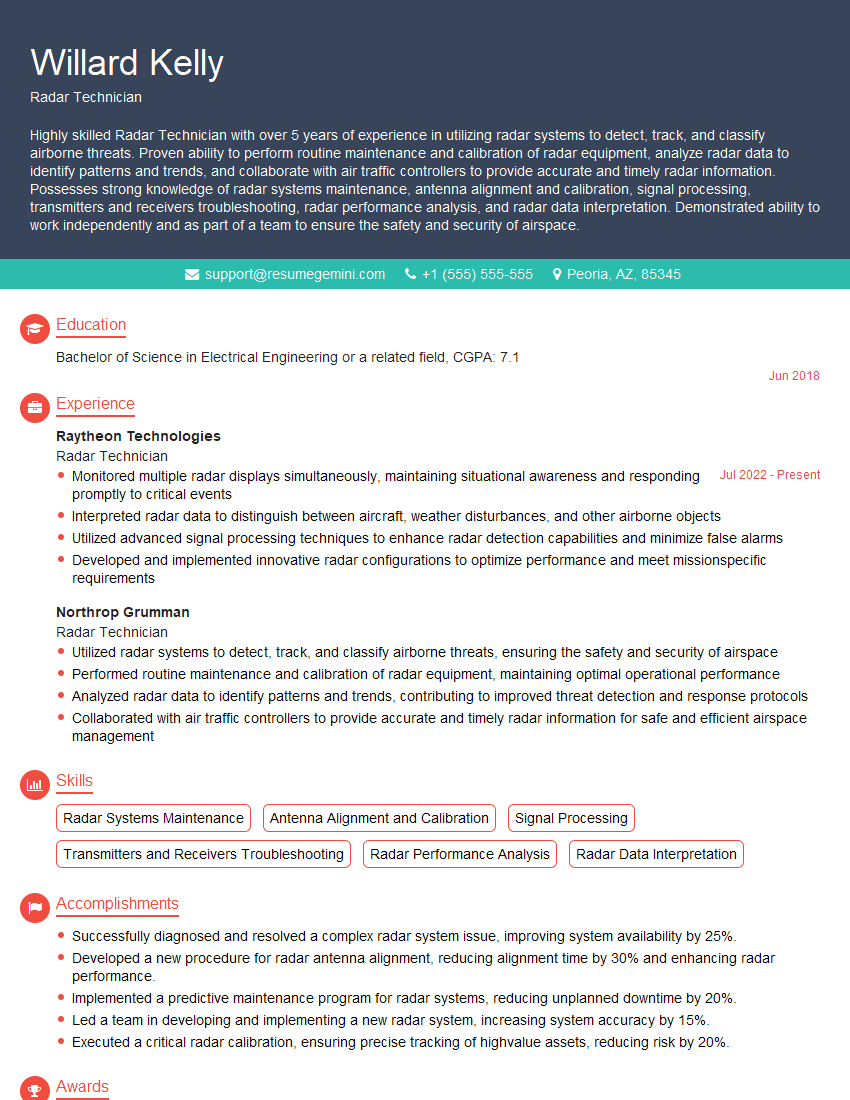
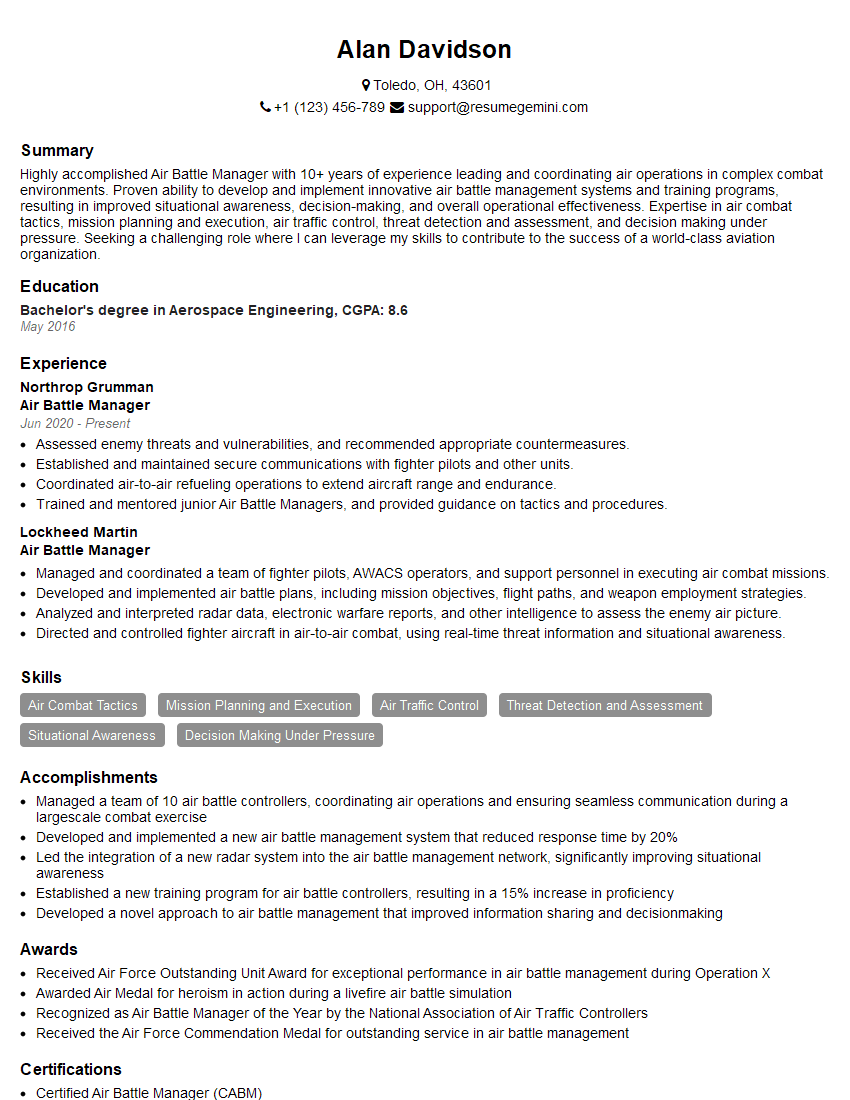
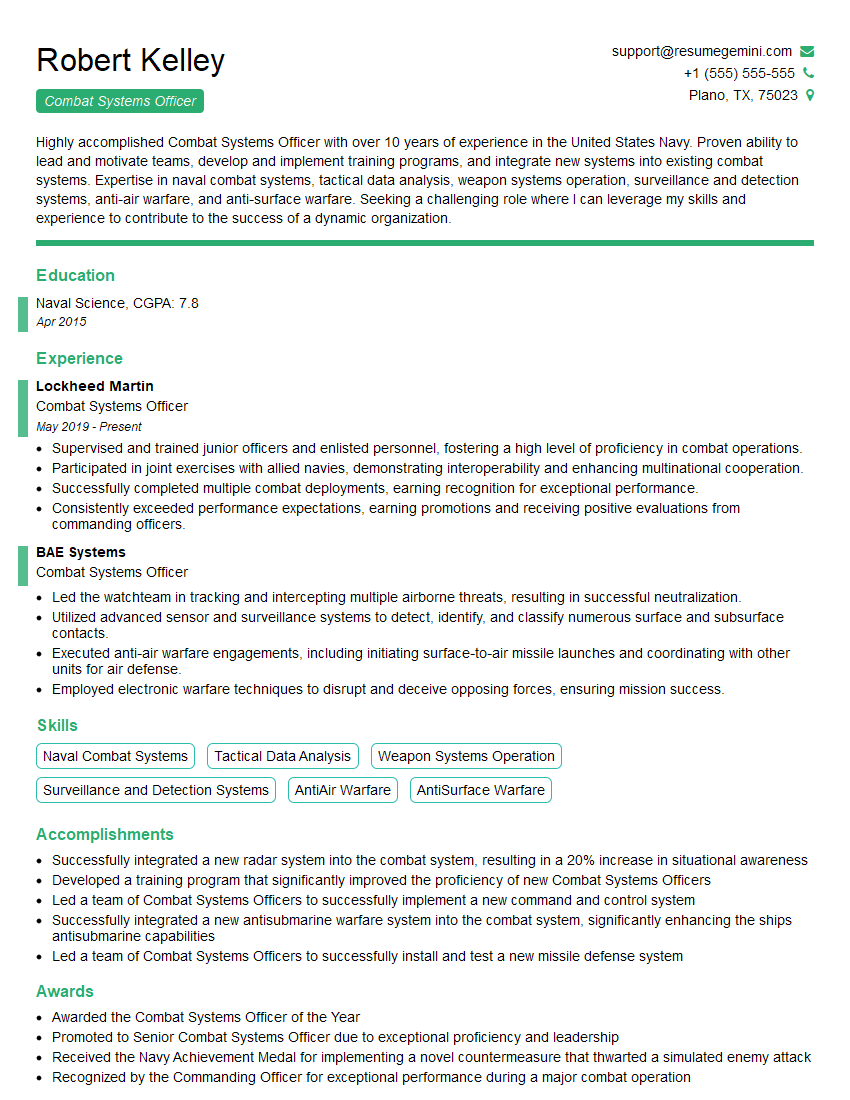
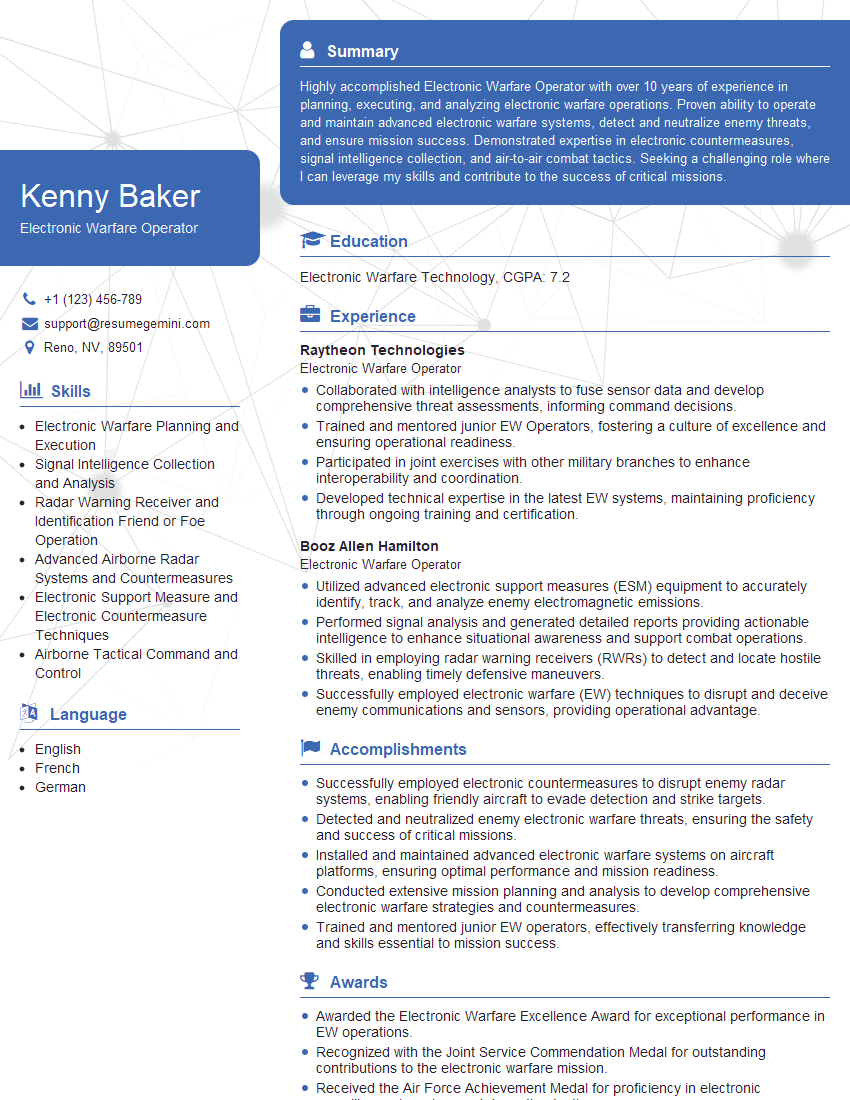
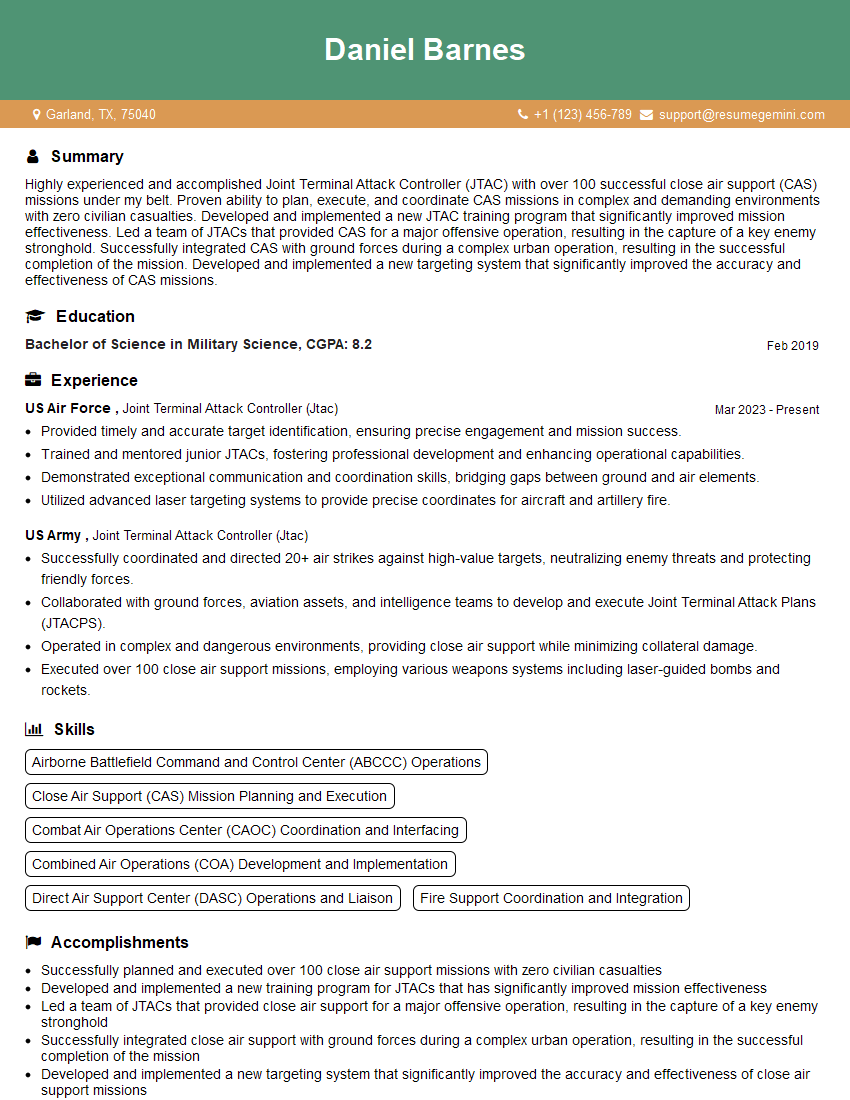
Mastering Tactical Air Control opens doors to a rewarding career with significant opportunities for growth and leadership. To maximize your chances of success, crafting a compelling and ATS-friendly resume is crucial. This ensures your skills and experience are effectively communicated to potential employers. ResumeGemini is a trusted resource that can help you build a professional and impactful resume tailored to the specific requirements of the Tactical Air Control field. Examples of resumes tailored to Tactical Air Control are available to guide you.
Explore more articles
Users Rating of Our Blogs
Share Your Experience
We value your feedback! Please rate our content and share your thoughts (optional).
What Readers Say About Our Blog
Very informative content, great job.
good