Feeling uncertain about what to expect in your upcoming interview? We’ve got you covered! This blog highlights the most important Movement Assessment interview questions and provides actionable advice to help you stand out as the ideal candidate. Let’s pave the way for your success.
Questions Asked in Movement Assessment Interview
Q 1. Describe the different methods used for assessing movement.
Movement assessment employs a variety of methods to comprehensively evaluate an individual’s motor control and functional movement capabilities. These methods are often used in combination to paint a complete picture.
Observation: This is arguably the most fundamental method, involving visual analysis of posture, movement patterns, and gait during functional activities. We look for asymmetries, compensations, and deviations from ideal movement.
Palpation: Manual examination of muscles, tendons, and joints to assess muscle tone, texture, and the presence of trigger points or other abnormalities. This provides valuable information about tissue quality and potential restrictions.
Range of Motion (ROM) assessment: Measuring the extent of joint movement in different planes using goniometers or other tools. This helps identify limitations in flexibility or joint mobility.
Muscle Length Testing: Assessing the length of individual muscles to identify potential tightness or shortness impacting movement. For example, we might measure hamstring length using a straight leg raise test.
Strength Testing: Evaluating muscle strength using manual muscle testing (MMT), dynamometers, or isokinetic testing. This determines if weakness is contributing to movement dysfunction.
Functional Movement Screens: Standardized assessments evaluating fundamental movement patterns, such as squatting, lunging, and reaching. These screens identify limitations or asymmetries that could predict injury risk.
Instrumented Movement Analysis: Utilizing advanced technologies like motion capture systems, force plates, and electromyography (EMG) to objectively quantify movement characteristics, providing detailed data on joint angles, muscle activation patterns, and ground reaction forces. This method is often used in research settings or for highly specialized clinical assessments.
Q 2. Explain the importance of observation in movement assessment.
Observation is paramount in movement assessment because it provides a holistic, dynamic view of movement that other methods may miss. It allows us to see the interplay between different body segments and the overall efficiency of movement. It’s not just about identifying the presence of a problem, but understanding the context in which it occurs.
For instance, observing a client performing a squat might reveal not just knee valgus (knees collapsing inwards), but also the antecedent factors such as foot pronation, hip adduction, or lack of core stability that are contributing to this faulty movement pattern. This holistic approach allows for more effective targeted intervention.
Furthermore, observational skills allow us to build rapport with clients. Careful observation allows for a non-judgmental approach that promotes trust, which is crucial for successful rehabilitation.
Q 3. What are the key components of a comprehensive movement screen?
A comprehensive movement screen should incorporate multiple elements to provide a thorough evaluation. The key components include:
Postural Assessment: Analyzing static posture in various positions (standing, sitting, lying) to identify muscle imbalances and asymmetries. This may reveal potential compensations that impact movement.
Observation of Functional Movements: Assessing fundamental movement patterns such as squats, lunges, push-ups, and reaching movements, noting any compensations or limitations.
ROM Assessment: Measuring active and passive ROM in key joints to identify stiffness or hypomobility.
Muscle Length and Flexibility Testing: Evaluating muscle length and flexibility of key muscle groups to identify potential restrictions influencing movement.
Strength Assessment: Assessing strength of relevant muscles (both gross and fine motor) to identify weakness potentially contributing to movement dysfunction.
Neurological Screening: Briefly checking reflexes, coordination, and balance to rule out any neurological deficits potentially influencing movement.
Pain Assessment: Documenting the presence and location of pain during movement to inform assessment and treatment planning.
The specific components and their emphasis may be adapted based on the individual’s presenting condition, activity level, and goals.
Q 4. How do you identify movement compensations?
Movement compensations are adaptations the body makes to perform a movement when there’s a limitation or dysfunction elsewhere. These compensations often seem minor, but can lead to pain or injury over time. Identifying compensations requires careful observation and a deep understanding of biomechanics.
For example, observe someone performing a squat. If they demonstrate excessive lumbar flexion (rounding of the spine), it’s a compensation for insufficient hip mobility or weakness in the core musculature. They are compromising their spinal stability to complete the squat. Another common compensation is knee valgus (knees collapsing inwards) during squatting, often due to weakness in the gluteus medius or poor foot mechanics.
Identifying compensations involves comparing observed movement patterns to ideal movement patterns and considering the individual’s anatomical and physiological limitations. We look for patterns and deviations from optimal movement strategies.
Q 5. How do you differentiate between faulty movement patterns and variations?
Differentiating between faulty movement patterns and normal variations requires a nuanced understanding of human movement and anatomy. Normal variations reflect individual differences in body structure, muscle fiber composition, and neural control. These variations don’t necessarily indicate a problem and may not lead to pain or injury.
A faulty movement pattern, on the other hand, is a deviation from ideal movement mechanics that places excessive stress on joints or tissues, increasing the risk of injury. For instance, a slight outward rotation of one foot during walking is a normal variation for many, while extreme inward rotation (pronation) which leads to strain on the knee and ankle is a faulty movement pattern.
The key is to determine if the variation is causing problems. If a movement pattern is efficient, painless, and doesn’t increase injury risk, it’s likely a normal variation. If it leads to pain, fatigue, or increased risk of injury, it is a faulty movement pattern.
Q 6. Explain the role of palpation in movement assessment.
Palpation plays a crucial role in movement assessment by providing tactile information about the underlying tissues. It allows us to assess the quality of muscle tissue, identify areas of tension or restriction, and detect trigger points.
For example, palpating the hamstring muscles can reveal tightness or trigger points that may be limiting hip extension and contributing to compensatory movement patterns during activities like squatting or running. Similarly, palpating the shoulder muscles can help identify muscle spasms or trigger points, which contribute to shoulder impingement or limited range of motion.
Palpation is often combined with observation and other assessment methods. For example, we might observe limited shoulder flexion, then palpate the surrounding muscles to identify specific areas of restriction before implementing targeted treatment.
Q 7. How do you assess muscle length and flexibility?
Assessing muscle length and flexibility involves a combination of observation, palpation, and specific tests. There are several methods to measure both:
Goniometry: Using a goniometer to measure the passive range of motion at a joint, indirectly assessing muscle length around that joint.
Muscle Length Tests: Specific tests are performed to measure the length of individual muscles. Examples include the straight leg raise test for hamstring length, the Thomas test for hip flexor length, and the Ober test for tensor fascia latae length.
Passive Range of Motion: The clinician passively moves a joint to its end range of motion; limitations might indicate muscle or tissue tightness.
Active Range of Motion: The client actively moves the joint to assess strength and coordination alongside flexibility.
Palpation: Feel for muscle tension or tightness during passive range of motion assessment.
It is crucial to consider the interplay between different muscle groups. Tightness in one muscle can often lead to compensatory patterns in other muscles. The overall assessment must be integrated into a holistic understanding of the body’s movement patterns.
Q 8. How do you assess muscle strength and endurance?
Assessing muscle strength and endurance involves a multifaceted approach combining subjective and objective measures. We start by understanding the client’s medical history and activity levels to establish a baseline. Then, we employ a variety of tests.
Manual Muscle Testing (MMT): This involves applying resistance to a specific muscle group through a range of motion. It’s graded on a 0-5 scale, with 0 representing no contraction and 5 representing normal strength against full resistance. For example, we might assess the strength of the quadriceps by resisting knee extension.
Dynamometry: Hand-held dynamometers provide objective measurements of muscle strength by quantifying the force generated. This gives us precise data, particularly helpful for tracking progress over time.
Functional Tests: These assess strength in the context of movement. Examples include timed sit-to-stand tests, push-up tests, and single-leg hop tests. These evaluate how well the muscles work together to perform functional tasks.
Endurance Assessments: These focus on how long a muscle group can sustain a given level of exertion. We might use exercises like wall sits (for quadriceps endurance) or plank holds (for core endurance) with timed repetitions or sustained holds. We carefully monitor form to ensure correct technique.
The choice of tests depends on the individual’s condition, goals, and limitations. A comprehensive assessment will often incorporate several methods to gain a holistic understanding of both strength and endurance capabilities.
Q 9. How do you assess joint mobility and stability?
Joint mobility and stability are assessed using a combination of observation, palpation, and specific range-of-motion tests. We assess both the amount of movement (mobility) and the control and support provided by the surrounding musculature (stability).
Passive Range of Motion (PROM): This is the amount of movement achievable by the examiner moving the joint. This helps to identify any restrictions in the joint capsule or surrounding soft tissues. For example, we’d assess shoulder flexion by passively moving the client’s arm overhead.
Active Range of Motion (AROM): This is the amount of movement the client can achieve independently. This reveals both joint limitations and muscle weakness or tightness. The difference between PROM and AROM can highlight potential muscle imbalances or joint problems.
Joint Stability Tests: These involve stressing the joint in various directions to assess its stability against gravity and applied forces. For example, the anterior drawer test evaluates the anterior cruciate ligament (ACL) stability in the knee.
Palpation: Manual examination of the joint and surrounding soft tissues provides valuable information about muscle tone, swelling, tenderness, and the quality of movement. It helps us pinpoint specific areas of dysfunction.
We use goniometers for precise measurements of joint angles during range-of-motion tests, providing objective data for comparison over time. Observations, combined with specific tests, enable a detailed understanding of each joint’s capacity and potential limitations.
Q 10. Describe your process for documenting movement findings.
Documentation is crucial for accurate record-keeping, communication, and tracking progress. My documentation process involves a standardized format that includes:
Client Demographics and History: This includes age, medical history, current complaints, and any previous injuries relevant to movement.
Observation Notes: Detailed observations of posture, gait, and movement patterns during functional activities (e.g., walking, squatting, reaching). I note any asymmetries or compensations.
Muscle Strength and Endurance Test Results: I record the results of MMT, dynamometry, and functional tests using standardized scoring systems.
Joint Mobility and Stability Assessment: This includes specific measurements of PROM and AROM for each joint, results of joint stability tests, and palpatory findings.
Interpretative Summary: I synthesize my findings, highlighting key limitations, potential causes, and areas requiring intervention. This section is vital for shaping the rehabilitation plan.
Photographs or Videos: Visual documentation can be invaluable for tracking progress and showing subtle changes over time.
I use a structured electronic health record (EHR) system to ensure consistency and accessibility of the documentation. Clear, concise, and accurate documentation is essential for effective communication with other healthcare professionals and for demonstrating the effectiveness of interventions.
Q 11. How do you communicate your assessment findings to clients/patients?
Communicating assessment findings effectively is crucial for client understanding and adherence to treatment. I use a client-centered approach, tailored to their individual understanding and learning styles.
Plain Language: I avoid medical jargon and use simple, understandable terms to explain the findings and their implications.
Visual Aids: I often use diagrams, photographs, or videos to illustrate movement patterns, limitations, and corrective strategies.
Collaborative Discussion: I encourage clients to ask questions and participate actively in the discussion of their assessment results. This helps build rapport and fosters a shared understanding of the plan moving forward.
Written Summary: I provide a concise written summary of the findings and recommendations, which clients can take with them to refer to later.
Goal Setting: I collaborate with the client to establish realistic and attainable goals, based on the assessment findings.
For example, instead of saying ‘decreased hip internal rotation,’ I might say, ‘it’s difficult to turn your leg inward, which can affect your ability to perform certain movements.’ This ensures clear communication, building trust and encouraging active participation.
Q 12. Explain the principles of functional movement assessment.
Functional movement assessment (FMA) focuses on evaluating movement patterns in the context of real-world activities. It moves beyond isolating individual muscles or joints and assesses how the body works as a whole to perform functional tasks. The core principles include:
Holistic Approach: Considering the interplay of multiple systems (neuromuscular, musculoskeletal, and cardiorespiratory) in movement.
Emphasis on Functional Tasks: Assessing movement patterns during activities of daily living (ADLs) such as walking, squatting, lifting, and reaching.
Identification of Movement Limitations: Determining specific movement restrictions and compensations that may contribute to pain, injury risk, or decreased performance.
Individualized Approach: Recognizing that movement patterns vary among individuals due to factors like age, activity level, and previous injuries.
Predictive Value: Identifying individuals at increased risk of injury or dysfunction based on observed movement patterns.
FMA is not just about identifying problems; it’s about understanding the underlying causes and developing strategies to improve movement quality and efficiency. It guides the creation of individualized exercise programs and injury prevention strategies.
Q 13. How do you integrate movement assessment findings into an exercise program?
Movement assessment findings directly inform the design of an effective exercise program. The process involves:
Identifying Deficits: Based on the assessment, we pinpoint areas of weakness, limited mobility, poor stability, or faulty movement patterns.
Prioritizing Goals: We work with the client to define realistic and achievable goals, such as improving strength, flexibility, balance, or reducing pain.
Exercise Selection: We choose exercises that specifically address the identified deficits. This might include strengthening exercises for weak muscle groups, stretching for limited mobility, and balance exercises for instability.
Progression and Modification: The program is carefully progressed to challenge the client appropriately, while also making modifications as needed based on their response and progress.
Monitoring and Adjustment: We continuously monitor the client’s progress and adjust the program accordingly. Regular reassessment ensures the program remains relevant and effective.
For instance, if the assessment reveals weak core muscles and limited hip mobility, the exercise program will incorporate core strengthening exercises (like planks and bird-dog) and hip mobility exercises (like hip flexor stretches and cat-cow). The exercises are carefully progressed based on the client’s tolerance, ensuring that the program is challenging but safe and effective.
Q 14. Describe your experience with different movement analysis tools (e.g., video analysis, force plates).
I have extensive experience utilizing various movement analysis tools to enhance the accuracy and objectivity of my assessments.
Video Analysis: This is a cornerstone of my assessment process. I use high-definition video cameras to record clients performing functional movements. Software allows for slow-motion playback, frame-by-frame analysis, and angle adjustments, revealing subtle compensations or movement inefficiencies that might be missed during live observation. This is particularly useful for gait analysis and evaluating complex movements.
Force Plates: These platforms measure ground reaction forces during movement, providing quantitative data on balance, gait parameters (e.g., stride length, cadence), and power output. This objective data complements visual observations and provides valuable insights into dynamic stability and movement efficiency. Force plate data is especially valuable in diagnosing and managing balance disorders and athletic performance enhancement.
Motion Capture Systems: While less frequently used in my everyday practice, I’ve had the opportunity to utilize motion capture systems (e.g., those employing reflective markers) for more detailed kinematic analysis. These systems provide three-dimensional data on joint angles, velocity, and acceleration throughout movement. This is useful for research purposes and complex injury evaluations.
The choice of tool depends on the specific needs of the client and the research question being addressed. The integration of these objective measures with subjective clinical findings leads to a more comprehensive and reliable assessment, allowing for the development of targeted and individualized intervention strategies.
Q 15. How do you adapt your assessment approach for different populations (e.g., athletes, elderly, children)?
Adapting my movement assessment approach hinges on understanding the unique physiological and psychological characteristics of each population. For athletes, the focus shifts towards identifying movement limitations that hinder performance and optimizing biomechanics for peak efficiency. This might involve advanced techniques like 3D motion capture analysis to assess subtle flaws in running form or detailed analysis of strength imbalances contributing to injury risk. Assessments are tailored to the specific sport, incorporating sport-specific movements and demands.
With elderly individuals, safety is paramount. The assessment prioritizes functional mobility, balance, and fall risk assessment. I modify tests to accommodate limitations in range of motion, strength, and endurance. Simple tests like the Timed Up and Go or the Berg Balance Scale become crucial. The emphasis shifts from high-intensity performance evaluation to functional independence and fall prevention.
Assessing children demands a playful and engaging approach. I utilize age-appropriate tests and games to gather data while keeping the child comfortable and motivated. Developmental milestones are a key consideration, and assessments should reflect the typical movement patterns for their age group. For example, instead of formal gait analysis, I might observe their spontaneous play to gauge coordination and motor control.
Career Expert Tips:
- Ace those interviews! Prepare effectively by reviewing the Top 50 Most Common Interview Questions on ResumeGemini.
- Navigate your job search with confidence! Explore a wide range of Career Tips on ResumeGemini. Learn about common challenges and recommendations to overcome them.
- Craft the perfect resume! Master the Art of Resume Writing with ResumeGemini’s guide. Showcase your unique qualifications and achievements effectively.
- Don’t miss out on holiday savings! Build your dream resume with ResumeGemini’s ATS optimized templates.
Q 16. Describe your experience with specific movement disorders or dysfunctions.
My experience encompasses a range of movement disorders and dysfunctions. I’ve worked extensively with individuals exhibiting postural deviations like scoliosis and kyphosis, utilizing postural analysis and employing strategies to improve posture and reduce pain. I’ve also assessed and treated individuals with lower extremity injuries, such as ACL tears and ankle sprains, focusing on gait retraining and restoring functional mobility.
Furthermore, I have experience with neurological conditions such as Parkinson’s disease and cerebral palsy, where my assessments involve evaluating motor control, balance, and coordination. These assessments often incorporate specialized tools and scales to quantify impairments and track progress. For example, I use the Unified Parkinson’s Disease Rating Scale (UPDRS) when working with individuals with Parkinson’s.
Each case presents unique challenges requiring a nuanced approach. Careful observation, detailed history taking, and targeted assessments are crucial in forming an accurate diagnosis and developing an effective intervention plan.
Q 17. How do you ensure the safety of your clients during movement assessment?
Client safety is my top priority. Before starting any assessment, I conduct a thorough health history review and discuss any pre-existing conditions or limitations. This includes obtaining informed consent and understanding any contraindications to specific tests.
During the assessment, I ensure a safe environment, using appropriate surfaces and equipment. I always start with simpler movements and gradually progress to more complex ones, observing the client’s response closely. If I detect any discomfort or signs of distress, I immediately modify or cease the test. Modifications might include altering the range of motion, providing assistance, or using alternative assessment methods.
For example, if a client shows signs of dizziness during a balance test, I’ll immediately support them and modify the test to a less challenging variation. Postural assessments are also performed in a safe and supportive environment to prevent falls. Continuous monitoring and communication with the client throughout the assessment are key to ensuring their safety and well-being.
Q 18. How do you handle situations where a client’s movement limitations are outside your scope of practice?
When encountering movement limitations beyond my scope of practice, I prioritize ethical and professional conduct. My first step is to carefully document the client’s presentation and any findings from my assessment. Then, I refer the client to an appropriate healthcare professional, such as a physician, physical therapist, or neurologist, who possesses the expertise to address their specific needs.
I maintain open communication with the referral professional, sharing pertinent information from my assessment to facilitate a seamless transition of care. This collaborative approach ensures the client receives comprehensive and appropriate care.
For example, if I assess a client with severe neurological symptoms, I would refer them to a neurologist for diagnosis and treatment, while providing them with a summary of my observations on their movement capabilities. Clear and timely referrals are essential for providing optimal patient care.
Q 19. Explain the role of technology in movement assessment.
Technology plays a transformative role in movement assessment, offering increased objectivity, accuracy, and efficiency. Motion capture systems utilizing cameras and markers provide detailed kinematic data on joint angles, velocities, and accelerations, allowing for precise analysis of movement patterns. Force plates quantify ground reaction forces during gait and other activities. Electromyography (EMG) assesses muscle activation patterns, identifying potential muscle imbalances or inefficient recruitment strategies.
Wearable sensors provide real-time data on movement parameters, enabling remote monitoring and objective feedback during rehabilitation. These tools can provide data that the human eye simply can’t capture. Furthermore, software applications can process this data, creating visual representations of movement and generating quantitative reports. This allows for more precise identification and quantification of movement impairments.
However, it’s crucial to remember that technology is a tool; it does not replace the importance of clinical judgment and the human element in the assessment process. The technology needs to inform clinical interpretation, not replace it.
Q 20. How do you stay current with the latest advancements in movement assessment?
Staying current in the ever-evolving field of movement assessment requires a multifaceted approach. I regularly attend professional conferences and workshops, engaging with leading researchers and clinicians. I actively participate in continuing education courses to stay abreast of new assessment techniques, technologies, and research findings.
I subscribe to peer-reviewed journals and relevant professional organizations’ publications, keeping my knowledge base updated. I also maintain a strong network of colleagues within the field, exchanging knowledge and collaborating on challenging cases. Regularly reviewing published research on specific assessment techniques and movement disorders ensures my practice reflects the latest evidence-based practices.
Q 21. Explain the biomechanical principles behind common movement patterns.
Biomechanical principles underpin our understanding of movement patterns. Newton’s laws of motion govern how forces act on the body, impacting acceleration, momentum, and stability. For example, understanding Newton’s third law (action-reaction) helps explain how ground reaction forces influence gait.
Levers and torque are crucial in analyzing joint movements. Understanding lever arm lengths and muscle force application points clarifies muscle efficiency and potential for injury. For instance, a longer lever arm requires more force to generate the same torque.
Kinematics (motion description) and kinetics (forces causing motion) work together. For instance, analyzing gait involves observing joint angles (kinematics) while simultaneously considering the forces generated by muscles and ground reaction forces (kinetics). These principles are crucial for analyzing and interpreting movement patterns, identifying deviations, and designing interventions to improve performance and reduce injury risk. Understanding these principles is foundational to effective movement assessment.
Q 22. What are the potential risks associated with incorrect movement assessment?
Incorrect movement assessment carries significant risks, potentially leading to ineffective or even harmful interventions. Think of it like building a house on a faulty foundation – the whole structure is compromised.
- Injury Risk: Misinterpreting movement patterns can lead to exercise prescription that exacerbates existing weaknesses or creates new injuries. For instance, prescribing heavy squats to someone with pre-existing knee instability could worsen the condition.
- Delayed Recovery: An inaccurate assessment might target the wrong areas for rehabilitation, prolonging recovery time. A runner with IT band syndrome might see minimal improvement with core strengthening alone if the underlying biomechanical issue isn’t addressed.
- Reduced Performance: Failing to identify movement inefficiencies can hinder athletic performance. A golfer with a flawed swing might struggle to improve distance and accuracy despite increased training volume.
- Frustration and Loss of Confidence: Clients may become discouraged if their progress is slow or nonexistent due to inappropriate interventions based on flawed assessments.
- Liability Issues: In a professional setting, inaccurate assessments can lead to legal repercussions if they result in injury or harm to the client.
Therefore, a thorough and accurate movement assessment is crucial for safe and effective interventions.
Q 23. Describe a case where your movement assessment helped improve a client’s performance or recovery.
I worked with a collegiate basketball player experiencing recurring ankle sprains. Initial assessments revealed limited ankle dorsiflexion and poor proprioception (awareness of joint position). Subjective reports indicated pain and instability, especially during lateral movements.
My assessment included the Functional Movement Screen (FMS), which highlighted significant asymmetries in his deep squat and hurdle step. Further objective testing using goniometry confirmed the limited ankle mobility. We also observed compensation patterns in his jumping and landing mechanics.
The intervention focused on improving ankle mobility through targeted stretching and strengthening exercises, proprioceptive training (balance board exercises), and correcting his movement patterns during dynamic activities. After eight weeks, he reported significant pain reduction, improved ankle stability, and a noticeable enhancement in his on-court performance. The FMS scores also improved significantly, reflecting the positive changes in his movement quality.
Q 24. How do you establish rapport and trust with clients during movement assessment?
Establishing rapport and trust is paramount in movement assessment. It’s about creating a safe and collaborative environment where the client feels comfortable and understood. I approach this in several ways:
- Active Listening: I begin by actively listening to the client’s concerns, history, and goals. This shows genuine interest and allows me to tailor the assessment to their specific needs.
- Clear Explanation: I clearly explain the purpose and process of the assessment in simple, non-technical language, ensuring the client understands what to expect.
- Empathy and Respect: I create a safe space for the client to express their discomfort or limitations without judgment. I respect their boundaries and adjust the assessment as needed.
- Demonstrations and Visual Aids: Whenever possible, I use demonstrations and visual aids to make the assessment process more understandable and less intimidating. Showing them what to expect makes them feel more at ease.
- Feedback and Education: Throughout the assessment, I provide feedback and education, explaining the observations and their significance. This empowers the client and makes them an active participant in the process.
By fostering a strong client-practitioner relationship, I facilitate a more accurate and productive assessment, laying the foundation for successful intervention.
Q 25. Explain the difference between subjective and objective data in movement assessment.
Subjective and objective data are both critical for a comprehensive movement assessment, offering different but complementary perspectives. Think of it like getting a full picture from two different cameras, one capturing overall context and the other the minute details.
- Subjective Data: This is information gathered from the client’s perspective, including their reported symptoms, pain levels, medical history, activity levels, and personal goals. It’s gathered through questionnaires, interviews, and discussions. Examples include self-reported pain on a visual analogue scale (VAS) or a description of their symptoms.
- Objective Data: This is quantifiable information obtained through observation, physical examination, and standardized tests. Examples include ROM measurements using a goniometer, posture analysis, timed movement tasks, functional tests (e.g., FMS, YBT), and performance metrics.
Combining both subjective and objective data provides a more complete understanding of the client’s movement patterns and limitations, reducing the risk of misinterpretation and enabling a more targeted intervention plan.
Q 26. How do you interpret and integrate various assessment measures to form a holistic conclusion?
Integrating various assessment measures requires a holistic approach, focusing on identifying patterns and correlations rather than isolated findings. It’s like assembling a puzzle—each piece contributes to the overall picture.
My approach involves:
- Data Collection: Gathering comprehensive subjective and objective data using a combination of methods – interviews, observation, palpation, standardized tests (FMS, YBT, etc.), and other relevant assessments.
- Pattern Recognition: Identifying patterns and correlations across various assessment measures. For example, limited ankle dorsiflexion during the FMS deep squat might be correlated with decreased vertical jump height and self-reported knee pain.
- Hypothesis Generation: Formulating hypotheses to explain the observed patterns and limitations, considering the client’s individual factors and context.
- Hypothesis Testing: Testing the hypotheses through further assessment or observation. This might involve targeted movement analysis, strength testing, or functional tasks.
- Conclusion and Intervention Plan: Based on the integrated findings, formulating a holistic conclusion and developing a tailored intervention plan that addresses the identified movement limitations and addresses the client’s goals.
This iterative process ensures that the intervention is not only informed but also adapted and refined as needed based on the client’s progress and response to treatment.
Q 27. Describe your experience using specific assessment scales or tests (e.g., FMS, YBT).
I have extensive experience using the Functional Movement Screen (FMS) and the Vertical Jump Test (YBT).
- FMS: The FMS is a valuable tool for identifying movement limitations and asymmetries. I use it to screen for fundamental movement patterns, assigning scores based on the quality of movement. Lower scores indicate areas needing attention. I find it particularly useful for identifying potential injury risks and guiding exercise prescription.
- YBT: The YBT provides objective measures of lower body power. The test is simple to administer yet provides valuable information about power development, explosive strength, and potential imbalances between limbs. I often use the YBT to track progress in athletes undergoing strength and conditioning programs.
While these are valuable tools, I emphasize that they should be used in conjunction with other assessment methods, including subjective reporting and observation, for a comprehensive picture of the client’s movement capabilities. Each test has its limitations; relying on them solely would lead to an incomplete assessment.
Q 28. How would you assess the effectiveness of an implemented movement intervention?
Assessing the effectiveness of a movement intervention requires a multi-faceted approach, combining objective and subjective measures to monitor progress. It’s not just about whether the client feels better but quantifying the improvement.
My approach includes:
- Re-assessment using the initial measures: Repeating the initial assessments (FMS, YBT, ROM measurements, etc.) to track changes in movement quality, strength, power, and range of motion. This provides objective data to compare before and after the intervention.
- Subjective Feedback: Gathering subjective feedback from the client regarding pain levels, functional improvements, and overall satisfaction. This helps gauge the impact of the intervention on their daily life.
- Functional Testing: Assessing functional performance through task-specific tests. For example, for a runner, this could include timed runs or assessments of running economy. For a basketball player, it could include agility drills.
- Qualitative Observation: Observing movement quality during functional activities to detect improvements in technique, efficiency, and coordination.
- Outcome Measures: Using specific outcome measures relevant to the client’s goals. This might include validated questionnaires assessing quality of life or specific pain scales.
By combining these methods, a comprehensive and nuanced evaluation of the intervention’s effectiveness can be made, allowing for adjustments to the plan and optimization of results.
Key Topics to Learn for Movement Assessment Interview
- Anatomical Knowledge: Understanding joint mechanics, muscle actions, and biomechanics is fundamental. Consider reviewing key muscle groups and their roles in movement.
- Gait Analysis: Mastering the observation and interpretation of gait patterns, including identifying deviations and potential causes. Practice analyzing different gait pathologies and their implications.
- Postural Assessment: Develop proficiency in identifying postural deviations and understanding their impact on movement efficiency and potential health risks. Learn to distinguish between normal variations and true postural problems.
- Functional Movement Screens: Familiarize yourself with various movement screens (e.g., FMS, Y-Balance Test) and their application in identifying movement limitations and potential injury risks. Understand the scoring systems and interpretations.
- Clinical Reasoning & Problem Solving: Practice integrating your knowledge to diagnose movement dysfunctions. Learn to connect observed movement patterns to potential underlying causes and develop appropriate intervention strategies.
- Intervention Strategies: Explore various approaches to address identified movement limitations, encompassing manual therapy, exercise prescription, and patient education. Focus on evidence-based practices.
- Communication & Documentation: Effective communication with patients and colleagues is crucial. Practice explaining complex concepts clearly and concisely, and understand appropriate documentation methods for movement assessments.
Next Steps
Mastering Movement Assessment opens doors to exciting career opportunities in rehabilitation, sports medicine, and ergonomics, offering significant professional growth and the chance to make a real difference in people’s lives. To maximize your job prospects, it’s essential to create a strong, ATS-friendly resume that highlights your skills and experience. ResumeGemini is a trusted resource to help you build a professional and impactful resume that catches the eye of recruiters. We offer examples of resumes tailored to Movement Assessment to guide you through the process.
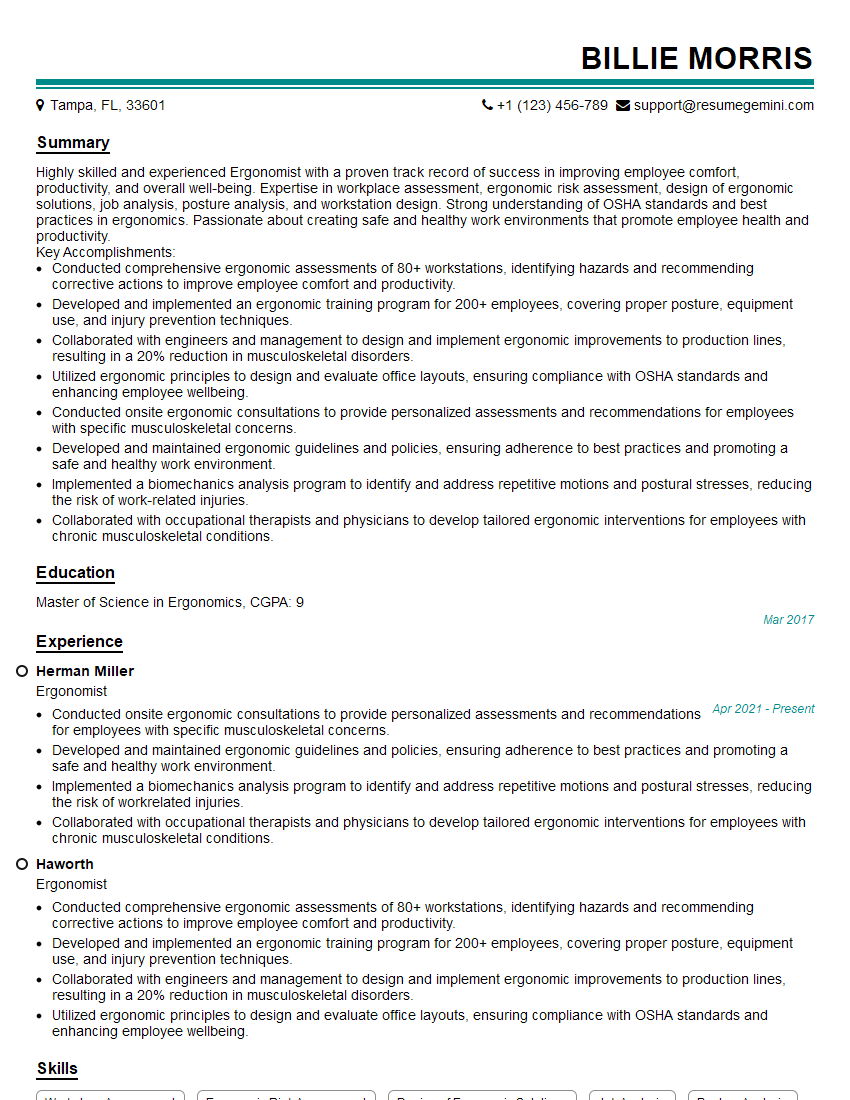
Ergonomist Resume Sample
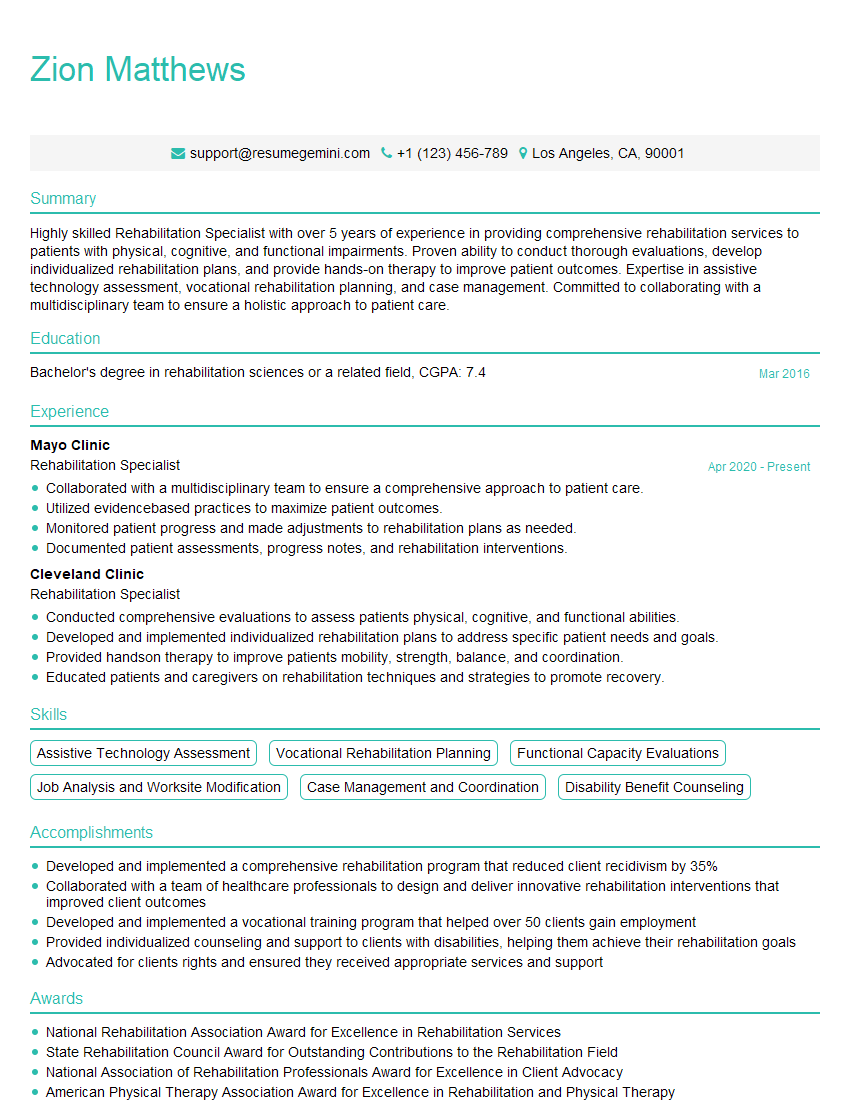
Rehabilitation Specialist Resume Sample
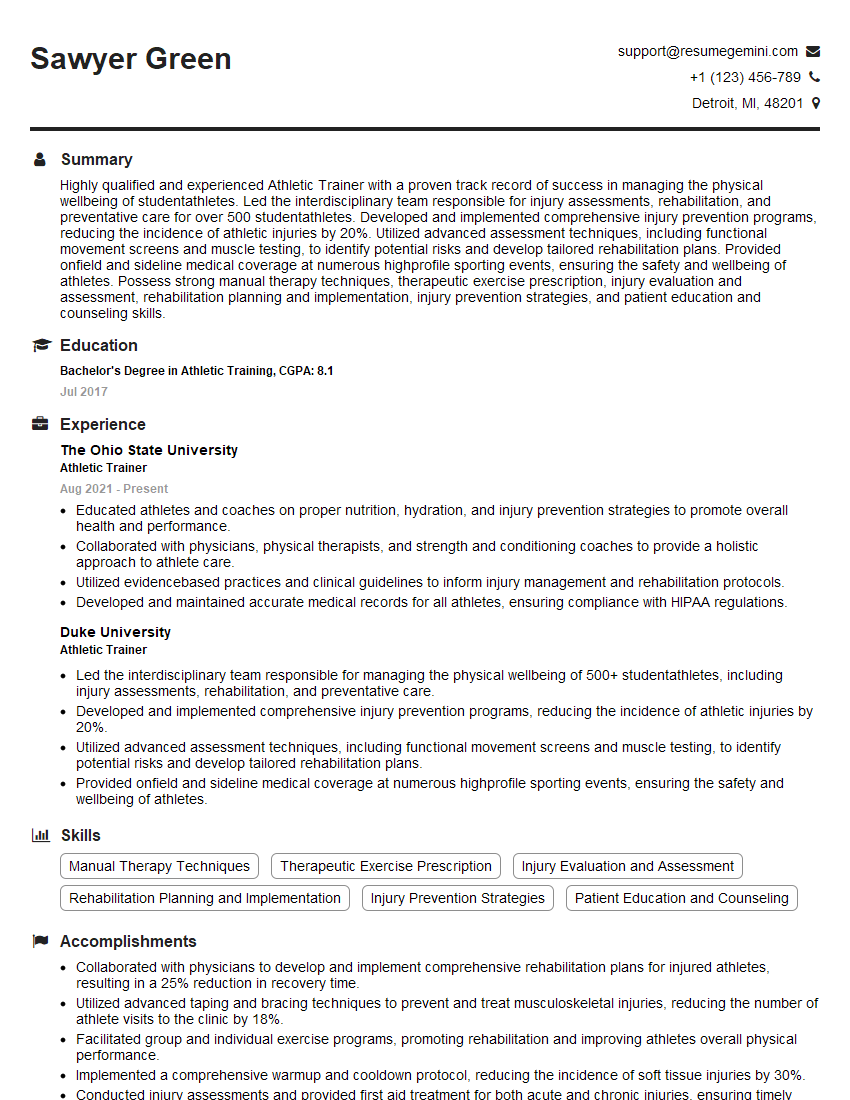
Athletic Trainer Resume Sample
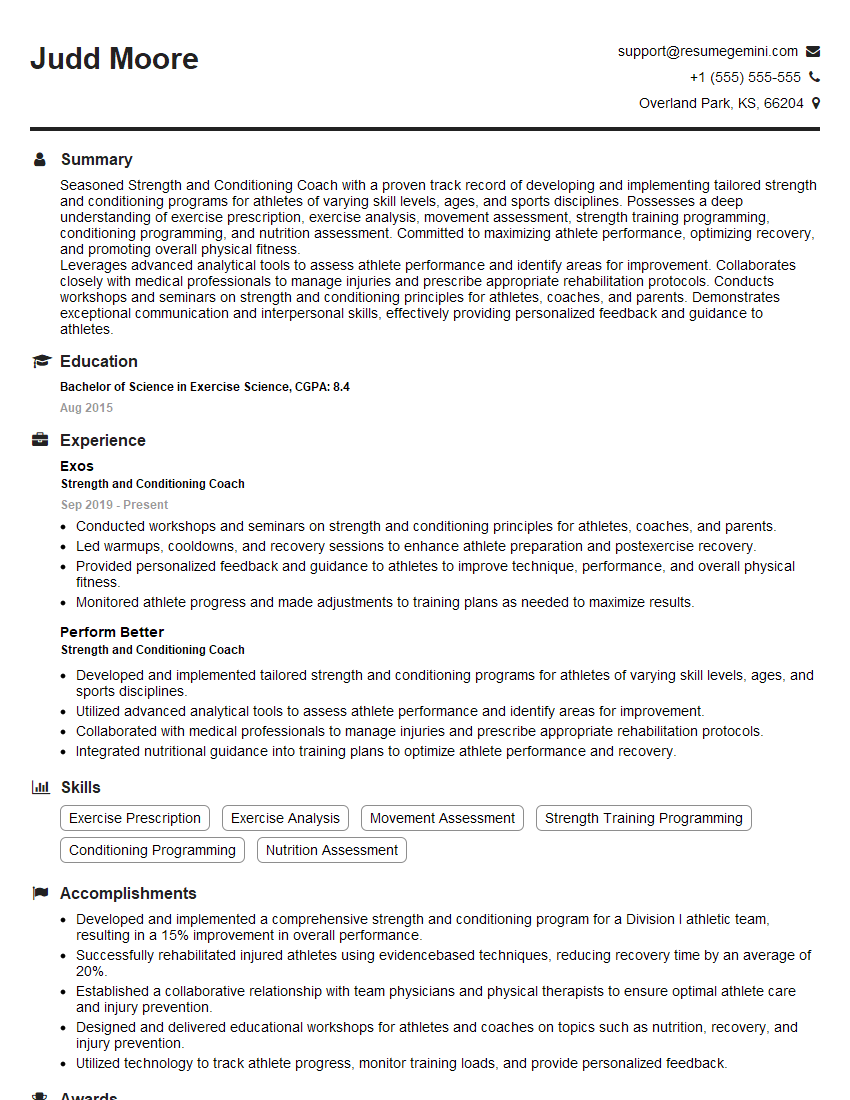
Strength and Conditioning Coach Resume Sample
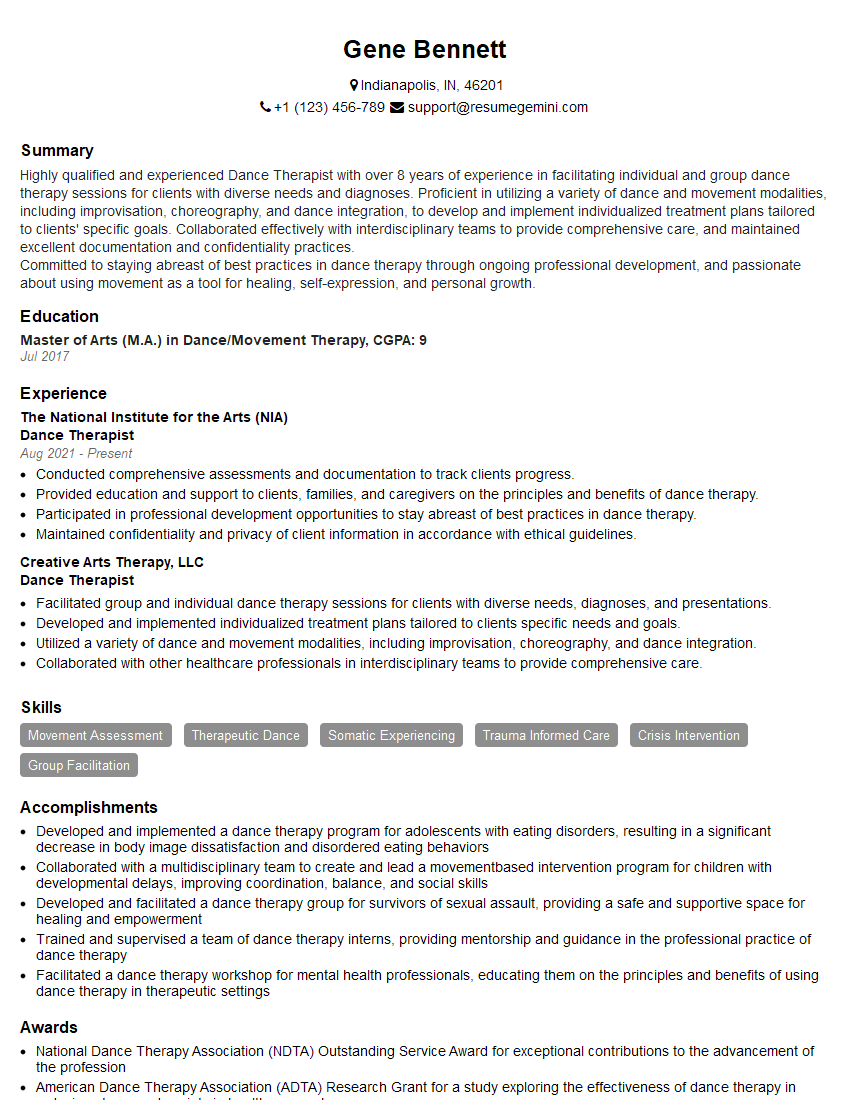
Dance Therapist Resume Sample
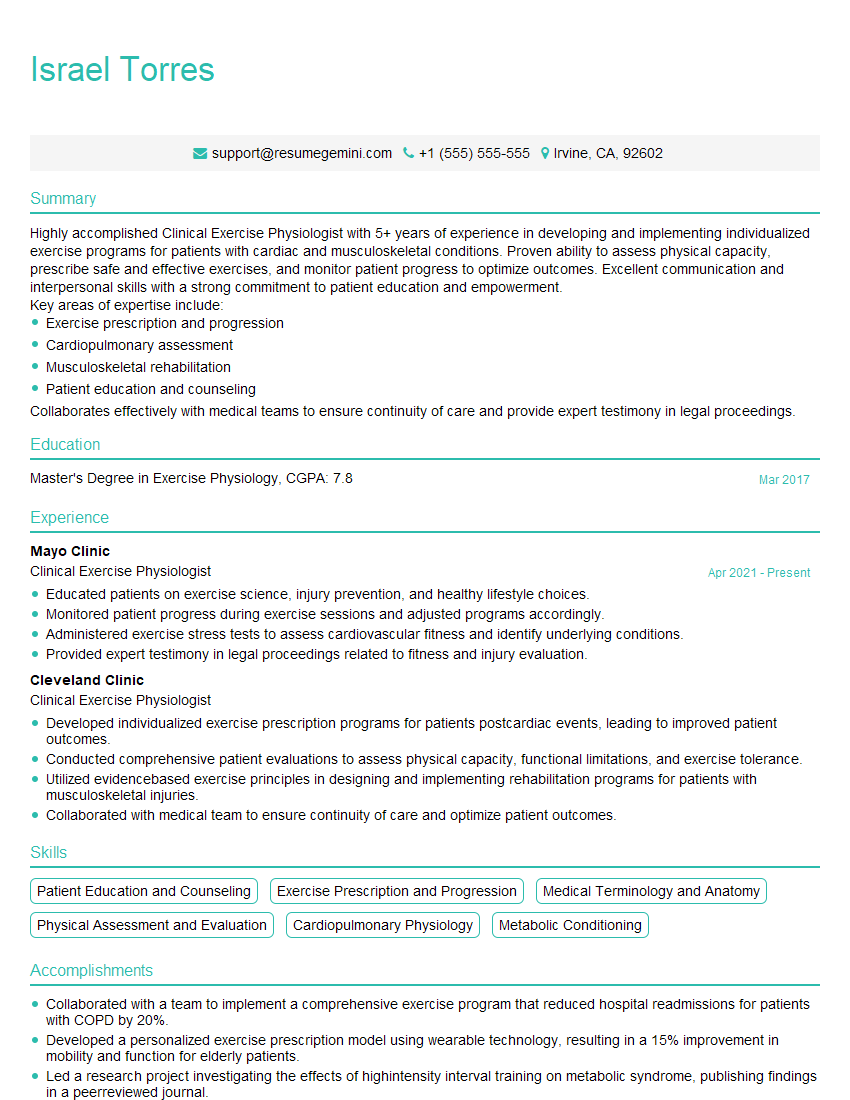
Clinical Exercise Physiologist Resume Sample
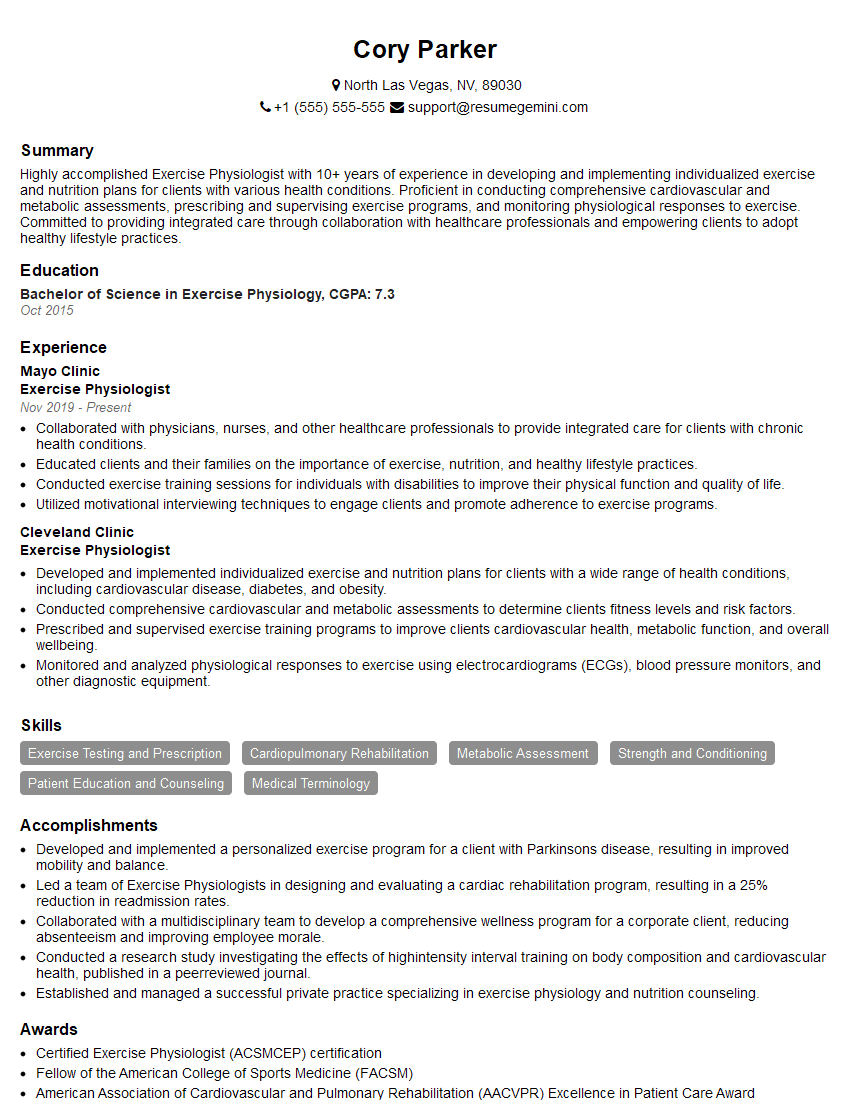
Exercise Physiologist Resume Sample
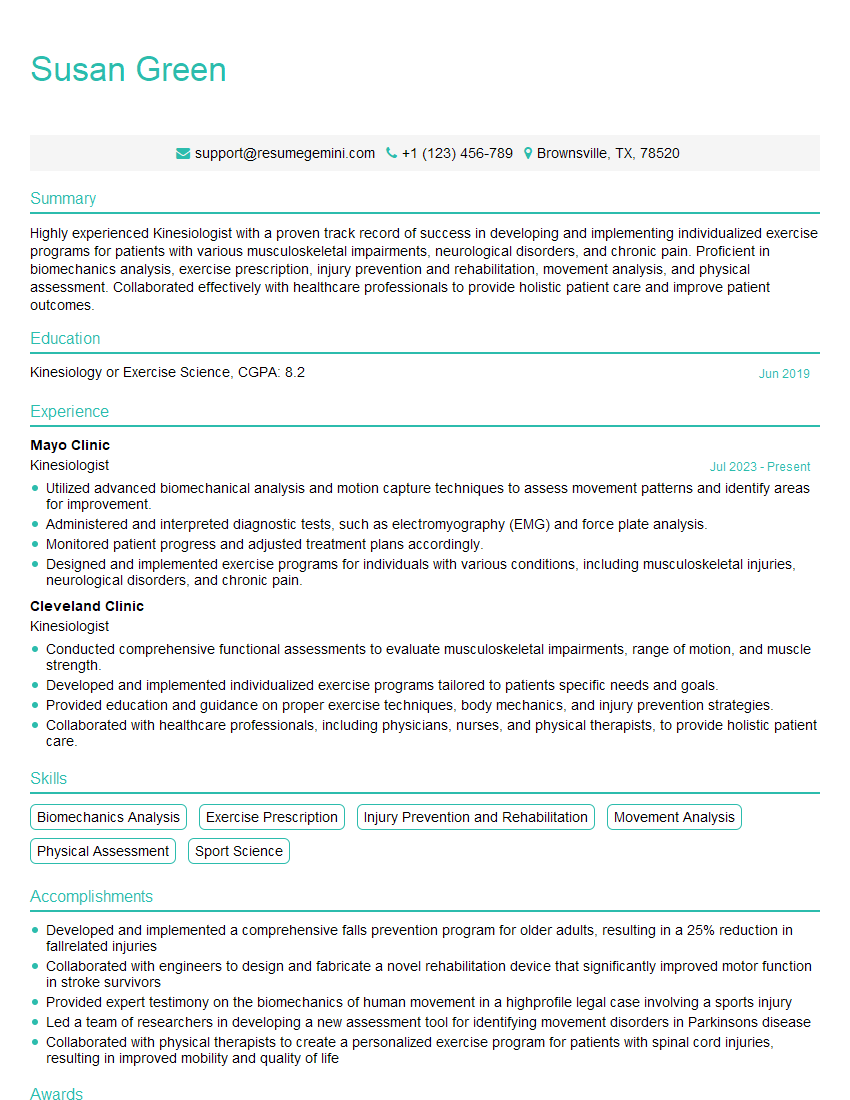
Kinesiologist Resume Sample
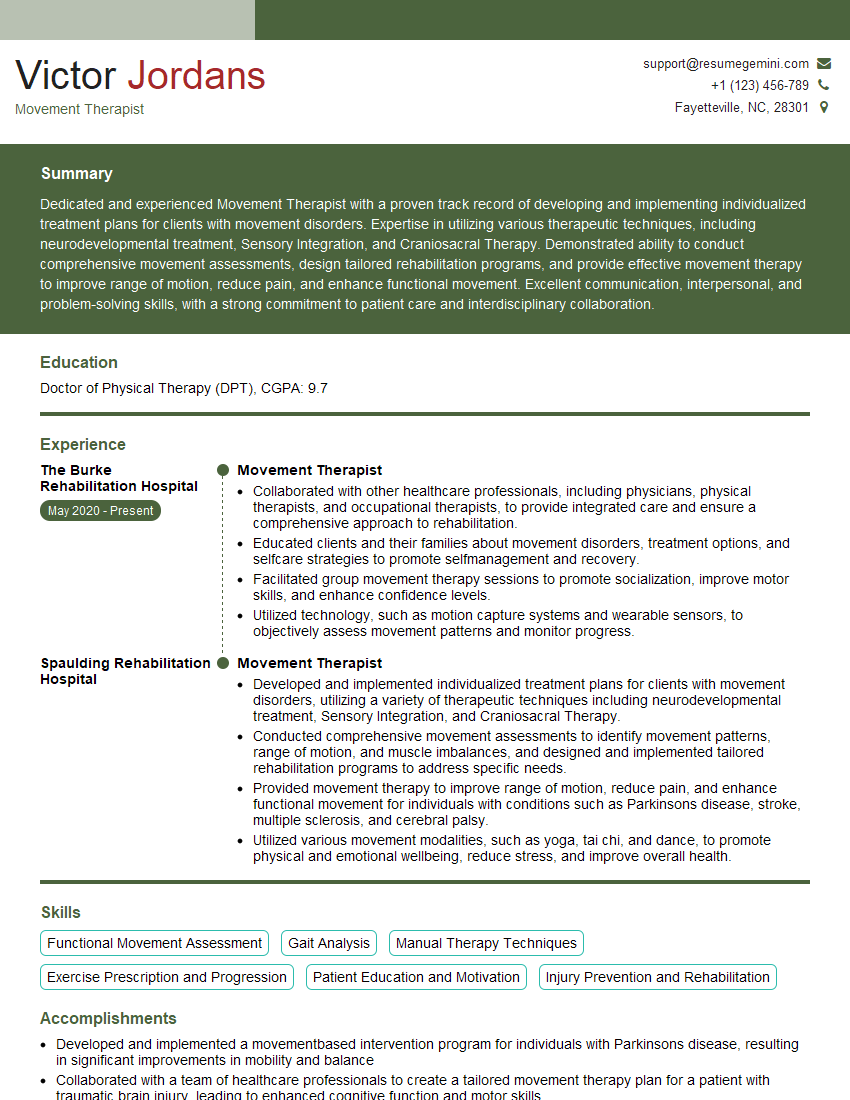
Movement Therapist Resume Sample
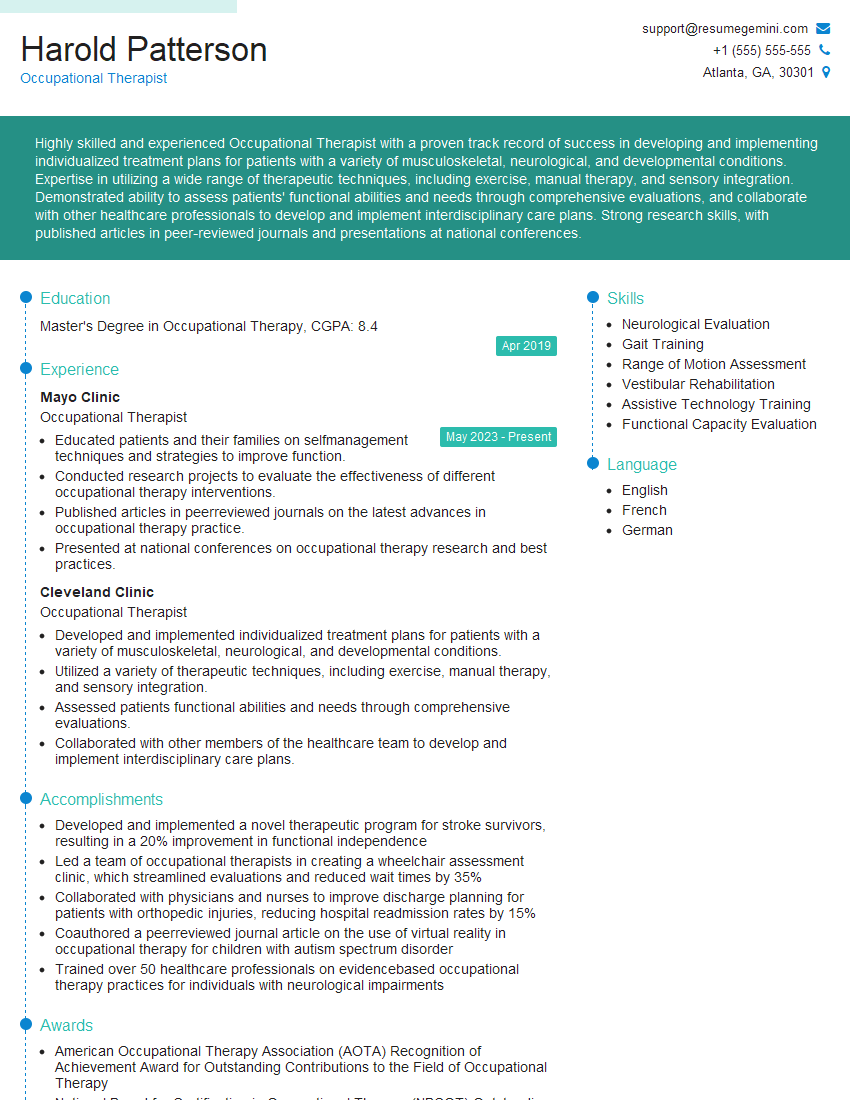
Occupational Therapist Resume Sample
Explore more articles
Users Rating of Our Blogs
Share Your Experience
We value your feedback! Please rate our content and share your thoughts (optional).
What Readers Say About Our Blog
Very informative content, great job.
good