The right preparation can turn an interview into an opportunity to showcase your expertise. This guide to Muscular Endurance interview questions is your ultimate resource, providing key insights and tips to help you ace your responses and stand out as a top candidate.
Questions Asked in Muscular Endurance Interview
Q 1. Define muscular endurance. How does it differ from muscular strength?
Muscular endurance is the ability of a muscle or group of muscles to repeatedly exert force against resistance over a prolonged period. Think of it as how long you can keep going before fatigue sets in. It differs from muscular strength, which is the maximal force a muscle or muscle group can exert in a single effort. Strength is about how much you can lift; endurance is about how long you can lift it (or perform a repetitive movement) for. For example, a powerlifter demonstrates high muscular strength, while a marathon runner showcases exceptional muscular endurance in their legs.
Q 2. Explain the physiological mechanisms underlying muscular endurance.
Muscular endurance relies on several physiological mechanisms working in concert. Firstly, the efficient use of oxygen (aerobic metabolism) is crucial. Muscles that are highly efficient at using oxygen to produce energy (ATP) can sustain contractions longer. Secondly, the ability to buffer lactic acid buildup is critical. Lactic acid accumulates during intense exercise and causes muscle fatigue. Muscles with a higher capacity to buffer this acid will endure longer. Thirdly, efficient energy storage and utilization within muscle cells plays a major role. The availability of glycogen (stored carbohydrates) and fat reserves influences how long a muscle can continue working. Finally, neuromuscular factors, such as the efficiency of nerve-muscle communication and motor unit recruitment strategies also play a part. A well-trained individual can recruit muscle fibers strategically, delaying fatigue.
Q 3. What are the key training principles for developing muscular endurance?
Effective muscular endurance training adheres to key principles:
- Progressive Overload: Gradually increasing the training volume (repetitions, sets, or time under tension) over time to continually challenge the muscles. This could mean adding more repetitions each week or increasing the duration of an exercise.
- Specificity: Training should target the specific muscles and movement patterns you aim to improve. If you want to improve cycling endurance, you should focus on exercises that mimic cycling movements.
- Regularity: Consistent training is essential. Aim for regular sessions throughout the week to stimulate adaptations. Regularity builds the habit and maximizes the benefits.
- Recovery: Adequate rest and recovery allow muscles to repair and adapt. Overtraining leads to injury and plateaus. Ensure sufficient sleep and nutrition.
- Variety: Incorporating different exercises and training methods prevents plateaus and reduces risk of overuse injuries. Varying the exercises helps to work different muscle fibers.
Q 4. Describe various assessment methods for evaluating muscular endurance.
Several methods assess muscular endurance. Some common examples are:
- Repetition Maximum (RM) Tests: Determining the maximum number of repetitions a person can perform with a given weight for a specific exercise. For example, a 1-minute push-up test.
- Time-to-Fatigue Tests: Measuring how long a person can maintain a submaximal contraction. Example: holding a plank.
- Continuous Exercise Tests: Involving prolonged endurance activities like running or cycling at a consistent intensity. Example: a 12-minute run test.
- Field Tests: These include practical, multi-joint movements assessing endurance, like the PACER (Progressive Aerobic Cardiovascular Endurance Run) test.
The choice of assessment depends on the specific muscles and activity being evaluated.
Q 5. How do you design a muscular endurance training program for a beginner?
A beginner’s muscular endurance program should prioritize proper form and gradual progression. It should start with lighter weights or resistance and higher repetitions (12-15 reps per set). Two to three sessions per week are sufficient, focusing on major muscle groups. Example:
- Week 1-4: Focus on bodyweight exercises (squats, push-ups, lunges, rows). 2-3 sets of 12-15 reps.
- Week 5-8: Introduce light weights (dumbbells, resistance bands). Maintain 2-3 sets of 12-15 reps. Increase the weight slightly if able to complete all sets and reps with good form.
- Week 9 onwards: Continue progressing the weight or resistance, gradually increasing sets and/or repetitions. Listen to your body and take rest days when needed.
Remember, proper form is paramount to prevent injuries. Start slowly, focus on quality over quantity, and gradually increase the challenge.
Q 6. How do you modify a muscular endurance program for an athlete with prior injury?
Modifying a program for an athlete with prior injury requires careful consideration. The program must avoid re-injury and facilitate healing. This often means:
- Physician Consultation: Always consult a physician or physical therapist to determine safe exercises and limitations.
- Modified Exercises: Choose exercises that don’t stress the injured area. For example, if you have a knee injury, avoid deep squats and prioritize exercises that don’t put pressure on the knee joint.
- Reduced Intensity and Volume: Start with very low intensity and volume, gradually increasing as tolerated. This might mean lighter weights, fewer reps, and more rest between sets.
- Focus on Range of Motion: Prioritize exercises that improve range of motion without causing pain. Controlled movements and mindful execution is key.
- Pain Management: If pain occurs, stop the exercise and consult a healthcare professional.
It’s crucial to listen to your body and avoid pushing through pain. Progress should be gradual and monitored closely.
Q 7. What are the benefits of incorporating muscular endurance training into overall fitness?
Incorporating muscular endurance training into an overall fitness regimen provides numerous benefits:
- Improved Posture and Stability: Stronger muscles provide better support for the body, improving posture and reducing the risk of injury.
- Enhanced Metabolism: Muscle tissue burns more calories at rest, increasing metabolism and aiding in weight management.
- Increased Bone Density: Weight-bearing exercises stimulate bone growth and increase bone density, reducing osteoporosis risk.
- Improved Cardiovascular Health: Muscular endurance training can improve cardiovascular function, reducing the risk of heart disease.
- Better Daily Function: Everyday tasks become easier with increased muscle endurance. Think of carrying groceries, climbing stairs, or playing with your kids.
- Increased Energy Levels: Improved fitness translates into increased energy and reduced fatigue throughout the day.
In essence, muscular endurance training is a cornerstone of holistic well-being, contributing to both physical and mental health.
Q 8. Explain the role of different fiber types in muscular endurance performance.
Muscular endurance, the ability of a muscle or group of muscles to repeatedly exert force over a prolonged period, relies heavily on the interplay of different muscle fiber types. We primarily consider Type I (slow-twitch) and Type II (fast-twitch) fibers.
Type I fibers are highly efficient at using oxygen (oxidative), making them resistant to fatigue. They’re crucial for endurance activities like long-distance running or holding a plank. Think of marathon runners – their leg muscles are rich in Type I fibers.
Type II fibers, further subdivided into Type IIa (fast-oxidative-glycolytic) and Type IIx (fast-glycolytic), generate more force quickly but fatigue faster. Type IIa fibers have some endurance capacity, while Type IIx fibers are primarily for short bursts of intense activity. A sprinter’s leg muscles, for instance, are more dominated by Type II fibers.
For optimal muscular endurance, training should emphasize adaptations in both fiber types. While Type I fibers are key, improving the endurance capacity of Type IIa fibers contributes significantly to overall performance in activities requiring both sustained effort and occasional bursts of power.
Q 9. Discuss the importance of proper nutrition and recovery in building muscular endurance.
Proper nutrition and recovery are absolutely paramount for building muscular endurance. Without them, your training efforts will be significantly hampered.
Nutrition: Your body needs sufficient carbohydrates for energy during exercise. These are stored as glycogen in your muscles. Depleted glycogen leads to fatigue. Adequate protein is crucial for muscle repair and growth. Iron is essential for oxygen transport to muscles. Hydration is critical; dehydration reduces performance and increases fatigue.
Recovery: This involves adequate sleep (7-9 hours), allowing your body to repair muscle damage and replenish energy stores. Active recovery, like light walking or stretching, can aid in blood flow and reduce muscle soreness. Proper hydration and nutrition are also integral parts of recovery. Ignoring recovery leads to overtraining, which counteracts your training goals.
Imagine trying to build a house without enough bricks (nutrients) and time to assemble them (recovery). The structure would be weak and incomplete. Similarly, insufficient nutrition and recovery prevent your body from adapting to endurance training.
Q 10. How does the concept of progressive overload apply to muscular endurance training?
Progressive overload is the cornerstone of any effective endurance training program. It simply means gradually increasing the demands placed on your muscles over time to continually challenge them and stimulate adaptation.
Increasing repetitions: Gradually increase the number of repetitions you perform in each set.
Increasing sets: Add more sets to your workout.
Increasing resistance (though carefully): In some endurance exercises, slight increases in resistance can be effective, but it’s crucial to prioritize maintaining good form. Overdoing resistance shifts the training focus away from endurance.
Decreasing rest periods: Reduce the rest time between sets.
For example, if you start with 3 sets of 10 repetitions of bicep curls, you might progress to 3 sets of 12, then 4 sets of 12, and so on. Always prioritize proper form to avoid injuries. The gradual increase in challenge forces your muscles to adapt, becoming stronger and more resistant to fatigue.
Q 11. Describe different training methodologies for improving muscular endurance (e.g., circuit training, interval training).
Several effective training methodologies improve muscular endurance:
Circuit training: This involves performing a series of exercises one after another with minimal rest. It improves both muscular and cardiovascular endurance. An example might include squats, push-ups, rows, and lunges, performed consecutively with short rest periods between rounds.
Interval training: This alternates high-intensity bursts of exercise with periods of rest or lower-intensity activity. This method is excellent for improving both muscular and cardiovascular endurance while enhancing your body’s ability to recover quickly. An example is performing 30 seconds of burpees followed by 30 seconds of rest, repeated for 10-15 cycles.
Tempo training: This focuses on controlling the speed and duration of each phase of an exercise (concentric, isometric, eccentric). It enhances muscle control and reduces the risk of injury, contributing to endurance. For example, a slow controlled squat with a 3-second descent, 1-second pause, and 2-second ascent.
The best methodology often depends on the individual’s fitness level, goals, and available time.
Q 12. How do you address overtraining in muscular endurance training?
Overtraining in muscular endurance training is a serious issue that can lead to injury, burnout, and decreased performance. Recognizing the signs is crucial.
Reduce training volume: Decrease the number of sets, repetitions, or training days per week.
Increase rest and recovery: Prioritize sleep, nutrition, and active recovery strategies.
Listen to your body: Pay close attention to any persistent pain or unusual fatigue.
Incorporate deloading periods: Plan for periods of reduced training intensity to allow for complete recovery.
Seek professional help: Consult a physician or certified personal trainer if symptoms persist.
Think of your muscles like a car engine. Continuously pushing it without giving it time to cool down and refuel will eventually cause damage. Properly managing training load prevents this damage.
Q 13. What are the common signs and symptoms of muscular fatigue?
Muscular fatigue manifests in various ways:
Decreased force production: You notice you can’t lift as much weight or perform as many repetitions as usual.
Muscle soreness and stiffness: Delayed-onset muscle soreness (DOMS) is common after intense exercise but persistent or excessive soreness is a red flag.
Increased perceived exertion: Tasks that were once easy now feel significantly harder.
Muscle cramps: Involuntary muscle contractions can indicate electrolyte imbalances or overexertion.
Tremors or shakiness: Noticeable trembling in muscles involved in the activity.
Changes in technique: To compensate for fatigue, you might unconsciously alter your form, increasing injury risk.
Recognizing these signs is crucial for preventing injury and ensuring you don’t push your body too far.
Q 14. Explain the relationship between muscular endurance and cardiovascular endurance.
Muscular endurance and cardiovascular endurance are closely intertwined, although they represent distinct aspects of fitness.
Muscular endurance focuses on the ability of individual muscles or muscle groups to sustain repeated contractions over time.
Cardiovascular endurance relates to the efficiency of the heart and lungs in delivering oxygen to working muscles during prolonged activity.
While you can improve one without significantly impacting the other (e.g., highly trained weightlifters might have great muscular endurance but limited cardiovascular endurance), they often support each other. Effective cardiovascular endurance ensures sufficient oxygen delivery to muscles for sustained activity, enhancing muscular endurance. Conversely, strong muscles contribute to better posture and movement efficiency, improving overall cardiovascular health.
Think of a long-distance cyclist: They need strong leg muscles (muscular endurance) to pedal continuously, but also an efficient cardiovascular system (cardiovascular endurance) to supply those muscles with oxygen for extended periods.
Q 15. Discuss the importance of proper warm-up and cool-down in muscular endurance training.
Proper warm-up and cool-down are crucial for maximizing the benefits and minimizing the risks of muscular endurance training. Think of it like preparing your car engine before a long drive and letting it cool down afterward – you get better performance and longevity.
A warm-up (5-10 minutes) should gradually increase your heart rate and body temperature. This can include light cardio, like jogging or cycling, followed by dynamic stretches – movements that mimic the exercise, like arm circles or leg swings. This prepares your muscles for the work ahead, improving blood flow and reducing the risk of injury.
A cool-down (5-10 minutes) is equally important. It helps your body gradually return to its resting state. This typically involves light cardio and static stretches – holding a stretch for 15-30 seconds – focusing on the muscles worked during the workout. This promotes flexibility, reduces muscle soreness (delayed onset muscle soreness or DOMS), and aids recovery.
Example: Before a bodyweight circuit, warm up with 5 minutes of jogging and dynamic stretches like leg swings and torso twists. After the workout, cool down with 5 minutes of walking and static stretches holding each for 30 seconds, targeting major muscle groups like quads, hamstrings, and chest.
Career Expert Tips:
- Ace those interviews! Prepare effectively by reviewing the Top 50 Most Common Interview Questions on ResumeGemini.
- Navigate your job search with confidence! Explore a wide range of Career Tips on ResumeGemini. Learn about common challenges and recommendations to overcome them.
- Craft the perfect resume! Master the Art of Resume Writing with ResumeGemini’s guide. Showcase your unique qualifications and achievements effectively.
- Don’t miss out on holiday savings! Build your dream resume with ResumeGemini’s ATS optimized templates.
Q 16. How do you adapt muscular endurance programs to accommodate different age groups?
Adapting muscular endurance programs for different age groups requires careful consideration of physical capabilities and limitations. Children and older adults have different physiological responses to exercise.
Children (under 12): Focus on fun, playful activities that build foundational strength and endurance. Limit high-intensity training and prioritize proper form over heavy loads. Bodyweight exercises and games are ideal. Supervision is crucial.
Adults (18-65): This group can handle a wider variety of training intensities and exercises. Program design can be more advanced, incorporating progressive overload and varied training methods. However, individual fitness levels need assessment.
Older Adults (65+): Prioritize safety and focus on maintaining functional strength and mobility. Start with low intensity, gradually increasing the challenge. Include exercises that improve balance and coordination. Consult a physician before starting any new program.
Example: For a child, a program might involve playing tag and doing animal walks. An adult could perform circuit training with weights or bodyweight exercises, while an older adult might benefit from chair exercises and low-impact cardio.
Q 17. How do you program for muscular endurance using bodyweight exercises?
Bodyweight exercises are an excellent way to build muscular endurance. The key is to focus on high repetitions and sets, emphasizing proper form to maintain control and prevent injury.
Program Design:
- Choose exercises: Select a variety of exercises targeting different muscle groups (e.g., squats, push-ups, lunges, planks, burpees).
- Set and rep scheme: Aim for 3 sets of 15-20 repetitions for each exercise. Adjust based on fitness level. The goal is to fatigue the muscle, not necessarily reach failure.
- Rest periods: Keep rest periods short (30-60 seconds) between sets to enhance endurance.
- Progressive overload: Gradually increase the difficulty over time by increasing repetitions, sets, or by adding variations to the exercises.
Example Program:
- Squats: 3 sets of 15-20 repetitions
- Push-ups: 3 sets of as many repetitions as possible (AMRAP)
- Lunges: 3 sets of 10-12 repetitions per leg
- Plank: 3 sets, holding for 30-60 seconds
This program can be modified by changing the exercises or adjusting the sets and repetitions to suit the individual’s fitness level.
Q 18. How do you program for muscular endurance using resistance training equipment?
Resistance training equipment allows for more precise control over the intensity and progression of muscular endurance training. Similar principles apply as with bodyweight training, but we have more tools to adjust the load.
Program Design:
- Choose exercises: Select a variety of exercises targeting different muscle groups using machines or free weights.
- Set and rep scheme: Aim for 3 sets of 12-15 repetitions for each exercise. The weight should be challenging but allow you to maintain good form throughout all repetitions.
- Rest periods: Keep rest periods short (60-90 seconds) between sets.
- Progressive overload: Gradually increase the weight, reps, or sets over time to continually challenge the muscles.
Example Program (using machines):
- Leg press: 3 sets of 12-15 repetitions
- Chest press: 3 sets of 12-15 repetitions
- Lat pulldown: 3 sets of 12-15 repetitions
- Shoulder press: 3 sets of 12-15 repetitions
Remember to prioritize proper form to avoid injury and maximize results. Using a spotter for free weight exercises is highly recommended.
Q 19. What are the considerations for designing a muscular endurance program for a specific sport?
Designing a muscular endurance program for a specific sport requires understanding the demands of that sport. The program should mimic the movements and energy systems used during competition.
Considerations:
- Energy System: Does the sport require primarily aerobic or anaerobic energy production? This will influence the training intensity and duration.
- Specific Muscle Groups: Which muscle groups are most crucial for the sport? The training program should prioritize those.
- Movement Patterns: What specific movements are vital for success? The training should include exercises that mimic these movements.
- Training Volume: The training volume (total work performed) needs to be adjusted based on the sport’s demands and the athlete’s recovery capacity.
Example: A marathon runner needs a program that emphasizes endurance-based training, focusing on the lower body and incorporating high repetitions of running-specific exercises. A basketball player, however, would need more power and agility training, including plyometrics and exercises that strengthen the legs and core.
Q 20. How do you motivate clients to adhere to a muscular endurance training program?
Maintaining client motivation is crucial for long-term adherence to a muscular endurance training program. It requires a multi-faceted approach.
Strategies:
- Set realistic goals: Start with achievable goals and gradually increase the difficulty. This prevents discouragement.
- Track progress: Help clients monitor their progress to see their improvements. This provides positive reinforcement.
- Provide variety: Incorporate different exercises and training methods to keep the program engaging and prevent boredom.
- Build a support system: Encourage clients to workout with a partner or join a fitness community.
- Celebrate successes: Acknowledge and reward achievements to maintain momentum.
- Personalization: Tailor the program to the individual’s interests and preferences. Make it enjoyable!
Example: A client might start with a bodyweight program, gradually progressing to resistance training. Regular check-ins and adjustments help address challenges and maintain motivation.
Q 21. What are the potential risks and contraindications associated with muscular endurance training?
While generally safe, muscular endurance training carries potential risks and contraindications if not performed correctly.
Potential Risks:
- Muscle strains or tears: Incorrect form or overtraining can lead to muscle injuries.
- Joint pain: Excessive or improper exercise can strain joints.
- Overtraining: This can result in fatigue, decreased performance, and increased risk of injury.
- Rhabdomyolysis (rare): Severe muscle breakdown, a serious condition requiring immediate medical attention.
Contraindications:
- Acute injuries: Avoid training injured muscles until they have healed.
- Certain medical conditions: Individuals with heart conditions, uncontrolled hypertension, or other medical issues should consult their physician before starting a new exercise program.
- Pregnancy: Modifications are necessary during pregnancy.
Mitigation: Proper warm-up and cool-down, correct form, gradual progression, and listening to your body are key to minimizing risks. Seeking guidance from qualified fitness professionals is highly recommended.
Q 22. How do you assess an individual’s readiness for muscular endurance training?
Assessing readiness for muscular endurance training involves a multi-faceted approach, going beyond simply checking for existing injuries. We need to evaluate the individual’s current fitness level, medical history, and training experience.
- Physical Assessment: This includes evaluating posture, range of motion, and performing a basic fitness test, such as a submaximal exercise test (like a 2-minute step test) to gauge cardiovascular fitness. This helps determine a safe starting point.
- Medical History Review: A thorough review of any pre-existing conditions, injuries, or medications is crucial. Certain conditions might require modifications or contraindicate certain exercises.
- Movement Screen: A movement screen assesses fundamental movement patterns. Identifying limitations (e.g., poor squat mechanics) allows for targeted intervention before starting a demanding program.
- Fitness Level Assessment: Simple tests, like assessing how many push-ups or squats an individual can perform, provide a baseline measure of their current strength and endurance. This helps in setting appropriate training goals.
For example, a sedentary individual starting a program would begin with a very low intensity and volume compared to a trained athlete. This phased approach prevents injury and ensures gradual adaptation.
Q 23. Explain the importance of periodization in muscular endurance training.
Periodization in muscular endurance training is vital for optimizing gains and preventing overtraining. It involves systematically manipulating training variables (volume, intensity, frequency, rest) over time. Think of it like a carefully planned campaign, not a sprint.
- Macrocycle: This is the longest phase, usually a year, encompassing multiple training cycles. It sets the overall training goal (e.g., increase reps in a specific exercise by 50%).
- Mesocycle: Several weeks to months long, this focuses on specific training goals within the macrocycle (e.g., improve strength before building endurance). Different mesocycles might alternate between higher-volume, lower-intensity periods and lower-volume, higher-intensity periods.
- Microcycle: This is typically a weekly plan detailing specific workouts, exercises, sets, and reps. This allows for weekly adjustments based on progress and recovery.
For instance, a macrocycle might aim to improve overall fitness for a marathon. A mesocycle could focus on building a strong base using higher reps and lower weights. A microcycle would then detail the specific workouts for that week, with planned rest days.
Q 24. How do you monitor and track progress in a muscular endurance program?
Tracking progress in muscular endurance involves both subjective and objective measures. It’s important to note that progress isn’t always linear.
- Objective Measures: These are quantifiable data points. For example, tracking the number of repetitions performed in a given exercise over time, the time held in an isometric exercise, or the increase in work capacity during specific functional movements. Progress can also be tracked through standardized tests, such as the YMCA bench press test.
- Subjective Measures: These involve collecting feedback from the individual. This includes perceived exertion levels (using scales like the Borg scale), monitoring fatigue, and noting any muscle soreness or stiffness.
- Regular Testing: Repeating fitness assessments (like a timed push-up or plank test) at regular intervals (e.g., every 4-6 weeks) objectively measures progress. This data allows for adjustments to the training plan.
- Record Keeping: Meticulous record-keeping – a training log – helps monitor progress and identify trends. This data forms the basis for making informed decisions about the training program’s adjustments.
For example, a client might start with 10 push-ups and aim to reach 20. Tracking their progress weekly shows their improvement, and if progress plateaus, adjustments to their training are made.
Q 25. Describe different types of muscle soreness and how to manage them.
Muscle soreness comes in two main forms: acute and delayed-onset muscle soreness (DOMS).
- Acute Muscle Soreness: This occurs during or immediately after exercise and is usually due to temporary muscle fatigue and metabolic by-products. It generally resolves quickly with rest.
- Delayed-Onset Muscle Soreness (DOMS): This occurs 12-72 hours after exercise and is believed to be caused by microscopic muscle damage. It’s characterized by stiffness and tenderness.
Managing Muscle Soreness:
- Rest and Recovery: Allow the muscles sufficient time to recover between workouts.
- Hydration: Adequate hydration is crucial for muscle repair and function.
- Nutrition: Consume a balanced diet, including protein for muscle repair.
- Light Activity: Gentle movement, like a light walk, can help improve blood flow and reduce stiffness. Avoid intense activity until the soreness subsides.
- Self-Massage or Foam Rolling: These techniques can help alleviate muscle tightness and improve blood circulation.
- Heat and Cold Therapy: Applying ice packs in the initial 24-48 hours can help reduce inflammation. Heat therapy, such as a warm bath, can be helpful after the initial inflammation subsides.
It’s important to listen to your body and adjust the intensity and volume of training as needed to prevent excessive soreness.
Q 26. Discuss the role of flexibility and mobility in muscular endurance training.
Flexibility and mobility play crucial roles in muscular endurance training. They prevent injuries and enhance performance.
- Flexibility: This refers to the range of motion at a joint. Good flexibility allows for a full range of motion during exercise, improving the efficiency and effectiveness of movements. Limited flexibility restricts movement and can predispose an individual to injury.
- Mobility: This is the ability to actively control movement through a range of motion. It’s not just about how far you can move a joint but also how smoothly and efficiently you can control that movement. Limited mobility can negatively impact exercise technique and increase the risk of injury.
Integration:
- Warm-up: Flexibility and mobility exercises should be incorporated into the warm-up phase of every workout to prepare the muscles for activity.
- Cool-down: Static stretches held for 15-30 seconds can help improve flexibility and reduce muscle soreness.
- Dedicated Sessions: Regular flexibility and mobility training sessions, such as yoga or Pilates, are beneficial.
For example, limited hip mobility can affect squat depth and potentially cause injury. Incorporating hip mobility drills before strength training prevents such problems.
Q 27. How do you integrate muscular endurance training with other fitness components?
Muscular endurance training should be integrated with other fitness components for holistic health and well-rounded fitness. It’s not an isolated element.
- Cardiovascular Training: Combining muscular endurance with cardiovascular exercise enhances overall fitness. This could be alternating days or incorporating elements of cardio into a circuit training regime.
- Strength Training: While distinct, strength and muscular endurance are related. Strength training provides a foundation for improved endurance by increasing muscle strength. However, the training approaches differ (higher reps for endurance).
- Flexibility and Mobility Training: As discussed earlier, this is crucial for injury prevention and performance enhancement in muscular endurance training.
- Nutrition and Recovery: Adequate nutrition and sufficient rest are crucial for all fitness components, especially muscular endurance training, due to the higher volume and repetitions.
For example, a training plan might include 3 days of muscular endurance, 2 days of cardiovascular training, and 2 days focused on flexibility and mobility exercises. This balanced approach promotes overall fitness and reduces the risk of injury and promotes long-term sustainability.
Q 28. How do you explain the importance of muscular endurance to clients/patients who may not understand it?
Explaining muscular endurance to someone unfamiliar with it requires using relatable examples and avoiding jargon.
I often use this analogy: Imagine you need to carry groceries upstairs. Muscular endurance is the ability to carry those groceries multiple times without getting exhausted. It’s not about how much you can lift once (strength), but your capacity to sustain effort over time.
I explain that it’s important for:
- Daily Activities: Performing everyday tasks, like carrying shopping bags, gardening, or playing with children, requires muscular endurance.
- Sports and Recreation: Most sports and recreational activities rely on muscular endurance, allowing sustained performance without fatigue. Think of a marathon runner needing leg endurance.
- Health and Well-being: Improving muscular endurance enhances posture, reduces back pain, and improves overall physical function and reduces the risk of injuries from falls.
- Disease Prevention: It plays a vital role in improving metabolic health and reducing the risks of chronic diseases.
By highlighting the practical applications and benefits of muscular endurance in their daily life, clients and patients can readily understand its importance and value.
Key Topics to Learn for Muscular Endurance Interview
- Defining Muscular Endurance: Understand the physiological mechanisms behind muscular endurance, including metabolic pathways and fatigue resistance.
- Assessment Methods: Familiarize yourself with various methods used to assess muscular endurance, such as repetition maximum (RM) testing, time-to-failure tests, and submaximal tests. Understand the strengths and limitations of each method.
- Training Principles: Grasp the key training principles applicable to improving muscular endurance, such as progressive overload, specificity, and periodization. Be prepared to discuss how these principles are applied in practical training programs.
- Program Design: Demonstrate understanding of designing effective muscular endurance training programs, considering factors like exercise selection, set/rep schemes, rest intervals, and training frequency. Be able to explain the rationale behind your program design choices.
- Individual Differences: Discuss the influence of factors such as genetics, age, training experience, and health status on muscular endurance development and training responses.
- Practical Applications: Be prepared to discuss the application of muscular endurance principles in various settings, such as athletic training, rehabilitation, and general fitness. Consider examples from different sports or activities.
- Exercise Selection and Progressions: Show expertise in selecting appropriate exercises and designing progressions to challenge muscular endurance effectively and safely.
- Recovery and Nutrition: Understand the role of recovery strategies and nutrition in optimizing muscular endurance training and performance. Discuss the importance of sleep, hydration, and proper nutrient intake.
- Testing and Evaluation: Be prepared to discuss how to effectively test and monitor improvements in muscular endurance, and interpret results to adjust training programs.
- Common Injuries and Prevention: Discuss common injuries associated with muscular endurance training and preventative strategies to mitigate risk.
Next Steps
Mastering muscular endurance principles is crucial for career advancement in fields like fitness, sports science, and rehabilitation. A strong understanding of this topic will significantly enhance your interview performance and demonstrate your expertise. To maximize your job prospects, create an ATS-friendly resume that effectively highlights your skills and experience. ResumeGemini is a trusted resource to help you build a professional and impactful resume. Examples of resumes tailored to Muscular Endurance are available to help guide you. Invest the time to craft a compelling resume – it’s your first impression to potential employers.

Fitness Director Resume Sample

Wellness Coach Resume Sample

Paramedic Resume Sample

Firefighter Resume Sample

Rehabilitation Specialist Resume Sample

Police Officer Resume Sample
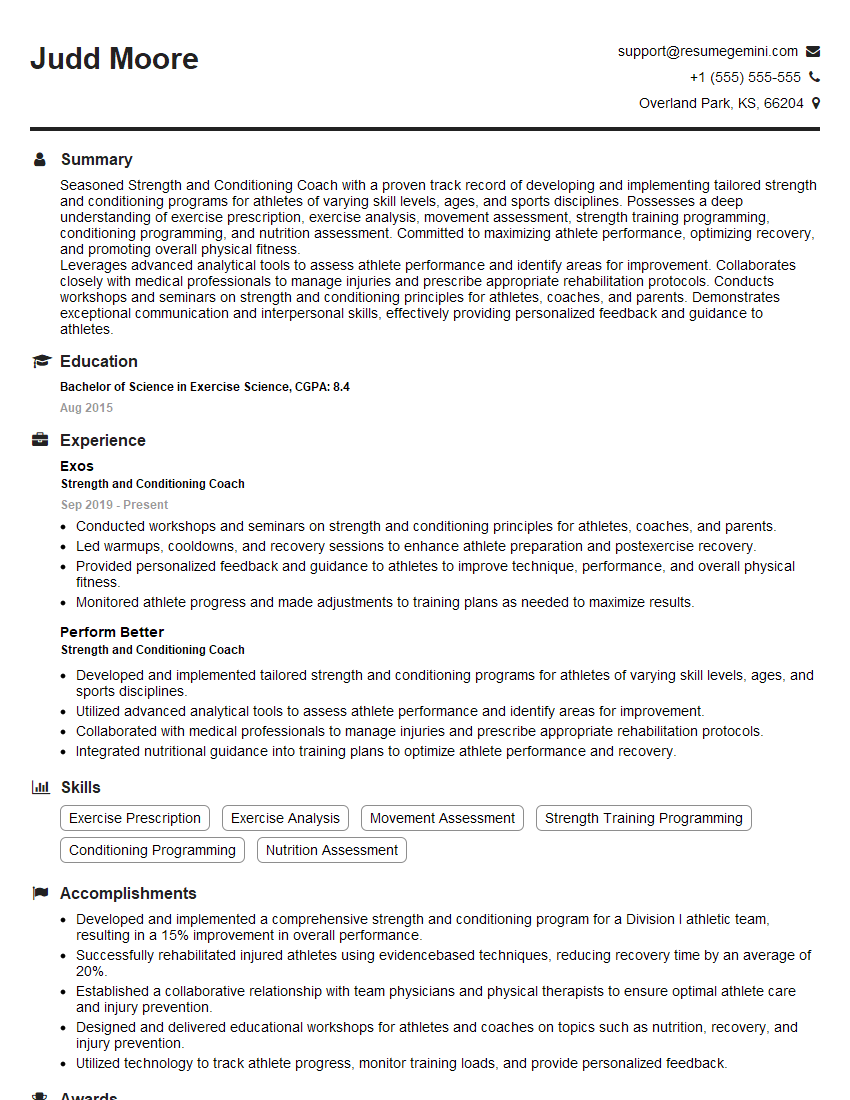
Strength and Conditioning Coach Resume Sample

Exercise Physiologist Resume Sample

Kinesiologist Resume Sample

Certified Athletic Trainer Resume Sample

Occupational Therapist Resume Sample
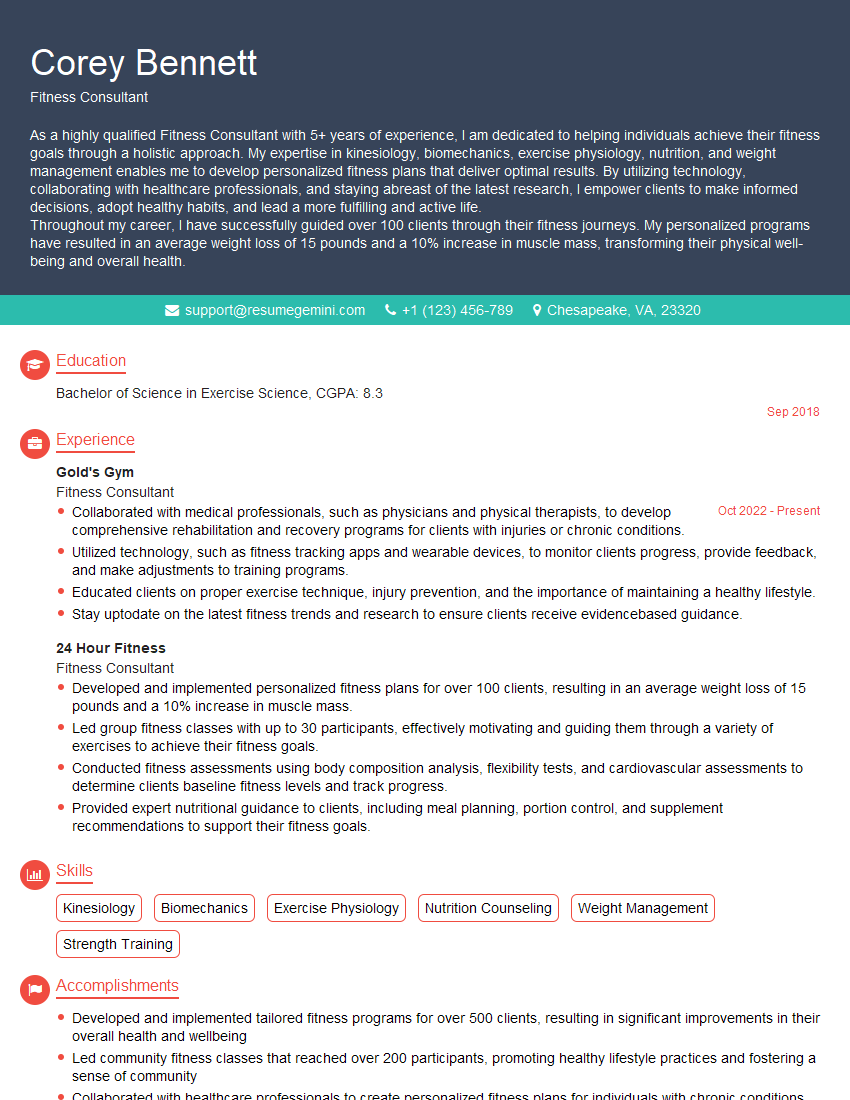
Fitness Consultant Resume Sample
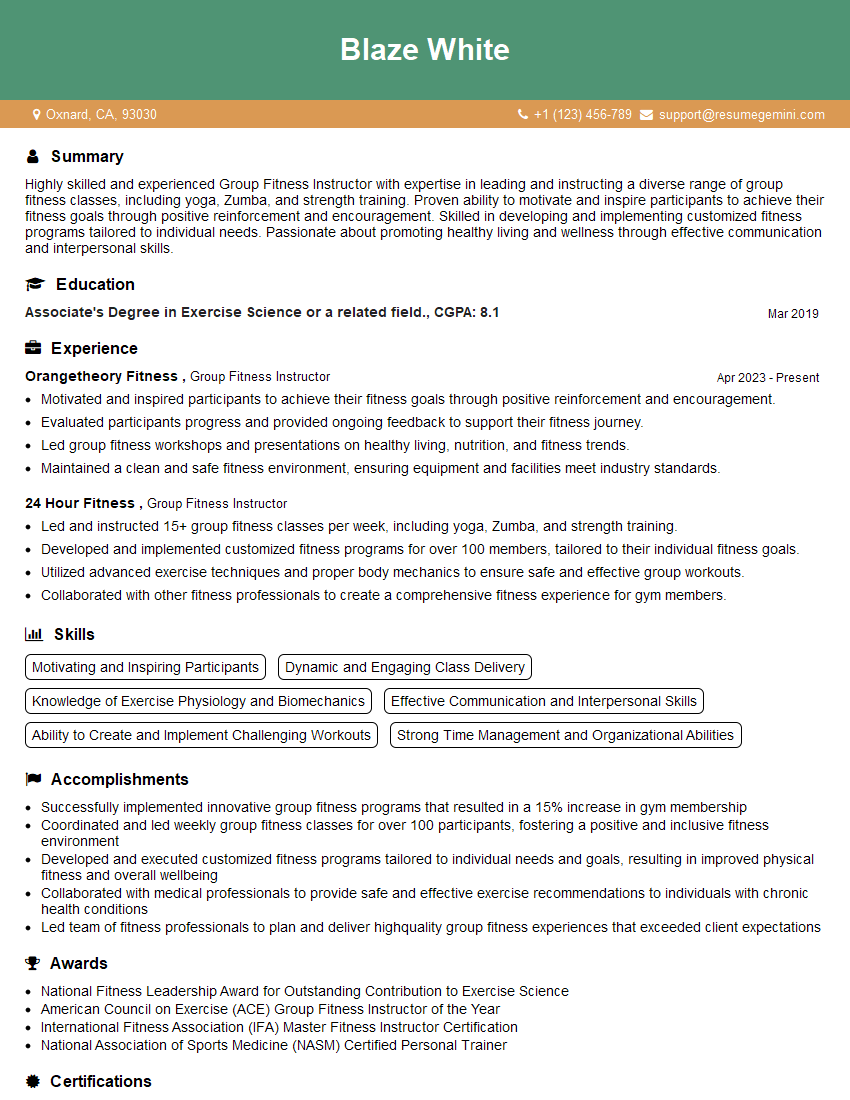
Group Fitness Instructor Resume Sample
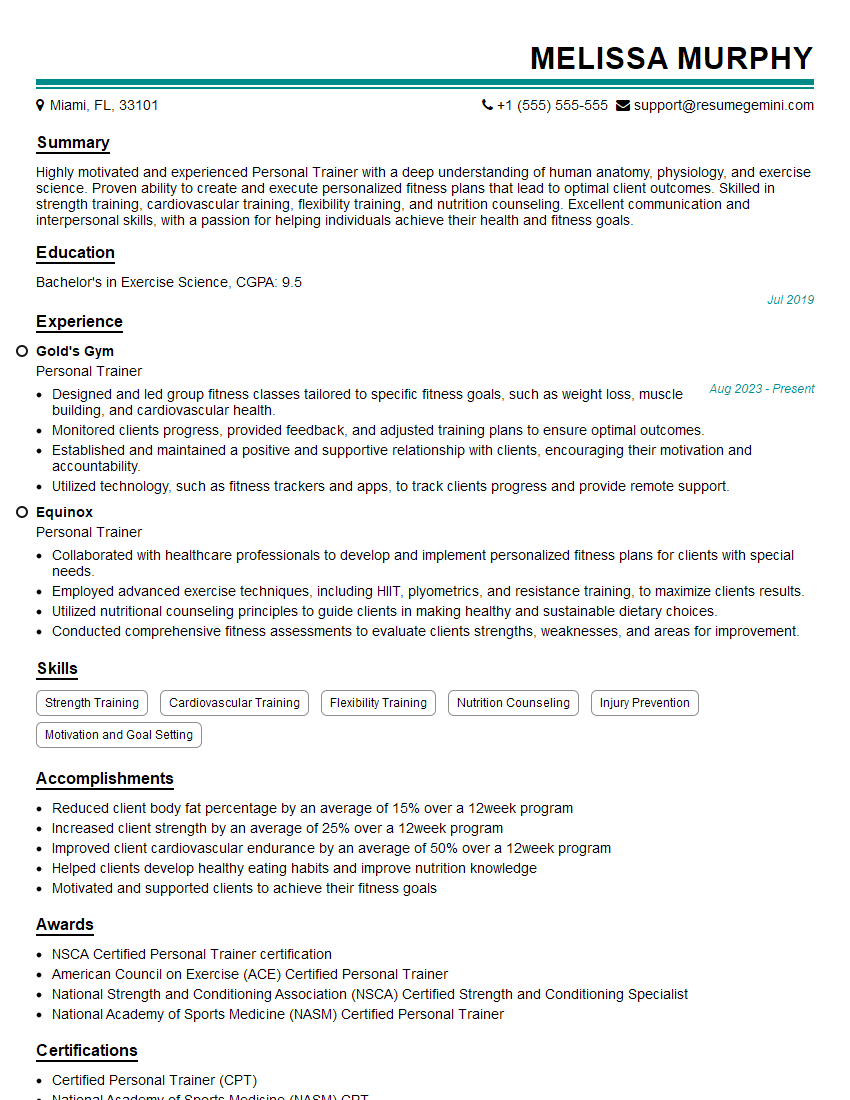
Personal Trainer Resume Sample
Explore more articles
Users Rating of Our Blogs
Share Your Experience
We value your feedback! Please rate our content and share your thoughts (optional).
What Readers Say About Our Blog
Very informative content, great job.
good