The right preparation can turn an interview into an opportunity to showcase your expertise. This guide to Music Therapist interview questions is your ultimate resource, providing key insights and tips to help you ace your responses and stand out as a top candidate.
Questions Asked in Music Therapist Interview
Q 1. Describe your experience using music therapy interventions for individuals with anxiety disorders.
Music therapy offers powerful interventions for anxiety. My approach focuses on helping clients regulate their physiological and emotional responses to anxiety-provoking situations. This often involves using calming musical elements like slow tempos, gentle melodies, and consonant harmonies to reduce heart rate and promote relaxation. For instance, I might use guided imagery with calming instrumental music, encouraging clients to visualize peaceful scenes while breathing deeply. We might also explore songwriting as a means of expressing and processing anxious thoughts and feelings, turning them into something tangible and manageable. Active music-making, such as playing simple percussion instruments, can also be a valuable tool; the rhythmic and focused activity can help ground the client in the present moment, interrupting anxious thought patterns. The overall goal is to empower clients to develop self-regulation skills using music as a therapeutic tool.
For example, I worked with a client experiencing severe test anxiety. We developed a personalized relaxation playlist featuring nature sounds and ambient music. She listened to it before tests, and reported a significant reduction in her physical symptoms of anxiety (rapid heartbeat, shallow breathing). We also incorporated songwriting where she expressed her fears and frustrations regarding exams, transforming these emotions into a creative outlet.
Q 2. Explain the differences between various music therapy approaches, such as Nordoff-Robbins and Bonny Method.
Different music therapy approaches emphasize distinct methodologies and goals. The Nordoff-Robbins approach, for example, is highly improvisational and focuses on the therapeutic relationship between the therapist and client. It uses music as a means of communication and emotional expression, often spontaneously adapting to the client’s needs and responses. The therapist might improvise alongside the client, mirroring their emotional state or encouraging exploration of new musical ideas. In contrast, the Bonny Method of Guided Imagery and Music (GIM) utilizes pre-composed music as a backdrop for guided imagery. Clients are encouraged to explore their inner world through the music, often uncovering unconscious patterns and emotions. The therapist’s role is to provide a safe and supportive space for this exploration, guiding the client through the imagery and processing their experiences verbally afterward. While both approaches leverage music’s expressive power, their methods and theoretical underpinnings differ significantly.
To illustrate, imagine a child with autism. A Nordoff-Robbins approach might involve improvising with the child, using instruments that they find engaging to encourage communication and emotional expression. In contrast, a GIM approach might be less suitable for a child with limited verbal capacity and more appropriate for an adult client who can verbalize their experiences in response to the guided imagery.
Q 3. How do you adapt your music therapy techniques to meet the unique needs of diverse populations?
Adapting music therapy to diverse populations is crucial for effective practice. This requires cultural sensitivity, awareness of linguistic differences, and understanding of potential sensory sensitivities. For example, when working with clients from different cultural backgrounds, I prioritize understanding their musical preferences and traditions. I may incorporate familiar musical styles or instruments from their culture into therapy to foster a sense of comfort and connection. If working with someone with a visual impairment, I might focus more on auditory and tactile aspects of music, using descriptive language and adapted instruments. Similarly, with clients who have auditory processing challenges, I might use visual aids or adapt musical activities to suit their needs. The key is to build rapport, demonstrate respect for their uniqueness, and tailor techniques to create a meaningful and accessible therapeutic experience.
For instance, when working with a visually impaired client, I might use textured instruments like shakers or drums, allowing them to experience the music through touch. With a client from a different cultural background, I incorporated traditional instruments from their culture into our sessions, enhancing their comfort and engagement in the therapeutic process.
Q 4. Describe a situation where you had to overcome a challenge in a music therapy session. What was the outcome?
I once worked with a client experiencing severe trauma-related flashbacks during a session. We were using a guided imagery technique with music, and suddenly she became extremely distressed, experiencing a full-blown flashback. My initial response was to remain calm and reassuring, creating a safe and non-judgmental space. I immediately shifted from the planned activity to a more grounding and calming approach. We stopped the music and focused on slow, deep breathing exercises, along with gentle, rhythmic hand movements. I verbally acknowledged her distress, validating her feelings without pressure. Once her anxiety subsided, we slowly reintroduced music, using simpler and less evocative melodies. The session concluded with her selecting a piece of calming music to listen to at home, a piece that was chosen specifically for its grounding effect. The outcome was positive; the client felt empowered by her ability to manage the distressing experience, and our adjusted approach fostered a stronger therapeutic alliance, highlighting the flexibility and responsiveness needed in music therapy.
Q 5. How do you assess a client’s musical abilities and preferences to tailor your therapy sessions?
Assessing musical abilities and preferences is a crucial first step in any music therapy program. I begin by engaging the client in informal conversations about their musical background, experiences, and preferences. This may involve asking about their favorite genres, instruments, or songs. I observe their nonverbal responses to music, noting their reactions to different tempos, rhythms, and melodies. I might also use standardized assessments to evaluate their musical skills, such as rhythmic accuracy or melodic recall. However, the focus isn’t just on technical proficiency. It’s equally important to understand their emotional responses to music, as well as their comfort level with different musical activities. This holistic assessment allows me to design sessions that are both engaging and therapeutically relevant.
For example, with a client who expressed a love for classical music, I incorporated pieces from their preferred composers into our sessions. For a client with limited musical skills, I focused on activities that did not require advanced technical abilities, such as movement and vocalization exercises using simple rhythmic patterns.
Q 6. What are the ethical considerations in music therapy, and how do you address them in your practice?
Ethical considerations are paramount in music therapy. Confidentiality, informed consent, and professional boundaries are fundamental. Clients need to understand the purpose and limits of therapy, giving informed consent for all aspects of treatment. Maintaining confidentiality is crucial, protecting their personal information and experiences. Maintaining professional boundaries is also critical, avoiding dual relationships and ensuring appropriate interaction. I adhere to a strict code of ethics, regularly reflecting on my practice to ensure I’m maintaining the highest standards of care. Addressing ethical dilemmas involves careful consideration of the client’s best interests, consulting with supervisors or colleagues when necessary, and documenting decisions transparently.
For instance, if a client reveals information that requires me to report it to authorities (e.g., child abuse), I would do so while respecting their privacy as much as legally and ethically permissible. If personal feelings are triggered by the client’s disclosures, I would engage in self-reflection and if necessary, seek supervision to ensure I can maintain objectivity and professional boundaries.
Q 7. Explain your understanding of evidence-based practice in music therapy.
Evidence-based practice in music therapy integrates clinical expertise with the best available research evidence to inform treatment decisions. It means staying updated on current research findings, critically evaluating the effectiveness of different interventions, and adapting my practice based on the most credible evidence. This includes understanding the scientific literature supporting the use of music therapy for specific conditions, as well as research methodologies relevant to the field. It’s not simply about adopting every new technique; it’s about a thoughtful and critical approach, selecting interventions that are most likely to benefit the client based on the available evidence and clinical judgment.
For example, before implementing a specific music therapy approach for anxiety, I would consult reputable journals and research databases to review studies on the effectiveness of that approach for anxiety reduction. I would then consider the client’s individual needs and preferences, integrating the best research evidence with my clinical expertise to create a tailored treatment plan.
Q 8. Describe your experience with documentation and record-keeping in a music therapy setting.
Accurate and thorough documentation is paramount in music therapy. It’s not just about recording sessions; it’s about building a comprehensive picture of the client’s progress and informing future interventions. My documentation adheres to HIPAA regulations and best practices within the field. Each session is documented using a SOAP note format (Subjective, Objective, Assessment, Plan).
- Subjective: This section captures the client’s self-reported feelings, thoughts, and behaviors before, during, and after the session. For example, “Client reported feeling anxious prior to the session but expressed feeling calmer afterward.”
- Objective: This section details observable behaviors and measurable data. This could include specific musical activities undertaken, the client’s engagement level (e.g., active participation, passive listening), and any physiological responses observed (e.g., decreased muscle tension).
- Assessment: This section synthesizes the subjective and objective data to offer an interpretation of the client’s progress and response to the intervention. For instance, “Client demonstrated improved emotional regulation during the improvisation activity, suggesting the session was effective in reducing anxiety.”
- Plan: This section outlines the goals for the next session and any adjustments to the treatment plan. An example would be: “Continue with improvisation techniques focusing on emotional expression. Introduce a new rhythmic activity to address attention span.”
I maintain electronic and paper records securely, following all relevant privacy guidelines. Regular reviews of these records inform treatment adjustments, ensuring the effectiveness of our interventions.
Q 9. How do you collaborate with other healthcare professionals to provide holistic client care?
Collaboration is central to holistic client care. I regularly communicate with other healthcare professionals, such as occupational therapists, speech-language pathologists, and social workers, to ensure a coordinated and comprehensive approach. This involves:
- Regular meetings: I participate in interdisciplinary team meetings to share updates on the client’s progress and discuss treatment strategies.
- Shared documentation: Secure platforms allow for seamless sharing of relevant information, such as progress notes, assessment results, and treatment plans.
- Joint goal setting: Collaboratively setting achievable goals ensures that music therapy aligns with the overall treatment plan and contributes to the client’s overall well-being.
For example, in working with a child with autism, I might collaborate with an occupational therapist to incorporate sensory-based musical activities that complement their fine motor skill development program. This ensures that the client benefits from a synergistic, multi-faceted approach to care.
Q 10. How do you measure the effectiveness of your music therapy interventions?
Measuring the effectiveness of music therapy interventions involves a multi-faceted approach. It’s not just about subjective observations, but also incorporating objective data. Methods include:
- Standardized assessments: Pre- and post-intervention assessments using standardized scales (e.g., for anxiety, depression, or social skills) provide quantifiable data to track progress.
- Behavioral observations: Carefully documenting changes in the client’s behavior during and after sessions. For instance, observing decreased levels of agitation, improved focus, or increased social engagement.
- Client self-report: Gathering subjective feedback from the client through questionnaires or informal conversations helps to understand their perception of the therapy’s impact.
- Qualitative data collection: Analyzing client verbal and nonverbal communication, their participation in music making, and the quality of their emotional expression to assess progress.
For example, if working with a client with depression, I might use a standardized depression scale before starting therapy and then again after a set period to track changes in their reported mood and symptoms. I would also observe changes in their emotional expression during sessions, noted in my session documentation.
Q 11. What is your approach to dealing with challenging behaviors during music therapy sessions?
Challenging behaviors during music therapy sessions are addressed using a calm and supportive approach. The core principle is to understand the underlying cause of the behavior. My approach involves:
- Environmental adjustments: Modifying the session’s structure or environment to minimize triggers for challenging behaviors. For example, reducing sensory stimulation or providing breaks as needed.
- Communication and redirection: Using clear and simple language to communicate expectations and redirect the client’s attention to a more appropriate activity.
- Collaboration with caregivers: Working closely with caregivers to understand the triggers and develop strategies for managing challenging behaviors outside of therapy sessions.
- Non-musical coping mechanisms: Introducing techniques like deep breathing or mindfulness to help the client regulate their emotions and behavior.
- Adapting the music: Altering the musical style, tempo, or dynamics to create a more calming or engaging atmosphere.
If a client becomes agitated, I might shift to slower, quieter music, or change the activity to a more structured one. The goal is to foster a safe and supportive environment where the client feels understood and empowered to manage their emotions.
Q 12. Describe your familiarity with various music therapy assessment tools.
I am familiar with a range of music therapy assessment tools, selected according to the client’s needs and the therapeutic goals. These tools help to inform treatment planning and measure progress. Examples include:
- The Profile of Music Perception Preferences (PMPP): Assesses individual preferences for various musical elements, informing musical choices in therapy.
- The Music Therapy Assessment Kit (MTAK): Provides a comprehensive assessment framework for different populations and therapeutic needs.
- The Rhythm and Tempo Assessment (RATA): Measures the client’s rhythm and tempo perception and production skills.
- Various standardized questionnaires: For assessing emotional states like anxiety, depression, and stress. These can be used before, during and after intervention periods.
The choice of assessment tool is crucial and depends heavily on the client’s age, abilities, and presenting concerns. Selecting appropriate tools ensures accurate assessment and effective treatment planning.
Q 13. How do you maintain confidentiality and client privacy in your practice?
Confidentiality and client privacy are paramount in my practice. I adhere strictly to HIPAA regulations and the ethical guidelines of the American Music Therapy Association (AMTA). This includes:
- Secure record keeping: Maintaining electronic and paper records in a secure location, using password-protected electronic systems, and adhering to all data privacy laws.
- Informed consent: Obtaining informed consent from clients before initiating therapy, ensuring they understand the limits of confidentiality and how their information will be used.
- Limited disclosure: Only sharing client information with other healthcare professionals involved in their care with the client’s consent.
- Data encryption and disposal: Using appropriate measures for data encryption and secure disposal of client records according to regulations.
I never discuss client information with individuals not involved in their treatment, and I treat all client information with the utmost respect and discretion.
Q 14. What are your professional development goals in music therapy?
My professional development goals center around expanding my expertise and improving client outcomes. This includes:
- Continuing education: Staying updated on the latest research, best practices, and advancements in music therapy by attending workshops, conferences, and engaging in online courses.
- Specialization: Pursuing further training in specific areas of music therapy, such as neurologic music therapy or music therapy for trauma.
- Research participation: Contributing to the field of music therapy by participating in research projects that advance knowledge and evidence-based practice.
- Supervision and mentoring: Providing supervision and mentoring to other music therapists to support their professional growth and development.
My ultimate aim is to enhance my ability to provide effective and compassionate music therapy services to diverse populations and contribute to the advancement of the profession.
Q 15. Explain your understanding of the role of improvisation in music therapy.
Improvisation in music therapy is a powerful tool because it allows for spontaneous interaction and creativity. It’s not just about playing music; it’s about using music as a flexible medium to meet the client’s immediate needs and emotional state. Unlike structured musical activities, improvisation allows for a truly client-centered approach, fostering self-expression and emotional regulation.
For instance, if a client is experiencing anxiety, we might begin with a slow, calming melody and gradually introduce more complex rhythms or harmonies as they feel more comfortable. Their nonverbal cues – their body language, breathing, and even the sounds they make – inform my improvisational responses, creating a dynamic and therapeutic exchange. The process itself is therapeutic, providing a safe space for emotional processing and exploration.
Conversely, with a client expressing anger, a more rhythmic and intense improvisation might be appropriate, allowing them a healthy outlet for that emotion. The therapist carefully guides the process, ensuring the improvisation remains within a therapeutic framework, providing structure and containment while still allowing for spontaneous expression. This dynamic interaction allows for building trust and fostering a deeper therapeutic relationship.
Career Expert Tips:
- Ace those interviews! Prepare effectively by reviewing the Top 50 Most Common Interview Questions on ResumeGemini.
- Navigate your job search with confidence! Explore a wide range of Career Tips on ResumeGemini. Learn about common challenges and recommendations to overcome them.
- Craft the perfect resume! Master the Art of Resume Writing with ResumeGemini’s guide. Showcase your unique qualifications and achievements effectively.
- Don’t miss out on holiday savings! Build your dream resume with ResumeGemini’s ATS optimized templates.
Q 16. How do you handle situations where a client’s progress plateaus or regresses?
When a client’s progress plateaus or regresses, it’s crucial to avoid jumping to conclusions. I view this as an opportunity for reassessment and refinement of the treatment plan. This involves several steps:
- Re-evaluation: I conduct a thorough review of the client’s current status, goals, and the effectiveness of the current interventions. This might involve talking to the client, reviewing session notes, and potentially using assessment tools.
- Collaboration: I engage the client in a discussion about their experience in therapy, seeking their input and perspective on what might be hindering their progress. Their feedback is invaluable.
- Modification of the Treatment Plan: Based on the re-evaluation and client feedback, I might adjust the therapeutic goals, the types of musical activities, or the overall approach. This could involve incorporating new instruments, musical styles, or therapeutic techniques.
- Referral if necessary: In some cases, the plateau or regression might indicate the need for additional support or expertise. I am comfortable referring clients to other healthcare professionals if it is beneficial to their wellbeing.
For example, a client working on improving self-esteem might plateau. Re-evaluating might reveal a need to focus on building confidence through collaborative improvisation rather than solo performance, allowing for a gradual and supported shift toward progress.
Q 17. Describe your experience with creating and implementing music therapy treatment plans.
Creating and implementing music therapy treatment plans is a collaborative and individualized process. I begin with a comprehensive assessment of the client’s needs, strengths, and preferences. This includes gathering information about their medical history, psychological profile, musical background, and therapeutic goals.
Based on the assessment, I develop a tailored treatment plan outlining specific goals, objectives, and interventions. For instance, a treatment plan for a client with anxiety might include goals like reducing physiological symptoms of anxiety (heart rate, breathing) and improving self-soothing techniques. Interventions could include guided imagery with calming music, improvisation exercises focused on breath control, and listening to relaxing musical pieces.
The plan isn’t static; it’s regularly reviewed and adjusted based on the client’s progress and feedback. Documentation is key, and I maintain detailed session notes to track progress, challenges, and any modifications made to the treatment plan. Regular progress updates are also shared with the client and their referring physician or therapist as appropriate. The plan is a roadmap, flexible enough to adapt to the client’s evolving journey.
Q 18. How do you incorporate the client’s cultural background into your music therapy sessions?
Incorporating a client’s cultural background is essential for creating a respectful and effective therapeutic relationship. This means understanding and appreciating the role music plays in their culture, including preferred musical styles, instruments, and cultural norms related to music.
I might research the client’s culture’s musical traditions prior to sessions to better understand their musical preferences. In sessions, this could involve incorporating familiar instruments or musical styles from their culture, using musical elements that resonate with their cultural identity. For example, if a client is from a culture where drumming plays a significant role, we might use drumming as a primary modality in our sessions, fostering a connection between their cultural identity and the therapeutic process. It’s important to maintain cultural sensitivity and avoid any stereotypes or assumptions.
Open communication is vital. I always encourage clients to share their experiences with music and how it relates to their cultural identity. This collaborative approach ensures the music therapy is culturally relevant and tailored to the client’s unique needs and preferences.
Q 19. Describe your experience working with different age groups or diagnoses.
My experience spans various age groups and diagnoses. I’ve worked with children with autism spectrum disorder, using music to improve communication skills and social interaction. With adolescents experiencing depression and anxiety, we’ve employed songwriting as a tool for self-expression and emotional regulation. I’ve also worked with adults recovering from stroke, using music to improve motor skills and cognitive function, and with older adults facing memory loss, where music helps to stimulate memories and improve quality of life.
Each age group and diagnosis presents unique challenges and opportunities. For children, the focus may be on play and engagement, while adolescents might benefit from more introspective musical activities. With adults, the focus may be on specific rehabilitation goals. Adaptability and a deep understanding of developmental stages and the specific needs of different client populations are critical to effective music therapy.
For example, with a child with autism, I might use simple, repetitive songs and sensory instruments to engage their senses and build communication. With an older adult with dementia, familiar songs from their past might be used to trigger positive memories and emotional responses.
Q 20. How do you handle situations where you feel you lack the expertise to address a client’s needs?
Ethical practice dictates that I prioritize client well-being. If I encounter a client’s need that falls outside my area of expertise, I have a clear process:
- Honest Assessment: I acknowledge my limitations and honestly assess whether I can effectively address the client’s needs.
- Consultation: I consult with colleagues or supervisors who might have relevant expertise. This is an opportunity for collaborative learning and problem-solving.
- Referral: If it’s determined that a referral is necessary, I facilitate that process, ensuring a smooth transition for the client and providing any relevant information to the referring professional.
- Continued Support: Even after referral, I might maintain contact with the client to provide support and ensure a successful transition to a new provider.
This prioritizes the client’s best interest and avoids providing ineffective or potentially harmful interventions.
Q 21. Explain your understanding of the impact of music on the brain and nervous system.
Music’s impact on the brain and nervous system is multifaceted and deeply researched. It engages various brain regions, including the auditory cortex (processing sound), the motor cortex (movement related to playing music), and the limbic system (emotions and memory). Music can activate the reward pathway in the brain, releasing dopamine and creating feelings of pleasure and well-being.
Music therapy leverages these neural pathways. For instance, rhythmic music can help regulate heart rate and breathing, influencing the autonomic nervous system. Singing or playing instruments can improve motor skills and coordination by stimulating the motor cortex. Listening to calming music can reduce cortisol levels (stress hormone) and promote relaxation. Memories associated with music can be powerfully evoked, tapping into the hippocampus and amygdala.
These effects are utilized in various music therapy approaches, with techniques tailored to address specific needs. For example, rhythmic entrainment can be used to regulate breathing in individuals with anxiety, while melodic intonation therapy can help individuals with aphasia (language disorder) to regain speech abilities. The neurobiological impact of music makes it a potent tool for therapeutic intervention.
Q 22. What are some contraindications to music therapy?
Contraindications to music therapy are situations where the use of music might be harmful or ineffective. These aren’t absolute prohibitions, but rather require careful consideration and potentially modification of the therapeutic approach. They often relate to the client’s physical or mental state.
- Acute psychotic episodes: Highly agitated or disorganized states may be exacerbated by stimulating music. In such cases, calming, ambient music might be cautiously introduced, but the focus would be on non-musical interventions initially.
- Severe physical limitations: Conditions limiting movement or participation, such as severe paralysis or intense pain, may prevent engagement with certain musical activities. Adaptations may be possible, focusing on listening or other forms of receptive music therapy.
- Certain neurological conditions: Some neurological conditions can negatively impact a client’s ability to process music or may cause adverse reactions to certain sounds or rhythms. Careful assessment is crucial to choose appropriate music and activities.
- Active substance abuse or withdrawal: The altered states of consciousness associated with substance abuse can complicate therapeutic interventions. Music therapy might be considered once the client is stable and detoxified.
- Client resistance or discomfort: If a client consistently expresses negative feelings towards music or particular musical elements, forcing participation would be counterproductive and potentially harmful. Respecting client preferences is paramount.
Ultimately, a thorough assessment of the client’s condition is crucial to determine the suitability and potential adaptations needed for music therapy.
Q 23. How do you build rapport and trust with clients?
Building rapport and trust is foundational to effective music therapy. It’s a process built on empathy, respect, and genuine connection, rather than a quick fix. I begin by creating a safe and non-judgmental space, emphasizing that there are no right or wrong responses in our sessions.
- Active listening: I start by listening attentively to the client’s story, concerns, and preferences regarding music. This demonstrates genuine interest and respect for their individuality.
- Shared musical experiences: I often incorporate the client’s preferred genres, instruments, or songs into sessions. This helps create a familiar and comfortable environment.
- Collaborative goal setting: We work together to define achievable goals for therapy, giving the client a sense of agency and control over the process. For example, a client might want to improve their emotional regulation skills or enhance self-expression.
- Flexibility and adaptation: I’m flexible in adjusting my approach based on the client’s responses and needs, ensuring the sessions are tailored to their specific preferences and comfort levels.
- Maintaining confidentiality and boundaries: Establishing clear boundaries and maintaining confidentiality build trust and foster a safe therapeutic relationship.
For instance, with a young client struggling with anxiety, I might begin by exploring their favorite songs and gradually introduce calming musical activities like improvisation or listening to nature sounds. With an older adult recovering from a stroke, I might focus on singing familiar hymns or using rhythmic cues to improve motor skills.
Q 24. Describe your experience with different musical instruments and their therapeutic applications.
My experience spans a range of instruments, each offering unique therapeutic applications. I am proficient in playing the guitar, piano, and percussion instruments, which are adaptable to various therapeutic approaches.
- Guitar: The guitar is versatile, suitable for songwriting, accompaniment, and improvisation. Its portability makes it ideal for individual or group sessions in diverse settings.
- Piano: The piano’s dynamic range and harmonic richness allow for exploring a wide spectrum of emotions and musical textures. It’s particularly beneficial for clients who respond well to structured musical frameworks.
- Percussion instruments: Instruments like the drum, shakers, and xylophone provide opportunities for rhythmic exploration, sensory integration, and non-verbal expression, especially valuable with clients who have difficulty with verbal communication.
For example, I use the guitar to accompany a client singing their own compositions to foster self-expression. With children, I utilize percussion instruments to enhance their rhythm and coordination, while using the piano for structured music-making activities with older adults to improve their cognitive functions.
Q 25. How do you ensure the safety of your clients during music therapy sessions?
Client safety is my top priority. This involves creating a physically and emotionally safe environment and employing risk management strategies throughout the therapy process.
- Assessing for risks: I conduct a thorough initial assessment, identifying potential risks related to the client’s physical and mental health. This might include considering past trauma, medication side effects, or potential for self-harm.
- Safe space creation: The therapy setting should be free from hazards, well-lit, and comfortable. I ensure the instruments are safely stored and used appropriately.
- Appropriate activities: I select activities and instruments that are safe and suitable for the client’s abilities and limitations. For example, I avoid activities that could cause physical strain or injury.
- Monitoring client reactions: I closely monitor the client’s emotional and physical state throughout each session, adapting the activities as needed. If I observe signs of distress or discomfort, I’ll immediately modify or stop the activity.
- Crisis intervention plan: I have a clear crisis intervention plan in place, outlining procedures for handling potential emergencies and knowing how to contact emergency services if necessary.
For example, with a client prone to emotional outbursts, I might use calming music and guided imagery to help them regulate their emotions. With a client experiencing physical limitations, I’d modify activities to be more accessible and use adaptive equipment as necessary.
Q 26. Explain your understanding of the role of music therapy in palliative care.
Music therapy plays a significant role in palliative care, focusing on improving quality of life and addressing the emotional, social, and spiritual needs of patients and their families facing life-limiting illnesses. It aims to manage pain, anxiety, and depression, while facilitating self-expression and promoting a sense of peace and well-being.
- Pain and symptom management: Music can be used to distract from pain, reduce anxiety, and improve relaxation. Calming music and guided imagery can be particularly helpful.
- Emotional support: Music therapy provides a non-verbal outlet for expressing emotions, allowing patients to process grief, fear, and sadness.
- Communication enhancement: For patients with communication difficulties, music can facilitate expression and connection with family members.
- Spiritual and existential exploration: Music can help patients explore their spiritual beliefs and find meaning in their lives.
- Family support: Music therapy sessions can involve family members, promoting bonding, shared experiences, and mutual support during difficult times.
For example, a patient nearing the end of life might find comfort in listening to their favorite music or participating in a guided imagery session using calming music. A family might find solace in creating a collaborative musical piece together, expressing their shared emotions and memories.
Q 27. How do you utilize music to facilitate emotional expression and regulation?
Music offers a powerful tool for facilitating emotional expression and regulation. It allows clients to express feelings that might be difficult to articulate verbally, and provides a safe and non-threatening means to explore and manage their emotional state.
- Improvisation: Improvising on an instrument or through vocalizations allows clients to freely express their emotions in a spontaneous and non-judgmental way. The musical soundscape created often mirrors the client’s inner emotional landscape.
- Active listening: Carefully chosen music can evoke specific emotions and help clients process and understand their feelings. I might use music that resonates with their current state to encourage introspection and processing.
- Songwriting and lyric writing: This enables clients to articulate their experiences and feelings through lyrics and melodies, creating a tangible representation of their internal world.
- Rhythmic activities: Rhythmic activities such as drumming or playing percussive instruments can aid in emotional regulation by providing a physical outlet for pent-up energy or anxiety.
- Guided imagery with music: Combining music with guided imagery techniques creates a powerful tool for relaxation, stress reduction, and emotional regulation.
For example, a client feeling overwhelmed might use drumming to release pent-up energy, while another might create a song to express their grief and loss. Listening to calming music during a guided imagery session can help a client manage anxiety and promote a sense of inner peace.
Q 28. Describe your experience with songwriting or composition in a therapeutic context.
Songwriting and composition within a therapeutic context are powerful tools for self-expression and emotional processing. They allow clients to externalize their internal experiences, creating a tangible product that reflects their journey and growth.
- Collaborative songwriting: I often work collaboratively with clients, guiding them through the process of creating songs that reflect their experiences, emotions, and goals. This participatory approach gives clients ownership and a sense of achievement.
- Lyric analysis: Examining lyrics created by the client can reveal important themes, patterns, and insights into their subconscious thoughts and feelings.
- Melody and harmony as emotional expression: The choice of melody and harmony can significantly impact the emotional impact of a song, providing a nonverbal means to explore a wide range of emotions.
- Musical storytelling: The creative process allows for narrative construction, helping clients process memories and experiences in a creative and healing way.
- Performance and sharing: In some cases, sharing a completed song with others (with the client’s consent) can lead to catharsis and a sense of connection.
For example, a client struggling with trauma might write a song to process their experience, exploring their feelings of sadness, anger, and eventual healing. A client coping with depression might use songwriting to express feelings of hopelessness and gradually shift towards more positive themes as they progress through therapy. The song becomes a powerful symbol of their resilience and growth.
Key Topics to Learn for Your Music Therapist Interview
- Music Therapy Theories and Models: Understand the foundational theories guiding music therapy practice, such as neurologic music therapy, psychodynamic music therapy, and person-centered music therapy. Be prepared to discuss their applications and limitations.
- Assessment and Treatment Planning: Explain your approach to assessing a client’s musical abilities, emotional state, and therapeutic needs. Describe how you would develop individualized treatment plans based on these assessments.
- Therapeutic Techniques and Interventions: Showcase your knowledge of various music therapy techniques, including improvisation, songwriting, lyric analysis, and receptive music listening. Discuss how you would adapt these techniques to diverse populations and clinical settings.
- Ethical Considerations and Professional Boundaries: Demonstrate your understanding of ethical principles in music therapy, including confidentiality, informed consent, and professional boundaries. Be prepared to discuss potential ethical dilemmas and your approach to resolving them.
- Documentation and Record Keeping: Explain your approach to maintaining accurate and comprehensive client records, including session notes, progress reports, and treatment summaries. This demonstrates your commitment to professional standards and accountability.
- Interdisciplinary Collaboration: Discuss your experience or understanding of working collaboratively with other healthcare professionals, such as physicians, psychologists, and social workers, to provide holistic patient care.
- Cultural Sensitivity and Diversity: Demonstrate your awareness of and sensitivity to diverse cultural backgrounds and their impact on music therapy practice. Be prepared to discuss how you would adapt your approach to meet the needs of individuals from different cultural backgrounds.
Next Steps
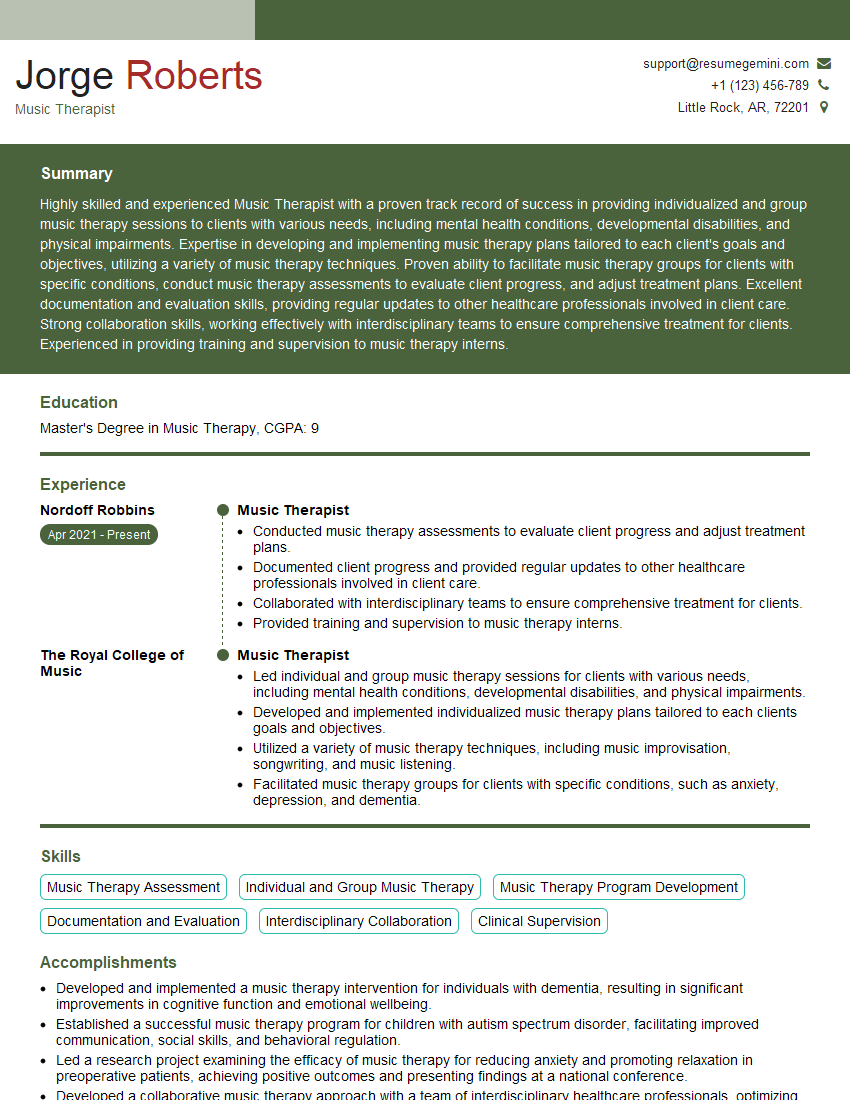
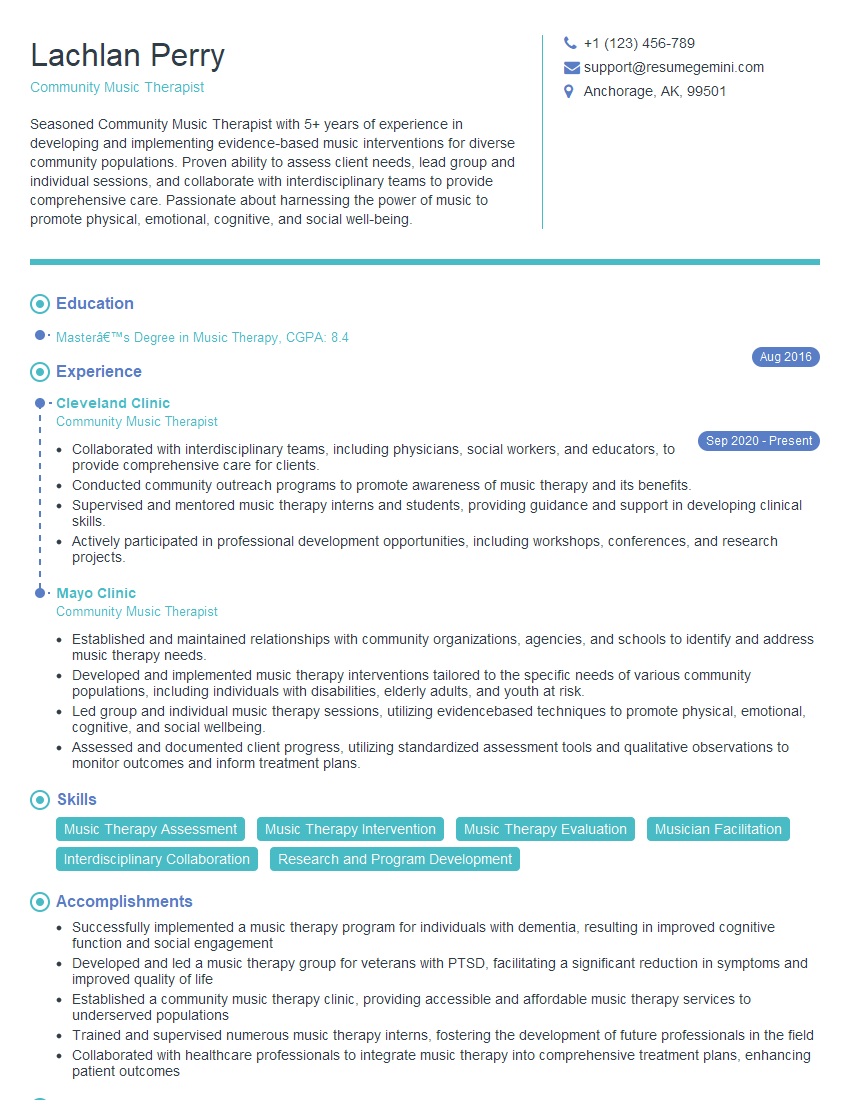
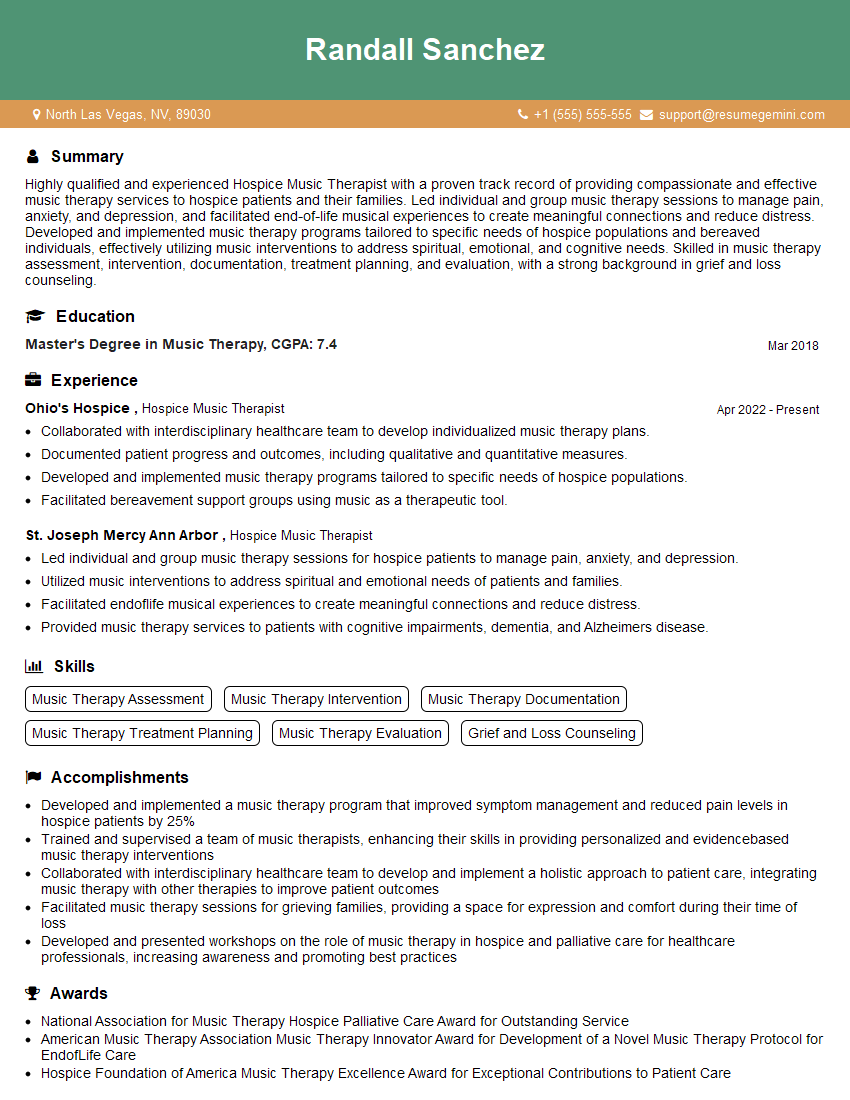
Mastering the fundamentals of music therapy is crucial for a successful and fulfilling career. It opens doors to diverse settings and allows you to make a significant impact on the lives of your clients. To enhance your job prospects, creating a strong, ATS-friendly resume is paramount. This ensures your qualifications are effectively communicated to potential employers. We highly recommend using ResumeGemini to build a professional and impactful resume tailored to the music therapy field. ResumeGemini provides valuable tools and resources, including examples of resumes specifically designed for music therapist positions, helping you present yourself in the best possible light.
Explore more articles
Users Rating of Our Blogs
Share Your Experience
We value your feedback! Please rate our content and share your thoughts (optional).
What Readers Say About Our Blog
Very informative content, great job.
good