The thought of an interview can be nerve-wracking, but the right preparation can make all the difference. Explore this comprehensive guide to Musician Hiring interview questions and gain the confidence you need to showcase your abilities and secure the role.
Questions Asked in Musician Hiring Interview
Q 1. Describe your experience sourcing and vetting musicians for various projects.
Sourcing and vetting musicians requires a multifaceted approach. It begins with clearly defining the project’s needs – genre, instrumentation, skill level, and budget. Then, I leverage multiple channels to find potential candidates. This includes online platforms like social media groups dedicated to musicians, specialized musician directories, and contacting music schools and conservatories.
Vetting involves a rigorous process. It starts with reviewing online portfolios and demos to assess their technical skills and musical style. I then shortlist potential candidates and conduct thorough interviews, focusing not just on their technical abilities but also on their professionalism, reliability, and collaborative spirit. For instance, I’ll ask about their experience working on similar projects, their availability, and their approach to rehearsals and performances. Background checks, when appropriate, are also considered.
Finally, I often request references to verify their reputation and work ethic. This multi-layered approach ensures that I find not only musically talented individuals but also reliable and collaborative team players. For example, when hiring for a high-profile jazz gig, I might request video auditions showcasing improvisation skills alongside written references from previous collaborators.
Q 2. How do you assess a musician’s technical proficiency during an audition?
Assessing technical proficiency involves a combination of methods. Auditions are crucial, and I design them to specifically target the skills needed for the project. This might involve sight-reading a piece of music, playing a pre-selected excerpt demonstrating specific techniques, or improvising within a given harmonic context. For instance, for a classical string player, I’d assess their bowing technique, intonation, and ability to navigate complex passages. For a rock guitarist, I might test their speed, accuracy, and knowledge of different effects pedals.
Beyond technical skill, I observe musicians’ musicality – their phrasing, dynamics, and overall interpretation. I also assess their ability to adapt and respond to suggestions and direction. This holistic approach ensures I find musicians not only technically proficient but also musically expressive and receptive to collaboration.
Q 3. What strategies do you use to find qualified musicians within a given budget?
Finding qualified musicians within a budget requires creative strategies. I start by realistically evaluating the budget and identifying the compromises that might be necessary – for instance, hiring less experienced musicians for less demanding parts or accepting a slightly lower level of experience in certain areas.
I use a combination of free and low-cost methods to find talent, such as networking with other musicians, attending local gigs, and searching free online musician platforms. I also leverage social media and online forums to connect with musicians directly, sometimes offering smaller projects to build relationships and demonstrate trust before committing to larger, more expensive engagements. This allows me to discover hidden gems and build a network of reliable musicians at various price points. For larger productions, I’ll sometimes work with artist agencies, but only after careful negotiations to ensure value for money.
Q 4. How do you handle conflicts between musicians during a project?
Conflicts between musicians are inevitable, but effectively managing them is crucial for a project’s success. My approach is proactive and focuses on open communication and mediation. At the outset, I establish clear expectations regarding professionalism, communication, and collaboration.
If conflicts arise, I facilitate a meeting with all involved parties, creating a safe space for them to voice their concerns and find common ground. I act as a neutral mediator, helping them understand different perspectives and collaboratively find solutions. If the conflict is serious, I might need to intervene more directly, possibly reassigning roles or, in extreme cases, replacing a musician. The priority is maintaining the project’s integrity and fostering a positive working environment.
Q 5. Explain your process for negotiating contracts with musicians.
Negotiating contracts with musicians requires clarity, fairness, and attention to detail. I start by presenting a clear and comprehensive contract that outlines all aspects of the project – the musician’s role, compensation, payment schedule, performance dates, intellectual property rights, and cancellation policies.
Negotiations usually center around the fee, which I determine based on the musician’s experience, reputation, the project’s scope, and the prevailing market rates. I encourage open communication to ensure both parties feel comfortable and fairly compensated. For example, I might offer a higher day rate in exchange for a shorter project duration. Once we agree on the terms, the contract is reviewed by both parties, and all parties sign, ensuring a legally binding agreement.
Q 6. What are the legal considerations when hiring musicians?
Legal considerations when hiring musicians are significant. Understanding copyright laws concerning musical compositions and arrangements is essential. Ensuring the proper licensing and permissions for any copyrighted material used during performances or recordings is crucial, otherwise, the project can be subject to infringement lawsuits.
It’s also vital to comply with labor laws, ensuring that the musicians are paid appropriately and receive the necessary benefits or protections according to the laws in their jurisdiction. Contracts must be carefully drafted to cover payment, liability, and intellectual property. For example, it’s essential to clarify who owns the rights to recordings made during the project. Ignoring these legal aspects can lead to costly penalties and reputational damage.
Q 7. How do you ensure musicians comply with project deadlines and expectations?
Ensuring compliance with deadlines and expectations begins with clear communication from the outset. This involves setting realistic deadlines, establishing regular communication channels, and providing clear instructions and expectations. I maintain detailed project schedules, shared with all musicians, and utilize project management tools to track progress and address potential delays proactively.
Regular check-ins and rehearsals allow for early identification of challenges. Open dialogue empowers the musicians to raise concerns or roadblocks early, allowing for timely adjustments to the project plan. It’s important to provide consistent feedback and celebrate milestones to reinforce positive performance and encourage adherence to the agreed-upon timelines and quality standards. Should delays occur, open communication and collaborative problem-solving are key to navigating the challenges while maintaining a positive working relationship.
Q 8. Describe your experience managing musician schedules and availability.
Managing musician schedules and availability requires meticulous organization and proactive communication. I utilize a combination of digital calendars, scheduling software, and direct communication to ensure smooth operations. Think of it like air traffic control – each musician is a flight, and I’m the controller, making sure there are no collisions.
For instance, I use a shared online calendar where musicians can input their availability. This is then cross-referenced with project deadlines and other commitments. I also maintain a detailed spreadsheet tracking each musician’s contact information, preferred communication methods, and any special needs or requests. This allows for proactive scheduling and minimizes potential conflicts.
For example, if I’m booking musicians for a week-long festival, I’ll first identify the needed musicians based on genre and instrument requirements. I’ll then input each musician’s already confirmed gigs on the shared calendar and look for available overlapping slots for the festival. Then, I’ll contact each musician individually to confirm their availability for the specific festival dates and times, sending a formal booking confirmation after agreement.
Q 9. How familiar are you with different musical genres and their associated instruments?
My familiarity with musical genres spans a wide range, from classical and jazz to rock, pop, country, and world music. I possess a deep understanding of the instruments commonly associated with each genre, as well as the nuances of their respective playing styles. This knowledge is crucial for selecting the right musicians for a specific project and ensuring a cohesive musical outcome.
For example, I know that a classical orchestra requires string players, woodwinds, brass, and percussion, while a jazz combo might only need a piano, bass, drums, and saxophone. Understanding these differences allows me to effectively communicate with musicians and ensure that the right individuals are selected for the job.
Beyond the basics, I’m aware of less common instruments and their roles in different musical contexts, expanding my ability to provide diverse and specialized talent for any project.
Q 10. What methods do you use to evaluate a musician’s performance style and suitability for a specific project?
Evaluating a musician’s performance style and suitability for a project involves a multi-faceted approach. It goes beyond simply listening to a demo; it involves a thorough assessment of their skills, experience, and personality.
My process typically includes:
- Listening to audio/video recordings: I assess technical proficiency, musicality, and overall style.
- Reviewing their portfolio: This provides insights into their previous work and experience with similar projects.
- Holding auditions (if needed): This allows me to see their performance style firsthand and assess their compatibility with the project’s requirements.
- Checking references: I contact previous clients or collaborators to understand their work ethic and professionalism.
- Conducting a brief interview: This allows me to understand their personality, availability and compatibility with the team.
For example, if I’m looking for a guitarist for a folk music festival, I’d prioritize musicians who demonstrate a strong understanding of fingerpicking techniques and possess a warm, acoustic tone. Conversely, for a rock show, I’d focus on players who display energetic performances and technical proficiency in distortion and effects pedals.
Q 11. How do you identify and mitigate potential risks associated with hiring musicians?
Identifying and mitigating risks in musician hiring is crucial for ensuring a successful project. My approach focuses on proactive measures and thorough due diligence.
Potential risks include:
- No-shows or cancellations: I address this by requiring confirmed bookings, contracts outlining responsibilities, and secure payment systems.
- Poor performance quality: Thorough evaluation before hiring, clear communication of expectations, and contractual stipulations about performance standards mitigate this risk.
- Legal issues (copyright infringement, etc.): I ensure musicians understand and comply with relevant copyright laws and always secure necessary performance rights.
- Equipment malfunctions: I require musicians to provide information about their equipment and have backup options in place.
For instance, a contract might stipulate penalties for no-shows, or include clauses requiring the musician to provide proof of insurance for their equipment. I also always ensure all relevant legal permissions and copyright issues are addressed.
Q 12. What software or tools do you utilize for managing musician hiring and communication?
I leverage a range of software and tools for efficient musician hiring and communication. This integrated approach ensures smooth workflow and seamless collaboration.
Key tools I use include:
- Google Workspace (Calendar, Docs, Sheets, Drive): For scheduling, communication, document sharing, and project management.
- Specialized musician platforms/databases: These platforms often provide searchable databases of musicians, making it efficient to find talent. Examples include online casting sites.
- Project management software (Asana, Trello): For tracking tasks, deadlines, and communication with musicians.
- Communication apps (Slack, WhatsApp): For quick and efficient communication with musicians.
I find this combination allows me to streamline processes, from initial outreach to final payment, effectively. Each platform and tool has its specific purpose within the larger process.
Q 13. How do you build and maintain positive relationships with musicians?
Building and maintaining positive relationships with musicians is paramount. It’s not just about finding talent; it’s about fostering a collaborative environment where everyone feels valued and respected.
My approach includes:
- Clear and professional communication: I maintain open communication, provide prompt feedback, and respect musicians’ time.
- Fair compensation and timely payment: Musicians are professionals, and fair payment is crucial for maintaining trust and positive relationships.
- Creating a supportive environment: I strive to create a collaborative atmosphere where musicians feel comfortable expressing themselves and contributing their ideas.
- Regular check-ins and feedback: During the course of a project, I maintain regular communications with the musicians to address any questions or concerns they may have.
For instance, I always send a thank-you note after a successful performance, and I actively seek feedback from musicians to help improve my own processes and management.
Q 14. What is your approach to addressing performance issues with hired musicians?
Addressing performance issues with hired musicians requires a professional and constructive approach. The goal is to resolve the issue while maintaining a positive working relationship.
My approach involves:
- Private and timely feedback: I address concerns directly and privately with the musician, focusing on specific behaviors or performance aspects that need improvement.
- Collaborative problem-solving: I work with the musician to identify the root cause of the issue and develop solutions together.
- Clear communication of expectations: Reinforcing expectations and providing clear guidance helps to prevent future issues.
- Documentation: If the issue is serious or ongoing, I maintain clear documentation of the situation and any attempts made to resolve it.
For example, if a musician consistently arrives late to rehearsals, I’d first address the issue privately and collaboratively. We might discuss scheduling conflicts or find solutions to improve punctuality. If the issue persists, more formal measures may need to be taken, but always focusing on constructive dialogue and problem-solving.
Q 15. How do you handle situations where a musician needs to be replaced during a project?
Replacing a musician mid-project is challenging, but a smooth process requires proactive planning and clear communication. First, I thoroughly understand the reasons for the replacement – is it performance-related, scheduling conflicts, or something else? This determines the urgency and approach.
Next, I assess the project’s timeline and budget. A quick replacement might necessitate a higher fee for a readily available musician, while more time allows for a more thorough search. I leverage my network of contacts, online musician platforms, and potentially even music schools to find a suitable replacement. Crucially, I ensure the replacement musician aligns with the project’s style, technical skills, and overall team dynamic.
The onboarding process for the replacement is streamlined yet thorough, focusing on quickly familiarizing them with the existing material, the team’s workflow, and any specific project requirements. Regular communication with the rest of the team is key to maintaining momentum and minimizing disruptions.
For example, in a recent orchestral recording, a violinist fell ill. I quickly contacted three reputable violinists, assessed their availability and past performances (checking references), and selected one who was adept at the specific musical style and could immediately join rehearsals. Clear communication with the conductor and the orchestra was crucial in integrating this new musician seamlessly.
Career Expert Tips:
- Ace those interviews! Prepare effectively by reviewing the Top 50 Most Common Interview Questions on ResumeGemini.
- Navigate your job search with confidence! Explore a wide range of Career Tips on ResumeGemini. Learn about common challenges and recommendations to overcome them.
- Craft the perfect resume! Master the Art of Resume Writing with ResumeGemini’s guide. Showcase your unique qualifications and achievements effectively.
- Don’t miss out on holiday savings! Build your dream resume with ResumeGemini’s ATS optimized templates.
Q 16. Explain your process for onboarding newly hired musicians.
Onboarding new musicians is crucial for project success. My process starts with a welcome package including the project’s details (score, style guide, rehearsal schedule, etc.) and clear expectations regarding deadlines and communication.
I schedule an initial meeting to introduce the musician to the team and clarify their role, responsibilities, and any specific requirements. I encourage questions and open discussion to create a comfortable and collaborative environment. This is followed by observation during rehearsals or initial recording sessions. This helps identify any immediate areas needing attention or adjustments.
Throughout the project, I maintain regular check-ins to offer feedback, address concerns, and provide support. This ensures the musician feels valued and understands their contribution’s importance. It also helps prevent potential problems early. This process fosters a positive work environment, leading to better performances and enhanced overall productivity.
For instance, when hiring a jazz saxophonist for a live gig, I provided them with the setlist, audio recordings of previous gigs, and introduced them to the rest of the band before the first rehearsal. During the rehearsal, I paid close attention to their sound and any potential interactions with the other band members.
Q 17. How do you ensure fair compensation and benefits for musicians?
Ensuring fair compensation and benefits is paramount in maintaining ethical and professional standards. My approach involves understanding market rates for similar roles and experience levels, considering factors such as geographic location, project duration, and complexity. This ensures that the musicians receive compensation consistent with industry standards.
I offer transparent and detailed contracts that clearly outline payment schedules, any bonuses or incentives, and potential benefits (such as health insurance or travel stipends, depending on the project). For musicians working on a session basis, I aim for timely payments within the agreed timeframe. For longer-term contracts, regular and consistent payments are ensured.
For example, for a large-scale musical production, I negotiated union-compliant contracts with the musicians’ union to ensure the musicians receive the appropriate compensation, benefits, and working conditions.
Q 18. What are your strategies for maintaining confidentiality in musician hiring processes?
Maintaining confidentiality in musician hiring is vital. This starts with using secure communication channels for sharing sensitive information like audition details, salary expectations, and project specifics. I avoid discussing candidates’ details with unauthorized individuals. All communication is conducted professionally and discreetly.
I utilize confidential platforms for applicant tracking and communication to safeguard personal information. Data is encrypted and access is restricted to authorized personnel. I make sure any information shared with the musician concerning the project stays within the project’s boundaries.
Non-disclosure agreements (NDAs) are utilized where appropriate, particularly for high-profile projects with sensitive content. For instance, I made sure all musicians signing on for a confidential recording session signed NDAs, preventing the leakage of any unreleased material or project details.
Q 19. How do you adapt your hiring strategies to different project scopes and budgets?
Adapting my hiring strategies to different project scopes and budgets is crucial. For small-scale projects with limited budgets, I might focus on finding musicians through networking, online platforms offering lower rates, or engaging emerging artists. The selection process may involve fewer auditions or a more streamlined approach.
Larger, high-budget projects allow for a more extensive search, broader criteria, and a more rigorous audition process involving multiple rounds. I might engage specialized recruitment agencies for niche instruments or expertise. The compensation packages naturally increase alongside the project’s scope.
For example, for a small acoustic performance, I might select a local musician with a strong reputation but a lower fee. On the other hand, a Broadway show will require an intensive audition process, engaging casting directors, and paying professional rates to ensure the highest level of musical talent.
Q 20. Describe your experience working with diverse teams of musicians.
Working with diverse teams of musicians is enriching and crucial for creating dynamic and innovative music. My experience encompasses collaborations with musicians from various backgrounds, cultural experiences, musical styles, and levels of expertise. I actively seek diversity in my hiring practices, valuing the unique perspectives and skills that each musician brings.
Building a strong team involves fostering open communication, mutual respect, and a sense of inclusivity. I address any potential cultural differences or communication barriers proactively, ensuring everyone feels comfortable and valued. This leads to a more cohesive and creative team dynamic.
I remember a project where I assembled a band comprised of musicians from different continents. Their diverse backgrounds created a vibrant musical experience. I made sure that the process was inclusive and collaborative, leading to a successful outcome.
Q 21. How do you handle situations where a musician’s performance does not meet expectations?
When a musician’s performance doesn’t meet expectations, addressing the issue promptly and constructively is key. The first step is to understand the reasons for the subpar performance – is it due to technical difficulties, lack of preparation, personal issues, or something else?
A private meeting provides a safe space for open and honest feedback, focusing on specific areas needing improvement. I avoid blame and instead provide constructive criticism, suggestions for improvement, and offer resources (extra coaching, rehearsal time) if needed. It is about improvement, not punishment.
If the problem persists despite support and intervention, I might need to discuss alternative solutions, including adjusting the musician’s role or, in severe cases, replacing them. Transparent and fair communication is essential to maintain professional relations and project integrity.
I once had a singer who struggled with stage fright. Instead of replacing them, we worked with a vocal coach to address this issue, resulting in a significant improvement in their performance and confidence.
Q 22. What is your experience with union regulations concerning musician hires?
My experience with union regulations concerning musician hires is extensive. I’ve worked extensively with musicians represented by organizations like the American Federation of Musicians (AFM) and understand the complexities of their collective bargaining agreements. This includes negotiating fair wages, benefits (such as health insurance and pension contributions), and working conditions according to the union’s contract. I understand the importance of adhering to rules regarding call times, rehearsal periods, and performance stipulations. For instance, I’ve successfully negotiated contracts that ensured AFM members received appropriate compensation for recording sessions, including residuals for subsequent uses of the recordings, as stipulated in their contract. Non-compliance can lead to significant legal and financial repercussions, so understanding and respecting these agreements is paramount.
A key aspect is understanding jurisdiction. Different unions may operate in different geographic areas, so careful attention to local regulations is crucial. We always consult with legal counsel when necessary, especially when dealing with multi-union productions or international collaborations.
Q 23. Describe your experience using background checks for musician hires.
Background checks are a standard part of our musician hiring process. We use a reputable third-party service that conducts comprehensive screenings, including criminal background checks and verification of employment history. This helps us ensure we’re bringing in individuals with integrity and a history of responsible conduct. These checks are especially important for roles that involve significant public interaction or access to sensitive information. While ensuring a safe and professional environment for everyone involved, we are also careful to balance this need with respect for individuals’ privacy and adherence to relevant data protection laws (like GDPR in Europe). We only request information relevant to the job and handle all information confidentially.
For example, when hiring musicians for a children’s event, a thorough background check becomes particularly crucial. Similarly, any musician with access to company equipment or facilities requires a more stringent check.
Q 24. How do you use performance reviews to improve musician performance?
Performance reviews are crucial for improving musician performance and fostering a collaborative environment. We use a structured approach, incorporating both quantitative and qualitative feedback. Quantitative feedback might include metrics like attendance, punctuality, and technical proficiency (number of mistakes, adherence to tempo). Qualitative feedback focuses on aspects like musicality, creativity, stage presence, and teamwork. We conduct these reviews regularly – often after major events or the completion of a project – using a combination of self-assessments and supervisor observations.
We also encourage open communication. Following each review, I facilitate a discussion to explore strengths, weaknesses, and actionable steps for improvement. We use a system of goals and milestones to track progress. For example, a musician who struggles with improvisation might be assigned practice exercises and given opportunities to showcase their progress. If challenges persist, we might also involve additional training or mentoring.
Q 25. Explain how you manage musician travel and accommodation arrangements.
Managing musician travel and accommodation is a logistical undertaking, particularly for large-scale productions or international tours. We start by creating a detailed itinerary outlining all travel dates, venues, and rehearsals. We book flights and accommodation well in advance, considering factors such as cost, convenience, and proximity to venues. We always prioritize safety and comfort, often securing accommodations with good security and reliable transport links.
For instance, when working with an international artist, I coordinate visas and work permits well in advance of the performance dates. I also provide detailed information regarding travel insurance and emergency contact information. We strive to create a smooth and stress-free travel experience to ensure musicians arrive at performances refreshed and ready to perform at their best. We also take into account dietary needs and other requirements.
Q 26. How do you ensure compliance with copyright and intellectual property laws when hiring musicians?
Compliance with copyright and intellectual property laws is non-negotiable. Before hiring any musician, we clearly define the scope of their work and the rights associated with their performance. We ensure that all music used is properly licensed or is original material with clear ownership defined. This includes obtaining mechanical licenses for recordings and performance licenses for live shows, where applicable. We always have musicians sign agreements that outline their responsibilities and our rights to use the resulting works. This includes stipulations about ownership of created material and acceptable public use of the material. We have a standard contract that addresses these legal obligations clearly.
For example, if we are commissioning a new piece of music, the agreement will clearly state ownership, usage rights and any potential royalties due. We involve legal counsel when necessary, to ensure complete compliance.
Q 27. What is your experience with international musician hires and visa requirements?
Hiring international musicians involves navigating a complex web of visa requirements and immigration laws. We work closely with immigration lawyers and specialists to ensure all necessary paperwork is completed correctly and in a timely manner. The process varies significantly depending on the musician’s nationality and the length of their engagement. We begin by determining the appropriate visa category (e.g., work visa, artist visa). The application process typically involves providing extensive documentation, including contracts, itinerary, proof of financial support, and background checks. Each country has its unique regulations, so thorough research and planning are essential to avoid delays or legal issues.
For instance, when hiring a musician from the European Union, the Brexit implications would need to be carefully considered. For musicians from outside the EU, the process involves further complexities, often requiring more time and documentation.
Q 28. How do you evaluate the long-term value of hiring a particular musician?
Evaluating the long-term value of hiring a particular musician goes beyond their immediate performance abilities. We consider several factors. Firstly, their skill level and versatility; can they adapt to various musical styles and performance contexts? Do they have potential for growth and development within the organization? Secondly, their reliability and professionalism; their level of commitment and ability to work effectively as part of a team are crucial. Their overall professionalism, such as reliability and communication skills are also vital for a longer term relationship.
Thirdly, we assess their contribution to the organization’s brand and reputation. Do they attract a larger audience, or enhance our overall image? Lastly, we analyze the cost-benefit ratio – balancing their compensation with their overall contribution to the organization’s success. We might track metrics such as audience engagement, ticket sales, or positive social media feedback. The overall goal is to hire musicians who provide consistent value over the long term, both artistically and commercially.
Key Topics to Learn for a Musician Hiring Interview
- Understanding the Role: Analyze the specific requirements of the musician position. Consider the genre, performance style, technical skills needed, and collaborative aspects.
- Showcasing Your Skills: Prepare to articulate your musical proficiency and experience. Be ready to discuss specific techniques, repertoire, and your unique musical voice. Practice concise and impactful descriptions of your achievements.
- Demonstrating Professionalism: Discuss your understanding of the music industry, including contracts, performance etiquette, and collaboration with other musicians and producers.
- Highlighting Adaptability: Prepare examples demonstrating your ability to learn new styles, adapt to different musical settings, and work effectively under pressure.
- Strategic Career Planning: Show your understanding of career paths within the music industry and articulate your long-term goals and how this position fits within your plan.
- Networking and Collaboration: Discuss your experience working in teams, building professional relationships, and collaborating on musical projects.
- Technical Proficiency (if applicable): Depending on the role, be prepared to discuss your proficiency with recording software, music notation, specific instruments, or other relevant technologies.
Next Steps
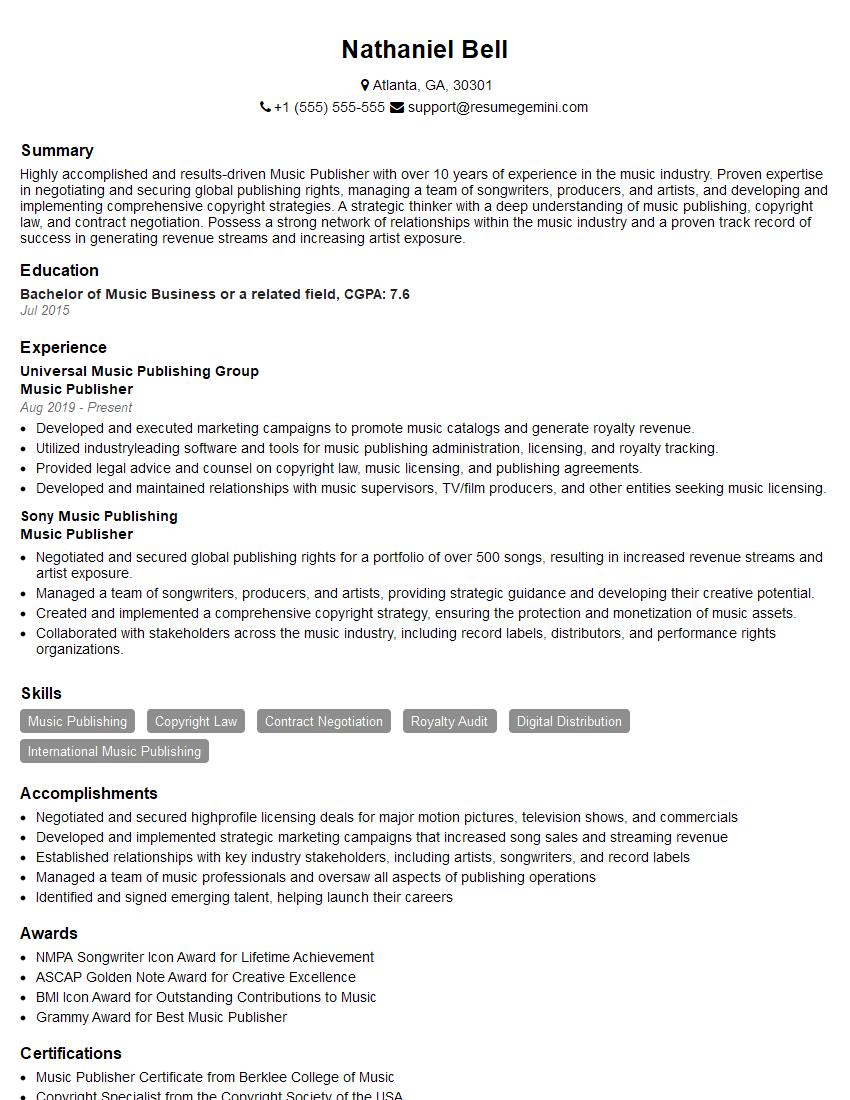
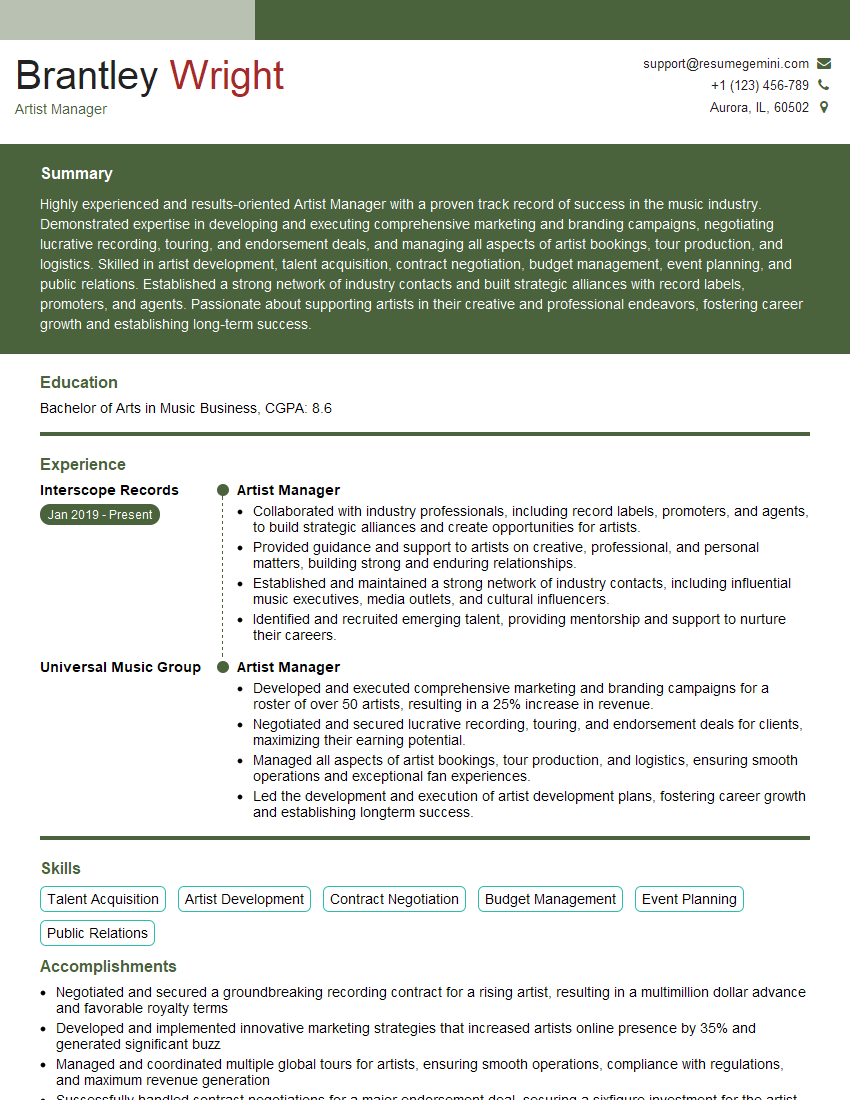
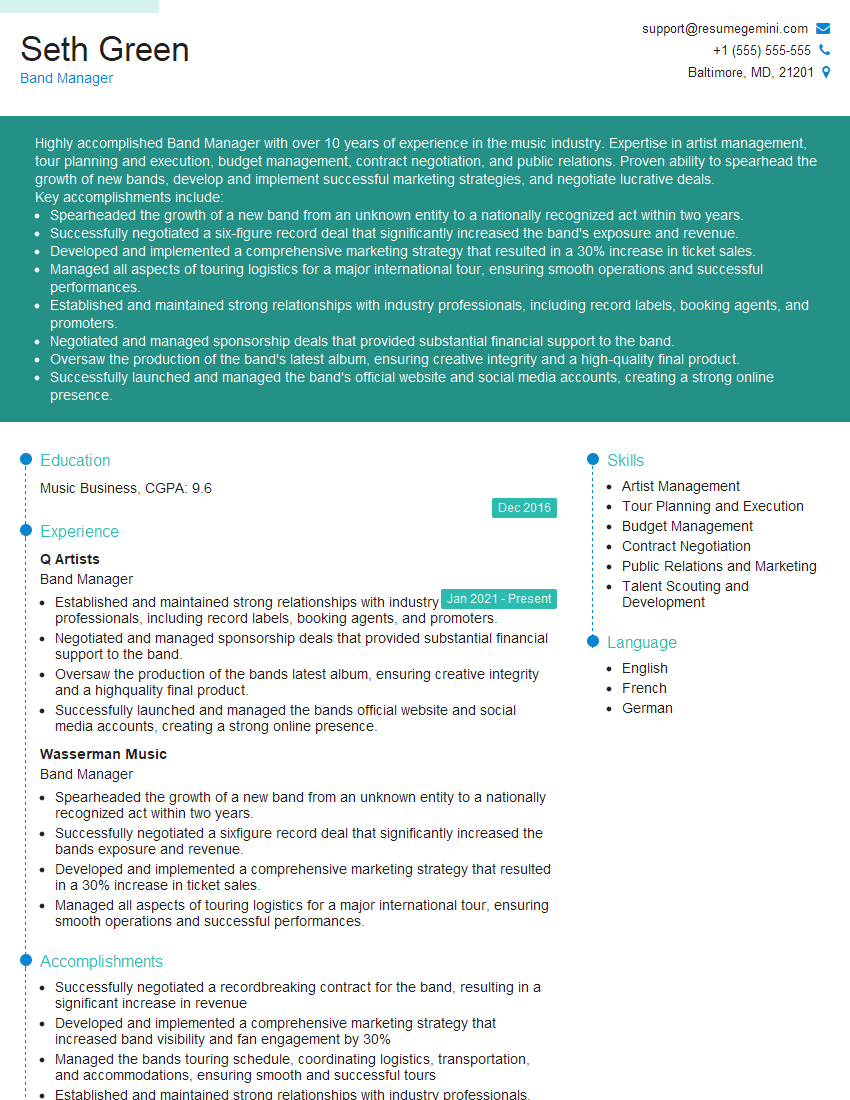
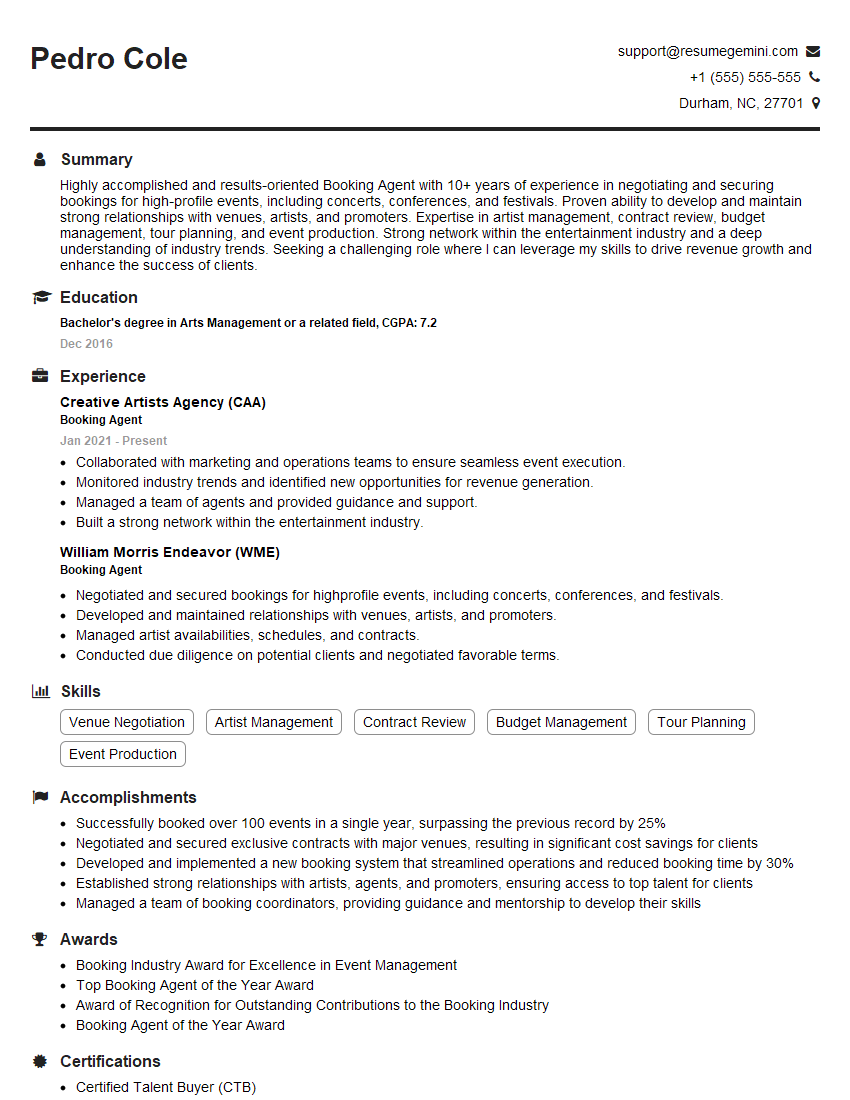
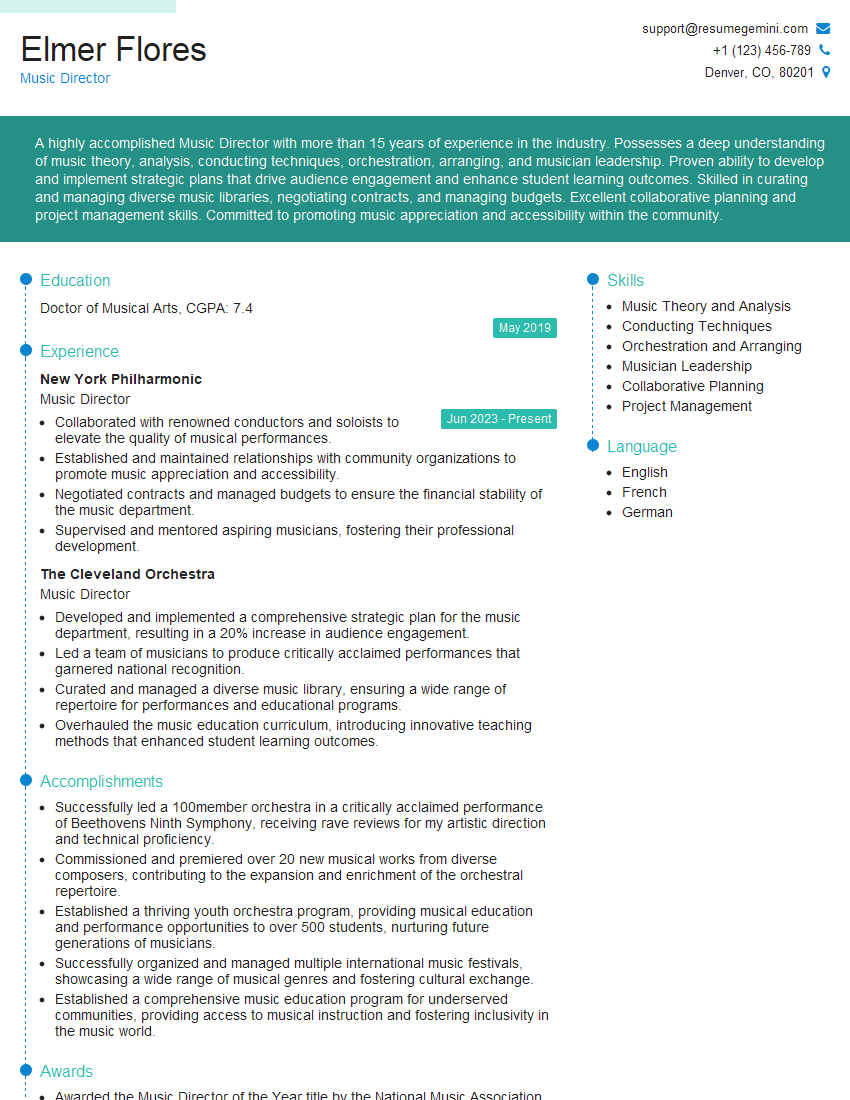
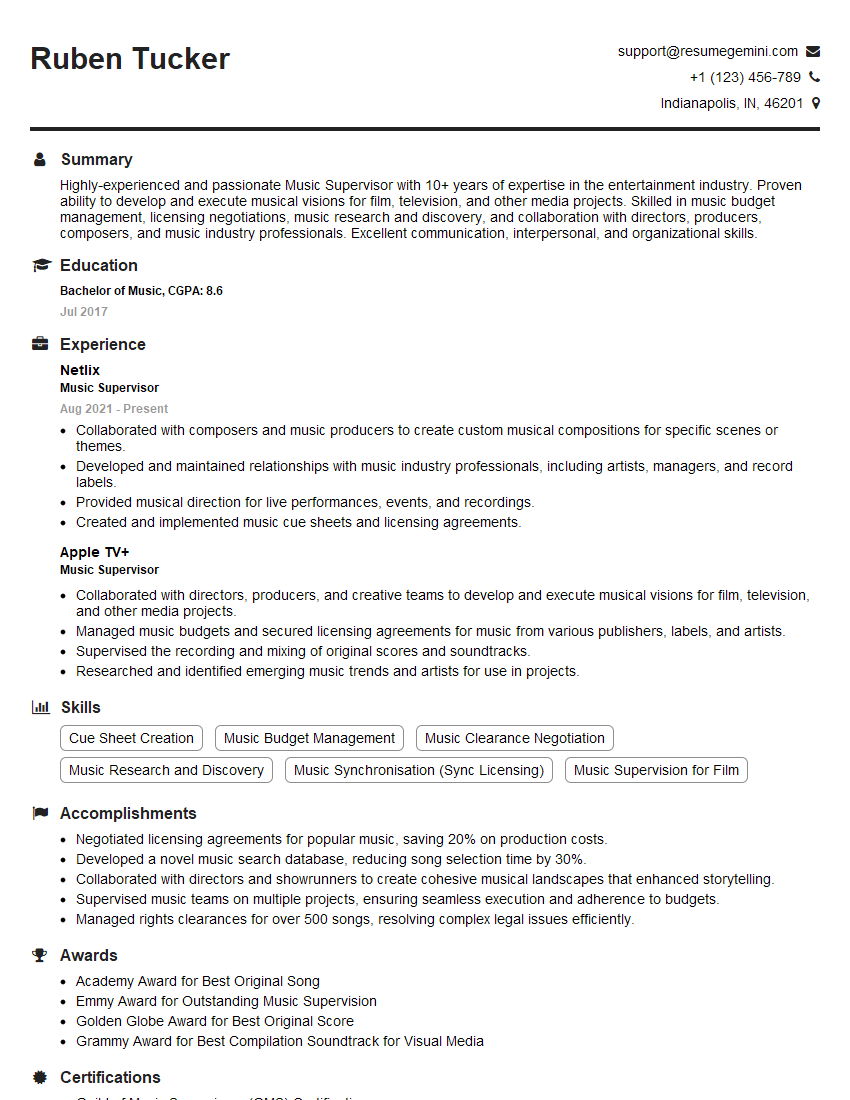
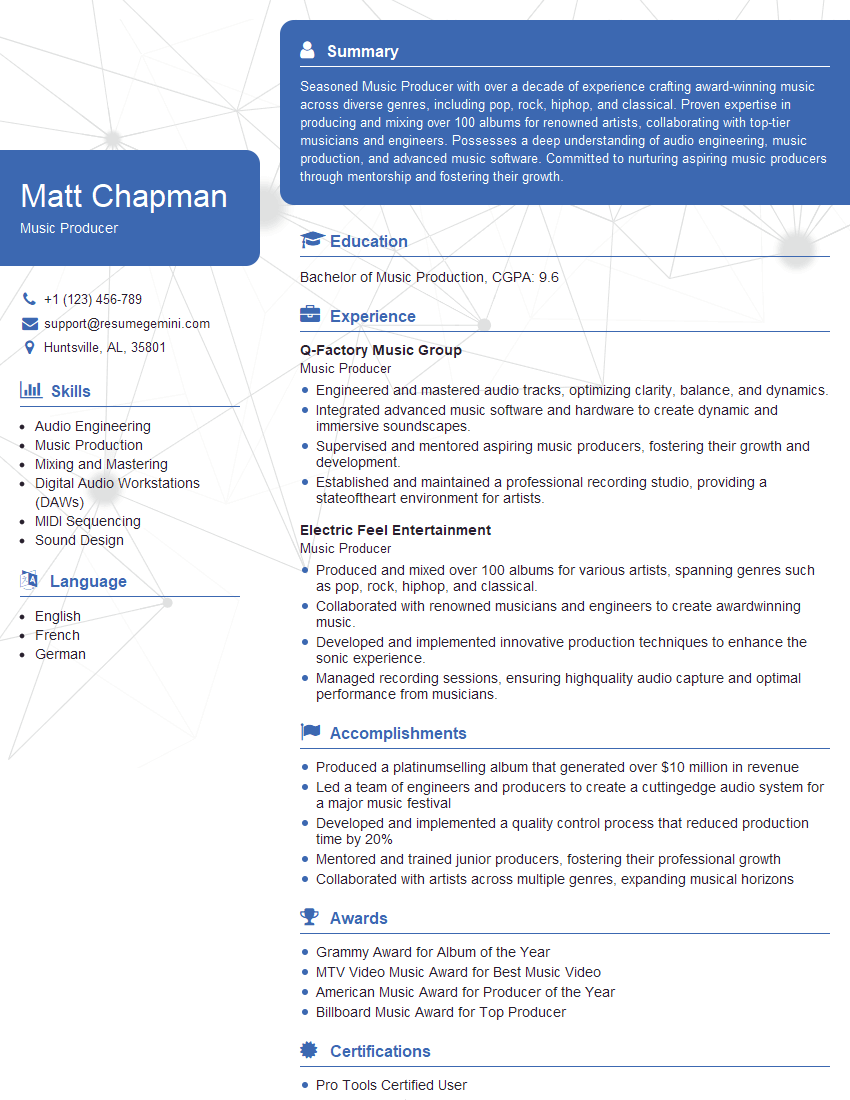
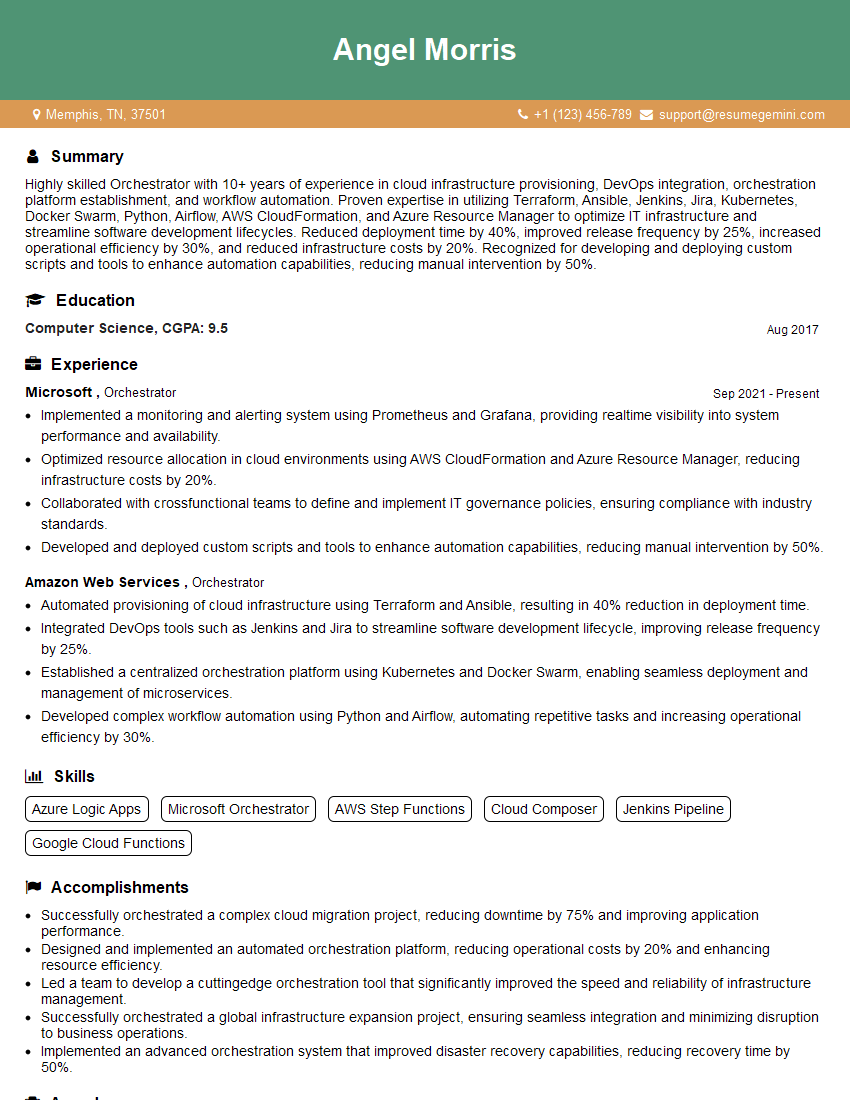
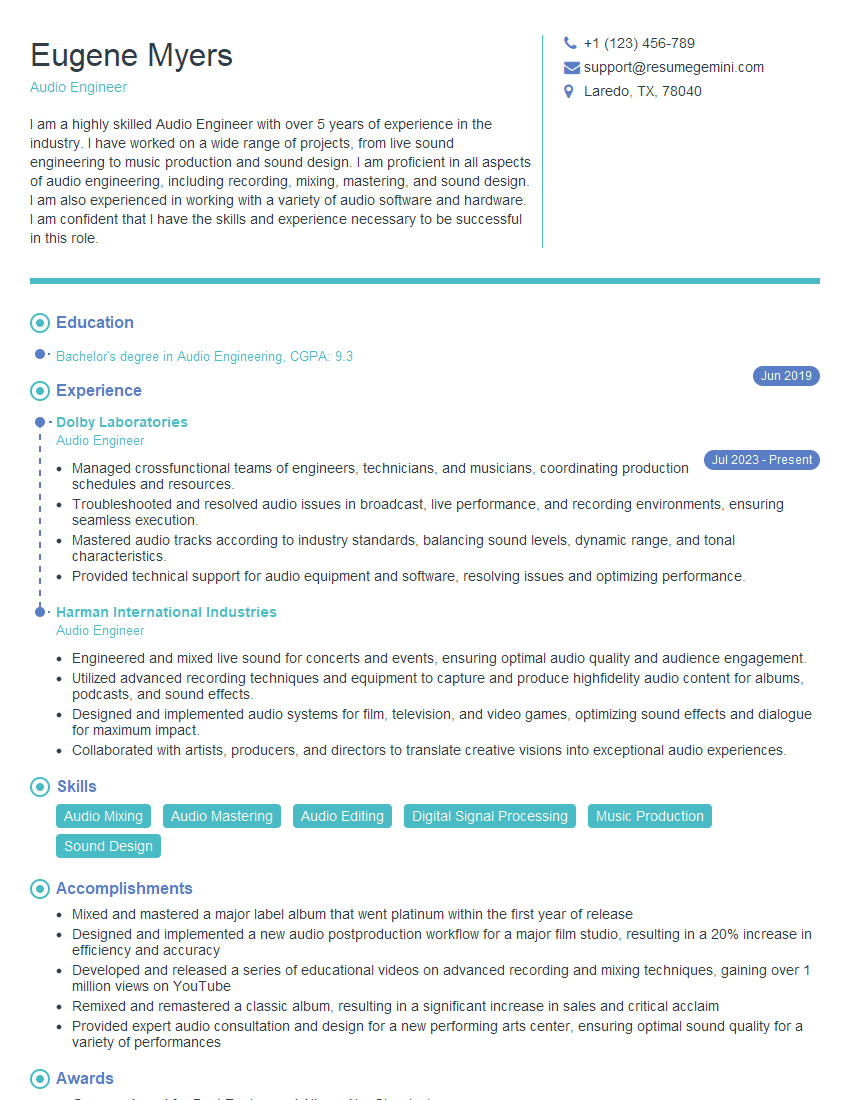
Mastering the art of interviewing for musician positions is crucial for advancing your career and securing your dream role. A strong and ATS-friendly resume is your first impression – it needs to highlight your skills and experience effectively to get noticed by hiring managers. ResumeGemini is a trusted resource to help you build a professional and impactful resume tailored to the music industry. We provide examples of resumes specifically designed for musician hiring to guide you through the process. Take advantage of these resources and confidently present yourself as the ideal candidate.
Explore more articles
Users Rating of Our Blogs
Share Your Experience
We value your feedback! Please rate our content and share your thoughts (optional).
What Readers Say About Our Blog
Very informative content, great job.
good