Preparation is the key to success in any interview. In this post, we’ll explore crucial Naval Command and Control interview questions and equip you with strategies to craft impactful answers. Whether you’re a beginner or a pro, these tips will elevate your preparation.
Questions Asked in Naval Command and Control Interview
Q 1. Describe the principles of naval command and control.
Naval Command and Control (C2) is the process of exercising authority and direction over naval forces to accomplish missions. Its core principles revolve around achieving decisive results through unified effort. This involves:
- Centralized Control: A single command authority makes key decisions, ensuring unified action. This doesn’t preclude delegation, but maintains a clear chain of command.
- Decentralized Execution: While decisions are centralized, execution is often decentralized. Subordinate commanders are empowered to act within defined parameters, adapting to dynamic situations.
- Situational Awareness: Maintaining a comprehensive understanding of the operational environment—including friendly, enemy, and neutral forces—is paramount. This informs decision-making.
- Effective Communication: Rapid, accurate, and secure communication is the lifeblood of naval C2. Information must flow seamlessly up, down, and across the command structure.
- Decision-Making under Pressure: Naval C2 often occurs in high-stakes, time-critical situations. Decision-making processes must be efficient and resilient to stress.
- Adaptability and Flexibility: Naval environments are dynamic. C2 systems must adapt to unforeseen circumstances and changing priorities.
Imagine a fleet responding to a sudden threat: centralized control ensures a coordinated response, while decentralized execution allows individual ships to take effective actions within the overall plan.
Q 2. Explain the role of a Combat Information Center (CIC) in naval operations.
The Combat Information Center (CIC) is the nerve center of a naval vessel or larger command. It’s the central hub for collecting, processing, and disseminating information critical for operations. Think of it as the ship’s brain. Key roles include:
- Sensor Integration: CIC fuses data from radar, sonar, electronic warfare systems, and intelligence sources to build a comprehensive picture of the operational environment.
- Threat Assessment: CIC analyzes the information to identify and assess threats, determining their capabilities and intentions.
- Weapons Control: In many cases, CIC coordinates the targeting and firing of weapons systems.
- Communication Management: CIC manages all internal and external communications, ensuring smooth information flow.
- Decision Support: By providing a clear, comprehensive picture, CIC assists the commanding officer in making informed decisions.
For example, during an anti-submarine warfare operation, the CIC would integrate sonar data, environmental information, and intelligence reports to locate and track enemy submarines, ultimately guiding the attack.
Q 3. What are the key elements of effective communication within a naval command and control system?
Effective communication in naval C2 is characterized by:
- Clarity: Messages must be unambiguous and easily understood. Jargon should be minimized or clearly defined.
- Timeliness: Information must reach the intended recipients quickly. Delays can have severe consequences.
- Accuracy: Information must be accurate and reliable. Inaccurate information can lead to disastrous decisions.
- Security: Communications must be secure to prevent unauthorized access or interception.
- Redundancy: Multiple communication channels should be available to ensure resilience in case of failure.
- Standardization: Using standardized formats and procedures facilitates efficient communication.
Think of a coordinated missile strike – every second counts. Clear, concise communication between the command ship and the launching vessels is critical for mission success. A single miscommunication can lead to friendly fire or mission failure.
Q 4. How does information sharing impact decision-making in naval operations?
Information sharing is fundamental to effective decision-making in naval operations. It facilitates:
- Shared Understanding: All commanders have access to the same information, fostering a shared understanding of the situation.
- Improved Coordination: Sharing information allows for better coordination between different units and platforms.
- Enhanced Situational Awareness: A more comprehensive picture emerges from the integration of diverse data sources.
- Faster Decision-Making: Quick access to relevant information enables rapid decision-making in time-sensitive situations.
- Reduced Risk of Error: The collective intelligence of multiple sources can mitigate individual biases and reduce the risk of mistakes.
For instance, during a search and rescue operation, sharing information on the location of survivors, weather conditions, and available resources allows for a faster, more coordinated rescue effort.
Q 5. Explain the concept of ‘situational awareness’ in a naval command and control context.
Situational awareness in naval C2 is a comprehensive understanding of the operational environment, including:
- Own forces: The location, status, and capabilities of friendly forces.
- Enemy forces: The location, capabilities, intentions, and activities of enemy forces.
- Environment: The geographical, meteorological, and oceanographic conditions.
- Civilian factors: The presence and activities of civilian vessels and populations.
A high level of situational awareness is essential for effective decision-making and mission success. Consider a carrier strike group operating in a contested environment. Maintaining SA requires constant monitoring of radar, electronic intelligence, and human intelligence sources to understand the threat, position friendly assets effectively, and plan accordingly.
Q 6. Describe different types of naval command structures and their strengths/weaknesses.
Naval command structures vary based on mission, scale, and operational context. Common types include:
- Unified Command: A single commander exercises authority over all forces, regardless of service (e.g., joint task force). Strengths: Unified action, clear chain of command. Weaknesses: Can be slow decision-making if not well-organized.
- Functional Command: Different commanders are responsible for specific aspects of the operation (e.g., one for air, one for surface). Strengths: Expertise focused on specific areas. Weaknesses: Potential for conflicting priorities and coordination challenges.
- Operational Control (OPCON): Commander directs forces but doesn’t necessarily exercise administrative control. Strengths: Flexibility, allows for task organization. Weaknesses: Potential for confusion if not clearly defined.
- Tactical Control (TACON): Direct control of forces during a specific operation. Strengths: Precise control in immediate combat. Weaknesses: Limited scope, relinquishes control after the operation concludes.
The choice of structure depends on the specific circumstances. A large-scale amphibious assault might require a unified command, while a smaller-scale anti-piracy operation could use a functional command structure.
Q 7. How do you prioritize competing demands in a high-pressure command and control environment?
Prioritizing competing demands in a high-pressure C2 environment requires a structured approach:
- Threat Assessment: Identify and assess all threats based on their impact and immediacy. Focus on the most urgent threats first.
- Mission Prioritization: Determine the overall mission objectives and prioritize tasks based on their contribution to mission success.
- Resource Allocation: Allocate resources (personnel, equipment, etc.) based on priorities. Make tough decisions about what can be deferred or sacrificed.
- Time Management: Set deadlines and allocate time effectively. Utilize decision-support tools and automation where possible.
- Risk Management: Continuously assess and manage risks. Develop contingency plans to address potential problems.
- Communication: Maintain clear and effective communication with all stakeholders. Clearly communicate decisions and rationale.
Imagine a carrier group facing a simultaneous air attack and submarine threat. Prioritization would likely focus on neutralizing the most immediate and significant threat (e.g., the air attack), while allocating resources to manage the submarine threat concurrently. The decision-making process relies on a combination of risk assessment, available resources, and the overall mission objectives.
Q 8. Explain your understanding of naval doctrine and its role in C2.
Naval doctrine is a set of fundamental principles, beliefs, and concepts that guide the planning, conduct, and assessment of naval operations. It provides a framework for decision-making at all levels of command, from individual ship captains to the highest levels of national command authority. In Command and Control (C2), doctrine dictates how information is processed, decisions are made, and orders are disseminated. It ensures consistency and predictability in naval actions, allowing for efficient coordination across diverse units and platforms.
For example, the doctrine might prescribe specific communication protocols for reporting enemy contacts, or it might outline the preferred sequence of actions in response to various threats. It ensures that actions taken by different parts of the fleet are aligned with overall strategic goals, regardless of the specific commander’s personal preferences. Without a clear doctrine, a fleet would struggle to function effectively as a cohesive whole, resulting in chaos and potential catastrophe.
Effective naval doctrine incorporates lessons learned from past conflicts, technological advancements, and evolving geopolitical considerations. It is a living document that is constantly updated and refined to meet the challenges of the modern naval environment. It directly impacts C2 by providing a common language and understanding, thus enabling seamless information flow and decision-making under pressure.
Q 9. What are the common challenges faced in maintaining cybersecurity within naval C2 systems?
Maintaining cybersecurity within naval C2 systems presents unique and significant challenges. These systems are complex, interconnected networks that control critical assets and operations. The challenges can be categorized into several key areas:
- Network complexity: The sheer size and interconnectedness of naval C2 networks make them difficult to secure comprehensively. Numerous systems, platforms, and communication links all need to be secured against a range of threats.
- Legacy systems: Many naval systems are based on older technologies that lack modern security features. Upgrading these systems is often expensive and time-consuming, leaving them vulnerable.
- Data sensitivity: C2 systems handle highly sensitive information, including operational plans, intelligence data, and real-time tactical information. Breaches could have devastating consequences.
- Physical access: Maintaining physical security around C2 facilities and equipment is paramount. Unauthorized physical access can lead to data breaches or equipment sabotage.
- Insider threats: Human error or malicious intent from personnel within the system can pose a significant risk. Robust security protocols and background checks are vital.
- Cyber warfare threats: State-sponsored actors and other malicious entities actively target naval C2 systems, seeking to disrupt operations or steal sensitive information. These threats are constantly evolving and require sophisticated defenses.
Addressing these challenges requires a multi-layered approach encompassing network security, personnel security, data security, and robust incident response capabilities. Regular security assessments, penetration testing, and continuous monitoring are also critical.
Q 10. How do you handle conflicting information from multiple sources in a C2 environment?
Conflicting information from multiple sources is a common occurrence in the dynamic C2 environment. To handle this effectively, a systematic approach is necessary, relying on a combination of critical thinking, data analysis, and collaboration:
- Source Verification: First, determine the reliability and credibility of each information source. This involves assessing the source’s history, its potential biases, and the methods used to obtain the information. Consider factors like the source’s proximity to the event and its technological capabilities.
- Data Triangulation: Compare and contrast the information from different sources to identify commonalities and inconsistencies. If multiple reliable sources corroborate the same information, it is more likely to be accurate.
- Data Fusion: Integrate information from multiple sources to create a cohesive picture of the situation. This often involves using advanced data analysis techniques to reconcile conflicting reports and fill in gaps in information.
- Risk Assessment: Consider the potential consequences of acting on or ignoring the conflicting information. The decision-making process must weigh the risks and benefits of each course of action.
- Escalation and Collaboration: If the conflicting information cannot be resolved through data analysis, it may need to be escalated to higher levels of command for resolution. Collaboration and open communication are critical in this process.
For instance, imagine receiving conflicting reports about the position of an enemy vessel from a satellite, an aircraft, and a surface ship. Triangulation helps determine which report is most accurate, possibly revealing a sensor malfunction or the enemy using deceptive tactics. The process always needs to consider the timeliness of information and the speed of enemy maneuvers. Failing to resolve this quickly can lead to missed opportunities or vulnerable positions.
Q 11. Describe your experience with naval command and control systems.
Throughout my career, I’ve had extensive experience with various naval command and control systems, ranging from tactical systems onboard ships to strategic systems in command centers. I’ve worked with systems like [Insert specific systems you’ve worked with, e.g., Aegis Combat System, Link-16, etc. Be cautious about mentioning classified systems]. My experience encompasses all phases of the C2 lifecycle, including system design, implementation, operation, and maintenance. I’m familiar with the challenges of integrating different systems and platforms, ensuring interoperability and data sharing. I have practical experience in managing large datasets, analyzing real-time information, and generating comprehensive situation assessments.
In one particular instance, I led a team in troubleshooting a critical communication failure during a complex naval exercise. Through systematic investigation and collaborative troubleshooting, we identified the problem as a software incompatibility, which we resolved efficiently, preventing a significant disruption to the exercise.
My experience extends beyond technical aspects. I’ve also been involved in developing and executing operational plans, coordinating with various units and agencies to achieve overall mission objectives. This work includes scenario planning, decision support, and post-operation analysis.
Q 12. What are your strengths in managing a team under stress?
My strengths in managing a team under stress center around clear communication, decisive leadership, and fostering a supportive team environment. I believe in empowering team members by delegating effectively, while maintaining a strong sense of shared purpose. I always ensure that communication channels remain open during stressful situations, promoting transparency and preventing misunderstandings. This approach also involves providing regular updates and feedback to my team.
During a past crisis situation involving a simultaneous cyberattack and equipment malfunction, I prioritized clear and concise communication to each team member, delegating specific tasks based on their expertise. We developed a structured problem-solving strategy by breaking down the complex issues into manageable parts. The team’s ability to function effectively during the crisis demonstrates my ability to lead and motivate under stress. Open feedback channels and clear direction minimized confusion and promoted focus.
I’m also proactive in identifying potential stressors and implementing strategies to mitigate their impact. This could include scheduling adequate rest breaks, regular training sessions to hone skills under pressure, and creating an environment where team members feel comfortable seeking help or raising concerns.
Q 13. How do you ensure data integrity and accuracy in a C2 setting?
Ensuring data integrity and accuracy in a C2 setting is crucial for effective decision-making. This requires a multi-faceted approach:
- Data Validation: Implementing rigorous data validation procedures at all stages of the data lifecycle, from collection to analysis. This involves checks to identify and correct errors or inconsistencies before they propagate through the system.
- Data Redundancy: Utilizing multiple independent sources for critical data, providing backups and cross-checks to prevent data loss or corruption.
- Data Encryption: Protecting data from unauthorized access through robust encryption protocols at rest and in transit. This is essential to maintaining the confidentiality and integrity of sensitive information.
- Data Auditing: Regularly auditing data to detect anomalies and inconsistencies. This involves comparing data from different sources, identifying outliers, and investigating potential errors.
- System Security: Employing strong cybersecurity measures to protect against unauthorized access or manipulation of data. This includes network security, access controls, and regular security assessments.
- Personnel Training: Training personnel on data handling procedures, emphasizing accuracy and adherence to protocols.
For example, imagine a situation where a sensor reports a significantly different speed for a target than expected. This inconsistency warrants investigation, which can involve cross-checking with additional sensors and potentially adjusting data weights based on sensor reliability. Effective data management processes are essential to ensure timely and accurate information is used for critical decision-making in rapidly changing situations.
Q 14. Explain the process of developing and executing a naval operational plan.
Developing and executing a naval operational plan is a complex process that involves several key stages:
- Mission Analysis: Clearly defining the mission objectives, desired end state, and constraints. This stage involves analyzing the operational environment, threat assessment, and the capabilities of friendly forces.
- Course of Action Development: Generating multiple potential courses of action (COAs) to achieve the mission objectives. Each COA should be evaluated based on its feasibility, effectiveness, and risk.
- COA Analysis and Selection: Analyzing and comparing the different COAs to determine the best course of action. This process often involves wargaming, simulations, and expert judgment. Risk assessment is critical here.
- Plan Development: Developing a detailed operational plan based on the selected COA. This includes specifying tasks, timelines, communication protocols, and resource allocation. Specific tasks and responsibilities are clearly assigned to various units.
- Rehearsals and Refinements: Conducting rehearsals and simulations to identify potential weaknesses in the plan. The plan is then refined based on lessons learned from the rehearsals.
- Execution: Implementing the plan and monitoring its progress. This involves coordinating actions of different units and adapting to unforeseen circumstances.
- Post-Operational Assessment: Evaluating the success of the operation and identifying lessons learned for future planning. This feedback loop is essential for continuous improvement.
Throughout this process, effective communication and collaboration between different levels of command are critical. The plan needs to be flexible enough to adapt to changing circumstances, while also providing a clear framework for action.
Q 15. Discuss the role of technology in modern naval command and control.
Technology is the backbone of modern naval command and control (C2). It’s no longer just about plotting ships on a map; it’s about integrating vast amounts of data from diverse sources to create a comprehensive, real-time understanding of the operational environment. This includes everything from satellite imagery and sensor data from various platforms (ships, aircraft, submarines) to intelligence reports and even social media feeds.
- Improved Situational Awareness: Real-time data fusion from multiple sources provides a far more accurate and detailed picture of the battlespace than ever before, allowing commanders to make informed decisions quickly.
- Enhanced Communication: Data link systems like Link 16 allow seamless information sharing between platforms, drastically improving coordination and responsiveness.
- Automated Decision Support: Advanced algorithms and AI are being increasingly integrated to assist commanders in analyzing vast datasets, identifying patterns, and predicting potential threats.
- Cybersecurity: Protecting critical C2 systems from cyberattacks is paramount, necessitating robust security measures and constant vigilance.
For example, imagine a scenario where a submarine detects a hostile vessel. Modern C2 systems would instantly relay this information to the entire task force via Link 16, allowing for immediate coordinated responses, including deploying aircraft or surface vessels to intercept the threat. This level of interconnectedness and speed is impossible without advanced technology.
Career Expert Tips:
- Ace those interviews! Prepare effectively by reviewing the Top 50 Most Common Interview Questions on ResumeGemini.
- Navigate your job search with confidence! Explore a wide range of Career Tips on ResumeGemini. Learn about common challenges and recommendations to overcome them.
- Craft the perfect resume! Master the Art of Resume Writing with ResumeGemini’s guide. Showcase your unique qualifications and achievements effectively.
- Don’t miss out on holiday savings! Build your dream resume with ResumeGemini’s ATS optimized templates.
Q 16. Describe your understanding of Link 16 or similar data link systems.
Link 16, and similar tactical data links, are the digital nervous system of modern naval operations. They’re essentially a secure, high-bandwidth network that allows for the rapid exchange of real-time information between various platforms, including ships, aircraft, and submarines. Think of it as a secure, military-grade internet specifically designed for the demanding environment of naval warfare.
Information shared over Link 16 includes:
- Track data: Location, course, speed, and identification of friendly and hostile units.
- Messaging: Secure text and voice communication between units.
- Imagery: Sharing of real-time images and video from various sensors.
- Orders and directives: Passing tactical commands and instructions swiftly across the force.
The beauty of Link 16 lies in its ability to handle large volumes of data securely and reliably, even in contested environments. This ensures that everyone has the same situational awareness, leading to better coordination and more effective combat operations. The system employs sophisticated encryption to protect the information exchanged, making it extremely difficult for adversaries to intercept and interpret.
Q 17. How do you ensure interoperability between different naval systems?
Interoperability between different naval systems is crucial for seamless C2. It ensures that disparate platforms and systems – developed by different nations or manufacturers – can communicate and share data effectively. Achieving this requires a multi-faceted approach:
- Standardization: Adherence to common communication protocols, data formats, and interface specifications is fundamental. This involves collaborative efforts between nations and organizations to agree upon shared standards.
- Modular Design: Systems should be designed with modularity in mind, allowing for the easy integration of new technologies and capabilities without requiring complete system overhauls.
- Open Architectures: Employing open system architectures allows for greater flexibility and reduces vendor lock-in. This makes it easier to integrate new systems and technologies from different suppliers.
- Testing and Validation: Rigorous testing and validation are essential to ensure interoperability and compatibility before deployment. This often involves joint exercises and simulations.
For instance, ensuring a US Navy ship can seamlessly share information with a UK Royal Navy frigate requires adherence to agreed-upon standards in data formats and communication protocols within Link 16 or other data link systems. Failure to do so would severely hamper joint operations.
Q 18. How do you assess risk in a naval operational context?
Risk assessment in a naval operational context is a continuous and iterative process. It involves identifying, analyzing, and mitigating potential threats that could compromise mission success or endanger personnel and equipment. This process often employs frameworks like the following:
- Identify Hazards: This involves brainstorming potential threats, including enemy actions, environmental factors (storms, currents), equipment failures, and human error.
- Analyze Risk: This stage involves assessing the likelihood and severity of each hazard. This often uses matrix approaches, considering the probability of occurrence and the potential impact.
- Develop Mitigation Strategies: Once risks are identified and analyzed, strategies to mitigate or reduce them are developed. These can include changes in tactics, procedures, or equipment.
- Monitor and Review: This is an ongoing process, continuously evaluating the effectiveness of mitigation strategies and adapting to changing circumstances.
For example, when planning an amphibious landing, risks could include enemy anti-ship missiles, bad weather, or equipment malfunctions. A thorough risk assessment would identify these threats, determine their likelihood and potential impact, and develop strategies like anti-missile defenses, weather contingency plans, and thorough equipment maintenance to mitigate them. The process is dynamic, adapting to real-time intelligence and unforeseen circumstances.
Q 19. What are your strategies for managing information overload?
Managing information overload in naval C2 is a significant challenge, especially during high-intensity operations. Effective strategies include:
- Prioritization: Focus on the most critical information first. This involves filtering out irrelevant or low-priority data.
- Data Fusion: Integrate data from multiple sources to create a more concise and meaningful picture of the situation. Avoid redundancy.
- Automation: Employ automated systems to filter, analyze, and present information in a more digestible format.
- Visualization: Present information graphically using intuitive displays that enhance understanding and reduce cognitive load. This includes interactive maps and dashboards.
- Human-Machine Teaming: Design systems that leverage the strengths of both human operators and automated systems. Humans provide judgment and context, while machines handle data processing.
Think of it like trying to navigate a busy city. Instead of looking at every single detail, you focus on the major roads, traffic flow, and your destination. Similarly, in naval C2, effective information management is about focusing on the most critical aspects of the situation while filtering out the noise.
Q 20. Explain the importance of maintaining operational security in naval C2.
Maintaining operational security (OPSEC) in naval C2 is paramount. It involves protecting sensitive information and actions to prevent adversaries from gaining an advantage. Breaches can have severe consequences, potentially leading to mission failure or loss of life.
Key OPSEC principles include:
- Information Security: Classifying information according to its sensitivity and employing appropriate security measures, including encryption and access controls.
- Communications Security: Protecting communications from interception and decryption. This includes the use of secure communication channels and encryption techniques.
- Physical Security: Protecting C2 facilities and equipment from unauthorized access or sabotage.
- Personnel Security: Vetting personnel to ensure trustworthiness and providing training on OPSEC procedures.
- Emission Control: Minimizing the unintentional release of information through electronic emissions (e.g., radar signals).
Failure to maintain OPSEC can have catastrophic results. For example, if an adversary intercepts communications revealing the location and movements of a naval task force, it could result in a devastating surprise attack. Therefore, a rigorous approach to OPSEC is essential for the success and safety of naval operations.
Q 21. Describe your experience with crisis management in a naval setting.
Crisis management in a naval setting requires swift, decisive action, based on a clear understanding of the situation and a well-defined plan. My experience involves:
- Rapid Assessment: Quickly assessing the situation to understand the nature of the crisis, its potential impact, and available resources.
- Decision-Making: Making timely and informed decisions under pressure, often with incomplete information.
- Communication: Maintaining clear and effective communication with all relevant parties, both internally within the naval force and externally with other agencies.
- Coordination: Coordinating the efforts of various units and agencies to address the crisis effectively.
- Risk Mitigation: Implementing measures to minimize further damage or loss.
- Post-Crisis Analysis: Conducting a thorough review of the events to identify lessons learned and improve future responses.
For example, during a piracy incident, I’ve been involved in coordinating a response involving multiple naval ships and aircraft to rescue a hijacked vessel and apprehend the perpetrators. This required close collaboration with international partners, effective communication with the crew under duress, and a careful plan to neutralize the pirates without putting lives at risk.
Q 22. How do you evaluate the effectiveness of naval command and control operations?
Evaluating the effectiveness of naval command and control (C2) operations is a multifaceted process requiring a holistic approach. We assess effectiveness based on several key performance indicators (KPIs). These include:
- Mission Accomplishment: Did the operation achieve its stated objectives? This is the ultimate measure of success and requires careful definition of objectives before the operation commences.
- Timeliness and Speed of Response: How quickly did the C2 system react to changing circumstances and threats? Delayed responses can have catastrophic consequences in dynamic naval environments.
- Accuracy of Information: Was the information used for decision-making accurate, complete, and timely? Inaccurate intelligence can lead to poor decisions with potentially devastating results. We utilize multiple intelligence sources and verification processes to mitigate this risk.
- Situational Awareness: Did the C2 system maintain a clear and comprehensive understanding of the operational environment? A good C2 system provides a common operational picture (COP) to all stakeholders, ensuring everyone is ‘on the same page’.
- Communication Effectiveness: Were communications clear, concise, and secure? Breakdown in communications can lead to confusion and mission failure. We regularly conduct communication drills and exercises.
- Resource Management: Were resources (personnel, platforms, weapons) effectively allocated and utilized? Efficient resource allocation is crucial for maximizing operational effectiveness and minimizing losses.
- Post-Mission Analysis: A thorough after-action review (AAR) is crucial. This involves analyzing successes, failures, and lessons learned to improve future operations. This is not merely a blame-game, but a collaborative effort to improve future performance.
For example, during a recent anti-piracy operation, we assessed effectiveness by measuring the number of pirate vessels apprehended, the speed of response to distress calls, and the accuracy of intelligence used to locate the pirates. The AAR highlighted the need for improved communication protocols between the shore-based command center and the deployed vessels.
Q 23. What are the ethical considerations in naval command and control decision-making?
Ethical considerations are paramount in naval C2 decision-making. Our decisions often involve life-or-death consequences, demanding strict adherence to international law, national laws, and our own code of conduct. Key ethical considerations include:
- Proportionality: Using force only to the extent necessary to achieve a legitimate military objective and minimizing collateral damage to civilians and civilian infrastructure. This requires careful consideration of the potential consequences of every action.
- Discrimination: Distinguishing between combatants and non-combatants. This is crucial in adhering to the laws of armed conflict and avoiding civilian casualties. We utilize advanced technologies and intelligence to minimize unintended harm.
- Responsibility: Accountability for decisions and actions. Clear chains of command and reporting mechanisms ensure that those responsible for decisions are held accountable for their actions.
- Transparency: Openness and honesty in decision-making processes. This fosters trust within the C2 team and with external stakeholders.
- Respect for Human Rights: Upholding the human rights of all individuals, including those captured or detained during operations. This is paramount to maintaining international credibility and ethical standards.
For instance, during a humanitarian assistance/disaster relief operation, ethical considerations guided our decision-making regarding resource allocation, ensuring that aid reached those most in need without causing unintended harm or exacerbating existing inequalities. We meticulously documented all actions, ensuring adherence to ethical protocols.
Q 24. Explain your understanding of naval intelligence and its role in C2.
Naval intelligence plays a critical role in C2 by providing the timely, relevant, and accurate information needed for effective decision-making. It encompasses all activities designed to collect, process, analyze, and disseminate information regarding the enemy, the operational environment, and our own capabilities. This includes:
- Signals Intelligence (SIGINT): Intercepting and analyzing communications and other electronic signals.
- Human Intelligence (HUMINT): Gathering information from human sources.
- Imagery Intelligence (IMINT): Using satellite and aerial imagery to monitor activities.
- Measurement and Signature Intelligence (MASINT): Using technical means to collect information on a target’s physical characteristics.
- Open-Source Intelligence (OSINT): Gathering information from publicly available sources.
The role of naval intelligence in C2 is to provide a comprehensive understanding of the operational environment, enabling commanders to make informed decisions. This includes assessing enemy capabilities and intentions, identifying vulnerabilities, and predicting future actions. For example, in a maritime interdiction operation, intelligence on smuggling routes, vessel profiles, and crew activity would inform decisions about deployment of assets and tactics.
Q 25. How do you incorporate lessons learned into future naval operations?
Incorporating lessons learned into future naval operations is critical for continuous improvement. We use a systematic approach that involves several key steps:
- After-Action Reviews (AARs): Conducting thorough reviews of past operations, identifying both successes and failures. These reviews involve all levels of personnel involved in the operation to gain diverse perspectives.
- Data Analysis: Analyzing operational data to identify trends and patterns. This may involve examining communication logs, sensor data, and performance metrics.
- Feedback Mechanisms: Establishing systems for collecting feedback from personnel at all levels. This can include surveys, interviews, and informal feedback sessions.
- Training and Exercise Programs: Incorporating lessons learned into training and exercises to improve personnel skills and operational procedures.
- Doctrine Development: Updating doctrine and operational procedures based on lessons learned. This ensures that procedures remain current and effective.
- Technology Upgrades: Investing in new technologies and capabilities to address identified weaknesses. This may include improved sensors, communications systems, and command and control software.
For example, after a recent amphibious assault exercise, an AAR revealed a communication bottleneck between the command ship and the landing force. This led to improvements in communication protocols and the introduction of new communication technologies, enhancing future operational readiness.
Q 26. Describe your experience with naval simulations and wargaming.
Naval simulations and wargaming are indispensable tools for training, planning, and evaluating C2 operations. I have extensive experience using various simulation tools, ranging from high-fidelity computer simulations to tabletop exercises. These tools allow us to:
- Train Personnel: Develop and hone personnel skills in a safe, controlled environment.
- Plan Operations: Test and refine operational plans before deployment.
- Evaluate Concepts: Assess the effectiveness of new technologies, doctrines, and strategies.
- Identify Vulnerabilities: Highlight weaknesses in our procedures, systems, or capabilities.
- Improve Decision-Making: Practice responding to unexpected events and challenges.
A recent example involved using a high-fidelity naval simulation to test a new anti-submarine warfare (ASW) tactic. The simulation allowed us to evaluate the effectiveness of the tactic against various submarine threats, leading to refinements in the approach and improved ASW capabilities. Tabletop exercises, on the other hand, have been invaluable for developing collaborative decision-making skills within the C2 team.
Q 27. How do you manage personnel effectively within a naval C2 team?
Effective personnel management within a naval C2 team is crucial for operational success. My approach focuses on:
- Clear Roles and Responsibilities: Defining clear roles and responsibilities for each team member, minimizing confusion and overlap.
- Training and Development: Providing opportunities for continuous training and professional development to enhance skills and knowledge.
- Communication and Collaboration: Fostering open communication and collaboration among team members. Regular briefings, meetings, and informal communication channels ensure clear understanding and collective effort.
- Mentorship and Leadership: Providing mentorship and leadership to guide and support team members, fostering a supportive and inclusive environment.
- Performance Management: Regularly evaluating performance and providing constructive feedback to improve individual and team performance. This includes addressing performance issues promptly and fairly.
- Work-Life Balance: Recognizing the demanding nature of naval service and striving to promote a healthy work-life balance for team members. This fosters morale and prevents burnout.
For example, I implemented a mentoring program for junior officers within my C2 team, pairing them with experienced mentors who provided guidance, support, and professional development opportunities. This initiative improved morale, enhanced skills, and ensured succession planning.
Q 28. Explain your understanding of the Joint Publication 3-0 (Joint Operations)
Joint Publication 3-0 (JP 3-0), Joint Operations, provides doctrine for planning and conducting joint military operations. It establishes fundamental principles, concepts, and processes for joint force commanders (JFCs) to plan, prepare, and execute operations. Key aspects include:
- Joint Force Command Structure: Defining the structure and responsibilities of a joint force command, including the roles of component commanders and subordinate units.
- Operational Planning Process: Outlining the steps involved in planning joint operations, from initial planning to execution and assessment.
- Joint Operational Terms and Definitions: Providing a common understanding of terms and concepts used in joint operations.
- Principles of Joint Operations: Highlighting key principles that guide joint operations, including unity of effort, legitimacy, restraint, perseverance, and precision.
- Joint Operational Capabilities: Describing the capabilities that joint forces can bring to bear in different operational environments.
Understanding JP 3-0 is crucial for naval officers as it provides the framework for integrating naval forces into joint operations. It ensures seamless cooperation and coordination between different service branches, maximizing the effectiveness of combined operations. For example, a recent joint amphibious operation relied heavily on the principles and procedures outlined in JP 3-0, ensuring the coordinated effort between the Navy, Army, Air Force, and Marine Corps.
Key Topics to Learn for Naval Command and Control Interview
- Situational Awareness and Decision Making: Understanding the critical role of information gathering, analysis, and rapid decision-making under pressure in naval operations. Practical application: Analyze case studies of naval engagements to understand how information influenced outcomes.
- Command, Control, Communications, Computers, Intelligence, Surveillance, and Reconnaissance (C4ISR): Mastering the interconnectedness of these systems and their impact on operational effectiveness. Practical application: Explore the challenges and solutions involved in integrating diverse C4ISR data sources.
- Network-Centric Warfare (NCW): Grasp the principles of NCW and its application in modern naval combat. Practical application: Discuss the advantages and disadvantages of different NCW architectures.
- Cybersecurity in Naval Operations: Understanding the vulnerabilities and threats to naval command and control systems and the strategies for mitigating risk. Practical application: Analyze real-world examples of cyberattacks on naval systems and their consequences.
- Crisis Management and Conflict Resolution: Developing strategies for effective communication and coordination during crises. Practical application: Explore different conflict resolution techniques and their applicability in naval scenarios.
- Operational Planning and Execution: Understanding the processes involved in planning and executing naval operations, including resource allocation and risk assessment. Practical application: Analyze case studies of successful and unsuccessful naval operations.
- Leadership and Teamwork: Demonstrating the ability to lead and collaborate effectively within a team environment. Practical application: Discuss your experience working in teams and how you contributed to successful outcomes.
Next Steps
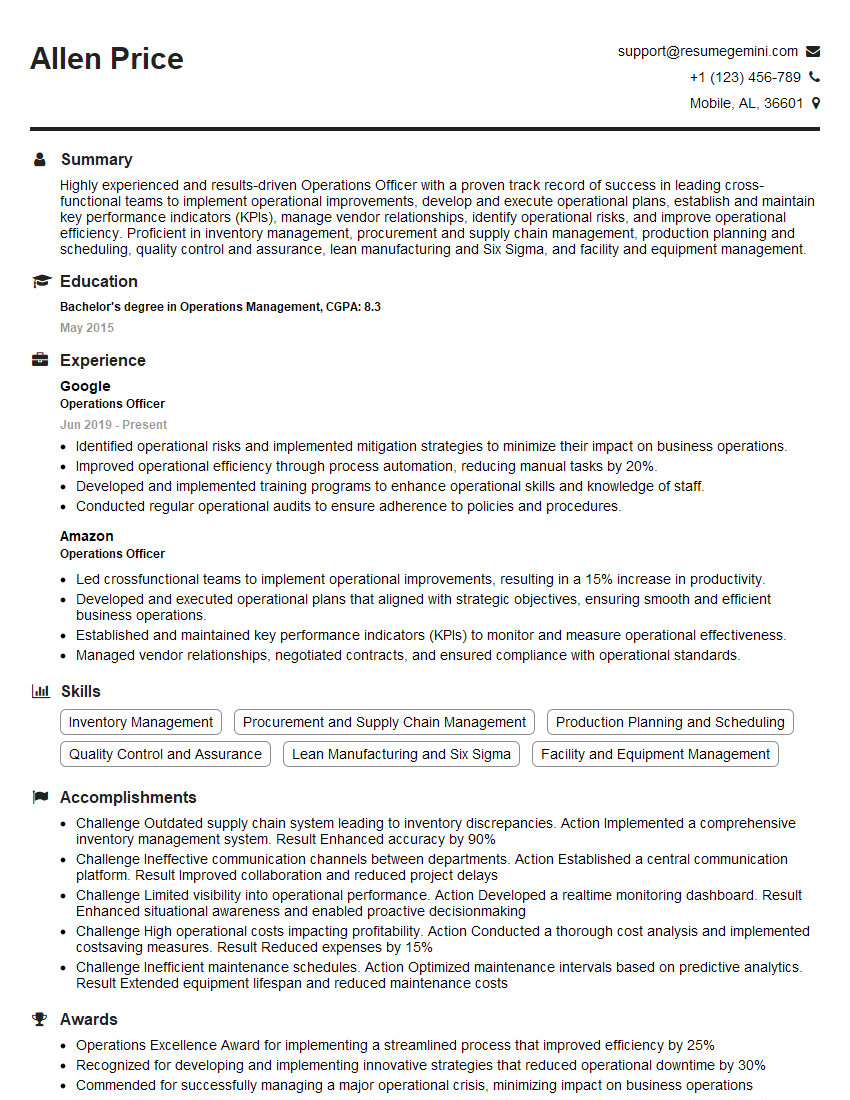
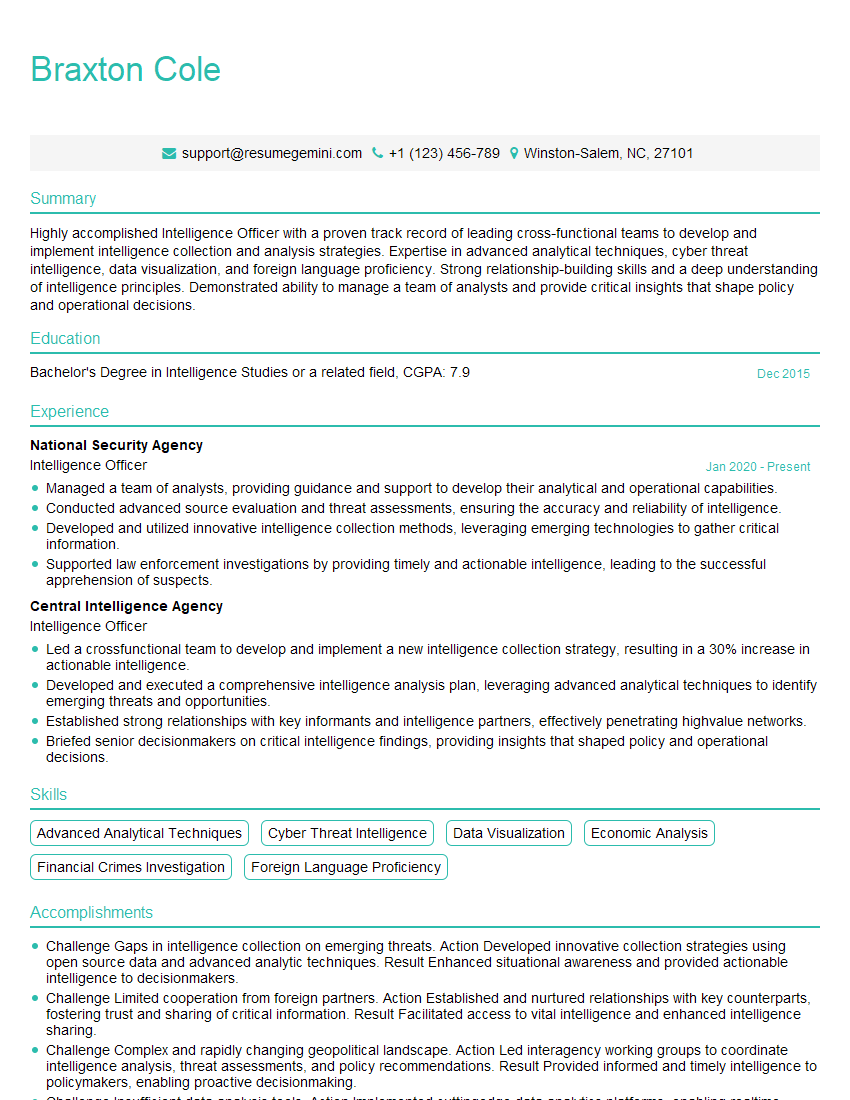
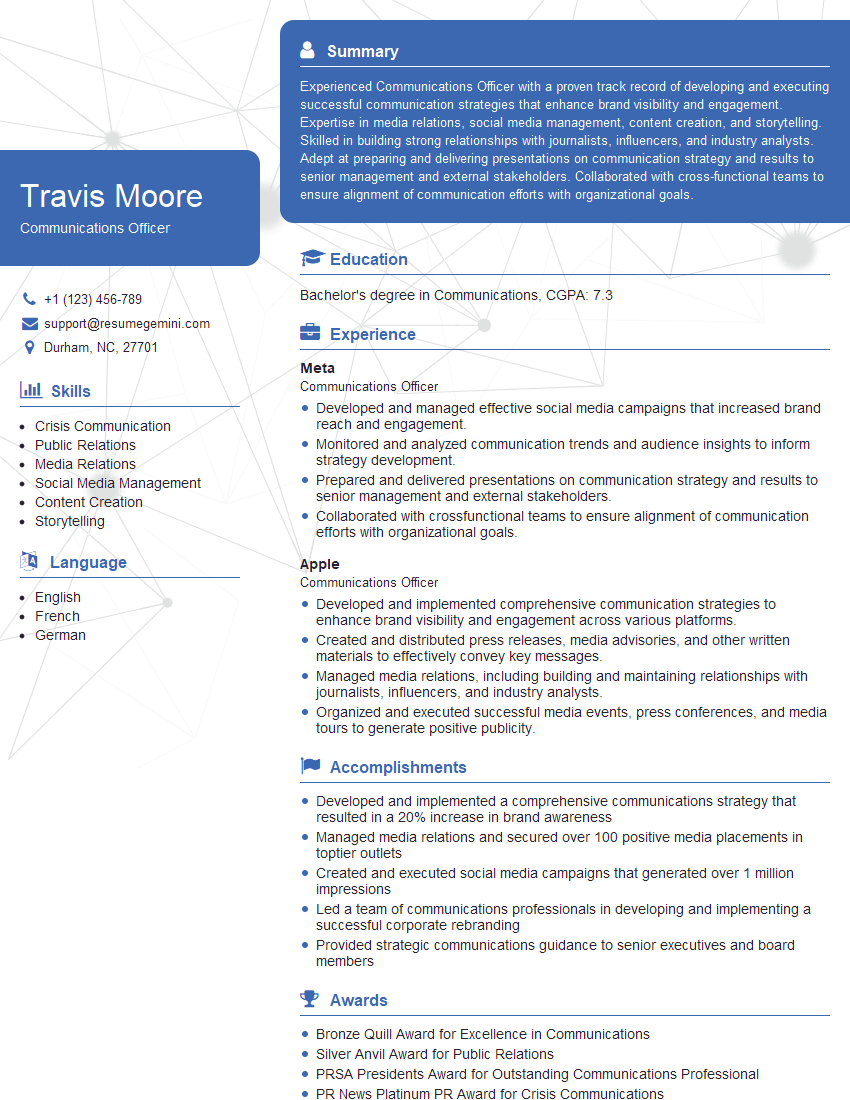
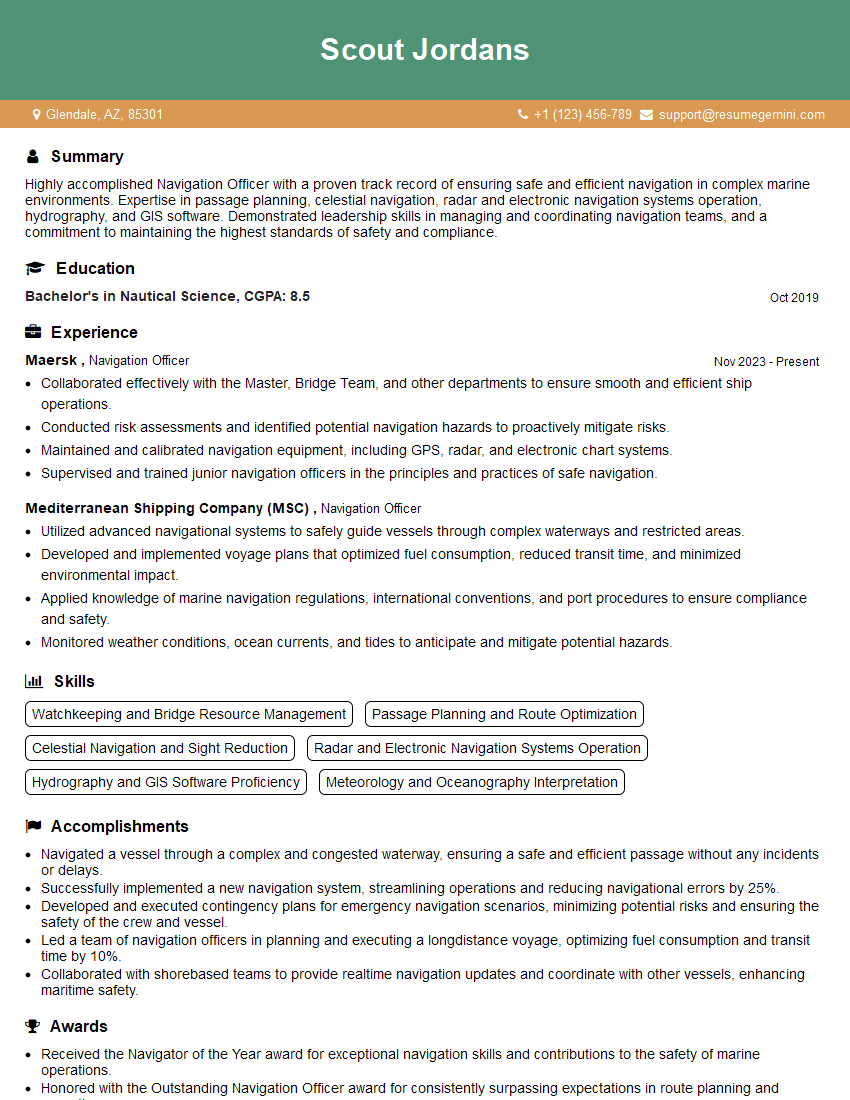
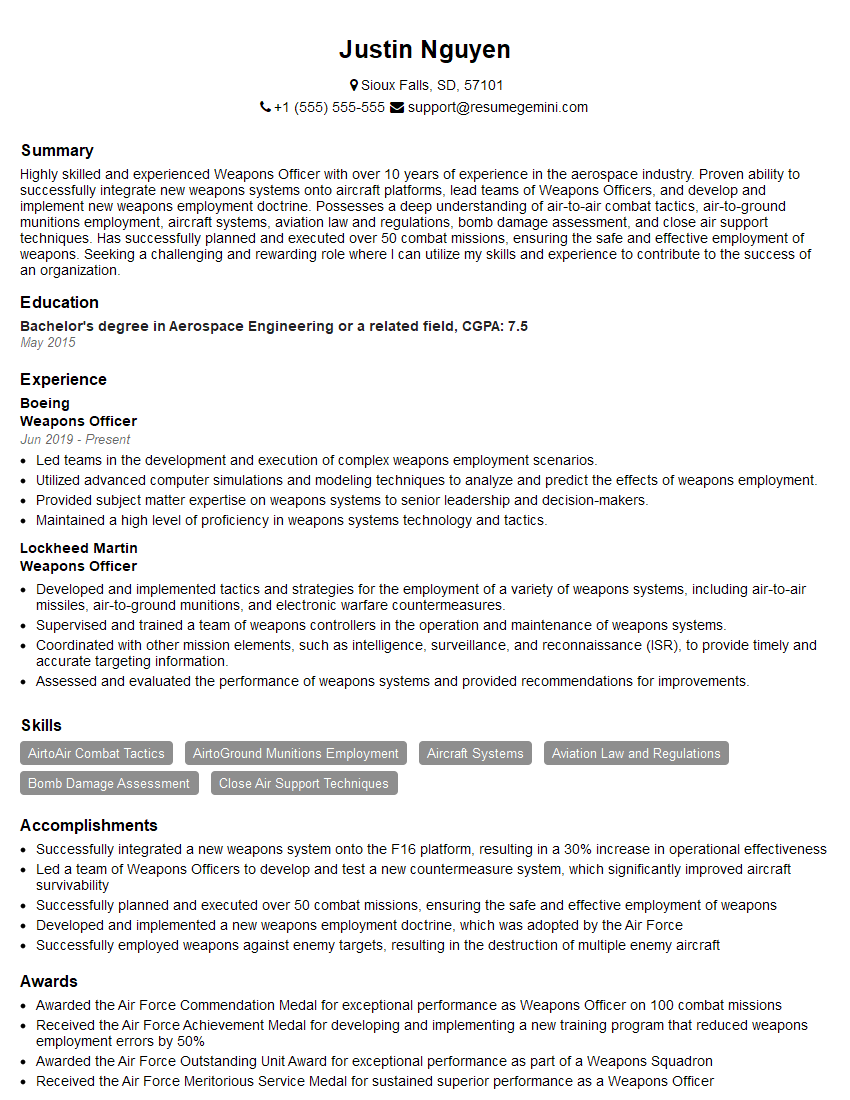
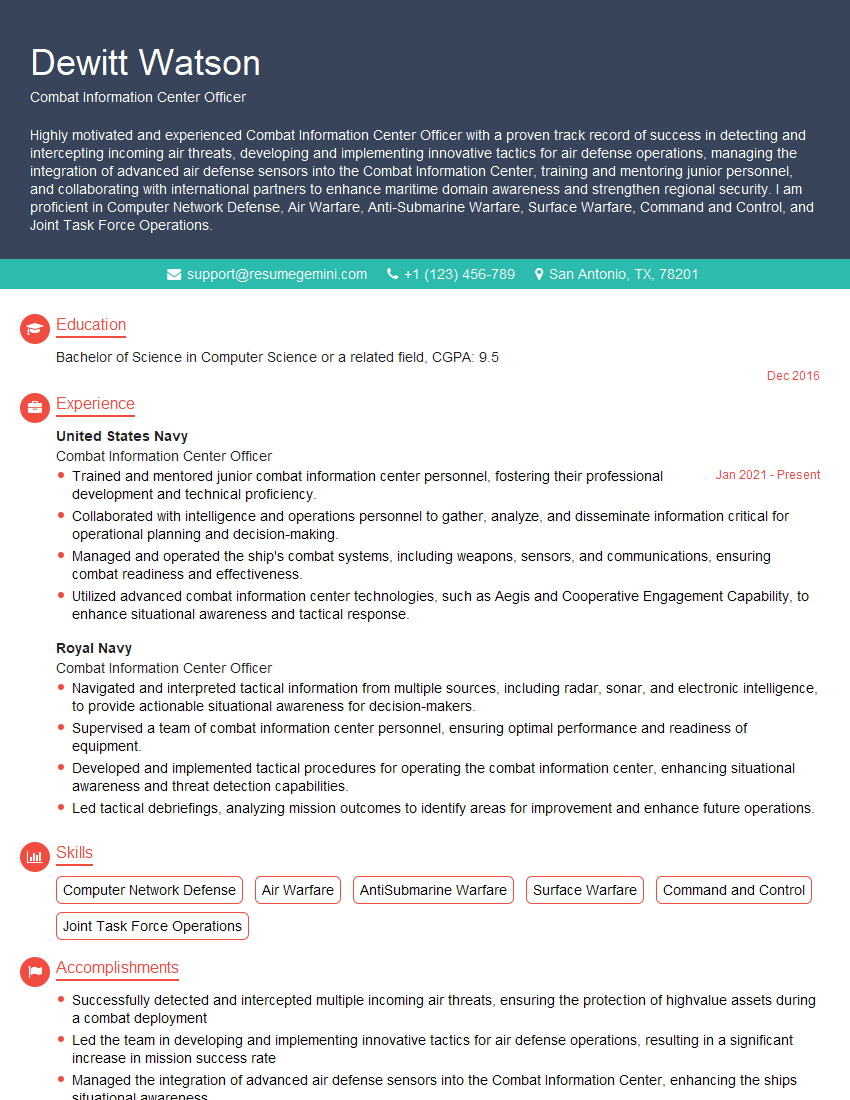
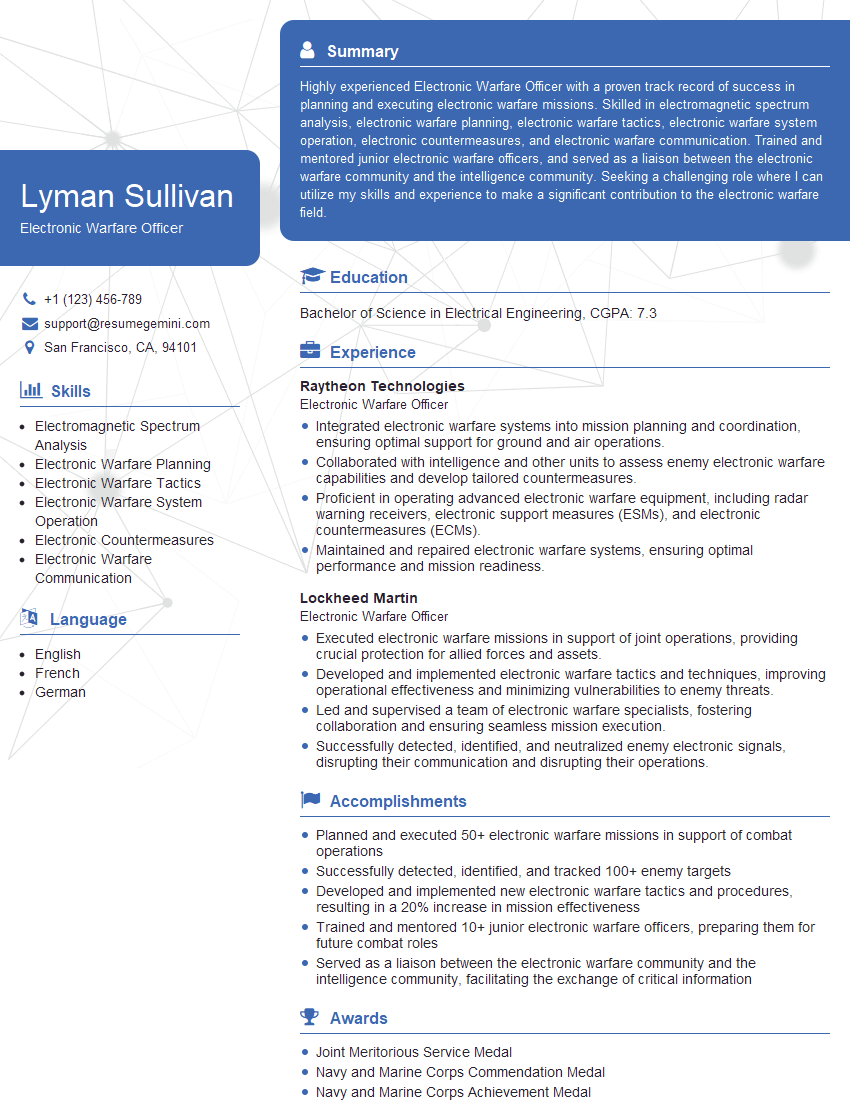
Mastering Naval Command and Control principles is crucial for a successful and rewarding career in this dynamic field. It opens doors to leadership roles and positions of significant responsibility. To significantly enhance your job prospects, crafting a compelling and ATS-friendly resume is vital. We strongly encourage you to utilize ResumeGemini, a trusted resource for building professional and impactful resumes. ResumeGemini provides examples of resumes tailored specifically to the Naval Command and Control sector, giving you a head start in showcasing your skills and experience effectively. This will help you stand out from the competition and increase your chances of securing your dream role.
Explore more articles
Users Rating of Our Blogs
Share Your Experience
We value your feedback! Please rate our content and share your thoughts (optional).
What Readers Say About Our Blog
Very informative content, great job.
good