Preparation is the key to success in any interview. In this post, we’ll explore crucial NCAA and Conference Rules and Regulations interview questions and equip you with strategies to craft impactful answers. Whether you’re a beginner or a pro, these tips will elevate your preparation.
Questions Asked in NCAA and Conference Rules and Regulations Interview
Q 1. Explain the difference between a Level I and Level III NCAA violation.
The NCAA categorizes violations into different levels of severity, with Level I being the most serious and Level III the least. Think of it like a tiered system of infractions in a court of law. A Level I violation involves a major infraction that provides a significant recruiting or competitive advantage, often involving unethical behavior from coaches or university staff. These violations frequently result in severe penalties. A Level III violation, on the other hand, is a minor infraction that’s usually unintentional or has minimal impact on the competitive balance. It might involve a paperwork error or a minor recruiting contact that didn’t provide an unfair advantage.
- Level I: Examples include providing impermissible benefits to a prospective student-athlete (e.g., substantial cash gifts), or systematically violating recruiting rules over an extended period. Penalties can include significant fines, scholarship reductions, postseason bans, and even the vacating of wins.
- Level III: Examples could include a minor recruiting infraction like an inadvertent phone call outside the permissible contact period, or a minor violation of academic standards that’s quickly corrected. Penalties are often less severe, potentially involving only a warning or a fine.
The distinction is crucial because the severity of the penalty directly relates to the level of the violation. A Level I violation carries far more significant repercussions than a Level III violation.
Q 2. Describe the process for determining a student-athlete’s initial eligibility.
Determining a student-athlete’s initial eligibility is a multi-step process involving academic performance, amateurism, and other criteria. Imagine it like a checklist that must be completed before a student can compete. The NCAA uses a sliding scale to assess academic eligibility, meaning higher SAT/ACT scores can offset a slightly lower high school GPA and vice-versa. The NCAA Clearinghouse plays a vital role here, verifying a prospect’s academic transcript and eligibility.
- Academic Requirements: The student-athlete must meet minimum GPA and test score requirements. This varies slightly depending on the year of high school graduation and the academic profile of the specific institution.
- Amateurism Certification: The student-athlete must certify that they haven’t received improper benefits or violated any other amateurism rules. This means they haven’t been paid for playing sports, signed endorsement deals, or received gifts exceeding permissible limits.
- NCAA Clearinghouse: The Clearinghouse collects and verifies the student’s academic information and amateurism status. Once cleared, the student is eligible to participate in NCAA competition.
- Institutional Eligibility: Finally, the student-athlete must meet the institution’s specific admission requirements and academic standards.
Failure to meet any of these criteria can result in ineligibility. For example, if a student-athlete receives an improper benefit from a booster, their amateurism is compromised, delaying or preventing their eligibility.
Q 3. What are the key elements of the NCAA’s amateurism rules?
The NCAA’s amateurism rules are designed to maintain the integrity of college athletics by preventing student-athletes from profiting from their athletic abilities. This principle aims to distinguish college sports from professional leagues, emphasizing the importance of education. Think of it as a set of guidelines ensuring college athletes prioritize their studies and personal growth over potential financial gain.
- No Professionalism: Student-athletes cannot accept payment or other benefits for playing their sport. This includes endorsements, agents, or other financial compensation.
- Limited Outside Employment: Students can work part-time, but these jobs must not interfere with their studies or athletic commitments.
- Permissible Expenses: The NCAA allows for certain expenses to be covered, such as cost of attendance, room and board (within specified limits), and other essential needs. This helps ensure athletes have adequate support, while still maintaining the amateurism principle.
- Use of Name, Image, and Likeness (NIL): Recent changes in NCAA rules allow for some commercial activity involving NIL. However, these activities must adhere to specific institutional guidelines and cannot violate other amateurism principles.
Violating these rules can lead to severe penalties, including loss of eligibility.
Q 4. How does the NCAA handle recruiting violations?
The NCAA handles recruiting violations through a detailed investigative process. Imagine it like a legal investigation: gathering evidence, interviewing witnesses, and building a case. The process generally involves the following steps:
- Allegation Reporting: Violations are often reported by coaches, players, fans, or even media outlets.
- Initial Inquiry: The NCAA conducts a preliminary inquiry to determine whether a violation has occurred.
- Formal Investigation: If a violation is suspected, a formal investigation is initiated, gathering evidence through interviews, document review, and witness testimony.
- Committee on Infractions: If the investigation finds sufficient evidence of a violation, the case is presented to the Committee on Infractions. This committee acts as a judicial body, determining the appropriate penalties based on the severity of the violation.
- Penalties: Penalties can range from warnings and probation to scholarship reductions, postseason bans, and even the vacating of wins.
The severity of the penalty depends on factors like the nature of the violation, the involvement of coaching staff, and whether the violation provided a significant competitive advantage. A coordinated and systematic pattern of violations typically results in much harsher penalties.
Q 5. Explain the role of the Faculty Athletics Representative (FAR).
The Faculty Athletics Representative (FAR) is a crucial liaison between the athletics department and the faculty at an NCAA member institution. Think of them as an institutional watchdog for academic integrity within athletics. The FAR ensures that the athletic program aligns with the academic mission of the university. Their roles and responsibilities include:
- Academic Oversight: The FAR monitors the academic progress of student-athletes and advocates for their well-being.
- NCAA Compliance: The FAR helps ensure that the athletic program is compliant with NCAA rules and regulations.
- Institutional Representation: The FAR represents the faculty’s voice on committees and governing bodies related to athletics.
- Conflict Resolution: The FAR often serves as a mediator in conflicts between the athletics department and the faculty.
The FAR plays a vital role in maintaining the balance between athletic success and academic integrity. Their presence ensures that the university upholds its commitment to student-athletes’ education while striving for athletic excellence.
Q 6. What are the consequences of failing to comply with NCAA regulations?
The consequences of failing to comply with NCAA regulations can be severe and far-reaching. The penalties are designed to deter future violations and maintain the fairness and integrity of college sports. These consequences can impact the institution, coaches, and student-athletes alike:
- Institutional Penalties: These can include probation, postseason bans, scholarship reductions, fines, and even the vacating of games or championships. These impact the institution’s reputation and competitiveness.
- Coaching Penalties: Coaches might face suspensions, show-cause orders (limiting their ability to coach at other institutions), or even dismissal. This can severely damage their careers.
- Student-Athlete Penalties: Student-athletes can lose their eligibility, impacting their ability to compete and jeopardizing their scholarship.
The severity of the penalties depends on several factors, including the nature of the violation, the intent behind it, and the level of involvement of coaches and staff. A repeated pattern of violations typically results in harsher penalties than isolated incidents.
Q 7. Describe the process for appealing an NCAA ruling.
Appealing an NCAA ruling is a formal process that involves submitting a written appeal to the NCAA Infractions Appeals Committee. Think of it as an opportunity to present new evidence or argue that procedural errors occurred during the initial investigation. The process generally involves:
- Filing the Appeal: The institution or individual must file a written appeal within a specified timeframe, outlining the grounds for appeal.
- Review by the Appeals Committee: The Appeals Committee reviews the appeal, considering only new evidence or arguments not previously presented.
- Decision by the Appeals Committee: The Appeals Committee can uphold, modify, or overturn the original ruling.
It’s important to note that the Appeals Committee doesn’t re-try the case; they only address issues related to procedural errors or new evidence. Success in an appeal isn’t guaranteed, and the decision of the Appeals Committee is generally final. Legal counsel is often sought during this process.
Q 8. How does the NCAA define ‘impermissible benefits’?
The NCAA defines ‘impermissible benefits’ as any extra benefit provided to a prospective student-athlete or current student-athlete that is not explicitly allowed under NCAA rules. This means anything that provides an athlete with an advantage not available to the general student body. It’s about maintaining a level playing field. Think of it like this: if a recruit receives something that would influence their decision to attend a particular school, beyond what a regular student would receive, it’s likely an impermissible benefit.
- Examples: Free or discounted services (haircuts, car repairs), cash or gifts, preferential treatment in admissions, free housing, or use of a private vehicle are all examples of impermissible benefits. Even seemingly small gestures can fall into this category.
- Key Consideration: The intent behind the benefit isn’t always the deciding factor. Even if an individual didn’t intend to break the rules, providing an impermissible benefit still results in a violation.
Q 9. Explain the concept of ‘extra benefits’ in NCAA rules.
The term ‘extra benefits’ is synonymous with ‘impermissible benefits.’ They both refer to advantages given to student-athletes that aren’t available to the general student population. The core issue is that these benefits can create an unfair competitive environment. The NCAA’s focus is on ensuring all student-athletes compete on a level playing field.
Example: A booster offering a student-athlete a job that doesn’t require the same level of work or skill as other positions is an extra benefit. The student-athlete receives compensation that isn’t available to other students seeking employment, giving them an unfair advantage.
Q 10. What are the rules surrounding the use of social media in recruiting?
NCAA rules regarding social media in recruiting are complex and designed to maintain a balance between utilizing a powerful communication tool and avoiding undue influence on prospective student-athletes. Coaches and university staff are allowed to use social media to connect with recruits, but there are strict guidelines. The key is to avoid private messages that might be interpreted as personal inducements.
- Permitted Activities: Public posts on team or institutional accounts showcasing athletic achievements or campus life are generally allowed. Coaches can follow recruits publicly but should avoid direct messaging them on social media.
- Prohibited Activities: Direct messaging recruits to offer preferential treatment, using social media to discuss impermissible benefits, or contacting recruits who are ineligible are major violations.
- Monitoring: Athletic departments should actively monitor their staff and student-athletes’ social media activity to ensure compliance. Any suspected violation should be reported and investigated immediately.
Q 11. How do you handle a suspected violation within your athletic department?
Handling a suspected violation requires a prompt, thorough, and documented response. It starts with internal reporting. The process typically involves these steps:
- Report the Suspected Violation: Any individual with knowledge of a possible violation (coaches, staff, student-athletes) should immediately report it to their supervisor or the compliance office.
- Internal Investigation: A thorough investigation should be conducted, gathering all relevant evidence. This could include interviews, reviewing documents, and analyzing social media activity.
- Self-Reporting: If the investigation confirms a violation, the athletic department should self-report the violation to the NCAA. This demonstrates a commitment to compliance and can often lead to less severe penalties.
- Cooperation: Full cooperation with the NCAA during its investigation is crucial. Obstructing or hindering the investigation can result in harsher penalties.
- Corrective Actions: Implementing corrective actions to prevent future violations is essential, including revisions to policies and procedures, additional training for staff and student-athletes, and increased monitoring.
Q 12. What is the role of the Committee on Infractions?
The Committee on Infractions (COI) is the NCAA’s judicial body responsible for hearing and deciding cases involving alleged violations of NCAA rules. They act as a quasi-judicial body, carefully reviewing evidence presented by the involved institution and the NCAA enforcement staff. Think of them as the judges in a legal case.
- Role: The COI determines whether a violation occurred and assesses penalties. These penalties can range from probation and recruiting restrictions to scholarship reductions, post-season bans, and even the vacating of game results.
- Process: The COI reviews the evidence, hears arguments from both sides, and issues a written decision explaining their findings and outlining any penalties.
- Independence: The COI operates independently from the NCAA staff to ensure fairness and impartiality.
Q 13. Explain the differences between NCAA Division I, II, and III rules.
The three NCAA divisions—I, II, and III—have distinct rules reflecting their differing philosophical approaches to athletics. Division I emphasizes high-level competition and often provides significant athletic scholarships. Division II balances athletics and academics, with limited scholarships. Division III prioritizes academics, with no athletic scholarships.
- Division I: Features the most stringent regulations, covering numerous aspects, from recruiting to financial aid. The emphasis is on high-level competition and revenue generation.
- Division II: Balances athletic competition with academics. Rules are less stringent than Division I but still extensive. Scholarships are limited, and recruiting restrictions are less severe.
- Division III: Focuses almost entirely on academics. No athletic scholarships are permitted. Rules are less detailed and emphasize student-athlete welfare and fair competition.
The core difference lies in the level of financial aid allowed, the intensity of competition, and the overall focus on athletics versus academics.
Q 14. What is the importance of maintaining accurate documentation in compliance?
Accurate documentation is the cornerstone of NCAA compliance. It’s a preventative measure and provides vital evidence if a violation is suspected. It’s like maintaining meticulous records in any other business – crucial for success and defense in case of challenges.
- Importance: Detailed records of all recruiting contacts, expenses, benefits provided to student-athletes, and interactions with boosters are necessary to demonstrate compliance. This documentation serves as proof that the institution followed NCAA rules. Without it, an institution is vulnerable to accusations and penalties even if no deliberate violation occurred.
- Types of Records: This might include calendars, emails, expense reports, travel itineraries, meeting minutes, social media interactions, and contracts.
- Consequences of Poor Documentation: Poor or missing documentation can lead to severe penalties, even if a violation wasn’t intentional. The lack of proof that rules were followed can be interpreted as a violation in itself.
Q 15. How do you ensure that coaches and staff understand compliance regulations?
Ensuring coaches and staff understand compliance regulations is paramount. It’s not a one-time training; it’s an ongoing process requiring multiple approaches. We utilize a multi-pronged strategy:
- Comprehensive Initial Training: A thorough initial training session covers all major NCAA and conference rules, using clear language and real-world examples. We often incorporate interactive scenarios and quizzes to ensure comprehension.
- Regular Refresher Sessions: Annual or even semi-annual refresher sessions address rule changes, emphasize frequently violated rules, and provide updates on interpretations. These sessions are often tailored to specific staff roles (e.g., recruiting coordinators, academic advisors).
- Ongoing Communication: We utilize email newsletters, memos, and team meetings to communicate updates and clarifications on rules and interpretations. We also maintain a readily accessible online compliance manual with frequently asked questions (FAQs).
- Individualized Consultations: Coaches and staff have direct access to our compliance office for questions and guidance. We encourage proactive consultation before taking any action that might raise compliance concerns.
- Scenario-Based Training: We present hypothetical situations and guide staff through the decision-making process based on relevant NCAA rules, allowing for real-time application and feedback.
This multifaceted approach ensures that everyone is not only aware of the rules but also confident in applying them correctly. We aim to create a culture of compliance, where adherence to rules is seen as essential, not just an administrative burden.
Career Expert Tips:
- Ace those interviews! Prepare effectively by reviewing the Top 50 Most Common Interview Questions on ResumeGemini.
- Navigate your job search with confidence! Explore a wide range of Career Tips on ResumeGemini. Learn about common challenges and recommendations to overcome them.
- Craft the perfect resume! Master the Art of Resume Writing with ResumeGemini’s guide. Showcase your unique qualifications and achievements effectively.
- Don’t miss out on holiday savings! Build your dream resume with ResumeGemini’s ATS optimized templates.
Q 16. Describe a scenario where you had to interpret ambiguous NCAA rules.
One challenging scenario involved a prospective student-athlete’s participation in an unsanctioned basketball camp during the off-season. The camp was organized by a well-meaning alumni group and involved high-level coaching, but it wasn’t formally affiliated with the university or recognized by the NCAA. The NCAA rules regarding permissible outside coaching are complex and nuanced. The ambiguity lay in distinguishing between permissible individual instruction and impermissible organized activities.
To resolve this, we carefully reviewed the NCAA’s Bylaws regarding permissible outside coaching, specifically focusing on the definition of ‘organized’ activities. We analyzed the structure of the camp, the level of coaching provided, and the extent of the university’s involvement (or lack thereof). We ultimately concluded that the camp, given its structured nature and significant coaching involvement, fell outside NCAA guidelines. This required us to educate the alumni group about NCAA rules and advise them on permissible future activities.
This situation highlighted the importance of not just knowing the rules but also understanding their practical interpretation and application in diverse contexts. We always emphasize consulting our compliance office before committing to any activity that may not be explicitly permitted under the rules.
Q 17. How do conference rules supplement or differ from NCAA regulations?
Conference rules often supplement or even restrict NCAA regulations. The NCAA establishes minimum standards, while conferences can impose stricter rules to reflect their specific priorities or regional differences. For instance, the NCAA might set a minimum academic standard for student-athletes, but a specific conference might implement a higher GPA requirement or stricter eligibility criteria.
Think of it like this: the NCAA sets the floor, while conferences can set their own ceilings. Conference rules frequently focus on areas like recruiting restrictions (e.g., limitations on contact periods, permissible recruiting events), enforcement procedures, or specific institutional policies related to student-athlete welfare. Compliance requires adherence to both NCAA and conference rules; neither set supersedes the other; rather, they work in conjunction, sometimes with overlapping rules and other times with distinct requirements.
An example would be restrictions on recruiting during the dead period. The NCAA defines the dead period, but the conference might add further restrictions to the definition or implement more stringent guidelines about allowable communication or contact.
Q 18. What is your experience with NCAA compliance software and databases?
I have extensive experience with various NCAA compliance software and databases, including Compliance Assistant, eRecruit, and NCAA Eligibility Center Database. I’m proficient in using these tools to track recruiting activities, manage student-athlete eligibility, and monitor compliance with NCAA and conference rules. My expertise extends to data entry, reporting, query building, and data analysis to identify potential compliance risks. For example, using eRecruit, I can track all communication with prospective student-athletes, ensuring we stay within NCAA limitations and maintain proper records for audits.
I also understand the importance of data integrity and security within these systems. I am familiar with the best practices for ensuring accurate data entry and maintaining the confidentiality of sensitive student-athlete information.
Q 19. Explain the process for conducting a compliance audit.
A compliance audit is a systematic review of a program’s adherence to NCAA and conference regulations. It’s a multi-step process:
- Planning & Scope Definition: This initial phase involves defining the audit’s scope (e.g., specific areas of the athletic program, time frame), identifying key personnel involved, and establishing a timeline.
- Data Collection: This involves gathering relevant documents, including recruiting records, travel logs, financial records, and academic transcripts. We may use both electronic databases and manual file reviews. This is a thorough process aimed at gaining a comprehensive understanding of the institution’s compliance practices.
- Analysis & Evaluation: Collected data is systematically analyzed against relevant NCAA and conference rules. This stage identifies areas of compliance and potential violations. We employ both quantitative (statistical analysis of data) and qualitative (evaluation of documents and processes) methods.
- Reporting & Recommendations: A detailed report summarizes the audit findings, highlighting areas of compliance and any identified violations. The report also provides specific recommendations for correcting identified deficiencies and preventing future issues.
- Follow-Up & Corrective Action: After the audit report is issued, we work with the athletic department to implement corrective actions. This may involve policy changes, staff training, or procedural improvements. Follow-up reviews ensure that recommended corrections have been implemented effectively.
A compliance audit is not just about identifying problems but also about improving overall compliance practices. It offers an opportunity for proactive identification of weaknesses and reinforcement of a strong culture of compliance within the athletic program.
Q 20. How do you stay current with changes in NCAA and conference rules?
Staying current with evolving NCAA and conference rules is crucial. I employ several strategies:
- Subscription to NCAA Publications: I subscribe to the NCAA’s official publications, including the NCAA Division I Manual and relevant interpretations and legislative updates.
- Professional Development: I regularly attend workshops, conferences, and seminars focused on NCAA compliance. These events provide valuable insights from leading experts and opportunities to network with colleagues.
- Membership in Professional Organizations: My membership in organizations like the National Association of Collegiate Directors of Athletics (NACDA) keeps me connected with the compliance community and provides access to resources and ongoing professional development opportunities.
- Monitoring Regulatory Websites: I consistently monitor the NCAA and conference websites for updates, announcements, and interpretations of rules.
- Internal Communication: Our compliance office maintains strong communication with other compliance offices in our conference. Sharing best practices and information about regulatory changes helps us stay ahead of potential challenges.
Staying informed is an ongoing, proactive effort. A single missed update could lead to unintentional violations, so consistent vigilance is essential.
Q 21. Describe your understanding of the NCAA’s enforcement process.
The NCAA’s enforcement process is triggered when violations are reported or discovered through audits. It’s a multi-stage process involving investigation, hearings, and potential penalties.
- Initial Inquiry: The NCAA enforcement staff begins with an initial inquiry to gather information and determine whether a full-scale investigation is warranted.
- Formal Investigation: If a violation is suspected, a formal investigation ensues, which can include interviews with coaches, staff, student-athletes, and others; document review; and site visits.
- Allegations of Violations: If the investigation reveals potential violations, formal allegations are issued to the institution. These allegations outline the specific infractions that the NCAA believes have occurred.
- Committee on Infractions Hearing: The institution responds to the allegations and presents its case before the Committee on Infractions, an independent panel. The Committee weighs the evidence and determines whether violations occurred and the appropriate penalties.
- Penalties & Appeals: The Committee imposes penalties based on the severity of the violations. These penalties can range from probation and scholarship reductions to recruiting restrictions and postseason bans. Institutions have the right to appeal the Committee’s decision.
The entire process is designed to be fair and impartial. It emphasizes both the accountability of institutions and the protection of student-athlete well-being. Understanding this process helps ensure that we can proactively prevent violations and handle any potential issues effectively and responsibly.
Q 22. What is your experience with managing compliance-related risk?
Managing compliance-related risk in NCAA athletics requires a proactive and multifaceted approach. It’s not just about avoiding penalties; it’s about fostering a culture of compliance where everyone understands and adheres to the rules. My experience involves developing and implementing comprehensive compliance programs, including risk assessments, policy development, and educational initiatives. I’ve been involved in identifying potential areas of vulnerability, such as recruiting violations, impermissible benefits, and academic eligibility issues. For example, I once conducted a thorough review of our recruiting practices, identifying a potential loophole in our communication protocols with prospective student-athletes. By implementing stricter guidelines and additional training, we successfully mitigated that risk.
My approach involves regularly monitoring changes in NCAA and conference regulations, staying updated on enforcement actions, and conducting internal audits to identify weaknesses. This allows us to adjust our policies and training to remain compliant. This proactive methodology minimizes the likelihood of violations and ensures the long-term sustainability of the athletic program.
Q 23. How would you address a conflict between NCAA rules and conference rules?
Conflicts between NCAA and conference rules are resolved according to a clear hierarchy. The NCAA Bylaws are the supreme authority. If a conference rule is stricter than the corresponding NCAA rule, the stricter conference rule applies. However, a conference cannot permit actions explicitly prohibited by the NCAA. Think of it like this: the NCAA sets the minimum standards, and conferences can add their own stricter rules on top, but not contradict the minimum standards.
For example, if the NCAA allows a certain type of recruiting contact, a conference could restrict it further but couldn’t outright allow something the NCAA explicitly forbids. In case of a conflict, I would first thoroughly analyze both sets of rules to determine the specific point of conflict. Then, I would consult the NCAA’s official interpretations and guidance documents. If clarification is still needed, I would contact the NCAA or the conference office for a formal ruling. Finally, we would implement the more restrictive rule to ensure complete compliance.
Q 24. Describe a time you had to educate someone on NCAA compliance regulations.
I once had to educate a group of newly hired assistant coaches on the nuances of permissible amateurism standards. They were particularly confused about the guidelines surrounding the use of social media and the interaction with prospective student-athletes. I structured the training session around real-world scenarios. We used case studies of past NCAA violations to illustrate the potential consequences of non-compliance.
For instance, we analyzed a scenario where a coach accidentally ‘liked’ a recruit’s social media post showcasing their athletic achievements. We discussed how this seemingly benign action could be interpreted as an impermissible recruiting contact. The session included interactive quizzes and role-playing exercises to solidify their understanding. Post-training, I provided each assistant coach with a personalized compliance manual tailored to their specific responsibilities. Regular follow-up meetings and open communication ensured continued compliance awareness.
Q 25. How do you approach conflict resolution when dealing with NCAA compliance issues?
My approach to conflict resolution in NCAA compliance centers around open communication, thorough investigation, and a commitment to fairness. When a compliance issue arises, I begin by gathering all relevant facts. This often includes interviewing witnesses, reviewing documents, and analyzing video evidence.
I then try to understand all perspectives involved, engaging in a collaborative problem-solving approach. My goal is not to assign blame but to determine the best course of action to remedy the situation and prevent future occurrences. This may involve working with the NCAA enforcement staff, consulting legal counsel, or imposing internal sanctions. For instance, if a minor violation is discovered, I would focus on educational remedies, such as mandatory compliance training for the involved individuals. In more serious cases, a more formal investigation and reporting might be required.
Q 26. How do you balance the needs of student-athletes with compliance regulations?
Balancing the needs of student-athletes with compliance regulations requires a delicate touch. Student-athletes should be supported in their academic and athletic pursuits, but that support must always remain within the boundaries of NCAA rules. We strive to create a culture where compliance is not seen as restrictive but as a tool that protects the integrity of the athletic program and safeguards the long-term well-being of our student-athletes.
For instance, we might work with the academic support services to ensure that student-athletes are receiving the necessary assistance to maintain eligibility. Or, we might create financial aid packages that comply with NCAA rules while addressing the financial needs of the student-athletes. The key is to proactively identify potential conflicts and work collaboratively to find solutions that meet both the needs of the student-athletes and the requirements of NCAA regulations.
Q 27. What is your understanding of the process for self-reporting a violation?
Self-reporting a violation demonstrates institutional integrity and can mitigate potential penalties. The process typically begins with a thorough internal investigation to gather all the facts. Once we have a complete understanding of the violation, we prepare a detailed report outlining the nature of the violation, the individuals involved, and the steps taken to address the issue. This report is then submitted to the NCAA enforcement staff. Timeliness is crucial in this process.
The NCAA may then conduct its own investigation, and depending on the severity of the violation, penalties may include fines, probation, recruiting restrictions, or even forfeiture of games. Cooperation with the NCAA investigation is vital throughout the process. Transparency and honesty are essential to demonstrate good faith and potentially reduce the severity of any penalties. Open communication with the NCAA allows for a more efficient and fair resolution.
Q 28. Describe your experience with conducting compliance training programs.
I have extensive experience in developing and delivering compliance training programs. My approach prioritizes interactivity and practical application. I avoid lengthy lectures and instead use case studies, interactive scenarios, and quizzes to engage participants and ensure knowledge retention.
For example, I’ve developed a comprehensive online compliance training module for our coaches and staff, incorporating videos, interactive exercises, and regular updates to reflect changes in NCAA regulations. This module includes specific training related to recruiting, academic eligibility, amateurism, and ethical conduct. I also regularly conduct in-person workshops, focusing on high-risk areas, fostering open dialogue, and allowing for questions and clarification. I believe that consistent and engaging training is vital to maintain a culture of compliance within the athletic department.
Key Topics to Learn for NCAA and Conference Rules and Regulations Interview
- Student-Athlete Eligibility: Understanding the core requirements for initial and continuing eligibility, including academic progress, amateurism, and transfer rules. Practical application: Analyzing a hypothetical student-athlete’s situation to determine eligibility.
- Recruiting Regulations: Mastering permissible contact periods, recruiting methods, and the rules governing gifts, benefits, and inducements. Practical application: Identifying potential violations in a given recruiting scenario.
- Financial Aid and Scholarships: Knowing the rules surrounding awarding and managing financial aid, including the limitations and restrictions imposed by the NCAA and conferences. Practical application: Calculating the permissible amount of financial aid a student-athlete can receive.
- Compliance Procedures: Understanding the importance of proactive compliance programs, the role of the compliance officer, and reporting procedures for potential violations. Practical application: Developing a hypothetical compliance plan for a specific athletic department.
- Enforcement and Penalties: Familiarizing yourself with the NCAA’s enforcement process, including investigations, hearings, and the range of penalties for violations. Practical application: Analyzing the potential consequences of different rule infractions.
- Specific Conference Rules: Recognizing that each conference may have additional rules and regulations beyond the NCAA’s national rules. Practical application: Comparing and contrasting NCAA rules with specific conference regulations.
- Amendments and Updates: Staying current with any changes or amendments to NCAA and conference rules and regulations. Practical application: Demonstrating awareness of recent rule changes and their implications.
Next Steps
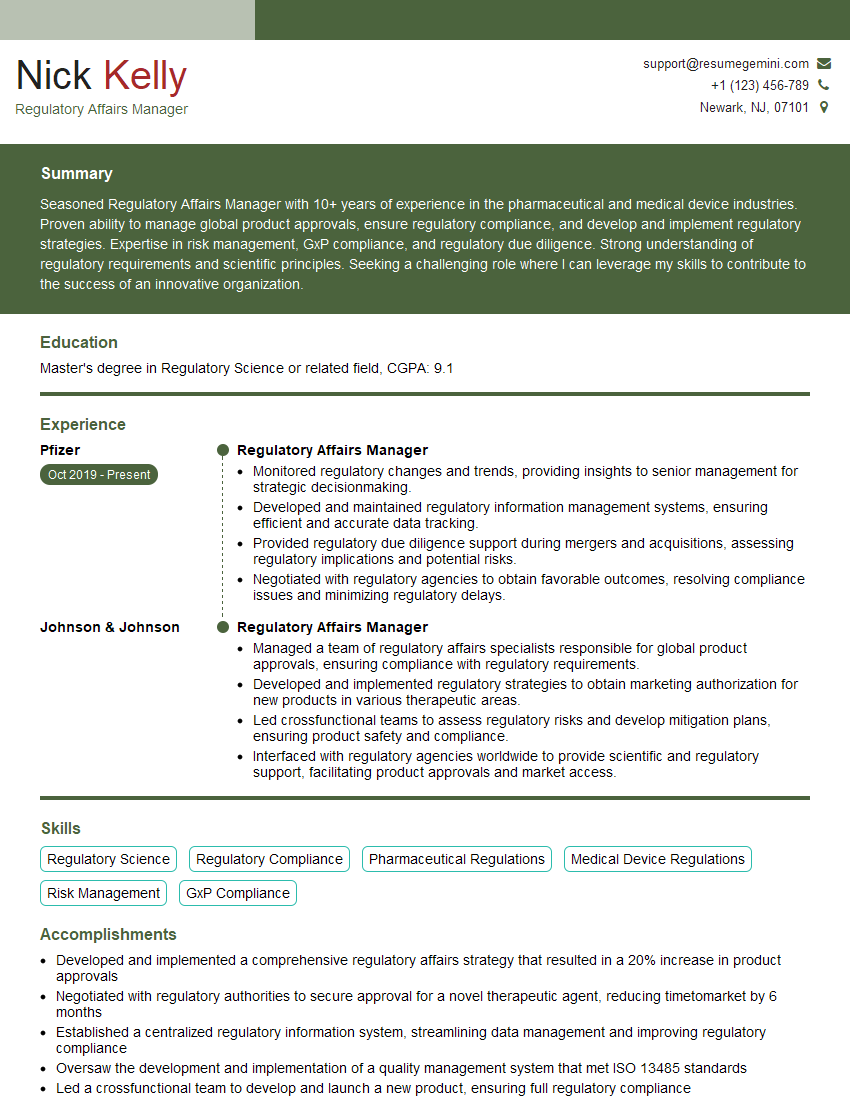
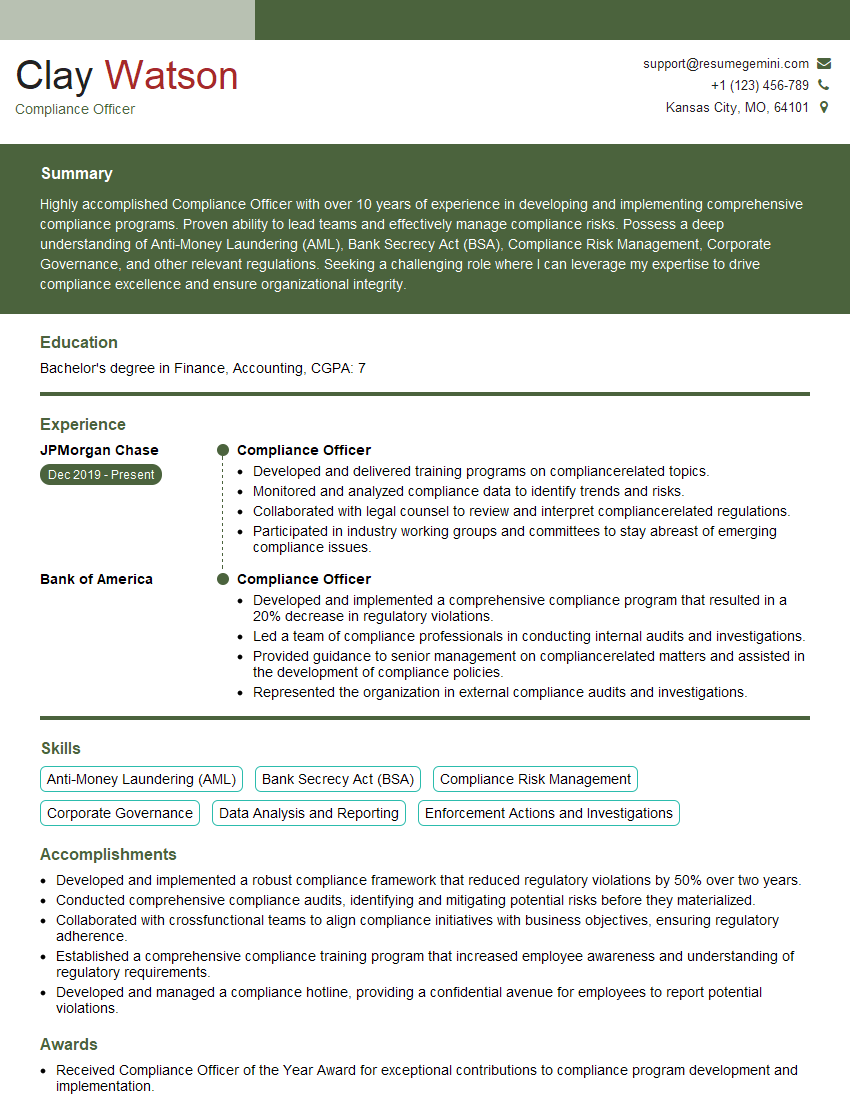
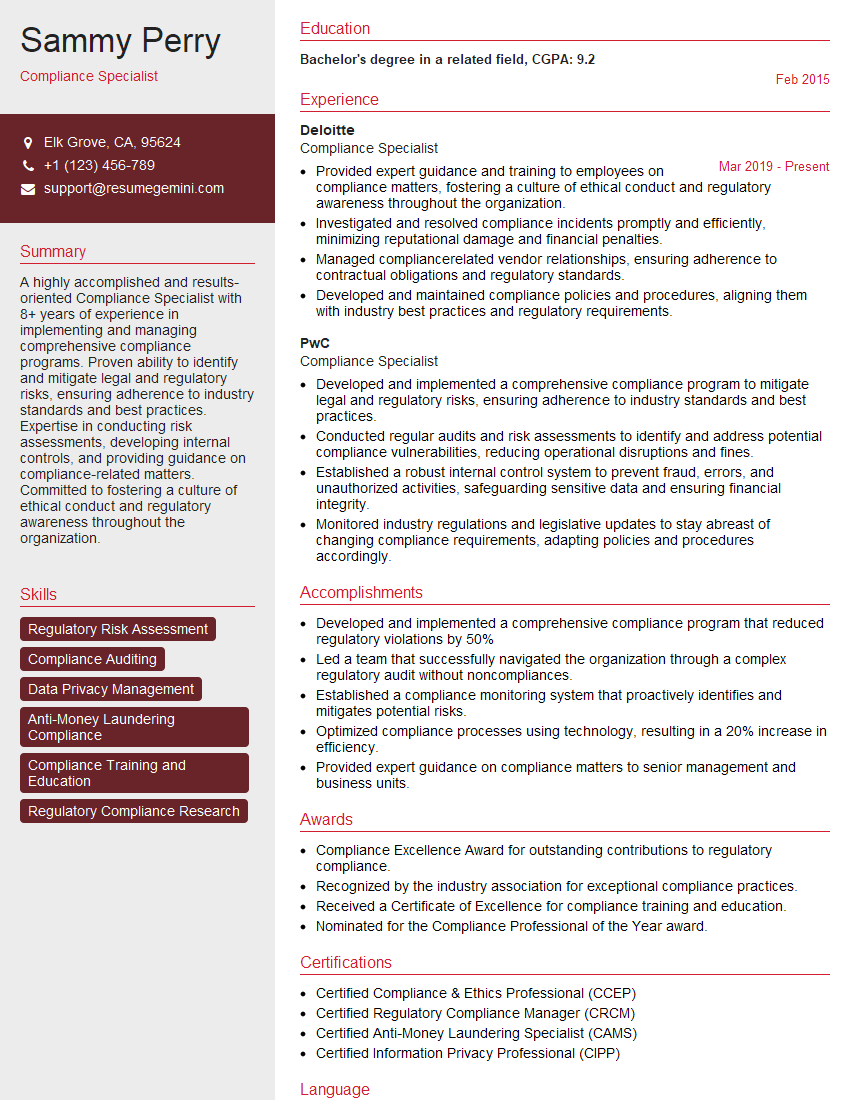
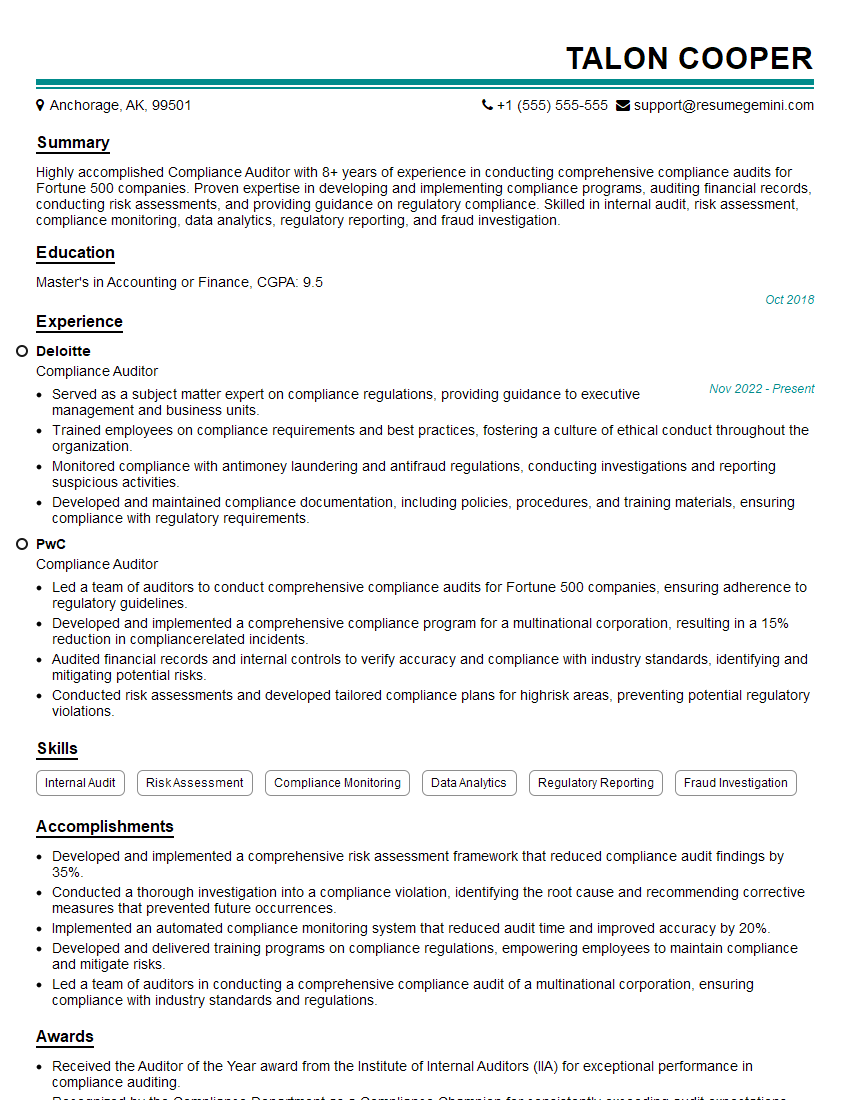
Mastering NCAA and Conference Rules and Regulations is crucial for career advancement in collegiate athletics. A strong understanding of these rules demonstrates your commitment to compliance and ethical conduct, making you a highly valuable asset to any athletic department. To significantly enhance your job prospects, create an ATS-friendly resume that effectively highlights your skills and experience. ResumeGemini is a trusted resource for building professional and impactful resumes. We offer examples of resumes tailored specifically to roles involving NCAA and Conference Rules and Regulations to help you showcase your expertise.
Explore more articles
Users Rating of Our Blogs
Share Your Experience
We value your feedback! Please rate our content and share your thoughts (optional).
What Readers Say About Our Blog
Very informative content, great job.
good