The right preparation can turn an interview into an opportunity to showcase your expertise. This guide to NCAA Rulebook Familiarity interview questions is your ultimate resource, providing key insights and tips to help you ace your responses and stand out as a top candidate.
Questions Asked in NCAA Rulebook Familiarity Interview
Q 1. Explain the difference between a Level I and Level III violation in the NCAA.
The NCAA categorizes violations into different levels of severity, with Level I being the most serious and Level III the least. Think of it like a traffic ticket: a Level I violation is akin to reckless driving, while a Level III is more like a parking ticket.
Level I violations involve major infractions that demonstrate a lack of institutional control or widespread violations. These often involve recruiting violations, unethical conduct by coaches, or significant financial advantages provided to student-athletes. Penalties are severe and can include postseason bans, scholarship reductions, and even the vacating of wins.
Level III violations are considered minor infractions that are isolated and do not reflect a lack of institutional control. These might involve a minor recruiting contact violation or an unintentional procedural error. Penalties are typically less severe and may include reprimands, probationary periods, or limited recruiting restrictions.
The key difference lies in the impact on the institution’s overall compliance program. Level I violations show a systemic problem, while Level III violations are usually isolated incidents.
Q 2. Describe the process for certifying a student-athlete’s eligibility.
Certifying a student-athlete’s eligibility is a multi-step process that ensures they meet the NCAA’s academic and amateurism standards. It’s like getting a security clearance – you need to meet specific requirements before you’re granted access.
- Academic Standards: The student-athlete must meet specific GPA and course requirements, often determined by the institution and the NCAA. This often involves submitting high school transcripts and maintaining a minimum GPA in college.
- Amateurism Certification: The athlete must sign a statement declaring their amateur status and affirm that they have not received impermissible benefits. This confirms they haven’t violated NCAA rules concerning outside endorsements or compensation.
- Initial Eligibility Clearinghouse: High school students typically must use the NCAA Eligibility Center to verify their academic progress and ensure they meet the initial eligibility requirements for NCAA competition.
- Annual Certification: Student-athletes must undergo a yearly certification process to confirm their ongoing eligibility, verifying academic standing and compliance with NCAA rules.
Any discrepancy or violation in this process can lead to ineligibility, highlighting the importance of accurate record-keeping and adherence to regulations.
Q 3. What are the rules regarding amateurism and outside endorsements for student-athletes?
The NCAA’s rules regarding amateurism and outside endorsements are designed to maintain the integrity of college sports. The core principle is that student-athletes should not profit from their athletic abilities. This is a constantly evolving area, especially with the increasing prominence of Name, Image, and Likeness (NIL) rights.
Historically, receiving any compensation related to athletic performance was strictly prohibited. However, the recent changes in NIL rules allow student-athletes to profit from their name, image, and likeness, provided it meets specific criteria established by the NCAA and individual states. This means they can now enter into endorsement deals, sign autographs for compensation, and participate in other commercial activities as long as the arrangement isn’t tied directly to their athletic performance at their institution.
The key distinction is that compensation must be based on their personal brand rather than their athletic achievements within their school. It’s a complex area with many nuances, and institutions usually have dedicated compliance staff to help athletes navigate these regulations.
Q 4. How do you handle a potential NCAA violation reported by a coach or staff member?
When a coach or staff member reports a potential NCAA violation, the process begins with a thorough internal investigation. This is crucial for maintaining institutional control and demonstrates proactive compliance.
- Internal Review: The athletic department’s compliance office investigates the reported incident, gathering all relevant information and interviewing witnesses. This stage is crucial for establishing the facts and assessing the severity of the situation.
- Documentation: Meticulous documentation is essential. Every detail of the investigation must be recorded, including interviews, evidence, and any corrective actions taken.
- Reporting (if necessary): If the investigation reveals a violation, the institution must report it to the NCAA, following established procedures and deadlines. The level of the violation will determine the type and extent of the report.
- Corrective Actions: Appropriate measures must be taken to rectify the violation. This can range from self-imposed penalties to educational programs for coaches and staff.
This approach emphasizes proactive compliance, demonstrating the institution’s commitment to upholding NCAA regulations.
Q 5. What are the key provisions of the NCAA’s recruiting rules?
The NCAA’s recruiting rules are extensive and aim to prevent undue influence and ensure a fair playing field for all institutions. Think of them as traffic laws for college athletics, preventing reckless behavior and promoting a level playing field.
- Contact Periods: These are specific times when coaches can contact prospective student-athletes. Contact rules vary by sport and level.
- Evaluation Periods: These are designated times when coaches can evaluate prospective athletes at various locations, including competitions and showcases.
- Dead Periods: During these periods, coaches have extremely limited contact with recruits, designed to allow them some respite from recruitment pressures.
- Permissible vs. Impermissible Contact: Coaches must adhere to strict guidelines on the types of contact they can have with recruits and their families. This includes limitations on phone calls, texts, emails, and in-person visits.
- Recruiting Visits: There are rules governing the number and types of visits recruits can make to campuses, both official and unofficial visits.
Compliance with these rules is vital for maintaining institutional integrity and avoiding sanctions.
Q 6. Explain the concept of ‘impermissible benefits’ and provide examples.
An impermissible benefit is any extra benefit or advantage provided to a prospective or current student-athlete that is not available to the general student population. It’s like giving an unfair advantage in a competition.
Examples:
- Cash or gifts: Providing money, gifts, or other valuable items to a student-athlete.
- Free or discounted services: Providing free or reduced-price services such as haircuts, tattoos, or car repairs.
- Employment opportunities: Offering jobs that are not available to other students, or paying a student-athlete more than the usual market rate.
- Extra benefits in academic areas: Providing special tutoring, test preparation, or academic assistance not available to other students.
- Use of a coach’s car: Allowing a student-athlete to use a coach’s car for personal use.
Any benefit, no matter how small, that is not available to the general student population, can be considered an impermissible benefit and could lead to serious sanctions.
Q 7. What is the role of the Faculty Athletic Representative (FAR)?
The Faculty Athletic Representative (FAR) is a crucial link between the athletic department and the academic side of the institution. They act as a guardian for the academic integrity of the student-athletes. Think of them as the academic conscience of the athletic program.
The FAR’s responsibilities include:
- Monitoring academic progress: Ensuring student-athletes are meeting academic standards and receiving appropriate support.
- Ensuring compliance with NCAA rules: Working with the athletic department to ensure the institution remains compliant with NCAA regulations.
- Advocating for the academic interests of student-athletes: Representing the student-athletes’ academic needs and promoting their overall academic success.
- Serving on relevant committees: Participating in committees related to student-athlete welfare and academic progress.
The FAR plays a vital role in maintaining the balance between athletic success and academic achievement, safeguarding the well-being and academic futures of student-athletes.
Q 8. How does the NCAA handle appeals of eligibility decisions?
The NCAA appeals process for eligibility decisions is multi-layered and depends on the specific reason for ineligibility. Generally, an initial decision is made by the institution’s compliance office. If a student-athlete disagrees with that decision, they can appeal to the institution’s appeals committee. This committee reviews the case and makes a recommendation. If the student-athlete remains dissatisfied, the next step is usually an appeal to the NCAA’s national office. The NCAA may independently review the evidence and make a final determination. The specific procedures and timelines are outlined in the NCAA’s membership bylaws and can be quite nuanced, varying based on the nature of the issue (e.g., academic eligibility versus amateurism violations).
For example, let’s say a student-athlete is deemed ineligible due to a questionable amateurism issue. They would first appeal internally. If unsuccessful, the appeal goes to the NCAA, where a more comprehensive review, potentially involving additional evidence and testimony, might occur. The NCAA’s decision is typically final, unless there are exceptional circumstances or procedural errors are identified.
Q 9. Explain the differences between NCAA Division I, II, and III regarding compliance.
The differences in compliance between NCAA Division I, II, and III are significant, stemming from varying levels of institutional resources, athletic department structures, and philosophical approaches to intercollegiate athletics. Division I programs generally have the largest budgets and support staffs, leading to more complex compliance structures and more stringent regulations, especially regarding recruiting, financial aid, and academic standards. Division II programs have less stringent rules, but still maintain a robust compliance framework. Division III institutions, which do not offer athletic scholarships, face less complex rules relating to financial aid but must still ensure compliance in areas like academic progress, recruiting regulations (which still exist, albeit less intensely) and permissible benefits.
- Division I: Strictest regulations, most resources dedicated to compliance, emphasis on high-level competition and revenue generation.
- Division II: Less stringent than Division I, a balance between competitive athletics and overall institutional mission. A more manageable compliance structure.
- Division III: Focus on participation and student-athlete well-being, least stringent regulations, emphasis on amateurism and participation without scholarships.
Think of it like this: Division I is a professional sports structure with extensive rules and regulations. Division II is like a smaller professional league with fewer regulations. Division III is like a very well-organized amateur league, focusing on participation and skill development.
Q 10. Describe your understanding of the NCAA’s enforcement process.
The NCAA’s enforcement process begins with allegations of violations. These allegations may originate from various sources, including self-reporting by the institution, tips from whistleblowers, or media reports. The enforcement staff investigates these allegations by gathering evidence, interviewing witnesses, and reviewing documents. If a violation is confirmed, the NCAA imposes penalties that vary in severity depending on the nature of the infraction. These penalties can range from minor sanctions, such as probation, to significant ones, such as vacating wins, recruiting restrictions, and even postseason bans. The Committee on Infractions ultimately hears the case and renders the final decision. The entire process is documented in great detail, and institutions have the opportunity to respond to allegations and present their case.
For example, an institution might be found in violation for improper benefits provided to student-athletes. The enforcement process would involve gathering evidence such as bank statements, travel records, and witness testimonies. Depending on the severity and intent, penalties could range from a letter of reprimand to a multi-year postseason ban.
Q 11. How would you interpret a specific NCAA rule in a complex situation?
Interpreting a specific NCAA rule in a complex situation requires a systematic approach. First, I would carefully read and understand the rule’s language, paying close attention to any definitions or exceptions. Second, I would analyze the specific facts of the situation, documenting all relevant details and potential interpretations. Third, I would consult relevant case precedents and interpretations from the NCAA’s official publications and rulings. Fourth, I would seek guidance from experienced colleagues or legal counsel, if necessary. Finally, I would develop a written opinion explaining the reasoning behind the interpretation, acknowledging any ambiguities or uncertainties. It is often helpful to consider the intent and spirit of the rule, rather than solely focusing on its strict literal interpretation.
For instance, let’s consider a scenario concerning a student-athlete receiving extra benefits. The rule might state that only permissible benefits are allowed. The complexity arises from defining what constitutes a ‘permissible benefit’ in this particular instance. The interpretation process would involve exploring similar past cases, consulting relevant NCAA documentation, and considering all the surrounding factors.
Q 12. How do you stay updated on changes and revisions to the NCAA rulebook?
Staying updated on NCAA rule changes is crucial for compliance. I utilize multiple resources to ensure I’m always current. These include:
- The NCAA website: This is the primary source for official rule changes, interpretations, and enforcement actions.
- NCAA publications: The NCAA publishes regular updates, including summaries of rule changes and guidance documents.
- Compliance-focused newsletters and journals: Many professional organizations in the field distribute newsletters and journals that provide summaries and analyses of rule changes.
- Professional development opportunities: Attending conferences and workshops allows me to learn from other compliance professionals and stay abreast of current issues.
- Relationship with NCAA staff: Maintaining a network with NCAA compliance staff can provide valuable insights and clarification on emerging issues.
Regularly reviewing these sources ensures I’m aware of changes affecting my institution’s programs and student-athletes.
Q 13. What resources do you utilize to ensure compliance within an athletic program?
Ensuring compliance within an athletic program requires a multi-faceted approach. I utilize a variety of resources, including:
- NCAA publications: The official NCAA rulebook and related publications are essential for understanding the rules and regulations.
- Compliance software: Specialized software helps track student-athlete information, monitor eligibility, and manage compliance activities.
- Internal compliance staff and committees: Building a robust internal compliance structure with dedicated staff and committees is vital.
- External legal counsel: Consulting with legal counsel provides expert guidance on complex legal issues and interpretations of the rules.
- Educational materials: Creating and distributing comprehensive educational materials for coaches, staff, and student-athletes ensures everyone understands their responsibilities.
By integrating these resources, we maintain a proactive and comprehensive compliance program.
Q 14. How would you educate student-athletes about NCAA rules and regulations?
Educating student-athletes about NCAA rules and regulations is paramount. My approach involves a combination of methods:
- Regular meetings and workshops: Conducting group sessions allows for interactive learning and question-and-answer periods.
- Individual counseling: Providing personalized guidance ensures individual needs and circumstances are addressed.
- Online modules and resources: Utilizing online learning platforms offers flexibility and accessibility for student-athletes.
- Use of real-life examples and scenarios: Illustrating potential violations with relatable examples helps increase understanding.
- Open communication channels: Creating an environment where student-athletes feel comfortable asking questions and seeking clarification is essential.
By using a combination of these strategies, we aim to empower student-athletes to make informed decisions and ensure compliance.
Q 15. How do you conduct a compliance audit for an athletic department?
A compliance audit for an athletic department is a systematic process to ensure adherence to NCAA rules and regulations. It’s like a thorough health check for your athletic program. We’re looking for any potential violations, ensuring everything is above board.
My approach involves several key steps:
- Planning and Scope Definition: First, I define the scope of the audit, identifying specific areas like recruiting, financial aid, academics, and permissible benefits.
- Data Collection: This stage involves gathering relevant documents like roster information, financial records, recruiting correspondence, academic transcripts, and travel logs. This is where meticulous record-keeping pays off.
- Analysis and Evaluation: I analyze the collected data against NCAA rules, identifying any potential discrepancies or areas of concern. This often involves cross-referencing information to uncover inconsistencies. For instance, comparing reported recruiting expenses with actual receipts.
- Reporting and Recommendations: Finally, I produce a detailed report outlining my findings, highlighting any potential violations, and recommending corrective actions. This might include changes to policies, procedures, or staff training. The goal is not just to identify problems but also to provide solutions to prevent future issues.
For example, I once conducted an audit that revealed inconsistencies in the reporting of recruiting expenses. By meticulously reviewing travel logs and receipts, we uncovered an unintentional violation related to the permissible number of meals provided to a recruit. This allowed us to correct the issue and implement a system for better expense tracking.
Career Expert Tips:
- Ace those interviews! Prepare effectively by reviewing the Top 50 Most Common Interview Questions on ResumeGemini.
- Navigate your job search with confidence! Explore a wide range of Career Tips on ResumeGemini. Learn about common challenges and recommendations to overcome them.
- Craft the perfect resume! Master the Art of Resume Writing with ResumeGemini’s guide. Showcase your unique qualifications and achievements effectively.
- Don’t miss out on holiday savings! Build your dream resume with ResumeGemini’s ATS optimized templates.
Q 16. Describe your experience with the NCAA’s self-reporting process.
The NCAA’s self-reporting process is crucial for maintaining integrity within college athletics. It’s a proactive approach where institutions voluntarily report potential violations to the NCAA. Think of it as admitting a mistake and taking responsibility before it becomes a larger issue. This demonstrates good faith and often leads to more lenient penalties.
In my experience, effective self-reporting requires a well-defined process within the athletic department. This includes clearly outlining reporting procedures, designating responsible individuals, and ensuring thorough documentation. Every potential violation, no matter how minor, should be carefully reviewed and reported promptly. Delaying reporting can exacerbate penalties.
I’ve been involved in several self-reporting cases. One involved a coaching staff member inadvertently providing impermissible extra benefits to a student-athlete. By proactively reporting this, we were able to cooperate fully with the NCAA, minimizing the impact on the program and student-athlete’s eligibility.
Q 17. How would you investigate a suspected NCAA violation?
Investigating a suspected NCAA violation requires a systematic and thorough approach. It’s like solving a complex puzzle. We need to gather all pieces of evidence to create a complete picture.
My investigative process generally includes:
- Initial Assessment: Gathering preliminary information to determine the validity of the allegation.
- Evidence Gathering: This involves interviewing witnesses, reviewing documents, analyzing financial records, and potentially conducting forensic analysis of electronic data. Maintaining chain of custody for any physical evidence is critical.
- Interviewing: Conducting structured interviews with relevant individuals—coaches, athletes, support staff, and even opposing teams or officials. Objectivity is key; we need to hear all perspectives.
- Fact-Finding: Analyzing the collected evidence to determine whether a violation occurred, the severity, and the individuals involved.
- Report Writing: Preparing a comprehensive report that outlines the findings, conclusions, and any recommended disciplinary actions.
For instance, a suspicion of improper recruiting benefits might lead to interviews with the recruit, coaches, and witnesses, along with a review of communication records and financial transactions. This helps us determine if any impermissible gifts or inducements were provided.
Q 18. What are the potential penalties for violating NCAA rules?
Penalties for violating NCAA rules can range widely depending on the severity and nature of the infraction. Think of it as a tiered system of consequences. Minor violations may lead to warnings or probation, while more serious infractions can result in severe penalties.
Potential penalties include:
- Warnings: A formal notification of a violation, often with a requirement for corrective action.
- Probation: Restrictions on recruiting or participation in postseason play.
- Fines: Monetary penalties imposed on the institution.
- Loss of Scholarships: Reduction in the number of scholarships available to the team.
- Vacating Wins: Removal of wins from the team’s record.
- Show-Cause Orders (explained in the next answer): Restrictions on the involvement of specific individuals.
- Death Penalty: In extreme cases, the complete shutdown of a sport program for a specified period.
The NCAA’s Committee on Infractions decides on the appropriate penalty after a thorough review of the case. The severity is influenced by factors like the level of institutional control, the intent of the violation, and any mitigating circumstances.
Q 19. Explain the concept of ‘show-cause’ sanctions.
A ‘show-cause’ sanction is a powerful tool the NCAA uses to address serious violations, particularly those involving unethical behavior by individuals. It’s essentially a formal reprimand that follows a person—a coach, administrator, or other involved individual—to their next position.
If a person is issued a show-cause order, any institution seeking to hire them must appear before the Committee on Infractions to explain why they should be allowed to employ this individual. The committee considers the nature of the violation, the individual’s role, and any mitigating factors before deciding whether to allow the employment. Failure to appear or an unsatisfactory explanation can result in further penalties for the institution.
Think of it as a significant mark on one’s professional record in college athletics. It significantly limits future employment opportunities.
Q 20. How do you manage potential conflicts of interest within an athletic department?
Managing conflicts of interest is crucial for maintaining the integrity and transparency of an athletic department. It involves proactively identifying and mitigating situations where personal interests could influence decision-making related to the athletic program. This ensures fairness and prevents any potential exploitation or unethical behavior.
My approach includes:
- Establishing a Clear Policy: Creating a comprehensive policy that defines what constitutes a conflict of interest and outlines procedures for disclosure, review, and resolution.
- Disclosure Requirements: Requiring all staff members to disclose any potential conflicts of interest, including financial interests, family relationships, or outside business ventures.
- Review and Approval Processes: Implementing a review process where potential conflicts are assessed by a designated committee to determine if they need to be mitigated or avoided.
- Recusal Procedures: Establishing procedures for staff members to recuse themselves from decisions where a conflict of interest exists.
- Training and Education: Providing regular training to athletic department staff on conflict of interest policies and best practices.
For example, a coach’s spouse owning a business that provides services to the athletic department would represent a potential conflict of interest. A transparent disclosure and review process ensures the fairness of any contracts or relationships.
Q 21. Discuss your understanding of the NCAA’s academic eligibility standards.
The NCAA’s academic eligibility standards are designed to ensure that student-athletes meet minimum academic requirements to participate in intercollegiate athletics. It’s a critical component of maintaining the principle that academics come first. These standards are not only about eligibility but about ensuring student-athletes are genuinely pursuing their education.
Key aspects include:
- Initial Eligibility: Incoming freshmen must meet specific requirements, such as minimum GPA, standardized test scores (SAT/ACT), and core course completion. The specifics can vary slightly depending on the division and the year.
- Progress toward Degree: Continuing student-athletes must maintain a minimum GPA and earn a minimum number of credit hours each academic year. They must also make satisfactory progress toward graduation.
- Transfer Eligibility: Student-athletes transferring from one institution to another may face additional academic requirements. The transfer rules can be complex and vary according to the specific circumstances.
- NCAA Clearinghouse: The NCAA Eligibility Center serves as a central clearinghouse for verifying the academic eligibility of prospective student-athletes.
Understanding these standards is crucial for ensuring that student-athletes meet the eligibility requirements and maintain their ability to compete. It also helps athletic departments proactively address any academic challenges faced by their student-athletes. This involves providing academic support services and monitoring their progress closely.
Q 22. How would you address a situation where a student-athlete is found to have violated NCAA rules?
Addressing an NCAA violation involving a student-athlete requires a systematic and fair approach. First, a thorough investigation is crucial to gather all relevant facts. This involves interviewing the student-athlete, coaches, witnesses, and reviewing any supporting documentation. Once the facts are established, we determine whether a violation occurred and its severity. The process then follows the institution’s internal procedures, often involving a hearing with the student-athlete, and potentially their advisor, to allow them to present their side of the story. Depending on the infraction’s severity, penalties can range from a warning to suspension from competition, loss of eligibility, or even expulsion from the university. The NCAA enforcement staff may also become involved in more serious cases.
For example, if a student-athlete receives impermissible benefits (e.g., cash payments from a booster), the investigation would include documenting the transaction and the source of the funds. If a violation is confirmed, the appropriate penalty would be determined based on the NCAA’s penalty guidelines and the severity of the infraction. The process emphasizes due process and fairness, aiming for a resolution that is both just and aligns with NCAA rules.
Q 23. What are some common areas where NCAA violations occur?
NCAA violations frequently occur in several key areas. Recruiting is a major source of violations, including improper contact with prospective student-athletes before permitted dates, providing impermissible inducements (e.g., free travel, gifts, or financial aid beyond what is allowed), and exceeding the number of permissible coaching contacts. Financial aid is another common area of concern, involving issues such as providing extra benefits to student-athletes, inaccurate reporting of financial aid, or violations related to name, image, and likeness (NIL) deals. Academics can also be a source of problems, including providing unauthorized academic assistance or failing to meet NCAA academic standards. Lastly, Extra benefits outside of the permitted parameters of financial aid and scholarship packages are commonly seen, this can range from free meals to housing accommodations.
Imagine a scenario where a coach provides a recruit with free airfare to visit the campus. This would constitute a recruiting violation. Similarly, a student-athlete accepting money for appearing in advertisements would violate NIL rules unless done through a properly structured program.
Q 24. Describe your experience developing and implementing compliance training programs.
My experience in developing and implementing compliance training programs involves a multi-faceted approach. I start by identifying the institution’s specific risk areas, based on past violations, current NCAA regulations, and emerging trends. The training then incorporates various methods, including online modules, interactive workshops, and case studies. These training sessions are tailored to the specific roles and responsibilities of different groups such as coaches, administrators, student athletes, and support staff. Regular assessments and updates keep the programs current and relevant. Importantly, the training is designed not just to inform but to cultivate a culture of compliance throughout the university athletic department.
For example, a program might include interactive scenarios where participants are presented with hypothetical situations and must determine the correct course of action, reinforcing their understanding of the rules and their ethical obligations. Post-training quizzes and assessments measure understanding and identify areas needing further clarification.
Q 25. How do you ensure that all coaching staff understands and complies with NCAA regulations?
Ensuring coaching staff compliance requires a proactive and multifaceted strategy. This begins with comprehensive training, as mentioned previously. Regular meetings and communication sessions are crucial to discuss current NCAA regulations, interpret ambiguous rules, and address emerging issues. In addition to training, I would establish clear lines of communication for asking questions and reporting potential violations. This helps create a culture where asking for clarification is encouraged rather than feared. Finally, regular monitoring and audits of coaching activities can help identify potential areas of non-compliance and take corrective action promptly.
Think of it as building a strong safety net. The training is the base, the communication is the support structure, and the monitoring is the watchful eye that keeps everything secure.
Q 26. How would you assess the effectiveness of your compliance program?
Assessing the effectiveness of a compliance program involves various strategies. One key method is tracking the number and type of violations reported. A decrease in violations indicates an improved understanding and adherence to the rules. Regular audits and reviews of processes and procedures can identify weaknesses. Gathering feedback from coaches, administrators, and student-athletes through surveys and focus groups can illuminate areas needing improvement. Finally, comparison to other institutions’ compliance programs helps gauge relative effectiveness.
For instance, comparing violation rates over time, combined with feedback from surveys, creates a holistic picture of compliance program success. A declining violation rate alongside positive feedback suggests a program that is both effective and well-received.
Q 27. What are the ethical considerations related to NCAA compliance?
Ethical considerations in NCAA compliance are paramount. The core principle is fairness and equality. Ensuring all student-athletes have equal opportunities and are treated fairly is crucial. Transparency is also vital, with open communication and clear expectations for everyone involved. Integrity requires upholding the rules even when facing pressure or temptation. Finally, protecting the well-being of the student-athletes is paramount; any decision should prioritize their best interests and long-term prospects.
For example, if faced with pressure to overlook a minor violation to help a star athlete, the ethical course of action would be to uphold the rules, even if it means potential negative consequences. The long-term integrity of the program and the welfare of all student-athletes must always take precedence.
Q 28. Explain your understanding of the NCAA’s bylaws regarding financial aid for student-athletes.
The NCAA bylaws regarding financial aid for student-athletes are complex and designed to ensure that athletes receive only the aid permitted. The core principle is that financial aid must be based solely on need and merit, not athletic ability. Athletes may receive scholarships that cover tuition, fees, room and board, and other educational expenses. However, any extra benefits beyond what is considered a standard scholarship are typically forbidden. The rules concerning name, image, and likeness (NIL) have recently evolved, allowing student-athletes to profit from their name, image, and likeness, but under specific guidelines to ensure compliance. These guidelines are designed to prevent pay-for-play scenarios and maintain a balance between student-athlete compensation and amateurism.
For example, an institution cannot offer a student-athlete a scholarship that exceeds the cost of attendance just because they are a star player; it must be based on financial need and academic merit, just like for any other student. Similarly, NIL deals must adhere to NCAA and institutional guidelines to avoid violations.
Key Topics to Learn for NCAA Rulebook Familiarity Interview
- Recruiting Regulations: Understand the complex rules surrounding recruiting athletes, including permissible contact, communication methods, and restrictions on gifts and benefits. Consider practical scenarios involving potential violations and how to navigate ethical dilemmas.
- Amateurism and Eligibility: Master the principles of amateurism and the criteria for athlete eligibility. Practice applying these rules to real-world situations, such as determining eligibility based on prior participation or outside compensation.
- Financial Aid and Scholarships: Gain a thorough understanding of NCAA regulations concerning financial aid, including scholarship limitations, permissible benefits, and the reporting requirements for financial assistance.
- Compliance Procedures: Learn about the importance of establishing and maintaining a robust compliance program. Understand the reporting procedures for suspected violations and the steps involved in conducting internal investigations.
- Enforcement and Penalties: Familiarize yourself with the NCAA’s enforcement process, including investigations, hearings, and the range of penalties for rule violations. Consider the impact of different penalties on athletes, coaches, and institutions.
- Specific Sport Regulations: Depending on your area of interest, delve deeper into the specific rules governing your chosen sport(s). This demonstrates specialized knowledge and a dedicated approach.
- Interpreting and Applying the Rulebook: Practice interpreting ambiguous situations and applying relevant rules effectively. This requires a deep understanding of the nuances and interconnectedness of various sections within the rulebook.
Next Steps
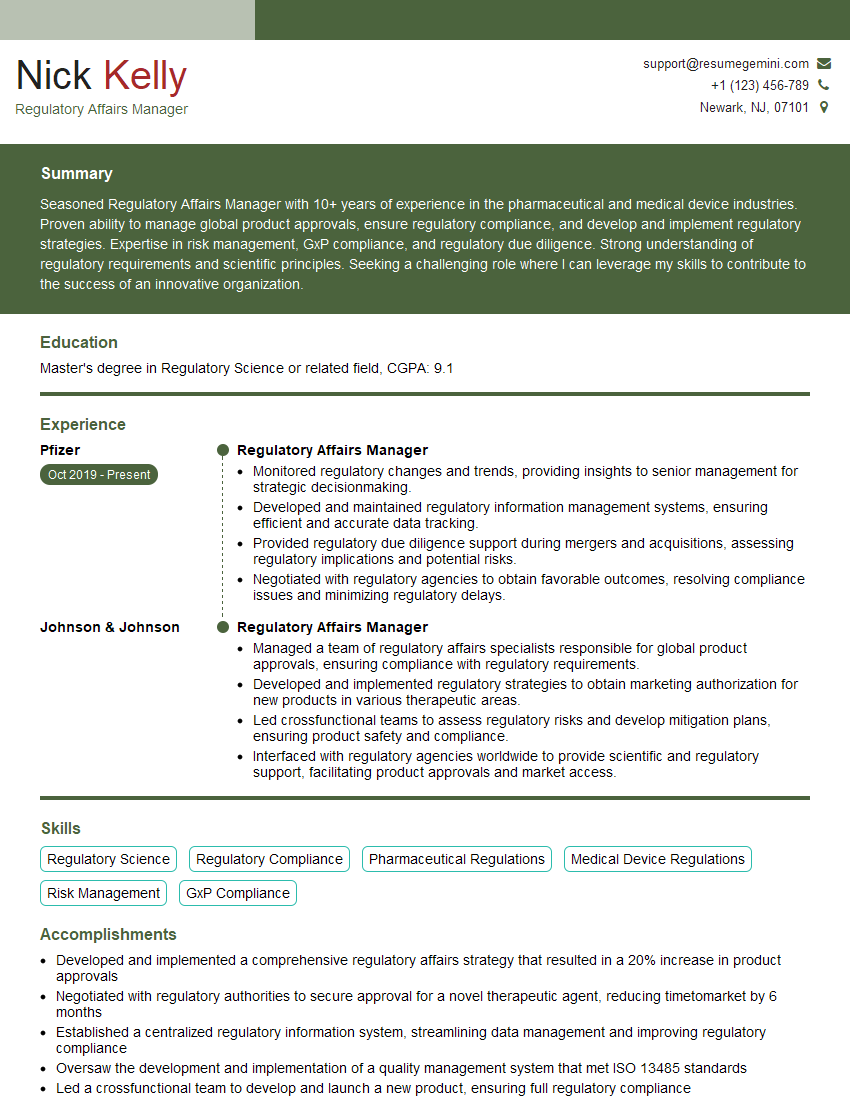
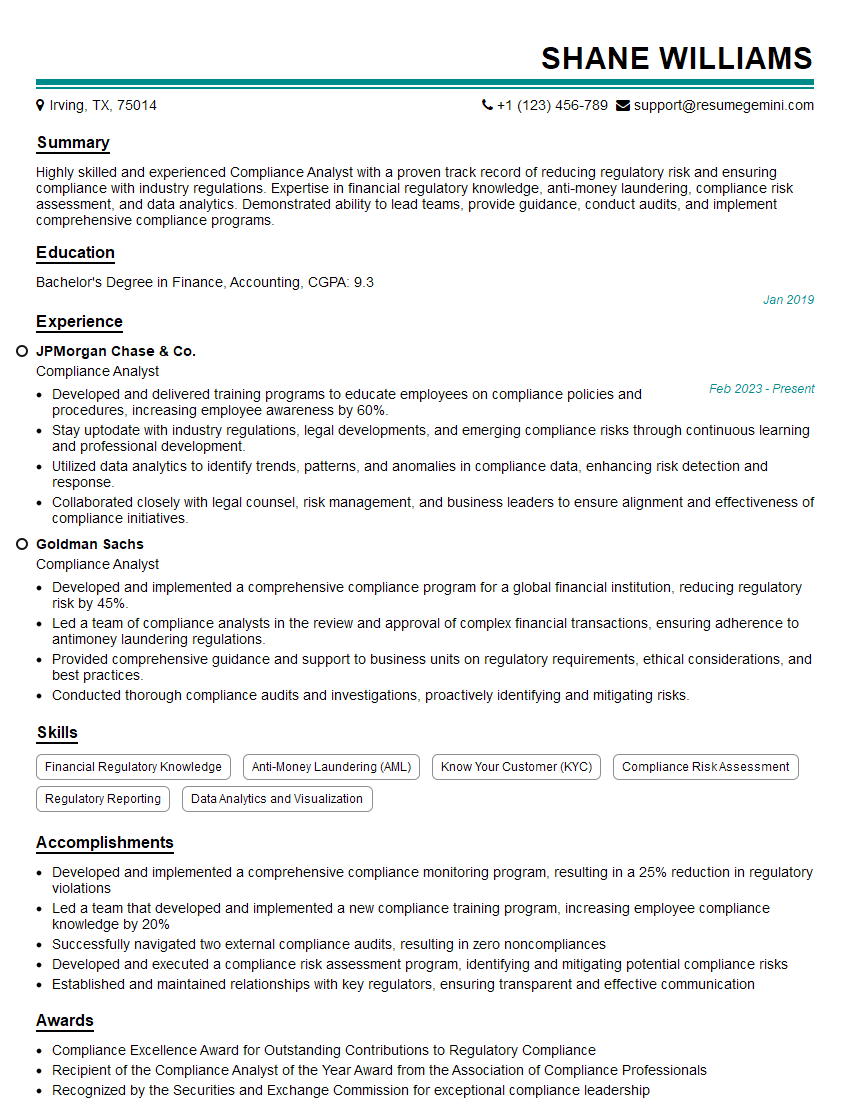
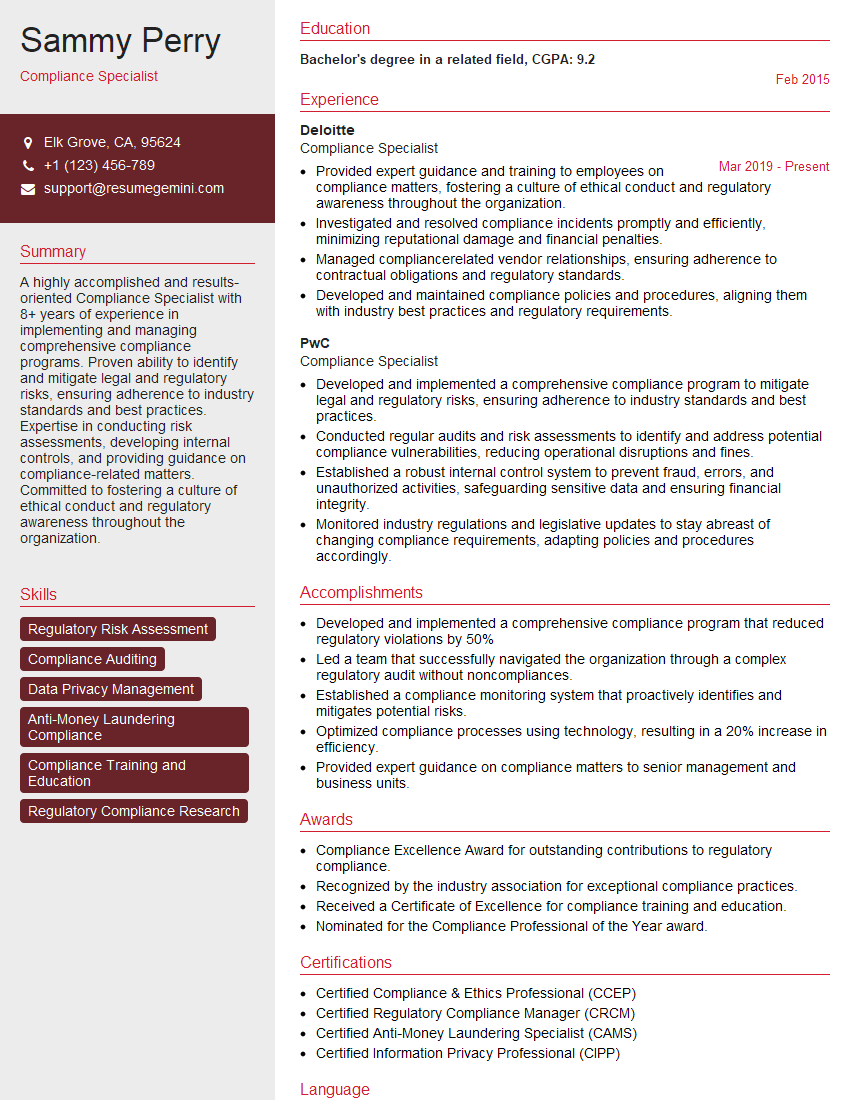
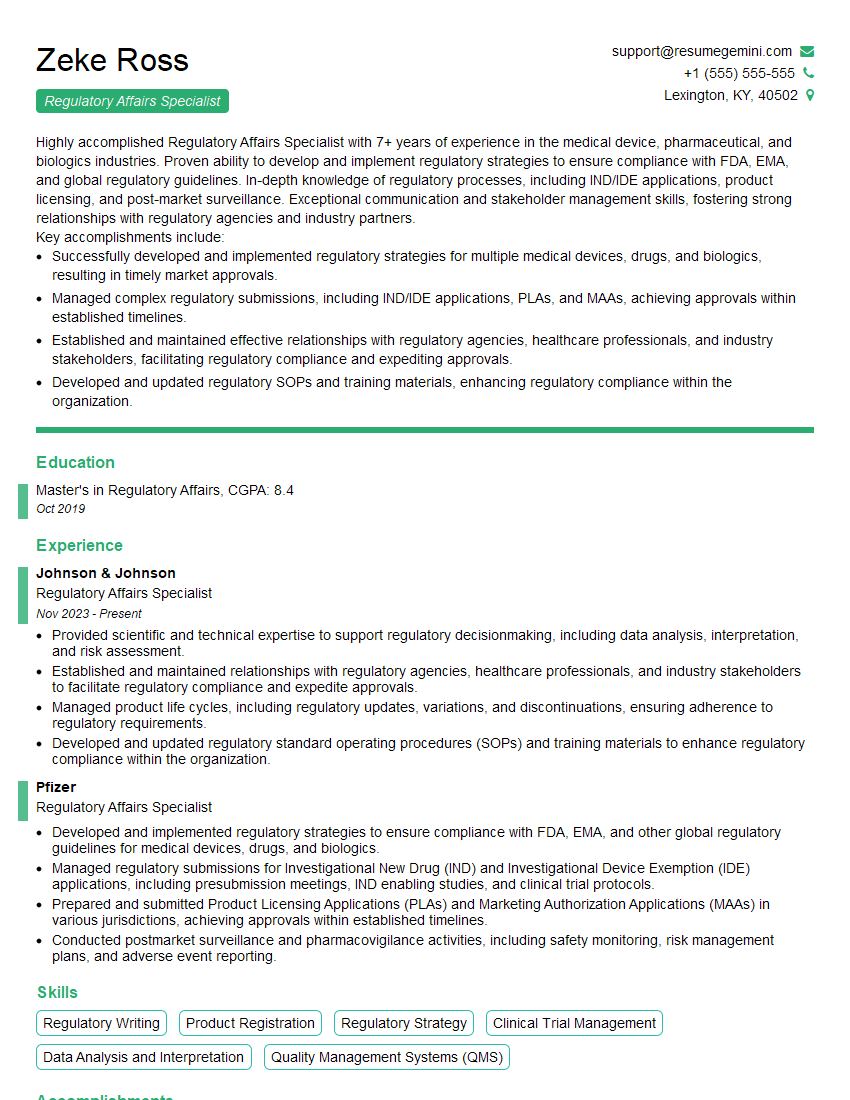
Mastering NCAA Rulebook Familiarity is crucial for career advancement in collegiate athletics. A strong understanding of these rules is highly sought after by institutions committed to compliance and fair play. To significantly boost your job prospects, creating an ATS-friendly resume is essential. This ensures your qualifications are effectively communicated to hiring managers and applicant tracking systems.
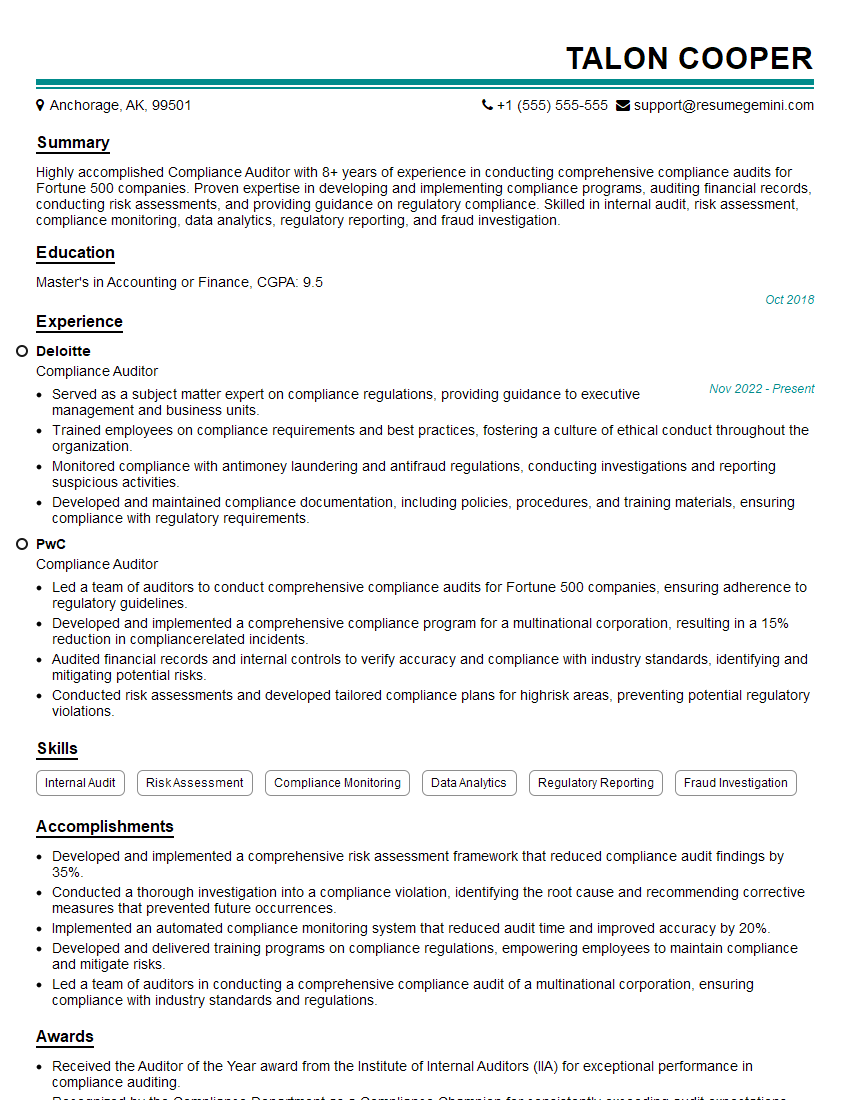
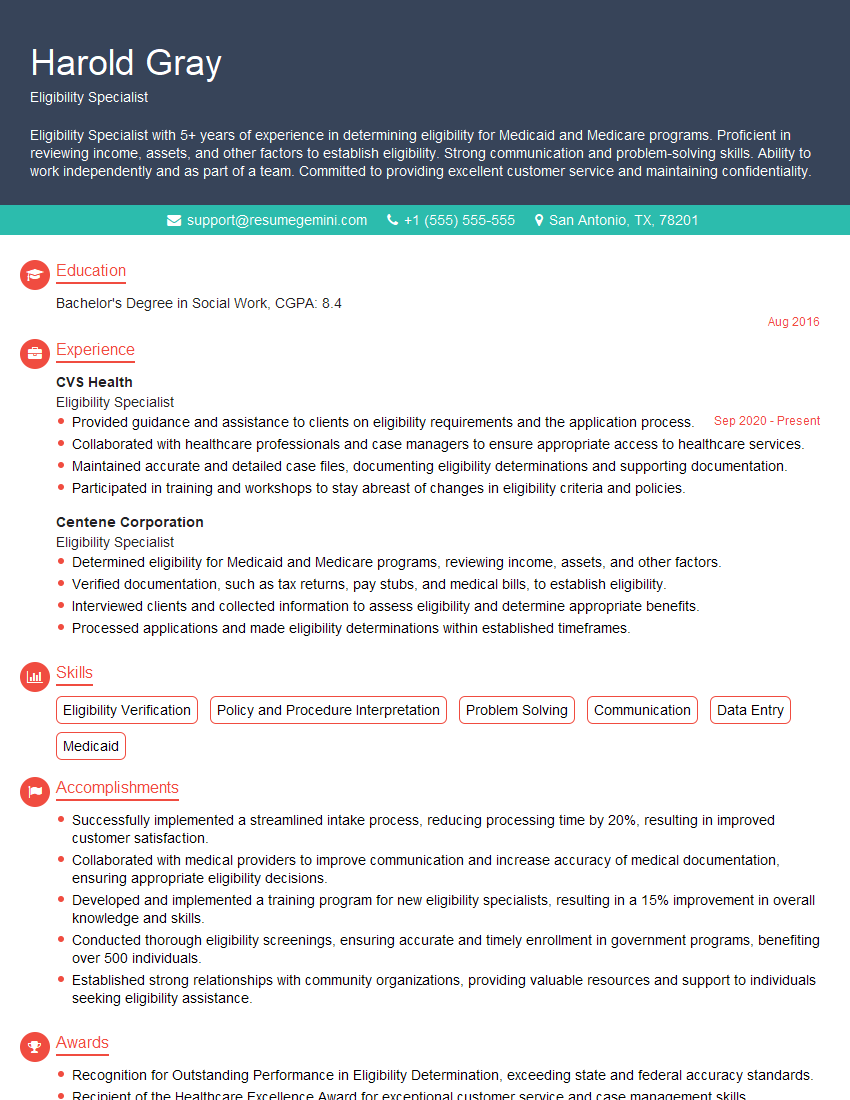
We strongly recommend leveraging ResumeGemini to build a professional and impactful resume. ResumeGemini provides a user-friendly platform and expert guidance to craft a compelling document that highlights your skills and experience. Examples of resumes tailored to NCAA Rulebook Familiarity are available to help you get started. Take the next step in your career journey today!

Explore more articles
Users Rating of Our Blogs
Share Your Experience
We value your feedback! Please rate our content and share your thoughts (optional).
What Readers Say About Our Blog
Very informative content, great job.
good