Interviews are more than just a Q&A session—they’re a chance to prove your worth. This blog dives into essential Occupational Safety and Health (OSHA) Compliance interview questions and expert tips to help you align your answers with what hiring managers are looking for. Start preparing to shine!
Questions Asked in Occupational Safety and Health (OSHA) Compliance Interview
Q 1. Explain your understanding of OSHA’s General Duty Clause.
OSHA’s General Duty Clause, found in Section 5(a)(1) of the Occupational Safety and Health Act, is the cornerstone of workplace safety. It’s a broad mandate requiring employers to furnish to each of their employees employment and a place of employment, which are free from recognized hazards that are causing or are likely to cause death or serious physical harm. Think of it as the overarching safety net. It doesn’t list specific hazards; instead, it holds employers accountable for identifying and addressing any hazard that poses a significant risk, even if there isn’t a specific OSHA standard covering that particular hazard. For example, if a new piece of equipment is introduced and creates a previously unrecognized tripping hazard, the General Duty Clause would apply even if there’s no specific regulation about that type of equipment. The employer is responsible for identifying the hazard, evaluating the risk, and implementing control measures to mitigate it.
In essence, the General Duty Clause acts as a safety catch-all, ensuring employers are proactively addressing hazards beyond those explicitly covered by specific OSHA regulations. Enforcement often involves demonstrating the hazard’s existence, its recognition within the industry, and the feasibility of effective control measures.
Q 2. Describe your experience with OSHA recordkeeping (Form 300, 300A, 301).
My experience with OSHA recordkeeping is extensive. I’ve been directly involved in the implementation and maintenance of the OSHA 300, 300A, and 301 logs in various settings. The 300 log is the central record of workplace injuries and illnesses, detailing each incident. The 300A is the annual summary, providing an overview of the recorded incidents. The 301 incident report provides detailed information for each recorded case. I’ve ensured these logs are completed accurately and timely, adhering to OSHA guidelines on recordkeeping, including proper classification of injuries and illnesses. I’m familiar with the nuances of recordkeeping, such as the criteria for recording cases, the proper methods of data entry, and the required retention periods. I’ve also conducted internal audits to ensure compliance and have trained employees on proper injury and illness reporting procedures. This included emphasizing the importance of accurate and complete reporting, regardless of perceived severity.
In one particular instance, we discovered an underreporting of incidents. By conducting a thorough review of our procedures and providing additional training, we identified several unreported incidents. Correcting this not only improved our compliance but also helped us proactively address underlying safety concerns. This experience underscores the critical role of accurate recordkeeping not just for compliance but also for continuous improvement in workplace safety.
Q 3. How do you conduct a job hazard analysis (JHA)?
A Job Hazard Analysis (JHA) is a systematic process to identify hazards associated with a specific job or task. It’s a crucial step in proactive risk management. I typically conduct a JHA using a team-based approach, involving workers who actually perform the task. This ensures a practical and realistic assessment. The process usually involves these steps:
- Select the job to be analyzed: This involves choosing a specific task, not just a broad job description.
- List each step of the job: Break down the job into sequential steps, documenting all actions involved.
- Identify potential hazards for each step: For each step, brainstorm potential hazards – physical, chemical, biological, ergonomic, or psychosocial.
- Identify possible preventive measures: For each hazard, brainstorm practical control measures like engineering controls (e.g., machine guarding), administrative controls (e.g., work rotation), and personal protective equipment (PPE).
- Document the findings: The completed JHA should be a clear, concise document that’s easy to understand and readily accessible to all workers. This document should be updated periodically, especially after an incident or if the job tasks change.
For example, in analyzing a warehouse job involving forklift operation, we’d list steps like loading, moving pallets, and unloading. Hazards identified might include collisions, falls from height, and ergonomic issues related to repetitive lifting. Preventive measures could include improved warehouse layout, regular forklift maintenance, training on safe operating procedures, and provision of back support belts.
Q 4. What are the common types of workplace hazards and how do you mitigate them?
Workplace hazards are numerous and varied. They can be categorized into several types:
- Physical Hazards: These include noise, vibration, radiation, temperature extremes, slips, trips, and falls.
- Chemical Hazards: These encompass exposure to hazardous substances like solvents, acids, and gases. They can cause acute or chronic health problems.
- Biological Hazards: These involve exposure to bacteria, viruses, fungi, or other biological agents.
- Ergonomic Hazards: These result from improper workstation design or repetitive motions, leading to musculoskeletal disorders (MSDs).
- Psychosocial Hazards: These include stress, violence, harassment, and burnout, which can significantly impact worker health and well-being.
Mitigating these hazards involves a multi-pronged approach. Engineering controls are the most effective, such as implementing machine guards, improving ventilation, or redesigning workstations. Administrative controls include job rotation, modifying work schedules, and implementing safety procedures. Finally, personal protective equipment (PPE) provides an additional layer of protection, but it should be the last line of defense, not a replacement for engineering and administrative controls. A comprehensive safety program, encompassing hazard identification, risk assessment, control measures, and training, is crucial for effective hazard mitigation.
Q 5. Explain your experience with implementing and managing safety programs.
I have extensive experience in implementing and managing safety programs, ranging from small businesses to large industrial facilities. My approach is always proactive, focusing on preventing incidents rather than reacting to them. This involves:
- Conducting thorough hazard assessments: This involves identifying all potential hazards within the workplace, using methods such as JHAs, walk-through inspections, and safety audits.
- Developing and implementing safety policies and procedures: Creating clear, concise, and easily understood safety rules and procedures is crucial for ensuring consistent behavior.
- Providing comprehensive safety training: Training must be tailored to the specific needs of employees and regularly updated.
- Establishing incident investigation procedures: Thorough investigations are essential for identifying root causes and implementing corrective actions.
- Monitoring and evaluating program effectiveness: Regular inspections, audits, and review of safety metrics are necessary to determine the effectiveness of the program and make necessary adjustments.
In one particular project, we implemented a new safety program at a manufacturing facility that resulted in a 30% reduction in recordable incidents within a year. This success was attributed to a combination of thorough hazard identification, comprehensive training, regular safety inspections, and effective communication with employees. Building a strong safety culture, where employees feel empowered to identify and report hazards, is essential for a successful safety program.
Q 6. How do you ensure compliance with OSHA’s lockout/tagout procedures?
Ensuring compliance with OSHA’s lockout/tagout (LOTO) procedures is critical for preventing catastrophic incidents involving hazardous energy sources. LOTO procedures are designed to prevent the accidental release of stored energy during servicing or maintenance of equipment. My experience includes developing and implementing LOTO programs, training employees on proper procedures, and conducting regular audits to verify compliance. This involves several key steps:
- Energy Isolation: Before any work is done, all energy sources must be identified and isolated using appropriate methods. This could involve turning off breakers, disconnecting power cords, or closing valves.
- Lockout and Tagout: Each energy isolation point must be secured with both a lockout device (typically a lock) and a tagout device (a tag with specific information). This ensures that only authorized personnel can restore energy to the equipment.
- Verification: Before work begins, the energy isolation must be verified to ensure that the equipment is truly de-energized.
- Work Authorization: A written authorization must be issued for the work, and this authorization must include the LOTO procedures.
- Training and Documentation: Thorough training on LOTO procedures must be provided to all authorized personnel, and accurate records of all LOTO activities must be maintained.
Regular audits, both announced and unannounced, are essential to ensure that LOTO procedures are consistently followed. Non-compliance can result in serious injury or even fatalities, underscoring the critical importance of strict adherence to these procedures.
Q 7. Describe your experience with personal protective equipment (PPE) selection and training.
My experience with PPE selection and training is extensive. Selecting the appropriate PPE involves understanding the specific hazards present in the workplace and ensuring that the chosen PPE provides adequate protection. This requires a thorough hazard assessment to determine the type and level of protection needed. Simply put, the right PPE for a welder is significantly different from that of a construction worker working at heights. I’ve overseen the selection of PPE for various roles, taking into account factors such as comfort, fit, and durability.
Training is an equally critical component. Employees must be properly trained on how to use, wear, and maintain their PPE. This includes understanding when PPE is required, how to select the appropriate PPE for the task, how to properly don and doff the PPE, how to inspect the PPE for damage, and how to report any issues. Effective training programs often incorporate hands-on demonstrations and practical exercises to ensure employees understand and can demonstrate the proper use of the PPE. Regular refresher training is also important to ensure ongoing competency and awareness of safety protocols.
For instance, when implementing a fall protection program, we provided comprehensive training on proper harness usage, fall arrest systems, and rescue procedures. This training included both classroom instruction and practical demonstrations, ensuring that workers could confidently and safely perform their tasks.
Q 8. How do you investigate and report workplace accidents and incidents?
Investigating workplace accidents and incidents requires a systematic approach. Think of it like solving a detective mystery, but with a focus on preventing future incidents. My process begins with immediate action: securing the scene, providing first aid if needed, and contacting emergency services. Then, I conduct a thorough investigation, gathering evidence such as witness statements, photographs, video footage, and equipment maintenance records. This evidence forms the basis of an incident report, which details the circumstances, contributing factors, and any immediate corrective actions taken. The report also includes recommendations for preventing similar incidents in the future. For example, if a worker fell from a ladder due to lack of fall protection, the report would detail this, recommend mandatory fall protection training, and suggest implementing a ladder inspection program. Finally, I follow up to ensure the corrective actions are implemented and the recommendations are followed. This closed-loop approach ensures that lessons learned from each incident translate into long-term improvements in workplace safety.
Q 9. What is your experience with OSHA inspections and citations?
I have extensive experience with OSHA inspections and citations, having worked with companies ranging from small construction firms to large manufacturing plants. My role typically involves preparing for inspections by ensuring our safety programs are up-to-date and all documentation is readily available. During inspections, I actively participate, answering questions thoroughly and accurately, and providing supporting documentation. I’ve successfully navigated several inspections without receiving citations, showcasing our robust safety culture. In cases where citations have been issued, I’ve played a crucial role in developing and implementing corrective action plans, addressing the root causes of the issues cited and ensuring compliance. For example, we received a citation for inadequate machine guarding. We responded by immediately implementing new guards, revising our lockout/tagout procedures, and providing comprehensive retraining to all affected employees. This resulted in a successful follow-up inspection with the citation being closed.
Q 10. How do you develop and deliver safety training programs?
Developing and delivering effective safety training programs hinges on understanding the audience and the specific hazards they face. My approach begins with a thorough needs assessment, identifying the knowledge gaps and training requirements for each employee group. I then design interactive and engaging training materials, incorporating various methods like presentations, videos, hands-on activities, and simulations. The training is tailored to the specific job tasks and relevant OSHA standards. For instance, for a construction site, training would cover fall protection, hazard communication, and lockout/tagout procedures, whereas for an office setting, it might focus on ergonomics, fire safety, and emergency procedures. I also incorporate regular reinforcement activities, such as toolbox talks and job-site observations, to sustain the effectiveness of the training and ensure that employees retain the knowledge and skills they’ve acquired. Finally, I assess the effectiveness of the training through methods like quizzes, practical demonstrations, and observation of employee behavior in the workplace.
Q 11. What is your experience with ergonomics and workplace design?
Ergonomics and workplace design are paramount to preventing musculoskeletal disorders and creating a safe and efficient work environment. My experience involves conducting ergonomic assessments to identify risk factors, such as repetitive movements, awkward postures, and excessive force. I use this information to recommend modifications to workstations, equipment, and work processes to improve ergonomics. This might include adjusting chair height, providing adjustable keyboards, implementing job rotation programs, or redesigning workstations to minimize awkward postures. For example, in a manufacturing facility, we implemented ergonomic changes to assembly lines, leading to a significant reduction in reported musculoskeletal injuries. Beyond individual workstations, I also consider the overall layout of the workplace, ensuring adequate space for movement, clear pathways, and appropriate placement of equipment to minimize risks.
Q 12. Describe your knowledge of hazard communication standards (SDS/labels).
Hazard communication is essential for employee safety and relies heavily on Safety Data Sheets (SDS) and proper labeling. My understanding of these standards extends to ensuring that every hazardous material in the workplace is properly labeled with the required information, including the hazard pictograms, signal words, and precautionary statements. Furthermore, I ensure readily accessible SDSs for each hazardous substance are available to employees. I train employees on how to interpret SDSs and understand the associated hazards. I’m also familiar with the Globally Harmonized System of Classification and Labelling of Chemicals (GHS) and its implications for hazard communication, ensuring compliance with evolving standards. For instance, I regularly review and update our chemical inventory, ensuring labels are current and SDSs reflect the latest information from the manufacturers. I also conduct regular training sessions to ensure employees understand how to handle chemicals safely and what actions to take in case of exposure.
Q 13. How do you manage workplace safety committees and employee involvement?
Effective workplace safety depends heavily on employee involvement. I facilitate the establishment and management of safety committees, ensuring representation from various departments and employee levels. These committees serve as a platform for employees to voice concerns, contribute ideas, and participate in developing and implementing safety initiatives. I encourage open communication and create a culture where employees feel comfortable reporting hazards without fear of retribution. This includes regular meetings, safety audits, and feedback mechanisms. I use data from incident reports and safety audits to inform committee discussions and prioritize safety improvements. For example, employee feedback from a safety committee led to the identification of a blind spot in a warehouse, which was subsequently addressed by improving lighting and rearranging storage.
Q 14. What is your familiarity with OSHA’s regulations concerning confined spaces?
OSHA’s regulations concerning confined spaces are stringent, designed to protect workers from serious hazards such as oxygen deficiency, toxic atmospheres, and engulfment. My familiarity with these regulations encompasses understanding permit-required confined space entry procedures, which involve a detailed risk assessment, atmospheric monitoring, rescue plans, and the use of appropriate personal protective equipment (PPE). I know the importance of training workers on recognizing confined space hazards, understanding the procedures, and using the necessary equipment. This includes implementing a comprehensive permit system with all the required documentation and approvals. I also know that regular inspections of confined spaces and their associated equipment are crucial for ensuring continued compliance. For example, I’ve developed and implemented a confined space entry program that includes regular training, detailed permit procedures, and routine inspections of entry equipment. The program has been instrumental in ensuring the safety of workers entering confined spaces in our facilities.
Q 15. Explain your approach to preventing falls in the workplace.
Preventing falls is paramount in any workplace. My approach is multifaceted and relies on a combination of engineering controls, administrative controls, and personal protective equipment (PPE).
- Engineering Controls: These are physical changes to the workplace to eliminate or reduce fall hazards. Examples include installing guardrails, handrails, and stair railings; providing secure walkways; ensuring adequate lighting; and using slip-resistant flooring. I’d also assess the need for fall arrest systems, such as harnesses and lifelines, particularly for work at heights.
- Administrative Controls: These are policies, procedures, and training programs designed to minimize fall risks. This includes implementing a comprehensive fall protection plan, providing regular training on fall hazard recognition and prevention, establishing permit-required confined space entry procedures, and conducting thorough job hazard analyses (JHAs) before commencing any task involving potential fall hazards. For instance, I’d ensure that all workers are trained to properly inspect their equipment and report any deficiencies immediately.
- Personal Protective Equipment (PPE): While engineering and administrative controls are prioritized, PPE serves as a final layer of protection. This includes hard hats, safety shoes with slip-resistant soles, and, as mentioned before, fall arrest systems when appropriate. Regular inspections and maintenance of PPE are critical. For example, I’d ensure harnesses are inspected for wear and tear before each use and that employees understand how to correctly use and store their PPE.
In essence, I employ a hierarchical approach: engineering controls are preferred, followed by administrative controls, and finally, PPE. This ensures the most effective and sustainable fall prevention strategy.
Career Expert Tips:
- Ace those interviews! Prepare effectively by reviewing the Top 50 Most Common Interview Questions on ResumeGemini.
- Navigate your job search with confidence! Explore a wide range of Career Tips on ResumeGemini. Learn about common challenges and recommendations to overcome them.
- Craft the perfect resume! Master the Art of Resume Writing with ResumeGemini’s guide. Showcase your unique qualifications and achievements effectively.
- Don’t miss out on holiday savings! Build your dream resume with ResumeGemini’s ATS optimized templates.
Q 16. How do you ensure compliance with OSHA’s regulations regarding respiratory protection?
OSHA’s respiratory protection regulations (29 CFR 1910.134) are complex but crucial. Compliance starts with a thorough hazard assessment to identify airborne contaminants and their concentrations. This determines the type of respirator needed. Then, a comprehensive respiratory protection program is essential.
- Hazard Assessment: This involves identifying potential respiratory hazards, determining their severity and frequency, and selecting appropriate control measures. This could involve air quality monitoring to determine the type and concentration of airborne contaminants.
- Respirator Selection: Based on the hazard assessment, the appropriate type of respirator (e.g., N95, half-mask, full-facepiece) is chosen. Fit testing is crucial to ensure a proper seal, preventing leakage. The type of respirator must be compatible with the hazards present.
- Medical Evaluation: Employees must undergo medical evaluations to determine their suitability for respirator use. This screens for underlying health conditions that could be aggravated by respirator use.
- Training: Comprehensive training on respirator selection, use, care, and limitations is essential. Employees should know when to replace cartridges, how to perform fit checks, and how to recognize limitations in respirator protection.
- Maintenance and Inspection: Respirators must be regularly inspected and maintained to ensure their effectiveness. Damaged or malfunctioning respirators should be immediately replaced.
- Record Keeping: Meticulous record-keeping is crucial to demonstrate compliance. This includes records of hazard assessments, respirator fit tests, medical evaluations, and training.
Imagine a scenario in a construction site where workers are exposed to asbestos. A comprehensive program would include air monitoring to determine asbestos levels, providing appropriate respirators (e.g., HEPA filters), conducting fit tests, providing training on respirator use and safety procedures, and maintaining detailed records of all these activities. This ensures worker safety and demonstrates compliance with OSHA regulations.
Q 17. Describe your experience with fire safety and emergency preparedness.
My experience in fire safety and emergency preparedness is extensive, encompassing both the development and implementation of comprehensive safety plans and conducting regular training and drills.
- Emergency Action Plan (EAP): I’ve developed and implemented numerous EAPs tailored to various workplace settings. These plans detail procedures for evacuations, emergency response, and communication during fire emergencies or other crises. They specify assembly points, evacuation routes, and roles and responsibilities of personnel.
- Fire Prevention Measures: My work has involved implementing fire prevention measures, such as regular fire inspections, maintenance of fire suppression systems (sprinklers, fire extinguishers), ensuring proper storage of flammable materials, and promoting good housekeeping practices. The goal is to minimize the risk of fire incidents.
- Emergency Drills and Training: I’ve organized and conducted regular fire drills and emergency response training programs for employees. This ensures familiarity with evacuation procedures and strengthens overall emergency preparedness. Realistic scenarios are used to prepare employees for various emergencies.
- Communication and Reporting: Effective communication systems are essential during emergencies. I’ve established procedures for alerting employees of emergency situations and reporting incidents to appropriate authorities. Clear communication protocols ensure a coordinated response to emergency situations.
For example, in a manufacturing facility, I’d work to ensure that all fire extinguishers are appropriately rated for the type of potential fires, that evacuation routes are clearly marked and unobstructed, that employees know how to use fire extinguishers and the facility’s alarm system, and that a comprehensive EAP is updated regularly and distributed to all personnel.
Q 18. What is your knowledge of OSHA’s requirements for machine guarding?
OSHA’s machine guarding requirements (29 CFR 1910 Subpart O) are designed to prevent injuries from moving machine parts. The core principle is to safeguard employees from contact with dangerous parts of machines.
- Guard Selection: Appropriate guards must be selected based on the specific hazards posed by a machine. Guards can be fixed, interlocked, or adjustable. The chosen guard must completely enclose the hazardous moving part, or create a physical barrier to prevent access.
- Machine Design: Ideally, machines should be designed with inherent safety features, minimizing the need for extensive guarding. This involves the use of safety mechanisms to prevent unexpected starting or stopping of machines.
- Lockout/Tagout (LOTO): LOTO procedures are crucial for maintenance and repair work on machinery to prevent accidental start-ups. Employees must be properly trained on LOTO procedures to ensure that machines are safely locked out before any work begins.
- Point of Operation Guarding: This is critical for protecting workers from hazards at the point where work is being done on the machine. This may involve using guards that prevent access to moving parts at the point of operation. Examples include barriers, two-hand controls, or light curtains.
- Inspections: Regular inspections of machine guards are essential to ensure they are in good condition and effectively prevent accidents. Any damage to guards should be immediately repaired or reported.
For instance, a punch press requires robust point-of-operation guarding, such as a barrier guard to prevent access to the ram. This guard should be inspected daily. Furthermore, a lockout/tagout system must be in place to ensure that the machine is completely shut down and secured before any maintenance is performed.
Q 19. How do you monitor and evaluate the effectiveness of safety programs?
Monitoring and evaluating safety program effectiveness requires a multi-pronged approach, incorporating both quantitative and qualitative measures.
- Leading Indicators: These metrics predict future accidents. Examples include the number of safety training hours, the frequency of safety inspections, the number of near misses reported, and the effectiveness of hazard identification processes. A decrease in near misses is a positive sign.
- Lagging Indicators: These metrics reflect past performance. Examples include the number of accidents, injuries, illnesses, and lost workdays. A decrease in these indicates a successful safety program.
- Safety Audits: Regular safety audits are crucial to identify areas for improvement. These audits involve a thorough assessment of workplace conditions and safety practices. Audits can be internal or conducted by external safety professionals.
- Incident Investigations: A detailed investigation is conducted for every incident, regardless of severity. This helps determine root causes and implement corrective actions. A thorough root cause analysis is vital.
- Employee Feedback: Employee feedback is crucial in determining the effectiveness of safety programs. Surveys, safety meetings, and informal discussions can provide valuable insights into employee perceptions of safety. This ensures that safety initiatives are practical and resonate with workers.
- Data Analysis: Data on safety performance is tracked and analyzed using various tools and techniques to identify trends and areas needing improvement. This data-driven approach helps make informed decisions about safety initiatives.
For example, a decrease in reported near misses over time coupled with a reduction in workplace accidents suggests a successful safety initiative. Regular analysis of this data, combined with employee feedback, facilitates adjustments to the safety program.
Q 20. Explain your experience with developing and implementing safety policies and procedures.
Developing and implementing safety policies and procedures requires a systematic approach.
- Needs Assessment: This involves identifying potential hazards and assessing risks. This could involve reviewing past incident reports, conducting workplace inspections, and consulting with employees.
- Policy Development: Based on the needs assessment, clear, concise, and comprehensive safety policies are developed. These policies define expectations for safe work practices and accountability.
- Procedure Development: Detailed procedures are created to outline specific steps for carrying out tasks safely. These procedures must be readily accessible and easily understood by all employees.
- Communication and Training: Effective communication is essential. Policies and procedures are communicated through training programs, meetings, and written materials. Regular refreshers ensure that employees remain informed and up-to-date.
- Enforcement and Monitoring: Consistent enforcement of safety policies and procedures is crucial for success. This includes regular inspections and audits to ensure compliance.
- Documentation: Maintaining thorough documentation of policies, procedures, training records, and safety performance data is critical. This provides evidence of compliance and allows for continuous improvement.
In a manufacturing environment, a policy might address the use of personal protective equipment (PPE). A corresponding procedure might detail the selection, use, inspection, and storage of specific PPE for different tasks. Regular training and audits ensure compliance with these policies and procedures.
Q 21. How do you handle conflict or resistance to safety initiatives?
Handling conflict or resistance to safety initiatives requires a diplomatic and collaborative approach. Understanding the root cause of the resistance is crucial.
- Communication and Education: Open communication is key. Actively listen to concerns, address misconceptions, and provide clear explanations of the reasons for safety initiatives. Address fears and anxieties openly and honestly.
- Collaboration and Involvement: Involve employees in the development and implementation of safety programs. Seeking input and feedback fosters ownership and reduces resistance.
- Addressing Concerns: Identify and address practical concerns about safety initiatives. For example, if new equipment is causing discomfort, look for alternative solutions or ergonomic adjustments.
- Incentivization and Recognition: Positive reinforcement, recognition for safe behaviors, and rewards can motivate participation and compliance. Highlight success stories.
- Enforcement and Discipline: While collaboration is key, consistent enforcement of safety rules is essential. Disciplinary actions, when necessary, are applied fairly and consistently, ensuring everyone understands expectations.
- Leadership Support: Visible support from management is crucial. Leaders should actively champion safety initiatives and participate in safety programs.
For example, if employees resist wearing new safety glasses because they are uncomfortable, exploring alternative models and providing a wider range of choices can address their concerns, demonstrating management’s commitment to their well-being.
Q 22. Describe your experience with conducting safety audits and inspections.
Conducting safety audits and inspections is a crucial aspect of ensuring a safe and healthy work environment. My approach involves a systematic process, beginning with a thorough review of the workplace’s specific hazards and applicable OSHA standards. This includes understanding the nature of the work performed, the potential for injury or illness, and the existing safety procedures.
During the audit, I meticulously examine the physical workspace, checking for potential hazards like tripping hazards, exposed wires, inadequate lighting, or improper storage of materials. I also review safety documentation, including training records, incident reports, and safety program plans. I interview employees to gauge their understanding of safety protocols and identify any areas where they feel unsafe or inadequately trained. I use checklists specific to the industry and type of workplace, ensuring comprehensive coverage of all relevant OSHA requirements.
For example, during an audit of a construction site, I’d verify the proper use of Personal Protective Equipment (PPE), check for fall protection measures, and inspect the condition of scaffolding and other equipment. In a manufacturing setting, I’d focus on machine guarding, lockout/tagout procedures, and the proper handling of hazardous materials. After the audit, I compile a detailed report outlining any identified hazards, non-compliance issues, and recommendations for corrective actions. This report serves as a roadmap for the company to implement necessary improvements and bring their operations into full compliance with OSHA regulations.
Q 23. What is your experience with OSHA’s regulations concerning hazardous waste?
OSHA’s regulations concerning hazardous waste are extensive and cover a broad range of aspects, from generation and storage to transportation and disposal. My experience encompasses a deep understanding of the Hazard Communication Standard (HazCom), which requires employers to provide employees with information about the hazardous chemicals they work with. This involves proper labeling, Safety Data Sheets (SDS), and employee training. Beyond HazCom, I’m well-versed in the regulations governing the handling and disposal of hazardous waste, including proper waste segregation, containerization, and labeling. This also includes familiarity with the requirements for spill response and emergency procedures, ensuring compliance with relevant Environmental Protection Agency (EPA) regulations.
For example, I’ve worked with companies to develop and implement comprehensive hazardous waste management plans, ensuring compliance with all applicable OSHA and EPA regulations. This includes training employees on proper waste handling techniques, conducting regular inspections to monitor compliance, and providing guidance on proper disposal methods. My understanding extends to the record-keeping aspects, ensuring that all necessary documentation is maintained and readily available for audits.
Q 24. How familiar are you with the different types of OSHA standards (e.g., general industry, construction)?
OSHA standards are categorized into different subsets to address the unique hazards associated with various industries. I’m highly familiar with the General Industry standards (29 CFR 1910), which apply to most workplaces not specifically covered by other standards. These cover a wide array of hazards, including hazard communication, personal protective equipment, electrical safety, and machine guarding. I’m also very experienced with the Construction standards (29 CFR 1926), which address the particular hazards inherent in construction work, such as fall protection, trenching and excavation, and the use of powered equipment. I understand the differences between these standards and can identify the applicable requirements for any specific workplace.
Beyond General Industry and Construction, I have working knowledge of other standards including Maritime (29 CFR 1915, 1917, 1918), Agriculture (29 CFR 1928), and specific standards for healthcare, manufacturing, etc. My understanding of these variations is critical to conducting thorough and effective safety audits and inspections, tailoring my approach to the specific requirements of the work environment.
Q 25. Explain your experience with using safety data sheets (SDS) to manage chemical hazards.
Safety Data Sheets (SDS) are essential for managing chemical hazards. My experience involves not just reading and understanding SDSs, but actively using them to create comprehensive hazard communication programs. This includes ensuring that SDSs are readily accessible to all employees, that employees are properly trained on the hazards associated with the chemicals they handle, and that appropriate control measures are in place to mitigate those hazards.
I’ve used SDS information to develop training materials, develop appropriate personal protective equipment (PPE) selections, and create emergency response plans. For instance, if an SDS indicates a chemical is flammable, I would ensure proper storage, the availability of fire extinguishers, and training on fire safety procedures. Similarly, if an SDS identifies a chemical as a respiratory irritant, I would implement the use of respirators and ensure employees receive appropriate respiratory protection training. Properly interpreting and implementing the information found within an SDS is a cornerstone of chemical hazard management, and it is a skill I’ve honed over many years.
Q 26. How do you stay current with changes in OSHA regulations and best practices?
Staying current with changes in OSHA regulations and best practices is an ongoing process requiring dedication and proactive engagement. I regularly monitor OSHA’s website for updates, new standards, and enforcement directives. I subscribe to relevant industry publications and newsletters, which provide insights into emerging trends and best practices in occupational safety and health.
I also actively participate in professional development activities, attending conferences, webinars, and workshops. This provides opportunities to network with other safety professionals, learn about new technologies and techniques, and gain insights into the latest regulatory developments. Furthermore, I maintain membership in professional organizations such as the American Society of Safety Professionals (ASSP), allowing access to up-to-date information and resources. This multi-faceted approach ensures I remain at the forefront of my field and can effectively advise clients on the most current safety standards and best practices.
Q 27. Describe your experience with using various safety monitoring equipment.
My experience with safety monitoring equipment encompasses a wide array of tools and technologies, from basic instruments like sound level meters and illumination meters to more sophisticated equipment such as gas detectors and air quality monitors. I’m proficient in using these tools to conduct environmental monitoring assessments, identifying potential hazards such as excessive noise, inadequate lighting, or the presence of hazardous gases.
For example, I have used sound level meters to assess noise levels in industrial settings, determining compliance with OSHA’s permissible exposure limits (PELs) for noise. I’ve also utilized gas detectors to monitor for the presence of combustible gases in confined spaces, ensuring a safe working environment for personnel. The data collected from this equipment is critical in developing effective hazard control strategies and ensuring the safety of workers. The ability to proficiently use and interpret data from various safety monitoring equipment allows for a data-driven approach to risk management.
Q 28. How would you address a situation where an employee refuses to follow safety protocols?
An employee’s refusal to follow safety protocols presents a serious safety concern. My approach is multi-faceted and prioritizes a constructive resolution while ensuring workplace safety. First, I would engage the employee in a private conversation, attempting to understand the reasons behind their non-compliance. This could be due to a lack of understanding, concerns about the protocol’s practicality, or even a personal issue affecting their behavior.
If the refusal stems from a lack of understanding, I would provide additional training and clarification. If there are concerns about the protocol’s practicality, I would explore those concerns and potentially suggest modifications to the protocol, ensuring it remains effective and acceptable. However, if the refusal persists and demonstrates a deliberate disregard for safety rules, more formal action would be necessary. This could involve issuing a written warning, suspending the employee, or even terminating their employment, depending on the severity of the violation and company policy. Throughout the process, clear documentation is maintained, ensuring a fair and transparent resolution. The safety of all employees is paramount, and any behavior jeopardizing that safety will be addressed appropriately and consistently.
Key Topics to Learn for Occupational Safety and Health (OSHA) Compliance Interview
- Hazard Identification and Risk Assessment: Understanding methods for identifying workplace hazards (e.g., chemical, physical, biological, ergonomic) and conducting thorough risk assessments to determine the severity and likelihood of potential incidents. Practical application: Demonstrate your ability to analyze a workplace scenario and identify potential hazards, proposing control measures.
- OSHA Standards and Regulations: Deep knowledge of relevant OSHA standards (e.g., general industry, construction, maritime) and their practical application. Practical application: Discuss how specific standards translate into actionable safety protocols and preventative measures within a given work environment.
- Incident Investigation and Reporting: Mastering the process of thoroughly investigating workplace incidents, identifying root causes, and implementing corrective actions to prevent recurrence. Practical application: Describe your experience with incident reporting systems and your approach to analyzing data to identify trends and improve safety performance.
- Personal Protective Equipment (PPE): Understanding the selection, use, and maintenance of appropriate PPE for various hazards. Practical application: Explain how to select the right PPE for specific tasks and the importance of proper training and fit testing.
- Emergency Response Planning and Procedures: Developing and implementing comprehensive emergency response plans, including evacuation procedures, first aid, and communication protocols. Practical application: Describe your experience in developing or implementing emergency response plans, and highlight your understanding of emergency response team roles and responsibilities.
- Safety Training and Education: Designing and delivering effective safety training programs for employees at all levels. Practical application: Explain how to tailor training programs to meet specific needs and evaluate their effectiveness.
- OSHA Inspections and Compliance Audits: Understanding the OSHA inspection process, common citation types, and strategies for maintaining compliance. Practical application: Discuss how to prepare for an OSHA inspection and respond effectively to citations.
- Recordkeeping and Documentation: Maintaining accurate and comprehensive safety records, including injury and illness logs, training records, and inspection reports. Practical application: Describe your experience with OSHA recordkeeping requirements and best practices for maintaining accurate and compliant documentation.
Next Steps
Mastering Occupational Safety and Health (OSHA) Compliance is crucial for career advancement in this vital field. A strong understanding of these concepts positions you for leadership roles and demonstrates your commitment to workplace safety. To significantly enhance your job prospects, create a compelling, ATS-friendly resume that showcases your skills and experience. ResumeGemini is a trusted resource to help you build a professional resume that stands out. We provide examples of resumes tailored to Occupational Safety and Health (OSHA) Compliance to guide you. Take the next step towards your dream career today!
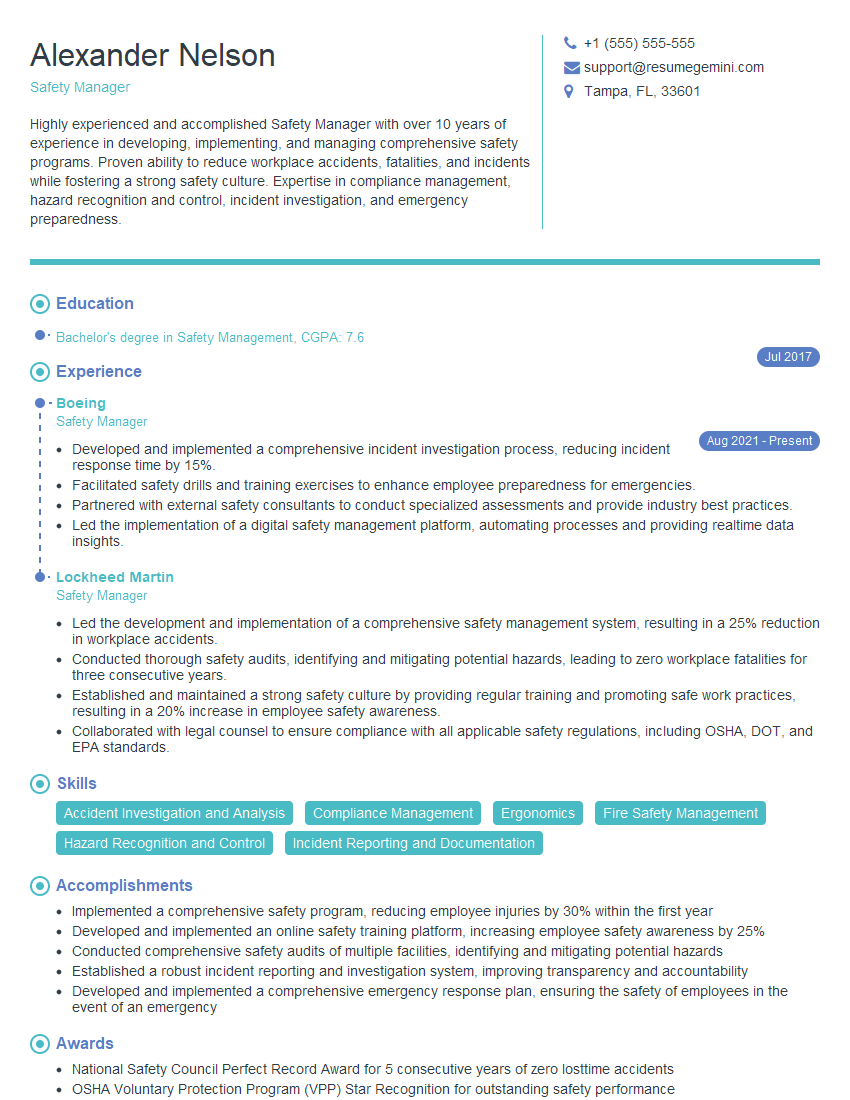
Safety Manager Resume Sample
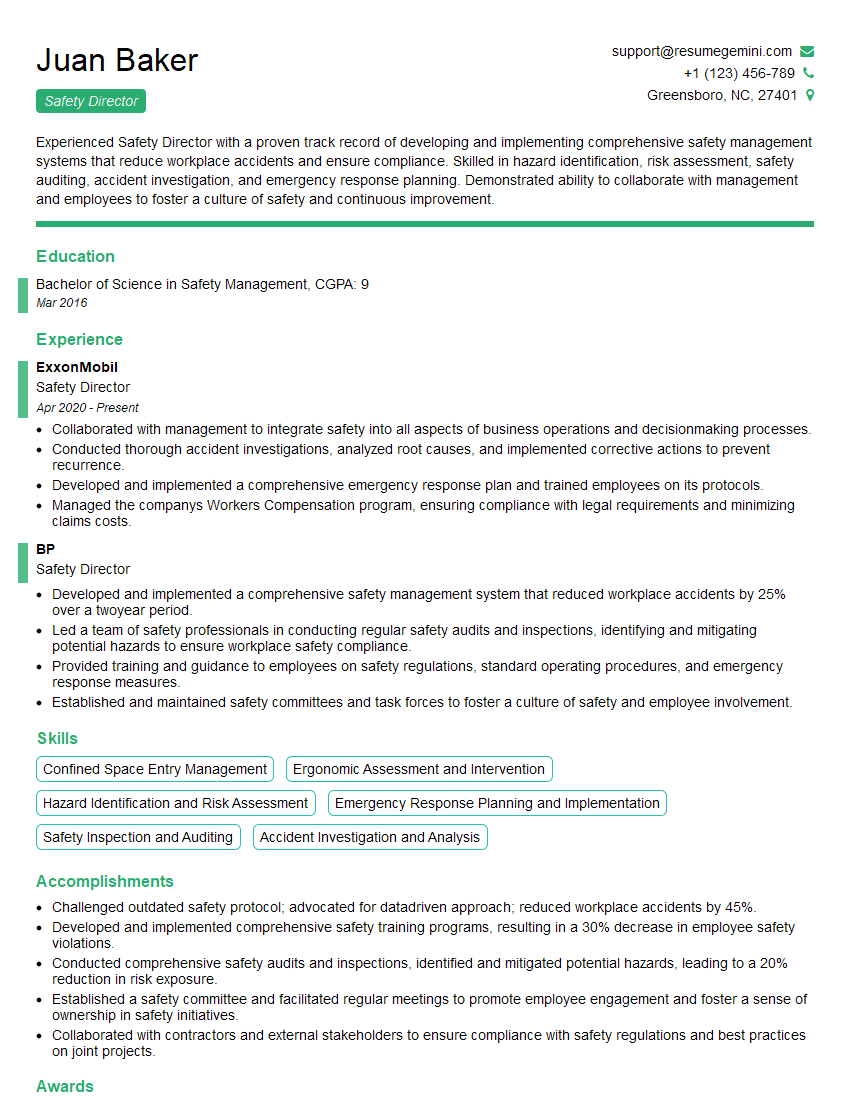
Safety Director Resume Sample
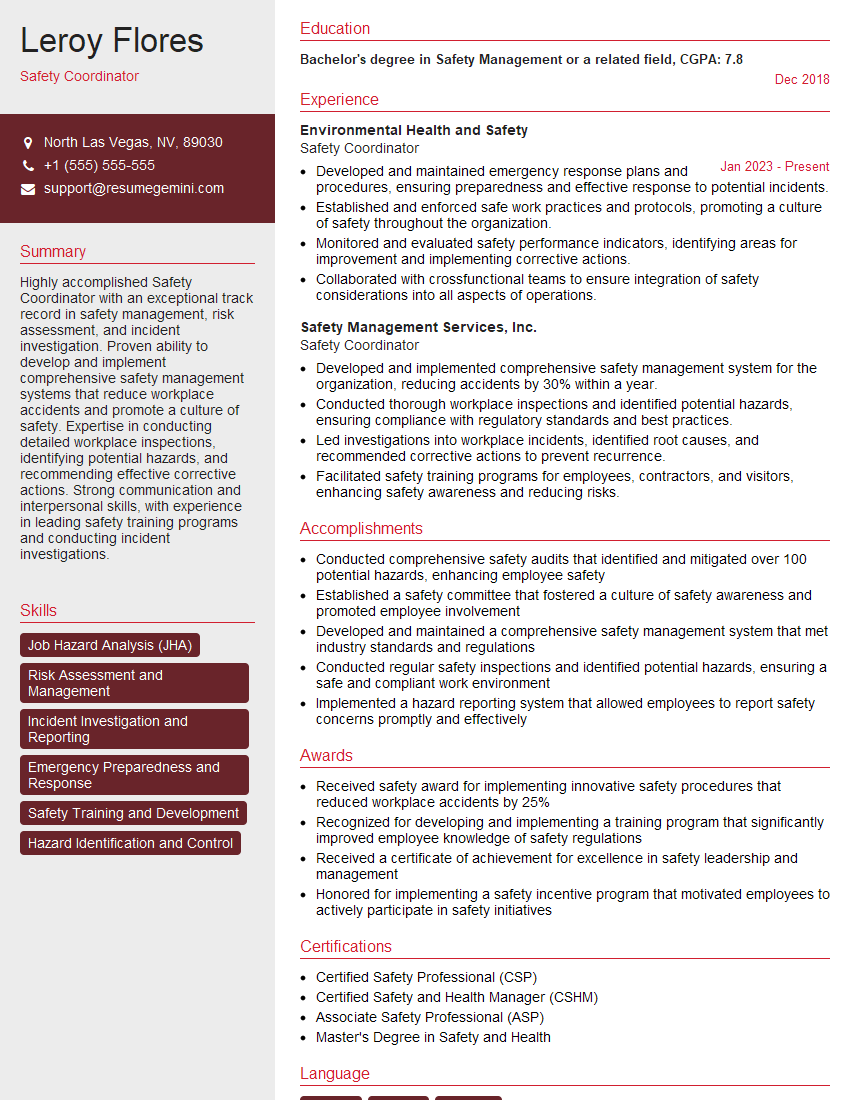
Safety Coordinator Resume Sample
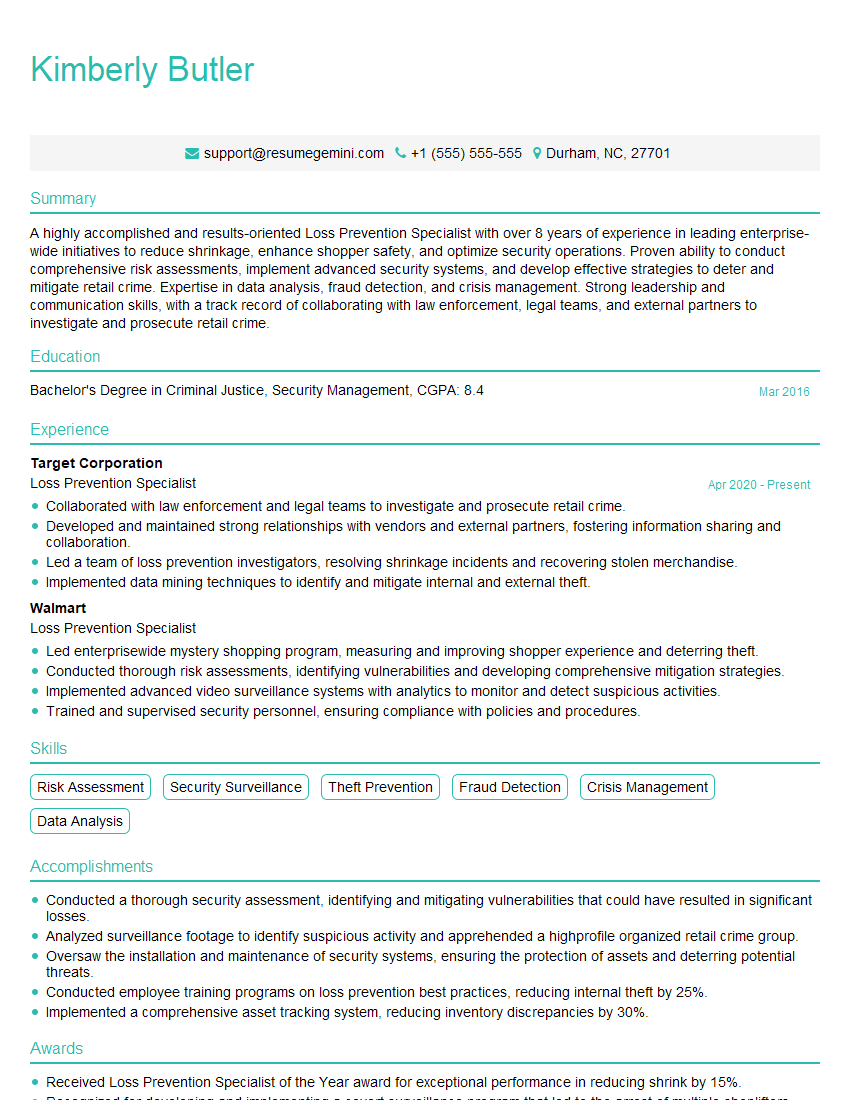
Loss Prevention Specialist Resume Sample
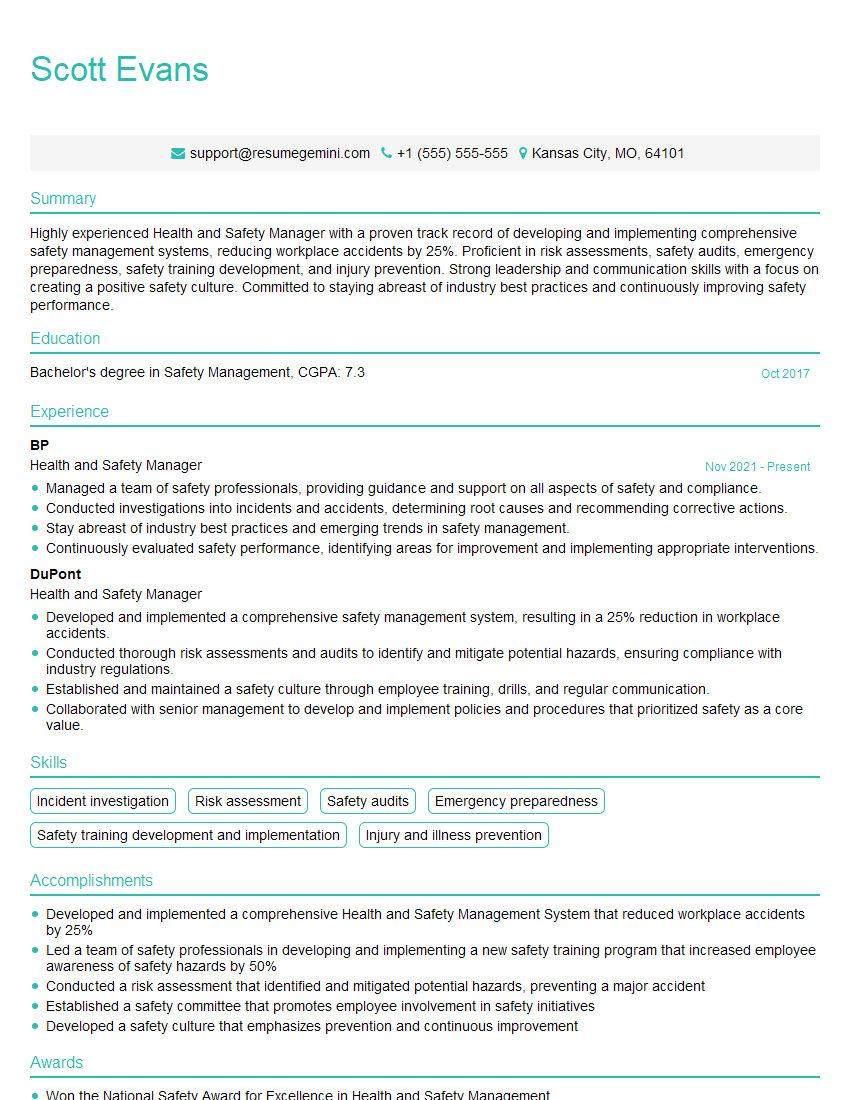
Health and Safety Manager Resume Sample
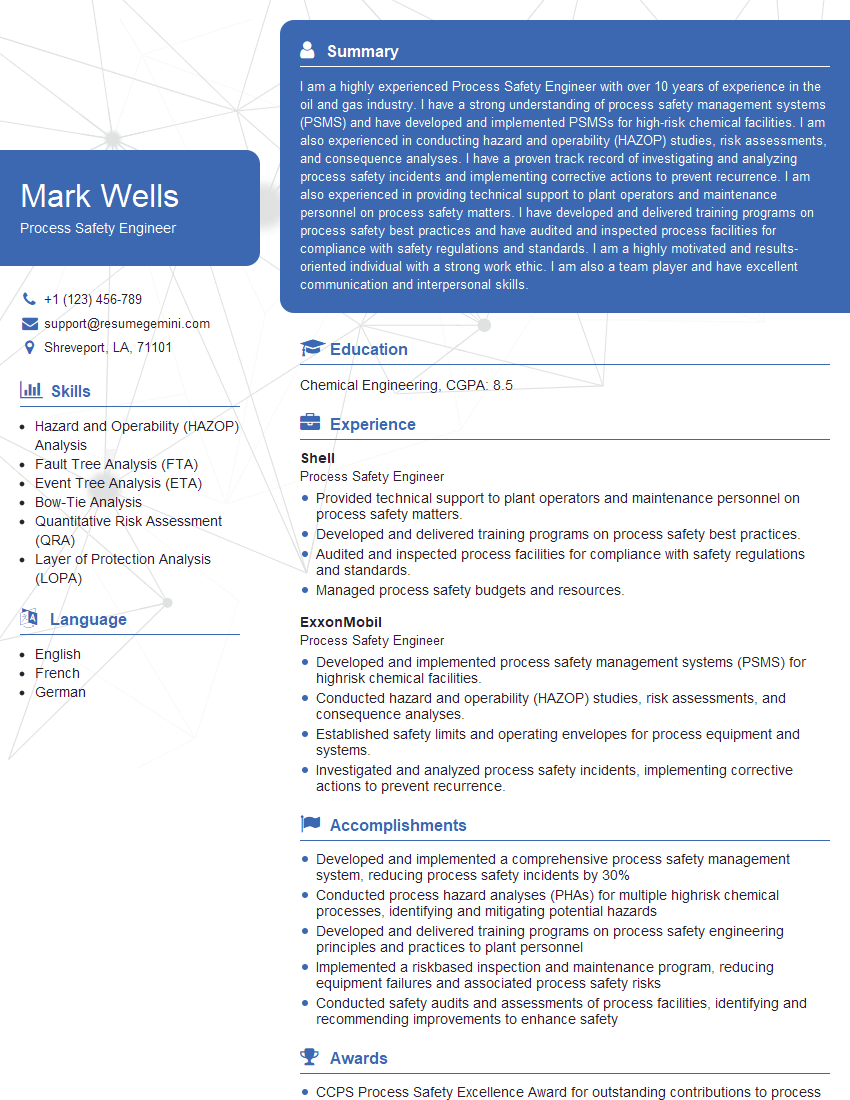
Process Safety Engineer Resume Sample
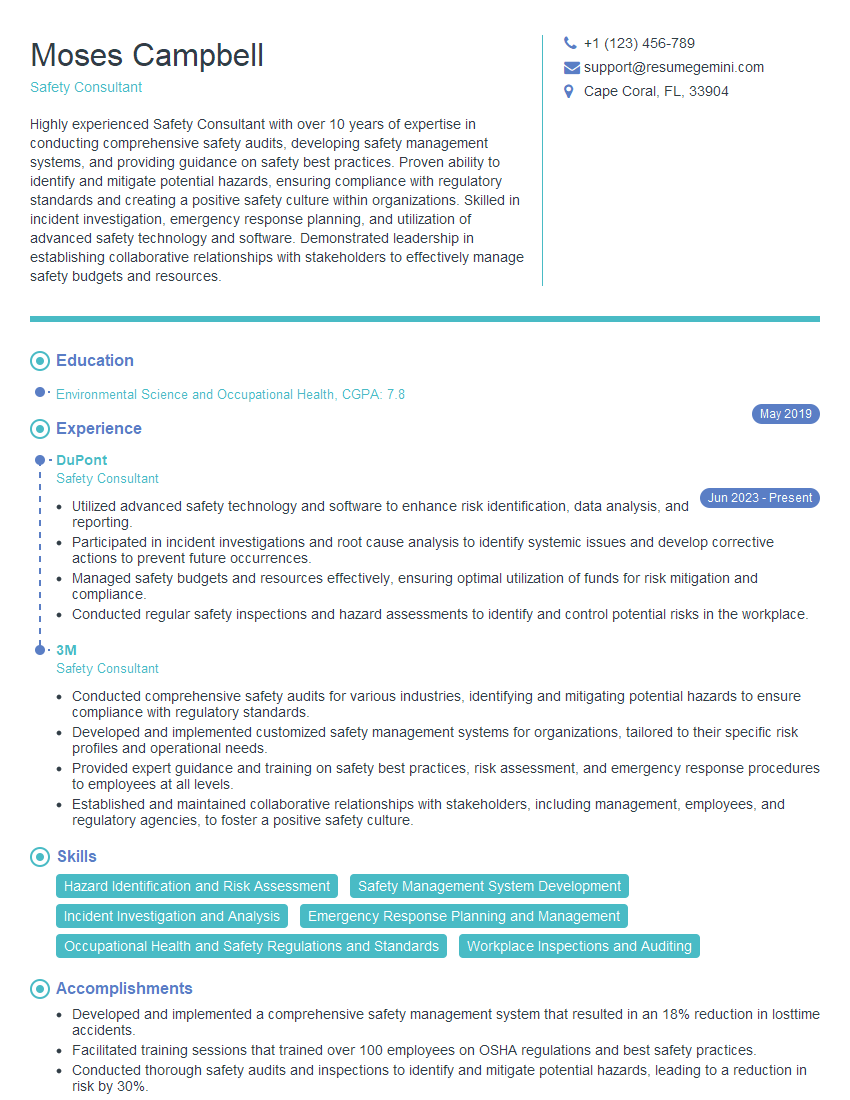
Safety Consultant Resume Sample
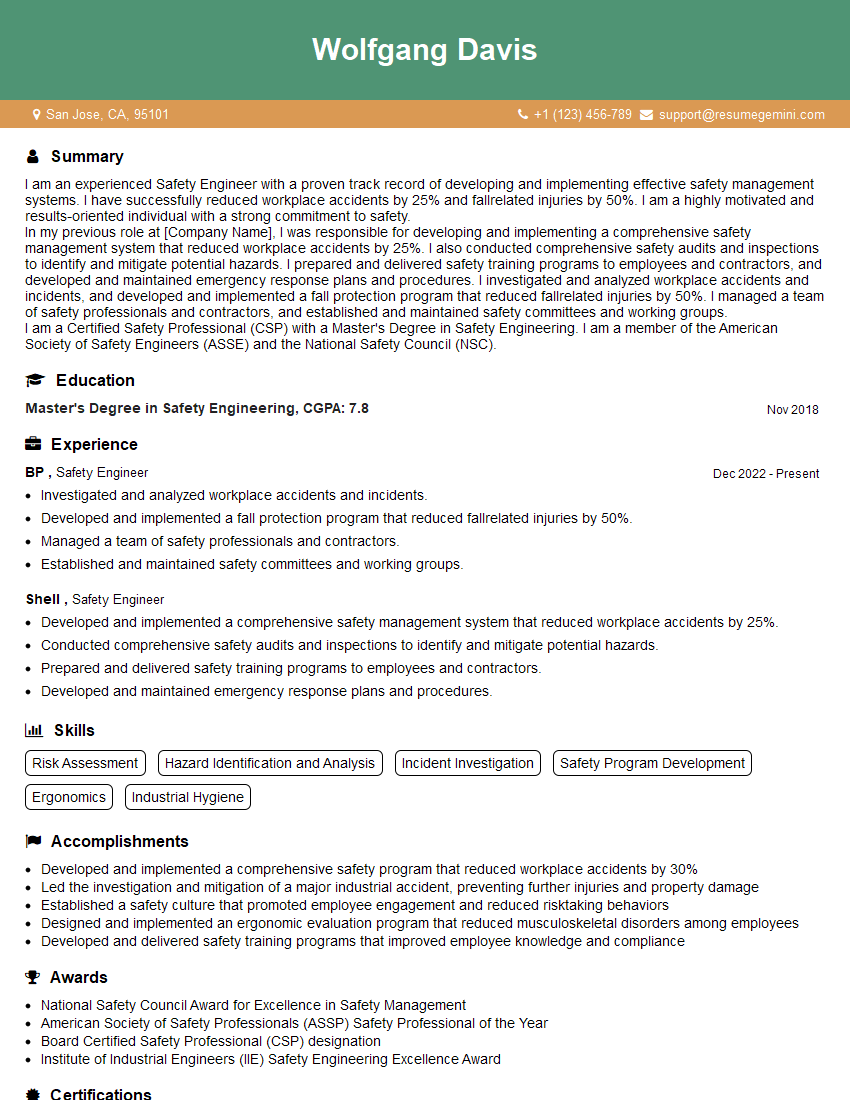
Safety Engineer Resume Sample
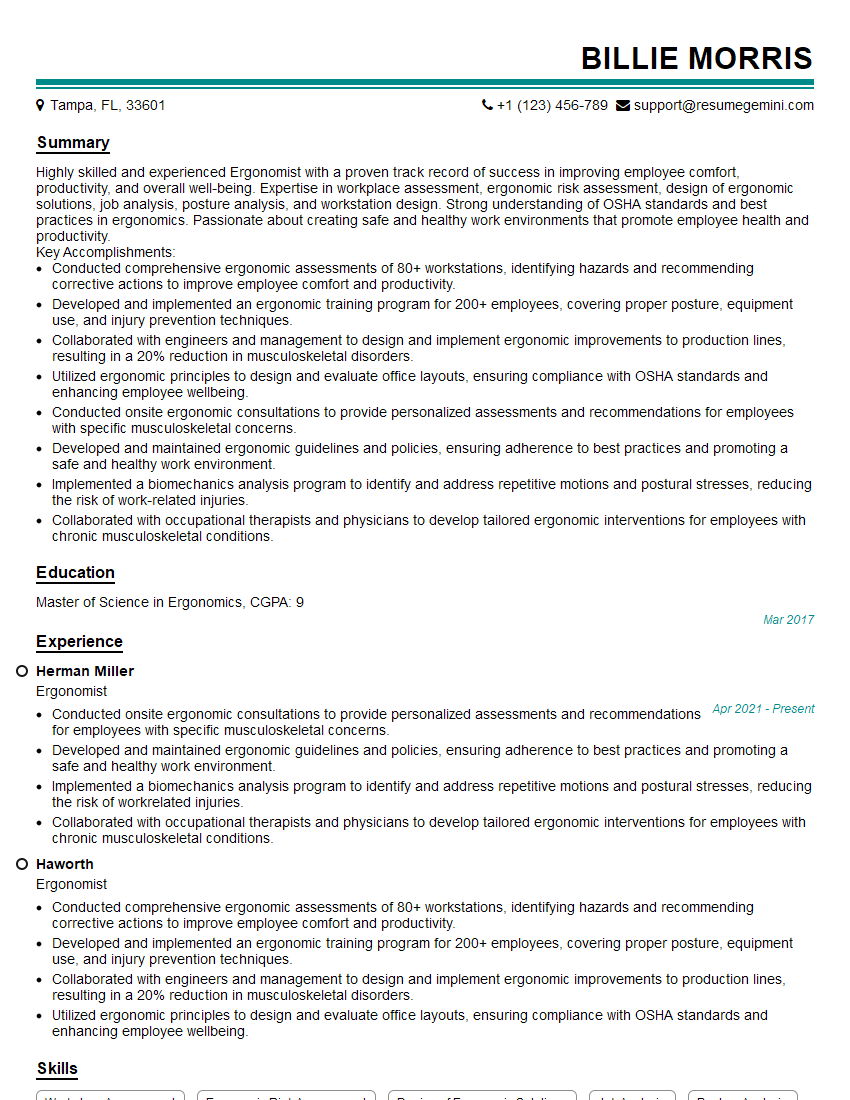
Ergonomist Resume Sample

Safety Inspector Resume Sample
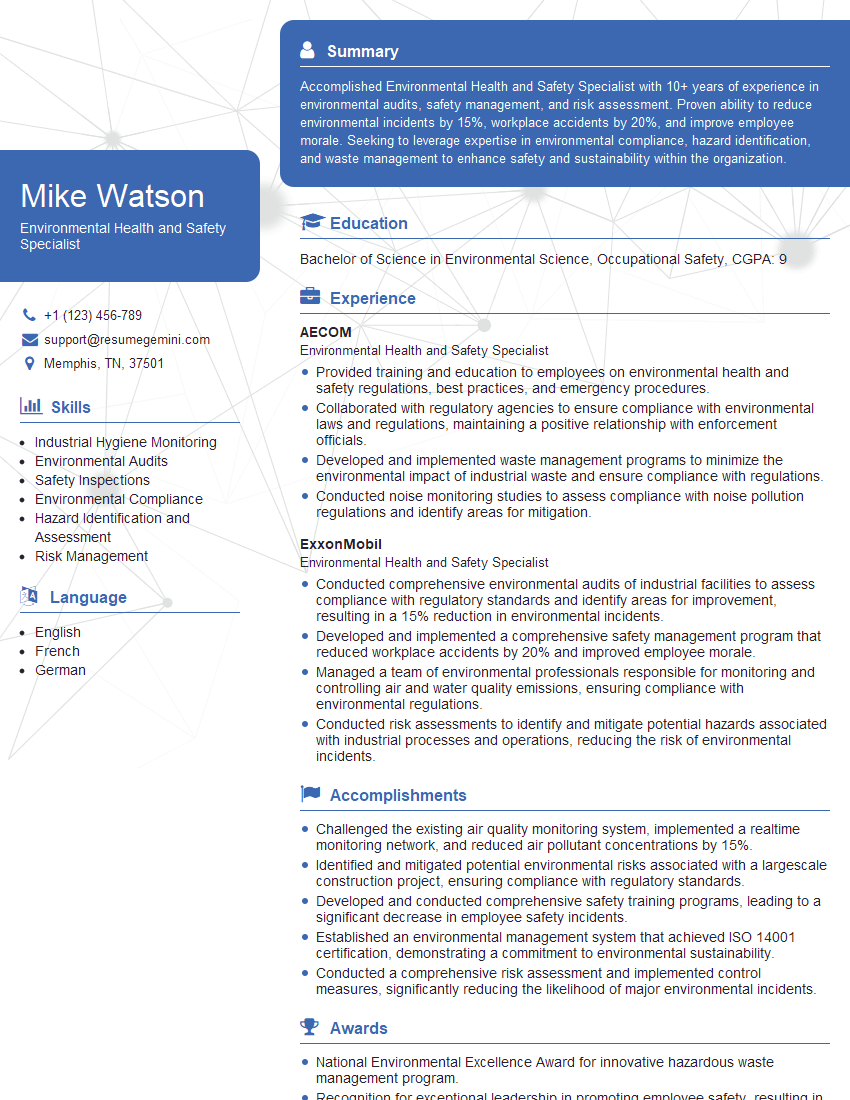
Environmental Health and Safety Specialist Resume Sample
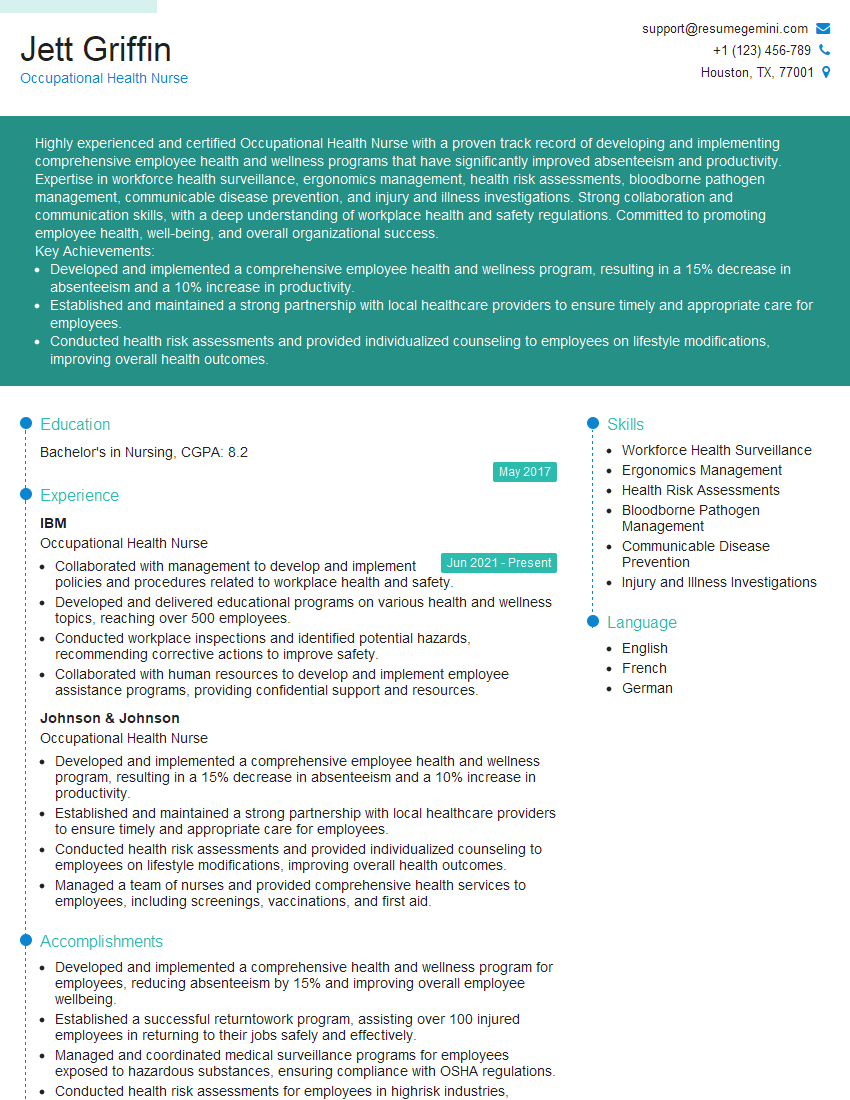
Occupational Health Nurse Resume Sample

Industrial Hygienist Resume Sample
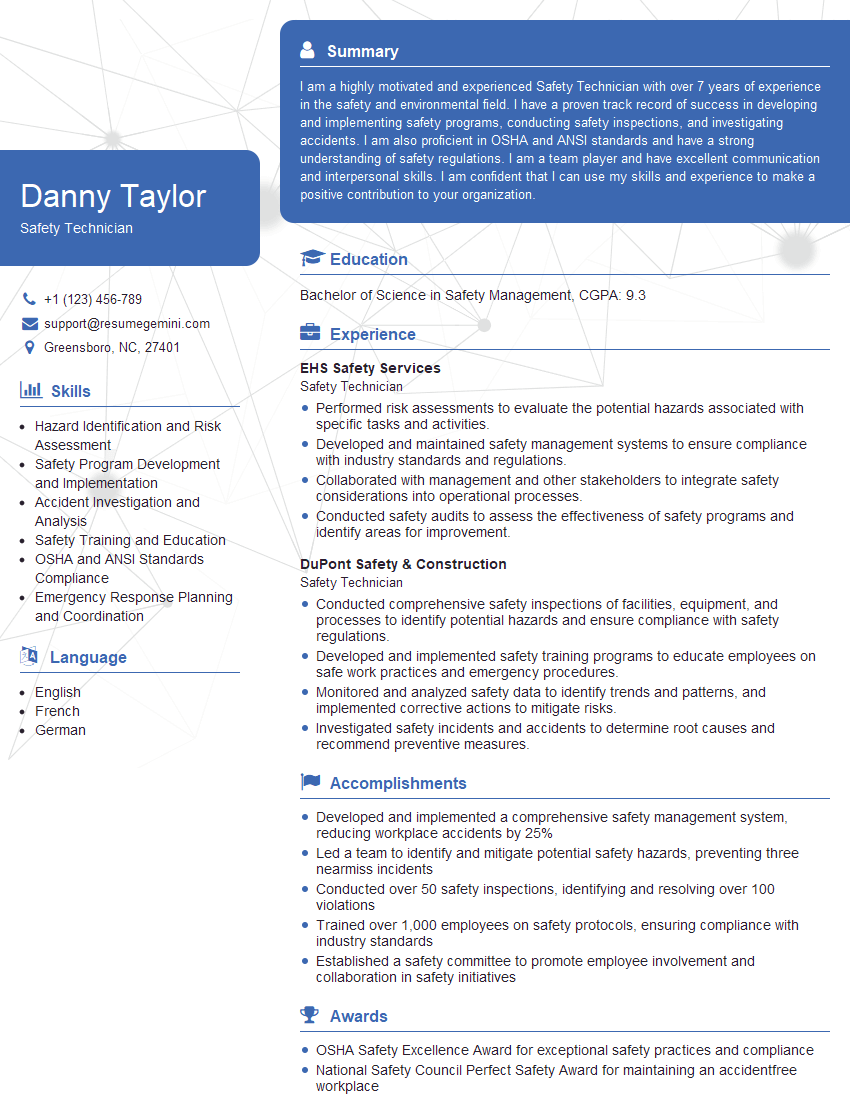
Safety Technician Resume Sample
Explore more articles
Users Rating of Our Blogs
Share Your Experience
We value your feedback! Please rate our content and share your thoughts (optional).
What Readers Say About Our Blog
Very informative content, great job.
good