Interviews are opportunities to demonstrate your expertise, and this guide is here to help you shine. Explore the essential Negotiation and Problem-Solving interview questions that employers frequently ask, paired with strategies for crafting responses that set you apart from the competition.
Questions Asked in Negotiation and Problem-Solving Interview
Q 1. Describe your approach to negotiating a complex contract.
Negotiating complex contracts requires a structured, collaborative approach. I begin by thoroughly understanding the contract’s objectives and my client’s priorities. This involves detailed review, identifying key clauses, and understanding the underlying business goals. My approach then focuses on building rapport with the other party, fostering open communication to identify common ground and areas of potential conflict.
I utilize a principled negotiation strategy, focusing on interests rather than positions. This means understanding the why behind each party’s demands, not just the what. I often employ active listening techniques to ensure I fully comprehend their perspective. I also develop multiple potential solutions to present, ensuring flexibility and creativity in finding mutually beneficial outcomes. For instance, in a recent technology licensing agreement, the initial sticking point was the royalty rate. Instead of rigidly adhering to our initial offer, we explored alternative compensation structures—a combination of upfront fees and milestone-based payments—that better addressed the other party’s concerns about market risk and ultimately resulted in a faster deal closure.
Throughout the process, I meticulously document all agreements and maintain transparent communication, ensuring all parties understand the terms and conditions. Post-negotiation, I perform a thorough review of the finalized contract to ensure it reflects the agreed-upon terms and protects my client’s interests. This approach, emphasizing collaboration, understanding, and flexibility, ensures a successful and mutually beneficial outcome.
Q 2. Explain a time you had to overcome a significant obstacle in a project.
During a large-scale software implementation project, we encountered a significant obstacle: a critical system incompatibility discovered just weeks before the launch date. Our initial solution, a hasty workaround, proved inadequate and risked delaying the launch indefinitely. Overcoming this obstacle required a multi-faceted approach.
First, we initiated a transparent communication strategy with all stakeholders—the client, development team, and senior management—to manage expectations and ensure everyone understood the scope of the problem. Second, we assembled a dedicated problem-solving team composed of experts from various areas, including development, testing, and project management. This team worked collaboratively, utilizing root cause analysis (which I’ll discuss further in question 3) to pinpoint the underlying issues and evaluate potential solutions. We also prioritized tasks using a risk-based approach, focusing on solutions that minimized potential disruption.
Finally, we leveraged Agile methodologies to adapt quickly to changes. This enabled us to break down the problem into smaller, manageable tasks, allowing for iterative development and testing of solutions. This collaborative and flexible approach ensured that, while the launch date was slightly delayed, the final product was successfully implemented without significant compromises in quality or functionality. This experience underscored the importance of proactive communication, strong teamwork, and adaptive problem-solving in high-pressure situations.
Q 3. How do you identify the root cause of a problem?
Identifying the root cause of a problem is crucial for effective problem-solving. I typically employ a combination of techniques, including the ‘5 Whys’ method and Ishikawa diagrams (also known as fishbone diagrams).
The 5 Whys method involves repeatedly asking ‘why’ to delve deeper into the issue. By successively asking why a problem occurred, we can peel back the layers to discover the underlying cause. For example, if a project is delayed, we might ask: Why is the project delayed? (Answer: Key resource is unavailable). Why is the key resource unavailable? (Answer: They are working on another urgent project). Why is this other project urgent? (Answer: A critical client deadline was missed due to poor planning). Why was the client deadline missed? (Answer: Inadequate risk assessment). Why was the risk assessment inadequate? (Answer: Lack of proper training for project managers).
Ishikawa diagrams provide a visual representation of potential causes, categorized by factors such as people, materials, methods, machines, environment, and measurement. This helps systematically brainstorm potential causes and identify interdependencies. Combining these methods ensures a comprehensive understanding of the problem, leading to more effective solutions.
Q 4. What strategies do you use to manage conflict in a team setting?
Managing conflict in a team setting requires a proactive and collaborative approach. I believe in addressing conflict directly, but constructively, focusing on resolving issues rather than assigning blame. My strategies include:
- Open Communication: Creating a safe space for team members to express their concerns and perspectives openly and honestly.
- Active Listening: Actively listening to all sides of the conflict, demonstrating empathy and understanding to defuse tension.
- Facilitation: Guiding the team towards a solution by facilitating discussions, focusing on shared goals, and helping them find common ground.
- Mediation (if necessary): If direct discussions are not effective, offering mediation services to help the involved parties reach a mutually acceptable agreement.
- Focus on Interests, Not Positions: Understanding the underlying needs and motivations driving each party’s position, rather than getting bogged down in arguments.
For instance, in a previous team, a conflict arose between the design and development teams regarding project timelines. By facilitating open communication and jointly examining the project constraints, we identified a bottleneck in the design process. Through collaborative problem-solving, we adjusted the workflow, re-allocated tasks, and implemented a more agile development process, successfully resolving the conflict and improving overall team efficiency.
Q 5. Describe your experience using data-driven decision-making to solve a problem.
Data-driven decision-making is crucial for effective problem-solving. In a previous project involving customer churn, we noticed an increasing rate of cancellations. Instead of relying on intuition, we analyzed historical data—customer demographics, service usage patterns, feedback surveys, and cancellation reasons. This revealed a significant correlation between churn and specific customer segments, along with identified pain points related to specific service features.
Using data visualization tools, we created dashboards displaying key metrics like churn rate by customer segment, average service usage, and net promoter score (NPS). This data clearly illustrated the problem’s scope and highlighted areas needing improvement. Based on this analysis, we prioritized solutions that addressed the identified pain points, such as improving customer onboarding and implementing proactive customer support measures targeted at at-risk segments. The result was a significant reduction in customer churn, demonstrating the power of data in informing strategic decisions and improving business outcomes. This approach moved our decisions from being based on speculation to being supported by objective evidence.
Q 6. How do you prioritize competing demands when solving a problem?
Prioritizing competing demands requires a structured approach. I use a combination of techniques to effectively manage competing priorities, including:
- Prioritization Matrices: Using matrices like Eisenhower Matrix (Urgent/Important) or MoSCoW method (Must have/Should have/Could have/Won’t have) to categorize demands based on their urgency and importance.
- Risk Assessment: Assessing the potential risks and impact associated with each demand, prioritizing those with higher potential negative consequences.
- Cost-Benefit Analysis: Weighing the costs and benefits of addressing each demand, focusing on those offering the highest return on investment.
- Stakeholder Input: Consulting with stakeholders to understand their priorities and gain alignment on the prioritization scheme.
This combination helps ensure that resources are allocated effectively, addressing the most critical demands first while mitigating potential risks. For instance, when facing multiple competing demands on a project—a tight deadline, resource constraints, and evolving client requirements—I’d use a MoSCoW method to clearly define which requirements are absolutely necessary, which are desirable but not essential, and which can be deferred.
Q 7. Explain your understanding of different negotiation styles.
Understanding different negotiation styles is essential for effective negotiation. Several key styles exist, each with its own strengths and weaknesses:
- Competitive (Distributive): This style prioritizes winning and achieving the best possible outcome for oneself, often at the expense of the other party. It’s a win-lose approach.
- Collaborative (Integrative): This style focuses on finding mutually beneficial solutions through cooperation and open communication. It’s a win-win approach.
- Accommodative: This style prioritizes maintaining a positive relationship, often by conceding to the other party’s demands.
- Avoidant: This style seeks to avoid conflict altogether, often delaying or postponing negotiations.
- Compromising: This style involves both parties making concessions to reach a mutually acceptable solution, though it may not be optimal for either party.
The best negotiation style depends on the specific context, the relationship with the other party, and the desired outcome. While a collaborative approach is generally preferred for building long-term relationships and finding mutually beneficial solutions, other styles may be more appropriate in certain situations. For example, a competitive style might be necessary when dealing with a particularly aggressive negotiator, while an accommodative approach might be appropriate when preserving a valuable business relationship is paramount. Adaptability and the ability to switch between styles as needed are key to successful negotiation.
Q 8. What is your preferred method for reaching a mutually beneficial agreement?
My preferred method for reaching a mutually beneficial agreement is principled negotiation, also known as interest-based bargaining. This approach focuses on understanding the underlying interests of all parties involved, rather than just their stated positions. It prioritizes collaboration and finding creative solutions that satisfy everyone’s needs to the greatest extent possible.
This differs from positional bargaining, where parties dig in to their initial demands and compromise becomes a battle of wills. Instead, principled negotiation involves four key elements: Separate the people from the problem (addressing emotions and relationships separately from the issues); Focus on interests, not positions (understanding the ‘why’ behind demands); Invent options for mutual gain (brainstorming solutions that satisfy everyone’s needs); and Insist on objective criteria (using fair standards or precedents to evaluate options).
For example, in a negotiation over a contract, instead of arguing over the specific price, I would explore the client’s underlying needs – what is driving their price point? Is it budget constraints, perceived value, or something else? Understanding this allows for exploring options such as adjusted payment terms, phased delivery, or value-added services to reach a solution that works for both parties.
Q 9. How do you handle disagreements with colleagues or clients?
Handling disagreements starts with active listening and empathy. I strive to understand the other person’s perspective, even if I don’t agree with it. This involves asking clarifying questions, summarizing their points to ensure understanding, and showing genuine interest in their concerns. Once I understand their point of view, I can then articulate my own perspective clearly and respectfully.
If a disagreement persists, I advocate for collaborative problem-solving. This might involve brainstorming solutions together, exploring different options, and finding common ground. Compromise is often necessary, but it should be a conscious choice, not a surrender. We should aim for a solution that satisfies both parties’ core interests as much as possible. In more formal settings, I would involve mediation if necessary to facilitate a constructive discussion and resolution.
It is crucial to maintain a respectful and professional tone, even when emotions run high. Documenting the process and agreed-upon solutions is also essential to prevent future misunderstandings.
Q 10. Describe a situation where you had to compromise to reach a solution.
In a previous project, our team was tasked with designing a new software feature within a tight deadline. My initial proposal for a complex, feature-rich solution was met with concerns about the feasibility and time constraints. My colleagues felt a simpler, more streamlined approach would be more realistic. I initially felt frustrated, as my approach was the most efficient one in the long term. However, by listening to my colleagues’ concerns and acknowledging the limitations of the deadline, I realized the need for compromise.
We agreed to implement a phased rollout. The first phase would deliver a simplified version of the feature that met the immediate needs. Subsequent phases would then incorporate the more advanced features as time allowed. This compromise allowed us to meet the deadline while still delivering a high-quality product with the desired long-term functionality. It taught me the importance of flexibility and understanding different priorities to achieve a successful outcome.
Q 11. What are some common pitfalls to avoid during negotiations?
Several common pitfalls can derail negotiations. One major pitfall is failing to adequately prepare. Thorough research into the other party’s background, interests, and potential needs is critical. This informs your strategy and prevents being caught off guard.
- Emotional reactivity: Letting emotions cloud your judgment can lead to poor decisions. Maintaining composure and focusing on the issues objectively are crucial.
- Overconfidence and rigidity: Sticking to your initial demands without considering alternatives can create an impasse. Being open to compromise and exploring different options is key.
- Insufficient information gathering: Not fully understanding the other party’s needs and motivations weakens your negotiation power. It’s essential to ask open-ended questions and actively listen to their responses.
- Ignoring the power dynamics: Understanding the relative power positions of all parties helps in strategizing effectively. Ignoring this can lead to unrealistic expectations.
- Neglecting the relationship: Negotiation is often a long-term endeavor. Damaging the relationship through aggressive tactics can have lasting negative consequences.
Q 12. How do you assess the risk involved in a negotiation?
Assessing risk in negotiation involves considering various factors. First, I carefully analyze the other party’s BATNA (Best Alternative To a Negotiated Agreement). This is crucial because a strong BATNA gives you more leverage. Next, I identify potential consequences – both positive and negative – that could arise from the various outcomes. This includes potential financial implications, reputational damage, or impacts on future relationships.
I also consider the uncertainty involved. Are there unknown variables that could significantly impact the negotiation? What is the probability of success? Developing different scenarios and contingency plans helps to prepare for unexpected turns. Finally, I assess my own resources and capabilities. Do I have the expertise, time, and support needed to effectively navigate the negotiation?
For instance, in a high-stakes deal, a thorough risk assessment might include conducting due diligence on the other party, engaging external legal counsel, or building in protective clauses within the agreement to mitigate potential losses.
Q 13. Explain how you use active listening to understand different perspectives.
Active listening is fundamental to understanding different perspectives. It goes beyond simply hearing words; it’s about truly understanding the message being conveyed, both verbally and nonverbally. This involves several techniques:
- Paying attention: Focusing intently on the speaker without interruption or formulating your response while they’re speaking.
- Withholding judgment: Avoiding preconceived notions and biases; allowing the speaker to fully express their thoughts and feelings.
- Reflecting and summarizing: Paraphrasing the speaker’s points to ensure accurate understanding and show that you’re engaged.
- Asking clarifying questions: Seeking additional information or clarification to ensure a complete understanding.
- Empathizing: Trying to understand the speaker’s perspective and emotions, even if you don’t necessarily agree with them.
For example, if a colleague expresses frustration with a project delay, rather than jumping to defend our team’s actions, I’d listen attentively, summarize their concerns (‘So, it sounds like you’re frustrated because the delay impacts your ability to meet your own deadlines’), ask clarifying questions (‘Can you tell me more about the specific impact?’), and then address their concerns with empathy and understanding.
Q 14. How do you handle a negotiation where there are limited resources?
Negotiating with limited resources requires a creative and strategic approach. Instead of focusing solely on maximizing gains, the primary objective shifts to optimizing outcomes given the constraints. This might involve prioritizing needs, identifying trade-offs, and exploring alternative solutions that might not be ideal but are still acceptable within the limitations.
It’s crucial to clearly communicate the resource limitations upfront to ensure transparency and avoid misunderstandings. Focusing on creating value even with limited resources is vital – this could involve identifying areas where collaborative efforts can lead to synergies or efficiencies. Exploring partnerships or collaborations can also help overcome individual resource limitations. Finally, it is important to clearly define success in the context of the available resources – what constitutes a “good enough” outcome given the constraints?
For instance, in a budget-constrained project, we might negotiate for a smaller scope of work, adjusted timelines, or a different payment structure to ensure the project remains feasible. Instead of seeking a large profit margin, we might focus on securing a stable project that aligns with our strategic goals, even if the immediate financial returns are moderate.
Q 15. Describe a time you had to adapt your negotiation strategy.
Adaptability is crucial in negotiation. A rigid strategy can easily fail when faced with unexpected circumstances or a counterpart with a different approach. For example, I once negotiated a contract for a software implementation. My initial strategy focused on a fixed-price model, highlighting the detailed project scope and our firm’s expertise. However, the client, a start-up with limited funding, expressed concern about upfront costs and preferred a phased approach with milestone payments. I had to swiftly adapt. Instead of rigidly sticking to my initial plan, I presented a revised proposal outlining a phased implementation with clear deliverables and payment schedules at each stage. This showed I understood their concerns and was willing to collaborate. This flexible approach ultimately secured the deal, showcasing the importance of listening actively and being responsive to the other party’s needs.
This experience taught me that a successful negotiation strategy isn’t a static plan but rather a dynamic process that requires constant monitoring and adjustment based on the evolving circumstances and the other party’s responses. Successful adaptation often involves creatively reframing the problem, identifying shared interests, and finding common ground even when initial positions seem diametrically opposed.
Career Expert Tips:
- Ace those interviews! Prepare effectively by reviewing the Top 50 Most Common Interview Questions on ResumeGemini.
- Navigate your job search with confidence! Explore a wide range of Career Tips on ResumeGemini. Learn about common challenges and recommendations to overcome them.
- Craft the perfect resume! Master the Art of Resume Writing with ResumeGemini’s guide. Showcase your unique qualifications and achievements effectively.
- Don’t miss out on holiday savings! Build your dream resume with ResumeGemini’s ATS optimized templates.
Q 16. How do you build rapport with the other party during a negotiation?
Building rapport is essential for effective negotiation; it fosters trust and open communication. I begin by actively listening to understand their perspective and concerns, showing genuine interest in their situation rather than just focusing on my own goals. I use active listening techniques like summarizing their points and asking clarifying questions to demonstrate my attentiveness. Finding common ground, even seemingly small areas of agreement, can significantly improve the atmosphere. For example, sharing a relevant professional anecdote or finding a shared interest outside of the negotiation can create a connection. I also strive for respectful and professional communication throughout the process, avoiding accusatory or confrontational language. Finally, demonstrating empathy helps build rapport. By acknowledging their perspective and showing that I understand their challenges, I create a more collaborative and trust-based environment which is much more conducive to a mutually beneficial outcome.
Q 17. How do you define success in a negotiation?
Success in negotiation isn’t solely about winning; it’s about achieving a mutually beneficial outcome. It’s about reaching an agreement that satisfies the needs of all parties involved to an acceptable degree, while maintaining a positive long-term relationship. This means considering not just the immediate gains, but also the potential long-term consequences. A truly successful negotiation leaves all parties feeling valued and respected, regardless of whether they received everything they initially hoped for. For example, in a business partnership, a fair distribution of profits and responsibilities is key for long-term success, even if one party initially wanted a larger share. A successful negotiation is a win-win scenario which creates a solid foundation for future collaborations.
Q 18. How do you utilize different frameworks for problem-solving?
Various frameworks can improve problem-solving. I frequently use the Six Thinking Hats method, which allows for a comprehensive evaluation of a problem from different perspectives (facts, emotions, benefits, drawbacks, creative solutions, and process). The Pareto Principle (80/20 rule) helps prioritize efforts by focusing on the 20% of actions that yield 80% of the results. Root Cause Analysis techniques, like the 5 Whys, help identify the underlying causes of a problem, moving beyond surface-level issues. For instance, if sales are down (problem), the 5 Whys might uncover a lack of effective marketing leading to reduced customer awareness (root cause). I also utilize SWOT analysis (Strengths, Weaknesses, Opportunities, Threats) to understand the context of the problem and the available resources. The chosen framework depends heavily on the nature of the problem and the available information. Selecting the right framework is crucial for efficient and effective problem-solving.
Q 19. Describe your experience with different problem-solving methodologies (e.g., 5 Whys, root cause analysis).
I have extensive experience with various problem-solving methodologies. The 5 Whys is incredibly useful for drilling down to root causes. For example, if a project is consistently late, asking “Why?” repeatedly can uncover issues like inadequate planning, resource constraints, or unclear communication. Root Cause Analysis (RCA), often employing fishbone diagrams, offers a more structured approach to identify contributing factors. I’ve used RCA to diagnose problems in supply chain logistics, revealing hidden inefficiencies and allowing for targeted improvements. The Kepner-Tregoe method is particularly helpful for complex situations, providing a structured approach to problem definition, information gathering, and solution selection. I have effectively applied these methodologies in both technical and interpersonal scenarios, consistently achieving significant improvements in efficiency and effectiveness.
Q 20. How do you evaluate the effectiveness of your problem-solving strategies?
Evaluating problem-solving effectiveness requires a multi-faceted approach. Firstly, I assess whether the chosen solution addressed the root cause of the problem, not just the symptoms. Then, I measure the impact of the solution against pre-defined metrics. This could involve tracking improvements in efficiency, productivity, customer satisfaction, or cost reduction. I also gather feedback from stakeholders to gain different perspectives and identify any unintended consequences. Finally, I conduct a post-mortem analysis to identify areas for improvement in my own problem-solving process. This iterative approach ensures continuous learning and refinement of my problem-solving strategies. Key performance indicators (KPIs) are crucial for tracking progress and demonstrating the effectiveness of the implemented solutions.
Q 21. How do you handle situations where there is no clear solution?
When a clear solution isn’t apparent, I adopt a structured approach. First, I re-examine the problem definition, ensuring clarity and completeness. Then, I explore alternative perspectives and engage in brainstorming sessions with others to generate a wider range of potential solutions, even those that initially seem unrealistic. I may employ techniques like lateral thinking or design thinking to foster innovative solutions. If solutions still remain elusive, I might prioritize mitigating the negative impacts of the problem while continuing to explore possibilities. Sometimes, accepting that there’s no perfect solution and focusing on the most acceptable compromise becomes necessary. Transparency and open communication with all stakeholders are essential throughout this process. Accepting a degree of uncertainty is also important; sometimes, waiting for more information or changing conditions can allow for better solutions to emerge.
Q 22. Explain how you balance creativity and practicality when solving problems.
Balancing creativity and practicality in problem-solving is crucial for finding effective and implementable solutions. It’s about finding the sweet spot between innovative thinking and realistic constraints. Think of it like building a house: you need a creative design (the blueprint) but also the practicality of ensuring the foundation is strong, the materials are readily available, and the budget is realistic.
I approach this by employing a structured yet flexible process. First, I brainstorm creatively, exploring various unconventional approaches. This might involve mind-mapping, lateral thinking techniques, or even role-playing to understand different perspectives. Then, I critically evaluate these ideas against practical limitations, such as time, resources, and feasibility. This involves a thorough cost-benefit analysis, risk assessment, and considering potential obstacles. For example, if brainstorming leads to a highly innovative but extremely expensive solution, I’d explore alternative, potentially less innovative but more cost-effective options, perhaps by combining elements from different brainstormed ideas.
Ultimately, the goal is to select a solution that is both innovative enough to provide a significant improvement and practical enough to be implemented successfully. This iterative process ensures the chosen solution is not only creative but also effective and sustainable.
Q 23. Describe a time you had to make a difficult decision under pressure.
During a major product launch, we faced a critical software bug just hours before the public release. The pressure was immense; a delayed launch would have significant financial and reputational consequences. The decision was whether to proceed with the launch, risking customer dissatisfaction, or delay, incurring considerable losses. We had limited time to assess the bug’s severity and the feasibility of a quick fix.
I convened an emergency meeting with the development and marketing teams. We systematically analyzed the risk of the bug impacting the user experience versus the potential risks and losses of a delay. We evaluated three scenarios: proceed with launch, delay the launch by a day, or launch a limited version. We used a decision matrix weighing the potential impact of each scenario on key metrics like customer satisfaction, revenue, and brand reputation. The data clearly favored the limited-launch option which allowed us to fix the bug in the coming days while not compromising too much on the initial launch.
The decision, though difficult, was data-driven and minimized the overall risk. The limited launch was successful and allowed us to subsequently release a fully functional product.
Q 24. How do you ensure buy-in from stakeholders when implementing a solution?
Securing stakeholder buy-in is essential for successful solution implementation. It involves more than just presenting the solution; it’s about engaging stakeholders throughout the process, understanding their concerns, and building consensus. I use a multi-pronged approach.
- Early Engagement: I involve key stakeholders from the beginning, ensuring their input shapes the problem definition and solution exploration. This fosters a sense of ownership.
- Transparent Communication: I maintain open and transparent communication, proactively sharing updates, progress reports, and addressing concerns promptly. This builds trust and reduces uncertainty.
- Data-Driven Approach: I rely on data and evidence to support my recommendations. This lends credibility and minimizes resistance based on subjective opinions.
- Collaborative Problem Solving: I encourage active participation and feedback from stakeholders. This transforms them from passive recipients to active contributors.
- Addressing Concerns Directly: I address potential concerns or objections head-on, acknowledging their validity and providing clear solutions. This demonstrates empathy and proactive problem-solving.
For example, when implementing a new project management system, I held several workshops with stakeholders to demonstrate the system’s benefits, address their concerns about the learning curve, and incorporate their suggestions into the training program. This collaborative approach ensured smooth implementation and high user adoption.
Q 25. What are your strengths and weaknesses in negotiation and problem-solving?
My strengths in negotiation and problem-solving lie in my ability to actively listen, analyze situations objectively, and find creative win-win solutions. I excel at building rapport with diverse individuals, understanding their underlying interests, and guiding them toward mutually beneficial agreements. My analytical skills enable me to identify the core issues, evaluate options effectively, and make well-informed decisions, even under pressure.
A weakness, which I actively work on, is pushing back when necessary, particularly when dealing with individuals with strong, potentially unreasonable demands. I am working on improving my ability to assertively advocate for my position while still maintaining positive relationships. I am actively seeking training and mentorship in this area, practicing assertive communication techniques in various situations.
Q 26. How do you stay updated on the latest negotiation and problem-solving techniques?
Staying updated in this rapidly evolving field requires a multifaceted approach. I regularly read industry publications such as Harvard Business Review and Negotiation Journal. I actively participate in professional development workshops and conferences, attending sessions on advanced negotiation strategies, conflict resolution techniques, and emerging trends in problem-solving. I also engage with online communities and forums dedicated to these topics, learning from the experience of others. Furthermore, I apply new techniques and strategies in my daily work, adapting and refining my approach based on the outcome.
Q 27. How do you measure your success in conflict resolution?
Measuring success in conflict resolution goes beyond simply reaching an agreement. It’s about assessing the long-term impact of the resolution. I use several metrics.
- Satisfaction of Involved Parties: Post-resolution surveys or feedback sessions help gauge the level of satisfaction among all parties involved. Did the resolution meet their needs and expectations?
- Sustainability of the Agreement: Is the agreement lasting and effective in the long run? Are the solutions implemented successfully, and are there any recurring conflicts?
- Improved Relationships: Has the conflict resolution process improved relationships among the involved parties, building trust and collaboration for future interactions?
- Impact on Key Metrics: Did the resolution positively affect key performance indicators (KPIs) such as productivity, employee morale, or customer satisfaction?
For instance, after resolving a dispute between two departments, I measured success not only by the signed agreement but also by tracking inter-departmental collaboration on subsequent projects, employee feedback on the process, and the impact on overall project timelines and efficiency.
Q 28. Describe your experience working in a collaborative environment to solve a problem.
In a previous role, our team faced a significant challenge: integrating two disparate legacy systems into a unified platform. This required close collaboration between developers, database administrators, and business analysts. The project was complex, involving data migration, system integration, and extensive testing.
We adopted an agile methodology, holding daily stand-up meetings to track progress, identify roadblocks, and ensure effective communication. We utilized a collaborative project management tool to track tasks, manage dependencies, and facilitate communication. We actively sought input from each team member, valuing their expertise and experience. Crucially, we established clear communication channels and defined roles and responsibilities, ensuring everyone understood their contribution to the overall goal. The project was completed on time and within budget, demonstrating the power of a collaborative and well-managed approach to problem-solving.
Key Topics to Learn for Negotiation and Problem-Solving Interviews
- Understanding Negotiation Styles: Explore different negotiation approaches (collaborative, competitive, accommodating, etc.) and their effectiveness in various contexts. Consider how to adapt your style based on the situation and the other party involved.
- Active Listening and Communication: Practice techniques for actively listening to understand the other party’s perspective and communicate your own needs clearly and persuasively. This includes both verbal and nonverbal communication.
- Framing and Reframing: Learn how to present information in a way that highlights its value and addresses potential objections. Master the art of reframing negative aspects into positive opportunities.
- Identifying and Defining the Problem: Develop skills in analyzing complex problems, breaking them down into smaller, manageable components, and defining clear, measurable goals.
- Generating Creative Solutions: Explore brainstorming techniques and methods for generating a wide range of potential solutions. Learn to evaluate these solutions based on feasibility, effectiveness, and impact.
- Decision-Making Frameworks: Become familiar with different decision-making models (e.g., cost-benefit analysis, decision trees) and apply them to real-world scenarios.
- Conflict Resolution Strategies: Understand techniques for managing and resolving conflicts constructively, focusing on finding mutually beneficial outcomes.
- Ethical Considerations in Negotiation: Explore the ethical dimensions of negotiation and problem-solving, ensuring fairness and integrity in all interactions.
Next Steps
Mastering negotiation and problem-solving is crucial for career advancement. These skills are highly valued across all industries, enabling you to navigate challenges effectively, build strong relationships, and achieve your professional goals. To maximize your job prospects, crafting an ATS-friendly resume that showcases these skills is essential. ResumeGemini can help you build a professional, impactful resume that highlights your abilities. We provide examples of resumes tailored specifically to candidates with expertise in negotiation and problem-solving to help you get started.
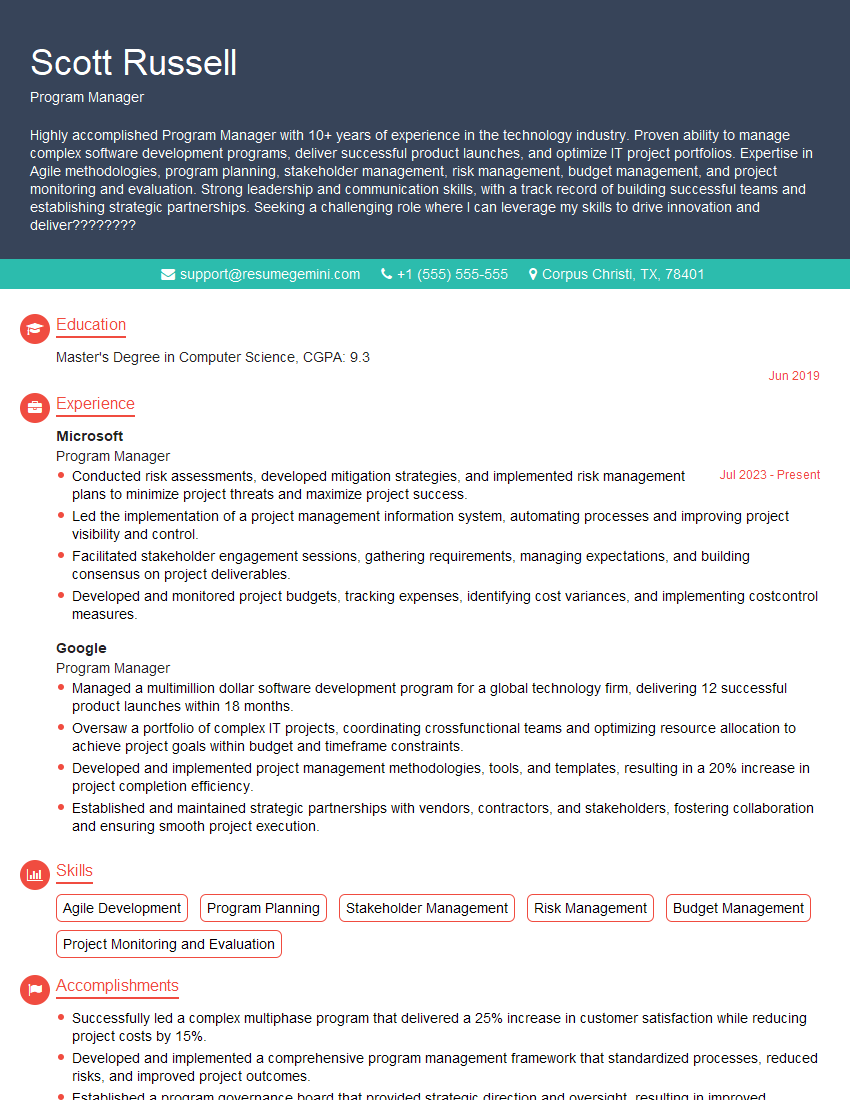
Program Manager Resume Sample
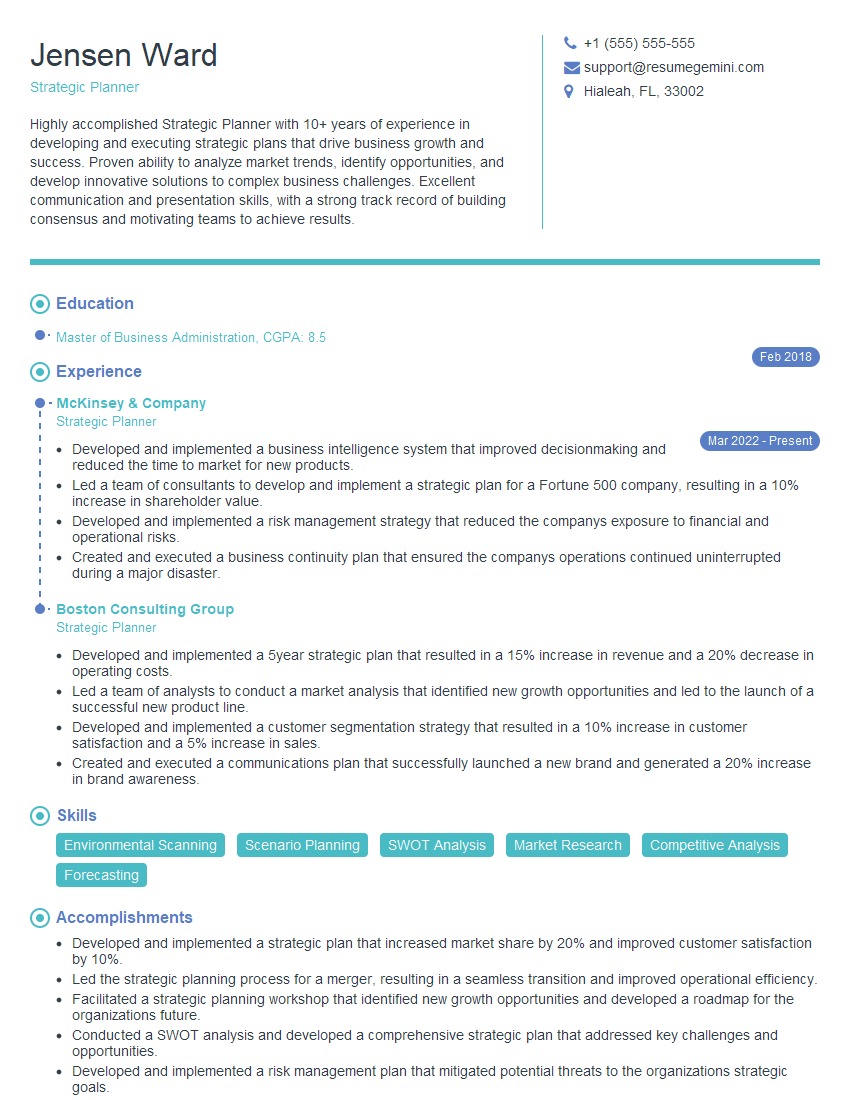
Strategic Planner Resume Sample

Operations Manager Resume Sample
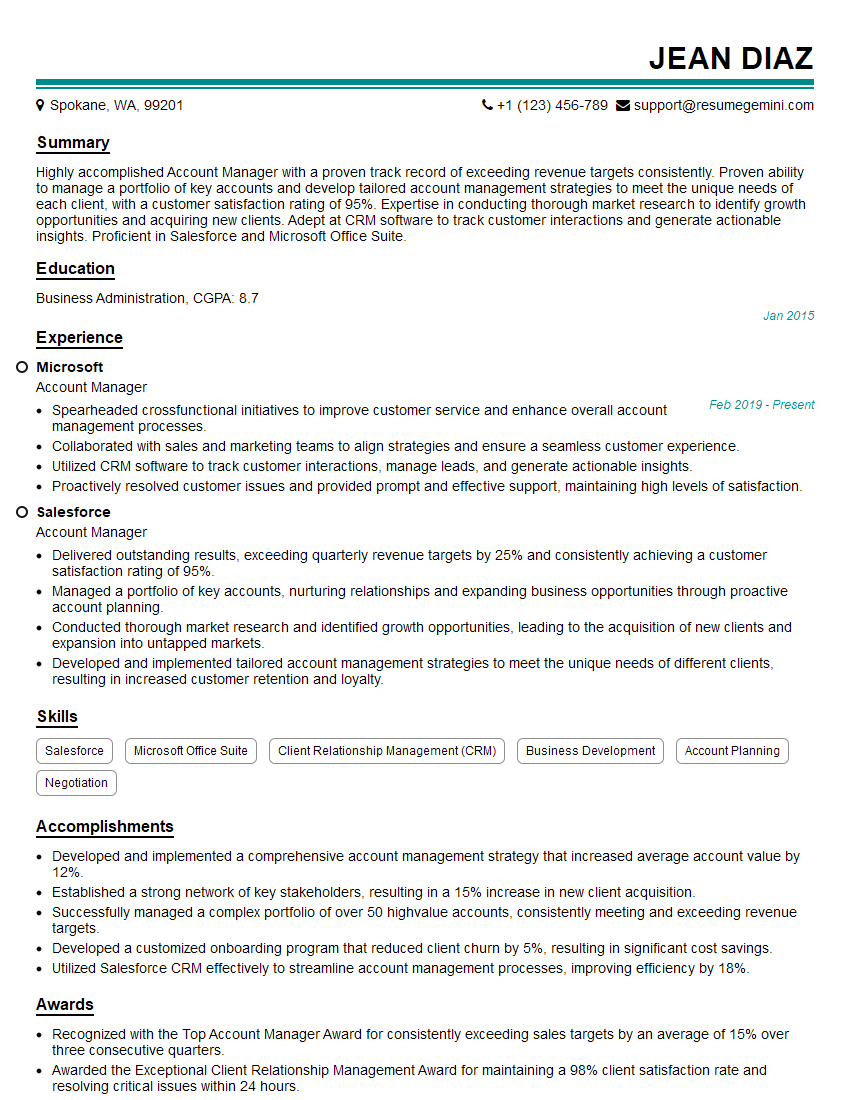
Account Manager Resume Sample
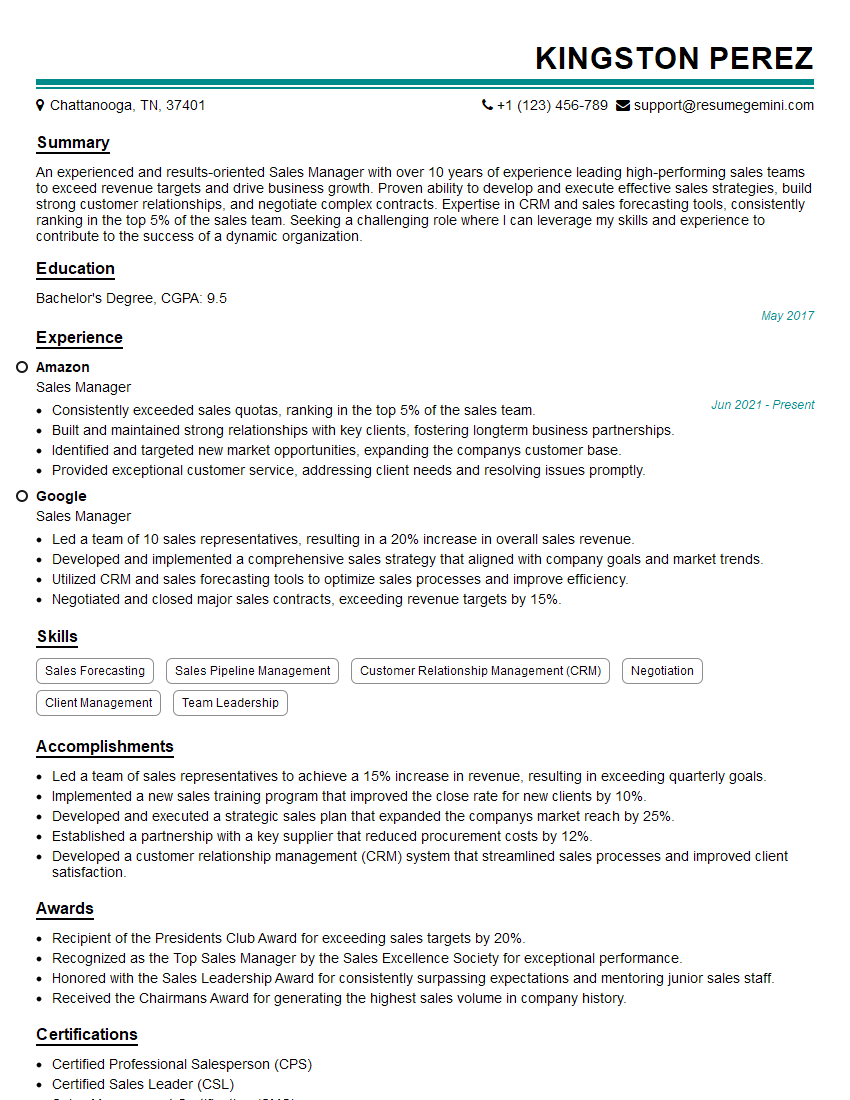
Sales Manager Resume Sample
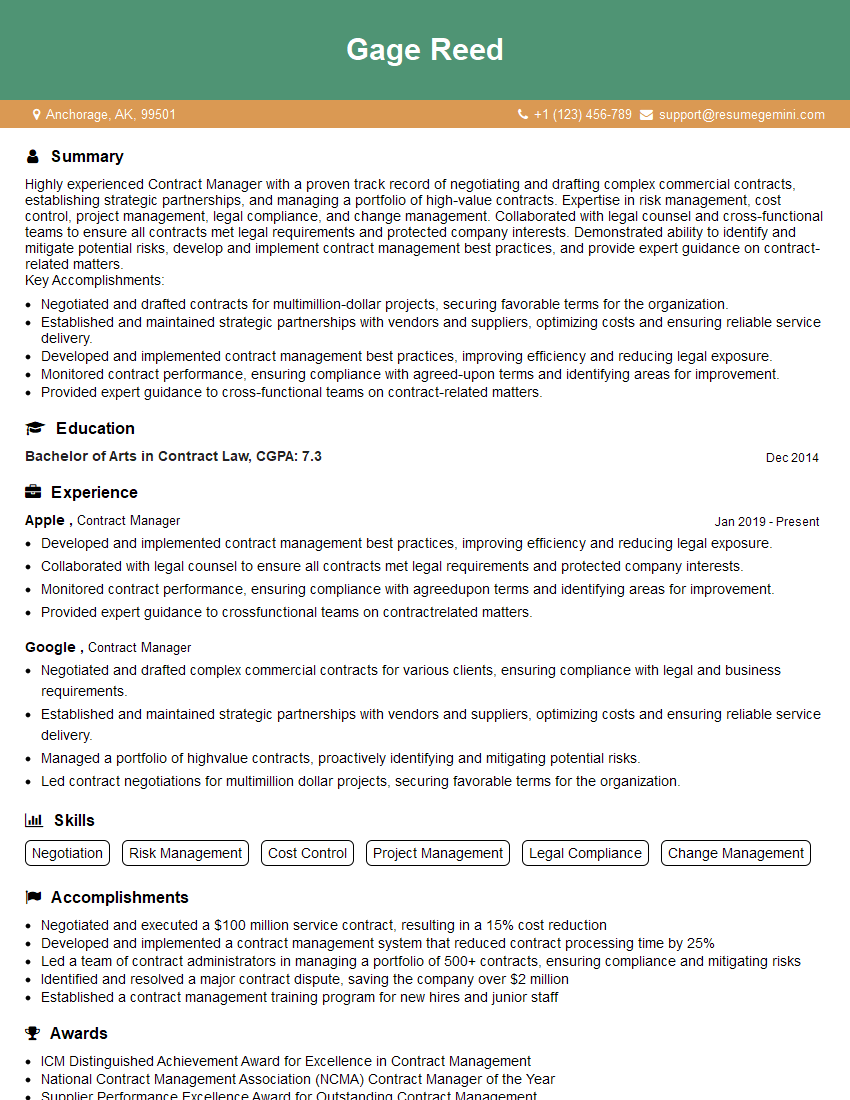
Contract Manager Resume Sample

Procurement Manager Resume Sample

Supply Chain Manager Resume Sample
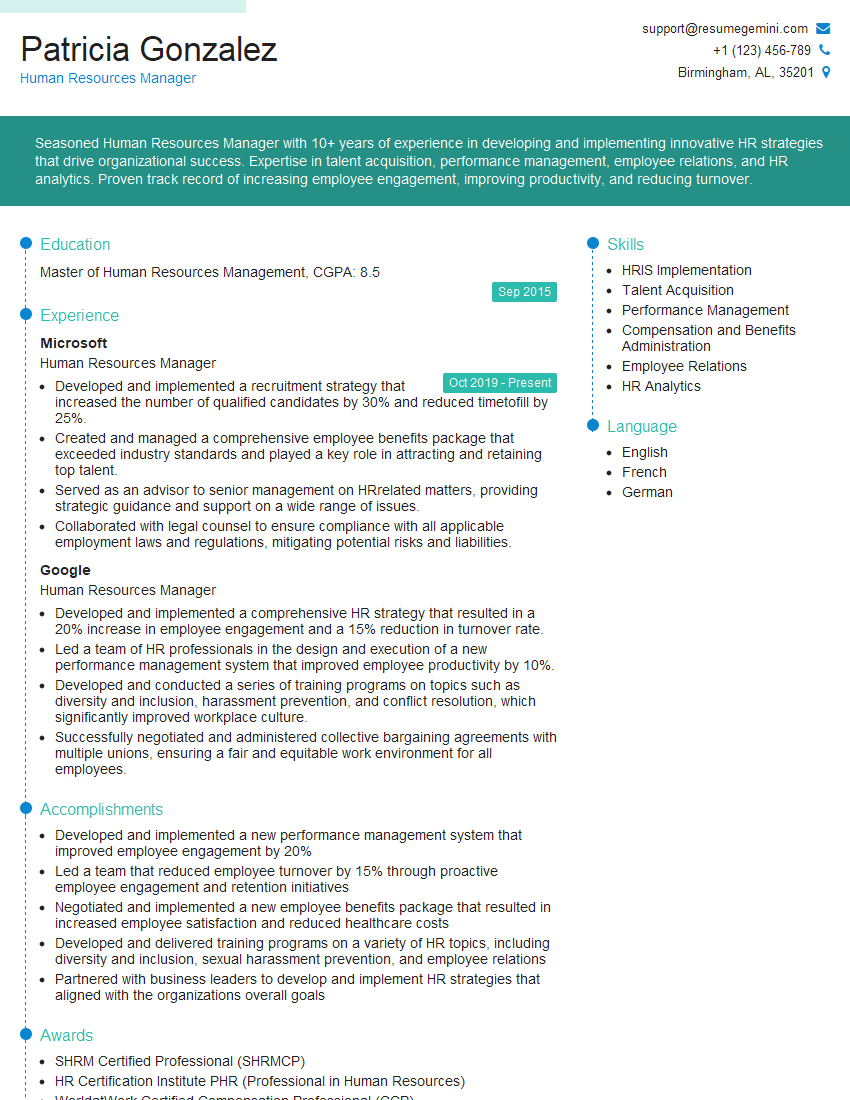
Human Resources Manager Resume Sample

Project Manager Resume Sample

Compliance Officer Resume Sample
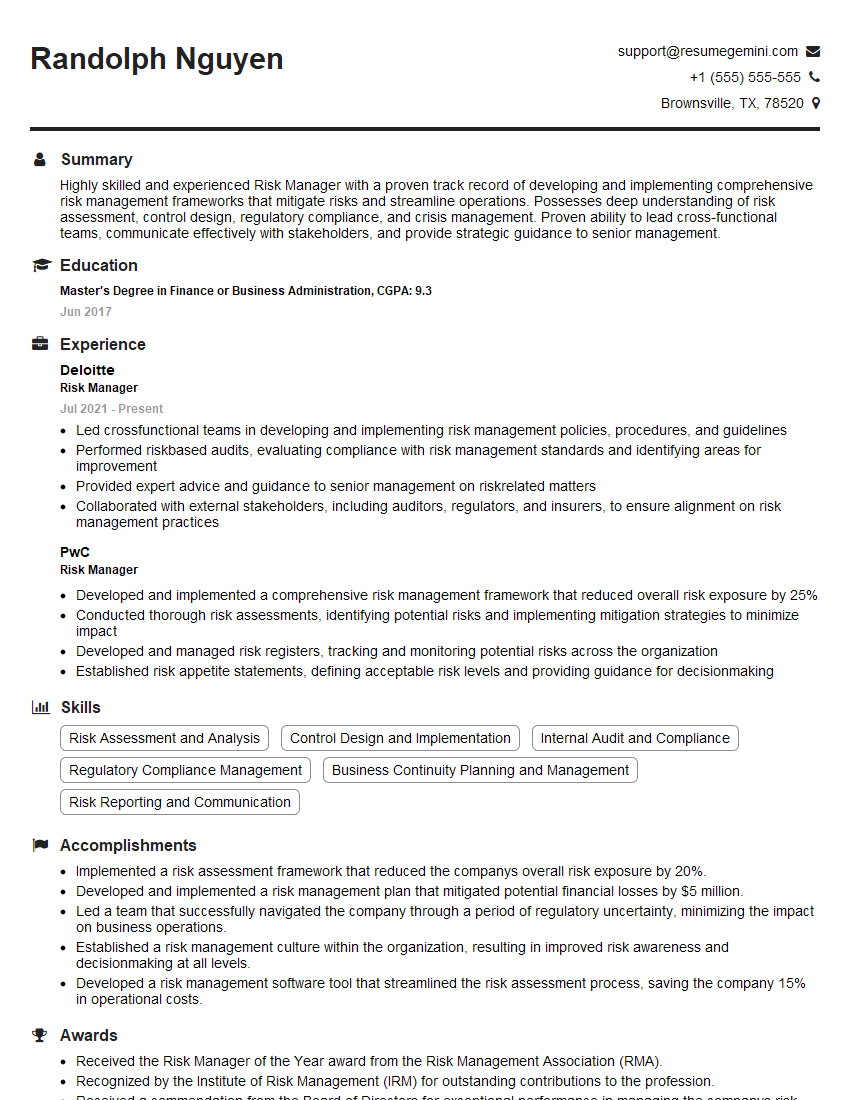
Risk Manager Resume Sample
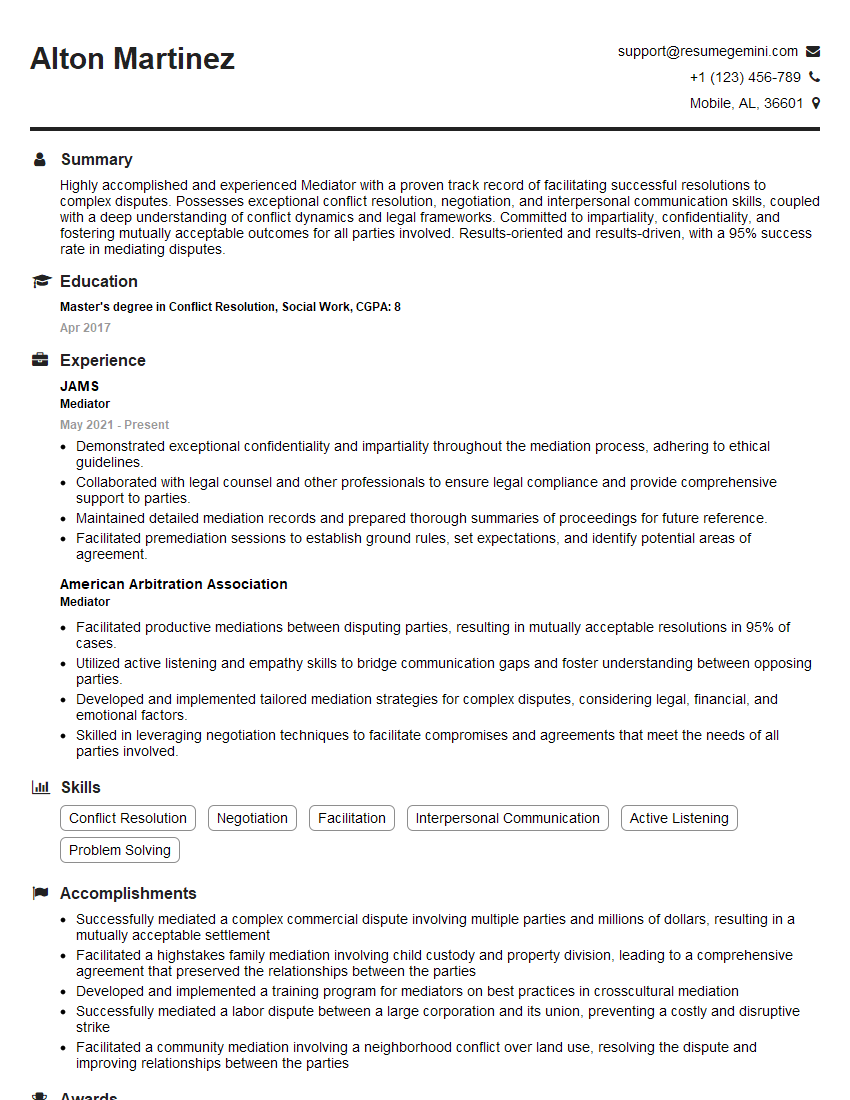
Mediator Resume Sample
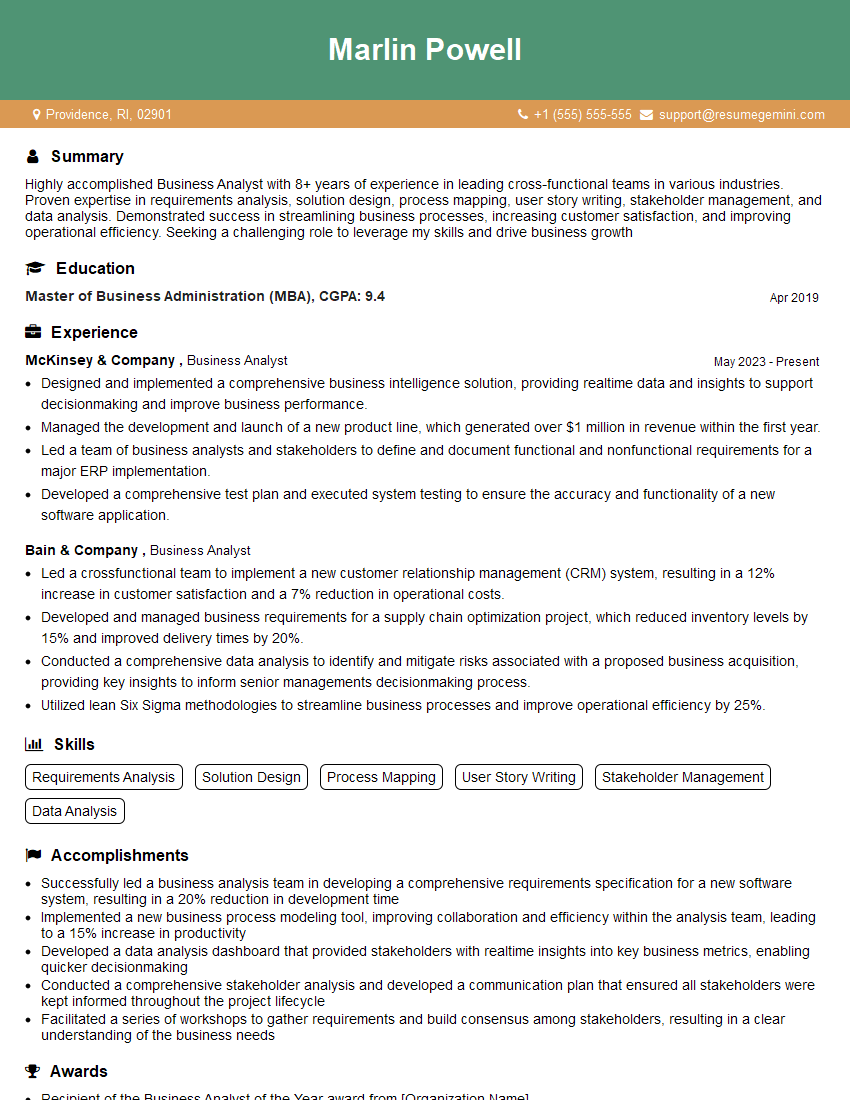
Business Analyst Resume Sample
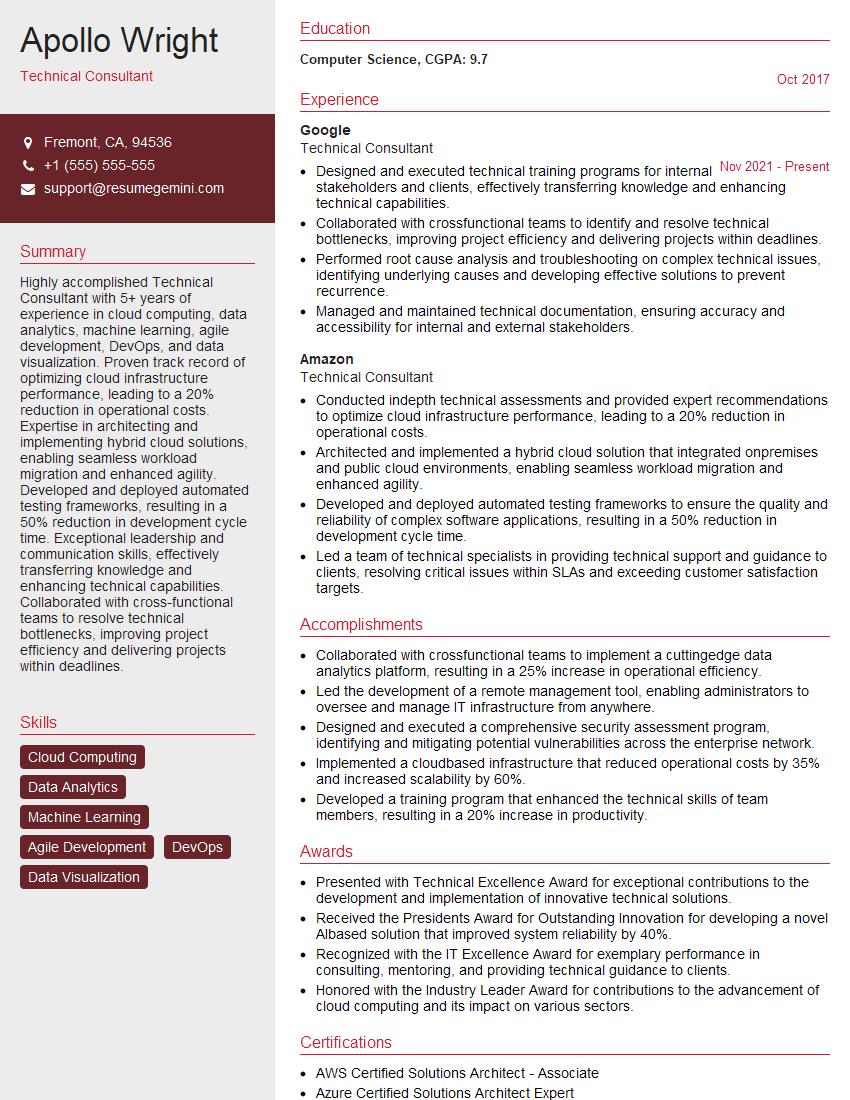
Technical Consultant Resume Sample
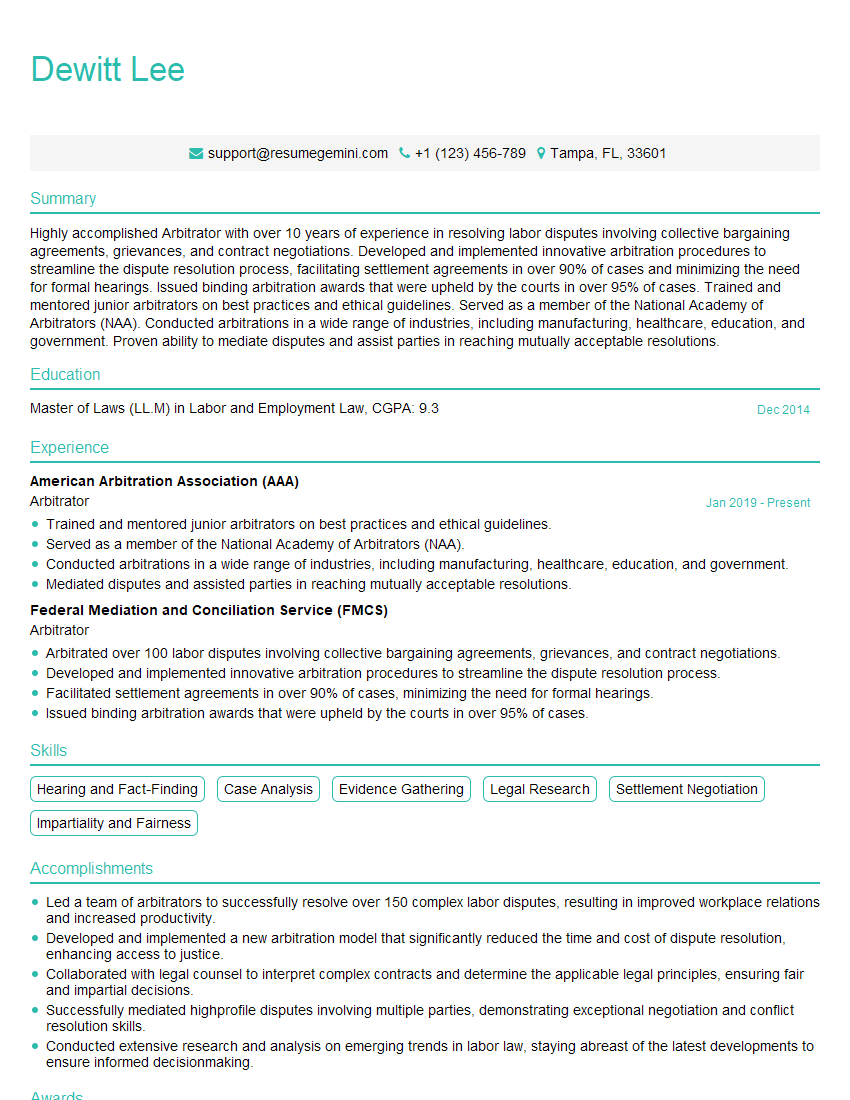
Arbitrator Resume Sample
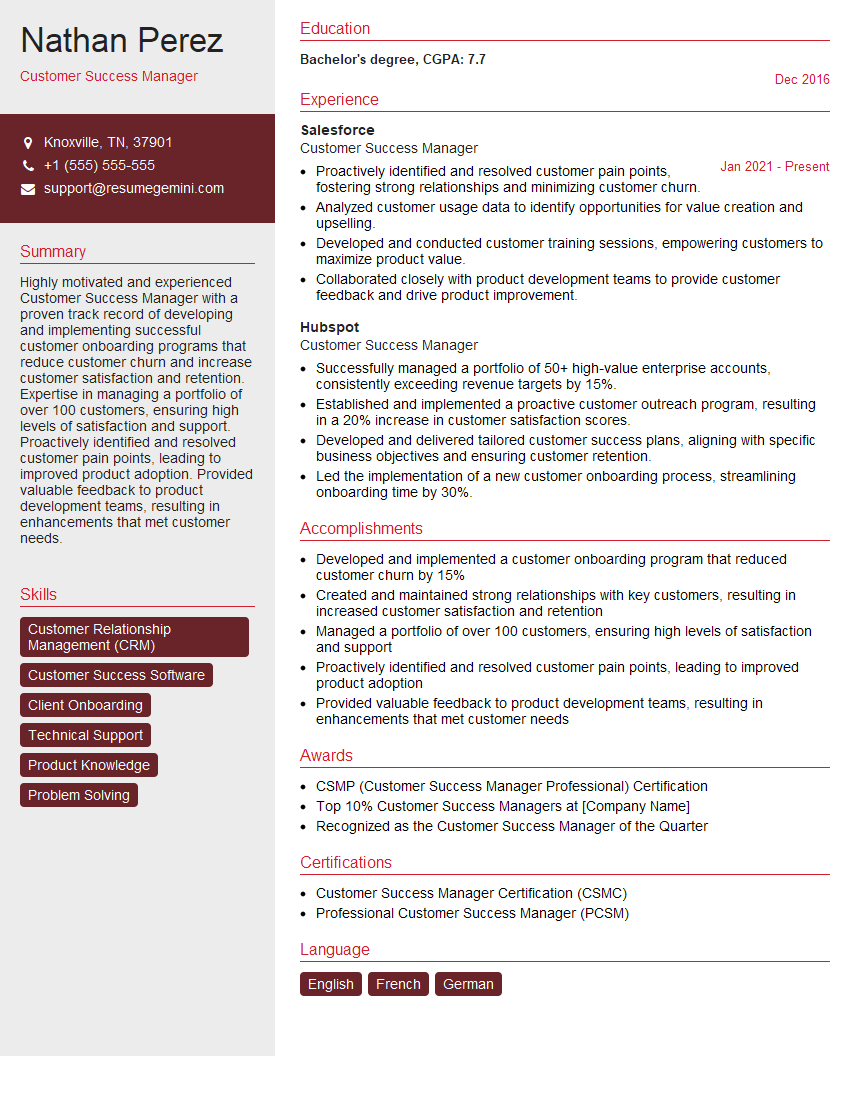
Customer Success Manager Resume Sample
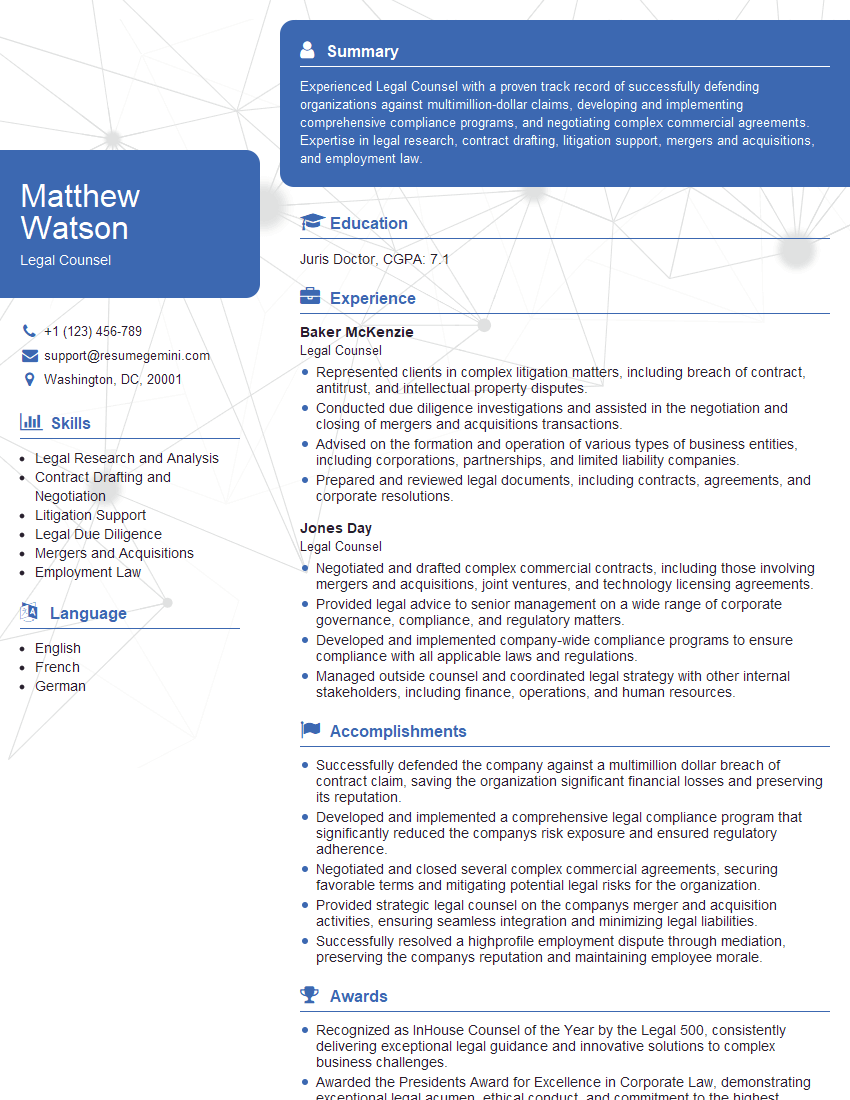
Legal Counsel Resume Sample
- Program Manager
- Strategic Planner
- Operations Manager
- Account Manager
- Sales Manager
- Contract Manager
- Procurement Manager
- Supply Chain Manager
- Human Resources Manager
- Project Manager
- Compliance Officer
- Risk Manager
- Mediator
- Business Analyst
- Technical Consultant
- Arbitrator
- Customer Success Manager
- Legal Counsel
Explore more articles
Users Rating of Our Blogs
Share Your Experience
We value your feedback! Please rate our content and share your thoughts (optional).
What Readers Say About Our Blog
Very informative content, great job.
good