Feeling uncertain about what to expect in your upcoming interview? We’ve got you covered! This blog highlights the most important Net Zero Buildings interview questions and provides actionable advice to help you stand out as the ideal candidate. Let’s pave the way for your success.
Questions Asked in Net Zero Buildings Interview
Q 1. Explain the principles of a Net Zero building.
A Net Zero building aims to produce as much renewable energy as it consumes over a year, effectively balancing its carbon footprint to zero. Think of it like a perfectly balanced seesaw: energy generated equals energy used. This isn’t about eliminating all energy use; it’s about responsible energy management and sourcing renewable energy to offset unavoidable consumption.
This involves a holistic approach, encompassing:
- Minimizing energy demand: Through highly efficient design, construction, and operation.
- Generating renewable energy on-site: Utilizing solar panels, wind turbines, or other renewable energy sources.
- Offsetting remaining emissions: Purchasing renewable energy credits (RECs) or investing in carbon offset projects to compensate for any unavoidable emissions.
For example, a Net Zero office building might incorporate high-performance windows to minimize heating and cooling loads, use efficient LED lighting, and install solar panels on the roof to generate enough renewable energy to power the building’s operations.
Q 2. Describe different strategies for reducing energy consumption in buildings.
Reducing energy consumption in buildings requires a multi-pronged strategy targeting various aspects of building design and operation. Here are some key strategies:
- Passive Design Strategies: These aim to reduce energy needs before resorting to mechanical systems. Examples include optimizing building orientation for natural sunlight and ventilation, using high-performance insulation to minimize heat transfer, and strategically placing shading devices.
- High-Performance Building Envelope: This refers to the exterior shell of the building, including walls, roofs, windows, and doors. Using highly insulated materials, airtight construction, and energy-efficient windows significantly reduces energy loss.
- Efficient HVAC Systems: Implementing energy-efficient heating, ventilation, and air conditioning systems, such as heat pumps or geothermal systems, is crucial. Smart controls that optimize system operation based on occupancy and weather patterns further reduce energy usage.
- Energy-Efficient Lighting and Appliances: Utilizing LED lighting and high-efficiency appliances reduces electricity consumption. Smart lighting controls that adjust lighting levels based on occupancy and daylight availability also help save energy.
- Building Management Systems (BMS): These systems monitor and control various building functions, including HVAC, lighting, and security, optimizing energy usage based on real-time data and user preferences.
Imagine a building with south-facing windows maximizing solar gain in winter, coupled with smart shades to prevent overheating in summer. That’s passive design at work, minimizing the need for extensive mechanical systems.
Q 3. What are the key performance indicators (KPIs) for a Net Zero building?
Key Performance Indicators (KPIs) for Net Zero buildings go beyond simply measuring energy consumption. They encompass a holistic view of building performance and environmental impact. Here are some crucial KPIs:
- Energy Use Intensity (EUI): Measures energy consumption per square foot or square meter, indicating overall energy efficiency.
- Carbon Emissions (kg CO2e/m²/year): Tracks the greenhouse gas emissions associated with building operations, including heating, cooling, and electricity use.
- Renewable Energy Generation (kWh): Quantifies the amount of renewable energy produced on-site.
- Embodied Carbon: Measures the carbon emissions associated with the building’s construction materials and manufacturing processes.
- Water Consumption: Tracks the building’s water usage, including potable and greywater.
- Indoor Environmental Quality (IEQ): Assesses factors such as air quality, thermal comfort, and daylighting, impacting occupant health and productivity.
These KPIs are often tracked using building performance monitoring systems, providing valuable data for continuous improvement and verification of Net Zero performance.
Q 4. Discuss the role of renewable energy sources in achieving Net Zero.
Renewable energy sources are the backbone of Net Zero buildings. They provide the clean energy necessary to offset the building’s energy consumption. Common renewable energy sources include:
- Photovoltaic (PV) Solar Panels: Convert sunlight directly into electricity, a widely used and cost-effective option.
- Wind Turbines: Capture wind energy to generate electricity, suitable for locations with consistent wind resources.
- Geothermal Energy: Utilizes the stable temperature of the earth to provide heating and cooling.
- Solar Thermal Collectors: Capture solar energy to heat water or air for space heating and domestic hot water.
The choice of renewable energy source depends on factors like climate, location, and building characteristics. A building in a sunny location might rely heavily on solar PV, while one in a windy area might incorporate wind turbines. Often, a combination of renewable energy sources provides the most reliable and efficient solution.
For instance, a Net Zero school might use solar panels on its roof to power classrooms and a geothermal system for heating and cooling, dramatically reducing its reliance on the grid and its carbon footprint.
Q 5. Explain the importance of building envelope design in Net Zero buildings.
The building envelope plays a pivotal role in Net Zero buildings, acting as the primary barrier between the interior and exterior environments. A well-designed envelope significantly reduces energy loss and improves thermal comfort, minimizing the need for energy-intensive HVAC systems.
Key aspects of building envelope design for Net Zero include:
- High-Performance Insulation: Using thick layers of insulation in walls, roofs, and floors minimizes heat transfer, reducing heating and cooling loads.
- Airtight Construction: Minimizing air leakage through the building envelope prevents energy loss and improves indoor air quality.
- High-Performance Windows: Utilizing windows with low-e coatings, multiple panes of glass, and gas fills minimizes heat transfer and maximizes solar gain.
- Strategic Shading: Employing overhangs, awnings, or other shading devices to prevent solar heat gain in summer while allowing maximum sunlight in winter.
Think of the building envelope as a well-insulated thermos flask, keeping the interior temperature stable and minimizing energy waste. By prioritizing this aspect of design, you lay a strong foundation for achieving Net Zero performance.
Q 6. How do you account for embodied carbon in a Net Zero building assessment?
Embodied carbon refers to the greenhouse gas emissions associated with the materials and processes involved in a building’s construction, from extraction of raw materials to transportation and manufacturing. Accounting for embodied carbon is crucial for a truly comprehensive Net Zero assessment, as it represents a significant portion of a building’s lifetime carbon footprint.
Strategies for minimizing embodied carbon include:
- Material Selection: Choosing low-carbon building materials, such as recycled content materials, timber from sustainably managed forests, and locally sourced materials to reduce transportation emissions.
- Design Optimization: Minimizing material use through efficient design, reducing waste, and optimizing building geometry.
- Carbon Offsetting: Investing in carbon offset projects to compensate for unavoidable embodied carbon emissions.
- Life Cycle Assessment (LCA): Conducting a thorough LCA to quantify the embodied carbon of different materials and construction methods.
For example, a Net Zero project might opt for cross-laminated timber (CLT) for its structure due to its lower embodied carbon compared to steel or concrete. They might also choose recycled steel for other components, further lowering the overall carbon footprint.
Q 7. What are the challenges in achieving Net Zero in existing buildings?
Achieving Net Zero in existing buildings presents unique challenges compared to new constructions. Retrofits require careful planning and consideration of various factors:
- Limited Design Flexibility: Existing buildings have constraints that limit the scope of modifications.
- Higher Retrofit Costs: Retrofits are generally more expensive than building new, requiring careful cost-benefit analysis.
- Disruption to Occupants: Renovation work can be disruptive to building occupants, requiring careful planning and communication.
- Building Fabric Limitations: Existing building envelopes may be difficult or costly to upgrade to Net Zero standards.
- Determining Embodied Carbon: Assessing embodied carbon in existing buildings can be challenging, requiring careful analysis of existing materials and construction.
Overcoming these challenges requires a phased approach, prioritizing energy efficiency improvements and exploring feasible renewable energy integration options. A thorough assessment of the building’s current performance is essential to guide the retrofit process. This might involve things like upgrading insulation, replacing inefficient windows, and adding solar panels where feasible. Careful planning and collaboration among stakeholders are crucial for successful Net Zero retrofits.
Q 8. Describe your experience with building energy modeling software (e.g., EnergyPlus, TRNSYS).
Building energy modeling software is crucial for designing energy-efficient buildings, and I have extensive experience with both EnergyPlus and TRNSYS. EnergyPlus is a whole-building energy simulation program that allows us to model the performance of a building’s HVAC systems, lighting, and other energy-consuming elements under various climate conditions. I’ve used it extensively to optimize building designs, exploring different material choices and system configurations to minimize energy consumption. TRNSYS, on the other hand, is a powerful tool for simulating transient system behavior, often used for more detailed analysis of renewable energy systems like solar thermal or geothermal heat pumps. For example, I used TRNSYS to model the performance of a ground-source heat pump system for a Net Zero office building, ensuring it provided adequate heating and cooling while maximizing its efficiency.
My workflow typically involves creating detailed building models, inputting weather data specific to the project location, defining system parameters, and running simulations. I then analyze the results to identify areas for improvement, iteratively refining the design until we achieve the desired energy performance targets. I’m comfortable interpreting the results, identifying potential bottlenecks, and proposing effective solutions. The software’s ability to visualize energy flows and identify performance issues is invaluable in achieving net-zero goals.
Q 9. Explain the process of commissioning a Net Zero building.
Commissioning a Net Zero building is a rigorous process designed to verify that all systems are operating as designed and that the building performs as modeled. It’s not a one-off event, but rather a phased approach that begins in the design phase and continues through construction and occupancy. Think of it like a thorough system check-up for a high-performance machine.
The process typically involves:
- Pre-design commissioning: Establishing clear energy performance targets and selecting appropriate technologies.
- Design commissioning: Reviewing design documents, verifying that the design meets energy goals, and identifying potential issues early on.
- Construction commissioning: Verifying the proper installation of systems and components during the construction phase.
- Post-occupancy commissioning: Monitoring building performance after occupancy to identify and address any operational issues and ensure the building continues to meet its Net Zero goals.
Throughout the process, we use various tools, such as building automation systems (BAS) and energy monitoring platforms, to gather data and track performance. For example, during post-occupancy commissioning, we may compare actual energy consumption with the modeled predictions and identify discrepancies that require adjustments. Effective commissioning is absolutely vital to ensure the long-term success of any Net Zero building.
Q 10. How do you ensure the long-term performance of a Net Zero building?
Ensuring the long-term performance of a Net Zero building requires a multifaceted approach that starts well before construction and extends far into the building’s operational life. It’s about building resilience and minimizing operational surprises.
Key strategies include:
- Robust design and construction: Using high-quality materials and components, adhering strictly to building codes and specifications, and employing rigorous quality control measures during construction.
- Comprehensive commissioning: As discussed earlier, a thorough commissioning process helps to ensure that all systems are performing as intended.
- Regular maintenance and monitoring: Establishing a comprehensive preventative maintenance plan and implementing continuous monitoring of building systems using smart building technologies and energy management systems (EMS) allows for early detection of potential issues, leading to cost-effective repairs and mitigating energy loss.
- Occupant engagement and training: Educating occupants about the building’s systems and energy-saving practices is crucial for long-term performance. This can involve clear guidelines, ongoing training, and feedback mechanisms.
- Adaptive management: Regularly reviewing building performance data and adjusting operational strategies as needed to optimize energy efficiency, adapting to changing conditions or occupant behavior.
Think of it like caring for a high-performance vehicle—regular servicing, careful driving, and proactive maintenance are essential to ensure it continues to operate optimally over its lifetime. The same principle applies to Net Zero buildings.
Q 11. What are the different types of renewable energy systems suitable for Net Zero buildings?
A variety of renewable energy systems can be integrated into Net Zero buildings, each with its own advantages and disadvantages. The optimal choice depends on factors such as climate, available space, building orientation, and budget.
- Photovoltaic (PV) systems: Solar panels convert sunlight directly into electricity. They are widely used and relatively easy to integrate into building designs, either on rooftops or integrated into facades.
- Solar thermal systems: These systems use solar energy to heat water or provide space heating. They are particularly effective in locations with high solar irradiance.
- Wind turbines: While less common in building-integrated applications, small-scale wind turbines can be used in locations with consistently high wind speeds.
- Geothermal heat pumps: These systems use the relatively constant temperature of the earth to provide heating and cooling. They are highly efficient but require ground source access.
- Biomass boilers: Using sustainably sourced biomass, these systems can provide heating, but require careful consideration of fuel sourcing and emissions.
Often, a combination of renewable energy systems provides the most effective and reliable solution. For example, a Net Zero building might use a combination of PV panels, solar thermal collectors, and a geothermal heat pump system to meet its energy needs.
Q 12. Discuss the impact of building orientation and shading on energy efficiency.
Building orientation and shading have a significant impact on energy efficiency. Optimizing these elements can significantly reduce heating and cooling loads. Think of it like positioning a sunbather – you want optimal sun exposure for warmth but need shade to avoid overheating.
Orientation: In the Northern Hemisphere, buildings should ideally be oriented to maximize solar gain in winter (south-facing windows) and minimize it in summer. This can reduce heating loads in winter and cooling loads in summer. Proper window placement is key here. South-facing windows should be maximized in regions with cold winters, whereas in hot regions, north-facing facades are better in terms of avoiding solar heat gain.
Shading: Strategic shading devices, such as overhangs, awnings, and trees, can reduce solar heat gain during the summer months while allowing maximum sunlight penetration in winter. Careful consideration of shading patterns throughout the year is important. Computer-aided design (CAD) software allows for the simulation and optimization of shading strategies.
For example, I’ve used energy modeling software to analyze different building orientations and shading scenarios for a project, demonstrating significant energy savings by optimizing the design based on climate conditions and minimizing the need for mechanical heating and cooling.
Q 13. What are the key considerations for integrating smart building technologies in a Net Zero building?
Integrating smart building technologies in a Net Zero building is essential for optimizing energy performance and maximizing the effectiveness of renewable energy systems. It provides real-time feedback and control, enabling adaptive management and efficient energy use.
Key considerations include:
- Building Automation Systems (BAS): A centralized control system that monitors and manages building systems (HVAC, lighting, etc.) in real-time. This allows for optimized operation based on occupancy, weather conditions, and energy production from renewable sources.
- Smart sensors and meters: These provide real-time data on energy consumption, occupancy levels, and environmental conditions. This data is crucial for identifying inefficiencies and fine-tuning building operation.
- Energy management systems (EMS): These systems integrate data from various sources and provide advanced analytics and control strategies to optimize energy use. For instance, they can adjust HVAC setpoints based on occupancy and weather forecasting.
- Demand-side management (DSM): Strategies to control energy demand, such as load shedding or peak shaving, can minimize reliance on the grid during peak demand periods.
- Data visualization and analytics dashboards: User-friendly interfaces provide building operators and occupants with clear insights into energy consumption patterns, allowing for informed decision-making.
For instance, in one project, we integrated a smart system that dynamically adjusted lighting levels based on daylight availability, reducing energy consumption for lighting while maintaining occupant comfort. Smart building technologies are no longer just a luxury; they are essential for realizing the full potential of a Net Zero building.
Q 14. Explain your understanding of Passive House standards and principles.
Passive House is a rigorous building standard focused on minimizing energy consumption through a highly efficient building envelope and optimized building systems. It’s a holistic approach, aiming to reduce reliance on mechanical heating and cooling by maximizing passive strategies.
Key principles include:
- High-performance building envelope: Extremely well-insulated walls, roofs, and windows with very low air leakage rates. This creates a highly airtight and thermally efficient shell, minimizing heat loss in winter and heat gain in summer.
- Continuous insulation: Insulation is applied without thermal bridging, avoiding weak points in the building envelope.
- High-performance windows: Triple-glazed windows with low-e coatings are typically used to minimize heat transfer.
- Mechanical ventilation with heat recovery (MVHR): A system that provides fresh air while recovering heat from exhaust air. This ensures good indoor air quality without significant energy loss.
- Minimized thermal bridging: Careful detailing of the building envelope eliminates or reduces areas where heat can easily transfer through the structure.
Passive House principles are not just about energy efficiency; they also contribute to improved indoor air quality, increased occupant comfort, and reduced noise pollution. While achieving Passive House standards requires careful design and construction, the resulting energy savings and enhanced comfort levels make it a highly worthwhile approach, especially for Net Zero buildings. Imagine a house so well-insulated that it almost doesn’t need heating or cooling, offering a comfortable and energy-efficient living space.
Q 15. What are some common barriers to adopting Net Zero building practices?
Adopting Net Zero building practices faces several significant hurdles. Think of it like trying to build a perfect Lego castle – you need all the right pieces and a clear plan, and even then, things can go wrong.
- High upfront costs: Implementing Net Zero technologies often requires a larger initial investment compared to conventional construction. This can be a major deterrent for developers with limited budgets.
- Lack of skilled labor: Specialized knowledge and expertise are needed for designing, constructing, and maintaining Net Zero buildings. Finding qualified professionals can be a challenge.
- Complexity of design and integration: Successfully integrating various Net Zero technologies—solar panels, efficient HVAC, building envelope improvements—requires careful planning and coordination. It’s like orchestrating a complex symphony; every instrument must play its part perfectly.
- Regulatory and policy gaps: Inconsistent building codes and lack of supportive policies can hinder the widespread adoption of Net Zero practices. Imagine building a castle without clear building permits – it’s a recipe for disaster.
- Limited market awareness and demand: Consumers and developers may not fully understand the long-term benefits of Net Zero buildings, leading to a lack of market demand and driving down incentives.
- Uncertainty around long-term performance: Predicting the long-term energy performance and cost-effectiveness of Net Zero technologies can be complex. This lack of certainty can increase the perceived risk.
Career Expert Tips:
- Ace those interviews! Prepare effectively by reviewing the Top 50 Most Common Interview Questions on ResumeGemini.
- Navigate your job search with confidence! Explore a wide range of Career Tips on ResumeGemini. Learn about common challenges and recommendations to overcome them.
- Craft the perfect resume! Master the Art of Resume Writing with ResumeGemini’s guide. Showcase your unique qualifications and achievements effectively.
- Don’t miss out on holiday savings! Build your dream resume with ResumeGemini’s ATS optimized templates.
Q 16. How do you address lifecycle costs in Net Zero building design?
Addressing lifecycle costs is crucial in Net Zero building design. It’s about considering not just the initial construction costs, but also the operational, maintenance, and potential end-of-life costs over the building’s entire lifespan. Think of it as buying a car – you need to factor in fuel costs, maintenance, and eventual resale or scrap value.
We employ several strategies to manage lifecycle costs:
- Whole-building energy modeling: We use sophisticated software to simulate the building’s energy performance under various conditions, allowing us to optimize designs for minimum energy consumption.
- Life-cycle cost analysis (LCCA): This rigorous methodology helps us compare the total cost of ownership for different design options, considering all costs over the building’s lifespan. We use it like a spreadsheet to compare apples to oranges.
- Durable and low-maintenance materials: Selecting high-quality, long-lasting materials reduces the need for frequent repairs and replacements, cutting long-term expenses.
- Optimized building systems: Efficient HVAC systems, smart building controls, and high-performance building envelopes contribute significantly to reducing operational costs.
- Renewable energy integration: Incorporating solar panels or other renewable energy sources reduces reliance on the grid and minimizes long-term utility bills.
Q 17. Discuss the role of building codes and regulations in Net Zero construction.
Building codes and regulations play a vital role in promoting Net Zero construction. They provide the framework for ensuring safety, performance, and environmental responsibility. Think of them as the rules of the game.
Stronger codes incentivize the adoption of Net Zero practices by setting minimum energy efficiency standards and mandating the use of sustainable materials. Codes can also specify requirements for renewable energy integration and encourage the use of life-cycle assessments. However, there are gaps: Many regions lack up-to-date codes that address the specifics of Net Zero buildings. Outdated regulations can create significant barriers to innovation and progress. A unified, forward-looking approach is crucial for fostering a more sustainable built environment.
Q 18. Describe your experience with LEED or other green building certifications.
I have extensive experience with LEED (Leadership in Energy and Environmental Design) and other green building certification systems. LEED certification provides a framework for designing and constructing high-performance, environmentally responsible buildings. It’s a recognised standard that demonstrates a commitment to sustainability. In previous projects, I’ve been involved in every stage, from pre-design and documentation to achieving LEED certification. For instance, on a recent project, we incorporated strategies to achieve a Platinum LEED certification by focusing on water efficiency, energy reduction, and the use of sustainably sourced materials. We carefully documented everything, ensuring we met all requirements during the certification process.
Q 19. Explain your familiarity with different types of building materials and their environmental impact.
My familiarity with building materials and their environmental impact is comprehensive. Choosing materials is like selecting ingredients for a recipe – the wrong ones can ruin the whole dish. I consider factors such as embodied carbon, recyclability, sourcing practices, and durability. For example, using sustainably harvested timber has a much lower carbon footprint than steel or concrete, but it may have shorter lifespan and require more frequent maintenance. We assess the full environmental impact of each material, using tools like Environmental Product Declarations (EPDs) to make informed decisions and optimize the overall sustainability of the project. Recycled content is highly desirable in our projects where feasible.
Q 20. How do you assess the energy performance of a building’s HVAC system?
Assessing the energy performance of a building’s HVAC system is crucial for achieving Net Zero. It’s like checking the engine of a car – it has to run efficiently and effectively. We use several methods:
- Energy modeling: We use specialized software to simulate the system’s performance under various operating conditions, including varying weather patterns.
- Detailed component analysis: We analyze the energy efficiency of individual components like chillers, pumps, and fans to identify potential areas for optimization.
- Commissioning and testing: Thorough testing and commissioning ensure the system operates as designed and meets energy performance targets. This is like performing a test drive to ensure everything is working perfectly.
- Data monitoring and analysis: Once the building is occupied, continuous monitoring of energy consumption helps identify and address any operational inefficiencies.
Q 21. Describe your experience with life cycle assessment (LCA) methodologies.
Life Cycle Assessment (LCA) methodologies are integral to my work. An LCA is like a detailed recipe that outlines every ingredient and step in a process, helping us understand its overall impact. It’s a cradle-to-grave assessment of a product or building’s environmental impacts, from material extraction to disposal. I’m proficient in using various LCA software and databases to quantify emissions of greenhouse gasses, energy consumption, water use, and waste generation. We use this information to inform design decisions, compare alternatives, and optimize the overall environmental performance of our projects. This ensures we are meeting sustainability objectives at every stage, from design and construction, to operational and demolition phases.
Q 22. How do you incorporate occupant behavior into Net Zero building design?
Occupant behavior is a crucial, often overlooked, factor in Net Zero building performance. Designing for Net Zero isn’t just about the building itself; it’s about how people interact with it. We need to anticipate and encourage energy-conscious habits.
Building Design Features: Intuitive design plays a key role. For instance, clear visual cues, like smart thermostats with easily understandable displays, can encourage occupants to adjust settings efficiently. Naturally lit spaces and good ventilation reduce the reliance on artificial lighting and HVAC systems.
Educational Programs and Feedback Systems: Pre-occupancy education programs can teach residents about energy-saving measures specific to the building’s systems. Real-time energy consumption feedback systems, displayed on screens or through mobile apps, create awareness and encourage responsible use. We’ve seen significant reductions in energy use in projects where residents are actively engaged.
Smart Technologies and Automation: Integrating smart sensors and automated systems allows for personalized energy management. Occupancy sensors control lighting, while smart thermostats learn usage patterns and optimize heating and cooling. These aren’t just technologies; they are tools for influencing behavior positively.
Incentives and Gamification: Introducing competition or rewards (e.g., lower utility bills for the most energy-efficient units) can drive positive behavioral change. For example, we implemented a points-based system in one project that rewarded residents for reducing their energy consumption, fostering a sense of community participation.
Q 23. What are the financial incentives available for Net Zero building projects?
Financial incentives for Net Zero building projects vary widely depending on location and government policies. However, common incentives include:
Tax Credits and Rebates: Many jurisdictions offer tax credits or rebates for incorporating energy-efficient technologies and meeting Net Zero targets. These incentives directly reduce the upfront costs of construction.
Green Building Certification Programs (LEED, BREEAM, etc.): Achieving certification often unlocks additional funding opportunities and attracts investors who value sustainability. These certifications also increase property value.
Grants and Loans: Various governmental agencies and private foundations provide grants or low-interest loans specifically for sustainable building projects. These can be crucial for smaller projects or those with limited capital.
Energy Performance Contracts: These contracts incentivize energy savings through performance guarantees. Energy service companies (ESCOs) invest in upgrades, and the building owner repays them through a portion of the energy savings achieved.
Feed-in Tariffs: In some areas, building owners can receive payments for excess renewable energy generated on-site (e.g., through solar panels) and fed back into the grid.
It’s crucial to thoroughly research available incentives at the local and national levels, as they often have eligibility criteria and application processes.
Q 24. Explain your understanding of carbon offsetting and its role in Net Zero buildings.
Carbon offsetting involves compensating for unavoidable greenhouse gas emissions by investing in projects that reduce or remove emissions elsewhere. In Net Zero buildings, offsetting plays a crucial, but often controversial, role.
Ideally, a Net Zero building should minimize embodied and operational carbon emissions through design and technology, achieving a net-zero carbon footprint without relying heavily on offsets. Offsets should be considered as a last resort for emissions that are truly unavoidable.
Types of Offsets: Common offset projects include renewable energy development, reforestation, and methane capture. The quality of offsets varies significantly; selecting high-quality, verified projects is essential to ensure environmental integrity. Look for offsets certified by reputable organizations.
Challenges with Offsets: There are concerns about the permanence and accuracy of carbon offset calculations. Some offset projects might not deliver the promised emission reductions, or the reductions might be temporary. Additionally, over-reliance on offsets could potentially discourage the implementation of effective emission reduction strategies in building design.
Transparency is key. The use of offsets should be clearly documented and justified, demonstrating a commitment to minimizing emissions first and foremost through on-site strategies.
Q 25. What are the key differences between Net Zero energy and Net Zero carbon buildings?
While both aim for minimal environmental impact, Net Zero energy and Net Zero carbon buildings differ significantly:
Net Zero Energy: Focuses solely on energy balance. A Net Zero energy building produces as much renewable energy as it consumes annually. This doesn’t necessarily mean zero carbon emissions, as embodied carbon (emissions from construction materials) and indirect emissions (from manufacturing, transport, etc.) are not considered.
Net Zero Carbon: Takes a more comprehensive approach, aiming to eliminate all greenhouse gas emissions across the building’s entire lifecycle – from construction to demolition and beyond. This involves minimizing both operational and embodied carbon emissions and often relies on carbon offsetting to account for remaining emissions that are difficult to eliminate completely.
In essence, Net Zero carbon is a broader, more ambitious goal than Net Zero energy. A Net Zero carbon building is likely to be Net Zero energy, but the reverse isn’t always true.
Q 26. Describe your experience with data analysis and reporting related to building energy performance.
My experience with data analysis and reporting on building energy performance spans numerous projects. I’m proficient in using various software tools (e.g., EnergyPlus, TRNSYS, and specialized building management system (BMS) data analytics platforms) to analyze energy consumption data. My approach involves:
Data Acquisition: Gathering energy consumption data from various sources – BMS systems, utility bills, smart meters – to create a comprehensive dataset.
Data Cleaning and Validation: Identifying and correcting errors or inconsistencies in the data to ensure its accuracy and reliability.
Statistical Analysis: Utilizing statistical methods to identify trends, patterns, and anomalies in energy consumption. This helps pinpoint areas of high energy usage and potential problems.
Performance Benchmarking: Comparing building performance against similar buildings or industry standards to identify opportunities for improvement.
Reporting: Generating clear, concise reports that visualize energy consumption patterns, highlight areas for improvement, and track progress towards Net Zero targets. These reports often include visualizations (charts and graphs) that are easily understandable by stakeholders.
For example, in one project, by analyzing BMS data, we identified a malfunctioning HVAC damper that resulted in unnecessary energy consumption. The report we produced led to timely repairs and significant energy savings.
Q 27. How do you ensure the quality of data used for energy modeling and performance analysis?
Ensuring data quality is paramount for accurate energy modeling and performance analysis. My strategy includes:
Data Source Verification: Carefully verifying the reliability and accuracy of data sources. This often involves discussions with building operators and reviewing historical data.
Data Validation Checks: Implementing data validation checks (e.g., reasonableness checks, consistency checks) to identify and flag potential errors or inconsistencies.
Data Cleaning Procedures: Establishing robust data cleaning procedures, including outlier detection and removal, data imputation, and data transformation.
Calibration and Verification of Models: Using measured data to calibrate and verify energy models to ensure they accurately represent the building’s actual performance.
Regular Data Audits: Conducting regular data audits to ensure data quality is maintained over time. This might involve comparing modeled and actual performance.
By implementing these steps, we minimize the risk of drawing incorrect conclusions from flawed data and ensure the reliability of our analysis and recommendations.
Q 28. Explain how you would approach troubleshooting a performance issue in a Net Zero building.
Troubleshooting performance issues in a Net Zero building requires a systematic and multidisciplinary approach. Here’s a step-by-step framework:
Identify the Problem: Clearly define the performance issue, quantifying it using data from BMS systems, utility bills, or other monitoring tools. For example, an increase in energy consumption or a deviation from predicted performance.
Gather Data: Collect relevant data, including weather data, occupancy data, and equipment operation data, to determine the cause of the problem.
Analyze the Data: Use data analysis techniques to identify patterns and correlations that might indicate the root cause of the issue. This might involve comparing performance data against baseline values or using statistical process control charts.
Develop Hypotheses: Based on the data analysis, formulate hypotheses about the potential causes of the problem (e.g., equipment malfunction, faulty controls, occupant behavior).
Test the Hypotheses: Test each hypothesis using appropriate methods (e.g., commissioning, performance testing). This might involve engaging specialized contractors.
Implement Solutions: Based on the findings, implement solutions to address the root cause of the problem. This might include equipment repairs, software updates, or changes to building operations.
Verify the Solution: After implementing the solutions, monitor the building’s performance to verify that the issue has been resolved and that the solution didn’t create new problems.
This systematic approach allows for efficient troubleshooting and minimizes downtime while ensuring a continued high level of performance.
Key Topics to Learn for Net Zero Buildings Interview
- Energy Efficiency Strategies: Understanding passive and active design strategies, including insulation, window performance, and building envelope optimization. Explore practical applications like calculating energy savings from different design choices.
- Renewable Energy Systems: Knowledge of photovoltaic (PV) systems, solar thermal collectors, wind turbines, and geothermal energy. Consider case studies demonstrating the integration of these systems into building designs and their impact on energy balance.
- Building Materials and Embodied Carbon: Analyze the environmental impact of construction materials throughout their lifecycle. Explore practical applications like Life Cycle Assessment (LCA) and strategies for reducing embodied carbon in building projects.
- Smart Building Technologies: Familiarity with building automation systems (BAS), energy monitoring and control systems, and data analytics for optimizing building performance. Consider problem-solving scenarios involving system failures or performance optimization.
- Net Zero Building Codes and Standards: Understanding relevant codes, regulations, and certification programs (e.g., LEED, BREEAM). Explore the practical implications of meeting these standards in various building types and climates.
- Energy Modeling and Simulation: Proficiency in using energy modeling software (e.g., EnergyPlus, TRNSYS) to predict building energy performance. Develop problem-solving skills related to model calibration, sensitivity analysis, and optimization.
- Grid Interaction and Demand Response: Understanding the role of Net Zero buildings within the broader energy grid and the potential for demand response strategies. Consider the practical challenges and opportunities of integrating buildings with smart grids.
Next Steps
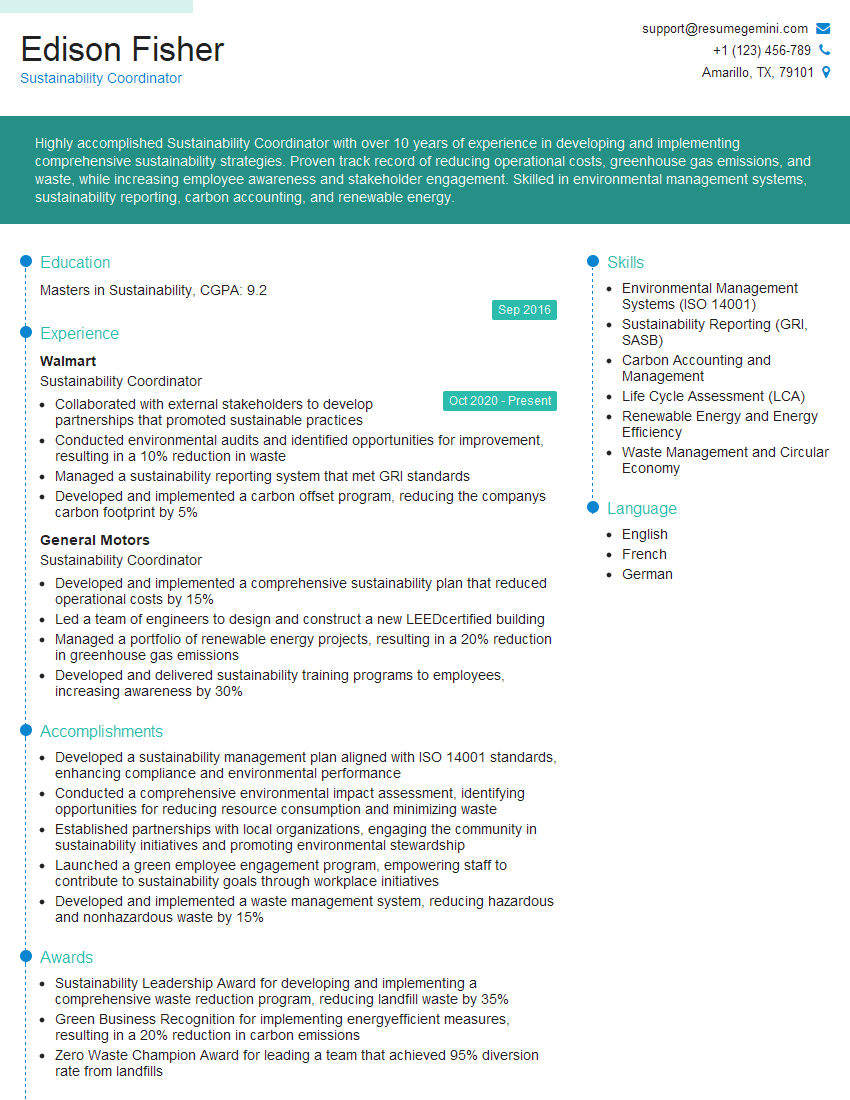
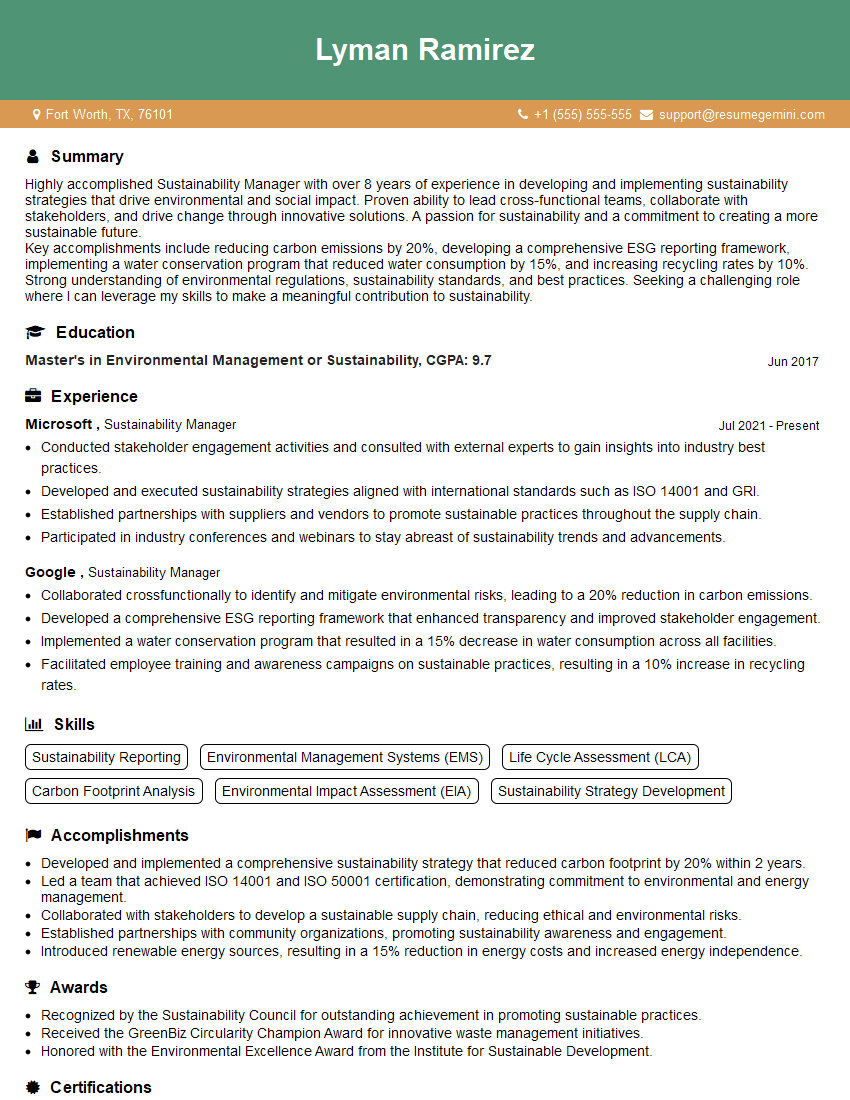
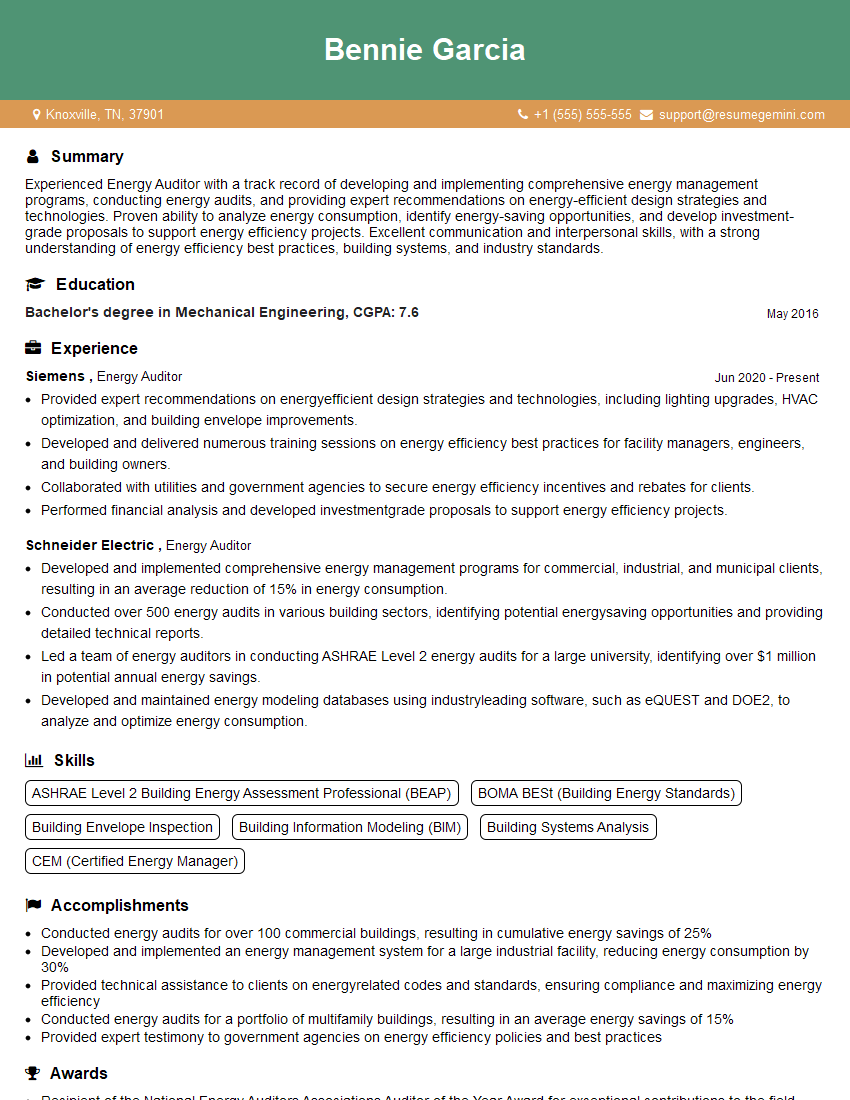
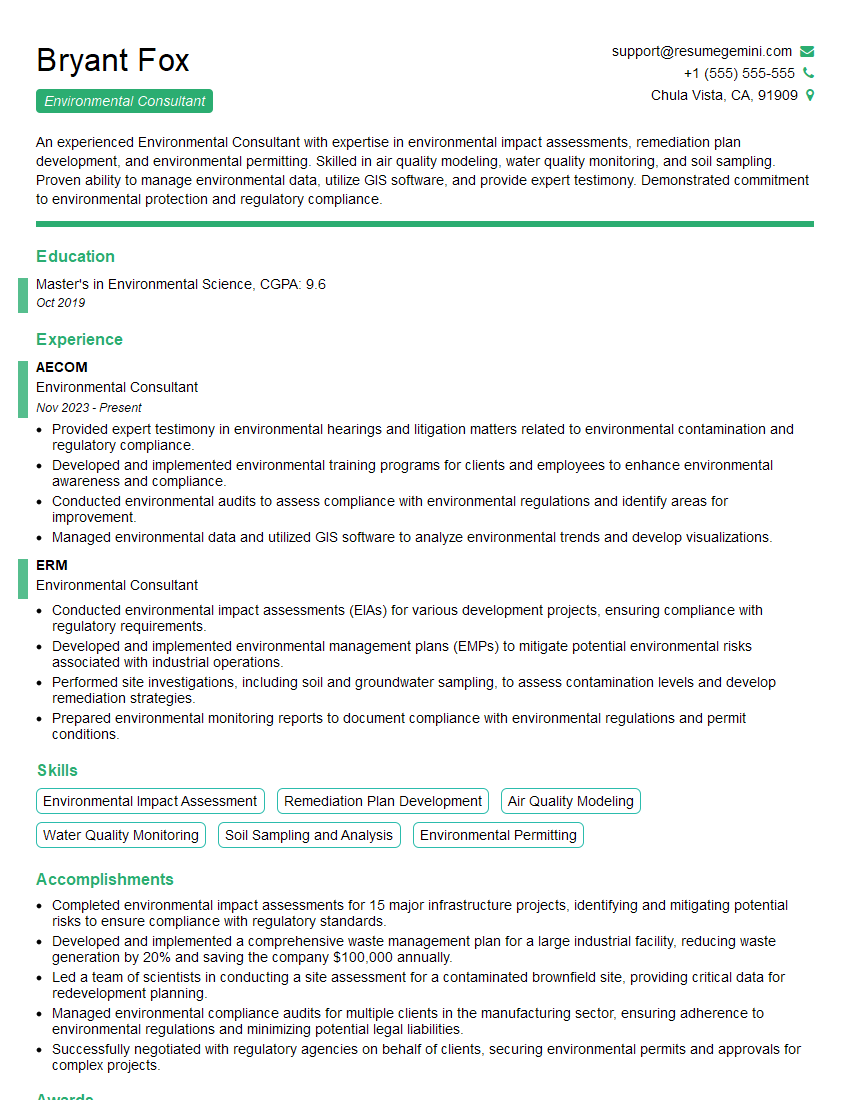
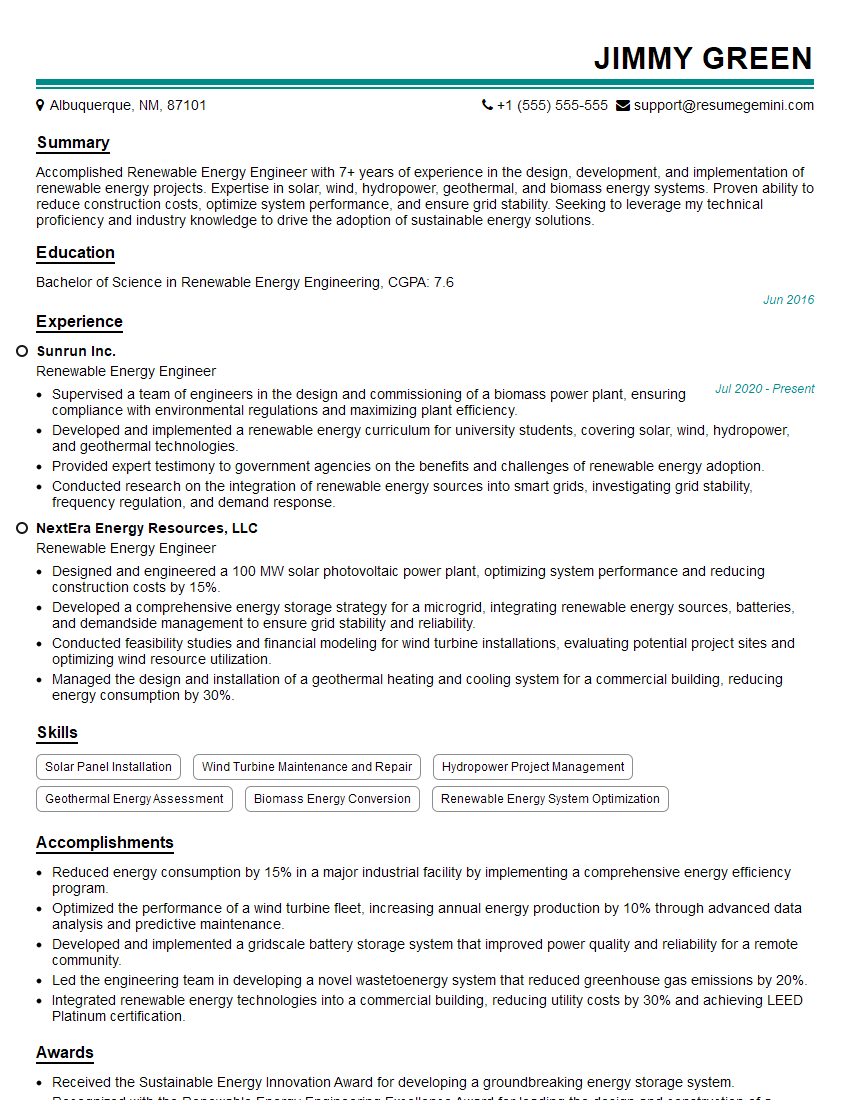
Mastering the concepts of Net Zero Buildings is crucial for career advancement in a rapidly growing, environmentally conscious industry. A strong understanding of these principles will significantly enhance your job prospects and position you as a valuable asset to any organization committed to sustainability. Creating an ATS-friendly resume is paramount in getting your application noticed. To maximize your chances, leverage ResumeGemini to build a compelling and effective resume tailored to the specific requirements of Net Zero Building roles. Examples of resumes specifically designed for this field are available to help guide you.
Explore more articles
Users Rating of Our Blogs
Share Your Experience
We value your feedback! Please rate our content and share your thoughts (optional).
What Readers Say About Our Blog
Very informative content, great job.
good