Are you ready to stand out in your next interview? Understanding and preparing for New product introduction (NPI) management interview questions is a game-changer. In this blog, we’ve compiled key questions and expert advice to help you showcase your skills with confidence and precision. Let’s get started on your journey to acing the interview.
Questions Asked in New product introduction (NPI) management Interview
Q 1. Describe your experience managing the NPI process from concept to launch.
My experience in NPI encompasses the entire lifecycle, from initial concept ideation to full-scale product launch. I’ve consistently led cross-functional teams through each phase, ensuring seamless transitions. This includes market research and concept validation, detailed design and engineering, prototyping and testing, manufacturing ramp-up, and finally, post-launch monitoring and improvement. For example, in my previous role at Acme Corp, I managed the launch of a new line of smart home devices. This involved leading a team of 20 engineers, designers, and marketing professionals. We utilized Agile methodologies, breaking down the project into manageable sprints, which allowed for continuous feedback and adaptation.
- Concept Development: This involves market analysis, competitive benchmarking, and defining the product’s value proposition.
- Design and Engineering: This stage focuses on detailed design, prototyping, and rigorous testing to ensure functionality and quality.
- Manufacturing: This includes selecting suppliers, setting up production lines, and ensuring quality control throughout the process.
- Launch and Post-Launch: This involves marketing, sales, distribution, and gathering post-launch feedback for continuous improvement.
Throughout each stage, I employ robust project management techniques, including Gantt charts and risk assessment matrices, ensuring transparency and accountability.
Q 2. Explain your approach to identifying and mitigating risks in an NPI project.
My approach to risk management in NPI projects is proactive and systematic. I employ a three-pronged strategy: identification, assessment, and mitigation. I start by using a Failure Modes and Effects Analysis (FMEA) to systematically identify potential problems. This involves brainstorming with the team to identify potential points of failure in the design, manufacturing, or supply chain. We then assess the severity, likelihood, and detectability of each failure mode, prioritizing the most critical risks.
Mitigation involves developing contingency plans for identified risks. This might involve securing alternative suppliers, implementing redundancy in the design, or developing robust testing protocols. For instance, in one project, we identified a high risk of supplier delays for a key component. Our mitigation strategy involved qualifying a secondary supplier and building a small buffer stock of the component to mitigate the risk of project delays.
Regular risk reviews are crucial, allowing us to track progress, reassess the risk profile, and adapt our strategies as necessary. This iterative approach keeps the project on track and minimizes unforeseen disruptions.
Q 3. How do you prioritize competing deadlines and resource constraints during NPI?
Prioritizing competing deadlines and resource constraints in NPI requires a structured approach. I use a combination of techniques, including:
- Critical Path Analysis: Identifying the critical tasks that directly impact the project timeline and allocating resources accordingly.
- Dependency Mapping: Clearly defining the relationships between different tasks and identifying potential bottlenecks.
- Resource Leveling: Optimizing the allocation of resources to balance workload and avoid overloading individual team members.
- Agile methodologies: Employing iterative development cycles, allowing for flexibility and adaptation based on feedback and changing priorities.
For example, if faced with a critical deadline for a key component and limited engineering resources, I would prioritize that component’s development, perhaps by temporarily assigning additional resources from less critical tasks. Open and honest communication with the team and stakeholders is crucial in navigating these challenges.
Q 4. What metrics do you use to measure the success of an NPI project?
Measuring the success of an NPI project requires a multi-faceted approach, looking beyond simple on-time delivery. Key metrics I use include:
- Time to Market (TTM): The time it takes to launch the product from concept to market. A shorter TTM indicates efficiency.
- Development Cost: Comparing actual costs against the budget, highlighting areas for improvement.
- Product Quality: Measured through defect rates, customer returns, and customer satisfaction surveys.
- Return on Investment (ROI): A crucial metric to assess the overall financial success of the project.
- Market Share: The percentage of the market captured by the new product.
By tracking these metrics, we can identify areas of strength and weakness and make data-driven improvements in future NPI projects.
Q 5. Describe a time you had to make a critical decision during an NPI process.
During the launch of a new medical device, we faced a critical decision regarding a late-stage design change. Testing revealed a potential safety issue, requiring a significant redesign. This was costly and risked missing our launch date. The decision was whether to proceed with the redesign, accepting the delay and extra cost, or to proceed with the original design, accepting the potential safety risk. After thorough deliberation and consultation with regulatory bodies, the team and I decided to proceed with the redesign. This transparent and responsible decision, despite impacting the timeline and budget, proved to be the right choice. The additional cost was offset by avoiding potential future recalls and associated legal and reputational damage. The delay also allowed us to thoroughly test the improved design, ensuring a high-quality and safe product.
Q 6. How do you manage stakeholder expectations throughout the NPI lifecycle?
Managing stakeholder expectations is paramount for successful NPI. I use a multi-pronged approach that emphasizes open communication, transparency, and regular updates.
- Clearly Defined Roles and Responsibilities: Ensuring each stakeholder understands their role and expectations from the outset.
- Regular Communication: Providing regular updates through meetings, reports, and other channels. This includes both good news and bad news, ensuring transparency and building trust.
- Proactive Issue Management: Addressing potential problems early and communicating solutions transparently.
- Effective Risk Communication: Clearly communicating potential risks and mitigation plans.
- Collaborative Problem Solving: Actively involving stakeholders in problem-solving, encouraging feedback and input.
I also utilize project management tools such as Gantt charts and online project management platforms to keep stakeholders updated on the project’s progress. This allows them to track progress in real-time and easily identify potential problems.
Q 7. What is your experience with Design for Manufacturing (DFM)?
Design for Manufacturing (DFM) is a critical aspect of my NPI approach. I have extensive experience in incorporating DFM principles into the design process to optimize manufacturability, reduce costs, and improve product quality. This includes working closely with manufacturing engineers to ensure that the design is feasible, cost-effective, and can be manufactured reliably at scale.
My experience involves the application of various DFM techniques, including:
- Design for Assembly (DFA): Simplifying the assembly process to reduce time, cost, and potential for errors.
- Design for Test (DFT): Incorporating testing features into the design to facilitate easy and efficient testing.
- Design for Materials (DFM): Choosing appropriate materials that balance cost, performance, and manufacturability.
- Tolerance analysis: Careful consideration of tolerances to minimize manufacturing variability.
I’ve successfully applied DFM principles in several projects, resulting in significant cost reductions and improved product quality. For example, in one project, through DFA and DFM considerations, we reduced manufacturing costs by 15% and improved assembly time by 20%.
Q 8. How do you ensure cross-functional alignment during NPI?
Cross-functional alignment in New Product Introduction (NPI) is crucial for success. It’s like orchestrating a symphony – each section (department) needs to play its part in harmony. To achieve this, I rely on several key strategies. First, I establish a clear and shared understanding of the product vision, goals, and timelines through collaborative kickoff meetings and documented product requirements. This ensures everyone is ‘singing from the same song sheet.’ Second, I foster open communication channels, utilizing regular cross-functional meetings, collaborative project management tools, and frequent status updates. This keeps everyone informed and allows for proactive problem-solving. Third, I identify and appoint clear cross-functional leaders and representatives who can champion the product within their respective teams, bridging communication gaps and ensuring buy-in. Finally, I implement a robust change management process, ensuring that any deviations from the plan are communicated transparently and collaboratively approved. For example, in a previous project, we used a shared online document for all product specifications, allowing all stakeholders to comment and track revisions, ensuring everyone was working off the latest version. This transparency greatly reduced confusion and conflict.
Q 9. How do you handle conflicts between different departments during NPI?
Conflicts are inevitable in any collaborative project, and NPI is no exception. My approach to handling these conflicts focuses on early detection, open communication, and collaborative problem-solving. I start by creating a safe space for teams to express their concerns. Often, conflicts stem from differing priorities or misinterpretations. By facilitating open dialogue and active listening, I help each team understand the other’s perspective. I then employ structured conflict resolution techniques, such as brainstorming alternative solutions collaboratively, exploring compromises, and establishing clear decision-making criteria. If the conflict involves technical disagreements, I facilitate discussions with subject matter experts to reach a technically sound consensus. If the conflict persists despite these efforts, I escalate the issue to higher management for mediation, providing them with a comprehensive summary of the conflict, the proposed solutions, and the potential impact on the project timeline and budget. In one project, a conflict arose between engineering and marketing regarding the product’s features. By facilitating a joint workshop, we identified the root cause – differing interpretations of customer needs. Through collaborative analysis of market research, we reached a mutually acceptable compromise that met both technical and market demands.
Q 10. Describe your experience with Agile methodologies in NPI.
Agile methodologies are highly beneficial in NPI, particularly for projects with evolving requirements or significant uncertainty. I have extensive experience implementing Scrum and Kanban frameworks within NPI projects. The iterative nature of Agile allows for continuous feedback integration, minimizing the risk of building the ‘wrong’ product. In a recent project, we used Scrum. This involved dividing the project into short sprints (two weeks), with daily stand-up meetings to monitor progress, identify roadblocks, and adapt the plan as needed. Each sprint produced a deliverable, allowing for early validation and stakeholder feedback. This iterative approach enabled us to respond quickly to changing market conditions and customer needs. The use of Kanban helped visualize the workflow, manage dependencies, and identify bottlenecks efficiently. The transparency provided by the Agile approach fostered collaboration and increased team morale. Visualizing the workflow also helped us highlight risks and potential delays early on, enabling us to take corrective actions promptly.
Q 11. Explain your understanding of different NPI phases (concept, design, development, launch).
The NPI process typically consists of four key phases: Concept, Design, Development, and Launch. The Concept phase focuses on identifying market needs, generating product ideas, and conducting feasibility studies. It’s about asking ‘What problem are we solving?’ and ‘Is this a viable opportunity?’ The Design phase translates the concept into a concrete product specification, including features, functionality, and aesthetics. It’s about creating detailed blueprints and designs. The Development phase involves building and testing the product, addressing any design flaws or challenges. This phase requires rigorous testing and refinement to ensure product quality. Finally, the Launch phase encompasses manufacturing ramp-up, marketing activities, and sales channels. It involves bringing the product to market effectively. Each phase has its own set of deliverables and milestones, ensuring that the product progresses methodically from idea to market launch. Consider a new smartphone – the concept phase might involve market research about desired features; the design phase, creating detailed CAD models and user interface mockups; the development phase, building prototypes and software, testing performance and battery life; and launch involves manufacturing, marketing campaigns, and retail distribution.
Q 12. What tools and software do you use to manage NPI projects?
Managing NPI projects requires robust tools and software. My go-to tools include project management software like Jira and Asana for task management, tracking progress, and managing dependencies. These tools facilitate communication and collaboration across teams. For design and engineering, we utilize CAD software such as SolidWorks or Autodesk Inventor, depending on the product’s nature. For documentation and collaboration, Microsoft Teams, SharePoint, or Google Workspace are invaluable for sharing files and maintaining a central repository. Data analysis tools, like Tableau or Power BI, are crucial for evaluating market research data, testing results, and monitoring key performance indicators (KPIs). Additionally, dedicated NPI software solutions can help streamline various processes and provide a centralized view of the entire project lifecycle. The specific tools vary based on the project’s size and complexity, but the underlying principle is to leverage technology to enhance efficiency, transparency, and communication across the project team.
Q 13. How do you ensure product quality throughout the NPI process?
Ensuring product quality is paramount throughout the NPI process. It’s not something that’s addressed only at the end. My approach involves integrating quality considerations from the very beginning. First, we define clear quality standards and metrics aligned with customer expectations and industry best practices. This defines what ‘good’ looks like. Next, we implement rigorous testing procedures at each stage of the process, from design verification and validation to manufacturing process checks. This includes functional testing, performance testing, reliability testing, and user acceptance testing. Furthermore, we employ robust quality management systems, such as Design for Manufacturing and Assembly (DFMA), to proactively identify and mitigate potential quality issues during the design phase. Regular quality reviews and audits are conducted to assess progress, identify risks, and implement corrective actions. This proactive approach, along with the use of statistical process control (SPC) tools, allows for continuous improvement and ensures that the final product meets or exceeds expectations. A robust quality management system, such as ISO 9001, also provides a framework to guide this process.
Q 14. What is your approach to managing change requests during NPI?
Change requests are a common occurrence in NPI. My approach is to establish a formal change management process that ensures transparency, impact assessment, and controlled implementation. Every change request is documented, evaluated for its impact on the project’s scope, timeline, budget, and quality. A formal change control board reviews the request and determines its feasibility and prioritization. Only approved changes are incorporated into the project plan, and all stakeholders are duly informed of any modifications. If the change involves significant alterations, a thorough impact analysis is undertaken, potentially necessitating an update to project timelines and resource allocation. Transparency is key, ensuring that all stakeholders understand the rationale behind accepting or rejecting a change request. It is crucial to strike a balance between flexibility to incorporate valuable improvements and maintaining project control to avoid scope creep and delays. We use a change request form that includes fields for description, rationale, impact assessment, approval status, and implementation plan. This methodical process minimizes disruptions and ensures that changes are managed effectively without compromising the overall project goals.
Q 15. Describe your experience with supply chain management in NPI.
Supply chain management in New Product Introduction (NPI) is crucial for ensuring that all the necessary components and materials are available at the right time and place to support a smooth product launch. It involves coordinating with suppliers, managing inventory, and optimizing logistics. My experience encompasses the entire lifecycle, from initial supplier selection and contract negotiation to managing inbound logistics, quality control, and managing potential supply chain disruptions.
For example, in a previous role, we launched a new line of medical devices. We meticulously mapped out the entire supply chain, identifying critical components and potential bottlenecks. This involved working closely with our suppliers to establish clear timelines, quality standards, and contingency plans. We even implemented a just-in-time (JIT) inventory system for crucial components, minimizing storage costs and reducing waste. This proactive approach prevented delays and ensured a successful launch.
Another example highlights the importance of risk mitigation. During the development of a new consumer electronics product, we identified a single-source supplier for a key component. To mitigate the risk of supply chain disruption, we proactively worked to qualify a second supplier, ensuring business continuity and reducing our dependence on a single vendor.
Career Expert Tips:
- Ace those interviews! Prepare effectively by reviewing the Top 50 Most Common Interview Questions on ResumeGemini.
- Navigate your job search with confidence! Explore a wide range of Career Tips on ResumeGemini. Learn about common challenges and recommendations to overcome them.
- Craft the perfect resume! Master the Art of Resume Writing with ResumeGemini’s guide. Showcase your unique qualifications and achievements effectively.
- Don’t miss out on holiday savings! Build your dream resume with ResumeGemini’s ATS optimized templates.
Q 16. How do you track and report on NPI project progress?
Tracking and reporting NPI project progress requires a robust system that combines various tools and methodologies. I typically utilize project management software, such as Jira or Microsoft Project, to create a detailed project plan with defined milestones and tasks. These plans include deadlines, assigned responsibilities, and dependencies between tasks.
Regular progress meetings with cross-functional teams ensure everyone is aligned and any roadblocks are identified promptly. I use various reporting methods, including Gantt charts to visualize project timelines, burn-down charts to track progress against deadlines, and customized dashboards to highlight key metrics, such as cost, schedule adherence, and quality issues. These reports are shared regularly with stakeholders to maintain transparency and facilitate timely decision-making.
For example, I use automated reporting features in our project management software to generate weekly status reports that highlight tasks completed, tasks in progress, and any potential delays. These reports also identify any risks or issues requiring immediate attention, promoting proactive problem-solving.
Q 17. What is your experience with Failure Mode and Effects Analysis (FMEA)?
Failure Mode and Effects Analysis (FMEA) is a crucial risk assessment tool that I use extensively during NPI to proactively identify and mitigate potential product failures. It’s a structured approach that involves systematically analyzing potential failure modes in each stage of the product’s lifecycle and assessing the severity, probability, and detectability of these failures.
My experience involves leading FMEA workshops with cross-functional teams, including engineering, manufacturing, and quality assurance. We use a standardized format to document potential failure modes, their causes, and their effects on the product and the customer. We then assign severity, occurrence, and detection ratings to each failure mode, calculating a Risk Priority Number (RPN) to prioritize mitigation efforts.
For instance, during the development of a new automobile part, we conducted a thorough FMEA and identified a potential failure mode related to material fatigue. By implementing design changes and improving quality control processes, we significantly reduced the RPN, minimizing the risk of failure and improving product reliability.
Q 18. How do you ensure regulatory compliance in your NPI projects?
Ensuring regulatory compliance is paramount in NPI, especially in highly regulated industries like medical devices, pharmaceuticals, and automotive. My approach involves establishing a comprehensive compliance plan early in the project lifecycle. This plan outlines all relevant regulations and standards, assigning responsibilities for meeting compliance requirements throughout the development and manufacturing processes.
This includes regularly reviewing regulatory documents, conducting design reviews to ensure compliance with relevant standards, and implementing rigorous quality control processes to verify product safety and efficacy. I also collaborate closely with regulatory affairs specialists to ensure timely submission of all required documentation and to proactively address any potential compliance issues.
For example, during the development of a new medical device, we worked closely with regulatory agencies throughout the entire process, ensuring that all design specifications, testing protocols, and manufacturing processes met the stringent requirements for FDA approval. This meticulous approach helped us to achieve a smooth regulatory approval process and avoid potential delays or setbacks.
Q 19. Describe your experience with cost reduction initiatives during NPI.
Cost reduction is a key objective in NPI. My approach involves integrating cost considerations into every stage of the product development process, from design to manufacturing. I employ various strategies, including Design for Manufacturing (DFM) and Design for Assembly (DFA) to optimize designs for efficient manufacturing and minimize material waste.
I also work closely with suppliers to negotiate favorable pricing and payment terms, exploring alternative materials or components to reduce costs without compromising quality. Value engineering studies are frequently performed to identify areas where cost reductions can be achieved without significantly impacting performance or functionality.
For instance, in a previous project, we were able to reduce the cost of a key component by 15% by switching to a more cost-effective material and simplifying the manufacturing process. This change not only reduced material costs but also improved manufacturing efficiency.
Q 20. How do you manage the transition from NPI to mass production?
The transition from NPI to mass production is a critical phase requiring careful planning and execution. I use a phased approach that ensures a smooth handover to manufacturing and minimizes disruptions. This typically involves establishing clear communication channels and well-defined responsibilities between the NPI team and the manufacturing team.
A crucial aspect is the development of detailed manufacturing process documentation, including detailed work instructions, quality control procedures, and tooling specifications. I also work closely with the manufacturing team to conduct thorough process validation and equipment qualification to ensure the manufacturing process is capable of consistently producing products that meet the required quality standards. Pilot runs are conducted to test and refine the manufacturing processes before full-scale production begins.
For instance, before initiating mass production of a new consumer product, we conducted extensive pilot runs to identify and resolve any manufacturing bottlenecks or quality issues. This proactive approach prevented significant delays and minimized the risk of product defects in mass production.
Q 21. What is your experience with capacity planning for new product launches?
Capacity planning for new product launches is essential for ensuring that manufacturing has the necessary resources to meet anticipated demand. It involves forecasting demand, assessing current manufacturing capacity, and identifying any capacity gaps. My approach involves working closely with manufacturing, sales, and marketing to develop accurate sales forecasts that consider various factors, including market trends, pricing strategies, and competitor activities.
Based on these forecasts, we assess existing manufacturing capacity, including equipment, labor, and space. We then identify any potential capacity gaps and develop a plan to address them. This may involve investing in new equipment, hiring additional personnel, or optimizing existing manufacturing processes. Capacity analysis tools and simulations are frequently used to model various scenarios and determine the optimal capacity levels.
For instance, when launching a new product with high anticipated demand, we performed a detailed capacity analysis and determined that we would need to invest in additional manufacturing equipment and hire additional personnel to meet the forecasted demand. This proactive approach ensured that we had the capacity to meet customer demand and avoid production delays.
Q 22. Describe a time you had to troubleshoot a significant issue in an NPI project.
During a recent NPI project for a new line of smart home sensors, we encountered a critical issue with the Bluetooth communication protocol. The sensors were failing to consistently connect to the central hub, leading to significant data loss and user frustration. This wasn’t a simple coding bug; it was a complex interaction between hardware, firmware, and the software application.
My troubleshooting approach involved a systematic investigation. First, we used network analyzers to pinpoint the communication breakdown, identifying intermittent signal drops during specific data transmission phases. Then, we leveraged root cause analysis techniques (like the 5 Whys) to drill down to the underlying reasons. We discovered that a combination of insufficient antenna shielding and an unforeseen interaction with the hub’s power management system were responsible for the intermittent connectivity issues. We solved the problem by redesigning the antenna placement, implementing improved power management on the hub, and performing rigorous testing under various environmental conditions.
This experience reinforced the importance of meticulous planning, thorough testing, and a multi-disciplinary approach to troubleshooting in NPI. We learned to leverage various debugging tools and techniques and to value collaboration across engineering teams.
Q 23. How do you identify and address bottlenecks in the NPI process?
Identifying bottlenecks in the NPI process requires a proactive and data-driven approach. I typically employ a combination of techniques, starting with regular project status reviews and the use of Gantt charts or project management software to visually identify delays. This helps me see dependencies between different tasks and pinpoint where things are slowing down.
Beyond visual tools, I utilize data analysis to measure key performance indicators (KPIs) such as cycle time for each stage of the process (design, prototyping, testing, manufacturing, etc.). Significant deviations from the baseline KPIs highlight areas needing attention. For instance, unusually long testing times might point to inadequate test procedures or insufficient resources. Once a bottleneck is identified, addressing it involves collaboration with the relevant teams. This often involves re-allocating resources, refining processes, or adjusting timelines. It might involve identifying and removing unnecessary steps, or potentially investing in automation to increase efficiency.
For example, in a previous project, we discovered a significant bottleneck in the procurement of specialized components. By proactively engaging with our suppliers earlier in the process, and negotiating alternative supply chains, we avoided considerable project delays.
Q 24. What is your approach to building and motivating a high-performing NPI team?
Building a high-performing NPI team requires fostering a culture of collaboration, trust, and mutual respect. I believe in empowering team members and providing clear expectations and objectives. I also prioritize open communication and encourage regular feedback sessions to address concerns and celebrate successes.
My approach focuses on several key elements:
- Clear Roles and Responsibilities: Ensuring everyone understands their role and how it contributes to the overall project goal.
- Skill Development: Identifying individual strengths and weaknesses and providing opportunities for training and skill enhancement.
- Recognition and Rewards: Acknowledging individual and team achievements to foster motivation and engagement.
- Conflict Resolution: Establishing mechanisms for addressing conflicts constructively and fairly.
- Team Building Activities: Engaging in team-building activities to strengthen relationships and improve collaboration.
Ultimately, motivating a high-performing NPI team is about creating an environment where everyone feels valued, empowered, and committed to achieving shared objectives. It’s about fostering a sense of ownership and pride in the work.
Q 25. How do you handle unexpected delays or setbacks in an NPI project?
Unexpected delays or setbacks are inevitable in NPI. My approach emphasizes proactive risk management and contingency planning. Before the project even begins, I identify potential risks (e.g., supply chain disruptions, technical challenges, regulatory hurdles), and develop mitigation strategies for each.
When a setback occurs, I follow a structured process:
- Assess the Impact: Determine the severity of the delay and its impact on the overall project schedule and budget.
- Identify Root Cause: Analyze the reason for the delay to prevent future occurrences.
- Develop Mitigation Plan: Create a revised plan that incorporates solutions to address the setback, which may involve re-prioritizing tasks, reallocating resources, or seeking external support.
- Communicate Effectively: Keep stakeholders informed about the delay and the mitigation plan, managing expectations transparently.
- Adjust Timeline: Revise the project timeline realistically, reflecting the impact of the delay and the mitigation plan.
For example, if a critical component is delayed, we might explore using a substitute component, expedite delivery from another supplier, or redesign the product to eliminate the dependency on that component. Transparency and proactive communication are key to maintaining confidence and preventing the problem from escalating.
Q 26. Describe your experience with different manufacturing processes.
My experience encompasses a broad range of manufacturing processes, including:
- Injection Molding: Extensive experience in designing for manufacturability (DFM) for plastic components, including material selection, tooling design, and process optimization.
- PCB Assembly (Surface Mount Technology – SMT): Familiar with various SMT techniques, component placement, soldering processes, and automated assembly lines. I understand the importance of design for assembly (DFA) principles.
- Sheet Metal Fabrication: Experience with processes like stamping, bending, welding, and finishing for metal enclosures and components.
- Additive Manufacturing (3D Printing): Familiar with various 3D printing technologies and their applications in rapid prototyping and small-scale production.
I understand the nuances of each process, including its capabilities, limitations, cost implications, and quality considerations. This allows me to make informed decisions about manufacturing strategies during the NPI process.
Q 27. How do you ensure the successful handover of a new product to operations?
Successful handover to operations requires meticulous planning and collaboration. My approach involves a phased transition, starting well before the product’s official launch. This ensures a smooth transfer of knowledge, processes, and responsibilities.
Key steps include:
- Develop Detailed Documentation: Create comprehensive documentation covering all aspects of the product, including design specifications, manufacturing processes, quality control procedures, and testing protocols.
- Training and Knowledge Transfer: Conduct thorough training sessions for operations personnel on all aspects of the product and its manufacturing process. This includes hands-on training and shadowing opportunities.
- Process Validation: Work with operations to validate the manufacturing process, ensuring it meets quality standards and production targets. This might include pilot runs and process capability studies.
- Establish Performance Metrics: Define key performance indicators (KPIs) to track production efficiency, yield rates, and product quality post-launch.
- Ongoing Support: Provide ongoing support to operations during the initial production phase to address any issues or challenges that may arise.
This structured approach ensures a seamless transition and minimizes disruptions during the initial production phase, fostering a positive relationship between the NPI and operations teams.
Q 28. What are your salary expectations for an NPI Manager role?
My salary expectations for an NPI Manager role are in the range of $120,000 – $150,000 per year, depending on the specific responsibilities, company size, location, and benefits package. This range reflects my experience, skills, and track record of successfully delivering complex NPI projects.
I am flexible and open to discussing this further based on a detailed job description and the overall compensation and benefits offered.
Key Topics to Learn for New Product Introduction (NPI) Management Interview
- Project Planning & Management: Understanding critical path analysis, Gantt charts, and risk management techniques within the context of NPI. Practical application: Developing a realistic project timeline and identifying potential roadblocks before they impact the launch.
- Cross-Functional Collaboration: Mastering communication and coordination across engineering, marketing, sales, and manufacturing teams. Practical application: Successfully navigating conflicting priorities and ensuring alignment on project goals.
- Supply Chain Management in NPI: Understanding sourcing strategies, vendor management, and inventory control specific to new product launches. Practical application: Securing timely delivery of components and minimizing supply chain disruptions.
- Quality Control & Assurance: Implementing robust quality control processes throughout the NPI lifecycle to ensure product quality and reliability. Practical application: Defining acceptance criteria and implementing testing procedures to identify and resolve defects early.
- Budget Management & Cost Control: Tracking project expenses, managing resources effectively, and staying within budget constraints. Practical application: Developing a detailed budget and monitoring progress to ensure cost-effectiveness.
- NPI Metrics & Reporting: Defining key performance indicators (KPIs) and using data to track progress, identify areas for improvement, and make data-driven decisions. Practical application: Analyzing launch performance data to inform future NPI projects.
- Change Management & Problem Solving: Adapting to changing requirements, proactively identifying and resolving issues, and effectively managing unforeseen challenges. Practical application: Developing contingency plans and implementing corrective actions to keep the project on track.
Next Steps
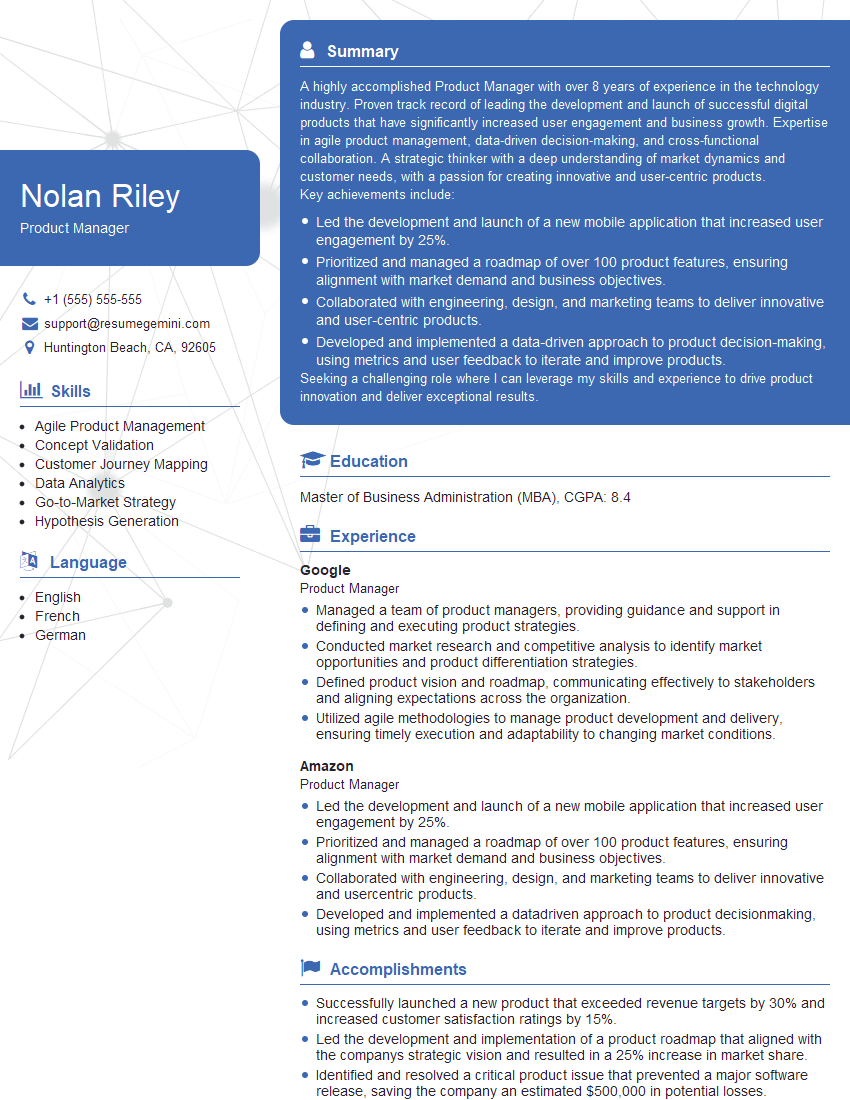
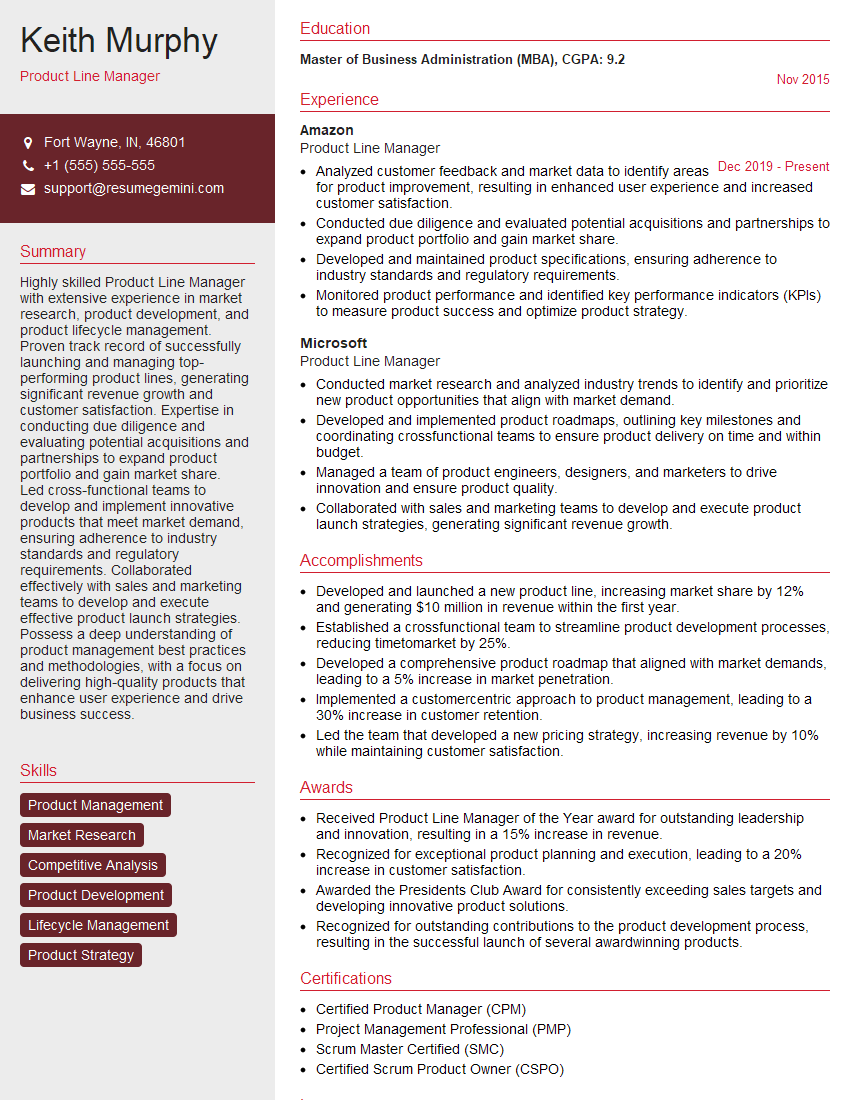
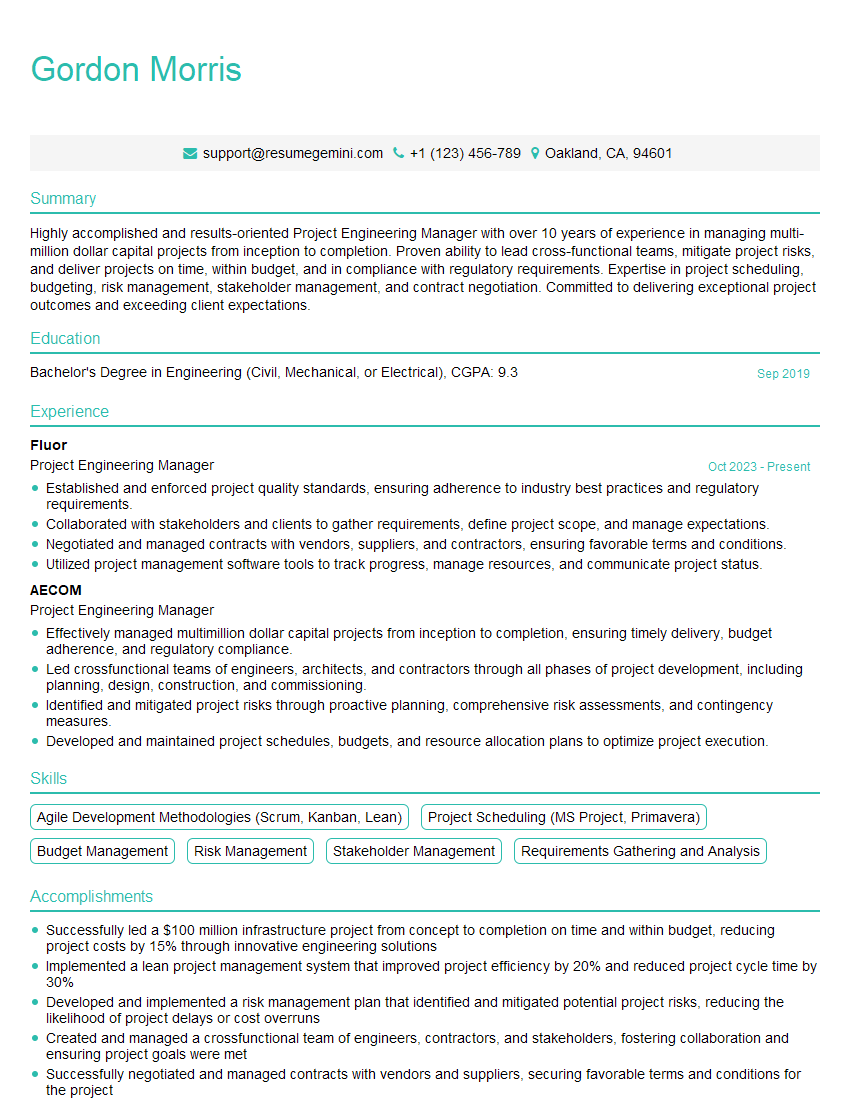
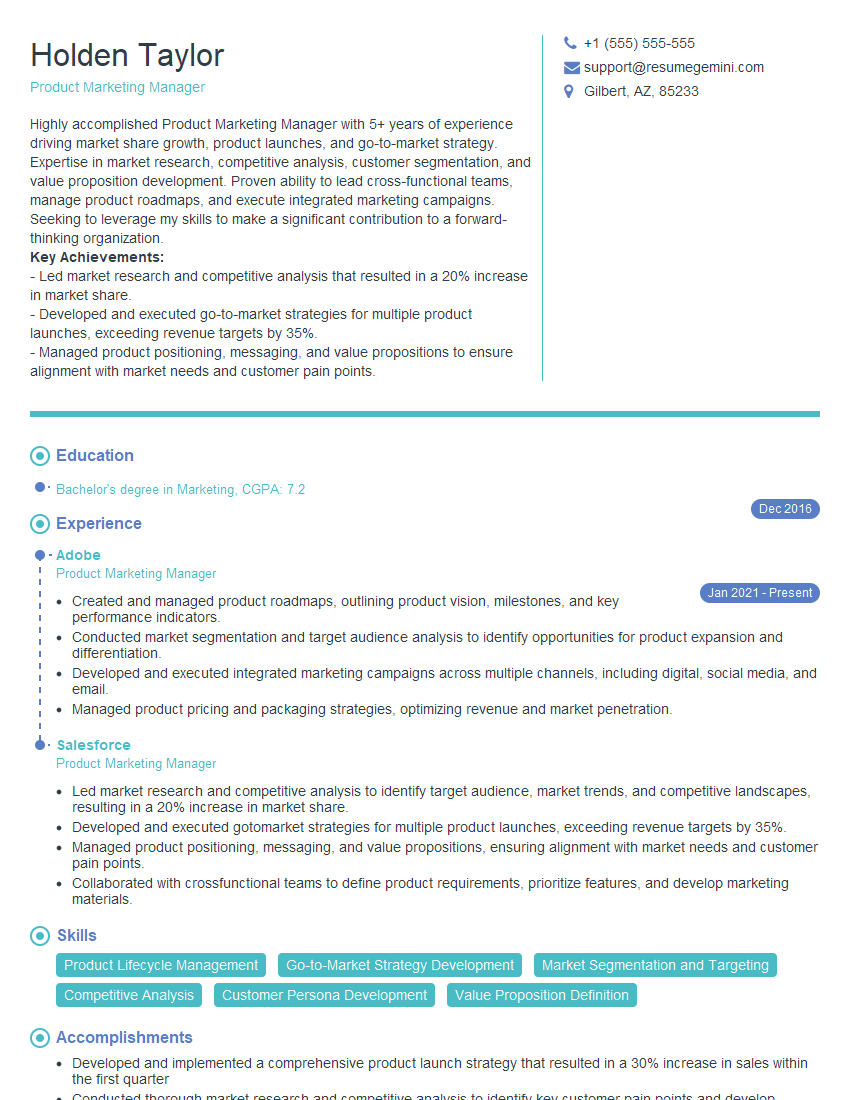
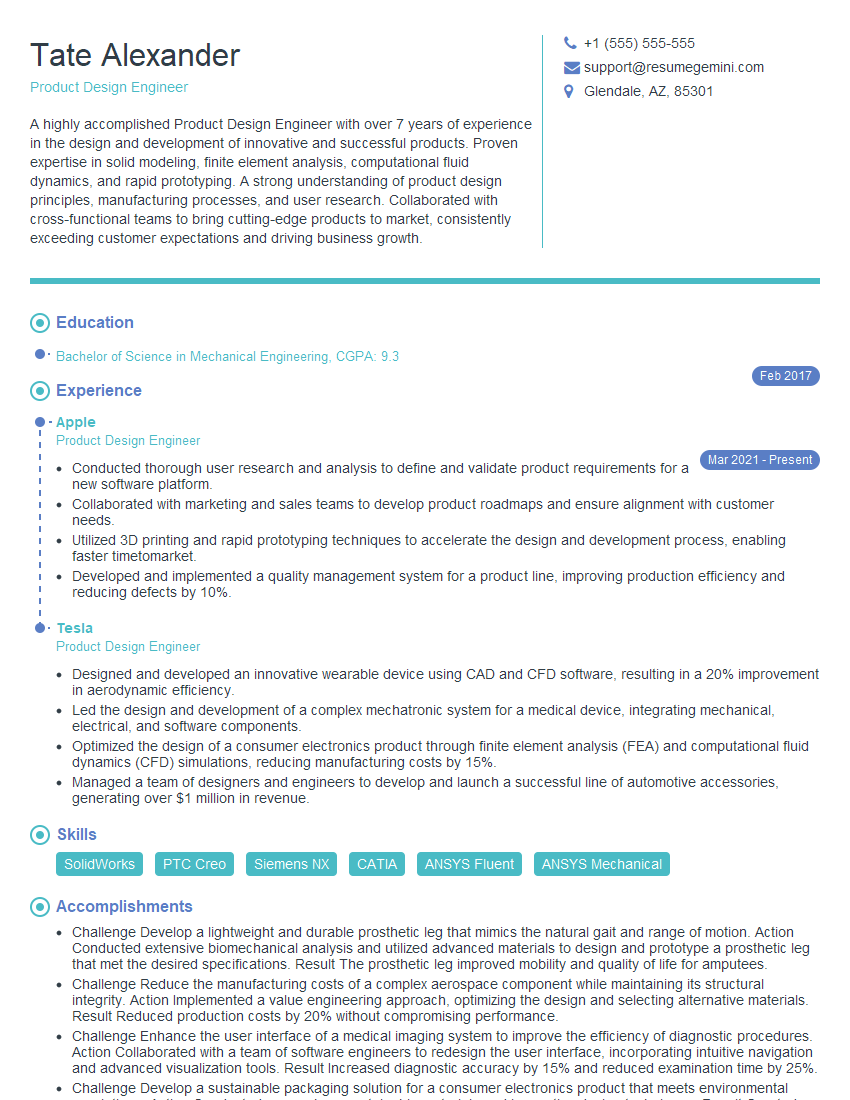
Mastering New Product Introduction (NPI) management significantly enhances your career prospects, opening doors to leadership roles and increased earning potential. A well-crafted resume is your key to unlocking these opportunities. Creating an ATS-friendly resume is crucial for getting your application noticed. We highly recommend using ResumeGemini to build a professional and impactful resume that showcases your NPI expertise. ResumeGemini provides tools and resources to help you create a compelling narrative, and examples of resumes tailored to New Product Introduction (NPI) management are available to guide you. Invest time in crafting a strong resume – it’s your first impression and sets the stage for interview success.

Explore more articles
Users Rating of Our Blogs
Share Your Experience
We value your feedback! Please rate our content and share your thoughts (optional).
What Readers Say About Our Blog
Very informative content, great job.
good