Interviews are opportunities to demonstrate your expertise, and this guide is here to help you shine. Explore the essential Non-Profit Management and Board Development interview questions that employers frequently ask, paired with strategies for crafting responses that set you apart from the competition.
Questions Asked in Non-Profit Management and Board Development Interview
Q 1. Describe your experience with developing and managing a nonprofit budget.
Developing and managing a nonprofit budget requires a deep understanding of both financial constraints and mission alignment. It’s not just about balancing the books; it’s about ensuring the organization can effectively achieve its goals. My approach involves a multi-stage process.
- Planning & Forecasting: I begin by collaborating with program directors and staff to develop realistic revenue projections based on past performance, grant applications, and fundraising targets. This involves carefully analyzing program costs and identifying areas for potential efficiencies. For example, at my previous organization, we used a zero-based budgeting approach, requiring justification for every expense line, leading to a 15% reduction in administrative costs.
- Budget Development: This involves translating the revenue projections and expense forecasts into a comprehensive budget document, categorized by program, department, and function. I ensure the budget is aligned with the organization’s strategic plan and reflects its priorities. We utilized a software program to create interactive budget models, facilitating revisions and scenario planning.
- Monitoring & Reporting: Throughout the fiscal year, I closely track actual expenditures against the budgeted amounts. Regular reporting to the finance committee and board of directors highlights variances and allows for timely corrective action. For instance, I implemented a monthly variance analysis report, instantly identifying deviations and enabling proactive measures.
- Auditing & Compliance: Ensuring the budget adheres to all relevant accounting standards and regulations is crucial. This involves regular internal reviews and external audits to maintain transparency and accountability. In one instance, I led our organization through a successful financial audit, highlighting our sound financial management practices.
Q 2. How would you assess the effectiveness of a nonprofit’s board of directors?
Assessing a nonprofit board’s effectiveness requires a holistic approach, evaluating its performance across several key areas. I would use a combination of quantitative and qualitative methods.
- Strategic Guidance: Does the board actively participate in strategic planning? Do they provide insightful feedback and challenge assumptions? A weak board may simply rubber-stamp management proposals, lacking strategic input.
- Fundraising & Resource Development: Are board members actively involved in fundraising activities, leveraging their networks to secure donations and grants? A strong board uses its collective influence to enhance resource mobilization. We once saw a significant increase in donations after a board-led fundraising campaign targeting high-net-worth individuals.
- Financial Oversight: Does the board demonstrate a thorough understanding of the organization’s financial position and ensure sound financial management practices? Regular review of financial reports and engagement with the finance committee are crucial. A board lacking financial literacy may fail to detect potential problems.
- Governance & Compliance: Does the board adhere to all legal and regulatory requirements? Do they have clearly defined roles and responsibilities? I’d review board meeting minutes, policies, and procedures to assess adherence to best practices.
- Board Member Engagement & Diversity: Are board members actively engaged, contributing their time and expertise effectively? A diverse board, representing different perspectives and expertise, is more likely to make effective decisions. We measured board engagement through attendance rates, participation in committee work and feedback on board surveys.
By systematically evaluating these areas, I can provide a comprehensive assessment of the board’s effectiveness and identify areas for improvement, possibly through board training, restructuring or recruitment.
Q 3. Explain your approach to strategic planning in a nonprofit context.
My approach to strategic planning in a nonprofit context is participatory, data-driven, and outcome-focused. It’s not just about creating a document; it’s about fostering a shared vision and creating a roadmap for the future.
- Needs Assessment & Environmental Scan: I begin by thoroughly understanding the needs of the community the organization serves and analyzing the external environment (competitor analysis, funding landscape, etc.). This may involve surveys, focus groups, and data analysis. For example, at one organization, we used demographic data to identify underserved populations, leading to a shift in program focus.
- Vision, Mission, and Values Review: A clear articulation of the organization’s vision, mission, and values is crucial. This ensures all activities remain aligned with its core purpose.
- Stakeholder Engagement: Strategic planning is a collaborative process. I involve key stakeholders, including staff, board members, beneficiaries, and funders, to ensure buy-in and diverse perspectives.
- Goal Setting & Strategy Development: Based on the needs assessment and stakeholder input, I help the organization define SMART (Specific, Measurable, Achievable, Relevant, and Time-bound) goals and develop strategies to achieve them. I use SWOT (Strengths, Weaknesses, Opportunities, and Threats) analysis to identify opportunities and address potential challenges.
- Implementation & Monitoring: The strategic plan is not just a document; it’s a living document that needs to be actively implemented and monitored. Regular review and adjustment are crucial to ensure it remains relevant and effective. We use project management tools to track progress towards goals and make adjustments as needed.
Q 4. What metrics would you use to measure the success of a nonprofit program?
Measuring the success of a nonprofit program requires a combination of qualitative and quantitative metrics, tailored to the specific program goals. It’s crucial to avoid solely relying on easily quantifiable metrics, as they may not capture the full impact of the program.
- Quantitative Metrics: These include things like number of individuals served, program participation rates, cost per participant, and changes in specific outcomes (e.g., improved test scores, reduced hospital readmissions). For example, tracking the number of children served in an after-school program is a good start, but we’d also track improvements in their academic performance or social skills.
- Qualitative Metrics: These often involve gathering feedback through surveys, interviews, and focus groups to understand the program’s impact on beneficiaries’ lives. For instance, in a job training program, we might conduct interviews to assess participants’ job satisfaction and career advancement.
- Process Metrics: These measure how efficiently and effectively a program is being delivered, such as staff satisfaction, volunteer retention rates and program completion rates.
- Financial Metrics: These include program expenses, cost-effectiveness analysis, and return on investment, helping assess the program’s efficiency.
Combining quantitative and qualitative data provides a much richer and more accurate picture of the program’s impact.
Q 5. How do you handle conflicts between board members?
Handling conflicts between board members requires diplomacy, fairness, and a focus on the organization’s best interests. My approach is guided by principles of respectful communication and conflict resolution.
- Facilitation and Mediation: I would strive to create a safe space for open communication, encouraging board members to express their concerns respectfully. I might facilitate a structured discussion to understand the root causes of the conflict.
- Identifying Shared Goals: I would focus on reminding board members of their shared commitment to the organization’s mission and goals. Highlighting the potential negative impact of the conflict on the organization’s effectiveness can often encourage a more collaborative approach.
- Seeking External Expertise: If the conflict is intractable, I might recommend seeking the guidance of a neutral third party, such as a mediator or facilitator, to help resolve the conflict constructively. If the conflict is severe and impacts governance we might consider a board retreat led by a facilitator.
- Setting Clear Expectations and Procedures: Having well-defined board governance policies and procedures in place helps to prevent and address conflicts effectively. These policies should address conflict resolution, providing a structured process for dealing with disagreements.
- Documentation: Careful documentation of all discussions, decisions, and actions taken regarding the conflict is crucial to maintain transparency and ensure accountability.
Ultimately, the goal is to resolve conflicts in a way that preserves the board’s effectiveness and strengthens its unity.
Q 6. Describe your experience with grant writing and proposal development.
My experience in grant writing and proposal development spans many years and numerous successful grant applications. I understand the importance of crafting compelling narratives that resonate with funders and showcase the organization’s impact.
- Research & Prospecting: The process begins with identifying potential funding sources whose priorities align with the organization’s mission and program goals. This involves researching grant opportunities and tailoring proposals to match specific funder requirements.
- Needs Assessment & Logic Model: A strong grant proposal clearly articulates the problem being addressed, the proposed solution, and the expected outcomes. Developing a logic model helps visualize the program’s theory of change and demonstrates how activities will lead to desired results.
- Compelling Narrative & Data: The proposal’s narrative should be engaging and persuasive, highlighting the significance of the work and demonstrating the organization’s expertise and capacity. Strong data, including baseline data, and projected outcomes are crucial to support the proposal’s claims.
- Budget Development & Justification: A detailed and well-justified budget is essential to demonstrate the organization’s financial management capabilities and the cost-effectiveness of the proposed program.
- Proposal Submission & Follow-up: Submitting the proposal on time and following up with the funder as appropriate is essential. I have a high success rate in securing funding through diligent attention to these details.
Q 7. What is your experience with fundraising strategies?
My experience with fundraising strategies encompasses a diverse range of techniques, tailored to the specific needs and resources of each organization. I believe in a diversified approach, combining several fundraising methods to maximize results.
- Individual Giving: Cultivating relationships with individual donors, developing donor stewardship programs, and leveraging major gifts is crucial. This often involves personalized communication and recognition.
- Grant Writing: Securing grants from foundations, corporations, and government agencies is a significant source of revenue for many nonprofits. My approach focuses on building strong relationships with funders and submitting high-quality proposals.
- Corporate Partnerships: Developing collaborations with corporations can provide both financial support and in-kind resources. This often involves creating mutually beneficial partnerships. At one organization I secured a multi-year sponsorship with a local company supporting our annual event.
- Event Fundraising: Organizing fundraising events, such as galas, auctions, and walks/runs can generate significant income and enhance community engagement. Effective event planning and marketing are key.
- Crowdfunding & Online Giving: Utilizing online platforms to reach a broader audience and engage supporters is increasingly important. A well-designed online fundraising campaign can expand reach and engagement.
- Planned Giving: Engaging with donors interested in making legacy gifts through wills or trusts is a critical long-term fundraising strategy.
In all of these areas, I prioritize data-driven decision-making and regular evaluation of fundraising efforts to ensure maximum effectiveness and resource allocation.
Q 8. How would you cultivate relationships with major donors?
Cultivating relationships with major donors is a crucial aspect of nonprofit sustainability. It’s not simply about asking for money; it’s about building genuine, long-term partnerships based on trust and shared values. This involves a multi-faceted approach:
Strategic Identification: Research and identify individuals or foundations whose philanthropic interests align with your organization’s mission. Don’t just focus on wealth; consider their passion for your cause.
Personalized Communication: Avoid generic solicitations. Craft tailored communications that showcase the impact of your work and highlight how a donation will specifically contribute to achieving your goals. This might involve storytelling, highlighting individual success stories, or providing data-driven evidence of your effectiveness.
Relationship Building: Invest time in getting to know your donors. Invite them to events, provide updates on your progress, and seek their advice. Demonstrate transparency and accountability in how you manage their contributions.
Cultivation Events: Host exclusive events for major donors, providing opportunities for networking and deeper engagement with your organization’s mission. This could be anything from a private dinner to a behind-the-scenes tour of your programs.
Stewardship: Regularly acknowledge and appreciate their contributions. Provide detailed reports on how their donations have been used and the impact they have had. This demonstrates respect and builds loyalty.
For example, in my previous role, I cultivated a relationship with a foundation interested in environmental conservation. By understanding their specific priorities, we tailored a proposal showcasing how our reforestation project directly addressed their concerns about climate change and biodiversity loss. This resulted in a significant multi-year grant.
Q 9. How do you ensure compliance with relevant regulations and laws?
Ensuring compliance with relevant regulations and laws is paramount for nonprofit organizations. Failure to comply can lead to significant legal and reputational damage. My approach involves a proactive, multi-layered strategy:
Regular Reviews: Conduct regular reviews of all relevant laws and regulations, including those pertaining to tax-exempt status (e.g., 501(c)(3) in the US), fundraising regulations, labor laws, and data privacy (GDPR, CCPA).
Internal Controls: Implement robust internal controls and financial procedures to ensure transparency and accountability in all financial transactions. This includes segregation of duties, regular audits, and a strong system of checks and balances.
Legal Counsel: Engage with legal counsel specializing in nonprofit law to receive advice on complex issues and ensure compliance. This is crucial for navigating nuanced legal landscapes.
Board Oversight: The board of directors plays a vital role in overseeing compliance. Regular reports should be presented to the board, highlighting key compliance activities and any potential risks.
Training: Provide regular training to staff and volunteers on relevant laws and regulations. This ensures everyone understands their responsibilities and the importance of compliance.
For instance, I was instrumental in implementing a new data privacy policy that aligned with GDPR regulations, ensuring the organization’s compliance and safeguarding sensitive donor information. This proactive approach not only avoided potential penalties but also strengthened the organization’s credibility and trust with stakeholders.
Q 10. How do you manage and motivate a team of volunteers?
Managing and motivating a team of volunteers requires a different approach than managing paid staff. It’s about fostering a sense of purpose, appreciation, and community. My strategy focuses on:
Clear Roles and Responsibilities: Clearly define roles, responsibilities, and expectations for each volunteer. Provide comprehensive training and support to ensure they have the skills and resources to succeed.
Recognition and Appreciation: Regularly acknowledge and appreciate the contributions of volunteers. Publicly celebrate their accomplishments and contributions through newsletters, emails, or events. Small gestures of appreciation go a long way.
Effective Communication: Maintain open and transparent communication. Regular updates, meetings, and feedback sessions help keep volunteers informed and engaged.
Opportunities for Growth: Offer opportunities for professional development and skill-building. Allowing volunteers to take on new challenges and responsibilities increases their engagement and job satisfaction.
Flexible Scheduling: Recognize that volunteers have other commitments. Offer flexible scheduling options to accommodate their needs. This demonstrates respect for their time and commitment.
In one instance, I created a mentorship program pairing experienced volunteers with new ones, fostering a sense of community and providing support. This significantly improved volunteer retention rates and overall engagement.
Q 11. Describe your experience with developing and implementing a communication plan.
Developing and implementing a communication plan is critical for nonprofit success. It involves a strategic approach to disseminating information to diverse audiences (donors, volunteers, beneficiaries, the public). My experience includes:
Defining Objectives: Clearly define the communication objectives. What message needs to be conveyed? What actions do you want to achieve? (e.g., increase donations, recruit volunteers, raise awareness).
Target Audience Analysis: Identify your key audiences and understand their communication preferences. Different audiences require different approaches (e.g., social media for younger audiences, email for older donors).
Message Development: Craft compelling and consistent messages that align with your organization’s mission and values. Use storytelling and data-driven evidence to demonstrate impact.
Channel Selection: Choose appropriate communication channels (e.g., website, social media, email marketing, newsletters, press releases, events). A multi-channel strategy is often most effective.
Budget Allocation: Allocate sufficient budget for communication activities. This might include website development, graphic design, printing, advertising, and staff time.
Monitoring and Evaluation: Track key metrics to assess the effectiveness of your communication efforts. This might include website traffic, social media engagement, email open rates, and donations received.
For example, I implemented a comprehensive communication plan that included a revamped website, a new social media strategy, and a monthly e-newsletter. This resulted in a significant increase in website traffic, social media engagement, and ultimately, donations.
Q 12. How do you measure the impact of a nonprofit’s programs?
Measuring the impact of a nonprofit’s programs is essential for demonstrating accountability and securing future funding. It requires a structured approach:
Define Measurable Outcomes: Establish clear, measurable, achievable, relevant, and time-bound (SMART) goals for your programs. What specific changes do you want to see as a result of your programs?
Data Collection: Develop a system for collecting relevant data throughout the program. This might include surveys, interviews, case studies, statistical analysis, and tracking key performance indicators (KPIs).
Data Analysis: Analyze the collected data to assess the impact of your programs. Use statistical methods to determine if your programs have achieved their intended outcomes.
Reporting: Prepare regular reports that clearly communicate the results of your impact assessments. Use visuals like graphs and charts to make your findings easy to understand.
Adaptive Management: Use the data to inform program adjustments and improvements. A continuous improvement cycle is crucial for maximizing program effectiveness.
For instance, in a literacy program, we measured impact by tracking students’ reading levels before and after program participation. This data allowed us to demonstrate the program’s effectiveness and justify continued funding.
Q 13. What is your experience with developing and implementing a risk management plan?
Developing and implementing a risk management plan is crucial for the long-term health and stability of a nonprofit. This involves identifying, assessing, and mitigating potential threats. My experience encompasses:
Risk Identification: Conduct a thorough assessment of potential risks, considering factors such as financial risks, legal risks, reputational risks, operational risks, and strategic risks.
Risk Assessment: Evaluate the likelihood and potential impact of each identified risk. Prioritize risks based on their severity.
Risk Mitigation Strategies: Develop strategies to mitigate identified risks. This might include implementing internal controls, purchasing insurance, developing contingency plans, or establishing policies and procedures.
Risk Monitoring: Regularly monitor and review identified risks. Update the risk management plan as needed based on changes in the organization’s environment or operations.
Communication and Reporting: Communicate the risk management plan to the board of directors and key staff. Provide regular updates on risk assessments and mitigation efforts.
For example, I led the development of a risk management plan that included provisions for cyber security threats, financial fraud, and potential natural disasters. This proactive approach protected the organization from significant financial and reputational losses.
Q 14. Describe your experience with nonprofit financial reporting and auditing.
Nonprofit financial reporting and auditing are essential for maintaining transparency, accountability, and securing funding. My experience includes:
Financial Record Keeping: Maintaining accurate and complete financial records using a sound accounting system. This includes tracking income, expenses, assets, and liabilities.
Budgeting and Forecasting: Developing and managing annual budgets and forecasts. This includes projecting revenue and expenses and monitoring performance against the budget.
Financial Reporting: Preparing regular financial reports for the board of directors, funders, and other stakeholders. These reports should be clear, concise, and comply with generally accepted accounting principles (GAAP).
Auditing: Working with external auditors to conduct annual audits of the organization’s financial statements. This ensures the accuracy and reliability of the financial information.
Compliance: Ensuring compliance with all relevant laws and regulations regarding nonprofit financial reporting and auditing. This includes adhering to IRS regulations for tax-exempt organizations.
For example, I successfully managed the financial reporting and auditing process for an organization with a multi-million dollar budget. I ensured timely and accurate reporting, leading to increased confidence among donors and stakeholders.
Q 15. How would you handle a situation where a program is not meeting its objectives?
When a program isn’t meeting its objectives, it’s crucial to adopt a systematic approach that combines data analysis, stakeholder engagement, and strategic adaptation. First, we thoroughly analyze the program’s performance data. This involves comparing actual results against the established goals and identifying any significant discrepancies. Are we falling short in specific areas? Are our target demographics not engaging as expected? Are there external factors impacting our success?
Next, I would convene a meeting with the program staff and relevant stakeholders to discuss the findings. This is a collaborative effort; everyone’s perspective is valuable. We brainstorm potential causes for the shortfall, considering everything from insufficient resources to ineffective strategies. For example, if a community outreach program is failing to attract participants, we might need to revise our marketing materials, change the program’s timing, or explore alternative outreach methods.
Once we’ve identified the root causes, we develop a corrective action plan. This might involve adjusting the program’s design, reallocating resources, securing additional funding, or even temporarily suspending the program to allow for a complete overhaul. It’s essential to set clear, measurable goals for the revised program and track progress regularly to ensure the corrective actions are effective. Continuous monitoring and evaluation are key to making data-driven adjustments.
For instance, in a previous role, we discovered that a youth mentorship program wasn’t engaging its intended audience. By analyzing feedback from both mentors and mentees, we realized the program’s schedule clashed with school activities. We adjusted the schedule, resulting in a significant increase in participation and ultimately program success.
Career Expert Tips:
- Ace those interviews! Prepare effectively by reviewing the Top 50 Most Common Interview Questions on ResumeGemini.
- Navigate your job search with confidence! Explore a wide range of Career Tips on ResumeGemini. Learn about common challenges and recommendations to overcome them.
- Craft the perfect resume! Master the Art of Resume Writing with ResumeGemini’s guide. Showcase your unique qualifications and achievements effectively.
- Don’t miss out on holiday savings! Build your dream resume with ResumeGemini’s ATS optimized templates.
Q 16. How do you ensure the diversity and inclusion of your board and staff?
Diversity and inclusion are not just buzzwords; they’re essential for a thriving non-profit. Building a diverse board and staff requires a multi-pronged strategy that begins with intentional recruitment. We need to actively seek out individuals from underrepresented groups and ensure our recruitment processes are inclusive and accessible. This might involve partnering with organizations that advocate for diversity, targeting diverse professional networks, and using inclusive language in our job descriptions and outreach materials.
Beyond recruitment, fostering inclusivity is crucial. This means creating a work environment where everyone feels valued, respected, and empowered to contribute their unique perspectives. We achieve this by implementing diversity and inclusion training, establishing clear policies against discrimination and harassment, and promoting a culture of open communication and mutual respect. We also conduct regular diversity audits to assess our progress and identify areas for improvement.
For effective board diversity, we need to consider not just race and gender, but also age, professional background, and lived experience. A diverse board brings a wider range of perspectives, skills, and networks to the organization, enhancing decision-making and enabling us to better serve our community. A strategy I’ve utilized successfully includes partnering with diverse leadership networks and using targeted outreach to reach potential board members from underrepresented groups.
Q 17. Explain your understanding of different fundraising models (e.g., major gifts, crowdfunding).
Non-profit fundraising relies on a diverse portfolio of models, each with its strengths and weaknesses. Major gifts involve cultivating relationships with high-net-worth individuals and foundations to secure substantial donations. This requires careful cultivation, personalized communication, and a strong understanding of philanthropic motivations. It’s a long-term strategy with potentially significant returns.
Crowdfunding, on the other hand, leverages the power of online platforms to raise smaller donations from a large number of individuals. It’s a great way to build community engagement and awareness, but it typically requires a strong online presence and a compelling narrative. It also often involves careful management of the campaign timeline and communications.
Other models include grant writing (seeking funding from foundations and government agencies), corporate sponsorships (partnering with businesses for funding and resources), and event fundraising (hosting events to generate revenue). The most successful non-profits often use a blended approach, diversifying their fundraising strategies to mitigate risk and maximize their potential.
For example, in a previous organization, we successfully blended major gifts with crowdfunding to launch a new youth program. Major gifts provided seed funding, while crowdfunding generated excitement, community engagement, and additional funding. This combined approach resulted in a successful program launch and a strong foundation for future growth.
Q 18. Describe your experience with building partnerships with other organizations.
Building effective partnerships is fundamental to a non-profit’s success. It starts with identifying organizations that share our mission and have complementary resources or expertise. This requires thorough research and networking within the community. Once potential partners are identified, it’s essential to develop strong, mutually beneficial relationships based on trust and transparency.
This involves clear communication, shared goals, and a collaborative approach to project planning and implementation. We need to be mindful of each partner’s capabilities and constraints, ensuring that the collaboration leverages the strengths of everyone involved. For example, I’ve successfully partnered with local businesses to provide resources for our programs, resulting in increased program impact and community engagement. We offered businesses prominent branding opportunities in exchange for their support, creating a win-win scenario.
Formal agreements, such as Memoranda of Understanding (MOUs), can help define roles, responsibilities, and expectations, ensuring that the partnership runs smoothly. Regular communication, progress monitoring, and conflict resolution mechanisms are critical for maintaining a healthy and productive partnership. Building a network of strong partnerships not only expands our reach and resources but also enhances the overall impact of our work.
Q 19. How would you manage stakeholder expectations?
Managing stakeholder expectations involves proactive communication, transparency, and realistic goal-setting. It’s about keeping everyone informed of progress, challenges, and changes in the organization’s plans. This involves regular communication through various channels, such as newsletters, meetings, and social media updates. Transparency builds trust and fosters a sense of shared ownership. We should also actively solicit feedback and address concerns promptly and openly.
Setting realistic expectations from the outset is crucial. This involves clear communication of the organization’s goals, timelines, and limitations. When challenges arise, we should communicate them transparently, explaining the situation and outlining potential solutions. This proactive approach prevents misunderstandings and maintains trust. It’s important to be responsive, acknowledging concerns and working towards solutions.
For example, when launching a capital campaign, we provided regular updates to donors, including detailed reports on progress and challenges. This transparency helped manage expectations and maintain donor engagement, ultimately leading to a successful campaign. Open communication and transparency are key to fostering positive relationships with all stakeholders.
Q 20. What is your experience with board recruitment and onboarding?
Effective board recruitment and onboarding are crucial for a strong and well-functioning board. Recruitment involves identifying individuals who possess the necessary skills, experience, and commitment to contribute meaningfully to the organization’s mission. This often involves a combination of networking, outreach, and targeted recruitment strategies. We need to carefully consider diversity and inclusivity in our recruitment efforts.
Onboarding new board members requires a structured process that begins well before their first official meeting. This involves providing them with access to relevant organizational documents, introducing them to key staff and board members, and clearly outlining their roles, responsibilities, and expectations. We provide thorough training on the organization’s mission, finances, and governance procedures. This ensures they are well-equipped to participate effectively from the start.
Regularly scheduled meetings and ongoing communication are crucial to keeping board members informed and engaged. This might include providing updates on the organization’s progress, soliciting feedback, and seeking their input on strategic decisions. Effective onboarding and ongoing support ensure that board members feel valued, well-informed, and fully engaged in the organization’s work. In the past, I’ve mentored new board members, providing guidance and support to help them transition smoothly into their roles.
Q 21. How do you utilize technology to improve nonprofit operations?
Technology plays a transformative role in improving non-profit operations, enhancing efficiency, and expanding reach. This includes utilizing Customer Relationship Management (CRM) systems to manage donor relationships, track donations, and streamline communications. Salesforce Nonprofit Success Pack, for instance, is a powerful tool for managing donor data and tracking interactions. Cloud-based solutions for accounting and finance, such as Xero or QuickBooks Online, improve financial management and reporting.
Project management software, such as Asana or Trello, can help manage projects, track progress, and improve collaboration among staff and volunteers. Website and social media platforms are essential for building brand awareness, engaging with constituents, and disseminating information. Data analytics tools enable us to track program outcomes, measure impact, and make data-driven decisions.
Secure online donation platforms, such as PayPal Giving Fund or Network for Good, simplify the donation process for donors, increasing efficiency and reducing administrative burdens. These tools aren’t just about efficiency, they are about enhancing the impact of our work by allowing us to focus on our core mission rather than administrative tasks. The effective utilization of these technologies transforms a non-profit’s ability to serve its mission.
Q 22. Describe your experience with developing and managing a nonprofit’s website and social media presence.
Developing and managing a nonprofit’s online presence requires a multifaceted approach, blending strategic planning with consistent execution. It’s not just about having a website and social media accounts; it’s about leveraging them to achieve the organization’s mission.
For instance, at my previous organization, we completely revamped our website, moving from a static, outdated platform to a dynamic, user-friendly site with a robust content management system (CMS). This involved not only the visual design but also ensuring the site was accessible to people with disabilities and optimized for search engines (SEO). We implemented a blog to share impactful stories, created online donation forms, and integrated our social media feeds for enhanced engagement.
On the social media front, we developed a comprehensive strategy tailored to each platform. We utilized Facebook for community building and event promotion, Twitter for timely updates and news dissemination, and Instagram for visual storytelling. Regular content calendars were crucial, ensuring a consistent flow of engaging materials. We also utilized analytics to track performance and adapt our strategies accordingly. For example, we noticed high engagement with our behind-the-scenes Instagram stories, so we increased their frequency. Success hinged on understanding our target audience and tailoring our message to resonate with them across different platforms.
Q 23. How do you evaluate the effectiveness of marketing and communications efforts?
Evaluating marketing and communication effectiveness requires a blend of quantitative and qualitative data. Simply measuring likes and shares isn’t sufficient; we need to understand if those actions translate into tangible results.
My approach involves setting clear, measurable goals upfront, for example, increasing website traffic by 20% or boosting donations by 15%. Then, I track key performance indicators (KPIs) such as website traffic (using Google Analytics), social media engagement, email open rates, and most importantly, the conversion rates – did website visitors donate, sign up for our newsletter, or attend our events?
Qualitative data is equally important. We conduct surveys, focus groups, and analyze feedback to understand how our messaging is resonating with our audience. For example, after launching a new awareness campaign, we conducted a survey to gauge public perception of the organization and understand if the campaign addressed their concerns effectively. By integrating both quantitative and qualitative data, we obtain a holistic view of our impact and refine our strategies accordingly.
Q 24. Explain your understanding of different legal structures for nonprofits.
Nonprofits operate under various legal structures, each with its own implications for taxation, liability, and governance. Understanding these differences is crucial for establishing a sustainable and compliant organization.
- 501(c)(3) organizations are the most common type in the US, offering tax-exempt status for both the organization and its donors. They are restricted from engaging in political activities and must operate for a public or charitable purpose.
- 501(c)(4) organizations can engage in political advocacy, but their donations are not tax-deductible.
- Unincorporated associations are simpler to establish but offer less liability protection for their members. They typically operate under less stringent regulatory requirements.
- Public charities receive a significant portion of their funding from the public, while private foundations primarily rely on endowment funds.
Choosing the right structure is a critical decision that should be made in consultation with legal and financial professionals, considering factors such as mission, fundraising strategies, and long-term goals.
Q 25. How do you ensure the long-term sustainability of a nonprofit organization?
Ensuring long-term sustainability requires a proactive and multifaceted approach. It’s about building a strong foundation that can weather unforeseen challenges.
- Diversified Funding Streams: Relying solely on grants or individual donations is risky. A sustainable organization explores diverse funding avenues, such as corporate sponsorships, endowment building, program-related investments, and social enterprises.
- Strong Governance and Board Leadership: A well-functioning board, with diverse skills and commitment, provides strategic direction and oversight. Regular board training is essential for effective governance.
- Financial Management and Planning: This includes robust budgeting, financial reporting, and long-term financial planning. This ensures the organization has the resources to achieve its mission.
- Program Evaluation and Impact Measurement: Regularly evaluating programs ensures they are effective and making a tangible difference. Demonstrating impact strengthens the organization’s case for continued funding and support.
- Community Engagement: Building strong relationships with stakeholders, including beneficiaries, donors, volunteers, and the wider community, fosters trust and support.
Sustainability is not a one-time achievement, but an ongoing process requiring continuous adaptation and improvement.
Q 26. How do you manage donor database and data privacy compliance?
Managing a donor database requires a combination of robust software and diligent adherence to data privacy regulations.
We use a dedicated donor management system (like Raiser’s Edge or DonorPerfect) to store and manage donor information securely. This software allows us to track donations, communication preferences, and engagement levels, enabling personalized outreach and stewardship. Crucially, data security is paramount. This involves implementing strong passwords, access controls, encryption, and regular security audits. We adhere strictly to regulations like GDPR and CCPA, ensuring transparency with donors about data collection and usage. We have clear privacy policies, easily accessible on our website and in all communications. We regularly train staff on data protection protocols. For example, we use double opt-in for email subscriptions, providing donors with clear control over their information. Failure to comply with data protection regulations can result in hefty fines and irreparable damage to the organization’s reputation.
Q 27. Describe your experience with performance management and employee development within a nonprofit setting.
Performance management and employee development are crucial for creating a high-performing and engaged team in a nonprofit setting.
My approach emphasizes regular check-ins, clear expectations, and opportunities for growth. We use a performance management system that includes goal setting, regular performance reviews, and feedback sessions. We encourage employees to identify their professional development goals, providing training, mentorship, and opportunities for advancement. We also prioritize a positive and supportive work environment, recognizing that highly engaged employees are more likely to be productive and contribute meaningfully to the organization’s mission. For instance, we might offer workshops on grant writing, project management, or leadership skills. We also encourage cross-training to broaden employees’ skillsets and offer opportunities for leadership roles within the organization to foster internal growth and retention.
Q 28. How would you respond to a crisis affecting the organization’s reputation?
Responding to a reputational crisis requires a swift, transparent, and empathetic approach. The first step is to assess the situation, identify the root cause, and determine the extent of the damage. Then, we assemble a crisis communication team, involving key stakeholders like the executive director, board members, and legal counsel.
Our response would prioritize:
- Swift and Honest Communication: We would acknowledge the issue, express empathy, and provide accurate information to address public concerns.
- Transparency: We wouldn’t attempt to hide or minimize the situation. Openness is key to building trust.
- Proactive Damage Control: We’d take corrective actions to address the root cause of the crisis, actively engaging with affected parties and stakeholders.
- Monitoring and Evaluation: We would closely monitor media coverage and public sentiment, adapting our communications strategy as needed.
For example, if a critical news report emerged, we would issue a press release addressing the concerns raised, detailing the steps taken to rectify the situation and commit to preventing future occurrences. We would also engage directly with concerned individuals and groups, demonstrating our willingness to listen and learn. A well-managed crisis can present an opportunity to strengthen the organization’s reputation through demonstrating accountability and commitment to its mission.
Key Topics to Learn for Non-Profit Management and Board Development Interview
- Strategic Planning & Fundraising: Understanding the development and implementation of strategic plans, including budgeting, resource allocation, and diverse fundraising strategies (e.g., grants, individual donations, corporate sponsorships).
- Board Governance & Dynamics: Knowing the roles and responsibilities of board members, effective communication strategies within the board, and navigating potential conflicts of interest. Practical application includes understanding Robert’s Rules of Order and facilitating productive board meetings.
- Program Management & Evaluation: Designing, implementing, and evaluating successful non-profit programs. This includes setting measurable goals, collecting data, and demonstrating program impact. Consider using frameworks like the logic model.
- Financial Management & Reporting: Demonstrating a clear understanding of non-profit accounting principles, budgeting processes, and the importance of transparent financial reporting to donors and stakeholders.
- Compliance & Risk Management: Familiarity with relevant legal and regulatory frameworks governing non-profits, including understanding risk assessment and mitigation strategies.
- Stakeholder Engagement & Communications: Developing and maintaining strong relationships with donors, volunteers, beneficiaries, and the wider community. This includes effective communication strategies across various channels.
- Diversity, Equity, and Inclusion (DEI): Understanding the principles of DEI and how to integrate them into all aspects of non-profit operations and governance. Practical application involves developing inclusive strategies and policies.
Next Steps
Mastering Non-Profit Management and Board Development opens doors to impactful and rewarding careers. A strong understanding of these key areas significantly enhances your marketability and positions you for leadership roles within the sector. To maximize your job prospects, creating an ATS-friendly resume is crucial. ResumeGemini is a trusted resource to help you build a professional and effective resume that showcases your skills and experience. Examples of resumes tailored to Non-Profit Management and Board Development are available to guide your creation process.
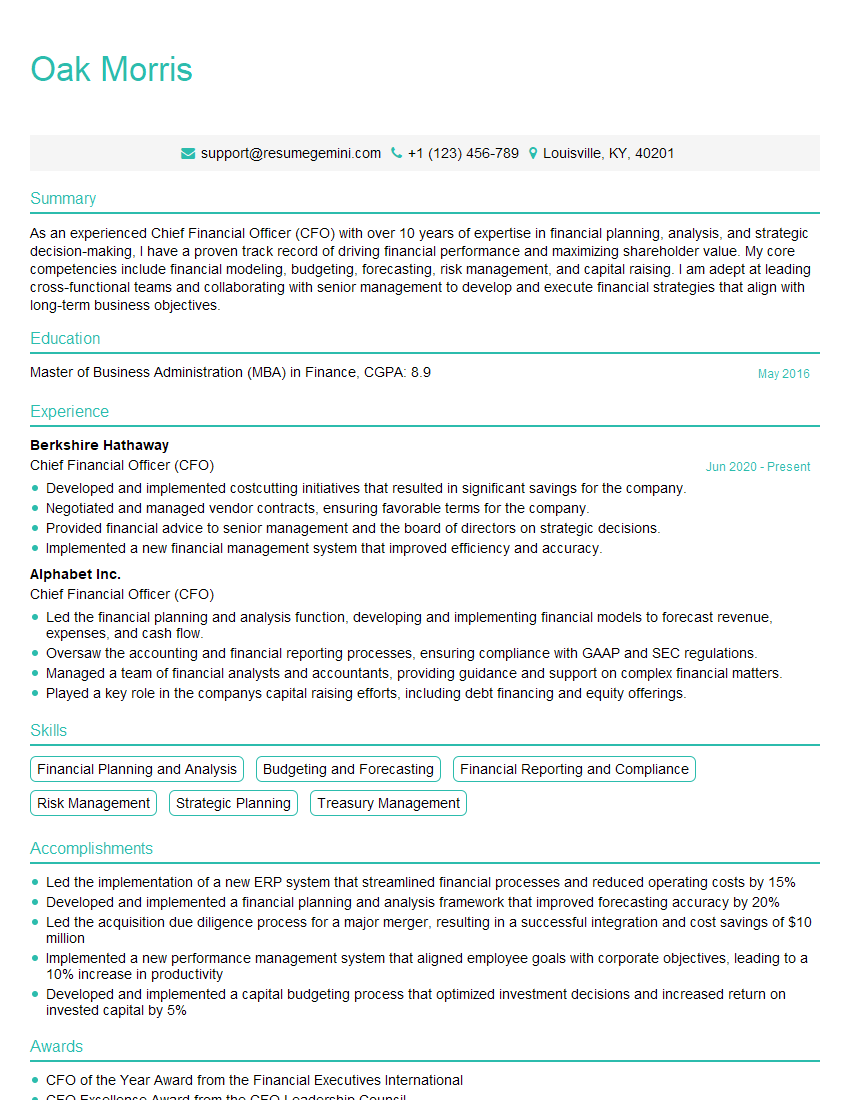
Chief Financial Officer (CFO) Resume Sample
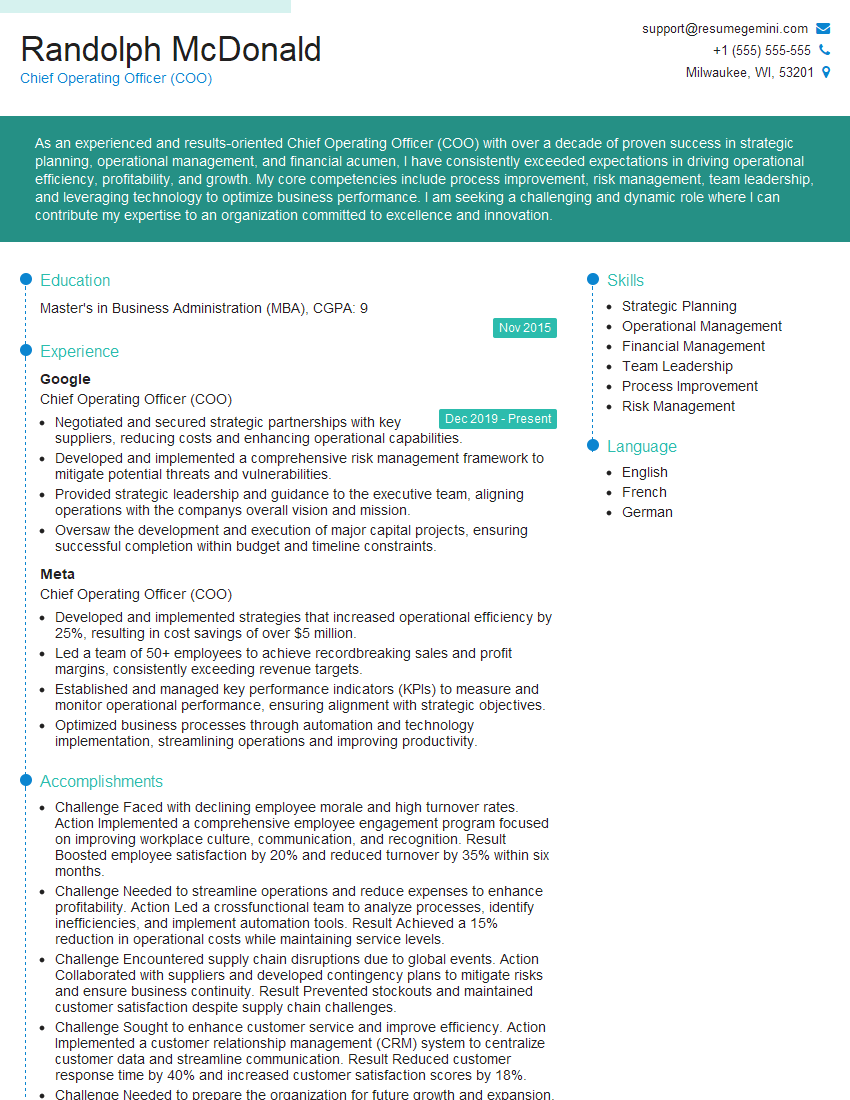
Chief Operating Officer (COO) Resume Sample
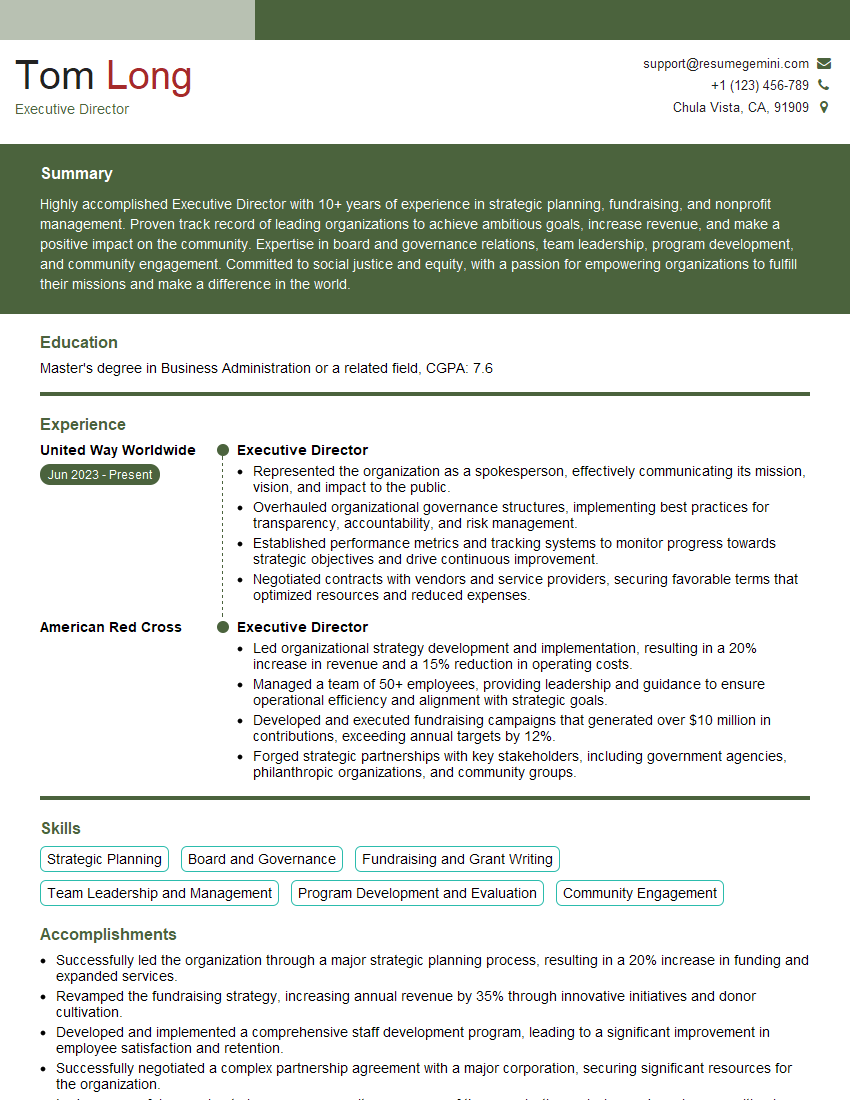
Executive Director Resume Sample
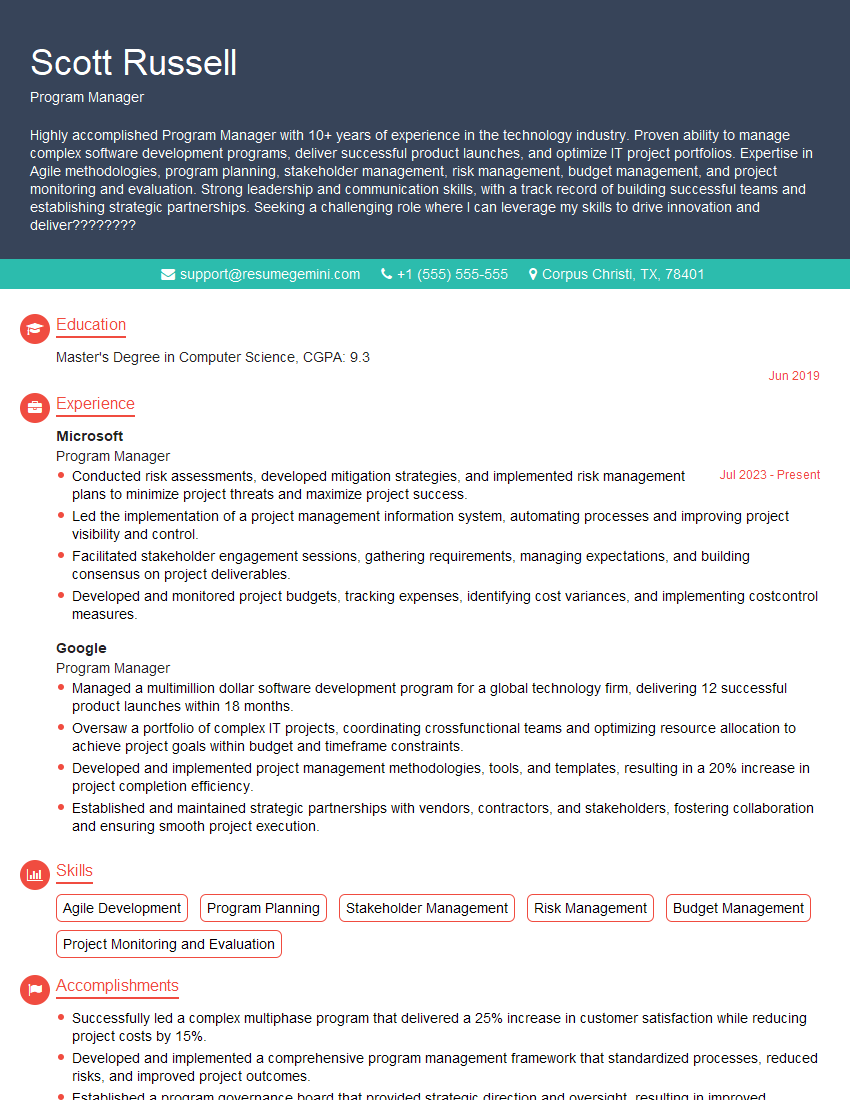
Program Manager Resume Sample

Operations Manager Resume Sample
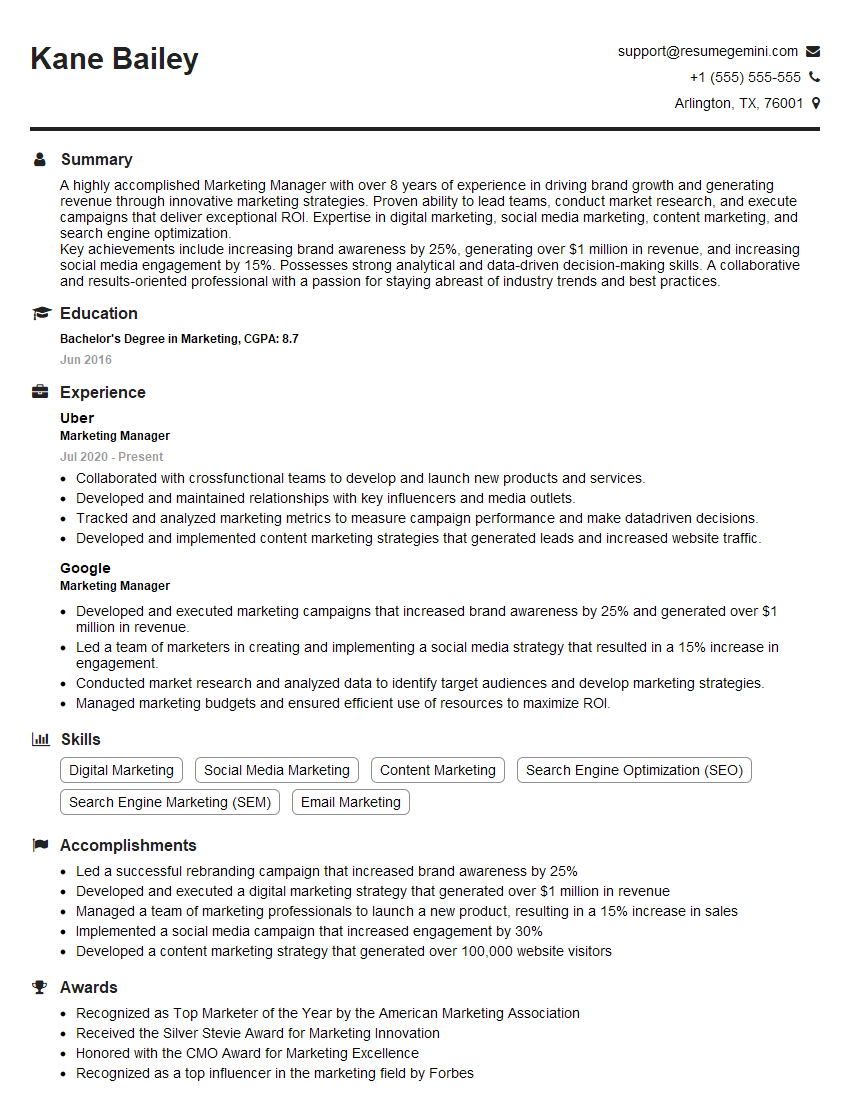
Marketing Manager Resume Sample

Communications Director Resume Sample
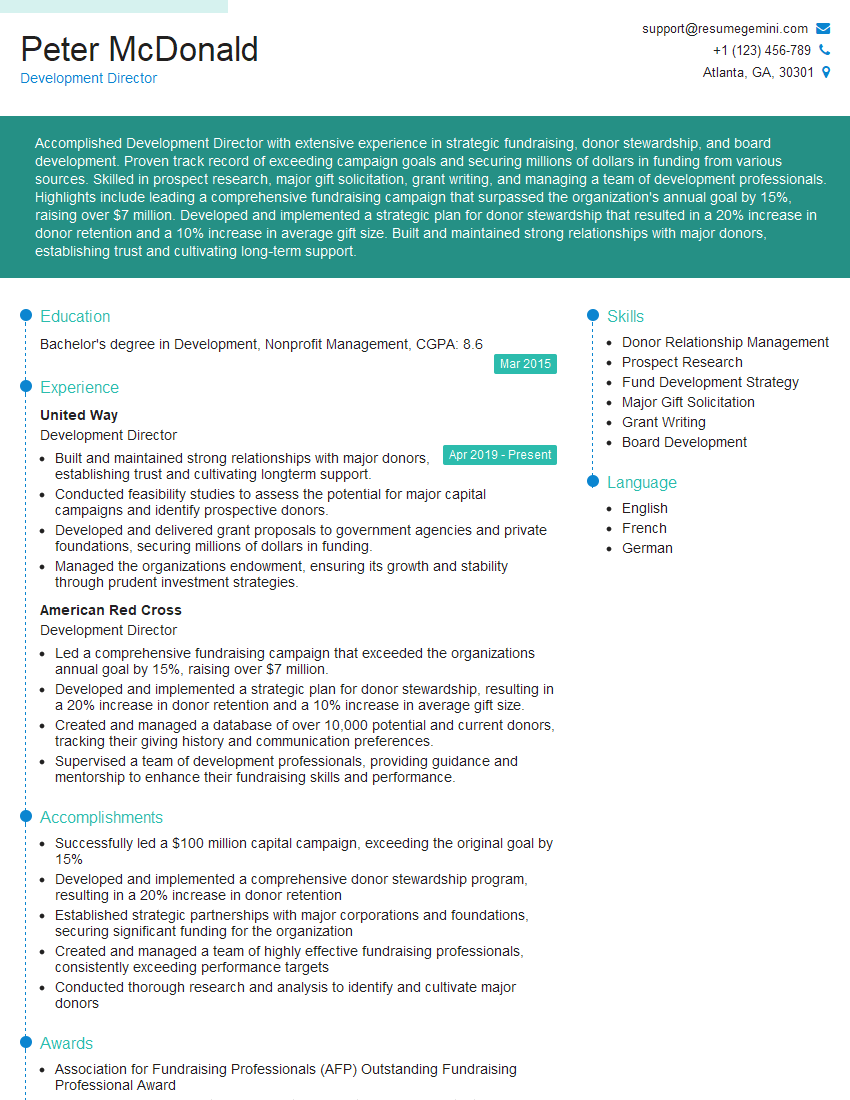
Development Director Resume Sample
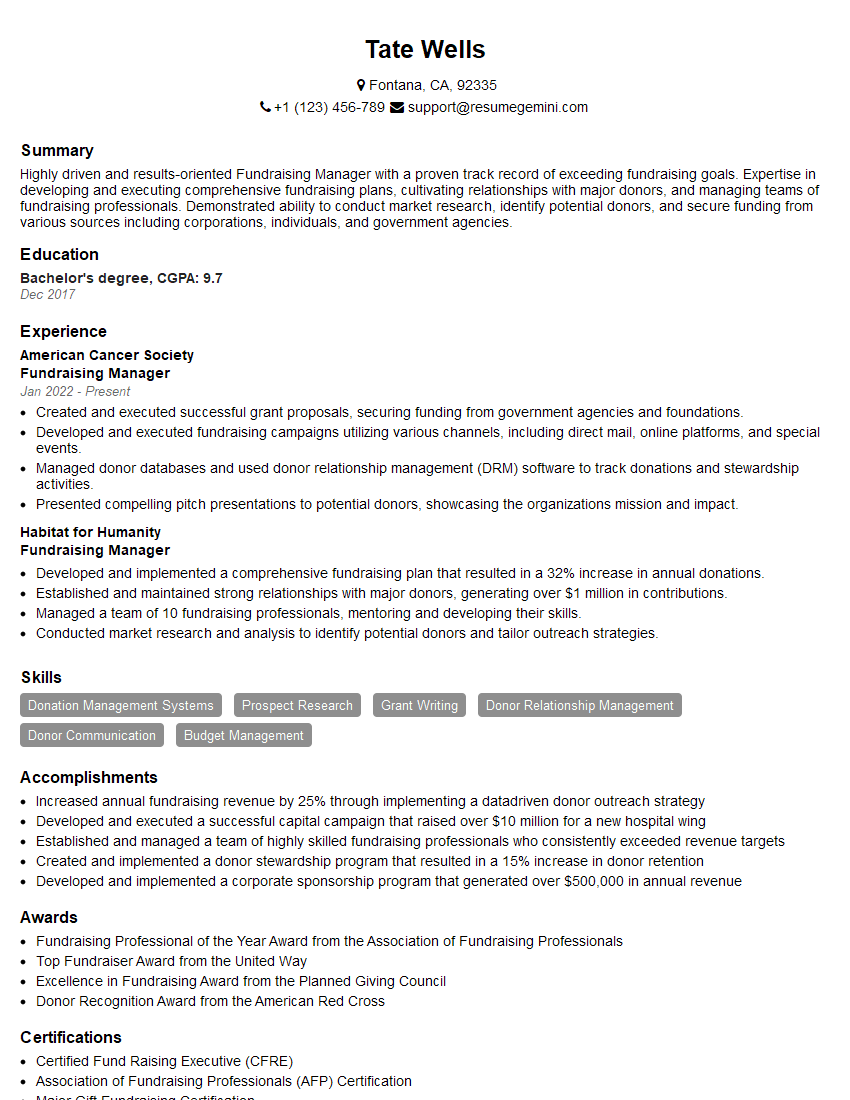
Fundraising Manager Resume Sample
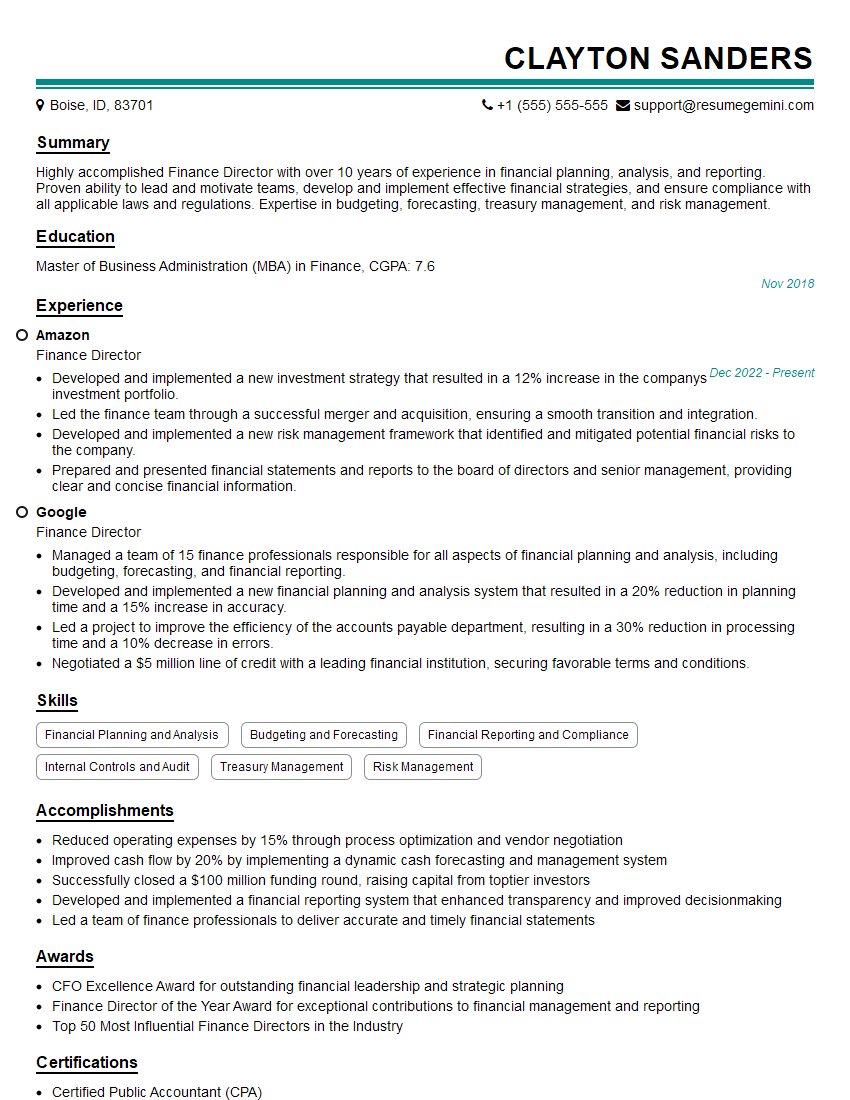
Finance Director Resume Sample
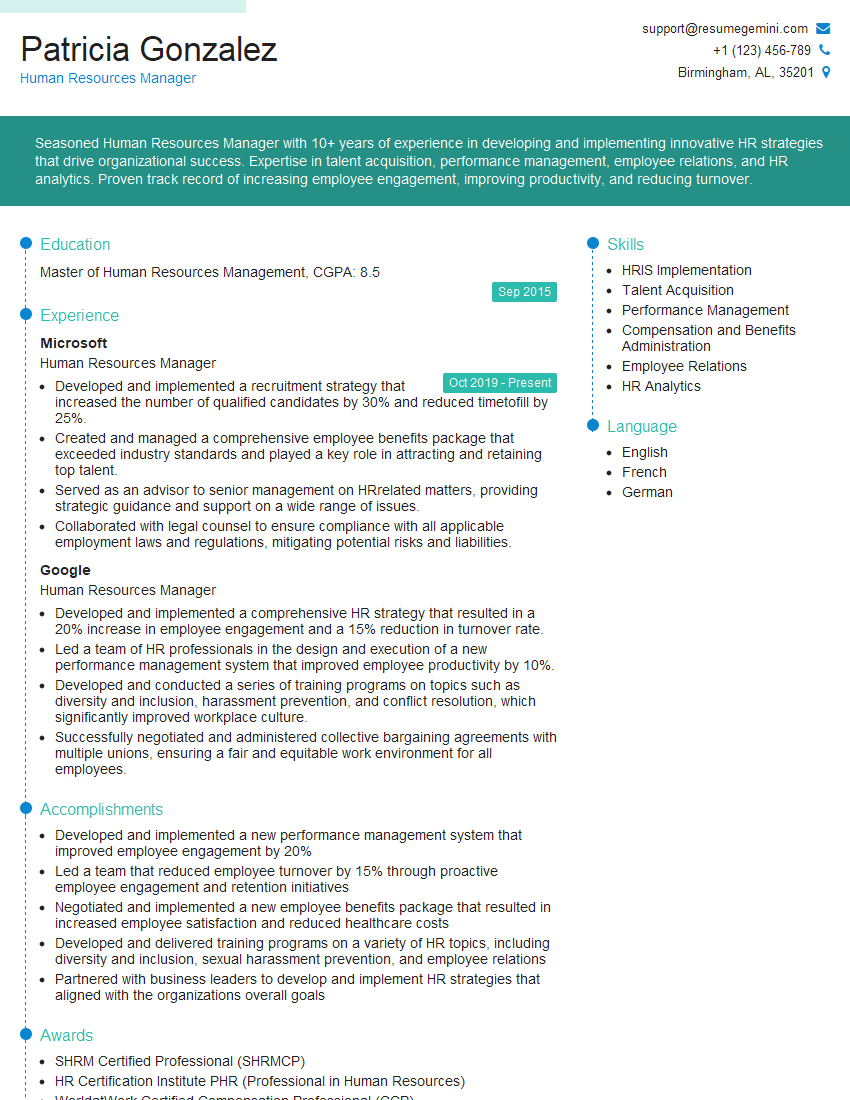
Human Resources Manager Resume Sample
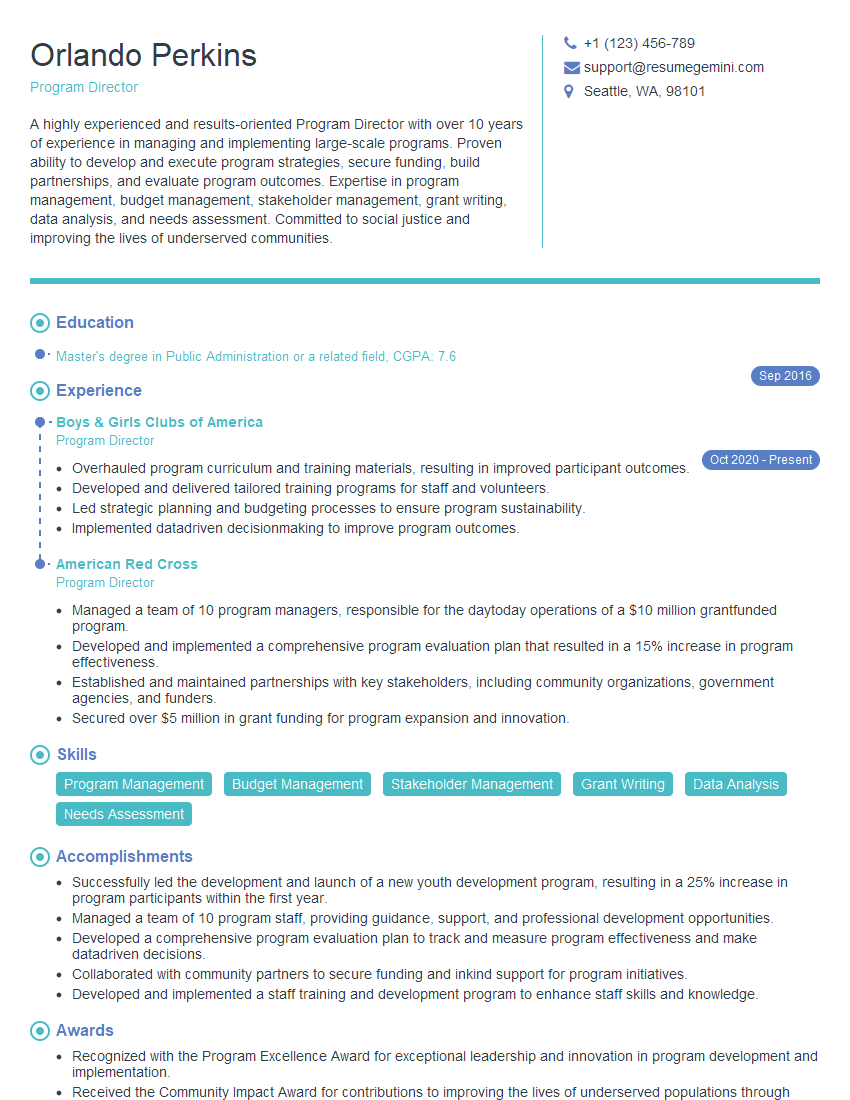
Program Director Resume Sample

Compliance Officer Resume Sample
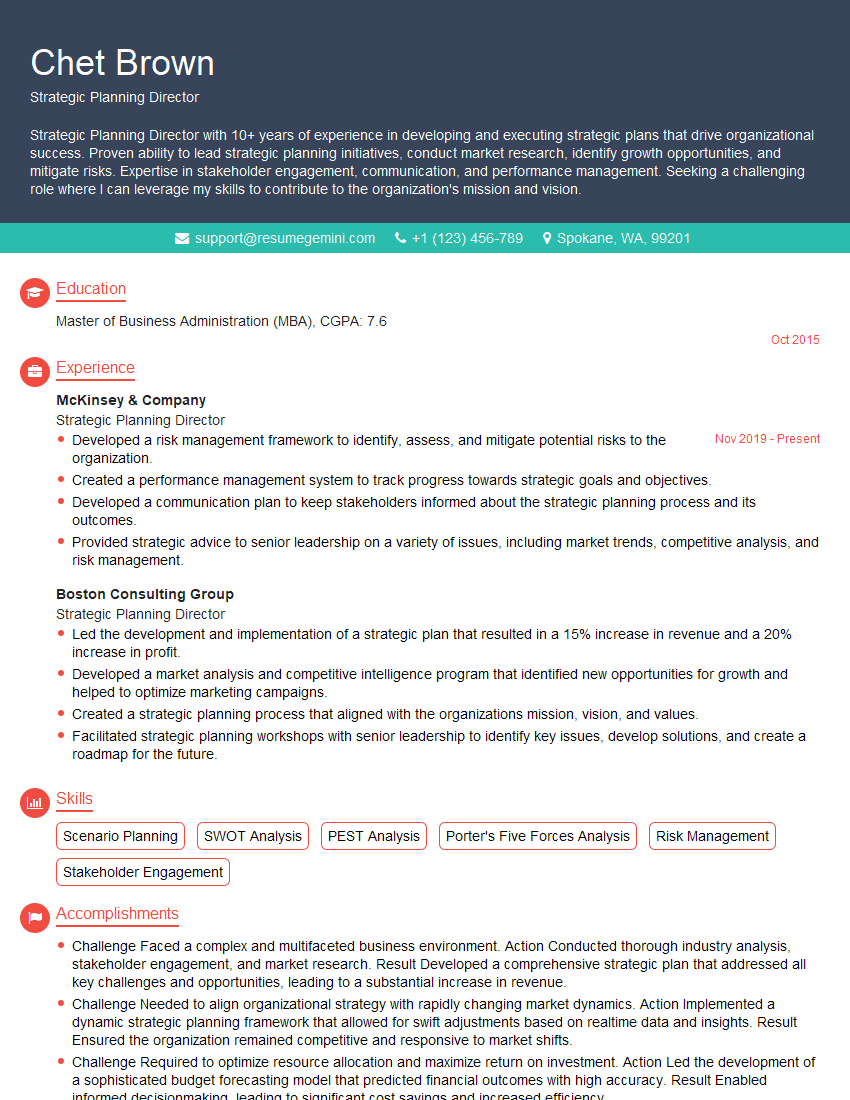
Strategic Planning Director Resume Sample
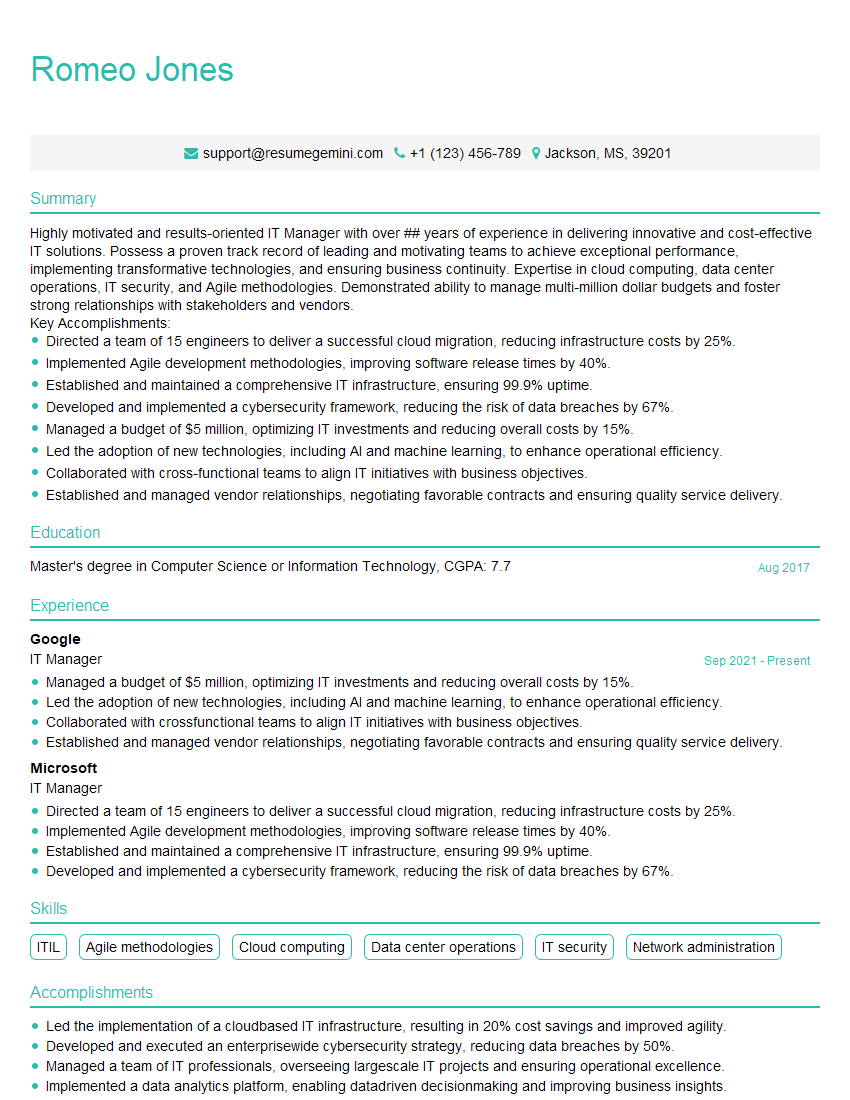
IT Manager Resume Sample
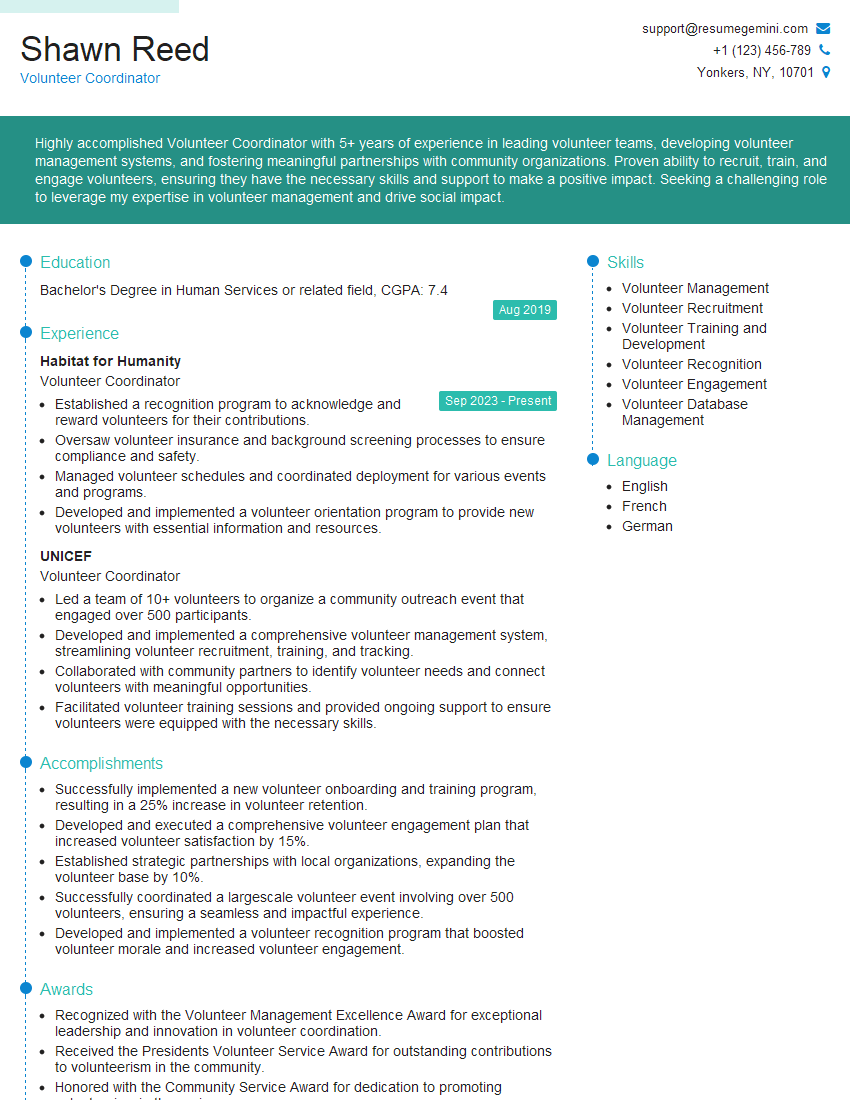
Volunteer Coordinator Resume Sample
- Chief Financial Officer (CFO)
- Chief Operating Officer (COO)
- Executive Director
- Program Manager
- Operations Manager
- Marketing Manager
- Communications Director
- Development Director
- Fundraising Manager
- Finance Director
- Human Resources Manager
- Program Director
- Compliance Officer
- Strategic Planning Director
- IT Manager
- Volunteer Coordinator
Explore more articles
Users Rating of Our Blogs
Share Your Experience
We value your feedback! Please rate our content and share your thoughts (optional).
What Readers Say About Our Blog
Very informative content, great job.
good