The right preparation can turn an interview into an opportunity to showcase your expertise. This guide to Nourishment and Fitness Principles interview questions is your ultimate resource, providing key insights and tips to help you ace your responses and stand out as a top candidate.
Questions Asked in Nourishment and Fitness Principles Interview
Q 1. Explain the difference between macronutrients and micronutrients.
Macronutrients and micronutrients are both essential components of a healthy diet, but they differ significantly in their function and the quantities needed. Macronutrients are the energy-providing nutrients that we need in large amounts: carbohydrates, proteins, and fats. Micronutrients, on the other hand, are vitamins and minerals that are needed in smaller quantities but are still vital for various bodily functions.
- Macronutrients: These provide calories and fuel our bodies. Think of them as the building blocks of energy. Carbohydrates are the body’s primary energy source, proteins build and repair tissues, and fats provide energy, support cell function, and protect organs.
- Micronutrients: These don’t provide energy directly but act as catalysts and co-factors in many metabolic processes. Vitamins (like Vitamin C and Vitamin D) and minerals (like iron and calcium) are crucial for enzyme function, immune system support, and overall health. A deficiency can lead to significant health problems.
For example, imagine building a house. Macronutrients are like the bricks, wood, and cement – the major structural components. Micronutrients are like the nails, screws, and paint – essential for the structure’s proper function and aesthetics, but needed in smaller quantities.
Q 2. Describe the role of protein in muscle growth and repair.
Protein plays a crucial role in muscle growth and repair. It’s composed of amino acids, the building blocks of muscle tissue. When we exercise, especially weight training, we create microscopic tears in our muscle fibers. Protein provides the amino acids necessary to repair this damage and build new, stronger muscle tissue. This process is called muscle protein synthesis.
Sufficient protein intake is vital for optimal muscle growth. The body uses the amino acids from protein to synthesize new muscle proteins, exceeding the rate of muscle protein breakdown, leading to muscle hypertrophy (growth). The process is influenced by factors like training intensity, overall nutrition, and rest.
Think of it like repairing a wall: If you damage a section of a wall, you need bricks (amino acids from protein) to rebuild it stronger than before. Without enough bricks, the repair will be incomplete or weak.
Q 3. What are the essential fatty acids and their health benefits?
Essential fatty acids are fats our bodies can’t produce on their own and must obtain through diet. These include omega-3 and omega-6 fatty acids. They are crucial for various bodily functions, impacting everything from brain health to heart health.
- Omega-3 fatty acids (e.g., EPA and DHA found in fatty fish like salmon, and ALA found in flaxseeds and walnuts) are known for their anti-inflammatory properties. They are beneficial for heart health, brain function, and reducing the risk of chronic diseases.
- Omega-6 fatty acids (e.g., linoleic acid found in vegetable oils like sunflower and corn oil) are also important, but an excess relative to omega-3s can promote inflammation. A balanced ratio is key.
A diet rich in essential fatty acids contributes to healthy cell membranes, hormone production, and reduces the risk of heart disease, stroke, and certain types of cancer. For example, a diet lacking in omega-3s can negatively affect brain function and increase the risk of cardiovascular issues.
Q 4. Explain the glycemic index and its importance in diet planning.
The glycemic index (GI) is a ranking system for carbohydrates based on how quickly they raise blood glucose levels after eating. Foods with a high GI cause a rapid spike in blood sugar, while low-GI foods cause a slower, more gradual increase. This is important for diet planning because blood sugar fluctuations can impact energy levels, hunger, and overall health.
A high GI diet can lead to insulin resistance, weight gain, and increased risk of type 2 diabetes. A low-GI diet, on the other hand, promotes sustained energy levels, improved blood sugar control, and better weight management. When planning a diet, it’s not just about the total carbohydrate intake but also the GI of the carbohydrate sources.
For example, white bread has a high GI, leading to a quick blood sugar surge, whereas whole-wheat bread has a lower GI, resulting in a more gradual and sustained release of glucose. Choosing low-GI foods like whole grains, fruits, and vegetables is generally recommended for better metabolic health.
Q 5. How do you calculate a person’s Basal Metabolic Rate (BMR)?
Basal Metabolic Rate (BMR) is the number of calories your body burns at rest to maintain basic functions like breathing and circulation. There isn’t one single perfect formula, but several equations provide estimates. These equations typically consider factors like age, sex, weight, and height.
One common equation is the Mifflin-St Jeor equation:
BMR (men) = (10 × weight in kg) + (6.25 × height in cm) - (5 × age in years) + 5BMR (women) = (10 × weight in kg) + (6.25 × height in cm) - (5 × age in years) - 161It’s important to note that these are estimates, and individual BMR can vary based on factors like muscle mass, genetics, and overall health. Online calculators are widely available, making it easier to get a personalized estimate. These calculators usually input the same data that the above equation requires.
Q 6. What are the key components of a balanced diet?
A balanced diet comprises a variety of foods from all food groups in appropriate proportions. This ensures you’re getting all the essential nutrients your body needs for optimal health and fitness. The key components include:
- Fruits and Vegetables: Rich in vitamins, minerals, antioxidants, and fiber. Aim for a colorful variety to maximize nutrient intake.
- Whole Grains: Provide complex carbohydrates, fiber, and essential nutrients. Choose whole-wheat bread, brown rice, quinoa, etc., over refined grains.
- Lean Protein: Essential for building and repairing tissues. Include sources like chicken, fish, beans, lentils, tofu, and nuts.
- Healthy Fats: Crucial for hormone production and cell function. Choose sources like avocados, olive oil, nuts, and seeds.
- Dairy or Dairy Alternatives: Provide calcium and other essential nutrients. Choose low-fat or fat-free options.
The proportions of each food group will depend on individual needs, activity level, and health goals. A registered dietitian can help create a personalized plan.
Q 7. Discuss the importance of hydration for optimal health and fitness.
Hydration is crucial for optimal health and fitness. Water plays a vital role in numerous bodily functions, from regulating body temperature and transporting nutrients to lubricating joints and aiding digestion.
For fitness, adequate hydration is particularly important. Dehydration can lead to decreased performance, muscle cramps, fatigue, and increased risk of injury. During exercise, we lose water through sweat, so it’s crucial to replenish fluids before, during, and after physical activity. The amount of water needed depends on factors like activity level, climate, and individual factors.
Signs of dehydration include thirst, dark urine, headaches, and fatigue. Maintaining proper hydration supports optimal physical performance, recovery, and overall well-being. Think of water as the fuel that keeps your body’s engine running smoothly.
Q 8. Explain the principles of resistance training and its benefits.
Resistance training, also known as strength training, involves using resistance to build muscle mass and strength. It works on the principle of progressive overload, where you gradually increase the weight, reps, or sets over time to continually challenge your muscles. This forces your muscles to adapt and grow stronger.
- Benefits:
- Increased muscle mass and strength:
- Improved bone density, reducing the risk of osteoporosis:
- Enhanced metabolism, aiding in weight management:
- Improved balance and coordination:
- Reduced risk of injuries:
- Increased self-confidence and improved body image.
Example: Imagine lifting a 5-pound dumbbell for 10 repetitions. Over time, you might increase to 8 pounds, then 10, and so on, demonstrating progressive overload. Different exercises like squats, deadlifts, bench presses, and rows target various muscle groups, leading to holistic strength gains.
Q 9. Describe the different types of cardiovascular exercise and their benefits.
Cardiovascular exercise, or cardio, elevates your heart rate and breathing, improving your cardiovascular health. There’s a wide variety, each offering unique benefits:
- Aerobic Exercise: Sustained activities that improve oxygen uptake. Examples include running, swimming, cycling, brisk walking. These improve heart and lung function, lower blood pressure, and burn calories.
- Anaerobic Exercise: High-intensity activities done in short bursts. Examples include sprinting, weightlifting (though primarily strength training, it has anaerobic elements), and HIIT (High-Intensity Interval Training). These build muscle and improve power and speed.
- Interval Training: Alternating between high and low intensity periods. Examples include HIIT workouts, which combine short bursts of intense exercise with periods of rest or low-intensity activity. This improves cardiovascular fitness and burns a significant amount of calories in a shorter timeframe.
Benefits (common to most): Improved cardiovascular health, weight management, stress reduction, better sleep, increased energy levels, and boosted mood.
Choosing the right type depends on individual preferences, fitness levels, and goals. A combination of aerobic and anaerobic exercise is usually recommended for optimal health.
Q 10. What is the recommended daily intake of fruits and vegetables?
The recommended daily intake of fruits and vegetables varies depending on factors like age, sex, and activity level. However, a general guideline is to consume at least 5 servings of fruits and vegetables per day. A serving size is typically about one cup of raw leafy vegetables, ½ cup of chopped vegetables or fruits, or a small fruit.
Example: This could include a large apple, a handful of berries, a cup of spinach, ½ cup of carrots, and a medium-sized orange. Aim for a variety of colors to ensure a wide range of nutrients.
Meeting this recommendation provides essential vitamins, minerals, antioxidants, and fiber crucial for optimal health and disease prevention.
Q 11. How do you assess a client’s nutritional needs?
Assessing a client’s nutritional needs involves a holistic approach. I use several methods:
- Dietary Assessment: A detailed review of their current eating habits, including food frequency questionnaires, 24-hour dietary recalls, and food diaries. This helps identify potential deficiencies or excesses.
- Anthropometric Measurements: Measuring height, weight, BMI (Body Mass Index), body composition (using methods like skinfold calipers or bioelectrical impedance analysis). This helps to assess overall body composition and identify potential weight-related issues.
- Biochemical Analysis: Reviewing blood tests and other lab results to assess nutrient levels (e.g., vitamin D, iron, etc.). This identifies specific deficiencies requiring targeted interventions.
- Physical Examination: Observing signs and symptoms of malnutrition, such as fatigue, skin problems, or poor muscle mass. This provides a visual assessment complementing other methods.
- Lifestyle Assessment: Understanding their activity level, stress levels, medication use, and any medical conditions. Lifestyle factors significantly influence nutritional needs.
Combining these methods provides a comprehensive picture of the client’s nutritional status, allowing for the creation of a personalized and effective nutritional plan.
Q 12. How do you design a personalized fitness plan for a client?
Designing a personalized fitness plan requires a thorough understanding of the client’s goals, fitness level, and any limitations. It’s a multi-step process:
- Needs Assessment: Understanding their goals (weight loss, muscle gain, improved endurance), current fitness level (through questionnaires, fitness tests), any medical conditions or injuries, and their preferences (types of exercise they enjoy).
- Goal Setting: Collaboratively establishing SMART goals (Specific, Measurable, Achievable, Relevant, Time-bound). For example, instead of ‘get fitter’, it might be ‘increase running endurance by completing a 5k in 3 months’.
- Exercise Prescription: Creating a plan that includes cardiovascular exercise, resistance training, and flexibility exercises, tailored to their fitness level and goals. This includes specifying exercises, sets, reps, intensity, and rest periods.
- Progression: Gradually increasing the intensity, duration, or frequency of workouts over time to prevent plateaus and promote continuous improvement. This is crucial to avoid injuries and maintain motivation.
- Monitoring and Evaluation: Regularly tracking their progress through assessments, feedback sessions, and progress tracking tools. This ensures that the plan is effective and adjustments can be made as needed.
The plan should be flexible and adaptable to accommodate changes in their lifestyle or progress. Regular communication and feedback are essential to ensure client adherence and success.
Q 13. What are the common signs and symptoms of nutritional deficiencies?
Nutritional deficiencies can manifest in various ways, and the symptoms often overlap, making diagnosis complex. Some common signs and symptoms include:
- Fatigue and weakness: Often a general sign of multiple deficiencies.
- Skin problems: Dry skin, rashes, poor wound healing, etc., may indicate deficiencies in vitamins A, C, or essential fatty acids.
- Hair loss or brittle nails: Can be linked to deficiencies in iron, zinc, or protein.
- Pale skin: Often indicative of iron deficiency anemia.
- Gastrointestinal issues: Diarrhea, constipation, or other digestive problems can result from various deficiencies.
- Neurological symptoms: Numbness, tingling, or cognitive impairment may be a sign of vitamin B12 deficiency or other neurological issues.
- Muscle cramps and weakness: Can be related to electrolyte imbalances or deficiencies in minerals like magnesium or calcium.
It’s crucial to note that these are general symptoms and should not be used for self-diagnosis. If you suspect a nutritional deficiency, consult a healthcare professional or registered dietitian for proper assessment and diagnosis.
Q 14. Explain the role of fiber in digestion and overall health.
Fiber, a type of carbohydrate found in plants, plays a vital role in digestion and overall health. It’s indigestible, meaning our bodies can’t break it down and absorb it. However, it’s crucial for gut health:
- Promoting Regular Bowel Movements: Fiber adds bulk to the stool, making it easier to pass and preventing constipation. Both soluble and insoluble fiber are important here.
- Feeding Gut Microbiota: Fiber acts as prebiotic, feeding beneficial bacteria in the gut, which is crucial for immune function and overall health.
- Lowering Cholesterol Levels: Soluble fiber binds to cholesterol in the digestive tract, helping to excrete it from the body, thus lowering blood cholesterol levels.
- Blood Sugar Control: Soluble fiber slows down the absorption of sugar into the bloodstream, preventing blood sugar spikes and improving insulin sensitivity.
- Weight Management: Fiber promotes satiety, making you feel fuller for longer, potentially leading to reduced calorie intake and weight management.
Example: Foods high in fiber include whole grains, fruits, vegetables, and legumes. Aim for a balanced intake of both soluble and insoluble fiber for optimal digestive health.
Insufficient fiber intake can lead to constipation, digestive problems, and an increased risk of chronic diseases. Therefore, incorporating sufficient fiber-rich foods into your diet is crucial for maintaining good health.
Q 15. What are some common dietary myths and misconceptions?
Many dietary myths hinder progress towards healthy eating and fitness goals. Let’s debunk a few:
Myth: All carbs are bad. Truth: Complex carbohydrates like whole grains, fruits, and vegetables provide essential fiber and nutrients. It’s refined carbohydrates, like white bread and sugary drinks, that should be limited.
Myth: Skipping meals boosts metabolism. Truth: Skipping meals often leads to overeating later in the day and can disrupt blood sugar levels. Regular, balanced meals are key.
Myth: Fat is the enemy. Truth: Healthy fats, found in avocados, nuts, and olive oil, are crucial for hormone production and overall health. It’s unhealthy saturated and trans fats we need to minimize.
Myth: Detox teas and cleanses are necessary. Truth: Your liver and kidneys naturally detoxify your body. These products are often ineffective and can even be harmful.
Myth: You need to completely eliminate certain food groups for weight loss. Truth: A balanced approach that includes all food groups in moderation is more sustainable and effective for long-term weight management.
Career Expert Tips:
- Ace those interviews! Prepare effectively by reviewing the Top 50 Most Common Interview Questions on ResumeGemini.
- Navigate your job search with confidence! Explore a wide range of Career Tips on ResumeGemini. Learn about common challenges and recommendations to overcome them.
- Craft the perfect resume! Master the Art of Resume Writing with ResumeGemini’s guide. Showcase your unique qualifications and achievements effectively.
- Don’t miss out on holiday savings! Build your dream resume with ResumeGemini’s ATS optimized templates.
Q 16. How do you motivate clients to adhere to their nutrition and fitness plans?
Motivating clients requires a multifaceted approach focusing on building a strong client-practitioner relationship and fostering intrinsic motivation. I utilize several strategies:
Setting Realistic Goals: Starting with achievable, short-term goals creates momentum and builds confidence. Instead of aiming for drastic changes immediately, we focus on small, incremental improvements.
Personalized Plans: Generic plans rarely work. I tailor nutrition and fitness plans to each client’s individual needs, preferences, and lifestyle. This makes adherence more likely.
Education and Empowerment: I educate clients on the ‘why’ behind the plan, helping them understand the science and benefits. This empowers them to make informed choices and take ownership.
Positive Reinforcement and Support: Regular check-ins, encouragement, and celebrating successes, no matter how small, keeps clients motivated and on track. I’m a cheerleader, not just a coach.
Flexibility and Adjustments: Life happens. I’m prepared to adjust the plan based on unforeseen circumstances or setbacks. This ensures the plan remains sustainable and adaptable.
Q 17. Discuss the importance of sleep in overall health and fitness.
Sleep is a cornerstone of overall health and fitness, often underestimated. During sleep, the body repairs and rebuilds tissues, consolidates memories, and regulates hormones. Insufficient sleep negatively impacts:
Muscle Recovery: Growth hormone, crucial for muscle repair and growth, is primarily released during sleep.
Hormonal Balance: Sleep deprivation disrupts the balance of hormones like cortisol (stress hormone) and leptin (appetite regulator), leading to increased cravings and weight gain.
Immune Function: Lack of sleep weakens the immune system, making individuals more susceptible to illness.
Cognitive Function: Sleep is essential for optimal cognitive function, impacting concentration, memory, and decision-making. This can significantly hinder progress in a fitness program.
Energy Levels: Adequate sleep provides the energy needed for workouts and daily activities.
Aim for 7-9 hours of quality sleep per night for optimal health and fitness outcomes.
Q 18. How do you address client concerns or challenges related to nutrition and fitness?
Addressing client concerns requires active listening, empathy, and a problem-solving approach. I typically follow these steps:
Active Listening: I listen carefully to understand the client’s perspective and concerns without interruption.
Validation and Empathy: I acknowledge the validity of their feelings and offer support and understanding.
Collaboration and Education: We work together to find solutions. I educate the client on the science behind the challenge and provide evidence-based strategies.
Problem-Solving: We collaboratively create a plan to address the concern, adjusting the current plan as needed.
Monitoring and Adjustments: I regularly monitor progress and make adjustments as needed to ensure the client’s continued success and comfort.
For example, if a client struggles with adhering to their diet, we might identify specific triggers and develop coping strategies together.
Q 19. Explain the concept of caloric deficit and its role in weight loss.
A caloric deficit occurs when you consume fewer calories than your body burns. This forces your body to use stored energy (fat) to make up for the shortfall, resulting in weight loss. It’s a fundamental principle of weight management. The size of the deficit and the individual’s metabolism determine the rate of weight loss.
Example: If your body burns 2000 calories daily, and you consume 1700 calories, you have a 300-calorie deficit. Over time, this deficit will lead to weight loss. It’s important to create a sustainable deficit; drastic reductions can lead to nutrient deficiencies and muscle loss.
Calculating the appropriate deficit requires considering factors like age, activity level, and body composition. A registered dietitian or certified personal trainer can help determine a safe and effective caloric deficit.
Q 20. What are the potential risks associated with fad diets?
Fad diets, often characterized by restrictive eating patterns and unrealistic promises, carry several potential risks:
Nutrient Deficiencies: Severely restricting food groups can lead to deficiencies in essential vitamins and minerals.
Muscle Loss: Very low-calorie diets can cause the body to break down muscle tissue for energy.
Metabolic Slowdown: The body may adapt to the restrictive diet by lowering its metabolic rate, making weight loss more difficult in the long run.
Yo-yo Dieting: The restrictive nature of fad diets often leads to unsustainable weight loss followed by weight regain, creating a cycle of yo-yo dieting.
Health Complications: Some fad diets may promote unhealthy eating habits and have adverse effects on various bodily systems.
Psychological Impact: The restrictive nature can lead to disordered eating patterns and negative body image.
Sustainable lifestyle changes focusing on balanced nutrition and regular exercise are far more effective and healthier than fad diets.
Q 21. Describe different methods for measuring body composition.
Several methods measure body composition, each with varying degrees of accuracy and cost:
Bioelectrical Impedance Analysis (BIA): This method uses a weak electrical current to estimate body fat percentage. It’s relatively inexpensive and convenient but can be affected by hydration levels.
Skinfold Calipers: This involves measuring the thickness of subcutaneous fat at specific body sites. It’s a relatively inexpensive technique, but accuracy depends on the technician’s skill and experience.
Hydrostatic Weighing (Underwater Weighing): This method measures body density by submerging the individual in water. It’s highly accurate but requires specialized equipment and may not be suitable for everyone.
Air Displacement Plethysmography (Bod Pod): This technique measures body volume using air displacement. It’s less invasive than hydrostatic weighing and provides accurate results.
DEXA (Dual-Energy X-ray Absorptiometry): This is a highly accurate method using low-dose X-rays to measure bone density, fat mass, and lean mass. It’s considered the gold standard but is expensive and requires specialized equipment.
The best method depends on the individual’s needs, budget, and access to resources.
Q 22. Explain the role of carbohydrates in energy production.
Carbohydrates are the body’s primary source of energy. They are broken down into glucose, a simple sugar that fuels our cells. This process, known as cellular respiration, involves a series of metabolic reactions that convert glucose into adenosine triphosphate (ATP), the energy currency of our cells.
Think of carbohydrates like the gasoline in a car. Without fuel, the car won’t run; similarly, without carbohydrates (or other energy sources), our bodies can’t function optimally. Different types of carbohydrates are digested and absorbed at varying rates, influencing their impact on blood sugar levels. Complex carbohydrates, like those found in whole grains, fruits, and vegetables, provide sustained energy release, preventing rapid spikes and crashes in blood sugar. Simple carbohydrates, like those found in refined sugars and processed foods, are digested quickly, leading to a rapid surge in blood sugar followed by a subsequent drop, potentially causing fatigue and energy fluctuations.
For instance, a marathon runner might rely heavily on complex carbohydrates like pasta the day before the race to ensure sustained energy during the event. Conversely, a quick burst of energy for a short sprint might be adequately fueled by simple carbohydrates from a sports drink.
Q 23. How do you assess a client’s fitness level before designing a program?
Assessing a client’s fitness level is crucial before designing a personalized program. This involves a comprehensive approach that includes:
- Health History Questionnaire: This gathers information about pre-existing medical conditions, injuries, and current activity levels. It’s essential to identify any limitations or contraindications to exercise.
- Physical Examination: A basic physical assessment checks for postural issues, range of motion, and overall physical condition. This allows me to identify potential muscle imbalances or weaknesses.
- Fitness Testing: This may include tests such as:
- Cardiovascular fitness tests: Measuring resting heart rate, and performing tests such as a 1-mile run or a step test to assess aerobic capacity.
- Muscular strength and endurance tests: Evaluating strength using various weightlifting exercises or bodyweight movements, and endurance using timed repetitions.
- Flexibility tests: Assessing range of motion through tests such as sit-and-reach or shoulder flexibility tests.
- Body Composition Analysis: This can be done using methods like skinfold calipers, bioelectrical impedance analysis (BIA), or underwater weighing to determine body fat percentage and lean body mass. This helps to establish a baseline for tracking progress.
Based on this comprehensive assessment, I can tailor a program that is safe, effective, and appropriate for the individual’s unique needs and capabilities. For example, a client with a history of knee pain might require modifications to exercises that put stress on the joints.
Q 24. What are the benefits of incorporating interval training into a fitness program?
Interval training, which involves alternating periods of high-intensity exercise with periods of rest or low-intensity exercise, offers numerous benefits.
- Improved Cardiovascular Fitness: High-intensity intervals significantly improve cardiovascular health by boosting heart rate and oxygen uptake. This leads to greater efficiency in oxygen delivery and utilization by the body.
- Enhanced Fat Burning: Interval training is highly effective for fat loss. The intense bursts of activity increase metabolic rate, leading to a prolonged calorie burn even after the workout is over (the ‘afterburn effect’).
- Increased Metabolic Rate: It not only burns calories during the session, but it also boosts your metabolism for hours afterward, contributing to greater overall calorie expenditure.
- Improved Insulin Sensitivity: Interval training can help improve how your body utilizes insulin, reducing the risk of type 2 diabetes.
- Time Efficiency: Interval training can be highly time-efficient. You achieve significant benefits in a shorter amount of time compared to traditional steady-state cardio.
For example, a client aiming for weight loss might incorporate high-intensity interval training (HIIT) on a treadmill—alternating between sprints and jogging—two or three times a week, alongside strength training exercises. The intensity and duration of intervals should always be tailored to the individual’s fitness level.
Q 25. How do you adapt fitness plans for individuals with specific health conditions?
Adapting fitness plans for individuals with specific health conditions requires careful consideration and collaboration with healthcare professionals.
The process begins with a thorough understanding of the individual’s condition and its limitations. This often involves reviewing medical reports and potentially consulting with their physician or physical therapist. For example, a client with hypertension may need to avoid high-impact exercises and focus on low-impact activities like swimming or cycling. Someone with diabetes requires careful monitoring of blood sugar levels before, during, and after exercise.
Exercise selection is key. I would modify or substitute exercises to accommodate limitations or reduce stress on affected areas. For instance, someone with arthritis might benefit from water aerobics or gentle range-of-motion exercises. Monitoring intensity and duration is crucial. Progress must be gradual, and individuals should be encouraged to listen to their bodies and stop if they experience any pain or discomfort. Regular communication with the client and their healthcare providers helps to ensure the safety and effectiveness of the program.
Q 26. What are the key principles of periodization in training?
Periodization is a systematic approach to training that involves cycling the volume, intensity, and type of training over a specific period to optimize performance and prevent overtraining. It’s like strategically planning a journey – you wouldn’t sprint the entire distance; you’d vary your pace based on the terrain and your goal.
Key principles include:
- Macrocycles: The longest training cycle, typically lasting a year and encompassing several mesocycles.
- Mesocycles: Intermediate cycles within a macrocycle, each lasting several weeks to months. They focus on specific training goals, such as strength building or endurance development.
- Microcycles: Short-term cycles, usually lasting one week, focusing on daily or weekly training plans.
- Variation: Training variables such as intensity, volume, rest, and exercise type are systematically manipulated across the cycles to prevent plateaus and promote continuous improvement. For example, a strength training program might have a mesocycle focused on high-intensity weight training, followed by a mesocycle emphasizing hypertrophy (muscle growth).
- Tapering: A systematic reduction in training volume and intensity before a major competition to allow the body to recover and optimize performance.
Effective periodization requires careful planning and monitoring. Regular assessment of the client’s progress is essential to adjust the training plan accordingly.
Q 27. Describe your experience with different types of dietary assessment methods.
I have experience using a variety of dietary assessment methods, each with its strengths and weaknesses.
- 24-Hour Dietary Recall: This involves asking clients to recall everything they ate and drank in the past 24 hours. It’s quick and easy, but it’s susceptible to recall bias and may not represent typical dietary intake.
- Food Frequency Questionnaires (FFQs): These questionnaires ask about the frequency of consumption of specific foods over a given period. They provide a broader picture of dietary habits but may lack detail on portion sizes.
- Food Records/Diaries: Clients record their food and beverage intake in real-time for several days or weeks. This provides a detailed picture but can be time-consuming and may alter eating habits due to self-monitoring.
- Direct Observation: This involves observing a client’s food intake directly. While highly accurate, it is impractical and ethically challenging in many scenarios.
I often utilize a combination of methods. For instance, I might use a 24-hour recall for a quick overview and then follow up with a food record for a more comprehensive assessment. The chosen method depends on the client’s needs and the goals of the assessment.
Q 28. How do you stay updated on the latest research in nutrition and fitness?
Staying current in the ever-evolving fields of nutrition and fitness requires a multifaceted approach.
- Peer-Reviewed Journals: I regularly read publications like the Journal of the American College of Sports Medicine and the American Journal of Clinical Nutrition to stay abreast of the latest research findings.
- Professional Organizations: Membership in organizations such as the Academy of Nutrition and Dietetics and the American College of Sports Medicine provides access to continuing education opportunities, conferences, and networking with other professionals.
- Conferences and Workshops: Attending conferences and workshops allows for direct interaction with leading experts and exposure to cutting-edge information.
- Online Resources: Reputable websites and online databases, such as PubMed, offer access to a vast amount of scientific literature. However, it’s crucial to critically evaluate the credibility of sources.
- Continuing Education: I actively pursue continuing education credits to maintain my certifications and expand my knowledge base.
Critical evaluation of information is paramount. I always prioritize studies that use robust methodologies and have been replicated by independent researchers.
Key Topics to Learn for Nourishment and Fitness Principles Interview
- Macronutrient Balance: Understand the roles of carbohydrates, proteins, and fats in fueling workouts, supporting recovery, and maintaining overall health. Consider the practical application of designing meal plans based on individual needs and activity levels.
- Micronutrients and their impact: Explore the importance of vitamins and minerals in optimizing athletic performance and overall well-being. Think about how deficiencies can impact training and recovery, and how to address them through dietary choices or supplementation (while considering ethical and professional guidelines).
- Energy Systems and Fuel Utilization: Learn how the body uses different energy systems during exercise, and how nutrition can optimize each. Consider applying this knowledge to create effective fueling strategies for various training intensities and durations.
- Hydration and Electrolyte Balance: Discuss the crucial role of hydration in athletic performance and recovery. Explore practical strategies for maintaining optimal hydration and electrolyte balance, particularly in challenging training environments.
- Weight Management Strategies: Understand the principles of healthy weight management, considering both weight loss and weight gain strategies within the context of athletic performance. This includes exploring ethical and sustainable approaches.
- Dietary Supplements and their ethical use: Discuss the role (and limitations) of supplements in athletic performance and health. Focus on evidence-based practices and ethical considerations regarding supplement use.
- Exercise Physiology & Nutrition Interaction: Explore the interconnectedness of exercise and nutrition, emphasizing the synergistic effects of proper training and dietary strategies. Consider how different training modalities influence nutritional needs.
- Nutritional Assessment & Counseling: Understand the basic principles of assessing an individual’s nutritional needs and providing appropriate guidance. Consider ethical and professional boundaries within this context.
Next Steps
Mastering Nourishment and Fitness Principles is vital for career advancement in this dynamic field. A strong understanding of these principles allows you to provide evidence-based advice, design effective training and nutrition programs, and contribute to the health and well-being of your clients. To maximize your job prospects, creating a compelling and ATS-friendly resume is crucial. ResumeGemini is a trusted resource that can help you build a professional resume showcasing your skills and experience effectively. Examples of resumes tailored to Nourishment and Fitness Principles are available, providing valuable templates and inspiration for your own resume creation.

Wellness Coach Resume Sample
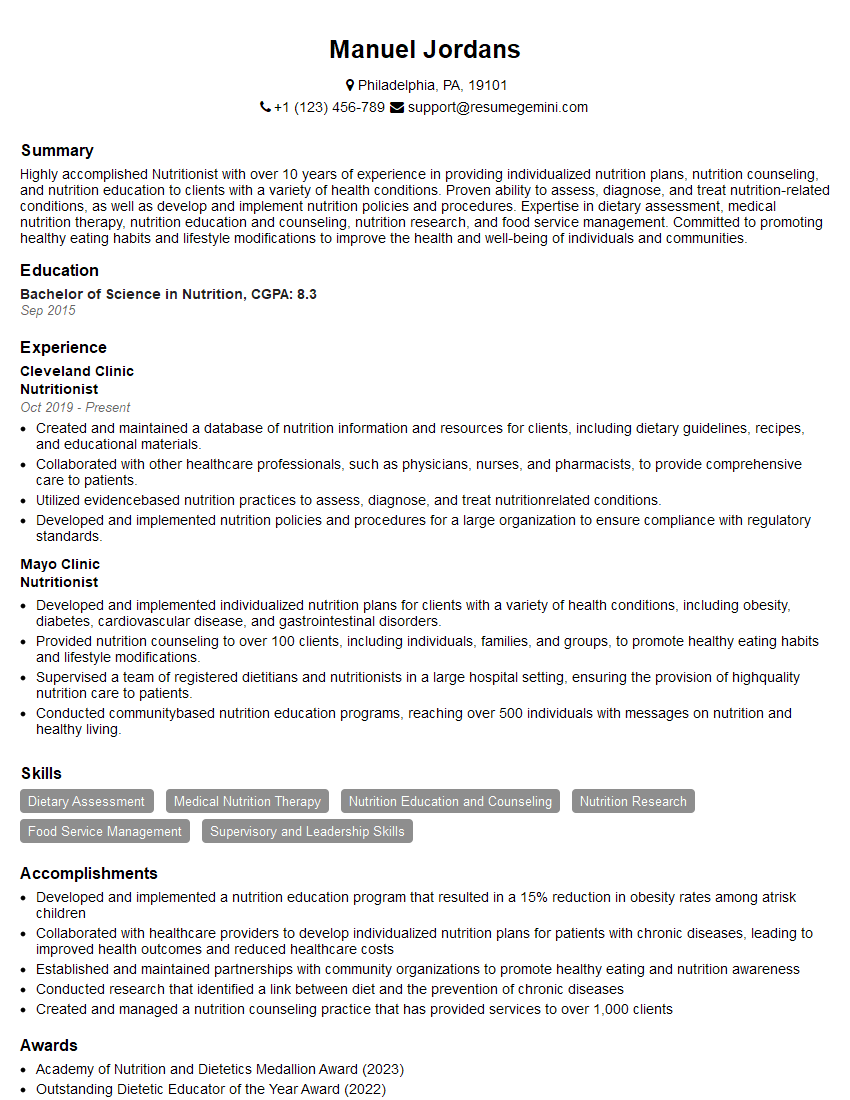
Nutritionist Resume Sample

Certified Diabetes Educator Resume Sample
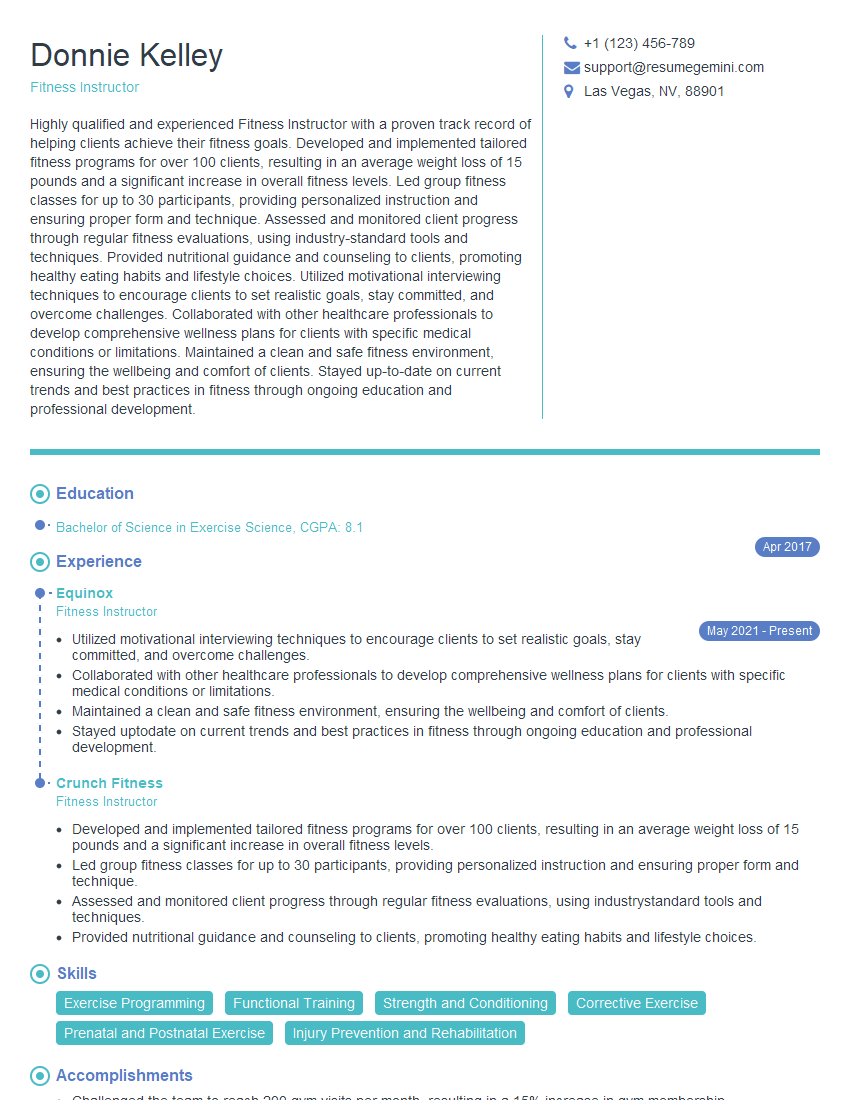
Fitness Instructor Resume Sample
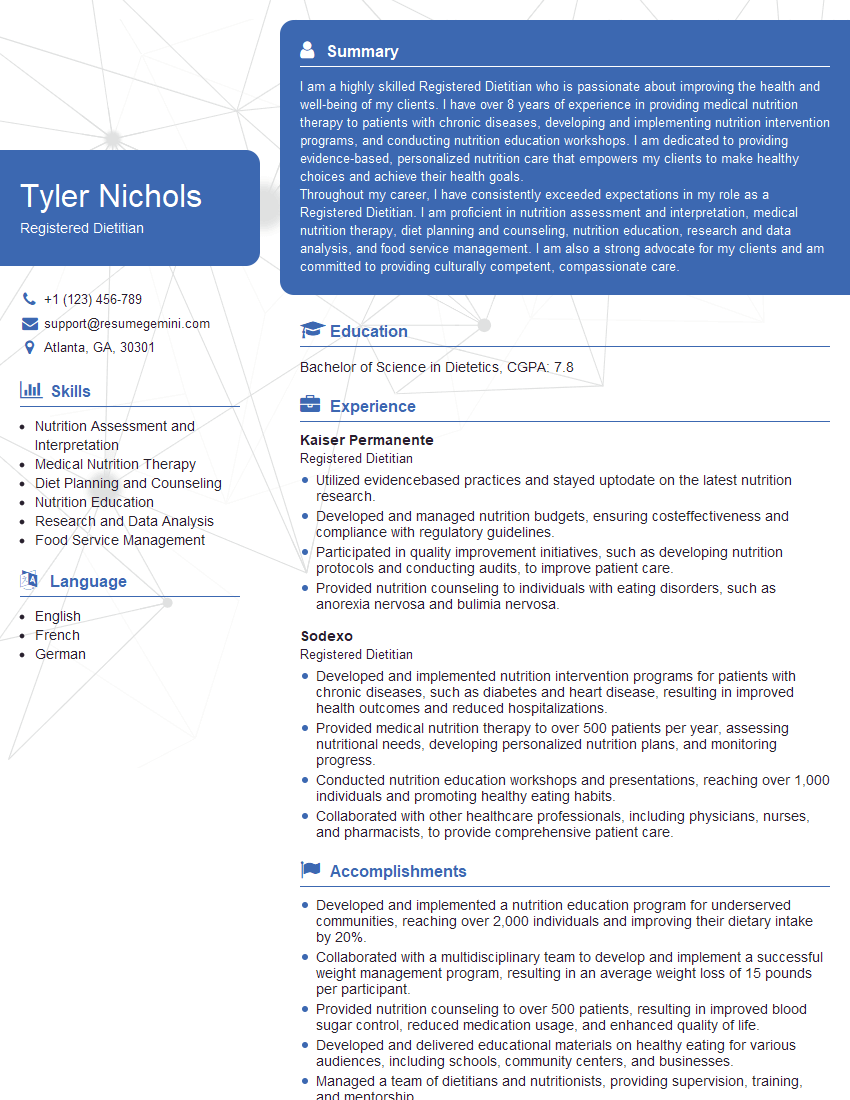
Registered Dietitian Resume Sample
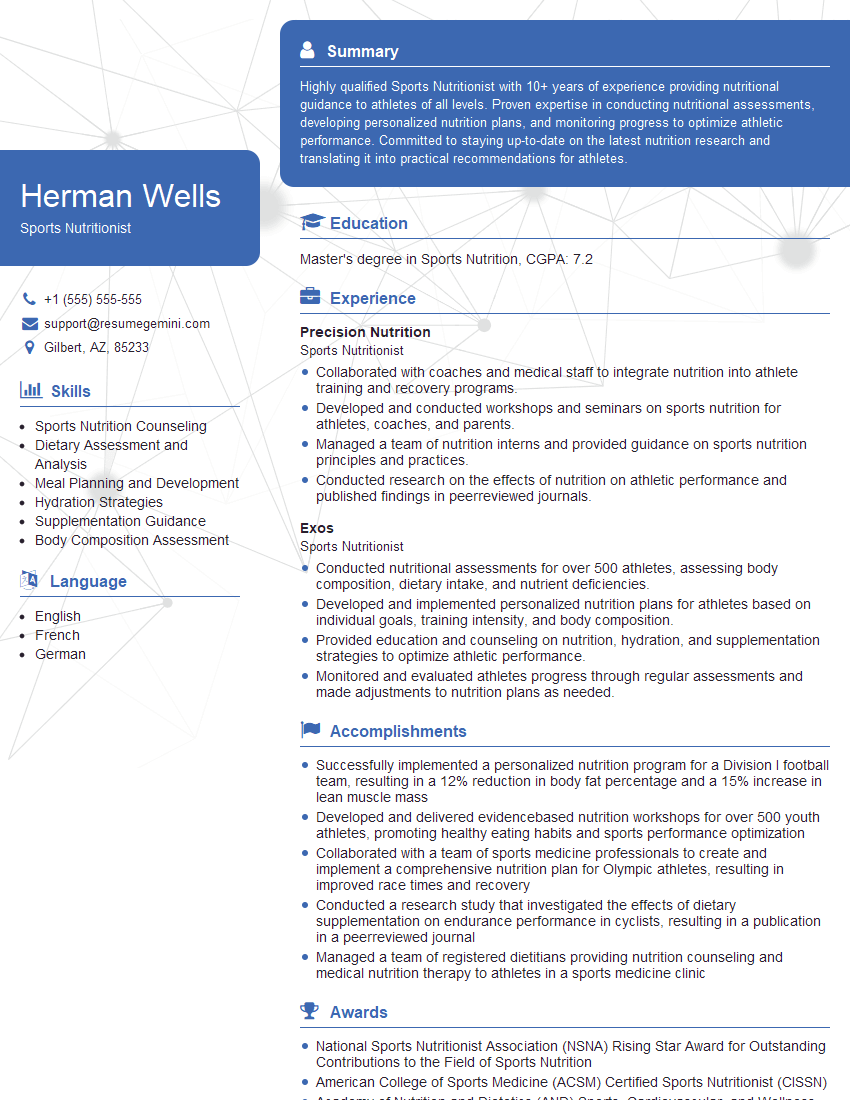
Sports Nutritionist Resume Sample
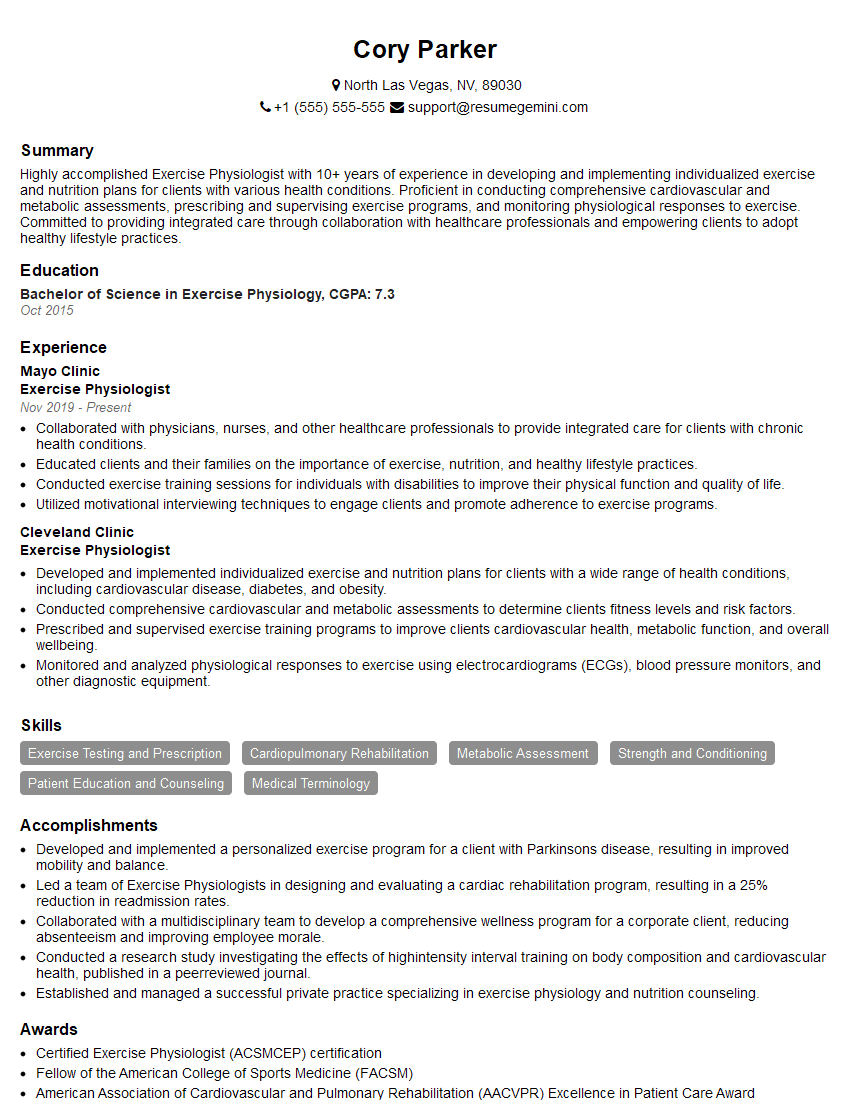
Exercise Physiologist Resume Sample
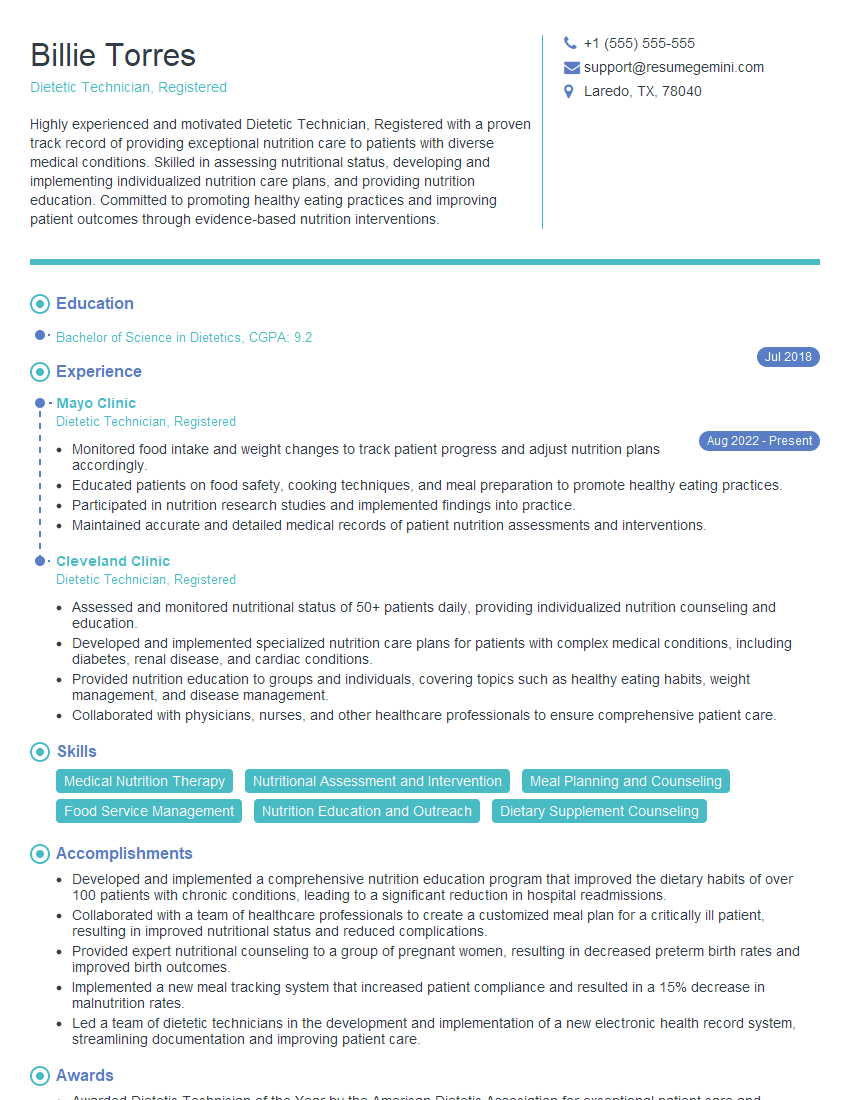
Dietetic Technician, Registered Resume Sample
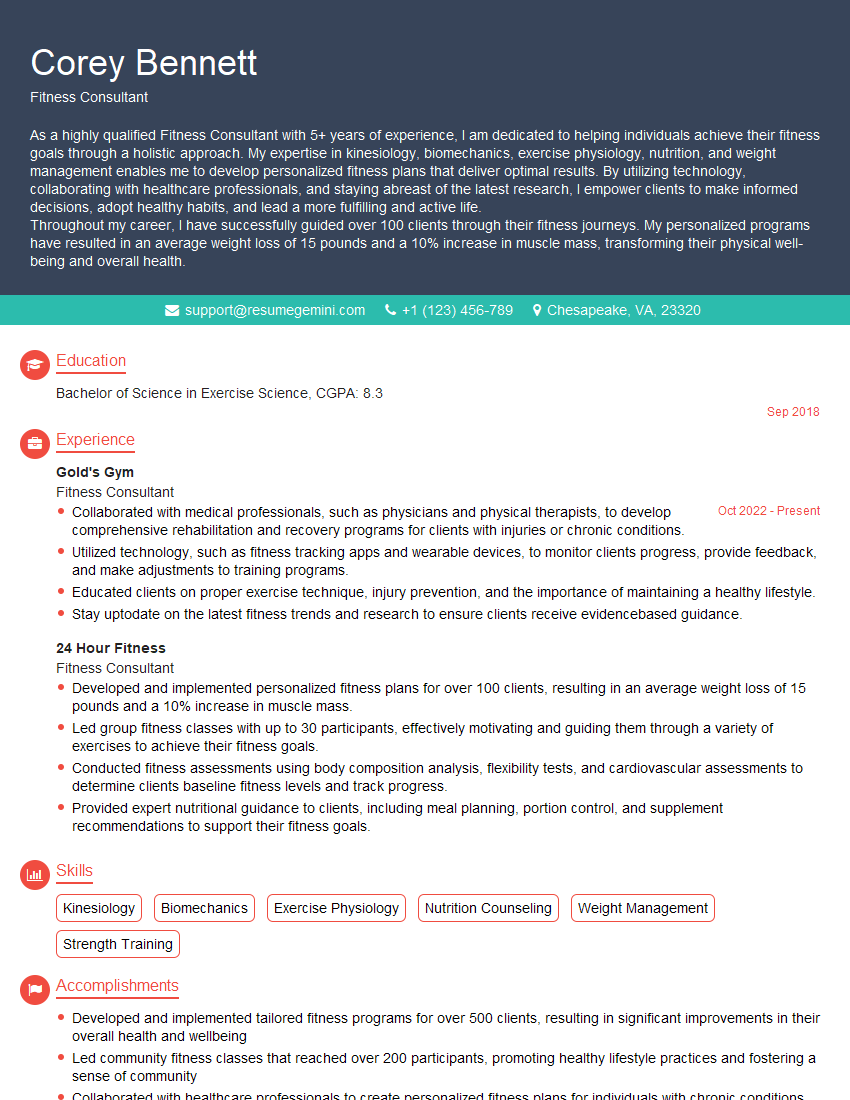
Fitness Consultant Resume Sample
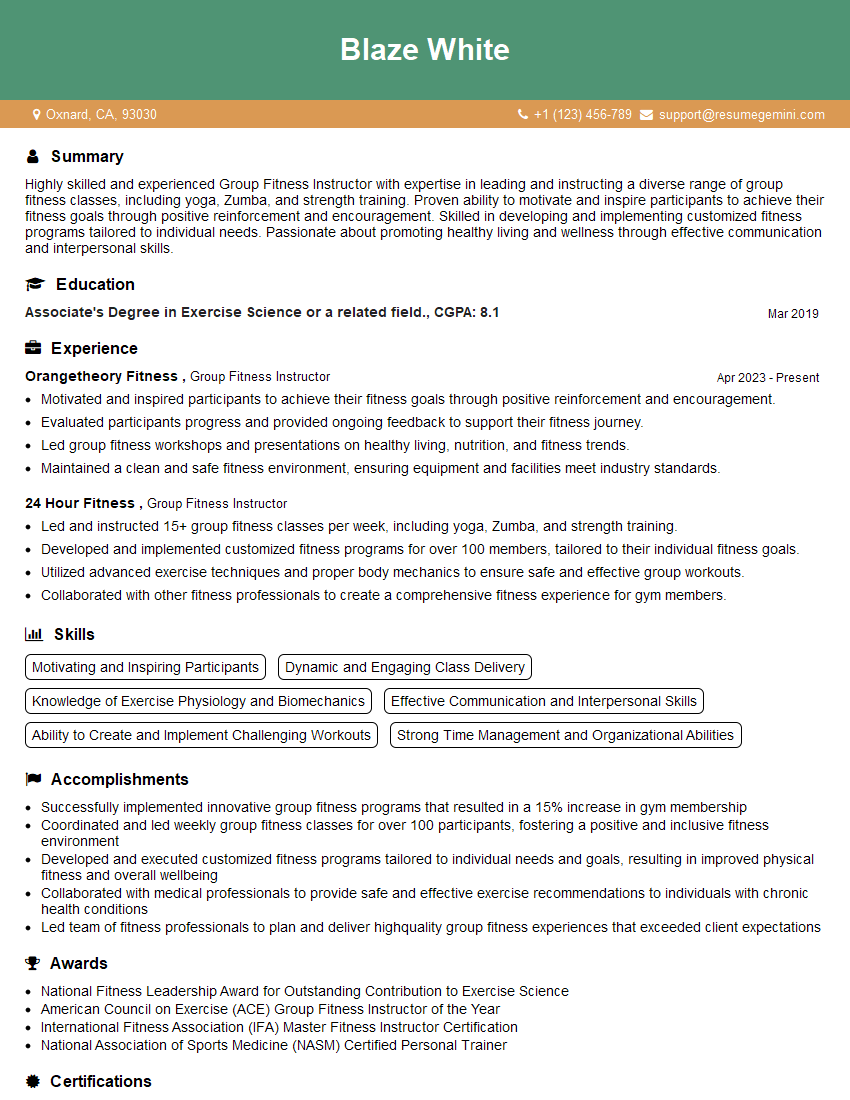
Group Fitness Instructor Resume Sample
Explore more articles
Users Rating of Our Blogs
Share Your Experience
We value your feedback! Please rate our content and share your thoughts (optional).
What Readers Say About Our Blog
Very informative content, great job.
good