The right preparation can turn an interview into an opportunity to showcase your expertise. This guide to Work Flow Analysis interview questions is your ultimate resource, providing key insights and tips to help you ace your responses and stand out as a top candidate.
Questions Asked in Work Flow Analysis Interview
Q 1. Describe your experience with different workflow diagramming techniques (e.g., BPMN, Swimlane diagrams).
Workflow diagramming is crucial for visualizing and understanding processes. I’m proficient in several techniques, most notably BPMN (Business Process Model and Notation) and Swimlane diagrams. BPMN uses standardized symbols to represent tasks, gateways, events, and flows, providing a comprehensive view of a process’s logic and structure. Think of it as a blueprint for your workflow. For instance, a circle represents a start event, a rectangle a task, and a diamond a gateway (decision point). Swimlane diagrams, on the other hand, are excellent for highlighting the roles and responsibilities within a process. Each ‘lane’ represents a participant or department, showing who performs which task. This is particularly useful for identifying handoffs and potential bottlenecks.
In a recent project for a customer service department, I used BPMN to model the entire customer complaint resolution process, clearly showing all steps involved and their sequence. Then, I created a swimlane diagram to illustrate how different teams (e.g., customer service representatives, supervisors, technical support) interacted throughout the process. This combination allowed for a much clearer understanding of responsibilities and potential areas for improvement.
Q 2. How do you identify bottlenecks in a workflow?
Identifying bottlenecks requires a systematic approach. I usually start by collecting data on process execution times, resource utilization, and error rates. This might involve reviewing logs, interviewing stakeholders, and using process mining tools. Once I have a good understanding of the current state, I look for areas where tasks take significantly longer than expected, where resources are consistently overutilized, or where errors frequently occur. For example, a long wait time between a customer request and a response could signal a bottleneck in the customer service process.
I then use techniques like cycle time analysis to pinpoint specific tasks contributing to the delay. This often reveals hidden inefficiencies. A simple way to think of it is imagining a production line – if one machine is significantly slower than the others, it creates a backlog and slows down the entire line. That slow machine is the bottleneck.
Q 3. Explain your approach to analyzing and improving a complex business process.
Analyzing and improving a complex business process involves a structured methodology. I typically follow these steps:
- Process Mapping: First, I meticulously document the current state of the process using techniques like BPMN or Swimlane diagrams. This ensures a clear understanding of all activities, decision points, and handoffs.
- Gap Analysis: Next, I compare the current process against a desired future state, identifying gaps and areas for improvement. This could involve benchmarking against industry best practices or identifying opportunities for automation.
- Root Cause Analysis: For each identified gap, I delve into the root causes using techniques like the ‘5 Whys’ to avoid simply treating symptoms rather than addressing the underlying issues.
- Solution Design: Based on the root cause analysis, I design improved processes, proposing specific solutions, and outlining the necessary changes.
- Implementation and Monitoring: Finally, I support the implementation of the improved process, closely monitoring performance using key metrics to ensure the desired results are achieved.
In one project, we significantly improved an order fulfillment process by streamlining inventory management and automating order tracking, leading to faster delivery times and reduced error rates.
Q 4. What metrics do you use to measure the effectiveness of workflow improvements?
Measuring the effectiveness of workflow improvements requires carefully selected metrics. Key metrics I typically use include:
- Cycle Time: The total time taken to complete a process.
- Throughput: The number of units processed per unit of time.
- Error Rate: The percentage of processes completed with errors.
- Cost per Unit: The cost of processing a single unit.
- Customer Satisfaction: Feedback from customers on their experience with the process.
- Employee Satisfaction: Employee feedback on the improved process workflow.
These metrics are tracked before and after improvements to quantify the impact of the changes. For example, a reduction in cycle time indicates a more efficient process, while an improvement in customer satisfaction demonstrates a positive impact on the customer experience.
Q 5. How do you handle resistance to change during workflow implementation?
Resistance to change is a common challenge during workflow implementation. My approach involves proactive communication and engagement from the outset. I believe in involving stakeholders early in the process to ensure their concerns are heard and addressed. This means actively soliciting feedback, explaining the reasons behind the changes, and demonstrating how the improvements will benefit them. Transparency is key – showing data to support the proposed changes is often very persuasive.
I also advocate for a phased implementation approach, allowing teams to adapt gradually to the new process. Training and support are crucial to ensure that employees feel confident and capable of using the new system. Finally, addressing concerns promptly and celebrating successes along the way can help maintain momentum and overcome resistance.
Q 6. Describe your experience with workflow automation tools.
I have extensive experience with various workflow automation tools, including [mention specific tools like UiPath, Automation Anywhere, Blue Prism, etc., avoiding generic statements]. My experience spans from configuring simple robotic process automation (RPA) bots to designing and implementing complex workflow automation solutions using these platforms. I’m familiar with different automation techniques such as screen scraping, API integration, and database interaction. I understand the importance of choosing the right tool for the specific needs of the project and the level of complexity involved.
For example, in a recent project, we used RPA to automate a repetitive data entry task, freeing up employees for more valuable work and significantly reducing the error rate. The selection of the specific RPA tool was based on its capabilities in handling the target application’s UI and its integration with the existing IT infrastructure.
Q 7. How do you prioritize workflow improvements?
Prioritizing workflow improvements requires a balanced approach. I usually employ a framework that considers both the potential impact and the feasibility of implementation. This often involves a matrix where potential impact (e.g., cost savings, increased efficiency, improved customer satisfaction) is plotted against the effort required for implementation. High-impact, low-effort improvements are prioritized first.
Other factors to consider include: alignment with business strategy, regulatory compliance requirements, and the availability of resources. For example, a workflow improvement that significantly reduces operational costs might be prioritized over one that offers a minor increase in efficiency, especially if the implementation of the latter requires significant investment and resources.
Q 8. How do you ensure buy-in from stakeholders during a workflow redesign project?
Securing stakeholder buy-in is crucial for successful workflow redesign. It’s not just about getting approval; it’s about fostering a sense of ownership and shared purpose. I approach this through a multi-pronged strategy:
Early and Frequent Communication: I begin by clearly articulating the project goals, the expected benefits (quantified whenever possible), and the potential impact on each stakeholder group. Regular updates, using various communication channels (meetings, emails, presentations tailored to different audiences), keep everyone informed and engaged.
Active Participation and Collaboration: I actively involve stakeholders in the design process. This might include workshops, focus groups, or one-on-one interviews to gather input, understand their concerns, and address any potential roadblocks. Their contributions are acknowledged and incorporated, giving them a sense of ownership.
Demonstrating Value and Addressing Concerns: I present a compelling case for change, highlighting the inefficiencies in the current workflow and how the redesign will address them. I proactively anticipate and address potential concerns, providing solutions and mitigating risks. For instance, if a team is worried about increased workload during the transition, I might propose phased implementation or provide additional training.
Building Consensus through Data: I utilize data-driven insights to support my proposals. Process mapping, performance metrics, and simulations can help demonstrate the potential improvements and ROI of the redesign. This objective approach helps build confidence and fosters buy-in.
Celebrating Successes: After implementation, recognizing and celebrating milestones and achievements reinforces the positive impact of the changes and strengthens stakeholder commitment to future improvements.
For example, in a recent project redesigning the customer onboarding process, I involved key stakeholders from sales, marketing, and customer service in workshops to identify pain points and design solutions. By actively incorporating their feedback and demonstrating the potential for reduced onboarding time and increased customer satisfaction, I secured their enthusiastic support.
Q 9. What is your experience with Lean Six Sigma methodologies in workflow optimization?
Lean Six Sigma methodologies are integral to my workflow optimization approach. I’ve extensively utilized DMAIC (Define, Measure, Analyze, Improve, Control) and DMADV (Define, Measure, Analyze, Design, Verify) in various projects. My experience spans from identifying and eliminating waste (Lean) to reducing process variation and defects (Six Sigma).
For example, in a project focused on improving order fulfillment, I employed DMAIC. We:
Defined the current process and its limitations, identifying bottlenecks and areas for improvement.
Measured key performance indicators (KPIs) like order fulfillment time, error rate, and customer satisfaction.
Analyzed the data using tools like Pareto charts and fishbone diagrams to identify the root causes of delays and errors.
Improved the process by implementing solutions such as streamlining order processing, improving inventory management, and optimizing warehouse layout.
Controlled the improved process by establishing monitoring systems and regularly reviewing KPIs to ensure sustained improvements.
I’m proficient in using tools such as value stream mapping, control charts, and process capability analysis to identify areas of improvement and measure the impact of changes. My experience extends to training team members in Lean Six Sigma principles and tools to foster a culture of continuous improvement.
Q 10. How do you document and maintain workflow processes?
Thorough documentation and maintenance of workflow processes are essential for ensuring consistency, facilitating training, and enabling future improvements. My approach combines visual and textual documentation techniques.
Process Mapping: I utilize various process mapping techniques such as swimlane diagrams, flowcharting, and value stream mapping to visually represent the steps involved in a workflow. These diagrams provide a clear and concise overview of the process, making it easy to identify bottlenecks and areas for improvement. Tools like Lucidchart or Visio are commonly used.
Standard Operating Procedures (SOPs): I develop detailed SOPs that provide step-by-step instructions for each task within the workflow. These documents ensure consistency and reduce errors. SOPs are regularly reviewed and updated to reflect changes in the process or technology.
Process Documentation Software: I leverage process documentation software to store and manage workflow documentation, enabling easy access, version control, and collaboration among team members. BPM software often includes this functionality.
Regular Reviews and Updates: Workflows are dynamic; they evolve with changes in technology, business needs, and regulatory requirements. I schedule regular reviews to assess the effectiveness of the documented workflows and make necessary updates.
For example, in a recent project, we used a combination of swimlane diagrams to visualize the customer support process and detailed SOPs to guide agents through each step of handling customer inquiries. This approach significantly improved consistency and reduced customer resolution times.
Q 11. Explain your understanding of Business Process Management (BPM).
Business Process Management (BPM) is a holistic approach to managing and optimizing an organization’s business processes. It encompasses the entire lifecycle of a process, from design and implementation to monitoring and improvement. BPM goes beyond simply documenting workflows; it focuses on aligning processes with strategic goals, improving efficiency, and enhancing customer experience.
Key components of BPM include:
Process Modeling and Design: Creating a clear and concise representation of the process, often using visual tools.
Process Automation: Leveraging technology to automate repetitive tasks and streamline workflows.
Process Monitoring and Analysis: Tracking key performance indicators (KPIs) and using data analytics to identify areas for improvement.
Process Improvement: Continuously evaluating and optimizing processes to achieve greater efficiency and effectiveness.
Process Governance: Establishing clear roles, responsibilities, and procedures for managing processes.
In practice, BPM involves using a combination of tools, technologies, and methodologies to manage and improve processes across the entire organization. For instance, a company might use BPM software to automate invoice processing, track customer order fulfillment, and monitor key performance indicators, enabling continuous improvement and better alignment with business goals.
Q 12. Describe your experience with root cause analysis techniques in workflow improvement.
Root cause analysis (RCA) is critical to effective workflow improvement. It’s about going beyond surface-level symptoms to identify the underlying causes of problems. I’m proficient in several RCA techniques:
5 Whys: A simple yet powerful technique that involves repeatedly asking “Why?” to drill down to the root cause. While seemingly basic, its effectiveness lies in persistent questioning to uncover hidden issues.
Fishbone Diagram (Ishikawa Diagram): A visual tool that helps to brainstorm and categorize potential root causes, exploring factors such as people, processes, equipment, materials, environment, and methods.
Fault Tree Analysis (FTA): A deductive technique that uses a graphical representation to show how various events or failures can contribute to a specific outcome. It is particularly useful for complex systems.
For example, in a project involving frequent delays in a manufacturing process, we used the 5 Whys and a fishbone diagram. By repeatedly asking why a particular step was delayed, we uncovered a systemic issue related to supplier unreliability. The fishbone diagram helped us explore other contributing factors, eventually identifying the need for a more robust inventory management system and improved supplier relationship management.
Q 13. How do you measure the ROI of a workflow improvement project?
Measuring the ROI of a workflow improvement project requires a structured approach that quantifies both costs and benefits. This isn’t just about cost savings; it should encompass improvements in efficiency, productivity, quality, and customer satisfaction.
Baseline Measurement: Before implementing changes, establish baseline metrics for key performance indicators (KPIs) relevant to the project. This provides a benchmark against which to measure improvements.
Quantifying Benefits: Identify and quantify the tangible benefits of the improvements, such as reduced processing time, lower error rates, decreased material costs, and improved customer satisfaction. This often requires data analysis and forecasting.
Calculating Costs: Determine all project costs, including labor, materials, software, and training.
ROI Calculation: Calculate the ROI using a standard formula:
(Total Benefits - Total Costs) / Total Costs. Express the result as a percentage.Long-term Monitoring: Continuously monitor KPIs after implementation to track the sustained impact of the improvements. This ensures the changes deliver long-term value.
For instance, in a project that streamlined an order processing workflow, we measured the reduction in processing time, the decrease in error rates, and the resulting improvement in customer satisfaction. By comparing these improvements with the project’s costs, we demonstrated a significant positive ROI, justifying the investment in the project.
Q 14. How do you collaborate with cross-functional teams to improve workflows?
Collaborating effectively with cross-functional teams is essential for successful workflow improvement. My approach emphasizes open communication, shared understanding, and a collaborative problem-solving approach.
Clearly Defined Goals and Roles: I start by establishing clear project goals and defining the roles and responsibilities of each team member. This ensures everyone is working towards the same objective.
Regular Communication and Meetings: I schedule regular meetings to keep team members informed, share updates, and discuss progress. Effective communication channels, such as project management software, are crucial for seamless information flow.
Conflict Resolution: Inevitably, disagreements may arise. I use facilitative techniques to resolve conflicts constructively and ensure that all perspectives are considered.
Shared Ownership: I foster a sense of shared ownership by actively involving team members in the design and implementation process. This ensures buy-in and commitment.
Celebrating Success: Recognizing and celebrating milestones and achievements boosts team morale and reinforces the collaborative spirit.
For example, in a recent project improving interdepartmental communication, I organized cross-functional workshops where members from sales, marketing, and customer service collaboratively mapped their processes and identified areas for improvement. The shared ownership of the solution ensured successful implementation and sustained improvement.
Q 15. What is your experience with process mining tools?
My experience with process mining tools is extensive. I’ve worked with leading tools like Celonis, Disco, and ABBYY Timeline, applying them across various industries. I’m proficient in using these tools to discover, monitor, and improve business processes. This includes uploading event logs, configuring the tools to identify process variants, analyzing performance bottlenecks, and generating reports to visualize process inefficiencies. For instance, in a recent project for a logistics company, I used Celonis to pinpoint a significant delay in order fulfillment stemming from a poorly defined handoff between warehousing and shipping departments. The process mining tool visually highlighted this bottleneck, allowing us to implement targeted improvements that reduced order fulfillment time by 15%.
Beyond basic process discovery, I’m also skilled in using advanced features such as conformance checking to assess how well real-world processes align with theoretical models and predictive analytics to forecast potential issues. My expertise extends to integrating process mining results with other business intelligence tools for comprehensive analysis and decision-making.
Career Expert Tips:
- Ace those interviews! Prepare effectively by reviewing the Top 50 Most Common Interview Questions on ResumeGemini.
- Navigate your job search with confidence! Explore a wide range of Career Tips on ResumeGemini. Learn about common challenges and recommendations to overcome them.
- Craft the perfect resume! Master the Art of Resume Writing with ResumeGemini’s guide. Showcase your unique qualifications and achievements effectively.
- Don’t miss out on holiday savings! Build your dream resume with ResumeGemini’s ATS optimized templates.
Q 16. Explain your understanding of different workflow patterns.
Workflow patterns are reusable templates that describe common ways tasks and activities are organized and executed. Understanding these patterns is crucial for designing efficient and robust workflows. Some key patterns include:
- Sequential Workflow: Tasks are executed linearly, one after another. Think of a simple order processing system where an order is received, processed, shipped, and finally invoiced.
- Parallel Workflow: Multiple tasks are executed concurrently. For example, in software development, testing and documentation might happen simultaneously.
- Conditional Workflow: The execution path depends on specific conditions. An example is a loan application process where approval depends on credit score and income verification.
- Iterative Workflow: Tasks are repeated until a certain condition is met. A design review process is a great example, where designs are iteratively refined through multiple review cycles.
- State Machine Workflow: The workflow transitions between different states based on events. This is common in systems management where a server might transition between ‘online,’ ‘offline,’ and ‘maintenance’ states.
Recognizing these patterns allows for standardized workflow design, easier maintenance, and improved predictability. Choosing the right pattern depends on the specific business requirements and context.
Q 17. How do you identify and mitigate risks associated with workflow changes?
Identifying and mitigating risks associated with workflow changes requires a systematic approach. I typically use a risk assessment framework that considers various factors. This includes:
- Impact Analysis: Assessing the potential consequences of workflow changes on different stakeholders and systems.
- Stakeholder Engagement: Obtaining buy-in and feedback from all affected parties to identify potential issues early on.
- Testing and Validation: Thoroughly testing the new workflow in a controlled environment before full deployment to identify and fix unforeseen problems.
- Change Management Plan: Developing a plan to smoothly transition to the new workflow, minimizing disruption and ensuring user adoption.
- Contingency Planning: Having backup plans in place to address potential failures or unforeseen circumstances.
For instance, when implementing a new CRM system, a thorough impact analysis might reveal the need for extensive user training to prevent disruptions and ensure smooth adoption. Similarly, a robust testing phase could identify integration issues with existing systems, allowing for proactive resolution before deployment.
Q 18. Describe a time you had to troubleshoot a workflow problem. What was your approach?
In a previous role, we experienced a significant bottleneck in our customer onboarding process. The issue was that the manual data entry step was prone to errors, leading to delays and increased support tickets. My approach involved a structured troubleshooting process:
- Identify the Problem: Clearly defined the problem as excessive delays and error rates in customer onboarding due to manual data entry.
- Gather Data: Collected data on the time spent on each step, error rates, and customer feedback.
- Analyze the Data: Identified the manual data entry as the primary bottleneck.
- Develop Solutions: Proposed solutions, including automated data entry via API integration and improved data validation checks.
- Implement Solution: Implemented the chosen solution, which involved integrating the CRM system with our existing database.
- Monitor and Evaluate: Monitored the results, showing a significant reduction in processing time and error rates. This led to improved customer satisfaction.
This systematic approach ensured a targeted solution and minimized further disruptions. The key was combining data analysis with a phased implementation to minimize risk.
Q 19. How familiar are you with different workflow management systems?
I’m familiar with a range of workflow management systems (WFMS), both cloud-based and on-premise. My experience includes working with systems like Salesforce, SAP Workflow, Microsoft SharePoint, and various custom-built solutions. I understand the strengths and weaknesses of different systems and can select the most appropriate system based on project requirements and organizational needs. My expertise extends to configuring these systems, customizing workflows, and integrating them with other enterprise systems.
For example, I’ve successfully implemented Salesforce Service Cloud to automate and streamline customer support processes, resulting in improved response times and increased customer satisfaction. In another project, I integrated a custom-built WFMS with an ERP system to automate purchase order approvals, significantly improving efficiency.
Q 20. What is your experience with capacity planning and resource allocation in workflows?
Capacity planning and resource allocation are critical for efficient workflow management. My approach involves understanding the workload, resource availability, and constraints. I typically use techniques like:
- Workload Analysis: Analyzing the volume and complexity of tasks within the workflow.
- Resource Profiling: Identifying the skills and capacity of available resources.
- Simulation and Modeling: Using simulation tools to predict resource utilization and identify potential bottlenecks under different scenarios.
- Optimization Algorithms: Employing optimization algorithms to find the most efficient resource allocation strategy.
For instance, in a project for a marketing team, I used workload analysis to identify peak periods and then optimized resource allocation by scheduling tasks strategically, ensuring that resources were available during periods of high demand. This approach significantly improved overall team productivity.
Q 21. How do you handle conflicting priorities in a workflow?
Handling conflicting priorities requires a structured approach that balances competing demands. I typically follow these steps:
- Prioritization Matrix: Use a matrix (e.g., Eisenhower Matrix) to categorize tasks based on urgency and importance.
- Stakeholder Alignment: Engage with stakeholders to understand their priorities and negotiate compromises.
- Negotiation and Communication: Clearly communicate the constraints and explore potential trade-offs with stakeholders.
- Re-evaluation and Adjustment: Regularly re-evaluate priorities and make adjustments as needed, based on changing circumstances.
A key aspect is transparent communication. Keeping all stakeholders informed about decisions and their rationale helps prevent misunderstandings and builds trust. Sometimes, rescoping or re-prioritizing the overall project might be necessary to successfully navigate conflicting demands.
Q 22. How do you ensure compliance and governance within a workflow?
Ensuring compliance and governance in a workflow is crucial for maintaining operational integrity and avoiding legal issues. My approach involves a multi-faceted strategy:
- Defining Clear Roles and Responsibilities: A robust workflow explicitly outlines who is responsible for each step. This prevents ambiguity and ensures accountability. For example, in a purchase order process, responsibilities could be clearly assigned to the requester, approver, and purchasing agent.
- Implementing Audit Trails: Every workflow step should be logged, creating an auditable record. This allows for tracking, monitoring for errors, and demonstrating compliance with regulations. Think of this like a detailed receipt for every transaction in the workflow.
- Integrating with Existing Systems: The workflow should seamlessly integrate with existing compliance systems, such as those for data privacy (GDPR, CCPA) or financial regulations (SOX). This avoids creating isolated processes that are difficult to audit.
- Regular Reviews and Updates: Compliance regulations change, so regular reviews are vital. The workflow must be adaptable to accommodate these changes and stay up-to-date with best practices.
- Training and Communication: Employees need clear and consistent training on the workflow and compliance requirements. This includes regular communication about updates and changes.
By implementing these measures, we can establish a culture of compliance and governance within the workflow, minimizing risk and ensuring operational efficiency.
Q 23. Describe your approach to training employees on new workflows.
Training employees on new workflows is a crucial step for successful implementation. I favor a blended learning approach combining various methods for optimal knowledge retention and practical application:
- Interactive Training Modules: I utilize interactive online modules that allow employees to learn at their own pace and test their understanding. This could include videos, quizzes, and simulated scenarios.
- Hands-on Workshops: Practical workshops allow employees to apply their learning in a safe environment. This could involve role-playing or working through real-life case studies.
- Mentorship and Peer Support: Pairing new trainees with experienced employees provides personalized support and allows for on-the-job learning. It leverages the power of social learning.
- Job Aids and Quick Guides: Providing readily accessible reference materials – such as checklists and step-by-step instructions – enables employees to easily access information when they need it.
- Ongoing Feedback and Support: Regular feedback and support sessions allow for addressing any challenges and providing further guidance. This ensures continuous improvement and adaptation.
This multi-faceted approach ensures a thorough understanding and efficient adoption of the new workflow, minimizing disruption and maximizing productivity.
Q 24. How do you adapt workflows to changing business needs?
Adapting workflows to changing business needs is an ongoing process. My approach centers around flexibility and continuous improvement:
- Regular Workflow Audits: Periodic audits identify bottlenecks, inefficiencies, and areas needing improvement. This helps anticipate and prepare for potential challenges.
- Agile Methodology: Embracing an agile approach, with iterative development and feedback loops, enables quick adjustments in response to changing demands. This allows for flexibility and incremental improvement.
- Stakeholder Engagement: Regular collaboration with stakeholders (employees, managers, customers) ensures the workflow remains relevant and addresses their needs. This collective feedback is vital for adaptation.
- Technology Integration: Leveraging technology—such as workflow automation software—can streamline processes and increase flexibility. Automation handles repetitive tasks, allowing for more efficient adaptation to changing needs.
- Data-driven Decision Making: Analyzing workflow data helps pinpoint areas for improvement and inform strategic adjustments. Data-driven decisions minimize guesswork and maximize positive impact.
By using this adaptable strategy, we can ensure the workflow remains a valuable tool, adjusting smoothly to any shifts in the business environment.
Q 25. What is your experience using data analysis to inform workflow improvements?
Data analysis is a cornerstone of my workflow improvement strategy. I use data to identify bottlenecks, inefficiencies, and areas for optimization. For example, in a customer service workflow, I might analyze call duration, resolution time, and customer satisfaction scores to identify areas needing attention.
I utilize various data analysis techniques, including:
- Descriptive Analytics: Understanding basic metrics like average processing time, error rates, and volume of tasks.
- Diagnostic Analytics: Investigating the root causes of bottlenecks or inefficiencies, such as identifying steps with high error rates or long processing times.
- Predictive Analytics: Forecasting potential issues or anticipating future needs based on historical data. For example, predicting peak demand periods to proactively adjust staffing levels.
The insights gained from data analysis inform decisions on workflow redesign, automation, training needs, and resource allocation. This data-driven approach ensures improvements are targeted and effective.
Q 26. How do you define success in a workflow improvement project?
Success in a workflow improvement project is defined by a combination of factors, going beyond simply completing the project:
- Improved Efficiency: A reduction in processing time, cost, or resource consumption is a key indicator of success. For example, a reduction in customer service resolution time or a decrease in the number of errors.
- Increased Productivity: An increase in output or throughput, demonstrating greater efficiency in task completion.
- Enhanced Quality: Improved accuracy, consistency, and customer satisfaction, resulting in better quality of work.
- Improved Employee Morale: A more streamlined workflow often leads to improved employee satisfaction and morale due to reduced stress and increased job satisfaction.
- Measurable Return on Investment (ROI): Demonstrating a clear return on investment for the time and resources dedicated to the workflow improvement project.
By tracking these metrics, I can objectively assess the success of a project and demonstrate its value to the organization.
Q 27. What are your strengths and weaknesses related to workflow analysis?
My strengths in workflow analysis include a strong analytical ability, experience with diverse methodologies (Lean, Six Sigma), and proficiency in data analysis tools. I’m also a skilled communicator and collaborator, capable of working effectively with various stakeholders.
My weakness is sometimes getting overly focused on detail, which can occasionally slow down the overall process. I mitigate this by consciously focusing on priorities and using time management techniques effectively. I also actively seek feedback to ensure I maintain a balanced perspective.
Q 28. Describe a time you failed to improve a workflow. What did you learn?
In a previous project, I attempted to implement a new automated workflow without sufficient stakeholder buy-in. While the technology was sound, the employees lacked training and were resistant to change. This resulted in low adoption rates and ultimately, the project failed to deliver its expected benefits.
The key lesson learned was the critical importance of stakeholder engagement and thorough training. A successful workflow improvement project requires not only technological expertise but also strong communication and change management skills. I now prioritize thorough stakeholder analysis and inclusive training strategies in all my projects.
Key Topics to Learn for Work Flow Analysis Interview
- Understanding Workflow Processes: Defining and documenting the steps involved in a business process, including inputs, outputs, and decision points.
- Process Mapping Techniques: Mastering various diagramming methods like swim lane diagrams, flowcharts, and value stream mapping to visually represent workflows.
- Workflow Optimization Strategies: Identifying bottlenecks, inefficiencies, and areas for improvement within existing workflows. This includes analyzing cycle times, resource utilization, and error rates.
- Data Analysis and Interpretation: Using data to support workflow analysis, identifying key performance indicators (KPIs) and metrics relevant to process efficiency.
- Technology and Workflow Integration: Understanding how software and automation tools can be used to improve workflow efficiency and track progress.
- Change Management and Implementation: Planning and executing changes to workflows, considering stakeholder communication and training needs.
- Lean Principles and Workflow Improvement: Applying lean methodologies (like Kaizen) to eliminate waste and streamline workflows.
- Six Sigma and Workflow Optimization: Understanding how Six Sigma methodologies can be used to reduce variation and improve process quality.
- Business Process Re-engineering (BPR): Understanding the fundamentals of BPR and its application in radical workflow redesign.
Next Steps
Mastering Work Flow Analysis opens doors to exciting opportunities in process improvement, project management, and operational excellence. A strong understanding of these concepts is highly sought after by employers across various industries. To maximize your job prospects, it’s crucial to present your skills effectively. Create an ATS-friendly resume that highlights your expertise and achievements. ResumeGemini is a trusted resource that can help you build a professional and impactful resume, ensuring your application stands out. Examples of resumes tailored to Work Flow Analysis are available to guide you.
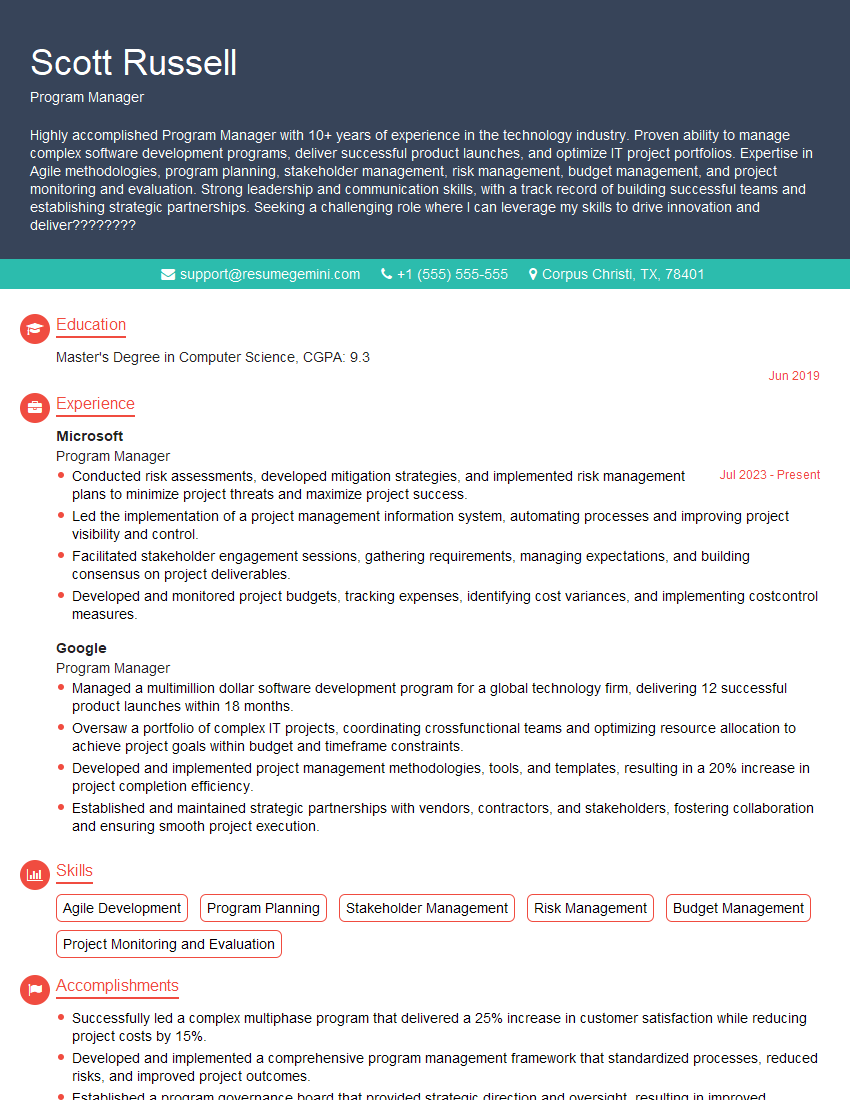
Program Manager Resume Sample

Operations Manager Resume Sample
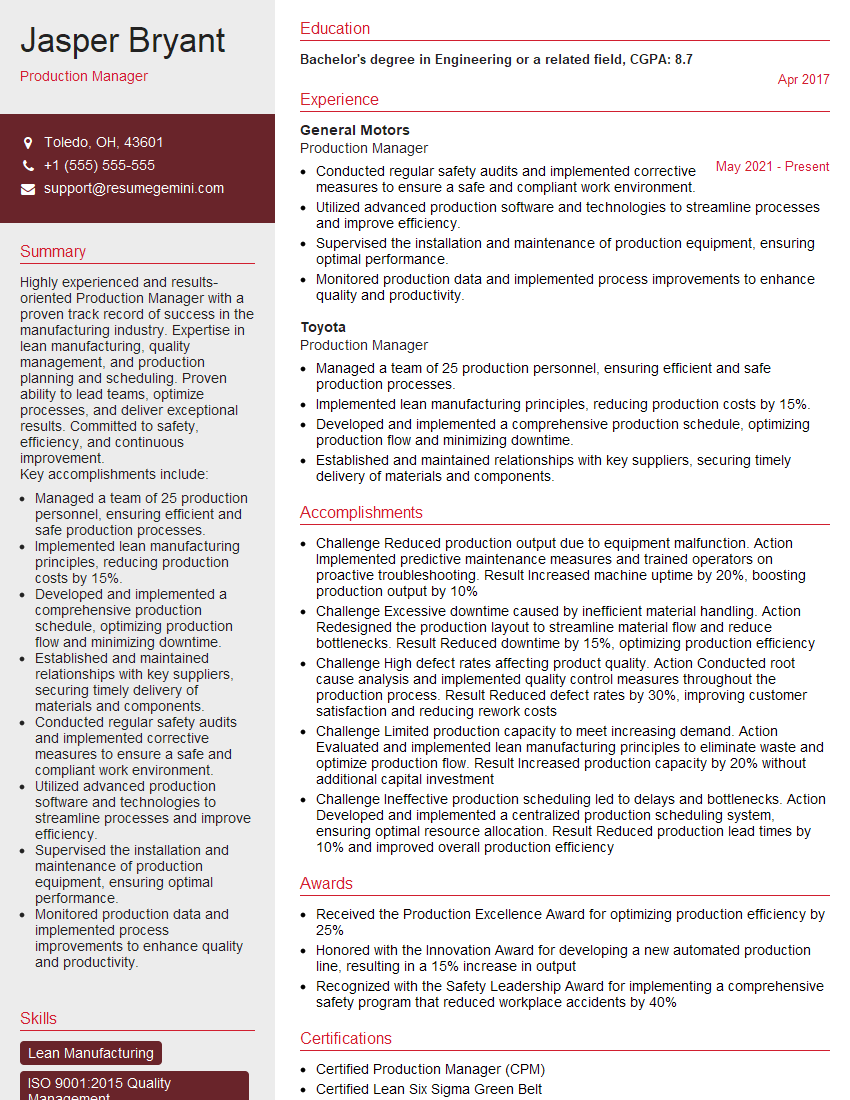
Production Manager Resume Sample
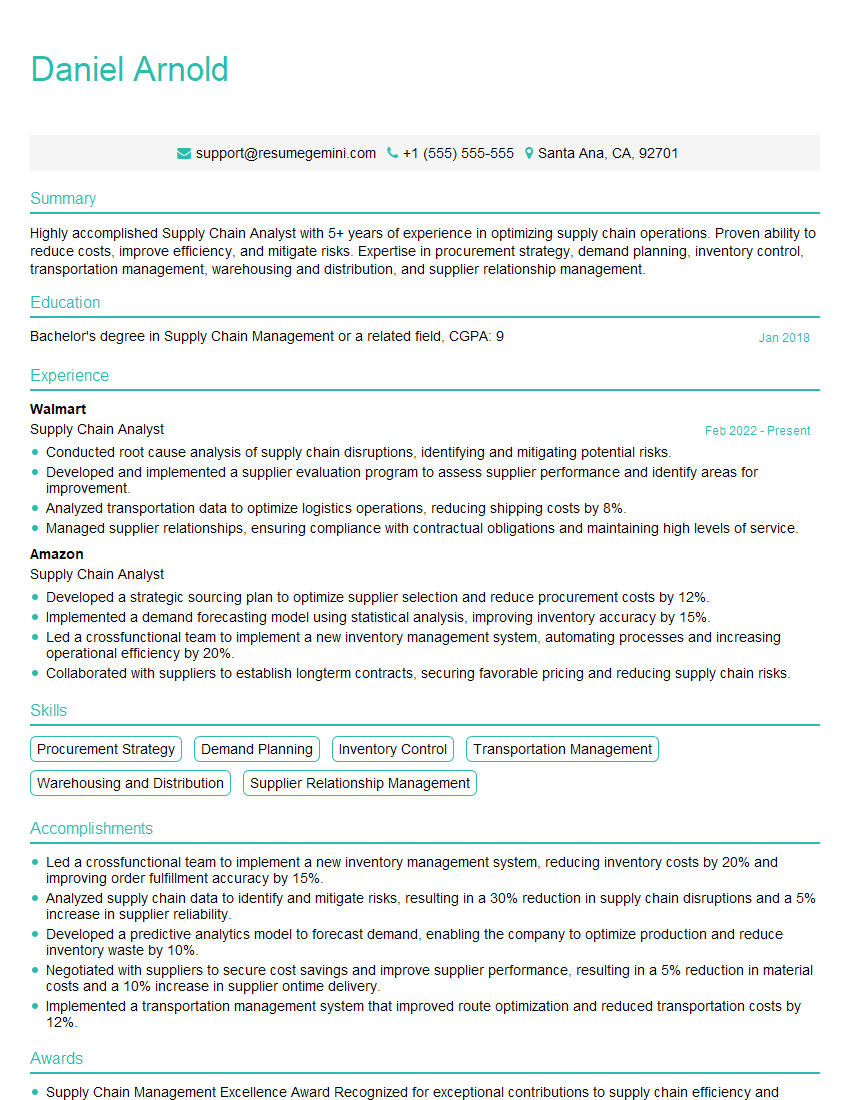
Supply Chain Analyst Resume Sample
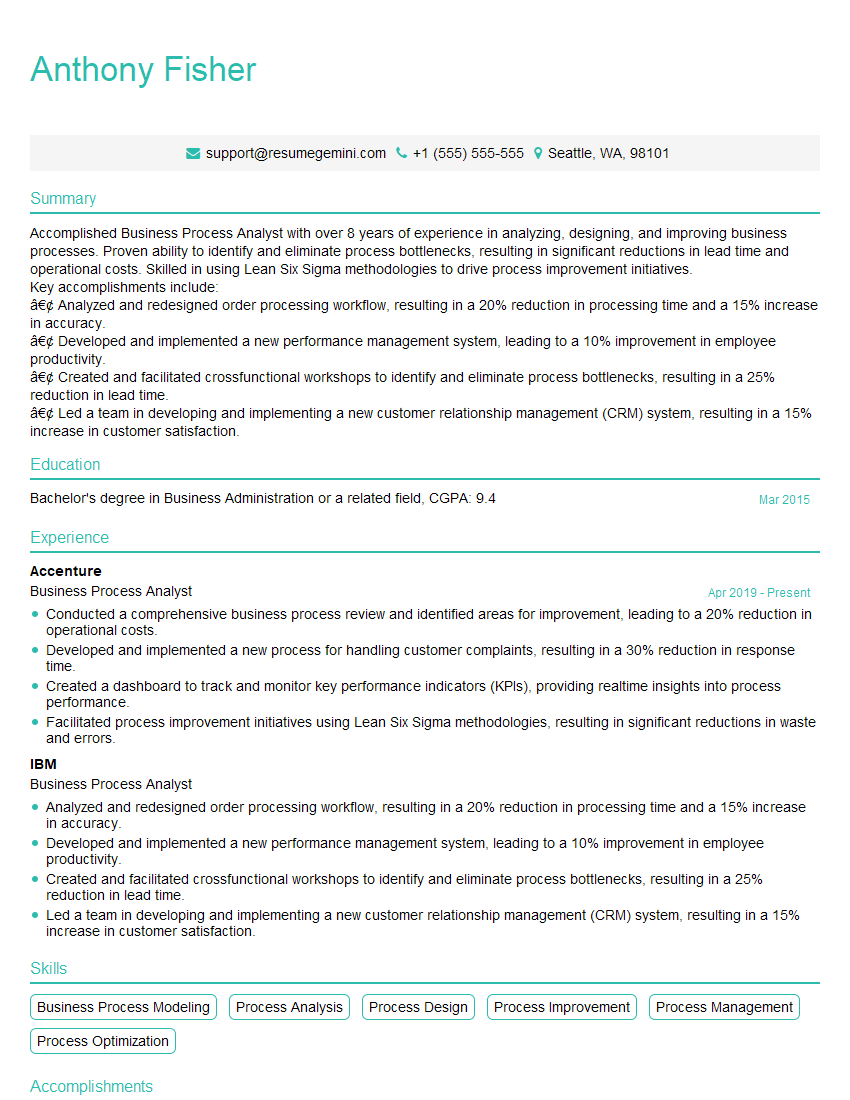
Business Process Analyst Resume Sample
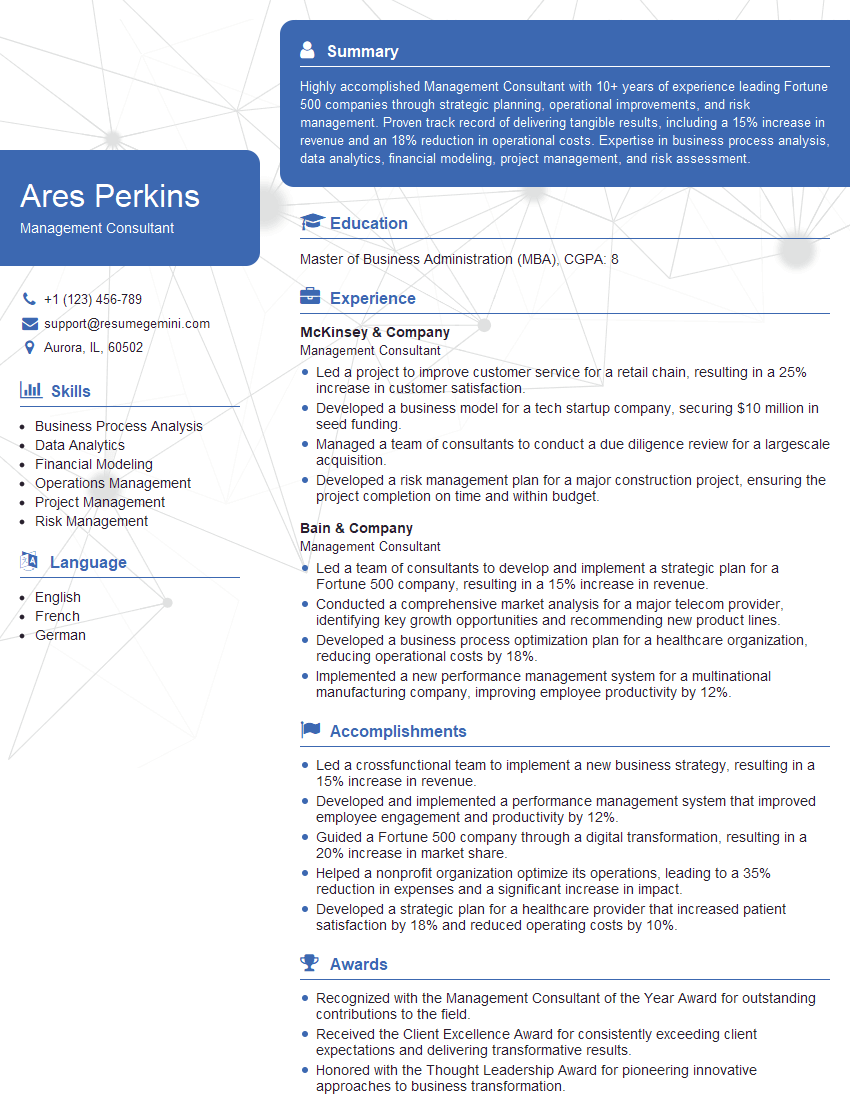
Management Consultant Resume Sample
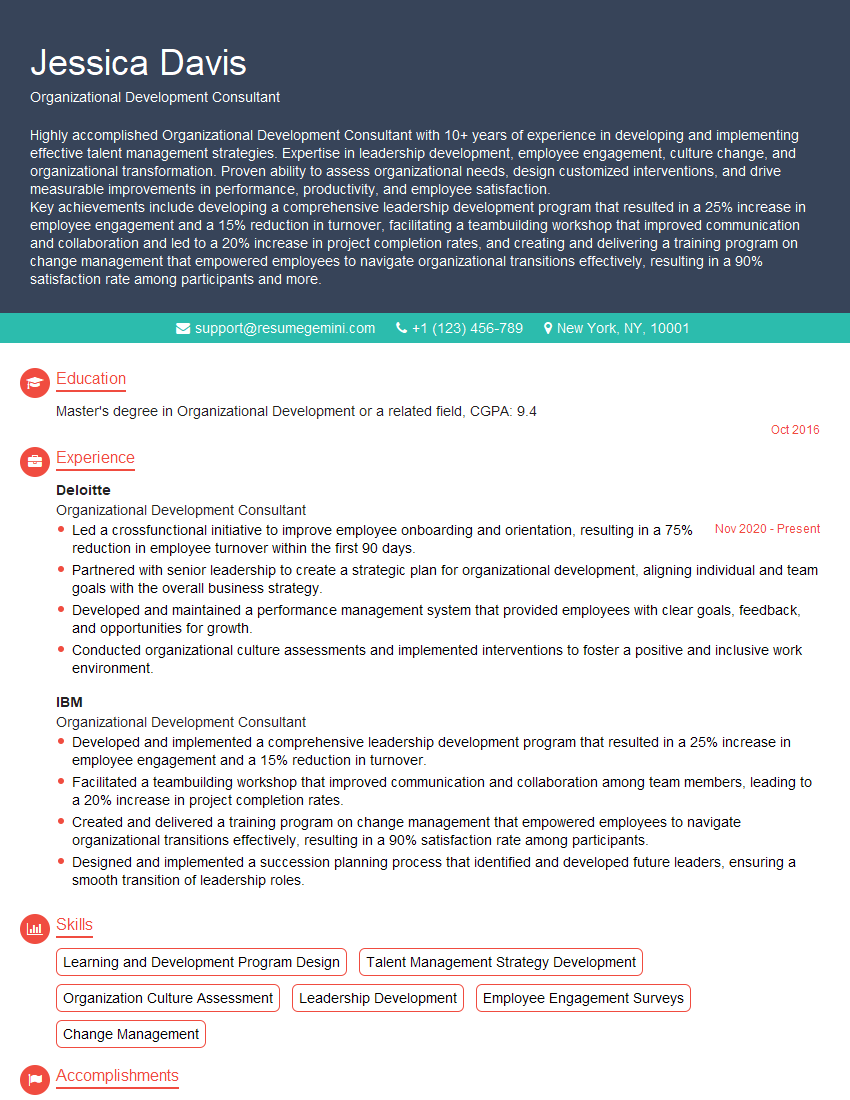
Organizational Development Consultant Resume Sample
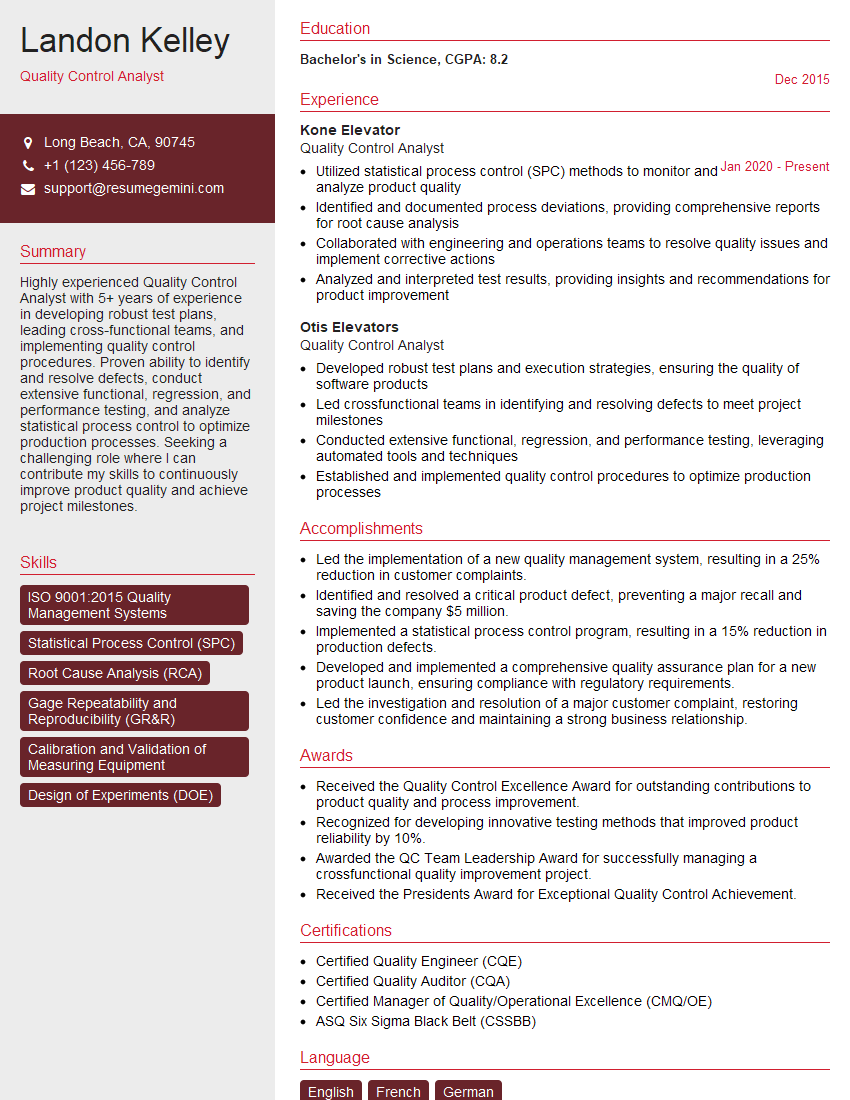
Quality Control Analyst Resume Sample
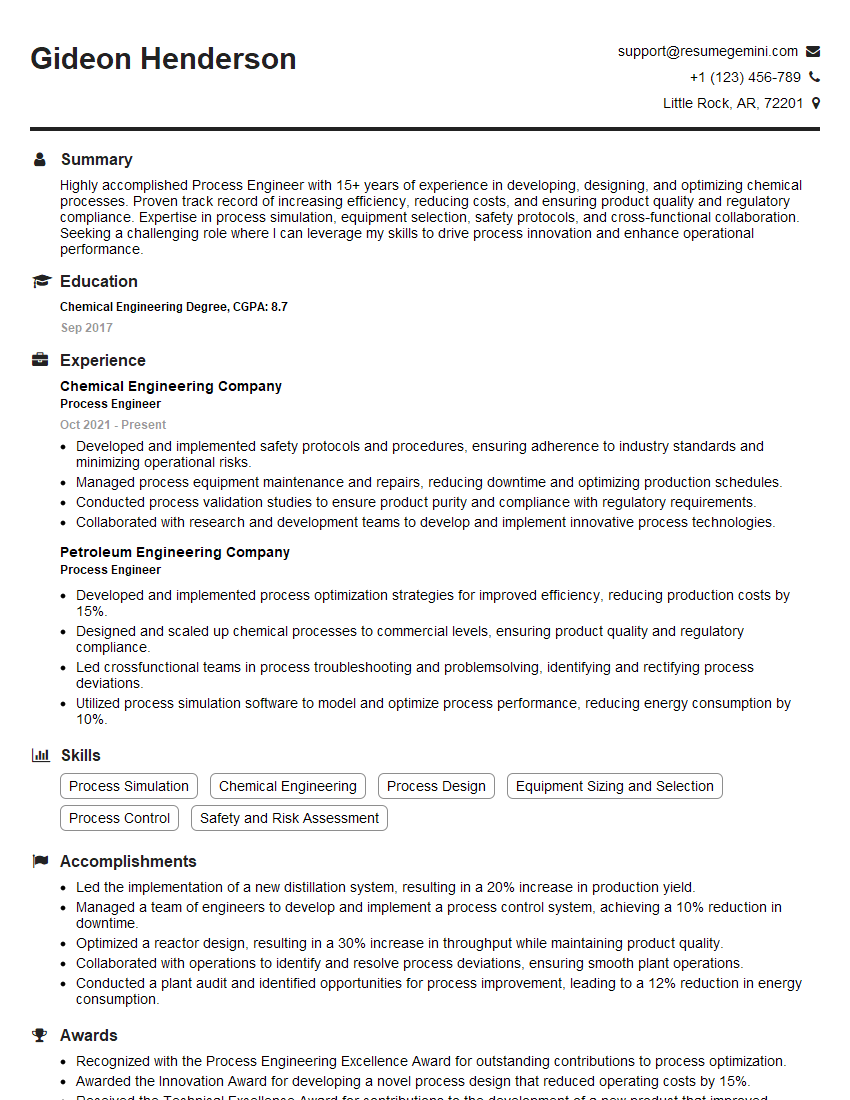
Process Engineer Resume Sample
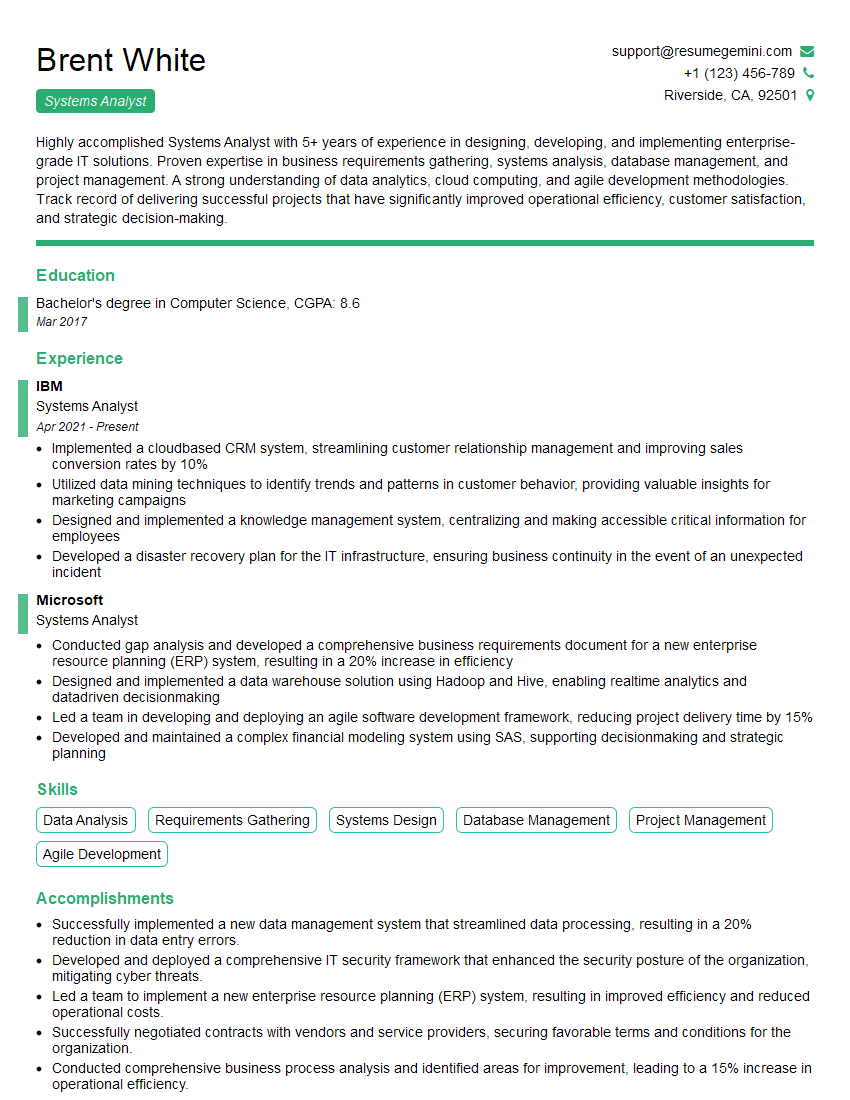
Systems Analyst Resume Sample
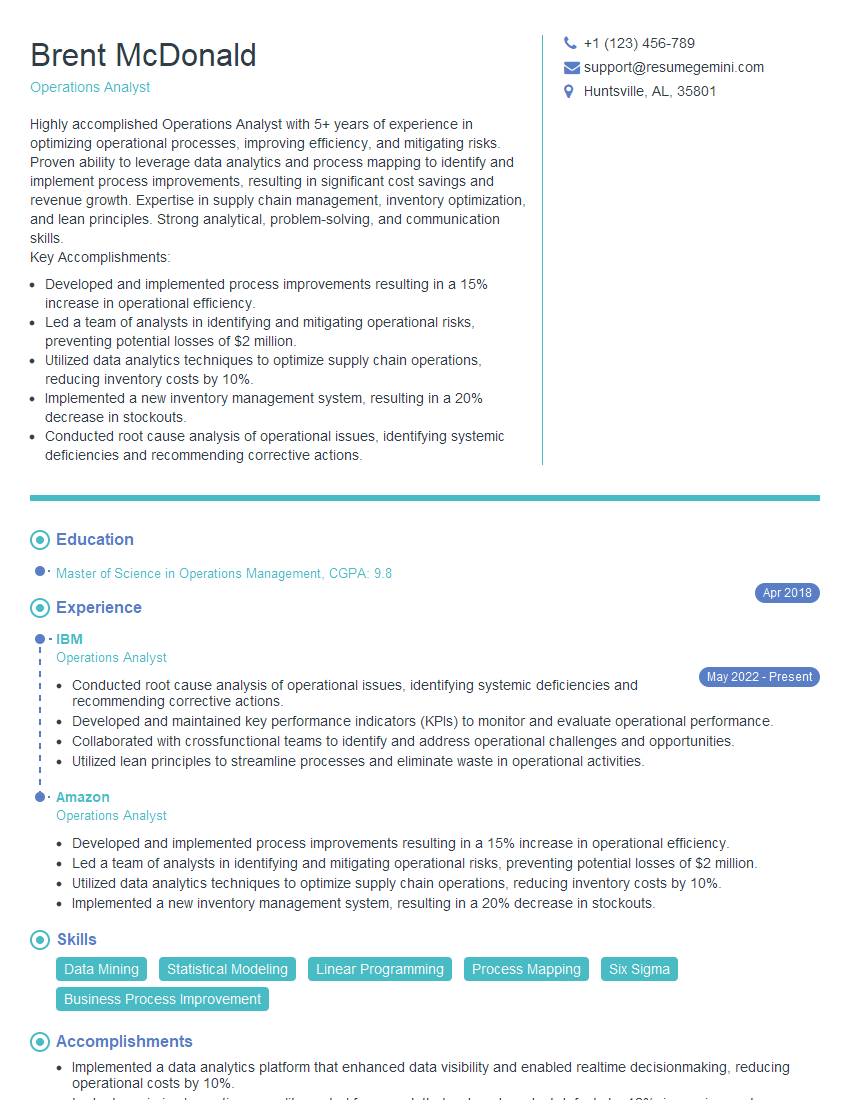
Operations Analyst Resume Sample
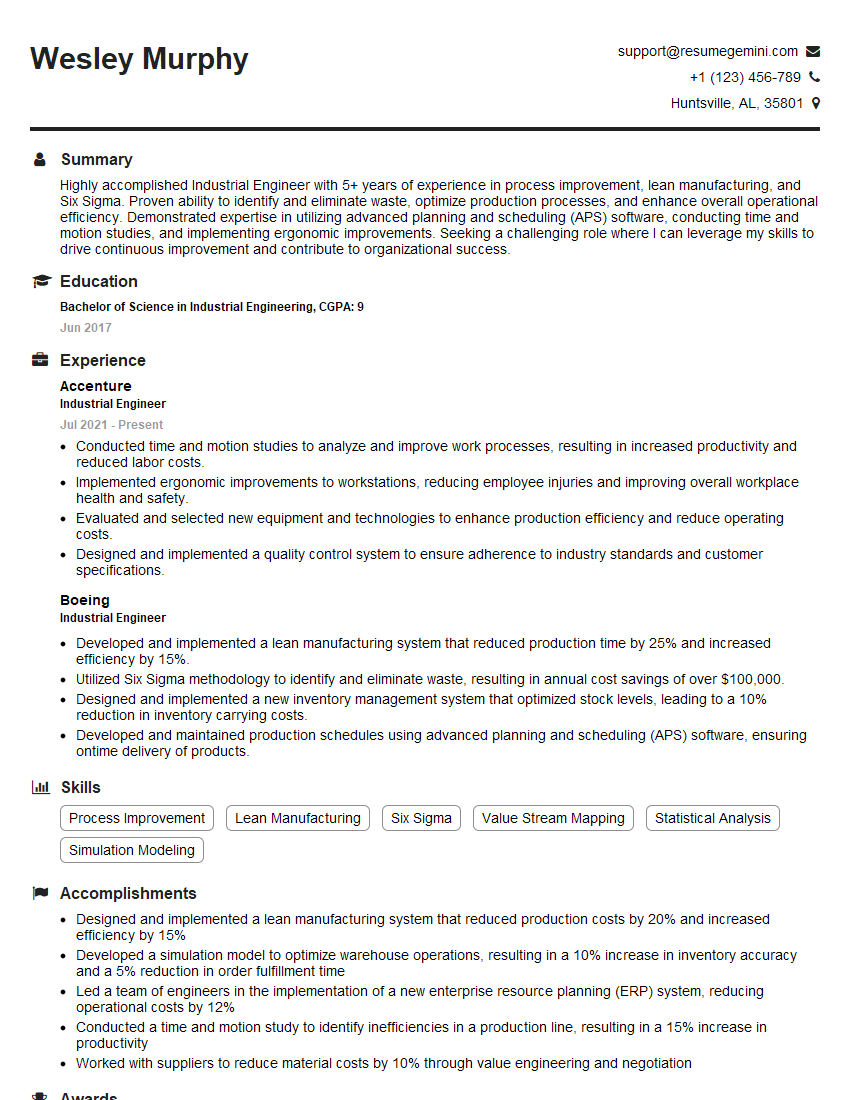
Industrial Engineer Resume Sample
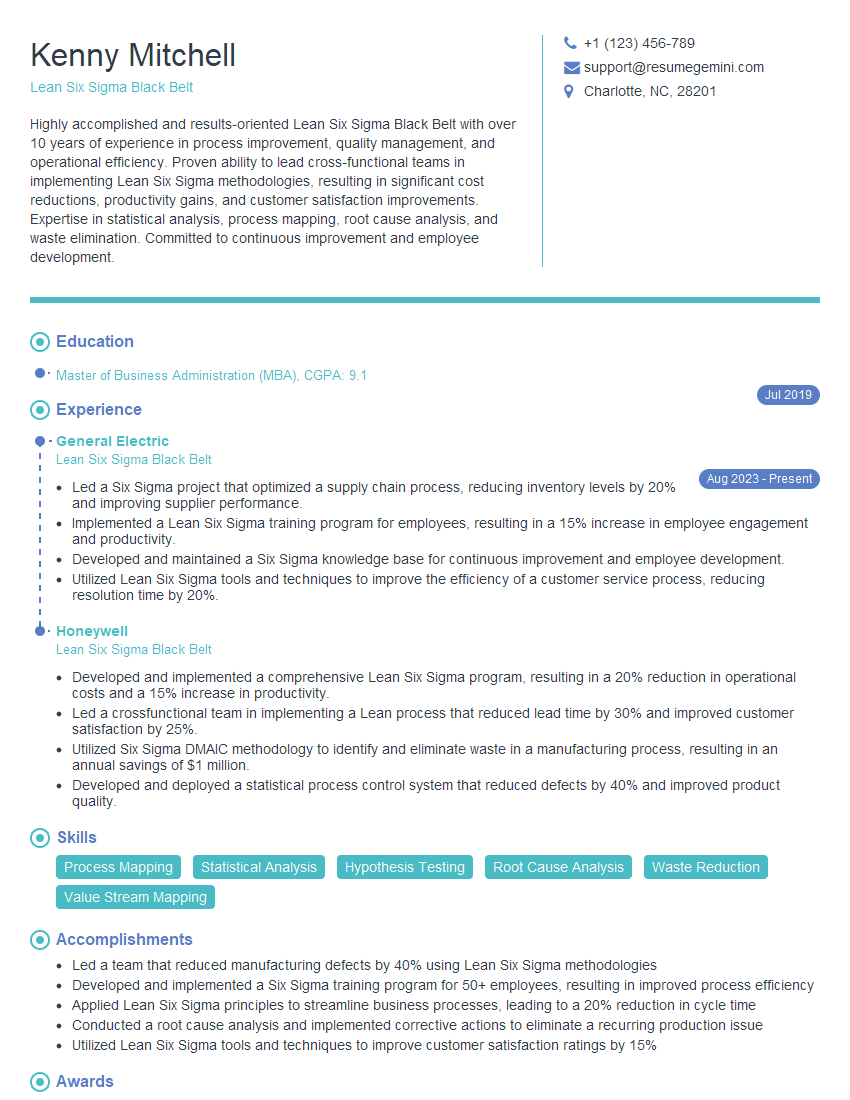
Lean Six Sigma Black Belt Resume Sample
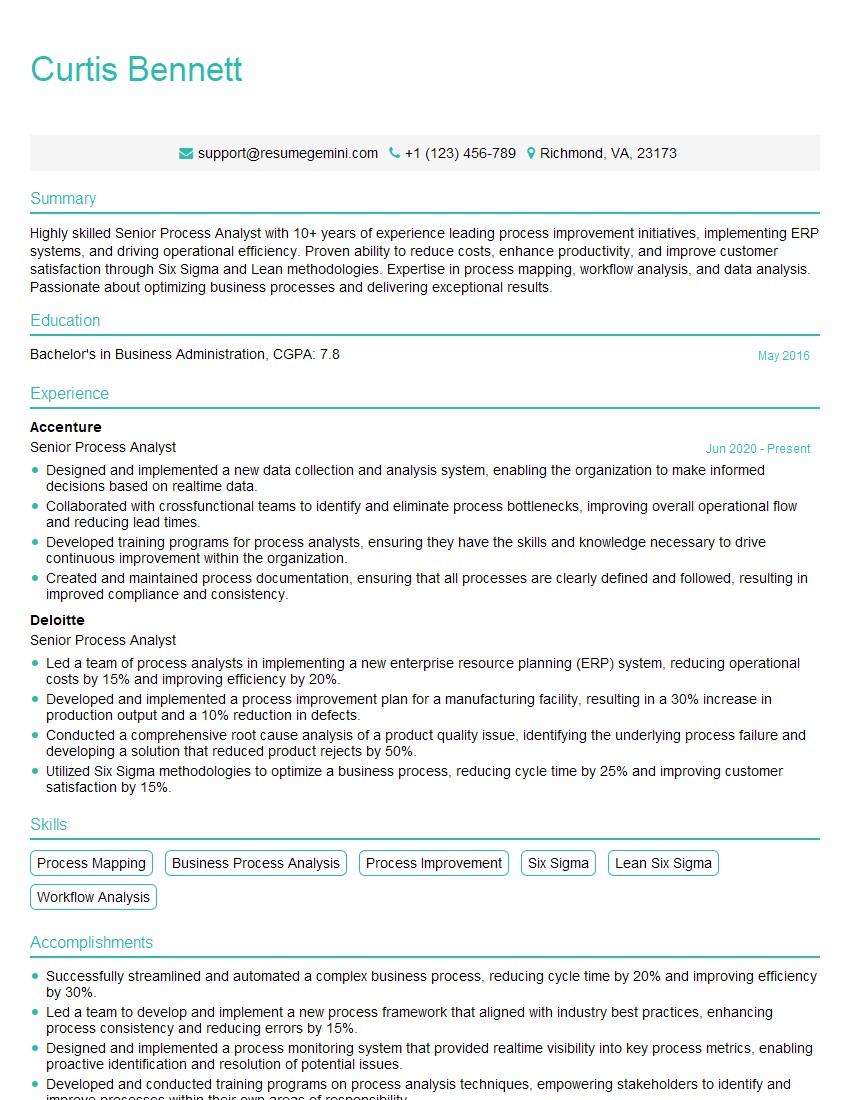
Senior Process Analyst Resume Sample
- Program Manager
- Operations Manager
- Production Manager
- Supply Chain Analyst
- Business Process Analyst
- Management Consultant
- Organizational Development Consultant
- Quality Control Analyst
- Process Engineer
- Systems Analyst
- Operations Analyst
- Industrial Engineer
- Lean Six Sigma Black Belt
- Senior Process Analyst
Explore more articles
Users Rating of Our Blogs
Share Your Experience
We value your feedback! Please rate our content and share your thoughts (optional).
What Readers Say About Our Blog
Very informative content, great job.
good