Interviews are opportunities to demonstrate your expertise, and this guide is here to help you shine. Explore the essential Nutrition and Feeding Management interview questions that employers frequently ask, paired with strategies for crafting responses that set you apart from the competition.
Questions Asked in Nutrition and Feeding Management Interview
Q 1. What are the key components of a balanced diet?
A balanced diet is a cornerstone of good health, providing the body with all the necessary nutrients for optimal function. It’s not about strict rules, but rather a mindful approach to food choices that prioritizes variety and moderation.
- Fruits and Vegetables: These are packed with vitamins, minerals, and fiber, crucial for digestion and overall well-being. Aim for a rainbow of colors to ensure a wide range of nutrients. For example, incorporating dark leafy greens like spinach, vibrant red peppers, and deep purple berries ensures diverse micronutrient intake.
- Whole Grains: Choose whole grains like brown rice, quinoa, and oats over refined grains. They provide sustained energy and are rich in fiber, promoting healthy digestion. Refined grains, like white bread, are stripped of much of their nutritional value.
- Lean Protein: Essential for building and repairing tissues, lean protein sources include fish, poultry, beans, lentils, and tofu. Aim for a balance of plant-based and animal-based proteins.
- Healthy Fats: Essential fatty acids are vital for brain function and hormone production. Include sources like avocados, nuts, seeds, and olive oil. Limit saturated and trans fats found in processed foods and red meat.
- Dairy or Dairy Alternatives: Provides calcium and vitamin D, crucial for bone health. If you avoid dairy, choose fortified plant-based alternatives like almond milk or soy milk.
Think of it like building a house: each nutrient is a crucial building block. A balanced diet ensures you have all the bricks, mortar, and wood needed for a strong and healthy structure.
Q 2. Explain the difference between macronutrients and micronutrients.
Macronutrients and micronutrients are both essential for health, but they differ significantly in the quantities needed and their primary functions. Macronutrients are needed in large amounts and provide energy, while micronutrients are required in smaller amounts and support various metabolic processes.
- Macronutrients: These are carbohydrates, proteins, and fats. They provide the bulk of our daily calories and are essential for energy production, tissue building, and overall bodily functions. Think of them as the ‘major players’ in your body’s energy and structure.
- Micronutrients: These include vitamins and minerals. Although needed in smaller amounts, they act as catalysts and co-factors in numerous metabolic reactions. They support immune function, bone health, nerve function and many other processes. These are the ‘supporting actors’ ensuring everything runs smoothly.
For instance, carbohydrates are your body’s primary energy source, while vitamin C is needed for collagen production and immune system function. You’ll need grams of carbohydrates daily, but only milligrams of Vitamin C.
Q 3. Describe the role of carbohydrates, proteins, and fats in the body.
Carbohydrates, proteins, and fats play distinct yet interconnected roles in the body:
- Carbohydrates: The body’s primary source of energy. They’re broken down into glucose, which fuels cells and organs. Complex carbohydrates, like those found in whole grains, provide sustained energy release, while simple carbohydrates, like sugars, lead to rapid spikes and crashes in blood sugar levels. Think of carbs as the ‘fuel’ for your body.
- Proteins: Essential for building and repairing tissues, making enzymes and hormones, and supporting immune function. They are composed of amino acids, some of which are essential (meaning we must obtain them from our diet). Proteins are the ‘building blocks’ for your body’s structures.
- Fats: Provide energy, aid in nutrient absorption, protect organs, and regulate body temperature. They’re crucial for hormone production and brain function. Essential fatty acids, like omega-3 and omega-6, must be obtained from the diet. Fats are the ‘insulation and support system’ for your body.
Imagine a car: carbohydrates are the gasoline, proteins are the engine parts, and fats are the lubricating oil and insulation. Each component is vital for optimal performance.
Q 4. What are the recommended daily allowances for essential vitamins and minerals?
Recommended daily allowances (RDAs) for vitamins and minerals vary depending on age, sex, and health status. There’s no single universal number. The best source for specific RDAs is the Dietary Reference Intakes (DRIs) published by the National Academies of Sciences, Engineering, and Medicine. These guidelines are regularly updated based on the latest scientific research.
It’s crucial to consult a registered dietitian or healthcare professional for personalized recommendations, as individual needs can vary widely. Attempting self-diagnosis or relying solely on general guidelines can be risky and may lead to deficiencies or excesses.
Furthermore, relying solely on supplements is not advised. A balanced diet is the best source of micronutrients. Supplements should only be used to address specific deficiencies under professional guidance.
Q 5. How do you assess a patient’s nutritional status?
Assessing a patient’s nutritional status requires a comprehensive approach that combines several methods. A single indicator is rarely sufficient. The assessment process usually involves:
- Anthropometric measurements: Height, weight, BMI (Body Mass Index), waist circumference, and skinfold thickness are used to assess body composition and identify potential weight problems. For example, a low BMI might suggest undernutrition.
- Biochemical data: Blood and urine tests measure levels of key nutrients like vitamins, minerals, and proteins to detect deficiencies or excesses. For example, low hemoglobin levels could indicate iron deficiency anemia.
- Clinical examination: A physical examination assesses visible signs of malnutrition, such as dry skin, hair loss, or muscle wasting. These signs provide visual clues suggesting potential nutritional imbalances.
- Dietary assessment: This involves reviewing the patient’s dietary intake through methods like 24-hour dietary recall, food frequency questionnaires, or food diaries. This helps understand overall dietary patterns and identify potential areas for improvement.
It’s important to remember that a comprehensive assessment takes into account multiple factors and uses a variety of methods to paint a complete picture of the patient’s nutritional health.
Q 6. Explain different methods for calculating caloric needs.
Several methods exist for calculating caloric needs, each with its own strengths and limitations. The most common methods include:
- Basal Metabolic Rate (BMR): This represents the minimum energy required to keep the body functioning at rest. Several equations exist to estimate BMR based on factors like age, sex, weight, and height. The Mifflin-St Jeor equation is widely considered accurate.
- Activity Factor: This multiplies the BMR to account for daily physical activity. The activity factor varies based on the individual’s activity level (sedentary, lightly active, moderately active, very active, extra active).
- Thermic Effect of Food (TEF): This accounts for the energy expended during the digestion, absorption, and metabolism of food. It is typically estimated as 10% of the total daily energy expenditure.
Example using Mifflin-St Jeor Equation:
Let’s say a 30-year-old male weighing 70 kg and 175 cm tall is moderately active:
BMR = (10 x 70) + (6.25 x 175) - (5 x 30) + 5 = 1742.5 kcalActivity Factor (Moderately Active) = 1.55Total Daily Energy Expenditure (TDEE) = 1742.5 kcal x 1.55 + (0.1 x 1742.5 kcal) ≈ 2800 kcal
It’s crucial to remember that these are estimations, and individual caloric needs can vary based on many factors. A registered dietitian can help personalize this calculation and provide more accurate guidance.
Q 7. Describe various dietary modifications for specific medical conditions (e.g., diabetes, heart disease).
Dietary modifications are often crucial in managing various medical conditions. Here are a few examples:
- Diabetes: A diabetic diet focuses on controlling blood sugar levels through consistent carbohydrate intake, choosing complex carbohydrates over simple sugars, increasing fiber intake, and managing portion sizes. Regular blood sugar monitoring is essential to adjust dietary plans as needed. For example, a person with diabetes would prioritize whole grains, lean proteins, and non-starchy vegetables.
- Heart Disease: A heart-healthy diet emphasizes reducing saturated and trans fats, cholesterol, and sodium. It encourages increased intake of fruits, vegetables, whole grains, and lean proteins. This helps lower blood pressure and cholesterol levels, reducing the risk of heart disease. For example, a person with heart disease might substitute olive oil for butter and choose fish over red meat.
- Kidney Disease: A renal diet restricts protein, phosphorus, potassium, and sodium to reduce the burden on the kidneys. The specific restrictions depend on the stage of kidney disease. A registered dietitian specializing in renal nutrition is crucial for creating a personalized plan.
Dietary modifications for any medical condition should be guided by a healthcare professional and a registered dietitian. Self-treating can be harmful and may worsen existing conditions. Each individual’s needs are unique and require a customized approach.
Q 8. What are the common signs and symptoms of malnutrition?
Malnutrition encompasses both undernutrition and overnutrition, signifying an imbalance of essential nutrients. Symptoms vary depending on the type and severity but can include:
- Undernutrition: Weight loss, muscle wasting (cachexia), fatigue, weakness, dry skin, hair loss, poor wound healing, impaired immune function, brittle nails, and swelling (edema).
- Overnutrition: Obesity, high blood pressure, high cholesterol, type 2 diabetes, heart disease, certain cancers, and sleep apnea.
For example, a patient with prolonged diarrhea might exhibit weight loss, muscle wasting, and fatigue indicative of undernutrition. Conversely, a patient with a BMI consistently above 30 might display symptoms associated with overnutrition.
It’s crucial to note that some symptoms are subtle and might not be immediately apparent, requiring thorough assessment and possibly blood tests to identify deficiencies.
Q 9. How do you address food allergies and intolerances in a feeding plan?
Addressing food allergies and intolerances requires meticulous planning and careful consideration. The first step is accurate diagnosis through allergy testing or elimination diets under medical supervision. Once identified, the offending foods are completely removed from the diet (allergies) or significantly restricted (intolerances).
For example, a patient with a peanut allergy would need a completely peanut-free diet, including avoiding cross-contamination. A patient with lactose intolerance might benefit from switching to lactose-free dairy alternatives or using lactase enzyme supplements.
We replace excluded nutrients with suitable alternatives. For example, if dairy is excluded, calcium and vitamin D needs could be met through fortified plant milks, leafy greens, and supplements.
Proper labeling and careful communication with the patient, family, and food service staff are crucial to prevent accidental exposure.
Q 10. How do you incorporate patient preferences into meal planning?
Patient preferences are paramount in successful nutrition management. It’s not just about meeting nutritional requirements; it’s about providing palatable and enjoyable meals that foster compliance.
I start by actively engaging patients in discussions about their food likes, dislikes, cultural background, and dietary habits. This could involve reviewing food diaries, conducting interviews, or using questionnaires. This information informs the development of a meal plan that aligns with their preferences while still meeting their nutritional needs.
For example, if a patient dislikes vegetables, I’d explore ways to incorporate them subtly, like adding pureed vegetables to soups or sauces, or offering vegetable-based snacks. If a patient follows a specific religious or cultural diet, I ensure the meal plan respects these preferences.
Flexibility is key. It’s important to collaborate and adjust the plan according to the patient’s feedback and evolving preferences. Ultimately, a successful plan is one that the patient is willing and able to follow.
Q 11. What are the ethical considerations in nutrition counseling?
Ethical considerations in nutrition counseling are central to the profession. They revolve around respecting patient autonomy, beneficence (acting in the best interest of the patient), non-maleficence (avoiding harm), and justice (fair and equitable access to care).
- Autonomy: Providing informed consent and respecting the patient’s right to make decisions about their own nutrition, even if those choices aren’t ideal from a purely nutritional standpoint.
- Beneficence: Working diligently to improve the patient’s nutritional status and overall health.
- Non-maleficence: Avoiding harmful dietary recommendations and being mindful of potential side effects of nutritional interventions.
- Justice: Ensuring all patients have access to appropriate and equitable nutrition care, regardless of socioeconomic status, ethnicity, or other factors.
For instance, it’s unethical to pressure a patient into following a specific diet against their will, or to make dietary recommendations based on personal biases rather than evidence-based practice. Maintaining confidentiality is also paramount.
Q 12. Explain the principles of enteral and parenteral nutrition.
Enteral nutrition (EN) delivers nutrients directly into the gastrointestinal tract via a tube. This is suitable for patients who can’t meet their nutritional needs orally but still have a functional gut. It can be administered via nasogastric (NG) tubes, nasojejunal (NJ) tubes, or gastrostomy (G-tube) and jejunostomy (J-tube) placement, depending on patient needs and anatomy.
Parenteral nutrition (PN), also known as intravenous (IV) nutrition, delivers nutrients directly into the bloodstream, bypassing the gastrointestinal tract. This is used for patients with severe gastrointestinal dysfunction or conditions where the gut is unable to absorb nutrients effectively.
The choice between EN and PN depends on the patient’s clinical condition and individual circumstances. EN is generally preferred when possible because it preserves gut integrity and function and carries a lower risk of infection compared to PN, which necessitates meticulous sterile technique.
Q 13. How do you manage feeding tubes and ensure proper hygiene?
Feeding tube management involves meticulous hygiene practices to prevent infections. Proper hand hygiene is paramount before and after any interaction with the tube or feeding equipment.
The feeding tube itself should be regularly inspected for signs of blockage or displacement. The insertion site should be cleaned daily according to established protocols. This usually involves cleaning the area around the tube with soap and water or a prescribed antiseptic solution.
Feeding bags and tubing should be changed regularly to minimize microbial growth. The formula used should be prepared and handled aseptically, ensuring its integrity and preventing contamination.
Regular monitoring of the patient’s tolerance to the feeding (e.g., checking for diarrhea, vomiting, or abdominal distention) is essential, along with monitoring the residual volume in the stomach to assess gastric emptying.
Q 14. Describe the process of developing a nutrition care plan.
Developing a nutrition care plan is a systematic process, usually involving the following steps:
- Assessment: This involves gathering comprehensive information about the patient, including their medical history, dietary habits, current nutritional status (anthropometric measurements, biochemical data), and their social and economic circumstances. This step utilizes techniques such as nutrition focused physical exams, dietary recalls, and 24-hour dietary analyses.
- Diagnosis: Based on the assessment data, nutritional diagnoses are identified using standardized terminology (e.g., from the Academy of Nutrition and Dietetics). This involves identifying the root causes of any nutritional problems, for example, impaired nutrient intake, altered metabolism, or excessive nutrient loss.
- Intervention: This is where the actual nutrition care plan is developed, including specific recommendations for dietary changes, nutritional supplements, or medical nutrition therapy. This could include calorie adjustments, modifications to macronutrient ratios, and recommendations for specific nutrient intake.
- Monitoring and Evaluation: Regular monitoring of the patient’s progress is essential, tracking changes in weight, biochemical markers, and overall clinical status. This allows for adjustments to the nutrition care plan as needed. Objective measures of success are tracked, which could include weight gain, normalization of lab values or improvement in clinical markers like wound healing rates.
The process is iterative, meaning the plan is continuously refined based on ongoing evaluation and feedback.
Q 15. What are the key indicators of successful nutritional interventions?
Successful nutritional interventions are measured by a combination of objective and subjective indicators. Objective indicators focus on quantifiable changes in the patient’s physiological status. Subjective indicators reflect the patient’s perceived well-being and quality of life.
- Objective Indicators: These include improvements in weight (for underweight or overweight individuals), normalized laboratory values (e.g., decreased HbA1c in diabetes, improved lipid profiles), increased energy levels (measured by activity assessments), and healing of pressure sores (if relevant).
- Subjective Indicators: These involve assessing changes in appetite, energy levels reported by the patient, improved mood, reduced fatigue, and increased participation in daily activities. Patient reported outcome measures (PROMs) are crucial here.
For example, a patient with iron deficiency anemia might show an increase in hemoglobin levels and a decrease in fatigue after implementing an iron-rich diet. This demonstrates success on both objective and subjective levels.
Career Expert Tips:
- Ace those interviews! Prepare effectively by reviewing the Top 50 Most Common Interview Questions on ResumeGemini.
- Navigate your job search with confidence! Explore a wide range of Career Tips on ResumeGemini. Learn about common challenges and recommendations to overcome them.
- Craft the perfect resume! Master the Art of Resume Writing with ResumeGemini’s guide. Showcase your unique qualifications and achievements effectively.
- Don’t miss out on holiday savings! Build your dream resume with ResumeGemini’s ATS optimized templates.
Q 16. How do you monitor and evaluate the effectiveness of a feeding plan?
Monitoring and evaluating a feeding plan is an ongoing process, not a one-time event. It requires a multi-faceted approach that combines regular assessments, data analysis, and patient feedback.
- Regular Assessments: This includes weighing the patient, monitoring their intake (food diary, calorie counts), tracking vital signs, and regularly reviewing laboratory results. For example, checking albumin levels to monitor protein status.
- Data Analysis: This involves comparing the patient’s progress to their initial assessment data. Are they gaining or losing weight at the desired rate? Are their laboratory markers improving? Trends identified here guide adjustments to the feeding plan.
- Patient Feedback: Regular communication with the patient is vital to ensure the plan is palatable, achievable, and aligns with their preferences. We need to understand any challenges they are facing with adherence.
Let’s say a patient is on a weight-gain plan. If, after two weeks, their weight remains unchanged despite adequate calorie intake, we might need to investigate factors like malabsorption or underlying medical conditions influencing weight.
Q 17. How do you adapt nutrition plans for patients with swallowing difficulties?
Adapting nutrition plans for patients with dysphagia (swallowing difficulties) requires careful consideration of food texture, consistency, and volume. Collaboration with a speech-language pathologist (SLP) is essential.
- Texture Modification: Food may need to be pureed, minced, or thickened to make swallowing easier and safer. The SLP will recommend the appropriate texture based on the patient’s swallowing assessment.
- Consistency Modification: The consistency of liquids can also be modified using thickening agents. This prevents aspiration (food entering the lungs).
- Portion Control: Smaller, more frequent meals are often recommended to reduce the workload on the swallowing muscles. We want to avoid fatigue and choking.
- Nutritional Supplementation: In some cases, nutritional supplements may be necessary to ensure adequate caloric and nutrient intake, especially if food intake is limited.
For example, a patient with severe dysphagia might require a completely pureed diet, while a patient with mild dysphagia might only need thickened liquids.
Q 18. What are the nutritional needs of pregnant and lactating women?
Pregnant and lactating women have increased nutritional needs to support fetal growth and development, as well as milk production. These needs vary throughout pregnancy and lactation.
- Pregnancy: Increased caloric intake is essential. There’s a greater need for protein, iron, folate, calcium, and vitamin D. Prenatal vitamins often supplement these needs.
- Lactation: Caloric needs remain elevated during breastfeeding, along with the needs for protein, calcium, and certain vitamins and minerals. Adequate hydration is critical for milk production.
Inadequate intake during pregnancy and lactation can lead to adverse outcomes like low birth weight, premature birth, and impaired infant development. Personalized advice based on pre-pregnancy BMI, current health status, and dietary habits is vital.
Q 19. Describe the nutritional considerations for older adults.
Older adults face unique nutritional challenges, often related to physiological changes, decreased appetite, and potential social factors.
- Decreased Metabolism: Caloric needs generally decrease with age, but nutrient requirements remain high. Protein intake is particularly important to maintain muscle mass and bone health.
- Changes in Appetite and Taste: Age-related changes in taste and smell can lead to decreased food intake. Addressing these changes may involve modifications to meal preparation techniques and seasoning.
- Digestive Issues: Constipation, dysphagia, and other digestive problems become more prevalent with age and can affect food intake and nutrient absorption. Fiber and hydration play important roles.
- Dental Problems: Poor dental health can make chewing difficult, thus necessitating soft food diets or dental intervention.
- Social Isolation: Loneliness and social isolation can negatively impact appetite and nutrition in older adults. Encouraging social interaction and community meals can be beneficial.
Regular monitoring of weight, nutritional intake, and any potential signs of malnutrition is critical. We need to ensure they are getting enough protein, vitamins, and minerals to support their health.
Q 20. How do you address food insecurity in your patients?
Addressing food insecurity involves a multi-pronged approach, often requiring collaboration with social workers and community resources.
- Assessment: Identifying patients who are experiencing food insecurity is the first step. This can be done through direct questioning and screening tools. The USDA’s food insecurity screening questionnaire is helpful.
- Referral to Resources: Connecting patients with food banks, meal delivery programs, and other community resources is crucial. This requires familiarity with local services.
- Education and Support: Providing education on budget-friendly meal planning, cooking skills, and nutrient-dense food choices can empower patients to make healthier choices within their means.
- Advocacy: In some cases, it might involve advocating for policy changes at the local or national level to improve access to food and nutritional support.
One example might be referring a low-income family to a local food bank and providing them with recipes and cooking instructions using readily available, affordable ingredients. This improves food security and promotes healthy eating.
Q 21. What is your experience with electronic health records (EHRs) in nutrition management?
Electronic health records (EHRs) have significantly improved nutrition management. They facilitate efficient data collection, analysis, and communication among healthcare professionals.
- Data Collection: EHRs allow for the electronic recording of dietary intake, weight, laboratory results, and other relevant patient data. This streamlines data collection and reduces errors.
- Data Analysis: EHRs can generate reports that track patient progress over time and identify trends. This supports better decision-making regarding interventions and adjustments to the feeding plan.
- Communication: EHRs enhance communication among healthcare providers involved in a patient’s care, ensuring a coordinated approach to nutrition management. It allows for sharing of nutrition plans between the dietitian and other providers.
- Order Entry: EHRs facilitate the electronic ordering of nutritional supplements and other dietary interventions. This improves efficiency and reduces the risk of medication errors.
For example, an EHR could automatically flag a patient at risk of malnutrition based on their weight loss, and then the system could generate alerts and prompts to the care team to investigate and intervene promptly.
Q 22. Explain your understanding of food safety regulations and protocols.
Food safety regulations and protocols are paramount in nutrition and feeding management. My understanding encompasses a wide range of practices designed to prevent foodborne illnesses and ensure the safety and quality of food from farm to table. This includes adherence to guidelines set by organizations like the FDA and USDA. Key aspects include:
- Hazard Analysis and Critical Control Points (HACCP): This systematic approach identifies potential hazards throughout the food production process and establishes controls to minimize risks. For example, in a hospital setting, this might involve carefully monitoring temperature controls during food storage and preparation to prevent bacterial growth.
- Good Manufacturing Practices (GMP): GMPs establish standards for hygiene, sanitation, and facility maintenance to prevent contamination. This might involve handwashing protocols, proper cleaning of equipment, and pest control measures.
- Personal Hygiene: Strict hygiene practices, such as handwashing and wearing appropriate protective clothing, are essential to prevent the spread of pathogens. I always ensure that I and my team follow these strictly.
- Food Storage and Handling: Proper temperature control (refrigeration and freezing) and FIFO (first-in, first-out) rotation of stock are crucial for maintaining food quality and preventing spoilage. I emphasize these principles extensively in my work.
- Allergen Management: Strict protocols for handling allergens are essential to prevent cross-contamination. This includes labeling, dedicated preparation areas, and thorough cleaning to avoid allergic reactions.
Understanding and implementing these regulations is not merely a matter of compliance but a fundamental aspect of ensuring patient safety and well-being. A single lapse can have serious consequences.
Q 23. Describe your experience with nutrition education and counseling.
My experience in nutrition education and counseling spans diverse settings, including individual consultations, group workshops, and community outreach programs. I’ve worked with individuals across various age groups and health conditions, tailoring my approach to their specific needs and learning styles.
For example, I’ve developed and delivered workshops on healthy eating for families, focusing on practical strategies for meal planning and grocery shopping. With individual clients, I’ve employed motivational interviewing techniques to help them set realistic goals and overcome barriers to adopting healthier eating habits. My approach emphasizes patient-centered care, where patients actively participate in defining their goals and developing strategies to reach those goals.
I also incorporate technology into my nutrition education, utilizing apps and online resources to track progress, provide educational materials, and maintain ongoing communication. I’ve found that combining various methods significantly enhances engagement and results. One successful example involved using a visual meal-planning tool with a patient struggling with portion control; this made the process more concrete and less daunting.
Q 24. How do you communicate effectively with patients and healthcare professionals?
Effective communication is the cornerstone of my practice. I believe in fostering open and respectful dialogues with both patients and healthcare professionals. My approach involves:
- Active Listening: I actively listen to patients, understanding their concerns, perspectives, and challenges related to their dietary needs and preferences. This establishes trust and ensures I address their specific requirements.
- Clear and Concise Language: I avoid jargon and explain complex nutritional concepts in simple, easily understood terms. I use analogies and real-world examples to enhance comprehension.
- Visual Aids: I often use visual aids, such as charts, diagrams, or food models, to illustrate concepts and make information more engaging.
- Collaboration: With healthcare professionals, I collaborate closely, sharing information and coordinating care to ensure the patient receives holistic and integrated care. For instance, I’ll work closely with a patient’s physician to ensure dietary recommendations align with their overall health plan.
- Cultural Sensitivity: I’m mindful of cultural differences and tailor my communication style accordingly, respecting diverse values and beliefs surrounding food.
Regular feedback and evaluation are also crucial. I ensure patients understand the information provided and address any questions or concerns they may have.
Q 25. How do you stay current with the latest advancements in nutrition science?
Staying current in nutrition science is an ongoing process. I actively engage in several strategies to ensure my knowledge remains up-to-date:
- Peer-Reviewed Journals: I regularly read peer-reviewed journals such as the American Journal of Clinical Nutrition and The Journal of Nutrition to stay abreast of the latest research findings.
- Professional Organizations: I am a member of professional organizations like the Academy of Nutrition and Dietetics, which provides access to continuing education opportunities, conferences, and newsletters.
- Conferences and Workshops: I attend conferences and workshops to learn about new research, techniques, and best practices in the field.
- Online Resources: I utilize reputable online resources such as government health websites (e.g., NIH) and professional organization websites to access updated guidelines and information.
- Continuing Education: I actively pursue continuing education credits to maintain my professional license and enhance my expertise.
Continuous learning is vital in this ever-evolving field. It ensures I provide the most accurate and effective guidance to my patients.
Q 26. Describe your experience working with diverse populations and cultural backgrounds.
Working with diverse populations and cultural backgrounds is a rewarding aspect of my profession. I recognize that food is deeply intertwined with culture, beliefs, and traditions. My approach involves:
- Cultural Humility: I approach each patient with humility, acknowledging that I may not fully understand their cultural context, and strive to learn and adapt my approach accordingly.
- Dietary Assessment: I conduct thorough dietary assessments that consider cultural food practices and preferences. This involves understanding what foods are commonly consumed, cooking methods, and potential dietary restrictions or preferences based on cultural or religious practices.
- Language Access: I use interpreters or translated materials when needed to ensure effective communication with patients who do not speak English fluently.
- Collaboration with Community Resources: I collaborate with community resources to help connect patients with culturally appropriate support services and resources.
- Recipe Adaptation: I adapt recipes and meal plans to incorporate culturally familiar foods while meeting the patient’s nutritional goals.
For example, I’ve worked with patients from various backgrounds including those following vegetarian, vegan, kosher, halal diets, and those with specific needs based on their ethnic heritage. I’ve found that incorporating these cultural aspects improves adherence and increases patient satisfaction.
Q 27. What is your approach to managing challenging patient behaviors related to food?
Managing challenging patient behaviors related to food requires patience, empathy, and a collaborative approach. It’s important to understand the underlying reasons for these behaviors, which can range from psychological factors (e.g., emotional eating) to physical limitations (e.g., dysphagia).
My approach begins with:
- Active Listening and Empathy: I listen carefully to the patient’s concerns and validate their feelings. It’s crucial to establish rapport and trust.
- Identifying Underlying Causes: I work to understand the root cause of the behavior—is it related to stress, depression, lack of knowledge, or physical limitations?
- Collaborative Goal Setting: I work collaboratively with the patient to set realistic and achievable goals. Small, incremental changes are often more successful than drastic overhauls.
- Behavior Modification Techniques: Depending on the situation, I may utilize behavior modification strategies like self-monitoring, reward systems, and cognitive behavioral therapy principles.
- Referral: If necessary, I refer the patient to other healthcare professionals, such as a therapist or psychologist, for additional support.
For instance, I might work with a patient experiencing emotional eating by helping them identify their triggers and develop coping mechanisms, such as engaging in mindfulness practices or finding healthier ways to manage stress.
Q 28. How do you handle situations where a patient is non-compliant with their dietary recommendations?
Patient non-compliance with dietary recommendations is a common challenge. Instead of viewing this as a failure, I see it as an opportunity to re-evaluate the plan and strengthen the patient-provider relationship.
My approach involves:
- Open Communication: I initiate an open dialogue with the patient, exploring the reasons for non-compliance. Are the recommendations unrealistic, culturally inappropriate, or too difficult to implement?
- Re-assessment: I re-assess the patient’s situation, considering any changes in their health status, lifestyle, or circumstances.
- Collaboration and Modification: I collaboratively modify the dietary plan, making it more practical, achievable, and aligned with the patient’s preferences and lifestyle.
- Motivational Interviewing: I use motivational interviewing techniques to empower the patient and reinforce their intrinsic motivation to make healthy changes.
- Problem-Solving: I assist the patient in identifying and overcoming barriers to adherence, offering practical solutions and resources.
- Support and Encouragement: I provide ongoing support and encouragement, emphasizing progress over perfection. Small victories should be celebrated.
Sometimes, simply adjusting portion sizes, providing more convenient alternatives, or scheduling more frequent check-ins can significantly improve compliance.
Key Topics to Learn for Nutrition and Feeding Management Interview
- Nutritional Assessment: Understanding anthropometric measurements, biochemical indicators, and dietary history taking for accurate patient assessment. Practical application: Interpreting lab results and developing personalized dietary plans based on patient needs.
- Dietary Guidelines and Recommendations: Mastering the principles of various dietary guidelines (e.g., Dietary Approaches to Stop Hypertension – DASH, Mediterranean Diet) and their application in different age groups and health conditions. Practical application: Designing meal plans that align with specific dietary recommendations and patient preferences.
- Medical Nutrition Therapy (MNT): Applying nutrition principles to manage specific medical conditions such as diabetes, cardiovascular disease, and renal failure. Practical application: Calculating caloric needs and macronutrient distribution for patients with chronic illnesses.
- Enteral and Parenteral Nutrition: Understanding the principles, indications, and complications associated with enteral and parenteral nutrition support. Practical application: Formulating appropriate feeding regimens and monitoring patient response.
- Food Safety and Sanitation: Adhering to strict hygiene practices and food safety regulations to prevent foodborne illnesses. Practical application: Implementing safe food handling procedures in various settings.
- Community Nutrition Programs: Familiarity with community-based nutrition programs and their impact on public health. Practical application: Identifying and addressing community nutritional needs.
- Ethical and Legal Considerations: Understanding professional ethics, patient confidentiality, and relevant legislation related to nutrition and feeding management. Practical application: Making informed decisions and acting ethically in challenging situations.
- Technology in Nutrition Management: Familiarity with nutrition software and technology used for dietary analysis, meal planning, and patient monitoring. Practical application: Utilizing technology to improve efficiency and accuracy in nutrition practice.
Next Steps
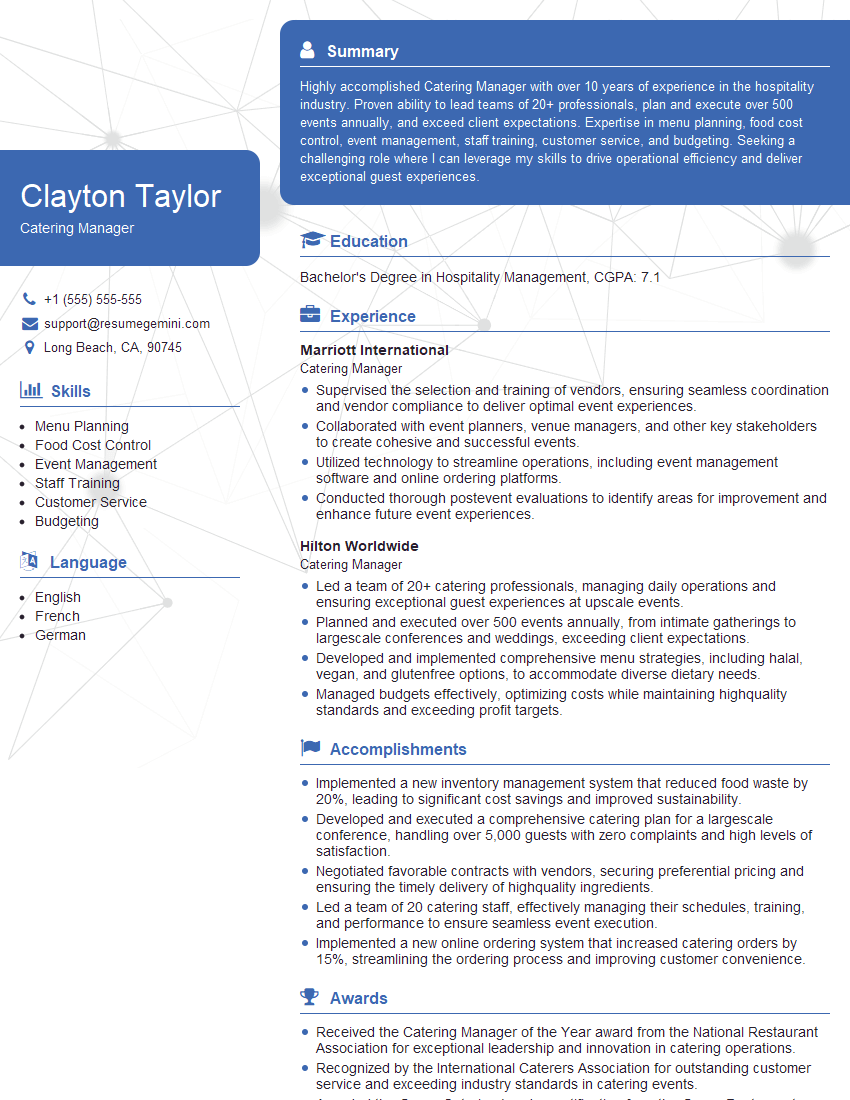
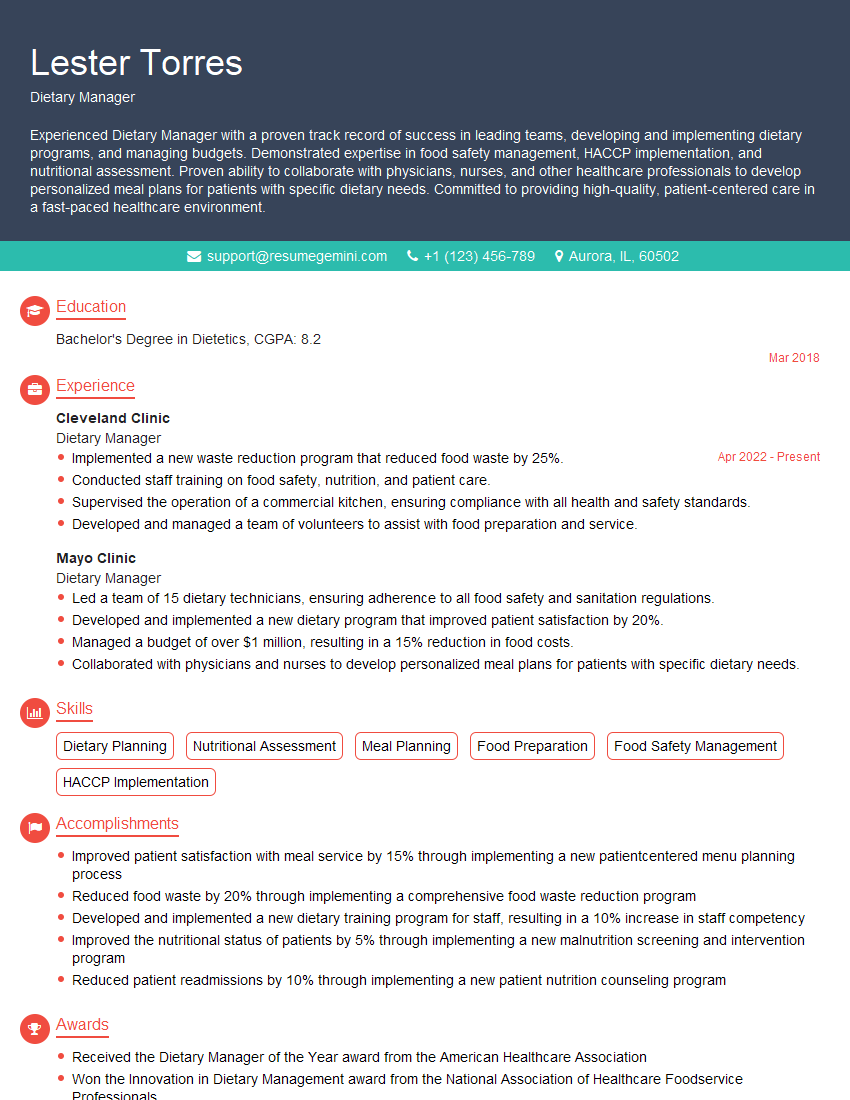
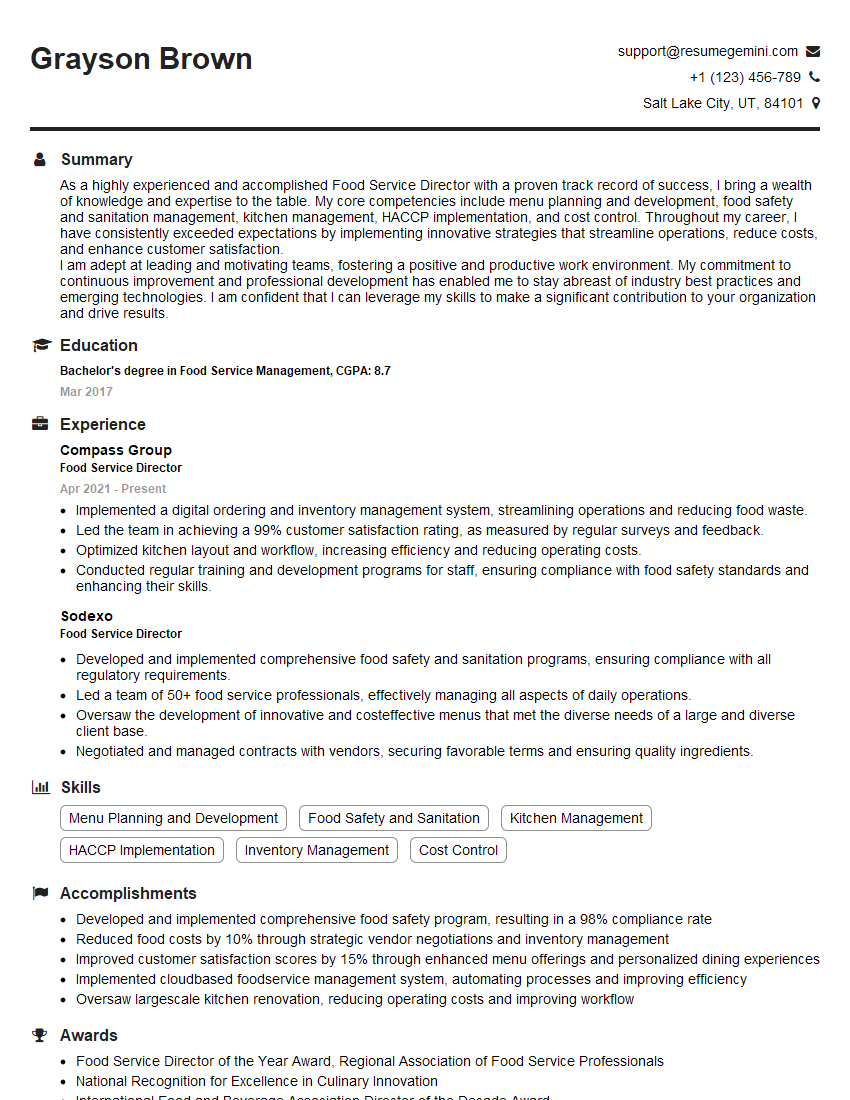
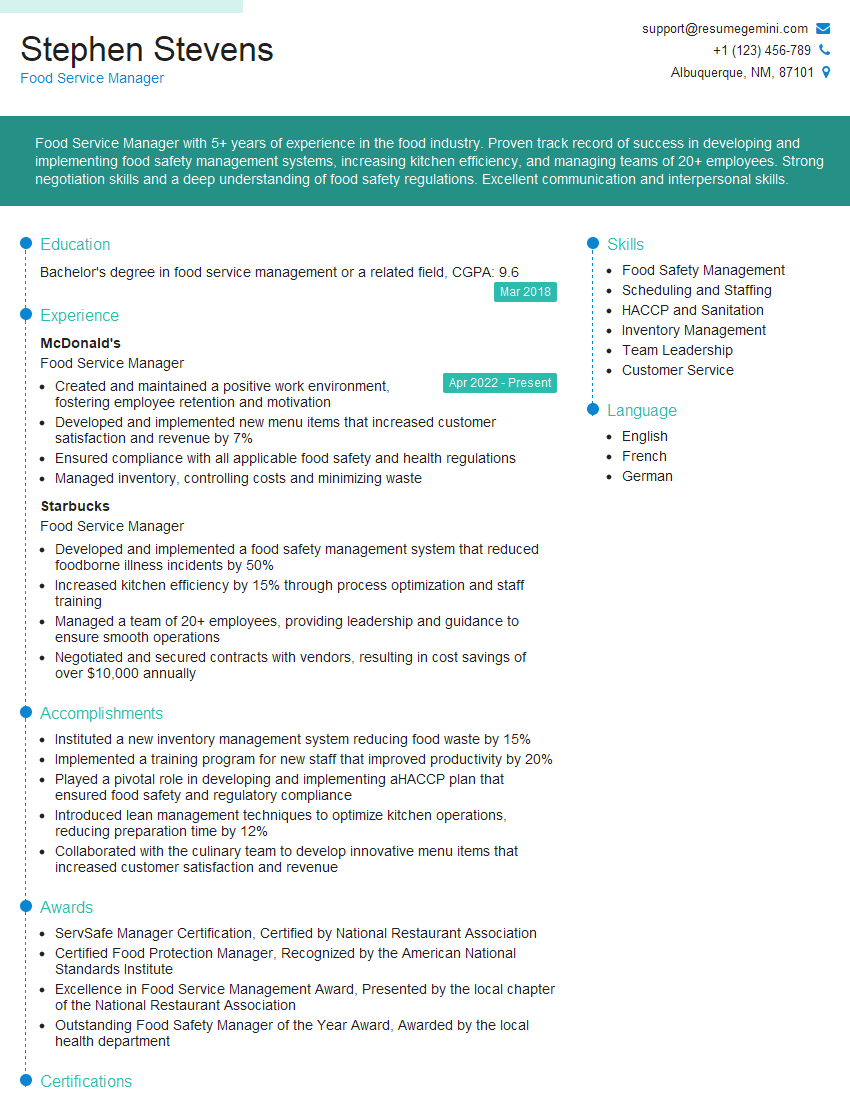
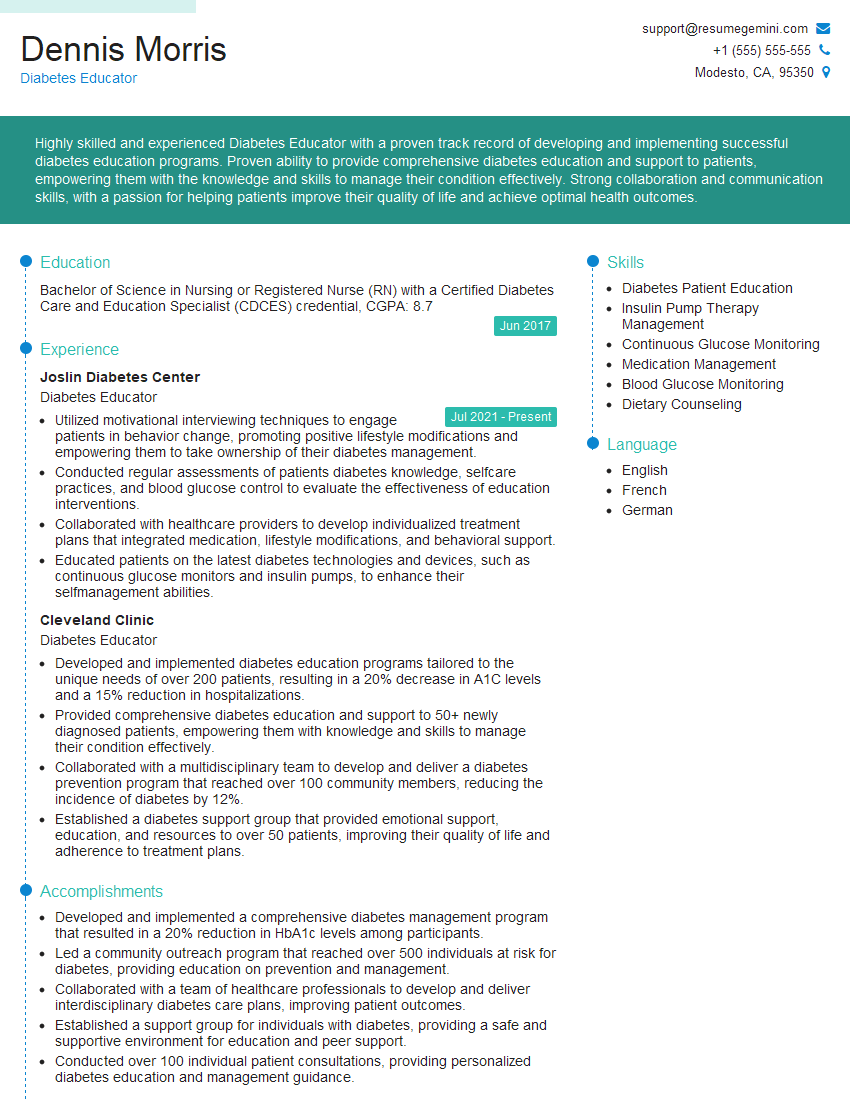
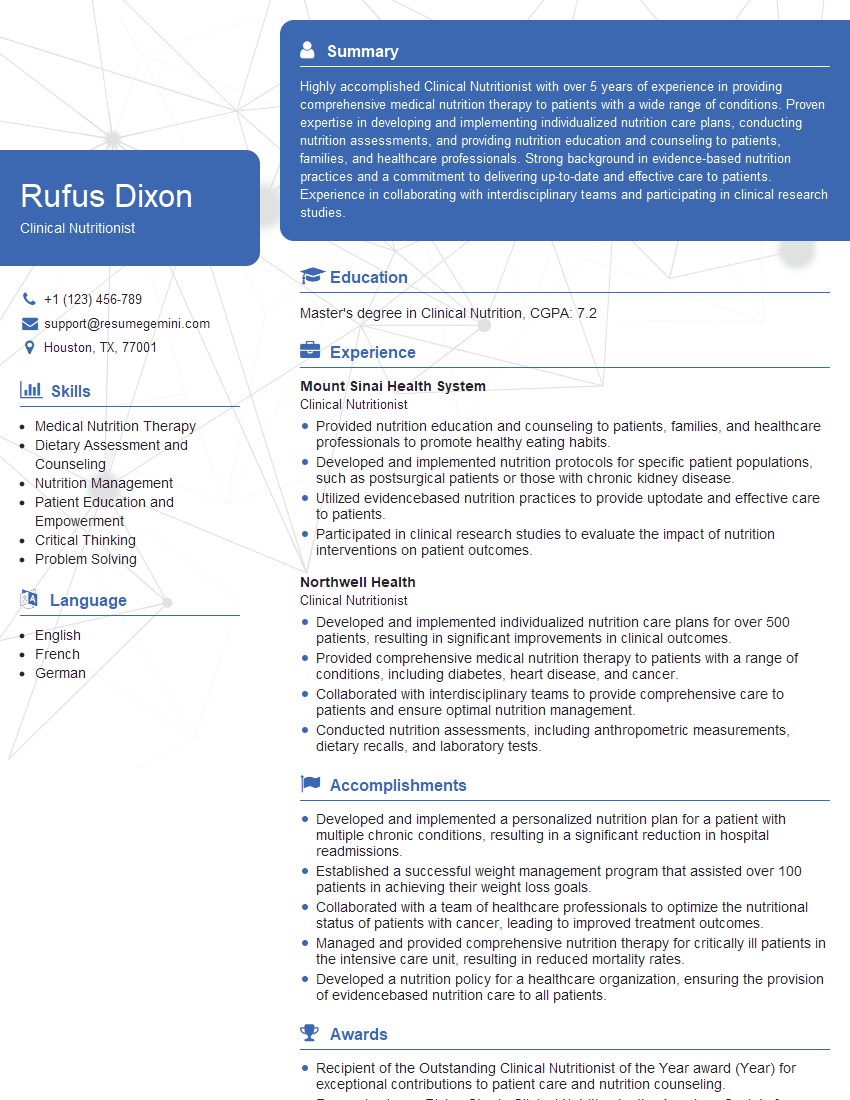
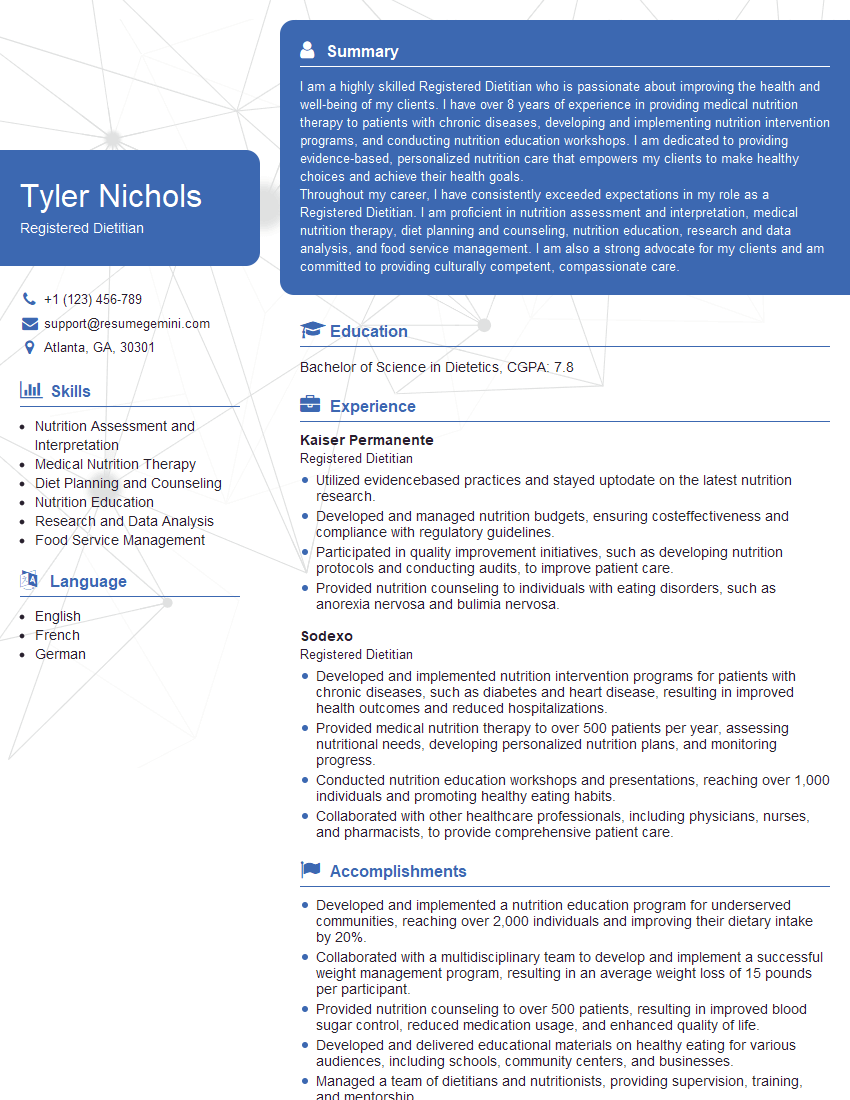
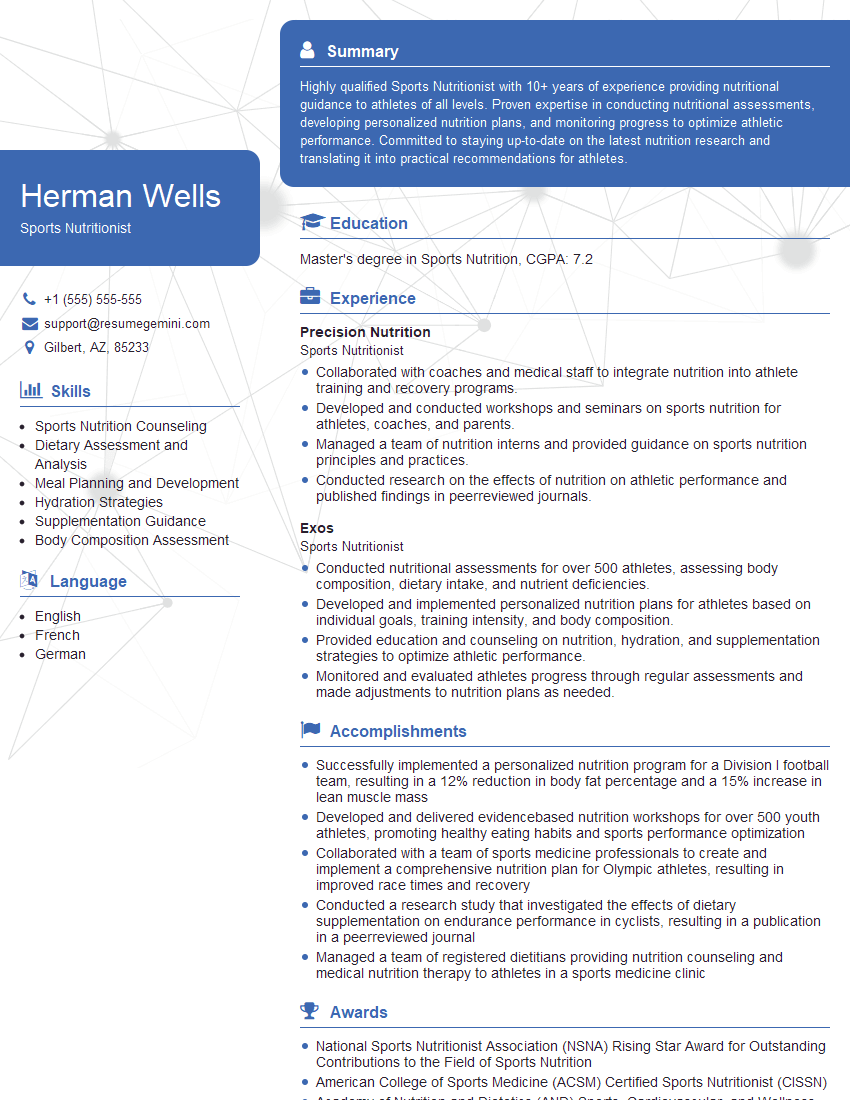
Mastering Nutrition and Feeding Management is crucial for a successful and rewarding career. A strong understanding of these principles opens doors to diverse roles with increasing responsibility and impact. To maximize your job prospects, it’s vital to present your skills and experience effectively. Creating an ATS-friendly resume is key to getting your application noticed. ResumeGemini is a trusted resource to help you build a professional and impactful resume that highlights your unique qualifications. Examples of resumes tailored to Nutrition and Feeding Management are available to guide you, ensuring your application stands out.
Explore more articles
Users Rating of Our Blogs
Share Your Experience
We value your feedback! Please rate our content and share your thoughts (optional).
What Readers Say About Our Blog
Very informative content, great job.
good