Interviews are opportunities to demonstrate your expertise, and this guide is here to help you shine. Explore the essential Nutrition and Supplement Education interview questions that employers frequently ask, paired with strategies for crafting responses that set you apart from the competition.
Questions Asked in Nutrition and Supplement Education Interview
Q 1. Explain the difference between macronutrients and micronutrients.
Macronutrients and micronutrients are both essential components of a healthy diet, but they differ significantly in the quantities our bodies need and their primary functions. Macronutrients are the energy-providing nutrients we consume in large amounts: carbohydrates, proteins, and fats. Micronutrients, on the other hand, are vitamins and minerals needed in smaller quantities but are crucial for various metabolic processes.
Think of it like building a house: macronutrients are the bricks, wood, and cement—the major structural components providing the bulk of the building. Micronutrients are the nails, screws, and electrical wiring—essential for functionality and structural integrity, though needed in far smaller quantities.
- Macronutrients: Provide energy (calories) and are the building blocks for tissues and organs.
- Micronutrients: Facilitate metabolic processes, support immune function, and contribute to overall health.
Q 2. Describe the role of protein in the body.
Protein is a fundamental macronutrient crucial for numerous bodily functions. It’s essentially made up of amino acids, the building blocks for tissues, muscles, organs, and enzymes. Proteins are involved in:
- Growth and Repair: They are essential for building and repairing tissues, including muscle growth after exercise.
- Enzyme Production: Many enzymes, crucial for biochemical reactions, are proteins.
- Hormone Production: Several hormones, which regulate various bodily functions, are protein-based.
- Immune Function: Antibodies, which fight infection, are proteins.
- Nutrient Transport: Some proteins transport nutrients throughout the body.
For example, after a weightlifting session, your muscles experience microscopic tears. Protein from your diet helps repair these tears, leading to muscle growth and strength. A deficiency in protein can lead to muscle loss, weakened immune function, and impaired growth.
Q 3. What are the essential fatty acids and their importance?
Essential fatty acids (EFAs) are fats our bodies cannot produce themselves and must obtain from our diet. There are two main categories:
- Omega-3 fatty acids: Found in fatty fish (salmon, tuna), flaxseeds, and chia seeds. They’re vital for brain health, reducing inflammation, and supporting cardiovascular health. Examples include ALA, EPA, and DHA.
- Omega-6 fatty acids: Found in vegetable oils (sunflower, corn, soybean). While essential, an imbalance between omega-6 and omega-3 intake can contribute to inflammation. Linoleic acid (LA) is a key omega-6 fatty acid.
A balanced intake of omega-3 and omega-6 fatty acids is crucial for optimal health. A diet rich in omega-3s and lower in omega-6s is often recommended for reducing inflammation and promoting cardiovascular health. Lack of EFAs can lead to dry skin, hair loss, and impaired immune function.
Q 4. Explain the concept of glycemic index and its implications.
The glycemic index (GI) is a ranking system for carbohydrate-containing foods based on how quickly they raise blood sugar levels after eating. Foods with a high GI cause a rapid rise in blood sugar, while low GI foods cause a slower, more gradual increase. This is important because rapid blood sugar spikes can lead to insulin resistance, weight gain, and increased risk of type 2 diabetes.
For example, white bread has a high GI, leading to a quick blood sugar surge. On the other hand, whole-wheat bread has a lower GI, resulting in a more gradual increase. Considering the GI of foods can be helpful in managing blood sugar levels, especially for individuals with diabetes or insulin resistance. However, it’s important to note that GI doesn’t consider portion size; a large portion of a low-GI food can still have a significant impact on blood sugar.
Q 5. Discuss the importance of fiber in the diet.
Fiber is a type of carbohydrate our bodies cannot digest. It’s crucial for digestive health and overall well-being. There are two main types:
- Soluble fiber: Dissolves in water and forms a gel-like substance in the gut, helping to lower cholesterol and regulate blood sugar levels. Found in oats, beans, apples.
- Insoluble fiber: Doesn’t dissolve in water and adds bulk to the stool, promoting regular bowel movements and preventing constipation. Found in whole grains, wheat bran, and vegetables.
Adequate fiber intake promotes regular bowel movements, prevents constipation, supports a healthy gut microbiome, contributes to weight management by promoting satiety, and helps regulate blood sugar and cholesterol levels. Insufficient fiber intake can lead to constipation, digestive problems, and increased risk of certain health conditions.
Q 6. What are the recommended daily allowances for vitamins and minerals?
Recommended Daily Allowances (RDAs) for vitamins and minerals vary depending on age, sex, and overall health. There’s no single universal RDA, and individual needs can differ significantly. It’s crucial to consult a healthcare professional or registered dietitian for personalized recommendations. Dietary guidelines often provide general ranges, but these are not substitutes for personalized advice. Furthermore, RDAs are constantly being reviewed and updated based on the latest scientific research.
Examples of some common vitamins and minerals and their general recommended intakes (these are NOT substitutes for personalized advice and vary widely depending on individual factors):
- Vitamin D: 600 IU (international units) daily for most adults
- Calcium: 1000-1200 mg daily for most adults
- Iron: 8 mg daily for adult men, 18 mg for adult women
Relying solely on supplements without addressing dietary habits is generally discouraged. A balanced diet is the primary source of vitamins and minerals.
Q 7. Explain the difference between fat-soluble and water-soluble vitamins.
The main difference between fat-soluble and water-soluble vitamins lies in how they are absorbed, stored, and excreted by the body.
- Fat-soluble vitamins (A, D, E, and K): Absorbed with dietary fats and stored in the liver and fatty tissues. Excess amounts can accumulate, potentially leading to toxicity. They are not readily excreted.
- Water-soluble vitamins (B vitamins and vitamin C): Dissolve in water and are not stored significantly in the body. Excess amounts are generally excreted in urine, reducing the risk of toxicity. They need to be replenished regularly through diet.
This difference impacts how frequently we need to consume these vitamins. We don’t need daily intake of fat-soluble vitamins as they’re stored, whereas water-soluble vitamins require more regular intake because they aren’t stored long-term.
Q 8. Describe the role of antioxidants in the body.
Antioxidants are substances that protect our cells from damage caused by free radicals. Free radicals are unstable molecules with unpaired electrons, which can trigger a chain reaction of damage to our DNA, proteins, and lipids, potentially contributing to aging and chronic diseases. Antioxidants work by neutralizing these free radicals, donating an electron to stabilize them without becoming unstable themselves. Think of them as cellular firefighters, extinguishing the harmful effects of free radicals before they cause significant damage.
Examples of antioxidants include vitamins C and E, beta-carotene (a precursor to vitamin A), and various phytochemicals found in fruits, vegetables, and other plant-based foods. These are often categorized into enzymatic and non-enzymatic antioxidants. Enzymatic ones are found within the body while non-enzymatic are obtained through our diet.
In a practical sense, ensuring a diet rich in colorful fruits and vegetables provides a broad spectrum of antioxidants, bolstering the body’s natural defense mechanisms. Supplements containing antioxidant vitamins can also be beneficial, but should always be considered in conjunction with a balanced diet, and preferably after discussing with a healthcare professional to prevent potential imbalances or interactions.
Q 9. What are some common nutrient deficiencies and their symptoms?
Nutrient deficiencies arise when the body doesn’t receive enough of an essential nutrient to function optimally. These deficiencies can lead to a wide array of symptoms, varying in severity and presentation. Common deficiencies include:
- Iron Deficiency (Anemia): Symptoms include fatigue, weakness, pale skin, shortness of breath, and dizziness. Iron is crucial for red blood cell production.
- Vitamin D Deficiency: Often manifests as fatigue, bone pain, muscle weakness, and increased susceptibility to infections. Vitamin D plays a critical role in calcium absorption and bone health.
- Vitamin B12 Deficiency: Can cause fatigue, weakness, numbness, tingling, and memory problems. B12 is crucial for nerve function and red blood cell formation.
- Calcium Deficiency: Leads to weak bones (osteoporosis), increased risk of fractures, and muscle cramps. Calcium is essential for strong bones and teeth.
- Iodine Deficiency: Can result in goiter (enlarged thyroid gland), fatigue, and cognitive impairment. Iodine is crucial for thyroid hormone production.
It’s important to note that these are just a few examples. The symptoms of nutrient deficiencies can often overlap, making diagnosis challenging. A comprehensive blood test is often necessary to confirm a diagnosis and guide appropriate supplementation or dietary changes.
Q 10. Explain the importance of hydration.
Hydration is paramount for optimal bodily function. Water is involved in virtually every physiological process, from nutrient transport and waste removal to temperature regulation and joint lubrication. Dehydration, even mild, can negatively impact energy levels, cognitive function, and physical performance.
Imagine your body as a complex machine; water is the vital lubricant that keeps all its parts running smoothly. Without sufficient water, the efficiency of these processes diminishes. This can lead to headaches, constipation, fatigue, and decreased athletic performance, among other issues. Adequate hydration is crucial for maintaining blood volume, preventing kidney stones, and aiding in the absorption of nutrients.
The recommended daily fluid intake varies based on factors like activity level, climate, and individual needs. It’s crucial to listen to your body’s signals – thirst is a late indicator of dehydration – and aim to consume enough fluids throughout the day to maintain optimal hydration.
Q 11. How do you assess a client’s nutritional needs?
Assessing a client’s nutritional needs is a multi-faceted process that combines different approaches. It’s not a one-size-fits-all approach and requires careful consideration of individual factors.
- Detailed Dietary History: This involves gathering information about their current dietary intake, including food preferences, portion sizes, eating patterns, and any dietary restrictions or allergies. Food frequency questionnaires and 24-hour dietary recalls are commonly used tools.
- Anthropometric Measurements: This includes measuring height, weight, body mass index (BMI), and waist circumference to assess body composition and identify potential weight-related issues.
- Biochemical Data: Blood tests can reveal nutrient levels, such as iron, vitamin D, and B12, helping identify deficiencies or imbalances. Other tests may evaluate kidney and liver function, which can impact nutrient absorption and metabolism.
- Medical History: A comprehensive medical history is essential to identify any underlying conditions, medications, or surgeries that may affect nutrient requirements or absorption.
- Lifestyle Assessment: Factors like physical activity levels, stress levels, sleep quality, and smoking habits can impact nutritional needs and overall health.
By combining these assessments, a personalized nutritional plan can be developed, catering to the client’s unique circumstances and goals.
Q 12. Describe different dietary approaches (e.g., ketogenic, Mediterranean).
Various dietary approaches cater to different needs and preferences. Here are two examples:
- Ketogenic Diet: This diet is extremely low in carbohydrates and high in fats. The body enters a metabolic state called ketosis, where it burns fat for energy instead of glucose. It’s often used for weight loss and to manage certain neurological conditions. However, it can be restrictive and may have potential side effects if not properly managed. It requires careful monitoring of macronutrient intake.
- Mediterranean Diet: This diet emphasizes whole, unprocessed foods such as fruits, vegetables, legumes, whole grains, nuts, seeds, and olive oil. It’s rich in antioxidants and healthy fats, associated with reduced risk of chronic diseases such as heart disease and some cancers. It’s generally well-tolerated and highly sustainable in the long-term. It promotes a varied and colorful palette of foods, rather than restrictive limitations.
Other approaches include the DASH diet (Dietary Approaches to Stop Hypertension), vegetarian/vegan diets, and others. The best approach depends on individual health goals, preferences, and any underlying health conditions.
Q 13. Explain the principles of meal planning.
Meal planning is a cornerstone of healthy eating. It’s about creating a structured approach to food choices, ensuring adequate intake of all essential nutrients while aligning with individual needs and preferences. Effective meal planning involves several key principles:
- Balance: Including a variety of food groups – fruits, vegetables, lean proteins, whole grains, and healthy fats – in every meal. Imagine a plate divided into sections for each group.
- Portion Control: Being mindful of serving sizes to avoid overeating and maintain a healthy calorie intake. Using measuring cups and scales can be helpful in the beginning.
- Variety: Choosing a wide range of foods to ensure adequate intake of different vitamins and minerals. Try to incorporate diverse colors and textures into your meals.
- Timing: Scheduling regular meals and snacks to maintain consistent energy levels and blood sugar control. Avoiding prolonged periods without food is essential.
- Preparation: Planning meals in advance and preparing some components ahead of time can help streamline the process and reduce the temptation to resort to unhealthy options.
By following these principles, individuals can create a meal plan that’s both enjoyable and promotes optimal health.
Q 14. How do you counsel clients on healthy eating habits?
Counseling clients on healthy eating habits is a collaborative process focused on empowering them to make sustainable changes. It’s not about imposing strict rules but fostering a positive relationship with food.
- Set Realistic Goals: Start with small, achievable goals. Instead of drastic overhauls, focus on gradual improvements. For instance, aim to add one serving of vegetables to each meal for a week.
- Promote Self-Efficacy: Help clients identify their strengths and build confidence in their ability to make positive changes. Celebrate small victories and provide encouragement during challenges.
- Emphasize Behavior Modification: Focus on strategies to change unhealthy eating behaviors rather than simply restricting foods. For example, identify triggers for emotional eating and develop coping mechanisms.
- Provide Education and Resources: Share evidence-based information about nutrition and healthy eating. Provide access to reliable resources such as websites, cookbooks, or apps.
- Encourage mindful eating: Promote awareness of hunger and fullness cues, encouraging clients to savor their food and pay attention to their body’s signals.
- Promote Sustainability: Encourage gradual, sustainable changes that can be incorporated into their lifestyle long-term.
The most successful approach involves active listening, empathy, and tailoring advice to each individual’s unique circumstances and preferences. It’s about building a partnership where clients feel supported and empowered to make healthy choices for themselves.
Q 15. What are the ethical considerations in nutrition education?
Ethical considerations in nutrition education are paramount. We must prioritize unbiased information, avoid conflicts of interest, and ensure the information provided is evidence-based and not driven by profit or personal beliefs. This means being transparent about any affiliations or sponsorships, carefully selecting and citing research, and avoiding making unsubstantiated claims or promoting products without scientific backing.
- Objectivity: We must present balanced information, acknowledging limitations of research and avoiding sensationalism. For example, instead of claiming a single food cures a disease, we’d explain its potential role within a balanced diet.
- Accuracy: All claims need to be backed by reputable scientific studies. We must avoid perpetuating misinformation or myths, even popular ones. We are responsible for correcting inaccuracies where we encounter them.
- Cultural Sensitivity: Nutritional needs and food preferences vary greatly across cultures. We need to be mindful of this diversity and avoid imposing a single dietary standard. Education should be tailored to the cultural context of the audience.
- Accessibility: Education should be accessible to everyone, regardless of socioeconomic status, literacy level, or physical limitations. We must consider different learning styles and use clear, concise language. This includes avoiding overly technical jargon.
Career Expert Tips:
- Ace those interviews! Prepare effectively by reviewing the Top 50 Most Common Interview Questions on ResumeGemini.
- Navigate your job search with confidence! Explore a wide range of Career Tips on ResumeGemini. Learn about common challenges and recommendations to overcome them.
- Craft the perfect resume! Master the Art of Resume Writing with ResumeGemini’s guide. Showcase your unique qualifications and achievements effectively.
- Don’t miss out on holiday savings! Build your dream resume with ResumeGemini’s ATS optimized templates.
Q 16. How do you stay up-to-date on current research in nutrition?
Staying current in nutrition research is an ongoing process. I utilize multiple strategies to ensure my knowledge is up-to-date. This includes:
- Peer-Reviewed Journals: I regularly read journals such as the American Journal of Clinical Nutrition, The Lancet, and Nutrition Reviews. These journals publish rigorously reviewed research, ensuring high-quality information.
- Professional Organizations: I am an active member of professional organizations like the Academy of Nutrition and Dietetics, which provides access to webinars, conferences, and continuing education opportunities.
- Reputable Online Resources: Websites like the National Institutes of Health (NIH) and the Centers for Disease Control and Prevention (CDC) provide credible, evidence-based information.
- Conferences and Workshops: Attending conferences allows for direct engagement with leading researchers and practitioners, leading to networking and access to the most recent breakthroughs.
- Systematic Reviews and Meta-analyses: I prioritize these types of studies that synthesize the findings of multiple research papers, giving a comprehensive overview of a topic.
Q 17. Describe your experience with different types of supplements.
My experience with supplements is extensive and spans many categories. I have worked with clients using a wide array of supplements, including:
- Multivitamins and Minerals: I’ve helped individuals assess their nutritional needs and select appropriate multivitamins to address any deficiencies. This includes considering factors such as age, sex, and health conditions. I always emphasize that supplements should not replace a balanced diet.
- Omega-3 Fatty Acids: I frequently discuss the cardiovascular and brain health benefits of omega-3s and help patients determine if supplementation is appropriate based on their dietary intake and health history. I always recommend looking for high-quality, sustainably sourced fish oil.
- Probiotics: I have experience guiding patients in selecting probiotic strains to promote gut health, explaining the differences between strains and their potential benefits. I stress the importance of understanding their specific gut health needs before recommending a specific probiotic.
- Creatine: When working with athletes, I discuss the potential benefits and safety profile of creatine for increasing strength and muscle mass. The dosage and use should always be discussed and adjusted based on individual needs and goals.
However, I always emphasize the importance of a balanced diet as the foundation of good health and approach supplements as tools to fill specific nutritional gaps, not as replacements for whole foods.
Q 18. Explain the importance of supplement safety and efficacy.
Supplement safety and efficacy are crucial. Unsafe supplements can cause harm, and ineffective ones waste money and time. Safety concerns include potential interactions with medications, allergic reactions, and contamination with heavy metals or other harmful substances. Efficacy relates to whether a supplement actually delivers the benefits claimed.
- Safety: A supplement’s safety profile needs thorough evaluation. This includes looking at the purity of ingredients and testing for contaminants. Reputable brands use third-party testing to verify their product’s quality and purity. Checking for a GMP (Good Manufacturing Practices) certification can reassure consumers of the manufacturing quality.
- Efficacy: The efficacy of a supplement is determined by well-designed clinical trials that assess its effect on specific health outcomes. Look for supplements backed by scientific evidence before recommending them to others or using them personally. Be cautious of anecdotal evidence or testimonials that are not supported by credible studies.
Always recommend consulting a doctor or registered dietitian before starting any new supplement regimen, especially for individuals with pre-existing health conditions or who are taking medications.
Q 19. How do you evaluate the quality of a dietary supplement?
Evaluating a dietary supplement’s quality requires a multi-faceted approach:
- Third-Party Testing: Look for supplements that have been independently tested by reputable labs (e.g., NSF International, USP) for purity, potency, and the absence of contaminants.
- Manufacturer Reputation: Research the manufacturer’s history and reputation. Are there any reports of product recalls or quality issues? Do they follow Good Manufacturing Practices (GMP)?
- Ingredient List: Carefully examine the ingredient list. Avoid supplements with proprietary blends as these hide the exact amounts of each ingredient. Be aware of potential allergens.
- Dosage and Form: Consider the dosage form (e.g., capsule, tablet, powder) and ensure it aligns with established research recommendations. There is no guarantee that a higher dose is better, in fact it might be counterproductive or even dangerous.
- Scientific Evidence: Look for evidence from human clinical trials published in peer-reviewed journals to support the claimed benefits.
Remember, even high-quality supplements shouldn’t replace a healthy diet and lifestyle.
Q 20. How do you address misinformation regarding supplements?
Addressing supplement misinformation requires a multi-pronged strategy emphasizing education and critical thinking:
- Identify Misinformation: The first step is to recognize inaccurate or misleading statements, often found on social media, in blogs, or through testimonials. Look for claims that sound too good to be true, lack scientific evidence, or use sensational language.
- Provide Accurate Information: Use evidence-based information from reputable sources like the NIH or CDC to counter misinformation. Cite scientific studies and explain the limitations of the flawed information.
- Promote Critical Thinking: Encourage individuals to evaluate the source of information, look for conflicts of interest, and be skeptical of unsubstantiated claims. Emphasize the importance of consulting healthcare professionals before making decisions about supplements.
- Focus on Whole Foods: Highlight the importance of a balanced diet rich in whole, unprocessed foods as the cornerstone of health. This helps to frame supplements in their appropriate context – as tools to fill potential gaps, not as replacements for a healthy lifestyle.
Using respectful and empathetic language is vital, as people often cling to misinformation due to personal beliefs or experiences.
Q 21. How would you explain the concept of nutrient-drug interactions?
Nutrient-drug interactions occur when a nutrient (from food or a supplement) affects the absorption, metabolism, or excretion of a drug, or vice versa. These interactions can either reduce or enhance the drug’s effectiveness or increase the risk of side effects. Some interactions can be mild, while others can be severe.
- Example 1 (Reduced Efficacy): Some medications, like warfarin (a blood thinner), can interact with Vitamin K, reducing the medication’s effect. Vitamin K is essential for blood clotting, so high Vitamin K intake might counteract the effects of warfarin. Regular monitoring of the INR (International Normalized Ratio) is crucial.
- Example 2 (Increased Side Effects): St. John’s Wort, an herbal supplement used for depression, can interact with various medications, increasing the risk of side effects. It can induce liver enzymes that can increase the metabolism of other medications, leading to reduced effectiveness.
- Example 3 (Enhanced Efficacy): Certain nutrients can actually enhance a drug’s effectiveness. For instance, calcium can enhance the absorption of some medications.
It’s essential for individuals taking medications to discuss their supplement use with their healthcare provider or pharmacist. Many medications have extensive lists of possible interactions with nutrients, highlighting the necessity for open communication and careful monitoring.
Q 22. What are the common side effects of popular supplements?
Many popular supplements, while marketed for their benefits, can have various side effects. The severity and likelihood depend on factors like dosage, individual health, and interactions with other medications or supplements. It’s crucial to remember that the FDA doesn’t rigorously regulate supplements in the same way it does pharmaceuticals.
- Protein Powders: Some individuals experience digestive issues like bloating, gas, and diarrhea, especially with whey protein. Others might see an increase in acne due to hormone fluctuations.
- Creatine: Water retention and weight gain are common. Some people also report muscle cramps or digestive upset.
- Caffeine Supplements: High doses can lead to anxiety, insomnia, jitters, and heart palpitations. Individuals sensitive to caffeine should be particularly cautious.
- Garcinia Cambogia: This supplement, promoted for weight loss, can cause digestive problems, headaches, and liver damage in some cases.
- Multivitamins: Although generally safe, high doses of certain vitamins (like Vitamin A) can be toxic. It’s important to choose a multivitamin appropriate for your age and gender and not exceed the recommended daily allowance.
Always prioritize consulting a healthcare professional or registered dietitian before starting any supplement regimen to assess potential risks and interactions.
Q 23. How do you handle client questions about controversial supplements?
Handling client questions about controversial supplements requires a balanced approach emphasizing evidence-based information and cautious skepticism. My strategy involves:
- Acknowledging the client’s interest: I begin by validating their concerns and acknowledging the information they’ve encountered, even if it’s not scientifically supported.
- Presenting the scientific evidence: I then share research-based information from reputable sources, such as PubMed and other peer-reviewed journals, on both the purported benefits and potential risks of the supplement. I explain the limitations of the existing research, focusing on study designs and sample sizes.
- Discussing potential risks and interactions: I highlight potential side effects, interactions with medications, and lack of regulatory oversight for supplements.
- Prioritizing whole foods: I emphasize that a balanced diet rich in whole foods is the best foundation for health and well-being. Supplements should be considered complementary, not a primary source of nutrients.
- Suggesting alternatives: If the client’s goal is to address a specific nutritional deficiency, I’ll explore ways to achieve this through dietary adjustments before recommending supplementation.
- Recommending further consultation: For complex cases or if the client wishes to continue using a controversial supplement, I recommend consulting a physician or other qualified healthcare professional.
For example, if a client asks about the benefits of a specific detox tea, I would discuss the lack of scientific evidence supporting such claims, highlight potential risks associated with rapid weight loss or diuretics, and emphasize the importance of healthy eating habits and hydration for optimal detoxification.
Q 24. Explain the importance of personalized nutrition plans.
Personalized nutrition plans are crucial because individuals have unique needs and circumstances impacting their dietary requirements and responses. A ‘one-size-fits-all’ approach rarely leads to sustainable and effective outcomes.
- Genetic Predispositions: Some individuals may have genetic variations affecting nutrient metabolism or predisposing them to certain conditions, like lactose intolerance or gluten sensitivity.
- Medical Conditions: Existing health conditions like diabetes, heart disease, or kidney disease necessitate specific dietary modifications to manage symptoms and prevent complications.
- Lifestyle Factors: Activity levels, stress levels, sleep patterns, and medication use all influence nutritional needs and responses to food.
- Food Preferences and Habits: A successful plan must account for cultural backgrounds, culinary preferences, and established eating habits to ensure adherence. For example, restricting a favorite food group can lead to frustration and plan failure.
- Goals: Individual goals – whether weight loss, muscle gain, improved energy levels, or managing a chronic condition – dictate the specific nutrients and caloric intake necessary.
A personalized plan considers all these factors to create a sustainable, achievable, and effective approach to improved health and well-being.
Q 25. How do you incorporate client preferences and cultural factors into nutrition plans?
Incorporating client preferences and cultural factors is vital for creating a successful nutrition plan. Ignoring these aspects often leads to poor adherence and ultimately, failure to achieve goals.
My approach includes:
- Open Dialogue: I start with an in-depth discussion to understand their dietary habits, cultural background, favorite foods, dislikes, and any religious or ethical restrictions (e.g., vegetarianism, halal, kosher).
- Recipe Modification: If a client loves a culturally significant dish that’s high in unhealthy fats or sodium, I collaborate with them to find healthier alternatives, adapting recipes to reduce less desirable ingredients without sacrificing flavor or cultural significance.
- Cultural Sensitivity: I avoid imposing my personal dietary preferences or biases and actively learn about their cultural food traditions.
- Grocery Store Tours: For clients unfamiliar with healthy food choices within their cultural context, I might offer to go with them to the grocery store to guide them toward healthier options that align with their preferences.
- Meal Planning: The meal plan incorporates familiar and accessible ingredients. I collaborate with the client to find healthy versions of their beloved meals.
For instance, if a client is a vegetarian from India, I would ensure the meal plan includes ample legumes, lentils, and vegetables, respecting their cultural food preferences while ensuring it meets their nutritional needs.
Q 26. Describe your approach to motivational interviewing in nutrition counseling.
Motivational interviewing (MI) is a client-centered counseling style that guides individuals toward making autonomous decisions about their health behaviors. It emphasizes collaboration, evocation, and autonomy. My approach uses the following principles:
- Expressing Empathy: I actively listen and understand the client’s perspective, validating their feelings and experiences without judgment.
- Developing Discrepancy: I help clients identify the gap between their current behavior and their desired health outcomes, highlighting inconsistencies between their values and actions.
- Rolling with Resistance: Instead of directly confronting resistance, I acknowledge and reflect the client’s concerns, allowing them to explore their ambivalence without feeling pressured.
- Supporting Self-Efficacy: I emphasize the client’s ability to make positive changes and celebrate their small successes, fostering a sense of confidence in their capacity for self-management.
For example, if a client expresses difficulty adhering to a meal plan due to time constraints, instead of directly criticizing their behavior, I would explore the reasons for their time constraints, brainstorm solutions together, and help them develop strategies for overcoming those obstacles.
Q 27. How do you address client resistance to dietary changes?
Client resistance to dietary changes is common and often stems from a variety of factors, including fear of deprivation, ingrained habits, lack of self-efficacy, or perceived difficulty. Addressing this requires patience, understanding, and a collaborative approach.
- Identify the Root Cause: I begin by carefully exploring the underlying reasons for resistance. Is it taste preferences, time constraints, cost concerns, or lack of understanding?
- Collaborative Goal Setting: Instead of imposing a rigid plan, I work with the client to collaboratively set realistic, achievable goals, starting with small, manageable changes.
- Problem-Solving: We brainstorm solutions together to address practical obstacles to dietary changes. For example, if lack of time is an issue, we can explore quick and easy meal preparation strategies.
- Focus on Positives: I emphasize the benefits of dietary changes, focusing on improvements in energy levels, mood, and overall well-being, rather than dwelling on restrictions.
- Gradual Adjustments: I advocate for gradual changes, making the transition less overwhelming. Focusing on one or two changes at a time allows for better adherence and success building confidence.
- Flexibility: The plan allows for occasional indulgences without guilt. A strict, inflexible plan often leads to failure.
For example, if a client resists cutting out sugary drinks, I would start by reducing their intake gradually, finding healthier alternatives, and focusing on the positive impact of reducing sugar intake on their energy levels.
Q 28. Describe a situation where you had to adapt a nutrition plan due to unforeseen circumstances.
I once worked with a client aiming for weight loss who developed unexpected gallbladder issues. The original plan focused on a moderate calorie deficit with moderate fat intake. However, following a medical diagnosis, her doctor recommended a low-fat diet to ease gallbladder symptoms.
I immediately adapted the plan, reducing the fat content significantly. We explored alternative sources of healthy fats, replaced some high-fat meals with low-fat alternatives, and ensured she was still getting sufficient calories for her activity levels and overall health. We also incorporated regular check-ins to monitor her tolerance to the changes and adjust the plan as needed.
Adaptability is crucial in nutrition counseling. Medical situations, changes in lifestyle, or unexpected life events often call for adjustments in the nutrition plan. The key is to remain flexible and communicative, working closely with both the client and their healthcare providers to ensure the plan remains safe and effective.
Key Topics to Learn for Nutrition and Supplement Education Interview
- Dietary Guidelines and Recommendations: Understand the latest dietary guidelines and their practical application in different populations (e.g., athletes, pregnant women, elderly). Be prepared to discuss the rationale behind these recommendations.
- Nutrient Metabolism and Bioavailability: Explain how nutrients are absorbed, metabolized, and utilized by the body. Discuss factors affecting bioavailability and potential nutrient interactions.
- Supplement Science and Efficacy: Critically evaluate the scientific evidence supporting the use of various supplements. Be able to differentiate between substantiated claims and marketing hype.
- Common Nutritional Deficiencies and Disorders: Demonstrate knowledge of prevalent nutritional deficiencies and related disorders, including their causes, symptoms, and management strategies.
- Nutrition Communication and Education Strategies: Explain effective methods for communicating nutritional information to diverse audiences, considering different learning styles and health literacy levels.
- Ethical Considerations in Nutrition and Supplement Education: Discuss responsible practices in providing nutrition and supplement advice, including conflict of interest, evidence-based practice, and client confidentiality.
- Practical Application: Case Studies & Problem Solving: Prepare to analyze case studies involving nutritional challenges and propose evidence-based solutions. This may involve dietary modifications, supplement recommendations, or referral to other healthcare professionals.
- Current Trends and Research in Nutrition: Stay updated on the latest research and trends in nutrition and supplementation. Be able to discuss emerging areas of interest and their implications for practice.
Next Steps
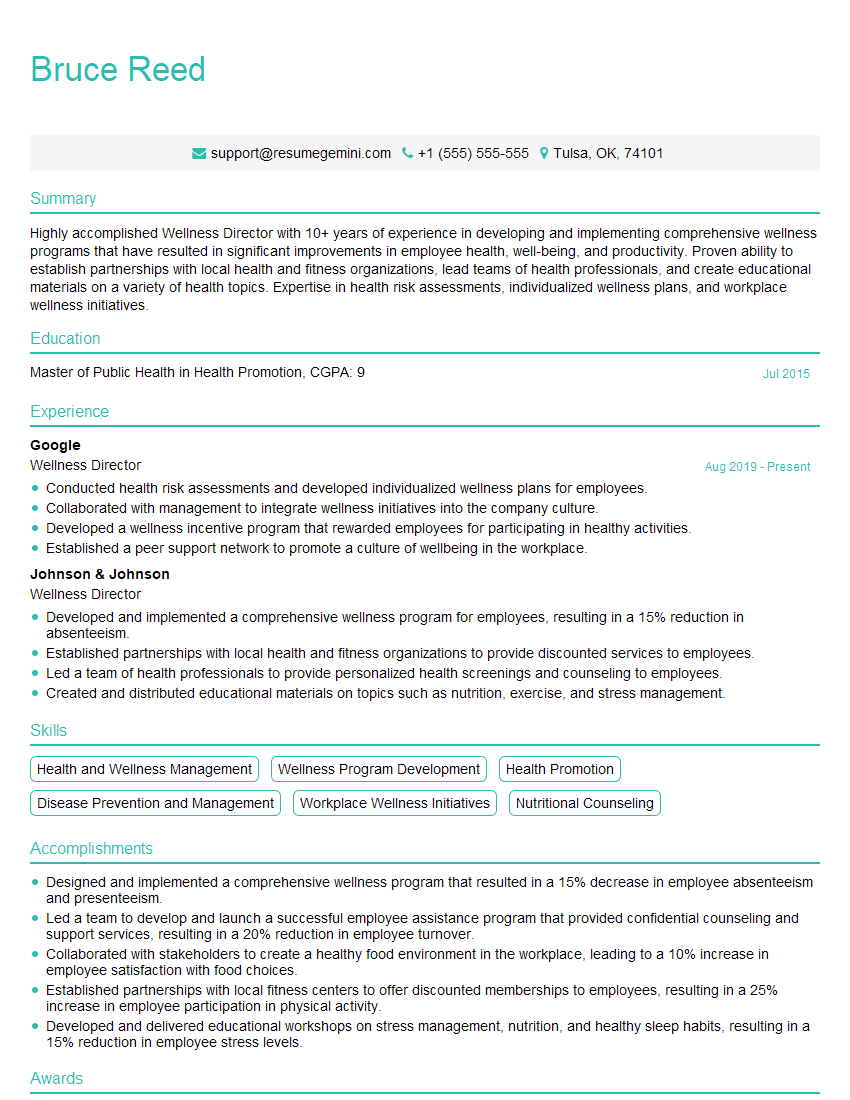
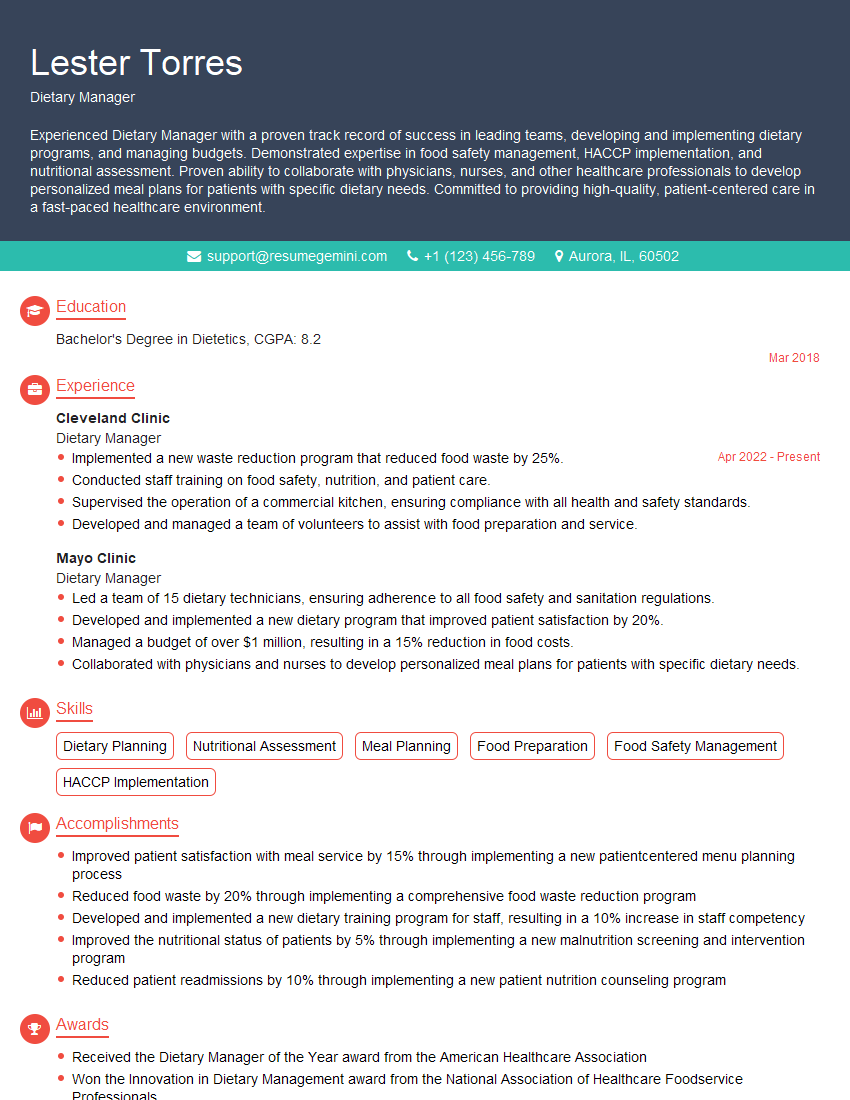
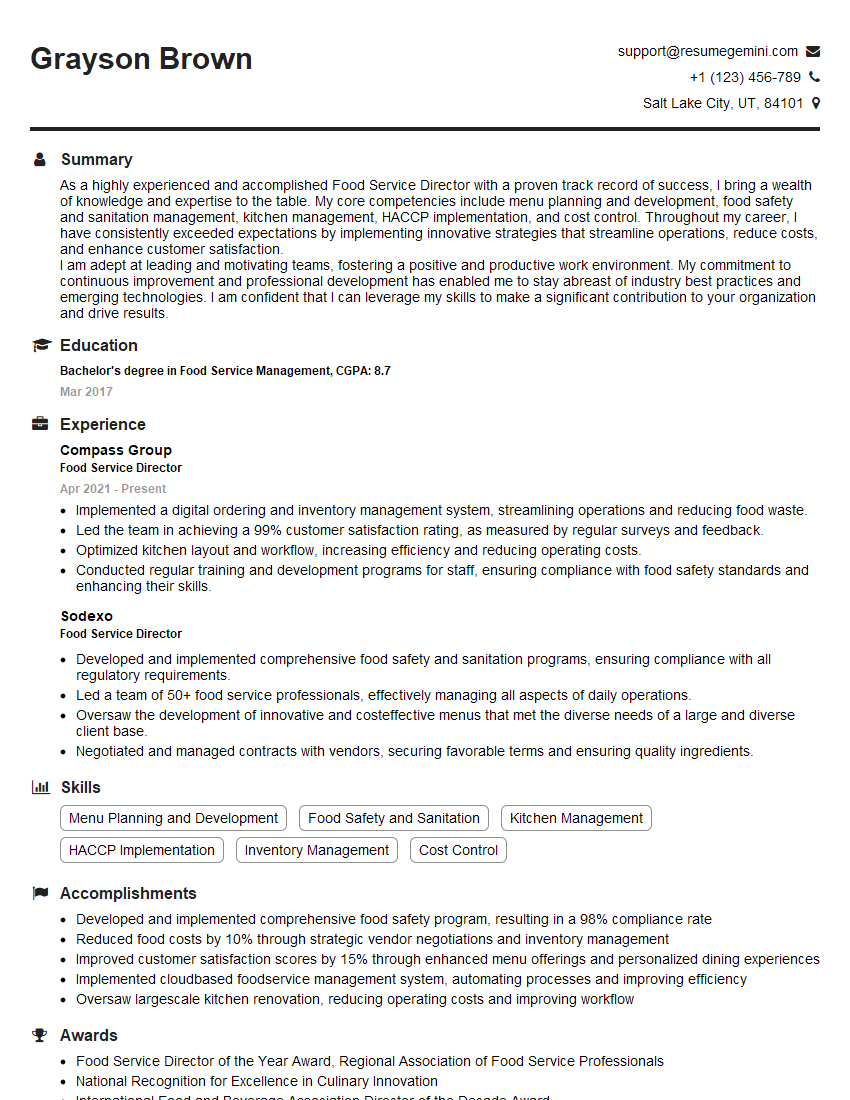
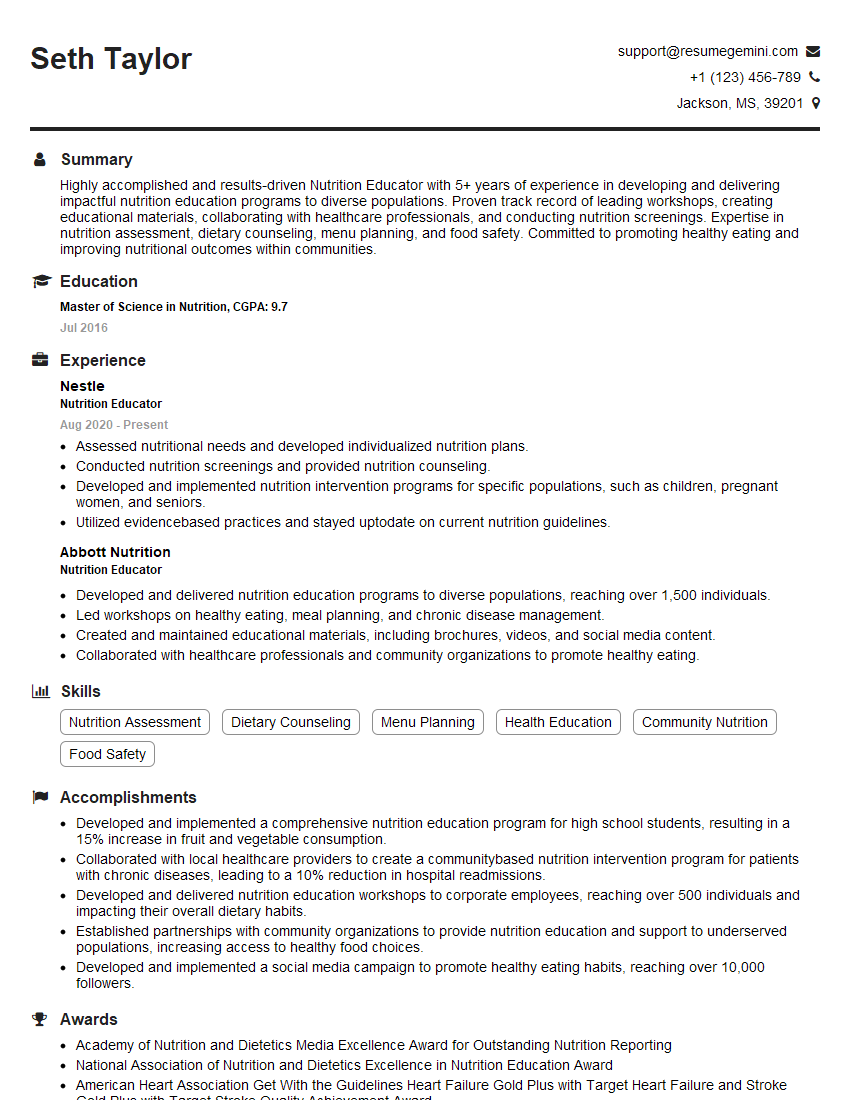
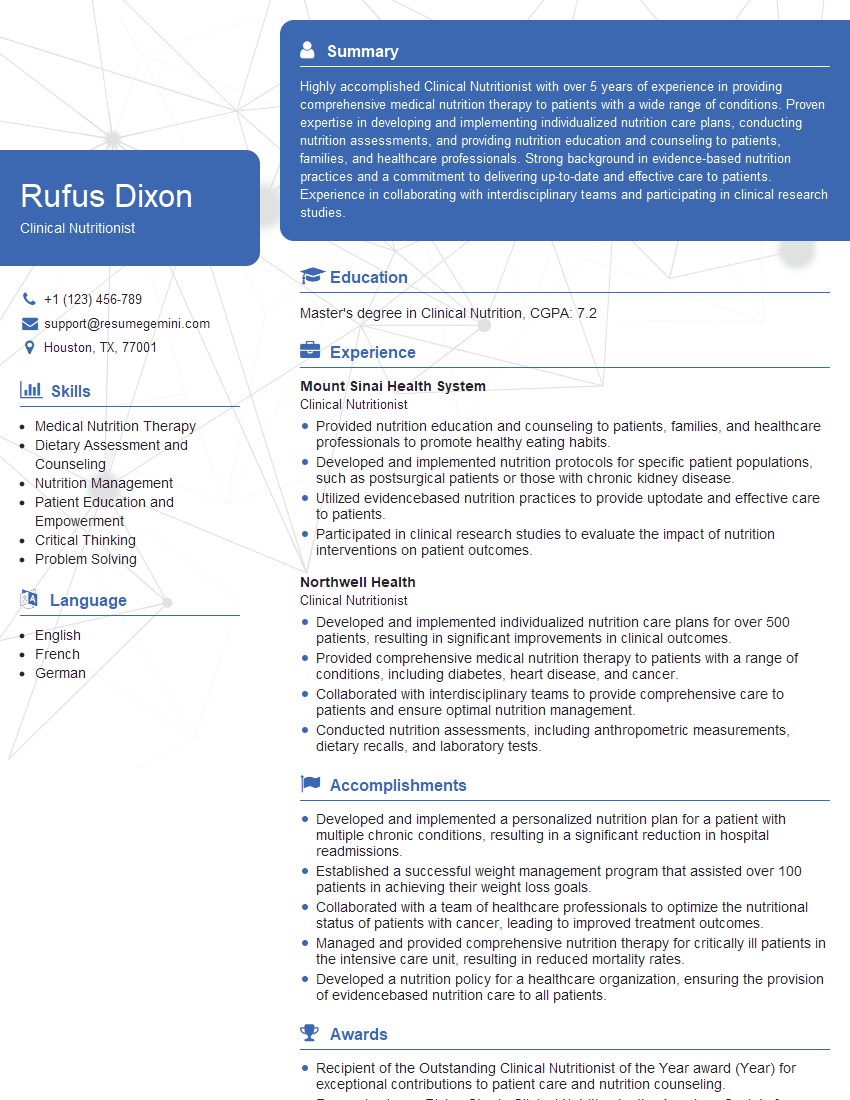
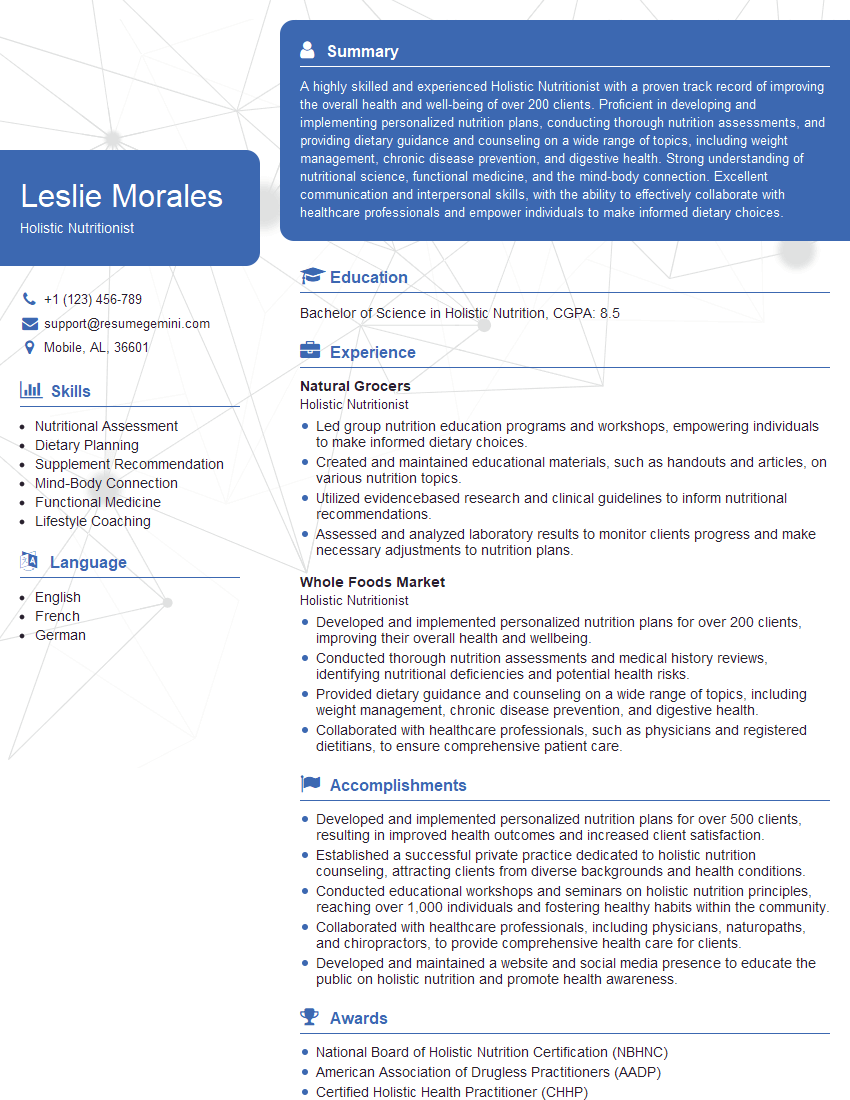
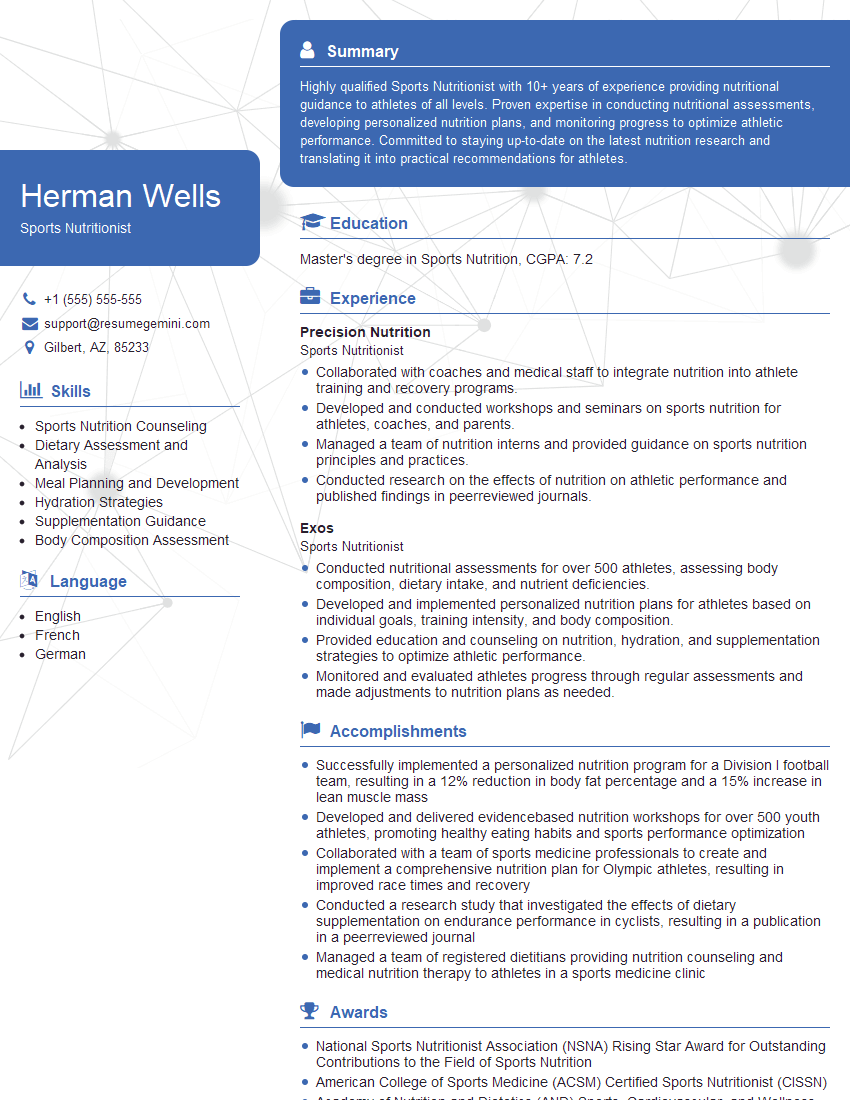
Mastering Nutrition and Supplement Education is crucial for career advancement in this dynamic field. A strong understanding of these key areas will significantly enhance your interview performance and open doors to exciting opportunities. To maximize your job prospects, it’s essential to create a professional and ATS-friendly resume that showcases your skills and experience effectively. ResumeGemini is a trusted resource that can help you build a compelling resume tailored to the specific requirements of Nutrition and Supplement Education roles. Examples of resumes optimized for this field are available through ResumeGemini, providing you with a valuable template to guide your own resume creation. Invest the time in crafting a strong resume – it’s your first impression and a vital step in securing your dream job.
Explore more articles
Users Rating of Our Blogs
Share Your Experience
We value your feedback! Please rate our content and share your thoughts (optional).
What Readers Say About Our Blog
Very informative content, great job.
good