Interviews are more than just a Q&A session—they’re a chance to prove your worth. This blog dives into essential Physical Stamina and Standing for Extended Periods interview questions and expert tips to help you align your answers with what hiring managers are looking for. Start preparing to shine!
Questions Asked in Physical Stamina and Standing for Extended Periods Interview
Q 1. Describe your experience managing physical fatigue during prolonged standing.
Managing physical fatigue during prolonged standing requires a multi-pronged approach focusing on proactive strategies and responsive adjustments. It’s not just about enduring the fatigue, but mitigating it before it becomes debilitating.
My experience involves understanding the body’s physiological responses to static postures. Prolonged standing restricts blood flow, leading to muscle fatigue and discomfort. I’ve learned to identify early warning signs like leg aches, lower back pain, and general tiredness. My approach focuses on minimizing these effects through regular movement, appropriate footwear, and mindful posture adjustments.
- Strategic Movement: I incorporate micro-breaks throughout the day, shifting weight, stretching calves and hamstrings, and even doing simple calf raises to improve circulation. This prevents stiffness and reduces fatigue build-up.
- Hydration and Nutrition: Dehydration exacerbates fatigue. Maintaining proper hydration and consuming energy-boosting snacks helps sustain energy levels.
- Proper Footwear: Supportive shoes with good arch support and cushioning are crucial for distributing weight evenly and minimizing strain on joints and muscles. I avoid flat shoes or high heels.
Q 2. How do you maintain proper posture and body mechanics while standing for extended periods?
Maintaining proper posture and body mechanics while standing for extended periods is paramount for injury prevention. It’s about distributing weight efficiently and minimizing strain on the spine and joints.
- Neutral Spine: I aim to maintain a neutral spine alignment – ears aligned over shoulders, shoulders over hips, and hips over ankles. Imagine a straight line from your ear to your ankle.
- Weight Distribution: Keeping weight balanced on both feet, avoiding prolonged standing on one leg. Periodically shifting weight from one foot to the other helps prevent strain.
- Engaged Core: Engaging your core muscles provides support for your back and helps maintain good posture. It’s like having an internal corset supporting your spine.
- Foot Placement: Feet should be shoulder-width apart, with toes slightly pointed outward for better balance and stability.
- Avoiding Static Postures: Consciously avoiding locking your knees and hips. Slight bends in the knees allow for better weight distribution and shock absorption.
Think of it like a well-balanced tree; a straight trunk (spine) supported by strong roots (legs and core) that can withstand the elements (prolonged standing).
Q 3. What strategies do you employ to prevent injuries related to prolonged standing?
Preventing injuries from prolonged standing involves a proactive approach that combines postural awareness, regular movement, and workplace adjustments.
- Anti-fatigue mats: These specialized mats provide cushioning and support, reducing pressure on the feet and lower back. They offer a more comfortable surface for prolonged standing.
- Adjustable-height workstations: Being able to alter the height of my work surface allows for periodic changes in posture, reducing strain on the back and legs.
- Regular breaks and movement: Short, frequent breaks with light movement, such as walking around or stretching, are essential. Even a few minutes every hour can make a big difference.
- Strength Training: Building strength in the core, legs, and back helps support the body and reduces strain. Focusing on exercises like squats, lunges, and planks strengthens these crucial muscle groups.
- Proper footwear: Supportive shoes are critical. Shoes with good arch support, cushioning, and breathable materials are ideal.
Injury prevention is less about reacting to pain and more about establishing good habits and maintaining a healthy work environment.
Q 4. How would you address discomfort or pain from prolonged standing during a workday?
Addressing discomfort or pain during a workday requires immediate action and a long-term strategy. It’s about managing the symptoms while preventing recurrence.
- Immediate Actions: If pain arises, I would take a short break to stretch, change positions, or use a heating pad (for muscle soreness) or ice pack (for acute inflammation). A change of posture or shoes might also provide relief.
- Long-term Strategies: Consistent implementation of the preventative measures mentioned before (regular movement, supportive footwear, ergonomic adjustments) addresses the root causes of discomfort. Seeking professional advice from a physiotherapist or ergonomist can help identify and correct postural issues. If the pain persists despite these measures, medical attention is necessary.
- Over-the-counter pain relievers: Ibuprofen or acetaminophen can temporarily alleviate mild to moderate pain, but should be used cautiously and according to instructions.
It’s important to distinguish between temporary discomfort and persistent pain. While temporary discomfort can be managed with rest and adjustments, persistent pain requires professional medical assessment.
Q 5. Explain your understanding of ergonomic principles relevant to standing jobs.
Ergonomic principles, in the context of standing jobs, focus on optimizing the work environment to minimize physical strain and promote comfort and well-being. It’s about designing a workspace that fits the worker, not the other way around.
- Posture: Maintaining a neutral spine alignment, avoiding prolonged static postures, and promoting proper weight distribution are key.
- Work Surface Height: Ensuring the work surface is at an appropriate height to avoid reaching or bending, minimizing strain on the neck, shoulders, and back.
- Foot Support: Using anti-fatigue mats, providing sufficient space for comfortable foot placement, and allowing for occasional changes in foot position.
- Movement and Breaks: Encouraging regular movement and short breaks to reduce static load and improve circulation.
- Tool and Equipment Placement: Arranging tools and equipment to minimize reaching and twisting, keeping frequently used items within easy reach.
Applying ergonomic principles is not merely about comfort; it’s about preventing musculoskeletal disorders and maintaining long-term health.
Q 6. Have you ever had to adapt your work techniques to reduce physical strain from standing?
Yes, I’ve adapted my work techniques numerous times to minimize physical strain. In one instance, I was working at a workstation that required repetitive reaching and twisting motions. My solution was to reorganize the workspace to bring frequently used items closer and to use assistive devices to reduce the strain on my body. I also implemented short, regular breaks to allow myself to change posture and relieve tension.
In another situation involving packing heavy boxes, I utilized a lift assist device to prevent back strain. This ensured that the physical demands of the task didn’t exceed my physical capabilities. Adapting techniques is often about finding ways to work smarter, not harder.
Q 7. What are the signs of physical exhaustion you are aware of?
Recognizing the signs of physical exhaustion is crucial for preventing injury and burnout. These signs can vary but often include:
- Musculoskeletal Pain: Persistent aches in the back, legs, feet, or neck. This is a major warning sign.
- Fatigue and Lethargy: Feeling unusually tired, sluggish, and lacking energy.
- Reduced Concentration and Focus: Difficulty concentrating on tasks, making more errors, or feeling mentally foggy.
- Irritability and Mood Swings: Becoming more easily frustrated, irritable, or experiencing significant mood fluctuations.
- Headaches: Frequent or intense headaches can be a sign of muscle tension or dehydration related to prolonged standing.
- Swelling in Legs and Ankles: This suggests poor circulation and potential fluid retention.
If any of these signs are persistent or severe, it’s important to seek medical attention. Ignoring these warning signs can lead to serious health problems.
Q 8. How do you prioritize hydration and nutrition to support physical stamina?
Prioritizing hydration and nutrition is paramount for maintaining physical stamina. Think of your body like a high-performance engine; it needs the right fuel and lubricants to run optimally. Dehydration, even mild, significantly impacts energy levels and endurance. Similarly, inadequate nutrition deprives your muscles of the necessary glycogen (energy stores) and essential nutrients for repair and function.
- Hydration: I aim to drink water consistently throughout the day, especially before, during, and after periods of prolonged standing. I avoid sugary drinks, opting for water, electrolyte drinks (especially during intense activity), or herbal teas. I also monitor my urine color – pale yellow indicates adequate hydration.
- Nutrition: My diet focuses on complex carbohydrates for sustained energy release (think whole grains, fruits, vegetables), lean protein for muscle repair (chicken, fish, beans), and healthy fats (avocados, nuts). I avoid processed foods, excessive sugar, and caffeine, which can lead to energy crashes. Regular, smaller meals are preferable to infrequent large meals to maintain consistent energy levels.
For example, before a long shift involving significant standing, I’ll have a breakfast rich in complex carbohydrates and protein, ensuring I’m well-hydrated before I begin. Throughout the day, I’ll make a point to take small breaks to consume water and a light snack.
Q 9. How would you handle a situation requiring prolonged standing despite experiencing fatigue?
Prolonged standing, especially when fatigue sets in, requires a multi-pronged approach. Ignoring fatigue can lead to serious injury. The key is to manage the situation proactively rather than reactively.
- Micro-breaks: Instead of one long break, I frequently incorporate short, micro-breaks (1-2 minutes) to shift my weight, stretch, and change posture. This helps prevent muscle fatigue and stiffness.
- Posture adjustments: Consciously adjusting posture – shifting weight from one leg to another, slight bends at the knees – can help alleviate pressure points and improve circulation.
- Supportive surfaces: If possible, I’ll use anti-fatigue mats or other supportive surfaces to cushion my feet and improve stability. This is especially helpful in situations where standing is inevitable for extended periods.
- Hydration and nutrition: Keeping hydrated and regularly consuming small amounts of energy-boosting foods are essential to combat fatigue.
- Seeking help: If fatigue is severe or persistent, it’s crucial to seek medical advice and explore possible underlying conditions.
For instance, during a long conference where I have to stand for hours, I would utilize all of the above strategies. This might include alternating between standing and sitting when possible, using the restroom to stretch, and making sure to hydrate consistently.
Q 10. Describe a time you had to adjust your work practices due to physical limitations.
In a previous role involving extensive paperwork and filing, I experienced persistent lower back pain due to prolonged standing and repetitive movements. To address this, I implemented several changes to my work practices:
- Ergonomic workstation: I requested an adjustable height desk and ergonomic chair to alternate between sitting and standing throughout the day. This significantly reduced the strain on my back.
- Work organization: I reorganized my workspace to minimize unnecessary movements. Frequently used items were placed within easy reach to reduce bending and stretching.
- Regular stretching and exercise: I incorporated regular stretching exercises during my breaks to improve flexibility and reduce muscle tension. I also started a light exercise routine to strengthen my core muscles.
- Breaks and movement: I actively scheduled regular short breaks to walk around, stretch, and move to promote better circulation and reduce stiffness.
This systematic approach not only alleviated my back pain but also improved my overall productivity and well-being. Adapting my work style based on physical limitations underscored the importance of listening to my body and prioritizing a healthy and sustainable approach to work.
Q 11. What are the benefits of regular exercise in maintaining physical stamina for your work?
Regular exercise is crucial for maintaining physical stamina, especially in jobs requiring prolonged standing. It strengthens muscles, improves cardiovascular health, and increases overall endurance. It’s akin to regularly servicing a car to ensure optimal performance.
- Improved endurance: Exercise builds muscle strength and endurance, allowing you to stand for longer periods without fatigue.
- Enhanced cardiovascular health: Regular physical activity improves cardiovascular fitness, ensuring your body can effectively supply oxygen and nutrients to your muscles, combating fatigue.
- Reduced risk of injury: Strong muscles and improved balance reduce the risk of injury from falls or strain related to prolonged standing.
- Increased energy levels: Exercise boosts energy levels and improves mood, reducing the likelihood of feeling exhausted throughout the workday.
My personal exercise routine includes a combination of cardiovascular activities like brisk walking or cycling and strength training focusing on core and leg muscles. This ensures my body is well-prepared for the demands of my job involving prolonged standing.
Q 12. How do you assess your own physical capabilities before undertaking a physically demanding task?
Before undertaking any physically demanding task, a thorough self-assessment is essential. This involves honestly evaluating my current physical state and capabilities to avoid injury or overexertion.
- Recent activity levels: I consider my recent exercise regime and overall physical activity levels. A period of inactivity might necessitate a more gradual approach to demanding tasks.
- Existing injuries or conditions: Any pre-existing injuries or health conditions are carefully considered. If necessary, I would consult with a healthcare professional for guidance.
- Sleep and rest: Adequate sleep and rest are crucial. Lack of sleep negatively impacts energy levels and can significantly increase the risk of injury.
- Hydration and nutrition: My hydration status and recent nutritional intake also play a key role. Dehydration or poor nutrition can compromise performance and increase fatigue.
- Gradual increase in workload: For new or particularly strenuous tasks, I prioritize a gradual increase in workload, starting with shorter durations and progressively increasing intensity as my body adapts.
For instance, if I’m preparing for a demanding outdoor event that requires prolonged standing, I’ll gradually increase my physical activity levels in the weeks leading up to the event, ensuring adequate rest and nutrition.
Q 13. Describe your experience using supportive footwear or other equipment to enhance comfort while standing.
Supportive footwear and other equipment significantly impact comfort and reduce fatigue during prolonged standing. Investing in the right gear is like investing in preventative healthcare.
- Footwear: I prioritize comfortable shoes with good arch support, cushioning, and a stable base. Shoes with a slight heel can help improve posture and reduce strain on the lower back. Avoid high heels or completely flat shoes.
- Insoles: Custom or over-the-counter insoles can provide additional arch support and cushioning, further enhancing comfort and reducing strain.
- Anti-fatigue mats: Anti-fatigue mats are particularly helpful when standing on hard surfaces for extended periods. They provide cushioning and encourage slight movement, which improves circulation and reduces fatigue.
- Compression socks: These can help improve circulation and reduce swelling in the legs and feet.
I’ve personally found that investing in a good pair of supportive walking shoes, coupled with cushioned insoles and anti-fatigue mats, made a substantial difference in my comfort and stamina during long shifts on my feet.
Q 14. How do you prioritize breaks and rest periods during work to avoid overexertion?
Prioritizing breaks and rest periods is not merely a matter of comfort but a crucial strategy for injury prevention and maintaining productivity. Regular breaks help prevent physical and mental fatigue.
- Scheduled breaks: I actively schedule regular breaks throughout the workday, rather than relying on spontaneous breaks. This ensures that rest is incorporated into my routine.
- Variety in breaks: My breaks involve a mix of activities, including short walks, stretching, or simply sitting down to change posture. Variety prevents monotony and promotes better physical recovery.
- Duration of breaks: The duration of breaks varies depending on the intensity of the work. Short, frequent breaks are often more effective than fewer, longer breaks. Listening to my body and taking breaks when I feel fatigue helps prevent overuse injuries.
- Mindfulness and relaxation: During breaks, I try to incorporate mindfulness techniques or brief relaxation exercises to promote mental and physical restoration.
For example, during an 8-hour shift requiring significant standing, I might schedule a 5-minute break every hour to stand up, stretch, and walk around. I’d also take longer breaks, perhaps 15-20 minutes, for a sit-down meal and rest.
Q 15. What measures can be taken to create a more ergonomically friendly workstation for standing?
Creating an ergonomically friendly standing workstation involves optimizing posture and minimizing strain. Think of it like building a supportive foundation for your body. This involves several key elements:
- Adjustable-height desk: This allows you to adjust the desk height to match your individual height and ensure your elbows are at a 90-degree angle when typing or working.
- Anti-fatigue mat: These mats provide cushioning and support, reducing pressure on your feet, legs, and back. They encourage subtle movement, which improves circulation and helps prevent stiffness.
- Proper chair (if needed for breaks or tasks): Even when primarily standing, having a supportive chair for short breaks or tasks that require sitting is crucial. Look for ergonomic chairs with good lumbar support.
- Monitor placement: Position your monitor at eye level to prevent neck strain. This will keep your head and neck aligned correctly.
- Keyboard and mouse placement: Keep your keyboard and mouse close to your body to minimize reaching and strain. Consider using a vertical mouse to improve wrist posture.
- Footrest (optional): If your desk isn’t perfectly adjusted, a footrest can help keep your feet properly positioned to maintain good posture.
For example, I once worked in an office where we implemented these changes, and we saw a significant reduction in reported back pain and fatigue amongst the staff. This shows the direct impact of ergonomic design.
Career Expert Tips:
- Ace those interviews! Prepare effectively by reviewing the Top 50 Most Common Interview Questions on ResumeGemini.
- Navigate your job search with confidence! Explore a wide range of Career Tips on ResumeGemini. Learn about common challenges and recommendations to overcome them.
- Craft the perfect resume! Master the Art of Resume Writing with ResumeGemini’s guide. Showcase your unique qualifications and achievements effectively.
- Don’t miss out on holiday savings! Build your dream resume with ResumeGemini’s ATS optimized templates.
Q 16. How do you stay alert and focused after a prolonged period of standing?
Maintaining alertness and focus during prolonged standing requires a multi-pronged approach. Think of it like refueling and re-energizing your body and mind.
- Micro-breaks: Regular, short breaks are essential. Even a 30-second break to stretch or change positions can significantly improve focus and reduce fatigue.
- Hydration: Dehydration can lead to fatigue and reduced cognitive function. Keep a water bottle handy and sip regularly throughout the day.
- Movement: Gentle movements, like shifting your weight from one foot to another, can improve circulation and prevent stiffness. Incorporating short walks throughout the day is beneficial.
- Proper nutrition: Regular, healthy meals and snacks help maintain energy levels. Avoid sugary drinks and foods, as they lead to energy crashes.
- Mindfulness techniques: Practicing mindfulness or short meditation sessions can improve focus and reduce stress, which often contributes to fatigue.
I personally find that taking a short walk every hour, even just around the office, helps me immensely to stay refreshed and focused.
Q 17. Describe your approach to managing stress and fatigue while performing physically demanding work.
Managing stress and fatigue during physically demanding work involves a holistic approach focusing on prevention and recovery. It’s about building resilience.
- Proper warm-up and cool-down: Preparing your body before starting work and allowing it to recover afterward is critical. This might include stretches, light cardio, or yoga.
- Pacing yourself: Avoid overexertion. Break down tasks into smaller, manageable chunks to prevent burnout. Prioritize tasks and be realistic about what you can achieve in a day.
- Prioritizing sleep: Adequate sleep is crucial for physical and mental recovery. Aim for 7-9 hours of quality sleep each night.
- Stress management techniques: Employing stress-reducing techniques like deep breathing, meditation, or yoga can help manage the physical and mental effects of demanding work.
- Seeking support: Don’t hesitate to seek support from colleagues, supervisors, or healthcare professionals if you are struggling to manage stress or fatigue.
I once managed a large-scale project that involved significant physical demands. By carefully pacing myself, taking regular breaks, and communicating openly with my team, I was able to complete the project successfully without suffering burnout.
Q 18. What techniques do you utilize to improve balance and coordination while standing for extended durations?
Improving balance and coordination while standing for long periods involves strengthening core muscles and practicing balance exercises. It’s like training your body to be more stable and less prone to fatigue.
- Core strengthening: A strong core is essential for balance. Incorporate exercises like planks, squats, and lunges into your routine.
- Balance exercises: Regular practice of balance exercises, such as standing on one leg, improves stability. Yoga and Tai Chi are excellent for improving balance and coordination.
- Proper footwear: Wear comfortable, supportive shoes with good arch support to enhance balance and reduce foot fatigue.
- Good posture: Maintaining good posture—shoulders back, core engaged—improves balance and reduces strain on your back and legs.
- Avoid distractions: When standing, minimizing distractions will allow you to focus on maintaining your balance.
I personally incorporate daily yoga and balance exercises into my routine, which has dramatically improved my ability to stand for extended periods without feeling unsteady.
Q 19. Explain how you would communicate your physical limitations to a supervisor or manager.
Communicating physical limitations to a supervisor requires clear, concise, and professional communication. It’s about finding a collaborative solution, not making excuses.
- Schedule a meeting: Request a private meeting to discuss your concerns in a comfortable setting.
- Be specific: Clearly describe your limitations, outlining specific tasks or situations that pose challenges. For example, “I find it difficult to stand for more than four hours without significant discomfort.”
- Propose solutions: Don’t just highlight the problems; offer potential solutions, such as adjusting work schedules, using assistive devices, or modifying tasks.
- Document everything: Keep records of your communication with your supervisor, including any agreed-upon accommodations.
- Maintain professionalism: Approach the conversation with a professional and collaborative attitude. Focus on finding solutions that work for both you and your employer.
In the past, I’ve successfully communicated my need for more frequent breaks to my manager by outlining the impact of prolonged standing on my productivity and health. The result was a more flexible schedule that benefited both my well-being and my job performance.
Q 20. How do you adapt your physical work performance depending on changing environmental conditions?
Adapting to changing environmental conditions when performing physical work is crucial for safety and efficiency. Think of it as being flexible and responsive to your surroundings.
- Temperature: Adjust clothing layers to maintain comfortable body temperature. In extreme temperatures, take more frequent breaks to prevent overheating or chilling.
- Lighting: Ensure adequate lighting to avoid eye strain and potential accidents. If necessary, use additional lighting or adjust your work area.
- Surface conditions: Be aware of slippery or uneven surfaces and adjust your movements accordingly. Wear appropriate footwear to maintain grip.
- Weather: If working outdoors, monitor weather conditions and adjust work schedules to avoid hazardous situations. Utilize appropriate protective gear.
- Noise levels: If working in a noisy environment, utilize hearing protection to reduce potential for hearing damage.
For instance, I once had to adjust my work pace significantly during a particularly hot day in order to prevent heat exhaustion. This meant taking more breaks and staying hydrated.
Q 21. Describe a time when you exceeded expectations despite physical challenges.
During a demanding construction project, we faced several unexpected setbacks, including extreme weather conditions and material shortages. Despite experiencing significant physical fatigue, I exceeded expectations by coordinating our team, effectively managing resources, and implementing innovative solutions to overcome these challenges. We successfully completed the project ahead of schedule and under budget. This success stemmed from meticulous planning, effective communication, and a proactive approach to problem-solving, ensuring both safety and productivity were consistently prioritized.
Q 22. How do you prevent muscle soreness after prolonged periods of standing?
Preventing muscle soreness after prolonged standing involves a multi-pronged approach focusing on preparation, posture, and recovery. Think of your body like a finely tuned engine – it needs the right fuel, maintenance, and rest to perform optimally.
Proper Warm-up: Before starting any extended standing period, a brief warm-up is crucial. This could include light cardio like marching in place for 5 minutes and dynamic stretches targeting your legs and lower back. This prepares your muscles for the work ahead, increasing blood flow and reducing the risk of injury.
Maintain Good Posture: Stand tall with your shoulders relaxed, your core engaged, and your weight evenly distributed on both feet. Avoid hunching or leaning to one side. Regularly shifting your weight from one foot to the other can also help alleviate pressure on specific muscles. Think of it like distributing the load on a bridge – spreading the weight ensures no single point bears excessive stress.
Supportive Footwear: Wearing comfortable, supportive shoes with good arch support is essential. Shoes with proper cushioning can significantly reduce stress on your feet, ankles, and legs. Imagine your shoes as a shock absorber protecting your body from the constant impact of standing.
Regular Movement: Even during prolonged standing, taking short breaks every 30-60 minutes to move around is beneficial. This could include walking a few steps, stretching, or simply shifting your position. This helps to improve circulation and prevent stiffness.
Cool-down and Stretching: After extended periods of standing, a cool-down routine involving static stretches (holding stretches for 20-30 seconds) is vital to improve flexibility and reduce muscle soreness. Focus on stretches for your calves, hamstrings, quads, and lower back.
Consider Compression Stockings: Compression stockings can improve circulation and reduce swelling in your legs, which can contribute to soreness.
Q 23. How do you recognize and respond to signs of heat exhaustion or dehydration?
Recognizing and responding to heat exhaustion and dehydration is paramount to avoid serious health consequences. Early intervention is key. Think of these conditions as warning signs from your body.
Heat Exhaustion Symptoms: These can include heavy sweating, weakness, dizziness, headache, nausea, and muscle cramps. Skin might feel clammy and cool to the touch. If you experience any of these, it’s crucial to act quickly.
Dehydration Symptoms: These include extreme thirst, dry mouth, fatigue, dizziness, headache, and decreased urination. Your urine may also be darker than usual.
Responding to Symptoms: If you suspect heat exhaustion or dehydration, immediately move to a cool place, rest, and drink plenty of fluids (water is best). Loosen clothing, apply cool compresses to your skin, and elevate your legs. If symptoms worsen or don’t improve, seek immediate medical attention.
Prevention: Stay hydrated by drinking fluids regularly throughout the day, even before you feel thirsty. Wear light-colored, loose-fitting clothing, and avoid prolonged exposure to excessive heat. Pay close attention to your body’s signals and take breaks when needed.
Q 24. What is your understanding of the risks associated with prolonged standing and how can you mitigate them?
Prolonged standing poses several risks to your health, primarily affecting the musculoskeletal system, cardiovascular system, and overall well-being. Addressing these risks requires proactive strategies.
Musculoskeletal Risks: These include lower back pain, varicose veins, foot pain (plantar fasciitis), ankle swelling, and knee pain. The constant pressure on joints and muscles leads to fatigue and potential injury.
Cardiovascular Risks: Prolonged standing can increase the risk of blood clots (deep vein thrombosis or DVT) due to reduced blood flow in the legs. This risk increases further with immobility.
Mitigation Strategies: Employing the preventative measures mentioned in previous answers— proper warm-up and cool-down, supportive footwear, regular movement, good posture, and hydration—are crucial for mitigating these risks. Additionally, consider using anti-fatigue mats to provide cushioning and support, and utilizing ergonomic tools or equipment to improve your work setup.
Regular Check-ups: Regular check-ups with a physician, especially if you experience persistent pain or discomfort, are vital for early detection and management of potential problems.
Q 25. Describe your experience with physical therapy or rehabilitation related to musculoskeletal issues.
My experience with physical therapy is extensive. I’ve had several occasions where I’ve benefited from professional guidance for addressing musculoskeletal issues, specifically related to lower back pain following an injury and repetitive strain injuries in my shoulders from years of working on a computer.
Lower Back Pain: Physical therapy helped me regain strength and flexibility through targeted exercises, manual therapy, and postural correction. It taught me how to properly engage my core muscles to support my spine, minimizing strain during prolonged standing.
Shoulder Injuries: Rehabilitation focused on strengthening my rotator cuff muscles, improving range of motion, and modifying my posture to reduce stress on my shoulders. This included learning proper ergonomic techniques for computer work and incorporating regular stretching routines.
Overall Benefits: Physical therapy provides invaluable knowledge of body mechanics, injury prevention, and effective recovery techniques. It is a crucial tool for anyone who engages in activities that require prolonged standing or repetitive movements.
Q 26. What are your preferred methods for recovering from physical fatigue?
Recovering from physical fatigue involves prioritizing rest, proper nutrition, and active recovery strategies. It’s essential to approach recovery as a proactive process, not just a passive one.
Rest and Sleep: Adequate sleep (7-9 hours) is fundamental for muscle repair and energy restoration. Prioritize a consistent sleep schedule to optimize your body’s natural restorative processes.
Nutrition: Fuel your body with a balanced diet rich in fruits, vegetables, lean protein, and complex carbohydrates. Proper hydration is also key. Consider incorporating anti-inflammatory foods like berries and fatty fish.
Active Recovery: Light activities like walking, swimming, or yoga can improve circulation, reduce muscle soreness, and promote overall recovery. Avoid strenuous exercise that could further fatigue your muscles.
Mindfulness and Stress Reduction: Chronic stress can exacerbate fatigue. Incorporating stress-reducing techniques such as meditation, deep breathing exercises, or spending time in nature can greatly improve recovery.
Q 27. How do you prioritize safety and prevent injuries during extended standing work?
Prioritizing safety during extended standing work is crucial for preventing injuries and maintaining long-term health. A proactive approach is necessary to minimize risks.
Ergonomic Assessment: Regularly assess your workstation for ergonomic factors. Ensure your chair, desk, and equipment are positioned correctly to minimize strain. Consider using an anti-fatigue mat and ensuring sufficient lighting.
Regular Breaks and Movement: Implementing frequent short breaks to move around, stretch, and change positions is essential for preventing fatigue and muscle stiffness. Encourage colleagues to do the same.
Proper Lifting Techniques: If your work involves lifting, learn and use proper lifting techniques to prevent back injuries. Utilize available lifting aids whenever possible.
Protective Footwear: Wearing appropriate, supportive footwear is crucial to prevent foot problems and reduce strain on other body parts.
Reporting Hazards: Report any workplace hazards or deficiencies promptly to ensure a safe working environment. Speak up if you see something that could pose a risk to yourself or your colleagues.
Q 28. Can you provide an example of a time you had to modify your tasks to accommodate physical limitations?
During a period of intense workload requiring extended periods of standing, I experienced significant lower back pain. Initially, I tried to power through the discomfort, but it worsened, impacting my efficiency and overall well-being.
Modification: I recognized the need to modify my approach. I communicated my physical limitations to my supervisor and requested adjustments to my workflow. This involved more frequent breaks, the introduction of a standing desk with height adjustment, and utilizing a stool for periods of rest. I also worked with the team to redistribute some of the heavier lifting tasks.
Outcome: These changes dramatically reduced my back pain, allowing me to maintain productivity while prioritizing my physical health. This experience reinforced the importance of open communication and the adaptability needed to maintain a healthy work-life balance.
Key Topics to Learn for Physical Stamina and Standing for Extended Periods Interview
- Understanding Ergonomics: Learn the principles of proper posture, body mechanics, and workstation setup to minimize strain and maximize comfort during prolonged standing.
- Maintaining Physical Fitness: Explore strategies for building and maintaining the stamina needed for jobs requiring extended periods of standing. This includes cardiovascular health, strength training, and flexibility exercises.
- Injury Prevention and Recovery: Understand common musculoskeletal issues related to prolonged standing and learn preventative measures, such as stretching, strengthening, and using supportive footwear. Familiarize yourself with basic first aid and recovery techniques.
- Practical Application of Fatigue Management: Discuss strategies for managing fatigue during long shifts, such as taking short breaks, micro-breaks, and utilizing hydration and nutrition strategies.
- Adaptive Equipment and Technology: Explore the use of anti-fatigue mats, supportive footwear, and other assistive devices designed to improve comfort and reduce strain during prolonged standing.
- Communicating Needs and Limitations: Understand how to professionally communicate any physical limitations or needs to supervisors or employers, ensuring a safe and productive work environment.
- Workplace Safety and Regulations: Familiarize yourself with relevant workplace safety regulations and best practices related to prolonged standing and potential hazards.
Next Steps
Mastering physical stamina and the ability to stand for extended periods is crucial for career advancement in numerous fields. Many roles, from manufacturing and retail to security and healthcare, demand these skills. To significantly boost your job prospects, it’s essential to present your capabilities effectively. An ATS-friendly resume is your key to unlocking more interview opportunities. ResumeGemini offers a powerful tool to craft a professional resume that highlights your relevant skills and experience. We provide examples of resumes tailored to emphasize physical stamina and standing capabilities, helping you showcase your fitness for roles requiring these skills. Take the next step towards your career success with ResumeGemini.
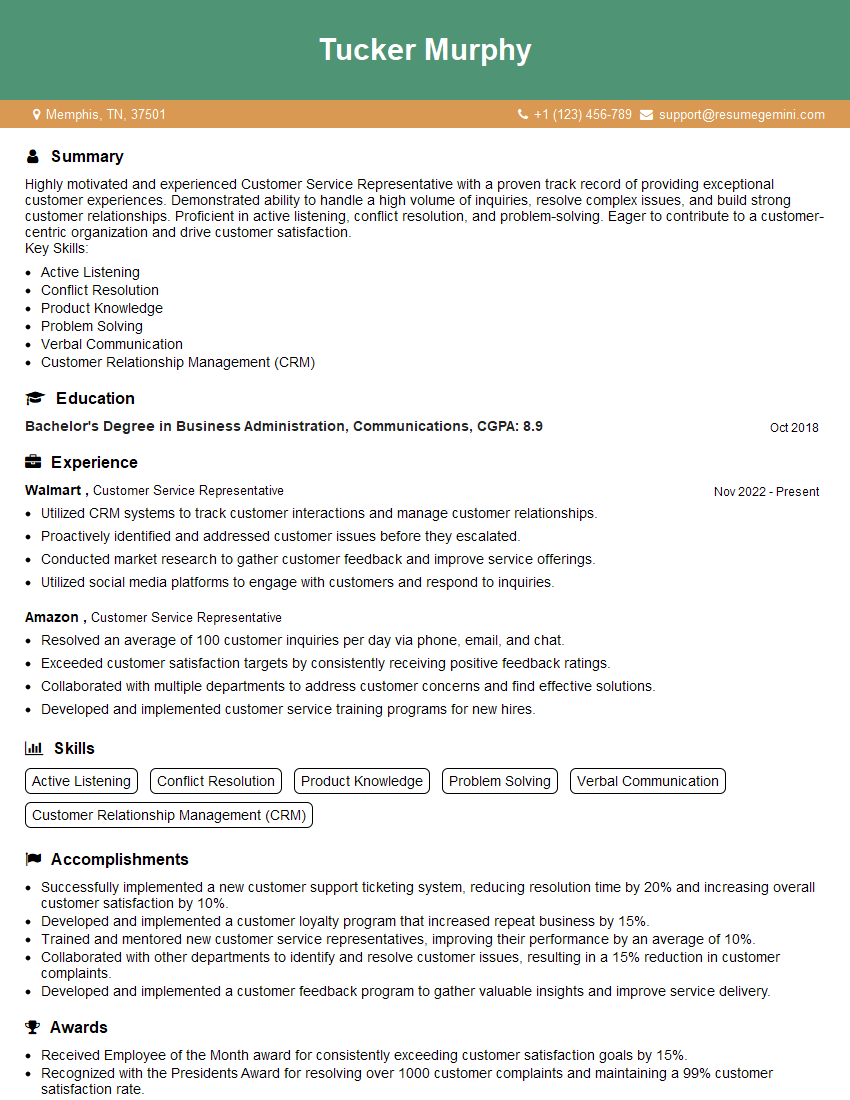
Customer Service Representative Resume Sample
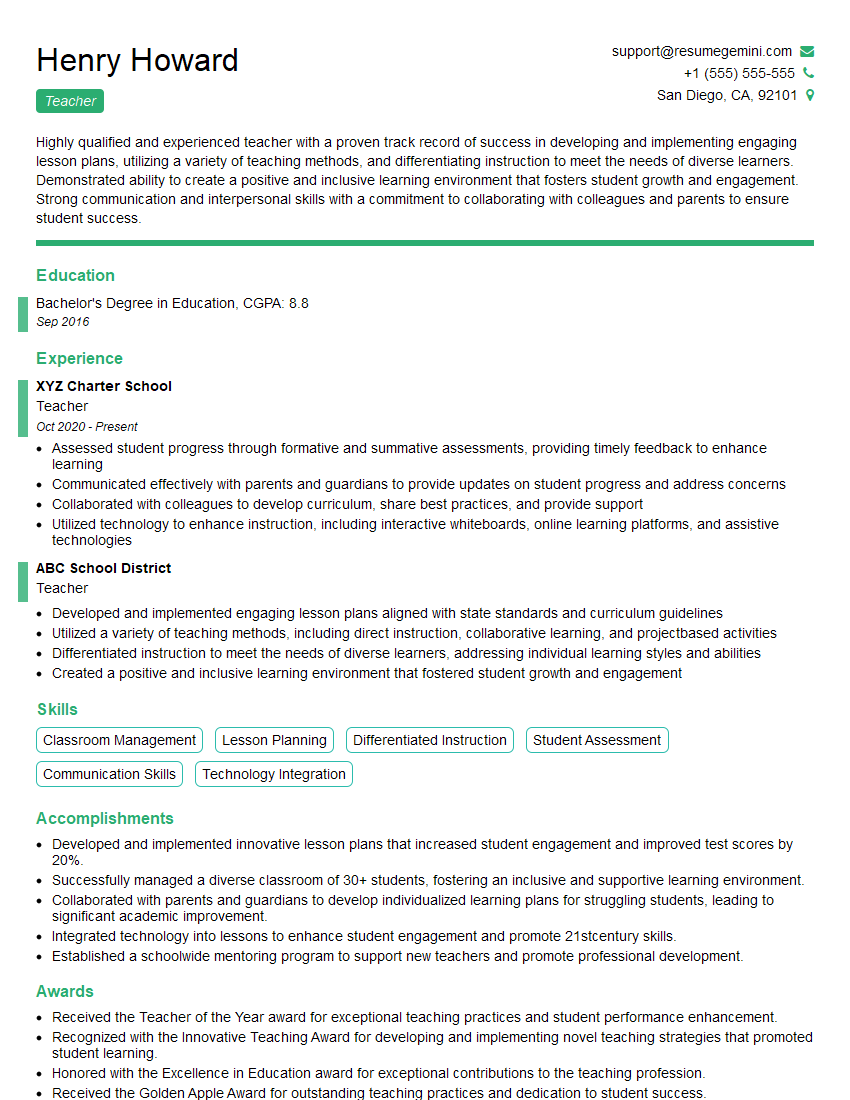
Teacher Resume Sample
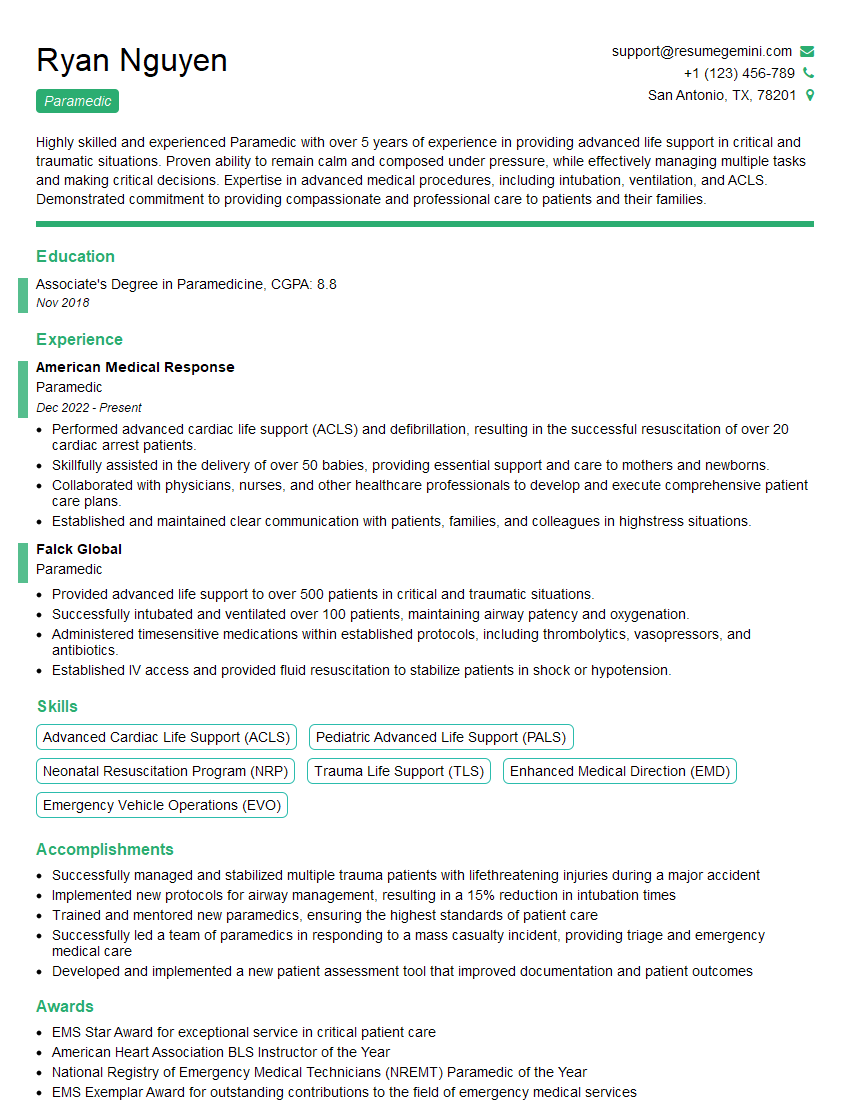
Paramedic Resume Sample
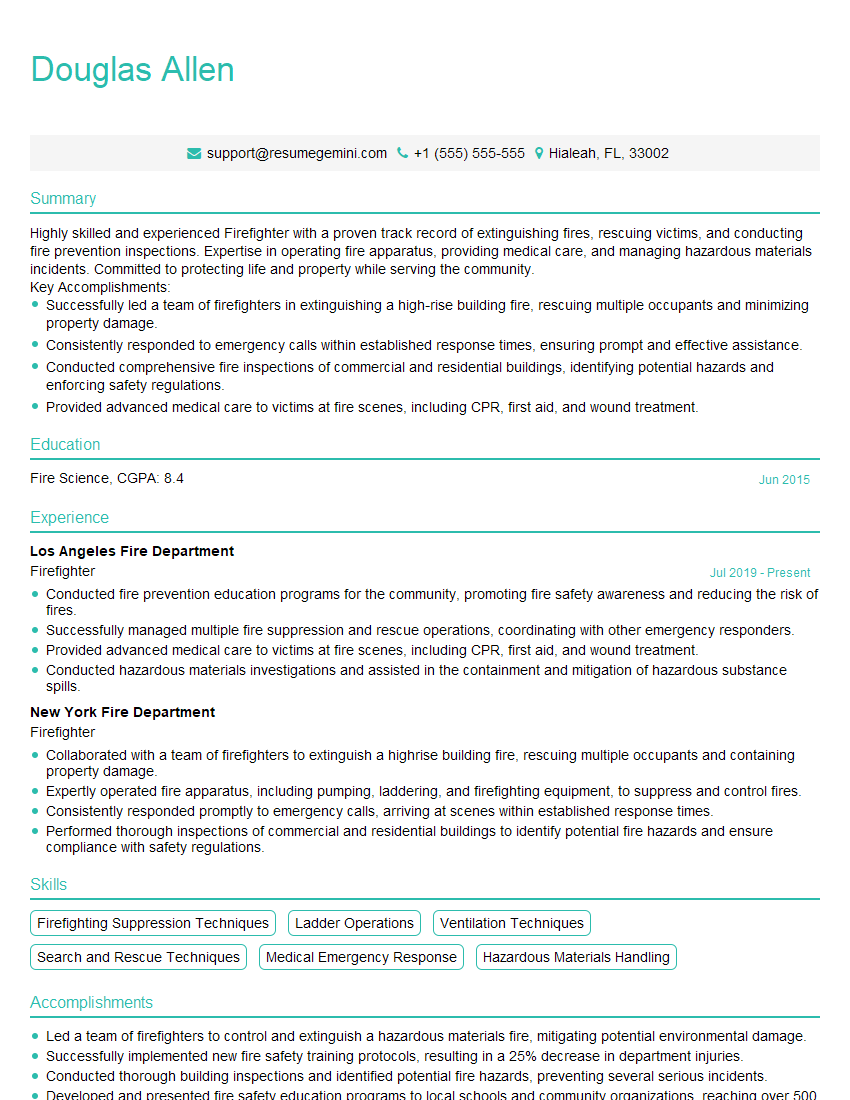
Firefighter Resume Sample
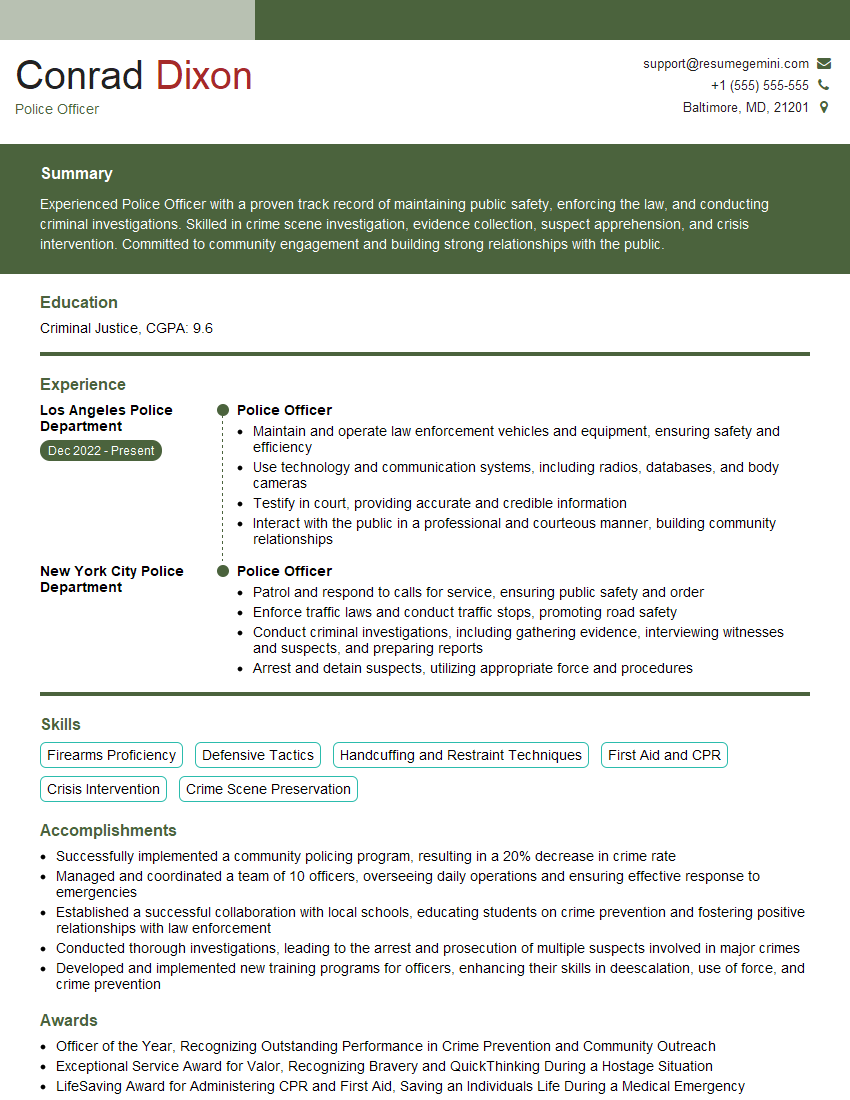
Police Officer Resume Sample
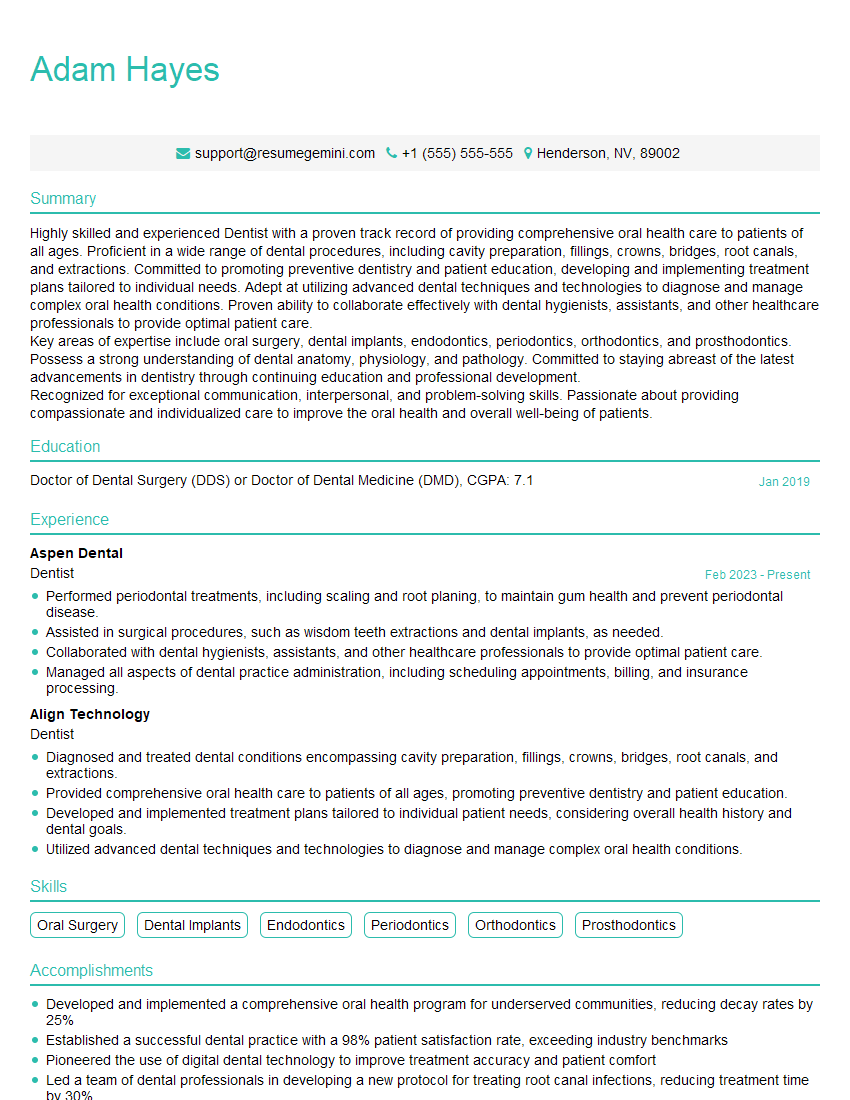
Dentist Resume Sample
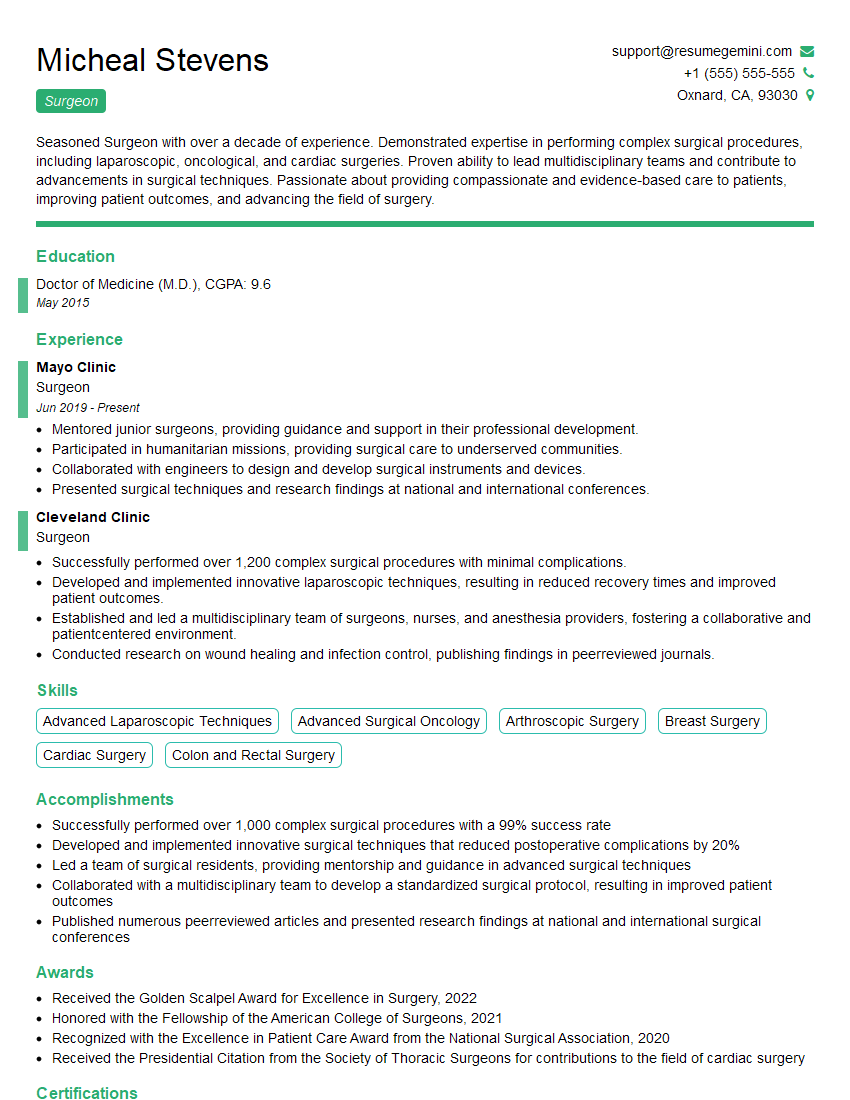
Surgeon Resume Sample
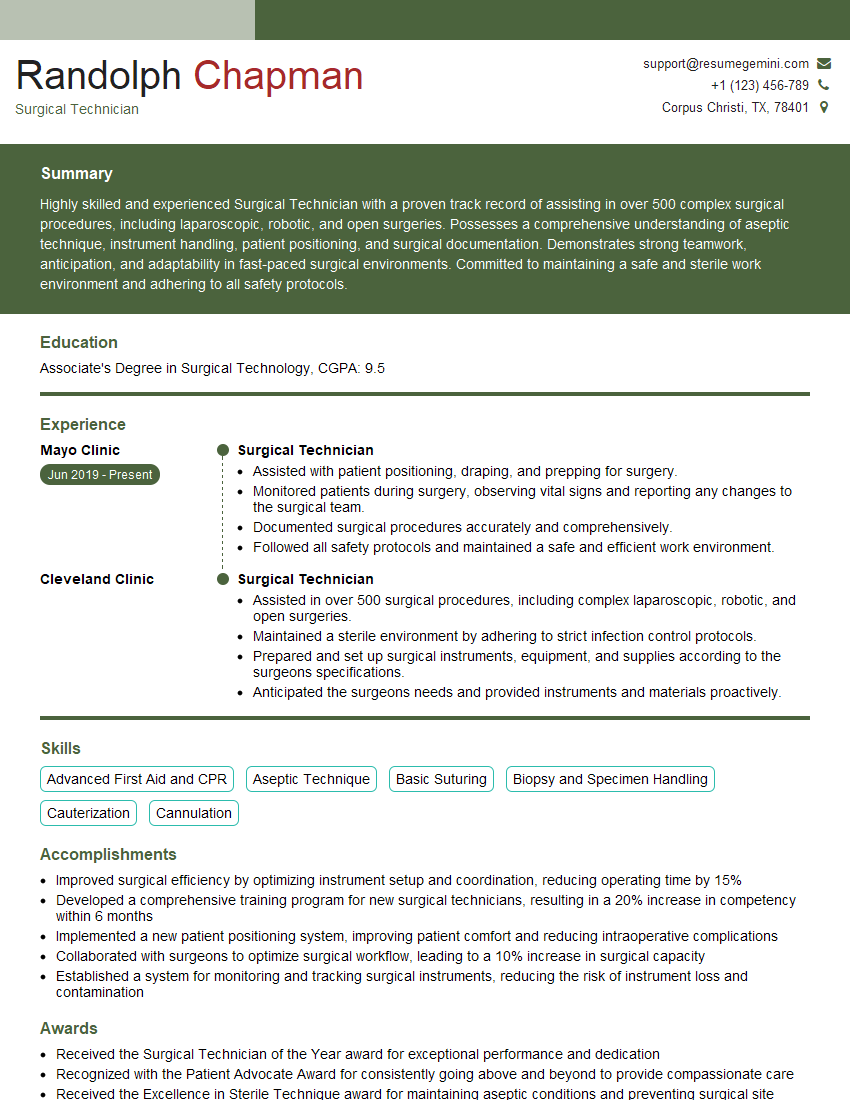
Surgical Technician Resume Sample
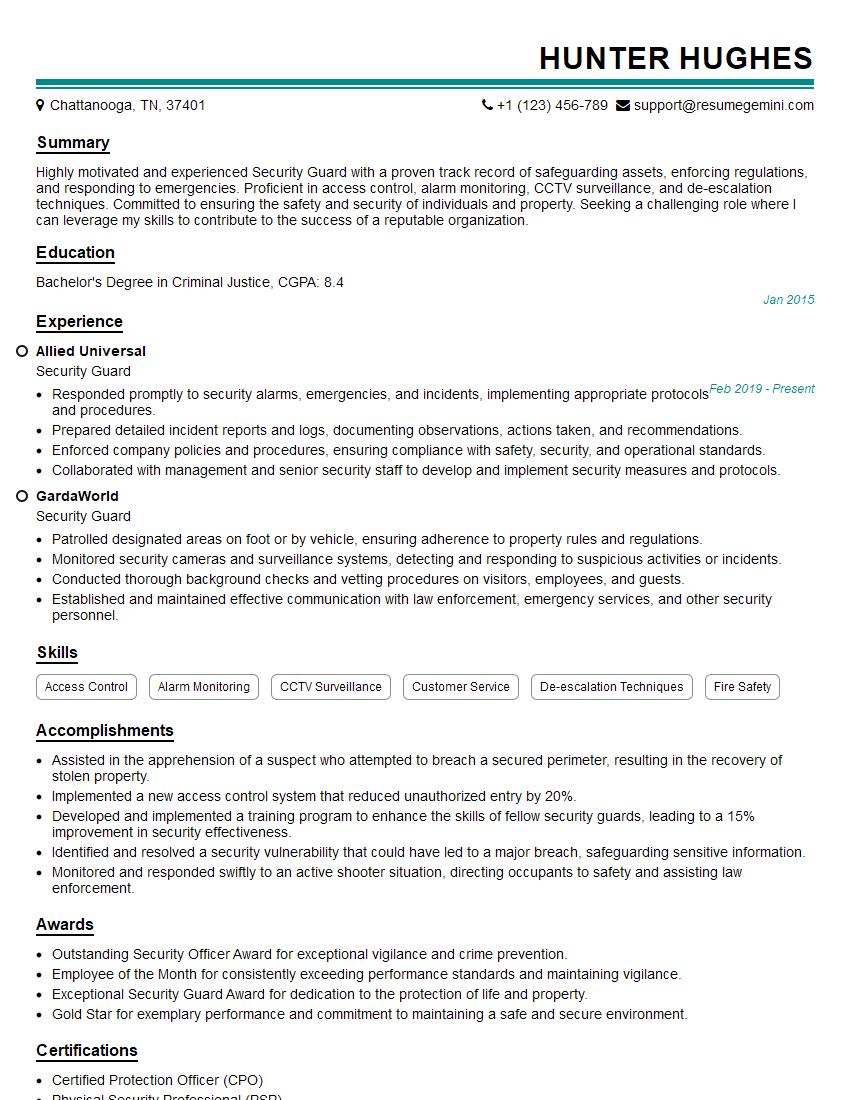
Security Guard Resume Sample
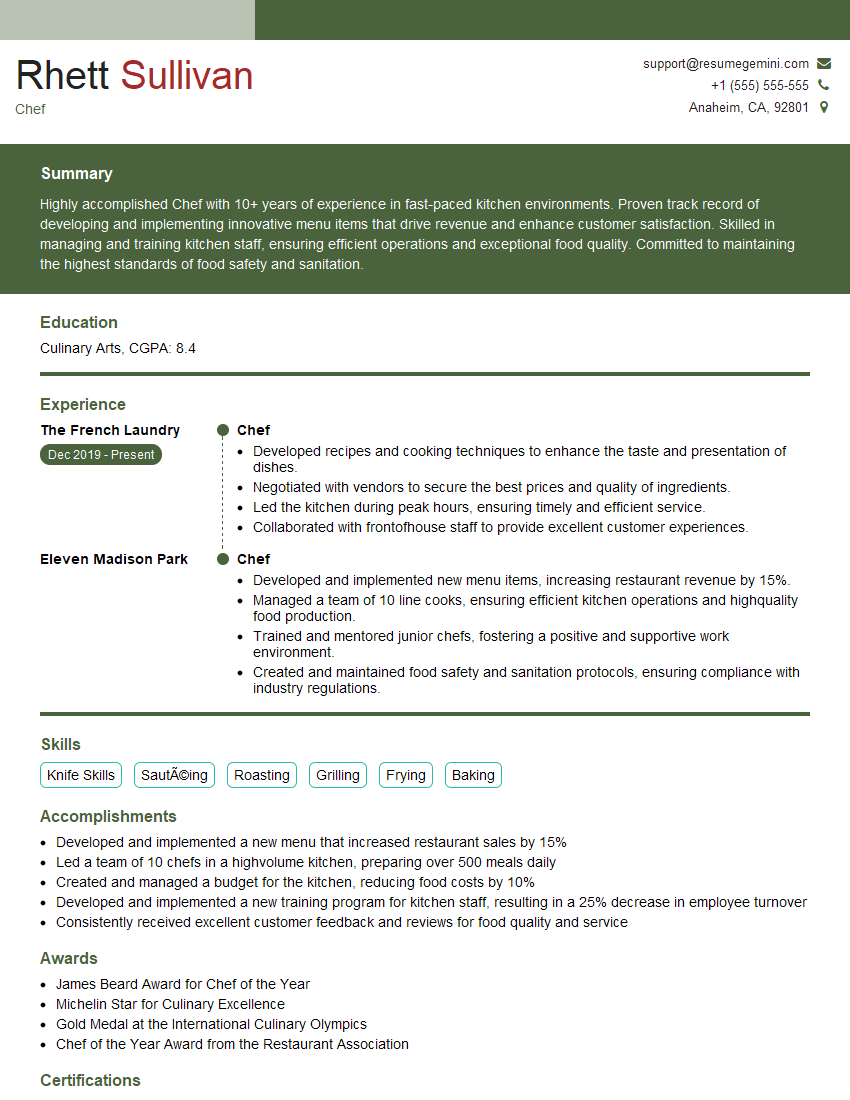
Chef Resume Sample
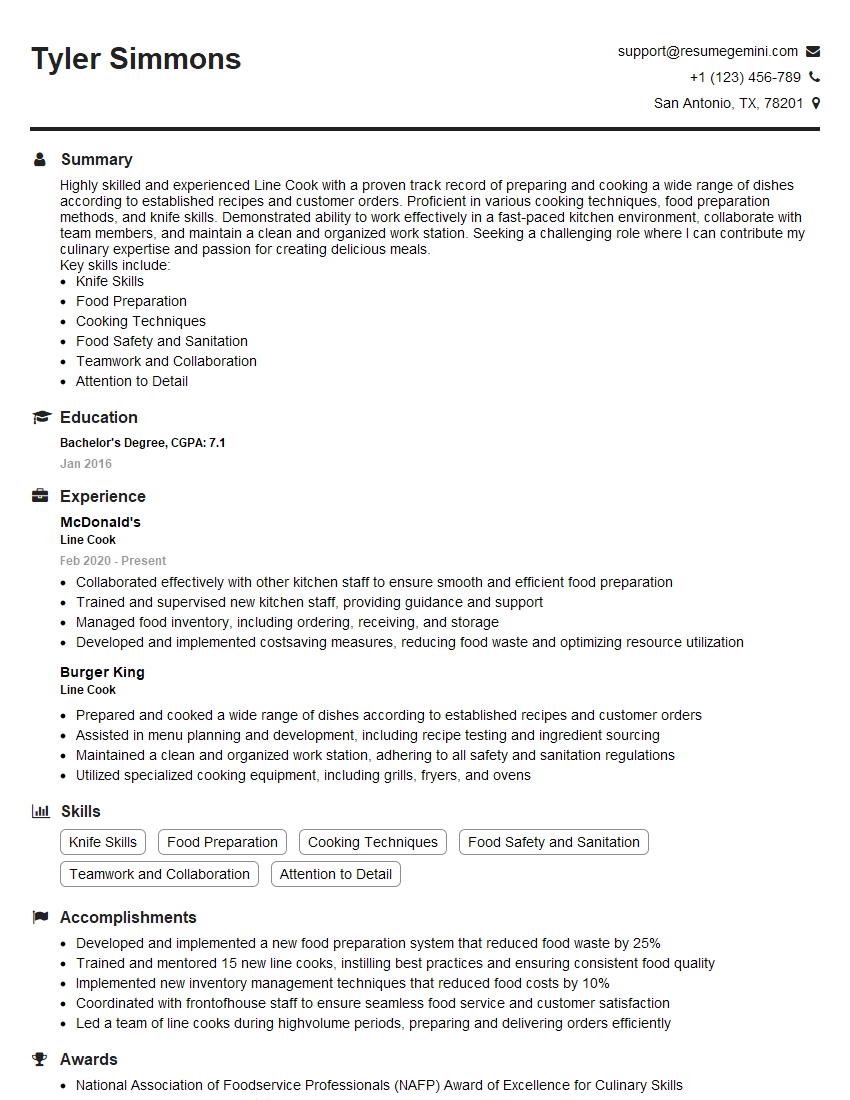
Line Cook Resume Sample
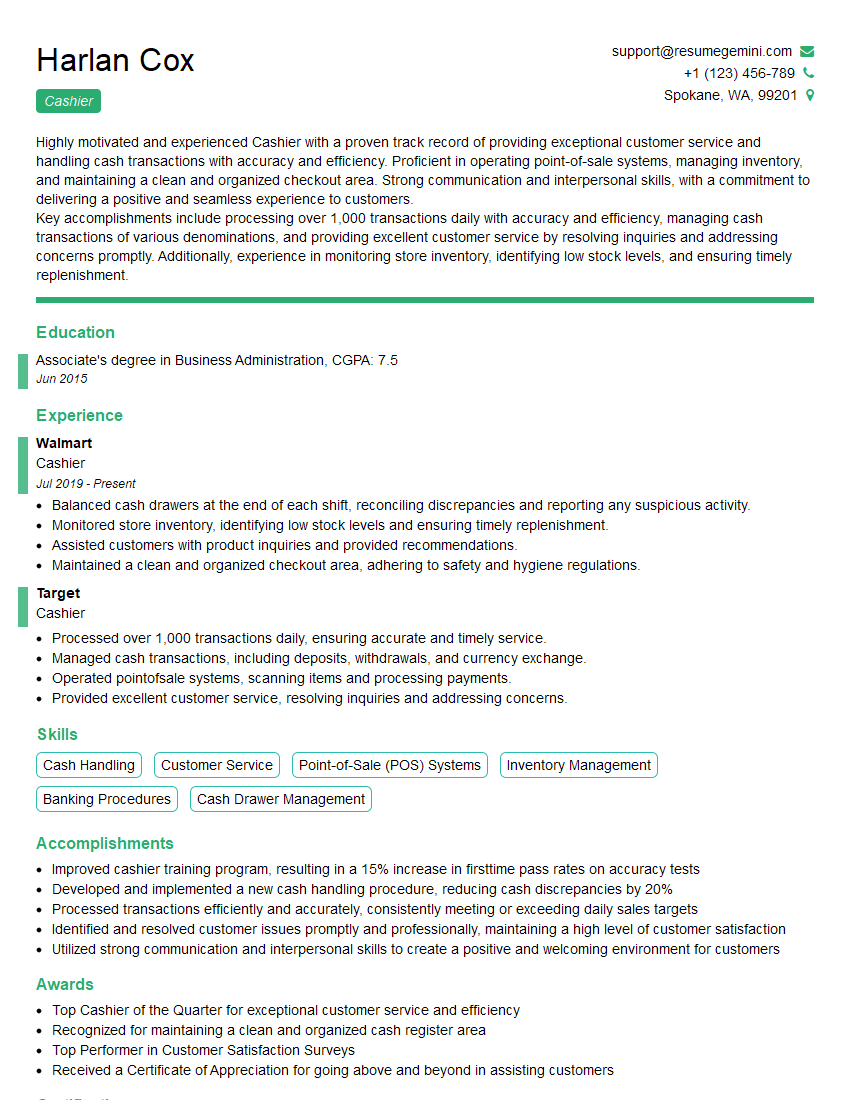
Cashier Resume Sample
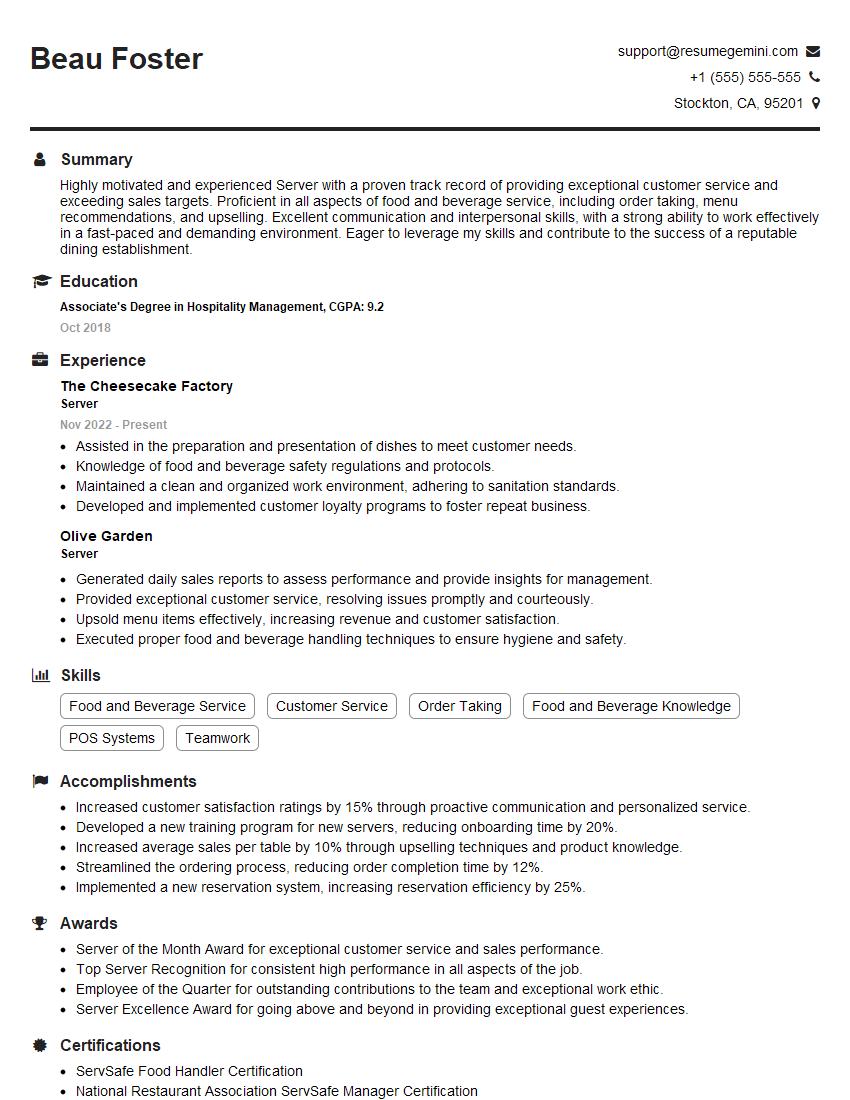
Server Resume Sample
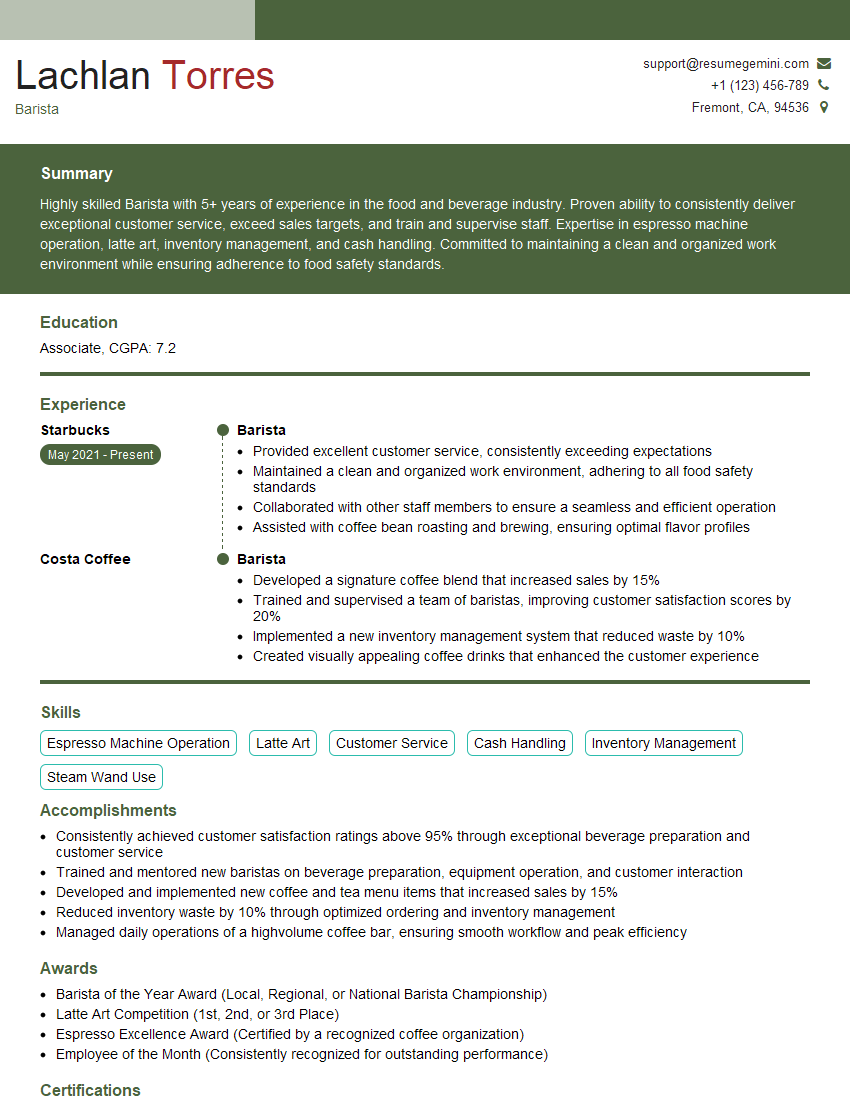
Barista Resume Sample
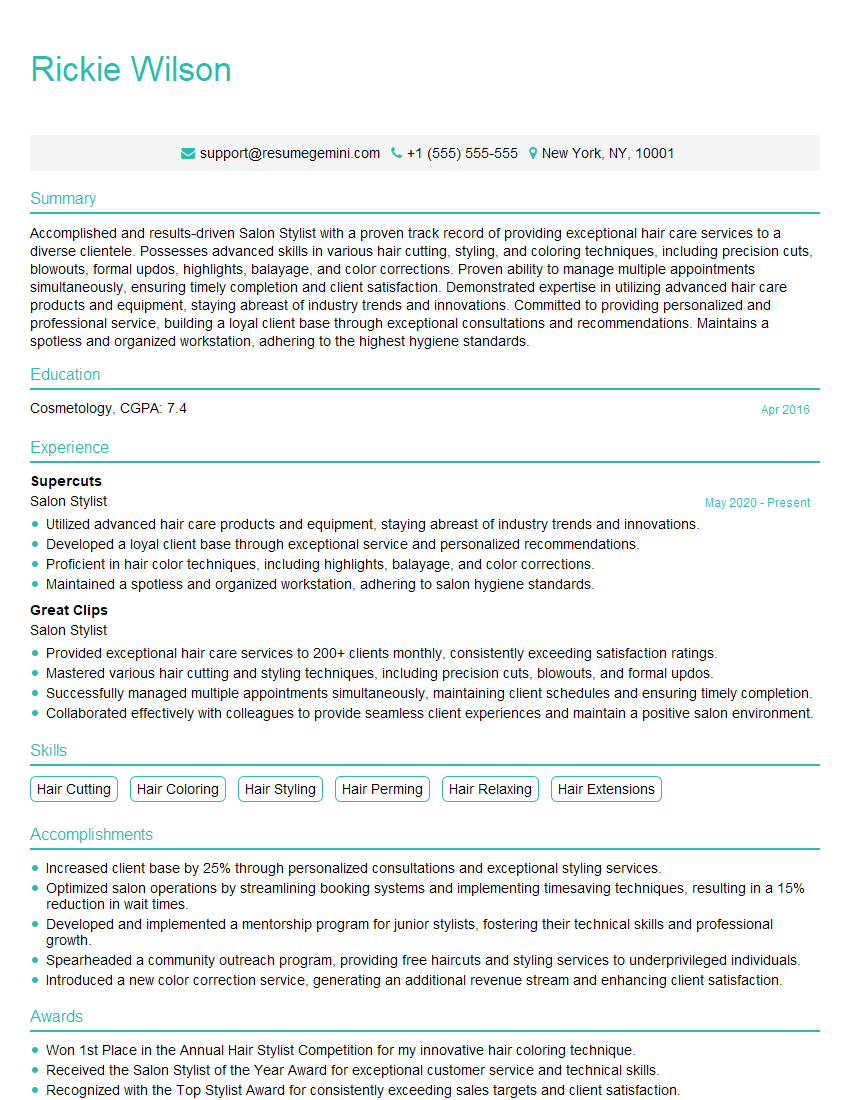
Salon Stylist Resume Sample
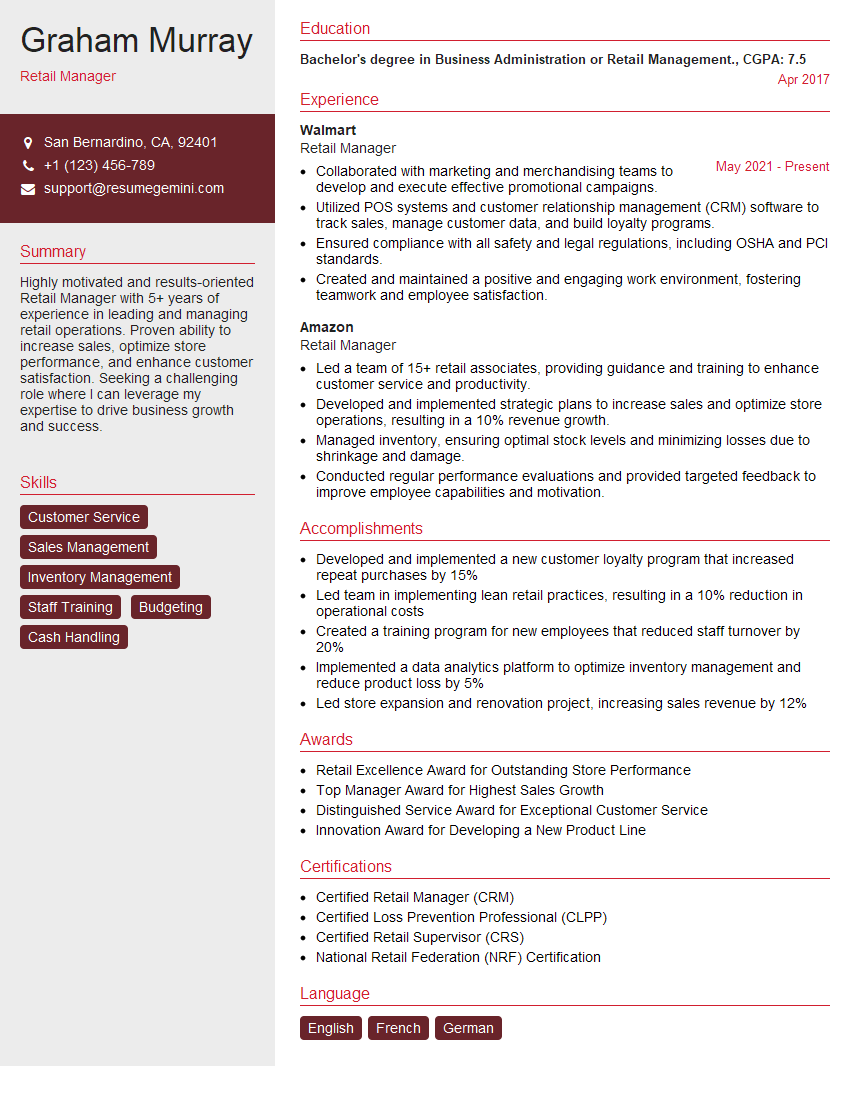
Retail Manager Resume Sample
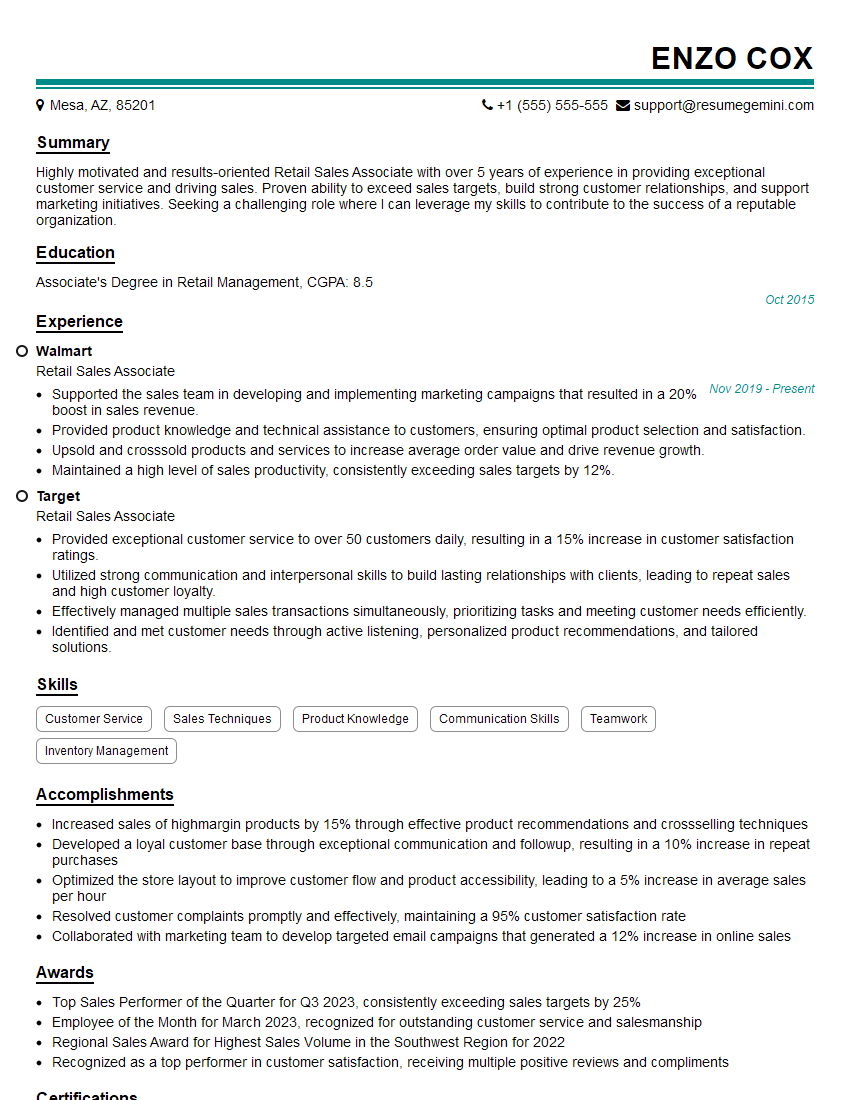
Retail Sales Associate Resume Sample
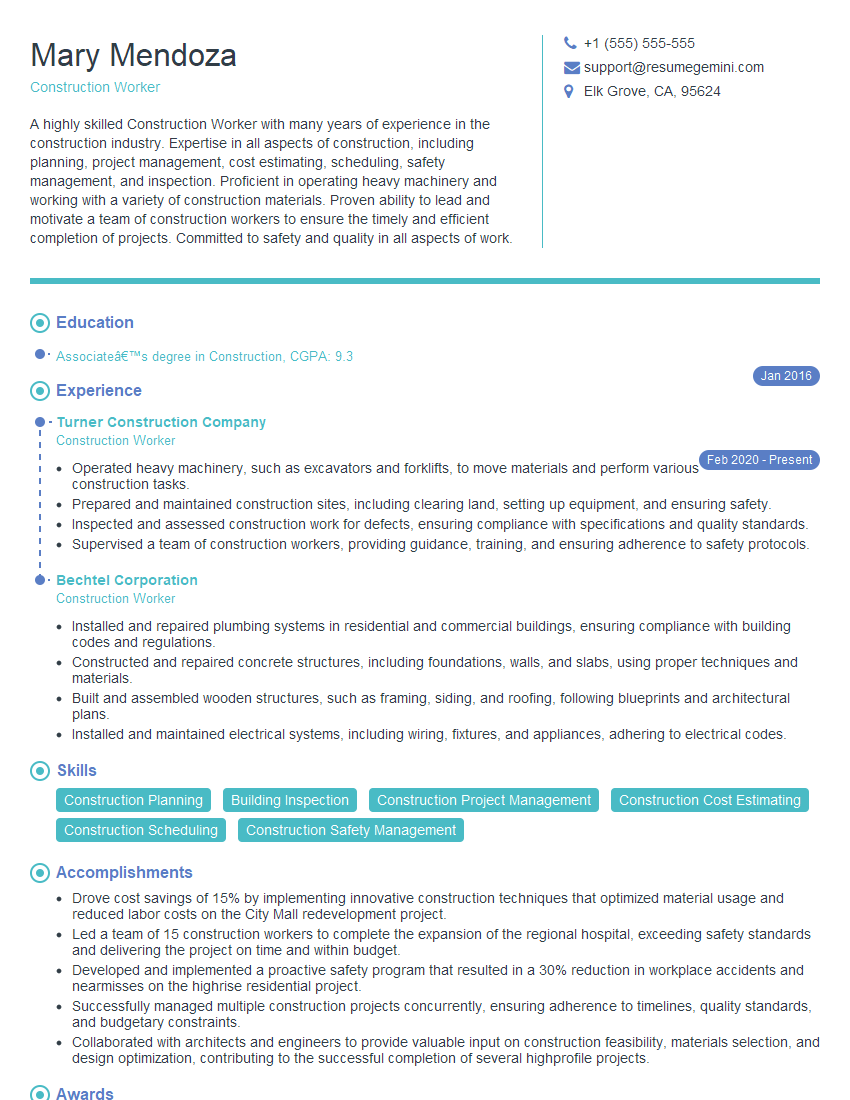
Construction Worker Resume Sample
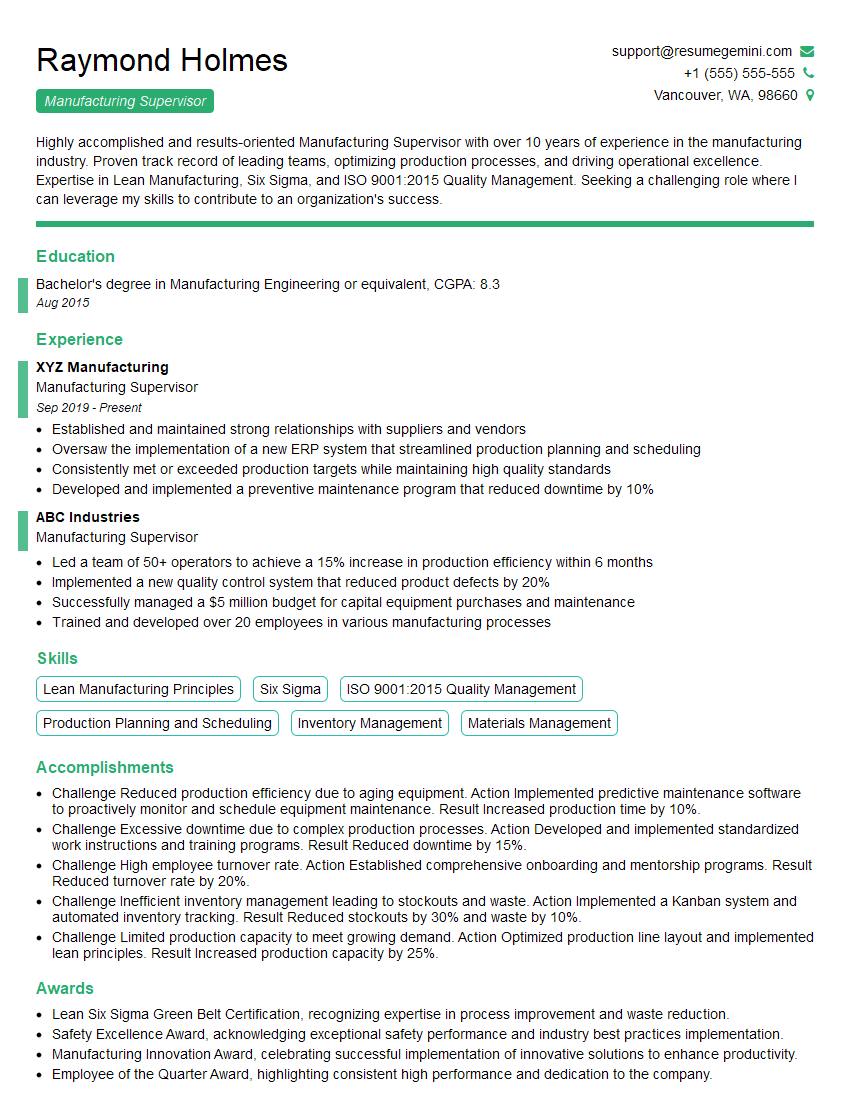
Manufacturing Supervisor Resume Sample
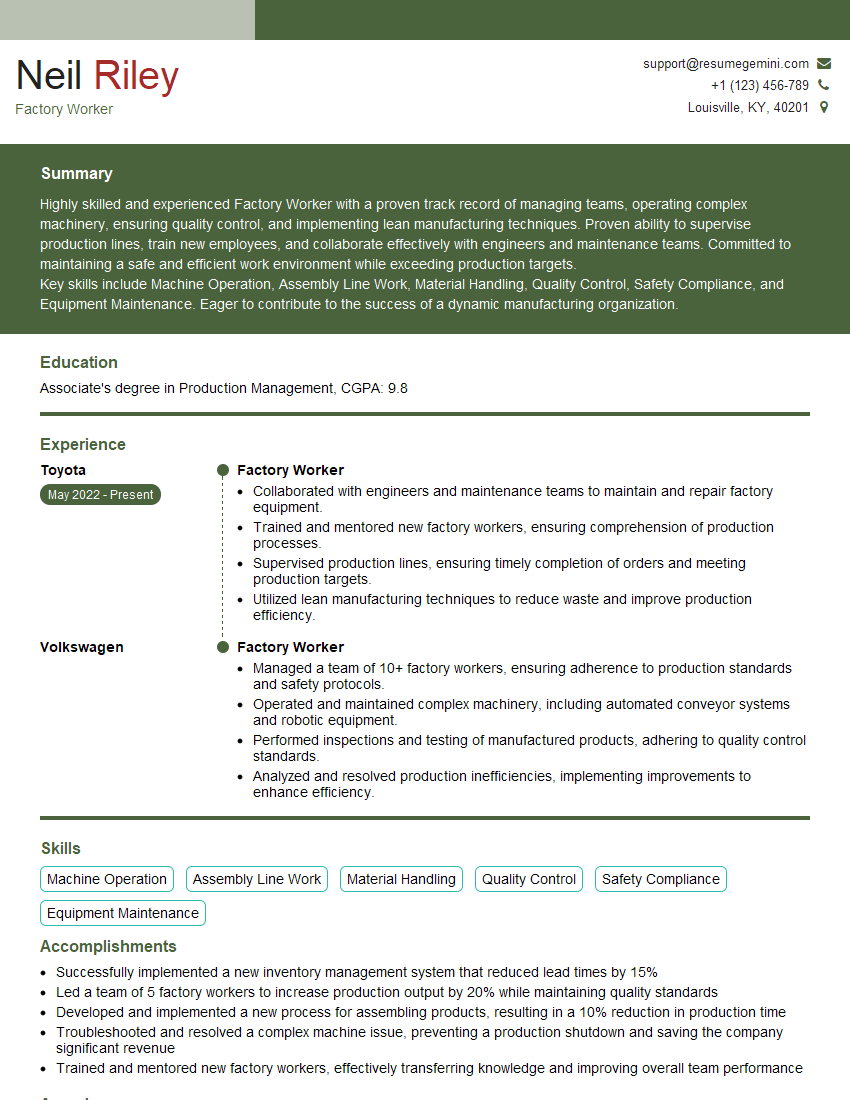
Factory Worker Resume Sample
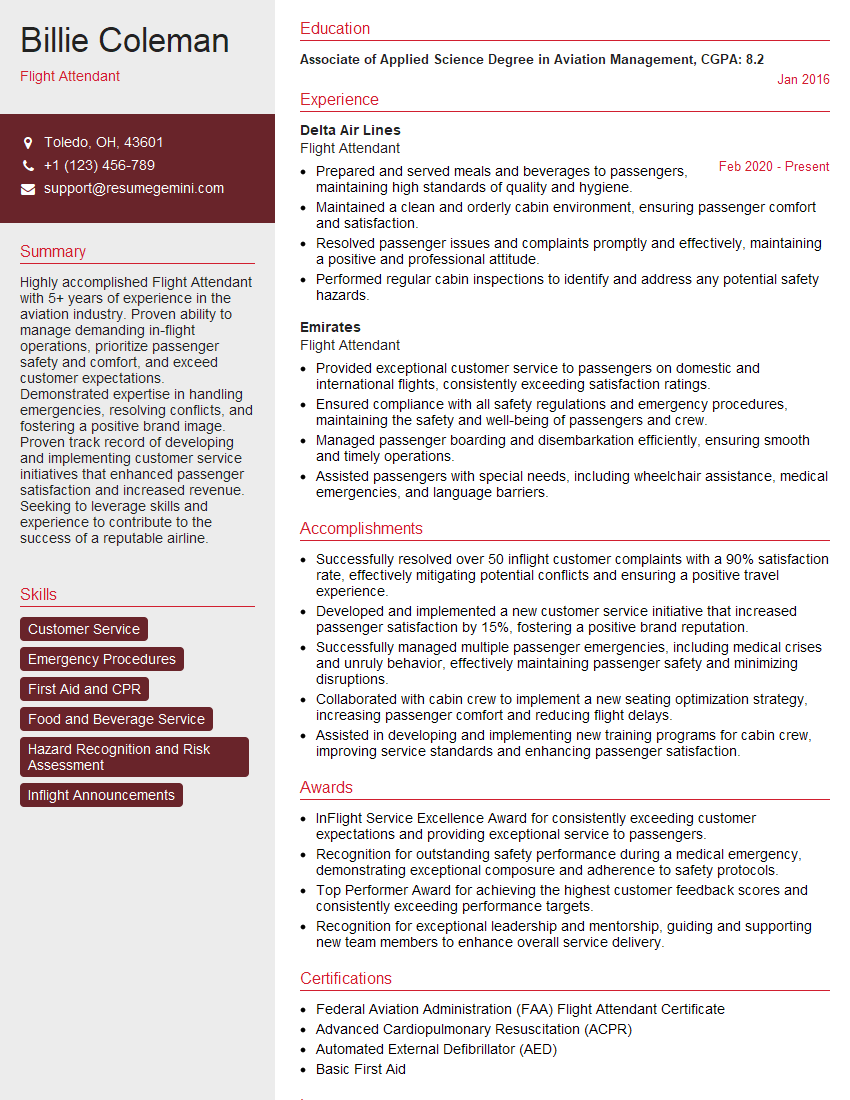
Flight Attendant Resume Sample
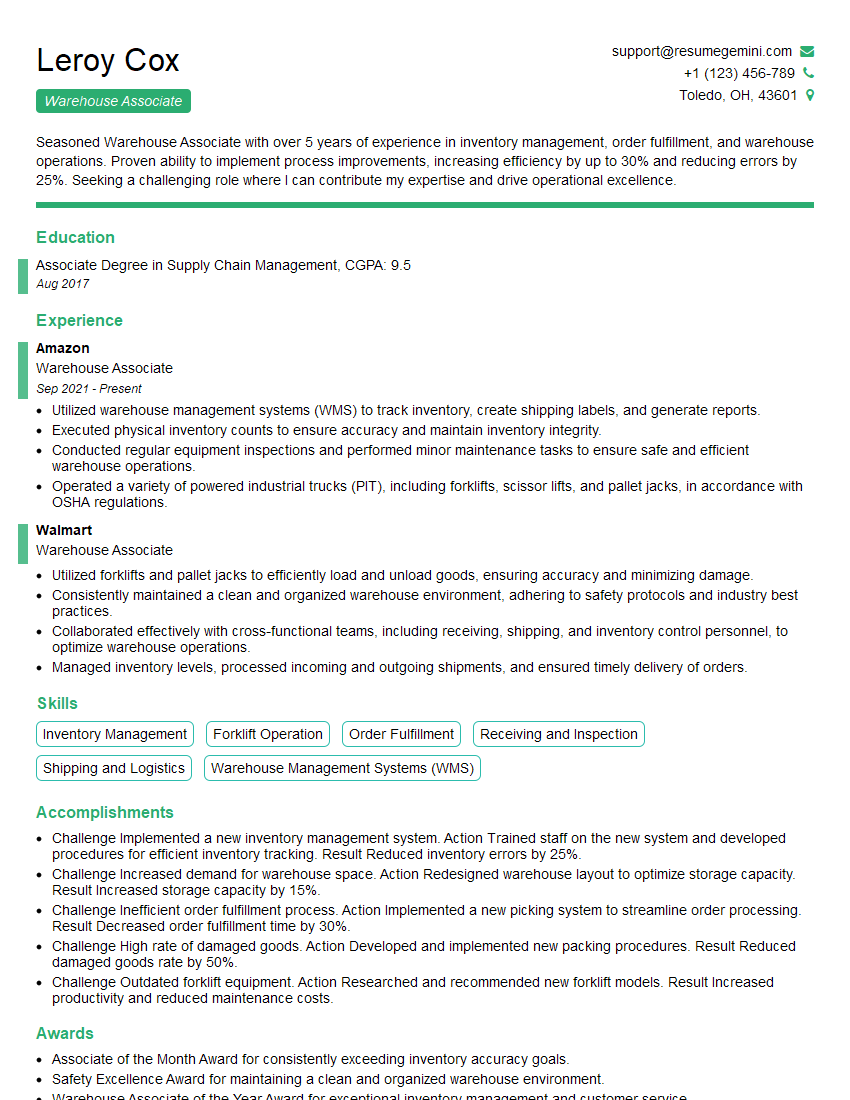
Warehouse Associate Resume Sample
- Customer Service Representative
- Teacher
- Paramedic
- Firefighter
- Police Officer
- Dentist
- Surgeon
- Surgical Technician
- Security Guard
- Chef
- Line Cook
- Cashier
- Server
- Barista
- Salon Stylist
- Retail Manager
- Retail Sales Associate
- Construction Worker
- Manufacturing Supervisor
- Factory Worker
- Flight Attendant
- Warehouse Associate
Explore more articles
Users Rating of Our Blogs
Share Your Experience
We value your feedback! Please rate our content and share your thoughts (optional).
What Readers Say About Our Blog
Very informative content, great job.
good