Cracking a skill-specific interview, like one for Occupational Health Surveillance, requires understanding the nuances of the role. In this blog, we present the questions you’re most likely to encounter, along with insights into how to answer them effectively. Let’s ensure you’re ready to make a strong impression.
Questions Asked in Occupational Health Surveillance Interview
Q 1. Describe your experience conducting workplace health risk assessments.
Conducting workplace health risk assessments involves a systematic process of identifying hazards, evaluating risks, and implementing control measures to protect worker health. It’s like a detective investigating a crime scene, but instead of a crime, we’re looking for potential health problems. My approach begins with a thorough walk-through of the workplace, observing tasks, equipment, and the environment. I then interview workers to understand their experiences and concerns. This helps identify potential hazards like exposure to chemicals, ergonomic risks, or psychosocial stressors. Following this, I use established methodologies like Job Safety Analysis (JSA) or HAZOP (Hazard and Operability Study) to evaluate the risks associated with each hazard. Finally, a prioritized list of control measures is developed, ranging from administrative controls (e.g., training, work rotation) to engineering controls (e.g., ventilation, machine guarding) and personal protective equipment (PPE). For example, in a construction site, I’d assess risks associated with falls, exposure to asbestos, and heavy lifting, and recommend appropriate safety harnesses, respirators, and lifting techniques.
I then document all findings in a comprehensive report, including recommendations and a timeline for implementation. This report is presented to management, with follow-up discussions to ensure effective implementation and monitoring of the control measures. The entire process is iterative, with ongoing assessments and updates as the workplace evolves.
Q 2. Explain your understanding of different surveillance methods used in occupational health.
Occupational health surveillance employs various methods to monitor worker health and identify potential health problems. Think of it as a comprehensive health checkup for a workplace. These methods can be broadly categorized as:
- Passive surveillance: This involves collecting data from existing sources like injury reports, illness records, and workers’ compensation claims. It’s like reviewing medical records to spot trends.
- Active surveillance: This is a more proactive approach, involving direct contact with workers through health screenings, questionnaires, or biological monitoring. This is like conducting regular check-ups to catch problems early.
- Biological monitoring: This measures the levels of harmful substances in the worker’s body (e.g., blood, urine). It’s like testing blood to see if a substance is present and in what quantity. Examples include measuring blood lead levels in workers handling lead paint or measuring urinary metabolites of certain solvents.
- Environmental monitoring: This involves measuring the levels of hazardous substances in the workplace environment (e.g., air, water, soil). It’s like taking a sample of the environment to check for contamination. For example, measuring noise levels or the concentration of airborne chemicals.
- Medical surveillance: This consists of medical examinations and tests specific to the hazards present in the workplace. For example, respiratory function tests for workers exposed to dust or hearing tests for those exposed to loud noise.
The choice of surveillance method depends on several factors, including the specific hazards present, the size of the workforce, and the available resources. Often, a combination of methods is used to provide a comprehensive picture of worker health.
Q 3. How would you investigate an outbreak of a workplace illness?
Investigating a workplace illness outbreak requires a systematic approach, much like solving a medical mystery. The first step is to define the outbreak – what illness, how many workers affected, and over what period? Next, a case definition is established, outlining the criteria for including a case in the investigation. We then collect data through interviews, reviewing medical records, and environmental sampling. This data helps identify potential exposures and risk factors associated with the illness.
A crucial step is comparing the characteristics of ill workers with those who remained healthy to identify common exposures. Epidemiological methods such as calculating attack rates and relative risks are essential tools. For instance, if most ill workers shared the same work area or performed a specific task, it points towards a potential environmental hazard or work process causing the illness. Once the suspected source is identified, we implement control measures to prevent further cases. The investigation concludes with a comprehensive report summarizing the findings, recommendations, and preventive actions. Finally, ongoing monitoring is needed to ensure the effectiveness of the implemented control measures. For instance, an outbreak of respiratory illness could point towards poor ventilation or a malfunctioning HVAC system.
Q 4. What are the key components of a comprehensive occupational health surveillance program?
A comprehensive occupational health surveillance program is more than just a collection of data; it’s a strategic approach to protecting worker health. Key components include:
- Needs assessment: Identifying the specific health hazards in the workplace and the population most at risk.
- Program design: Developing specific surveillance strategies, including methods for data collection and analysis.
- Data collection: Implementing the chosen methods, ensuring consistency and accuracy of data collection.
- Data analysis: Interpreting the collected data to identify trends and patterns.
- Reporting and dissemination of findings: Sharing the findings with relevant stakeholders, including workers, management, and regulatory agencies.
- Intervention and prevention: Developing and implementing appropriate control measures to mitigate identified risks.
- Evaluation and improvement: Regularly reviewing the effectiveness of the program and making adjustments as needed.
Effective communication and collaboration among workers, management, and healthcare professionals are essential for a successful program.
Q 5. How do you interpret and report occupational health data?
Interpreting and reporting occupational health data involves transforming raw numbers into actionable insights. It’s like translating a foreign language into one everyone understands. The process begins with organizing and summarizing the data, using descriptive statistics like means, medians, and percentages. Then, we look for patterns and trends using various analytical techniques, depending on the data type. For example, we might use regression analysis to explore the relationship between exposure levels and health outcomes.
The results are then presented in a clear and concise manner, using tables, graphs, and narratives that are easily understood by both technical and non-technical audiences. The report should highlight key findings, identify any significant risks, and offer recommendations for improvement. For example, if we find a high incidence of back injuries amongst warehouse workers, the report might suggest improved lifting techniques, ergonomic equipment, and additional training. The reporting should also comply with relevant data privacy regulations.
Q 6. Describe your experience with different data collection tools in occupational health surveillance.
My experience encompasses a wide range of data collection tools, each chosen based on the specific needs of the surveillance program. These include:
- Questionnaires and surveys: These are valuable for gathering information on worker demographics, work history, health symptoms, and exposures. They are cost-effective, but response rates can be a challenge.
- Medical records review: This provides detailed information on diagnoses, treatments, and worker health outcomes. However, access to records may be limited due to privacy concerns.
- Biological monitoring samples: Collecting blood, urine, or other biological samples for laboratory analysis is crucial for assessing internal exposure levels. It’s an accurate measure, but it can be invasive and costly.
- Environmental monitoring data: This includes air, water, and soil sampling to measure environmental exposures. This is essential for understanding workplace hazards.
- Incident reports: These document workplace injuries and illnesses, providing valuable information on the circumstances surrounding each event.
- Job safety analysis (JSA): This technique helps break down tasks into steps, identifying potential hazards at each step.
Choosing the right tools requires careful consideration of cost, feasibility, and the quality of information needed.
Q 7. Explain your familiarity with relevant legislation and regulations (e.g., OSHA, NIOSH).
I am thoroughly familiar with key legislation and regulations governing occupational health and safety, including the Occupational Safety and Health Administration (OSHA) in the United States and the National Institute for Occupational Safety and Health (NIOSH). OSHA sets the standards for workplace safety and health, while NIOSH conducts research to identify and prevent work-related illnesses and injuries. My understanding extends to the specific requirements of these agencies relevant to various industries and workplace hazards. For example, I’m knowledgeable about OSHA’s Hazard Communication Standard (HazCom), which mandates the labeling and safety data sheets for hazardous chemicals, and its requirements for personal protective equipment (PPE).
Furthermore, I am aware of relevant state and local regulations that may augment federal guidelines. I regularly consult updated legislation and legal precedents to ensure that my assessments and recommendations are compliant with all applicable laws. This ensures that employers meet their legal obligations and that workers are protected from harm. Compliance isn’t just a box to check; it’s essential for creating a safe and healthy workplace for everyone.
Q 8. How do you ensure data confidentiality and privacy in occupational health surveillance?
Data confidentiality and privacy are paramount in occupational health surveillance. We adhere to strict protocols based on regulations like HIPAA (in the US) and GDPR (in Europe), alongside internal policies. This includes anonymizing data whenever possible, using secure storage systems with access controls (like encrypted databases and limited user permissions), and ensuring all personnel involved undergo rigorous training on data protection best practices.
For instance, we might use unique identifiers instead of names in datasets, and access to sensitive information is granted only on a need-to-know basis. Regular audits are conducted to ensure compliance and identify any potential vulnerabilities. We also have a clear process for handling data breaches, involving immediate reporting to relevant authorities and affected individuals.
Think of it like a bank vault: Multiple layers of security are in place to protect the valuable data within, only allowing authorized personnel access under strict protocols.
Q 9. How would you address resistance from employees to participate in occupational health surveillance programs?
Resistance to participation can stem from various factors, including concerns about confidentiality, fear of job security, or lack of understanding about the program’s benefits. Addressing this requires a multi-pronged approach.
- Education and communication: Clearly explaining the purpose, benefits (e.g., early detection of health issues, improved workplace safety), and confidentiality protocols of the program is crucial. We often use town hall meetings, informational materials, and one-on-one conversations to address specific concerns.
- Building trust: Demonstrating a commitment to employee well-being and ensuring the program is managed transparently fosters trust. Involving employees in the design and implementation process can also help.
- Incentivization: Offering incentives, such as gift cards or additional time off, can encourage participation, though ethical considerations must always be prioritized.
- Addressing concerns: Directly addressing employees’ specific anxieties and fears, such as guaranteeing anonymity and emphasizing that participation is voluntary, is paramount.
For example, in one organization, we overcame initial reluctance by emphasizing the program’s proactive nature – highlighting how it could prevent future health problems rather than simply detecting existing ones.
Q 10. What is your experience with ergonomic assessments and interventions?
Ergonomic assessments form a significant part of my work. I have extensive experience conducting both observational assessments and using various tools like Rapid Upper Limb Assessment (RULA) and Rapid Entire Body Assessment (REBA) to quantify the risk of musculoskeletal disorders (MSDs). I’m proficient in analyzing workstation setups, work processes, and employee postures to identify ergonomic hazards.
Interventions range from simple adjustments to workstation setups (e.g., chair height, keyboard placement, monitor position) to more complex modifications involving equipment redesign or process changes. For example, I assisted a manufacturing facility in reducing MSDs among assembly line workers by implementing job rotation programs, providing adjustable workstations, and implementing stretch breaks. This resulted in a significant decrease in reported musculoskeletal injuries.
Q 11. Describe your understanding of different types of occupational hazards (physical, chemical, biological, ergonomic, psychosocial).
Occupational hazards encompass a broad spectrum of risks that can negatively impact employee health and safety. They can be broadly classified as:
- Physical hazards: These involve energy sources capable of releasing enough energy to cause harm. Examples include noise, vibration, radiation (ionizing and non-ionizing), temperature extremes, and ergonomic stressors (discussed in the previous question).
- Chemical hazards: These include hazardous substances like gases, vapors, dusts, fumes, liquids, and solids that can cause acute or chronic health problems through inhalation, ingestion, or skin absorption. Examples include asbestos, solvents, and pesticides.
- Biological hazards: These encompass microorganisms (bacteria, viruses, fungi, parasites) and biological materials (blood, body fluids) that can cause infectious diseases. Examples include exposure to bloodborne pathogens in healthcare settings or exposure to mold in damp environments.
- Ergonomic hazards: These involve physical factors that contribute to MSDs, resulting from awkward postures, repetitive movements, forceful exertions, and prolonged static postures. Poor workstation design is a common contributor.
- Psychosocial hazards: These involve factors related to the work environment and organization that can impact mental and emotional health. Examples include workplace violence, harassment, stress, and burnout.
Understanding these hazards is fundamental to developing effective preventive strategies.
Q 12. How would you develop and implement a control strategy for a specific workplace hazard?
Developing a control strategy involves a hierarchical approach, prioritizing the most effective controls. This is often referred to as the ‘hierarchy of controls’:
- Elimination: Removing the hazard entirely. This is the most effective but often the most difficult to implement. For example, replacing a hazardous chemical with a less harmful alternative.
- Substitution: Replacing the hazard with a less hazardous alternative. This might involve replacing a noisy machine with a quieter one.
- Engineering controls: Implementing physical changes to the work environment to reduce exposure. Examples include installing ventilation systems to reduce exposure to airborne contaminants or using automated machinery to reduce repetitive movements.
- Administrative controls: Implementing changes to work practices or procedures to reduce exposure. Examples include job rotation, limiting exposure time, and providing adequate training and personal protective equipment (PPE).
- Personal protective equipment (PPE): Providing protective equipment to minimize exposure. This is the least effective control method and should only be used as a last resort after other controls have been implemented. Examples include gloves, respirators, and safety glasses.
For instance, if we identify high noise levels in a workshop, the control strategy might involve first assessing whether noisy machines can be replaced (substitution) or if their noise can be reduced via soundproofing (engineering control). Administrative controls like limiting exposure time might also be implemented, and finally, hearing protection (PPE) could be provided.
Q 13. Explain your experience with incident investigation and root cause analysis.
I have significant experience with incident investigation and root cause analysis. My approach involves a systematic process:
- Incident data collection: Gathering comprehensive information about the incident, including witness statements, medical records, and environmental data.
- Reconstruction of events: Developing a timeline of events leading to the incident.
- Root cause identification: Using techniques like the ‘5 Whys’ method or fault tree analysis to identify the underlying causes of the incident, going beyond immediate symptoms to pinpoint the root problems.
- Corrective action planning: Developing and implementing measures to prevent similar incidents from occurring in the future. This includes both short-term and long-term solutions, based on the root cause analysis findings.
- Monitoring and evaluation: Regularly monitoring the effectiveness of implemented corrective actions.
For example, I investigated an incident where an employee suffered a back injury while lifting heavy boxes. Through investigation, we found inadequate training on proper lifting techniques, and the root cause was identified as a lack of ergonomic training and insufficient resources (box trolleys) which led to improper lifting posture. We addressed this by implementing a mandatory training program and providing adequate lifting equipment.
Q 14. How familiar are you with different statistical methods used in occupational health surveillance?
I’m familiar with a range of statistical methods crucial for occupational health surveillance, including descriptive statistics (mean, median, standard deviation, etc.) to summarize health data and inferential statistics for hypothesis testing and drawing conclusions. This includes:
- Prevalence and incidence calculations: To assess the frequency of occupational illnesses and injuries.
- Regression analysis: To identify factors that are associated with specific health outcomes.
- Time series analysis: To track health trends over time.
- Survival analysis: To study the duration of illnesses or the time to an event (e.g., developing a specific disease).
- Statistical process control (SPC): To monitor workplace processes and identify potential safety issues before they lead to incidents.
I am proficient in using software packages such as R and SPSS to perform these analyses. My understanding of these methods allows me to draw meaningful conclusions from surveillance data, informing the development of effective prevention and control strategies.
Q 15. Describe your experience working with various stakeholders (employees, management, unions).
Effective occupational health surveillance requires collaboration with diverse stakeholders. My experience spans working with employees at all levels, from shop floor workers to senior management, as well as union representatives. I’ve found that building trust and rapport is paramount. With employees, this involves open communication, active listening to their concerns about workplace health and safety, and ensuring confidentiality. For example, during a project involving noise exposure assessment in a manufacturing plant, I held several open forums to explain the process, address anxieties, and reassure employees about the purpose of the monitoring. With management, my focus is on clearly communicating risks, presenting data-driven recommendations for intervention, and demonstrating the return on investment in health and safety initiatives. This often involves translating complex health data into business language and highlighting the potential for reduced absenteeism, improved productivity, and minimized legal liabilities. Working with unions requires a collaborative, transparent approach, ensuring their participation in the development and implementation of health and safety programs. This involves addressing their concerns proactively and incorporating their input in designing programs to protect workers’ rights and well-being. In one instance, I worked closely with the union to develop a comprehensive program to address musculoskeletal disorders, incorporating their expertise and input at each stage, ensuring a high level of buy-in and participation.
Career Expert Tips:
- Ace those interviews! Prepare effectively by reviewing the Top 50 Most Common Interview Questions on ResumeGemini.
- Navigate your job search with confidence! Explore a wide range of Career Tips on ResumeGemini. Learn about common challenges and recommendations to overcome them.
- Craft the perfect resume! Master the Art of Resume Writing with ResumeGemini’s guide. Showcase your unique qualifications and achievements effectively.
- Don’t miss out on holiday savings! Build your dream resume with ResumeGemini’s ATS optimized templates.
Q 16. How would you manage conflicting priorities in occupational health surveillance?
Prioritization in occupational health surveillance is crucial given limited resources and competing demands. My approach involves a structured prioritization framework that considers several factors. First, I assess the potential severity of the health risks identified through hazard assessments and risk assessments, prioritizing those posing the most significant threat to worker health. Second, I evaluate the feasibility of implementing interventions, considering factors like cost, time constraints, and available expertise. Third, I consider the legal and regulatory requirements, ensuring compliance with relevant standards and legislation. For instance, if a hazard assessment reveals a significant risk of respiratory illnesses due to airborne particles, I would prioritize interventions like implementing engineering controls (e.g., improved ventilation) and providing appropriate respiratory protective equipment before addressing other health concerns. Finally, I leverage data-driven decision-making, using epidemiological data, health surveillance data, and risk assessments to inform priorities and allocate resources effectively. This approach allows me to focus resources on interventions with the highest potential impact, while maintaining a balance between addressing immediate critical needs and long-term health and safety goals.
Q 17. What is your approach to communicating occupational health findings to different audiences?
Communicating occupational health findings effectively requires tailoring the message to the audience’s knowledge and needs. When presenting to employees, I use clear, concise language, avoiding technical jargon. I use visuals like charts and graphs to make complex data easily understandable. For example, explaining the results of hearing tests using a simple bar graph showing acceptable versus unacceptable hearing levels is more effective than using technical audiograms. For management, I focus on the business implications of the findings, including potential costs associated with health issues, lost productivity, and legal risks. I also quantify the return on investment of proposed interventions. When communicating with unions, I use an open and collaborative approach, ensuring transparency and responding promptly to their inquiries. For external stakeholders, like regulatory agencies, my communication is precise and adheres to formal reporting requirements. Regardless of the audience, I ensure that my communication is objective, accurate, and emphasizes the importance of protecting worker health and well-being. A consistent message across all stakeholder groups helps promote unified efforts in workplace health and safety improvement.
Q 18. Describe your experience with developing and delivering occupational health training programs.
I have extensive experience in developing and delivering occupational health training programs. My approach involves a needs assessment to identify knowledge gaps and training priorities. This assessment considers the specific job roles, hazards, and risks prevalent in the workplace. The training programs are then designed to be interactive, engaging, and tailored to the specific needs of the audience. I use a variety of methods, including lectures, workshops, case studies, and role-playing, to ensure effective knowledge transfer and skill development. For example, when training workers on the safe use of personal protective equipment, I incorporate hands-on training sessions to ensure proper fit and use. The training is evaluated using various methods, such as pre- and post-training assessments, observation of on-the-job performance, and feedback surveys. This allows me to continuously improve the programs to ensure effectiveness and relevance. A key aspect is ensuring the training is not just informative but also promotes a culture of safety and encourages active participation from employees in promoting workplace health and safety. After training, follow-up sessions and on-the-job support are important to reinforce learning and address any questions or concerns.
Q 19. How would you evaluate the effectiveness of an occupational health intervention?
Evaluating the effectiveness of an occupational health intervention is crucial to demonstrate its impact and justify resource allocation. My approach uses a multi-faceted evaluation strategy that includes both quantitative and qualitative methods. Quantitative methods involve measuring changes in key outcome indicators before and after the intervention. For example, if the intervention is designed to reduce musculoskeletal disorders, I would track the number of reported injuries, days lost due to illness, and worker compensation claims before and after implementation. Statistical analysis would determine if the observed changes are statistically significant. Qualitative methods involve gathering data through interviews, focus groups, and surveys to assess the workers’ perceptions and experiences related to the intervention. This helps understand the impact of the intervention beyond quantifiable measures. For example, gathering feedback on the usability and effectiveness of new equipment or processes through interviews and surveys provides invaluable insights that complement quantitative data. A robust evaluation should also incorporate cost-effectiveness analysis to assess the return on investment of the intervention. By combining both quantitative and qualitative methods, a comprehensive understanding of the intervention’s effectiveness can be achieved, allowing for informed decisions about its continuation or modification.
Q 20. How familiar are you with different occupational health monitoring technologies?
I am familiar with a wide range of occupational health monitoring technologies. These include personal and area sampling equipment for assessing air quality (e.g., measuring airborne contaminants), noise dosimeters for evaluating noise exposure levels, and various types of radiation monitoring devices. I have experience using both traditional methods and newer technologies, such as wearable sensors for monitoring worker activity and physiological parameters (e.g., heart rate, body temperature), as well as advanced imaging techniques (e.g., musculoskeletal imaging). Understanding the capabilities and limitations of each technology is critical for selecting the most appropriate method for a given situation. For example, while personal air samplers provide accurate measurements of individual exposure, they may be inconvenient for some tasks. In such instances, area monitoring may be more appropriate. My familiarity extends to data management and analysis using relevant software packages, ensuring the accurate interpretation and reporting of monitoring results.
Q 21. Explain your experience with biological monitoring and interpreting results.
Biological monitoring plays a critical role in assessing worker exposure to hazardous substances. My experience encompasses the collection, analysis, and interpretation of various biological samples, including blood, urine, and hair, to determine the internal dose of hazardous substances. I understand the limitations of biological monitoring and the importance of considering factors such as individual variability, metabolic pathways, and the time elapsed since exposure. Interpreting results requires a thorough understanding of toxicology and the relevant exposure limits. For instance, elevated lead levels in blood indicate exposure to lead, but the severity of health effects depends on the concentration and duration of exposure. I am proficient in using established methods for interpreting biological monitoring data and making informed recommendations about the need for further investigations and preventive measures. Data interpretation always includes a consideration of other available information, such as environmental monitoring data and work history, to obtain a complete picture of the worker’s exposure and health status. Safe and ethical sample collection and handling is always paramount to ensure the validity and reliability of the results.
Q 22. Describe your experience with managing occupational health records and databases.
Managing occupational health records and databases requires meticulous attention to detail, confidentiality, and regulatory compliance. My experience involves implementing and maintaining robust systems for tracking employee health data, including medical histories, exposure assessments, and results from biological monitoring. I’m proficient in using various database management systems, both cloud-based and on-premise, to ensure data accuracy, accessibility, and security. For instance, in my previous role at a manufacturing plant, I successfully transitioned our occupational health records from a paper-based system to a secure electronic health record (EHR) system. This improved efficiency by streamlining data retrieval for reporting and analysis, while also enhancing data security and confidentiality. The EHR system also facilitated better tracking of employee health trends, leading to proactive interventions and a reduction in lost-time injuries related to specific health issues. I am also experienced in implementing data validation procedures to prevent data entry errors and maintain data integrity.
Furthermore, I’m adept at generating reports and analyses from the database to support decision-making related to health and safety programs. This includes creating reports on injury rates, prevalence of work-related illnesses, and the effectiveness of implemented control measures. Data visualization techniques were used to communicate key findings to stakeholders clearly and concisely.
Q 23. How would you prioritize occupational health risks based on severity and probability?
Prioritizing occupational health risks involves a systematic approach using a risk assessment matrix that considers both the severity of potential harm and the likelihood of that harm occurring. A common framework involves assigning numerical scores (e.g., 1-5) for both severity and probability, then multiplying these scores to obtain a risk priority number (RPN). Higher RPNs indicate risks requiring immediate attention. For example, a risk with high severity (e.g., potential fatality) and high probability (e.g., frequent exposure) would have a very high RPN, while a low severity (minor injury) and low probability (rare event) risk would have a low RPN.
In practice, I use a combination of quantitative and qualitative methods. Quantitative data comes from accident/incident reports, exposure monitoring results, and statistical analysis. Qualitative data comes from workplace observations, employee feedback, and expert opinions. I often use a risk matrix that’s visually presented to easily communicate priority to management and workers. Consider a scenario with two risks: Risk A (exposure to a hazardous chemical) with high probability and high severity (RPN = 25), and Risk B (slips, trips, and falls) with moderate probability and moderate severity (RPN = 9). Risk A would be prioritized due to its much higher RPN. The prioritization process needs to be transparent and documented to ensure accountability and demonstrate compliance.
Q 24. How do you ensure compliance with occupational health and safety regulations?
Ensuring compliance with occupational health and safety regulations is paramount. My approach involves staying updated on all relevant legislation, standards, and best practices, including OSHA (in the US) or equivalent regulations in other jurisdictions. This includes regularly reviewing and updating our company’s safety policies and procedures to align with current regulations. Compliance is built into every aspect of our health and safety program. This includes providing regular training to employees, conducting thorough workplace inspections and audits, and implementing effective control measures to mitigate risks. Record-keeping is critical; all safety training records, incident reports, inspections, and exposure monitoring results are meticulously documented and archived. Furthermore, we conduct regular internal audits to identify potential gaps in compliance and implement corrective actions.
For example, to ensure compliance with respiratory protection regulations, we conduct regular fit-testing of respirators, provide training on proper respirator use, and maintain a comprehensive inventory of respirators and associated maintenance records. We also conduct regular inspections to ensure that appropriate engineering controls (e.g., ventilation) are in place and functioning correctly.
Q 25. Describe your experience with conducting workplace inspections and audits.
Conducting workplace inspections and audits is a crucial aspect of ensuring a safe and healthy work environment. My experience encompasses a range of inspection methodologies, from routine walkthroughs to more in-depth audits focusing on specific hazards or regulatory compliance areas. I am proficient in using checklists and standardized inspection procedures to ensure consistency and thoroughness. Before any inspection, I carefully review relevant regulations, standards, and company-specific procedures. Inspections involve a combination of visual observations, interviews with employees, and review of relevant documentation. Observations often involve evaluating the physical workplace for hazards such as trip hazards, unguarded machinery, and inadequate lighting. Employee interviews offer valuable insights into potential hazards, concerns about safety practices, and feedback on the effectiveness of safety programs.
During an inspection, I take detailed notes, photographs, and collect samples as needed. After an inspection, I prepare a comprehensive report detailing findings, recommendations for corrective actions, and timelines for implementation. I then follow up to verify that corrective actions have been taken and that the identified hazards have been mitigated. This ensures that any findings are addressed effectively and prevent recurrence.
Q 26. What are your strategies for promoting a healthy and safe work environment?
Promoting a healthy and safe work environment requires a multi-faceted approach that involves fostering a strong safety culture, empowering employees, and implementing effective control measures. A key strategy is establishing open communication channels to encourage employees to report hazards and near misses without fear of reprisal. We actively solicit employee feedback through regular safety meetings, surveys, and suggestion boxes. Providing comprehensive training is also vital, ensuring all employees understand their roles and responsibilities in maintaining a safe workspace. This includes training on hazard identification, risk assessment, safe work procedures, and emergency response.
Beyond training, I advocate for a proactive approach that goes beyond simply reacting to incidents. We implement ergonomic assessments to minimize musculoskeletal disorders, and we utilize job hazard analysis to identify and control potential hazards before they lead to injuries. We also focus on promoting employee well-being through initiatives like wellness programs, stress management training, and access to employee assistance programs. Creating a positive and supportive work environment, where safety is a shared value, is crucial for long-term success.
Q 27. Explain your experience with using occupational health software and databases.
I have extensive experience using various occupational health software and databases, including EHR systems, exposure monitoring software, and risk management platforms. My proficiency extends to data entry, data analysis, report generation, and database management. I’m familiar with industry-standard software such as (mention specific examples of software relevant to the industry, e.g., some specialized health and safety software or commonly used database management systems) and possess the skills to adapt to new technologies and integrate different systems to optimize workflows. For example, in my previous role, I utilized a specialized software to track employee exposure to hazardous chemicals. This software helped in managing exposure records, calculating cumulative exposure, and generating reports to demonstrate regulatory compliance. I can use this data to identify trends, patterns, and assess the effectiveness of our control measures to minimize employee exposures.
I’m also experienced in using database management systems to manage and analyze large datasets related to occupational health and safety. This includes using SQL or other query languages to extract, manipulate, and analyze data, and using data visualization tools to communicate findings effectively. Data integrity, security, and regulatory compliance are at the forefront of my database management practices. Proficiency in these tools enables me to efficiently manage data, generate insightful reports, and support informed decision-making regarding occupational health and safety programs.
Key Topics to Learn for Occupational Health Surveillance Interview
- Workplace Hazards & Risk Assessment: Understanding common occupational hazards (chemical, physical, biological, ergonomic, psychosocial), methods for risk assessment (e.g., HAZOP, What-If analysis), and control measures implementation.
- Surveillance Methods & Data Collection: Practical application of various surveillance methods including medical examinations, biological monitoring, environmental monitoring, and record reviews. Understanding data quality, limitations, and interpretation.
- Data Analysis & Interpretation: Applying statistical methods to analyze surveillance data, identifying trends, and recognizing patterns indicative of occupational health issues. Experience with epidemiological studies and report writing is valuable.
- Regulatory Compliance & Legislation: Familiarity with relevant OSHA regulations, reporting requirements, and best practices in occupational health and safety. Understanding legal frameworks and their implications for surveillance programs.
- Health Promotion & Prevention: Developing and implementing health promotion programs to reduce workplace hazards and improve employee well-being. This includes strategies for health education and behavior change interventions.
- Case Management & Intervention Strategies: Experience handling cases of work-related illness or injury, developing and implementing appropriate interventions, and coordinating care with healthcare providers.
- Ethical Considerations & Confidentiality: Understanding the ethical implications of occupational health surveillance, including data privacy, informed consent, and maintaining confidentiality.
- Technology & Tools in Occupational Health Surveillance: Familiarity with software and technologies used for data management, analysis, and reporting in occupational health. This could include electronic health records (EHRs) and specialized occupational health software.
Next Steps
Mastering Occupational Health Surveillance opens doors to rewarding careers with significant impact on workplace safety and employee well-being. To maximize your job prospects, crafting a strong, ATS-friendly resume is crucial. ResumeGemini is a trusted resource that can help you build a professional and impactful resume tailored to your experience. We provide examples of resumes specifically designed for Occupational Health Surveillance professionals to guide you in this process.
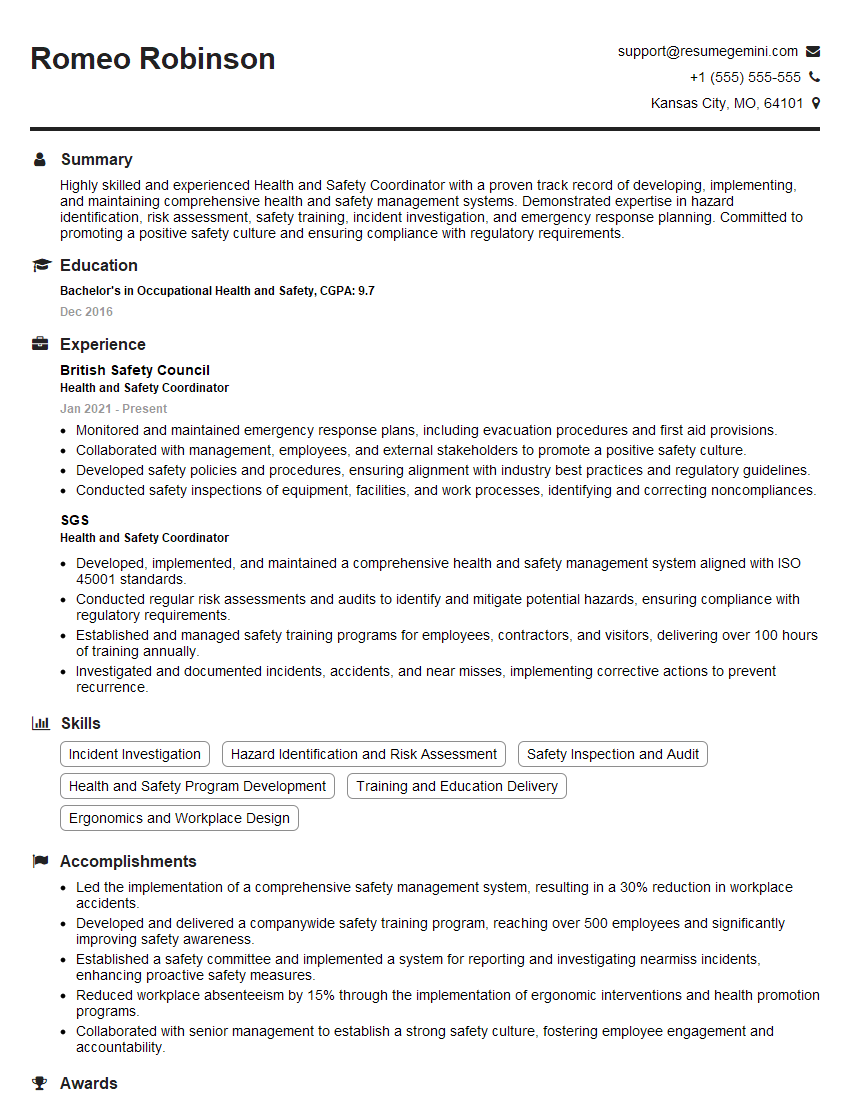
Health and Safety Coordinator Resume Sample
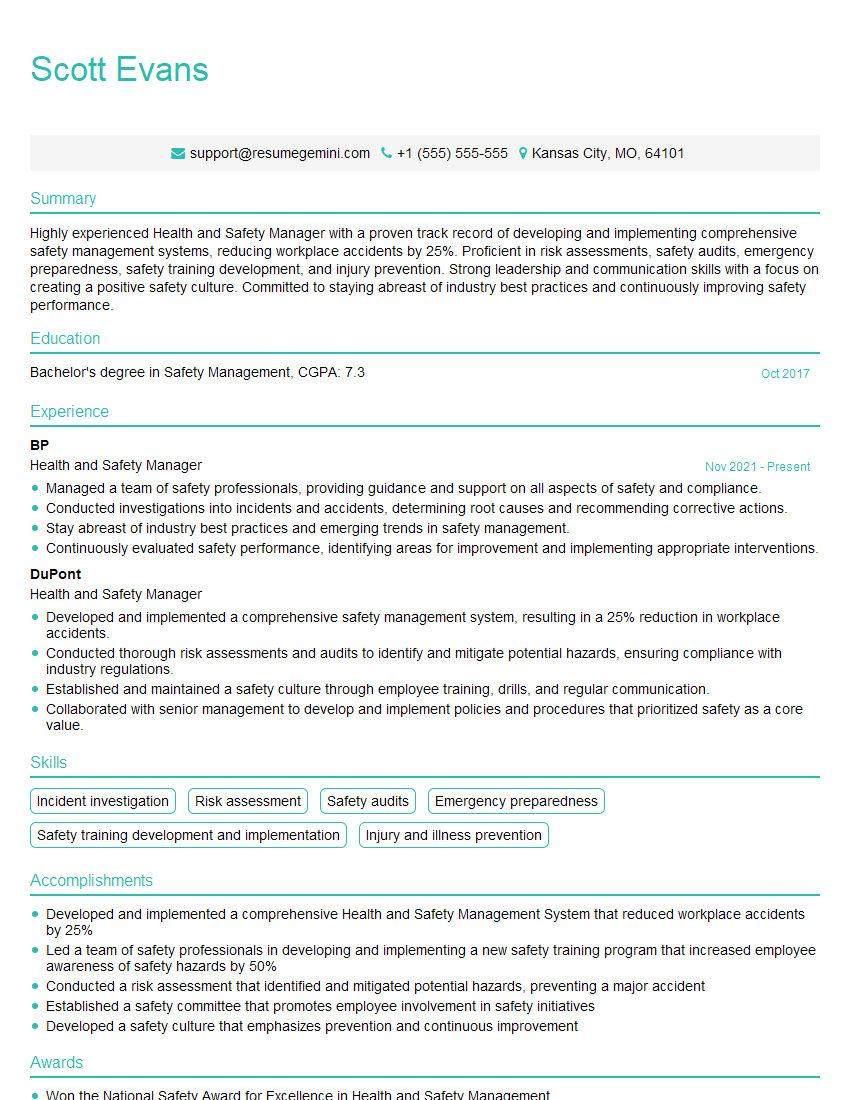
Health and Safety Manager Resume Sample
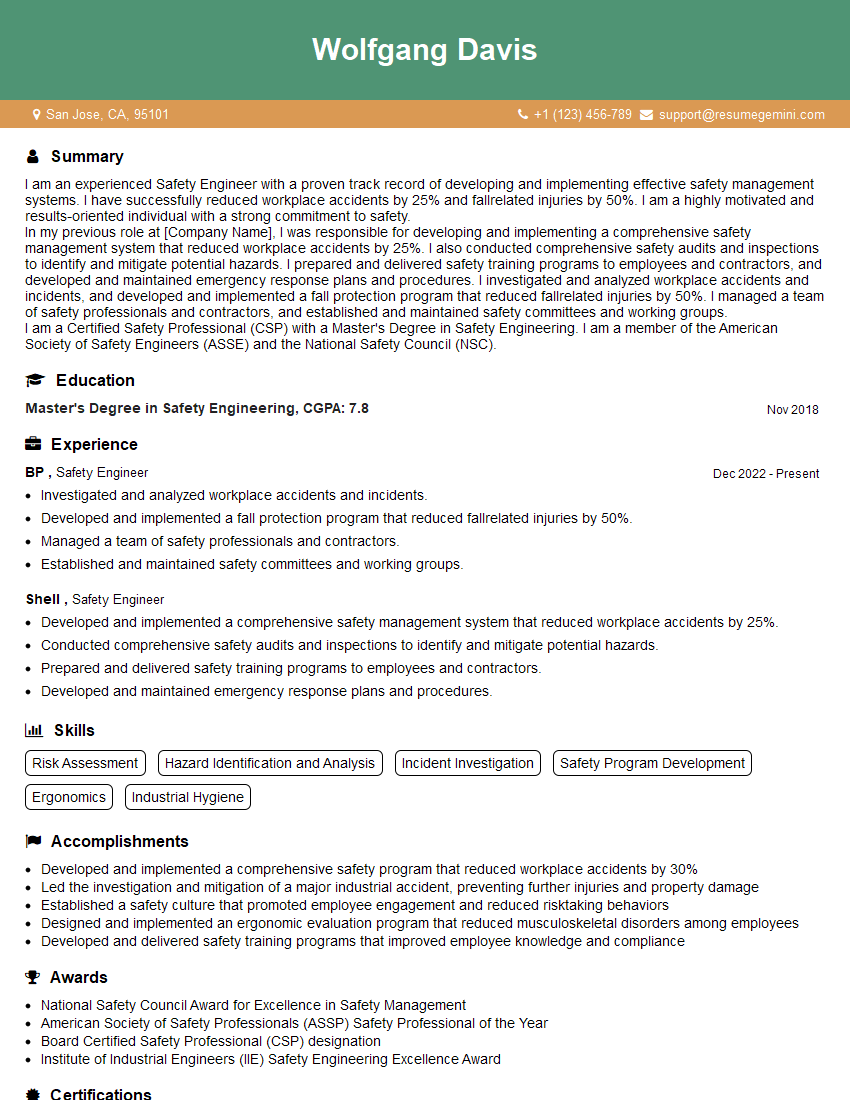
Safety Engineer Resume Sample
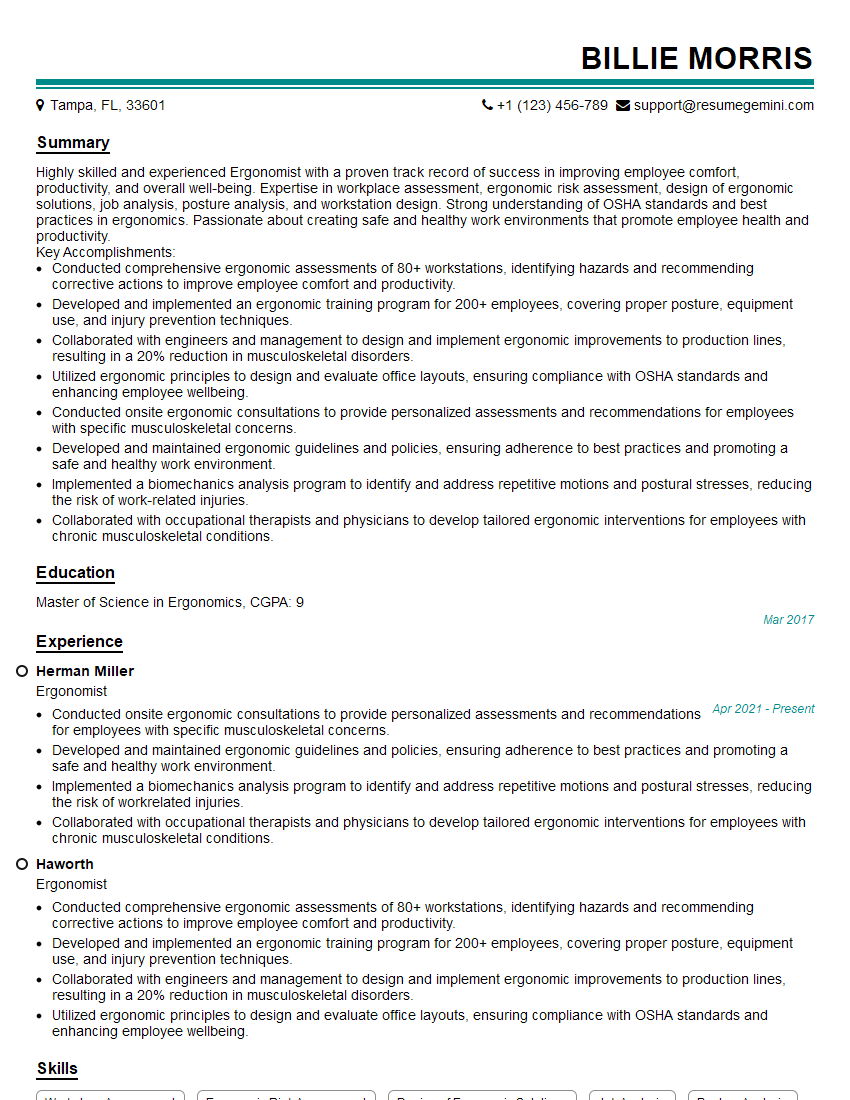
Ergonomist Resume Sample
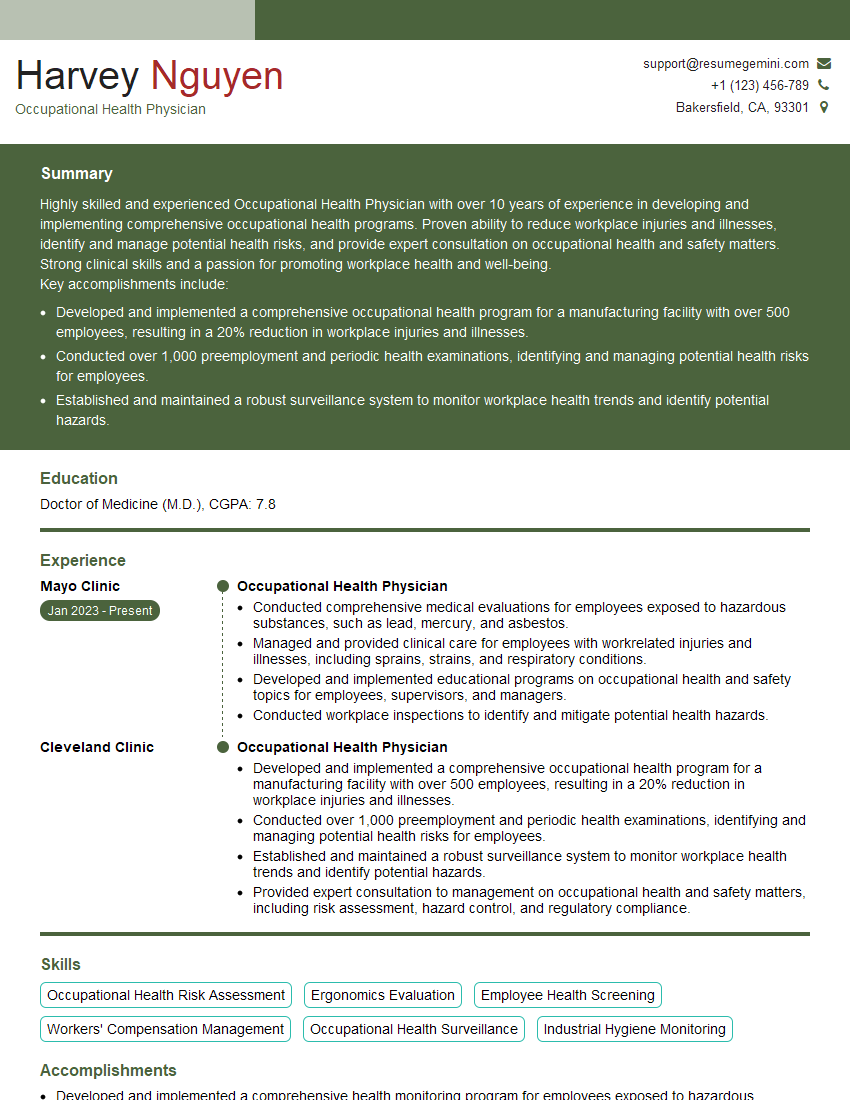
Occupational Health Physician Resume Sample
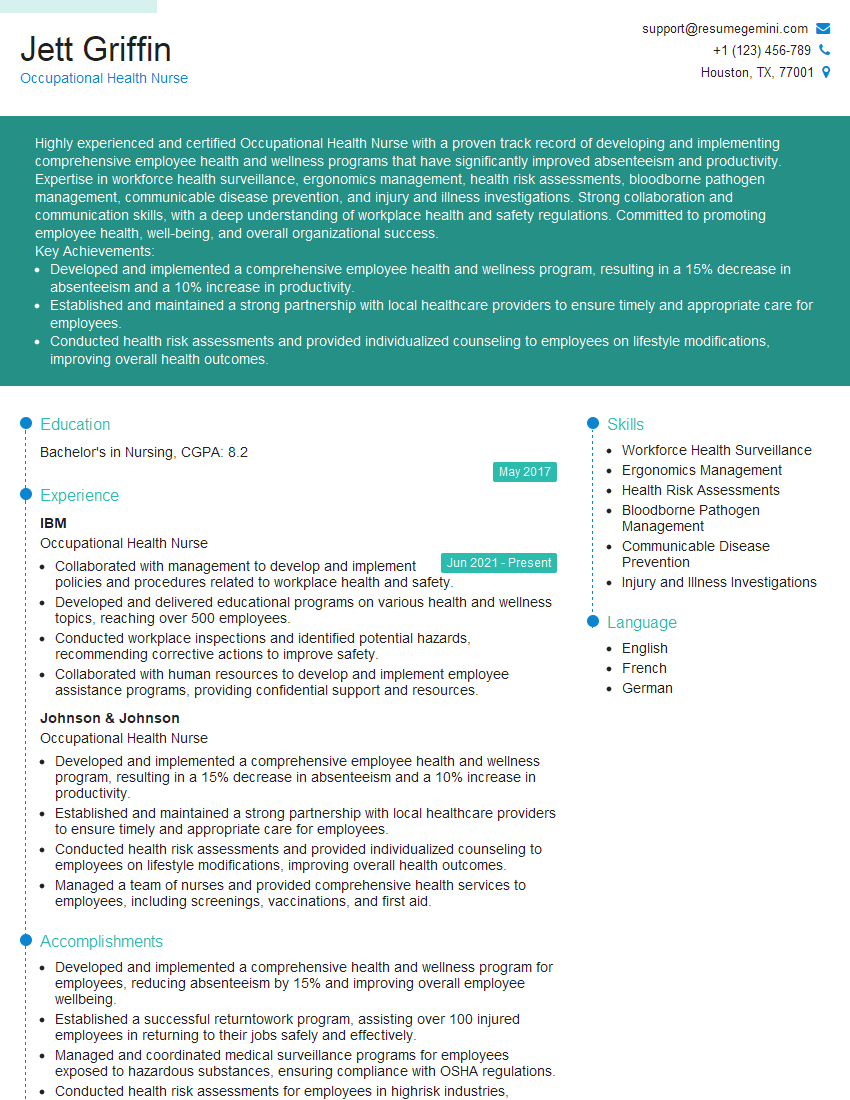
Occupational Health Nurse Resume Sample
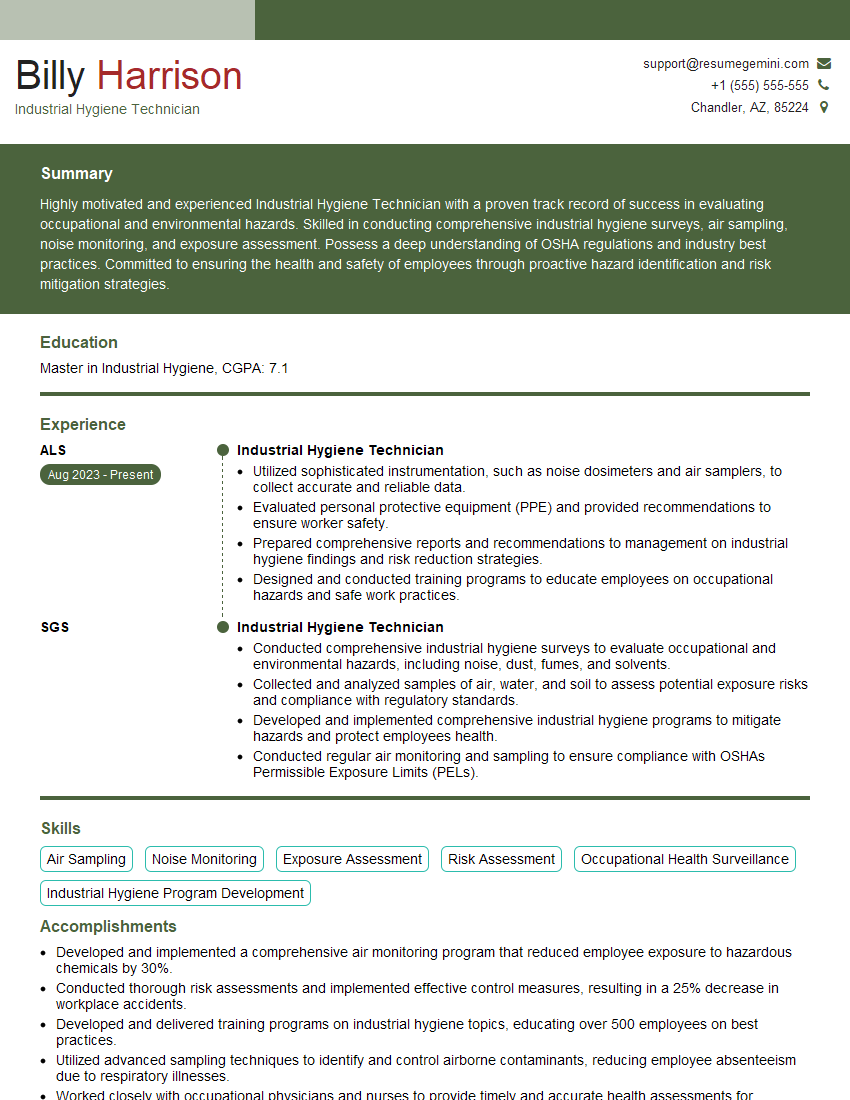
Industrial Hygiene Technician Resume Sample
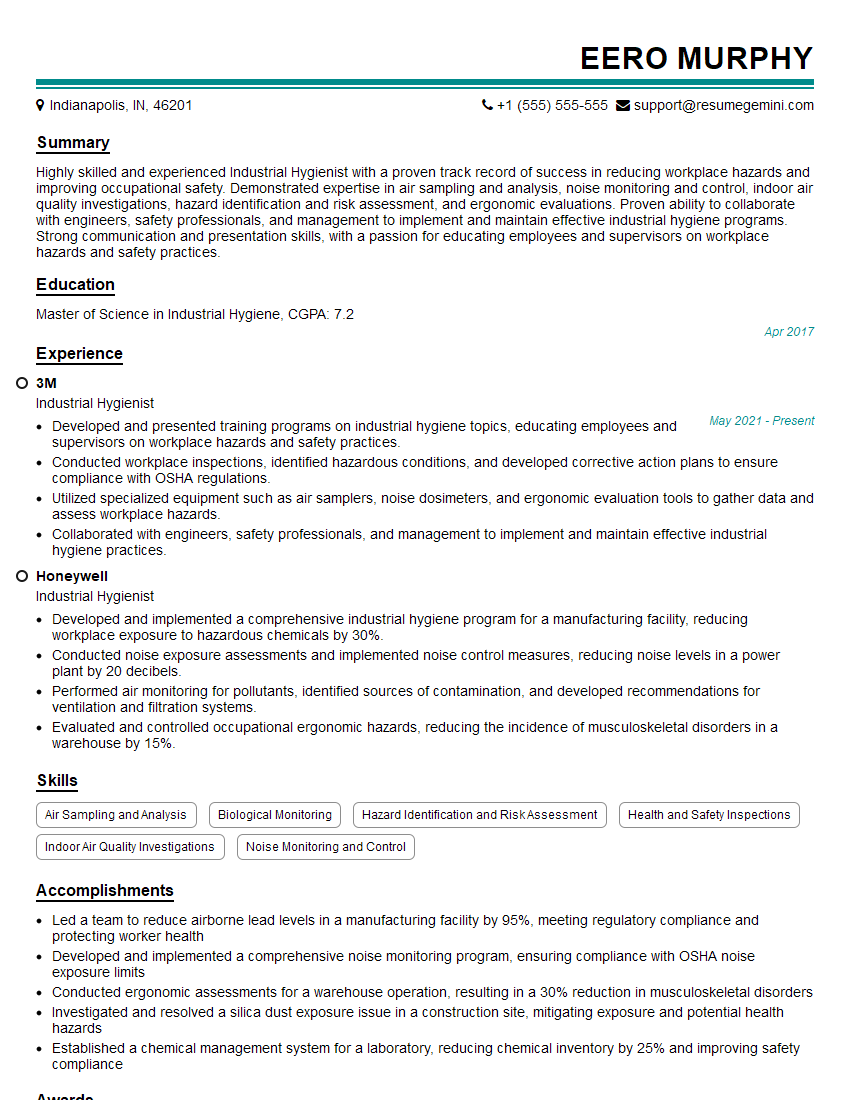
Industrial Hygienist Resume Sample
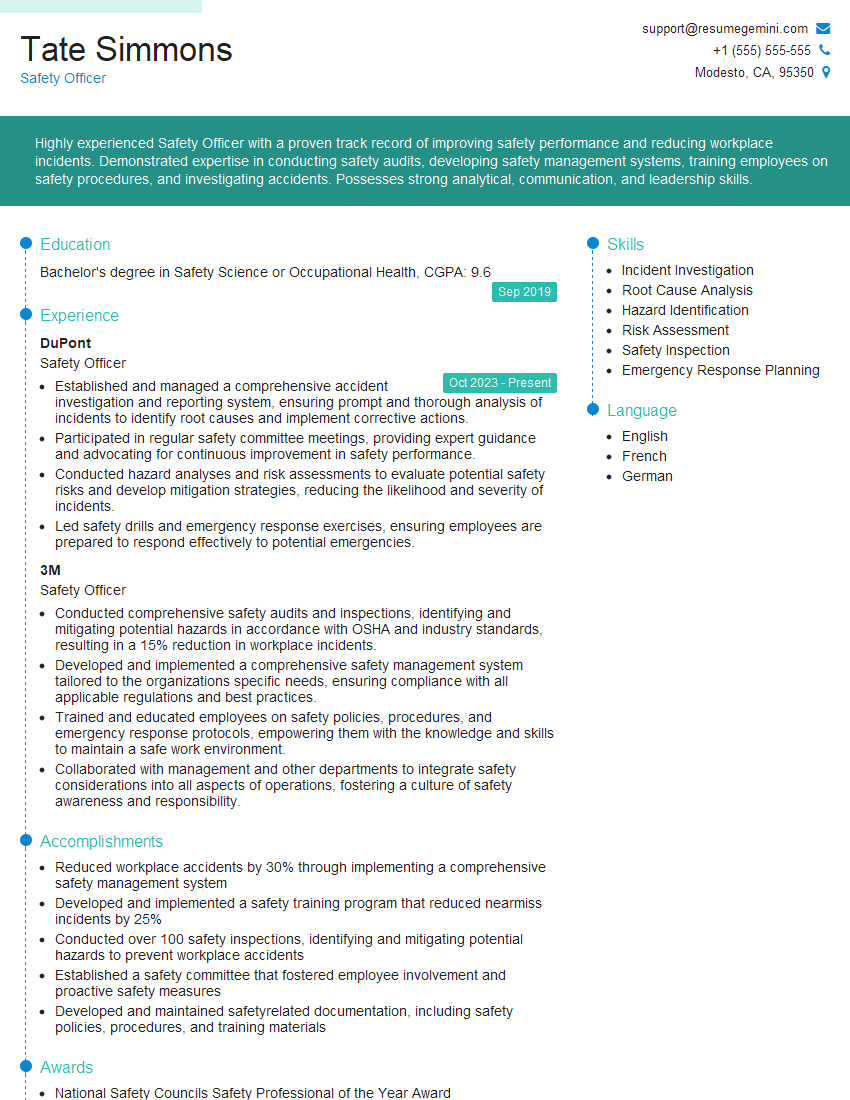
Safety Officer Resume Sample
Explore more articles
Users Rating of Our Blogs
Share Your Experience
We value your feedback! Please rate our content and share your thoughts (optional).
What Readers Say About Our Blog
Very informative content, great job.
good