Cracking a skill-specific interview, like one for Occupational Safety Management Systems, requires understanding the nuances of the role. In this blog, we present the questions you’re most likely to encounter, along with insights into how to answer them effectively. Let’s ensure you’re ready to make a strong impression.
Questions Asked in Occupational Safety Management Systems Interview
Q 1. Explain your understanding of OSHA’s General Duty Clause.
OSHA’s General Duty Clause, found in Section 5(a)(1) of the Occupational Safety and Health Act, is a fundamental cornerstone of workplace safety. It mandates that employers provide a workplace free from recognized hazards that are causing or are likely to cause death or serious physical harm to employees. It’s a catch-all provision, meaning it covers hazards not specifically addressed by OSHA’s specific standards. Think of it as the ‘everything else’ clause. If a hazard exists, and OSHA hasn’t written a specific rule about it, this clause still holds employers accountable.
For example, if a new manufacturing process introduces a unique chemical hazard not previously encountered, even without a specific OSHA standard, the General Duty Clause would still require the employer to identify, evaluate, and control that hazard. Failure to comply can result in citations and penalties. The key is demonstrating a proactive approach to hazard identification, risk assessment, and implementation of effective control measures.
Q 2. Describe your experience with implementing a safety management system.
In my previous role at a manufacturing plant, I was instrumental in implementing an ISO 45001-compliant Safety Management System. This involved a comprehensive process starting with a gap analysis to determine our existing safety practices against the standard’s requirements. We then developed a detailed risk assessment matrix, identifying potential hazards, analyzing their likelihood and severity, and assigning risk levels. This formed the basis for our action plan.
We established a safety committee comprising representatives from different departments to foster ownership and engagement. Key components of the system included regular safety inspections, incident reporting and investigation protocols, comprehensive training programs, and a robust system for documenting all aspects of our safety performance. The system facilitated a considerable reduction in lost-time accidents by 35% within two years. We tracked key performance indicators (KPIs), including incident rates, near misses, and employee participation in safety initiatives, ensuring the system’s effectiveness was constantly monitored and improved.
Q 3. How do you conduct a job hazard analysis (JHA)?
A Job Hazard Analysis (JHA) is a systematic process to identify and control hazards associated with a specific job task. It’s a proactive approach to prevent accidents before they happen. My approach involves a multi-step process:
- Task Breakdown: First, we thoroughly describe the job task, breaking it down into sequential steps. This level of detail is crucial.
- Hazard Identification: For each step, we identify potential hazards – anything that could cause harm. This includes physical, chemical, biological, ergonomic, and psychosocial hazards.
- Risk Assessment: We evaluate the likelihood and severity of each hazard. This often involves using a risk matrix to categorize risks as low, medium, or high.
- Control Measures: For each identified hazard, we develop and implement control measures to eliminate or mitigate the risk. These could include engineering controls (e.g., machine guarding), administrative controls (e.g., work permits), and personal protective equipment (PPE).
- Review and Update: The JHA is not a static document. It should be reviewed and updated regularly, particularly after incidents or changes in the work process.
For example, in a JHA for operating a forklift, hazards would include potential collisions, falls from height (if loading/unloading at height), and exposure to exhaust fumes. Control measures would involve training, regular equipment inspections, designated routes, and potentially using alternative equipment.
Q 4. What are the key elements of a successful safety training program?
A successful safety training program is multifaceted and needs to be tailored to the specific risks and needs of the workplace. Key elements include:
- Needs Assessment: Identifying training needs based on job hazard analyses, accident history, and employee feedback.
- Content Development: Creating engaging and relevant training materials that align with the identified needs. This includes interactive sessions, case studies, and practical demonstrations.
- Delivery Methods: Using diverse methods to cater to various learning styles – classroom training, online modules, on-the-job training, and simulations.
- Competency Assessment: Evaluating employee understanding and skill development through testing, observation, and practical assessments.
- Documentation and Records: Maintaining detailed records of training participation, assessment results, and refresher training schedules.
- Continuous Improvement: Regularly reviewing and updating the training program based on feedback, performance data, and changes in the workplace.
A strong safety culture, where safety is valued and prioritized, is crucial for effective training. Employees need to feel empowered to report hazards and participate actively in the safety program.
Q 5. How do you investigate and report workplace accidents?
Workplace accident investigation is crucial for preventing future incidents. My approach follows a structured process:
- Secure the Scene: First, ensure the safety of personnel and preserve the accident scene as much as possible.
- Gather Information: Collect data from various sources including witness statements, incident reports, photographs, video footage, and physical evidence.
- Analyze the Data: Identify the root causes of the accident using techniques like the ‘5 Whys’ to get to the underlying reasons behind the event.
- Develop Corrective Actions: Formulate specific, measurable, achievable, relevant, and time-bound (SMART) corrective actions to prevent recurrence.
- Report and Documentation: Prepare a comprehensive accident report including details of the event, the investigation process, findings, corrective actions, and follow-up.
This information is then used to improve safety procedures, update training programs, and implement engineering controls to mitigate identified hazards. Transparency in reporting and a commitment to learning from past mistakes are vital to preventing future accidents.
Q 6. Describe your experience with developing and implementing safety policies and procedures.
I have extensive experience in developing and implementing safety policies and procedures. This includes conducting thorough risk assessments to identify hazards and vulnerabilities, then translating those findings into clear, concise, and enforceable policies. The policies are not just documents; they should be communicated effectively to all employees, regularly reviewed and updated, and most importantly, practically applied.
In a previous role, I developed a comprehensive lockout/tagout (LOTO) procedure, a critical policy for preventing accidental equipment start-up during maintenance. This involved creating a step-by-step procedure, providing training to all employees involved in maintenance, and conducting regular audits to ensure compliance. The success of any safety policy lies in its practicality and effective communication. Employees need to understand why the policy exists and how it protects them. This requires active engagement and feedback.
Q 7. What are your methods for identifying and mitigating workplace hazards?
Identifying and mitigating workplace hazards requires a proactive and multi-pronged approach. My methods include:
- Regular Inspections: Conducting routine safety inspections, both planned and unplanned, to identify potential hazards.
- Incident Reporting and Investigation: Thoroughly investigating all incidents, near misses, and accidents to understand their root causes.
- Employee Feedback: Encouraging and actively soliciting feedback from employees, who are often the first to identify hazards in their immediate work environment.
- Job Hazard Analyses (JHAs): Performing JHAs for all critical job tasks to identify and control specific hazards.
- Risk Assessments: Regularly reviewing and updating risk assessments to ensure they remain relevant and effective.
- Safety Audits: Conducting periodic safety audits to evaluate the effectiveness of safety programs and identify areas for improvement.
- Technological Solutions: Leveraging technologies like safety monitoring systems, sensors, and data analytics to proactively identify and mitigate risks.
Mitigation strategies vary widely depending on the hazard, but generally include engineering controls (e.g., machine guarding), administrative controls (e.g., work permits, training), and personal protective equipment (PPE). The most effective strategy is often a combination of these.
Q 8. Explain your understanding of risk assessment methodologies.
Risk assessment methodologies are systematic processes for identifying hazards, analyzing risks, and determining appropriate control measures. They’re crucial for proactively preventing workplace incidents. Several methodologies exist, each with strengths and weaknesses depending on the context.
Qualitative Risk Assessment: This approach uses descriptive scales (e.g., low, medium, high) to assess likelihood and severity of hazards. It’s simpler and faster, suitable for preliminary assessments or situations with limited data. Example: A qualitative assessment of working at heights might classify the likelihood of a fall as ‘high’ and the severity of injury as ‘high,’ resulting in a ‘high’ overall risk rating.
Quantitative Risk Assessment: This involves assigning numerical values to likelihood and severity, often using statistical data or historical incident rates. It provides more precise risk quantification but requires more data and expertise. Example: Calculating the probability of a fire based on past incident data and the potential financial losses associated with such an event.
HAZOP (Hazard and Operability Study): A structured and systematic technique used for process safety analysis, examining deviations from intended design and operating parameters. It involves a team brainstorming potential hazards and their causes and consequences. Example: A HAZOP study for a chemical plant might identify potential leaks from a pipe, exploring scenarios such as equipment failure, human error, and environmental conditions that could lead to the leak and subsequent hazards.
FMEA (Failure Mode and Effects Analysis): This method systematically examines potential failure modes of equipment, processes, or systems, assessing the severity, likelihood, and detectability of each failure. Example: An FMEA for a manufacturing process might identify a potential failure in a robotic arm as having a high severity (product damage), a moderate likelihood (due to wear and tear), and low detectability (until the damage occurs).
The choice of methodology depends on the complexity of the work, available data, regulatory requirements, and the organization’s resources.
Q 9. How do you ensure compliance with relevant safety regulations?
Ensuring compliance involves a multi-faceted approach. It begins with identifying all applicable safety regulations – OSHA in the US, HSE in the UK, etc. – which varies depending on the industry and location. This is then followed by a systematic implementation of controls.
Regular Review and Updates: Safety regulations are dynamic; I make sure to regularly review and update my knowledge and the company’s safety management system to incorporate new legislation and best practices.
Documentation and Record Keeping: Meticulous record-keeping is crucial. This includes documenting risk assessments, training records, inspection reports, and incident investigations. This documentation provides evidence of compliance during audits or investigations.
Training and Communication: Employees must understand and adhere to safety regulations. This involves providing comprehensive safety training tailored to their roles and responsibilities. Regular communication reinforces safety expectations and procedures.
Internal Audits and Inspections: I conduct regular internal audits and inspections to identify gaps in compliance and ensure the effectiveness of implemented controls. This proactive approach helps prevent non-compliance issues before they escalate.
Collaboration with Regulatory Bodies: Maintaining open communication and a positive working relationship with regulatory agencies facilitates proactive problem-solving and demonstrates commitment to compliance.
Compliance is not merely a checklist; it’s a continuous improvement process involving ongoing monitoring, evaluation, and adaptation.
Q 10. Describe your experience with conducting safety inspections and audits.
My experience encompasses all aspects of safety inspections and audits, from planning and preparation to reporting and follow-up. I’ve conducted hundreds of inspections across diverse industries, including manufacturing, construction, and healthcare.
Pre-Inspection Planning: This includes defining the scope, identifying specific areas of focus based on risk assessments, and gathering necessary documentation (e.g., permits, safety procedures).
Inspection Procedures: I utilize checklists and standardized procedures to ensure consistent and thorough inspections. This ensures no critical safety aspects are overlooked.
Documentation and Reporting: All findings are meticulously documented, including photos and descriptions of any non-compliances or potential hazards. Clear and concise reports are generated, outlining corrective actions required.
Follow-up and Verification: I actively follow up to verify that corrective actions have been implemented effectively. This is crucial to demonstrate continuous improvement.
Auditing: Beyond inspections, I’ve participated in and led numerous internal and external audits based on various standards (e.g., ISO 45001). These systematic evaluations assess the effectiveness of the overall safety management system.
My goal is not simply to find problems, but to identify opportunities for improvement and contribute to a safer work environment.
Q 11. What are your strategies for improving safety culture within an organization?
Improving safety culture is a long-term commitment requiring a multi-pronged approach that focuses on leadership, communication, and employee involvement.
Leadership Commitment: Visible and consistent support from top management is paramount. Leaders need to champion safety, actively participate in safety initiatives, and demonstrate a genuine commitment to employee well-being.
Open Communication: Fostering open communication channels encourages employees to report hazards without fear of reprisal. Regular safety meetings, newsletters, and training sessions reinforce safety messages.
Employee Involvement: Actively involving employees in safety planning and decision-making fosters ownership and accountability. Safety committees and suggestion boxes empower employees to contribute to a safer workplace.
Recognition and Rewards: Recognizing and rewarding safe behaviors reinforces positive safety practices. This could include awards, incentives, or public acknowledgement of individuals or teams.
Training and Competency: Continuous training and development ensure employees have the knowledge and skills to work safely. Competency assessments verify employees’ proficiency in safe work practices.
Leading Indicators: Monitoring leading indicators – such as near misses, safety observations, and training completion rates – provides insights into potential hazards before they escalate into incidents. This allows for proactive interventions.
Building a strong safety culture is an ongoing process that requires sustained effort and commitment from everyone in the organization.
Q 12. How do you handle employee safety concerns and complaints?
Handling employee safety concerns and complaints requires a prompt, thorough, and impartial process.
Confidential Reporting System: A confidential reporting system, such as an anonymous hotline or online portal, allows employees to report concerns without fear of retribution.
Prompt Investigation: All concerns and complaints are investigated promptly and thoroughly. This investigation should include interviews with relevant personnel, review of documentation, and site visits if necessary.
Corrective Actions: Once the root cause of the concern is identified, appropriate corrective actions are implemented to prevent recurrence.
Feedback to Employee: The employee who raised the concern should be informed about the investigation’s findings and the actions taken. This demonstrates transparency and accountability.
Follow-up: Follow-up actions are taken to ensure that corrective actions were effective and that the situation has improved. This shows commitment to addressing employee concerns.
Creating a culture of trust and open communication is key to encouraging employees to report safety concerns without hesitation.
Q 13. Describe your experience with incident investigation and root cause analysis.
Incident investigation and root cause analysis are crucial for learning from past events and preventing future occurrences. My approach is methodical and data-driven.
Immediate Actions: The first step after an incident involves securing the scene, providing first aid if necessary, and notifying relevant authorities.
Data Collection: Thorough data collection follows, encompassing witness statements, photos, videos, incident reports, and relevant documentation. This is crucial for reconstructing the sequence of events.
Root Cause Analysis Techniques: I utilize various root cause analysis techniques, such as the “5 Whys,” fault tree analysis, and Fishbone diagrams, to identify the underlying causes of the incident, not just the immediate symptoms.
Corrective Actions: Based on the root cause analysis, effective corrective actions are determined and implemented. This could involve modifying procedures, improving equipment, or enhancing employee training.
Reporting and Documentation: Detailed reports are prepared, documenting the investigation process, findings, corrective actions, and recommendations for preventing future incidents. This serves as a valuable resource for future reference.
My objective is not to assign blame but to understand the systems and processes that contributed to the incident and implement lasting improvements.
Q 14. What is your experience with safety data sheets (SDS)?
Safety Data Sheets (SDS), formerly known as Material Safety Data Sheets (MSDS), are crucial documents providing comprehensive information about hazardous chemicals. My experience includes creating, reviewing, and utilizing SDSs to ensure workplace safety.
SDS Access and Distribution: Ensuring easy access to SDSs for all employees who handle hazardous chemicals is paramount. This often involves a centralized system, either physical or digital, for easy retrieval.
Review and Updates: SDSs must be reviewed and updated regularly to reflect any changes in the chemical’s composition, hazards, or handling procedures. This ensures that the information remains accurate and current.
Training and Awareness: Training employees on how to read, interpret, and utilize the information provided in the SDSs is essential. Employees must understand the hazards and how to handle the chemicals safely.
SDS Compliance: Ensuring compliance with all relevant regulations regarding SDS content, format, and availability is crucial. This requires understanding of global and local regulations and ensuring our practices align.
Integration with other systems: Integrating SDS information with other safety management systems, such as risk assessments and training programs, ensures that the information is readily accessible and utilized effectively.
SDSs are fundamental tools for protecting workers’ health and safety. Their proper management is non-negotiable.
Q 15. How do you develop and manage a safety budget?
Developing and managing a safety budget requires a strategic approach that balances cost-effectiveness with the need to ensure a safe working environment. It’s not simply about allocating funds; it’s about prioritizing initiatives based on risk assessment and return on investment.
My approach begins with a thorough risk assessment. I identify the most significant hazards and vulnerabilities within the organization and prioritize the allocation of funds based on their potential impact and likelihood. For example, if a risk assessment reveals a high probability of a serious accident due to outdated machinery, a significant portion of the budget would be allocated to its replacement or repair.
- Baseline Budget: I start with a baseline budget based on past spending, adjusting for inflation and any anticipated changes.
- Risk-Based Prioritization: Then, I analyze the results of the risk assessments, allocating more funds to mitigate high-risk hazards. This might include purchasing new safety equipment, providing additional training, or implementing improved safety procedures.
- Cost-Benefit Analysis: I conduct a cost-benefit analysis for each proposed safety initiative to ensure that the investment aligns with the potential return in terms of reduced accidents, injuries, and associated costs (medical expenses, lost productivity, legal fees, etc.).
- Regular Monitoring and Adjustment: Finally, I regularly monitor the budget’s effectiveness throughout the year and adjust it as needed, based on changing circumstances or the emergence of new risks. This might involve reallocating funds to address unforeseen safety issues or celebrating early successes.
For instance, I once worked with a manufacturing plant where a significant portion of the budget was allocated to upgrading the ventilation system after the risk assessment indicated a high risk of respiratory illness from airborne particles. This proactive approach significantly reduced employee sick days and ultimately saved money in the long run.
Career Expert Tips:
- Ace those interviews! Prepare effectively by reviewing the Top 50 Most Common Interview Questions on ResumeGemini.
- Navigate your job search with confidence! Explore a wide range of Career Tips on ResumeGemini. Learn about common challenges and recommendations to overcome them.
- Craft the perfect resume! Master the Art of Resume Writing with ResumeGemini’s guide. Showcase your unique qualifications and achievements effectively.
- Don’t miss out on holiday savings! Build your dream resume with ResumeGemini’s ATS optimized templates.
Q 16. Explain your understanding of personal protective equipment (PPE).
Personal Protective Equipment (PPE) refers to the clothing, helmets, goggles, or other garments or equipment designed to protect the wearer from injury or illness. It’s a crucial element of any comprehensive safety program, but it’s important to remember that PPE is a last line of defense, not a replacement for engineering controls or administrative controls which are inherently safer.
My understanding encompasses the entire lifecycle of PPE: selection, procurement, training, use, maintenance, inspection, and disposal. Effective PPE selection requires a thorough hazard assessment to determine the specific risks and the necessary protection. This involves identifying the specific hazards present (e.g., chemical exposure, impact hazards, electrical hazards) and selecting PPE appropriate to the hazard, following relevant standards and regulations.
- Hazard Assessment: A critical first step in determining the appropriate PPE.
- Selection Criteria: Considering factors such as comfort, fit, durability, and compatibility with other PPE.
- Training and Fit Testing: Ensuring employees are properly trained on the correct use and limitations of PPE. Fit testing is critical for respirators to ensure a proper seal.
- Maintenance and Inspection: Regular inspection and maintenance are essential to ensure PPE remains effective and undamaged.
- Disposal: Proper disposal of contaminated or damaged PPE is crucial to prevent exposure.
For example, in a construction site, hard hats, safety glasses, and high-visibility clothing are essential PPE, while in a chemical laboratory, respirators, gloves, and protective suits are necessary. The effectiveness of PPE is directly tied to its proper selection, use, and maintenance.
Q 17. How do you monitor and measure the effectiveness of safety programs?
Monitoring and measuring the effectiveness of safety programs involves a multifaceted approach using both leading and lagging indicators. Lagging indicators are reactive measures that reflect past performance, such as the number of accidents, injuries, or illnesses. Leading indicators, on the other hand, are proactive measures that predict future performance, such as the number of safety training hours conducted or the frequency of safety inspections.
My approach incorporates several key methods:
- Key Performance Indicators (KPIs): Establishing specific, measurable, achievable, relevant, and time-bound (SMART) KPIs to track progress. Examples include the frequency of near misses, the number of safety observations, and the completion rate of safety training.
- Accident/Incident Investigation: Thoroughly investigating all accidents and near misses to identify root causes and implement corrective actions. This helps to prevent future occurrences and identify areas for improvement.
- Safety Audits and Inspections: Conducting regular safety audits and inspections to identify potential hazards and ensure compliance with safety regulations and procedures.
- Employee Feedback: Gathering feedback from employees through surveys, interviews, or suggestion boxes to identify areas where improvements are needed.
- Data Analysis: Utilizing data analysis techniques to identify trends and patterns in safety data. This can help pinpoint areas where safety programs are particularly effective or where further intervention is needed.
For example, if the number of near misses is increasing, it might signal a need for additional safety training or improved safety procedures, even if the number of accidents remains low. By tracking leading indicators, I can address potential problems before they result in accidents or injuries.
Q 18. Describe your experience with emergency response planning and procedures.
Emergency response planning and procedures are critical for ensuring the safety of personnel and minimizing damage in the event of an emergency. My experience involves developing and implementing comprehensive emergency plans that align with organizational objectives and relevant regulations.
My approach includes:
- Hazard Identification and Risk Assessment: Identifying potential emergencies (fires, floods, chemical spills, etc.) and assessing their likelihood and potential impact.
- Emergency Response Plan Development: Creating a detailed plan that outlines procedures for various emergencies, including evacuation routes, communication protocols, and emergency contact information.
- Training and Drills: Conducting regular training and drills to ensure that employees are familiar with the emergency response plan and procedures.
- Emergency Equipment and Supplies: Ensuring that adequate emergency equipment and supplies are available and properly maintained.
- Post-Incident Review: Conducting post-incident reviews to evaluate the effectiveness of the emergency response and identify areas for improvement.
I’ve had experience in developing plans for diverse settings, from manufacturing facilities to office buildings. In one instance, I worked with a chemical plant to develop an emergency response plan for chemical spills, including procedures for containment, evacuation, and decontamination. The plan incorporated detailed maps, communication protocols, and emergency contact lists. Regular drills ensured that employees were prepared to respond effectively to such an event.
Q 19. How do you utilize data to drive safety improvements?
Data is the cornerstone of effective safety improvement. I utilize data-driven approaches to identify trends, understand root causes, and measure the effectiveness of interventions. This goes beyond simply tracking lagging indicators like accident rates; it involves using data to understand the ‘why’ behind incidents and proactively mitigate future risks.
My approach involves:
- Data Collection: Collecting comprehensive data on safety-related incidents, near misses, inspections, observations, and training records using various methods including electronic reporting systems, observation forms and incident investigation reports.
- Data Analysis: Using statistical methods to analyze the data and identify trends, patterns, and correlations. This might involve creating charts, graphs, and reports to visualize the data and identify areas for improvement.
- Root Cause Analysis: Employing root cause analysis techniques such as the ‘5 Whys’ to determine the underlying causes of incidents and prevent recurrence. This dives deep beyond simply recording the surface-level event and investigates deeper to identify underlying systemic causes.
- Data Visualization: Presenting the data in a clear, concise, and easy-to-understand manner to stakeholders, using dashboards, reports, and presentations to effectively communicate findings and insights.
- Performance Monitoring: Using data to monitor the effectiveness of implemented safety improvements and make adjustments as needed. This continuous improvement loop is critical for sustained safety performance.
In a previous role, we used data analysis to identify a correlation between a specific type of machinery and an increase in hand injuries. This analysis led to targeted training and the implementation of additional safety guards, resulting in a significant reduction in hand injuries.
Q 20. What is your experience with safety audits and certifications (e.g., ISO 45001)?
I possess significant experience with safety audits and certifications, particularly ISO 45001. ISO 45001 is an internationally recognized standard for occupational health and safety management systems, providing a framework for organizations to proactively manage and improve their safety performance.
My experience includes:
- Conducting Internal Audits: Performing regular internal audits to ensure compliance with the ISO 45001 standard and identify areas for improvement. This involves reviewing documentation, conducting on-site inspections, and interviewing employees.
- Preparing for External Audits: Assisting organizations in preparing for external audits by ensuring that their safety management systems are compliant with the standard. This includes reviewing documentation, conducting gap analysis, and implementing corrective actions.
- Developing and Implementing Safety Management Systems: Developing and implementing safety management systems that align with the requirements of ISO 45001. This involves creating policies, procedures, and work instructions, and ensuring that they are properly communicated and implemented.
- Gap Analysis: Identifying the differences between the current state and the desired state (ISO 45001 compliance) and developing a plan to close these gaps.
- Corrective Actions: Implementing corrective actions to address any identified non-conformances or areas for improvement.
I’ve successfully guided numerous organizations through the ISO 45001 certification process, helping them achieve certification and improve their overall safety performance. This involves not just meeting the minimum requirements but creating a culture of safety and continuous improvement.
Q 21. Describe your experience with ergonomic assessments and recommendations.
Ergonomic assessments involve evaluating the workplace to identify and eliminate or reduce the risk of musculoskeletal disorders (MSDs) resulting from work-related physical demands. My experience includes conducting ergonomic assessments, providing recommendations for improvements, and implementing solutions to prevent workplace injuries.
My approach involves:
- Workplace Observation: Observing employees performing their tasks to identify potential ergonomic hazards.
- Employee Interviews: Interviewing employees to gather information about their work tasks, symptoms, and concerns.
- Measurement and Data Collection: Measuring physical aspects of the workplace, such as workstation dimensions, equipment design, and lifting tasks.
- Risk Assessment: Assessing the risks associated with identified ergonomic hazards.
- Recommendation Development: Developing specific, measurable, achievable, relevant, and time-bound (SMART) recommendations for improving the ergonomic design of workstations, equipment, and work processes.
- Implementation and Evaluation: Implementing recommendations and evaluating their effectiveness in reducing ergonomic risks and preventing MSDs.
In one project, we conducted ergonomic assessments for a call center, identifying issues with workstation setups that were contributing to neck and back pain among employees. We implemented changes such as adjustable chairs, footrests, and improved monitor placement, resulting in a significant reduction in reported MSDs and improved employee comfort and productivity.
Q 22. How do you manage and track safety performance indicators (KPIs)?
Managing and tracking safety performance indicators (KPIs) is crucial for continuous improvement in occupational safety. It involves selecting relevant KPIs, establishing a system for data collection, analyzing the data, and taking corrective actions based on the findings.
I typically use a three-pronged approach:
- KPI Selection: We identify KPIs relevant to our specific workplace hazards and risks. This could include things like Lost Time Injury Frequency Rate (LTIFR), Total Recordable Incident Rate (TRIR), near-miss reporting rates, number of safety training hours completed, and the effectiveness of safety audits. The choice depends on the organization’s size, industry, and specific risks.
- Data Collection and Monitoring: I implement a robust system for collecting data, often using dedicated safety management software or spreadsheets. This involves regular reporting from supervisors, employees, and safety committees. Data is then visualized using dashboards and reports to track progress over time. For example, we might use a rolling 12-month average of LTIFR to smooth out fluctuations in monthly data.
- Analysis and Corrective Action: Regular analysis of the KPIs is key. Trends are identified, and root causes of incidents or near misses are investigated. This often involves conducting thorough root cause analyses (RCA) to implement effective corrective and preventative actions (CAPA). For example, a high near-miss rate related to specific equipment might prompt additional training or equipment upgrades.
By regularly monitoring and analyzing these KPIs, we can identify areas for improvement and demonstrate the effectiveness of our safety management system. This proactive approach helps to prevent accidents and create a safer working environment.
Q 23. Explain your experience with lockout/tagout procedures.
Lockout/Tagout (LOTO) procedures are critical for preventing the unexpected energization or startup of equipment during maintenance or repair. My experience encompasses developing and implementing LOTO programs, training employees, conducting regular audits, and investigating incidents related to LOTO failures.
In a previous role, I was responsible for creating a comprehensive LOTO program for a manufacturing facility. This involved:
- Hazard identification and risk assessment: Identifying all equipment requiring LOTO procedures.
- Procedure development: Creating detailed, step-by-step procedures for each type of equipment, including specific energy isolation techniques.
- Training and competency assessment: Providing comprehensive training to all authorized employees and regularly assessing their competency through practical demonstrations and written tests.
- Regular audits and inspections: Conducting periodic inspections of LOTO devices and procedures to ensure compliance.
- Incident investigation: Investigating any incidents related to LOTO failures to identify root causes and implement corrective actions.
The success of our LOTO program was evident in a significant reduction in near misses and injuries related to equipment energization during maintenance. We documented every step of the process, ensuring that every employee was equipped with the knowledge and skills to perform LOTO safely and effectively. The program was tailored to the specific needs of our plant and was updated regularly to reflect changes in equipment and procedures.
Q 24. What is your understanding of confined space entry procedures?
Confined space entry procedures are designed to protect workers from the inherent hazards of entering and working in enclosed spaces with limited access and egress. These hazards can include oxygen deficiency, toxic atmospheres, engulfment, and other physical dangers.
My understanding encompasses the entire process, from pre-entry planning to post-entry assessment. This includes:
- Permit-required confined space program: Implementing a robust program outlining the procedures for identifying, evaluating, and controlling hazards in confined spaces. This will usually include a confined space entry permit system with detailed checklists and required approvals.
- Atmospheric monitoring: Ensuring that the confined space atmosphere is tested before entry to identify the presence of hazardous gases, oxygen deficiency, or other harmful substances. I’m experienced with various monitoring equipment and interpretation of readings.
- Ventilation and purging: Implementing effective ventilation or purging techniques to remove hazardous atmospheres before entry. This could involve using specialized ventilation equipment or purging techniques with inert gases.
- Rescue plan development and training: Developing and implementing a detailed rescue plan, ensuring adequate rescue equipment is readily available and employees are trained on rescue techniques. This includes regular drills and exercises.
- Post-entry assessment: Conducting a thorough post-entry assessment of the confined space, ensuring all hazards have been addressed and that the space is properly ventilated and safe for exit.
I’ve personally been involved in establishing confined space entry procedures in various industrial settings, emphasizing the importance of meticulous planning, proper training, and the use of appropriate personal protective equipment (PPE). Safety is paramount, and we never compromise on procedures designed to protect workers in these high-risk environments.
Q 25. How do you ensure the proper use and maintenance of safety equipment?
Ensuring the proper use and maintenance of safety equipment is critical for preventing accidents. It’s a multi-faceted process that combines training, inspections, and record-keeping.
My approach involves:
- Regular inspections: Implementing a scheduled inspection program for all safety equipment, including PPE, fire extinguishers, and emergency equipment. These inspections should be documented and any deficiencies addressed promptly.
- Training and competency assessment: Providing comprehensive training to employees on the proper use, care, and limitations of all safety equipment. This includes practical demonstrations and competency assessments to ensure understanding and proper use.
- Maintenance and repair: Establishing procedures for the maintenance and repair of safety equipment. This often involves outsourcing to qualified service providers for specialized equipment.
- Record-keeping: Maintaining detailed records of all inspections, maintenance, and repairs. These records provide evidence of compliance and facilitate effective equipment management.
- Retirement schedule: Implementing a system for retiring old or damaged equipment and replacing it with new, functional equipment. This follows manufacturer’s recommendations and industry best practices.
For example, I once implemented a program using barcode scanning to track the inspection and maintenance of each piece of safety equipment, providing real-time data on the equipment’s condition and facilitating proactive maintenance. This improved efficiency and ensured that all equipment was always ready for use.
Q 26. Describe your experience with implementing and maintaining a safety management system.
Implementing and maintaining a safety management system (SMS) requires a structured approach, combining elements of planning, implementation, evaluation, and improvement. My experience spans various industries, always focusing on a proactive and preventative approach.
I typically use a framework based on internationally recognized standards, like ISO 45001. This involves:
- Hazard identification and risk assessment: A thorough assessment of all potential hazards and risks in the workplace. This includes conducting regular safety audits and inspections.
- Policy development and implementation: Developing and implementing a comprehensive safety policy that sets out the organization’s commitment to safety and defines clear responsibilities.
- Training and communication: Providing comprehensive safety training to all employees and ensuring effective communication of safety information. This includes regular safety meetings, toolbox talks, and the use of visual aids and training materials.
- Emergency preparedness and response: Developing and practicing emergency response plans, ensuring that employees know what to do in case of an emergency. This includes regular drills and exercises.
- Monitoring and review: Regularly monitoring and reviewing the effectiveness of the SMS, using KPIs to track progress and identify areas for improvement. This involves periodic management reviews and internal audits.
In one project, I led the implementation of a new SMS within a construction company, resulting in a significant reduction in accident rates and improved employee morale. The key was focusing on employee engagement and empowerment, making safety everyone’s responsibility.
Q 27. How do you communicate effectively about safety matters with different stakeholders?
Effective communication is the cornerstone of a strong safety culture. My approach is to tailor my communication style to the specific audience, ensuring that information is clear, concise, and easily understood.
I use a multi-channel approach, including:
- Regular safety meetings: Holding regular meetings with employees to discuss safety issues, share best practices, and address concerns.
- Toolbox talks: Conducting short, informal talks at the start of work shifts to address specific safety issues or hazards.
- Safety posters and signage: Using visual aids to reinforce safety messages and highlight important information.
- Training materials: Providing comprehensive training materials that are easily understood and accessible to all employees.
- Incident reporting and investigation: Using a transparent incident reporting system and ensuring that investigations are conducted thoroughly and communicated effectively.
- Management reporting: Providing regular reports to management on safety performance, highlighting key issues and areas for improvement.
For example, when communicating with senior management, I use data-driven reports to highlight key performance indicators and demonstrate the effectiveness of our safety initiatives. When communicating with frontline workers, I use simple, clear language and avoid jargon to ensure they understand the message. Adapting my communication style to different audiences ensures everyone is informed and engaged in our safety programs.
Q 28. How do you stay up-to-date on the latest safety regulations and best practices?
Staying current on the latest safety regulations and best practices is essential for maintaining a safe and compliant workplace. My strategy is multi-pronged:
- Professional memberships and associations: Maintaining memberships in professional organizations like the ASSE (American Society of Safety Professionals) or equivalent organizations in other regions, providing access to resources, publications, and networking opportunities.
- Industry publications and journals: Regularly reading industry publications and journals to stay updated on the latest research, regulations, and best practices.
- Conferences and workshops: Attending conferences and workshops to learn from experts and network with other professionals in the field.
- Regulatory updates and compliance training: Actively monitoring changes in relevant regulations and ensuring that all employees receive appropriate compliance training.
- Online resources and databases: Utilizing online resources and databases to access safety information, standards, and guidelines. For example, OSHA’s website (in the US) or equivalent national organizations.
I also actively participate in online forums and communities to discuss current safety challenges and best practices with other professionals, fostering continuous learning and improvement. Staying informed is not just my professional responsibility; it’s critical to ensuring the safety and wellbeing of the people I work with.
Key Topics to Learn for Occupational Safety Management Systems Interview
- Hazard Identification & Risk Assessment: Understanding methodologies like HAZOP, What-If analysis, and Job Safety Analysis (JSA). Practical application: Demonstrate your ability to conduct a risk assessment for a given scenario, identifying potential hazards and recommending control measures.
- Safety Regulations & Compliance: Familiarity with OSHA (or relevant regional/national) standards and regulations. Practical application: Discuss experience with implementing and maintaining compliance with specific regulations, including record-keeping and reporting procedures.
- Incident Investigation & Reporting: Mastering root cause analysis techniques and effective reporting methods. Practical application: Describe your approach to investigating workplace incidents, identifying contributing factors, and implementing corrective actions to prevent recurrence.
- Emergency Response Planning & Procedures: Developing and implementing emergency response plans, including evacuation procedures and training employees. Practical application: Explain how you would develop an emergency response plan for a specific workplace scenario, considering various emergency types and potential hazards.
- Safety Training & Communication: Designing and delivering effective safety training programs. Practical application: Describe your experience in developing and delivering training programs, tailoring content to different audiences and ensuring effective communication of safety information.
- Personal Protective Equipment (PPE): Selecting, fitting, and maintaining appropriate PPE for various hazards. Practical application: Discuss your knowledge of different types of PPE and how to select the appropriate PPE for specific tasks and hazards.
- Safety Auditing & Inspections: Conducting regular safety audits and inspections to identify hazards and ensure compliance. Practical application: Describe your experience conducting safety audits and inspections, including documenting findings and recommending corrective actions.
- Safety Culture & Leadership: Fostering a strong safety culture within an organization. Practical application: Explain your approach to promoting a positive safety culture and how you would engage employees at all levels in safety initiatives.
Next Steps
Mastering Occupational Safety Management Systems is crucial for career advancement in this vital field. A strong understanding of these principles demonstrates your commitment to workplace safety and your ability to contribute significantly to a company’s success. To enhance your job prospects, focus on building an ATS-friendly resume that clearly highlights your skills and experience. ResumeGemini is a trusted resource to help you craft a professional and impactful resume. Examples of resumes tailored to Occupational Safety Management Systems are available to help guide you. Invest in your future—invest in your resume.
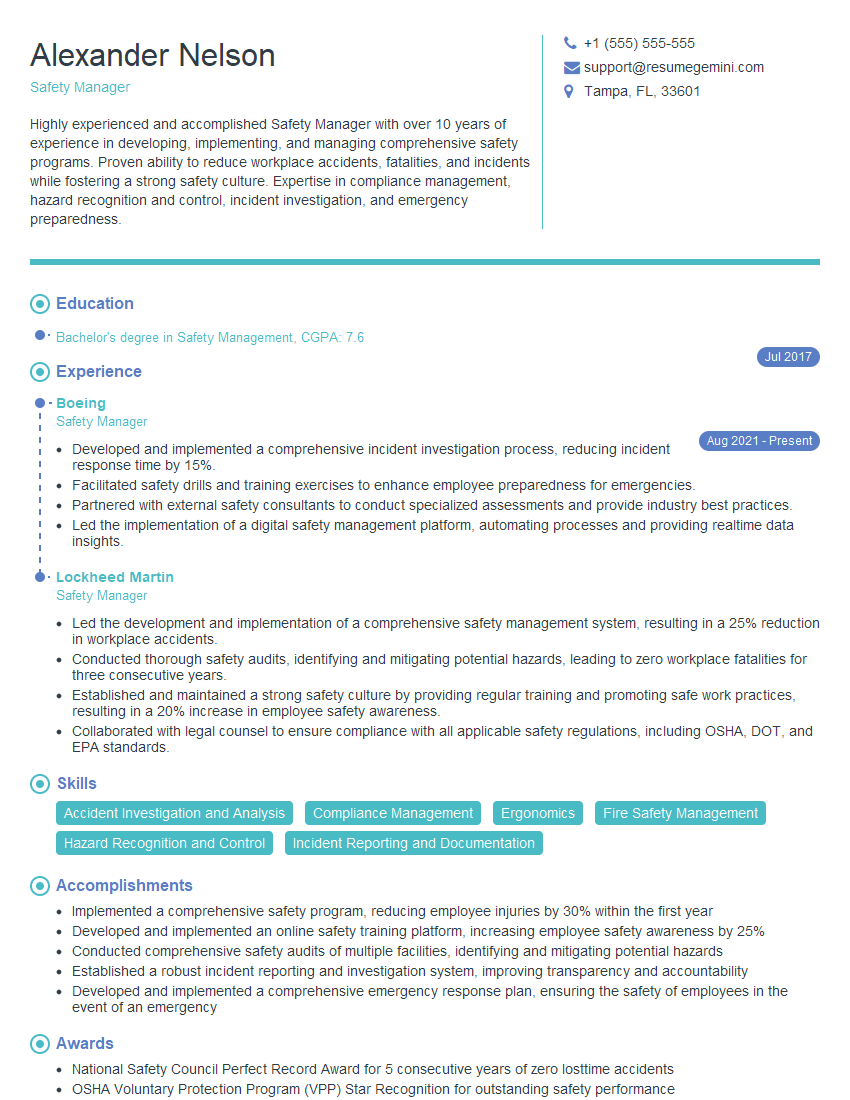
Safety Manager Resume Sample
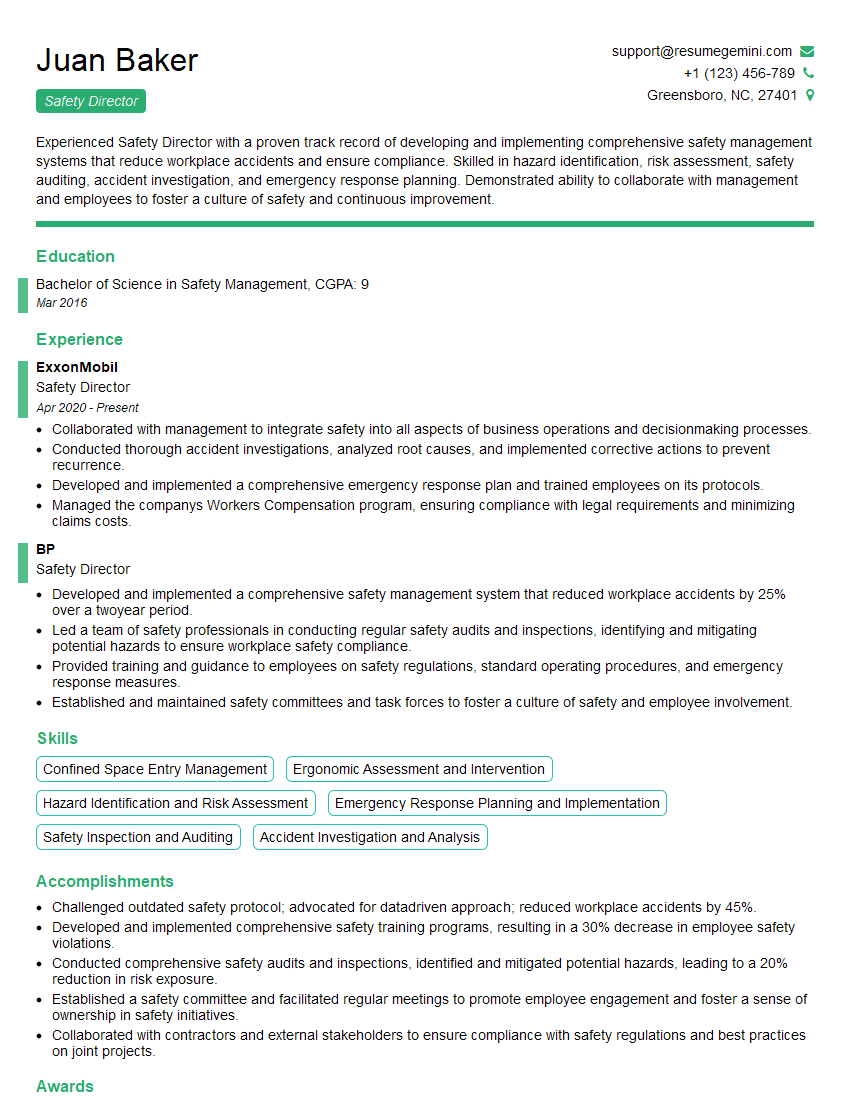
Safety Director Resume Sample
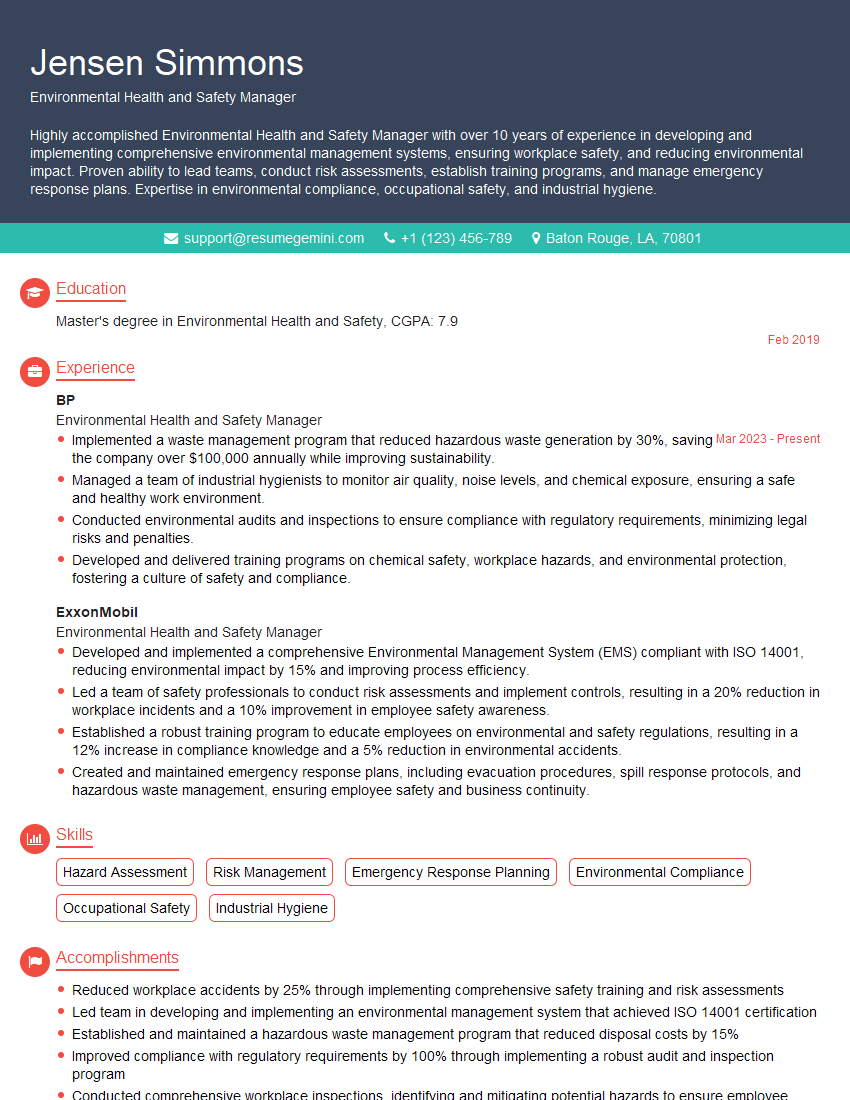
Environmental Health and Safety Manager Resume Sample
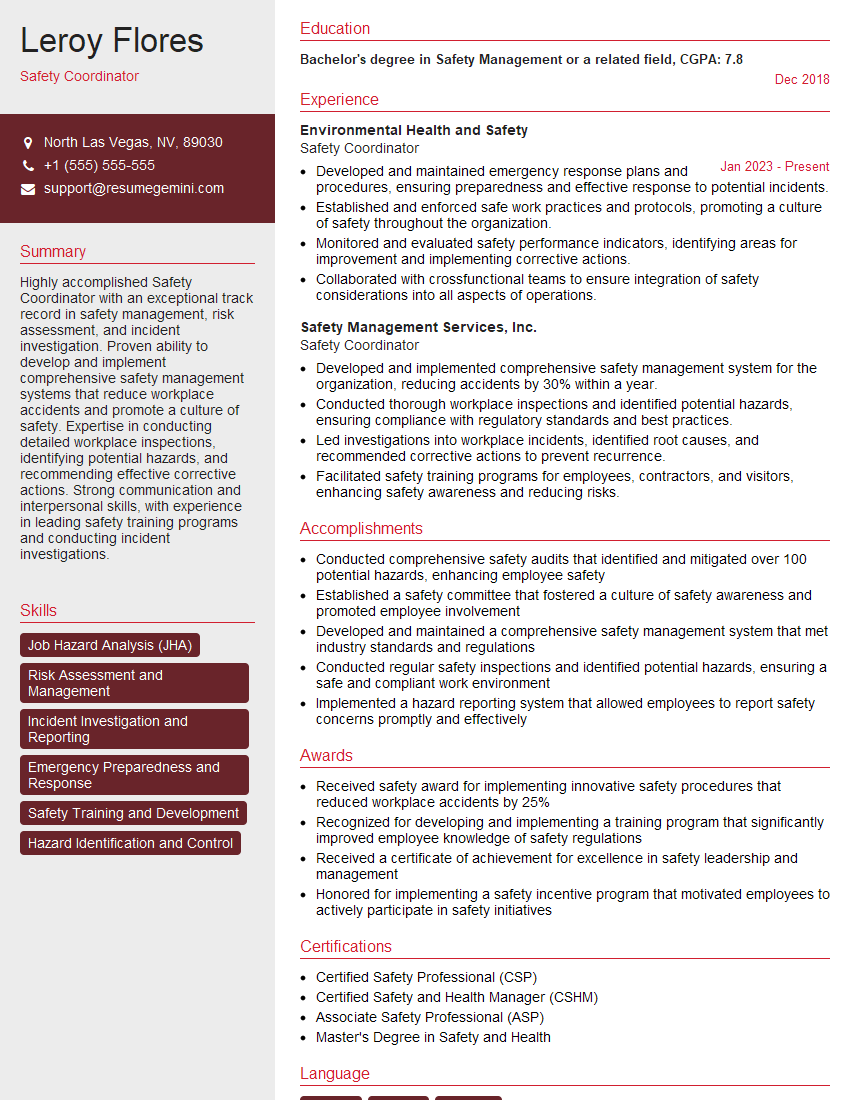
Safety Coordinator Resume Sample
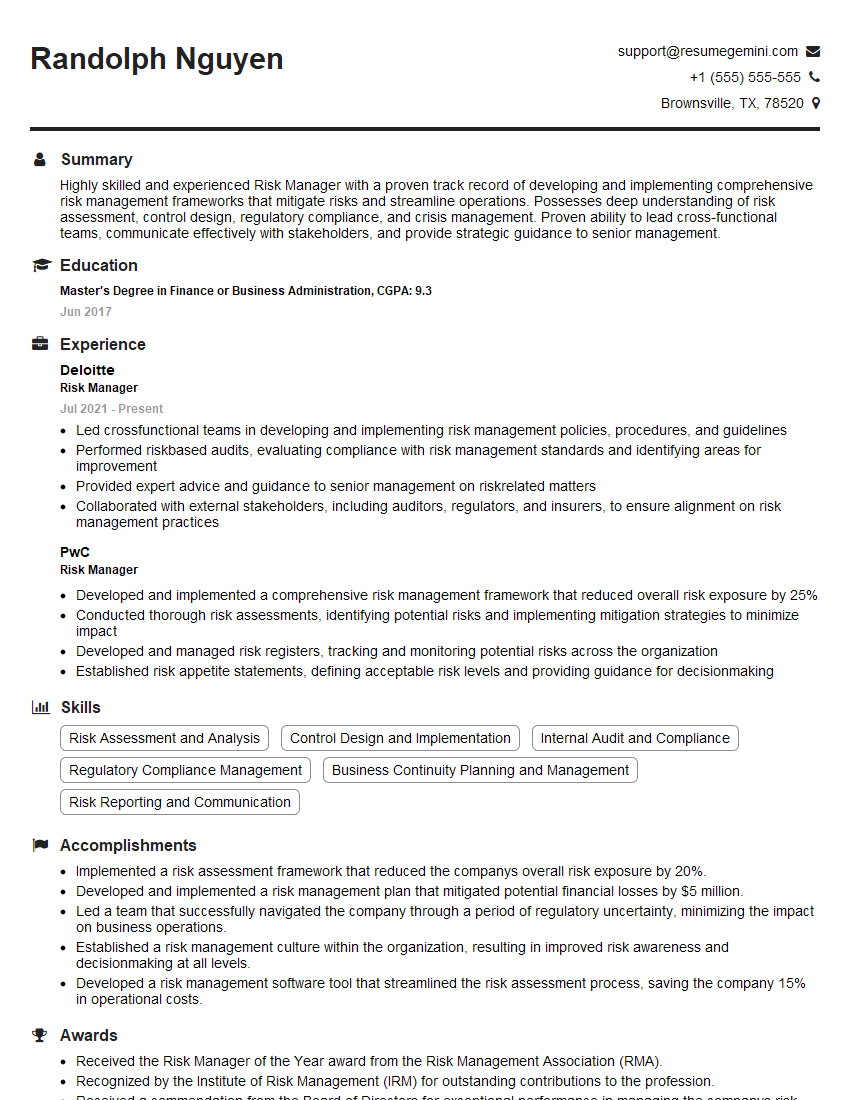
Risk Manager Resume Sample
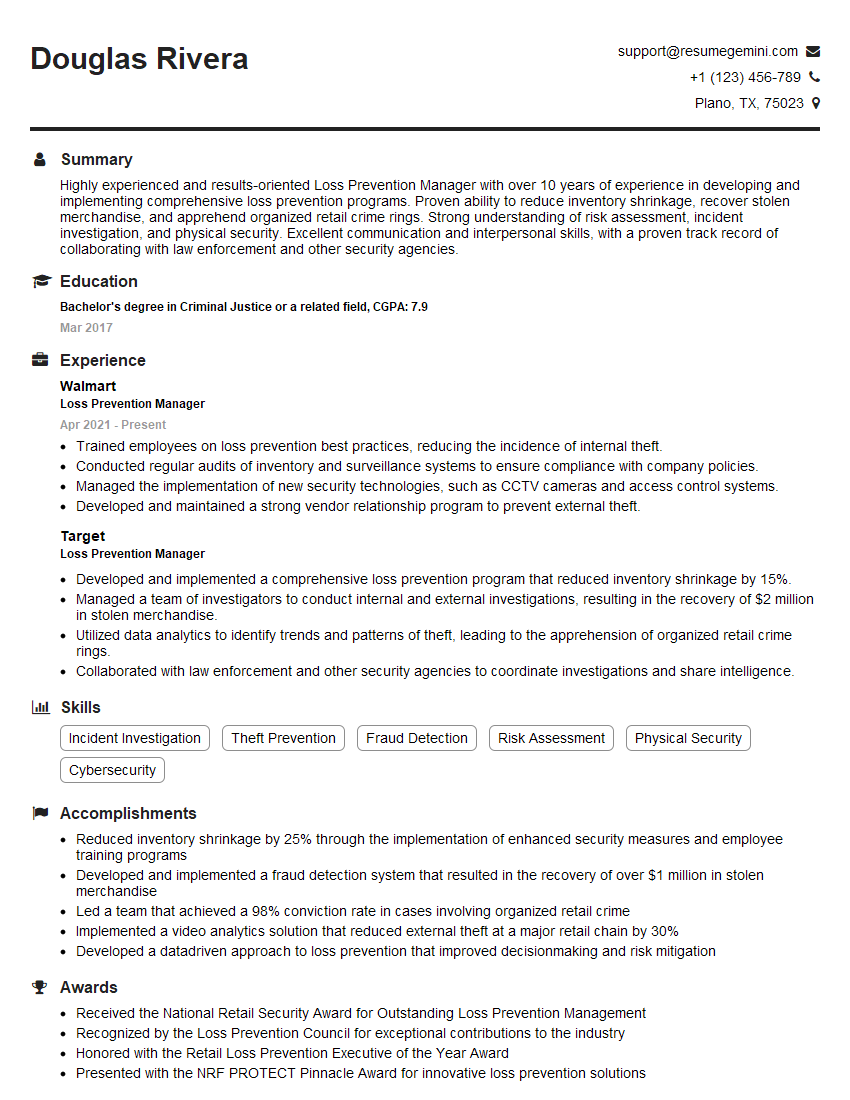
Loss Prevention Manager Resume Sample
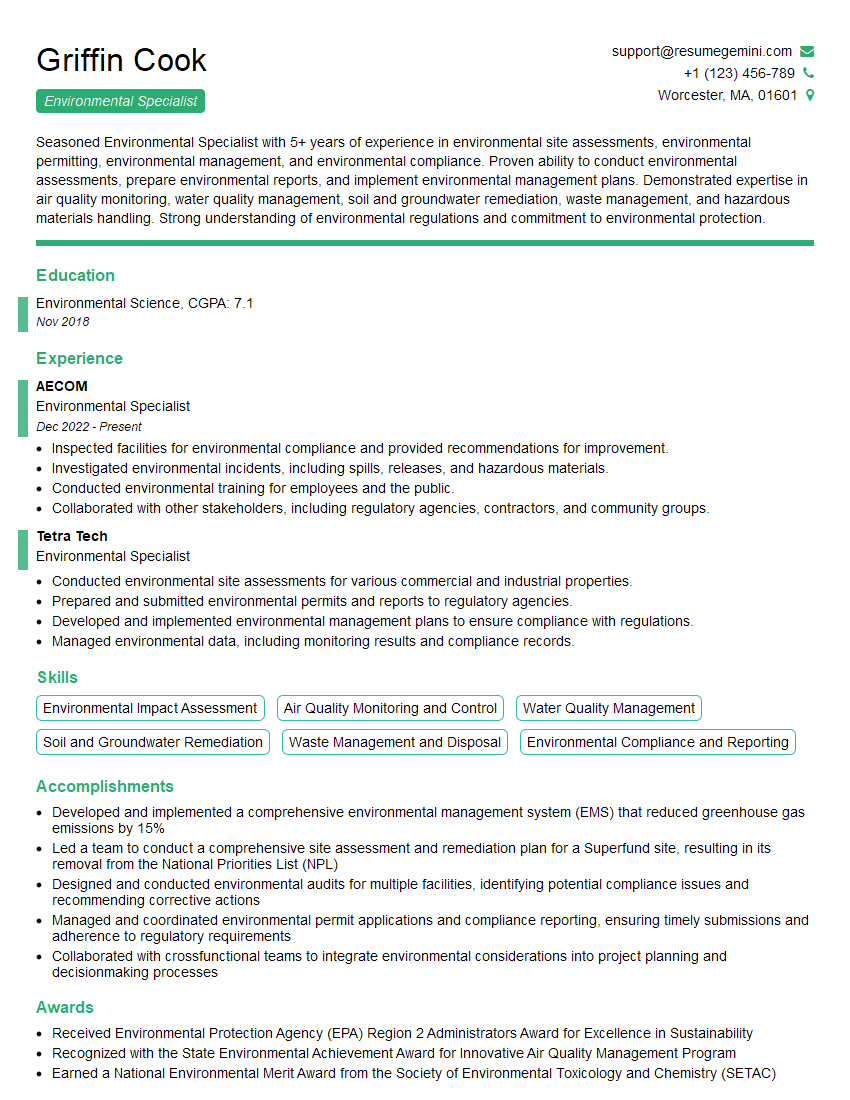
Environmental Specialist Resume Sample
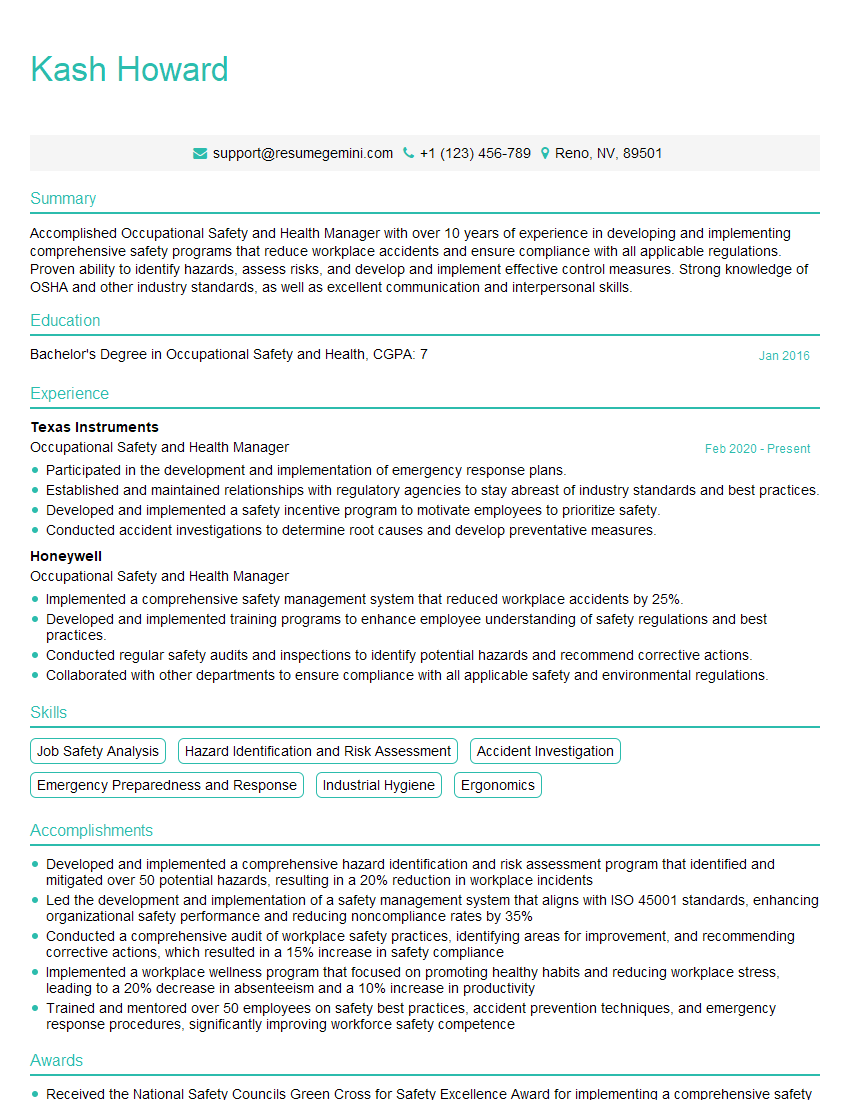
Occupational Safety and Health Manager Resume Sample
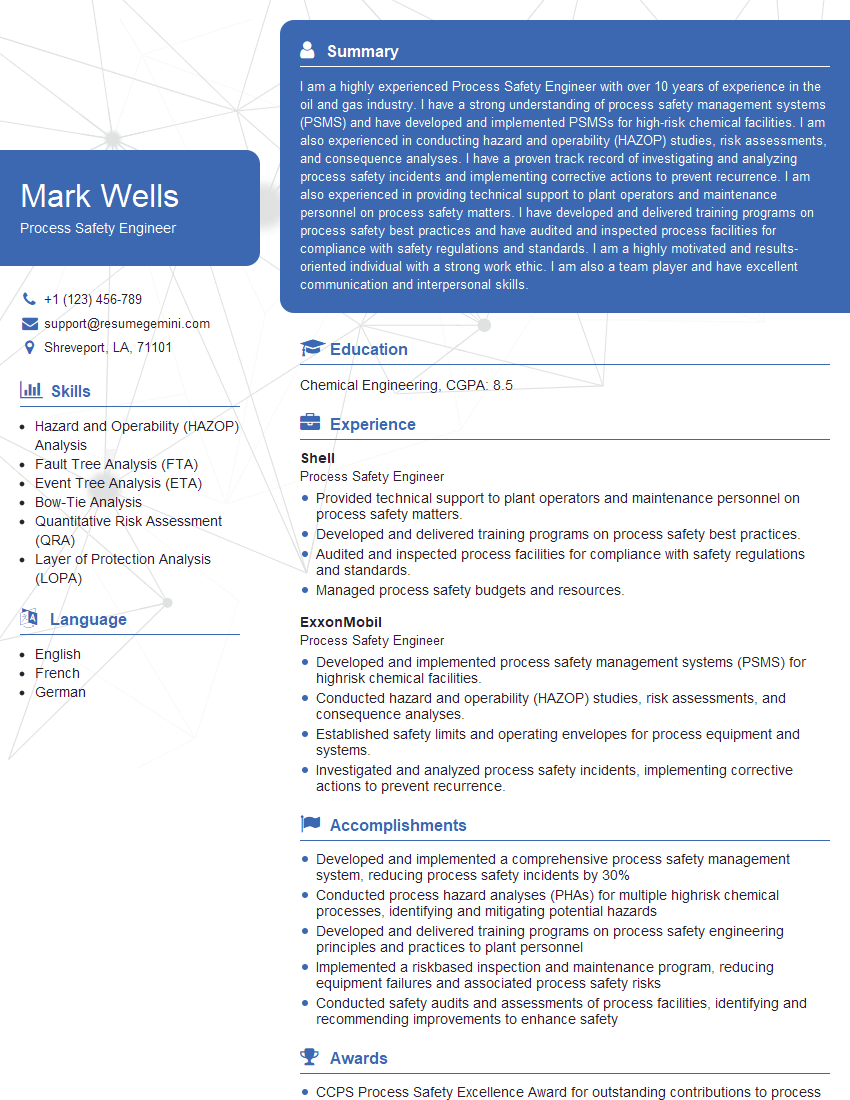
Process Safety Engineer Resume Sample
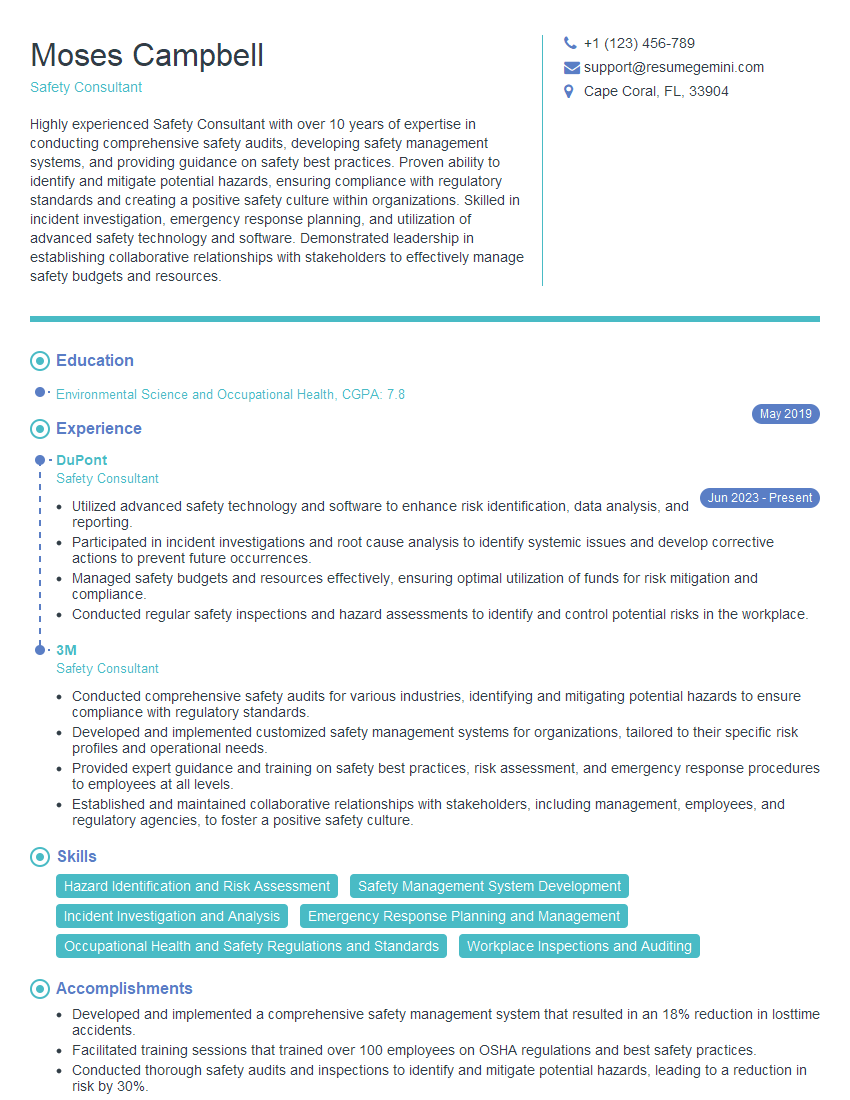
Safety Consultant Resume Sample
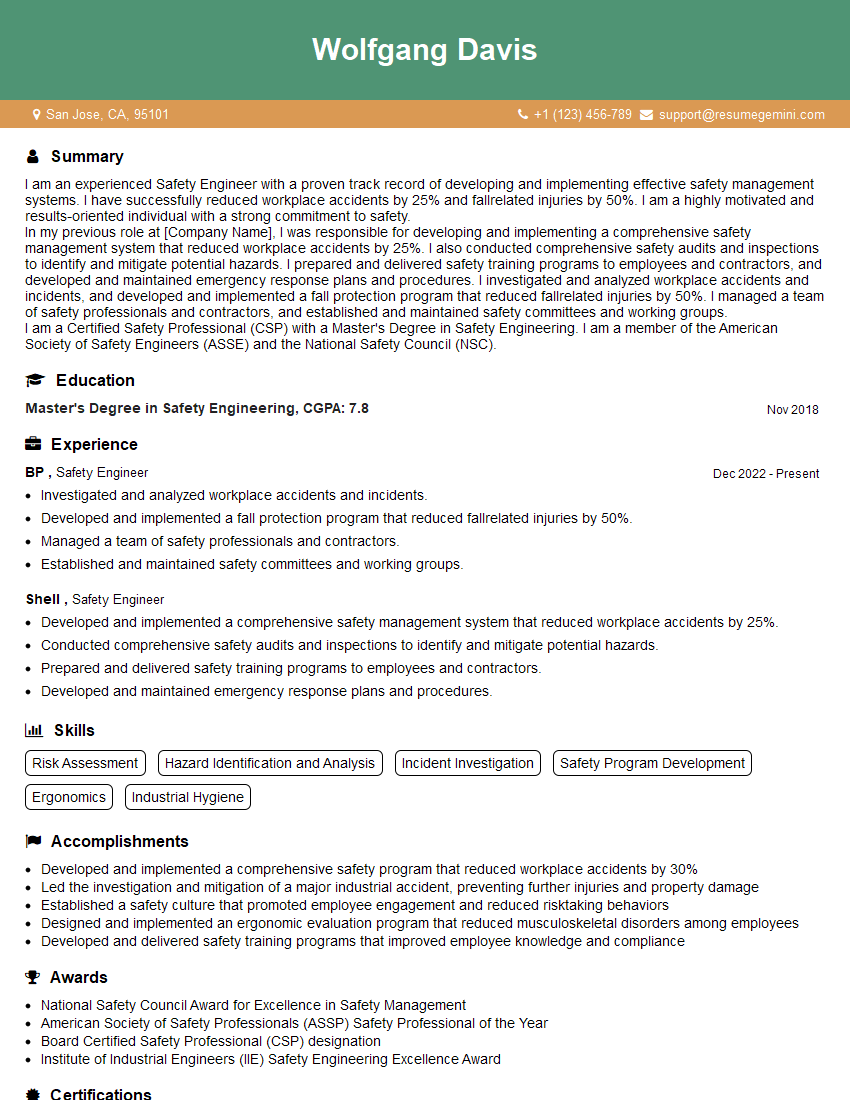
Safety Engineer Resume Sample
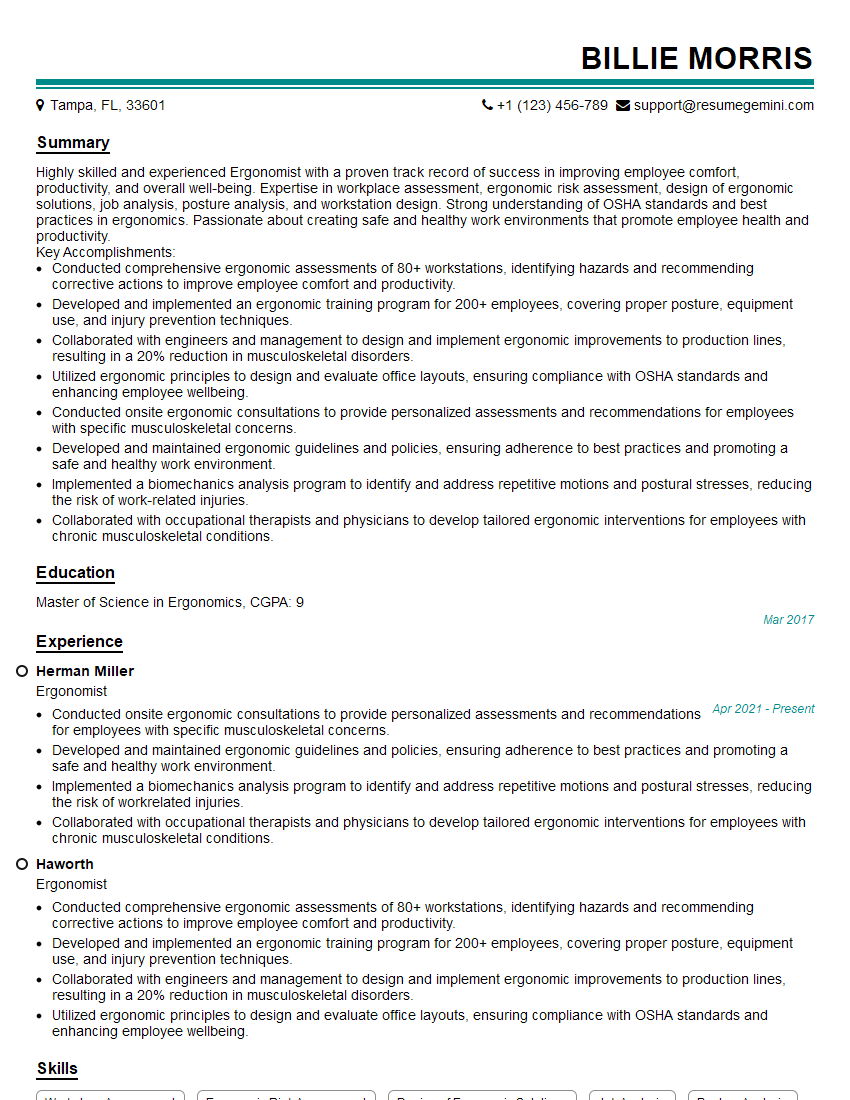
Ergonomist Resume Sample
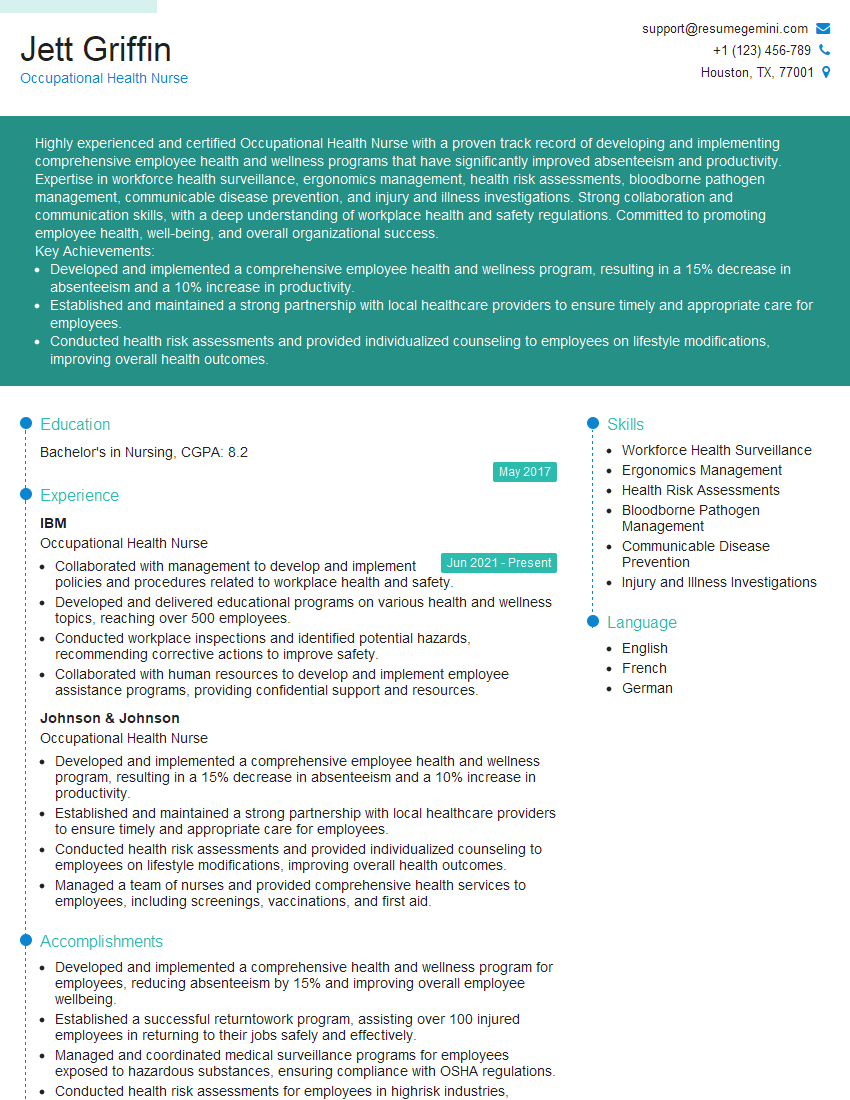
Occupational Health Nurse Resume Sample
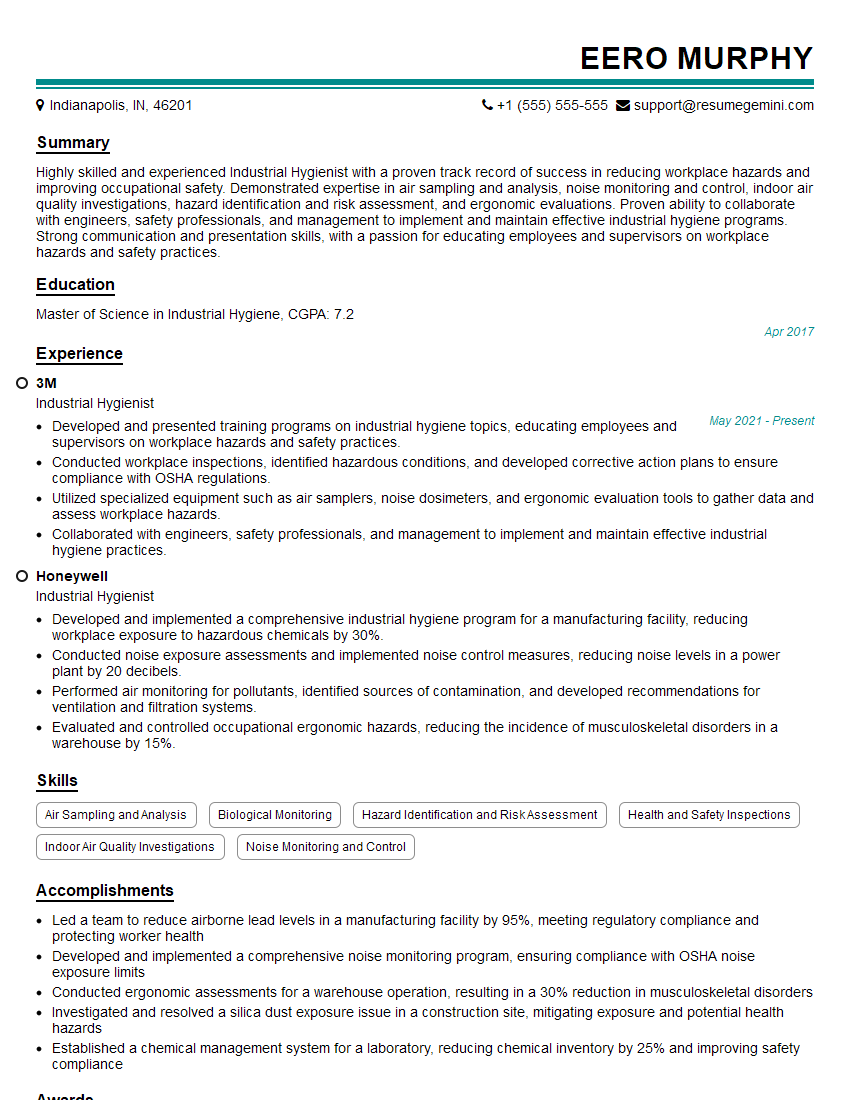
Industrial Hygienist Resume Sample
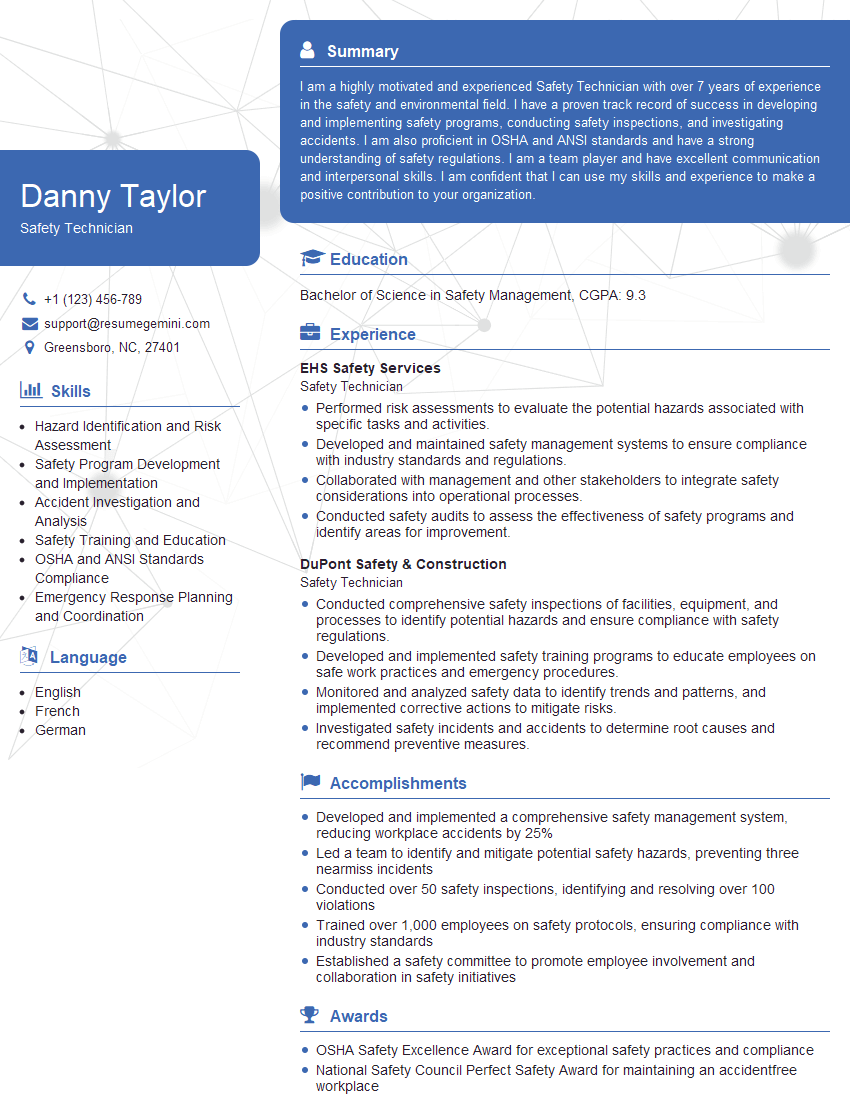
Safety Technician Resume Sample
- Safety Manager
- Safety Director
- Environmental Health and Safety Manager
- Safety Coordinator
- Risk Manager
- Loss Prevention Manager
- Environmental Specialist
- Occupational Safety and Health Manager
- Process Safety Engineer
- Safety Consultant
- Safety Engineer
- Ergonomist
- Occupational Health Nurse
- Industrial Hygienist
- Safety Technician
Explore more articles
Users Rating of Our Blogs
Share Your Experience
We value your feedback! Please rate our content and share your thoughts (optional).
What Readers Say About Our Blog
good