Are you ready to stand out in your next interview? Understanding and preparing for OD Wall Thickness Measurement interview questions is a game-changer. In this blog, we’ve compiled key questions and expert advice to help you showcase your skills with confidence and precision. Let’s get started on your journey to acing the interview.
Questions Asked in OD Wall Thickness Measurement Interview
Q 1. Explain the principle of ultrasonic testing for OD wall thickness measurement.
Ultrasonic testing for OD (Outer Diameter) wall thickness measurement relies on the principle of sound wave propagation. A high-frequency sound wave (ultrasound) is transmitted into the material from a transducer. This sound wave travels through the material, reflects off the far wall (the inner diameter), and returns to the transducer. The instrument measures the time it takes for the sound wave to travel to the far wall and back. Knowing the speed of sound in the material, we can calculate the wall thickness using the simple formula: Thickness = (Time × Velocity) / 2.
Think of it like echolocation – a bat emits a sound and uses the time it takes for the echo to return to determine the distance to an object. Ultrasonic testing applies the same concept but with much higher frequencies and precise timing measurements.
Q 2. Describe different ultrasonic testing methods used for OD wall thickness measurement.
Several ultrasonic testing methods are used for OD wall thickness measurement, each with its own advantages and limitations:
- Pulse-Echo Method: This is the most common method. A single pulse of ultrasound is transmitted, and the instrument measures the time-of-flight of the reflected echo from the inner diameter. It’s straightforward and widely applicable.
- Through-Transmission Method: Two transducers are used – one to transmit the sound wave and another to receive it on the opposite side of the pipe. This method is useful for very thin walls or materials that have poor reflectivity, but requires access to both sides of the material.
- Pitch-Catch Method: Similar to through-transmission, but the receiving transducer is angled to receive the signal reflected off a feature or edge on the outer surface. This method can be applied for some complex shapes and materials.
The choice of method depends on factors such as material properties, wall thickness, accessibility, and the required accuracy.
Q 3. What are the advantages and limitations of ultrasonic testing for OD wall thickness measurement?
Advantages of Ultrasonic Testing for OD Wall Thickness Measurement:
- Non-destructive: It doesn’t damage the material being tested.
- High accuracy: Can achieve very precise measurements, typically within ±0.1mm or better depending on equipment and technique.
- Versatile: Applicable to a wide range of materials (metals, plastics, composites) and geometries.
- Fast testing speed: Measurements can be taken relatively quickly, increasing productivity.
- Portable equipment: Allows for on-site testing.
Limitations:
- Surface preparation: A smooth, clean surface is often required for optimal coupling of the transducer.
- Couplant required: A coupling medium (e.g., gel, oil) is necessary to transmit the sound waves effectively.
- Operator skill: Requires trained and experienced personnel to obtain accurate and reliable measurements. Incorrect technique can lead to errors.
- Material limitations: Some materials are difficult to test ultrasonically due to high attenuation, coarse grain structure, or other properties.
- Cost: Ultrasonic equipment can be expensive.
Q 4. How do you select the appropriate transducer for OD wall thickness measurement?
Transducer selection is crucial for accurate OD wall thickness measurement. The key factors to consider include:
- Frequency: Higher frequencies provide better resolution but have lower penetration depth. Lower frequencies are better for thicker walls and coarser materials. A balance must be struck based on the expected wall thickness and material.
- Beam angle: Normal incidence (0°) is typically used for simple wall thickness measurements. Angled beams might be necessary for certain geometries or when access is limited.
- Element size: Larger elements have wider beams and are suitable for larger areas. Smaller elements provide better spatial resolution but require more careful positioning.
- Material: The transducer material (e.g., piezoelectric crystal) should be appropriate for the material being tested.
For example, a high-frequency, small-diameter transducer might be chosen for thin-walled stainless steel pipes, while a lower-frequency, larger-diameter transducer might be better suited for thick-walled carbon steel pipelines. Always consult the transducer specifications and manufacturer’s recommendations.
Q 5. Explain the concept of sound velocity and its impact on accuracy in OD wall thickness measurement.
Sound velocity is the speed at which sound waves travel through a material. It’s crucial for accurate wall thickness measurement because the instrument measures the time-of-flight of the sound wave. The formula for calculating thickness explicitly includes velocity. If the velocity is not accurately known, it will directly impact the accuracy of the thickness measurement.
The sound velocity varies depending on the material’s properties (e.g., density, elasticity, temperature). For example, the velocity of sound in steel is significantly higher than in aluminum. Accurate knowledge of the velocity is often obtained through calibration using known standards.
Inaccuracy in sound velocity can result in systematic errors in thickness measurements. Temperature variations can also influence the sound velocity, and compensation might be needed for high-precision measurements.
Q 6. Describe the process of calibrating an ultrasonic testing instrument for OD wall thickness measurement.
Calibration is essential to ensure the accuracy of ultrasonic wall thickness measurements. The process typically involves using calibration blocks or reference standards with precisely known thicknesses and material properties. These standards are made of the same material as the parts being tested. The instrument is adjusted so its readings match the known thicknesses of the calibration blocks. This process compensates for any systematic errors in the instrument or in the sound velocity estimate.
Calibration should be performed regularly, according to the instrument’s maintenance schedule and any regulatory requirements. The calibration process might involve measuring several blocks with different thicknesses, ensuring consistent results across the range of expected measurements. Proper calibration documentation is vital for traceability and quality control.
Q 7. How do you interpret ultrasonic waveforms to determine OD wall thickness?
Ultrasonic waveforms display the amplitude of the reflected signals as a function of time. For OD wall thickness measurements using the pulse-echo method, the waveform typically shows a series of peaks and valleys. The first major peak represents the initial pulse transmitted by the transducer, the second peak corresponds to the reflection from the inner wall (backwall echo), and subsequent peaks could represent multiple reflections or other echoes from material flaws or irregularities.
The time interval between the initial pulse and the backwall echo is measured by the instrument. This time-of-flight is then used, along with the known sound velocity, to calculate the wall thickness. The amplitude of the backwall echo can also provide information about the material’s condition and the presence of any discontinuities, like corrosion or other defects.
Analyzing the waveform requires understanding the various features to correctly identify the backwall echo and to avoid misinterpreting other signals as the backwall. Training and experience are crucial for accurate interpretation.
Q 8. What are common sources of error in OD wall thickness measurement using ultrasonic testing?
Errors in ultrasonic OD wall thickness measurements stem from several sources. Think of it like trying to measure the thickness of a coin using sound waves – any interference will skew your result. Common sources include:
- Incorrect Couplant Application: Insufficient or improper couplant (the gel used to transmit sound waves) leads to signal loss or reflection, giving inaccurate readings. Imagine trying to hear someone whispering through a wall; a good connection is crucial.
- Surface Roughness/Corrosion: Rough surfaces scatter ultrasonic waves, making it hard to get a clean signal. Corrosion is particularly problematic, as it alters the material’s properties and introduces variations.
- Material Inhomogeneities: Variations in the material’s composition (e.g., inclusions, voids) can cause signal scattering or attenuation, producing erratic measurements. It’s like trying to measure the thickness of a sandwich with uneven layers.
- Temperature Variations: Temperature affects the speed of sound in materials. Significant temperature differences across the pipe can introduce errors. Think of how the speed of sound differs in water versus air.
- Calibration Errors: Improper calibration of the ultrasonic instrument is a fundamental source of error. It’s like using a miscalibrated ruler – your measurements will always be wrong.
- Angle Beam Effects: When using angle beam transducers for thicker walls, accurate angle setting and compensation for refracted angles are crucial for avoiding errors. This is akin to shining a flashlight at an angle and misjudging the distance based on the angle of light.
Q 9. How do you compensate for the effects of curvature on OD wall thickness measurements?
Curvature significantly affects ultrasonic measurements, as the sound wave travels a longer path on a curved surface compared to a flat one. This is like trying to measure the straight distance across a curved road using a straight ruler. We compensate for this using specialized software and techniques:
- Software Correction: Most modern ultrasonic thickness gauges have software that accounts for curvature, using the pipe’s diameter as input. The software corrects for the sound wave’s longer path to provide an accurate wall thickness reading.
- Multiple Transducer Positions: Taking measurements at multiple locations around the pipe’s circumference and averaging them can reduce the impact of curvature. This is similar to making multiple measurements of the same object to average out any minor inconsistencies.
- Specialized Transducers: Some transducers are designed specifically for curved surfaces, minimizing the effects of curvature on measurements.
Accurate measurement requires understanding the instrument’s capabilities and limitations related to curvature and selecting an appropriate method.
Q 10. Explain the significance of coupling in ultrasonic testing.
Coupling is absolutely vital in ultrasonic testing. It’s the process of creating an efficient acoustic path between the transducer and the test piece. Imagine trying to transmit a sound wave through air and a solid metal wall – it’s going to lose much of its strength and accuracy. Couplant facilitates the efficient transmission of ultrasonic waves by eliminating air gaps between the transducer and the material being tested. A poor coupling leads to:
- Signal Attenuation: Reduced signal strength, leading to poor accuracy and difficulty detecting weaker signals.
- Signal Reflection: Air gaps cause much of the ultrasonic energy to be reflected back, resulting in unreliable measurements.
- Measurement Inconsistency: Inconsistent coupling creates unreliable and inconsistent results.
Good coupling ensures accurate and consistent signal transmission, essential for reliable OD wall thickness measurements.
Q 11. What are the different types of couplants used in ultrasonic testing and their applications?
Various couplants exist, each suitable for different applications. The choice depends on factors like surface condition, temperature, and material. Here are some common types:
- Water-Based Couplants: Cheap, readily available, and easily cleaned. Best for relatively smooth surfaces and ambient temperatures. However, they can dry quickly and are not ideal for rough surfaces or high temperatures.
- Oil-Based Couplants: Better for rough surfaces and higher temperatures than water-based couplants, as they tend to have better viscosity and adhesion. However, they are messier and harder to clean.
- Gel-Based Couplants: Offer excellent coupling efficiency and long-lasting contact. They are more viscous and provide better contact with rough surfaces. Suitable for various temperature ranges and surface conditions.
- Synthetic Couplants: Developed to provide better coupling efficiency for specific applications and materials. They might incorporate additives for increased longevity, higher temperature resistance, or improved coupling characteristics for certain types of metals.
Selecting the right couplant is crucial for achieving accurate and repeatable ultrasonic thickness measurements.
Q 12. Describe the procedure for performing a thickness measurement on a corroded pipe.
Measuring the thickness of a corroded pipe requires a cautious and methodical approach. Corrosion creates uneven surfaces and can drastically alter material properties. Here’s a typical procedure:
- Visual Inspection: A thorough visual inspection is the first step to assess the extent of corrosion. Identifying areas of severe pitting or significant wall loss guides subsequent measurements. It’s like looking for the damage before making any repairs.
- Surface Preparation (if necessary): Remove loose corrosion or scale if needed, ensuring not to damage the remaining metal. This step helps to improve coupling and signal clarity.
- Couplant Selection: Choose a couplant appropriate for the corroded surface, typically a gel-based or high-viscosity type to improve contact.
- Multiple Measurements: Take multiple measurements at various locations to account for corrosion’s uneven nature. Average these measurements for a representative thickness.
- Data Analysis: Carefully analyze the measurements, noting areas of thinner wall sections. Corroded areas may require more frequent monitoring and/or preventative maintenance.
- Calibration Verification: Verify the calibration of the instrument regularly to ensure the accuracy of measurements on corroded pipes.
Remember, safety is paramount when dealing with corroded pipes. Ensure appropriate personal protective equipment (PPE) is used during inspection and measurement.
Q 13. How do you handle variations in material properties when measuring OD wall thickness?
Material properties directly affect the speed of sound, impacting ultrasonic thickness measurements. Different materials have different acoustic velocities. Consider the speed of sound in water versus air.
- Velocity Calibration: The ultrasonic instrument must be calibrated for the specific material being tested. This usually involves using reference blocks of known thickness and material properties.
- Material Data: Ensure the material’s exact composition and expected sound velocity are known and used to correct measurements accordingly.
- Material Characterization: If the material’s composition is uncertain or complex, advanced testing like material characterization might be necessary before performing precise measurements.
Accurate material information is crucial for getting accurate and reliable results. Without proper material characterization and velocity settings, measurements will be incorrect.
Q 14. Explain the significance of data acquisition and analysis in OD wall thickness measurement.
Data acquisition and analysis are crucial for ensuring the quality and reliability of OD wall thickness measurements. It’s not just about taking measurements; it’s about understanding what those measurements mean.
- Data Logging: Modern ultrasonic thickness gauges record measurements digitally, allowing for efficient storage and analysis. This provides an audit trail for future reference and analysis.
- Statistical Analysis: Statistical analysis, such as calculating averages, standard deviations, and minimum/maximum values, provides a comprehensive understanding of the wall thickness data and highlights any anomalies.
- Data Visualization: Visualizing data through graphs and charts helps identify trends and patterns in the wall thickness, allowing for easier identification of localized corrosion or thinning.
- Report Generation: Generating detailed reports, including all measurement data, analysis results, and relevant metadata, is crucial for compliance and tracking of the pipe’s condition over time.
Effective data management ensures that measurement results are not just numbers but a valuable source of information to assess the integrity of the pipe and plan maintenance appropriately.
Q 15. How do you document and report your findings in OD wall thickness measurements?
Documenting and reporting OD wall thickness measurements involves a rigorous process to ensure accuracy and traceability. We start with a detailed inspection plan, outlining the test method (e.g., ultrasonic testing, magnetic flux leakage), the specific areas to be measured, and the acceptance criteria. All measurements are recorded in a standardized data sheet, including date, time, instrument calibration details, operator initials, and environmental conditions (temperature and humidity).
A key aspect is the use of clear and concise terminology. For example, instead of simply stating “wall thickness reduced,” we would specify “wall thickness reduced by X mm at location Y, exceeding the allowable limit by Z mm.” We then incorporate this data into a comprehensive report, which includes the inspection plan, raw data, calculations, analysis of results, any deviations from the plan, and conclusions. Photographs or diagrams showing the measurement points and any identified defects are often included for visual clarity. This detailed reporting provides a complete audit trail for future reference and facilitates informed decision-making.
For instance, in a recent inspection of a pipeline, we used ultrasonic testing and documented each measurement point with coordinates and images. This proved crucial when we found a localized thinning area, allowing for targeted repairs and preventing potential failures.
Career Expert Tips:
- Ace those interviews! Prepare effectively by reviewing the Top 50 Most Common Interview Questions on ResumeGemini.
- Navigate your job search with confidence! Explore a wide range of Career Tips on ResumeGemini. Learn about common challenges and recommendations to overcome them.
- Craft the perfect resume! Master the Art of Resume Writing with ResumeGemini’s guide. Showcase your unique qualifications and achievements effectively.
- Don’t miss out on holiday savings! Build your dream resume with ResumeGemini’s ATS optimized templates.
Q 16. What are the safety precautions associated with ultrasonic testing?
Safety is paramount in ultrasonic testing (UT). The primary concern is with the high-frequency sound waves themselves, although they are typically not dangerous at the levels used. More significant risks involve the equipment and the environment.
- Eye protection: Some UT equipment may emit bright light from the display screen or associated parts. Safety glasses or goggles protect against accidental eye injury.
- Hearing protection: Some UT equipment generates high-pitched sounds, use appropriate hearing protection especially during long testing sessions.
- Electrical safety: UT equipment operates on electricity; precautions must be taken to prevent electrical shocks. Inspecting equipment’s wiring, insulation, and grounding is important. Ensure the workplace is dry and the equipment is properly earthed.
- Working at height/confined spaces: Often UT is performed in challenging locations. Follow all relevant safety regulations concerning working at heights, confined spaces, and proper PPE for those conditions.
- Other hazards: The environment where testing is undertaken should be assessed for any other relevant hazards like sharp objects, heavy equipment, or hazardous materials. PPE appropriate for the specific site conditions should be used.
Before commencing any UT inspection, a thorough risk assessment is essential. This should identify potential hazards, evaluate their severity, and outline the necessary precautions to ensure the safety of the operator and other personnel.
Q 17. What are the acceptance criteria for OD wall thickness measurements based on industry standards?
Acceptance criteria for OD wall thickness measurements vary depending on the industry, application, and relevant standards (e.g., ASME, API). These standards often define allowable minimum wall thicknesses, maximum allowable corrosion rates, or permissible tolerances. These values are usually expressed as a percentage of the nominal wall thickness or an absolute minimum thickness.
For example, a pipeline might have an acceptance criterion specifying that the minimum wall thickness must not fall below 90% of the nominal thickness, whereas a pressure vessel might have specific allowable limits based on its operating pressure and material properties. If measurements fall outside the defined acceptance criteria, that section requires repair, replacement, or further investigation.
The specific acceptance criteria would always be explicitly stated in the relevant project specifications or industry codes. It’s critical to consult these documents carefully before commencing any inspection. Failure to adhere to the accepted criteria can lead to serious safety concerns and significant financial implications.
Q 18. Describe the difference between pulse-echo and through-transmission techniques.
Both pulse-echo and through-transmission are ultrasonic testing methods for measuring wall thickness, but they differ in their approach.
- Pulse-echo: In pulse-echo, a single transducer sends an ultrasonic pulse into the material. The transducer then receives the reflected pulse (echo) from the back wall (or any internal flaws). The time it takes for the pulse to travel to the back wall and return is directly proportional to the material thickness. It is the most common method used for OD wall thickness measurement.
- Through-transmission: This technique uses two transducers: one to transmit the ultrasonic pulse and another to receive it on the opposite side of the material. The thickness is determined by the time it takes for the pulse to travel through the entire material. Through-transmission requires access to both sides of the component being measured. It’s less common for OD measurements because of the difficulty in accessing the inner surface but is preferred in cases of thin materials where the pulse echo may be hard to interpret.
Think of it like this: pulse-echo is like shouting into a well and timing the echo to determine the depth, whereas through-transmission is like having someone on the other side of the well, listening for your shout.
Q 19. How do you identify and resolve issues with signal attenuation during measurements?
Signal attenuation, the weakening of the ultrasonic signal as it travels through the material, is a common issue in OD wall thickness measurements. Several factors can cause this, including material properties (e.g., high density or grain structure), corrosion, and the presence of coatings or deposits. Identifying and resolving attenuation requires a systematic approach.
- Identify the cause: Examine the material properties, looking for corrosion, defects, or coatings which can affect signal strength. Vary the frequency, using a lower frequency wave to improve penetration through highly attenuating materials.
- Optimize coupling: Ensure proper contact between the transducer and the material’s surface using an appropriate couplant (e.g., gel or oil) to eliminate air gaps that will reflect the wave away. If necessary, use specialized couplants suited to high temperature applications.
- Adjust the gain: The gain setting controls the amplification of the received signal. Increasing the gain can compensate for some attenuation, but excessive gain can introduce noise.
- Select appropriate transducer: Choose a transducer with a frequency and beam angle suitable for the material thickness and type. A lower frequency transducer will penetrate thicker materials but has lower resolution.
- Calibration: Regular calibration of the ultrasonic equipment ensures accurate measurements and compensates for any drift or deterioration in the equipment.
By carefully considering these factors and making the necessary adjustments, we can effectively minimize signal attenuation and obtain reliable wall thickness measurements, even in challenging conditions.
Q 20. What are the limitations of using magnetic flux leakage for OD wall thickness measurement?
Magnetic flux leakage (MFL) is a technique that uses magnetic fields to detect flaws and measure wall thickness. However, it has several limitations, particularly in OD wall thickness measurement.
- Ferromagnetic materials only: MFL only works on ferromagnetic materials (iron, nickel, cobalt, and their alloys). It cannot be used on non-magnetic materials like aluminum or stainless steel.
- Surface condition: The surface of the material must be relatively smooth and clean. Rough surfaces, coatings, or deposits can interfere with the magnetic field and affect the accuracy of the measurements.
- Limited sensitivity in certain conditions: MFL may struggle to detect small flaws or thin areas of wall loss, particularly when dealing with highly corrosive environments and highly conductive materials.
- Complexity for OD measurement: MFL is more commonly used for detecting defects along pipe lengths rather than precisely measuring wall thickness. Access to both sides is generally required, making it less suitable for external measurements only.
Therefore, while MFL is a valuable technique for certain applications, it may not always be the most suitable method for OD wall thickness measurement, especially when dealing with non-ferromagnetic materials or complex geometries.
Q 21. How does temperature affect the accuracy of OD wall thickness measurements?
Temperature significantly affects the accuracy of OD wall thickness measurements, primarily through its impact on the speed of sound in the material being tested. The speed of sound in most materials increases with temperature. Ultrasonic testing relies on measuring the time of flight of the sound wave to determine the thickness; therefore, a temperature change directly affects the accuracy of the measurement.
To mitigate this, we must either compensate for the temperature effect or maintain consistent temperature during the testing process. The most common approach is to use temperature correction factors provided by the manufacturer of the ultrasonic instrument or through documented material properties. These factors are applied to the measured thickness to compensate for the temperature variation. In some cases, precise temperature measurement at the point of testing is crucial for accurate compensation.
For example, if a measurement is taken on a hot pipe without temperature compensation, the calculated thickness will be inaccurately high because the increased speed of sound in the hotter material will cause the time of flight to be lower than expected for a given thickness. Neglecting temperature effects can lead to significant errors in the measurement.
Q 22. Describe the use of electromagnetic testing in OD wall thickness measurement.
Electromagnetic testing, specifically eddy current testing, is a non-destructive method frequently used for OD (Outer Diameter) wall thickness measurement. It works by inducing eddy currents in the conductive material being tested. The strength and phase of these currents are affected by the material’s conductivity and thickness. By carefully analyzing the induced currents’ response, we can precisely determine the wall thickness.
Imagine it like this: you’re throwing a pebble into a pond. The ripples (eddy currents) spread out. If the pond is shallow (thin wall), the ripples will behave differently than if it’s deep (thick wall). The eddy current instrument measures these differences to deduce the wall thickness.
This method is particularly useful for non-magnetic conductive materials like aluminum and copper and is often used in applications like pipeline inspection and aircraft maintenance where precise wall thickness is critical for safety and structural integrity. The instrument emits a high-frequency electromagnetic field, and the resulting signal variation is directly proportional to the wall thickness.
Q 23. Explain the role of data logging and traceability in ensuring the integrity of measurements.
Data logging and traceability are paramount in ensuring the integrity of OD wall thickness measurements. They provide a complete and auditable record of the entire measurement process, allowing for verification and validation of the results. Without these, the results would be difficult to trust, potentially leading to serious consequences.
Data logging typically includes parameters like date, time, location of measurement, specific instrument used, settings for the instrument, and of course, the actual thickness measurements. This data is often stored digitally for easy access and analysis. Traceability links each measurement back to its source and the methods used, ensuring that the chain of custody is maintained.
For example, in a large pipeline inspection project, data logging allows us to pinpoint specific locations with thinning, and traceability ensures that the measurements comply with industry standards and regulations. If a discrepancy or anomaly is detected later, we can always retrace the steps to identify the root cause.
Q 24. How do you troubleshoot common problems encountered during OD wall thickness measurement?
Troubleshooting in OD wall thickness measurement often involves a systematic approach. Common issues include inaccurate readings, instrument malfunction, and environmental factors.
Step 1: Instrument Calibration: First, verify instrument calibration. Incorrect calibration is a leading cause of inaccurate readings. A properly calibrated instrument should be checked against known standards. This usually involves measuring a sample with a known and precise thickness.
Step 2: Probe Condition: Inspect the probe for damage or contamination. A damaged probe can produce faulty readings, so visual inspection, cleanliness and potential replacement are essential.
Step 3: Surface Preparation: Ensure the surface being measured is clean and free of paint, corrosion, or other coatings that can interfere with accurate measurements. The surface needs to be appropriately prepared to ensure a strong and reliable signal.
Step 4: Environmental Factors: Temperature and humidity can affect measurements, particularly with certain techniques like ultrasonic testing. Compensate for environmental variables, or conduct measurements under controlled conditions if necessary.
Step 5: Data Review: Analyze the data for patterns or anomalies. If a series of measurements is consistently off, there may be an underlying issue that needs addressing.
Q 25. Compare and contrast different methods for measuring OD wall thickness (e.g., ultrasonic, magnetic, eddy current).
Several methods exist for measuring OD wall thickness, each with its strengths and weaknesses:
- Ultrasonic Testing (UT): This method uses high-frequency sound waves to measure the thickness. It’s versatile, works on various materials, and can measure thick walls. However, surface preparation is crucial, and coupling the transducer to the surface is important for accurate readings. It’s less sensitive to surface roughness compared to eddy current but can be affected by material properties like density and grain size.
- Magnetic Testing: This technique is suitable for ferromagnetic materials. It measures the magnetic flux leakage to determine wall thickness, and is simple to use, but it’s limited to ferromagnetic materials and might be less precise in some cases.
- Eddy Current Testing (ECT): As previously discussed, ECT is best for conductive materials. It’s highly sensitive, provides fast measurements, and doesn’t require direct contact. However, surface condition and conductivity variations can affect the accuracy.
The choice of method depends on factors like the material being tested, required accuracy, and available equipment. For example, UT might be preferred for thick-walled steel pipes, while ECT might be better for thin-walled aluminum tubes.
Q 26. Describe your experience with specific equipment used for OD wall thickness measurement.
My experience encompasses a wide range of equipment, including ultrasonic thickness gauges from Olympus and Krautkramer, eddy current instruments from Fischer and Zetec, and magnetic flaw detectors. I’m proficient in operating and maintaining these instruments, including calibration procedures and troubleshooting techniques.
For example, I have extensive experience using the Olympus 38DL PLUS ultrasonic thickness gauge for measuring the wall thickness of pipelines. I’m also familiar with the Zetec MIZ-21 eddy current instrument for inspecting aircraft components, understanding the importance of precise calibration and probe selection for optimal results in each specific application. I am proficient in using various probes and specialized software for data analysis and report generation.
Q 27. Explain your understanding of relevant industry codes and standards (e.g., ASME, API).
My understanding of industry codes and standards is thorough. I’m well-versed in ASME Section V (Nondestructive Examination) and API standards relevant to pipeline integrity and pressure vessel inspection, understanding the specific requirements for wall thickness measurement in different contexts. These standards define acceptable measurement methods, accuracy requirements, and reporting procedures.
For example, ASME Section V outlines the procedures for performing ultrasonic testing, including calibration, techniques, and acceptance criteria. API standards provide detailed guidelines for pipeline inspection and maintenance, including specific requirements for wall thickness measurements to ensure safety and prevent catastrophic failures. Adherence to these standards is critical for ensuring the reliability and safety of structures in various industrial applications.
Q 28. How do you ensure the accuracy and reliability of your OD wall thickness measurements?
Ensuring accuracy and reliability starts with proper instrument calibration and maintenance. Regular calibration checks against known standards are essential, and instrument maintenance schedules must be strictly followed.
Secondly, proper technique is paramount. This involves correct probe placement, appropriate measurement settings, and careful data recording. Understanding the limitations of each testing method and selecting the appropriate method for the application is vital.
Finally, data validation and analysis are crucial. Reviewing the measurements for outliers or inconsistencies, and comparing results from different techniques when possible, helps ensure data integrity and reliability. A thorough understanding of the material properties, environmental conditions and potential sources of error are also key elements to ensure the accuracy and reliability of measurements.
Key Topics to Learn for OD Wall Thickness Measurement Interview
- Understanding Different Measurement Techniques: Explore various methods like ultrasonic testing, magnetic flux leakage, and eddy current testing. Consider the strengths and weaknesses of each method and their suitability for different materials and applications.
- Calibration and Quality Control: Master the principles of instrument calibration and the importance of maintaining accurate measurements. Understand the impact of calibration errors on data reliability and the consequences in quality control processes.
- Data Interpretation and Analysis: Practice interpreting measurement data, identifying potential anomalies, and using statistical methods to assess data quality. Develop skills in reporting and presenting findings clearly and concisely.
- Practical Applications in Various Industries: Familiarize yourself with how OD wall thickness measurement is applied in diverse sectors, such as oil and gas, aerospace, manufacturing, and pipeline inspection. Understanding industry-specific challenges and best practices is crucial.
- Troubleshooting and Problem Solving: Develop your ability to diagnose issues with measurement equipment, interpret faulty readings, and devise solutions for common problems encountered during the measurement process. This demonstrates practical expertise.
- Safety Procedures and Regulations: Understand relevant safety protocols and regulations concerning the specific measurement techniques and environments. This showcases your commitment to safe and compliant work practices.
- Material Properties and their Influence: Learn how material properties (e.g., conductivity, density) affect the accuracy and reliability of different measurement techniques. This highlights your understanding of the underlying physics involved.
Next Steps
Mastering OD Wall Thickness Measurement opens doors to exciting career opportunities in demanding and rewarding fields. A strong understanding of these techniques is highly valued by employers, showcasing your technical expertise and problem-solving skills. To maximize your job prospects, create an ATS-friendly resume that highlights your qualifications effectively. ResumeGemini is a trusted resource for building professional resumes that catch the eye of recruiters. Leverage ResumeGemini to craft a compelling resume, and take advantage of the examples of resumes tailored to OD Wall Thickness Measurement professionals we provide to further enhance your application.

Quality Control Manager Resume Sample

Project Engineer Resume Sample
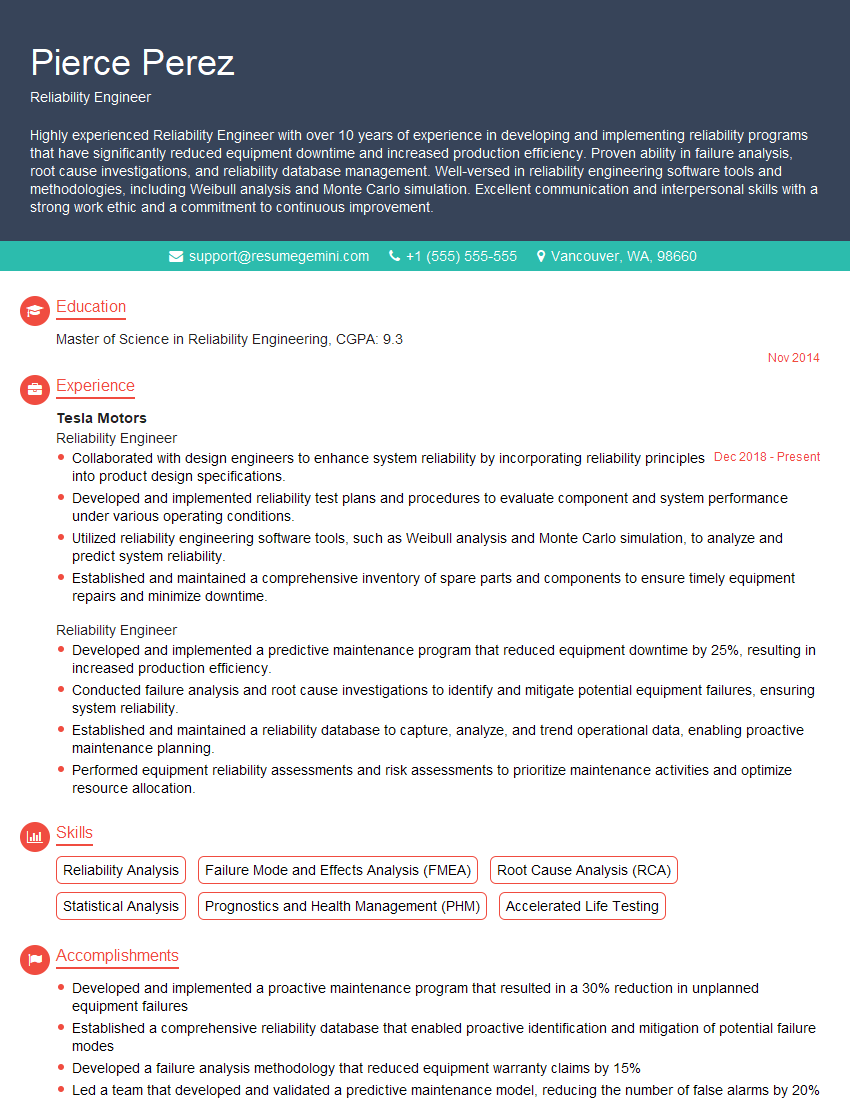
Reliability Engineer Resume Sample
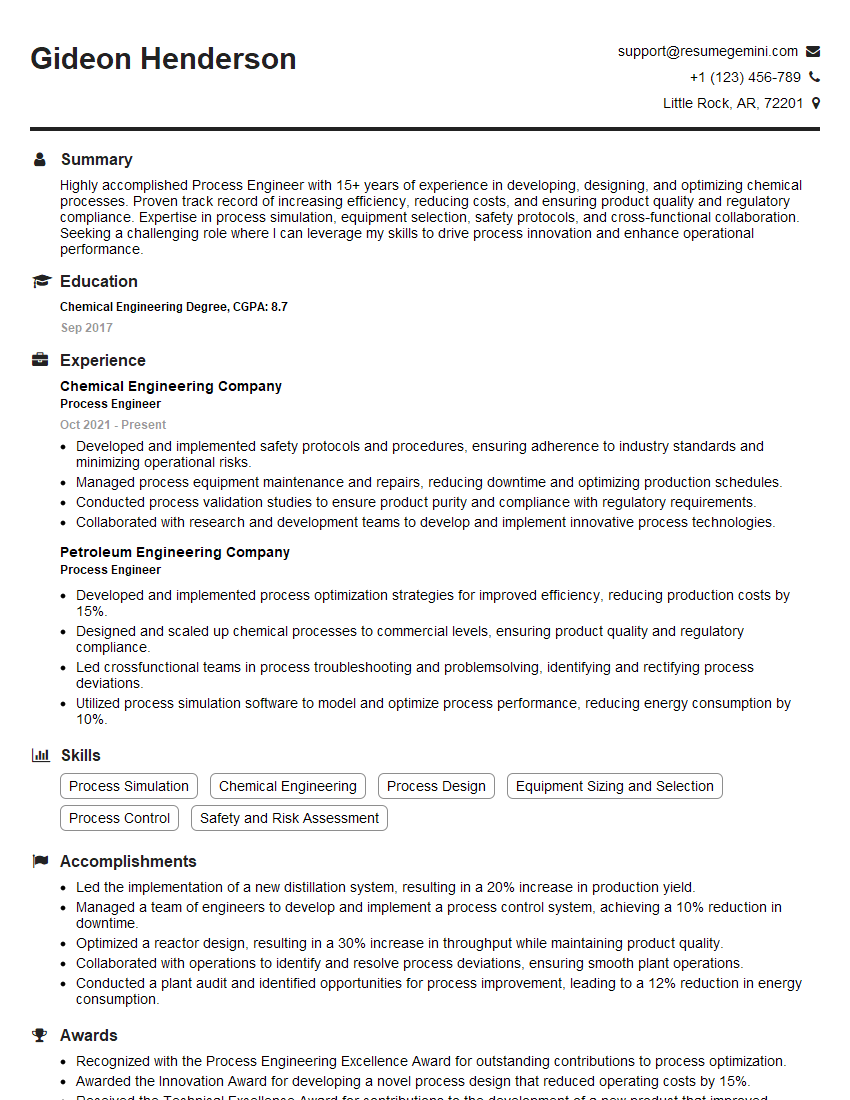
Process Engineer Resume Sample
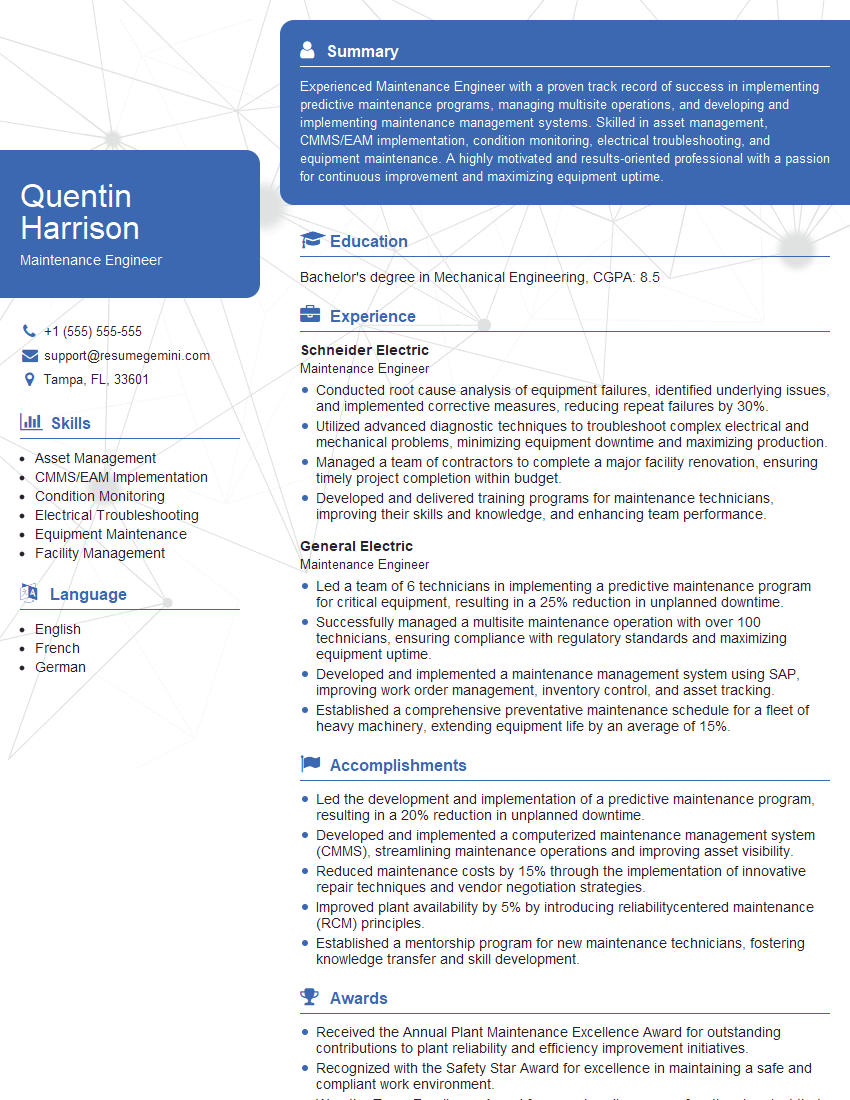
Maintenance Engineer Resume Sample

Manufacturing Engineer Resume Sample

Materials Engineer Resume Sample
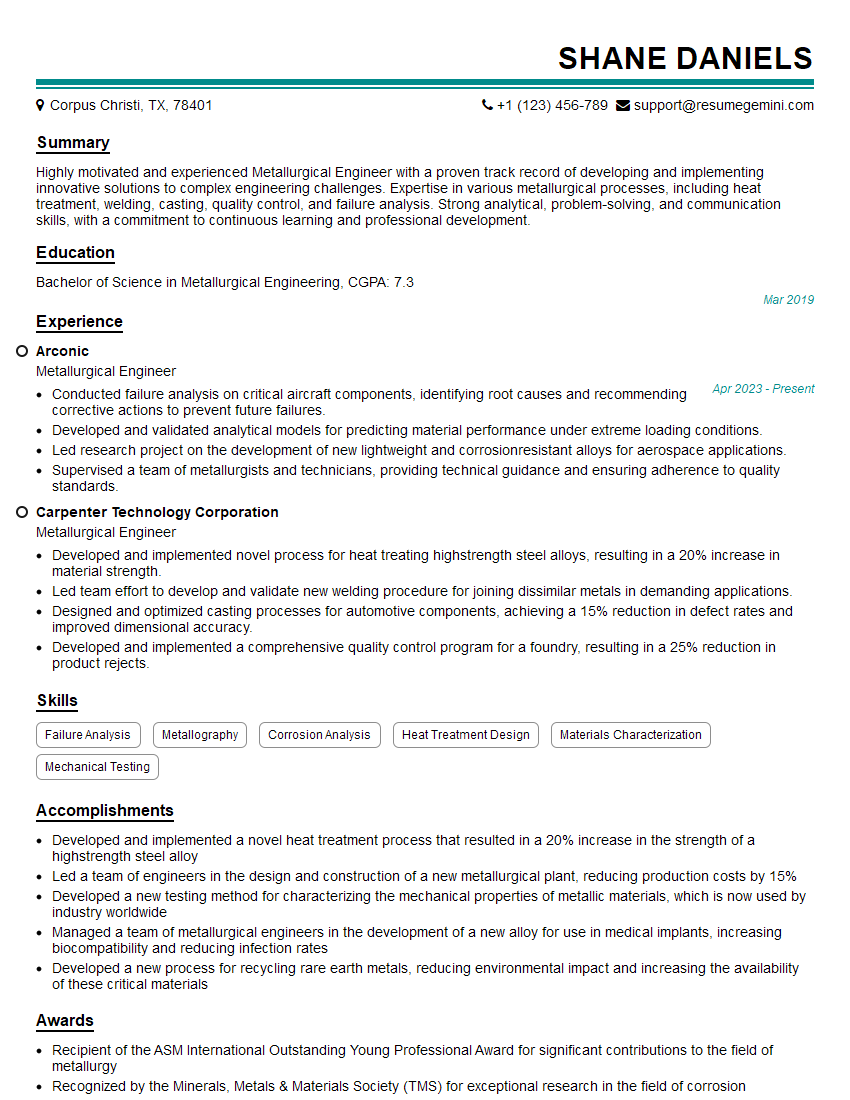
Metallurgical Engineer Resume Sample

Quality Assurance Engineer Resume Sample
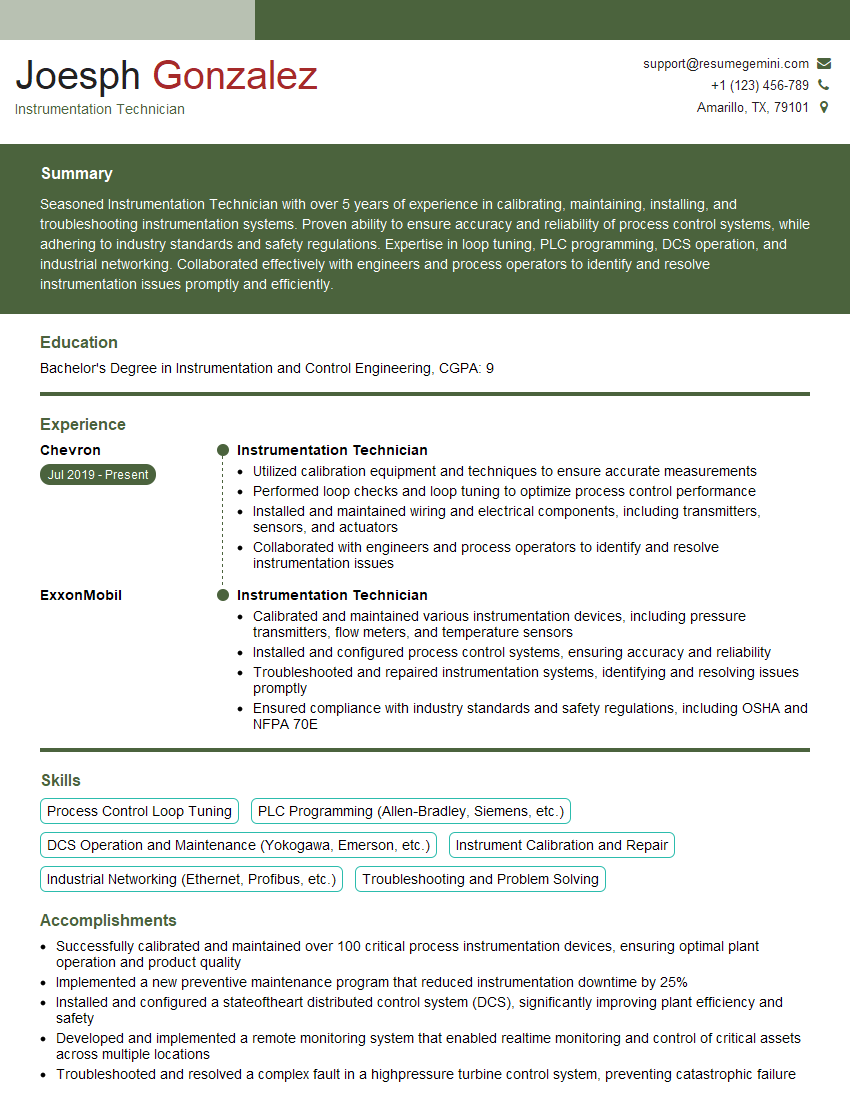
Instrumentation Technician Resume Sample

Field Technician Resume Sample
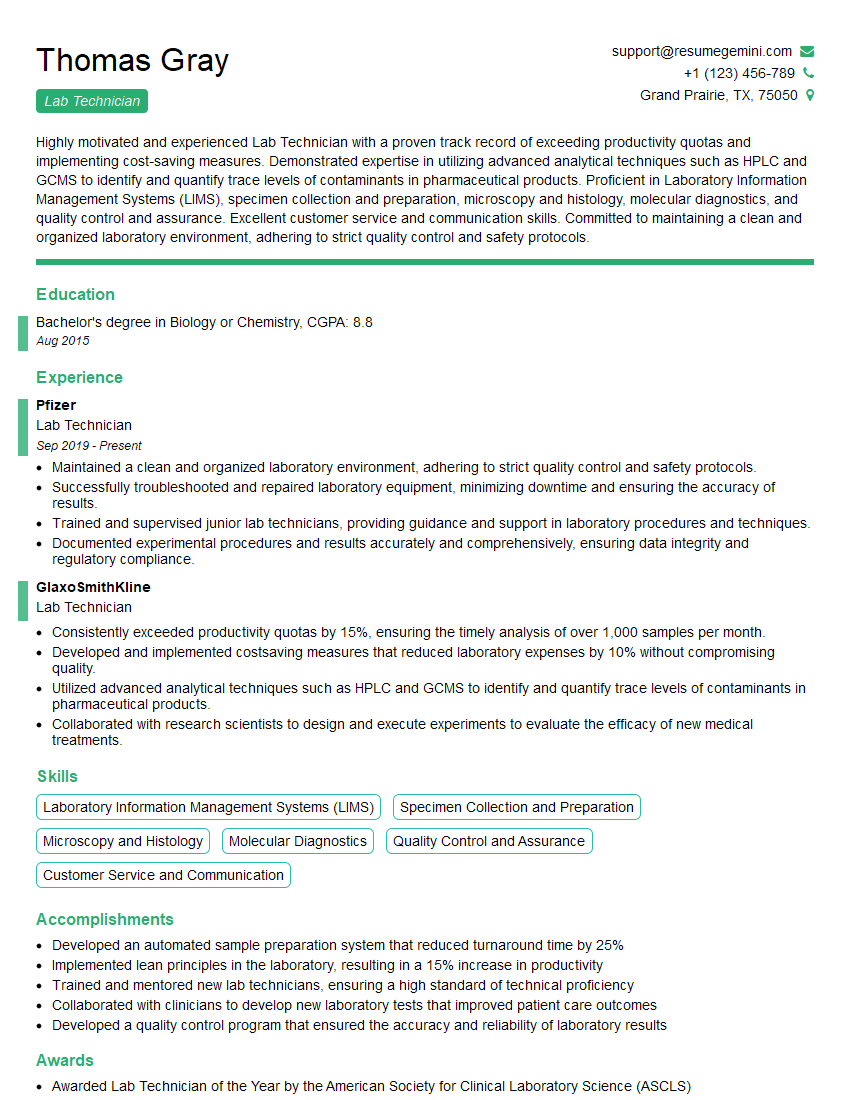
Lab Technician Resume Sample

Quality Control Inspector Resume Sample
Explore more articles
Users Rating of Our Blogs
Share Your Experience
We value your feedback! Please rate our content and share your thoughts (optional).
What Readers Say About Our Blog
Very informative content, great job.
good