Are you ready to stand out in your next interview? Understanding and preparing for OHSA Compliance interview questions is a game-changer. In this blog, we’ve compiled key questions and expert advice to help you showcase your skills with confidence and precision. Let’s get started on your journey to acing the interview.
Questions Asked in OHSA Compliance Interview
Q 1. Explain the key components of an effective OHSA compliance program.
An effective OSHA compliance program is the cornerstone of a safe and healthy workplace. It’s not just about ticking boxes; it’s about fostering a culture of safety where everyone feels responsible and empowered to contribute. Key components include:
- Management Commitment and Employee Involvement: Leadership must visibly champion safety, allocating resources and actively participating. Employee involvement is crucial – their insights are invaluable in identifying hazards.
- Hazard Identification and Assessment: Regularly identifying and assessing potential hazards through methods like job hazard analyses (JHAs), workplace inspections, and incident investigations. This involves understanding the nature of the hazard, its severity, and the likelihood of exposure.
- Hazard Prevention and Control: Implementing engineering controls (e.g., machine guarding), administrative controls (e.g., work procedures), and personal protective equipment (PPE) to eliminate or mitigate identified hazards. This prioritizes hierarchy of controls, starting with elimination, then substitution, engineering, administrative, and finally PPE.
- Safety Training and Education: Providing comprehensive and job-specific safety training to all employees, including new hires and refresher courses for existing employees. Training should be engaging, relevant, and readily accessible.
- Emergency Planning and Response: Developing and practicing emergency action plans to address various scenarios, including fire, chemical spills, and medical emergencies. This includes training employees on emergency procedures and ensuring adequate emergency equipment.
- Recordkeeping and Reporting: Maintaining accurate and complete records of safety incidents, inspections, training, and other compliance-related activities. This helps track progress, identify trends, and demonstrate compliance to OSHA.
- Ongoing Evaluation and Improvement: Regularly reviewing the effectiveness of the safety program through audits, safety committee meetings, and performance indicators. Continuous improvement is key to adapting to changing workplace conditions and industry best practices.
For example, a construction company might implement a program including JHA’s for each project, daily safety talks, and regular equipment inspections to prevent falls from heights, one of the leading causes of injury in construction.
Q 2. Describe your experience conducting OHSA inspections and audits.
Throughout my career, I’ve conducted numerous OSHA inspections and audits across diverse industries, from manufacturing and construction to healthcare and retail. My approach is thorough and systematic. I begin with a review of the company’s safety program documentation, then conduct a walkthrough of the facility, observing work practices and identifying potential hazards. I interview employees at all levels to gather firsthand perspectives on safety concerns and practices.
During audits, I assess compliance with applicable OSHA standards, reviewing training records, incident reports, and safety committee minutes. I utilize checklists and standardized procedures to ensure consistency and objectivity. My findings are documented in detailed reports, including recommendations for corrective actions. I’ve successfully helped several companies identify and address significant safety deficiencies, resulting in reduced incident rates and improved workplace safety cultures. For example, I once identified a significant lack of machine guarding in a manufacturing facility, which resulted in immediate corrective actions and a comprehensive retraining program for all operators.
Q 3. How do you identify and assess workplace hazards?
Identifying and assessing workplace hazards is a multi-faceted process that requires a keen eye for detail and a thorough understanding of OSHA regulations. My approach utilizes a combination of methods:
- Walkthrough Inspections: Physically inspecting the workplace to identify potential hazards, paying close attention to details like housekeeping, machine guarding, and employee work practices.
- Job Hazard Analyses (JHAs): Systematically examining each job task to identify potential hazards and control measures. This involves breaking down each task into steps and identifying potential hazards at each stage.
- Incident Investigations: Thoroughly investigating workplace accidents and incidents to identify root causes and contributing factors, which often reveal previously unidentified hazards.
- Employee Input: Actively soliciting feedback from employees through interviews, safety meetings, and suggestion boxes. Employees often have valuable insights into hazards that management might overlook.
- OSHA Standards Review: Regularly reviewing relevant OSHA standards to ensure compliance and stay updated on best practices.
For example, during a walkthrough inspection of a warehouse, I might identify inadequate lighting, resulting in a higher risk of slips, trips, and falls. A JHA for operating a forklift might highlight the risk of collisions and the need for proper training and vehicle maintenance.
Q 4. What are your strategies for mitigating identified hazards?
Mitigating identified hazards requires a strategic and hierarchical approach. My strategy prioritizes the following:
- Elimination: The most effective way to control a hazard is to eliminate it entirely. For example, replacing a hazardous chemical with a safer alternative.
- Substitution: If elimination is not feasible, substituting the hazard with a less hazardous alternative. For instance, replacing a manual material handling task with a mechanized system.
- Engineering Controls: Implementing physical changes to the workplace to reduce hazard exposure. Examples include installing machine guards, improving ventilation, or providing better lighting.
- Administrative Controls: Modifying work practices, procedures, or schedules to reduce exposure to hazards. This includes implementing lockout/tagout procedures, rotating employees out of hazardous tasks, or establishing work permits.
- Personal Protective Equipment (PPE): Providing and ensuring the proper use of PPE as a last resort when other controls are insufficient. This includes providing appropriate safety glasses, hearing protection, and respiratory protection.
For instance, if a JHA identified a risk of chemical burns during a cleaning process, I might recommend substituting a less corrosive cleaner, installing an eyewash station as an engineering control, implementing a detailed cleaning procedure as an administrative control, and supplying chemical-resistant gloves as PPE.
Q 5. How do you develop and implement safety training programs?
Developing and implementing effective safety training programs is vital for ensuring a safe workplace. My approach focuses on:
- Needs Assessment: Identifying the specific training needs of employees based on job tasks, hazard assessments, and incident investigations.
- Curriculum Development: Creating engaging and informative training materials, including presentations, videos, and hands-on exercises, tailored to the specific needs of the employees.
- Delivery Methods: Utilizing a variety of training methods, such as classroom instruction, online modules, and on-the-job training, to cater to different learning styles.
- Interactive and Engaging Content: Using interactive elements, real-world examples, and case studies to make the training more engaging and memorable.
- Evaluation and Feedback: Assessing the effectiveness of the training program through tests, quizzes, observations, and feedback from employees.
- Documentation: Maintaining accurate records of training attendance, completion, and assessment results.
For example, a training program for forklift operators might include classroom instruction on safe operating procedures, hands-on practice in a designated area, and regular refresher training to reinforce safe practices.
Q 6. Explain your understanding of OSHA recordkeeping requirements.
OSHA recordkeeping requirements are crucial for demonstrating compliance and identifying areas for improvement. These requirements vary depending on the size and type of workplace, but generally include:
- OSHA 300 Log: Recording work-related injuries and illnesses. This log summarizes the number and types of work-related injuries and illnesses that occurred during the year.
- OSHA 300A Summary: Summarizing the information from the OSHA 300 log and posting it for employees to view.
- OSHA 301 Incident Report: Providing more detailed information about each work-related injury or illness.
- Employee Medical Records: Maintaining confidential medical records for employees who experienced work-related injuries or illnesses.
Accurate and complete recordkeeping is essential for identifying trends, preventing future incidents, and demonstrating compliance during OSHA inspections. Failure to maintain accurate records can result in significant penalties. The key is consistency and timely completion of all required forms. Electronic recordkeeping systems can help streamline this process, making it easier to manage and access the information.
Q 7. Describe your experience investigating workplace accidents and incidents.
Investigating workplace accidents and incidents is a critical part of an effective safety program. My approach involves a thorough and systematic process:
- Secure the Scene: Ensuring the safety of everyone involved and preventing further injuries or damage.
- Gather Information: Collecting evidence such as witness statements, photographs, videos, and equipment records.
- Identify Witnesses: Interviewing witnesses to understand the sequence of events leading up to the incident.
- Analyze the Evidence: Carefully examining the evidence to identify contributing factors and root causes of the incident.
- Develop Corrective Actions: Implementing measures to prevent similar incidents from occurring in the future. This might involve changing work practices, improving equipment, or enhancing training.
- Document Findings: Preparing a detailed report summarizing the findings and recommendations.
For example, if a worker was injured while operating a machine, the investigation would involve reviewing machine maintenance logs, operator training records, and witness statements. This analysis might uncover a lack of proper machine guarding or inadequate operator training, leading to recommendations for corrective actions.
Q 8. How do you ensure compliance with OSHA regulations on PPE?
Ensuring OSHA compliance with Personal Protective Equipment (PPE) regulations involves a multi-faceted approach. It begins with a thorough hazard assessment to identify the specific risks faced by employees in their work environment. This assessment dictates the appropriate PPE needed. For example, if employees work with hazardous chemicals, respirators, gloves, and eye protection might be necessary. If they work at heights, harnesses and fall arrest systems would be essential.
Next, we need to select PPE that meets or exceeds OSHA standards. This means verifying that the chosen PPE is certified and appropriate for the identified hazards. The selection process also considers factors like employee comfort and fit to ensure proper usage. Poorly fitting PPE is ineffective and can even create new hazards.
Once selected, we implement a comprehensive training program. Employees must be trained on the proper use, limitations, and maintenance of their PPE. This includes hands-on practice and regular refresher courses. Furthermore, we establish a clear procedure for inspecting, storing, and replacing damaged or worn-out PPE. A regular inventory system ensures sufficient quantities are always available. Finally, we monitor PPE usage through regular observations and inspections, ensuring compliance and addressing any issues promptly.
For instance, in a construction setting, I would ensure all workers wear hard hats, safety glasses, and high-visibility clothing, tailored to the specific tasks. Regular inspections for wear and tear, coupled with proper training, are key to minimizing accidents. We’d also have readily available replacements and a clear procedure for reporting any damage.
Q 9. Explain your knowledge of OSHA’s lockout/tagout procedures.
OSHA’s lockout/tagout (LOTO) procedures are crucial for preventing accidental energization of machines during maintenance or repair. LOTO ensures that hazardous energy sources, like electrical, hydraulic, pneumatic, or mechanical, are isolated and rendered incapable of unexpected release. The procedure is designed to protect workers from serious injury or death.
My understanding encompasses all aspects of the LOTO process, starting with the identification of hazardous energy sources. Then, a detailed plan is developed outlining the steps required to isolate the energy source, apply lockout devices (locks) and tagout devices (tags) to indicate that the equipment is out of service. This step requires training of authorized personnel to correctly use the various lockout/tagout devices applicable to the equipment.
Following the isolation, verification that the energy source is indeed deactivated is critical. This is usually done by an independent person. After the maintenance or repair, the authorized person removes the lockout/tagout devices only after confirming the equipment is safe to re-energize. Throughout this entire process, meticulous documentation and regular inspections of the equipment and LOTO procedures are essential.
Imagine a scenario where a mechanic is working on a large industrial press. A comprehensive LOTO process would ensure that the power supply is disconnected, locked out, and tagged, and that all stored energy (like compressed air or hydraulic pressure) is released before the mechanic begins work. The procedure would also outline the steps for verifying that the energy is deactivated and the safe re-energization procedure once the work is complete.
Q 10. How do you handle employee complaints related to safety concerns?
Addressing employee safety concerns is paramount. I have a system in place where employees can easily report any safety-related issue without fear of retribution. This often involves multiple channels – a dedicated suggestion box, regular safety meetings, and a formal reporting system with a clear chain of command. I believe that open communication is key to preventing accidents and fostering a safe work environment.
When a complaint is received, the first step is to acknowledge it immediately and conduct a thorough investigation. This investigation involves interviewing the employee, examining the reported hazard, and identifying any contributing factors. The findings are documented, and appropriate corrective actions are determined and implemented. The employee is kept informed throughout the process and the resolution is documented.
For example, if an employee complains about insufficient lighting in a particular work area, a thorough investigation would entail measuring the light levels, assessing the potential risks associated with inadequate illumination, and implementing a corrective action plan, such as installing additional lights or improving the existing lighting system. Furthermore, I’d follow up with the employee to ensure their concerns have been addressed effectively and that they feel heard and valued.
Q 11. Describe your experience with hazard communication programs.
A robust hazard communication program is fundamental to OSHA compliance. It ensures that employees are informed about the hazards associated with the chemicals and materials they handle in their work. The program revolves around the creation and maintenance of Safety Data Sheets (SDSs), formerly known as Material Safety Data Sheets (MSDSs), for each hazardous chemical present in the workplace.
The SDSs provide comprehensive information on the chemical’s properties, hazards, safe handling procedures, emergency response measures, and personal protective equipment requirements. The program also includes labeling requirements, ensuring that containers of hazardous chemicals are properly labeled with clear and concise hazard warnings. This labeling is crucial for identifying potential dangers at a glance.
Beyond SDSs and labeling, an effective hazard communication program involves providing training to employees on how to understand and interpret SDSs, recognize hazards, and follow safe work practices. This training should be tailored to the specific hazards present in the workplace and should be provided regularly to ensure that employees are up-to-date on the latest safety information. Regular audits ensure ongoing compliance.
For instance, in a laboratory setting, I would ensure that all chemicals are properly labeled, that SDSs are readily accessible, and that lab personnel receive regular training on the safe handling and disposal of hazardous materials. This would also include demonstrations of emergency procedures and the proper use of PPE.
Q 12. How do you manage and track safety data and metrics?
Managing and tracking safety data and metrics is crucial for continuous improvement and demonstrating OSHA compliance. This involves collecting data on various safety-related incidents, including near misses, accidents, injuries, and illnesses. This data is essential for identifying trends, pinpointing areas for improvement, and measuring the effectiveness of safety programs.
Several methods exist for data collection, including incident reports, safety inspections, and employee surveys. The collected data is then analyzed using various tools and techniques, including statistical analysis and trend identification. This analysis helps identify root causes of safety incidents and allows for the development of targeted prevention strategies.
We use a dedicated safety management software to track key metrics, such as incident rates, lost workday rates, and compliance rates. This software allows us to generate reports, track progress over time, and identify areas where further intervention is needed. Regular reporting to management and employees keeps everyone informed of the safety performance of the organization and allows for quick adjustments in the strategy if necessary.
For example, if we see a spike in hand injuries, we would analyze the data to determine the root cause (e.g., inadequate training on machine operation, lack of proper gloves). We would then implement corrective actions, such as additional training, improved safety procedures, or providing better-fitting gloves. The software would then track the effectiveness of our implemented changes, measuring improvements in hand injury rates over time.
Q 13. What is your experience with developing and implementing emergency action plans?
Developing and implementing effective emergency action plans (EAPs) is critical for responding to workplace emergencies efficiently and safely. An EAP outlines procedures for reporting emergencies, evacuating the workplace, accounting for employees, and providing first aid. The plan is tailored to the specific hazards present in the work environment and the unique characteristics of the facility.
The process begins with a thorough hazard assessment to identify potential emergencies, such as fires, chemical spills, or natural disasters. Then, detailed procedures are developed for each type of emergency. This includes escape routes, assembly points, communication protocols, and emergency contact information. The plan includes training for employees on how to respond effectively during various emergencies.
Regular drills and exercises are conducted to ensure that employees are familiar with the plan and can effectively execute the procedures. The EAP is reviewed and updated periodically to reflect changes in the workplace, and also to incorporate lessons learned from past incidents. Clear signage and communication of the EAP are crucial for quick and effective response in an emergency.
For example, in an office building, the EAP might outline procedures for evacuating the building in case of a fire, including designated escape routes, assembly points, and communication methods for notifying employees. It might also include procedures for responding to a bomb threat or other security-related incidents. The plan would be regularly practiced through drills to ensure everyone is prepared.
Q 14. Explain your understanding of OSHA’s general duty clause.
OSHA’s General Duty Clause, found in Section 5(a)(1) of the Occupational Safety and Health Act, is a fundamental provision that requires employers to provide a workplace free from recognized hazards that cause or are likely to cause death or serious physical harm to employees. This is a broad mandate that covers hazards not specifically addressed by other OSHA regulations.
It essentially states that even if a specific OSHA standard doesn’t exist for a particular hazard, employers still have a legal responsibility to identify and control that hazard. The clause emphasizes the employer’s duty to proactively identify and eliminate or control hazards, even those not explicitly covered by regulations. This involves conducting thorough hazard assessments, implementing appropriate controls, and maintaining a safe work environment.
For example, if a new technology is introduced into a workplace, and the associated risks are not explicitly addressed in an existing OSHA standard, the employer is still responsible under the General Duty Clause for identifying those risks and implementing appropriate safety measures. This might involve researching the technology, consulting with experts, or developing new safety procedures to mitigate any potential hazards. The employer must be able to demonstrate that they have taken reasonable steps to protect their employees.
The General Duty Clause is often invoked in cases where an employer fails to address a known hazard, regardless of whether there is a specific OSHA standard for that hazard. It underscores the principle that employers have a fundamental responsibility to protect their employees’ safety and health.
Q 15. How do you conduct a job hazard analysis?
A Job Hazard Analysis (JHA) is a systematic process to identify hazards and assess risks associated with a specific job task. It’s like creating a safety blueprint before starting a project. The goal is to proactively prevent injuries and illnesses.
My approach involves a multi-step process:
- Task Breakdown: We meticulously break down the job into individual steps. For example, if the job is ‘changing a lightbulb,’ steps would include: accessing the ladder, turning off the power, removing the old bulb, installing the new bulb, and returning the ladder.
- Hazard Identification: For each step, we identify potential hazards. In our lightbulb example: electrical shock, falls from the ladder, cuts from broken glass.
- Risk Assessment: We assess the likelihood and severity of each hazard. A fall from a ladder has a high likelihood and high severity, while a minor cut has lower likelihood and severity.
- Control Measures: We brainstorm and implement control measures to mitigate the risks. This might include using insulated tools, employing a spotter for ladder work, using safety glasses, and proper disposal of broken glass.
- Documentation: We thoroughly document the entire process, including the identified hazards, risk assessments, and control measures. This becomes a living document, reviewed and updated regularly.
I’ve successfully used this method in various settings, including manufacturing, construction, and office environments, significantly reducing workplace incidents.
Career Expert Tips:
- Ace those interviews! Prepare effectively by reviewing the Top 50 Most Common Interview Questions on ResumeGemini.
- Navigate your job search with confidence! Explore a wide range of Career Tips on ResumeGemini. Learn about common challenges and recommendations to overcome them.
- Craft the perfect resume! Master the Art of Resume Writing with ResumeGemini’s guide. Showcase your unique qualifications and achievements effectively.
- Don’t miss out on holiday savings! Build your dream resume with ResumeGemini’s ATS optimized templates.
Q 16. What is your experience with OSHA’s process safety management (PSM) standard?
OSHA’s Process Safety Management (PSM) standard is crucial for facilities handling hazardous chemicals. It’s a comprehensive framework designed to prevent catastrophic releases of these substances. Think of it as a comprehensive safety net for high-risk operations.
My experience includes developing and implementing PSM programs, encompassing:
- Hazard Identification & Risk Assessment: Conducting thorough process hazard analyses (PHAs) using techniques like What-If/Checklist, HAZOP (Hazard and Operability Study), and Fault Tree Analysis.
- Operating Procedures: Developing and maintaining detailed, standardized operating procedures (SOPs) for all critical processes.
- Employee Training: Providing comprehensive training to employees on process safety, emergency response, and safe operating procedures.
- Mechanical Integrity: Implementing programs to ensure the proper maintenance and inspection of critical equipment, preventing equipment failures that could lead to releases.
- Emergency Planning & Response: Developing and practicing emergency response plans, including drills and simulations.
I have a strong understanding of the nuances of the PSM standard and its applicability across diverse industries, ensuring compliance through rigorous program development and ongoing audits.
Q 17. Describe your experience with confined space entry procedures.
Confined space entry requires meticulous planning and execution to prevent serious injuries or fatalities. A confined space is any area that has limited access and egress, presents a potential hazard due to its configuration, and lacks sufficient ventilation.
My experience includes:
- Permit-Required Confined Space Program Development: Creating comprehensive programs that outline entry procedures, hazard identification, atmospheric monitoring, rescue plans, and emergency response protocols.
- Atmospheric Monitoring: Performing atmospheric testing before, during, and after entry to assess oxygen levels, flammability, and toxic gases. We never compromise on this critical step.
- Entry Procedures: Following strict entry procedures, ensuring proper ventilation, communication, and the presence of an attendant and rescue team.
- Rescue Plan Development: Developing and regularly practicing detailed rescue plans, accounting for various potential scenarios.
- Training: Providing extensive training to personnel on confined space hazards, entry procedures, and rescue techniques.
I’ve successfully managed numerous confined space entry operations, prioritizing safety and adhering to OSHA’s stringent requirements.
Q 18. How do you ensure compliance with OSHA’s requirements for respiratory protection?
OSHA’s respiratory protection standard ensures that workers using respirators are adequately protected from airborne hazards. Think of it as a vital shield against invisible dangers.
To ensure compliance, we:
- Hazard Assessment: Thoroughly assess the workplace to identify respiratory hazards and determine the appropriate type of respirator needed.
- Respirator Selection: Select respirators based on the identified hazards, ensuring they are properly fitted and compatible with the worker’s physical characteristics.
- Medical Evaluation: Conduct medical evaluations to determine if workers are physically capable of wearing respirators.
- Fit Testing: Conduct fit testing to ensure a proper seal between the respirator and the worker’s face.
- Training: Provide comprehensive training on the proper use, maintenance, and limitations of respirators.
- Program Management: Establish a comprehensive respiratory protection program with written procedures, recordkeeping, and regular evaluations.
We treat respirator compliance as a top priority, actively managing the program and conducting regular audits to maintain effectiveness.
Q 19. How do you ensure compliance with OSHA’s requirements for hearing conservation?
OSHA’s hearing conservation standard aims to protect workers from noise-induced hearing loss. It’s crucial because hearing loss is irreversible.
Our compliance strategy involves:
- Noise Monitoring: Conducting noise level assessments to identify areas exceeding permissible exposure limits.
- Hearing Protection Selection: Providing appropriate hearing protection, such as earplugs or muffs, based on noise levels and worker preferences.
- Audiometric Testing: Performing baseline audiometric tests for all workers exposed to hazardous noise and periodic testing to monitor hearing changes.
- Training: Educating workers on the importance of hearing conservation, proper use of hearing protection, and recognition of hearing loss symptoms.
- Record Keeping: Maintaining accurate records of noise exposure levels, hearing test results, and training documentation.
- Engineering Controls: Implementing engineering controls like noise barriers or quieter machinery whenever feasible to reduce noise levels at the source.
We prioritize proactive measures, integrating hearing conservation into daily operations to maintain a safe acoustic environment.
Q 20. Explain your understanding of OSHA’s requirements for machine guarding.
OSHA’s machine guarding requirements are designed to prevent injuries from contact with moving machine parts. It’s about creating a physical barrier between the worker and danger.
These requirements emphasize the use of appropriate guards, which can include:
- Fixed Guards: Permanently attached guards that completely enclose dangerous parts.
- Interlocks: Guards that prevent machine operation unless the guard is in place.
- Two-Hand Controls: Requiring the operator to use both hands to operate the machine, preventing accidental contact.
- Presence-Sensing Devices: Sensors that detect the presence of a worker near moving parts and automatically shut down the machine.
I have extensive experience in conducting machine guarding assessments, ensuring that all machinery is properly guarded in compliance with OSHA standards. This includes regular inspections, maintenance, and employee training on safe machine operation.
Q 21. Describe your experience with conducting safety committee meetings.
Safety committee meetings are critical for fostering a culture of safety. They act as a forum for open communication and collaborative problem-solving.
My experience includes:
- Meeting Facilitation: Leading effective and engaging meetings, ensuring all members have a voice and contribute to discussions.
- Agenda Development: Creating structured agendas that address key safety concerns, review incident investigations, and discuss improvement initiatives.
- Minutes Recording: Maintaining accurate records of meeting discussions, action items, and decisions.
- Action Item Follow-Up: Tracking and monitoring the progress of action items identified during meetings, holding members accountable.
- Training & Development: Ensuring committee members receive necessary training on OSHA regulations and safety best practices.
I’ve found that well-facilitated safety committee meetings significantly enhance workplace safety by empowering employees and promoting continuous improvement.
Q 22. How do you communicate safety information to employees?
Effective communication is the cornerstone of a strong safety program. I employ a multi-faceted approach, ensuring safety information reaches every employee in a way they understand and can readily apply. This includes:
- Regular Safety Meetings: These aren’t just announcements; they’re interactive sessions focusing on current hazards, best practices, and recent incidents (without revealing identifying information, of course). We use real-life examples to drive home the importance of safety.
- Job-Specific Training: Generic safety training isn’t enough. Employees receive targeted training relevant to their roles and the specific hazards they encounter. This might include hands-on demonstrations, simulations, or videos tailored to their tasks.
- Visual Aids and Signage: Clear, concise signage and visual aids like posters and infographics are crucial, especially in noisy environments where verbal communication might be less effective. Images are powerful communication tools, particularly for multilingual workforces.
- Written Materials: Safety manuals, procedures, and checklists are readily available and written in plain language, avoiding technical jargon. I also ensure these are regularly updated and reviewed.
- Digital Platforms: Utilizing platforms like intranets or dedicated safety apps for updates, reminders, and quick access to resources keeps everyone informed and engaged.
- Feedback Mechanisms: Encouraging open communication through suggestion boxes, regular surveys, and informal discussions allows for proactive identification and resolution of safety concerns.
For example, during a recent project involving hazardous chemicals, we used interactive training videos demonstrating proper handling procedures and the consequences of improper use. We also distributed updated safety data sheets (SDS) and conducted practical demonstrations.
Q 23. What methods do you utilize for promoting a safety culture in the workplace?
Building a strong safety culture isn’t about rules; it’s about fostering a shared commitment to safety. My approach is based on several key strategies:
- Leadership Commitment: Visible and consistent support from top management is paramount. Leaders need to actively participate in safety initiatives, model safe behaviors, and address safety concerns promptly.
- Employee Empowerment: Employees should be encouraged to identify and report hazards without fear of reprisal. This requires establishing open communication channels and a culture of trust.
- Incentive Programs: Rewarding safe behaviors, like perfect safety records or proactive hazard identification, fosters positive reinforcement. However, it’s crucial these rewards are focused on behavior and not just compliance.
- Regular Safety Audits and Inspections: Proactive identification of hazards through regular inspections and employee involvement helps maintain a safe working environment.
- Continuous Improvement: Regularly reviewing safety performance, incident reports, and near misses allows for identifying areas for improvement and refining safety procedures. Using a systematic approach like Plan-Do-Check-Act (PDCA) is beneficial.
- Training and Development: Investing in safety training at all levels, from basic awareness to specialized skills, keeps everyone informed and competent.
For example, I once implemented a peer-to-peer safety observation program where employees were trained to identify and report unsafe acts and conditions. This initiative significantly increased hazard identification, leading to a considerable reduction in workplace incidents.
Q 24. How do you stay up-to-date with changes in OSHA regulations?
Staying current with OSHA regulations is crucial. I utilize several methods to ensure compliance:
- OSHA Website: I regularly review the OSHA website for updates, new standards, and enforcement guidelines.
- Industry Publications and Newsletters: Staying informed through relevant industry publications and newsletters helps me understand emerging safety concerns and best practices.
- Professional Organizations: Membership in professional organizations such as the American Society of Safety Professionals (ASSP) provides access to resources, training, and networking opportunities.
- Training Courses and Seminars: Participating in regular training courses and seminars keeps my knowledge up-to-date on emerging trends and regulatory changes.
- Subscription Services: Some specialized subscription services offer alerts and updates on specific OSHA regulations relevant to my industry.
For example, when OSHA updated its guidelines on respiratory protection, I immediately updated our training materials and procedures to reflect these changes.
Q 25. Describe a time you had to deal with a difficult safety issue. What was your approach?
I once faced a situation where a significant amount of asbestos was unexpectedly discovered during a renovation project. This presented a serious safety hazard. My approach was systematic:
- Immediate Action: I immediately halted all work in the affected area and secured the site to prevent further exposure. This was a priority to mitigate immediate risks.
- Expert Consultation: I engaged a certified asbestos abatement contractor to assess the situation and develop a remediation plan. This was important as handling asbestos incorrectly can have very serious repercussions.
- Employee Communication: I clearly communicated the situation to all employees, explaining the risks and the steps being taken to ensure their safety. Transparency is key in these situations.
- Compliance Documentation: I ensured all necessary documentation, including the remediation plan, air monitoring results, and worker training records, was thoroughly maintained and compliant with all relevant regulations.
- Post-Remediation Inspection: Once remediation was completed, a thorough inspection was conducted by an independent party to verify the effectiveness of the abatement efforts and to ensure safety of the work area.
This situation highlighted the critical importance of proactive hazard identification, emergency response planning, and maintaining detailed documentation. It solidified my commitment to thorough risk assessment and the use of professional expertise in high-stakes safety situations.
Q 26. What are your strengths and weaknesses regarding OHSA compliance?
Strengths: My strengths lie in my proactive approach to safety, my ability to communicate effectively with employees at all levels, and my thorough understanding of OSHA regulations. I’m detail-oriented, ensuring all procedures and documentation are meticulously handled. I possess strong problem-solving skills and the ability to remain calm under pressure, which is crucial in handling safety emergencies. I’m also adept at leveraging technology to improve safety processes.
Weaknesses: While I excel at identifying and mitigating known hazards, I’m continuously working on improving my ability to anticipate less obvious or emerging risks. To address this, I am actively seeking out advanced training in predictive risk assessment techniques. I also aim to further refine my skills in conflict resolution, particularly in situations involving employee resistance to safety protocols.
Q 27. How would you handle a situation where an employee refuses to follow safety procedures?
Addressing an employee’s refusal to follow safety procedures requires a measured and documented approach. My strategy would involve the following steps:
- Understanding the Reason: I would first try to understand the employee’s reasons for refusing to comply. Are they unclear about the procedure? Do they have concerns about the practicality or effectiveness of the procedure? Or is it something else?
- Re-Education and Clarification: I would re-explain the procedure, emphasizing the safety implications and offering additional training or clarification as needed. This is a chance to correct misinformation or misunderstanding.
- Progressive Discipline: If the refusal persists, I would implement a progressive discipline approach, as outlined in the company’s policies, which might include verbal warnings, written warnings, and ultimately, disciplinary action. This must be consistently and fairly applied.
- Documentation: Every step of the process—from initial conversations to disciplinary actions—would be meticulously documented. This documentation protects both the employee and the company.
- Involving HR: Human resources should be involved throughout the process to ensure fairness and compliance with company policies and labor laws.
The goal is to ensure employee safety while also maintaining a fair and consistent approach to discipline. Ignoring the issue is never an option.
Key Topics to Learn for Your OHSA Compliance Interview
- OSHA Regulations & Standards: Understand the core principles and key sections of the OSHA Act, including general industry standards and those specific to your target industry. Be prepared to discuss how these regulations translate into practical workplace safety measures.
- Hazard Identification & Risk Assessment: Master the process of identifying potential workplace hazards, evaluating their risks, and implementing control measures to mitigate those risks. Practice applying different risk assessment methodologies.
- Emergency Preparedness & Response: Demonstrate knowledge of developing and implementing emergency action plans, including evacuation procedures, emergency response teams, and appropriate training protocols. Be ready to discuss real-world scenarios and solutions.
- Incident Investigation & Reporting: Understand the process of investigating workplace incidents, documenting findings, and implementing corrective actions to prevent recurrence. Be familiar with OSHA’s recordkeeping requirements.
- Personal Protective Equipment (PPE): Showcase your expertise in selecting, fitting, and maintaining appropriate PPE for various workplace hazards. Be able to justify your choices based on risk assessment and regulatory compliance.
- Training & Employee Engagement: Discuss the importance of comprehensive safety training programs and effective methods for engaging employees in safety initiatives. Consider how to foster a strong safety culture within an organization.
- Inspections & Audits: Understand OSHA inspection procedures, common violations, and how to prepare for and conduct internal safety audits to proactively identify and address potential hazards.
- Compliance Programs & Documentation: Demonstrate your understanding of developing and maintaining a robust OSHA compliance program, including documentation requirements and record-keeping best practices.
Next Steps
Mastering OHSA Compliance is crucial for a successful and rewarding career in safety management. It demonstrates your commitment to protecting workers and building a safer work environment. To maximize your job prospects, creating a strong, ATS-friendly resume is essential. ResumeGemini is a trusted resource to help you build a professional and impactful resume that highlights your skills and experience effectively. We provide examples of resumes tailored to OHSA Compliance to guide you, ensuring your qualifications shine through to potential employers.
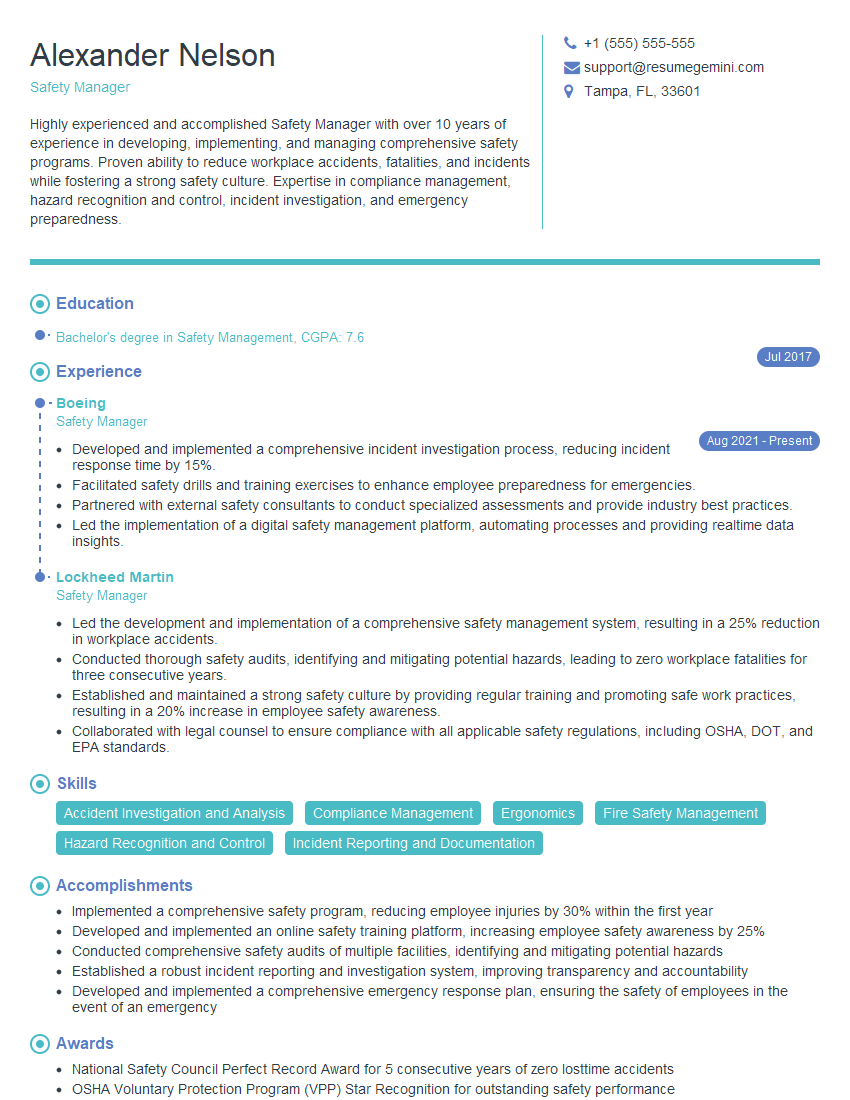
Safety Manager Resume Sample
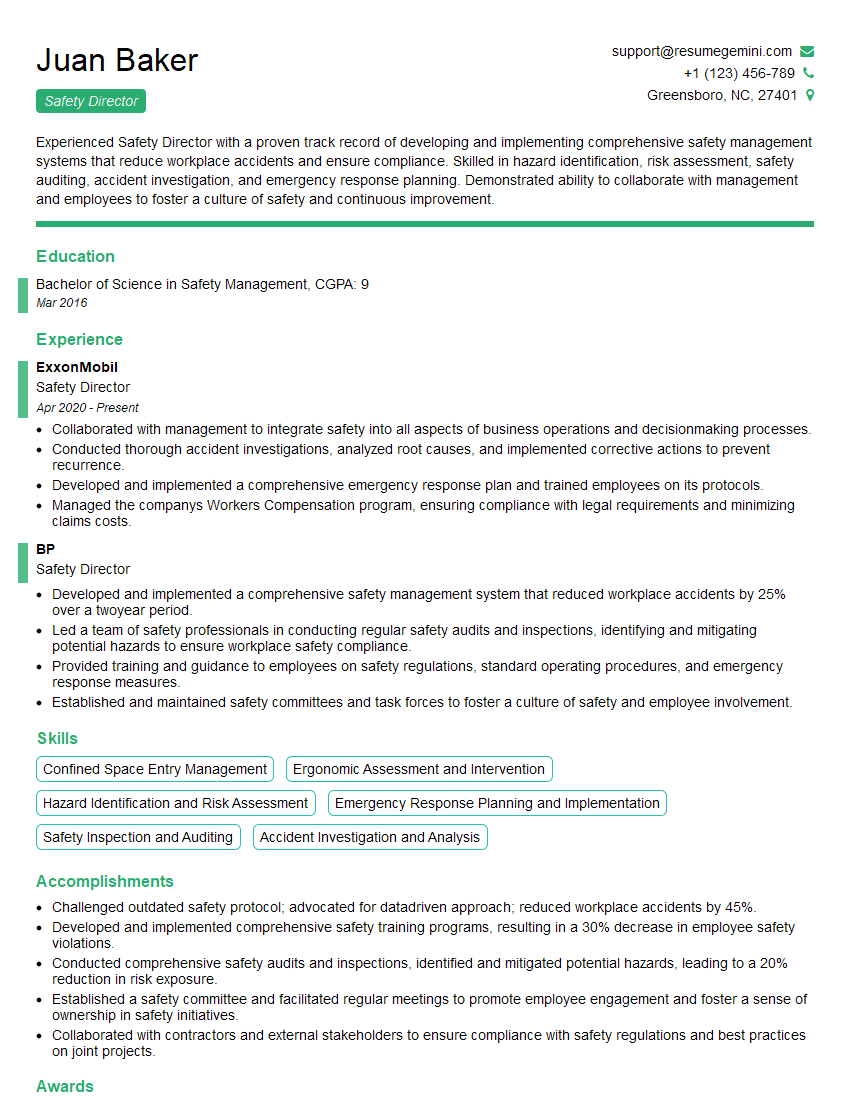
Safety Director Resume Sample
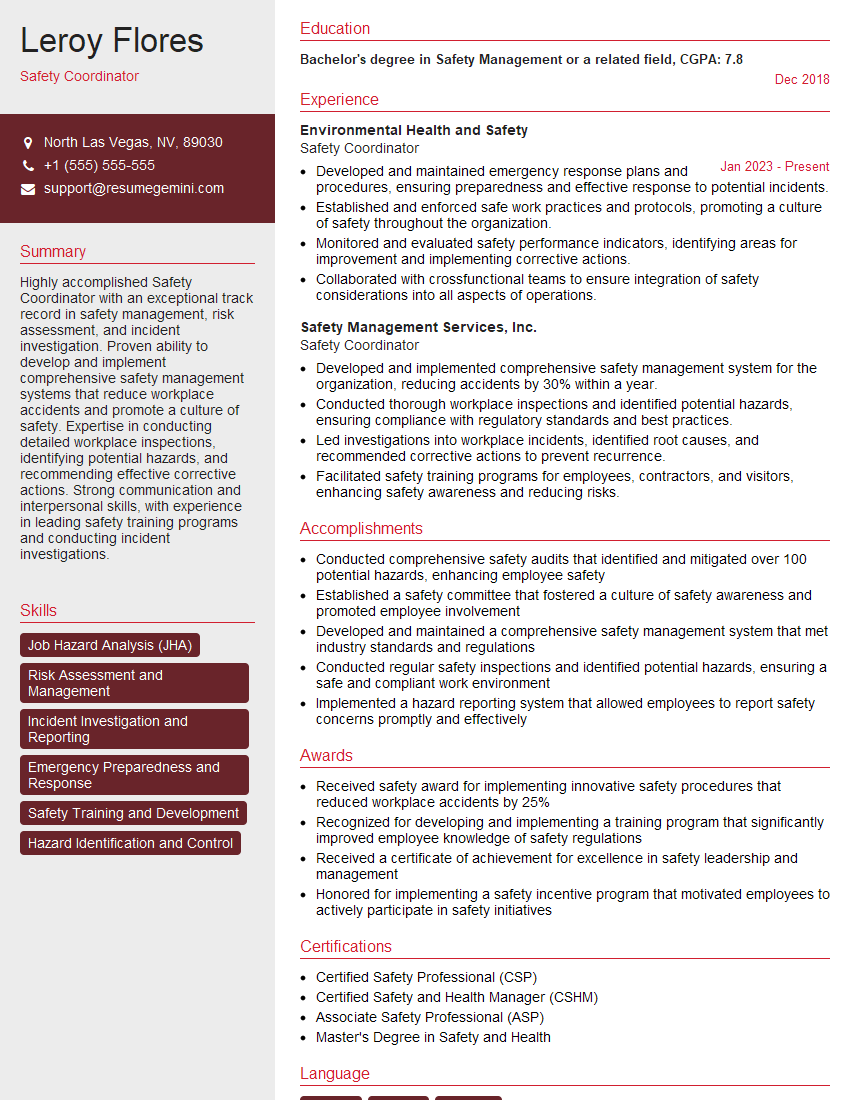
Safety Coordinator Resume Sample

Compliance Officer Resume Sample
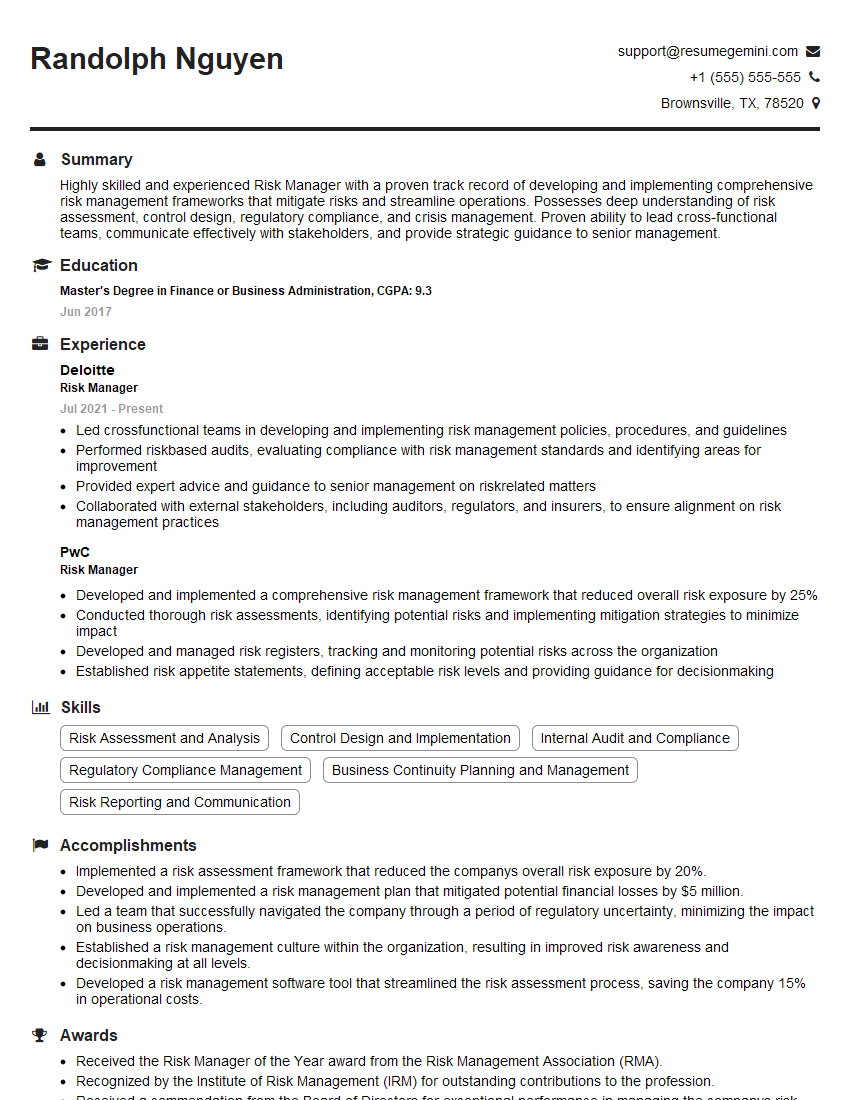
Risk Manager Resume Sample
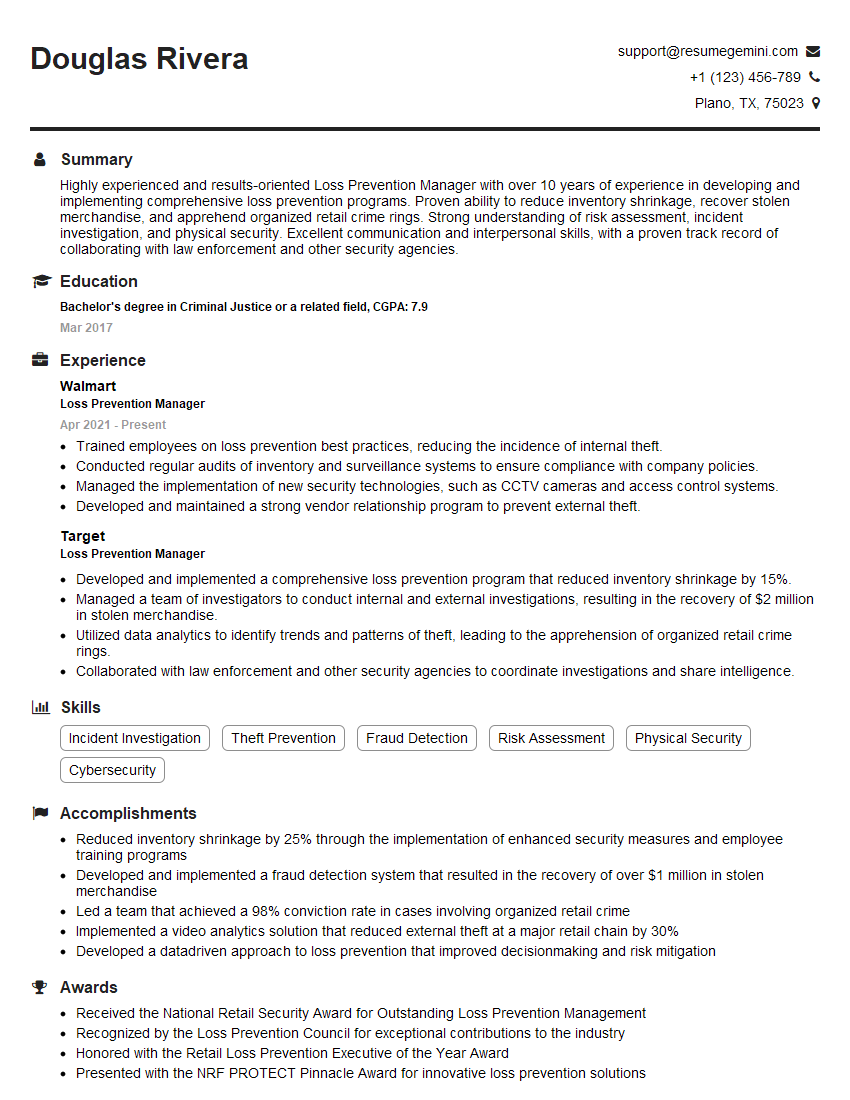
Loss Prevention Manager Resume Sample
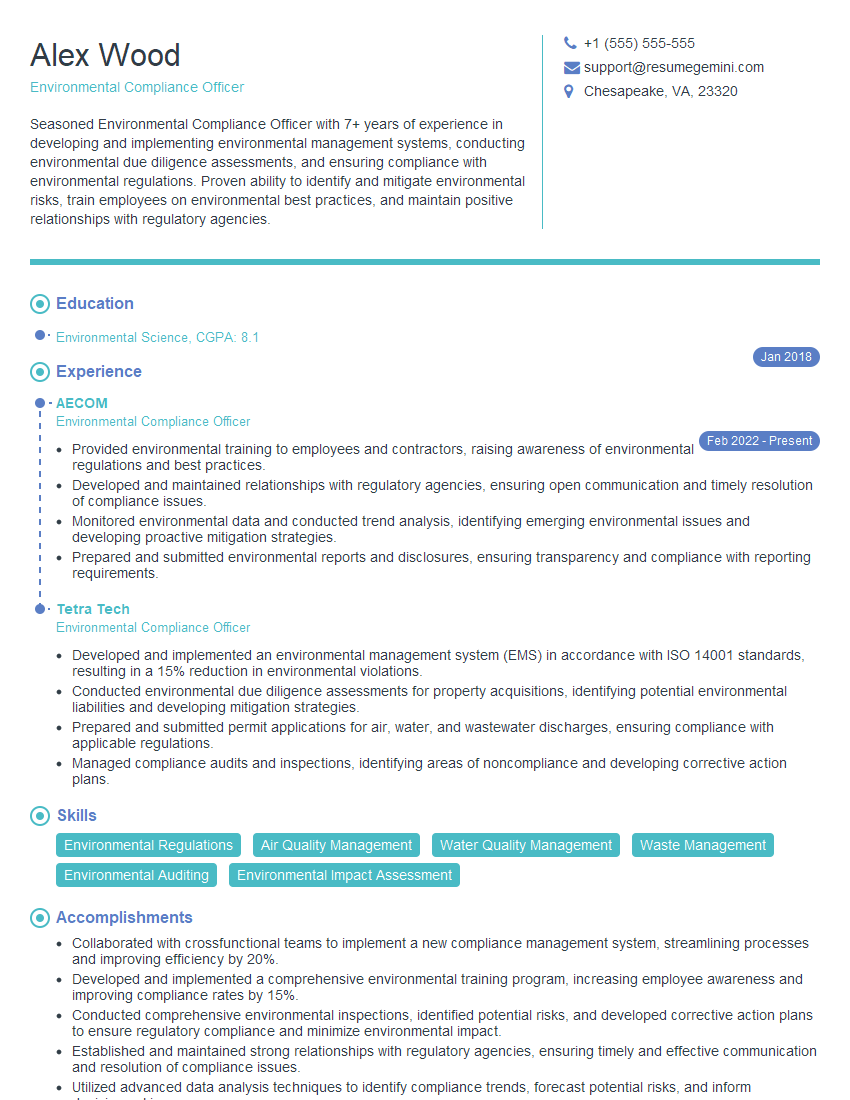
Environmental Compliance Officer Resume Sample
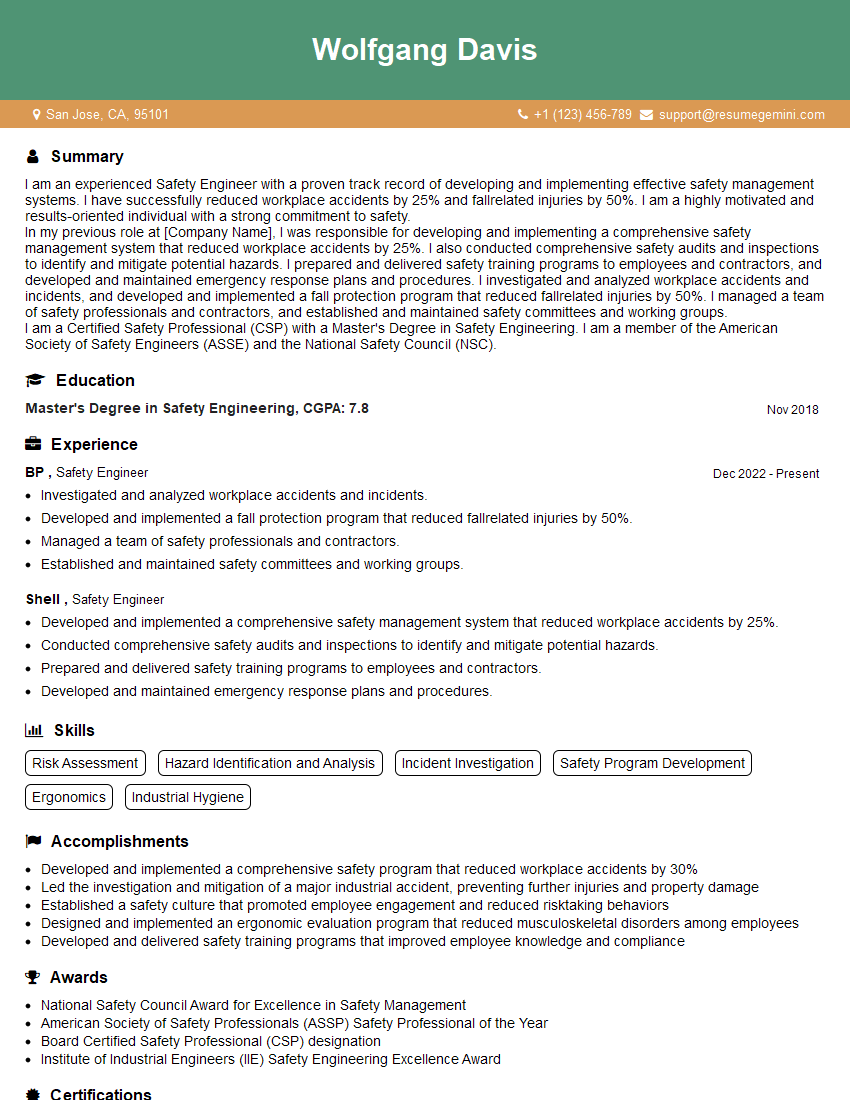
Safety Engineer Resume Sample
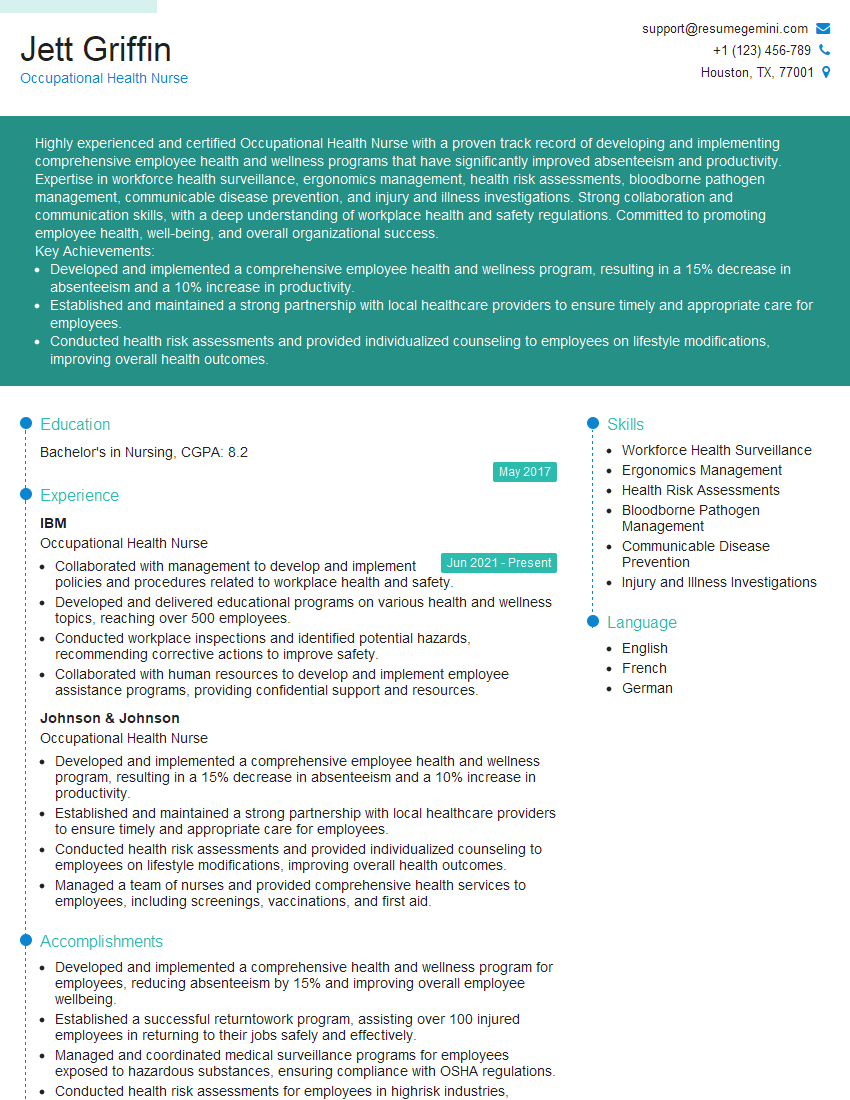
Occupational Health Nurse Resume Sample
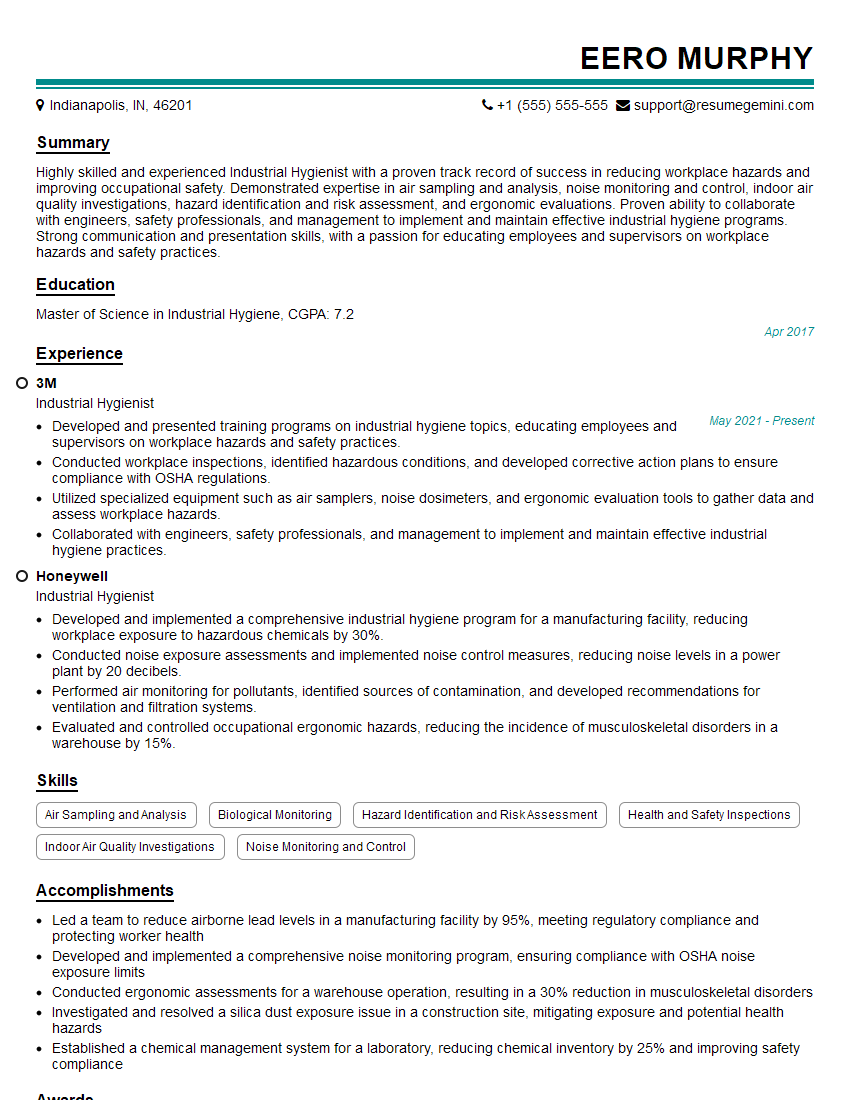
Industrial Hygienist Resume Sample
Explore more articles
Users Rating of Our Blogs
Share Your Experience
We value your feedback! Please rate our content and share your thoughts (optional).
What Readers Say About Our Blog
Very informative content, great job.
good