The thought of an interview can be nerve-wracking, but the right preparation can make all the difference. Explore this comprehensive guide to OHSA interview questions and gain the confidence you need to showcase your abilities and secure the role.
Questions Asked in OHSA Interview
Q 1. Describe your experience conducting workplace hazard assessments.
Conducting workplace hazard assessments is a systematic process of identifying potential hazards and evaluating the risks associated with them. It’s like a detective searching for clues to prevent accidents before they happen. My approach involves a multi-step process:
- Walkthrough Surveys: I physically walk through the workplace, observing operations and identifying potential hazards – anything from exposed wiring to inadequate lighting to ergonomic issues.
- Interviews: I interview employees at all levels to gather their perspectives on hazards and safety concerns. This helps identify issues that might not be immediately apparent.
- Documentation Review: I review existing safety documentation, such as incident reports, training records, and maintenance logs, to identify patterns and trends.
- Hazard Identification and Risk Assessment: Once hazards are identified, I assess the likelihood and severity of each hazard using a risk matrix (e.g., a 5×5 matrix). This helps prioritize which hazards require immediate attention.
- Control Measures: Based on the risk assessment, I recommend and implement control measures. These could range from engineering controls (e.g., machine guarding) to administrative controls (e.g., changing work procedures) and personal protective equipment (PPE) like safety glasses or hearing protection.
- Reporting and Documentation: I document the entire assessment process, including identified hazards, risk levels, control measures, and recommendations, making sure the report is easy to understand and actionable.
For example, in a manufacturing plant, I recently identified a high risk of slips and falls due to oil spills. By implementing improved cleaning procedures, providing spill kits, and improving employee training, we significantly reduced the risk.
Q 2. Explain your understanding of OSHA regulations and their application.
My understanding of OSHA regulations is comprehensive, extending beyond simple compliance to proactively integrating them into safety management systems. OSHA standards are the baseline, but I also consider relevant industry-specific standards and best practices. The application of these regulations depends heavily on the specific industry and workplace. For instance:
- General Industry Standards: These cover a wide range of hazards and apply to most workplaces, encompassing things like lockout/tagout procedures, hazard communication, and personal protective equipment.
- Construction Standards: These address the unique hazards in construction, like fall protection, trenching and excavation safety, and scaffolding.
- Maritime Standards: These address the hazards associated with marine activities.
Applying these regulations involves interpreting the standards, conducting inspections to verify compliance, and developing programs to address any identified deficiencies. It’s not simply about checking boxes; it’s about understanding the ‘why’ behind each regulation and ensuring it’s effectively implemented to create a safe working environment. Ignoring a seemingly minor regulation can have significant consequences, potentially leading to serious injuries or fatalities. For example, failure to implement proper lockout/tagout procedures can lead to electrocution or equipment malfunction.
Q 3. How do you develop and implement safety training programs?
Developing and implementing safety training programs is crucial for building a safety culture. My approach involves a needs analysis, designing the curriculum, delivering the training, and evaluating its effectiveness. Think of it as building a strong foundation for safety awareness:
- Needs Assessment: I identify training needs through hazard assessments, incident reports, and employee feedback. This helps tailor the training to address specific workplace hazards.
- Curriculum Design: I create training materials that are engaging, relevant, and easy to understand. This includes using a variety of methods such as videos, interactive exercises, and case studies.
- Training Delivery: I deliver the training using appropriate methods, such as classroom instruction, online modules, or on-the-job training. I ensure that the training is interactive and allows for questions and discussions.
- Evaluation: I evaluate the effectiveness of the training through methods like tests, observation, and feedback from employees. This helps to identify areas for improvement and ensures that the training is achieving its objectives.
For example, I recently developed a comprehensive training program on lockout/tagout procedures for a manufacturing plant. This involved hands-on training and regular reinforcement to ensure employee understanding and proper application of the procedures. The program reduced near-miss incidents by 30% within six months.
Q 4. What methods do you use to investigate workplace accidents and incidents?
Investigating workplace accidents and incidents requires a systematic and objective approach to determine the root causes and prevent future occurrences. It’s like solving a puzzle to find the missing pieces that led to the incident:
- Secure the Scene: My first priority is to secure the scene to prevent further injuries and preserve evidence.
- Gather Information: I collect information from various sources, including witness statements, incident reports, medical records, and photos of the scene.
- Analyze Data: I analyze the collected data to identify contributing factors and root causes. This often involves using techniques like fault tree analysis or fishbone diagrams.
- Develop Corrective Actions: Based on the root cause analysis, I develop corrective actions to prevent similar incidents from occurring. These actions could involve engineering controls, administrative controls, or employee training.
- Report and Follow Up: I prepare a comprehensive report summarizing the investigation findings, corrective actions, and recommendations. I follow up to ensure that the corrective actions are implemented and effective.
For example, in investigating a fall from height, I discovered inadequate fall protection measures and a lack of employee training. My recommendations included installing proper guardrails, providing fall protection equipment, and conducting comprehensive training on fall protection procedures.
Q 5. How do you ensure compliance with OHSA regulations and standards?
Ensuring compliance with OHSA regulations and standards is an ongoing process, not a one-time event. It requires a proactive and comprehensive approach that integrates safety into all aspects of the business. Think of it as building a safety net to protect against potential problems:
- Regular Inspections: I conduct regular workplace inspections to identify potential hazards and ensure that safety procedures are being followed.
- Employee Training: Providing regular and relevant safety training empowers employees to identify and report hazards.
- Record Keeping: Maintaining accurate and up-to-date records of inspections, training, and incidents helps demonstrate compliance and identify areas for improvement.
- Emergency Response Plan: Having a well-defined and regularly practiced emergency response plan is essential for protecting employees in case of an accident or emergency.
- Management Commitment: Top management’s visible and unwavering commitment to safety is essential for fostering a strong safety culture.
For example, implementing a robust safety management system, including regular inspections and employee involvement, helped a company avoid significant fines and maintain a safe work environment.
Q 6. Describe your experience with emergency response planning and execution.
Emergency response planning and execution are critical aspects of workplace safety. A well-defined plan minimizes the impact of emergencies and protects employees. It’s like having a detailed roadmap for navigating unexpected situations:
- Hazard Identification: Identifying potential emergencies, such as fires, chemical spills, or medical emergencies, is the first step.
- Plan Development: This involves outlining procedures for evacuation, emergency communication, first aid, and rescue. This often includes detailed floor plans, evacuation routes, and contact information for emergency services.
- Training and Drills: Regular training and drills ensure that employees are familiar with the plan and can react effectively during an emergency.
- Resource Allocation: Ensuring adequate resources, such as fire extinguishers, first-aid kits, and emergency contact information, are readily available.
- Post-Incident Review: After an emergency, a thorough review of the response helps identify areas for improvement in the plan and its execution.
For instance, I developed an emergency response plan for a chemical processing plant. This involved detailed procedures for handling chemical spills, evacuations, and communication protocols. Regular drills ensured employees were prepared and able to execute the plan effectively, resulting in a significantly improved response time during a simulated chemical spill.
Q 7. Explain your understanding of risk assessment methodologies.
Risk assessment methodologies are used to systematically identify, analyze, and evaluate risks associated with hazards. It’s like weighing the pros and cons of a situation, prioritizing what to address first:
- Qualitative Risk Assessment: This involves using subjective judgments to assess the likelihood and severity of risks. It’s often done using a risk matrix, where risks are categorized into different levels based on their probability and consequences.
- Quantitative Risk Assessment: This uses numerical data to express the likelihood and severity of risks, allowing for a more precise evaluation of potential losses or injuries.
- Failure Mode and Effects Analysis (FMEA): This technique analyzes potential failures in a system and identifies their effects, enabling proactive mitigation measures.
- Hazard and Operability Study (HAZOP): This systematic method helps identify potential hazards and operational problems in a process. It often uses ‘guide words’ to stimulate thinking about deviations from design intent.
Choosing the appropriate methodology depends on the complexity of the hazard and the available data. For example, a qualitative risk assessment might suffice for evaluating a relatively simple hazard, while a quantitative risk assessment might be necessary for complex processes with significant potential consequences. Understanding the nuances of these methodologies allows for a thorough assessment of risks and the selection of appropriate control measures.
Q 8. How do you prioritize safety initiatives within budget constraints?
Prioritizing safety initiatives under budget constraints requires a strategic approach focusing on high-impact, cost-effective measures. It’s not about doing everything, but doing the right things. I start by conducting a thorough risk assessment, identifying hazards and prioritizing those with the highest potential for serious injury or fatality. This often involves using a risk matrix that considers the likelihood and severity of potential incidents.
Next, I leverage data to justify investments. For instance, if a particular machine has a high incident rate, I’ll present data showing the cost of lost time, medical expenses, and potential fines associated with continued operation without safety improvements. This demonstrates the return on investment (ROI) for safety upgrades. I also explore cost-effective solutions like improved training programs, enhanced signage, or simple procedural changes before suggesting more expensive equipment or infrastructure upgrades. Finally, I often phase in initiatives, tackling the highest-priority risks first and building momentum as budget allows. For example, I might implement a comprehensive lock-out/tag-out program in stages, focusing on the most hazardous machinery initially.
Q 9. Describe your experience with ergonomic assessments and improvements.
Ergonomic assessments are crucial for preventing musculoskeletal disorders (MSDs). My experience involves conducting thorough workplace observations, interviewing employees, and utilizing ergonomic checklists and assessment tools. I assess workstation setups, including chair height, keyboard placement, monitor positioning, and lifting techniques. I’ve used various methods, from simple observation and checklists to more sophisticated tools like Rapid Upper Limb Assessment (RULA) or Rapid Entire Body Assessment (REBA) to quantify ergonomic risk.
For improvements, I work collaboratively with employees and management to develop tailored solutions. This might involve adjusting workstations, providing ergonomic equipment like adjustable chairs or footrests, implementing job rotation programs, or recommending changes in work processes to reduce repetitive movements or awkward postures. For example, in one workplace, we redesigned a packaging line to reduce the amount of bending and lifting required, leading to a significant reduction in reported back injuries. Post-implementation follow-ups and feedback sessions ensure that the implemented changes remain effective and address ongoing concerns.
Q 10. How do you communicate safety information effectively to diverse audiences?
Effective communication is paramount in safety. I tailor my approach to different audiences, recognizing that varied communication styles are needed. For instance, I use simple, clear language and visuals for non-English speakers or those with lower literacy levels. For skilled tradespeople, I might use more technical terminology and engage in open discussions.
My strategies include diverse methods: safety meetings (with clear agendas and interactive sessions), toolbox talks (short, focused discussions on specific hazards), posters and signage (visually appealing and culturally sensitive), training materials (multimedia presentations, interactive modules, and hands-on exercises), and regular feedback mechanisms (surveys, informal conversations, suggestion boxes). Furthermore, I leverage technology – safety apps, intranet sites, and email updates – to reach employees where they are. For example, I created a series of short videos demonstrating proper lockout/tagout procedures that are accessible on company smartphones.
Q 11. Explain your understanding of personal protective equipment (PPE) selection and use.
PPE selection and use are critical aspects of a comprehensive safety program. The process begins with a thorough hazard assessment identifying the risks present in the workplace. Based on this assessment, appropriate PPE is selected following relevant standards (e.g., ANSI, OSHA). This involves considering factors like the type of hazard (chemical, physical, biological), the severity of the risk, and the comfort and practicality of the PPE for the workers.
Beyond selection, training is vital. Employees must be properly trained on how to use, maintain, and store PPE. This includes understanding the limitations of the PPE and when it’s necessary to replace or upgrade it. Regular inspections ensure PPE is in good condition and properly fitted. Involving workers in the selection process promotes ownership and increases the likelihood of consistent and correct use. For instance, when implementing hearing protection, I would offer choices within a budget, allowing employees to select a style that best fits their comfort and work style.
Q 12. What are your strategies for promoting a positive safety culture?
A positive safety culture isn’t just about rules and regulations; it’s about fostering a shared belief that safety is everyone’s responsibility. My strategies include: leading by example (demonstrating safe work practices), empowering employees (encouraging hazard identification and reporting), open communication (creating a safe space for voicing concerns), positive reinforcement (recognizing and rewarding safe behaviors), continuous improvement (using data to identify and address trends), and consistent enforcement (applying safety rules fairly and consistently).
One successful strategy I’ve employed is a peer-to-peer safety observation program, where employees regularly observe each other’s work practices and provide positive feedback and constructive criticism. This cultivates a sense of shared responsibility and mutual accountability. This program, combined with regular safety training and open communication channels, significantly reduced incident rates in previous roles.
Q 13. How do you manage workplace conflicts related to safety concerns?
Workplace conflicts related to safety often arise from differing perceptions of risk or disagreements over safety procedures. My approach emphasizes mediation and collaboration. I start by listening to all parties involved, seeking to understand their perspectives and concerns. The goal is not to place blame but to find a mutually acceptable solution.
I facilitate discussions, using active listening and conflict resolution techniques to guide the parties towards a common understanding. This might involve clarifying safety protocols, reviewing relevant standards, or exploring alternative work methods. If the conflict persists, I may involve HR or senior management to ensure a fair and impartial resolution. Documentation throughout the process is crucial to ensure transparency and accountability.
Q 14. Describe your experience with incident reporting and investigation.
Incident reporting and investigation are critical for identifying root causes of accidents and preventing future occurrences. My approach involves a thorough and timely investigation, following a structured process. This typically includes: securing the scene (if necessary), interviewing witnesses, collecting evidence (photos, videos, statements), analyzing data (near-miss reports, safety audits), and identifying root causes using techniques such as the “5 Whys” or fishbone diagrams.
The investigation’s findings are documented in a comprehensive report that includes a detailed description of the incident, contributing factors, root causes, and recommended corrective actions. This report is shared with relevant stakeholders, and corrective actions are implemented promptly and monitored for effectiveness. Lessons learned are shared through training programs or safety meetings to prevent similar incidents from happening again. For example, after a near-miss involving a forklift, our investigation revealed inadequate training on blind-spot awareness. Subsequently, we implemented enhanced training programs, resulting in a marked reduction of near-misses involving forklifts.
Q 15. Explain your understanding of different types of workplace hazards (physical, chemical, biological).
Workplace hazards can be categorized into physical, chemical, and biological agents, each posing unique risks to employee safety and health.
- Physical Hazards: These encompass dangers stemming from the environment’s physical properties. Examples include:
- Noise: Prolonged exposure to loud machinery can cause hearing loss.
- Vibration: Using vibrating tools for extended periods can lead to hand-arm vibration syndrome (HAVS).
- Ergonomics: Poor workstation design can cause musculoskeletal disorders (MSDs) like carpal tunnel syndrome.
- Radiation: Exposure to ionizing or non-ionizing radiation can cause various health issues, including cancer.
- Temperature Extremes: Working in excessively hot or cold environments can lead to heatstroke or hypothermia.
- Chemical Hazards: These involve exposure to harmful substances that can be inhaled, ingested, or absorbed through the skin. Examples include:
- Toxic Gases: Carbon monoxide, chlorine, and hydrogen sulfide can be fatal.
- Solvents: Many organic solvents can cause respiratory problems, skin irritation, and liver damage.
- Heavy Metals: Lead, mercury, and cadmium can cause serious neurological and systemic effects.
- Carcinogens: Substances like asbestos and benzene increase the risk of cancer.
- Biological Hazards: These are risks posed by living organisms or their byproducts. Examples include:
- Bacteria: Exposure to bacteria can cause infections and diseases.
- Viruses: Viral infections can range from mild illnesses to serious and fatal diseases.
- Fungi: Exposure to molds and fungi can lead to respiratory problems and allergic reactions.
- Bloodborne Pathogens: Hepatitis B and HIV are significant risks in healthcare and other industries.
Understanding these hazard types is crucial for implementing appropriate control measures to protect employees.
Career Expert Tips:
- Ace those interviews! Prepare effectively by reviewing the Top 50 Most Common Interview Questions on ResumeGemini.
- Navigate your job search with confidence! Explore a wide range of Career Tips on ResumeGemini. Learn about common challenges and recommendations to overcome them.
- Craft the perfect resume! Master the Art of Resume Writing with ResumeGemini’s guide. Showcase your unique qualifications and achievements effectively.
- Don’t miss out on holiday savings! Build your dream resume with ResumeGemini’s ATS optimized templates.
Q 16. How do you handle situations where employees resist safety procedures?
Employee resistance to safety procedures requires a multi-faceted approach focusing on education, engagement, and, as a last resort, disciplinary action. Ignoring resistance is unacceptable.
- Education and Training: Clearly communicate the rationale behind safety rules, using relatable examples and demonstrating the potential consequences of non-compliance. This might include interactive training, videos, or case studies.
- Open Communication: Create a safe space for employees to voice concerns, offer suggestions for improvement, or identify potential obstacles to safety protocol adherence. Active listening and addressing these concerns are paramount.
- Positive Reinforcement: Recognize and reward employees who consistently follow safety procedures. This might be through verbal praise, team recognition, or small incentives.
- Leadership Commitment: Visible, consistent leadership support for safety programs is critical. Managers must model safe behavior and actively participate in safety initiatives.
- Progressive Discipline: In cases of persistent or willful disregard for safety rules, a progressive disciplinary approach, documented thoroughly, may be necessary. This could begin with verbal warnings, written warnings, suspension, and ultimately, termination depending on the severity of the violation and company policy.
It’s crucial to document all interactions, including education provided, conversations had, and disciplinary actions taken. This documentation helps protect both the employee and the employer.
Q 17. How familiar are you with relevant OHSA legislation in your region?
My familiarity with OHSA legislation varies depending on the specific region, but I possess a strong foundational understanding of core principles applicable across jurisdictions. I am particularly well-versed in [Specify relevant regional legislation, e.g., OSHA in the US, WHMIS in Canada, etc.] and its key components. This includes knowledge of hazard communication standards, personal protective equipment (PPE) requirements, emergency action plans, and record-keeping regulations.
I regularly stay updated on changes and amendments through professional development courses, industry publications, and networking with other safety professionals. I am adept at interpreting and applying legal requirements in various workplace settings and can easily navigate complex regulations to ensure compliance. For example, I understand the nuances of specific OSHA standards like [Mention a specific standard relevant to your experience, e.g., 1910.147 (Lockout/Tagout), 1910.1200 (HazCom)].
Q 18. Describe your experience with safety audits and inspections.
I have extensive experience in conducting comprehensive safety audits and inspections, both planned and reactive. My approach is systematic and involves:
- Planning and Preparation: Defining the scope, identifying areas to be inspected, and gathering relevant documentation (e.g., safety policies, training records, incident reports).
- On-site Inspection: Thoroughly examining the workplace to identify hazards, assess risks, and observe employee work practices. I use checklists and photographic evidence to document findings.
- Data Analysis: Analyzing collected data to identify trends, patterns, and root causes of identified hazards.
- Reporting and Recommendations: Preparing a detailed report summarizing the findings, including severity ratings for each hazard, and recommending corrective actions and preventive measures. I prioritize critical hazards and suggest solutions ranked by urgency and practicality.
- Follow-up: Monitoring the implementation of corrective actions and verifying their effectiveness. This includes revisiting sites to confirm improvements and ensure continued compliance.
For instance, in a recent audit of a manufacturing facility, I identified a significant lack of machine guarding leading to a near-miss incident. My report led to the immediate implementation of new guards and a comprehensive review of the facility’s machine safety program, effectively reducing potential risks.
Q 19. How do you measure the effectiveness of your safety programs?
Measuring safety program effectiveness involves a combination of leading and lagging indicators.
- Lagging Indicators: These reflect past events and measure outcomes. Examples include:
- Number of accidents and incidents: A decrease indicates improved safety.
- Lost time injury rate (LTIR): Lower rates show better safety performance.
- Workers’ compensation costs: Reduced costs signify fewer work-related injuries.
- Leading Indicators: These predict future performance and measure proactive efforts. Examples include:
- Safety training participation rates: High participation suggests a culture of safety.
- Number of safety observations conducted: Frequent observations promote proactive hazard identification.
- Employee safety survey results: Feedback reveals employee perception of safety.
- Near-miss reporting rates: High reporting indicates a culture of open communication and proactive hazard identification.
By regularly monitoring both leading and lagging indicators, we can gain a holistic view of safety program performance, identify areas for improvement, and make data-driven decisions to enhance safety outcomes. Benchmarking against industry best practices is crucial for effective evaluation.
Q 20. Explain your approach to identifying and mitigating potential safety risks.
My approach to identifying and mitigating potential safety risks utilizes a systematic process:
- Hazard Identification: This involves using a variety of methods, such as job hazard analyses (JHAs), workplace inspections, incident investigations, and employee feedback to identify potential hazards.
- Risk Assessment: This involves determining the likelihood and severity of each hazard. I frequently use a risk matrix to categorize risks based on probability and impact (e.g., low, medium, high). This assists in prioritizing risk mitigation efforts.
- Control Measures: Once risks are assessed, appropriate control measures are implemented. The hierarchy of controls is used, starting with elimination, substitution, engineering controls, administrative controls, and lastly, personal protective equipment (PPE).
- Implementation and Monitoring: Implementing chosen controls involves training employees, providing necessary resources, and establishing procedures. Regular monitoring and audits are crucial to ensure effectiveness.
- Review and Improvement: The entire process is reviewed periodically, and controls are updated as needed based on new information, changed work practices, or identified shortcomings.
For example, if a JHA identifies a risk of slips, trips, and falls due to uneven flooring, the hierarchy of controls could be applied: Elimination of the hazard (replacing flooring), Substitution of a less hazardous material, Engineering controls (installing handrails and non-slip flooring), Administrative controls (implementing a cleaning schedule), and PPE (providing safety footwear). The implementation of these controls would be carefully monitored to verify their effectiveness.
Q 21. Describe your experience with lockout/tagout procedures.
I have significant experience with lockout/tagout (LOTO) procedures, which are critical for preventing accidental energization of equipment during maintenance or repair. My experience encompasses:
- Training: I’ve conducted numerous LOTO training sessions for employees, ensuring they understand the procedures, the applicable standards, and the importance of proper application. I cover the five steps: preparation, shutdown, isolation, lockout, and verification.
- Implementation: I’ve worked with facilities to implement comprehensive LOTO programs, which includes developing procedures specific to their equipment, selecting appropriate lockout devices, and establishing clear responsibilities.
- Audits: I regularly conduct LOTO audits to ensure compliance with established procedures, identify potential weaknesses, and provide recommendations for improvement. Audits include inspecting locks, tags, and procedures, and observing employee practices.
- Incident Investigation: I’ve been involved in investigations of incidents related to LOTO failures, identifying root causes, and recommending corrective actions to prevent future occurrences. Thorough investigation and analysis are critical to understanding the failures in the system.
I emphasize the importance of thorough training and the use of standardized procedures to maintain a safe working environment and prevent serious accidents involving hazardous energy sources.
Q 22. How do you handle workplace emergencies, such as fires or chemical spills?
Handling workplace emergencies like fires or chemical spills requires a proactive and well-rehearsed approach. It’s all about preparedness, response, and post-incident analysis.
Preparedness: This involves developing and regularly practicing emergency response plans. This includes identifying potential hazards, establishing clear evacuation routes, designating assembly points, and providing comprehensive training to all employees. We need to ensure everyone understands their roles and responsibilities during an emergency, from activating alarms to assisting colleagues. For example, a chemical spill plan would detail containment procedures, personal protective equipment (PPE) requirements, and the specific actions to take depending on the nature of the spilled chemical. Fire safety plans would cover evacuation procedures, fire extinguisher use, and the location of emergency exits. Regular drills are crucial to ensure the plan’s effectiveness.
Response: During an emergency, the priority is to ensure the safety of all personnel. This involves immediately activating the emergency response plan, contacting emergency services (fire department, paramedics, etc.), and implementing the pre-determined procedures. Clear communication is vital – using designated communication channels to keep everyone informed and coordinated. In the case of a chemical spill, for example, the response might involve containing the spill, using absorbent materials, and preventing its spread. With a fire, the focus would be on evacuation, using fire extinguishers if safe to do so, and ensuring everyone reaches the designated assembly point.
Post-Incident Analysis: After the emergency, a thorough investigation is conducted to determine the root cause, identify areas for improvement in the emergency response plan, and implement corrective actions to prevent similar incidents from occurring in the future. Documentation is critical, including incident reports, emergency response logs, and any other relevant information. This analysis is essential for continuous improvement of safety procedures.
Q 23. Explain your understanding of respiratory protection programs.
A respiratory protection program (RPP) is a comprehensive set of policies, procedures, and practices designed to protect workers from inhaling hazardous airborne substances. It’s not just about providing respirators; it’s a holistic system.
Key Components of an Effective RPP:
- Hazard Assessment: Identifying all potential respiratory hazards in the workplace, quantifying the risks, and determining the appropriate level of respiratory protection needed.
- Selection of Respirators: Choosing the right type of respirator (e.g., air-purifying respirators, supplied-air respirators) based on the specific hazards identified. This involves considering factors like the type of contaminant, its concentration, and the duration of exposure.
- Fit Testing: Ensuring a proper fit between the respirator and the worker’s face to guarantee effective protection. Different fit testing methods are available depending on the type of respirator.
- Training and Medical Evaluation: Providing comprehensive training to workers on the proper use, maintenance, and limitations of respirators. Medical evaluations are essential to ensure workers are physically capable of wearing respirators.
- Maintenance and Inspection: Implementing a system for regular inspection and maintenance of respirators to ensure their continued effectiveness. This involves cleaning, storing, and replacing respirators as necessary.
- Record Keeping: Maintaining detailed records of all aspects of the RPP, including hazard assessments, respirator fit test results, training records, and maintenance logs. This is crucial for compliance and demonstrating due diligence.
Real-world Example: In a construction environment, workers might use respirators when handling asbestos or working with silica dust. The RPP would specify the type of respirators required, the training needed, the fit testing procedures, and the necessary maintenance protocols.
Q 24. What are your strategies for improving workplace safety performance?
Improving workplace safety performance is a continuous process requiring a multi-faceted approach. My strategies focus on proactive measures, data-driven decisions, and a strong safety culture.
- Proactive Hazard Identification and Control: Regularly conducting thorough workplace inspections, hazard assessments, and job safety analyses (JSAs) to identify and mitigate potential hazards before incidents occur. This involves using techniques like walk-throughs, checklists, and near-miss reporting.
- Employee Training and Engagement: Investing in comprehensive safety training programs that are tailored to the specific needs of the workforce. Encouraging active employee participation in safety initiatives, such as safety committees, and establishing a culture of open communication where employees feel comfortable reporting hazards and near misses without fear of retribution. Regular safety meetings and toolbox talks reinforce safety messages.
- Data-Driven Improvement: Tracking key safety metrics (incident rates, near misses, lost-time injuries) to identify trends, patterns, and areas for improvement. Using data analysis to pinpoint the root causes of incidents and develop targeted interventions. (More on data analysis in a later answer).
- Leading Indicators: Monitoring leading indicators of safety performance, such as the number of safety observations conducted or the number of near misses reported. These indicators can help predict future incidents and allow for proactive interventions.
- Regular Audits and Reviews: Conducting regular safety audits and reviews to assess the effectiveness of safety programs and identify areas needing improvement. This includes verifying compliance with safety regulations and best practices.
Example: If data analysis reveals a high incidence of slips, trips, and falls, we would implement targeted interventions like improving housekeeping, providing appropriate footwear, and conducting additional training on safe walking practices.
Q 25. Describe your experience with developing and implementing safety policies and procedures.
Developing and implementing safety policies and procedures is a critical aspect of my role. It’s about creating a clear framework for safe operations that is understood and followed by everyone.
My approach involves:
- Needs Assessment: Identifying the specific hazards and risks present in the workplace through comprehensive hazard assessments and risk evaluations.
- Policy Development: Creating clear, concise, and comprehensive safety policies that address identified hazards and risks. These policies should align with relevant OHSA regulations and best practices. The language should be accessible to all employees regardless of their educational background.
- Procedure Development: Developing detailed procedures outlining the steps to be taken to prevent and control hazards. These procedures should be practical, easily understood, and readily available to all employees. Visual aids, such as flowcharts or diagrams, can be helpful in communicating complex procedures.
- Communication and Training: Effectively communicating the policies and procedures to all employees through various methods, such as training sessions, toolbox talks, and written materials. Ensuring that employees understand their responsibilities and are capable of performing their tasks safely.
- Monitoring and Evaluation: Regularly monitoring compliance with safety policies and procedures through inspections, audits, and incident investigations. Using data collected to identify areas for improvement and revise policies and procedures as needed.
Example: In a manufacturing setting, I’ve developed policies and procedures for lockout/tagout (LOTO) procedures, machine guarding, and personal protective equipment (PPE) use. These included detailed step-by-step instructions, visual aids, and training programs to ensure compliance and employee safety.
Q 26. How do you stay current with changes and updates to OHSA regulations?
Staying current with OHSA regulations and updates is paramount. I employ several strategies to ensure I remain informed and compliant.
- Subscription to Regulatory Updates: Subscribing to newsletters, alerts, and other publications from relevant regulatory bodies to receive timely notifications of changes in OHSA standards and regulations.
- Professional Development: Attending workshops, seminars, and conferences related to OHSA and workplace safety to gain insights from industry experts and stay abreast of emerging trends and best practices.
- Networking with Professionals: Engaging with other safety professionals through industry associations and networking events to share information, learn from others’ experiences, and stay informed about current issues.
- Review of Regulatory Documents: Regularly reviewing relevant OHSA regulations and guidelines to stay updated on any changes or updates. This includes reviewing the specific regulations applicable to our industry and operations.
- Utilizing Online Resources: Accessing online resources from government websites and reputable organizations to access the latest information on OHSA regulations and best practices.
Continuously updating our internal safety policies and procedures to reflect any changes in regulations is crucial for ensuring compliance and maintaining a safe working environment.
Q 27. How do you utilize data analysis to improve workplace safety?
Data analysis is a powerful tool for improving workplace safety. By collecting, analyzing, and interpreting safety data, we can identify trends, patterns, and root causes of incidents, enabling us to implement effective preventive measures.
My approach involves:
- Data Collection: Collecting data from various sources, including incident reports, near-miss reports, inspections, and safety observations. This data should be accurate, consistent, and readily accessible.
- Data Analysis: Using statistical methods and data visualization techniques to analyze the collected data. This may involve identifying trends, correlations, and outliers to pinpoint areas of concern.
- Root Cause Analysis: Employing root cause analysis techniques, such as the “5 Whys” method or fault tree analysis, to determine the underlying causes of incidents. This helps to address the root problem rather than just treating symptoms.
- Data-Driven Interventions: Developing and implementing targeted interventions based on the analysis of data. This may involve revising safety procedures, providing additional training, improving equipment, or modifying the work environment.
- Performance Monitoring: Continuously monitoring safety performance to evaluate the effectiveness of interventions and make adjustments as needed.
Example: If our data shows a spike in hand injuries related to a particular machine, we would analyze the data to determine the root cause (e.g., inadequate machine guarding, insufficient training). Based on this analysis, we could implement interventions such as improving machine guarding, providing refresher training on safe operating procedures, or implementing a new work process to eliminate the hazard.
Q 28. Describe your experience with safety committee meetings and participation.
Safety committee meetings are vital for fostering a collaborative safety culture. My participation involves active engagement, ensuring open communication and productive discussions.
My Role in Safety Committee Meetings:
- Active Participation: Attending all meetings, contributing to discussions, and sharing my expertise and insights. This includes providing updates on safety performance, regulatory changes, and new initiatives.
- Facilitating Discussion: Guiding discussions, encouraging participation from all members, and ensuring that all concerns and suggestions are addressed. This involves creating a safe and inclusive environment for open dialogue.
- Problem-Solving: Collaborating with committee members to identify and resolve safety issues. This may involve brainstorming solutions, conducting risk assessments, and developing action plans.
- Action Item Tracking: Tracking action items assigned during meetings, ensuring that they are completed on time, and following up on progress.
- Report Generation: Preparing and distributing meeting minutes, reports summarizing safety performance, and recommendations for improvements. This ensures that everyone is kept informed of progress and actions taken.
- Implementation of Recommendations: Working with management to implement recommendations made by the committee, monitoring their effectiveness, and making any necessary adjustments.
My experience shows that successful safety committees are built on trust, open communication, and a shared commitment to safety. They serve as a critical forum for identifying and addressing safety concerns proactively, leading to a safer and more productive work environment.
Key Topics to Learn for OHSA Interview
- Hazard Identification and Risk Assessment: Understand methods for identifying workplace hazards (e.g., Job Hazard Analysis, Walk-Through Surveys) and conducting thorough risk assessments, including determining risk levels and implementing control measures.
- OSHA Standards and Regulations: Familiarize yourself with relevant OSHA standards applicable to your target role, focusing on their practical application and interpretation. Understand the hierarchy of controls (elimination, substitution, engineering controls, administrative controls, PPE).
- Accident Investigation and Prevention: Learn the steps involved in conducting thorough accident investigations, including root cause analysis, and developing effective prevention strategies to mitigate future incidents. Understand recordkeeping requirements.
- Emergency Response Planning: Be prepared to discuss the development and implementation of emergency response plans, including evacuation procedures, emergency communication systems, and first aid/CPR procedures.
- Personal Protective Equipment (PPE): Demonstrate knowledge of selecting, fitting, and using appropriate PPE for various hazards, understanding limitations and proper maintenance.
- Ergonomics and Musculoskeletal Disorders (MSDs): Understand ergonomic principles and their application in preventing MSDs. Be prepared to discuss job task analysis and workstation design for optimal safety.
- Compliance and Documentation: Know the importance of accurate record-keeping, OSHA form completion, and demonstrating compliance with regulations. Understand OSHA inspection procedures.
- Training and Employee Involvement: Discuss the importance of effective safety training programs and employee participation in safety initiatives. Understand the role of safety committees.
Next Steps
Mastering OHSA knowledge is crucial for career advancement in safety and health-related fields, opening doors to leadership roles and higher earning potential. A well-crafted resume is your key to unlocking these opportunities. To maximize your chances, create an ATS-friendly resume that highlights your relevant skills and experience effectively. ResumeGemini is a trusted resource that can help you build a professional and impactful resume tailored to the specific requirements of OHSA-related positions. Examples of resumes optimized for OHSA roles are available to guide you.
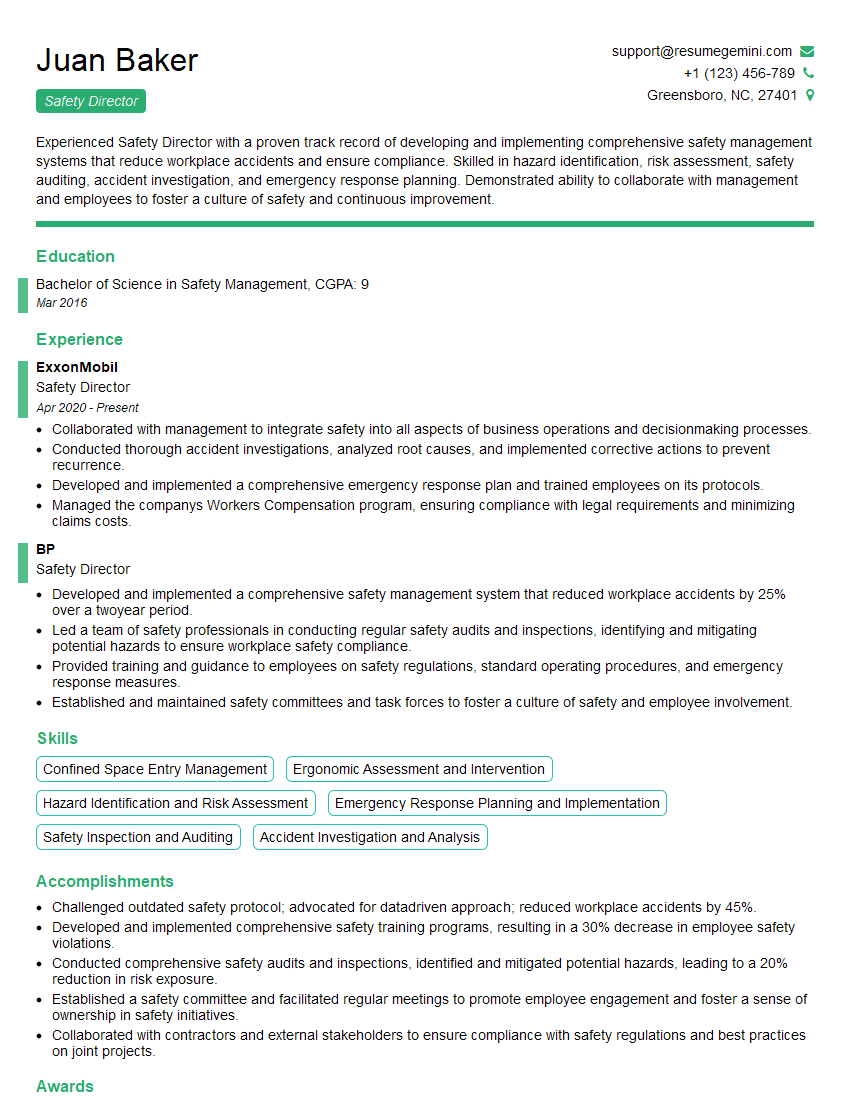
Safety Director Resume Sample
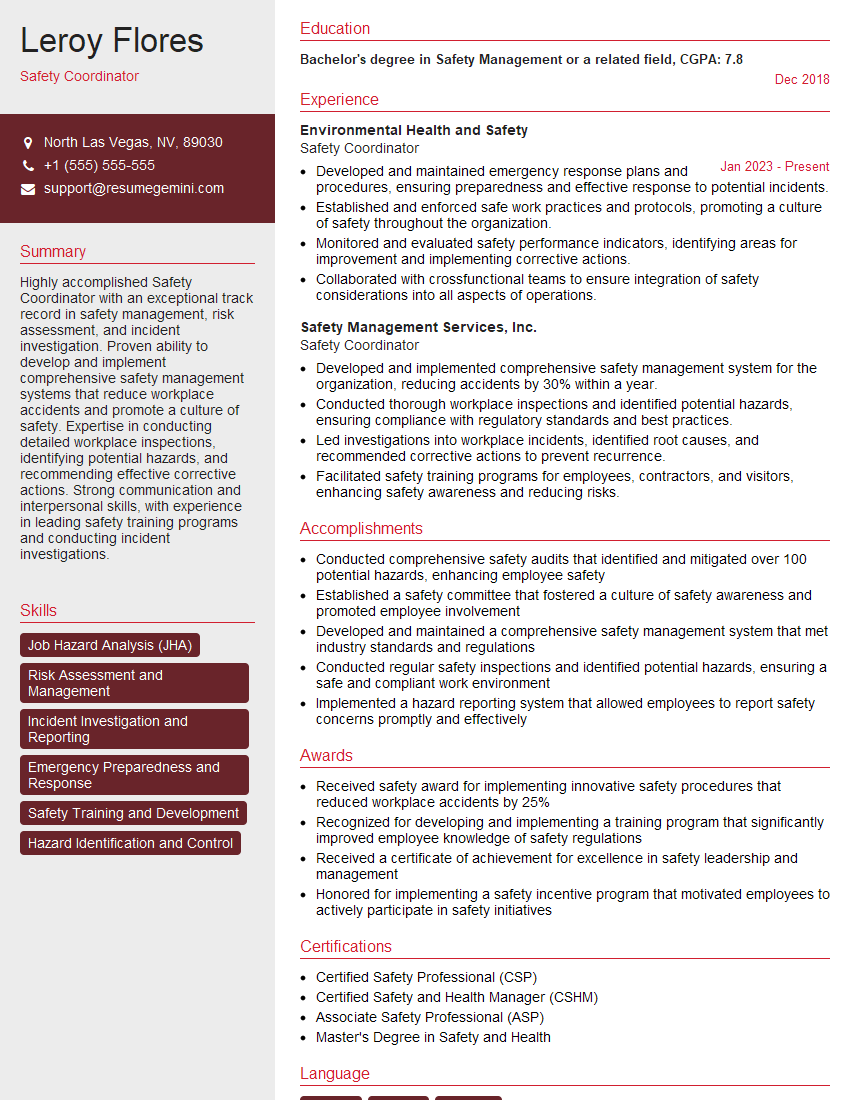
Safety Coordinator Resume Sample
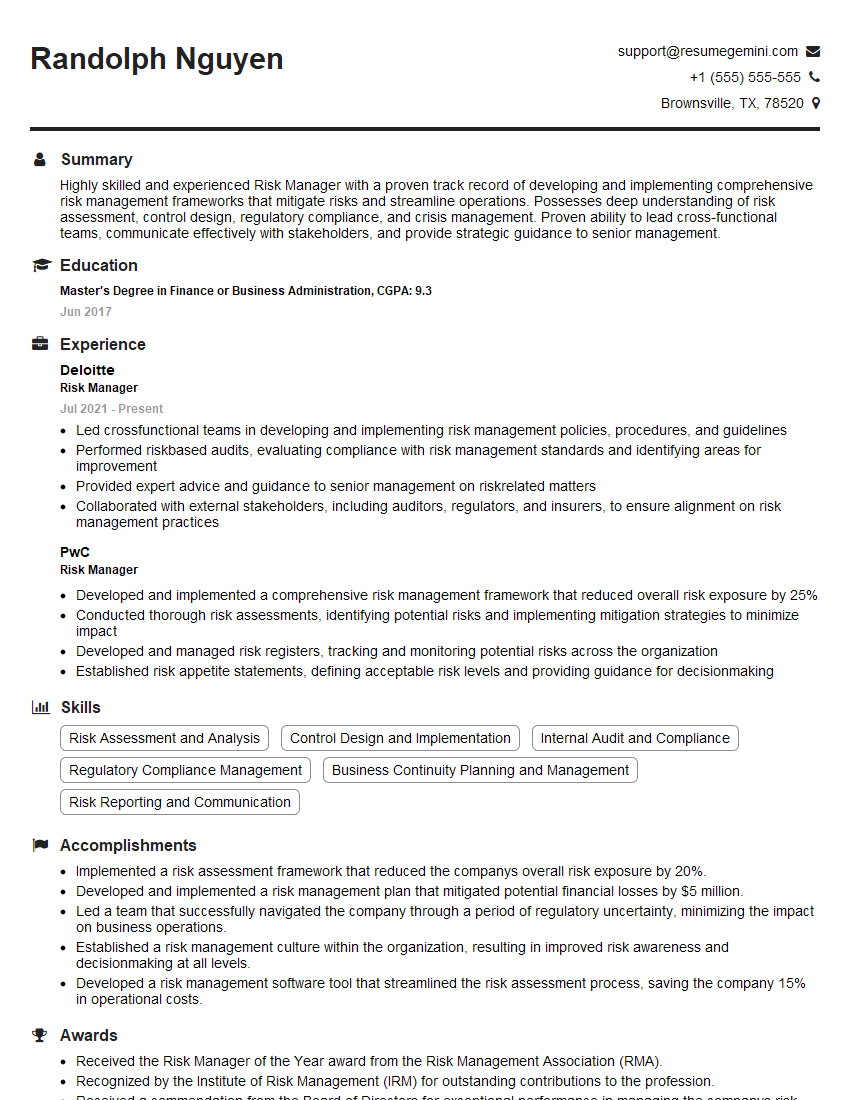
Risk Manager Resume Sample
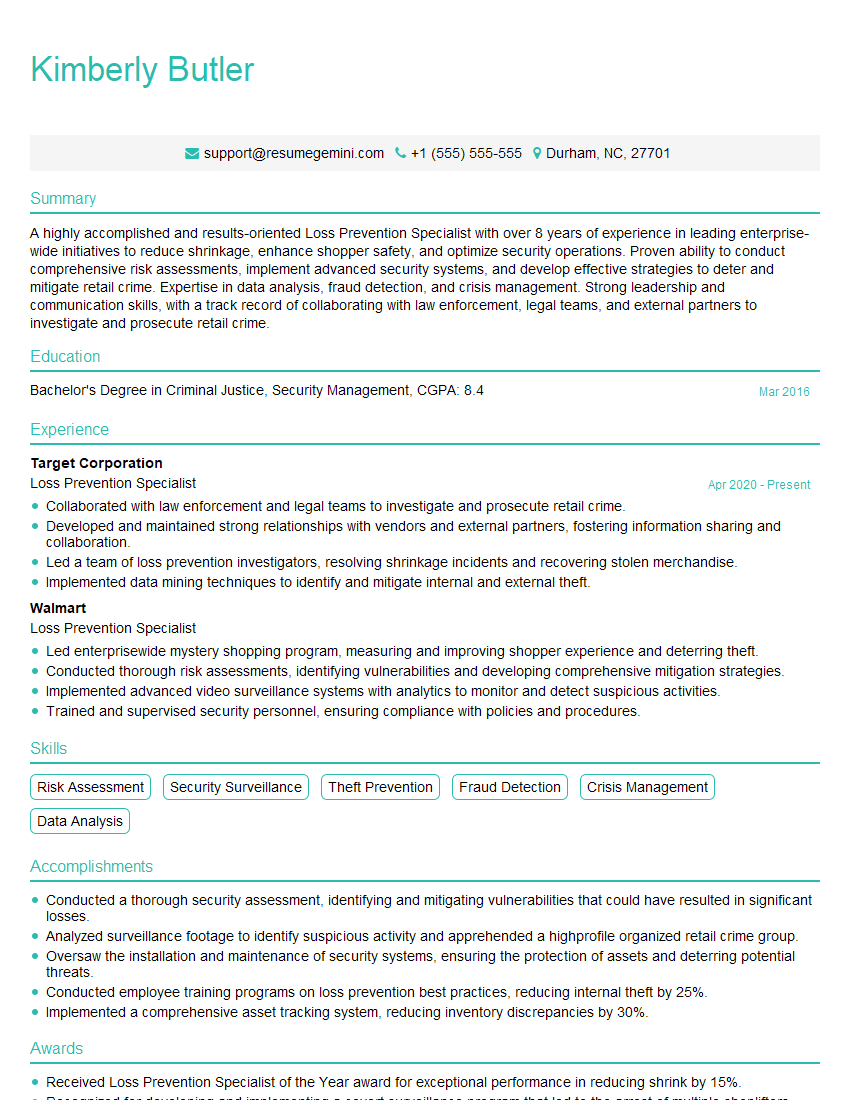
Loss Prevention Specialist Resume Sample
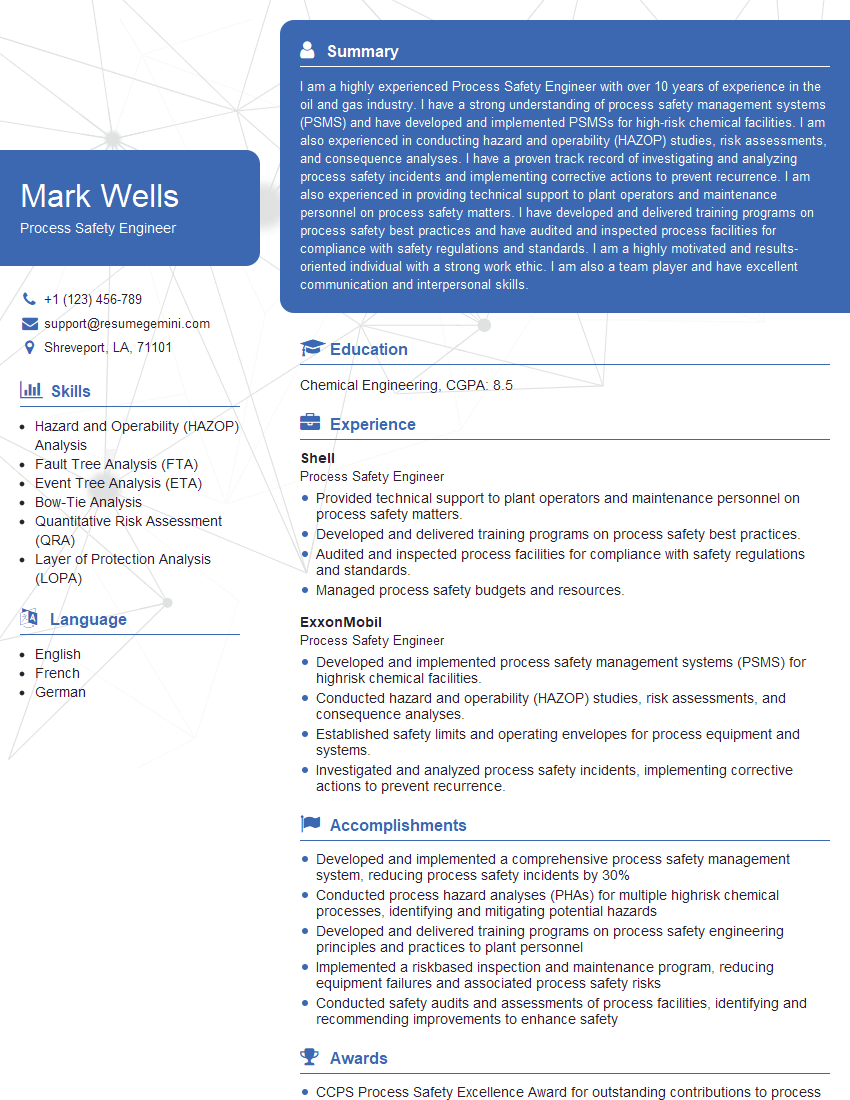
Process Safety Engineer Resume Sample
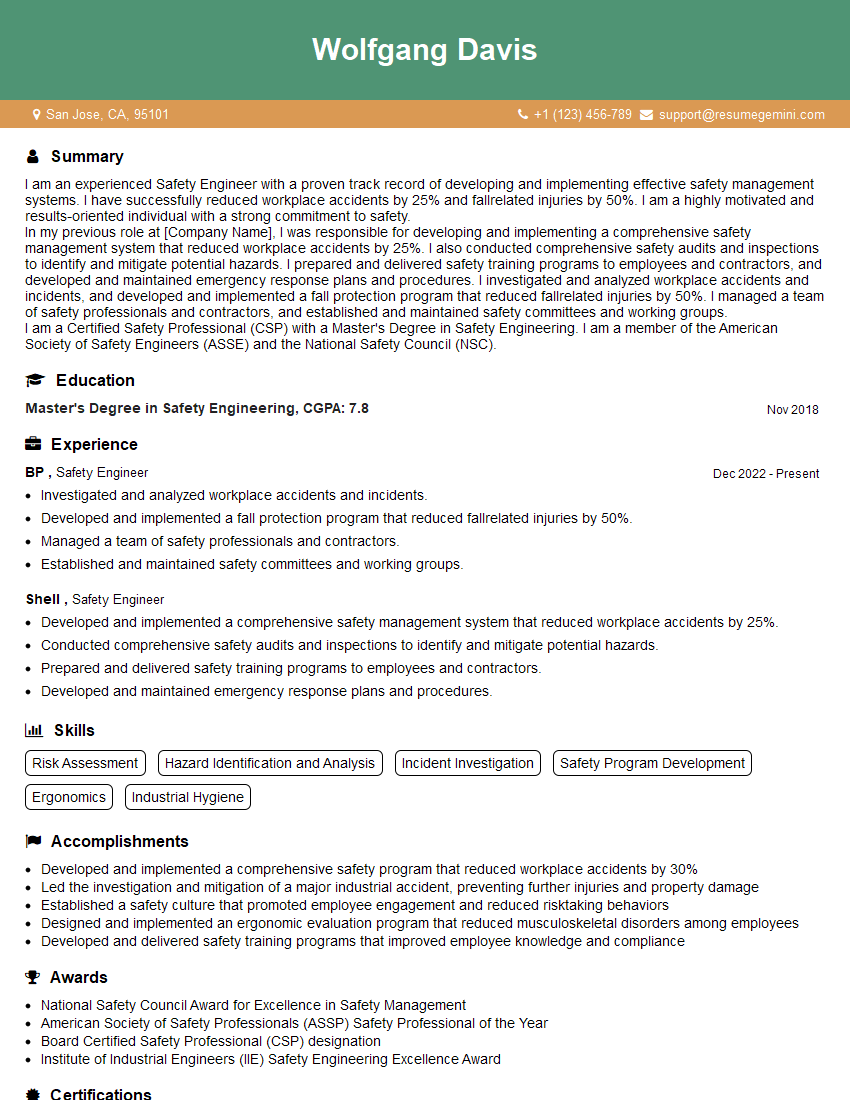
Safety Engineer Resume Sample
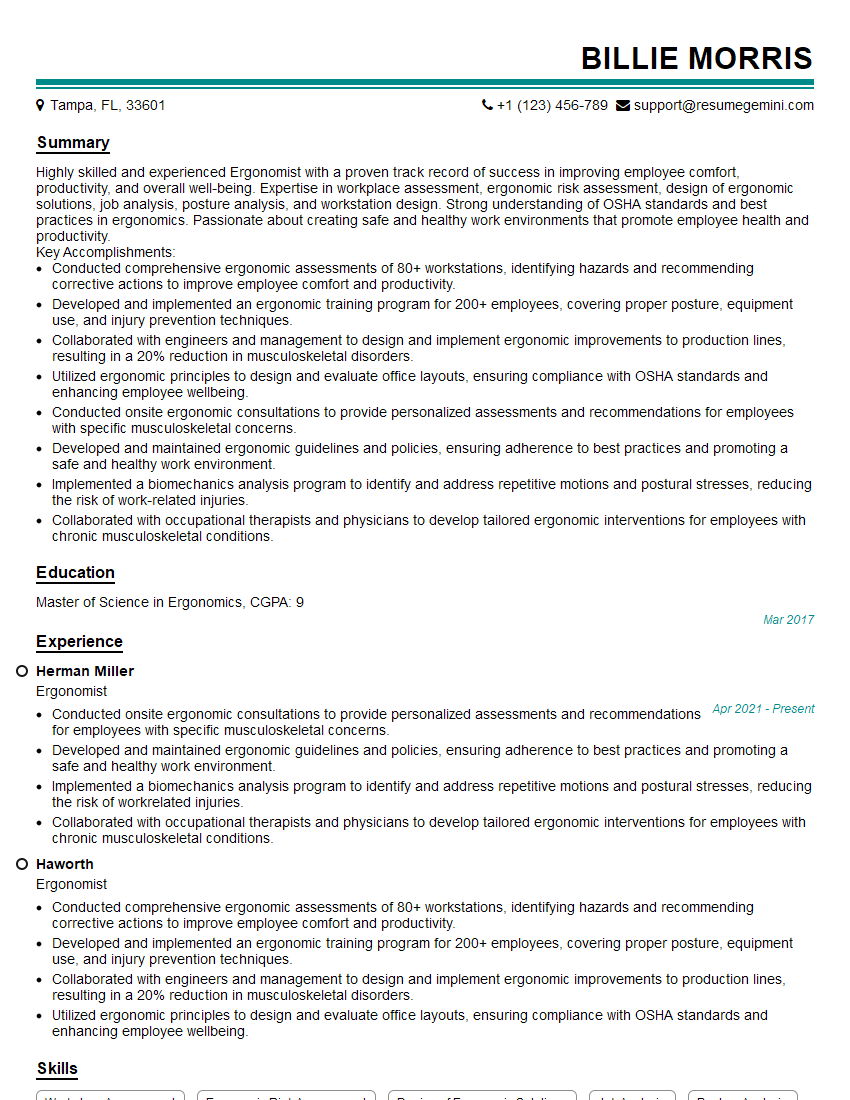
Ergonomist Resume Sample
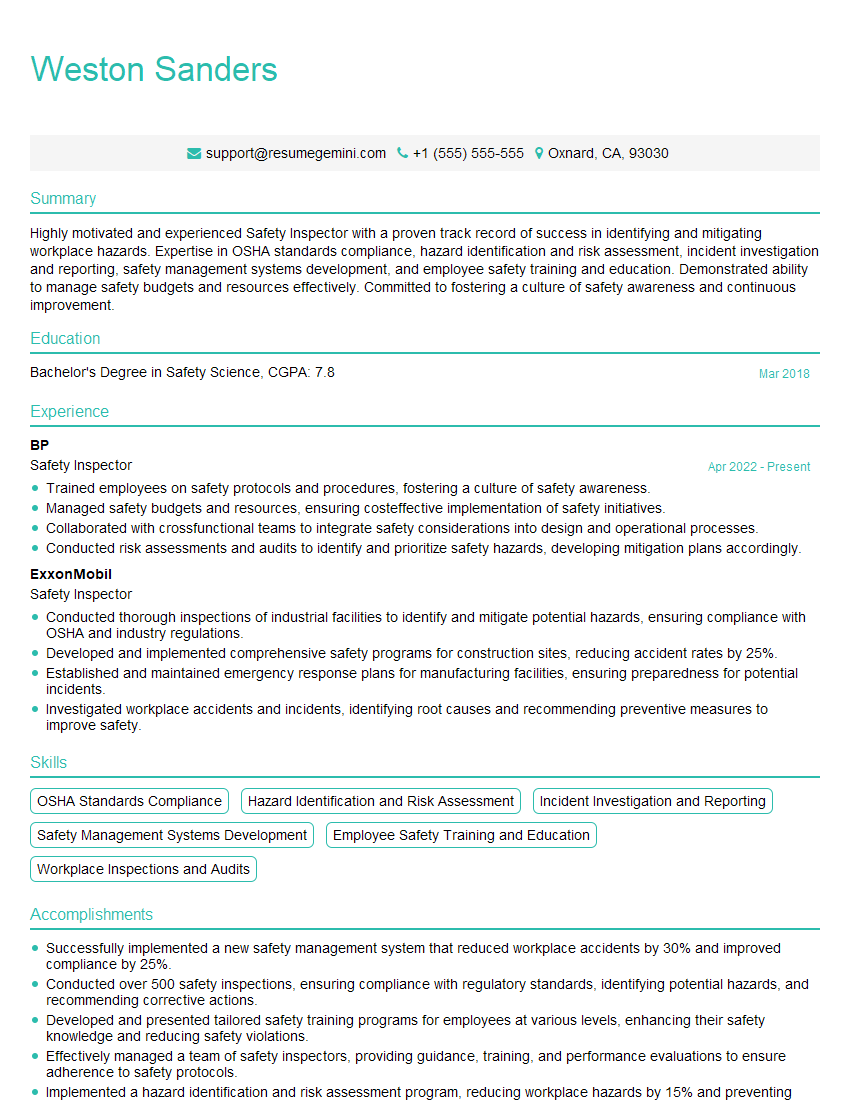
Safety Inspector Resume Sample
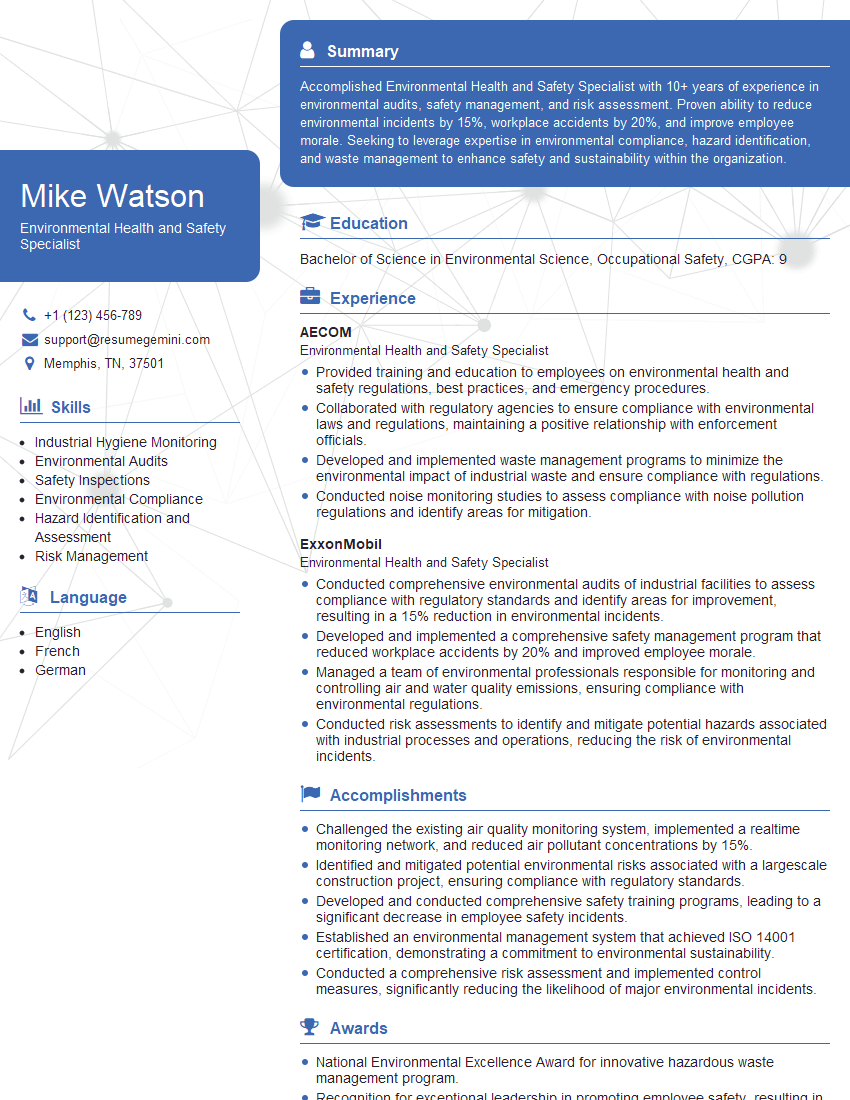
Environmental Health and Safety Specialist Resume Sample
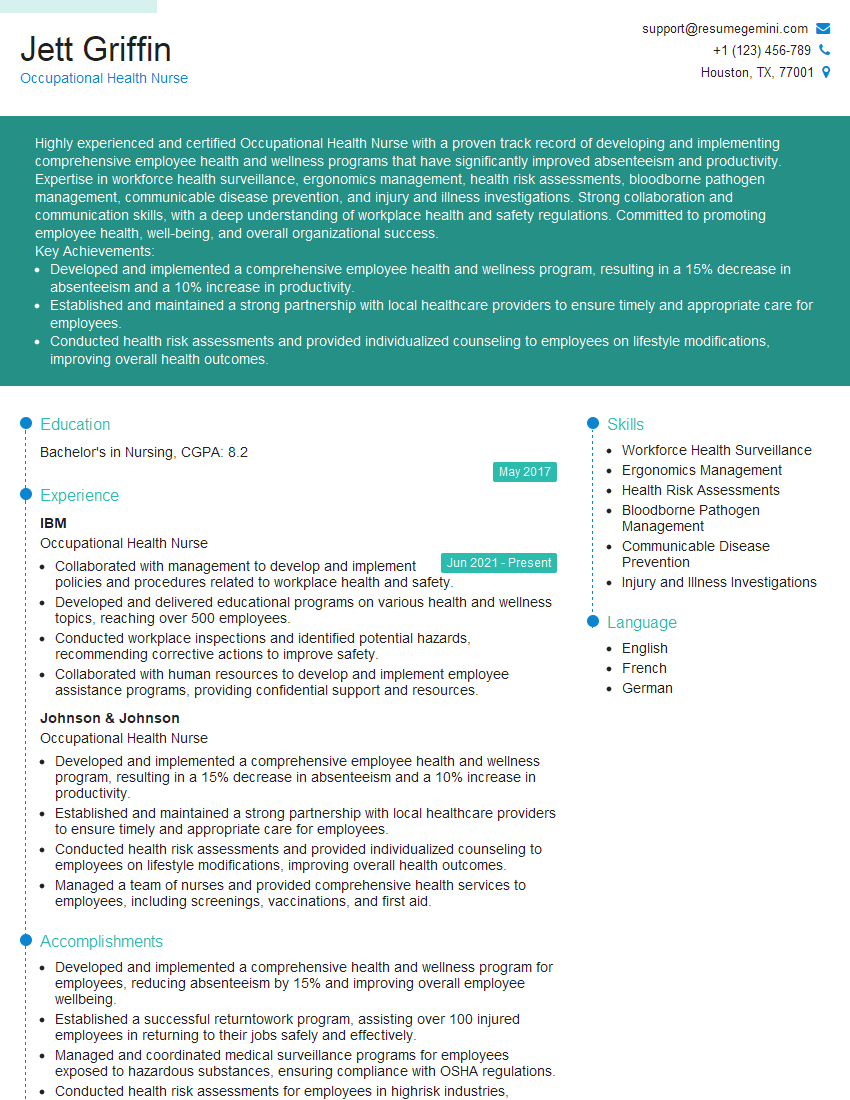
Occupational Health Nurse Resume Sample
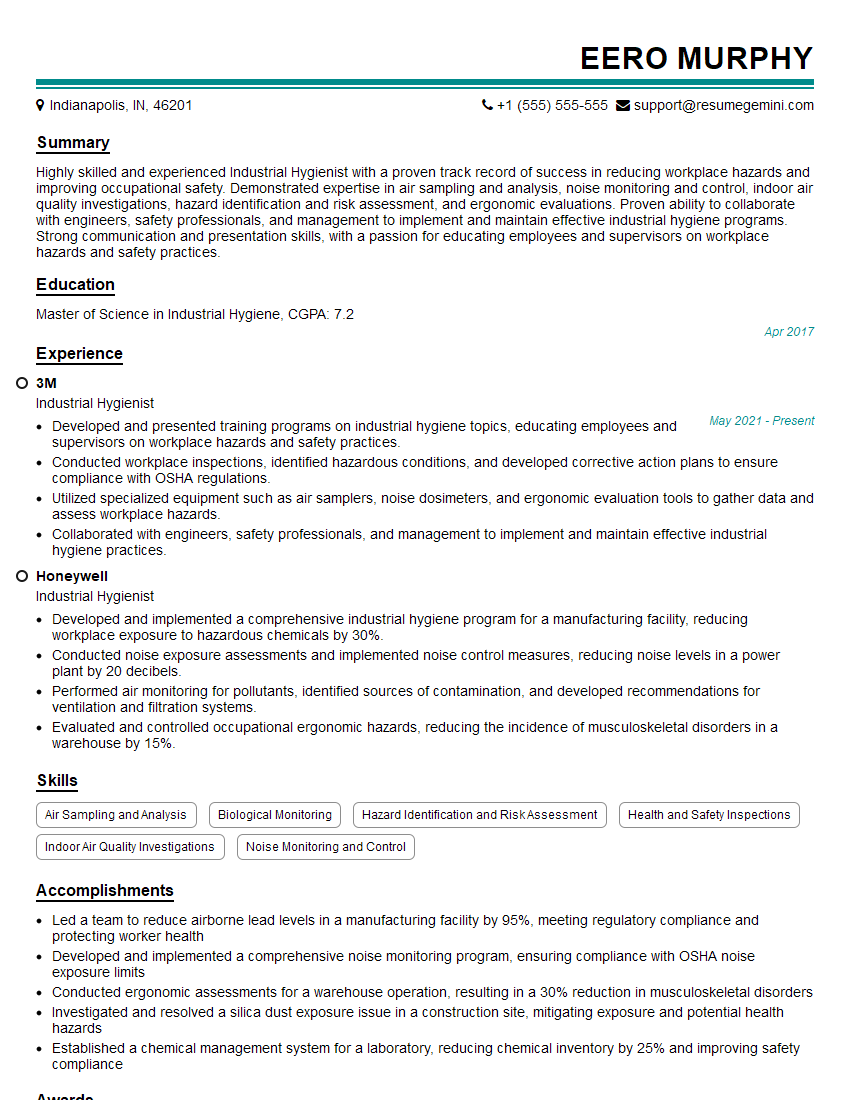
Industrial Hygienist Resume Sample
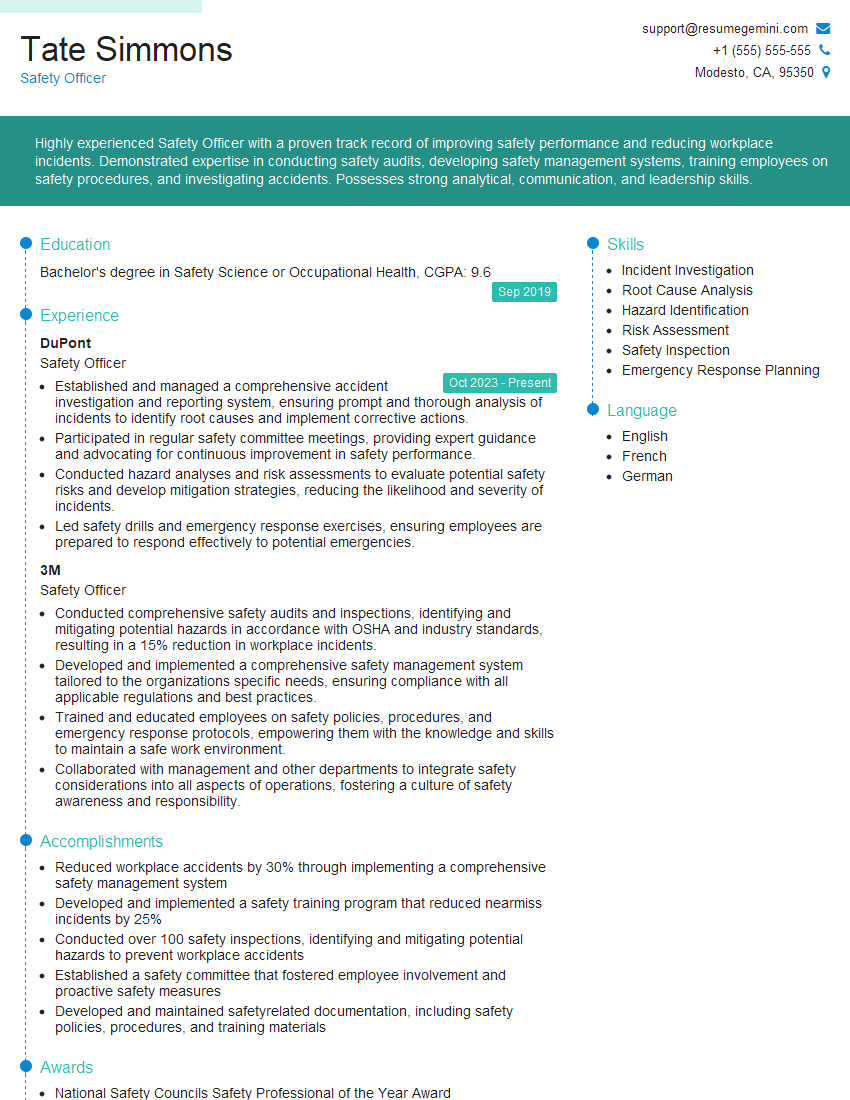
Safety Officer Resume Sample
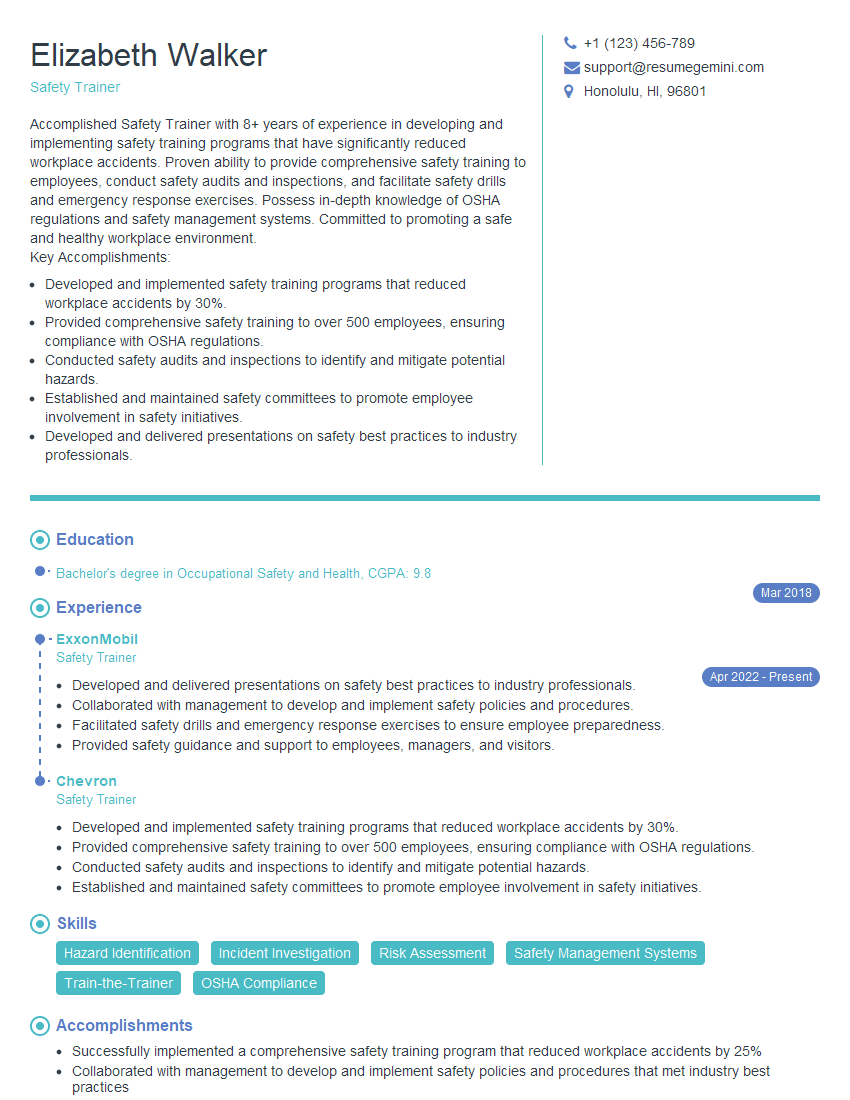
Safety Trainer Resume Sample
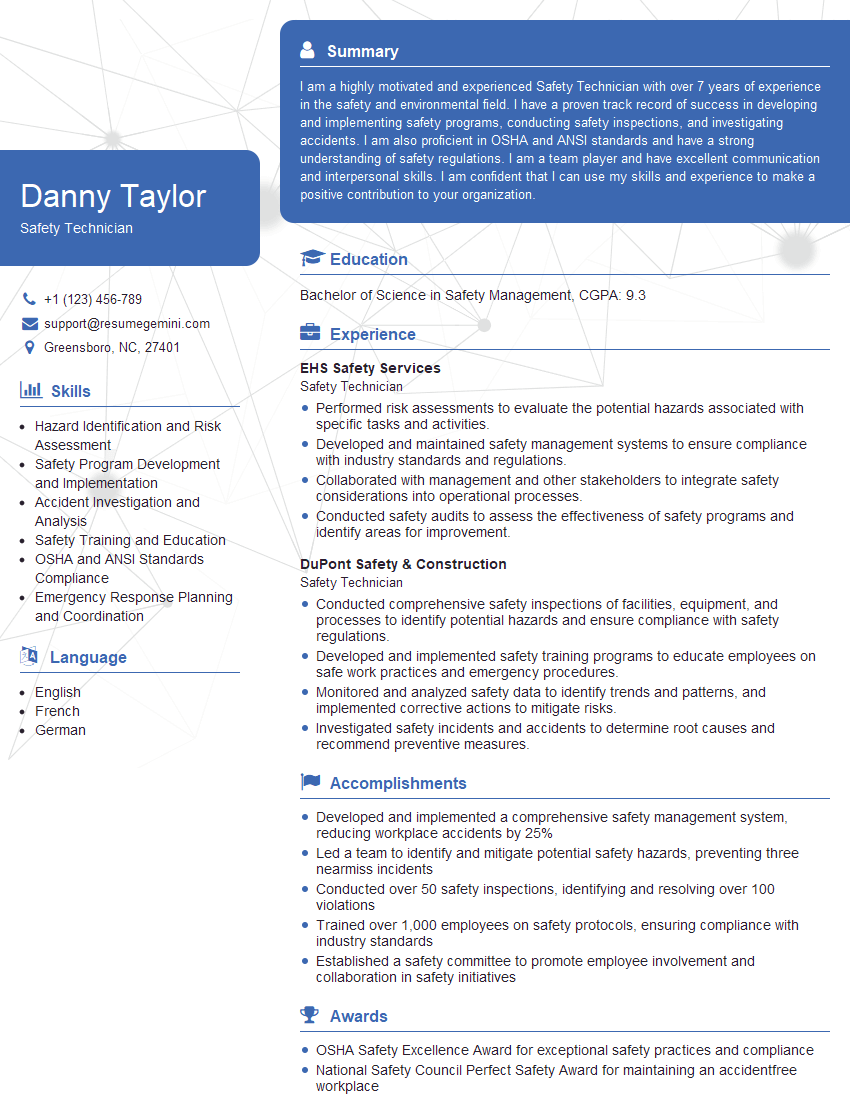
Safety Technician Resume Sample
Explore more articles
Users Rating of Our Blogs
Share Your Experience
We value your feedback! Please rate our content and share your thoughts (optional).
What Readers Say About Our Blog
Very informative content, great job.
good