Feeling uncertain about what to expect in your upcoming interview? We’ve got you covered! This blog highlights the most important Onlay interview questions and provides actionable advice to help you stand out as the ideal candidate. Let’s pave the way for your success.
Questions Asked in Onlay Interview
Q 1. Explain the difference between an onlay and an inlay.
Both inlays and onlays are indirect restorations, meaning they’re fabricated outside the mouth in a dental lab and then cemented into place. The key difference lies in their coverage. An inlay only covers the cusp-to-cusp area of a tooth, essentially filling a cavity within the cusps. Think of it like filling a hole in a smooth surface. An onlay, however, extends beyond the cusp tips, covering at least one or more cusps. It’s like adding a cap to part of the tooth, providing more structural support and protection.
Imagine a damaged tooth: An inlay would be suitable for a smaller cavity confined to the chewing surface, whereas an onlay would be preferred for a larger cavity extending to the cusp edge or involving more extensive damage. For example, a small cavity between the cusps of a premolar might be effectively repaired with an inlay, while a more extensive fracture reaching the cusp of a molar might require an onlay.
Q 2. Describe the various materials used for onlay fabrication.
Onlays can be fabricated from a variety of materials, each offering unique properties. The most common materials include:
- Porcelain: Highly aesthetic, strong, and biocompatible, offering excellent resistance to wear and staining. It closely mimics the natural appearance of teeth.
- Composite Resin: A more cost-effective option than porcelain, offering good aesthetics and relatively easy placement. However, it’s generally less durable and more prone to wear and staining than porcelain.
- Gold: Exceptionally durable and biocompatible, offering the longest lifespan of all onlay materials. However, it’s less aesthetically pleasing than porcelain or composite.
- Ceramic-reinforced composite: Combining the strengths of both materials, these offer good aesthetics and increased durability compared to traditional composite resin.
The choice of material depends on factors like the patient’s budget, aesthetic preferences, and the location and extent of the tooth damage. For anterior teeth where aesthetics are paramount, porcelain is often preferred. For posterior teeth where strength is a higher priority, gold or ceramic-reinforced composites are viable options.
Q 3. What are the advantages and disadvantages of using porcelain versus composite for onlays?
The choice between porcelain and composite for onlays involves a trade-off between aesthetics and longevity.
Porcelain Advantages:
- Superior aesthetics: Porcelain closely matches the natural appearance of teeth, making it ideal for visible teeth.
- Greater strength and durability: More resistant to wear and fracture compared to composite.
- Stain resistance: Less likely to stain over time.
Porcelain Disadvantages:
- Higher cost: Porcelain onlays are more expensive than composite.
- More demanding preparation: Requires more precise tooth preparation.
- Potential for chipping (though this is less common with modern porcelain techniques).
Composite Advantages:
- Lower cost: A more affordable option than porcelain.
- Less demanding preparation: Requires less extensive tooth preparation.
- Bonding capabilities: Can bond directly to the tooth structure.
Composite Disadvantages:
- Inferior aesthetics: Can be less natural-looking, particularly in anterior teeth.
- Lower strength and durability: More prone to wear and fracture than porcelain.
- More prone to staining: Can discolor over time.
In summary, porcelain provides superior aesthetics and longevity, but at a higher cost. Composite offers a more budget-friendly option, but with compromises in aesthetics and longevity. The final decision should consider individual patient needs and preferences in consultation with the dentist.
Q 4. How do you determine the appropriate onlay design for a given tooth?
Determining the appropriate onlay design requires careful consideration of several factors. A thorough clinical examination, including radiographic assessment, is crucial. Key factors include:
- Extent of tooth damage: The size and location of the cavity will dictate the necessary coverage of the onlay.
- Remaining tooth structure: The amount of healthy tooth remaining influences the design to ensure sufficient support and retention.
- Occlusal forces: The forces exerted during biting and chewing need to be analyzed to design an onlay that can withstand these forces.
- Esthetic considerations: For anterior teeth, the onlay design should integrate seamlessly with the surrounding teeth.
- Patient preferences: The patient’s desires regarding material and appearance should be discussed and incorporated into the plan.
For instance, a simple onlay design might be sufficient for a small cavity with good remaining tooth structure, while a more complex design involving multiple cusps might be necessary for a larger restoration. Digital imaging and CAD/CAM technology often play a crucial role in precise design and fabrication.
Q 5. Explain the process of preparing a tooth for an onlay placement.
Tooth preparation for an onlay is a precise procedure requiring skill and attention to detail. The steps typically involve:
- Anesthesia: Local anesthesia is administered to numb the tooth and surrounding tissues.
- Cavity preparation: The existing decay or damaged tooth structure is carefully removed. The prepared cavity should provide adequate retention and resistance for the onlay.
- Margin preparation: This is arguably the most critical step. The margins (edges) of the preparation must be well-defined and precisely shaped to ensure a tight fit and strong bond with the onlay. Common margin designs are described below.
- Impression taking: A precise impression of the prepared tooth is taken using a suitable material (e.g., polyether or silicone). This impression serves as the model for the laboratory fabrication of the onlay.
- Temporary restoration (optional): A temporary restoration may be placed to protect the tooth during the time it takes to fabricate the onlay.
Throughout the process, meticulous attention to detail is paramount. The quality of the preparation directly influences the longevity and success of the onlay.
Q 6. Describe the different types of onlay preparations (e.g., chamfer, shoulder, bevel).
Various onlay preparations aim to create optimal retention and resistance form for the restoration. The most common include:
- Chamfer: A bevel-like preparation with a distinct angle (usually 45°) at the margin. This provides a thin, consistent margin for precise adaptation of the onlay.
- Shoulder: A flat, 90-degree margin. This design is often used for porcelain onlays to ensure a smooth, esthetic margin.
- Bevel: An angled margin, similar to a chamfer but often wider. Provides additional surface area for bonding and strength.
- Modified shoulder with a bevel: Combines features of shoulder and bevel preparation to optimize both aesthetics and retention.
The choice of margin design is dictated by factors like material, aesthetics, and the extent of tooth preparation. For example, a chamfer is often favored for composite onlays, while a shoulder is frequently preferred for porcelain.
Q 7. How do you ensure proper occlusion after onlay placement?
Ensuring proper occlusion (the way upper and lower teeth come together) after onlay placement is vital for preventing premature wear, temporomandibular joint (TMJ) problems, and restoration failure. This involves a multi-step process:
- Careful articulation: The onlay must be designed and fabricated to fit precisely within the occlusion.
- Occlusal adjustment (if needed): After cementation, occlusal adjustments may be necessary to eliminate any high points or interferences. This can involve selective grinding of the onlay or adjacent teeth.
- Articulation paper: Articulation paper helps visualize and identify high spots in the occlusion, guiding the adjustments.
- Patient evaluation: The patient should be assessed for any discomfort or altered bite sensations after cementation. They should report any clicking, popping or pain.
- Follow-up appointments: Regular follow-up appointments are essential to monitor the occlusion and the overall health of the restoration.
Techniques like selective grinding, equilibration, and the use of bite registrations are instrumental in achieving a harmonious occlusion. Failure to address occlusal discrepancies can lead to premature wear, pain, and ultimately, restoration failure. Occlusal adjustment is a crucial final stage of the process, and it is best practiced by experienced clinicians.
Q 8. What are the common complications associated with onlay placement?
Onlay placement, while a highly effective restorative procedure, carries several potential complications. These can range from minor inconveniences to significant restorative failures. Understanding these risks is crucial for effective treatment planning and patient management.
- Sensitivity: Post-operative tooth sensitivity is quite common, often resolving within a few weeks. However, persistent sensitivity can indicate a problem with the restoration or underlying tooth structure.
- Fracture of the restoration: Onlays, while strong, can fracture under excessive biting forces, especially if the preparation wasn’t optimal or the cementation wasn’t properly executed. This is more common with porcelain onlays than metal ones.
- Cementation issues: Inadequate cementation can lead to leakage, secondary caries (decay), or restoration failure. Over-cementing can lead to excess cement being visible and affecting aesthetics.
- Marginal discrepancies: Imperfect margins between the onlay and the tooth can allow bacteria to penetrate, leading to recurrent caries and eventual restoration failure. Careful preparation and laboratory fabrication are essential to minimize this risk.
- Pulp damage: During preparation, there’s a potential risk of damaging the dental pulp (the soft tissue inside the tooth), which can lead to pain, inflammation, and possibly requiring root canal treatment. Meticulous preparation and proper isolation techniques are vital to prevent this.
- Allergic reactions: Some patients may experience allergic reactions to certain dental materials used in onlays, particularly metals like nickel or components of composite resins. A thorough patient history and selection of biocompatible materials are crucial.
Q 9. How do you manage potential sensitivity after onlay placement?
Post-operative sensitivity after onlay placement is a common concern that can usually be managed effectively. The key is to address the underlying cause and provide symptomatic relief.
- Identify the cause: Sensitivity might stem from exposed dentin (the layer beneath the enamel) due to the preparation or from micro-leakage at the margins of the restoration. A thorough clinical examination and possibly radiographs are needed to pinpoint the source.
- Desensitizing agents: Topical application of desensitizing agents, such as fluoride varnish or potassium nitrate, can significantly reduce sensitivity. These agents help block the tubules in the dentin, preventing stimuli from reaching the pulp.
- Dietary modifications: Patients are typically advised to avoid extremely hot, cold, or acidic foods and drinks initially. These can temporarily exacerbate sensitivity.
- Pain relievers: Over-the-counter pain relievers, such as ibuprofen or acetaminophen, can provide temporary pain relief.
- Follow-up appointments: Regular check-up appointments allow for monitoring of sensitivity and address any ongoing issues. In cases of persistent or severe sensitivity, further investigation might be necessary to ensure there are no underlying problems.
For example, a patient experiencing mild sensitivity after an onlay placement might benefit from using a desensitizing toothpaste and avoiding very hot coffee for a week. If the sensitivity persists, a follow-up visit for further investigation would be warranted.
Q 10. Explain the role of indirect bonding in onlay procedures.
Indirect bonding is a crucial technique in onlay procedures, enhancing precision and improving the final restoration’s fit and aesthetics. Unlike direct restorations (like composite fillings) that are placed directly onto the prepared tooth, indirect onlays are fabricated in a dental laboratory, using a model of the prepared tooth.
The process involves several steps:
- Impression taking: An accurate impression of the prepared tooth is made, capturing all the details of the preparation. This is typically done using high-quality impression materials.
- Model fabrication: The impression is poured to create a plaster or resin model of the prepared tooth. This model serves as the basis for the onlay fabrication.
- Wax-up or CAD/CAM design: The laboratory technician uses the model to create a wax-up of the onlay (traditional method) or utilizes CAD/CAM technology for a more precise digital design. This design precisely mimics the shape of the missing tooth structure.
- Fabrication of the onlay: Once the design is finalized, the onlay is fabricated using various materials such as porcelain, ceramic, or metal alloys.
- Try-in: Before cementation, the onlay is tried in the patient’s mouth to check the fit, contact points, and occlusion (bite). Any necessary adjustments are made at this stage.
- Cementation: The final stage involves the permanent cementation of the onlay to the prepared tooth.
The advantages of indirect bonding include improved accuracy, better aesthetics, and greater strength compared to direct restorations. It’s particularly beneficial for larger restorations where precise margins are critical.
Q 11. What are the steps involved in cementing an onlay?
Cementing an onlay is a meticulous process requiring precision and attention to detail. Proper cementation is crucial for the long-term success of the restoration.
- Tooth and onlay preparation: Thoroughly clean and dry the prepared tooth and the inner surface of the onlay. Remove any debris or excess cement residue. This step is crucial to ensure a strong bond.
- Cement mixing: Mix the chosen dental cement according to the manufacturer’s instructions. The consistency should be appropriate for the technique used (self-adhesive or conventional).
- Cement application: Apply a thin layer of cement to the inner surface of the onlay. Even application is crucial for optimal adhesion and to avoid any voids.
- Onlay placement: Carefully seat the onlay onto the prepared tooth, ensuring complete seating and proper adaptation to the margins. Gentle pressure is often applied for a few seconds.
- Excess cement removal: After seating, carefully remove any excess cement that might be visible. This is usually accomplished with a special instrument and possibly air to facilitate removal.
- Curing or setting time: The onlay must remain in place until the cement completely cures or sets. This depends upon the specific cement used. Light curing is needed for some cement types.
- Final evaluation: Once the cement has set, check the occlusion (bite), margins, and overall fit of the onlay. Radiographs are often taken to verify the proper seating and the absence of any voids.
Q 12. Describe the use of different dental cements for onlay placement.
Various dental cements are used for onlay placement, each with its own properties and applications. The choice of cement depends on several factors, including the type of onlay, the clinical situation, and the desired longevity.
- Resin-modified glass ionomer cements (RMGIC): These cements offer a good balance of strength, fluoride release (which helps prevent secondary caries), and ease of use. They are commonly used for onlays and are particularly suitable for patients with high caries risk.
- Composite resin cements: These cements provide high strength and excellent aesthetics. They require a light cure for setting, which gives precise working time control. They are frequently chosen for anterior (front) onlays where appearance is paramount.
- Zinc phosphate cements: Historically popular, these are increasingly less common for onlays due to their potential for sensitivity and lower bond strength compared to newer cements. They may still find niche uses where their low solubility or specific properties are important.
- Self-adhesive resin cements: These newer cements simplify the cementation procedure. They often require no additional etching or bonding agents; however, careful control of the cement’s viscosity is still required.
For example, if a patient requires a posterior onlay (back tooth) and has a history of caries, an RMGIC cement might be the ideal choice due to its fluoride release and strength. On the other hand, a composite resin cement could be preferred for an anterior onlay due to its aesthetic properties.
Q 13. How do you evaluate the fit and marginal integrity of an onlay?
Evaluating the fit and marginal integrity of an onlay is critical for ensuring its long-term success. This evaluation involves both clinical and radiographic assessment.
- Visual inspection: Carefully examine the margins of the onlay under magnification (loupe or microscope). Look for any gaps, overhangs, or open margins. Proper illumination is essential for accurate assessment.
- Exploration: Use an explorer (a fine metal instrument) to gently explore the margins. Any noticeable irregularities indicate a problem with the fit.
- Occlusal evaluation: Verify that the occlusion (bite) is correct. The onlay should not interfere with normal chewing function. Premature contacts or high spots should be carefully addressed.
- Radiographic assessment: Bitewing radiographs (x-rays) are used to assess the fit of the onlay at the margins. This helps identify any gaps or discrepancies not visible clinically.
- Transillumination: A light source can be used to check the onlay for internal defects or voids that may not be visible otherwise. This is especially helpful with porcelain or ceramic onlays.
For example, if an explorer detects a gap along the margin of an onlay, it may indicate a need for further adjustment or even replacement. Radiographic assessment confirms the clinical findings, ensuring that the margin is sealed and preventing potential future complications.
Q 14. What are the key factors influencing the longevity of an onlay?
Several factors influence the longevity of an onlay, impacting its overall success. Careful attention to these aspects during the entire process—from preparation to final cementation and post-operative care—is crucial.
- Quality of the preparation: A well-prepared tooth provides an ideal foundation for the onlay. Precise preparations with proper retention forms (internal features to hold the onlay) are essential for long-term success.
- Material selection: The chosen material must be biocompatible and possess the necessary strength and durability to withstand the masticatory forces. The material’s characteristics (e.g. fracture toughness, flexural strength) are crucial.
- Cementation technique: Proper cementation ensures a strong bond between the onlay and the tooth. The selection and application of the correct cement is paramount to longevity.
- Marginal seal: A precise fit with no gaps at the margins prevents bacterial penetration and recurrent caries, factors that can lead to restoration failure.
- Patient factors: Patient cooperation in maintaining good oral hygiene and avoiding parafunctional habits (teeth grinding or clenching) is crucial for maintaining the onlay’s longevity.
- Occlusal factors: Correct occlusion and the distribution of biting forces are key. High contact areas or uneven bite can place significant stress on the onlay.
For instance, an onlay fabricated from a less durable material and cemented with an inferior technique is far more likely to fail prematurely compared to an onlay made of durable material and properly cemented and well integrated into the occlusal scheme.
Q 15. Explain the importance of proper shade selection for onlays.
Proper shade selection in onlay procedures is paramount for achieving a natural-looking and aesthetically pleasing restoration. An improperly matched shade can lead to a noticeable discrepancy between the restoration and the surrounding natural teeth, impacting the patient’s smile and confidence. We meticulously consider several factors:
- Tooth Shade: We utilize shade guides, taking multiple readings in different light conditions (natural light is preferred) to account for variations in tooth color. I often use multiple shade guides to confirm the selection, comparing the shade tabs to the patient’s adjacent teeth and even taking into account the overall complexion of the patient.
- Translucency: It’s not just about matching the hue; the translucency of the onlay must also mimic the natural tooth. This is critical for natural light interaction and avoiding an artificial appearance.
- Value and Chroma: These are critical components of shade that dictate the lightness/darkness and saturation, respectively. I often make detailed notes and use digital photography to capture the correct shade and ensure consistency during the fabrication process.
- Patient Consultation: A thorough discussion with the patient about their expectations and preferences is crucial. We may present various options to find the perfect match.
For example, I recently had a patient who wanted a very subtle restoration. By meticulously matching the value, chroma, and translucency, we achieved an onlay that was virtually indistinguishable from her natural teeth.
Career Expert Tips:
- Ace those interviews! Prepare effectively by reviewing the Top 50 Most Common Interview Questions on ResumeGemini.
- Navigate your job search with confidence! Explore a wide range of Career Tips on ResumeGemini. Learn about common challenges and recommendations to overcome them.
- Craft the perfect resume! Master the Art of Resume Writing with ResumeGemini’s guide. Showcase your unique qualifications and achievements effectively.
- Don’t miss out on holiday savings! Build your dream resume with ResumeGemini’s ATS optimized templates.
Q 16. How do you handle situations where an onlay requires adjustments?
Adjustments to onlays are sometimes necessary, even with advanced technology. These adjustments can be made either intraorally or extraorally, depending on the nature and extent of the discrepancy.
- Intraoral Adjustments: Minor adjustments, such as removing slight high spots or improving the marginal fit, can often be performed directly in the mouth using fine diamond burs and polishing instruments. This is done under magnification to ensure precision and minimize damage to the surrounding tooth structure. It’s essential to use copious amounts of water coolant to prevent heat damage.
- Extraoral Adjustments: For more significant adjustments, such as correcting a mismatched shade or a larger discrepancy in fit, the onlay might need to be sent back to the lab for modification. I ensure clear communication with the lab technician, usually accompanied by detailed photographs and notes detailing the specific adjustments required. This is usually followed by a try-in appointment to verify the correction.
For instance, I had a case where the initial onlay’s mesial margin was slightly high. A quick intraoral adjustment with a fine diamond bur resolved the issue.
Q 17. What are your experiences with different types of dental adhesives?
My experience encompasses a range of dental adhesives, each with its own characteristics and application protocols. Selection depends on several factors, including the type of onlay material (porcelain, composite resin) and the condition of the prepared tooth. I commonly use:
- Resin Cements: These cements offer excellent bond strength and aesthetic properties, especially with porcelain onlays. I’ve had success with various brands, and always carefully follow the manufacturer’s instructions concerning mixing ratios and curing times.
- Glass Ionomer Cements: These are beneficial in situations where some fluoride release is desired, particularly in high-risk caries patients. They offer good adhesion and biocompatibility.
- Self-Adhesive Resin Cements: These simplify the cementation process, reducing the number of steps involved. While convenient, I find it critical to meticulously prepare the tooth surface for optimal bonding to ensure a long-lasting restoration.
The choice of cement is a crucial decision. An improperly selected or applied cement can lead to premature onlay failure. We always prioritize the cement’s ability to create a durable and hermetic seal.
Q 18. Discuss your experience with different CAD/CAM systems used in onlay fabrication.
I have extensive experience with several CAD/CAM systems for onlay fabrication. The accuracy and efficiency of these systems have revolutionized restorative dentistry. My experience includes using systems from major manufacturers such as Cerec, and other leading brands. Each system has its strengths and weaknesses:
- Software Differences: Each system’s software offers unique functionalities, influencing the design process and overall workflow. Some systems allow for more intuitive design, while others require a steeper learning curve. I’ve found proficiency in multiple systems to be beneficial, providing flexibility in approach and troubleshooting.
- Material Compatibility: The choice of milling machine and its compatible materials (e.g., zirconia, lithium disilicate) also influences the final onlay properties. I’ve learned to select the best material combination for optimal aesthetics, strength, and longevity.
- Scanners and Accuracy: The accuracy of the optical scanner is crucial. Variations in scanning technique or artifacts can introduce errors into the digital model, affecting the fit and precision of the onlay. I utilize multiple scan techniques and software verification protocols to minimize this error margin.
I often prefer systems that allow for easy communication and collaboration with the laboratory, allowing for efficient design refinements and adjustments as needed.
Q 19. How do you manage discrepancies between the digital model and the prepared tooth?
Discrepancies between the digital model and the prepared tooth can arise from various sources, including inaccuracies in the optical scan, errors in the preparation, or both. Addressing these discrepancies is crucial for successful onlay placement. My approach involves:
- Verification of Scan Accuracy: Thorough examination of the digital model is essential. I review the scan to identify potential artifacts or areas where the scan might not accurately reflect the tooth morphology.
- Comparison with Intraoral Photos: Intraoral photos taken during the preparation process provide a valuable cross-reference, allowing for comparison with the digital model to pinpoint any deviations.
- Adjustments and Refinements: If the discrepancy is minor, adjustments can often be made during the digital design stage of the CAD/CAM workflow. For more significant discrepancies, a re-scan might be necessary.
- Laboratory Communication: Clear communication with the laboratory technician is essential. I carefully highlight the areas requiring modification to ensure that the final onlay fits accurately.
In a recent case, a slight discrepancy in the buccal cusp was noted after scanning. Through digital manipulation and a careful review with lab staff, we managed to avoid remaking the entire restoration.
Q 20. What are the common causes of onlay failure?
Onlay failures can stem from several interconnected factors. Understanding these causes is key to preventing them:
- Inadequate Preparation: Insufficient tooth preparation can lead to poor retention and marginal adaptation, making the onlay susceptible to fracture or debonding. Adequate retention features like grooves and boxes are critical.
- Cementation Issues: Improper cementation, including inadequate mixing, insufficient curing, or air entrapment, weakens the bond between the onlay and the tooth, leading to failure.
- Occlusal Discrepancies: High spots or improper occlusal contacts can lead to fracture or chipping of the onlay over time. Precise occlusal adjustment is necessary.
- Material Failure: Although less common with modern materials, inherent material defects or poor material selection can contribute to failure. Using appropriate materials and understanding their limitations is key.
- Poor Oral Hygiene: Lack of proper oral hygiene can lead to secondary caries around the onlay margin, contributing to its eventual failure. Patient education and maintenance are crucial.
Identifying the cause is crucial. A thorough clinical examination, combined with radiographic assessment, is required to determine the cause and guide corrective measures. Often, a combination of factors contributes to the failure. For instance, a patient with poor oral hygiene might have secondary caries leading to debonding, even with excellent initial preparation and cementation.
Q 21. Describe your experience with different types of porcelain (e.g., leucite-reinforced, zirconia).
My experience includes working with various porcelain types for onlays. The material selection depends on several factors, including the desired aesthetics, strength, and the location of the restoration:
- Leucite-Reinforced Porcelain: This offers excellent aesthetics, with good translucency and shade matching capabilities. However, it has lower flexural strength compared to zirconia, limiting its use in areas subjected to higher occlusal forces. It’s suitable for smaller onlays in less-stressed areas.
- Zirconia: Zirconia boasts high strength and fracture toughness, making it ideal for larger onlays and those in areas with higher occlusal loads. It’s less translucent than leucite-reinforced porcelain, which can affect the aesthetics, often necessitating layering techniques to achieve a natural look. However, its strength and durability often outweigh the aesthetic compromises in high-stress applications.
- Lithium Disilicate: This material offers a balance between strength and aesthetics. It possesses higher strength than leucite-reinforced porcelain but is less strong than zirconia, representing a good compromise in many situations.
Material selection is a clinical judgment call based on the specific case. Sometimes, a combination of materials may be necessary to optimize both strength and aesthetics. For example, I might choose zirconia for the core structure in a large onlay and then add a layer of leucite-reinforced porcelain for optimal aesthetics.
Q 22. How do you maintain accurate records and documentation for onlay cases?
Maintaining accurate records for onlay cases is crucial for both legal and clinical reasons. It ensures continuity of care, facilitates effective communication with colleagues, and provides a valuable audit trail. My approach involves a multi-faceted system:
Detailed Clinical Notes: These include a comprehensive description of the pre-operative diagnosis, treatment plan, procedure performed (including specific materials used and any complications encountered), and post-operative instructions. I utilize a standardized format for consistency. For example, I’ll always note the shade selection of the onlay material, the type of cement used, and any marginal discrepancies.
Radiographic Records: Pre-operative and post-operative radiographs are essential for assessing the extent of decay, evaluating the preparation, and verifying the fit of the onlay. These images are digitally stored and linked to the patient’s electronic record.
Models and Photographs: Diagnostic models provide a 3D representation of the tooth, crucial for planning and evaluating the onlay’s fit. Intraoral photographs document the initial condition, preparation stages, and the final restoration. These are invaluable in monitoring long-term success and for potential future reference.
Laboratory Communication: Clear and detailed communication with the dental laboratory is paramount. This includes providing precise specifications, high-quality impressions, and potentially digital scans, along with any special instructions. I maintain a record of all communication, including emails and any modifications requested.
This comprehensive documentation ensures that all aspects of the onlay procedure are meticulously recorded, promoting best practice and reducing the risk of errors or disputes.
Q 23. Describe your understanding of the principles of adhesive dentistry in relation to onlays.
Adhesive dentistry is the cornerstone of successful onlay placement. It relies on the principle of micromechanical bonding between the restoration and the prepared tooth structure, creating a strong, durable, and long-lasting bond. Several key principles are involved:
Acid Etching: The enamel and dentin surfaces are etched with phosphoric acid to create microporosities, increasing the surface area available for bonding. This ensures a stronger, more reliable bond.
Primer Application: A primer, usually a resin-based material, is applied to enhance the wettability of the etched surface and promote better penetration of the adhesive.
Adhesive Application: A bonding agent creates a hybrid layer between the tooth structure and the restoration. This layer chemically bonds to both surfaces, creating a durable union. Selection of the adhesive is tailored to the specific materials involved. For example, different adhesives may be needed for ceramic or composite onlays.
Proper Curing: Adequate light curing is crucial to achieve optimal polymerization of the adhesive and the luting cement, essential for the long-term success of the onlay.
Think of it like super-strong glue for teeth! The combination of micromechanical interlocking and chemical bonding guarantees a secure and reliable restoration.
Q 24. Explain your approach to managing patient expectations regarding onlay treatment.
Managing patient expectations is vital for a positive clinical experience. I start by explaining the procedure in simple, clear terms, avoiding technical jargon. I use visual aids like photographs or models to show the process and the expected outcome. I discuss the advantages and disadvantages of onlays compared to other restorative options, addressing any concerns the patient might have.
I’ll also be upfront about potential complications, such as sensitivity, the need for adjustments, or the possibility of future restorative work. For example, I would mention that while onlays are incredibly strong and durable, there’s still a possibility of chipping or fracture under extreme forces. I’ll also address the possibility of needing additional treatment in the future.
Realistic timeframes are established, including the time required for the preparation, laboratory work, and cementation. Open communication is maintained throughout the process, ensuring the patient feels informed and involved in their care. I provide written materials, including brochures and post-operative instructions to further clarify the treatment and reinforce the discussed expectations.
Q 25. How do you handle situations with difficult tooth morphology during onlay preparation?
Difficult tooth morphology can present challenges during onlay preparation. This might include unusual cusp angles, deep fissures, or significant proximal contacts. My approach involves:
Careful Assessment: Thorough examination of the tooth using various diagnostic tools, including radiographs, models, and intraoral photography, allows me to identify potential challenges before beginning the preparation.
Strategic Preparation: The preparation is carefully planned to maximize retention and resistance while preserving tooth structure. This may involve techniques like using specific bur designs, maintaining adequate cusp height, or using indirect techniques to improve the accuracy of the preparation.
Custom Tray Fabrication: For complex morphologies, I might use a custom impression tray to ensure accurate impression taking. This prevents distortion and guarantees a precise fit for the final restoration.
Digital Technology: Intraoral scanners and CAD/CAM technology can be invaluable in handling complex cases. These tools provide precise digital models that facilitate accurate preparation design and fabrication of the onlay.
In some cases, it may be necessary to discuss alternative treatment options with the patient if the tooth morphology presents significant challenges that cannot be safely addressed with an onlay.
Q 26. Describe your experience with using different types of diagnostic tools (e.g., radiographs, models).
Diagnostic tools are essential for accurate diagnosis and treatment planning. My experience encompasses the use of:
Radiographs: Periapical and bitewing radiographs provide critical information about the extent of caries, the proximity of the pulp, and the presence of any periodontal disease. Digital radiography is preferred due to reduced radiation exposure and the ease of image manipulation and storage.
Study Models: Accurate models allow for detailed assessment of the tooth morphology, occlusion, and surrounding tissues. They are crucial for planning the onlay preparation and verifying the fit of the restoration.
Intraoral Photography: Digital photography documents the initial condition of the tooth, the preparation steps, and the placement of the final restoration. This provides a valuable record for monitoring the long-term success and aids in communication with the patient and the dental laboratory.
Intraoral Scanners: These digital tools offer an increasingly preferred method for obtaining highly accurate 3D models of the teeth, allowing for more precise planning and fabrication of restorations, particularly in complex cases. This eliminates the need for traditional impressions.
The combination of these diagnostic tools allows for a comprehensive assessment, reducing potential errors and ensuring the best possible treatment outcome.
Q 27. Discuss your knowledge of various finishing and polishing techniques for onlays.
Finishing and polishing techniques are crucial for achieving a smooth, functional, and aesthetically pleasing onlay. My approach involves a multi-step process:
Initial Adjustment: After cementation, the onlay is carefully assessed for any marginal discrepancies or high points, which are adjusted using fine diamond instruments and polishing points.
Surface Refinement: Coarse diamond points are used initially to remove any excess cement or roughness, followed by progressively finer diamond instruments to create a smoother surface.
Polishing: Various polishing systems are used to achieve a high-luster finish. These may include rubber polishing cups, felt points, and polishing pastes, tailored to the material of the onlay (e.g., ceramic, composite). I emphasize smooth transitions between the onlay and the adjacent tooth structure for optimal aesthetics and plaque control.
Occlusal Adjustment: Careful occlusal adjustment is performed to ensure proper occlusion and prevent premature wear or interference with adjacent teeth. I’ll often use articulating paper to check the bite.
The final result should be an onlay with a smooth, glossy surface that seamlessly integrates with the natural tooth structure, both functionally and aesthetically.
Q 28. How do you stay up-to-date with the latest advancements in onlay technology and techniques?
Staying current in the field of onlay technology and techniques requires a proactive and multifaceted approach:
Continuing Education Courses: I regularly attend continuing education courses and workshops focused on adhesive dentistry, restorative materials, and digital dentistry techniques. These courses provide hands-on training and exposure to the latest advancements.
Professional Journals and Publications: I subscribe to relevant professional journals and regularly read research articles on new materials, techniques, and clinical findings. This keeps me informed about cutting-edge research and its practical applications.
Participation in Professional Organizations: Membership in professional organizations like the American Dental Association (ADA) provides access to continuing education opportunities, networking with colleagues, and staying abreast of industry news and updates.
Collaboration with Colleagues: I actively engage in discussions and knowledge sharing with colleagues, attending local study clubs and participating in peer review to learn from other clinicians’ experiences and best practices.
Manufacturer Resources: Staying informed about new materials and technologies often involves reviewing information provided by manufacturers and attending their workshops or webinars.
This commitment to lifelong learning ensures I provide patients with the most up-to-date and effective onlay treatment available.
Key Topics to Learn for Onlay Interview
- Onlay System Architecture: Understand the fundamental components and how they interact. Explore the underlying infrastructure and data flow.
- Data Modeling and Management within Onlay: Learn how data is structured, stored, and accessed within the Onlay system. Practice designing efficient data models and querying strategies.
- Onlay API Integration and Usage: Familiarize yourself with the available APIs and how to effectively integrate them into applications. Understand different integration methods and best practices.
- Security Considerations in Onlay: Explore the security features and protocols implemented in Onlay. Understand common vulnerabilities and mitigation strategies.
- Troubleshooting and Problem Solving in Onlay: Develop your ability to diagnose and resolve issues within the Onlay system. Practice analyzing logs and identifying root causes of problems.
- Performance Optimization within Onlay: Learn techniques to optimize the performance of applications built using Onlay. Understand factors impacting performance and strategies for improvement.
- Onlay Specific Tools and Technologies: Become proficient with the specific tools and technologies used in the Onlay ecosystem. This may include specific programming languages, libraries, or frameworks.
Next Steps
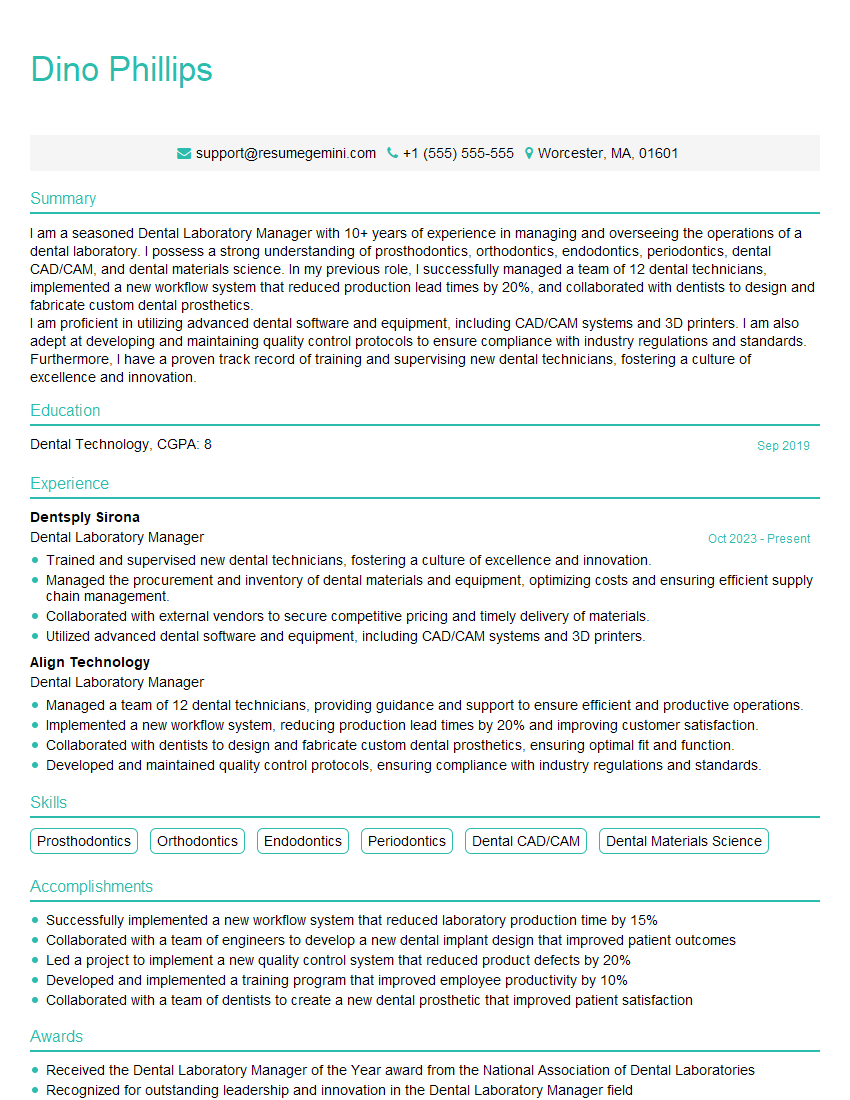
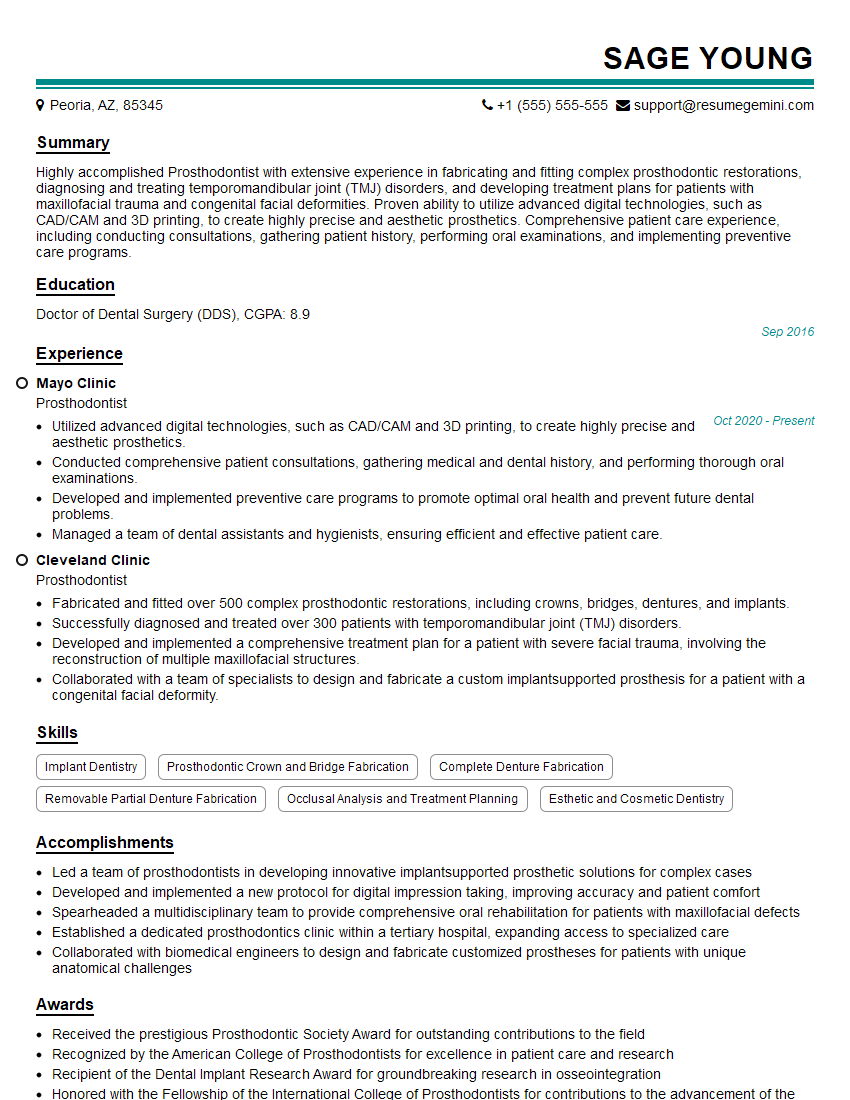
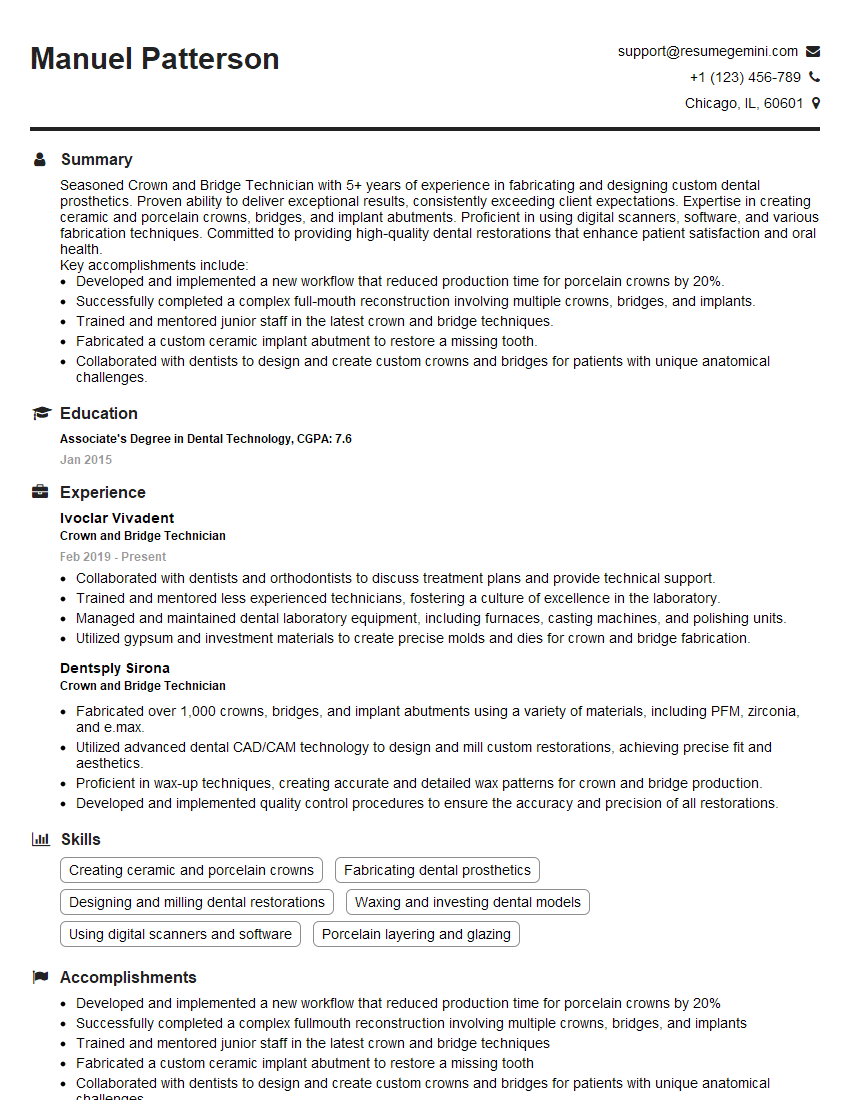
Mastering Onlay opens doors to exciting career opportunities in a rapidly evolving technological landscape. A strong understanding of Onlay demonstrates valuable skills highly sought after by employers. To maximize your job prospects, it’s crucial to present your skills effectively. Creating an ATS-friendly resume is essential for getting your application noticed. We highly recommend using ResumeGemini, a trusted resource, to build a professional and impactful resume that showcases your Onlay expertise. Examples of resumes tailored to Onlay roles are available to help you get started.
Explore more articles
Users Rating of Our Blogs
Share Your Experience
We value your feedback! Please rate our content and share your thoughts (optional).
What Readers Say About Our Blog
Very informative content, great job.
good