Cracking a skill-specific interview, like one for Online Content Creation, requires understanding the nuances of the role. In this blog, we present the questions you’re most likely to encounter, along with insights into how to answer them effectively. Let’s ensure you’re ready to make a strong impression.
Questions Asked in Online Content Creation Interview
Q 1. Explain your content creation process from ideation to publication.
My content creation process is a structured, iterative approach that ensures high-quality, engaging content. It begins with ideation, where I brainstorm topics based on keyword research, audience needs, and current trends. I use mind maps and brainstorming sessions to explore various angles. Next is research; I delve deep into the subject, gathering facts, data, and credible sources. This ensures accuracy and authority. Then comes outlining, where I create a structured framework for the content, determining the flow of information and key points. I often use a hierarchical structure, making sure each section builds upon the previous one. Following this is the writing/creation phase, where I produce the actual content, adhering to the outline and ensuring a consistent tone and style. This is followed by editing and proofreading – a crucial step that involves multiple revisions to enhance clarity, grammar, and style. Finally, the publishing and promotion phase involves selecting the appropriate platform, optimizing for SEO, and actively promoting the content through social media and other channels. For instance, recently I was creating content about sustainable fashion. The ideation phase involved brainstorming about different aspects, from eco-friendly materials to ethical manufacturing. The research phase included interviewing designers, studying reports on the environmental impact of textiles, and analyzing consumer behaviour. The final result was a well-researched blog post with infographics that went viral.
Q 2. How do you identify your target audience and tailor content accordingly?
Identifying the target audience is paramount. I use a combination of methods including audience research (analyzing demographics, psychographics, interests, and online behavior through tools like Google Analytics), competitor analysis (understanding their target audiences and strategies), and direct engagement (interacting with potential audiences on social media, surveys, and feedback forms). Once I have a clear understanding of their needs, preferences, and pain points, I tailor my content accordingly. For example, if my target audience is young professionals interested in personal finance, my content will focus on practical tips, budgeting strategies, and investing basics, using a concise and visually appealing format. If my audience is senior citizens interested in healthy recipes, the content would be structured differently – with larger font sizes, simple language, and a focus on ease of preparation.
Q 3. Describe your experience with SEO best practices.
My experience with SEO best practices is extensive. I understand the importance of keyword research to identify relevant search terms, on-page optimization (optimizing title tags, meta descriptions, header tags, and image alt text), and off-page optimization (building high-quality backlinks from reputable websites). I utilize tools like SEMrush and Ahrefs to analyze keyword performance and competitor strategies. I also focus on creating high-quality, engaging content that naturally incorporates relevant keywords, avoiding keyword stuffing. For example, for a blog post about ‘best running shoes’, I would research related keywords like ‘best running shoes for women’, ‘best trail running shoes’, and ‘best running shoes for plantar fasciitis’. I’d then optimize the title tag, meta description, and headings with these keywords, ensuring the content answers user search intent while providing valuable information. Further, I would aim to acquire backlinks from relevant websites and blogs to boost the post’s authority and search ranking.
Q 4. What are your preferred content formats (blog posts, videos, infographics, etc.) and why?
My preferred content formats are diverse and depend heavily on the topic and target audience. Blog posts are effective for in-depth explanations and detailed analysis. Videos are excellent for tutorials, demonstrations, and conveying personality. Infographics are ideal for presenting complex data in a visually appealing and easily digestible manner. Short-form videos on platforms like TikTok and Instagram Reels can quickly grab attention and drive engagement. The choice depends on what best serves the content and its intended audience. For example, a complex technical topic might be best explained through a blog post or a series of videos, while a quick tip or fun fact might be best shared as a short video or an infographic.
Q 5. How do you measure the success of your content?
I measure content success using a multi-faceted approach. Website analytics (using Google Analytics) provide data on traffic, bounce rate, time on page, and conversion rates. Social media engagement metrics (likes, shares, comments) reveal audience interest and interaction. Search engine rankings indicate the content’s visibility and reach. Lead generation and sales (if applicable) demonstrate the content’s effectiveness in achieving business goals. For example, a high bounce rate might indicate a problem with the content’s relevance or engagement, while low search engine rankings suggest a need for improved SEO. A high conversion rate from a blog post to a product purchase would indicate successful content marketing.
Q 6. How do you handle feedback and criticism on your work?
I welcome feedback and criticism as opportunities for growth. I actively seek feedback through comments, surveys, and social media interactions. I analyze feedback objectively, identifying constructive points that can improve future content. I respond to comments and criticisms professionally and respectfully, even when disagreeing. For example, if someone criticizes the accuracy of my information, I thoroughly review my sources and correct any mistakes. If someone suggests improvements to the structure or presentation, I consider their suggestions and incorporate them into future projects. This iterative process of continuous improvement is essential to producing high-quality content.
Q 7. Describe your experience with content management systems (CMS).
I have extensive experience with various Content Management Systems (CMS), including WordPress, Drupal, and Wix. I’m proficient in using these platforms to create, manage, and publish content efficiently. My skills extend to customizing themes, installing plugins, managing user roles, and ensuring website security. My preference for WordPress stems from its flexibility, extensive plugin ecosystem, and large community support. For instance, I’ve used WordPress to build complex websites with custom functionalities, and Drupal for more enterprise-level projects requiring robust security and scalability. My experience with various CMSs allows me to choose the most appropriate platform for each project based on its specific requirements and the client’s needs.
Q 8. How do you stay up-to-date with the latest content creation trends?
Staying current in the dynamic world of online content creation requires a multi-pronged approach. It’s not just about passively consuming information; it’s about actively engaging with the evolving landscape.
Industry Publications and Blogs: I regularly read publications like Content Marketing Institute, Neil Patel’s blog, and Search Engine Journal. These offer insights into trending topics, successful strategies, and emerging technologies.
Social Media Monitoring: I actively follow key influencers and thought leaders on platforms like Twitter, LinkedIn, and Instagram. This allows me to observe real-time discussions, see what’s resonating with audiences, and identify new trends.
Conferences and Webinars: Attending industry conferences and webinars provides invaluable networking opportunities and access to cutting-edge information directly from experts.
Competitor Analysis: Regularly reviewing the content strategies of competitors helps identify successful approaches and areas for improvement. This isn’t about copying; it’s about understanding what works in the market.
Data Analysis: Utilizing analytics tools like Google Analytics provides crucial data on audience behavior, content performance, and emerging trends. This data-driven approach ensures my strategies are always informed and effective.
Q 9. What is your experience with content repurposing and syndication?
Content repurposing and syndication are crucial for maximizing the value of existing content. Repurposing involves transforming content into different formats, while syndication involves distributing it across various platforms.
Repurposing Examples: A blog post can be transformed into a series of social media posts, an infographic, a short video, or even a podcast episode. A webinar can be edited into shorter, digestible video clips for social media. A case study can be summarized into a compelling tweet.
Syndication Strategies: Syndicating content involves strategically distributing it across relevant platforms. This might include guest posting on other blogs, submitting articles to online publications, or sharing content on various social media channels. Each platform requires a slightly tailored approach to maximize engagement.
Benefits: Repurposing and syndication extend the reach of your content, increase brand visibility, and improve SEO. It saves time and resources by leveraging existing materials.
For example, I recently repurposed a lengthy white paper into a series of short, easily digestible LinkedIn posts, each highlighting a key takeaway. This increased engagement significantly compared to simply sharing the link to the full document.
Q 10. How do you ensure your content is consistent with brand guidelines?
Maintaining brand consistency is paramount. It involves understanding the brand’s voice, visual identity, and messaging guidelines and applying them meticulously to all content pieces.
Style Guides: I meticulously review and adhere to the brand’s style guide. This covers everything from tone of voice (formal, informal, humorous) to preferred terminology, visual elements (logo usage, color palettes), and formatting standards.
Brand Voice: I adapt my writing style to match the brand’s personality. If the brand is playful, the content will reflect that. If it’s serious and professional, the writing will maintain a formal tone.
Regular Check-Ins: I maintain regular communication with the marketing or branding team to ensure ongoing consistency and address any ambiguities.
Feedback and Revisions: I actively solicit feedback and make revisions as needed to guarantee alignment with brand guidelines.
For instance, I recently worked with a brand that preferred a very formal and authoritative tone. I adjusted my writing style to match this, using precise language and avoiding colloquialisms.
Q 11. Describe your experience working with different content styles (e.g., persuasive, informative, entertaining).
Adaptability in content style is key. I’m proficient in crafting content tailored to various objectives and audiences.
Informative Content: This focuses on educating the audience and providing valuable information. Examples include blog posts explaining complex topics, how-to guides, and white papers.
Persuasive Content: This aims to convince the audience to take a specific action. Examples include sales copy, marketing emails, and call-to-action messages. This often involves employing techniques like storytelling and benefit-driven language.
Entertaining Content: This focuses on engaging the audience and providing enjoyment. Examples include social media posts, humorous blog articles, and lighthearted videos. This often involves creative storytelling, humor, and strong visuals.
I recently created a series of informative blog posts about a complex technical product. Then, I developed persuasive email campaigns targeting specific customer segments, and finally, created a series of lighthearted social media posts to build brand awareness.
Q 12. How do you collaborate with other team members in a content creation project?
Effective collaboration is crucial for successful content creation. It involves clear communication, shared responsibility, and leveraging each team member’s strengths.
Project Management Tools: We use project management tools like Asana or Trello to track progress, assign tasks, and ensure everyone is on the same page.
Regular Check-ins: Regular meetings and progress updates keep everyone informed and facilitate quick problem-solving.
Clear Communication: Open and clear communication channels are essential to prevent misunderstandings and ensure everyone is working towards the same goals.
Defined Roles and Responsibilities: Each team member has clearly defined roles and responsibilities, preventing duplication of effort and maximizing efficiency.
In a recent project, our team consisted of a writer, a designer, and an editor. We utilized Asana to track tasks, and held weekly meetings to discuss progress and address any challenges. This collaborative approach resulted in a high-quality, cohesive final product.
Q 13. How do you manage multiple content projects simultaneously?
Managing multiple content projects simultaneously requires strong organizational skills and efficient time management techniques.
Prioritization: I prioritize projects based on deadlines, importance, and impact. This ensures that the most critical tasks are addressed first.
Task Breakdown: I break down large projects into smaller, manageable tasks. This makes the overall project less daunting and allows for better tracking of progress.
Time Blocking: I allocate specific blocks of time to each project, ensuring dedicated focus and minimizing distractions.
Project Management Software: I leverage project management software to track deadlines, tasks, and progress, providing a clear overview of all active projects.
Recently, I successfully managed three concurrent projects with differing deadlines and requirements. By prioritizing tasks, breaking down large projects, and effectively using time-blocking, I was able to deliver all three projects on time and to a high standard.
Q 14. How do you handle writer’s block or creative challenges?
Writer’s block and creative challenges are common hurdles. Overcoming them requires a strategic and proactive approach.
Brain Dumping: I start by freely writing down any ideas, even if they seem irrelevant. This helps to unlock creativity and overcome mental blocks.
Change of Scenery: Stepping away from my work environment and taking a break often helps to clear my mind and gain a fresh perspective.
Seek Inspiration: I look for inspiration in various sources, such as books, articles, podcasts, or even nature. This can reignite my creativity.
Collaboration: Discussing my challenges with colleagues or brainstorming with a team can help generate new ideas and solutions.
Outline and Structure: Creating a detailed outline helps to organize my thoughts and structure the content logically, making the writing process smoother.
In one instance, I experienced a severe creative block on a complex technical topic. By taking a walk, brainstorming with a colleague, and creating a detailed outline, I was able to overcome the block and produce a well-structured and informative piece.
Q 15. What tools and technologies do you use for content creation?
My content creation toolkit is quite extensive and adapts to the project’s needs. For writing, I rely heavily on tools like Grammarly for grammar and style checks, and ProWritingAid for deeper structural analysis and readability improvements. For visual content, I utilize Adobe Creative Suite (Photoshop, Illustrator, InDesign) for image editing, graphic design, and layout. Canva is a great alternative for quicker, less complex designs. For video editing, I use DaVinci Resolve, which offers professional-grade features but has a learning curve, and for simpler projects, I use iMovie. Finally, for content scheduling and management, I’m proficient in tools like Hootsuite and Buffer.
- Grammarly & ProWritingAid: Ensure grammatical accuracy and enhance writing style.
- Adobe Creative Suite & Canva: Enable creation of high-quality visuals and graphics.
- DaVinci Resolve & iMovie: Facilitate video editing, catering to varying project complexities.
- Hootsuite & Buffer: Streamline content scheduling and social media management.
Career Expert Tips:
- Ace those interviews! Prepare effectively by reviewing the Top 50 Most Common Interview Questions on ResumeGemini.
- Navigate your job search with confidence! Explore a wide range of Career Tips on ResumeGemini. Learn about common challenges and recommendations to overcome them.
- Craft the perfect resume! Master the Art of Resume Writing with ResumeGemini’s guide. Showcase your unique qualifications and achievements effectively.
- Don’t miss out on holiday savings! Build your dream resume with ResumeGemini’s ATS optimized templates.
Q 16. What’s your experience with A/B testing and content optimization?
A/B testing is fundamental to content optimization. It allows us to test different versions of content (headlines, images, calls-to-action) to determine which performs best. For example, I recently A/B tested two different headlines for a blog post – one more benefit-driven and one more question-based. The question-based headline outperformed the benefit-driven headline by 15% in click-through rates. This data informed my future content strategy, showing that engaging questions resonate better with my target audience.
My process involves identifying key performance indicators (KPIs) – such as click-through rates, conversion rates, and time on page – setting up variations using website analytics tools like Google Analytics, and carefully analyzing the results. Based on this analysis, I iterate and refine the content to continually improve performance. This iterative process is crucial for data-driven decision-making.
Q 17. How do you ensure your content is accessible and inclusive?
Accessibility and inclusivity are paramount. I ensure my content is accessible to everyone, regardless of their abilities. This involves using alt text for images, providing captions for videos, using clear and concise language, and structuring content logically with headings and subheadings. I also adhere to WCAG (Web Content Accessibility Guidelines) to guarantee compliance with accessibility standards. For example, using sufficient color contrast between text and background ensures readability for people with visual impairments. Furthermore, I actively seek diverse perspectives during the content creation process to ensure inclusivity and avoid perpetuating harmful stereotypes.
Creating inclusive content is not just about compliance; it’s about expanding reach and creating a welcoming online environment for all. I regularly review my work through the lens of accessibility, and I actively seek feedback from diverse individuals to ensure that my content truly resonates with a wide audience.
Q 18. How familiar are you with different content distribution channels?
I’m familiar with a wide range of content distribution channels, tailoring my approach to the specific content and target audience. This includes organic social media (Facebook, Instagram, Twitter, LinkedIn, TikTok, etc.), email marketing, search engine optimization (SEO), paid advertising (Google Ads, social media ads), content syndication platforms (Medium, LinkedIn Pulse), and community forums or relevant subreddits. Understanding the nuances of each platform is crucial to effective distribution. For instance, the visual nature of Instagram necessitates a different approach than the long-form content preferred on platforms like LinkedIn.
I analyze the demographics and engagement patterns of each platform to optimize content for maximum impact. My strategy is always to identify the best channels to reach the intended audience, considering the content type and overall marketing goals.
Q 19. Describe a time you had to meet a tight deadline for a content project.
I once had to create a comprehensive whitepaper on a complex technical subject within a week. The challenge was not only the tight deadline but also the need to ensure accuracy and clarity on a subject matter that required significant research. My approach involved breaking down the project into manageable tasks, setting daily goals, and prioritizing the most critical sections. I utilized project management tools to track progress and maintain focus. I also collaborated closely with subject matter experts to ensure the accuracy and completeness of the information. While it was a stressful experience, effectively managing my time and leveraging collaborative efforts allowed me to deliver a high-quality whitepaper on time, demonstrating my ability to perform under pressure.
Q 20. How do you adapt your content strategy based on data and analytics?
Data and analytics are crucial for guiding my content strategy. I consistently track key metrics such as website traffic, engagement rates, conversion rates, and bounce rates using Google Analytics and other relevant tools. This data provides insights into what content resonates with the audience and what areas need improvement. For example, if a particular blog post performs exceptionally well, I analyze the keywords, topics, and engagement patterns to replicate success in future content. Conversely, underperforming content informs me of what to avoid and how to refine my approach.
This data-driven approach allows for continuous improvement and ensures that my content strategy is always evolving and aligned with the needs and preferences of the audience. I use this information to refine keywords, improve content structure, adjust tone and style, and optimize for better search engine rankings.
Q 21. Describe your experience with content promotion and outreach.
Content promotion and outreach are essential for maximizing visibility and impact. My approach is multifaceted and involves a mix of strategies, including social media promotion, email marketing campaigns, influencer outreach, and engaging with relevant communities. For instance, I recently collaborated with an industry influencer to promote a new ebook, resulting in a significant increase in downloads and brand awareness. I also actively participate in relevant online discussions and forums to build relationships and share insights, organically promoting my content and establishing myself as a thought leader.
Effective content promotion requires a strategic approach that considers the target audience, the content format, and the chosen channels. It’s not just about broadcasting content; it’s about building genuine relationships and engaging with the community to foster organic growth and brand loyalty.
Q 22. What types of content do you believe are most effective for [specific industry/niche]?
The most effective content for a specific industry/niche depends heavily on the target audience and business goals. However, some content types consistently perform well. Let’s take the example of the sustainable fashion industry. Here, a multi-pronged approach works best.
- High-quality product photography and videography: Visually showcasing the sustainable materials and craftsmanship is crucial. Think detailed shots highlighting the texture of organic cotton or videos demonstrating the ethical production process.
- Blog posts and articles: In-depth pieces discussing sustainable practices, the environmental impact of fast fashion, and the benefits of choosing ethical brands resonate well. Think pieces titled “The Hidden Cost of Fast Fashion” or “A Guide to Sustainable Fabrics.”
- Infographics and data visualizations: These present complex information (e.g., carbon footprint comparisons, water usage statistics) in a digestible format, enhancing engagement and understanding.
- User-generated content (UGC): Encouraging customers to share their experiences wearing the clothing builds trust and social proof. This could be through customer photos or videos showcasing outfits.
- Behind-the-scenes content: Showing the production process, the people involved, and the brand’s commitment to sustainability humanizes the brand and builds a stronger connection with consumers.
A successful strategy involves a mix of these content types, tailored to the platform and audience. It’s about telling a compelling story and providing value to the audience, not just selling products.
Q 23. How do you incorporate keywords effectively into your content without compromising readability?
Keyword integration should be natural and seamless. Stuffing keywords into content hurts readability and can even harm your search engine optimization (SEO). Instead, focus on creating high-quality, informative content that naturally incorporates relevant keywords.
- Keyword research: Start with thorough keyword research to identify terms your target audience uses. Tools like SEMrush or Ahrefs can help.
- Topic clusters: Organize content around central topics (pillar pages) and supporting subtopics (cluster content). This improves site architecture and keyword relevance.
- Natural language: Use keywords naturally within the text, focusing on user intent. Don’t force keywords where they don’t fit.
- Headings and subheadings: Incorporate keywords into H1, H2, and other heading tags for better SEO and readability.
- Image alt text: Use keywords in image alt text to improve accessibility and SEO.
- Meta descriptions: Optimize meta descriptions with keywords to attract clicks from search results.
For example, instead of writing “Our eco-friendly dresses are made from sustainable cotton,” you might write, “Discover our collection of ethically made dresses crafted from 100% organic cotton, perfect for a sustainable wardrobe.”
Q 24. How do you manage negative comments or feedback about your content?
Managing negative comments requires a professional and empathetic approach. The goal is to address concerns, maintain brand reputation, and potentially turn negative experiences into positive ones.
- Respond promptly: Address comments promptly and politely, acknowledging the user’s feedback.
- Empathize and validate: Show understanding of their perspective, even if you disagree.
- Offer solutions: If the complaint is valid, offer solutions or resolutions. This shows you care and are willing to help.
- Take the conversation offline: If the discussion becomes too personal or heated, offer to take the conversation offline via email or phone.
- Don’t engage in arguments: Avoid getting into arguments or engaging in personal attacks. Maintain professionalism at all times.
- Learn from the feedback: Use negative feedback as an opportunity to improve your content or services.
For example, a negative comment might say, “The dress arrived damaged.” A good response would be, “We’re so sorry to hear that your dress arrived damaged. We’d be happy to send you a replacement or offer a full refund. Please contact us directly at [email address] with your order number.”
Q 25. What are your thoughts on the future of online content creation?
The future of online content creation is dynamic and exciting. Several key trends are shaping the landscape:
- AI-powered tools: AI will play a larger role in content creation, assisting with tasks like writing, editing, and optimization. However, human creativity and critical thinking will remain essential.
- Personalization: Content will become increasingly personalized, catering to individual preferences and needs through advanced data analytics.
- Interactive content: Interactive formats like quizzes, polls, and augmented reality (AR) experiences will enhance engagement and create more immersive user experiences.
- Short-form video: Platforms like TikTok and Instagram Reels will continue to drive demand for short, engaging video content.
- Focus on authenticity: Authenticity and transparency will be increasingly valued, as consumers crave genuine connections with brands.
- Web3 and the Metaverse: New opportunities for content creation are emerging in the metaverse, offering immersive and interactive experiences.
Ultimately, success will depend on adapting to these changes, embracing new technologies, and continuing to deliver high-quality, valuable content that resonates with the audience.
Q 26. What is your experience with creating content for different social media platforms?
My experience spans various social media platforms, and I tailor content to each platform’s unique audience and format. For example:
- Facebook: I create longer-form content, including articles, blog posts, and infographics, focusing on community engagement and sharing.
- Instagram: My focus shifts to visually appealing content, such as high-quality images and short, engaging videos, utilizing relevant hashtags and stories.
- Twitter: I use Twitter for concise updates, news, and quick engagement with followers through tweets and polls.
- TikTok: I leverage trending sounds and challenges to create short, entertaining videos to capture attention and drive engagement.
- LinkedIn: My content focuses on professional networking and industry-related topics, leveraging articles, insights, and professional updates.
Understanding each platform’s algorithm and audience is key to creating effective content that generates engagement and reaches the target audience.
Q 27. Describe your experience with content audits and strategy revisions.
Content audits and strategy revisions are crucial for maintaining a strong online presence. I approach them systematically:
- Content inventory: I begin with a comprehensive inventory of existing content, assessing its performance (traffic, engagement, conversions).
- Performance analysis: I analyze which content performs well and which underperforms, identifying areas for improvement.
- Keyword gap analysis: I identify keyword opportunities that are currently untapped.
- Competitor analysis: I analyze competitor content to identify gaps and opportunities.
- Strategy revision: Based on the audit, I revise the content strategy, prioritizing high-performing content and creating new content to fill identified gaps.
- Implementation and monitoring: I implement the revised strategy and monitor its performance, making adjustments as needed.
For example, a content audit might reveal that blog posts on a specific topic consistently underperform. The revised strategy might involve creating more engaging content around that topic, perhaps using a different format (e.g., video or infographic) or targeting a different keyword.
Q 28. How familiar are you with content legal and ethical considerations (copyright, plagiarism, etc.)?
I am deeply familiar with content legal and ethical considerations. Understanding and adhering to these principles is essential for building a trustworthy and sustainable online presence. Key considerations include:
- Copyright: I understand the importance of obtaining proper permissions before using copyrighted material (images, text, music, etc.). I utilize royalty-free resources or create original content whenever possible.
- Plagiarism: I always create original content and properly cite any sources used. I utilize plagiarism detection tools to ensure originality.
- Fair use: I understand the principles of fair use and apply them appropriately when using copyrighted material for commentary or criticism.
- Privacy: I handle personal data responsibly and comply with data privacy regulations (e.g., GDPR, CCPA).
- Defamation and libel: I ensure that all published content is factual and avoids making false or defamatory statements.
- Accessibility: I create content that is accessible to users with disabilities, following guidelines like WCAG.
Ignoring these considerations can result in legal issues, reputational damage, and loss of trust from your audience. Therefore, ethical and legal compliance is a priority in all my content creation work.
Key Topics to Learn for Online Content Creation Interview
- Content Strategy & Planning: Understanding audience needs, developing content calendars, and aligning content with business goals. Practical application: Developing a content strategy for a hypothetical social media campaign.
- SEO & Content Optimization: Keyword research, on-page optimization, and understanding search engine algorithms. Practical application: Optimizing a blog post for relevant keywords and improving its search engine ranking.
- Content Formats & Styles: Mastering various content formats (blog posts, articles, social media updates, video scripts, email newsletters) and adapting writing style to suit different platforms and audiences. Practical application: Creating sample content for different platforms, demonstrating adaptability.
- Content Management Systems (CMS): Familiarity with popular CMS platforms (WordPress, Wix, etc.) and their functionalities. Practical application: Describing your experience managing and updating content within a CMS.
- Analytics & Reporting: Tracking key metrics, analyzing content performance, and drawing data-driven insights to improve future content strategies. Practical application: Interpreting website analytics data to understand content effectiveness.
- Visual Communication & Design Principles: Understanding basic design principles and how they apply to content creation (e.g., image selection, typography, layout). Practical application: Explaining how visual elements enhance content engagement.
- Social Media Marketing & Engagement: Understanding social media platforms, creating engaging content, and managing online communities. Practical application: Developing a social media strategy to promote a product or service.
- Content Repurposing & Recycling: Transforming existing content into new formats to maximize reach and engagement. Practical application: Describing how you would repurpose a blog post into a series of social media posts.
- Ethical Considerations & Copyright: Understanding copyright laws, plagiarism, and ethical practices in content creation. Practical application: Explaining your process for ensuring ethical and legal content creation.
Next Steps
Mastering online content creation is crucial for a thriving career in today’s digital landscape. It opens doors to diverse roles and allows you to leverage your creativity and communication skills in impactful ways. To significantly boost your job prospects, focus on creating an ATS-friendly resume that highlights your skills and experience effectively. ResumeGemini is a trusted resource that can help you build a professional and impactful resume. Examples of resumes tailored to Online Content Creation are available to help you get started.
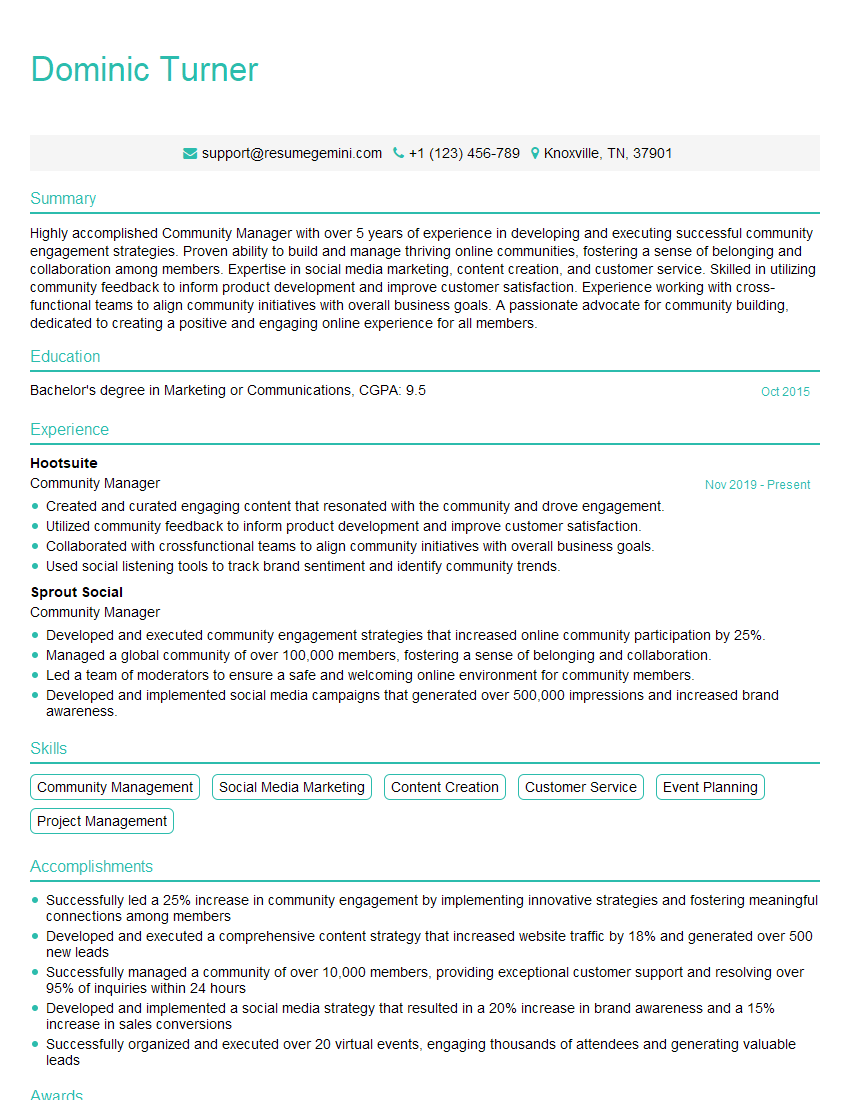
Community Manager Resume Sample

Social Media Manager Resume Sample

Content Strategist Resume Sample
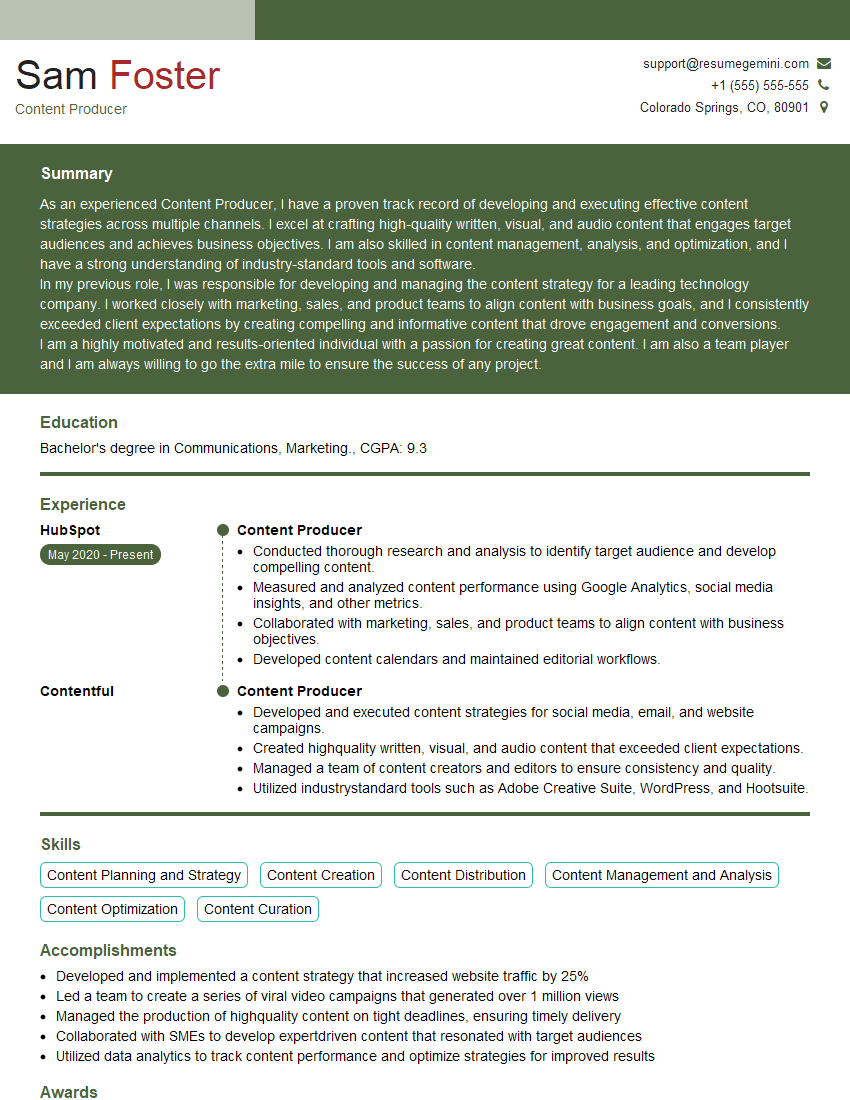
Content Producer Resume Sample
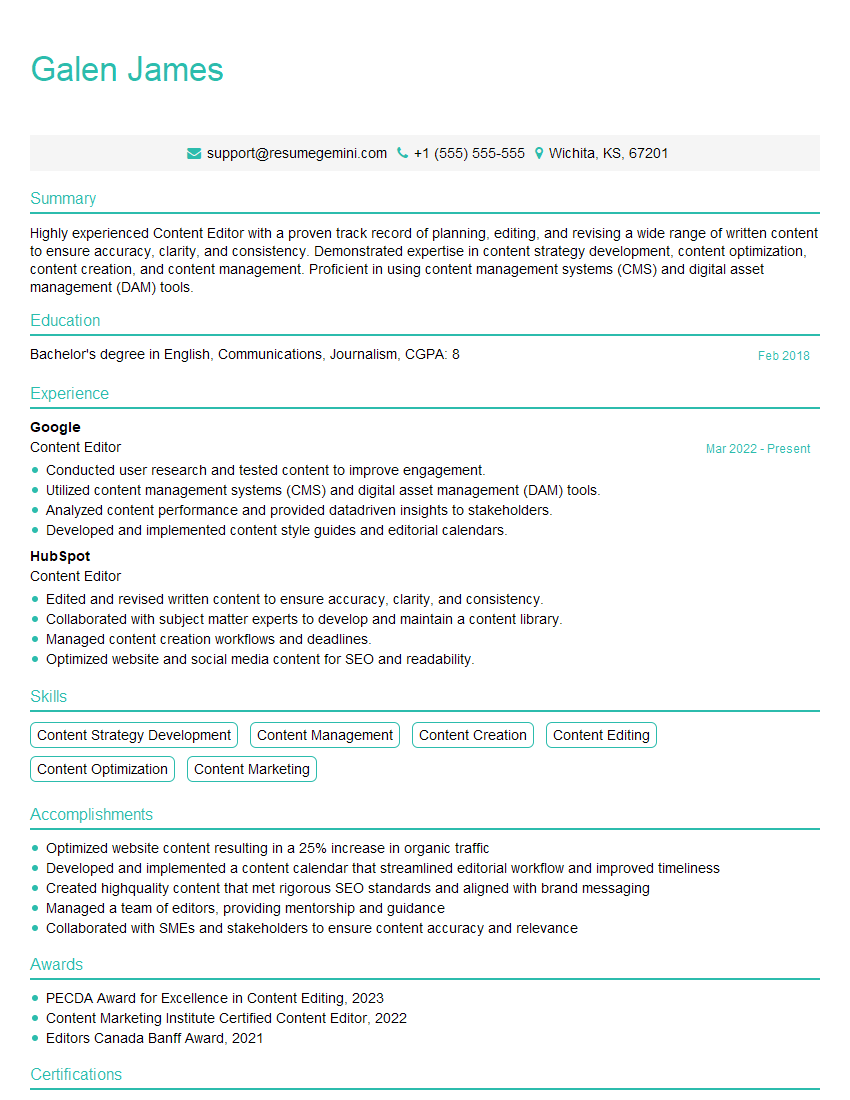
Content Editor Resume Sample
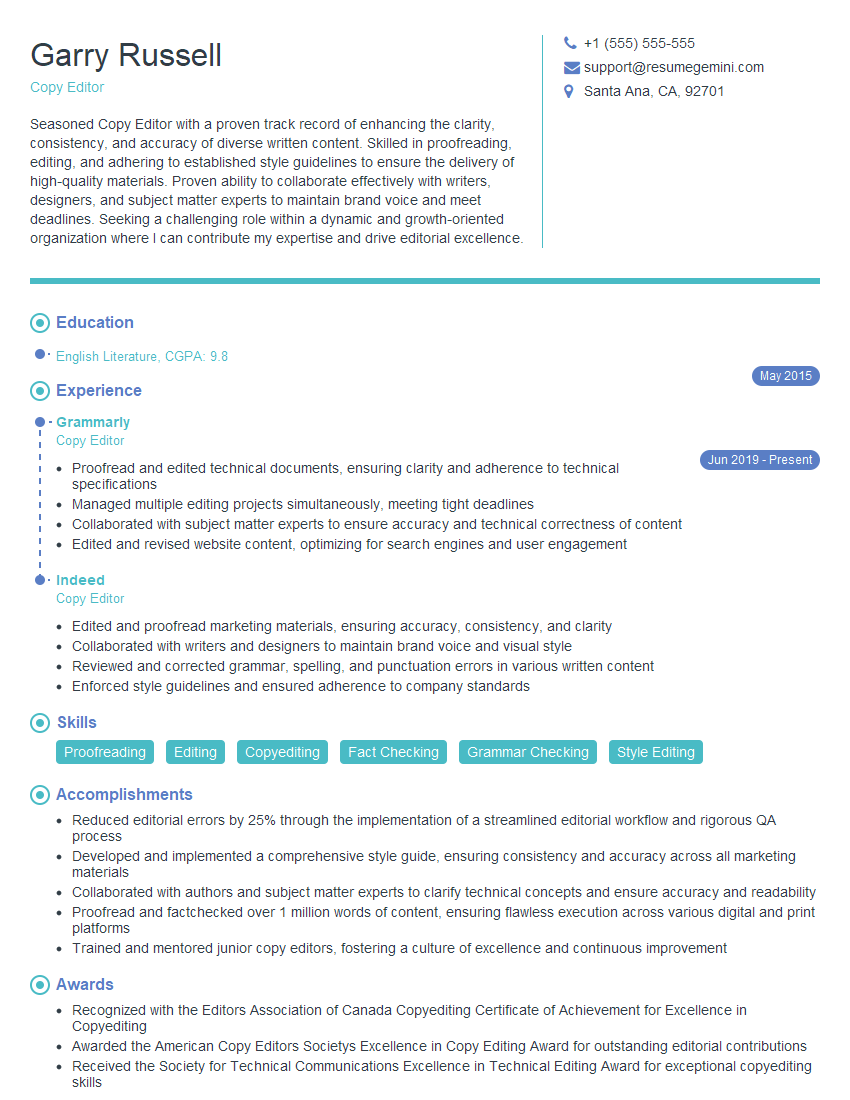
Copy Editor Resume Sample
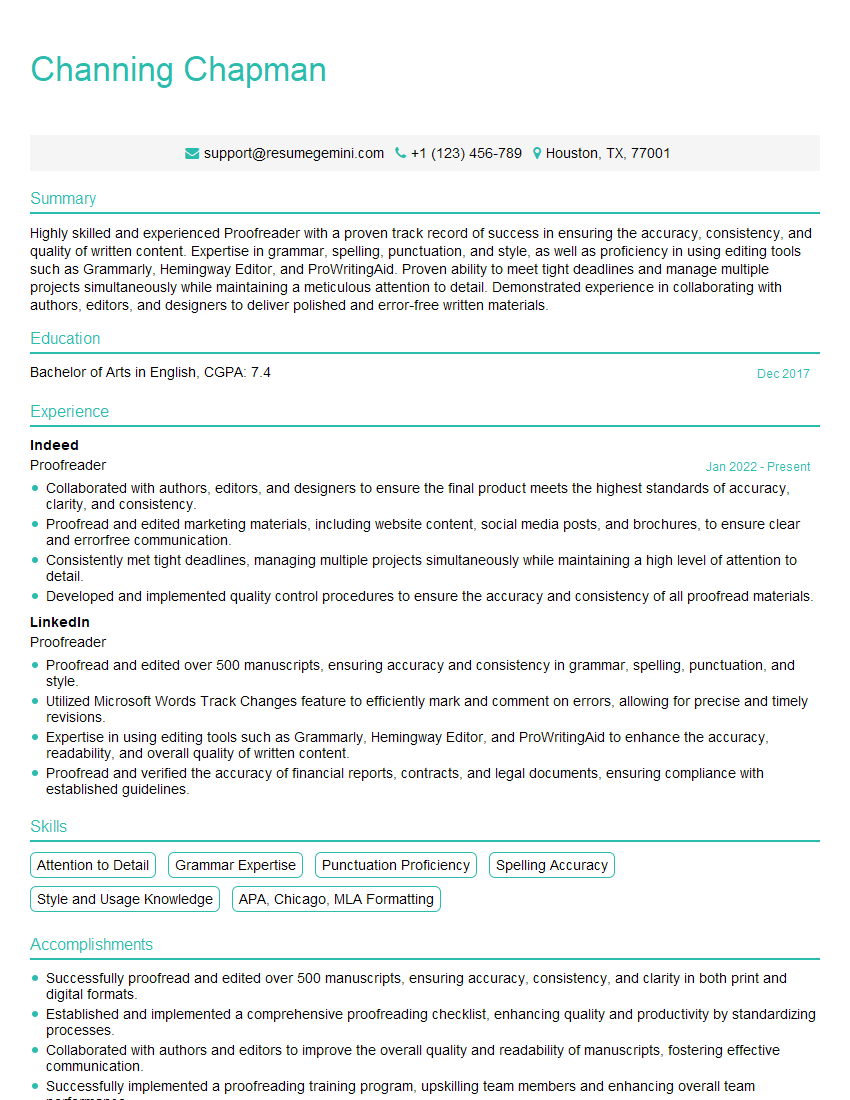
Proofreader Resume Sample

Technical Writer Resume Sample

Copywriter Resume Sample
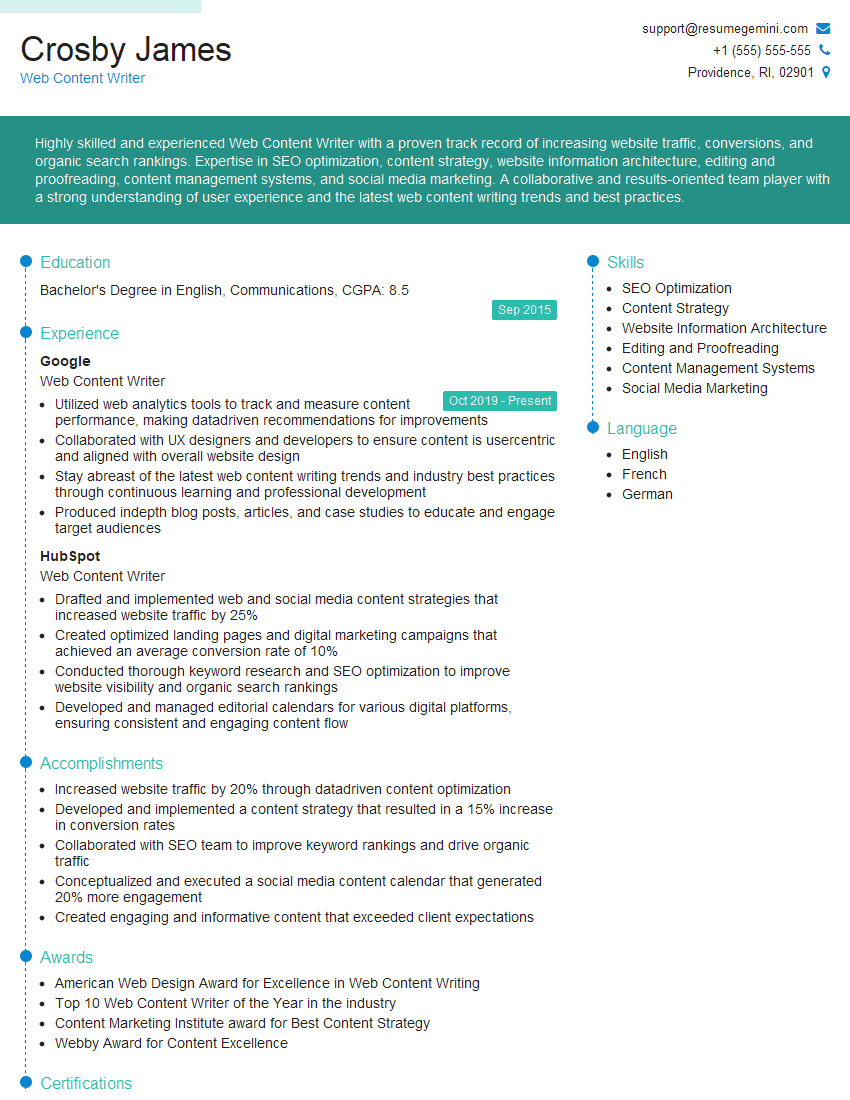
Web Content Writer Resume Sample
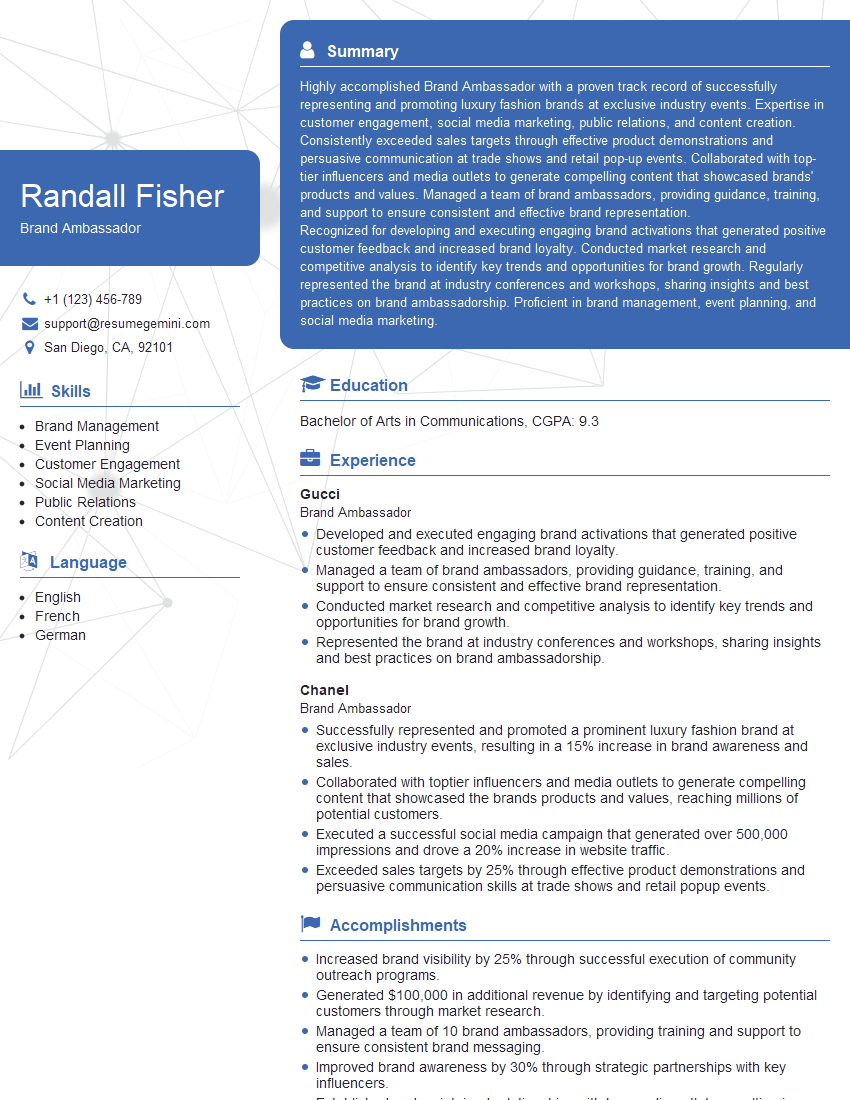
Brand Ambassador Resume Sample
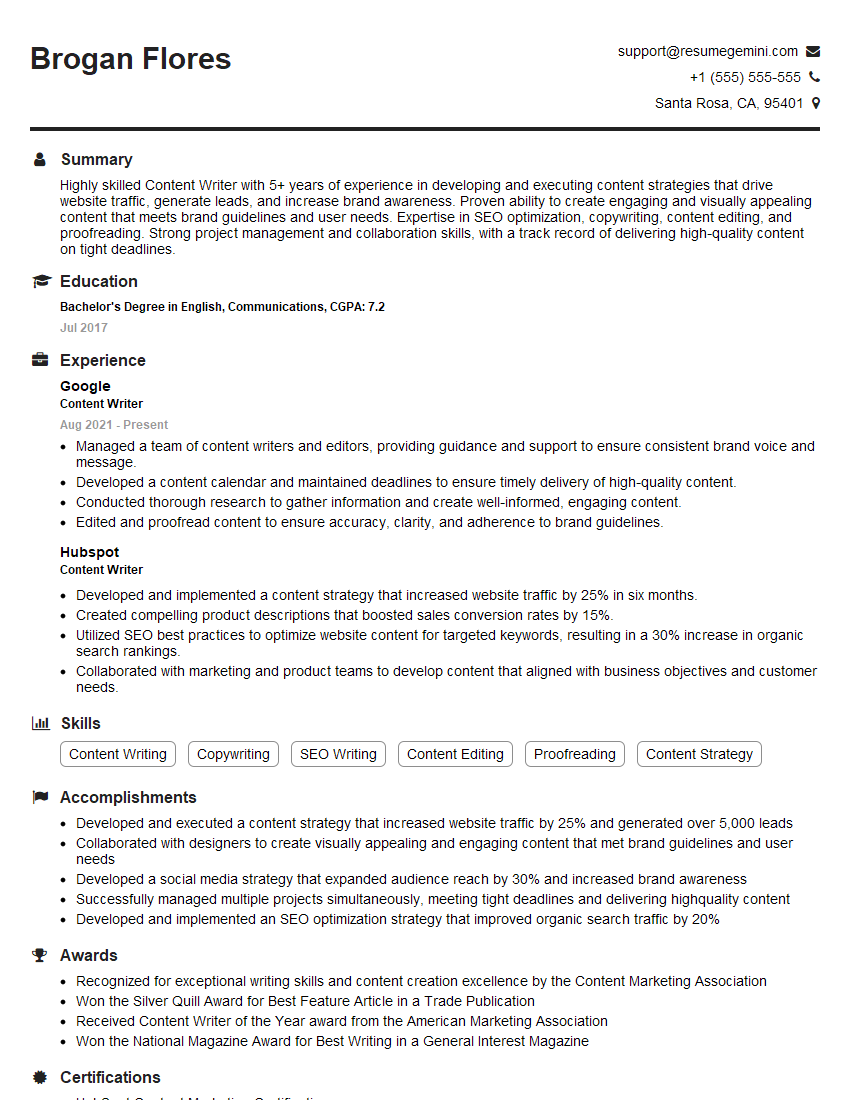
Content Writer Resume Sample

Content Creator Resume Sample
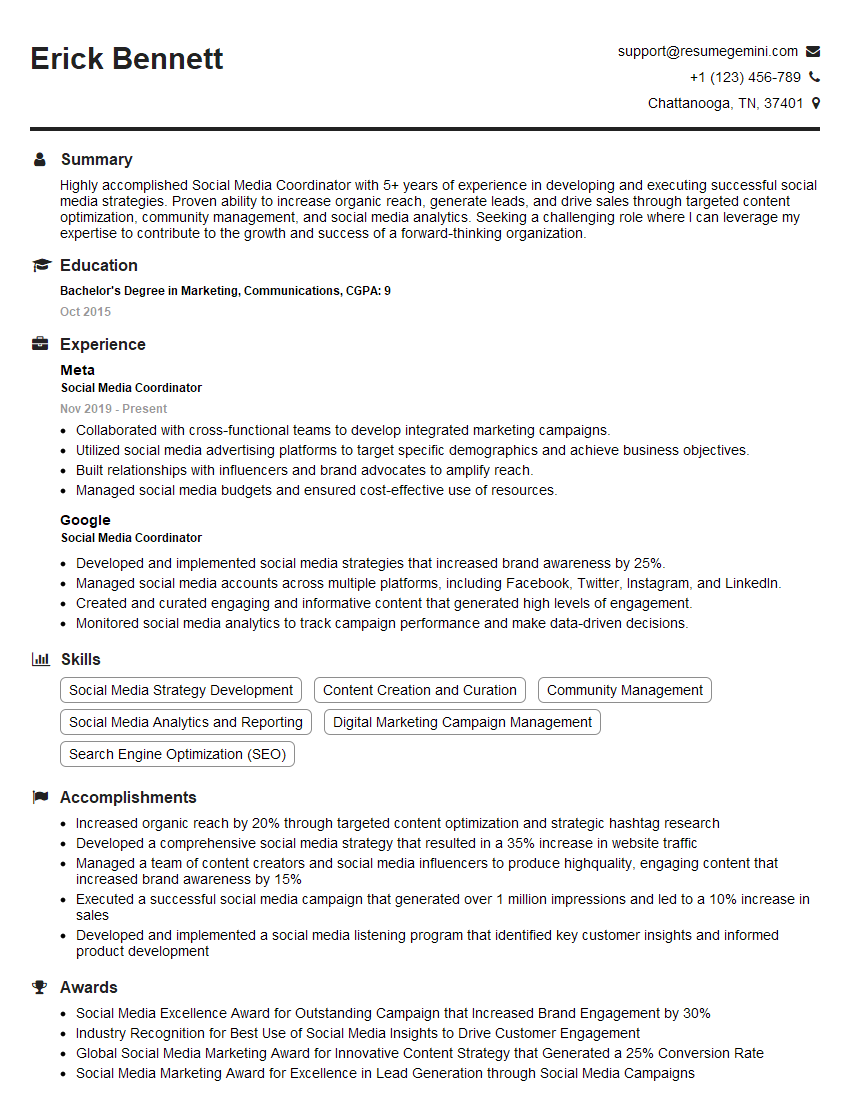
Social Media Coordinator Resume Sample
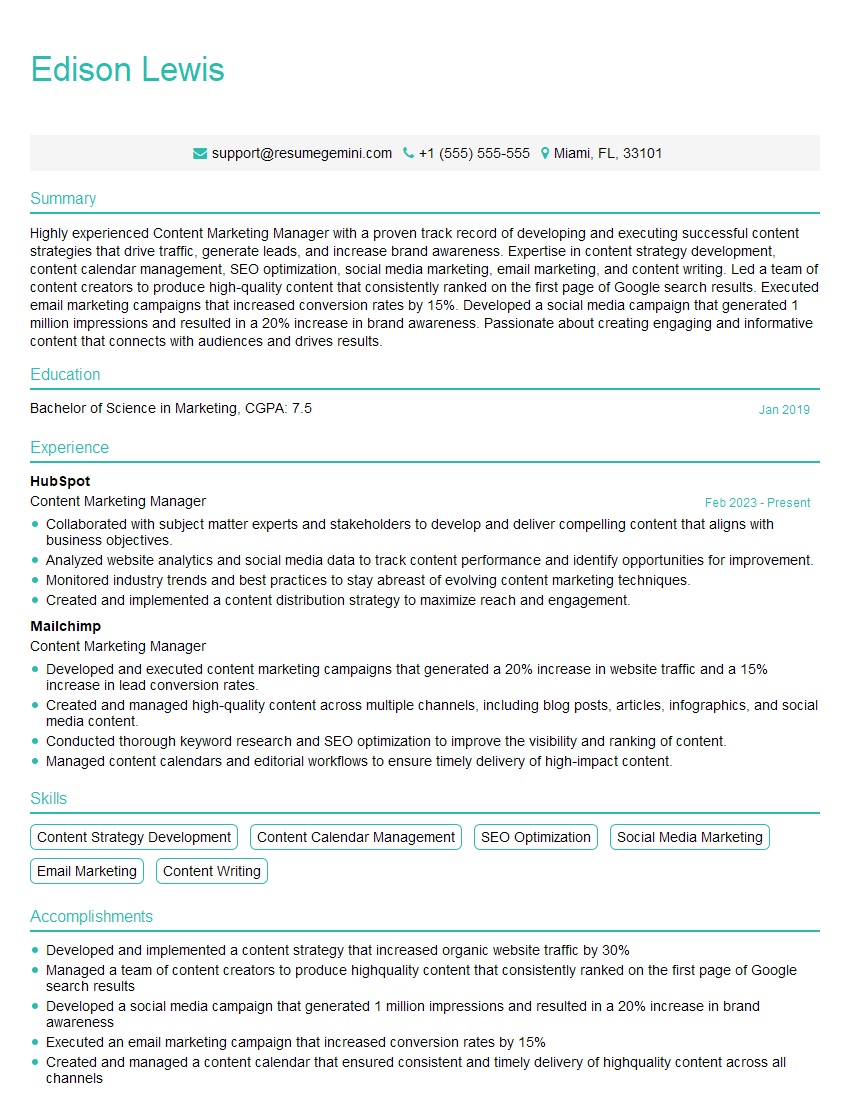
Content Marketing Manager Resume Sample

Influencer Marketing Manager Resume Sample
Explore more articles
Users Rating of Our Blogs
Share Your Experience
We value your feedback! Please rate our content and share your thoughts (optional).
What Readers Say About Our Blog
Very informative content, great job.
good