The thought of an interview can be nerve-wracking, but the right preparation can make all the difference. Explore this comprehensive guide to Operate a Forklift interview questions and gain the confidence you need to showcase your abilities and secure the role.
Questions Asked in Operate a Forklift Interview
Q 1. What types of forklifts have you operated?
Throughout my career, I’ve operated a variety of forklift types, each suited to different tasks and environments. This includes:
- Counterbalance forklifts: These are the most common type, ideal for general warehouse operations and outdoor use. I’m proficient in operating both gas-powered and electric models, understanding the nuances of fuel management and battery charging.
- Reach trucks: I have extensive experience operating reach trucks, particularly useful for accessing high-level racking in narrow aisles. Precise control is crucial with these, and I’m adept at optimizing speed and safety within confined spaces.
- Order pickers: My experience extends to order pickers, vital for efficient order fulfillment. I’m comfortable maneuvering these while simultaneously selecting items from shelves at various heights, ensuring accuracy and speed.
- Sit-down forklifts: I’m experienced with sit-down forklifts, which offer better stability and control during heavier lifting tasks compared to stand-up models. I’m familiar with the different control mechanisms and safety features across various brands.
My experience encompasses various load capacities and mast heights, allowing me to adapt to diverse warehouse layouts and operational needs.
Q 2. Describe your experience with pre-operational inspections.
Pre-operational inspections are non-negotiable for safe forklift operation. I meticulously follow a checklist, ensuring every component is in optimal working condition before each shift. This involves:
- Visual inspection: Checking for any visible damage to the forklift, including tires, forks, mast, lights, and body. I’d look for cracks, leaks, or loose parts.
- Fluid levels: Verifying engine oil, hydraulic fluid, coolant (if applicable), and battery levels (for electric forklifts). Low levels are immediately addressed.
- Operational checks: Testing the horn, lights, brakes, steering, and lift mechanism. A smooth, responsive system is critical.
- Safety features: Inspecting the seatbelt, safety guards, and emergency stop mechanisms. Malfunctions are reported immediately and addressed before operation.
My approach is methodical and thorough. I document every inspection, recording any issues or necessary repairs. This meticulous attention to detail prevents accidents and ensures compliance with safety regulations.
Q 3. Explain the proper procedures for loading and unloading cargo.
Loading and unloading cargo requires precision and adherence to safety protocols. My approach is systematic:
- Assess the load: Carefully examine the weight, dimensions, and stability of the load. Understanding its center of gravity is key to prevent tipping.
- Position the forklift: Maneuver the forklift close to the cargo, ensuring stability on a level surface. Avoid inclines or uneven ground.
- Engage the forks: Carefully insert the forks under the load, ensuring even distribution of weight. Use fork extensions or attachments when appropriate.
- Lift and transport: Raise the load slowly and smoothly, maintaining visibility. Observe speed limits and navigate cautiously, especially in tight spaces.
- Unload carefully: Lower the load slowly and gently in the designated area. Ensure the load is stable before removing the forks.
I always prioritize safe load handling techniques. For instance, I avoid overloading the forklift, always remaining within its weight capacity. I also utilize proper lifting techniques to mitigate risk of injury or damage.
Q 4. How do you ensure the safety of pedestrians in a warehouse environment?
Pedestrian safety is paramount in a warehouse environment. My approach integrates several key strategies:
- Awareness: I constantly scan my surroundings for pedestrians, maintaining a safe distance and adjusting speed accordingly.
- Horn usage: I use the horn appropriately to alert pedestrians of my approach, especially in blind corners or areas with limited visibility.
- Slow speed: I maintain a slow, controlled speed, especially in high-traffic areas, allowing for quick reactions and braking if necessary.
- Designated walkways: I always respect designated pedestrian walkways and avoid obstructing them with the forklift.
- Communication: I communicate clearly with pedestrians, using hand signals or verbal communication to coordinate movements and avoid collisions.
Safety is a shared responsibility. I actively encourage colleagues to be aware of their surroundings and follow safety protocols. Proactive safety measures prevent accidents and create a secure work environment.
Q 5. What are the different types of forklift attachments and their uses?
Forklift attachments significantly enhance versatility and efficiency. Here are some examples:
- Side shifters: Allow lateral movement of the forks, enabling precise placement of loads in tight spaces. This is particularly useful for stacking pallets.
- Clamp attachments: Designed to handle various materials such as paper rolls, lumber, or concrete blocks. They provide secure and efficient handling of non-pallet loads.
- Rotators: Rotate the load 360 degrees, simplifying tasks requiring orientation changes. This can be useful in the construction industry or for handling long materials.
- Carriage extensions: Extend the reach of the forks to handle longer loads or increase the load capacity without changing the forklift itself. Useful for oversized materials.
- Push-pull attachments: Useful for moving heavy materials without the need for forks.
The choice of attachment depends heavily on the specific task. I am knowledgeable in selecting and safely using the appropriate attachment for the job, always ensuring it’s correctly secured and within the forklift’s weight capacity.
Q 6. Describe your experience with maintaining forklift logs and records.
Maintaining accurate forklift logs and records is crucial for compliance and preventative maintenance. I’m meticulous in recording:
- Daily inspections: Each pre-operational inspection is documented, noting any issues or repairs needed.
- Operational hours: I track the total operating hours of the forklift, crucial for scheduling preventative maintenance.
- Maintenance records: Any repairs or servicing performed on the forklift are meticulously recorded, including dates, descriptions, and personnel involved.
- Fuel or battery usage: For gas or electric forklifts respectively, I track fuel consumption or battery charge cycles to identify potential issues or inefficiencies.
- Incident reports: Any accidents or near misses are immediately reported and documented, including details of the incident, any injuries, and corrective actions taken.
Accurate record-keeping ensures the forklift remains in optimal working condition, minimizing downtime and improving safety. These records also provide valuable data for fleet management and cost analysis.
Q 7. How do you handle a situation where a forklift malfunction occurs?
Forklift malfunctions require immediate and appropriate action. My response is based on a structured approach:
- Safety first: Immediately cease operation and secure the forklift in a safe location, away from pedestrians and traffic. Activate the emergency stop mechanism if necessary.
- Assessment: Identify the nature of the malfunction. Is it a minor issue or something more serious? This assessment guides my next steps.
- Reporting: Report the malfunction to the appropriate supervisor or maintenance personnel, providing a detailed description of the problem. This ensures timely repair and prevents further incidents.
- No unauthorized repairs: I do not attempt unauthorized repairs. Only qualified personnel should carry out repairs to maintain safety and ensure compliance.
- Alternative solutions: If the malfunction significantly impacts operations, I will explore alternative solutions, such as manual handling or utilizing a different forklift, provided it’s safe and feasible.
My priority is always safety. I never operate a forklift with a known malfunction. A proactive approach minimizes downtime and ensures a safe working environment for everyone.
Q 8. What safety measures do you take when operating a forklift in confined spaces?
Operating a forklift in confined spaces demands heightened awareness and precision. The primary goal is to minimize the risk of collisions with racking, walls, or other equipment. I always start by carefully assessing the space, identifying potential obstacles, and planning my route before even engaging the forklift. This includes checking for blind spots and ensuring there’s sufficient clearance for both the forklift and the load. I then proceed slowly and deliberately, using the mirrors and cautiously turning at slower speeds. I’ll often use smaller steering inputs and avoid rapid acceleration or braking, always maintaining a safe distance from obstacles. If the space is particularly tight or visibility is limited, I’ll ask for assistance from a spotter to guide my movements. Remember, safety always comes first.
For example, if I’m navigating a narrow aisle with pallets on either side, I’ll go at walking pace, using my mirrors extensively to constantly check my surroundings. I’ll also ensure my load is properly secured and not extending beyond the forks, reducing the chance of accidental contact with the racking.
Q 9. Explain the importance of load stability and how to maintain it.
Load stability is paramount for safe forklift operation. An unstable load can shift, causing the forklift to tip over, potentially resulting in serious injury or damage. Maintaining load stability involves several key steps. First, the load must be centered on the forks and evenly distributed. Uneven weight distribution can cause the forks to tilt, making the load unstable. Next, I always ensure the load is secured appropriately, whether using straps, chains, or other suitable restraints. The type of restraint will depend on the nature of the load. Finally, I drive carefully and avoid sudden movements. Smooth acceleration, braking, and turning are crucial. I also consider the load’s height and adjust my speed accordingly; higher loads require slower speeds and tighter turns. Think of it like carrying a very heavy object – you wouldn’t run with it; you’d move slowly and carefully.
Imagine transporting a long piece of pipe. I would carefully center it on the forks to prevent tilting and secure it with straps to prevent it from shifting during transport. I would then drive at a reduced speed, taking extra care around turns to avoid the load swinging.
Q 10. How do you identify and address potential hazards in the warehouse?
Hazard identification is a continuous process in a warehouse environment. I routinely perform a visual inspection of the work area before starting my shift, looking for potential hazards. This includes checking for spills, obstructions in walkways, damaged racking, improperly stored materials, and inadequate lighting. I also pay close attention to the condition of the forklift itself, ensuring there are no mechanical issues or leaks. If I identify a hazard, I immediately report it to my supervisor and avoid the area until it’s rectified. This proactive approach is crucial for preventing accidents.
For instance, if I notice a pallet leaning precariously, I won’t attempt to move it myself. Instead, I’ll alert my supervisor immediately so it can be secured properly before anyone attempts to handle it. Regularly maintaining awareness of my surroundings and reporting potential problems proactively significantly reduces risks within the warehouse.
Q 11. What is your experience with different types of forklift fuel systems?
My experience encompasses several forklift fuel systems. I’m proficient with propane, gasoline, and electric forklifts. Propane forklifts offer a good balance of power and fuel efficiency, although requiring refilling the tanks. Gasoline forklifts provide good power but necessitate more frequent maintenance and have higher emissions. Electric forklifts, on the other hand, are environmentally friendly and require less maintenance, but their operating time is limited by battery capacity and they need recharging. Understanding the strengths and limitations of each fuel type allows me to choose the appropriate forklift for the specific task and environmental conditions. For example, an electric forklift might be ideal for indoor operations to minimize emissions, while a propane forklift might be better suited for outdoor work where extended operation is required.
Q 12. Describe your experience with using different forklift controls.
I’m comfortable operating forklifts with various control systems. This includes both sit-down and stand-up rider models, as well as those with different steering mechanisms like tiller steering and conventional steering wheels. I understand how different controls impact maneuverability and operation. For instance, tiller steering provides excellent maneuverability in tight spaces, while a conventional steering wheel is more familiar to drivers and comfortable for longer durations. Regardless of the control system, I always prioritize smooth and controlled movements, adhering to safety regulations and company procedures. Proficiency in different control systems enhances versatility and efficiency in the workplace.
Q 13. How do you handle different types of warehouse flooring and their impact on forklift operation?
Different warehouse flooring presents unique challenges for forklift operation. Smooth concrete is ideal, providing good traction and stability. However, uneven surfaces, cracks, or wet floors can significantly reduce traction, increasing the risk of accidents. I adjust my driving accordingly, reducing speed and exercising extra caution on uneven or slippery surfaces. I also avoid sharp turns on such surfaces, as this could lead to skidding. Understanding the impact of different flooring types on traction and stability is crucial for safe operation. For example, on wet concrete I’ll drive significantly slower and avoid any sudden movements, giving the forklift much more time and distance to react.
Q 14. What are the common causes of forklift accidents and how can they be prevented?
Common causes of forklift accidents include operator error (speeding, improper load handling, inadequate training), mechanical failure (brake failure, hydraulic leaks), environmental factors (poor lighting, obstructed walkways), and inadequate safety procedures. Prevention involves comprehensive operator training, regular maintenance of the equipment, ensuring safe working conditions, and strict adherence to safety protocols. Regular safety inspections and proactive hazard identification are essential. Employee education on safe operating procedures and the importance of reporting unsafe conditions is crucial in creating a safe working environment. Think of it as a multi-faceted approach, similar to a layered security system—every level of prevention increases the overall safety.
Q 15. Explain your understanding of load capacity and weight limits.
Load capacity and weight limits are paramount in forklift operation. The load capacity refers to the maximum weight a forklift can safely lift, while weight limits specify restrictions based on factors like the load’s center of gravity and the forklift’s operational conditions. These limits are clearly stated on the forklift’s data plate, a crucial piece of information that must always be adhered to. Exceeding these limits dramatically increases the risk of tipping, damaging the forklift, injuring the operator, or causing property damage. For example, a forklift with a 5,000-pound capacity shouldn’t lift a 6,000-pound load, even if it seems like it’s only slightly over. Even a small excess can shift the center of gravity dangerously. Understanding load capacity requires careful consideration of the weight of the goods, the placement of the load on the forks (center of gravity), and any additional weight factors.
Career Expert Tips:
- Ace those interviews! Prepare effectively by reviewing the Top 50 Most Common Interview Questions on ResumeGemini.
- Navigate your job search with confidence! Explore a wide range of Career Tips on ResumeGemini. Learn about common challenges and recommendations to overcome them.
- Craft the perfect resume! Master the Art of Resume Writing with ResumeGemini’s guide. Showcase your unique qualifications and achievements effectively.
- Don’t miss out on holiday savings! Build your dream resume with ResumeGemini’s ATS optimized templates.
Q 16. How do you prioritize safety when working under pressure or tight deadlines?
Safety is my top priority, regardless of pressure or deadlines. I’ve found that rushing leads to mistakes, and mistakes can have serious consequences in forklift operation. My approach involves a multi-step process: 1. Pre-shift Inspection: A thorough pre-shift check of the forklift is crucial, ensuring all safety features are functional. 2. Planning the Route: I carefully map my route beforehand, considering potential obstacles and traffic patterns. 3. Maintaining Awareness: I consistently maintain a 360-degree awareness of my surroundings, using my mirrors, looking over my shoulder, and being mindful of pedestrians and other equipment. 4. Adhering to Safety Procedures: I strictly follow all safety protocols, including speed limits, load-handling procedures, and using appropriate signaling. Even under pressure, I prioritize safety. I’d rather complete my tasks slightly later than risk an accident.
Q 17. Describe your experience with using a forklift for stacking and retrieving goods.
I have extensive experience in stacking and retrieving goods using forklifts. This includes various types of goods, from palletized materials to individual boxes. My approach involves: 1. Load Assessment: Carefully assessing the load’s weight, dimensions, and stability before lifting. 2. Proper Fork Placement: Ensuring forks are properly positioned under the load’s center of gravity to maintain balance and prevent tipping. 3. Smooth Operations: Lifting and lowering loads smoothly and slowly, avoiding sudden jerks or movements. 4. Safe Stacking: Stacking loads securely and evenly, ensuring stability and preventing collapse. For instance, I’ve worked in warehouses where efficient stacking maximizes space. My experience includes working with both standard pallets and non-standardized items, requiring careful consideration of weight distribution. I can adapt to various stacking patterns and heights based on warehouse layout and product requirements.
Q 18. What is your experience with using radio frequency (RF) scanners and other warehouse technology?
I’m proficient in using radio frequency (RF) scanners for inventory management. These scanners are integrated into warehouse management systems (WMS) and allow for real-time tracking of goods. My experience includes using RF scanners to verify product location, quantity, and condition. This speeds up the process of order fulfillment and improves accuracy, minimizing errors and potential losses. I’m also familiar with other technologies like warehouse control systems (WCS), which help manage and optimize material handling equipment including automated guided vehicles (AGVs). This technological proficiency improves my efficiency and contributes to smooth warehouse operations. I am comfortable adapting to new warehouse technologies and systems.
Q 19. How do you ensure the safe operation of forklifts during inclement weather?
Operating a forklift in inclement weather requires extra caution. My approach involves: 1. Reduced Speed: Significantly reducing my operating speed to maintain control. 2. Increased Following Distance: Maintaining a greater distance from other vehicles and obstacles to allow for longer stopping times. 3. Careful Load Handling: Being even more mindful of load stability in wet or icy conditions. 4. Enhanced Visibility: Ensuring visibility is maximized through the use of headlights and caution lights. If conditions are severely unsafe, like heavy snow or severe ice, I would halt operations until conditions improve. The safety of myself and others is paramount. For example, during a heavy rain storm, I would significantly reduce my speed and cautiously navigate slick surfaces.
Q 20. Explain your experience with different types of warehouse racking systems.
My experience encompasses various warehouse racking systems, including: 1. Pallet Racking: The most common type, designed to store pallets efficiently. 2. Drive-In/Drive-Through Racking: Systems where forklifts drive into the racking structure for efficient storage. 3. Cantilever Racking: Ideal for storing long or bulky items. 4. Push-Back Racking: Allows for high-density storage by pushing pallets back into the structure. Understanding each system’s capabilities and limitations is key to safe and effective operation. For instance, I know that Drive-In racking requires more careful maneuvering, while cantilever racking demands attention to the load’s length and weight distribution. My experience working with different systems allows me to adapt quickly to different warehouse layouts and efficiently store a wide variety of products.
Q 21. What is your understanding of OSHA regulations regarding forklift operation?
I have a thorough understanding of OSHA regulations regarding forklift operation. This includes: 1. Operator Training and Certification: The requirement for operators to be properly trained and certified. 2. Pre-Operational Inspection: The importance of conducting daily pre-operational inspections. 3. Safe Operating Procedures: Adherence to established safe operating procedures and speed limits. 4. Load Capacity Limits: Never exceeding the forklift’s load capacity or weight limits. 5. Maintenance and Inspection: Regular maintenance and inspections of forklifts to ensure safe operation. Understanding and complying with OSHA regulations is not merely a legal obligation; it’s a commitment to safety and helps prevent accidents. I regularly review OSHA guidelines to stay updated on best practices.
Q 22. Describe your problem-solving skills in relation to forklift operation.
Problem-solving in forklift operation is crucial for efficiency and safety. It involves quickly assessing situations, identifying potential hazards, and implementing effective solutions. For example, if I encounter a pallet that’s too high for my forklift’s lift capacity, I wouldn’t attempt to lift it. Instead, I’d first assess the weight, and if unsure, use a scale to determine the weight. Then, I’d communicate with my supervisor to either obtain a more suitable forklift or break down the pallet into smaller, manageable loads. If I spot a damaged pallet, I’d immediately report it and ensure the area is secured to prevent accidents. Another example would be navigating a narrow aisle with a bulky load. My approach would involve carefully planning the route, maneuvering slowly and deliberately, checking for obstructions and using mirrors as needed to ensure a safe passage. I always prioritize safety over speed.
Q 23. How do you communicate effectively with other warehouse personnel?
Effective communication is paramount in a warehouse setting. I use clear, concise language, avoiding jargon. When requesting assistance, I specify the task, location, and any potential hazards. For instance, if I need help moving a heavy pallet, I’d say something like, ‘Could you please assist me in moving this pallet (pointing to the pallet) to aisle 4? It’s quite heavy,’ I always maintain eye contact, ensuring I’m understood. Before starting a task in a high-traffic area, I inform colleagues of my movements to avoid collisions. Active listening is just as important. I take the time to fully understand instructions or concerns before acting upon them. In situations involving discrepancies or potential issues, I promptly communicate them to the appropriate personnel, maintaining a professional and respectful demeanor.
Q 24. What are your strategies for maintaining efficient workflow using a forklift?
Maintaining an efficient workflow with a forklift involves optimizing routes, load planning, and prioritizing tasks. I start by prioritizing high-urgency tasks, like urgent shipments. I optimize my routes to minimize travel time and maximize efficiency. I plan my loads carefully to ensure balance and stability, preventing spills and accidents. This means making sure the load is correctly positioned on the forks and securing it appropriately. I frequently check my surroundings to anticipate potential delays or obstacles. For instance, if I see a congested area, I will adjust my route or wait for a better opportunity. Regular maintenance checks of the forklift ensure that it runs smoothly and minimizes downtime. By following a systematic approach, I can efficiently manage my tasks and contribute to a smooth workflow in the warehouse.
Q 25. Describe your experience with emergency procedures related to forklift operation.
My experience with forklift emergency procedures is extensive. I’m trained to handle various scenarios, including fire, equipment malfunctions, and accidents. In case of a fire, I immediately evacuate the area, sound the alarm, and utilize the fire extinguisher if it’s safe to do so. If a mechanical issue arises, I immediately shut down the forklift, report the problem to the supervisor, and follow the company’s procedures for reporting and maintenance. If an accident occurs, I prioritize safety by ensuring everyone is safe and reporting the incident immediately to the supervisor, providing a comprehensive account of events. I also know how to properly perform emergency shutdowns, ensuring that the machine is correctly positioned and secured to prevent further damage or accidents. My training has emphasized prompt reporting and accurate documentation in all emergency situations.
Q 26. How do you handle challenging load configurations or difficult maneuvers?
Handling challenging load configurations and difficult maneuvers requires careful planning and precision. For instance, if I need to maneuver a long, awkward load in a narrow space, I would use the forklift’s mirrors, proceed slowly and deliberately, making small, controlled movements. I would also ensure the load is balanced and secure to prevent tipping or falling. Before attempting any complex maneuver, I would assess the area for potential hazards and plan the best route, often using the warehouse layout to visualize the optimal path. If the load is particularly unstable, I would use straps and other safety devices to secure it. I also make sure to understand the weight distribution of any irregular load before moving it to avoid mishaps. If I encounter a situation I’m unsure about, I’ll always seek assistance from a supervisor or experienced operator.
Q 27. What is your experience with training new forklift operators?
I have considerable experience training new forklift operators. My approach is a combination of classroom instruction and hands-on training. I begin by covering safety regulations and procedures, emphasizing the importance of following them. Then I demonstrate proper operation techniques, including pre-operational checks, safe lifting procedures, and emergency shutdowns. I allow trainees ample opportunities for practice, gradually increasing the complexity of tasks as their proficiency improves. I provide regular feedback and address any concerns or questions they have. I create a safe and supportive learning environment where trainees feel comfortable asking questions and practicing without pressure. My objective is to instill safe operating habits from the start and ensure the trainees achieve proficiency in handling various loads and navigating the warehouse effectively. The training culminates in a practical assessment to evaluate their ability to safely operate a forklift.
Q 28. How do you stay up-to-date on forklift safety regulations and best practices?
Staying updated on forklift safety regulations and best practices is an ongoing process. I regularly review the OSHA guidelines and any relevant industry publications. I participate in company-sponsored safety training programs and attend workshops whenever possible. I also actively seek out online resources and industry news to keep abreast of the latest updates and changes in regulations. I actively engage with other forklift operators and industry professionals to discuss best practices and learn from their experiences. By actively seeking out information and participating in professional development activities, I ensure I maintain a high level of knowledge and skills related to safe forklift operation.
Key Topics to Learn for Operate a Forklift Interview
- Forklift Types and Classifications: Understanding different forklift types (e.g., sit-down, stand-up, reach trucks) and their appropriate applications. Be prepared to discuss their strengths and limitations in various warehouse settings.
- Safe Operating Procedures: Mastering pre-operational checks, load handling techniques, maneuvering in confined spaces, and adhering to safety regulations (e.g., load capacity limits, speed restrictions). Be ready to demonstrate your understanding of hazard identification and mitigation.
- Maintenance and Inspection: Familiarize yourself with routine maintenance tasks, recognizing potential mechanical issues, and reporting them appropriately. Knowing how to perform basic inspections will showcase your responsibility and attention to detail.
- Load Stability and Balance: Discuss the principles of load stability and how to safely handle different types of cargo. Be prepared to explain how weight distribution and center of gravity affect forklift operation.
- Warehouse Layout and Efficiency: Understanding efficient warehouse layout and flow, including optimal routes and strategies for efficient material handling. This demonstrates your ability to contribute to operational optimization.
- Emergency Procedures: Knowing what to do in case of equipment malfunction, accidents, or emergencies. This highlights your preparedness and commitment to safety.
- Relevant Regulations and Compliance: Demonstrating familiarity with OSHA or other relevant workplace safety regulations for forklift operation. This shows your understanding of legal responsibilities and adherence to best practices.
Next Steps
Mastering forklift operation opens doors to diverse and rewarding career opportunities within logistics, warehousing, and manufacturing. To maximize your chances of landing your dream job, crafting a strong, ATS-friendly resume is crucial. ResumeGemini is a trusted resource that can help you build a professional resume that highlights your skills and experience effectively. Examples of resumes tailored to Operate a Forklift are available to guide you through this process, helping you present yourself in the best possible light to potential employers.
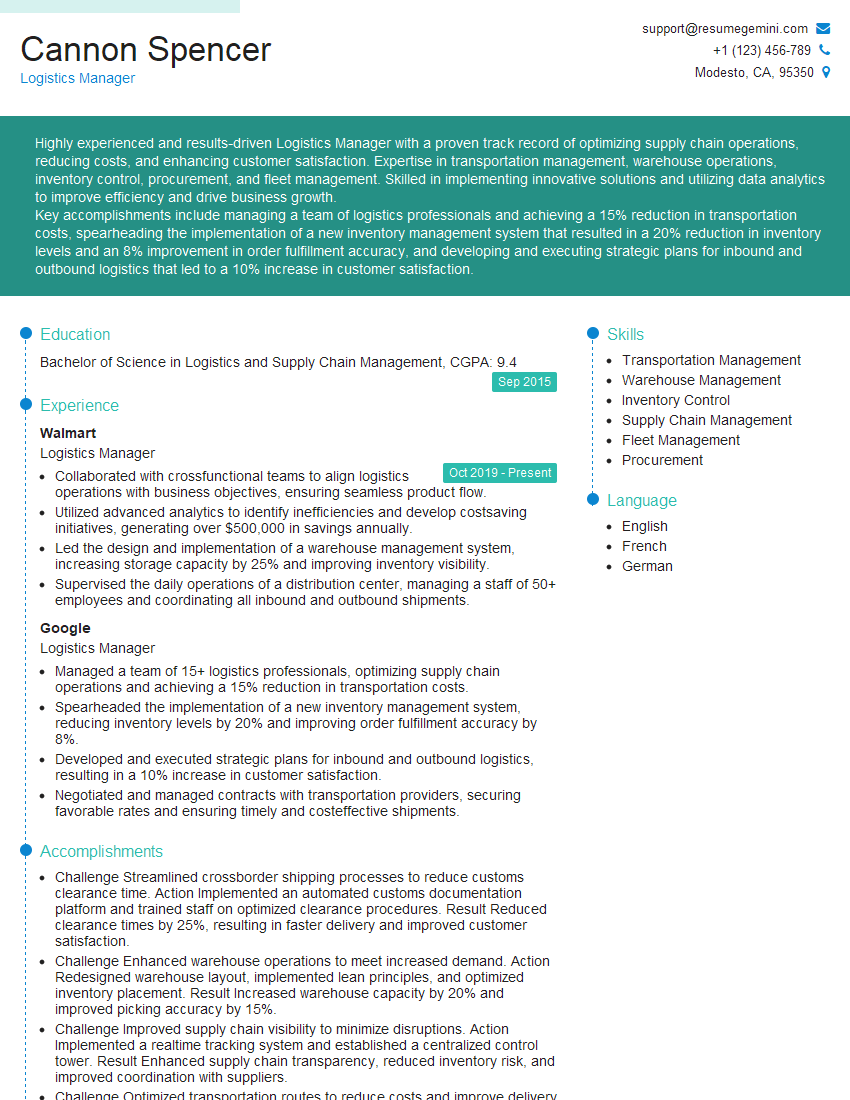
Logistics Manager Resume Sample
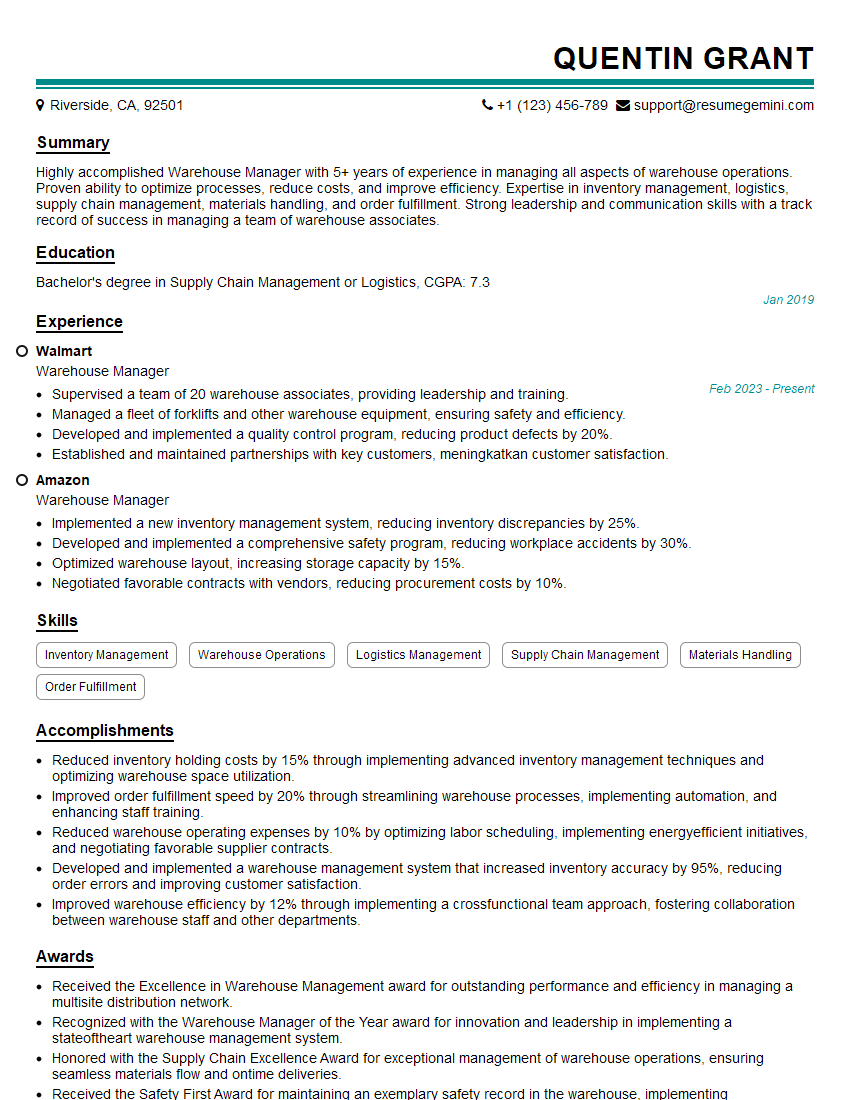
Warehouse Manager Resume Sample
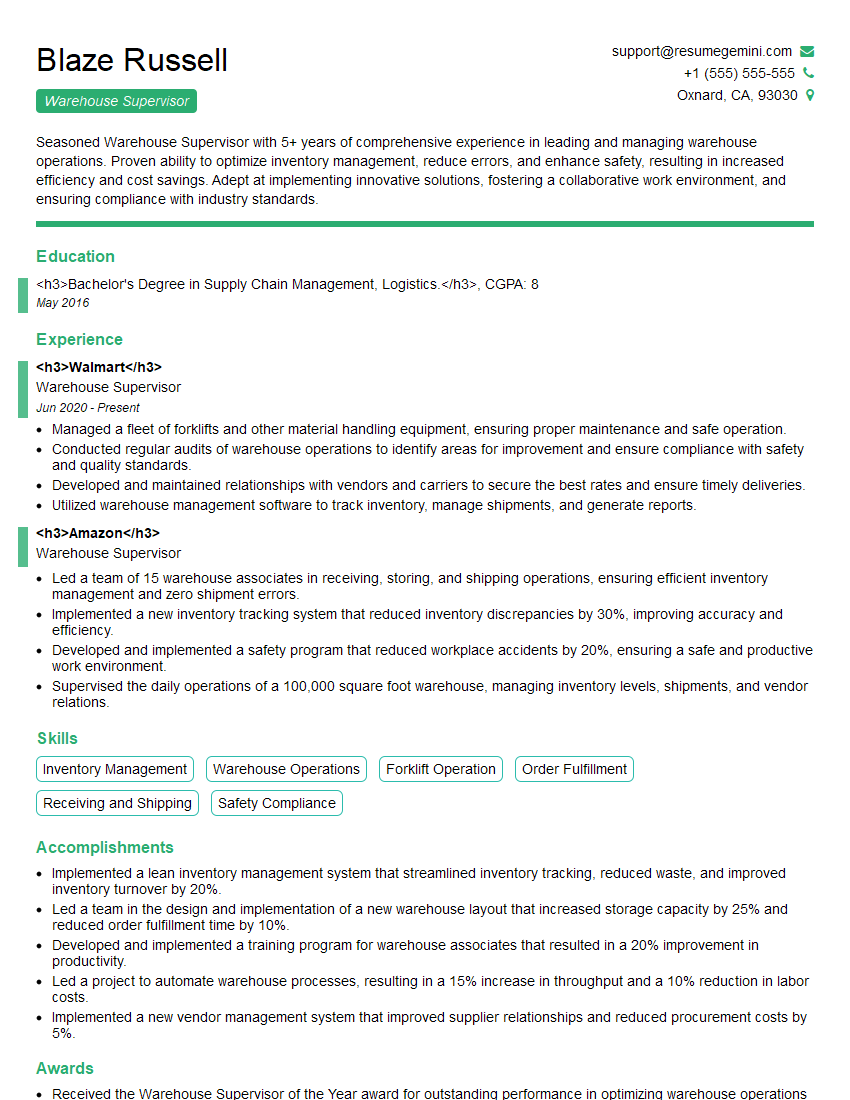
Warehouse Supervisor Resume Sample
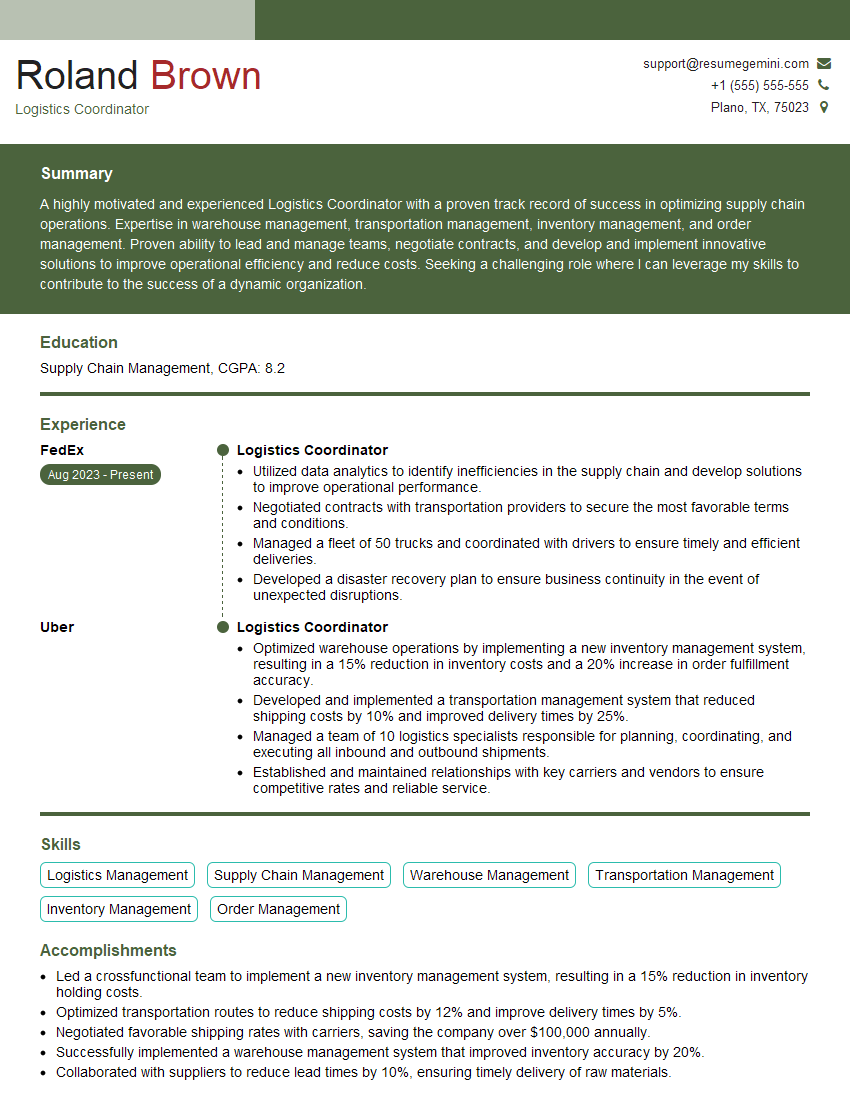
Logistics Coordinator Resume Sample
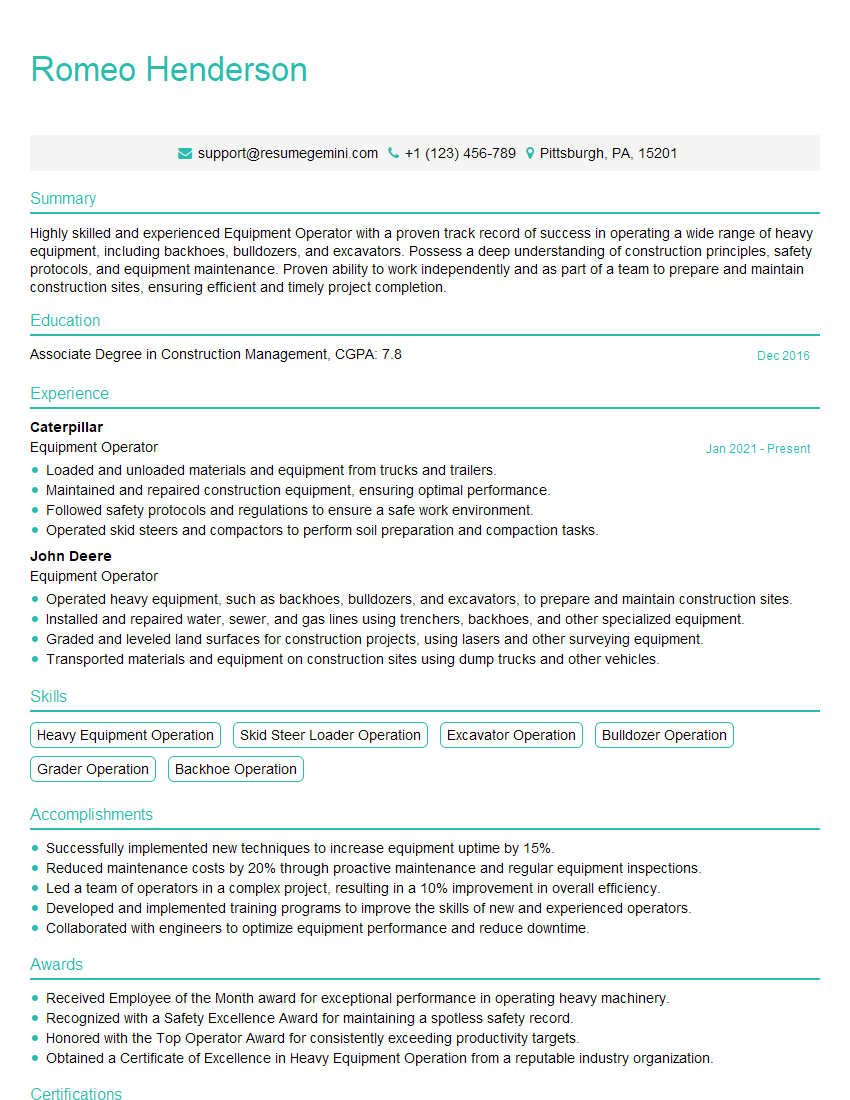
Equipment Operator Resume Sample
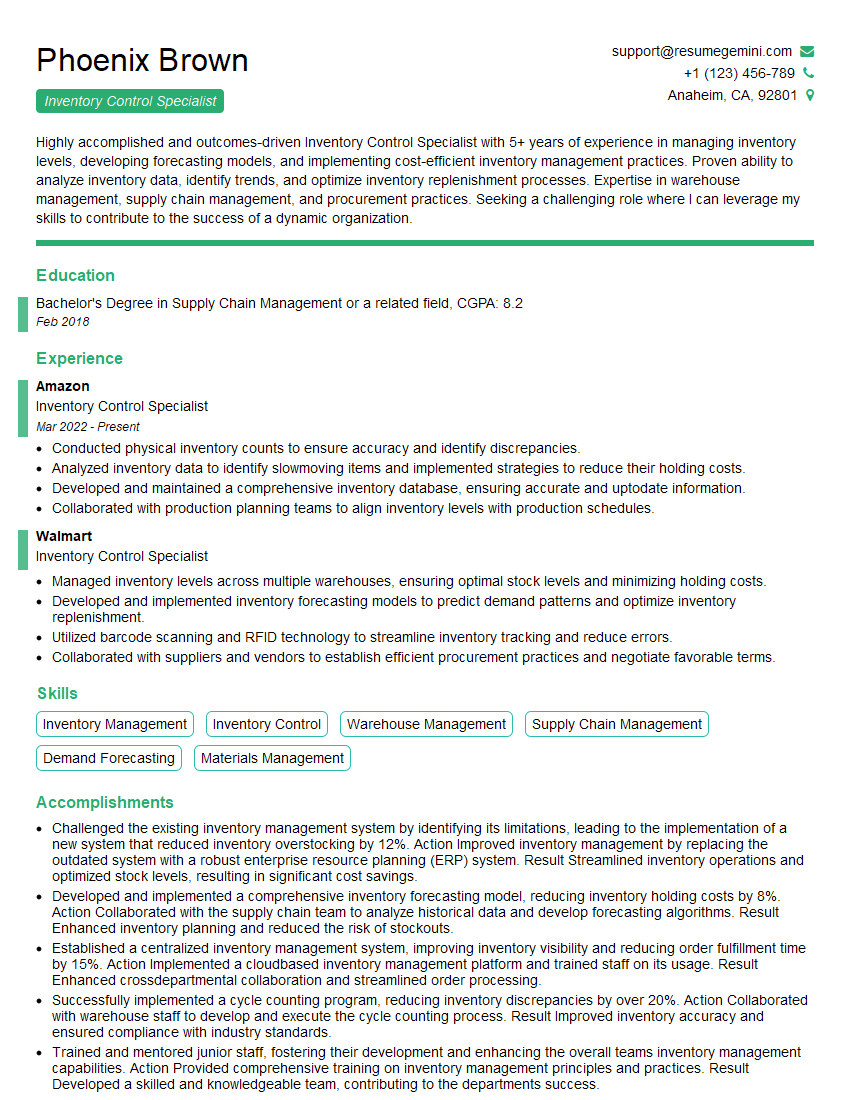
Inventory Control Specialist Resume Sample

Shipping and Receiving Clerk Resume Sample
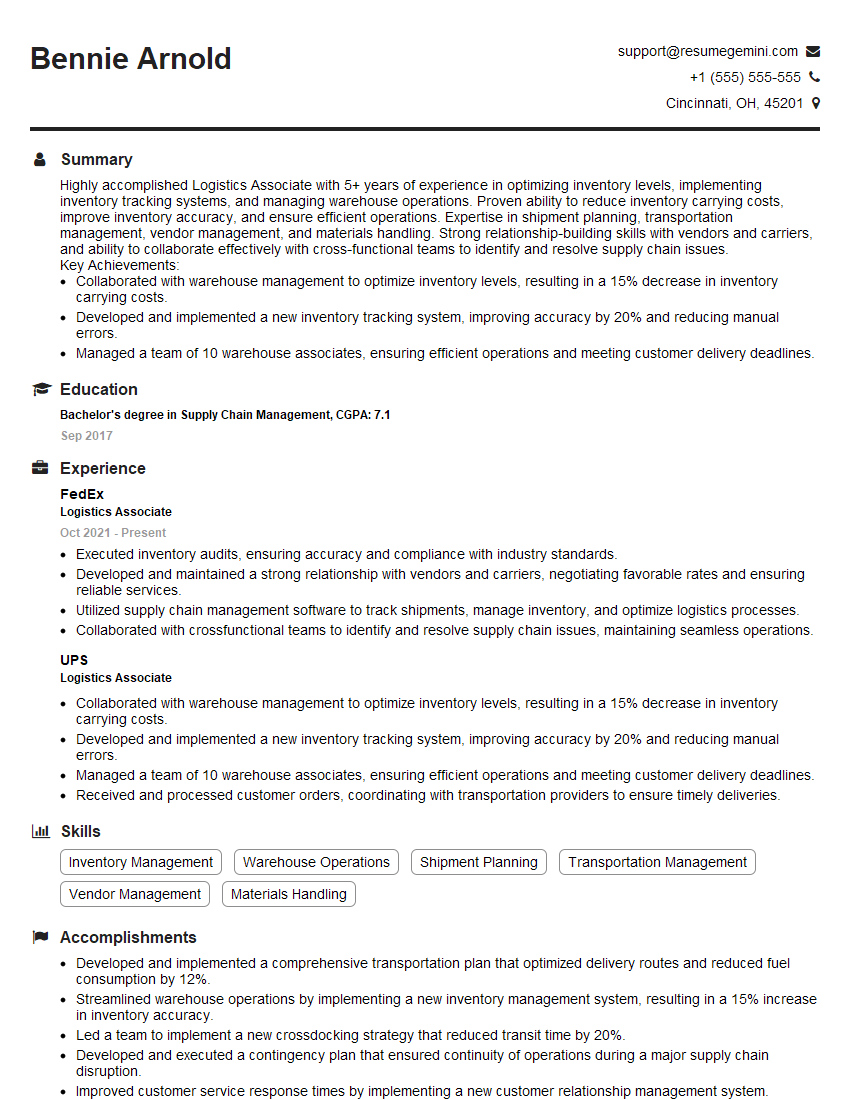
Logistics Associate Resume Sample
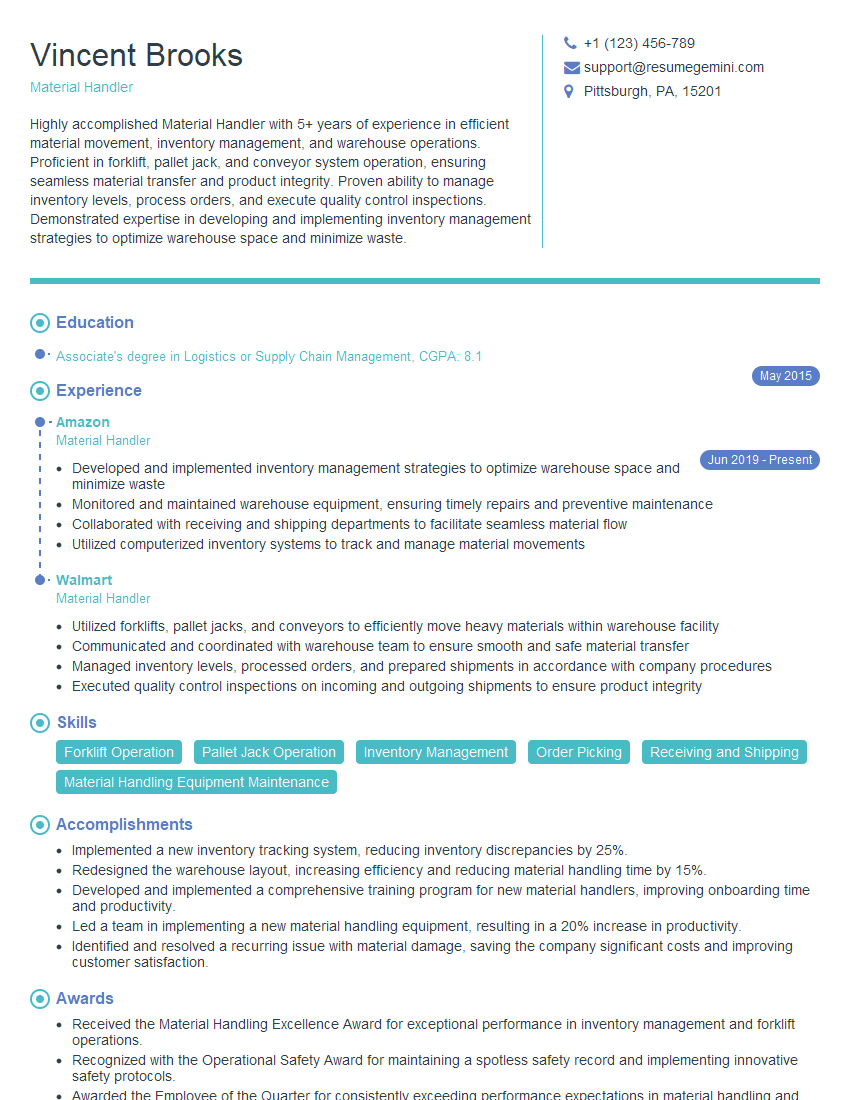
Material Handler Resume Sample
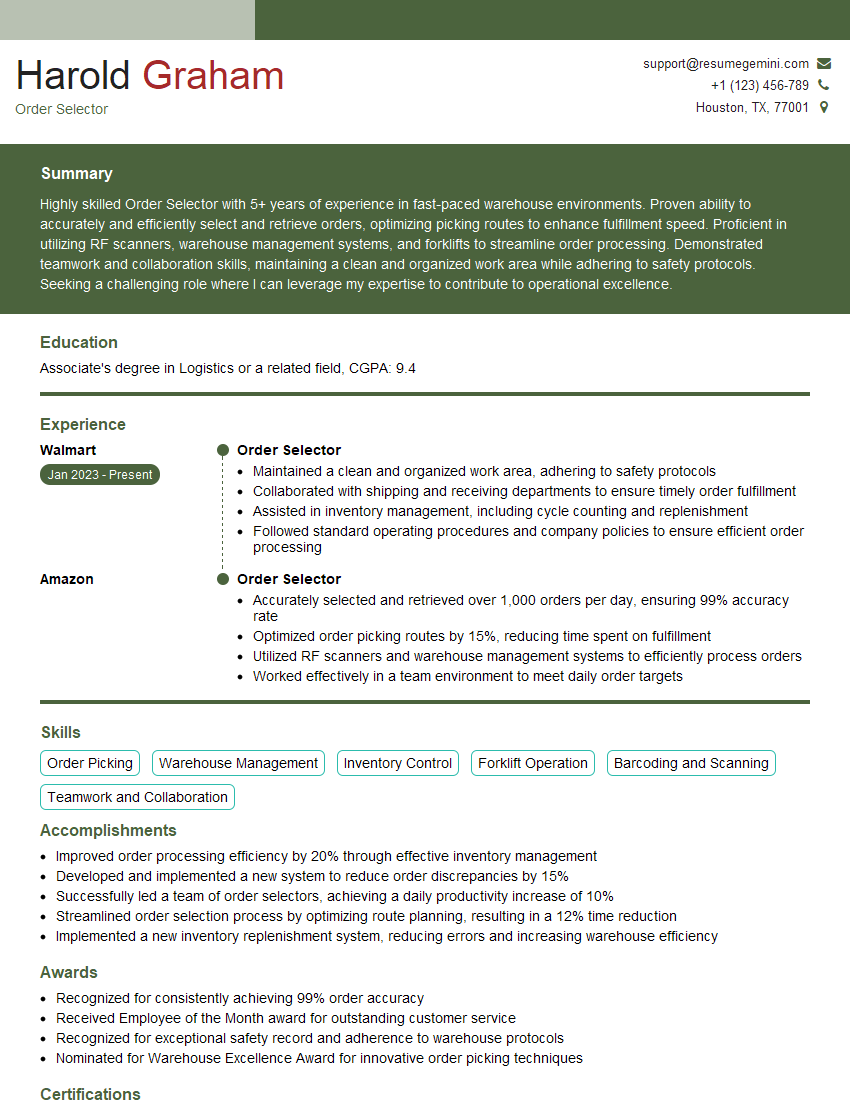
Order Selector Resume Sample

Heavy Equipment Operator Resume Sample
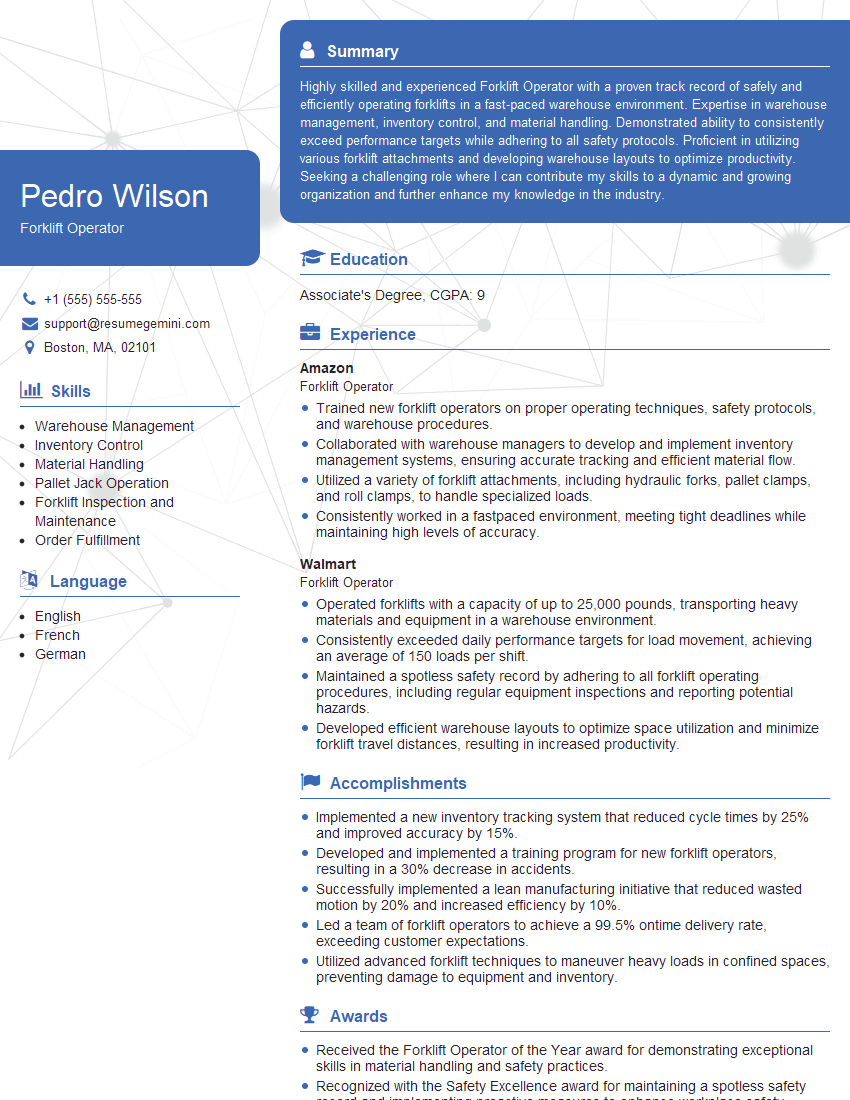
Forklift Operator Resume Sample
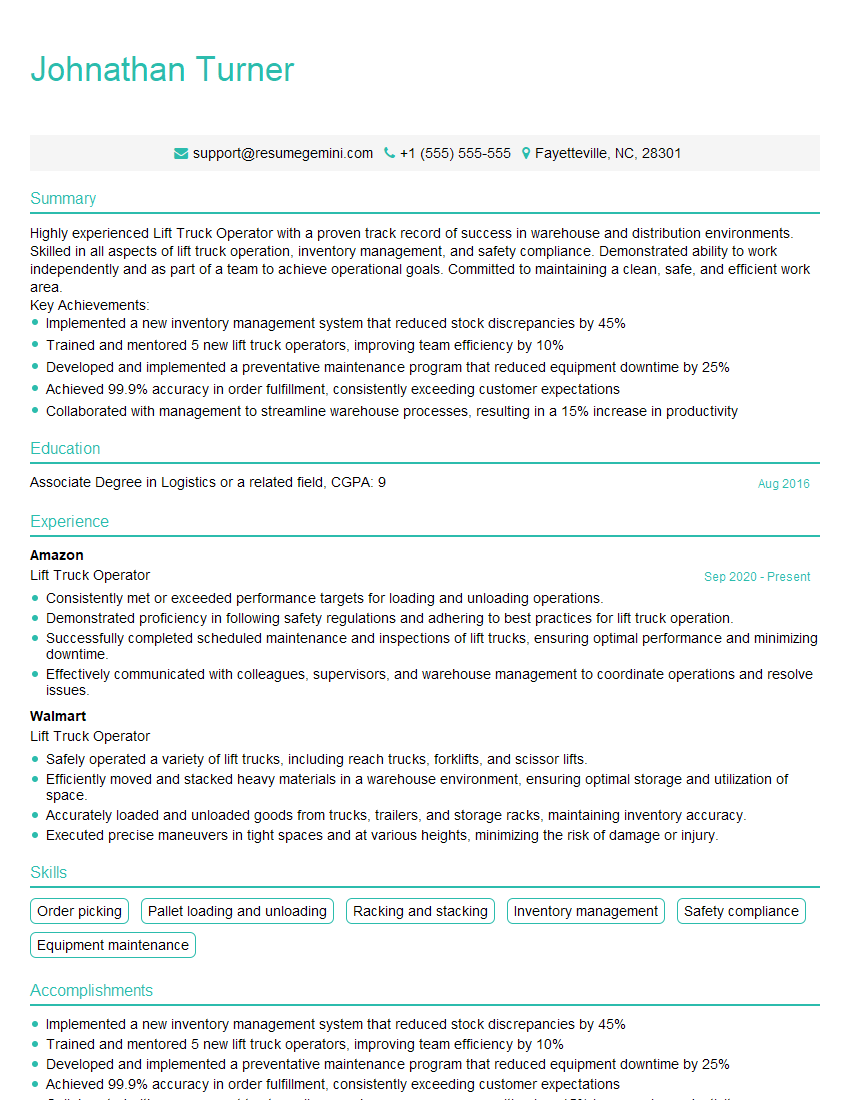
Lift Truck Operator Resume Sample
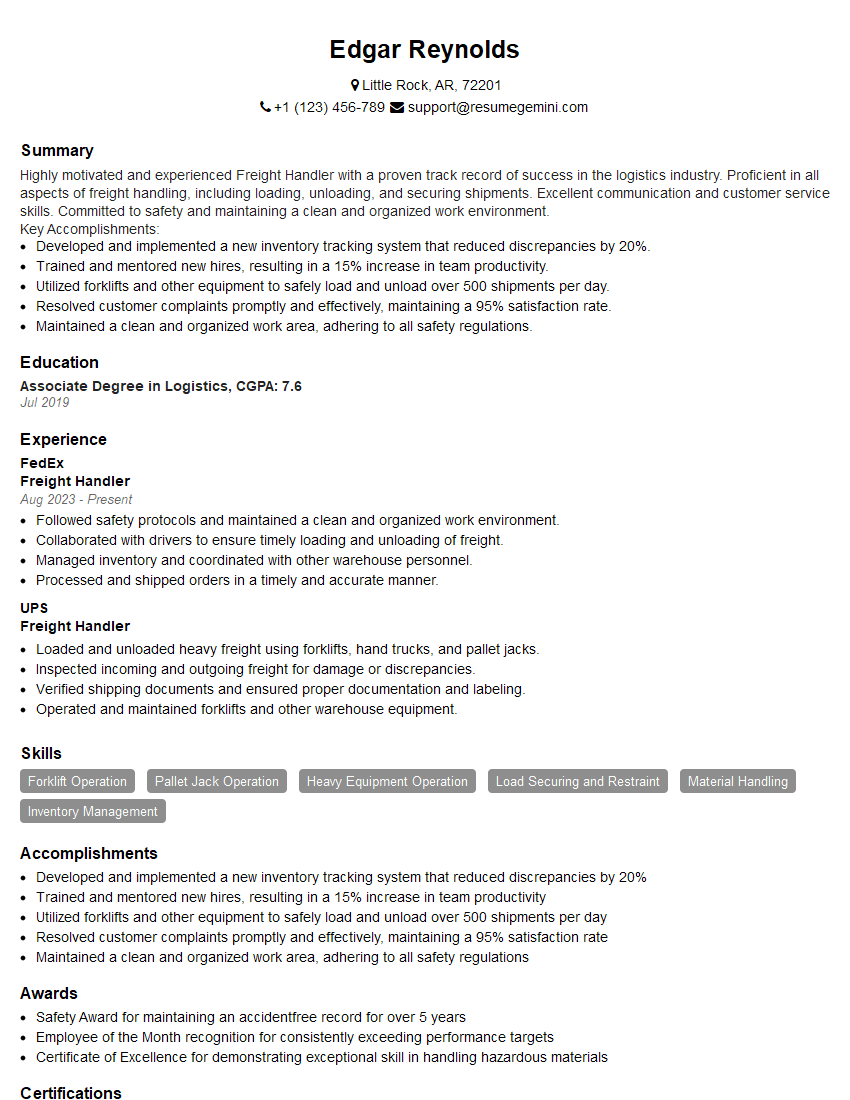
Freight Handler Resume Sample
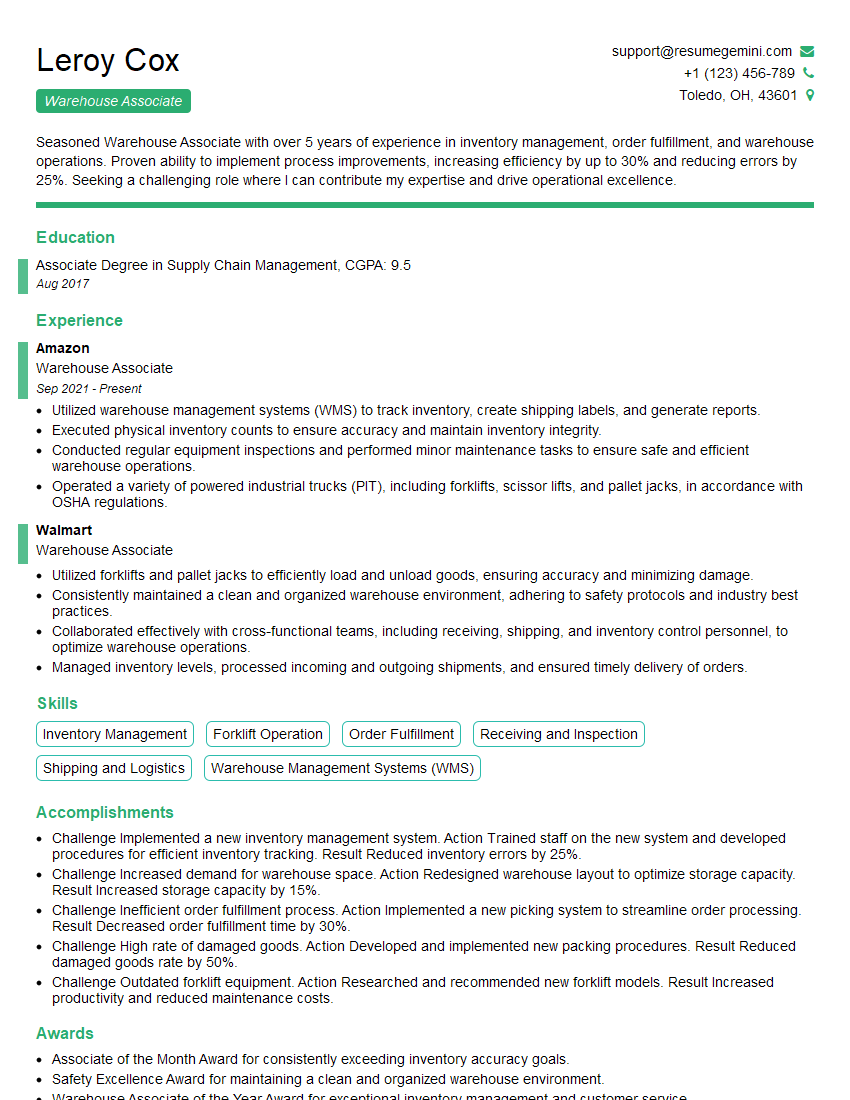
Warehouse Associate Resume Sample
- Logistics Manager
- Warehouse Manager
- Warehouse Supervisor
- Logistics Coordinator
- Equipment Operator
- Inventory Control Specialist
- Shipping and Receiving Clerk
- Logistics Associate
- Material Handler
- Order Selector
- Heavy Equipment Operator
- Forklift Operator
- Lift Truck Operator
- Freight Handler
- Warehouse Associate
Explore more articles
Users Rating of Our Blogs
Share Your Experience
We value your feedback! Please rate our content and share your thoughts (optional).
What Readers Say About Our Blog
Very informative content, great job.
good