Unlock your full potential by mastering the most common Operating and Calibrating Laboratory Equipment interview questions. This blog offers a deep dive into the critical topics, ensuring you’re not only prepared to answer but to excel. With these insights, you’ll approach your interview with clarity and confidence.
Questions Asked in Operating and Calibrating Laboratory Equipment Interview
Q 1. Describe your experience with calibrating analytical balances.
Calibrating an analytical balance is crucial for ensuring accurate mass measurements. It involves a systematic process to verify the balance’s accuracy against known standards. My experience includes calibrating various analytical balances, from single-pan to top-loading models, using both internal and external calibration procedures.
Internal calibration uses built-in weights and automated adjustments, typically involving a process that self-tests and adjusts the balance based on internal reference weights. External calibration, on the other hand, requires using certified calibration weights of known masses. This involves placing these weights on the balance pan and making adjustments to compensate for any discrepancies. I’m familiar with using both Class 1 and Class 2 calibration weights, selecting the appropriate weight based on the balance’s sensitivity and the required accuracy for the application. The process typically includes zeroing the balance, performing multiple weighings of each standard weight, and recording the results. Any necessary adjustments are made according to the balance’s manufacturer’s instructions, ensuring compliance with relevant laboratory standards like ISO 17025.
For instance, I once had to recalibrate a balance used for pharmaceutical compounding. Minor inconsistencies were detected after routine checks, and after following the external calibration procedure, the accuracy was restored, ensuring accurate dosage preparation.
Q 2. Explain the process of calibrating a pH meter.
Calibrating a pH meter is essential for obtaining reliable pH measurements. It involves standardizing the meter using buffer solutions of known pH values. Think of it like calibrating a ruler – you need a reference point to ensure your measurements are accurate.
The process typically involves using at least two buffer solutions, one with a pH close to 4 and another close to 7. I use NIST-traceable buffer solutions, as these are certified to ensure the most accuracy. I begin by rinsing the electrode with distilled water and gently blotting it dry using filter paper. The electrode is then immersed in the first buffer solution, and the meter is allowed to stabilize until a stable reading is obtained. Then, the meter is calibrated using the buffer solution’s known pH value. The same process is repeated for the second buffer solution. Some pH meters may allow for three-point calibration using a third buffer solution, around pH 10, for improved accuracy across a wider pH range.
Regular calibration is critical. For example, if a pH meter is used regularly, particularly with samples at extremes of pH, I would calibrate it daily or even multiple times per day. For less frequent use, weekly or monthly calibrations might suffice, always keeping a calibration log to track these activities.
Q 3. How do you troubleshoot a malfunctioning spectrophotometer?
Troubleshooting a malfunctioning spectrophotometer requires a systematic approach. It’s like detective work! I start by identifying the specific problem: is it displaying an error code, giving inconsistent readings, or not functioning at all?
My troubleshooting steps usually include:
- Check the power supply and connections: Ensure the spectrophotometer is properly plugged in and switched on.
- Inspect the cuvettes: Dirty or scratched cuvettes can significantly impact readings. I always ensure that they are clean and fingerprint-free, using appropriate cleaning solutions and lint-free cloths.
- Verify the lamp: A malfunctioning lamp often presents as low intensity or no reading. I would check the lamp’s age and operational hours, potentially replacing it if necessary, following manufacturer instructions.
- Check the wavelength setting: Ensure the correct wavelength is selected, and verify that the wavelength selection mechanism is functioning properly.
- Perform a blank correction: Running a blank sample is crucial to account for background interference. If this step fails, there might be a problem with the instrument itself or a software issue.
- Check the software/firmware: Some issues may be software-related. I review error messages and consult the user manual or contact the manufacturer’s technical support.
For instance, I once encountered a spectrophotometer with inconsistent readings. After systematically eliminating other issues, I discovered a small dust particle interfering with the light path within the sample holder, which I removed carefully, resolving the issue.
Q 4. What are the common sources of error in laboratory measurements?
Common sources of error in laboratory measurements stem from both human factors and instrument limitations. Accuracy and precision are closely intertwined, yet distinct. Accuracy relates to how close a measurement is to the true value; precision describes how close repeated measurements are to each other.
Human errors:
- Improper handling of equipment: Incorrect pipetting technique, inaccurate weighing, and not reading the meniscus correctly are frequent sources of error.
- Poor observation and recording skills: Failure to take multiple readings, transposing numbers, or incorrect significant figure usage.
- Lack of attention to detail: Overlooking instrument calibration or cleanliness.
Instrumental errors:
- Instrument calibration and maintenance: Poor calibration, uncalibrated instruments, and lack of preventative maintenance are major contributors to measurement error.
- Environmental factors: Temperature fluctuations, vibrations, and electromagnetic interference can affect readings.
- Instrument limitations: Each instrument has inherent limitations in its accuracy and precision, and understanding the capabilities of each instrument is vital.
Addressing these issues requires careful attention to GLP practices, good instrument maintenance, using the right equipment, and employing good lab practices.
Q 5. Describe your experience with different types of laboratory equipment (e.g., autoclaves, centrifuges, incubators).
My experience spans a broad range of laboratory equipment, including autoclaves, centrifuges, and incubators. I’m proficient in their operation and routine maintenance.
Autoclaves: I’m familiar with operating and sterilizing different types of materials using autoclaves, understanding parameters like temperature, pressure, and sterilization time, crucial for maintaining sterility.
Centrifuges: I’ve operated various centrifuges, from micro-centrifuges to high-speed ultracentrifuges. I understand the importance of balancing the centrifuge and choosing the appropriate speed and duration for different applications, ensuring the safety of operation and the integrity of the samples. For example, careful balancing prevents uneven stress on the centrifuge components and can potentially cause accidents.
Incubators: I have experience using CO2 incubators for cell culture, ensuring consistent environmental conditions like temperature, humidity, and CO2 concentration for cell growth, vital for consistent results in experiments.
Furthermore, I understand the importance of preventative maintenance for all these instruments, including regular cleaning, calibration checks (where applicable), and logbook maintenance, to ensure prolonged equipment life and reliability.
Q 6. How do you ensure the accuracy and precision of measurements?
Ensuring the accuracy and precision of measurements requires a multifaceted approach, combining meticulous technique, proper equipment maintenance, and statistical analysis.
Techniques:
- Proper calibration and verification of equipment: Regular calibration with traceable standards and routine verification of measurements is crucial.
- Appropriate sample preparation: This is especially crucial for chemical analysis. Ensuring proper dilutions and minimizing contamination or external interference.
- Multiple measurements: Taking multiple readings and calculating the mean and standard deviation to assess the precision and reliability of the measurement. This helps to identify and minimize outlier effects.
- Using appropriate techniques: Using correct pipetting techniques, ensuring that the glassware is clean and properly prepared.
Equipment maintenance:
- Regular maintenance: Cleaning, lubrication, and inspection of equipment to ensure it functions correctly and minimizes instrumental error.
- Calibration checks: Ensuring the equipment is calibrated according to the manufacturers’ guidelines and using certified standards.
By combining these meticulous methods, we can significantly improve the reliability and accuracy of measurements.
Q 7. What are Good Laboratory Practices (GLPs) and how do you apply them?
Good Laboratory Practices (GLPs) are a set of standardized practices that ensure the uniformity, consistency, reliability, reproducibility, quality, and integrity of non-clinical laboratory studies that support regulatory submissions and reporting.
My application of GLPs encompasses several key aspects:
- Proper documentation: Maintaining detailed and accurate records of all experimental procedures, including calibrations, maintenance, and results, ensures traceability and transparency. I always maintain comprehensive logs and notebooks.
- Equipment maintenance and calibration: Regular calibration and maintenance of all equipment using properly documented procedures, keeping calibration records and logs.
- Sample handling and storage: Maintaining appropriate chain of custody and tracking to avoid sample contamination, deterioration, or misidentification. Proper storage and labeling protocols are followed diligently.
- Quality control: Implementing quality control measures such as running blanks, standards, and controls to assess the accuracy and precision of measurements. Any deviations from expected results are thoroughly investigated.
- Data integrity: Ensuring the accuracy and integrity of all data generated, avoiding data manipulation or falsification.
Adherence to GLPs is not merely a set of rules; it’s a commitment to generating reliable and trustworthy scientific data. It’s about building trust in the laboratory’s findings and contributing to the integrity of scientific research.
Q 8. Explain the importance of regular equipment maintenance.
Regular equipment maintenance is crucial for ensuring the accuracy, reliability, and longevity of laboratory instruments. Neglecting maintenance can lead to inaccurate results, costly repairs, and even compromise the safety of personnel. Think of it like servicing your car – regular oil changes and check-ups prevent major breakdowns down the road.
- Improved Accuracy and Precision: Regular calibration and cleaning ensure that equipment performs within its specified tolerances, leading to more reliable and reproducible results.
- Extended Equipment Lifespan: Preventative maintenance, such as cleaning and lubrication, significantly extends the operational life of instruments, reducing the need for frequent and costly replacements.
- Enhanced Safety: Maintenance checks can identify potential hazards, such as frayed wires or leaks, preventing accidents and ensuring a safe working environment.
- Compliance with Regulations: Many industries have strict regulations regarding equipment calibration and maintenance. Regular documentation ensures compliance and avoids potential penalties.
For example, in a microbiology lab, a malfunctioning autoclave could lead to incomplete sterilization, compromising experiments and potentially creating biohazards. Regular maintenance ensures this doesn’t happen.
Q 9. How do you document calibration and maintenance procedures?
Documentation of calibration and maintenance procedures is paramount for maintaining the integrity of lab results and ensuring traceability. We use a combination of electronic and paper-based methods to meticulously document every step.
- Calibration Logs: These logs detail the date, time, instrument ID, calibration standards used, results obtained, and any corrective actions taken. They are often signed and dated by the technician performing the calibration.
- Maintenance Records: These records document routine maintenance tasks such as cleaning, lubrication, and part replacements. They also include the date, time, technician’s name, and any observations made.
- Standard Operating Procedures (SOPs): Detailed SOPs outline the steps involved in calibrating and maintaining each piece of equipment. These SOPs ensure consistency and accuracy in the processes.
- LIMS Integration: Many labs utilize LIMS (Laboratory Information Management Systems) to electronically manage calibration and maintenance data. LIMS provides a centralized, secure, and searchable database for all records.
For example, a calibration log for a spectrophotometer would include the wavelength accuracy check results using certified reference materials, along with the date and signature of the calibrating technician. This ensures full traceability should any questions arise about the accuracy of experiments performed using that instrument.
Q 10. Describe your experience with using LIMS (Laboratory Information Management Systems).
I have extensive experience using LIMS in various laboratory settings. I’m proficient in using LIMS to manage samples, track experiments, record results, and generate reports. My experience encompasses data entry, data validation, and report generation using different LIMS platforms.
- Data Management: I’m adept at using LIMS to efficiently manage large datasets, including sample information, instrument calibration data, and experimental results.
- Workflow Management: I utilize LIMS to streamline lab workflows, reducing manual data entry and improving overall efficiency.
- Audit Trails: I understand the importance of maintaining comprehensive audit trails within LIMS to ensure data integrity and regulatory compliance.
- Reporting and Analysis: I can generate custom reports using LIMS data for analysis and decision-making.
In a previous role, we used LIMS to track the calibration of our HPLC system, ensuring that all data generated was traceable to certified standards and met regulatory requirements. This eliminated the risk of human error and ensured data integrity.
Q 11. What is the difference between accuracy and precision?
Accuracy and precision are both important aspects of measurement quality, but they represent different concepts. Accuracy refers to how close a measurement is to the true value, while precision refers to how close repeated measurements are to each other.
- Accuracy: Imagine hitting the bullseye on a dartboard. High accuracy means your darts are clustered close to the center.
- Precision: Imagine all your darts clustered tightly together, but far from the bullseye. This shows high precision but low accuracy.
A simple analogy: A balance scale that consistently reads 100.1 grams for a 100-gram weight is precise (repeatable readings), but not necessarily accurate (it has a systematic error). A scale that gives different readings each time (low precision) is also inaccurate. Ideal measurements are both accurate and precise.
Q 12. How do you handle discrepancies in measurement results?
Discrepancies in measurement results require a systematic investigation to identify the root cause. My approach involves a step-by-step process:
- Review the Data: Carefully examine the data to identify the extent and nature of the discrepancy.
- Check the Equipment: Verify that the equipment is properly calibrated and functioning correctly. This includes reviewing recent calibration records and performing additional checks if necessary.
- Examine the Procedure: Ensure that the experimental procedure was followed correctly. Look for any potential errors or inconsistencies in the protocol.
- Assess Sample Integrity: Check the quality and handling of the samples. Were the samples properly stored, prepared, and handled? Were there any potential contamination issues?
- Investigate Environmental Factors: Consider any environmental factors that might have influenced the results, such as temperature fluctuations or power outages.
- Repeat the Measurement: If possible, repeat the measurement to see if the discrepancy persists. This helps determine if the initial result was a random error or a systematic issue.
- Document Findings: Thoroughly document all findings, including the corrective actions taken. This information can be used to improve future procedures and avoid similar discrepancies.
For instance, if a repeated low reading from a spectrophotometer is observed, I would check its calibration, verify the cuvette’s cleanliness, and ensure the correct wavelength is set before repeating the measurement. A detailed report of the investigation and the correction would be added to the instrument’s logbook.
Q 13. Explain the concept of traceability in calibration.
Traceability in calibration means establishing an unbroken chain of comparisons between the measurement instrument and national or international measurement standards. This ensures that the accuracy of your measurements can be reliably linked back to a known and trusted source.
Think of it like a family tree for your measurements. Each measurement instrument is calibrated against a more accurate standard, which is in turn calibrated against a higher-level standard, eventually leading back to the primary standards maintained by national metrology institutes (like NIST in the US).
This traceability is essential for demonstrating the reliability of laboratory results and is often a regulatory requirement in many industries. It helps ensure that measurements from different labs or different instruments can be compared with confidence.
For example, a lab’s balance is calibrated using certified weights traceable to NIST standards. The certificate for the weights provides the traceability chain, demonstrating the link between the balance’s measurements and the national standard. This ensures the accuracy of the mass measurements performed using the balance is reliable.
Q 14. What are the different types of calibration methods?
Calibration methods vary depending on the type of equipment being calibrated. However, some common approaches include:
- Direct Comparison: This involves comparing the instrument’s readings to those of a known standard with higher accuracy. For example, comparing a thermometer to a certified thermometer.
- Substitution Method: The instrument is substituted for a known standard to measure the same quantity. For example, using a certified weight to check the accuracy of a balance.
- Calibration using a Reference Material: The instrument’s performance is evaluated by measuring a certified reference material with known properties. This is common for analytical instruments like spectrophotometers or chromatographs.
- In-situ Calibration: The instrument is calibrated while it remains in its operational environment. This method is commonly used for process sensors.
- Remote Calibration: The instrument is calibrated using remote communication methods. This can be more efficient, especially for instruments in remote locations.
The choice of method depends on factors such as the type of instrument, its accuracy requirements, and the available resources. For example, a high-precision analytical balance would likely be calibrated using a direct comparison method with certified weights, while a simple pH meter might be calibrated using standard buffer solutions.
Q 15. How do you determine the appropriate calibration interval for equipment?
Determining the appropriate calibration interval for laboratory equipment is crucial for maintaining data accuracy and reliability. It’s not a one-size-fits-all answer; it depends on several factors. Think of it like getting your car serviced – you wouldn’t do it every day, but you wouldn’t wait until it completely breaks down either.
- Equipment Type: A simple pH meter might need calibration less frequently than a sophisticated mass spectrometer. High-precision instruments usually require more frequent calibration.
- Usage Frequency: Equipment used daily will naturally degrade faster than equipment used only occasionally. More use means more wear and tear, requiring more frequent checks.
- Environmental Factors: Temperature fluctuations, humidity, and dust can affect instrument performance. Equipment in unstable environments may need more frequent calibration.
- Manufacturer Recommendations: Manufacturers often provide guidelines or recommendations based on their equipment’s design and performance characteristics. These are critical starting points.
- Past Performance Data: Tracking calibration results over time helps identify trends and predict potential drifts. This data-driven approach enables you to optimize your calibration schedule.
For example, a balance used for precise weighing in a quality control lab might require monthly calibration, whereas a less precise balance used for general lab tasks might only need quarterly calibration. Regular review of calibration data allows for adjustments to the schedule based on observed trends and performance.
Career Expert Tips:
- Ace those interviews! Prepare effectively by reviewing the Top 50 Most Common Interview Questions on ResumeGemini.
- Navigate your job search with confidence! Explore a wide range of Career Tips on ResumeGemini. Learn about common challenges and recommendations to overcome them.
- Craft the perfect resume! Master the Art of Resume Writing with ResumeGemini’s guide. Showcase your unique qualifications and achievements effectively.
- Don’t miss out on holiday savings! Build your dream resume with ResumeGemini’s ATS optimized templates.
Q 16. How do you identify and resolve equipment malfunctions?
Identifying and resolving equipment malfunctions requires a systematic approach. It’s like troubleshooting a computer problem – you need to follow a logical path to pinpoint the issue.
- Observe and Document: Begin by carefully observing the malfunction. Note down the exact symptoms, when they occurred, and any relevant environmental factors. Detailed documentation is key.
- Check for Obvious Issues: Simple fixes might solve the problem. For example, a clogged filter, empty reagent bottle, or incorrect power connection are common causes.
- Consult the Manual: The equipment’s manual is a valuable resource. It contains troubleshooting guides, error codes, and potential solutions.
- Systematic Testing: If the problem isn’t obvious, conduct systematic tests to isolate the faulty component. This may involve testing individual parts or running diagnostic tests provided by the equipment’s software.
- Seek Expert Help: If you can’t resolve the issue, don’t hesitate to contact the manufacturer’s technical support or a qualified service technician. Attempting complex repairs without sufficient knowledge can worsen the problem or even cause safety hazards.
For example, if a spectrophotometer is giving inconsistent readings, you might first check the cuvettes for cleanliness, then the lamp’s intensity, and finally, the wavelength calibration. Documenting each step and result allows for efficient troubleshooting.
Q 17. What safety procedures do you follow when operating laboratory equipment?
Safety is paramount when operating laboratory equipment. It’s not just about following rules; it’s about developing a safety-conscious mindset.
- Personal Protective Equipment (PPE): Always wear appropriate PPE, including safety glasses, lab coats, gloves, and any other gear specified by the equipment’s safety guidelines or your institution’s safety protocols.
- Proper Training: Ensure you’re adequately trained on the specific equipment before operating it. Don’t attempt to use equipment without proper instruction.
- Risk Assessment: Conduct a risk assessment before starting any work. Identify potential hazards and implement preventive measures to mitigate risks.
- Emergency Procedures: Be familiar with emergency procedures, including the location of safety equipment (e.g., fire extinguishers, eyewash stations) and how to respond in case of an accident or equipment malfunction.
- Housekeeping: Maintain a clean and organized workspace to prevent accidents and improve efficiency. Cluttered benches and walkways increase the risk of spills or trips.
For instance, always ensure the centrifuge is properly balanced before operation to prevent accidents. Or, always wear gloves when handling hazardous chemicals and dispose of them according to proper protocols.
Q 18. Describe your experience with specific calibration standards (e.g., NIST traceable).
NIST-traceable calibration standards are essential for ensuring measurement accuracy and comparability. NIST (National Institute of Standards and Technology) establishes the highest level of measurement standards in the US. Traceability means that the calibration of your equipment can be linked back to these primary standards through an unbroken chain of comparisons.
My experience includes working with several types of NIST-traceable standards, including:
- Weights: Used for calibrating balances and scales, ensuring accurate mass measurements.
- Thermometers: Used to calibrate temperature sensors and other temperature-measuring devices.
- Voltage and Current Standards: Used to calibrate electronic instruments such as multimeters and power supplies.
I understand the importance of maintaining a complete chain of traceability in the calibration records. This involves ensuring that all calibration certificates clearly document the standards used and the uncertainty associated with the measurements. This chain of custody is vital for audits and regulatory compliance.
Q 19. How familiar are you with different types of sensors and transducers?
My familiarity with sensors and transducers is extensive. These devices are the interface between the physical world and the measurement system. They convert a physical phenomenon (e.g., temperature, pressure, light) into a measurable electrical signal.
I have experience with a wide range of sensors, including:
- Temperature Sensors: Thermocouples, RTDs (Resistance Temperature Detectors), thermistors.
- Pressure Sensors: Strain gauge pressure transducers, piezoelectric pressure sensors.
- Optical Sensors: Photodiodes, photomultipliers, spectrophotometers.
- Chemical Sensors: pH electrodes, ion-selective electrodes.
Understanding the principles of operation, limitations, and calibration procedures for these sensors is crucial for accurate and reliable measurements. For example, I know that the choice of sensor depends heavily on the application’s specific requirements for accuracy, range, and environmental conditions.
Q 20. Explain your understanding of uncertainty analysis in measurement.
Uncertainty analysis in measurement is crucial for understanding the reliability of the results. It’s about quantifying the doubt associated with a measurement. Think of it like target practice – even the best shooter can’t hit the bullseye every time, there’s always some inherent variation.
Uncertainty arises from various sources, including:
- Instrument limitations: The precision of the measuring instrument itself.
- Environmental factors: Temperature, pressure, humidity fluctuations.
- Operator error: Variations in how the measurement is taken.
- Calibration uncertainty: The uncertainty associated with the calibration standards used.
Uncertainty analysis involves identifying these sources, estimating their contribution to the overall uncertainty, and combining them to obtain a total uncertainty value. This value is typically expressed as a confidence interval (e.g., ±0.1°C). Proper uncertainty analysis is essential for reliable data interpretation and reporting, particularly in regulated environments.
Q 21. How do you ensure the integrity of calibration data?
Ensuring the integrity of calibration data is vital for maintaining the credibility of lab results. It’s like keeping a meticulous financial record – accuracy and traceability are paramount.
- Documented Procedures: Follow standardized calibration procedures and meticulously document every step. This includes date, time, instrument details, calibration standards used, results, and any deviations.
- Data Management System: Implement a robust data management system to store and manage calibration data securely. This might involve using specialized software or a well-organized electronic spreadsheet.
- Traceability: Maintain a complete chain of traceability from the NIST standards to the calibrated equipment. This ensures that the accuracy of your measurements can be verified.
- Regular Audits: Conduct regular internal audits to verify the accuracy and completeness of the calibration data and the overall calibration process.
- Secure Storage: Protect calibration data from unauthorized access, modification, or loss. Utilize appropriate data backup and security measures.
For instance, using a calibration management software with audit trails helps maintain data integrity and compliance with regulatory requirements. This is especially crucial in industries with stringent quality standards such as pharmaceuticals and medical devices.
Q 22. What are the regulatory requirements related to equipment calibration in your field?
Regulatory requirements for equipment calibration are crucial for ensuring the accuracy and reliability of laboratory results, and ultimately, the safety and quality of products or services. These requirements vary depending on the industry, specific equipment, and geographic location. Commonly, they involve adherence to standards like ISO 17025 (for testing and calibration laboratories) and ISO 9001 (for quality management systems). Specific regulations might come from governmental agencies like the FDA (Food and Drug Administration) in the US or equivalent bodies in other countries. These regulations often dictate calibration frequency, record-keeping procedures (including detailed calibration certificates), and the use of traceable standards. For example, a pharmaceutical company operating under GMP (Good Manufacturing Practices) guidelines will face stricter calibration requirements than a smaller research laboratory. Non-compliance can lead to significant consequences, including fines, product recalls, and legal issues.
In my experience, working in a medical device testing lab, we followed ISO 17025 and FDA guidelines meticulously. This involved implementing a robust calibration management system, including detailed calibration schedules based on manufacturer recommendations and risk assessment, using only accredited calibration labs for traceable standards, and maintaining comprehensive records, including calibration certificates and any corrective actions. Regular internal audits ensured our procedures and data were compliant.
Q 23. Describe your experience with preventative maintenance schedules.
Preventative maintenance schedules are essential for maximizing equipment lifespan, ensuring accuracy, and minimizing downtime. These schedules are usually based on manufacturer recommendations, usage frequency, and risk assessment. A well-defined schedule includes routine tasks like cleaning, lubrication, and visual inspections, as well as more complex procedures like replacing parts or performing functional tests at predetermined intervals. Think of it like regular car maintenance – oil changes, tire rotations, etc., all prevent bigger problems later.
In my previous role, we used a computerized maintenance management system (CMMS) to track preventative maintenance activities. The CMMS allowed us to schedule tasks, assign technicians, generate reports, and track equipment history. For example, our high-performance liquid chromatograph (HPLC) required weekly cleaning of the flow path, monthly column checks, and a complete preventative maintenance service every six months, all meticulously documented in the CMMS. This proactive approach ensured optimal equipment performance and helped prevent costly repairs or data inconsistencies.
Q 24. How do you maintain the cleanliness and organization of the laboratory?
Maintaining a clean and organized laboratory is paramount for accuracy, safety, and efficiency. This involves several key strategies. First, a designated cleaning schedule should be implemented, assigning responsibilities and specifying cleaning procedures for different areas and equipment. Second, proper waste disposal protocols must be strictly followed, separating different waste types according to regulations. Third, regular decluttering and organization are vital – all chemicals should be properly labeled and stored, equipment should be arranged logically, and workspaces should be kept free of clutter. Think of it as a well-organized kitchen – it’s easier to find what you need and reduces the risk of accidents.
In my experience, we implemented a 5S methodology (Sort, Set in Order, Shine, Standardize, Sustain). This structured approach ensured consistent cleanliness and organization. We established clear protocols for cleaning different areas and equipment, assigned responsibilities to lab personnel, and held regular training sessions to reinforce good practices. This not only improved efficiency but also enhanced safety and reduced the risk of cross-contamination.
Q 25. Explain your proficiency with data analysis software relevant to calibration data.
Proficiency in data analysis software is crucial for processing and interpreting calibration data. I am experienced with several software packages, including Microsoft Excel, dedicated LIMS (Laboratory Information Management Systems) software, and specialized calibration software. Excel is useful for basic data analysis, creating graphs, and calculating statistics. LIMS software helps manage large datasets, track calibration records, and generate reports. Specialized calibration software can automate data analysis and generate compliance reports. My expertise extends to using these tools to identify trends, assess uncertainties, and generate comprehensive reports that meet regulatory requirements.
For instance, I frequently use Excel to analyze calibration data from our balances, calculating the mean, standard deviation, and uncertainty of measurements. We then use a LIMS system to store the data, generate reports, and manage calibration schedules. The ability to efficiently manage and analyze this data is key to ensuring our equipment remains calibrated and our results are reliable. Understanding statistical methods such as linear regression is crucial for accurately interpreting calibration data and establishing traceability to national or international standards.
Q 26. Describe a time you had to troubleshoot a complex equipment issue. What steps did you take?
During a routine calibration of our mass spectrometer, I encountered a significant issue – the instrument was producing erratic readings, far outside acceptable tolerances. My initial troubleshooting steps involved checking the simplest factors first: power supply, gas flow, and vacuum levels. Finding no obvious problems, I systematically investigated potential sources of error. I consulted the instrument’s manual, reviewed previous maintenance logs, and contacted the manufacturer’s technical support. It turned out a minor leak in the vacuum system was causing the inconsistent readings. The leak was difficult to identify and required meticulous tracing of the vacuum lines using a specialized leak detector. Once the leak was located and repaired, the mass spectrometer functioned correctly again.
This experience highlighted the importance of a systematic approach to troubleshooting. By systematically eliminating possible causes, I efficiently pinpointed the problem and restored the instrument’s functionality. Effective communication with the manufacturer also played a key role in resolving the issue effectively.
Q 27. What is your experience with various calibration certificates and their interpretation?
Calibration certificates are essential documents that provide evidence of a piece of equipment’s accuracy and traceability to national or international standards. Understanding and interpreting these certificates is critical for ensuring the validity of laboratory results. A typical certificate will include information such as the equipment identification, calibration date, measurement uncertainties, traceability information (linking the measurements back to national standards), and the accredited lab’s details. Interpreting these certificates correctly allows you to verify whether the equipment is within acceptable tolerances and to make informed decisions about its continued use.
I frequently review and interpret calibration certificates for a wide range of laboratory equipment. I check that the reported uncertainties are acceptable for our specific applications and that the traceability chain is complete and valid. If a certificate is found to be incomplete or lacking necessary information, I take appropriate corrective actions, such as contacting the calibration laboratory or replacing the certificate. The ability to critically evaluate calibration certificates is essential for maintaining compliance with regulatory requirements and ensuring data integrity.
Q 28. How do you stay current with the latest advancements in laboratory equipment and calibration techniques?
Staying current with advancements in laboratory equipment and calibration techniques requires ongoing professional development. I regularly attend workshops, conferences, and webinars focusing on relevant technologies and best practices. I also actively participate in professional organizations such as the American Society for Testing and Materials (ASTM), subscribing to their publications and networking with other professionals in the field. Following industry news and journal articles is essential to keep abreast of the newest techniques, and I routinely review vendor information for updates on new equipment and calibration methodologies.
Furthermore, I utilize online resources and training modules provided by equipment manufacturers. This multi-faceted approach allows me to remain knowledgeable about the latest advancements and ensures that our laboratory utilizes the most effective and up-to-date calibration methods and equipment. This continuous learning is critical for maintaining high standards of accuracy and compliance in our laboratory.
Key Topics to Learn for Operating and Calibrating Laboratory Equipment Interview
- Understanding Equipment Principles: Grasp the fundamental scientific principles behind the operation of various lab equipment (e.g., spectrophotometers, centrifuges, autoclaves, pH meters). Focus on how these principles translate into practical use.
- Calibration Procedures & Techniques: Learn the standard operating procedures (SOPs) for calibrating different types of laboratory equipment. Understand the importance of accuracy, precision, and traceability in calibration processes. Practice explaining calibration methodologies and troubleshooting common calibration issues.
- Safety Protocols and Best Practices: Demonstrate a strong understanding of safety regulations and best practices related to handling and operating laboratory equipment. This includes proper handling of hazardous materials, waste disposal, and emergency procedures.
- Maintenance and Troubleshooting: Familiarize yourself with routine maintenance tasks for common lab equipment. Be prepared to discuss troubleshooting strategies for malfunctions and equipment errors. Highlight your problem-solving skills and ability to identify and resolve technical issues efficiently.
- Data Acquisition and Analysis: Understand how to accurately collect, record, and analyze data generated by laboratory equipment. Practice interpreting results and identifying potential sources of error.
- Specific Equipment Expertise: Depending on the job description, focus on mastering the operation and calibration of specific equipment mentioned. Research the specific models and manufacturers if possible.
- Good Laboratory Practices (GLP): Familiarize yourself with GLP principles and how they apply to the operation and calibration of laboratory equipment. This demonstrates your commitment to quality and accuracy.
Next Steps
Mastering the operation and calibration of laboratory equipment is crucial for a successful career in scientific research, quality control, and many other laboratory-based fields. It demonstrates a strong foundation in practical skills and a commitment to accuracy and precision. To maximize your job prospects, create an ATS-friendly resume that highlights your skills and experience effectively. ResumeGemini is a trusted resource that can help you build a professional and impactful resume tailored to your specific needs. Examples of resumes tailored to Operating and Calibrating Laboratory Equipment are available to guide you.
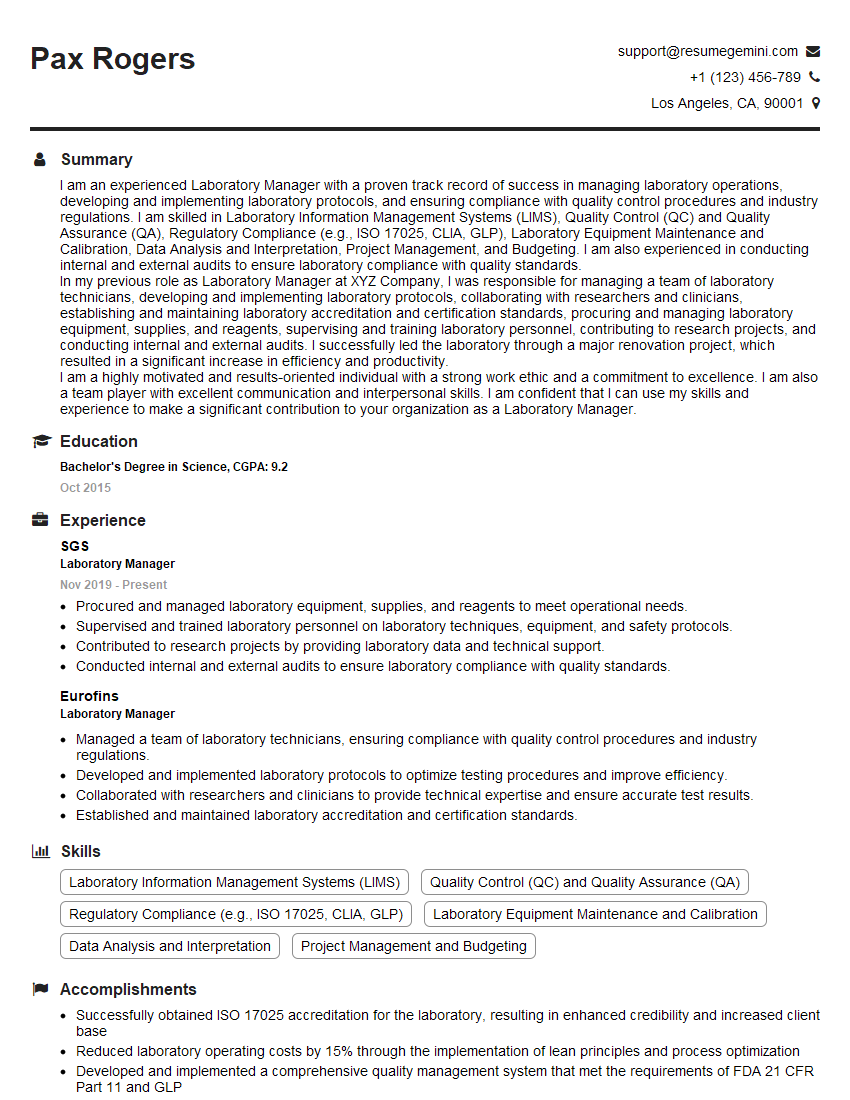
Laboratory Manager Resume Sample
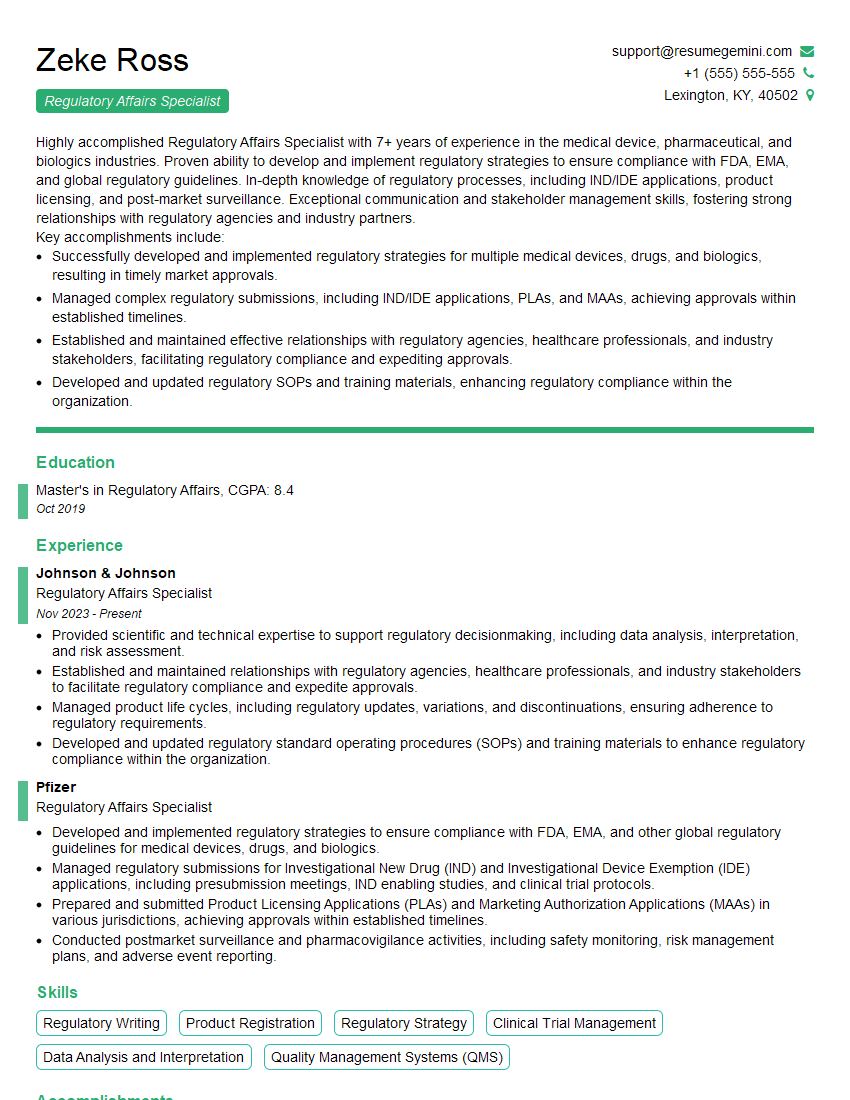
Regulatory Affairs Specialist Resume Sample
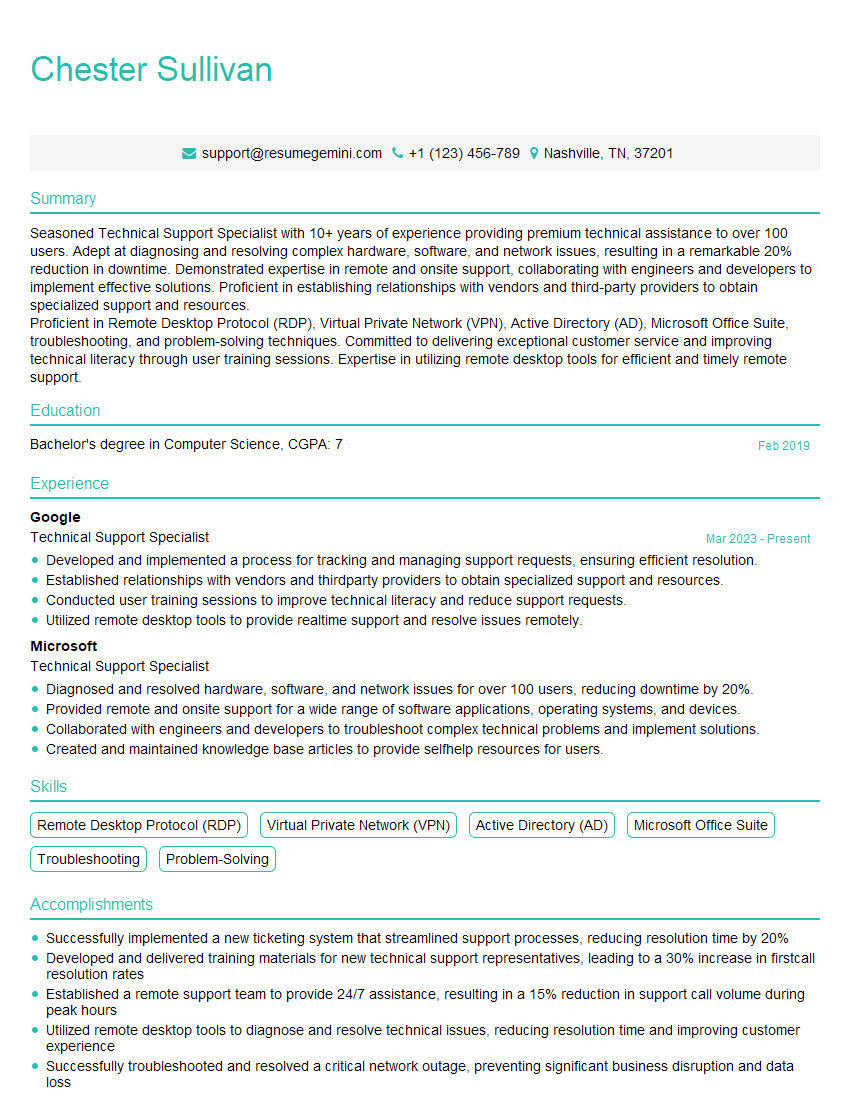
Technical Support Specialist Resume Sample
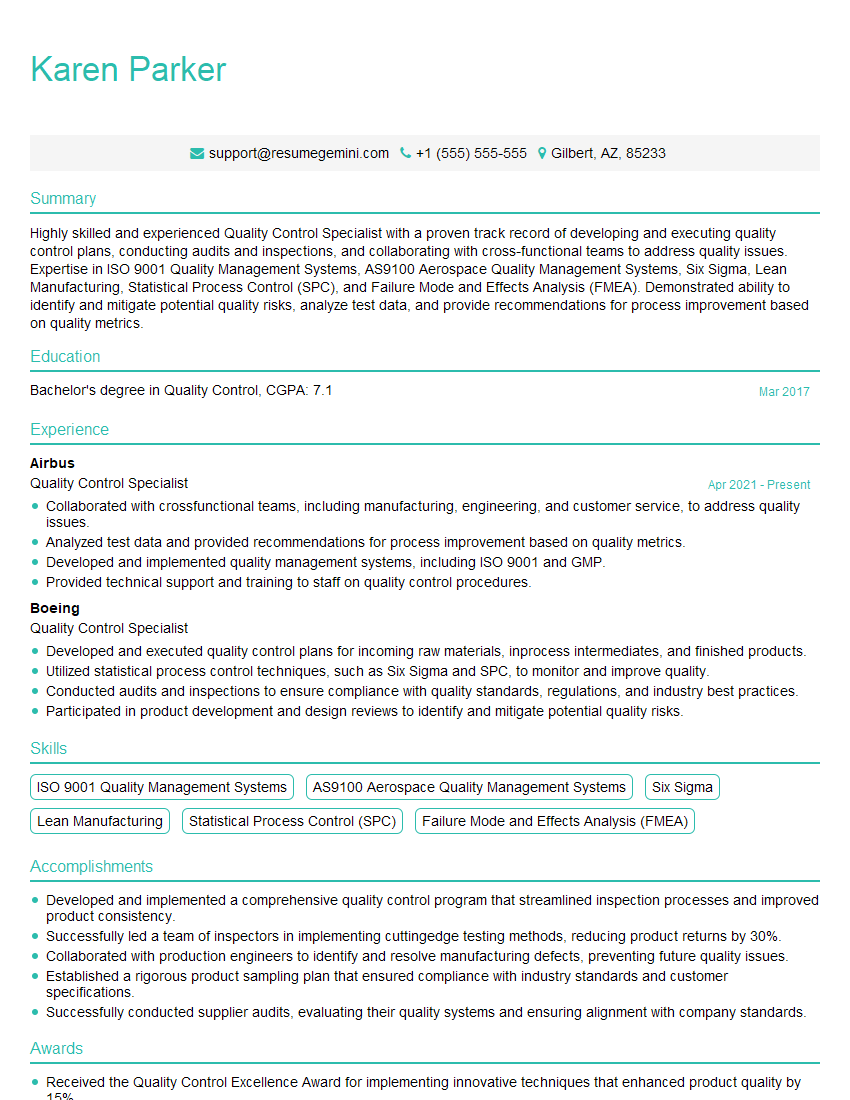
Quality Control Specialist Resume Sample
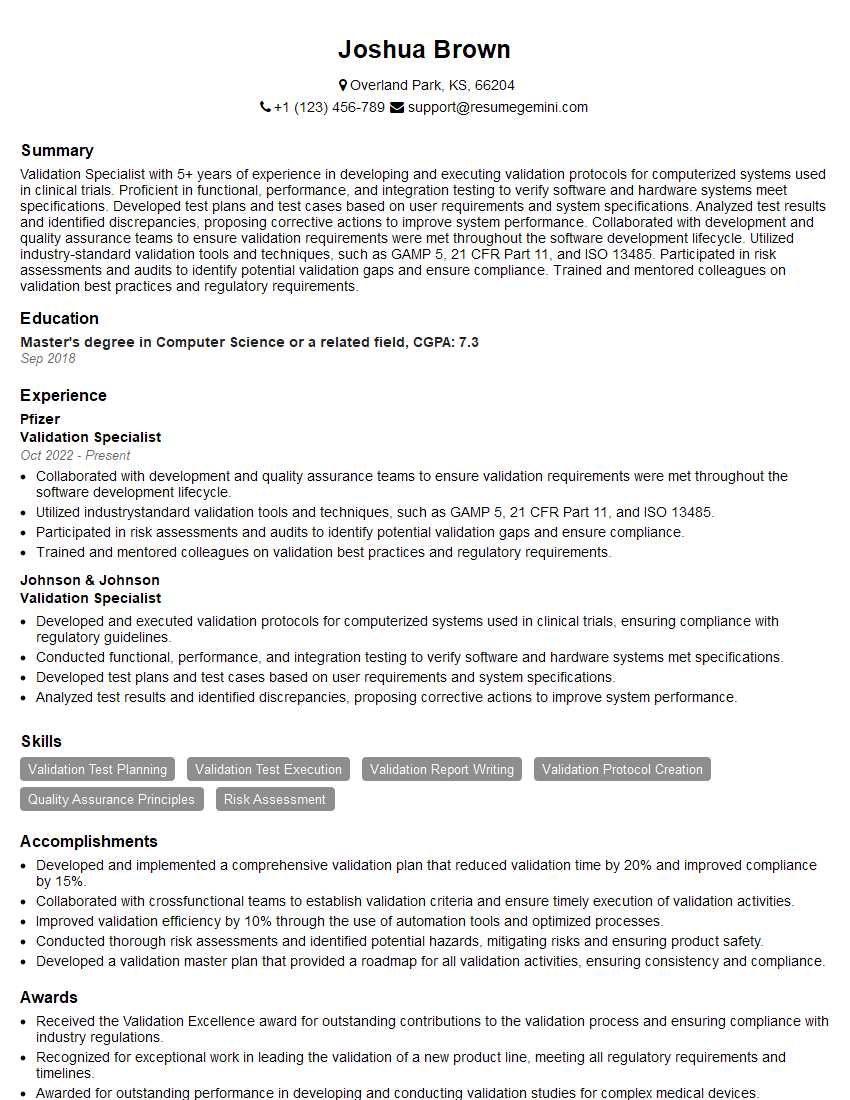
Validation Specialist Resume Sample
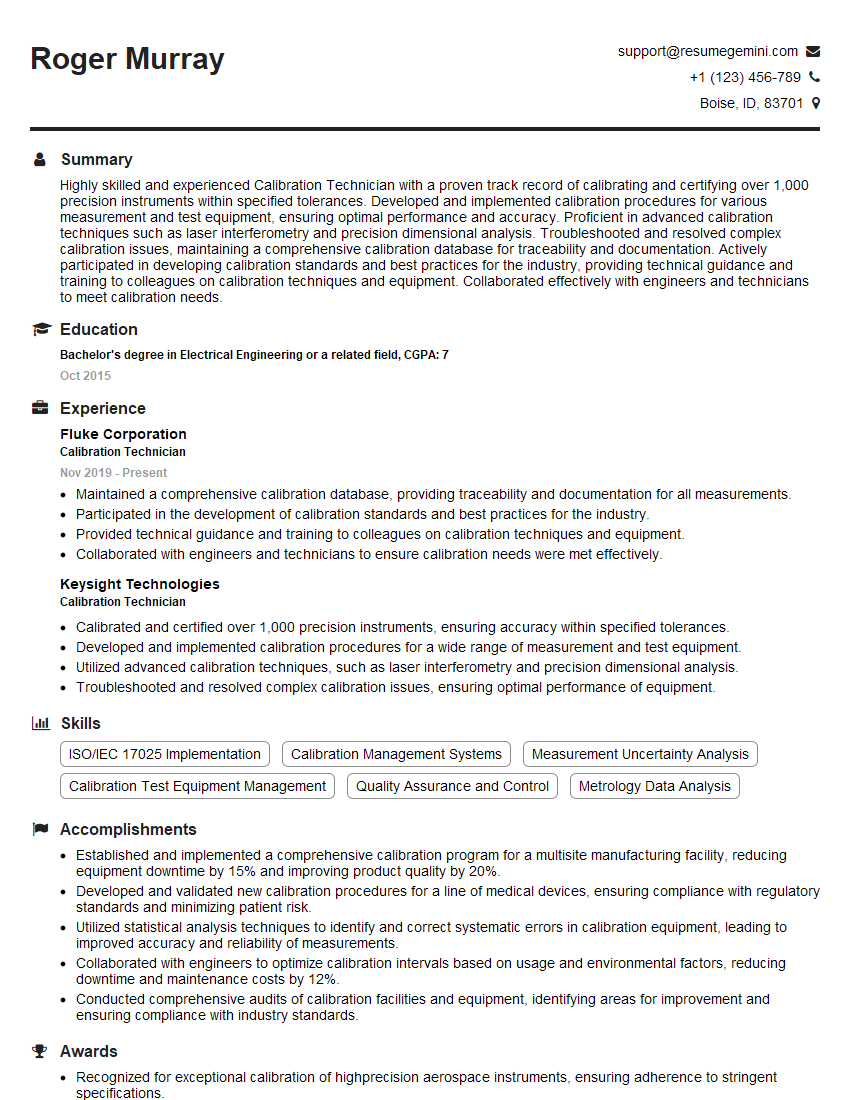
Calibration Technician Resume Sample
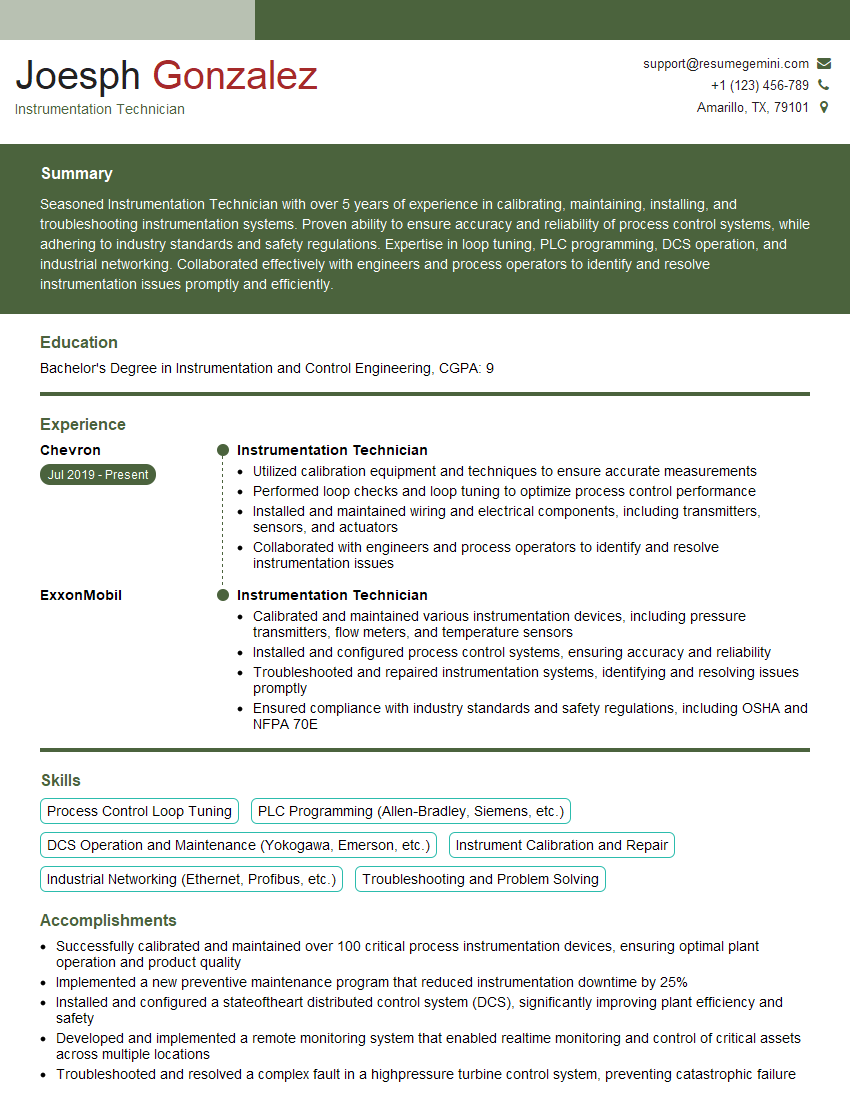
Instrumentation Technician Resume Sample
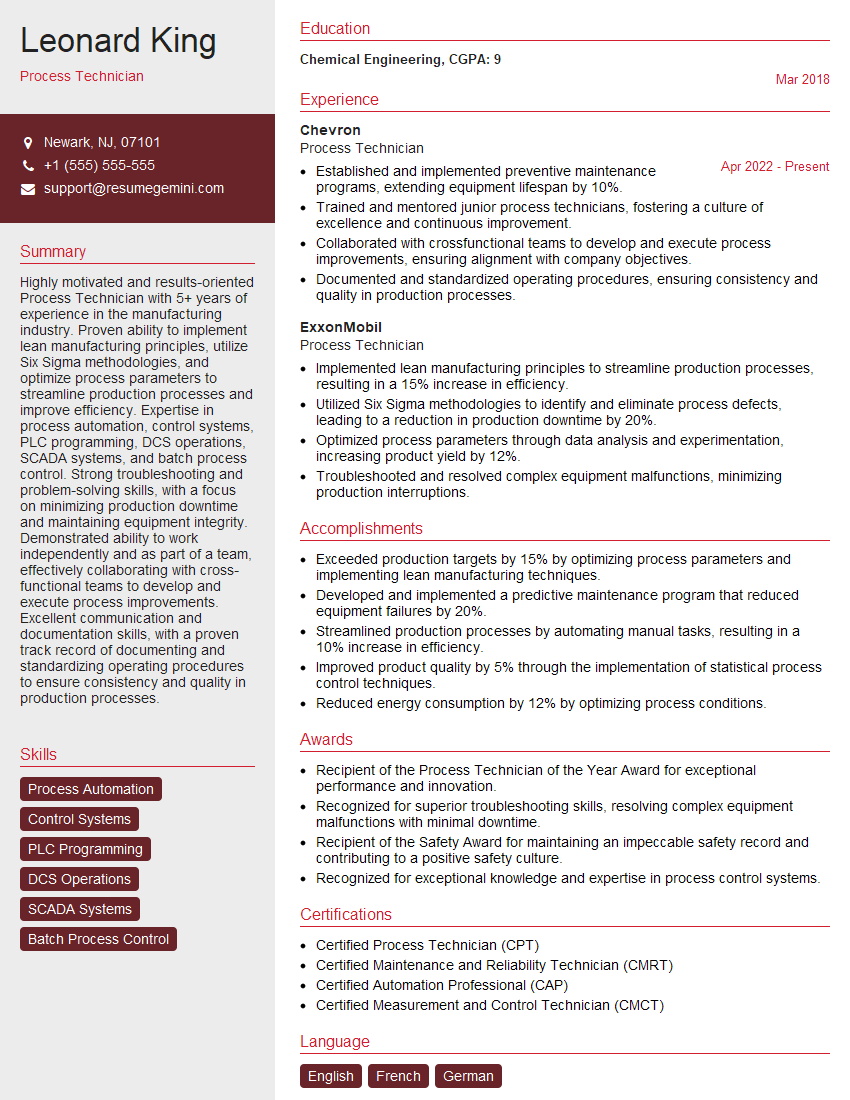
Process Technician Resume Sample
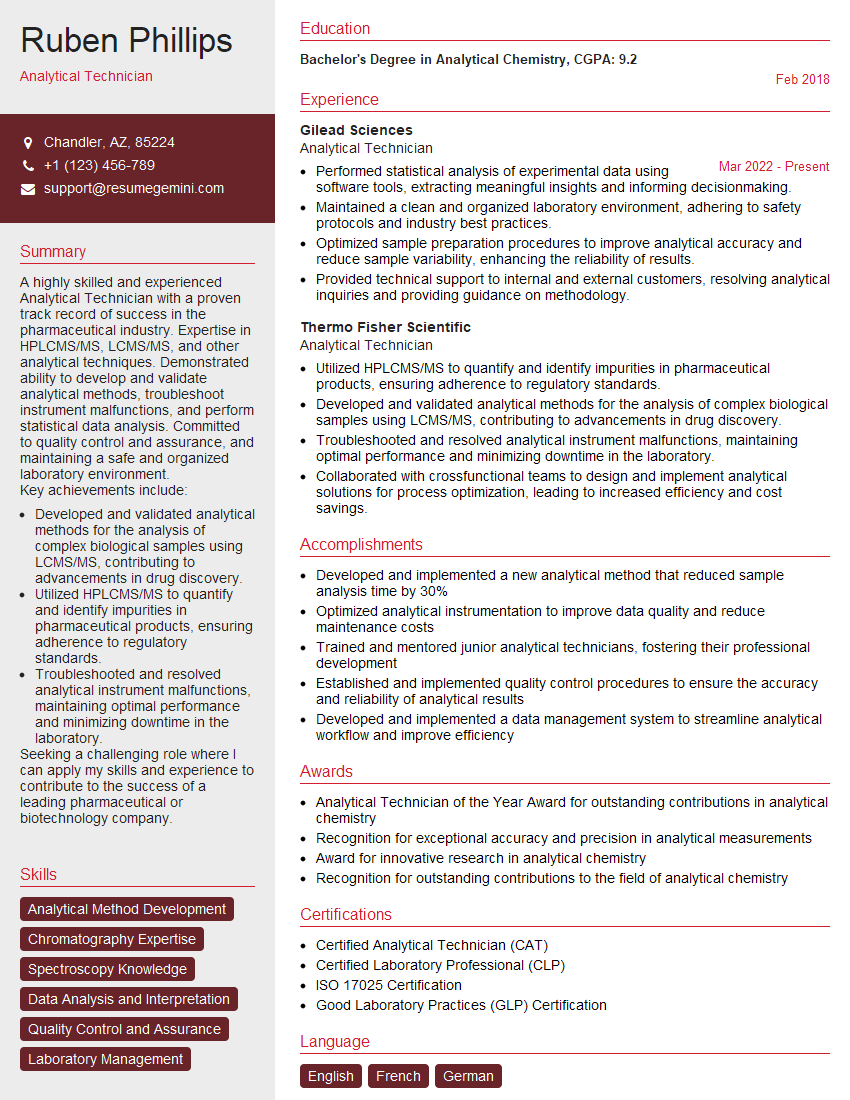
Analytical Technician Resume Sample
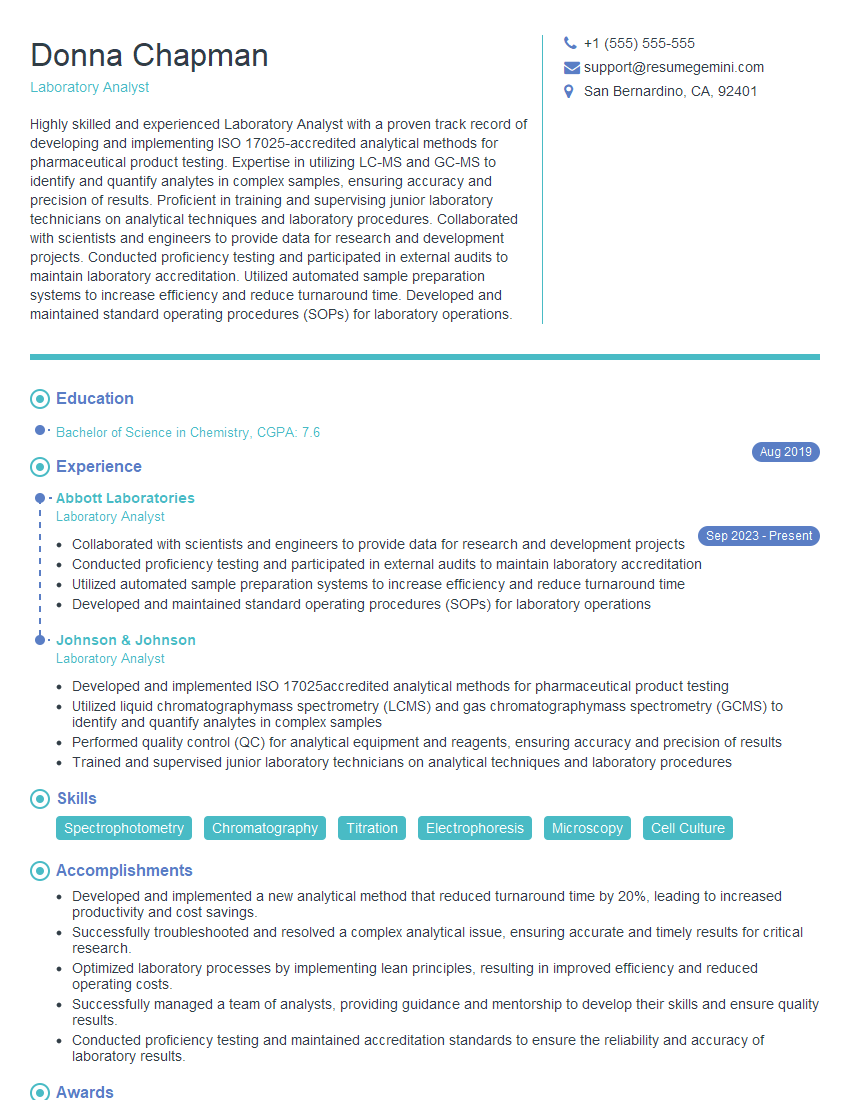
Laboratory Analyst Resume Sample
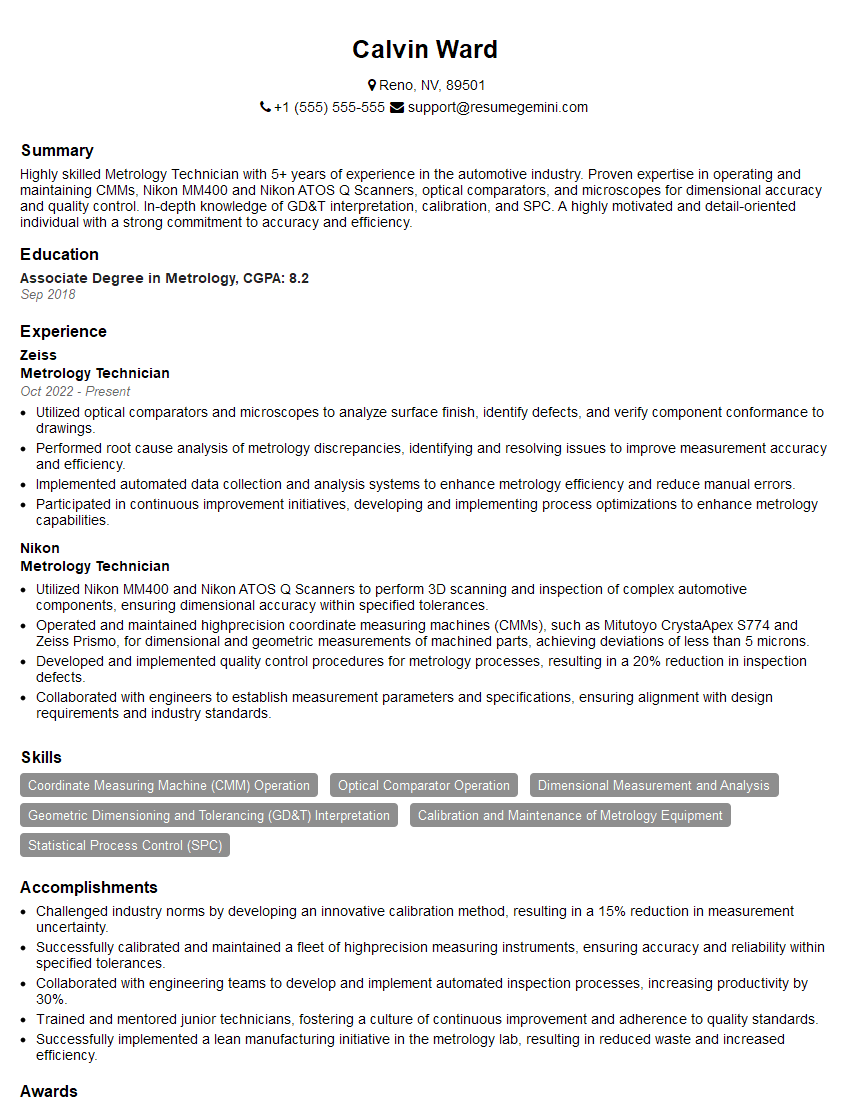
Metrology Technician Resume Sample
Explore more articles
Users Rating of Our Blogs
Share Your Experience
We value your feedback! Please rate our content and share your thoughts (optional).
What Readers Say About Our Blog
Very informative content, great job.
good