Feeling uncertain about what to expect in your upcoming interview? We’ve got you covered! This blog highlights the most important Operating Environmental Protection Equipment interview questions and provides actionable advice to help you stand out as the ideal candidate. Let’s pave the way for your success.
Questions Asked in Operating Environmental Protection Equipment Interview
Q 1. Describe your experience operating and maintaining air pollution control systems.
My experience with air pollution control systems spans over ten years, encompassing both operation and maintenance of various technologies. I’ve worked extensively with systems like baghouses, electrostatic precipitators (ESPs), and scrubbers in different industrial settings, from power plants to manufacturing facilities. Operation involves regular monitoring of system parameters – pressure drops across filters, voltage and current in ESPs, liquid levels and pH in scrubbers – to ensure optimal performance and efficiency. Maintenance includes scheduled inspections, filter changes or cleaning, electrode cleaning and replacement in ESPs, and regular chemical adjustments in scrubbers. For example, in a cement plant, I was responsible for the daily operation and preventative maintenance of a large baghouse, resulting in a consistent reduction of particulate matter emissions by over 99%.
A key aspect of my role was troubleshooting issues – identifying the root cause of reduced efficiency or malfunctions and implementing effective solutions. This often involved analyzing data from various sensors, identifying patterns, and implementing corrective actions. For instance, a sudden increase in pressure drop in a baghouse might indicate filter clogging, requiring immediate cleaning or replacement to avoid system shutdown.
Q 2. Explain the process of wastewater treatment and your role in it.
Wastewater treatment is a multi-stage process aimed at removing pollutants and making the water safe for discharge or reuse. My role typically involves operating and maintaining various treatment units within a wastewater treatment plant (WWTP). This includes:
- Preliminary Treatment: Operating and monitoring screens, grit chambers, and other initial processes to remove large debris and grit.
- Primary Treatment: Monitoring sedimentation tanks to ensure efficient settling of solids.
- Secondary Treatment: Operating and maintaining biological treatment systems like activated sludge or trickling filters, which utilize microorganisms to break down organic matter. This includes monitoring dissolved oxygen levels, sludge volume, and other critical parameters.
- Tertiary Treatment (if applicable): Operating and monitoring advanced treatment processes such as filtration, disinfection, and nutrient removal to achieve higher effluent quality standards.
My responsibilities also extend to sludge management, including monitoring sludge thickening and dewatering processes. For instance, I once worked on optimizing the aeration process in an activated sludge system, resulting in a 15% improvement in the removal of Biochemical Oxygen Demand (BOD), a key indicator of water quality.
Q 3. How do you ensure compliance with environmental regulations during equipment operation?
Ensuring compliance with environmental regulations is paramount. This involves meticulously recording all operational data, including emissions levels, wastewater discharge parameters, and other relevant information. Regular calibration and maintenance of monitoring equipment are crucial to ensure accurate measurements. I’m familiar with various environmental regulations, such as the Clean Air Act and the Clean Water Act, and understand the specific permit requirements applicable to different industrial settings. Compliance also involves staying updated on changes in regulations and best management practices. For example, I’ve been instrumental in developing and implementing a comprehensive environmental monitoring program that includes regular audits to ensure we are meeting all regulatory requirements.
In cases of non-compliance, I would immediately initiate corrective actions, document the incident, and notify the appropriate regulatory agencies. Preventative maintenance is also a key strategy for avoiding non-compliance issues. A well-maintained system is less likely to malfunction and produce excess emissions or discharge.
Q 4. What safety procedures do you follow when operating environmental protection equipment?
Safety is paramount when operating environmental protection equipment. I always follow a strict set of safety protocols, including:
- Lockout/Tagout procedures: To prevent accidental energization during maintenance activities.
- Personal Protective Equipment (PPE): Wearing appropriate PPE such as respirators, safety glasses, gloves, and protective clothing depending on the task.
- Confined space entry procedures: Following strict protocols when entering confined spaces like tanks or vessels.
- Emergency response plans: Understanding and practicing emergency procedures in case of equipment malfunction or chemical spills.
- Regular safety training: Participating in regular safety training to stay updated on best practices and hazard awareness.
For example, before entering a confined space to perform maintenance on a scrubber, I always ensure that a permit-to-work is issued, the space is properly ventilated, and a standby person is present. This rigorous adherence to safety protocols helps prevent accidents and protects both myself and my colleagues.
Q 5. Describe your troubleshooting experience with malfunctioning environmental control systems.
Troubleshooting malfunctioning environmental control systems often involves systematic problem-solving. I typically start by reviewing operational data to identify anomalies. This might involve analyzing sensor readings, flow rates, pressure drops, or other relevant parameters. For example, a drop in the efficiency of an ESP might be due to a malfunctioning high voltage power supply, dirty electrodes, or even a change in the characteristics of the flue gas. I would investigate each of these possibilities systematically.
Once the potential cause is identified, I then implement corrective actions, which might involve replacing a faulty component, cleaning or repairing equipment, or adjusting process parameters. After implementing the corrective action, I monitor the system to ensure that the problem is resolved and the system is operating normally. Detailed documentation of troubleshooting steps and their outcomes is crucial for future reference.
Q 6. How do you monitor and interpret data from environmental monitoring equipment?
Environmental monitoring equipment provides crucial data on emissions, discharge parameters, and other indicators of environmental impact. I’m proficient in interpreting data from various types of equipment, including:
- Continuous emission monitoring systems (CEMS): These provide real-time data on emissions of pollutants like SO2, NOx, and particulate matter.
- Water quality analyzers: These measure parameters like pH, BOD, COD, and suspended solids in wastewater.
- Air quality monitoring stations: These provide data on ambient air quality.
Interpreting this data requires understanding the relevant regulations and performance standards. For example, if a CEMS shows a sudden increase in SO2 emissions, I would immediately investigate the cause, which might involve a malfunction in the scrubber or a problem with the fuel being used. Data analysis also helps in optimizing system performance and identifying areas for improvement. I’m also familiar with using data analytics software to identify trends and patterns in monitoring data, enabling proactive maintenance and preventing potential compliance issues.
Q 7. What are the different types of industrial air pollution control technologies?
Industrial air pollution control technologies vary depending on the type of pollutant and the industrial process. Some common types include:
- Particulate matter control: Bag filters (baghouses), electrostatic precipitators (ESPs), cyclonic separators, and scrubbers.
- Gaseous pollutant control: Scrubbers (wet and dry), catalytic converters, selective catalytic reduction (SCR) systems, and selective non-catalytic reduction (SNCR) systems.
- Odor control: Biofilters, thermal oxidizers, and scrubbers.
The choice of technology depends on factors such as the type and concentration of pollutants, the volume of gas flow, and cost considerations. For example, a baghouse is effective for removing particulate matter from a large gas stream, while a catalytic converter is often used to control gaseous emissions from vehicles and industrial processes. Understanding these different technologies and their applications is crucial for designing and operating effective air pollution control systems.
Q 8. Explain the principle of operation of a [Specific type of equipment, e.g., cyclone separator].
Cyclone separators utilize centrifugal force to separate particulate matter from a gas stream. Imagine a swirling vortex—that’s essentially what happens inside a cyclone. The gas-particle mixture is introduced tangentially into a cylindrical or conical chamber. This creates a rotating flow, forcing denser particles towards the outer wall.
Due to inertia, these particles are pushed down towards the bottom of the chamber where they are collected. The cleaned gas, now spiraling upwards, exits through the top. The efficiency of separation depends on factors like particle size, gas velocity, and the cyclone’s geometry. Larger, heavier particles are separated more effectively. Smaller particles might require additional filtration.
For example, in a cement plant, cyclones are commonly used to remove dust from exhaust gases before they are released into the atmosphere. This prevents air pollution and improves environmental compliance.
Q 9. How do you perform preventative maintenance on environmental protection equipment?
Preventative maintenance is crucial for ensuring the longevity and efficiency of environmental protection equipment. It’s a proactive approach, aiming to prevent failures rather than react to them. My approach involves a structured schedule that combines regular inspections, lubrication, and component replacements.
- Regular Inspections: This includes visual checks for wear and tear, leaks, corrosion, and loose connections. I meticulously document findings and note any anomalies.
- Lubrication: Moving parts, like bearings and gears, require regular lubrication to reduce friction and prevent premature wear. The type and frequency of lubrication depend on the specific equipment and manufacturer recommendations.
- Component Replacements: Certain components have a limited lifespan and need timely replacement. For example, filters need to be replaced regularly depending on usage and the level of contamination. This ensures the equipment maintains its efficiency.
- Calibration and Testing: Regular calibration ensures that instruments used for monitoring pollution levels are accurate. Performance testing confirms the system’s efficiency in removing pollutants.
For instance, during a routine inspection of a scrubber system, I discovered a slight leak in a valve. Addressing this minor issue early prevented a major breakdown and costly downtime, not to mention potential environmental damage.
Q 10. What are the common causes of equipment malfunctions and how do you address them?
Malfunctions can stem from various causes, including wear and tear, improper operation, and environmental factors.
- Wear and Tear: This is inevitable, especially with equipment subjected to continuous operation and harsh conditions. Regular maintenance helps mitigate this. For example, filter clogging in a baghouse is a common result of wear and tear.
- Improper Operation: Incorrect settings, inadequate training of operators, or neglecting routine procedures can lead to malfunction. I always emphasize proper training for operators.
- Environmental Factors: Extreme temperatures, humidity, or corrosive substances can damage equipment. Regular inspections, protective coatings, and appropriate housing can mitigate these risks.
Troubleshooting involves systematically checking each component, analyzing operational logs, and conducting tests. For example, if a baghouse experiences increased pressure drop, I’d first check the filter condition, then evaluate the fan and air intake system. Effective troubleshooting requires a combination of practical experience and a methodical approach.
Q 11. Describe your experience with hazardous waste handling and disposal procedures.
My experience encompasses handling a range of hazardous wastes, adhering strictly to all relevant regulations and safety protocols. This includes proper labeling, storage, and transportation of waste materials. I’m proficient in using different waste characterization methods for precise identification and classification of hazardous substances.
I have extensive experience with disposal procedures, ensuring that wastes are managed by licensed and reputable facilities following established disposal methods, including incineration, landfilling (in accordance with regulations), or chemical treatment as appropriate for the waste’s composition. My work always prioritizes worker safety and environmental protection, making sure that all procedures comply with relevant legislation like the Resource Conservation and Recovery Act (RCRA).
In one project, we encountered a spill of a hazardous chemical. My immediate response involved containing the spill, neutralizing the chemical using approved methods, and subsequently arranging for proper cleanup and disposal by a specialized contractor, meticulously documenting every step of the process.
Q 12. How do you ensure the accuracy and reliability of environmental data collected?
Ensuring data accuracy and reliability is paramount in environmental monitoring. My approach relies on a multi-pronged strategy.
- Calibration and Validation: Regular calibration of monitoring instruments against traceable standards is crucial. Data validation involves checking for outliers and inconsistencies using statistical methods.
- Quality Control Procedures: Implementing strict quality control protocols throughout the sampling and analysis process helps minimize errors and ensure consistent results. This includes employing chain-of-custody procedures for samples.
- Data Management System: Utilizing robust data management systems helps maintain data integrity, track sample information, and facilitate easy retrieval and analysis of information.
- Data Redundancy and Cross-checking: Employing multiple independent methods for the same measurement helps identify potential errors.
For instance, we use certified reference materials to validate the accuracy of our analytical equipment, ensuring our data provides a reliable representation of environmental conditions.
Q 13. What are the key performance indicators (KPIs) for environmental protection equipment?
Key Performance Indicators (KPIs) for environmental protection equipment vary depending on the specific application and technology, but some common ones include:
- Removal Efficiency: This measures the percentage of pollutants removed from the gas stream or wastewater. A higher percentage indicates better performance.
- Pressure Drop: This represents the reduction in pressure across the equipment. Lower pressure drop is desirable, as it reduces energy consumption.
- Operating Costs: This includes energy consumption, maintenance costs, and replacement parts. Lower operating costs are always a goal.
- Equipment Downtime: Minimizing downtime is critical to ensure continuous operation and prevent production disruptions.
- Compliance with Regulations: This confirms the equipment is meeting the required emission standards.
By regularly monitoring these KPIs, we can identify areas for improvement and optimize equipment performance.
Q 14. Explain your understanding of environmental regulations relevant to your experience.
My understanding of environmental regulations is extensive, covering federal, state, and local laws depending on the project location. I’m intimately familiar with regulations like the Clean Air Act (CAA), the Clean Water Act (CWA), and the Resource Conservation and Recovery Act (RCRA) in the United States, and equivalent regulations in other regions. These laws establish emission limits for various pollutants, set standards for wastewater discharge, and regulate the handling and disposal of hazardous waste.
I ensure all projects I’m involved with comply with the relevant regulations. This includes designing systems to meet emission limits, obtaining necessary permits, and ensuring proper documentation for waste management. Staying updated with changes to environmental legislation is an ongoing process, requiring participation in professional development and accessing up-to-date legal information. For example, in a recent project, we had to modify the design to meet stricter emission standards introduced by a recent amendment to the CAA.
Q 15. Describe a time you had to deal with a major equipment failure. How did you resolve it?
During my time at a chemical processing plant, the main scrubber system, crucial for removing harmful pollutants from the exhaust gases, malfunctioned. This resulted in a significant spike in particulate matter emissions, threatening both environmental regulations and worker safety. The initial diagnostic pointed towards a blockage in the liquid circulation system.
My immediate response involved activating the emergency backup scrubber, minimizing the immediate impact on emissions. Simultaneously, I assembled a team to pinpoint the cause of the blockage. We systematically checked valves, pumps, and the scrubber’s internal structure. It turned out to be a build-up of corrosive material, leading to a complete blockage of a critical pipe section.
The solution involved a three-pronged approach: First, a thorough chemical cleaning of the affected pipe using a specialized solvent and high-pressure water jets. Second, we implemented a modified operational procedure to reduce the build-up of corrosive materials. This included fine-tuning the chemical processes upstream and implementing a more rigorous cleaning schedule. Third, we invested in online monitoring sensors to provide real-time insights into the scrubber’s efficiency and any potential issues before they escalate into major failures.
Career Expert Tips:
- Ace those interviews! Prepare effectively by reviewing the Top 50 Most Common Interview Questions on ResumeGemini.
- Navigate your job search with confidence! Explore a wide range of Career Tips on ResumeGemini. Learn about common challenges and recommendations to overcome them.
- Craft the perfect resume! Master the Art of Resume Writing with ResumeGemini’s guide. Showcase your unique qualifications and achievements effectively.
- Don’t miss out on holiday savings! Build your dream resume with ResumeGemini’s ATS optimized templates.
Q 16. What are the different types of industrial wastewater treatment processes?
Industrial wastewater treatment is a multi-stage process designed to remove contaminants before discharge. Several methods are employed, often in combination, depending on the specific pollutants present.
- Physical Processes: These focus on separating solids from liquids. Examples include screening (removing large debris), sedimentation (allowing solids to settle), and filtration (using membranes to remove smaller particles).
- Chemical Processes: These methods involve adding chemicals to alter the wastewater’s chemical composition and promote pollutant removal. Examples include coagulation and flocculation (using chemicals to clump particles together for easier removal), neutralization (adjusting pH to safe levels), and chemical oxidation (using oxidizing agents to break down pollutants).
- Biological Processes: These utilize microorganisms to break down organic matter. Activated sludge processes, trickling filters, and anaerobic digestion are common examples. Activated sludge, for instance, involves aeration to promote microbial growth and break down pollutants.
- Advanced Treatment Processes: For highly contaminated wastewater, advanced methods such as reverse osmosis (using pressure to separate water from contaminants), ion exchange (using resins to remove specific ions), and advanced oxidation processes (using powerful oxidants to remove recalcitrant pollutants) might be necessary.
The selection of appropriate processes depends on several factors, including the type and concentration of pollutants, the volume of wastewater, and cost considerations.
Q 17. How do you manage and dispose of different types of industrial waste?
Managing and disposing of industrial waste requires a comprehensive approach that adheres to strict regulations and prioritizes environmental protection. The process begins with proper segregation and classification of waste streams.
- Hazardous Waste: This includes materials that are toxic, flammable, corrosive, or reactive. Strict regulations govern their handling, transportation, and disposal, often requiring specialized treatment facilities such as incineration, solidification, or secure landfills.
- Non-Hazardous Waste: This encompasses materials that do not pose significant environmental risks. Disposal methods can include recycling, composting, landfilling (for inert wastes), or energy recovery (such as waste-to-energy plants).
- Wastewater: As discussed earlier, wastewater undergoes treatment before discharge to ensure it meets regulatory standards. This involves a combination of physical, chemical, and biological processes.
Detailed record-keeping, including waste manifests and disposal documentation, is paramount to comply with environmental regulations and demonstrate responsible waste management practices.
For example, spent solvents in a chemical plant would be considered hazardous waste and require special handling and disposal at a licensed hazardous waste facility. On the other hand, recyclable metal scraps could be processed and reused, minimizing environmental impact and conserving resources.
Q 18. Explain your experience with using different types of environmental monitoring instruments.
My experience encompasses a wide range of environmental monitoring instruments. I’m proficient in using:
- Gas Analyzers: These instruments measure the concentration of various gases in the atmosphere or industrial emissions, including
CO, CO2, SO2, NOx,and VOCs. I’ve used both portable and fixed analyzers, ensuring accurate and reliable measurements for compliance monitoring and process optimization. - Water Quality Analyzers: These instruments measure parameters such as pH, turbidity, conductivity, dissolved oxygen, and various chemical constituents in wastewater or surface water. I’m experienced with both online sensors for continuous monitoring and laboratory-based instruments for more detailed analysis.
- Noise Level Meters: I have extensive experience using sound level meters to measure noise pollution levels, ensuring compliance with occupational safety and environmental regulations.
- Radiation Detectors: In some projects, I’ve used radiation detectors to measure radiation levels to ensure the safety of personnel and the environment.
I understand the importance of selecting appropriate instruments for specific applications, ensuring their proper calibration and maintenance, and interpreting the obtained data correctly to make informed decisions.
Q 19. Describe your knowledge of relevant safety data sheets (SDS) and their importance.
Safety Data Sheets (SDS), formerly known as Material Safety Data Sheets (MSDS), are crucial documents providing comprehensive information about the hazards associated with a chemical or material. They provide essential information for safe handling, storage, use, and disposal.
My understanding of SDS includes knowing how to interpret sections detailing:
- Identification of the substance or mixture: This includes the chemical name, synonyms, and relevant identifiers.
- Hazards identification: This section outlines the physical, health, and environmental hazards associated with the material, including acute and chronic effects.
- Composition/information on ingredients: This lists the components of the material and their concentrations.
- First-aid measures: Provides instructions on how to respond to exposure or accidental ingestion.
- Fire-fighting measures: Details the appropriate methods for extinguishing fires involving the material.
- Accidental release measures: Provides steps to take in case of a spill or leak.
- Handling and storage: Gives guidance on the safe handling and storage of the material.
- Exposure controls/personal protection: Outlines necessary personal protective equipment (PPE) and engineering controls to minimize exposure.
- Physical and chemical properties: This section describes the material’s physical and chemical characteristics.
- Stability and reactivity: Details the material’s stability and potential reactions under various conditions.
- Toxicological information: Provides information on the health effects of exposure.
- Ecological information: Describes the material’s potential environmental impacts.
- Disposal considerations: Explains the proper disposal methods.
- Transport information: Details transportation regulations.
- Regulatory information: Lists relevant regulations and compliance requirements.
Proper use of SDS information is vital for preventing accidents, protecting workers’ health, and ensuring environmental compliance.
Q 20. What is your experience with record keeping and documentation of environmental operations?
Meticulous record-keeping is an integral part of environmental operations. I’m experienced in maintaining comprehensive records that demonstrate compliance with all relevant regulations and internal procedures. My experience includes:
- Emission Monitoring Data: Maintaining detailed records of emission measurements from various sources, ensuring that data is accurate, complete, and readily available for audits.
- Waste Management Records: Documenting all aspects of waste handling, storage, transportation, and disposal, including waste manifests and disposal invoices. This ensures traceability and accountability.
- Equipment Maintenance Logs: Keeping detailed logs of all equipment maintenance activities, including calibration records, repair reports, and preventative maintenance schedules. This is vital for ensuring equipment functions optimally and reliably.
- Compliance Reports: Preparing and submitting regular compliance reports to regulatory agencies, documenting adherence to environmental regulations.
- Incident Reports: Documenting any environmental incidents, including spills, leaks, or equipment malfunctions, along with the corrective actions taken.
I utilize both electronic and paper-based systems to maintain records, ensuring data integrity and accessibility. My approach emphasizes clear organization, data validation, and secure storage of all records.
Q 21. How do you ensure the proper calibration and maintenance of environmental monitoring equipment?
Proper calibration and maintenance of environmental monitoring equipment is essential to ensure data accuracy and reliability. My approach involves a multi-faceted strategy:
- Calibration Schedule: Establishing a rigorous calibration schedule for all instruments based on manufacturer recommendations and regulatory requirements. This includes frequency and procedures for each instrument.
- Calibration Procedures: Following standardized calibration procedures, using certified reference materials and traceable standards to ensure accuracy.
- Record Keeping: Maintaining detailed records of all calibration activities, including dates, results, and any corrective actions taken. This documentation is crucial for demonstrating compliance.
- Preventative Maintenance: Implementing a preventative maintenance program to minimize equipment downtime and ensure long-term reliability. This involves regular inspection, cleaning, and minor repairs.
- Corrective Maintenance: Addressing equipment malfunctions promptly through repairs or replacements. This involves proper documentation of the issue, the repair process, and testing to verify functionality.
- Training: Ensuring that personnel are properly trained on the correct use, calibration, and maintenance procedures for all environmental monitoring equipment.
For example, gas analyzers are regularly calibrated using certified gas mixtures to maintain the accuracy of emission measurements. Failure to perform regular calibration could lead to inaccurate data, potentially resulting in non-compliance and environmental harm.
Q 22. What are the potential environmental impacts of improper equipment operation?
Improper operation of environmental protection equipment can have severe environmental consequences. Think of it like this: the equipment is designed to act as a filter, preventing pollutants from entering the environment. If that filter is malfunctioning or improperly maintained, those pollutants escape.
Air Pollution: Malfunctioning scrubbers or improperly maintained stacks can release harmful gases and particulate matter into the atmosphere, contributing to smog, acid rain, and respiratory problems. For example, a poorly maintained baghouse filter in a cement plant could release significant quantities of dust.
Water Pollution: Leaks in wastewater treatment systems or failures in oil-water separators can release untreated wastewater, chemicals, and oil into water bodies, harming aquatic life and potentially contaminating drinking water sources. Imagine a faulty oil separator on an offshore drilling platform; the resulting oil spill would have devastating effects.
Soil Contamination: Improper disposal of hazardous waste or leaks from storage tanks can contaminate soil, impacting plant life and potentially leaching contaminants into groundwater. For instance, a cracked storage tank containing pesticides could contaminate the surrounding soil, requiring expensive remediation.
Noise Pollution: Equipment that isn’t properly maintained can generate excessive noise, disturbing wildlife and impacting human health. Think of a noisy compressor operating without proper soundproofing.
Preventing these issues requires diligent maintenance, operator training, and adherence to environmental regulations. Regular inspections and prompt repairs are crucial for ensuring optimal equipment performance and minimizing environmental damage.
Q 23. Describe your experience working with different types of industrial processes and their associated environmental concerns.
My experience spans a wide range of industrial processes, each with its unique environmental challenges. I’ve worked with:
Chemical Manufacturing: In this sector, the main concerns revolve around managing hazardous air emissions (VOCs, HAPs), wastewater containing toxic chemicals, and the safe disposal of chemical byproducts. I was involved in a project optimizing a chemical plant’s scrubber system to reduce VOC emissions by 20%, demonstrating a significant improvement in air quality.
Oil and Gas Extraction: Here, the focus is on preventing oil spills, managing produced water (highly saline wastewater), and controlling methane emissions. I helped design and implement a system for improved produced water treatment in an onshore oil field.
Power Generation: From coal-fired power plants to renewable sources, environmental concerns include air emissions (SOx, NOx, particulate matter), ash disposal, and wastewater management. I’ve been involved in evaluating and improving the efficiency of flue gas desulfurization systems in a coal plant to reduce SOx emissions.
Wastewater Treatment: This involves treating municipal and industrial wastewater to remove pollutants before discharge. My experience includes optimizing the biological treatment process to increase efficiency and reduce energy consumption.
In each case, my work centered on identifying and mitigating environmental risks, ensuring compliance with regulations, and implementing sustainable solutions. I’m proficient in assessing environmental impacts, selecting appropriate technologies, and developing strategies for pollution prevention and control.
Q 24. What is your understanding of the different types of permits required for environmental operations?
The specific permits needed for environmental operations vary significantly depending on the location, the type of industry, and the nature of the operations. However, some common permits include:
Air Quality Permits: These are needed for facilities emitting air pollutants, such as power plants, industrial facilities, and even some smaller businesses. They usually specify emission limits for various pollutants and require regular monitoring and reporting.
Water Discharge Permits (NPDES): These permits regulate the discharge of wastewater into surface waters. They specify limits on various pollutants and require regular monitoring and reporting.
Solid Waste Permits: These permits govern the generation, storage, and disposal of solid and hazardous wastes. They specify requirements for waste management practices, including storage, transportation, and disposal.
Spill Prevention, Control, and Countermeasure (SPCC) Plans: These plans are required for facilities that store certain amounts of oil or other hazardous substances, outlining procedures to prevent and respond to spills.
Stormwater Permits: These permits regulate stormwater discharges from industrial and construction sites to protect water quality.
Navigating the complex regulatory landscape requires a thorough understanding of applicable laws and regulations, as well as the ability to prepare and submit accurate and complete permit applications. My experience includes assisting clients in obtaining and maintaining various environmental permits, ensuring compliance with all legal requirements.
Q 25. How do you contribute to a safe and healthy work environment while operating environmental equipment?
Safety is paramount in my work. Contributing to a safe and healthy work environment involves a multi-faceted approach:
Adhering to Safety Protocols: I strictly follow all company safety procedures and regulations, including proper lockout/tagout procedures, personal protective equipment (PPE) usage, and hazard communication guidelines. This includes understanding and applying the hierarchy of controls (elimination, substitution, engineering controls, administrative controls, PPE).
Pre-Operational Checks: Before operating any equipment, I conduct thorough pre-operational checks to identify and address potential hazards. This might involve checking pressure gauges, inspecting hoses for leaks, and verifying the proper functioning of safety interlocks.
Regular Maintenance: I contribute to a safe environment by ensuring that all environmental equipment is properly maintained. Regular maintenance prevents equipment malfunctions that could lead to accidents or environmental releases.
Hazard Identification and Risk Assessment: I actively participate in hazard identification and risk assessment activities, helping to identify potential hazards and develop control measures to mitigate risks.
Training and Communication: I am always willing to share my knowledge and experience with colleagues to promote a culture of safety and awareness. I believe in fostering open communication and reporting any potential hazards immediately.
My commitment to safety stems from the understanding that a safe work environment is essential for both employee well-being and environmental protection.
Q 26. What are your skills in using computerized maintenance management systems (CMMS)?
I am highly proficient in using Computerized Maintenance Management Systems (CMMS). My experience includes using various CMMS platforms such as [mention specific CMMS software, e.g., IBM Maximo, SAP PM, Fiix], to:
Schedule Preventative Maintenance: I use CMMS to schedule and track preventative maintenance activities, ensuring that equipment is maintained according to manufacturer’s recommendations and regulatory requirements.
Manage Work Orders: I utilize CMMS to create, assign, and track work orders, ensuring that maintenance tasks are completed efficiently and effectively.
Track Equipment History: CMMS allows me to maintain detailed records of equipment history, including maintenance performed, repairs made, and parts used. This data is critical for optimizing maintenance schedules and identifying potential problems before they occur.
Generate Reports: I can generate various reports from the CMMS, including equipment utilization reports, maintenance cost reports, and compliance reports. This data is vital for making informed decisions regarding maintenance strategies and budgeting.
My skills in using CMMS contribute to efficient maintenance practices, optimized equipment uptime, and reduced maintenance costs. I am comfortable training others on the use of CMMS and am adept at adapting my skills to new platforms.
Q 27. How do you stay updated on the latest advancements in environmental protection technology?
Staying updated on advancements in environmental protection technology is crucial for maintaining professional competency. I use several methods to stay current:
Professional Organizations: I am an active member of professional organizations such as [mention specific organizations, e.g., AIChE, ASME, SPE], attending conferences, webinars, and workshops to learn about the latest technologies and best practices.
Industry Publications: I regularly read industry publications, journals, and online resources to stay informed about new developments in environmental protection equipment and techniques.
Continuing Education: I actively participate in continuing education courses and training programs to enhance my knowledge and skills in specific areas of environmental technology.
Networking: I maintain a professional network of colleagues and experts in the field, engaging in discussions and exchanging information on new technologies and trends.
Vendor Interactions: I regularly interact with vendors of environmental protection equipment, learning about their latest product offerings and technological advancements.
This ongoing learning allows me to incorporate the latest technologies and methodologies into my work, contributing to improved environmental performance and cost-effectiveness.
Q 28. Describe your experience with emergency response procedures related to environmental incidents.
My experience with emergency response procedures related to environmental incidents is extensive. I have participated in numerous emergency drills and real-world response efforts involving:
Spill Response: I’ve been involved in responding to chemical spills, oil spills, and other hazardous material releases. This involves implementing containment and cleanup procedures, coordinating with emergency response teams, and ensuring compliance with regulatory requirements.
Air Emission Events: I have experience responding to unexpected releases of air pollutants, including identifying the source of the release, implementing mitigation strategies, and conducting air monitoring to assess the impact.
Wastewater Treatment Emergencies: I’ve helped manage situations such as equipment failure in wastewater treatment plants leading to potential environmental releases. This includes troubleshooting system failures, implementing temporary solutions, and ensuring continued compliance with discharge permits.
Emergency Planning: I’ve participated in developing and updating emergency response plans for various facilities, ensuring that these plans are comprehensive, effective, and regularly practiced. These plans should clearly outline roles, responsibilities, communication protocols, and procedures for containment, mitigation, and cleanup.
My focus in emergency response is always on swift action to minimize environmental damage, protect human health, and ensure compliance with all applicable regulations. I am trained in emergency procedures and understand the importance of efficient and coordinated teamwork during crises.
Key Topics to Learn for Operating Environmental Protection Equipment Interview
- Equipment Functionality & Operation: Understanding the mechanics, controls, and safety protocols of various types of environmental protection equipment (e.g., respirators, air purifiers, spill containment systems).
- Maintenance & Troubleshooting: Knowing how to perform routine maintenance, identify malfunctions, and troubleshoot common problems to ensure optimal equipment performance and safety.
- Safety Procedures & Regulations: Familiarity with relevant safety regulations, emergency procedures, and best practices for handling hazardous materials and operating equipment in various environments.
- Calibration & Testing: Understanding the importance of regular calibration and testing to ensure accuracy and reliability of equipment readings and performance.
- Data Interpretation & Reporting: Ability to accurately record, interpret, and report data from environmental monitoring equipment, identifying trends and potential issues.
- Environmental Regulations & Compliance: Knowledge of relevant environmental regulations and how equipment operation contributes to compliance.
- Emergency Response Procedures: Understanding protocols for responding to spills, leaks, or other emergencies involving hazardous materials.
- Personal Protective Equipment (PPE): Knowledge of proper selection, use, and maintenance of PPE relevant to operating environmental protection equipment.
- Waste Management Practices: Understanding safe and compliant disposal procedures for waste generated during equipment operation and maintenance.
Next Steps
Mastering the operation of environmental protection equipment is crucial for a successful and impactful career in environmental health and safety. This expertise opens doors to diverse roles with increasing responsibility and higher earning potential. To maximize your job prospects, crafting an ATS-friendly resume is essential. A well-structured resume highlights your skills and experience effectively, helping you stand out from other candidates. ResumeGemini is a trusted resource that can help you build a compelling and professional resume tailored to the environmental sector. Examples of resumes specifically designed for candidates in Operating Environmental Protection Equipment are available to guide you. Invest time in building a strong resume – it’s your first impression on potential employers.
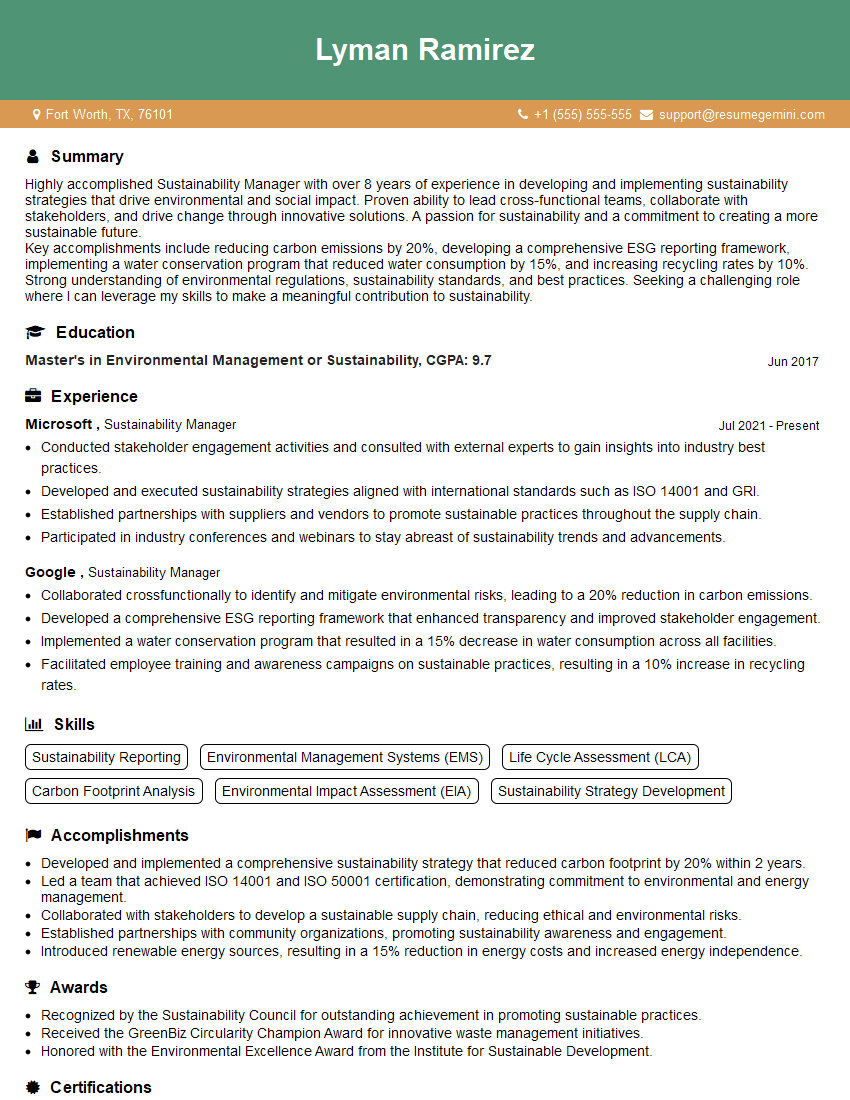
Sustainability Manager Resume Sample
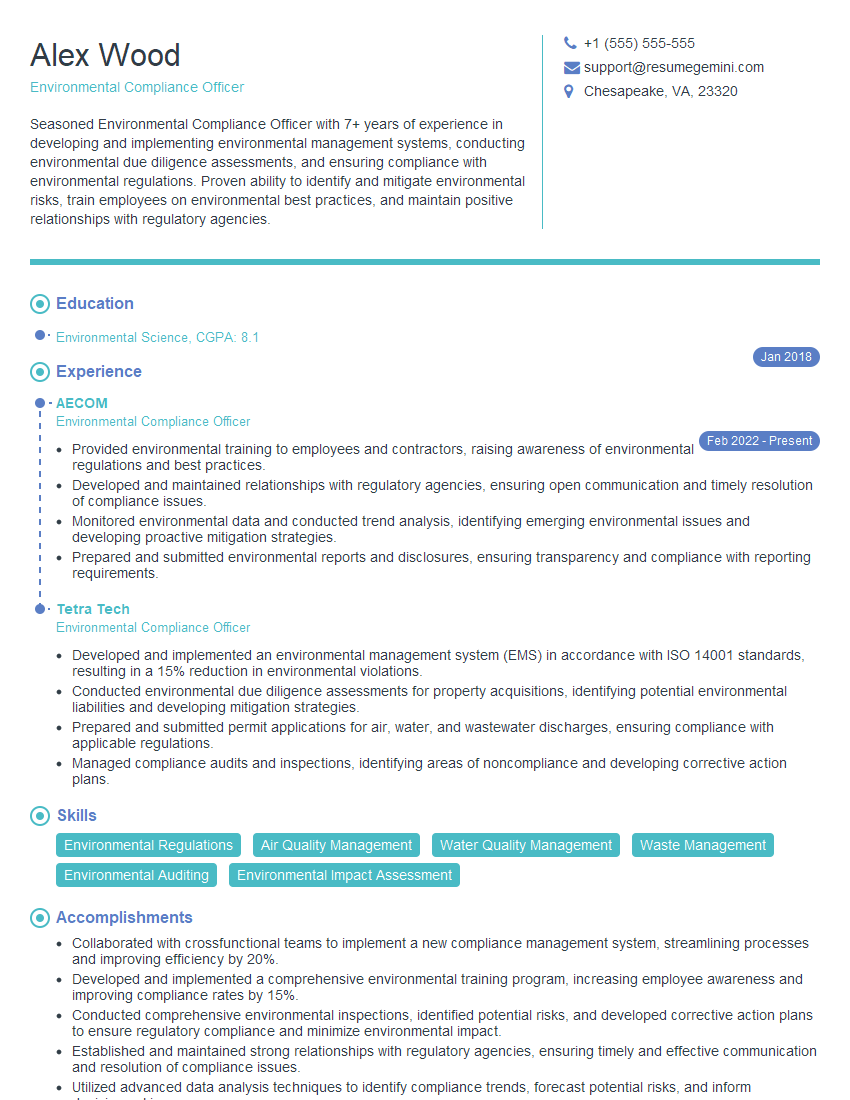
Environmental Compliance Officer Resume Sample
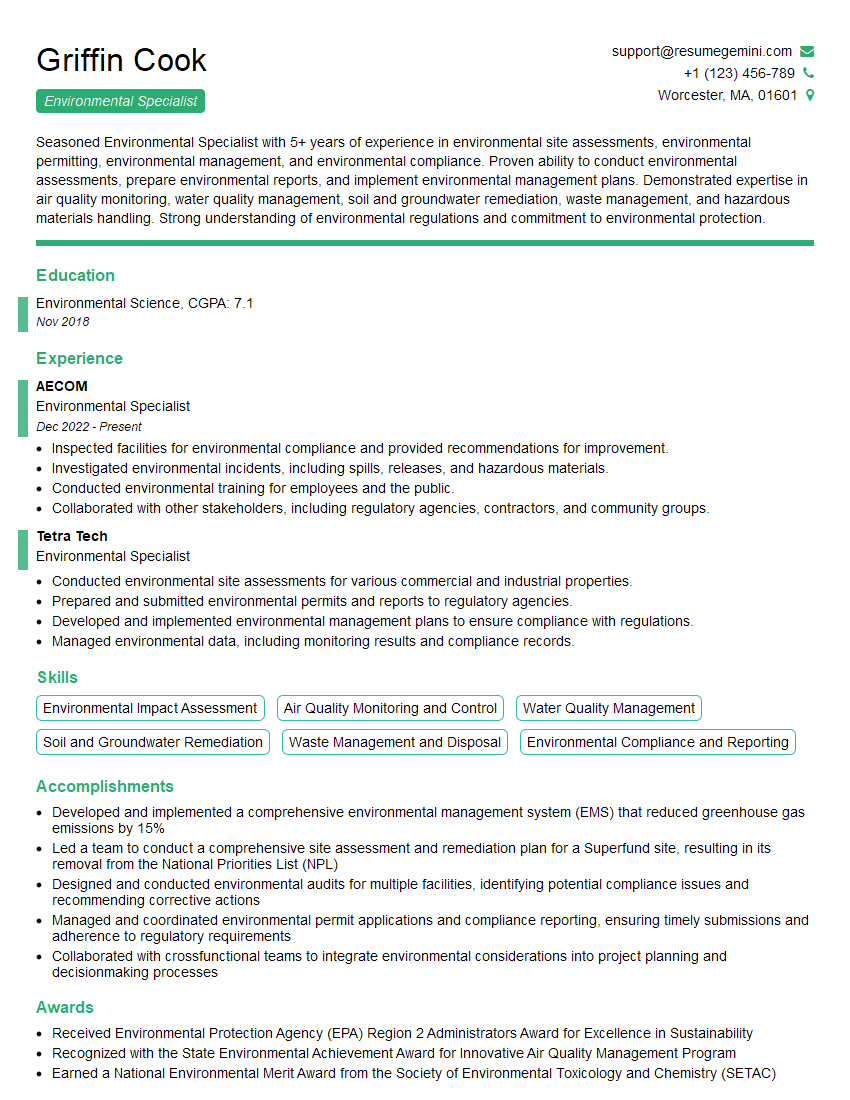
Environmental Specialist Resume Sample
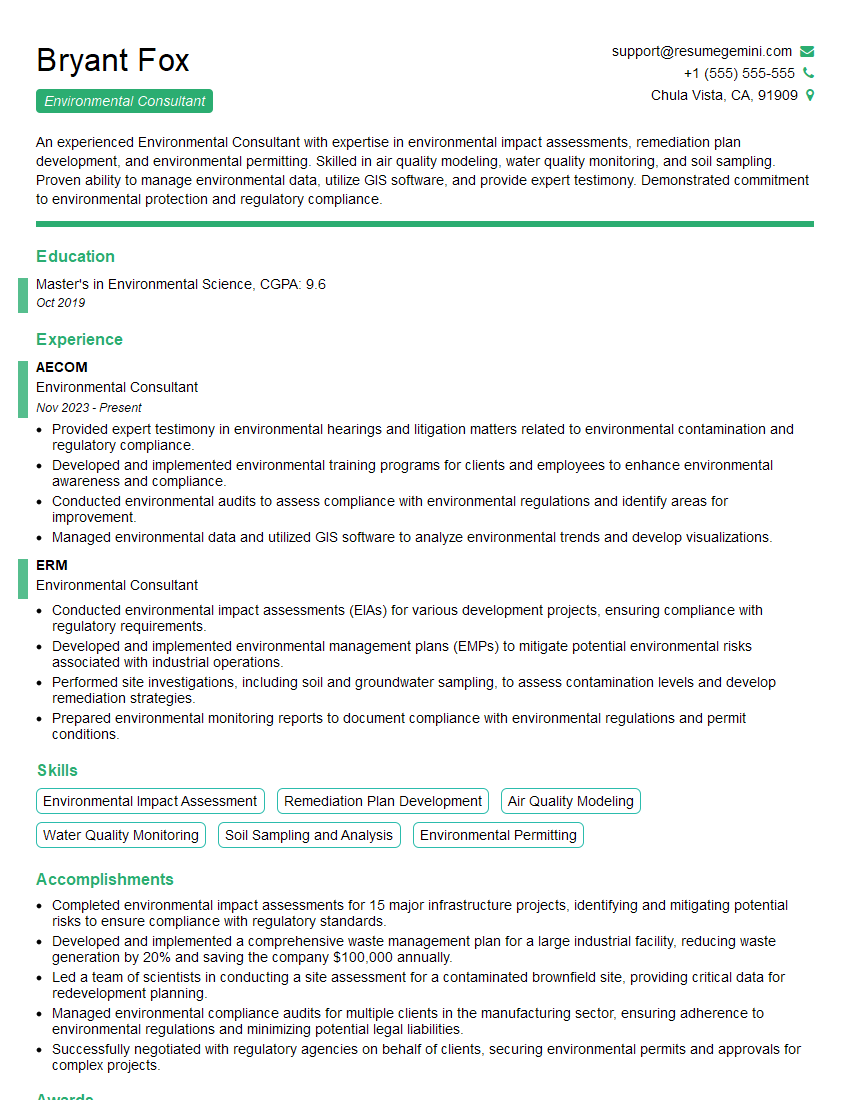
Environmental Consultant Resume Sample
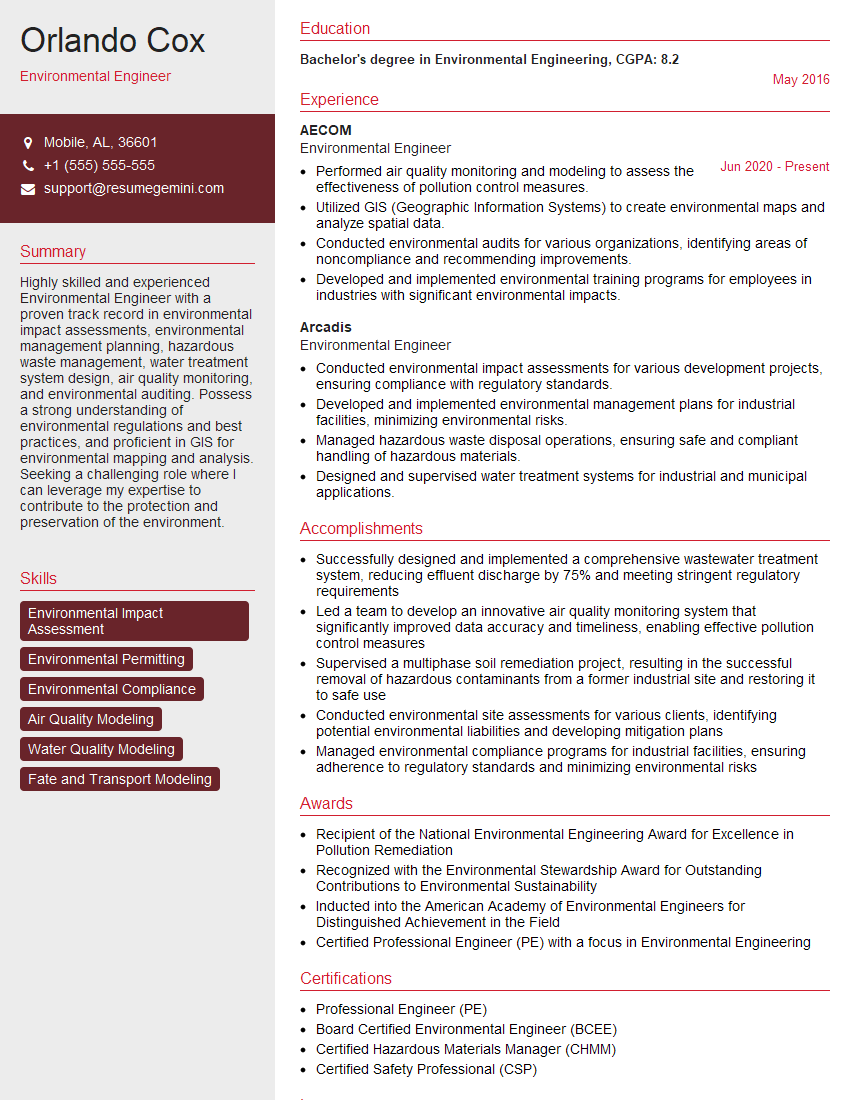
Environmental Engineer Resume Sample
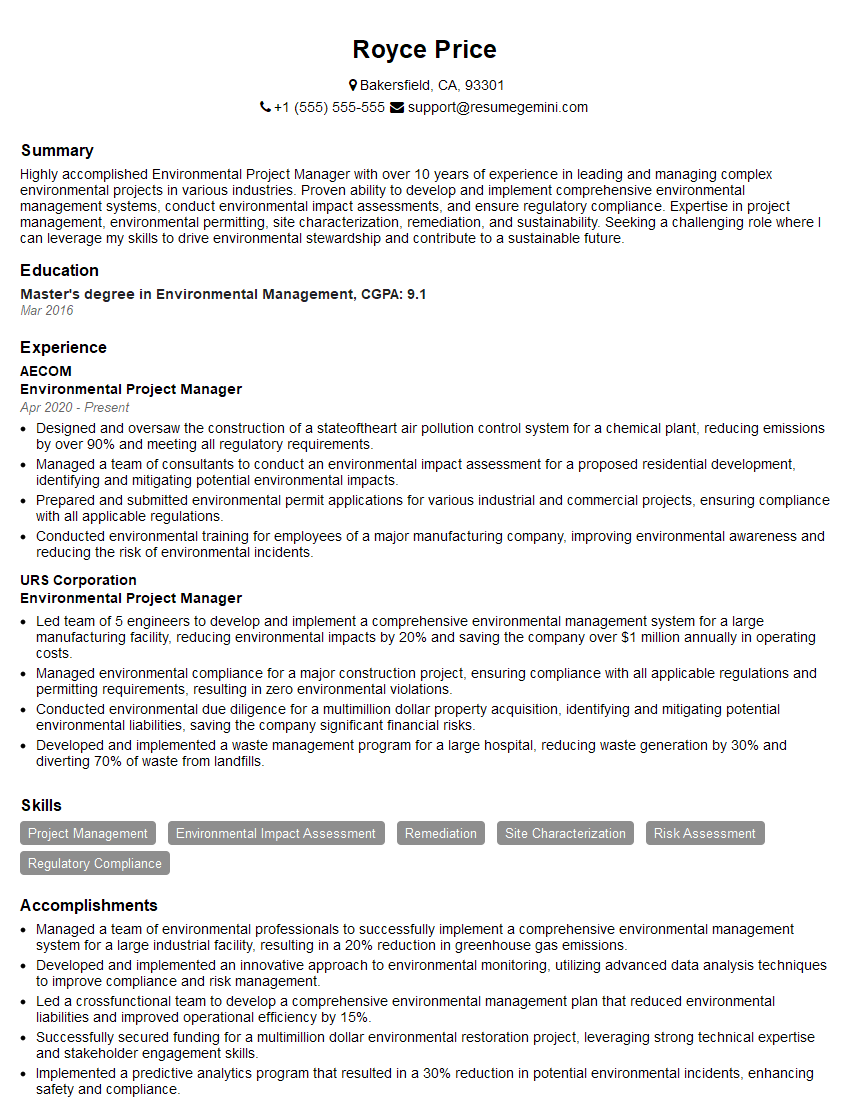
Environmental Project Manager Resume Sample
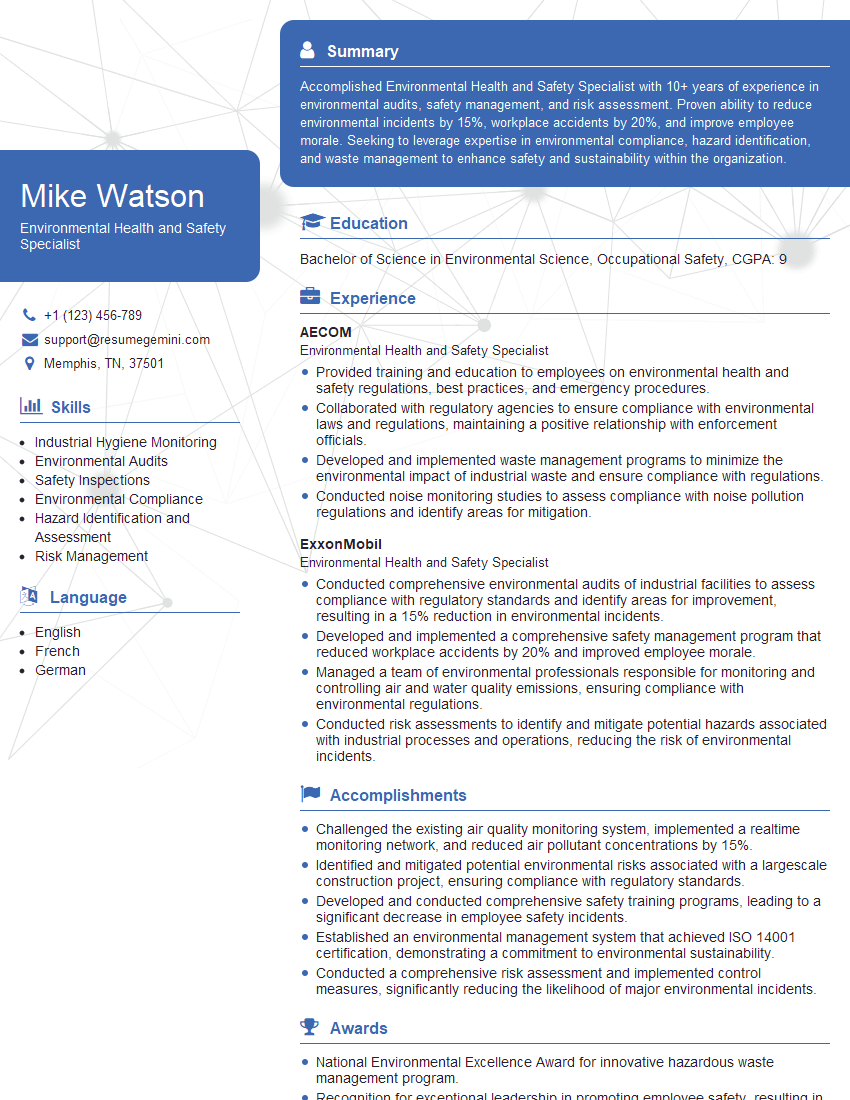
Environmental Health and Safety Specialist Resume Sample
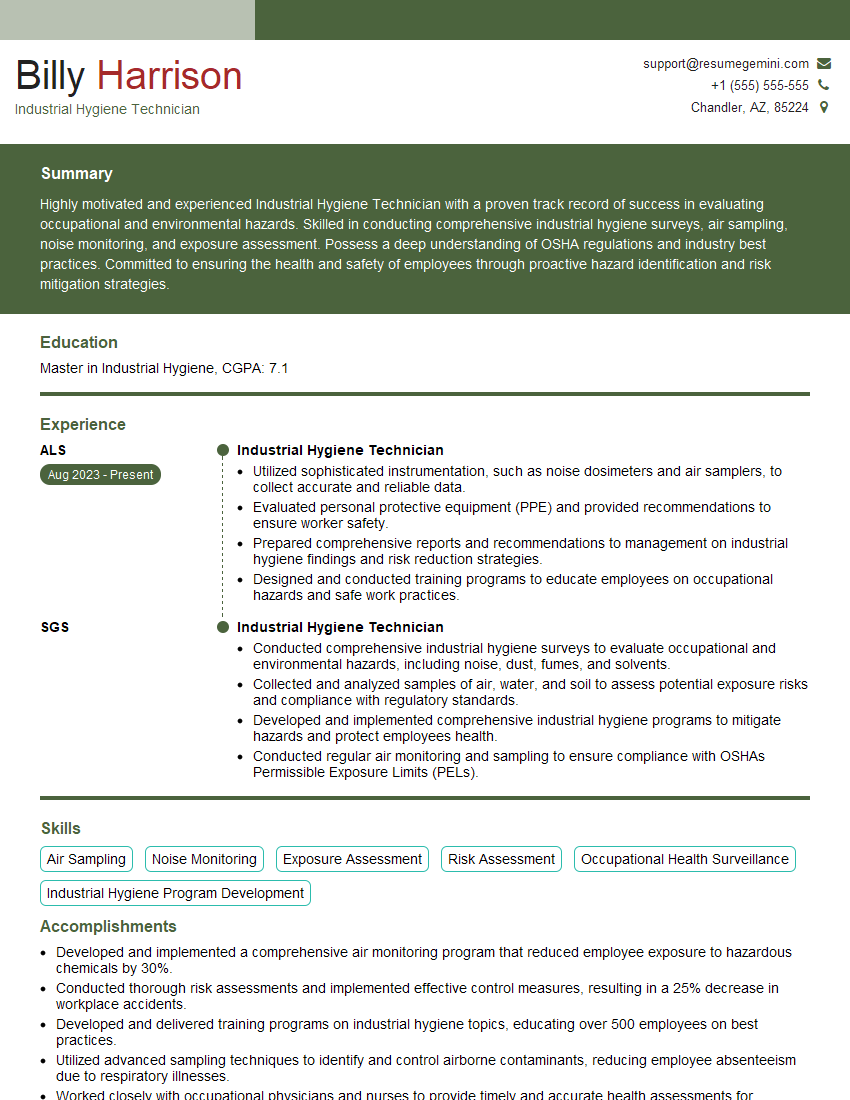
Industrial Hygiene Technician Resume Sample
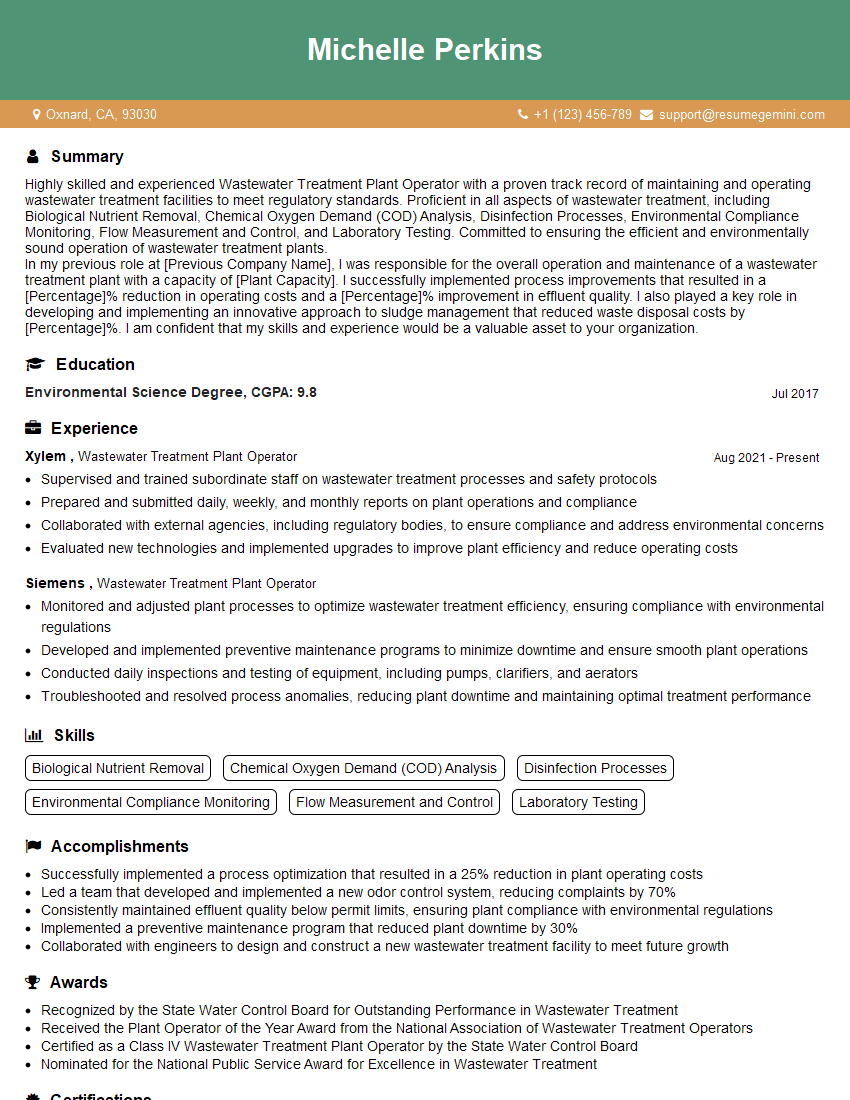
Wastewater Treatment Plant Operator Resume Sample
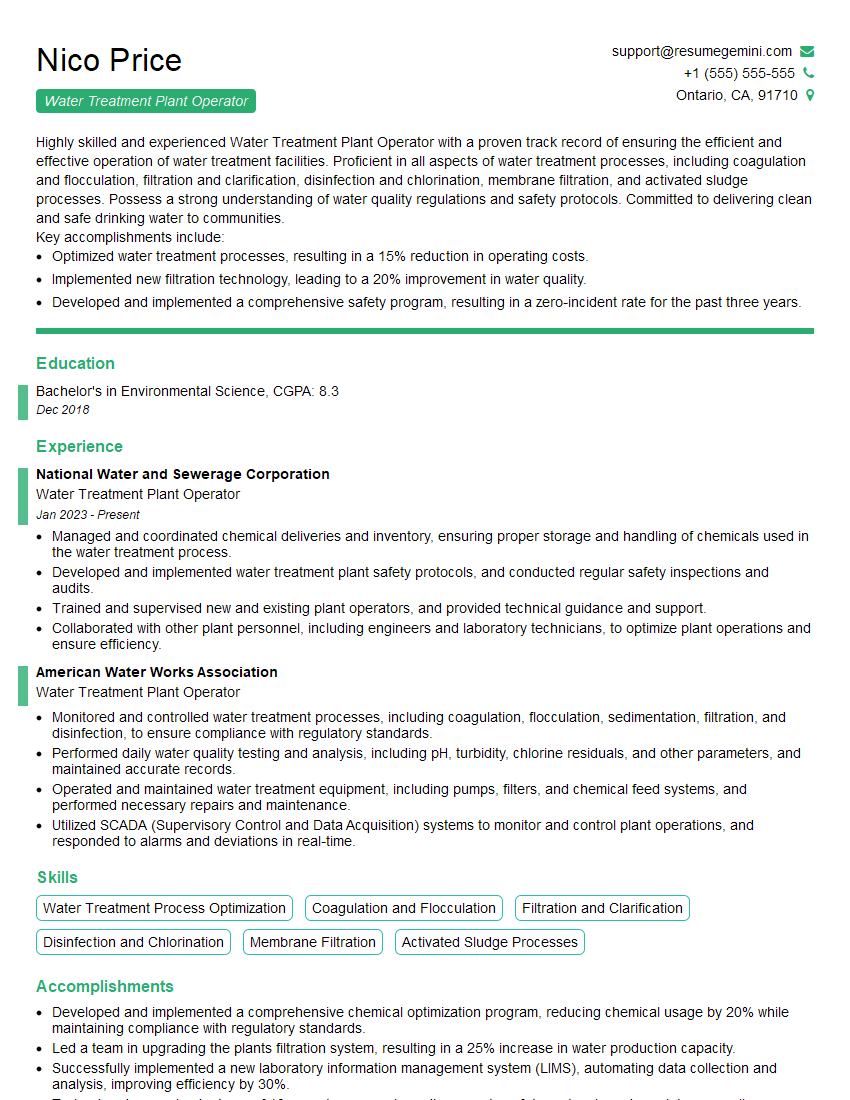
Water Treatment Plant Operator Resume Sample
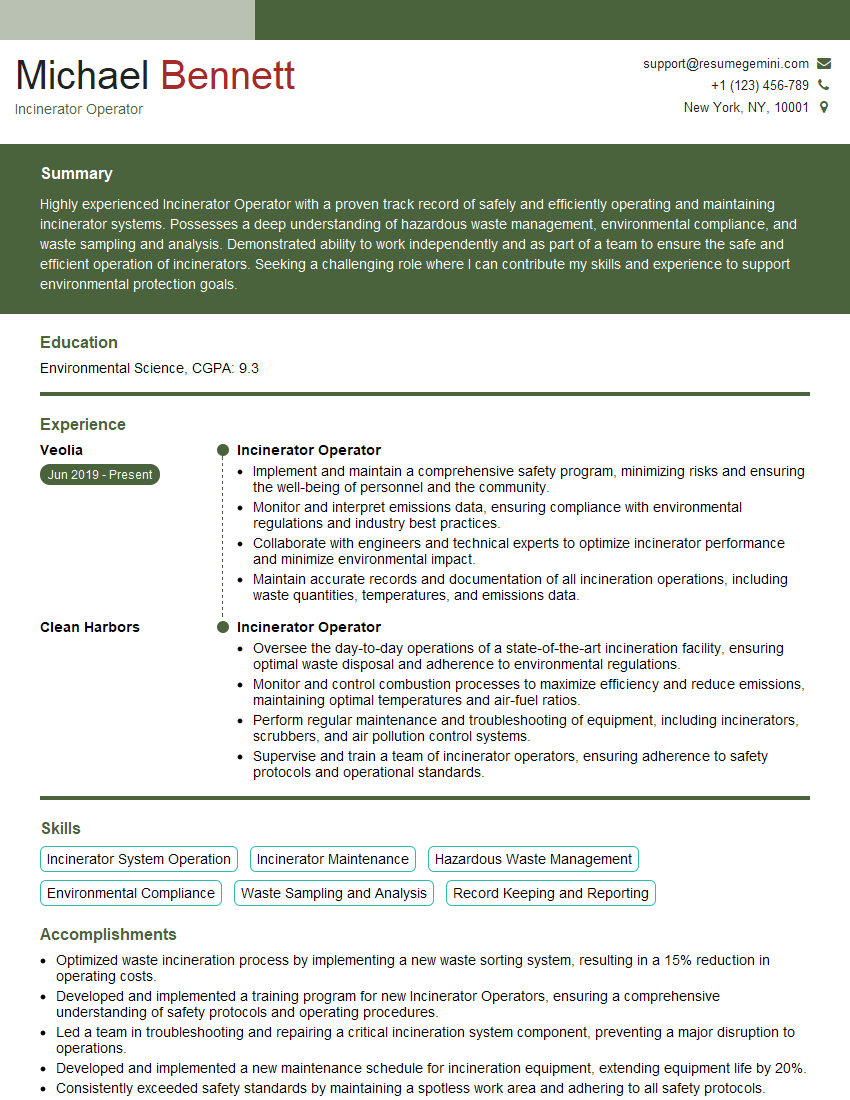
Incinerator Operator Resume Sample
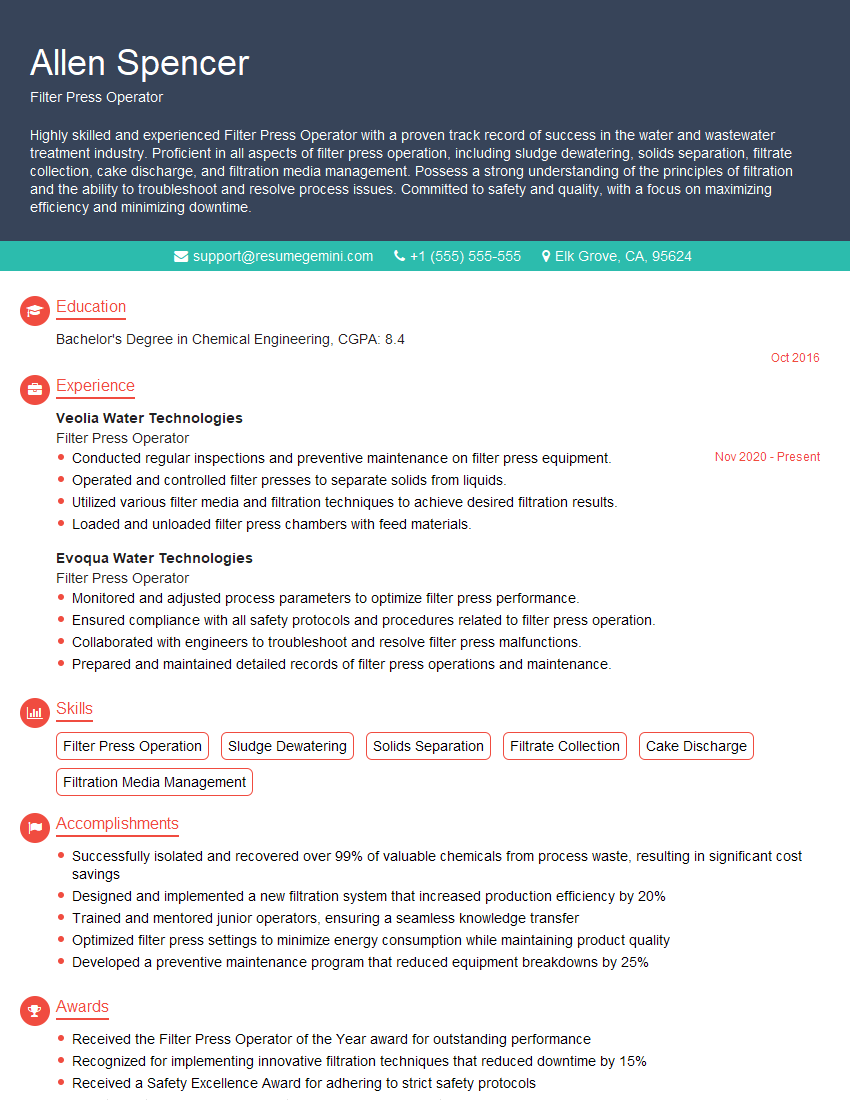
Filter Press Operator Resume Sample
- Sustainability Manager
- Environmental Compliance Officer
- Environmental Specialist
- Environmental Consultant
- Environmental Engineer
- Environmental Project Manager
- Environmental Health and Safety Specialist
- Industrial Hygiene Technician
- Wastewater Treatment Plant Operator
- Water Treatment Plant Operator
- Incinerator Operator
- Filter Press Operator
Explore more articles
Users Rating of Our Blogs
Share Your Experience
We value your feedback! Please rate our content and share your thoughts (optional).
What Readers Say About Our Blog
Very informative content, great job.
good