Unlock your full potential by mastering the most common Operating Forklifts and Other Heavy Machinery interview questions. This blog offers a deep dive into the critical topics, ensuring you’re not only prepared to answer but to excel. With these insights, you’ll approach your interview with clarity and confidence.
Questions Asked in Operating Forklifts and Other Heavy Machinery Interview
Q 1. What are the different types of forklifts and their applications?
Forklifts come in a variety of types, each designed for specific applications. The choice depends heavily on the load capacity, the environment, and the type of material being handled.
- Counterbalance Forklifts: These are the most common type, using counterweights to balance the load. They’re versatile and suitable for various indoor and outdoor applications, from warehousing to construction sites. Think of the classic image of a forklift – that’s likely a counterbalance model.
- Reach Trucks: These are excellent for narrow aisles in warehouses, as they extend the forks to pick up and place pallets. They’re more specialized and crucial for maximizing space utilization in high-density storage.
- Sit-down Rider Forklifts: The operator sits while operating, providing better comfort and control for extended use. Ideal for larger warehouses or manufacturing plants needing efficient material handling over long periods.
- Stand-up Rider Forklifts: These are compact and maneuverable, perfect for smaller spaces or where agility is needed. They’re commonly seen in smaller warehouses or retail environments.
- Order Pickers: Designed for retrieving items from high shelves in warehouses. They elevate the operator to the correct level, enhancing efficiency in order fulfillment processes.
- Electric Forklifts: Powered by batteries, offering quieter operation and reduced emissions, making them ideal for indoor environments and locations with stricter noise regulations. They often require regular battery charging.
- Internal Combustion Engine (ICE) Forklifts: Powered by gasoline, propane, or diesel fuel. They offer longer run times without needing recharging but produce emissions and are generally louder than electric counterparts. Commonly used in outdoor or large warehouse settings.
Choosing the right forklift is critical for operational efficiency and safety. For instance, using a reach truck in a wide open space would be inefficient, while using a counterbalance forklift in a very narrow aisle would be dangerous.
Q 2. Explain the pre-operational checklist for a forklift.
A pre-operational checklist is essential for ensuring the forklift is safe and ready for operation. Skipping this step is extremely dangerous. My checklist always includes:
- Visual Inspection: Check tires for wear and tear, look for any leaks (oil, fuel, hydraulic fluid), inspect the forks for damage or bending, and ensure all lights and safety features (horn, lights, seatbelt) are functioning correctly.
- Fluid Levels: Verify the levels of engine oil, coolant, hydraulic fluid, and fuel are within acceptable ranges. Low fluid levels can lead to mechanical failures.
- Operational Checks: Test the steering, brakes, lift and tilt mechanisms, and horn. Ensure they respond smoothly and efficiently. A sluggish response should be immediately addressed.
- Safety Equipment: Verify that the seatbelt is in good working order and properly secured. Check the condition of any necessary Personal Protective Equipment (PPE) such as safety glasses, gloves, or steel-toe boots.
- Load Capacity Verification: Confirm that the forklift’s rated capacity is sufficient for the intended load. Overloading is a major safety hazard.
- Clear Surroundings: Ensure the area around the forklift is free of obstructions and people before starting operation. Make sure the pathway is clear.
This checklist, performed diligently each time before operation, significantly mitigates the risk of accidents and ensures the safe operation of the forklift.
Q 3. Describe the proper procedures for loading and unloading cargo.
Safe loading and unloading practices are paramount. Improper procedures can lead to serious injury or property damage.
- Assess the Load: Determine the weight and center of gravity of the load. Never exceed the forklift’s rated capacity.
- Position the Forks: Position the forks under the load’s center of gravity, ensuring they are evenly distributed. Using fork extensions improperly can cause instability.
- Lift Smoothly: Lift the load slowly and smoothly, avoiding sudden movements. Observe how the load reacts to lift; if anything is off, stop immediately and reassess.
- Maintain Visibility: Always maintain visibility of the load and surrounding area. Use mirrors if necessary to supplement your vision.
- Safe Placement: Carefully position the load at the designated location, ensuring stability and preventing damage to the cargo or surroundings.
- Lower Carefully: Lower the load gently and smoothly, avoiding sudden drops which could damage the goods.
- Check Stability: After unloading, ensure the load is stable and won’t shift or fall.
For example, when loading pallets, ensure they are properly stacked and secured before lifting. Never attempt to load unstable or unevenly distributed cargo.
Q 4. How do you ensure the safety of pedestrians and other equipment while operating a forklift?
Pedestrian and equipment safety is a top priority. Several strategies ensure a safe working environment:
- Use Horns and Lights: Always use the horn to warn pedestrians of your presence, especially in areas with limited visibility. Use headlights and warning lights to increase visibility.
- Maintain Safe Distances: Maintain a safe distance from other equipment and pedestrians, allowing ample space for maneuvering.
- Designated Routes: Utilize designated pathways and avoid unnecessary movements that could create hazards. Adhering to marked routes for forklifts and pedestrians separates traffic streams.
- Slow Speeds: Maintain slow speeds, especially in crowded areas or when approaching intersections. Speed increases the severity of potential accidents.
- Use Spotters: For difficult maneuvers or in areas with limited visibility, use a spotter to guide you and ensure pedestrian safety. A second pair of eyes can help identify unseen obstacles.
- Communication: Communicate with other workers in advance to coordinate your movements. This includes verbal communication as well as non-verbal methods like hand signals.
- Training: Ensuring everyone on site understands basic forklift safety procedures is paramount.
For instance, I always sound my horn before approaching blind corners or intersections, and I reduce my speed when passing pedestrians, even if they appear to be giving me a wide berth.
Q 5. What are the common causes of forklift accidents and how can they be prevented?
Forklift accidents commonly stem from several preventable causes:
- Operator Error: This is the leading cause, including speeding, improper loading, failing to follow safety procedures, and inadequate training.
- Mechanical Failure: Malfunctioning brakes, steering, or other components can lead to accidents. Regular maintenance and inspection are vital.
- Poor Maintenance: Lack of regular maintenance contributes to mechanical failures. A properly maintained forklift has less chance of unexpected malfunction.
- Environmental Hazards: Uneven terrain, slippery surfaces, and poor lighting increase accident risks.
- Inadequate Training: Operators lacking sufficient training are more likely to make mistakes. Thorough training is essential.
- Overloading: Exceeding the forklift’s weight capacity dramatically increases instability and risks tipping.
Prevention involves comprehensive training, regular maintenance, and adherence to established safety procedures. Strict adherence to safe operating limits, such as speed limits and load capacity, is paramount.
Q 6. Describe your experience with different types of attachments for forklifts.
My experience includes working with various forklift attachments, each enhancing the forklift’s capabilities for specific tasks:
- Side Shifters: These allow lateral movement of the forks, enabling precise placement of loads, particularly useful when positioning pallets in tight spaces.
- Clamp Attachments: Used for handling various materials such as paper rolls, lumber, or concrete blocks, which cannot be lifted with standard forks.
- Rotating Fork Mounts: These allow for rotation of the forks, enabling improved placement and handling of materials in awkward positions.
- Carriage Attachments: These extend the range of the forks, enabling lifting from higher locations.
- Fork Extensions: These allow handling of longer items exceeding the standard fork length, but one must always ensure the stability of the load.
- Bucket Attachments: Useful for transporting loose materials such as gravel, sand, or dirt. They increase the versatility of the equipment.
The selection of the appropriate attachment is dictated by the type of material being handled and the specific task requirements. Using the wrong attachment can be dangerous and inefficient.
Q 7. How do you handle different types of terrain or surfaces while operating a forklift?
Handling diverse terrains requires careful adjustments in operating techniques:
- Uneven Terrain: Reduce speed and carefully maneuver the forklift to avoid tipping. Always maintain a slow speed, and observe the terrain very carefully for any significant drops or bumps.
- Slippery Surfaces: Reduce speed significantly and avoid sudden movements. Drive slowly and smoothly to maintain control. Be especially careful on wet surfaces or in icy conditions.
- Inclines and Declines: Approach inclines and declines slowly and carefully. Ensure the load is properly secured and avoid sharp turns.
- Soft Ground: Avoid driving on soft or uneven ground as the forklift can get stuck, or risk damage to tires.
- Obstacles: Avoid driving over obstacles, and plan your route to avoid them. Maintain extra caution when navigating around obstacles.
Appropriate adjustments are critical for maintaining stability and safety. For example, on a steep incline, I will always approach it slowly, facing uphill, and ensure the load is positioned to maintain balance. I will avoid sharp turns or sudden movements that could affect stability.
Q 8. What is your experience with load capacity and weight distribution?
Understanding load capacity and weight distribution is fundamental to safe and efficient forklift operation. Load capacity refers to the maximum weight a forklift can lift safely, specified by the manufacturer and clearly marked on the forklift’s data plate. Weight distribution involves ensuring the load’s center of gravity is balanced to prevent tipping. Think of it like balancing a seesaw – if the weight is too far to one side, it’ll tip over.
For example, if I’m lifting a pallet of bricks, I need to ensure the pallet is evenly loaded and the forks are positioned correctly to maintain a balanced center of gravity. Incorrect weight distribution can lead to instability, causing the forklift to tip over, potentially resulting in serious injury or damage. I always visually inspect loads before lifting and, when necessary, adjust the load to ensure proper weight distribution.
In my previous role, I successfully handled various loads with varying weight distributions, always prioritizing safety and adhering to manufacturer guidelines. I’ve become adept at quickly assessing a load and determining the safest and most efficient way to lift and transport it, even with unevenly distributed weights, always using the proper lifting techniques and counterbalance.
Q 9. Explain your understanding of forklift maintenance and safety inspections.
Forklift maintenance and safety inspections are crucial for preventing accidents and ensuring optimal performance. My experience encompasses a comprehensive approach, covering daily, weekly, and monthly checks. Daily inspections focus on fluid levels (hydraulic fluid, engine oil), tire pressure, and overall condition of the forklift. Weekly checks delve into more in-depth components like brakes, lights, and horn functionality. Monthly inspections typically include a thorough review of the mast, chains, and hydraulic system.
During these inspections, I meticulously check for any signs of damage, leaks, or wear and tear. I also ensure that all safety features, such as the seatbelt, horn, and lights, are in perfect working order. Any issues are documented and reported immediately, preventing potential problems from escalating. Think of it like a doctor’s checkup; regular maintenance prevents larger problems down the road. I am also proficient in performing minor maintenance tasks, like changing fluids and lubricating components, but for major repairs, I always call in qualified mechanics.
For instance, in a previous role, I identified a cracked hydraulic line during a routine inspection. Had this been ignored, it could have led to a hydraulic failure during operation, causing a potentially hazardous situation. My prompt reporting allowed for timely repair, preventing any accidents.
Q 10. How do you troubleshoot common forklift malfunctions?
Troubleshooting common forklift malfunctions requires a systematic approach. I start by identifying the problem – is the engine not starting? Are the hydraulics failing? Is there a problem with the steering? Then, I use a combination of diagnostic tools and my experience to isolate the root cause.
For example, if the forklift won’t start, I’ll first check the battery, ensuring it’s properly charged and connected. If the issue persists, I’ll check the fuel system, looking for clogged filters or fuel starvation. Similarly, if the hydraulics are malfunctioning, I might check for leaks or low fluid levels. I’m also trained to interpret warning lights and error codes, allowing me to pinpoint the problem efficiently.
My experience includes handling various malfunctions, ranging from simple electrical issues to more complex hydraulic problems. I’ve developed a troubleshooting process that involves carefully observing the problem, systematically checking components, and documenting findings. I always prioritize safety during troubleshooting and, when necessary, seek expert assistance for complex repairs.
Q 11. What is your experience with different types of heavy machinery (e.g., excavators, cranes)?
Beyond forklifts, I have experience operating several types of heavy machinery, including excavators and cranes. My experience with excavators focuses on their use in earthmoving and excavation projects, involving careful maneuvering in varied terrains and precise control of the excavator’s arm and bucket. I understand the importance of safe digging practices and avoiding underground utilities.
With cranes, my experience involves working with different types of cranes – tower cranes, mobile cranes, and overhead cranes – which require understanding load charts, weight limits, and proper rigging techniques. Safety is paramount when operating these machines; ensuring appropriate load distribution, appropriate signaling, and following all safety protocols is critical.
This broader experience complements my forklift skills, providing me with a holistic understanding of heavy machinery operation, safety protocols, and best practices. I understand the similarities and differences between the machines and can adjust my operating style accordingly. For instance, I recognize the importance of understanding the blind spots associated with each type of equipment, a crucial aspect for overall workplace safety.
Q 12. Describe your experience with operating heavy machinery in confined spaces.
Operating heavy machinery in confined spaces demands extra caution and precision. The reduced maneuverability and increased risk of collisions require a heightened sense of awareness. Before entering a confined space, I assess the environment, identifying potential obstacles, ensuring sufficient clearance for the machine, and identifying escape routes if needed.
I utilize slow, controlled movements, minimizing jerky actions that could lead to collisions. My experience includes navigating narrow aisles, working in close proximity to other equipment or structures, and operating within limited visibility conditions. I often rely on spotters or utilize cameras to ensure my vision is not obstructed.
For example, in one instance, I had to maneuver a forklift through a narrow warehouse aisle while handling a large load. By utilizing precise control and keeping a constant visual scan of my surroundings, I successfully completed the task without incident. Maintaining a high level of concentration and awareness of surroundings is crucial when operating in restricted areas.
Q 13. How do you ensure the stability of loads during transportation?
Ensuring load stability during transportation involves several key steps. First, I always visually inspect the load to ensure it’s properly secured and balanced. Uneven loads need to be addressed before lifting. I use appropriate load-securing devices such as straps, chains, or nets, depending on the type and nature of the load.
Properly positioning the forks is crucial. I ensure the forks are fully inserted into the load, distributing the weight evenly across the forks. I also avoid overloading the forklift, always adhering to the manufacturer’s load capacity specifications. Slow, controlled movements during transportation are essential, and I adjust my speed based on the terrain and the load’s characteristics.
I also consider the environmental conditions, such as weather and ground conditions, which could impact load stability. For example, in adverse weather, I might reduce my speed and take extra precautions to prevent any shifting or instability. Safety is always my primary consideration, and careful planning and execution are paramount in ensuring safe load transportation.
Q 14. What are the regulations and safety standards related to operating forklifts and heavy machinery?
Regulations and safety standards governing the operation of forklifts and heavy machinery vary by jurisdiction but generally encompass several key areas. These typically include operator licensing requirements, mandatory safety training, pre-operational inspections, and adherence to specific operational procedures.
Regulations often address aspects such as load capacity limits, safe operating speeds, and the use of personal protective equipment (PPE), such as safety glasses, gloves, and steel-toed boots. Specific standards often cover aspects like load securing, emergency procedures, and safe working practices around other personnel or machinery.
Staying updated on these regulations and adhering strictly to the safety standards is crucial for preventing accidents and ensuring a safe working environment. I regularly review safety protocols, participate in safety training sessions, and maintain current knowledge of any changes in regulations to ensure I maintain the highest levels of competency and safety standards. I am also well-versed in OSHA standards relating to workplace safety, a critical component of my approach to operating heavy machinery.
Q 15. Explain your experience with operating heavy machinery in various weather conditions.
Operating heavy machinery in diverse weather conditions requires adaptability and a strong understanding of safety protocols. My experience spans from scorching summer heat to freezing winter conditions, including heavy rain and snow. I’ve learned to adjust operating techniques based on the weather. For example, in rain or snow, reduced visibility necessitates slower speeds, increased following distances, and the use of extra caution when navigating corners or inclines. In extreme heat, regular hydration breaks are crucial to prevent heatstroke, and I pay close attention to potential overheating of the equipment itself. In snowy conditions, I’ve used chains on forklift tires to maintain traction and avoided operating on icy patches. I’m proficient in using all necessary safety equipment including high-visibility clothing and specialized footwear, adapted for the prevailing conditions. One specific incident I recall involved operating a telehandler in heavy snowfall. I slowed my speed considerably and carefully navigated the slippery terrain to safely deliver materials without any incident.
Career Expert Tips:
- Ace those interviews! Prepare effectively by reviewing the Top 50 Most Common Interview Questions on ResumeGemini.
- Navigate your job search with confidence! Explore a wide range of Career Tips on ResumeGemini. Learn about common challenges and recommendations to overcome them.
- Craft the perfect resume! Master the Art of Resume Writing with ResumeGemini’s guide. Showcase your unique qualifications and achievements effectively.
- Don’t miss out on holiday savings! Build your dream resume with ResumeGemini’s ATS optimized templates.
Q 16. How do you handle emergency situations while operating heavy machinery?
Handling emergencies while operating heavy machinery is paramount. My response protocol is rooted in a systematic approach: Assess, Act, Report. Assess the situation quickly and calmly; identify the hazard and its potential impact. Act decisively and safely to mitigate the immediate danger – this might involve bringing the machine to a complete stop, activating emergency brakes, or initiating evacuation procedures, depending on the circumstances. Report the incident to the relevant supervisor immediately, providing detailed information about what happened, any injuries or damages, and the steps taken. For instance, if I experienced a hydraulic failure, I’d immediately stop the machine, engage the parking brake, and then contact my supervisor and maintenance personnel. I’ve completed specialized training in emergency response procedures, including fire safety and first aid, which equips me to handle various scenarios effectively. My experience has taught me that prompt and correct action in an emergency minimizes risks and prevents escalation.
Q 17. Describe your experience working with load securing techniques.
Secure load handling is non-negotiable. My experience includes using various techniques such as chains, straps, and nets, selecting the appropriate method based on the load’s size, weight, and characteristics. I’m adept at calculating the correct number of securing points and tensioning them to prevent shifting during transportation. I’m familiar with relevant safety standards and regulations ensuring the load is properly balanced and secured to prevent accidents. For example, when transporting long steel beams, I use multiple chains strategically placed to distribute the weight and prevent bending or swaying. I always double-check the security of the load before moving and regularly inspect the securing equipment for wear and tear. I also understand the importance of documenting load securing procedures, ensuring compliance and traceability.
Q 18. What is your experience with different types of fuel systems for heavy machinery?
My experience encompasses various fuel systems common in heavy machinery, including diesel, gasoline, and propane-powered engines. I understand the procedures for refueling each type, including the importance of using the correct fuel and avoiding cross-contamination. I am familiar with routine maintenance checks related to fuel systems, such as inspecting fuel filters, checking fuel lines for leaks, and maintaining proper fuel levels. I understand the environmental implications of fuel usage and practice safe handling to prevent spills and reduce emissions. For example, I know the procedure for safely refueling a diesel forklift, including grounding to prevent static electricity build-up. I also understand how to identify and troubleshoot common fuel-related issues, such as clogged fuel filters or fuel injector problems.
Q 19. How do you maintain accurate records related to equipment usage and maintenance?
Maintaining accurate records is fundamental to responsible equipment operation. I utilize digital and physical logs to track equipment usage, including operational hours, maintenance performed, and any repairs or incidents. This includes detailed information about fuel consumption, work completed, and any issues encountered. This data is crucial for maintenance scheduling, cost analysis, and identifying potential problems early on. I’m also proficient in using various computerized maintenance management systems (CMMS) for logging data and generating reports. My approach prioritizes accuracy and thoroughness, ensuring all entries are clearly documented and readily available for review. A detailed log helps identify patterns, predict potential failures, and optimize maintenance schedules, ultimately increasing equipment lifespan and reducing downtime.
Q 20. Describe your experience with using load charts and capacity calculations.
Load charts and capacity calculations are critical for safe operation. I consistently refer to load charts before lifting or moving any load to confirm that the equipment is suitable for the task and that the load is within its operational limits. This involves accurately assessing the weight and center of gravity of the load to avoid overloading the machine. I understand the implications of exceeding weight limits and the potential for structural damage or accidents. For example, before lifting a pallet of bricks, I’d carefully determine its weight, center of gravity, and ensure the forklift’s capacity is sufficient. If the load is beyond the machine’s capacity, I won’t attempt to lift it and will seek alternative solutions. I meticulously follow these procedures to maintain safety and prevent costly equipment damage.
Q 21. What is your familiarity with different types of brakes and braking systems?
My familiarity with braking systems extends to various types, including hydraulic, pneumatic, and electric braking systems. I understand how these systems work, the importance of regular inspection and maintenance, and the potential consequences of brake failure. I know how to perform basic brake checks, identify worn brake components, and recognize signs of brake issues such as unusual noises or reduced braking effectiveness. In emergency situations, I’m trained to use emergency brakes effectively to prevent accidents. For example, I’m aware of the differences in braking distances and response times between different types of braking systems and adjust my operating style accordingly. Regularly inspecting brake pads and fluid levels, and reporting any issues immediately, is an essential part of my operational routine.
Q 22. How do you ensure the proper functioning of hydraulic systems in heavy machinery?
Maintaining a heavy machinery hydraulic system involves regular inspections and preventative maintenance. Think of it like your car’s engine – regular checks prevent major breakdowns.
- Fluid Level and Condition: Regularly check the hydraulic fluid level and its condition. Dirty or low fluid can lead to component wear and failure. We should look for discoloration, unusual smell, or the presence of contaminants.
- Leak Detection: Leaks are a common problem. Regular visual inspections for leaks around hoses, fittings, and cylinders are critical. Even small leaks can lead to significant fluid loss and system failure.
- Filter Maintenance: Hydraulic filters remove contaminants from the fluid. Regularly replace or clean filters according to the manufacturer’s recommendations. A clogged filter can restrict fluid flow and damage components.
- Pressure Checks: Using a pressure gauge, we periodically check the system pressure to ensure it’s within the manufacturer’s specifications. High or low pressure indicates a potential problem.
- Component Inspection: Regular visual inspections of hydraulic components, such as pumps, valves, and cylinders, are essential for detecting wear, damage, or leaks. Any signs of wear should be addressed immediately.
For example, during a recent inspection, I discovered a small leak in a hydraulic hose on a forklift. I immediately reported it and had it replaced, preventing a larger, more costly repair down the line. This proactive approach saved time and potential damage to the forklift.
Q 23. Explain your understanding of different types of tires and their applications.
Tire selection for heavy machinery is crucial for safety, performance, and operational efficiency. Different terrains and applications require different tire types.
- Pneumatic Tires: These are filled with air, providing a smooth ride and good cushioning. They are suitable for smooth surfaces and offer good traction. However, they are prone to punctures and require regular pressure checks.
- Solid Tires: These are made of solid rubber and are puncture-proof. They are ideal for rough terrains and applications where punctures are a major concern, such as construction sites. However, they offer a harsher ride and less cushioning.
- Cushion Tires: These are a hybrid, offering some cushioning properties without the puncture vulnerability of pneumatic tires. They’re a good compromise between comfort and durability.
For example, a forklift working indoors on smooth concrete floors would typically use pneumatic tires for their comfort and good traction. A rough terrain loader operating on construction sites, however, would benefit from solid tires for their durability and resistance to punctures.
Q 24. How do you handle situations involving damaged or faulty equipment?
When dealing with damaged or faulty equipment, safety is paramount. My approach follows a structured process:
- Immediate Shutdown: If there is a safety concern, immediately shut down the machinery and clear the area.
- Assessment: Carefully assess the extent of the damage, noting all visible defects and any potential hazards.
- Reporting: Report the incident to the supervisor immediately and document the damage thoroughly. This includes photos, notes on the circumstances, and any potential safety risks.
- Securing the Area: Ensure the area surrounding the damaged equipment is secure, using cones or barriers to prevent unauthorized access or accidental injury.
- Repair or Replacement: Following established procedures, we initiate the repair or replacement process. This may involve contacting a qualified mechanic or requesting a replacement unit.
In one instance, I noticed a crack in the forklift’s mast. I immediately shut it down, reported it, and placed caution tape around it, preventing further potential damage or accidents until the necessary repairs were made.
Q 25. Describe your experience with using hand signals for communication during operations.
Hand signals are essential for clear communication in environments with significant noise levels, like construction sites or warehouse settings. Using standardized hand signals is crucial for preventing misunderstandings and accidents.
I am proficient in using and interpreting standard hand signals for heavy machinery operations. These include signals for moving forward, backward, stopping, turning, lifting, lowering, and indicating the direction of movement. I have practiced these signals extensively and consistently use them during all operations.
For instance, before lifting a pallet, I would use the appropriate hand signals to verify the position of workers and ensure they are clear of the area before proceeding with the lift, ensuring everyone’s safety.
Q 26. What are your experience and training certifications related to operating forklifts and heavy equipment?
I possess a valid forklift operator’s license and certifications for operating various types of heavy equipment, including [List specific certifications, e.g., telehandlers, skid steers, excavators]. My training included both theoretical instruction covering safety regulations, operation procedures, and maintenance, as well as extensive hands-on experience in a controlled environment under the supervision of experienced instructors.
My training covered pre-operational checks, safe operation techniques, emergency procedures, and load stability calculations. I regularly refresh my knowledge and skills through continuing education programs and company-provided training sessions to maintain my competency.
Q 27. How do you stay up-to-date with the latest safety regulations and best practices?
Staying up-to-date on safety regulations and best practices is crucial in this industry. I utilize several methods:
- Regular Training: I participate in regular safety training sessions and workshops provided by my employer and industry organizations.
- Industry Publications: I read industry publications and journals to keep abreast of the latest safety information and technological advancements.
- Online Resources: I utilize online resources and government websites to access the most current safety standards and regulations.
- Manufacturer Manuals: I always consult the manufacturer’s manuals for specific equipment operation and safety procedures.
- Peer Collaboration: I actively participate in discussions with colleagues and experts to share best practices and learn from their experiences.
This ongoing commitment ensures I’m always working safely and efficiently, in accordance with the most current guidelines.
Q 28. Describe a time you had to solve a problem while operating heavy machinery.
During a warehouse operation, a pallet became unexpectedly unstable and started to tilt while I was lifting it with the forklift. This was a potentially dangerous situation, as the falling pallet could have caused damage and injury.
My immediate reaction was to slowly lower the pallet, taking care to maintain control and avoid any sudden movements. Then, I carefully re-evaluated the pallet’s stability by readjusting its load and using appropriate securing techniques. I double-checked the load’s weight and distribution before attempting another lift. Through careful and controlled actions, I resolved the problem without incident, emphasizing the importance of careful pre-lift checks and hazard identification.
Key Topics to Learn for Operating Forklifts and Other Heavy Machinery Interview
- Safe Operation Procedures: Understanding and applying safety regulations, pre-operation checks, and emergency procedures for various machinery types.
- Load Handling and Stability: Calculating load weight and distribution, understanding center of gravity principles, and performing safe lifting and maneuvering techniques.
- Equipment Maintenance and Troubleshooting: Recognizing common mechanical issues, performing basic maintenance checks, and reporting malfunctions effectively.
- Warehouse/Yard Management: Understanding efficient space utilization, traffic flow management, and optimizing workflows within a warehouse or outdoor yard environment.
- Forklift Specifics: Mastering different forklift types (e.g., sit-down, stand-up, reach truck), attachments, and their appropriate applications.
- Other Heavy Machinery Operation: Demonstrating knowledge and experience with other relevant heavy machinery (e.g., loaders, excavators, aerial lifts) – depending on the job description.
- Regulations and Compliance: Familiarizing yourself with relevant OSHA or industry-specific regulations and safety standards.
- Problem-Solving and Decision-Making: Describing your approach to resolving operational challenges, prioritizing safety, and making sound judgments under pressure.
Next Steps
Mastering the operation of forklifts and other heavy machinery opens doors to rewarding careers in logistics, warehousing, construction, and more. These skills are highly sought after, offering excellent job security and potential for advancement. To maximize your job prospects, it’s crucial to present your qualifications effectively. Creating an ATS-friendly resume is key to getting your application noticed. ResumeGemini is a trusted resource to help you build a professional and impactful resume that highlights your skills and experience. Examples of resumes tailored to Operating Forklifts and Other Heavy Machinery are available to help you get started.

Crane Operator Resume Sample
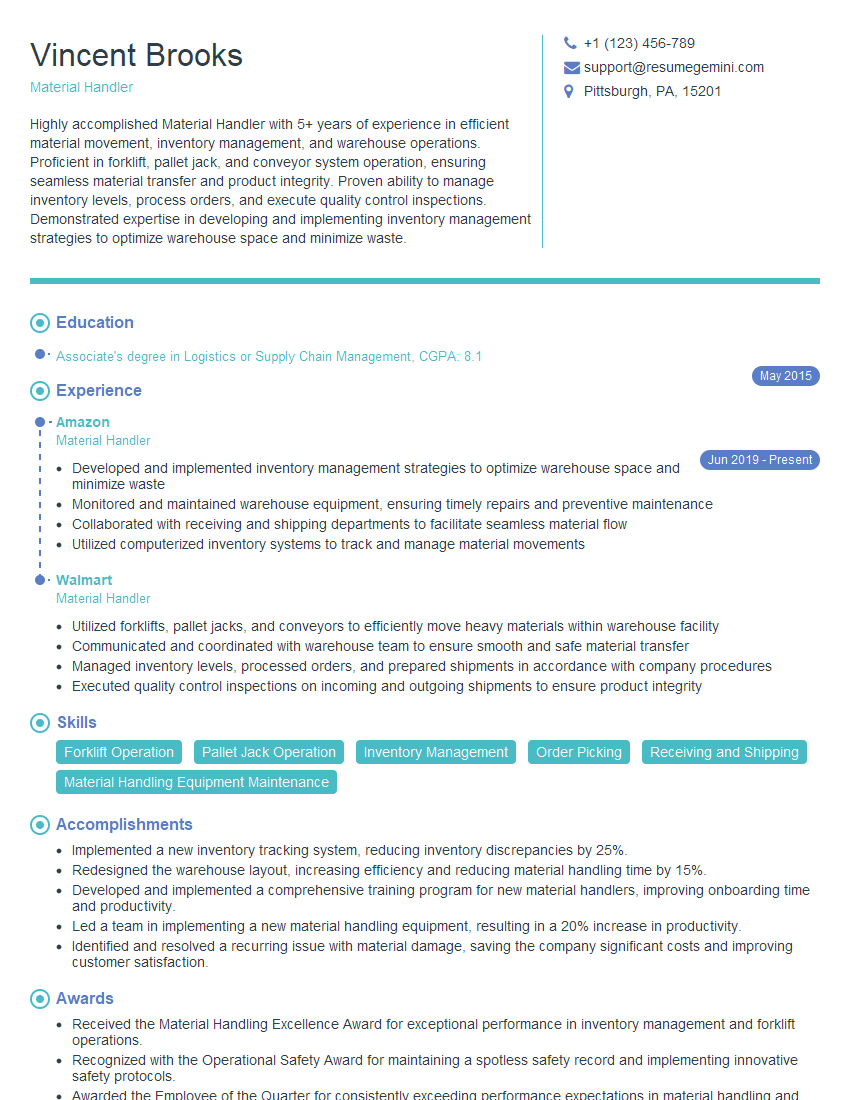
Material Handler Resume Sample
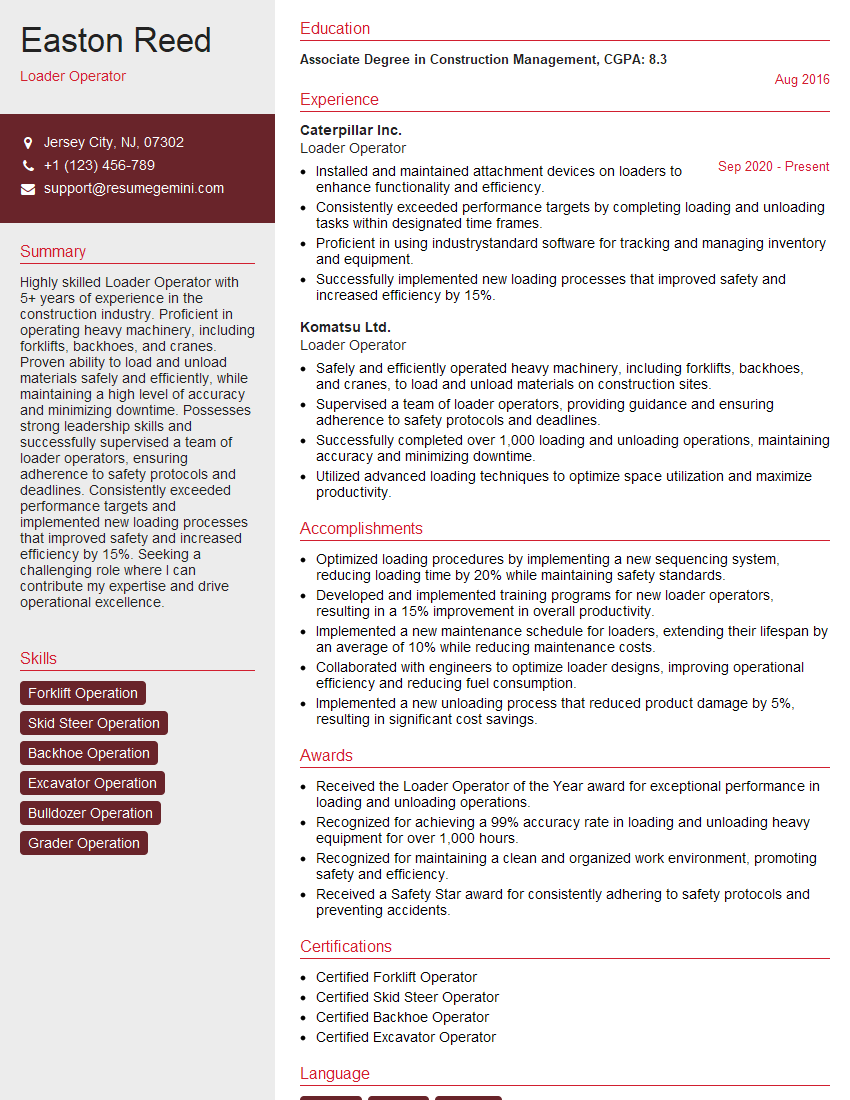
Loader Operator Resume Sample

Heavy Equipment Operator Resume Sample
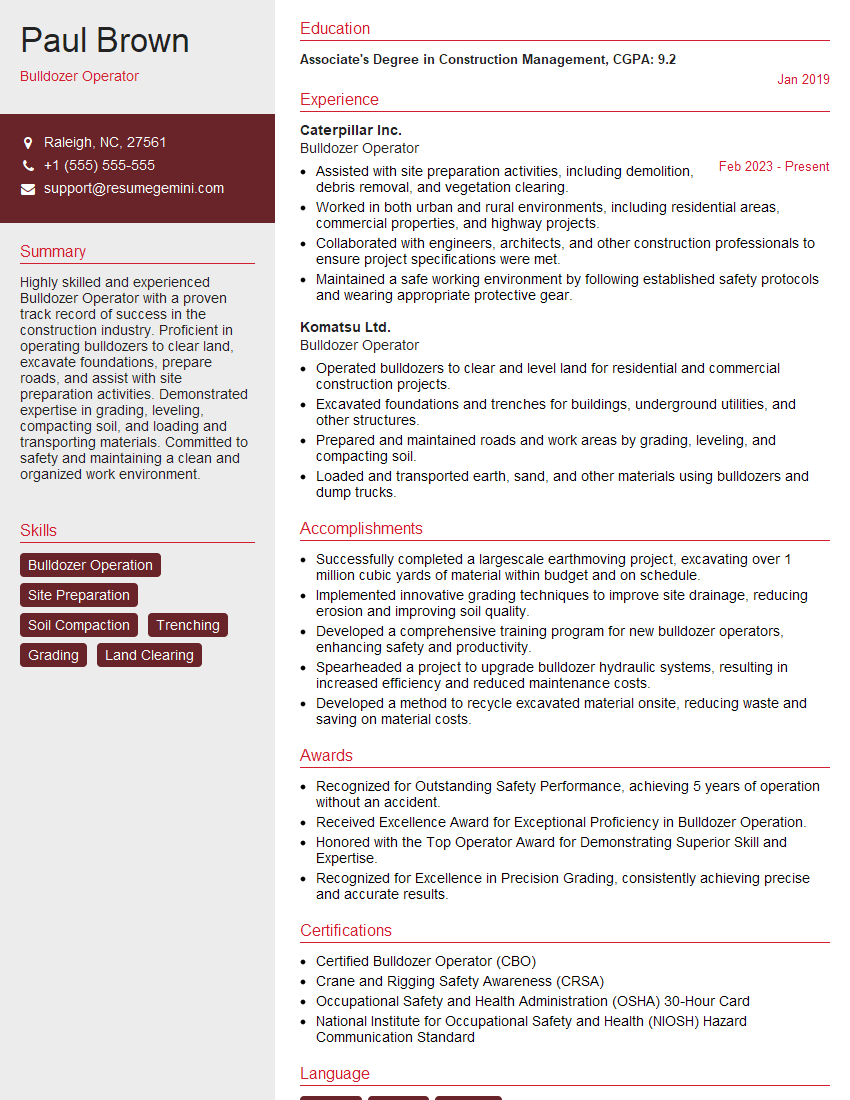
Bulldozer Operator Resume Sample
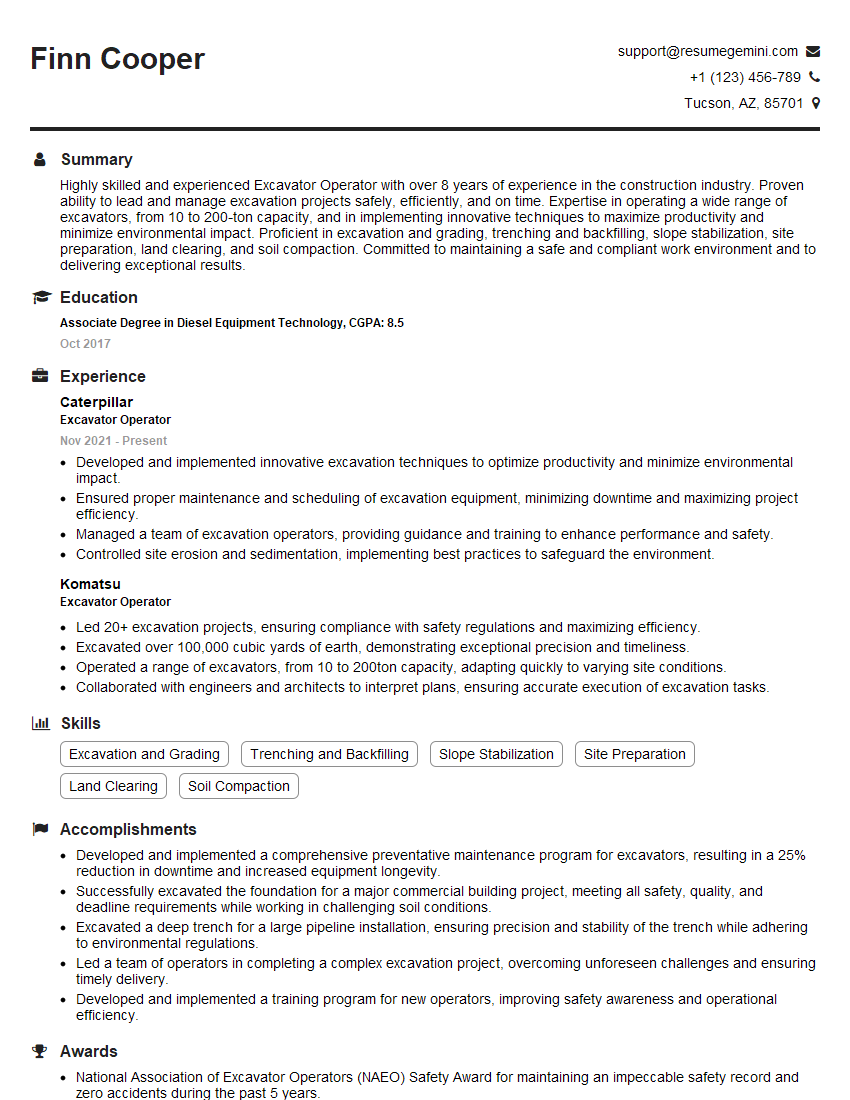
Excavator Operator Resume Sample
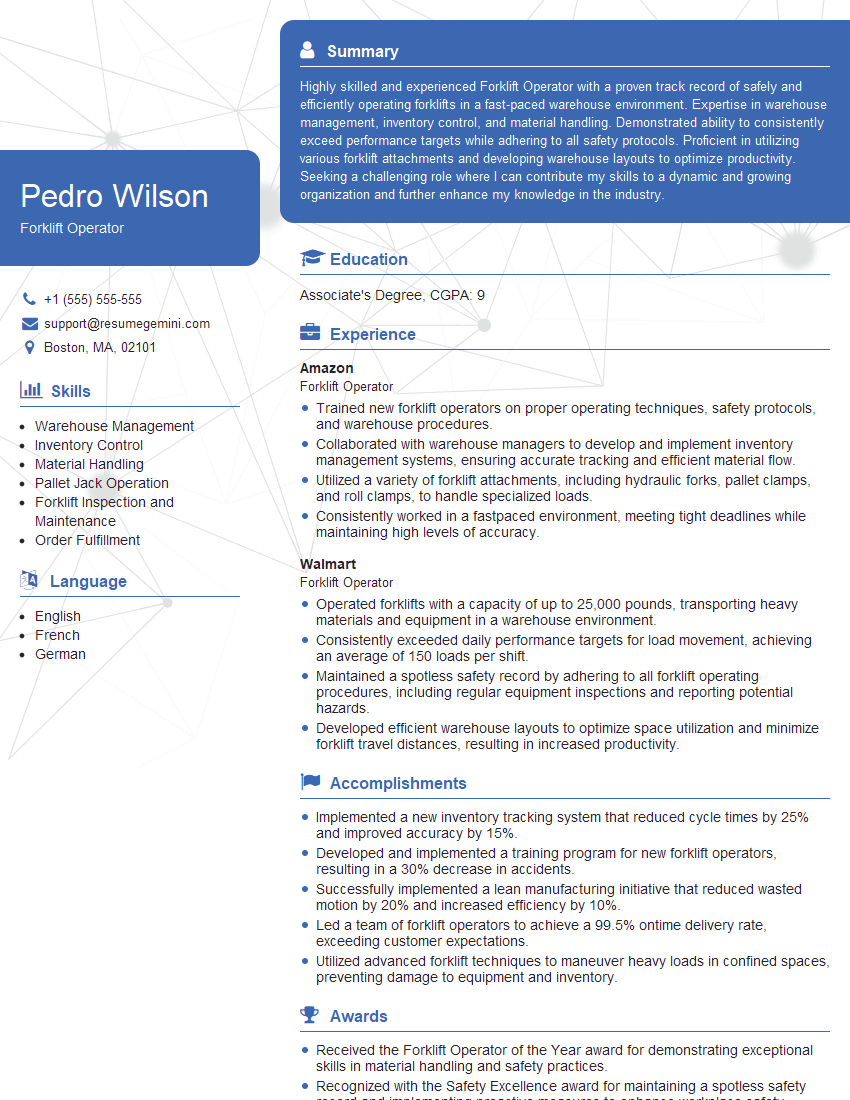
Forklift Operator Resume Sample
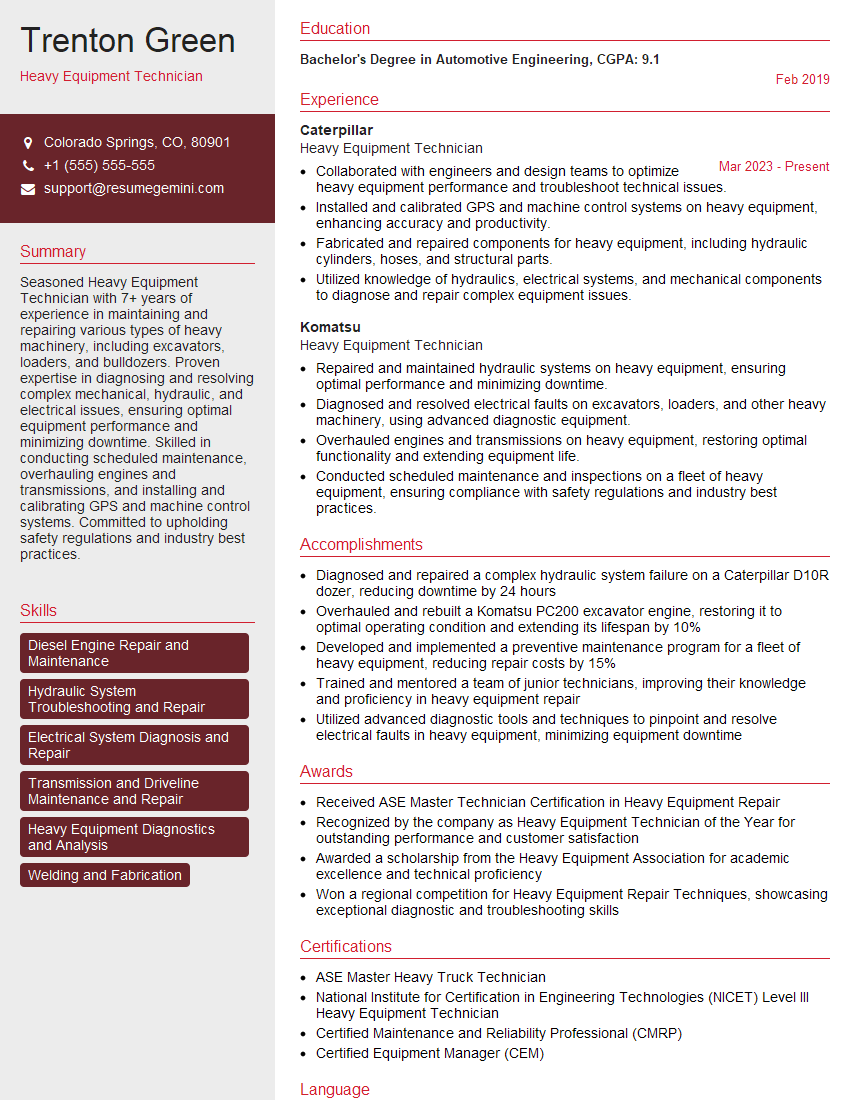
Heavy Equipment Technician Resume Sample
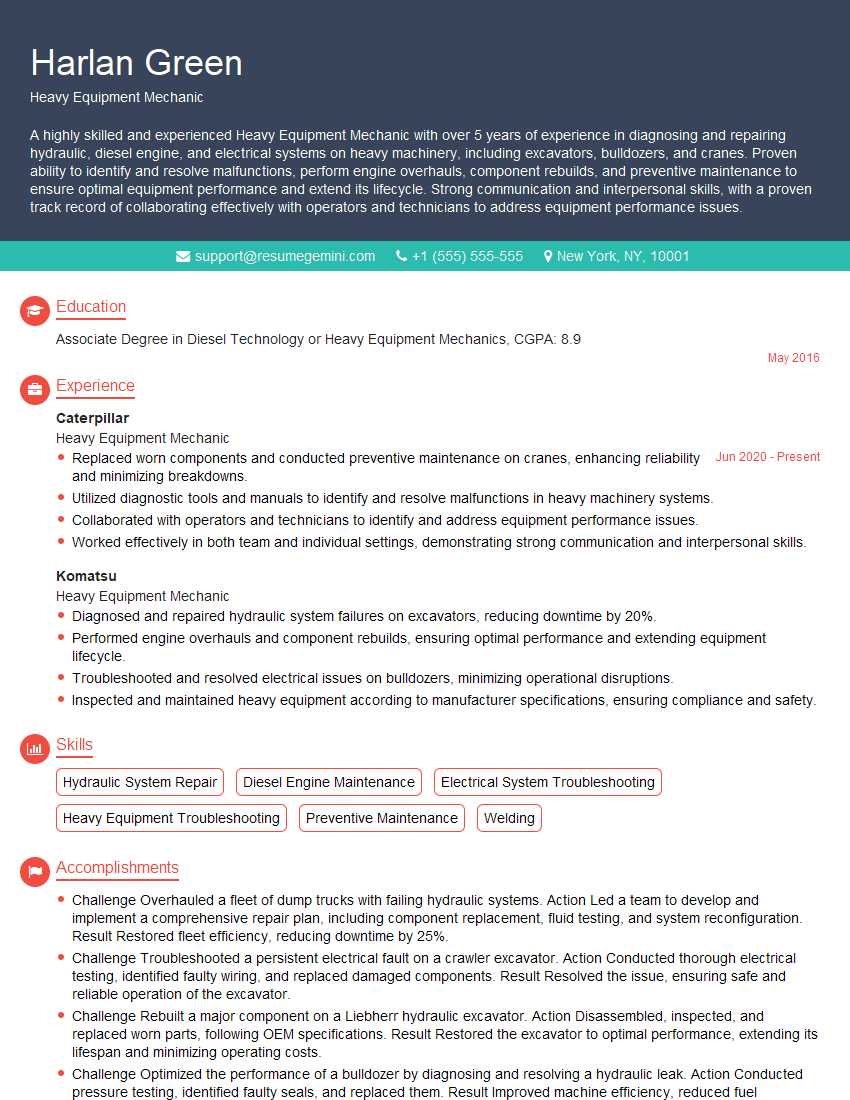
Heavy Equipment Mechanic Resume Sample
Explore more articles
Users Rating of Our Blogs
Share Your Experience
We value your feedback! Please rate our content and share your thoughts (optional).
What Readers Say About Our Blog
Very informative content, great job.
good