Preparation is the key to success in any interview. In this post, we’ll explore crucial Working in wet and muddy conditions interview questions and equip you with strategies to craft impactful answers. Whether you’re a beginner or a pro, these tips will elevate your preparation.
Questions Asked in Working in wet and muddy conditions Interview
Q 1. Describe your experience working in wet and muddy conditions.
My experience working in wet and muddy conditions spans over 15 years, encompassing various projects from pipeline construction to agricultural land drainage. I’ve worked in everything from light rain to torrential downpours, dealing with mud ranging from thick, clay-like consistency to soupy, shifting ground. This extensive exposure has provided me with a deep understanding of the challenges, safety protocols, and practical solutions needed to work effectively and safely in such environments.
For example, during a pipeline project in rural Louisiana, we faced weeks of persistent heavy rain transforming the site into a massive mud pit. This necessitated adapting our work methods and machinery usage to prevent equipment damage and ensure worker safety. I played a key role in coordinating these adaptations, significantly improving efficiency despite the challenging circumstances.
Q 2. What safety precautions do you take when working in mud?
Safety is paramount when working in mud. My approach involves a multi-layered strategy. Firstly, a comprehensive site risk assessment is crucial. This involves identifying potential hazards like unstable ground, hidden ditches, and the risk of equipment malfunction. Based on the assessment, we implement control measures.
- Personal Protective Equipment (PPE): This includes waterproof boots with good ankle support, high-visibility clothing, and hard hats. Gloves are vital to protect against cuts and cold.
- Ground Stabilization: Where possible, we use temporary roadways or platforms made of gravel or timber to provide stable working surfaces.
- Communication: Clear and consistent communication between team members is crucial. We use designated hand signals and radios in areas with limited visibility.
- Training: All team members receive thorough training on safe working practices in muddy conditions, including the proper use of PPE and emergency procedures.
Q 3. How do you maintain equipment functionality in wet conditions?
Maintaining equipment functionality in wet conditions requires proactive measures and regular maintenance. It’s not just about keeping things running, but also about preventing damage that could lead to costly repairs or even accidents.
- Regular Cleaning: After each use, equipment should be thoroughly cleaned to remove mud and debris. This prevents corrosion and build-up that can affect performance.
- Lubrication: Regular lubrication of moving parts helps to prevent rust and ensures smooth operation. Specialized lubricants designed for wet conditions should be used.
- Storage: When equipment is not in use, it should be stored in a sheltered area to prevent exposure to the elements. If this is not possible, protective covers should be used.
- Pre-operational Checks: Before starting work, all equipment must undergo a thorough inspection to ensure it is functioning correctly and all safety features are operational.
Imagine a situation where a crucial excavator component fails due to rust. The pre-operational checks and regular maintenance are exactly what would prevent such incidents.
Q 4. What are the challenges of working with heavy machinery in mud?
Working with heavy machinery in mud presents unique challenges. The main concerns are reduced traction, increased ground pressure, and the potential for equipment to get stuck or bogged down.
- Reduced Traction: Mud significantly reduces tire grip, making it more difficult to maneuver and control heavy machinery. This can lead to loss of control and accidents.
- Increased Ground Pressure: The weight of the machinery, combined with the reduced traction, increases the ground pressure, leading to ground compaction and potential damage to the surrounding environment.
- Risk of getting stuck: Heavy machinery can easily get stuck in mud, requiring significant effort and potentially specialized equipment to get it unstuck. This causes delays and can disrupt project timelines.
For example, during a large-scale earthmoving project, we needed to use wide-tracked vehicles to minimize ground pressure and prevent the machinery from becoming bogged down. We also used ground mats in particularly sensitive areas.
Q 5. How do you prevent slips, trips, and falls in muddy environments?
Preventing slips, trips, and falls in muddy environments requires a combination of proactive measures and personal responsibility. The key is to maintain a stable footing and minimize the risk of falling.
- Appropriate Footwear: Wearing appropriate footwear with good grip is fundamental. Steel-toe boots with aggressive treads provide excellent traction.
- Stable Working Surfaces: Creating stable working surfaces through the use of temporary roadways or platforms reduces the risk of slips.
- Clear Pathways: Maintaining clear pathways and removing obstacles prevents trips and falls.
- Careful Movement: Moving slowly and deliberately, avoiding sudden movements, reduces the risk of slipping.
- Using safety harnesses: in situations with risk of falling from heights.
A simple analogy would be walking on an icy surface – slow, controlled movements and proper footwear are your best defenses.
Q 6. What types of protective clothing do you use in wet and muddy conditions?
The type of protective clothing needed in wet and muddy conditions depends on the specific task and weather conditions but generally includes:
- Waterproof Boots: These must be sturdy and provide good ankle support. Steel-toe boots are recommended for added protection.
- Waterproof Trousers: These should be durable and provide protection against mud and water. Overtrousers provide extra protection.
- Waterproof Jacket: This must offer protection against rain and wind. High-visibility jackets improve visibility in low-light conditions.
- Gloves: Waterproof gloves protect hands from cold, mud, and potential cuts. Different types of gloves are used depending on the specific task.
- High-visibility clothing: to ensure visibility in poor weather conditions.
Q 7. How do you handle unexpected weather changes while working outdoors?
Unexpected weather changes can significantly impact outdoor work, so preparedness is crucial. A robust plan should be in place to handle such situations.
- Weather Monitoring: Regularly monitoring weather forecasts allows for proactive planning and preparation.
- Emergency Procedures: Clear emergency procedures should be in place to ensure worker safety in the event of severe weather, such as lightning storms or flash floods. A designated shelter area should be identified.
- Communication: Maintaining clear communication with the team is vital, enabling timely decisions about suspending work or taking shelter. Weather radios can be particularly useful.
- Adaptive Planning: Flexibility in work plans is important, allowing adjustments to be made quickly if necessary.
Imagine a sudden downpour during a crucial phase of the project. Having a well-defined emergency procedure and access to a shelter would allow us to ensure the safety of the team and safeguard equipment.
Q 8. Explain your experience with trench safety in wet conditions.
Trench safety in wet conditions is paramount. Water significantly reduces soil stability, increasing the risk of collapse. My experience involves adhering strictly to OSHA regulations and implementing proactive measures. This includes:
- Regular inspections: Before any work commences, and frequently throughout the day, we visually inspect the trench for signs of instability, water accumulation, and any potential hazards like overhanging soil or saturated areas.
- Slope protection: In wet soil, we rarely use vertical trenches. Instead, we employ sloping or shoring techniques. Sloping involves cutting the trench walls at a safe angle based on the soil type and water content. Shoring uses supports like timber, sheet piling, or hydraulic shoring systems to reinforce the trench walls and prevent collapse.
- Water management: We use pumps to remove excess water from the trench, reducing hydrostatic pressure on the walls. Sumps are often employed to collect water and then pump it away.
- Soil testing: Where uncertainty exists about the soil’s stability, we conduct soil tests to determine its shear strength and bearing capacity. This data informs our trench protection strategy.
- Emergency plans: We have detailed emergency action plans including communication procedures and rescue protocols in case of a trench collapse. Regular training ensures everyone is familiar with these procedures.
For instance, on a recent pipeline project in a consistently wet area, we opted for a combination of sloping and sheet piling to ensure worker safety. Regular water removal using submersible pumps prevented saturation and kept the trench stable.
Q 9. Describe a time you had to adapt your work methods due to mud or water.
During a bridge repair project, heavy rainfall turned the access road into a quagmire. Our initial plan of using standard trucks to transport materials became impossible. We had to adapt quickly. Instead of using trucks, we used tracked vehicles – similar to small bulldozers – that were better equipped to traverse the muddy terrain. We also implemented a system of strategically placed planks to create makeshift pathways to reduce the risk of equipment getting stuck and minimize ground compaction. This improved efficiency and eliminated costly delays caused by the challenging conditions. It’s a great example of how resourcefulness and the ability to think on your feet are vital in this line of work.
Q 10. How do you assess ground stability in muddy areas?
Assessing ground stability in muddy areas requires a multi-faceted approach. It’s not just about looking at the surface. We consider:
- Visual inspection: Checking for signs of water saturation, erosion, cracks, or soft spots. Is the mud thick and viscous or thin and runny? These characteristics indicate different stability levels.
- Soil testing: This may involve performing simple field tests like the pocket penetrometer to measure the soil’s resistance to penetration, or we might send samples to a laboratory for more comprehensive analysis.
- Past experience: Knowing the history of the site and any previous instances of instability or ground movement is vital. We check for any historical records or reports.
- Water table level: The depth of the water table significantly affects stability. A high water table indicates a greater risk of instability.
For example, if I notice significant water runoff and soft areas, I might implement a more cautious approach, starting with smaller excavations, and carrying out frequent stability checks before expanding.
Q 11. What are the signs of potential hazards in wet and muddy conditions?
Many hazards can arise in wet and muddy conditions. Some key signs to watch out for include:
- Saturated soil: Soil that is visibly saturated with water is inherently unstable and more prone to collapse.
- Erosion: Active erosion indicates unstable soil conditions.
- Standing water: Large puddles or standing water can mask unstable ground conditions.
- Mud slides or slumps: These are clear indications of unstable slopes and potentially hazardous conditions.
- Sinkholes: These can appear suddenly, creating significant hazards. Look for areas with unusual subsidence.
- Hidden obstacles: Mud can obscure buried utilities or debris, causing potential injuries.
Being aware of these hazards and employing appropriate protective measures is crucial for safety. For instance, if a trench wall shows signs of weakness after rain, the immediate response is to stop work and reinforce the area before proceeding.
Q 12. Describe your experience using specialized equipment for working in mud.
I have extensive experience using various specialized equipment for working in mud. This includes:
- Tracked vehicles: These vehicles offer superior traction on muddy and uneven terrain compared to wheeled vehicles.
- Swamp buggies/all-terrain vehicles (ATVs): These are useful for accessing remote or difficult-to-reach areas.
- Mud pumps and excavators: High-powered pumps efficiently remove water and mud from work areas. Excavators with specialized buckets are also ideal for moving large volumes of mud.
- Vibratory rollers: In some cases, these are used to compact muddy ground to improve its stability. However, this must be done carefully to avoid further ground destabilization.
- High-capacity dewatering pumps: These are essential for larger scale dewatering projects, controlling water levels effectively and creating safe working conditions.
On a recent project involving a flooded drainage ditch, we used a high-capacity pump to lower the water table before commencing excavation. This significantly improved safety and allowed us to complete the task efficiently and effectively.
Q 13. How do you ensure proper drainage in muddy work areas?
Ensuring proper drainage is critical. My approach involves:
- Creating channels or ditches: To redirect surface water away from the work area, we create channels or ditches to guide the water flow.
- Installing French drains: These are perforated pipes surrounded by gravel which help collect and transport subsurface water away from the work area.
- Using pumps: Submersible pumps and other types of dewatering pumps effectively remove standing water and reduce hydrostatic pressure on the soil.
- Grading the ground: Proper grading ensures that water flows away from the worksite, preventing accumulation.
- Covering exposed soil: When work is paused, covering exposed soil with tarps or other materials prevents water absorption and reduces the risk of soil erosion.
For example, on a construction site with poor drainage, we installed a network of French drains to intercept subsurface water flow, combined with surface ditches to manage runoff. This minimized water accumulation and maintained a stable work area.
Q 14. How do you clean and maintain your equipment after working in mud?
Cleaning and maintaining equipment after working in mud is crucial for preventing damage and ensuring longevity. My routine involves:
- Immediate cleaning: As soon as the work is complete, we remove excess mud using high-pressure water jets or brushes.
- Lubrication: We lubricate all moving parts to prevent corrosion and maintain functionality.
- Inspection: A thorough inspection for any damage or wear and tear, addressing any issues promptly.
- Storage: Equipment is stored in a clean, dry place to prevent rust and corrosion.
- Regular servicing: We follow a strict schedule for preventative maintenance and servicing to ensure equipment is functioning optimally.
For instance, after working with excavators in particularly muddy conditions, we thoroughly clean the tracks and undercarriage to remove any mud that could cause damage and prevent proper functioning. We also carefully inspect the hydraulic systems for any leaks or damage caused by the harsh conditions.
Q 15. Explain your understanding of the risks associated with working in wet conditions.
Working in wet conditions presents a multitude of risks, broadly categorized into safety hazards and potential project delays. Safety hazards include increased risk of slips, trips, and falls on slick surfaces. The water itself can pose a threat through hypothermia in cold climates or drowning if working near bodies of water. Additionally, electrical hazards are significantly amplified in wet environments, as water is an excellent conductor. Mud and water can obscure hazards, making it harder to identify potential dangers like uneven terrain or hidden obstacles. Project delays can occur due to the reduced efficiency of machinery and workforce in wet conditions, along with the potential for equipment damage or material spoilage. For instance, a construction project in heavy rain might experience delays due to the inability to pour concrete effectively, and the time required to clean up the mud and water after the rain subsides.
- Slips, Trips, and Falls: The leading cause of injuries in wet conditions, necessitating appropriate footwear and careful movement.
- Hypothermia: Exposure to cold water can lead to rapid body temperature loss, especially without adequate protective clothing.
- Electrical Hazards: Water increases the conductivity of electricity, creating a heightened risk of electric shock.
- Material Degradation: Certain materials are susceptible to damage from prolonged exposure to water, impacting project quality and requiring rework.
Career Expert Tips:
- Ace those interviews! Prepare effectively by reviewing the Top 50 Most Common Interview Questions on ResumeGemini.
- Navigate your job search with confidence! Explore a wide range of Career Tips on ResumeGemini. Learn about common challenges and recommendations to overcome them.
- Craft the perfect resume! Master the Art of Resume Writing with ResumeGemini’s guide. Showcase your unique qualifications and achievements effectively.
- Don’t miss out on holiday savings! Build your dream resume with ResumeGemini’s ATS optimized templates.
Q 16. How do you communicate effectively with your team in challenging weather conditions?
Effective communication in challenging weather conditions is paramount. We rely on a multi-faceted approach incorporating visual aids and robust technology to overcome communication barriers caused by wind, rain, or mud. For instance, in a noisy environment, we frequently use hand signals in addition to verbal communication, to ensure our instructions are understood. Before work begins, a clear briefing outlines tasks, safety procedures, and potential challenges. During the day, regular check-ins using two-way radios or dedicated communication apps ensure everyone is informed of any changes in plan or discovered hazards. In heavy rain, we switch to pre-arranged meeting points to avoid relying on shouting across distances. We also employ visual signals, such as flags, for quick and unambiguous communications where auditory communication is difficult.
- Pre-work briefings: To ensure clear understanding of tasks and safety protocols.
- Two-way radios: For immediate communication across distances.
- Hand signals: To supplement verbal communication in noisy environments.
- Visual signals (flags): To quickly communicate critical information in low visibility or high noise conditions.
- Designated meeting points: For check-ins in inclement weather.
Q 17. How do you manage your workload effectively when dealing with mud and water?
Managing workload in muddy and wet conditions requires careful planning and prioritization. We begin by assessing the impact of the conditions on individual tasks. For example, tasks that require precise measurements or delicate handling might be delayed until conditions improve. We break down larger tasks into smaller, manageable units to improve efficiency and reduce the impact of potential disruptions. Utilizing efficient techniques, such as strategically placing equipment to minimize travel time through mud, and proactively addressing any minor equipment issues to avoid cascading delays, also maximizes productivity. Regular breaks are crucial to prevent fatigue, a common factor in accidents in challenging weather. We also employ a system of continuous monitoring and adjustments, reviewing the plan frequently and adapting to changing conditions throughout the day.
- Task prioritization: Focusing on time-sensitive and critical tasks first.
- Task breakdown: Dividing large tasks into smaller, manageable units.
- Strategic equipment placement: Minimizing travel time through mud.
- Proactive equipment maintenance: Preventing small issues from becoming major delays.
- Regular breaks: Preventing fatigue and promoting safety.
- Continuous monitoring and adjustment: Adapting to changing conditions.
Q 18. What are the potential environmental impacts of working in muddy areas?
Working in muddy areas can have significant environmental impacts. The most obvious is soil erosion and compaction. Heavy machinery and foot traffic can disrupt the natural soil structure, leading to increased runoff and sediment pollution in nearby water bodies. This sediment can smother aquatic life and degrade water quality. Furthermore, the disturbance of the land can disrupt habitats, potentially harming wildlife. The use of chemicals or fuels can also contribute to water and soil contamination, potentially impacting local ecosystems and human health. Improper waste disposal adds to this problem, contaminating the land and water sources. For instance, a poorly managed construction site can lead to significant sediment runoff into a nearby river, affecting fish populations and drinking water sources.
Q 19. How do you mitigate the environmental risks associated with your work?
Mitigating environmental risks involves a proactive and comprehensive approach. This includes using appropriate erosion control measures, such as silt fences, sediment basins, and straw bales, to prevent soil erosion. We also carefully select machinery and equipment to minimize soil compaction and implement traffic management plans to limit the amount of disturbance. We prioritize the use of environmentally friendly materials and products. Proper waste management practices are crucial—ensuring proper disposal of materials and minimizing the generation of waste are key. Regular environmental monitoring and reporting helps track progress and identify areas needing improvement. In certain situations, implementing soil stabilization techniques, which I will detail in the next answer, plays a significant role in reducing the negative impacts. For example, before starting a project near a water body, we will install silt fences and establish sediment basins to trap sediment and prevent it from reaching the river. Post-project, we would revegetate the affected area to prevent further erosion.
Q 20. Describe your experience with soil stabilization techniques.
Soil stabilization techniques are crucial for minimizing erosion and ensuring the long-term stability of the land after our work. These techniques aim to improve the strength and resistance of the soil to the effects of water and traffic. Common methods include the use of geotextiles, which act as a barrier to prevent soil erosion, and the application of soil binders such as lime or polymers that improve the soil’s strength and cohesion. We also frequently employ vegetation techniques; planting vegetation helps stabilize the soil and prevent erosion, which is often cost-effective and environmentally friendly. The specific technique chosen depends on the type of soil, the environmental conditions, and the project requirements. For example, in a steep slope, we might use a combination of geotextiles and vegetation to prevent landslides, while on a flatter area, simply applying a soil binder and planting grass may suffice.
Q 21. How do you deal with equipment malfunctions in wet conditions?
Equipment malfunctions in wet conditions require a swift and safe response. Our first step is always safety – ensuring the immediate area is secured to prevent accidents. We then assess the nature of the malfunction. If it’s a minor issue, like a clogged filter, we might be able to resolve it on-site with readily available tools and materials. However, more significant malfunctions necessitate calling in specialized support or replacing the faulty equipment. We have pre-arranged protocols for dealing with equipment failures, including procedures for reporting, emergency repair, and contingency plans for task completion. Regular equipment maintenance and inspections are crucial for minimizing the likelihood of malfunctions, even in challenging conditions. Thoroughly drying and maintaining the equipment after each use minimizes the occurrence of future issues. In the case of a major breakdown, for example, a digger breaking down in the middle of a project, we implement the contingency plan – deploying a backup digger, re-organizing the team to address other tasks, and prioritizing repairs to get the primary digger back in service as quickly and safely as possible.
Q 22. Describe your experience with working in confined spaces with mud or water.
Working in confined spaces with mud or water presents unique challenges, demanding a high level of awareness and adherence to safety protocols. My experience includes working in drainage systems, trenches, and underwater pipelines. Before entering any confined space, I meticulously follow a permit-to-work system, which includes gas monitoring for hazardous atmospheres like methane or hydrogen sulfide. This is crucial, as confined spaces can rapidly become oxygen-deficient or accumulate toxic gases. I always ensure appropriate personal protective equipment (PPE) is worn, including waterproof boots, coveralls, and respiratory protection if necessary. The use of confined space entry procedures, including a rescue plan and buddy system, is paramount. For example, during a pipeline inspection, we discovered a buildup of methane gas. Immediate evacuation was ordered, and the area was ventilated before re-entry. We meticulously documented the incident and implemented corrective actions to prevent recurrence.
Furthermore, I’m skilled in using specialized equipment such as submersible pumps and excavators to control water levels and manage mud within the confined space. It’s about careful planning and a step-by-step approach to ensure safety at every stage.
Q 23. How do you ensure the safety of yourself and your team in challenging terrain?
Safety in challenging terrain is a priority, a responsibility I take very seriously. This involves a multi-pronged approach: Firstly, thorough risk assessment before commencing any work is mandatory. We identify potential hazards like uneven ground, unstable slopes, and weather conditions. This risk assessment guides the selection of appropriate PPE and safety measures. Secondly, proper communication within the team is crucial. We use clear hand signals and radio communication, particularly in areas with limited visibility. Regular safety briefings are held before each task to ensure everyone is on the same page. Thirdly, we employ advanced safety technology. This could involve using GPS trackers to monitor team members’ locations, especially in remote areas. For example, working on a remote hillside, we used GPS trackers to ensure no one wandered into an unstable area. We also implement fall protection systems where necessary, such as harnesses and safety lines.
Finally, regular training and competency assessments ensure everyone is proficient in using safety equipment and following procedures. It’s about creating a culture of safety, where everyone feels empowered to stop work if they feel unsafe, regardless of the pressures to meet deadlines.
Q 24. Explain your experience with different types of mud and their properties.
My experience encompasses various mud types, each with distinct properties impacting work methods. Clay mud, for instance, is highly cohesive and sticky, making equipment prone to clogging and difficult to clean. Conversely, silty mud has a looser consistency and is easier to handle but can still cause significant delays due to its tendency to liquefy under pressure. I’ve also encountered peat mud, which is highly organic and has a low bearing capacity, requiring specialized machinery and ground stabilization techniques. Sandy mud has a lower water content than clay or silt and often presents a lesser challenge. Understanding these properties is crucial for selecting appropriate equipment and methods. For example, when working with clay mud, we utilized specialized pumps with large diameter pipes to avoid clogging. With peat mud, we reinforced the ground with geotextiles before bringing in equipment.
Recognizing the differences in mud types allows for a proactive approach, preventing equipment damage, worker injury, and project delays. The properties impact everything from choosing the right boots to selecting excavation techniques.
Q 25. How do you adapt your work schedule to changing weather conditions?
Adapting to changing weather is critical. I use weather forecasts to anticipate potential disruptions and plan accordingly. If heavy rain is predicted, we might prioritize tasks less susceptible to water damage or postpone work entirely until conditions improve. For instance, during a drainage project, we completed the less weather-sensitive elements such as pipe laying indoors before moving to outdoor tasks. This minimizes exposure to the elements and prevents costly delays and work stoppages. Safety becomes even more paramount in inclement weather, and the risk assessment is adjusted based on the forecast. Working in extreme weather conditions needs careful scheduling and contingency planning.
Often, this involves working shorter hours during bad weather or shifting to alternative tasks. Communication with supervisors and clients is vital to ensure everyone is aware of any changes to the schedule.
Q 26. What are your strategies for staying warm and dry in cold, wet conditions?
Staying warm and dry in cold, wet conditions is a matter of proper layering. I typically wear multiple layers of thermal underwear, insulating mid-layers (like fleece), and a waterproof outer shell. Waterproof and insulated boots are essential, as are gloves and a hat. Staying dry is just as important as staying warm. Bringing extra dry clothes to change into after prolonged exposure is a necessity, reducing the chance of hypothermia. Regular breaks in heated shelters or vehicles are beneficial. I am always mindful of the symptoms of hypothermia and frostbite and know when it’s time to stop work to avoid a serious situation.
Practical examples include using hand and foot warmers in extreme conditions, and using a waterproof bag for lunches and other sensitive items. It’s a proactive approach, prioritizing personal well-being to avoid work disruptions caused by illness.
Q 27. How do you maintain your physical fitness when working in demanding outdoor conditions?
Maintaining physical fitness in demanding conditions is crucial, not just for my well-being, but also for safety and productivity. I focus on a balanced approach that includes regular cardiovascular exercise, strength training, and flexibility exercises. This builds stamina and strength to withstand the physical demands of the job. I eat a healthy diet rich in protein and complex carbohydrates to fuel my body. Sufficient hydration is vital, especially in hot or cold weather. I regularly monitor my body’s signals and take rest days when necessary, preventing burnout and injury.
Practical examples include hiking or cycling to improve cardiovascular fitness and incorporating bodyweight exercises during breaks to maintain strength and flexibility. I also make sure to stretch before and after each work shift to mitigate muscle soreness.
Q 28. How do you address the psychological impact of prolonged exposure to wet and muddy conditions?
Prolonged exposure to wet and muddy conditions can have a significant psychological impact. The constant dampness, cold, and physical discomfort can lead to feelings of stress, fatigue, and even depression. It’s important to address this by maintaining good mental health practices. I prioritize sufficient sleep, social interaction, and stress-reducing activities outside of work. Open communication with my colleagues and supervisors is vital, creating a supportive work environment. If needed, I don’t hesitate to seek professional help to manage any mental health challenges. Recognition of this issue, and proactivity in addressing it, is essential for long-term well-being and job satisfaction.
Strategies such as mindfulness exercises or stress-reduction techniques can be incorporated into the daily routine. Importantly, organizations should provide access to resources for mental health support for workers regularly exposed to such demanding conditions.
Key Topics to Learn for Working in Wet and Muddy Conditions Interview
- Safety Procedures: Understanding and applying relevant safety protocols for working in wet and muddy environments, including appropriate personal protective equipment (PPE) and hazard identification.
- Equipment Maintenance: Knowing how to maintain and operate equipment effectively in challenging conditions, including cleaning, lubrication, and preventative maintenance to avoid breakdowns.
- Environmental Awareness: Recognizing the impact of work activities on the environment and implementing strategies for minimizing damage and erosion.
- Physical Demands and Fitness: Understanding the physical demands of the job and maintaining appropriate fitness levels to manage prolonged exposure to challenging conditions.
- Problem-Solving in Adverse Conditions: Developing strategies for adapting to unexpected challenges, such as equipment malfunctions or sudden changes in weather, and implementing effective solutions.
- Teamwork and Communication: Highlighting the importance of effective communication and collaboration within a team, especially in situations where visibility and mobility may be limited.
- Mud Management Techniques: Exploring practical strategies for minimizing mud-related problems, such as the use of appropriate footwear, ground stabilization techniques, and mud removal procedures.
- Weather Awareness and Contingency Planning: Understanding weather patterns and developing contingency plans to mitigate the impact of adverse weather conditions on work progress and safety.
Next Steps
Mastering the skills and knowledge required for working in wet and muddy conditions is crucial for career advancement in many industries. Demonstrating your preparedness in this area significantly strengthens your job applications and showcases your commitment to safety and efficiency. To enhance your job prospects, it’s vital to present your skills effectively through an ATS-friendly resume. ResumeGemini is a trusted resource that can help you craft a compelling and optimized resume. Examples of resumes tailored to highlight experience in working in wet and muddy conditions are available within the ResumeGemini platform. Take the next step towards a successful job search today!
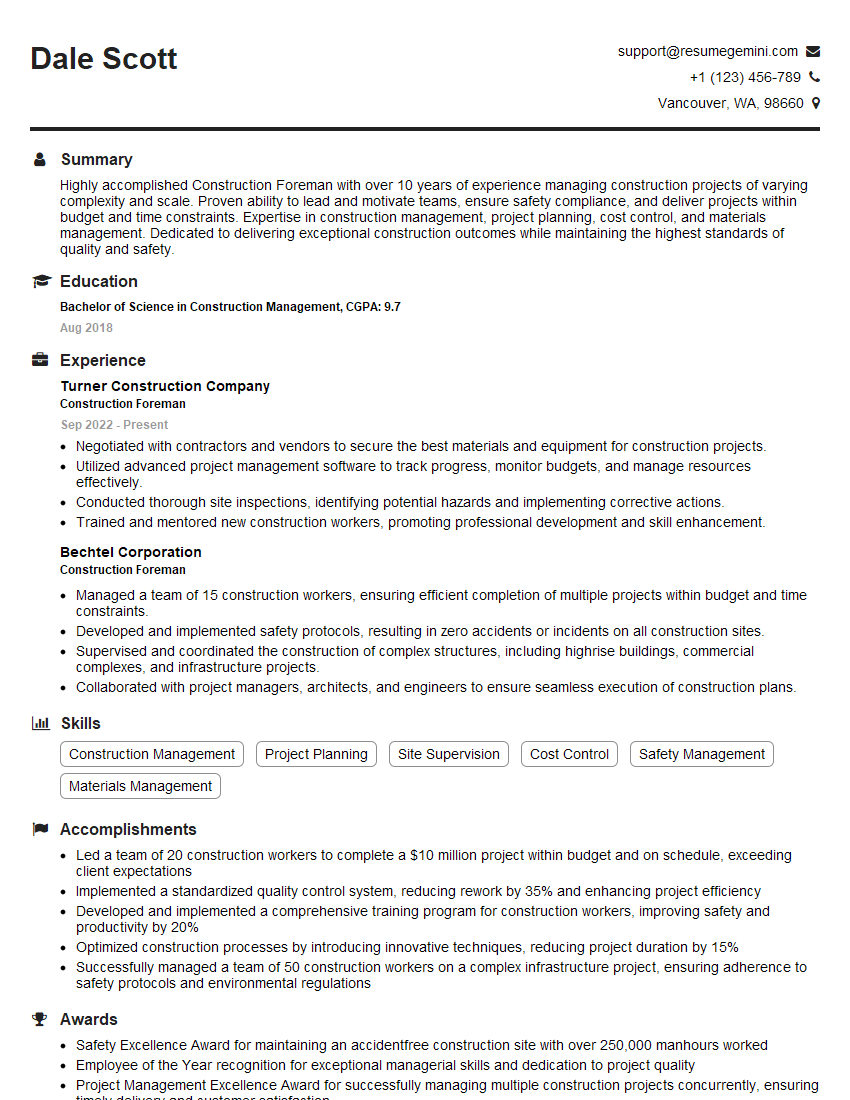
Construction Foreman Resume Sample
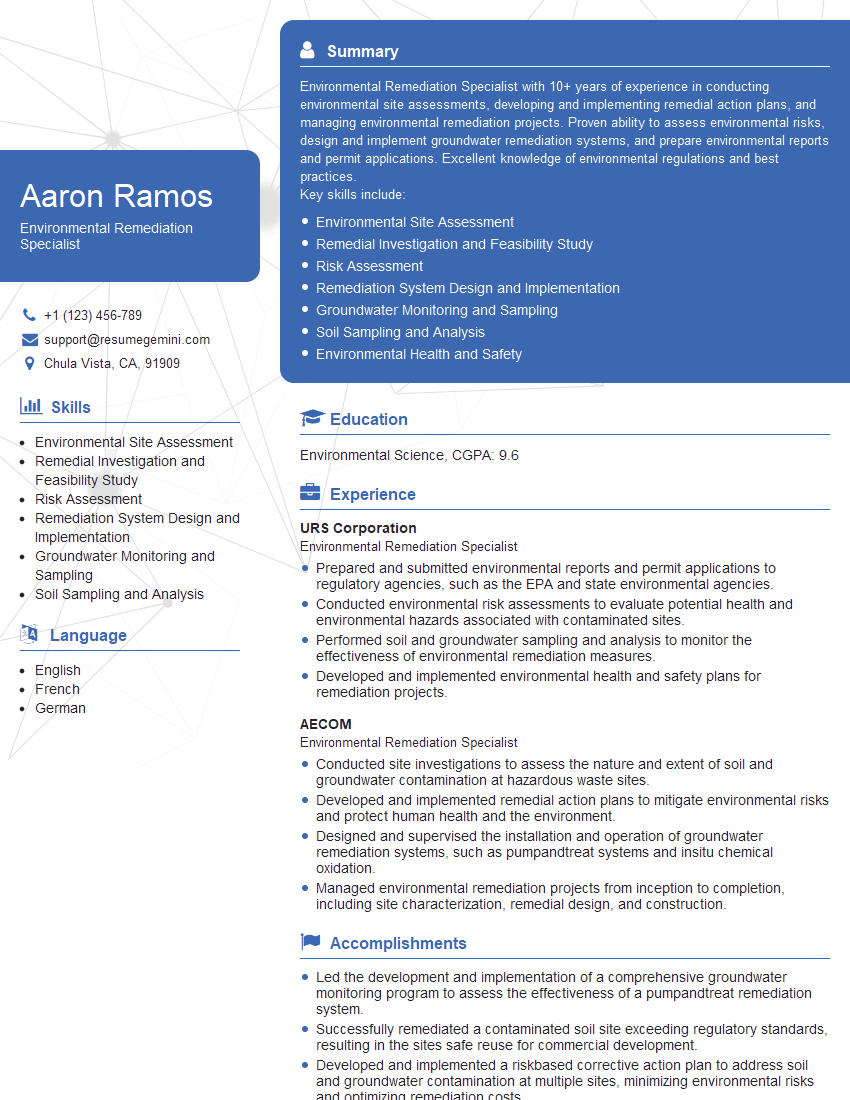
Environmental Remediation Specialist Resume Sample
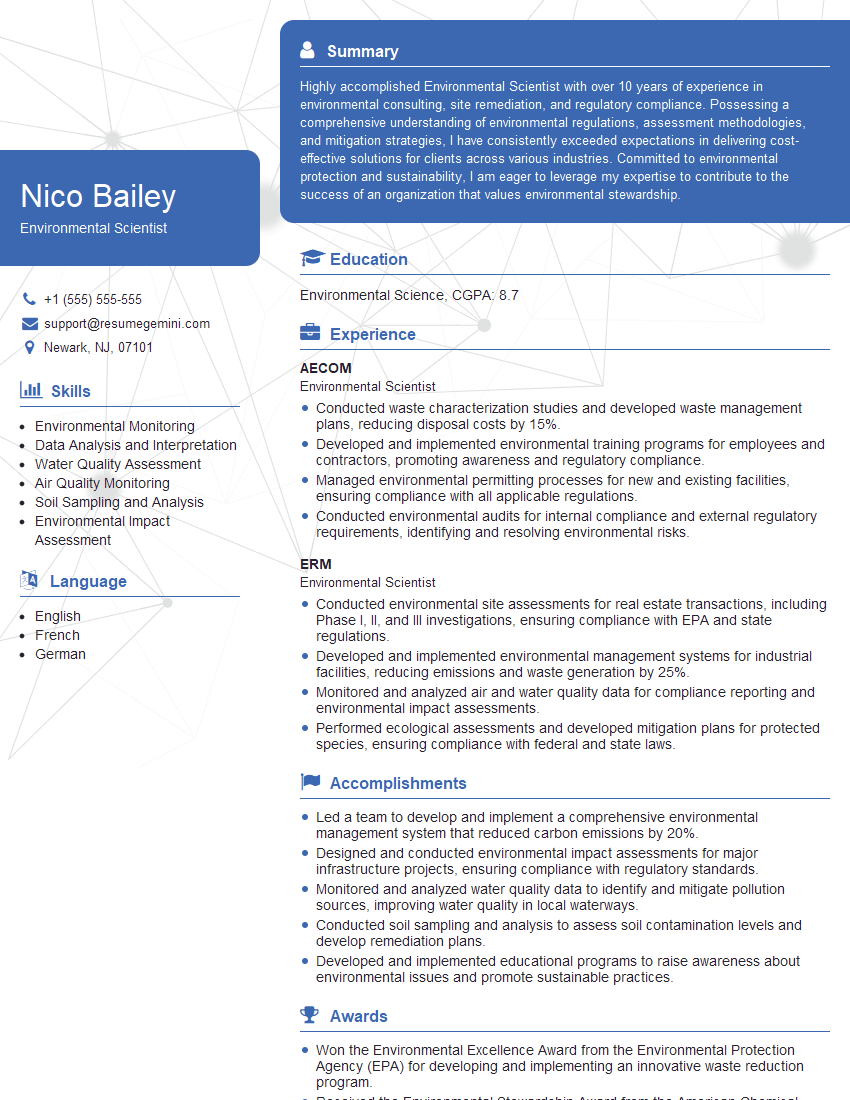
Environmental Scientist Resume Sample
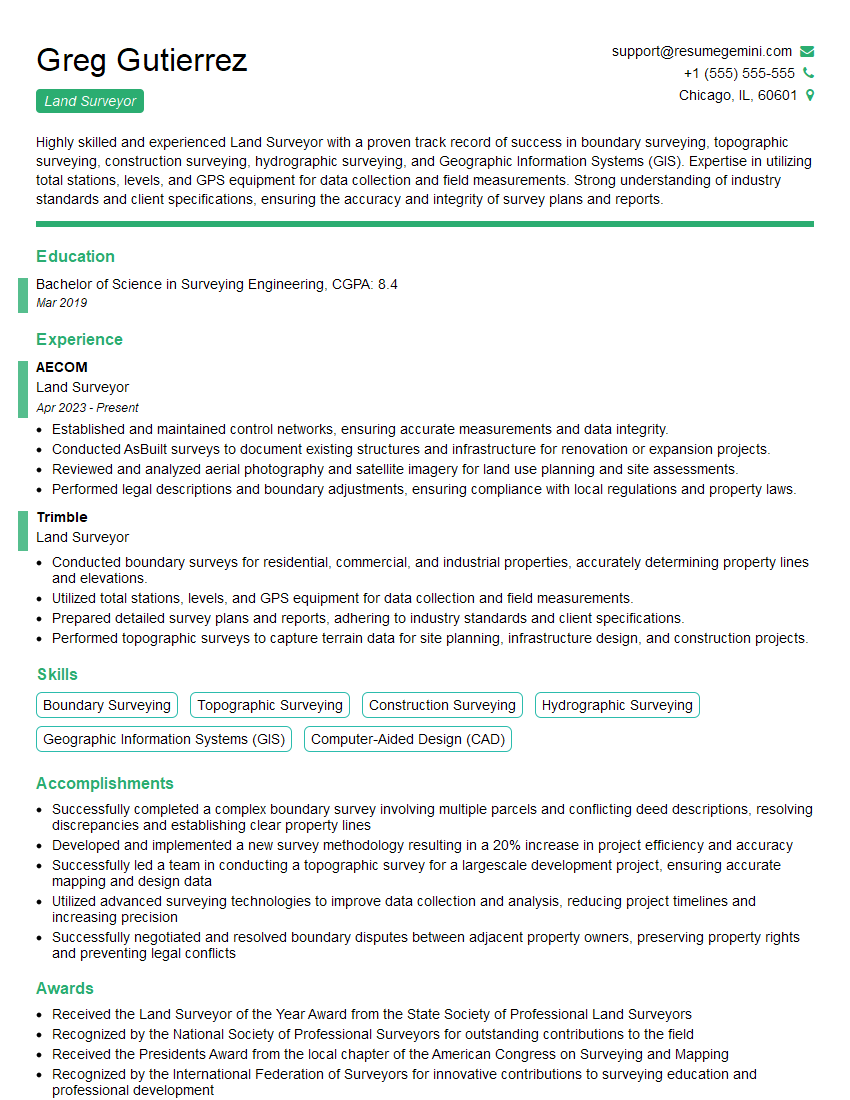
Land Surveyor Resume Sample
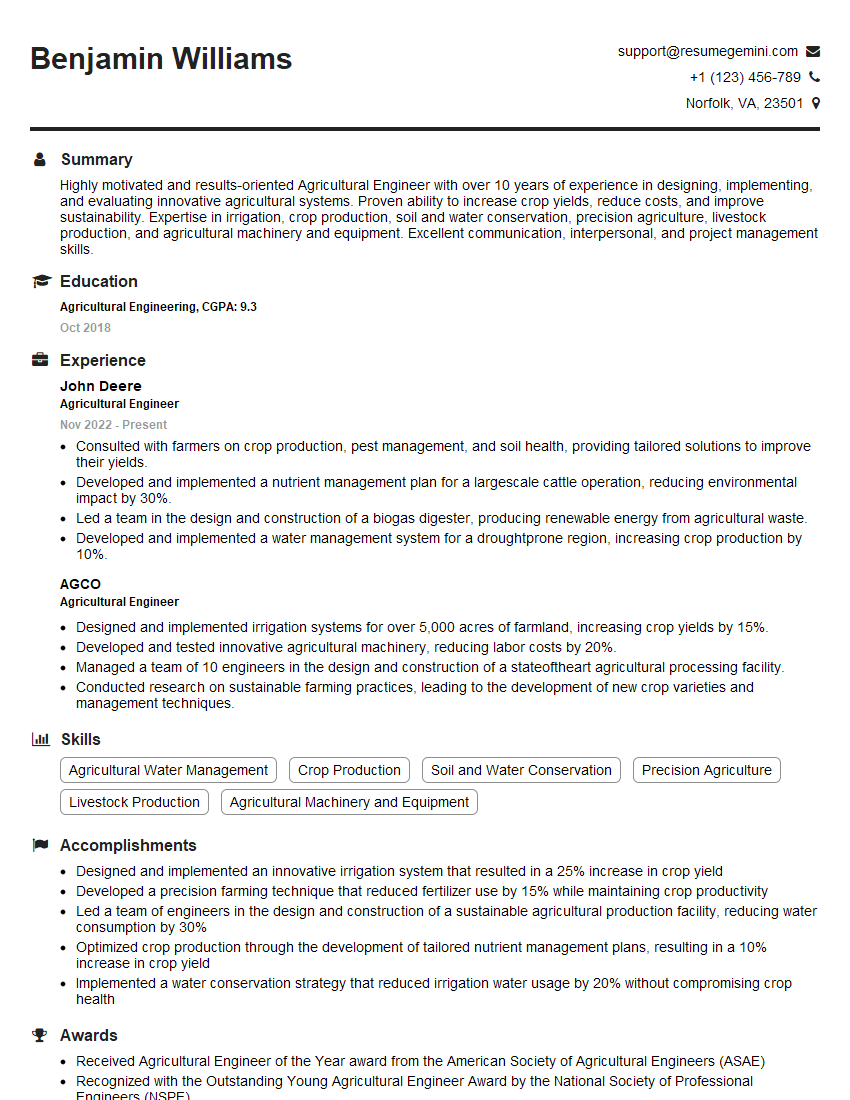
Agricultural Engineer Resume Sample
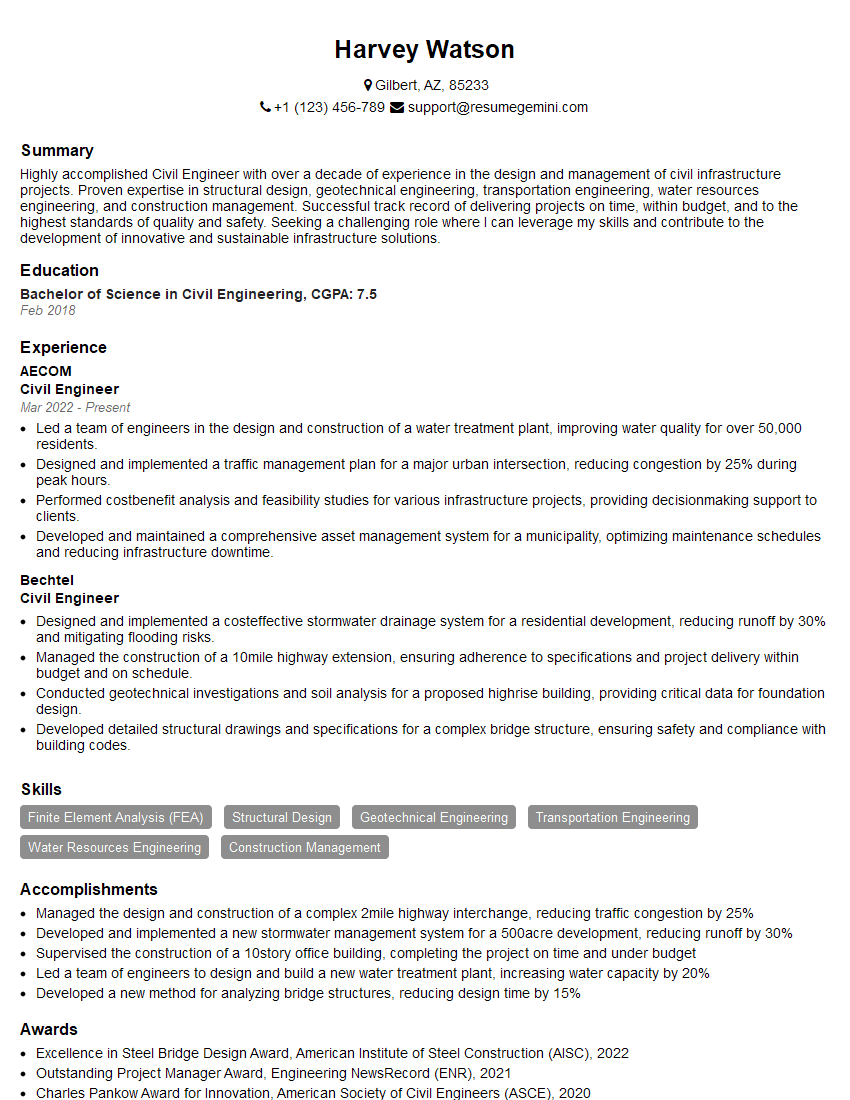
Civil Engineer Resume Sample
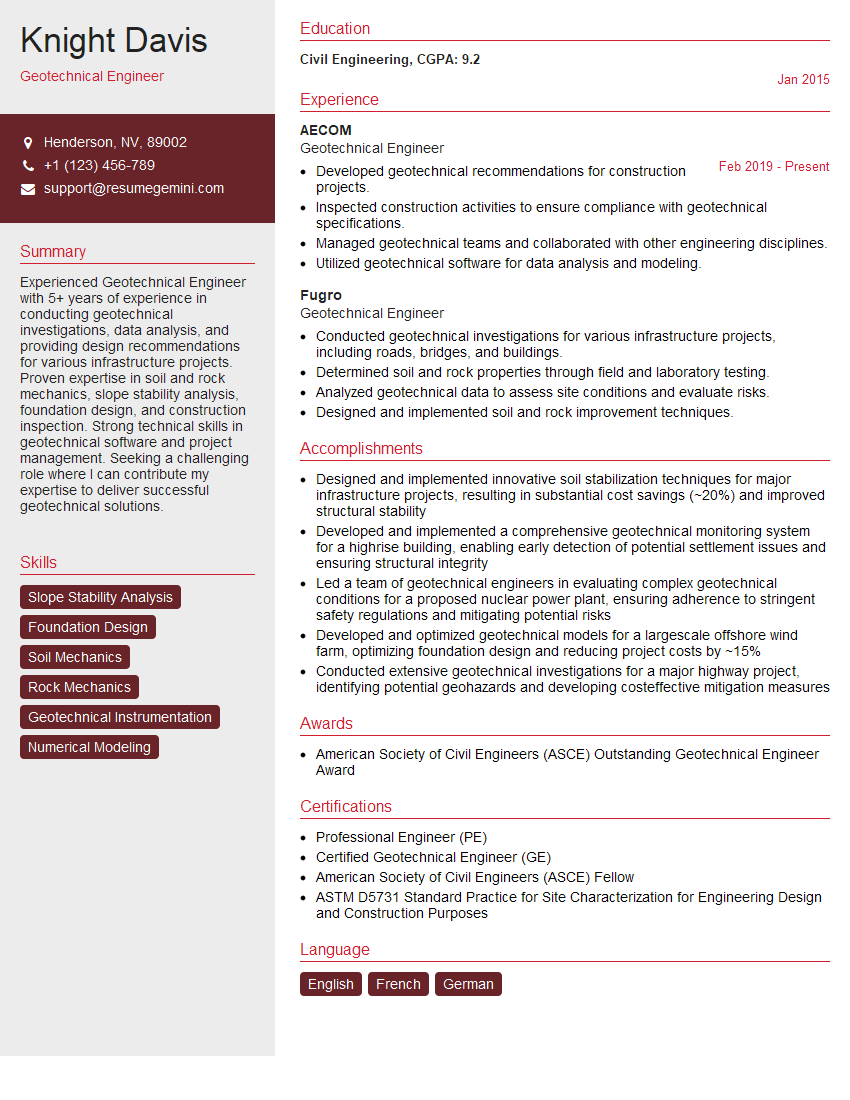
Geotechnical Engineer Resume Sample

Reservoir Engineer Resume Sample
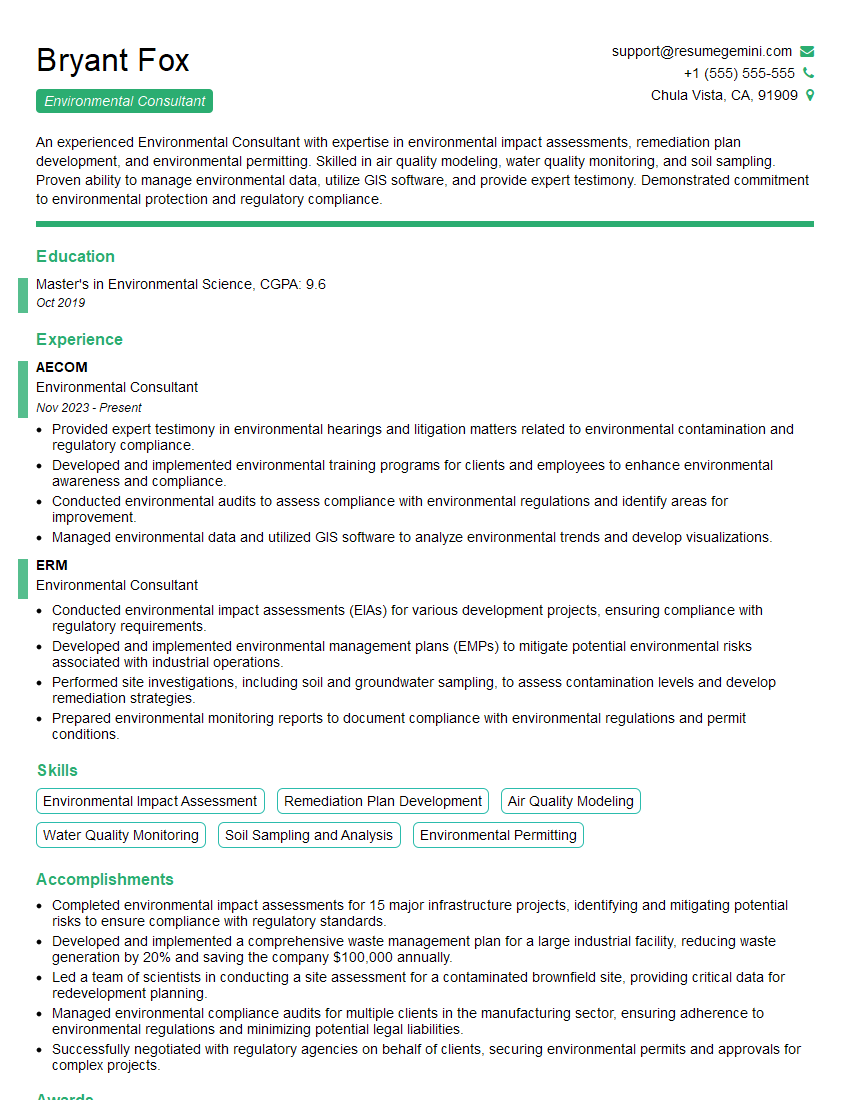
Environmental Consultant Resume Sample
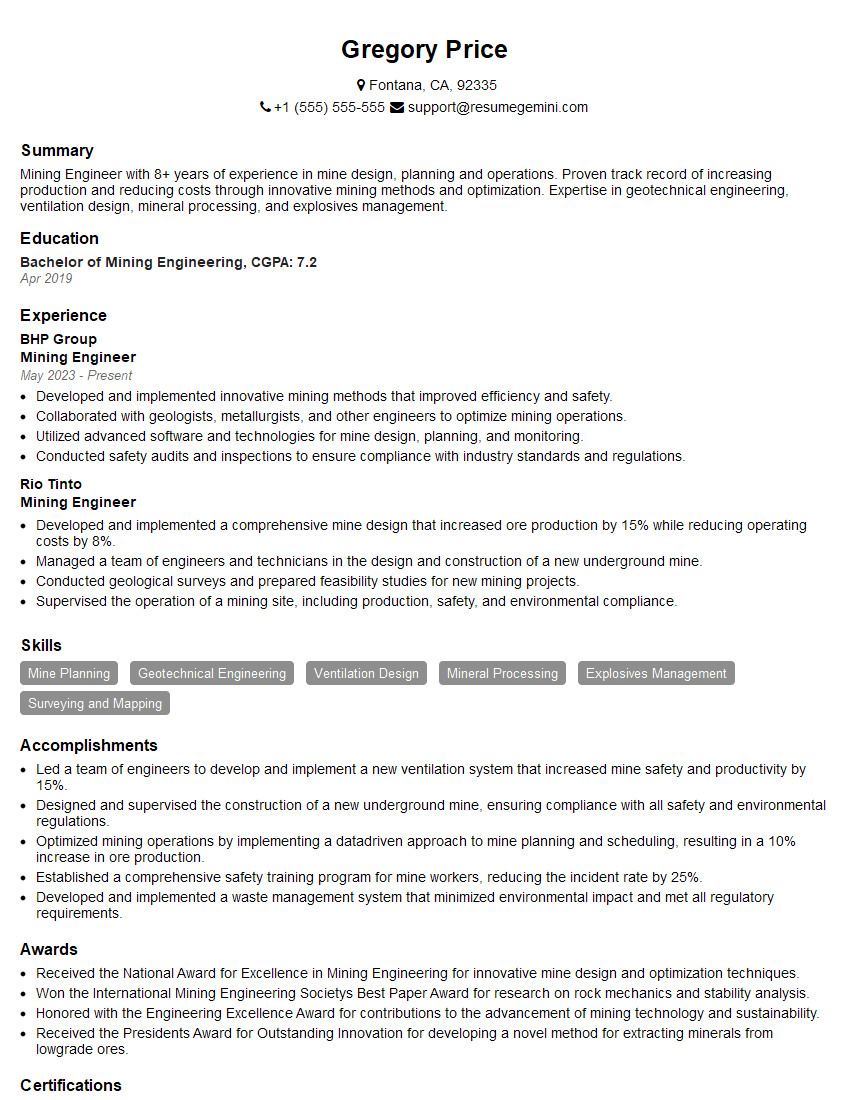
Mining Engineer Resume Sample
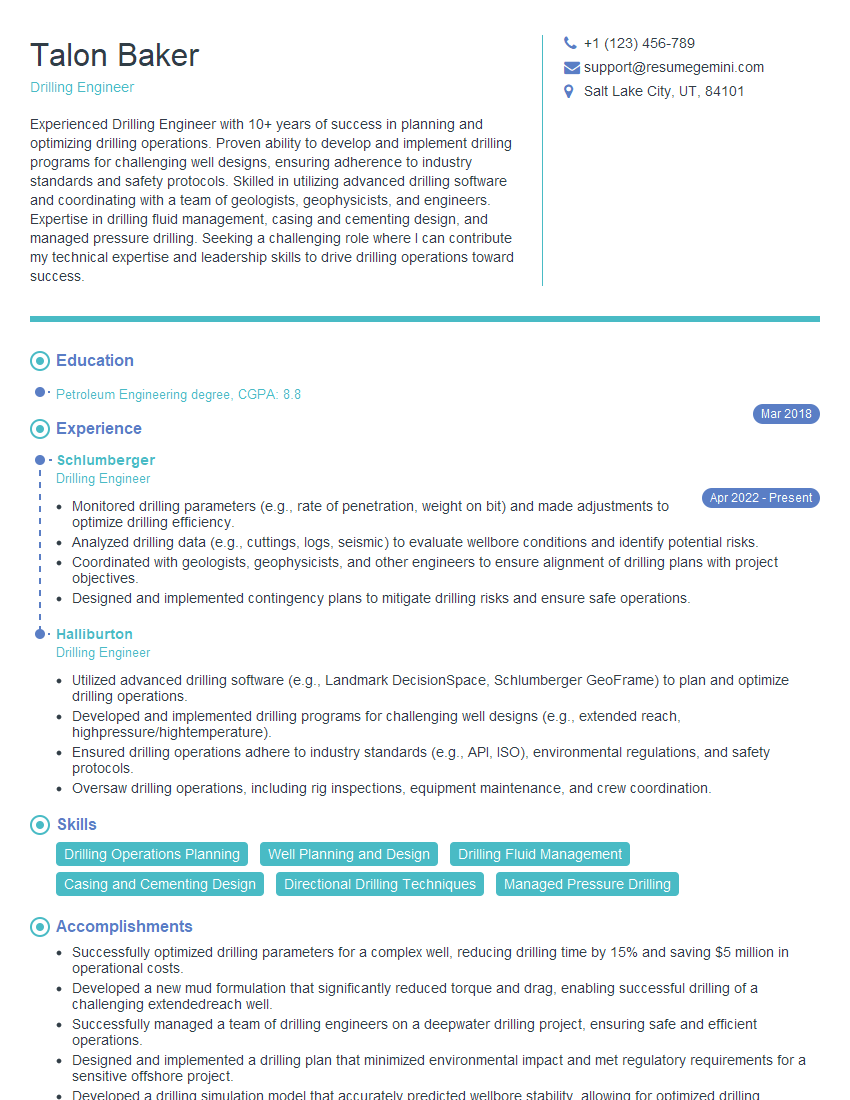
Drilling Engineer Resume Sample
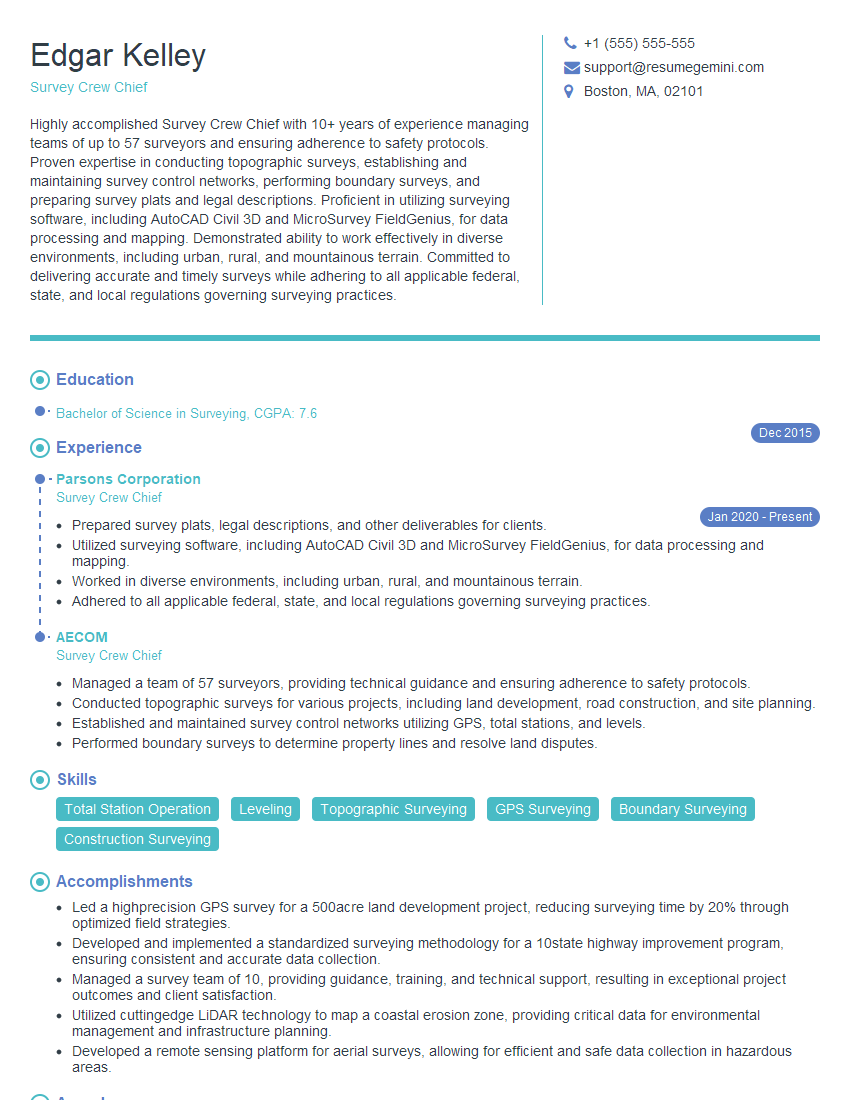
Survey Crew Chief Resume Sample
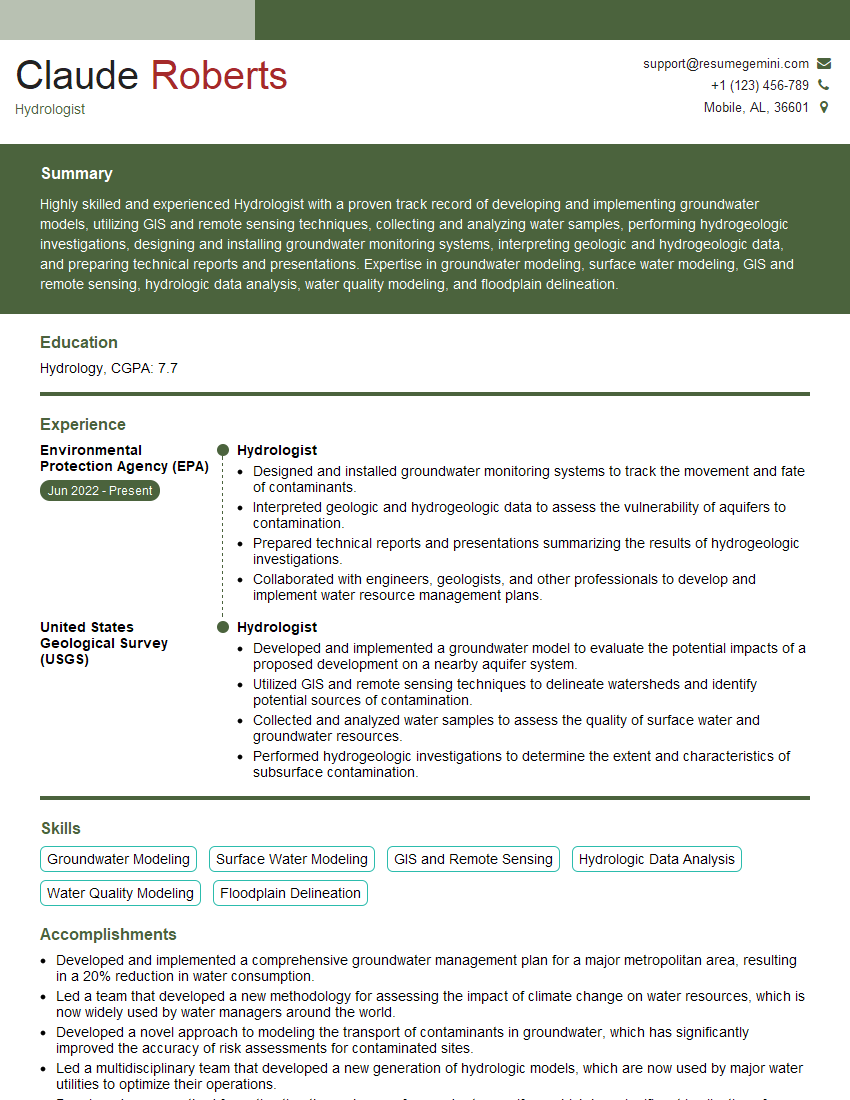
Hydrologist Resume Sample
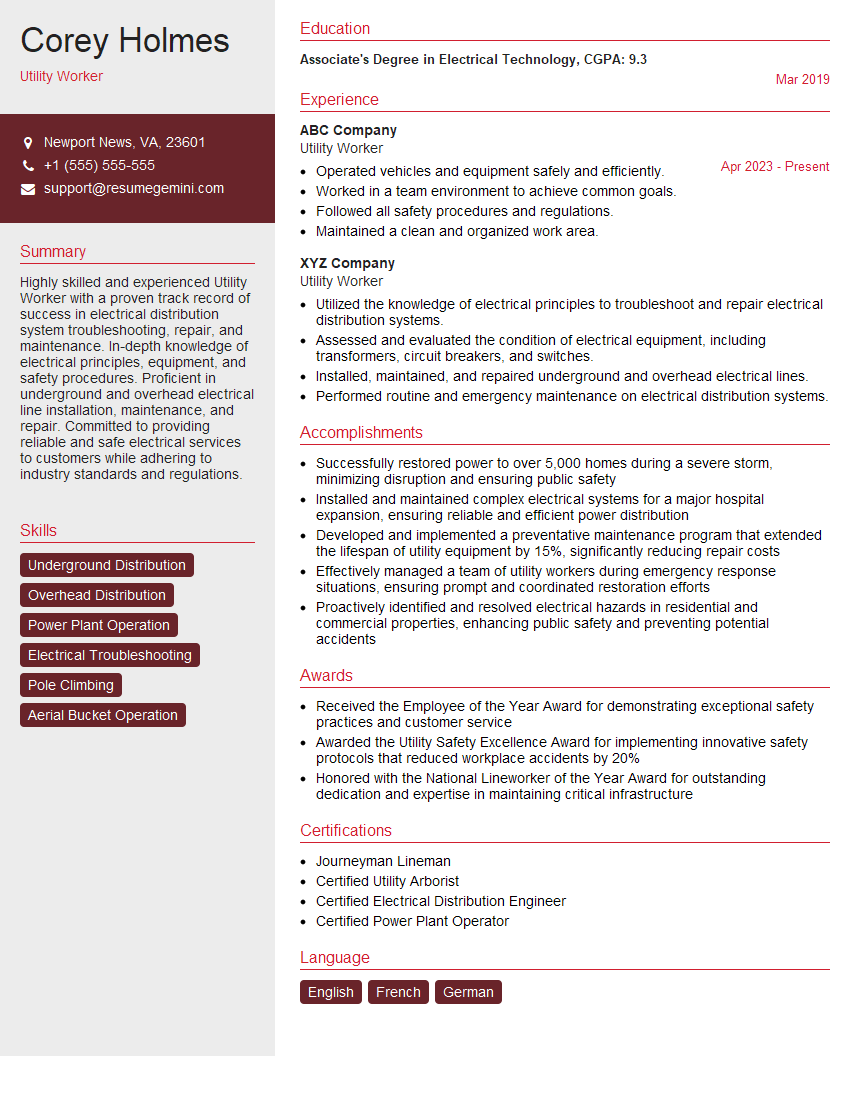
Utility Worker Resume Sample
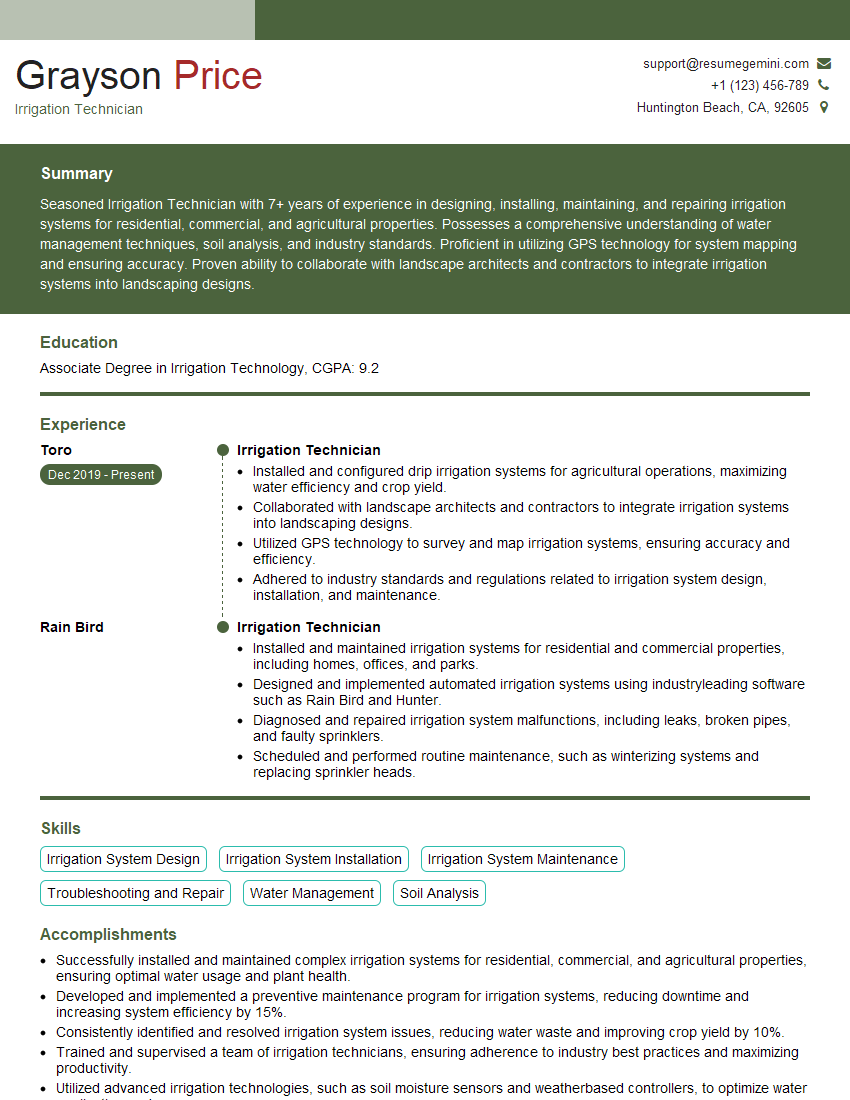
Irrigation Technician Resume Sample
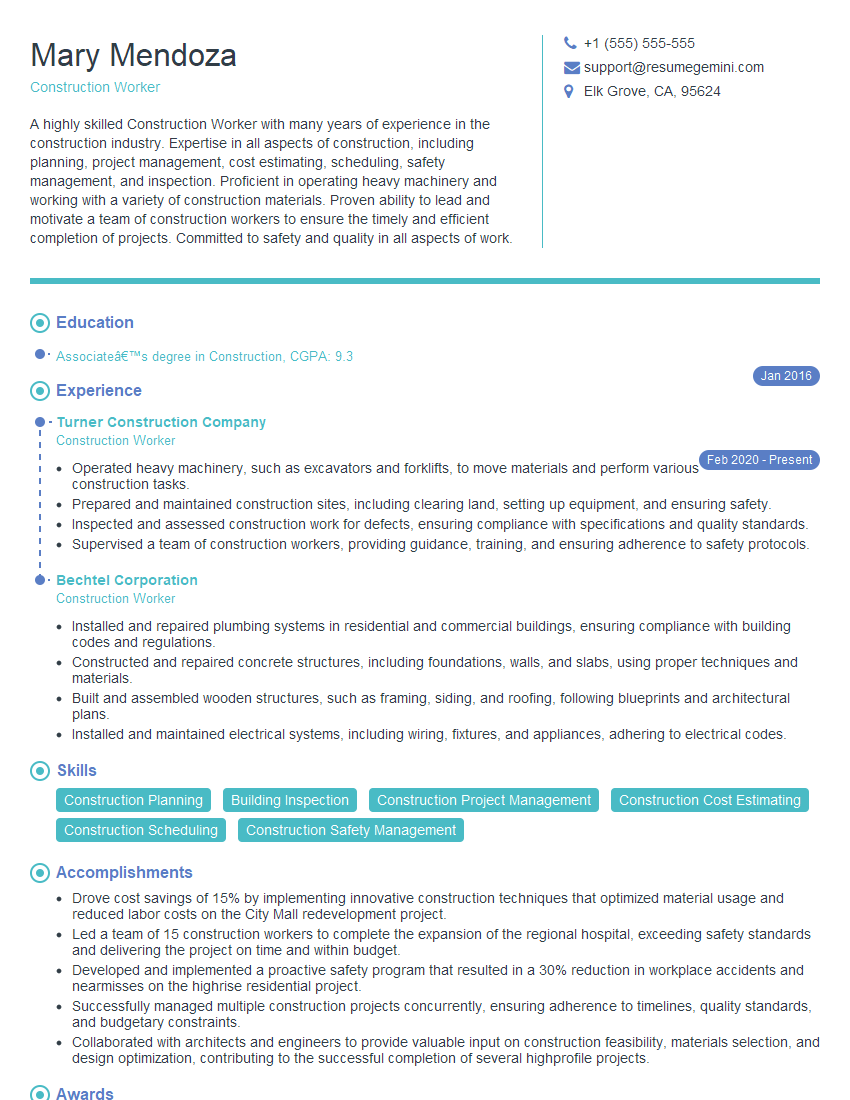
Construction Worker Resume Sample
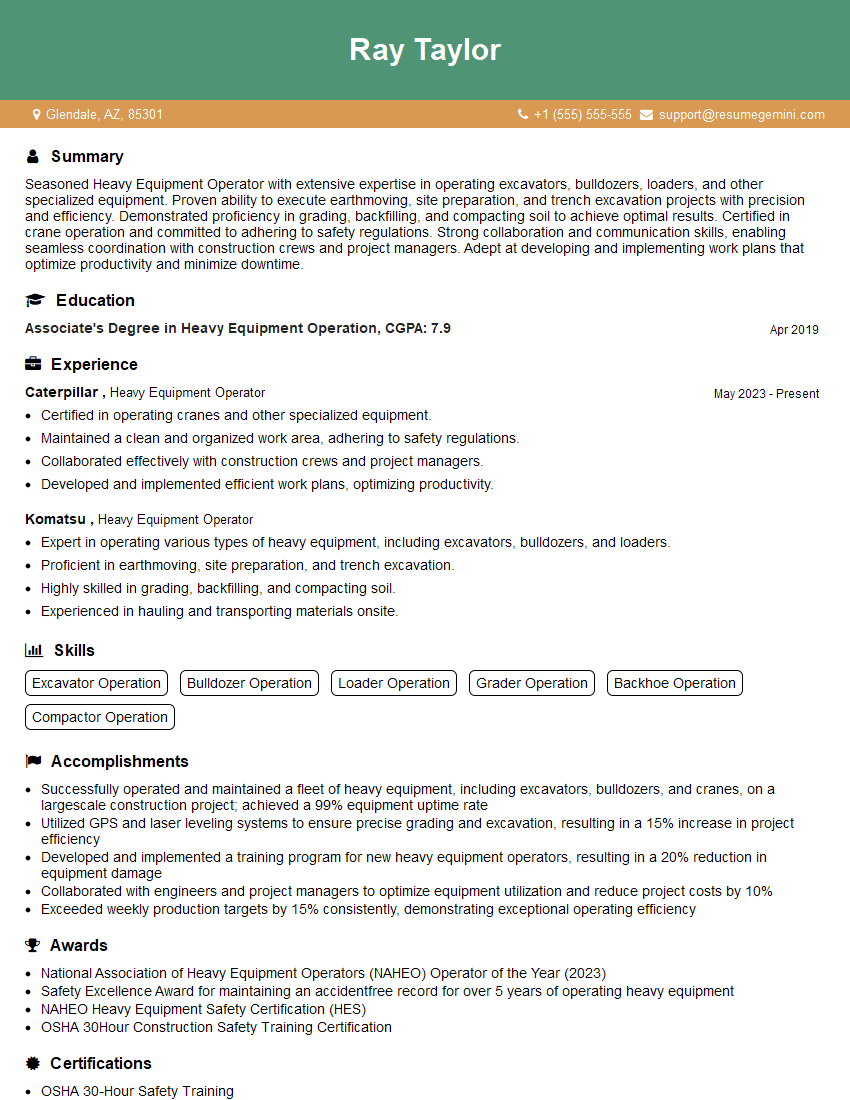
Heavy Equipment Operator Resume Sample
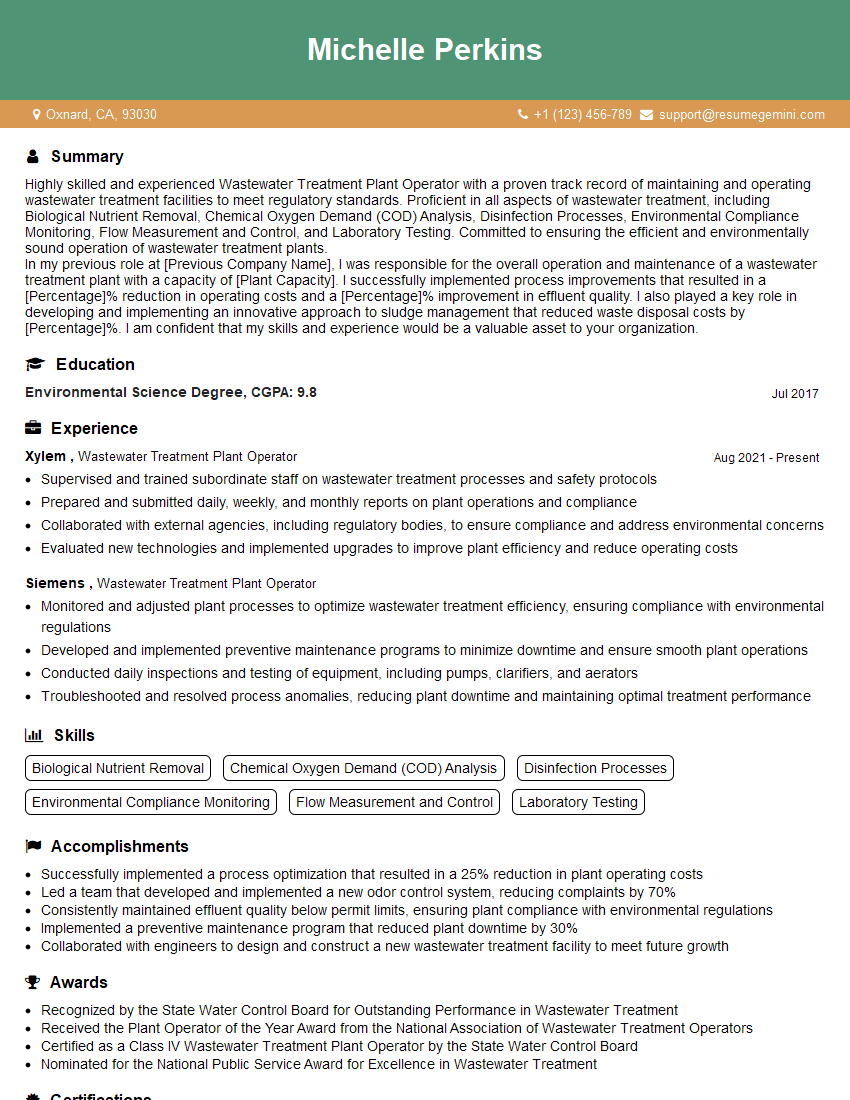
Wastewater Treatment Plant Operator Resume Sample
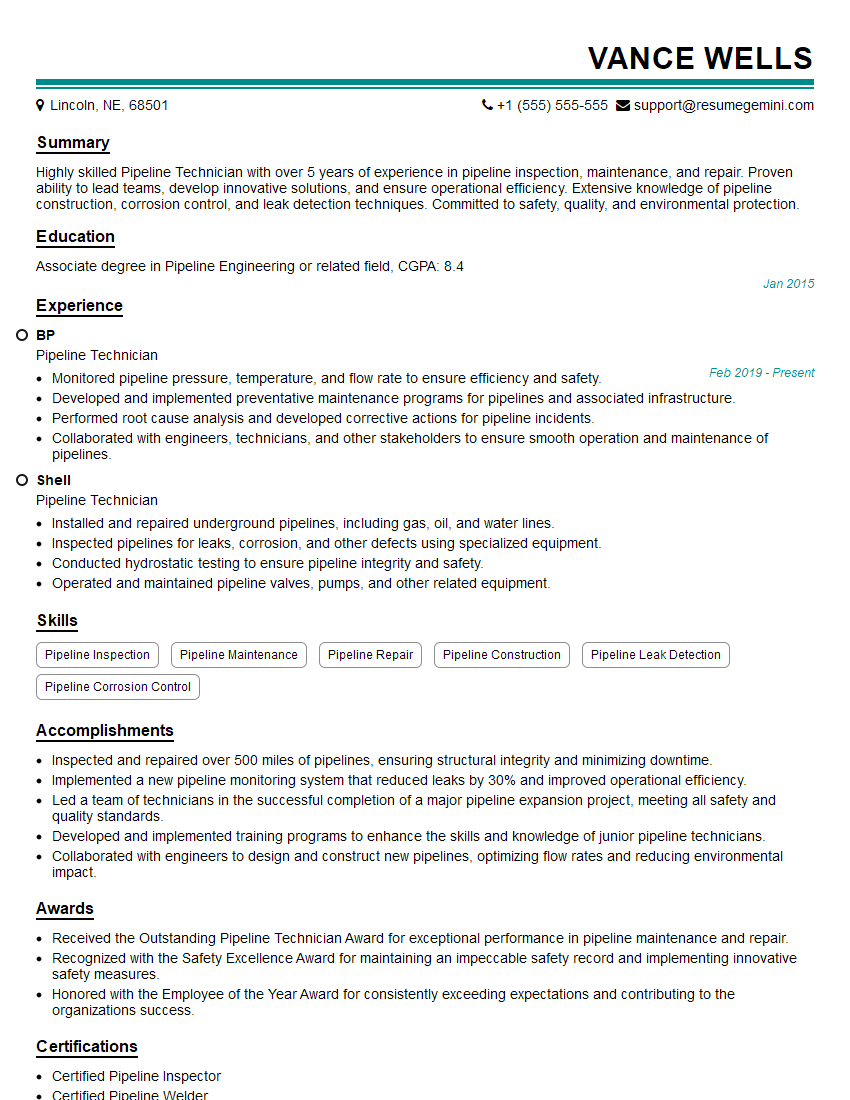
Pipeline Technician Resume Sample
- Construction Foreman
- Environmental Remediation Specialist
- Environmental Scientist
- Land Surveyor
- Agricultural Engineer
- Civil Engineer
- Geotechnical Engineer
- Reservoir Engineer
- Environmental Consultant
- Mining Engineer
- Drilling Engineer
- Survey Crew Chief
- Hydrologist
- Utility Worker
- Irrigation Technician
- Construction Worker
- Heavy Equipment Operator
- Wastewater Treatment Plant Operator
- Pipeline Technician
Explore more articles
Users Rating of Our Blogs
Share Your Experience
We value your feedback! Please rate our content and share your thoughts (optional).
What Readers Say About Our Blog
Very informative content, great job.
good